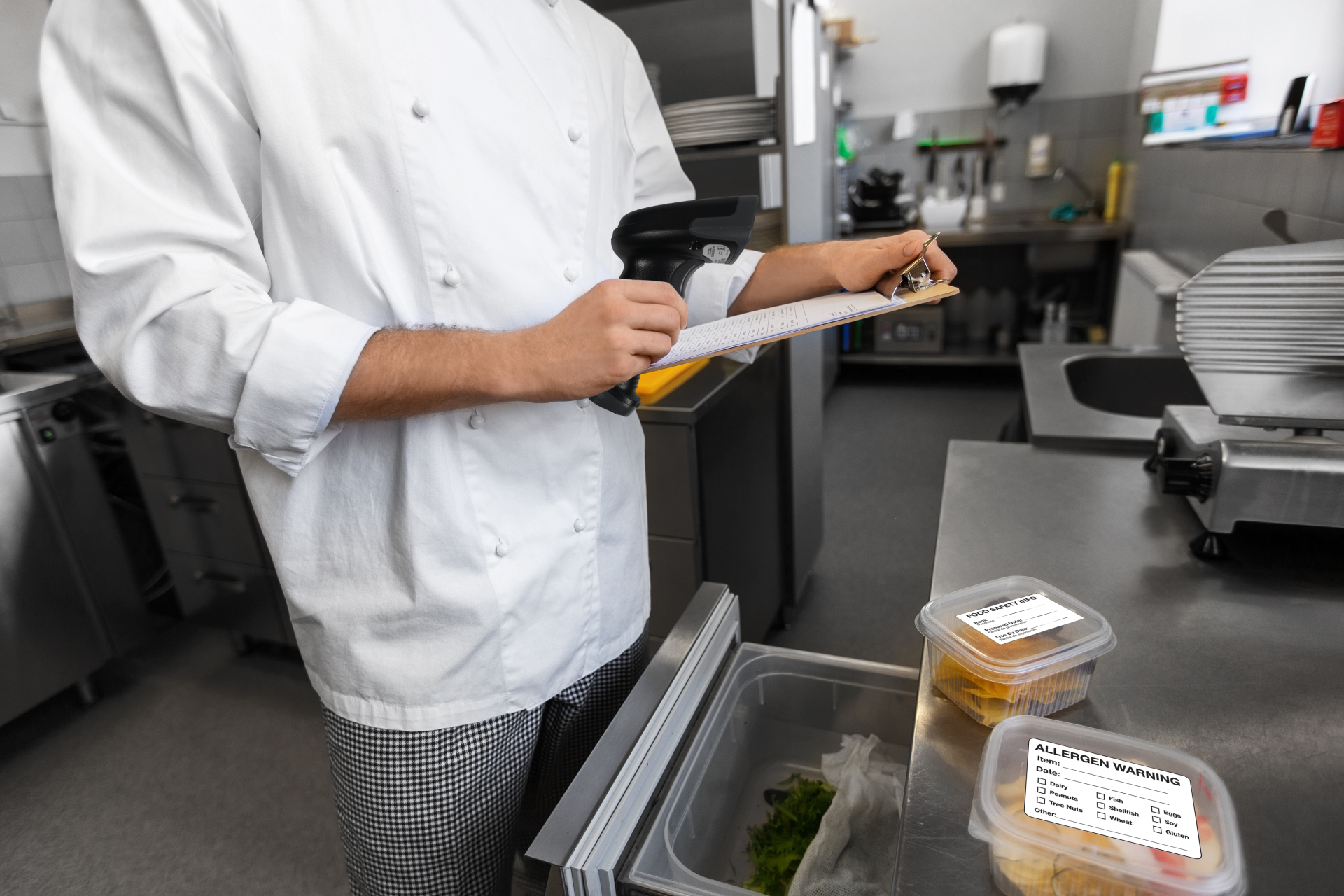
Food label compliance is becoming a critical requirement for restaurants, quick service operators, and grab-and-go foodservice environments. Accurate labeling helps businesses meet health regulations, communicate allergen information clearly, and maintain traceability across food preparation workflows.
In high-volume kitchens, maintaining consistent food label compliance can be challenging. Food is prepared quickly, multiple employees interact with labeling workflows, and regulatory expectations continue to evolve. Without reliable labeling practices, operators risk food safety violations, failed inspections, and confusion for both staff and customers.
As labeling requirements expand and traceability becomes more important, many foodservice operators are integrating labeling directly into kitchen and packaging workflows. When labeling happens automatically during preparation, restaurants can maintain compliance while keeping service fast and consistent.
What Is Food Label Compliance?
Food label compliance refers to ensuring that prepared food items are labeled with accurate and legally required information. In restaurant and foodservice environments, labels typically include details such as ingredient lists, allergen disclosures, preparation dates, expiration times, and storage instructions required by local health regulations.
Maintaining food label compliance helps restaurants meet health department requirements while providing customers with clear and reliable information about the food they purchase. Consistent labeling also supports internal food safety practices such as product rotation, traceability, and quality control.
For quick service restaurants and grab-and-go operations, effective food label compliance usually requires labeling systems that can keep pace with fast-moving kitchen workflows while maintaining consistent accuracy across every item prepared.
In many jurisdictions, food label compliance requirements are defined by local health departments as well as federal food safety regulations such as the FDA’s Food Safety Modernization Act (FSMA).
Table of Contents
Labeling Has Become a Compliance Priority
The foodservice industry is changing fast. Regulators, delivery platforms, and customers all expect clear, accurate labeling for prepared and packaged food items. Quick service restaurants, cafés, and grab-and-go operations are increasingly labeling items with ingredients, allergens, and nutrition details, both to stay compliant and meet consumer demand for transparency.
At the same time, new regulations such as the FDA’s Food Safety Modernization Act (FSMA) Section 204 are emphasizing traceability throughout the food supply chain. Labeling has become a key part of that visibility, helping businesses record when, where, and how each item was prepared.
Today, labeling isn’t just a packaging step. It’s part of compliance, food safety, and customer trust.
Key Labels That Support Compliance and Transparency
In a regulated foodservice environment, each label serves a distinct function within the compliance workflow. Whether identifying allergens, tracking product rotation, or linking batches to traceability records, these labels help operators and technology providers align labeling practices with evolving safety standards and digital recordkeeping requirements.
1. Allergen and Nutritional Labels
Provide essential information for customer safety and confidence. Accurate allergen disclosures and nutrition data protect guests and strengthen compliance with local and national labeling guidelines.
2. Traceability Labels
Traceability labels connect the kitchen to the supply chain. They record prep dates, batch numbers, and supplier details, crucial for recall management, freshness tracking, and regulatory audits.
3. Food Rotation Labels
Consistent rotation labeling helps reduce waste and maintain freshness. Pre-set templates allow teams to quickly apply prep times, expiration dates, and storage details across all stations.
4. Barcode Labels
Barcode and QR code labels link items to digital systems, making it easy to scan, track, and verify data. They support both compliance documentation and real-time operational visibility.
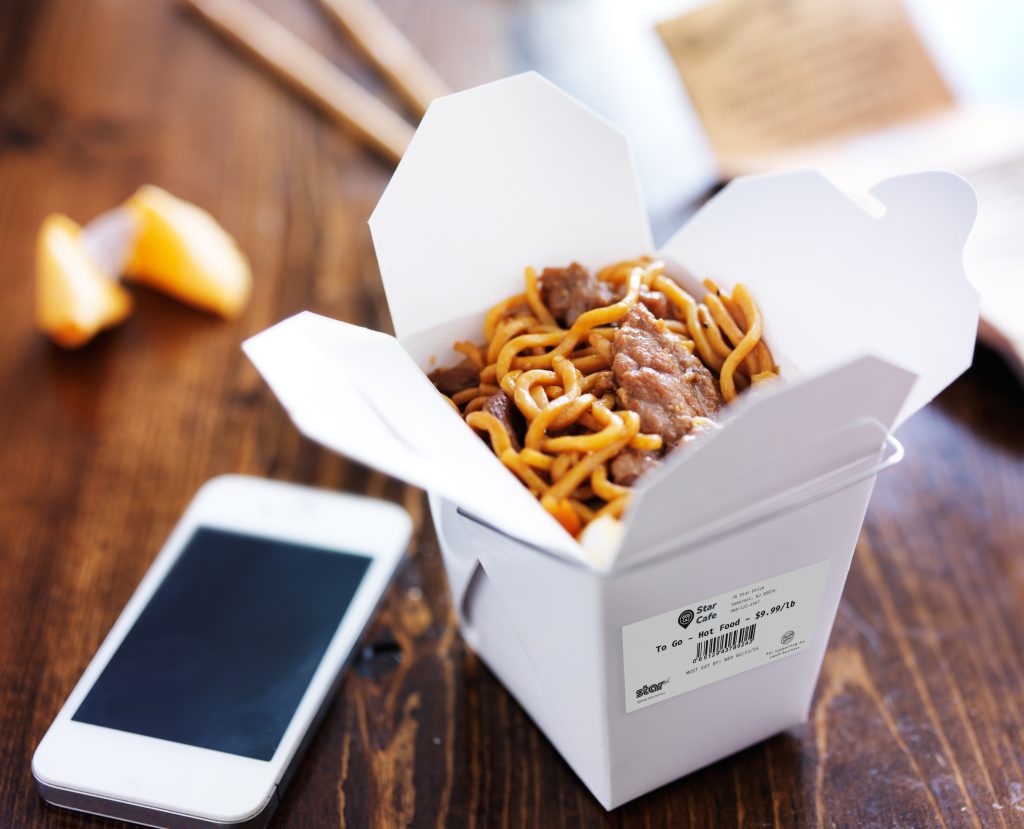
How Modern Label Printers Simplify Compliance
Legacy labeling systems often require multiple printers or manual data entry to produce different label types. Star Micronics’ new generation of label printers, like the mC-Label3 and mC-Label2, combine media flexibility and smart control in a single device.
These printers support most linerless, die-cut, and continuous media, allowing operators to print rotation, allergen, or traceability labels from the same model. For ISVs and technology providers, they also integrate easily into cloud or local POS workflows through CloudPRNT Next, Bluetooth, or USB connections.
When paired with Label Builder software and the One Touch Label function, operators can easily create or update label templates to match new compliance requirements. And when combined with a connected platform such as StarIO.Online or a compatible cloud POS system, template updates can be deployed across multiple stores without manual intervention at each site.
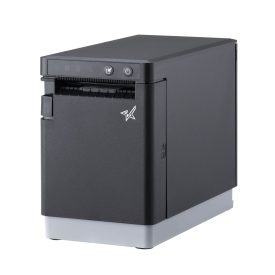
mC-Label2 Multifunction Printer
The mC-Label2 packs powerful features into a compact, front-loading design, including 300 dpi resolution, support for linerless, die-cut, receipt, and continuous media, and connectivity options like USB-C, LAN, WLAN, Bluetooth, and Apple MFi-certified pairing (X4 models only).
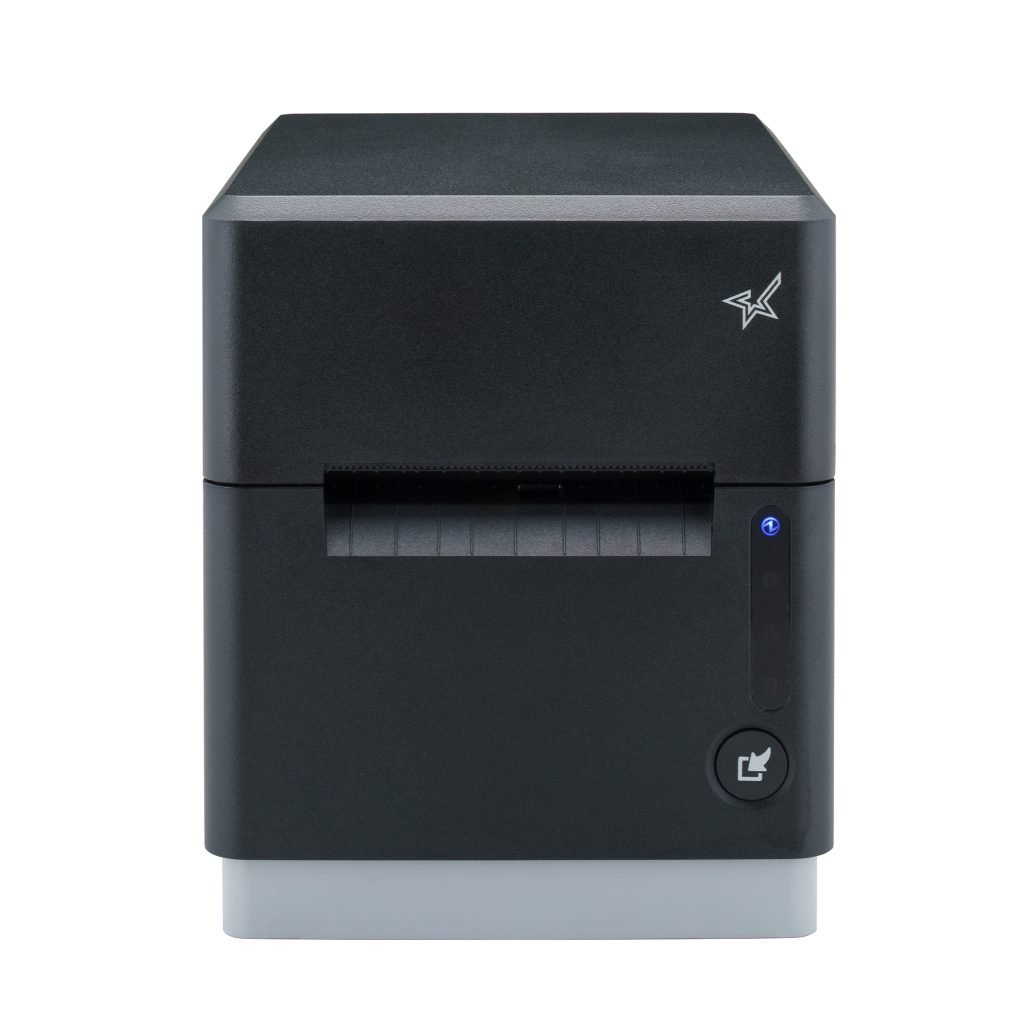
mC-Label3 Multifunction Printer
The Star Micronics mC-Label3 is a versatile multifunction printer that prints a wide range of labels and receipts, including both permanent and repositionable sticky linerless. It features cloud connectivity and innovative technologies like SteadyLAN and TetherLAN for enhanced printing convenience.
Why Traceability Is Becoming a Requirement, Not an Option
Traceability is no longer limited to large-scale manufacturers. The FDA’s FSMA Section 204 now holds foodservice brands to a higher standard for documenting ingredient sources and maintaining accurate records.
Digital labeling helps meet that requirement. By embedding batch codes, timestamps, or QR data directly onto product labels, operators can verify sourcing, monitor shelf life, and respond faster to potential recalls.
For enterprise and franchise-level brands, traceability also enables consistency across every location. Each prep label, barcode, or rotation tag becomes a point of accountability that protects both customers and the brand itself.
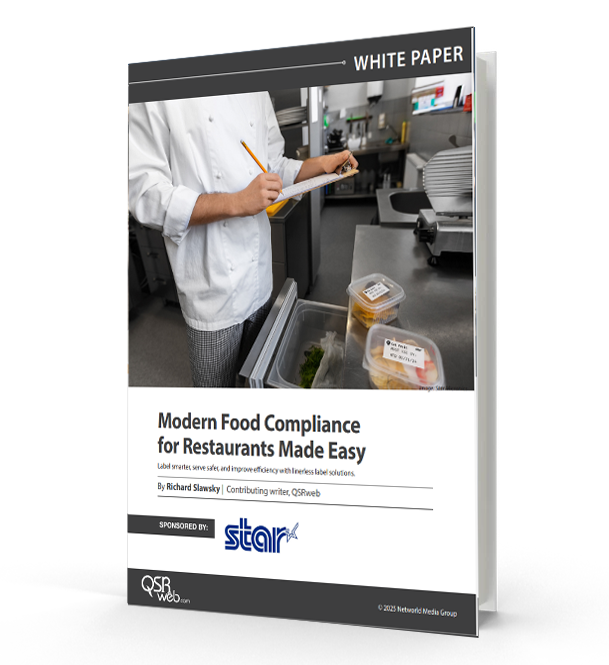
Modern Food Compliance for Restaurants Made Easy
This white paper breaks down how today’s smart labeling solutions, powered by Star Micronics technology, make food labeling simple, scalable, and sustainable.
A Smarter, More Compliant Labeling System
Maintaining food label compliance doesn’t have to slow kitchen operations. With Star Micronics label printers, QSRs and grab-and-go operators can handle nutritional, allergen, rotation, and traceability labeling efficiently across every location.
From fast food chains to fresh markets, Star helps operators build labeling workflows that scale with their business. The result: consistent accuracy, simplified compliance, and readiness for the next wave of regulations.
Frequently Asked Questions (FAQs)
What is food label compliance?
Food label compliance means following food safety and regulatory requirements when labeling prepared food items. In restaurant and grab-and-go environments, labels typically include information such as allergens, ingredients, preparation dates, and expiration times so customers and staff can safely identify and handle food products.
Why is food label compliance important for restaurants?
Food label compliance helps restaurants meet health department regulations, reduce food safety risks, and provide transparency for customers. Accurate labeling ensures that allergens, ingredients, and expiration information are clearly communicated, helping prevent food safety incidents and supporting regulatory inspections.
What information should appear on food labels in restaurants?
Depending on local regulations, food labels may include:
- ingredient lists
- allergen disclosures
- preparation date and time
- expiration or discard time
- storage instructions
- supplier or batch information
These details help maintain traceability and support food safety procedures.
How do restaurants maintain food label compliance in high-volume kitchens?
Many restaurants use automated labeling systems integrated with POS or kitchen workflows. Label printers can generate standardized templates that automatically print preparation dates, expiration times, and allergen information. This reduces manual errors and ensures consistent labeling across all locations.
What role does traceability play in food label compliance?
Traceability allows restaurants to track when and where food items were prepared and which ingredients were used. Labels containing batch numbers, timestamps, or QR codes help operators respond quickly to food safety recalls and maintain accurate records required by regulations such as the FDA’s Food Safety Modernization Act.
How do label printers support food label compliance?
Modern label printers help restaurants maintain food label compliance by automatically printing accurate labels for allergens, rotation schedules, traceability data, and ingredient information. Integrated labeling systems reduce manual entry, improve consistency, and help ensure that every prepared item is properly labeled.
Leave a Reply