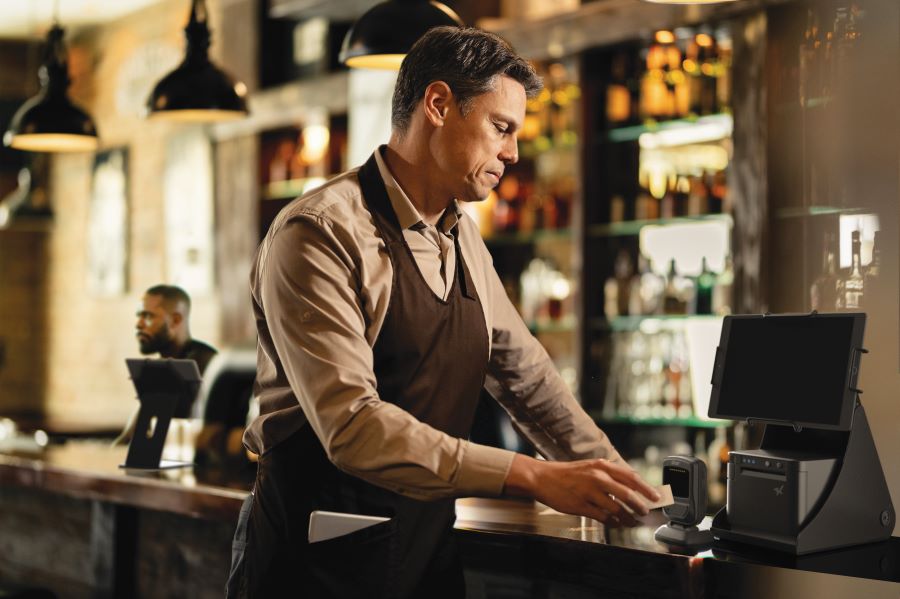
Success in the highly competitive restaurant industry requires more than just providing great food and service. It involves embracing technology to modernize your processes and create a more engaging customer experience. One technology that has become essential is barcode scanners. As part of a comprehensive point of sale (POS) solution, barcode scanners can reform restaurant operations for the better, from menus and ordering to inventory and labor management.
Types of Barcodes and Barcode Scanners
There are a few different types of barcodes and scanners. One-dimensional (1D) barcodes or universal product code (UPC)-style barcodes consist of vertical black and white lines of varying width and are read using a laser scanner. Two-dimensional (2D) barcodes or quick response (QR) codes are square, pixelated codes that require camera-operated scanners to be read. Both types encode product information in a compact form that a machine can read.
Barcode scanners are wired or wireless handheld devices or desktop/presentation scanners. Codes can also be read by a smartphone camera. A 2D code holds more information than a 1D code, and a 2D scanner can read 1D and QR codes, whereas a 1D scanner reads only 1D barcodes.
The type of barcode scanner that best suits your restaurant depends on how you plan to use this technology. Here are the top ten uses for barcode scanners in restaurants:
1. Streamlined Menus and Order Processing
One of the most prevalent uses of QR codes in restaurants is providing digital menus. Customers can use their phones to scan a code from a table tent, poster, or placemat to access the menu and even place their orders. They can access detailed item descriptions, including nutritional and ingredient information, without needing to touch publicly-handled print menus.
Placing orders this way reduces errors, enhances accuracy, and improves kitchen communication and overall efficiency. All of these benefits increase customer satisfaction.
2. Food Safety and Allergen Management
The increased menu information available to customers through barcode scanning often includes allergen alerts. Barcode labels on ingredients can also be scanned in the kitchen to ensure compliance with food safety regulations. Both uses boost customer trust and confidence in the restaurant’s offerings.
3. Tableside Service and Mobile Ordering
Implementing QR codes and barcode scanners in handheld devices can enhance tableside service and guest experiences. They can enable not only tableside and mobile ordering but also payment processing. Diners can start a tab and order as they like. Then, instead of waiting for the check to take their payment, customers can enjoy expedited, contactless checkout.
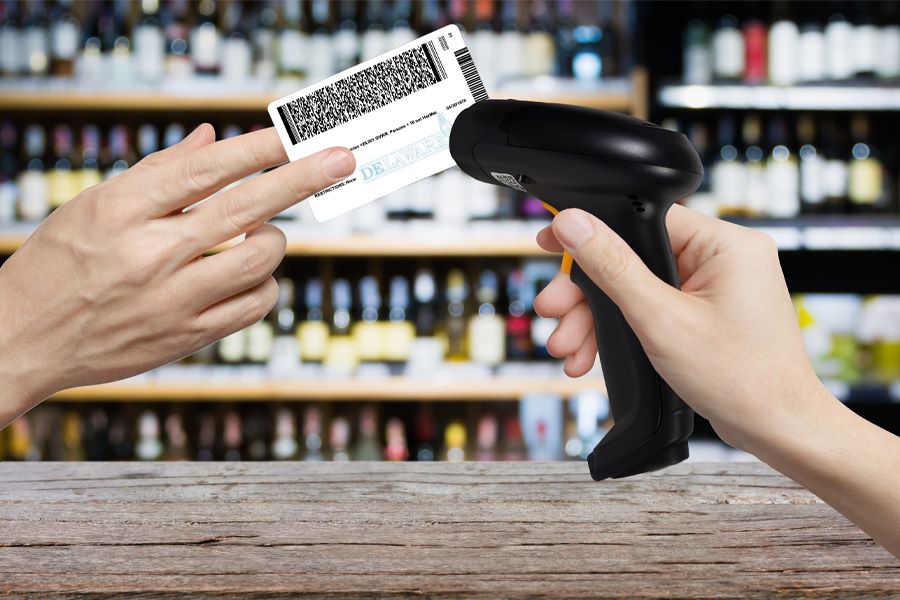
4. Age Verification
If your restaurant serves alcohol, you know the importance of age verification. Barcode scanners are essential in checking IDs. Using scanners for this purpose will:
- Reduce human errors and eliminate fraud;
- Help you stay up to date with compliance monitoring;
- Enhance safety and your brand’s reputation.
5. Inventory Management
Another primary use for incorporating barcode scanners with your restaurant POS system is automated inventory management. Automating your inventory system is far more efficient and accurate than manual methods.
Barcode scanners can quickly read pantry shelf labels and monitor ingredient usage, sending the information back to the inventory management software. This helps to minimize food waste, optimize stock levels, and simplify restocking procedures.
6. Vendor and Supplier Management
Using barcode scanning for inventory management also streamlines communication with vendors and suppliers. It can help you place reorders, track deliveries, and check incoming inventory. In addition, it can ensure consistency in product quality and pricing.
7. Loyalty Programs and Customer Engagement
There are several advantages to using barcode scanners in your customer engagement strategies. QR codes and mobile apps can make it easy for diners to join your loyalty program, check their point balances, and redeem rewards, raising their satisfaction and rate of return visits.
The data gleaned from this usage can help you track customer preferences and behaviors and create personalized promotions and bonuses. You can also use QR codes to direct patrons to your social media accounts for further engagement.
From the Blog: Why Food Packaging Labels are Essential to Online Order Fulfillment
Consumers are sold on the convenience of food delivery. Statista reports that online food delivery orders worldwide are projected to reach $1.22 trillion in 2024 and will continue to grow…
8. Staff Attendance and Time Tracking
Another use for restaurant barcode scanners is labor management. Barcode-based time clock systems for employees offer advantages, including reducing errors, simplifying payroll management, and monitoring staff efficiency and productivity.
9. Reporting and Analytics
Restaurant barcode scanners improve reporting and analytics. Utilizing barcode data from the previously discussed uses provides the business insights you need to make informed decisions about your operations and workflow. For example, identifying popular menu items and trends through customer and inventory data leads to menu optimization, ultimately cutting costs.
10. Automated Accounting Processes
Using barcode scanners paired with your accounting system streamlines financial management by automating transactions, expense tracking, and reconciliation. This reduces manual entry errors and significantly improves financial visibility, making it easier to track income, manage costs, and maintain accurate records for tax and reporting purposes.
The Ultimate Guide to Barcode Scanner Types and Applications
Reviewing this will ensure you make informed decisions when deciding what barcode scanner to buy for your business’s success.
Embrace Restaurant Technology and Stay Ahead of the Curve
Barcode scanners have already become “must-have” restaurant equipment, and the technology will continue innovating. Advancements in barcode scanning technology may soon include merging with AI and machine learning for predictive analytics and potential applications of blockchain for supply chain transparency.
Technology will continue to shape the future of the restaurant industry, and businesses that don’t modernize their operations and keep up with these innovations risk being left behind.
Restaurant barcode scanners are helpful in many aspects of the business, providing menu, ordering, and engagement options for customers and inventory, labor, and reporting functions for employees and owners. When you’re ready to adopt this technology and experience better restaurant management, find a trusted provider who can guide you to the right solution.
Leave a Reply