Tag: POS Hardware

  • Celebrating 50 Years of Star Micronics America

    Celebrating 50 Years of Star Micronics America

    For 50 years, Star Micronics America (SMA) has supported businesses across the United States, Canada, Mexico, and Latin America through major shifts in point-of-sale technology.

    From the early days of impact printing to today’s cloud-connected, mobile, and labeling technologies, SMA has adapted alongside the industries it serves, helping businesses across retail, restaurant, hospitality, healthcare, and beyond keep pace with growing operational demands.

    But Star Micronics America’s 50-year story is about more than technology.

    It is about the people who built it, the partners who grew alongside it, and the customers who trusted Star solutions through decades of industry change.

    Across the Americas, SMA has spent five decades supporting businesses through rapid technology shifts, new and evolving workflows, and higher customer expectations.

    As we celebrate 50 years of Star Micronics America, we are reflecting on the milestones that shaped us, the culture that continues to guide us, and the people who made it possible.

    Star Event Peters Landscape
    Star visiting distributors during our Full Stack Tour

    A 50-Year History of Adaptation and Growth

    The point-of-sale industry has changed dramatically over the last five decades.

    What began in an era of traditional impact printing and on-premises systems has evolved into an ecosystem of cloud platforms, mobile devices, online ordering, self-service kiosks, and advanced labeling workflows.

    Each shift brought new demands, from faster checkout and order accuracy to cloud-connected workflows and AI.

    In response, SMA expanded beyond receipt and kitchen printing to include cloud printing, cloud services, labeling, mobile POS, and a broader range of hardware for modern retail and restaurant operations.

    That ability to adapt has allowed Star to meet each new era of technology, customer expectations, and industry demands with practical solutions.

    The People Behind 50 Years of Star Micronics America

    Ask anyone inside SMA what has kept the company strong for 50 years, and one answer comes up repeatedly: its people.

    “The biggest reason Star Micronics America has remained strong for 50 years is its people. Technology and products continue to evolve, but the dedication, expertise, and commitment of our employees have always been at the heart of our success.”

    That commitment shows up not only in day-to-day work, but in tenure.

    At Star, long careers are part of the culture. Employees with 25, 30, and even more than 40 years of service have helped shape the company through major shifts, market changes, and organizational growth. That kind of longevity creates deep institutional knowledge, but it also says something important about the company itself: people stay because they find opportunities to grow.

    One philosophy that has shaped talent development at Star is the idea of having the “right people in the right seats,” a concept popularized in Jim Collins’ Good to Great. At SMA, employees are encouraged to explore new roles, move between departments, and find where their skills and interests best align. Over the years, that flexibility has helped employees build long careers while reinforcing a culture built on collaboration, growth, and change.

    Star’s commitment to understanding our employees as individuals and providing equity for their consistent growth has played a major role in the company’s long-term stability and success. 
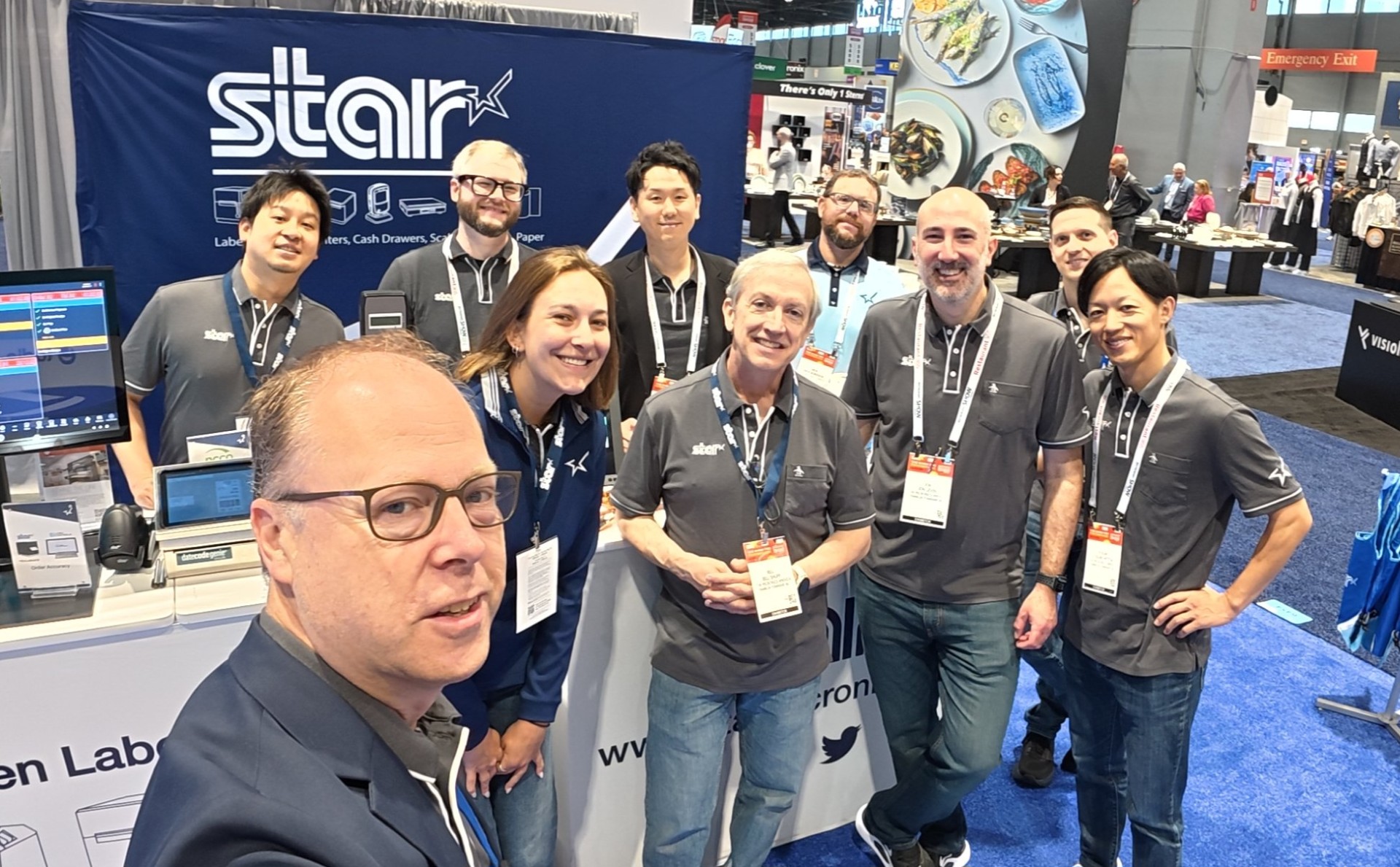
    NRA Team 2026
    The team at the National Restaurant Show 2026

    How Star Micronics America’s Culture Has Evolved

    Star’s workplace culture has changed significantly over the decades.

    One of the biggest turning points came during COVID.

    Before the pandemic, Star operated largely as an office-based organization. Like many companies during that time, that changed quickly. Teams adapted to remote work, new collaboration tools, and new ways of supporting customers and partners. What started as a necessary adjustment ultimately reshaped how the company works today, leading to a more flexible hybrid and remote culture.

    That transition tested the company, but it also reinforced one of Star’s core values: collaboration built on trust between teams.

    While the workplace changed, the company’s core values remained steady:

    • Collaboration – fostering open communication, mutual respect, and trust across teams
    • Innovation – staying curious, proactive, and open to new ways of thinking
    • Change – embracing growth, improvement, and the ability to adapt in a shifting industry
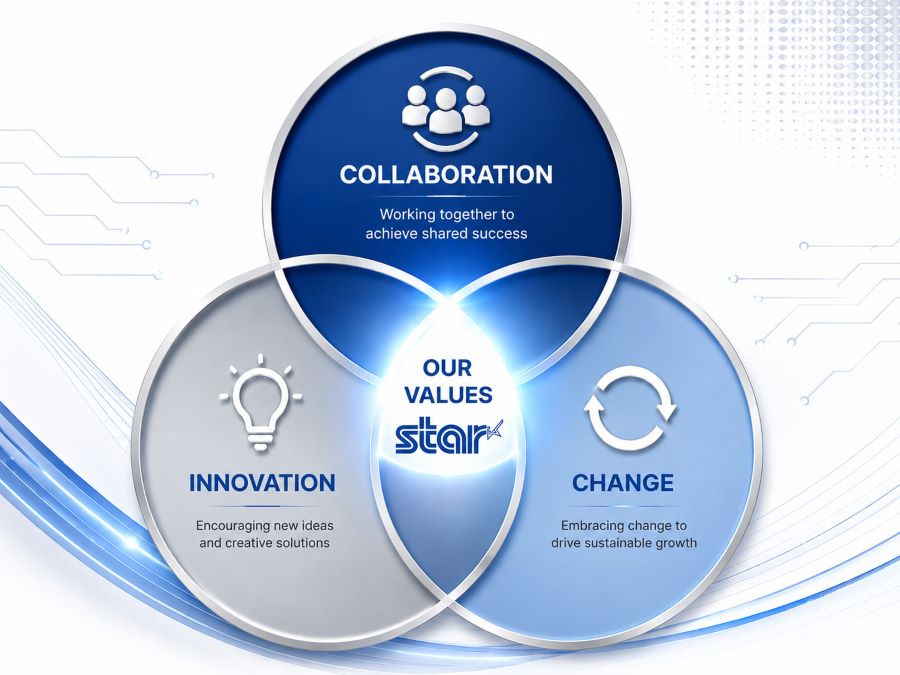
    Star Micronics America Core Values

    Those values continue to guide how teams work together across the United States, Canada, Mexico, and Latin America.

    That culture extends beyond daily work. Programs like the Yamaguchi Spirit Awards recognize employees who embody Star’s core values of collaboration, innovation, and change. These traditions help reinforce that culture is not just something that happens passively. It is something consciously practiced.

    Why People Matter to the Customer Experience

    A company’s culture does not stay inside its walls. It shapes every customer interaction, every partner relationship, and every problem solved along the way.

    That has been one of the defining parts of Star Micronics America’s 50-year story.

    SMA has long been known as a company that is easy to do business with, and that reputation was built by people. It was built by employees who know the products, understand the industries they support, and work together to solve problems quickly and thoughtfully.

    It was also built through consistency.

    Many customers and partners have worked with the same Star team members for years, sometimes decades. That continuity creates trust. It gives customers direct access to people who understand their business, their workflows, and the challenges they face.

    In an industry where technology moves fast, products matter. But trust, experience, and long-term relationships matter just as much, if not more.

    For 50 years, Star’s people have helped build both.

    VTO Earth Day 7
    Volunteer day at America’s Grow-A-Row Farm in Pittstown, NJ

    Looking Ahead to the Next 50 Years of Star

    A 50th anniversary is a time to reflect, but also a time to look forward.

    As industries continue shifting toward AI, cloud infrastructure, automation, and more connected workflows, Star Micronics America remains focused on supporting those changes with experienced teams and technology that makes a difference.

    That next chapter will depend on the same things that built the first 50 years: experienced people, practical innovation, and strong customer relationships.

    For employees, partners, and customers, those first 50 years have built something lasting: trust, consistency, and a company they know they can count on.

    And if the last five decades are any indication, the next chapter is already taking shape.

    Learn More About Solutions from Star Micronics America

    Author’s Note: Special thanks to Joey Richholt and Shazia Shafi of Star Micronics America’s HR department for their thoughtful input and timely contributions to this article.

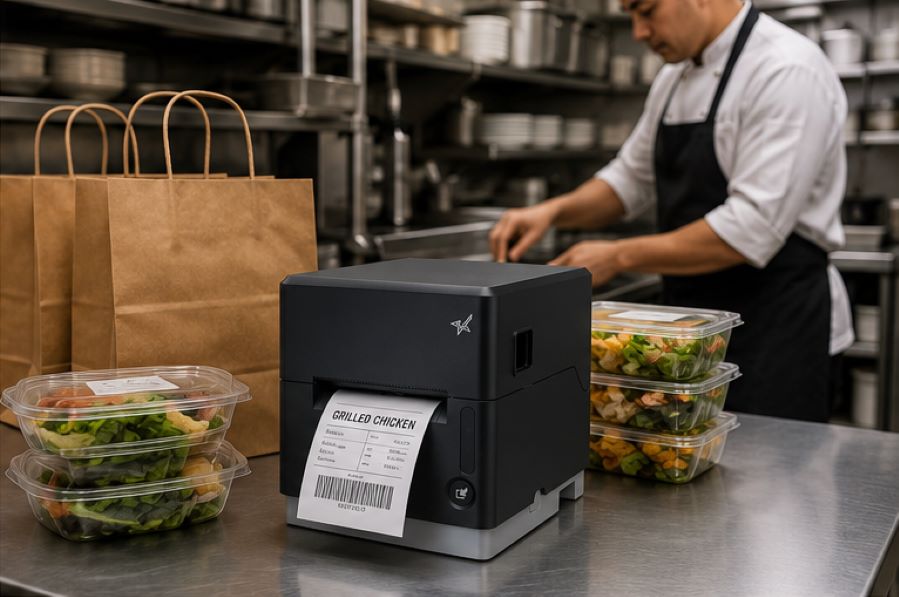
  • The Benefits of Durable, Reliable Commercial Label Printers

    The Benefits of Durable, Reliable Commercial Label Printers

    Commercial label printers play an important role in how businesses identify products, communicate workflow information, maintain regulatory compliance, and track inventory. From retail and restaurants to healthcare and fulfillment, labels help employees and customers access important information quickly and consistently.

    When a label printer fails, those workflows can slow down. Orders may be delayed, inventory may become harder to track, and important product or compliance information may not be available when needed.

    For businesses that rely on labeling throughout daily operations, choosing a durable and reliable commercial label printer can help reduce downtime, support high-volume workflows, and keep labeling processes consistent across the business.

    Table of Contents

    What Makes a Label Printer Durable and Reliable?

    The durability and reliability of a commercial label printer depend on both its physical construction and its internal components. A printer designed for daily commercial use should be built to handle frequent printing, different media types, and the environmental conditions where it will operate.

    Key factors that affect durability and reliability include:

    • Printhead lifespan: The printhead is one of the most important components in any label printer. Longer-life printheads help maintain consistent print quality and reduce replacement frequency.
    • Cutter durability: In high-volume environments, the cutter may operate thousands of times per day. Durable cutters help reduce jams and incomplete cuts.
    • Media path design: A well-designed media path helps labels feed smoothly and reduces misfeeds, jams, and wasted labels.
    • Housing materials and construction: Commercial environments may expose printers to heat, humidity, dust, or cleaning chemicals. Durable materials help the printer withstand these conditions.
    • Stable connectivity: Reliable wired, wireless, or cloud connectivity helps prevent missed print jobs and keeps workflows moving.
    • Maintenance accessibility: Printers designed for easy cleaning, media changes, and component replacement are often easier to maintain and less likely to experience preventable downtime.

    Reliable commercial label printers are typically characterized by consistent print quality, fewer jams, stable connectivity, and components designed for long-term use.

    Choosing a Label Printer for Commercial Environments

    Choosing a commercial label printer starts with understanding where and how it will be used. In addition to supporting the label types your operation requires, the printer should be built for the environment where it will operate.

    Commercial environments can expose printers to heat, humidity, dust, frequent handling, and cleaning chemicals. A printer designed for these conditions is less likely to require frequent repairs or replacement, which can help reduce long-term ownership costs.

    When evaluating a commercial label printer, consider the following:

    Printer Form Factor for Different Workspaces

    Printer design affects where and how employees use it. Front-loading and top-loading designs can make media changes easier in tight spaces, while wall-mounting options may help free up counter space in kitchens, prep stations, or healthcare environments.

    The right form factor depends on the workflow and available space.

    High-Volume Printing for Demanding Workloads

    Some environments require continuous, high-speed printing throughout the day. This may include labeling restaurant orders, retail inventory, shipping packages, patient medications, or kiosk-generated labels.

    A commercial label printer should be designed to keep up with the expected print volume without frequent jams, cutter failures, or overheating.

    The Benefits of Durable, Reliable Commercial Label Printers - Catering

    Support for Multiple Label Types

    Commercial labeling needs often vary by application. Some workflows use linerless labels, while others require die-cut labels, receipts, or permanent adhesive labels.

    A multifunction label printer can support multiple media types from a single device, allowing businesses to standardize hardware across different workflows while reducing the number of printer models they manage.

    Reliable Connectivity

    A commercial label printer should maintain stable wired, wireless, or cloud-based connections depending on how the business operates.

    For cloud-connected workflows, reliable communication between software and printers is especially important to prevent delayed or missed print jobs.

    Easy setup also matters, especially for wireless environments. Features like BLE-assisted Wi-Fi setup, available on Star’s mC-Label2 CWBi models, can help employees connect printers quickly using a smartphone or tablet without complex network configuration.

    Easy Printer Maintenance

    Routine cleaning and maintenance help prevent adhesive buildup, cutter jams, and print quality issues. Commercial label printers designed with tool-free maintenance, simple media loading, and clear cleaning instructions can make routine upkeep easier for employees and reduce preventable downtime.

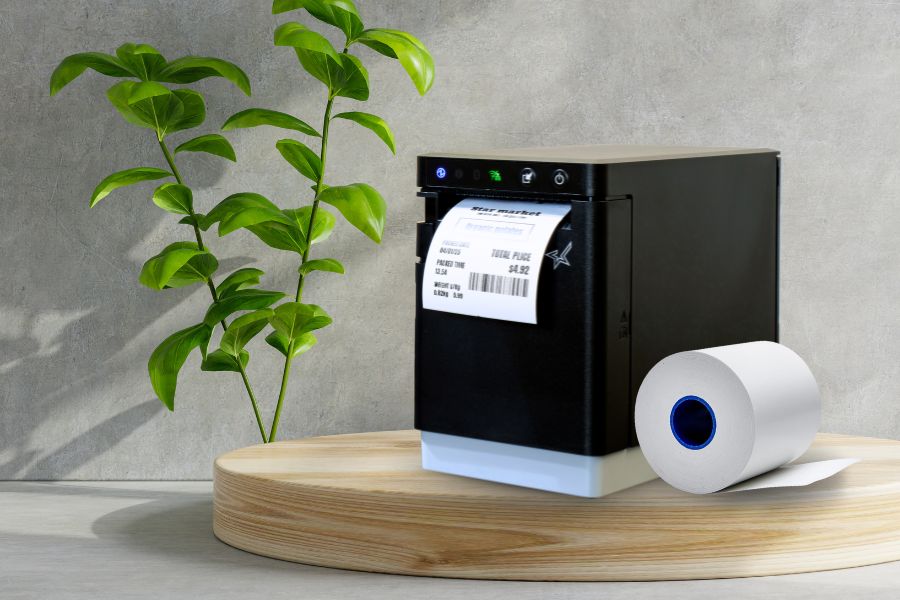
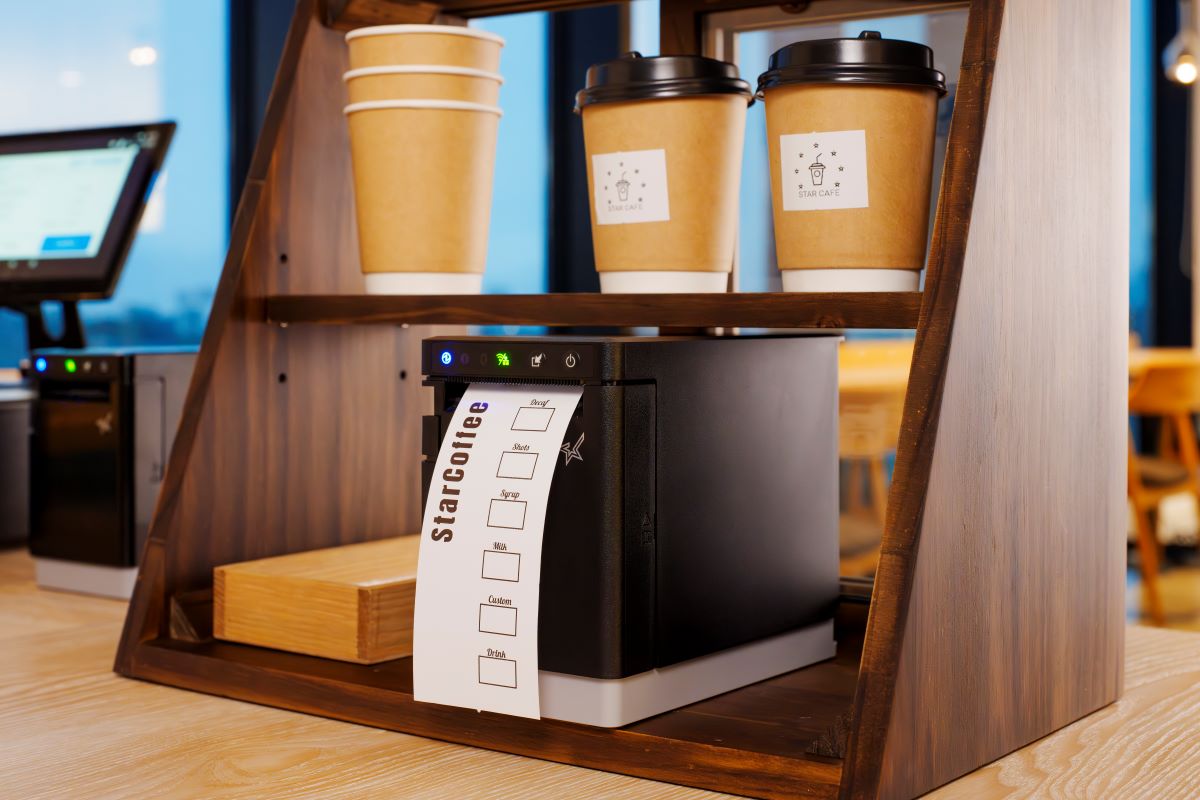
    The mC-Label2 multimedia printer by Star Micronics features user-friendly, tool-free maintenance.
    The mC-Label series by Star Micronics has tool-free, super easy maintenance.

    Why Durable and Reliable Printers Matter in Daily Operations

    In many businesses, labels are part of daily workflows. When a label printer stops working, those workflows can slow down or stop entirely.

    In a QSR kitchen, a printer failure can delay order packaging or delivery handoff. In an ecommerce fulfillment center, it can interrupt shipping and inventory tracking. In healthcare, missing labels on medications, patient records, or specimens can create serious operational and compliance issues.

    Reliable commercial label printers help reduce these risks by supporting consistent print quality, stable connectivity, and dependable performance during high-volume use.

    Over time, printer durability also affects ownership costs. A printer built for its environment is less likely to require frequent repairs, component replacements, or full device replacement. This can help businesses reduce downtime, maintain labeling consistency, and extend the useful life of their equipment.

    Explore Star Micronics Commercial Label Printers

    Choosing the right commercial label printer starts with understanding your environment, print volume, media requirements, connectivity needs, and maintenance expectations. The right printer should match the demands of your workflow and the types of labels your business relies on every day.

    Star Micronics offers a range of commercial label printers designed for retail, restaurant, healthcare, fulfillment, and other high-volume environments. From multifunction label printers that support linerless, die-cut, and receipt printing to purpose-built sticky linerless label printers, Star provides options for a wide range of labeling applications.

    Explore Star’s Labeling Solutions and Receipt and Label Media to learn more, or contact Star Micronics for help choosing the right commercial label printer for your business.

    Learn More About Star Label Printers

    Frequently Asked Questions About Label Printer Durability and Reliability

    What features make label printers more durable for commercial environments?

    Durable commercial label printers are typically built with long-life printheads, durable cutters, strong housing materials, stable connectivity, and media paths designed to reduce jams and misfeeds. Easy maintenance access also helps keep the printer operating consistently over time.

    How do durable label printers reduce downtime?

    Durable printers reduce downtime by using components designed for frequent, high-volume use. Printers built for harsh environments, such as hot restaurant kitchens or healthcare settings with frequent cleaning, are less likely to fail or require frequent repair. Long-life printheads and cutters also reduce replacement frequency.

    What should businesses look for in a high-volume commercial label printer?

    Businesses should look for print speed, cutter durability, media compatibility, reliable connectivity, and maintenance accessibility. The printer should be designed for the expected daily print volume and the environment where it will operate.

    Why is label printer maintenance important for reliability?

    Routine maintenance helps prevent adhesive buildup, cutter jams, print quality issues, and media misfeeds. Cleaning the printer regularly helps ensure labels remain readable and barcodes scan correctly.

    Can durable label printers support wireless and cloud connectivity?

    Yes. Many commercial label printers support wired, wireless, and cloud-based connections. Features like BLE-assisted Wi-Fi setup can also make wireless deployment faster and easier for employees.

    How do multifunction label printers improve commercial workflows?

    Multifunction label printers can support receipts, linerless labels, die-cut labels, and other media types from a single device. This helps businesses reduce the number of printer models they manage while supporting different workflows with one platform.

    Why does media compatibility matter in commercial label printing?

    Different workflows require different label formats and adhesive types. Choosing a printer that supports the required media helps ensure consistent printing, proper label application, and reliable performance.

    How do durable label printers lower the total cost of ownership?

    Durable label printers can reduce repair costs, extend equipment lifespan, and minimize downtime. Over time, this can lower replacement frequency and reduce interruptions to daily operations.

    Are linerless label printers reliable for high-volume environments?

    Yes. Linerless label printers are commonly used in high-volume environments because they allow for faster application and fewer media roll changes. Since linerless labels do not use backing paper, they also reduce waste and help keep workspaces cleaner.

    What industries benefit most from durable commercial label printers?

    Durable commercial label printers are commonly used in retail, restaurants, ecommerce fulfillment, healthcare, pharmaceuticals, manufacturing, airports, and logistics. Any business that depends on consistent labeling can benefit from a printer designed for long-term, high-volume use.

  • Bisphenol-Free Thermal Paper: What Businesses Need to Know

    Bisphenol-Free Thermal Paper: What Businesses Need to Know

    Thermal paper has long been a staple in point-of-sale printing, but the conversation around receipt paper and thermal media is evolving quickly. As more businesses evaluate sustainability initiatives, regulatory requirements, and operational standards, many are reassessing the materials used for receipts, labels, tickets, and foodservice workflows.

    For businesses that rely on thermal printing, understanding the differences between BPA-free, BPS-free, and bisphenol-free thermal paper has become increasingly important. From retail and restaurants to healthcare and logistics, operators are looking for thermal media that supports reliable printing performance while aligning with broader compliance and sustainability goals.

    Whether your business prints receipts, barcode labels, linerless labels, or tickets, now is the time to understand how thermal media is changing and what to consider when evaluating paper suppliers and printing solutions.

    Table of Contents

    What Is Bisphenol-Free Thermal Paper?

    Traditional thermal paper uses heat-sensitive coatings that react with the thermal print head to produce printed text and images. For many years, BPA (bisphenol A) was commonly used in thermal paper formulations. As concerns around BPA increased, many manufacturers transitioned to BPS (bisphenol S) or other alternative chemistries.

    Today, many businesses are specifically looking for:

    • BPA-free receipt paper
    • BPS-free receipt paper
    • Bisphenol-free thermal paper
    • Eco-friendly thermal media
    • Prop 65 compliant paper

    Modern thermal media options may use alternative developers and materials designed to support evolving sustainability and compliance initiatives while maintaining the print quality and reliability businesses expect from thermal printing systems.

    Star Eco and Star Blue Eco media are produced using materials with no intentionally added BPA or BPS, supporting more mindful material selection across retail, hospitality, and foodservice operations.

    Why High-Contact Industries Are Paying Attention

    Thermal paper and labels are handled constantly throughout the day in many business environments, especially in industries where receipts, tickets, food labels, and packaging workflows are central to daily operations.

    As conversations around thermal media have evolved, many businesses have started evaluating whether receipt paper and labels contain added bisphenols such as BPA or BPS, particularly in workplaces where employees frequently handle thermal media throughout their shifts.

    This is especially relevant in industries such as:

    In response, many manufacturers now offer thermal paper and label media made without intentionally added BPA or BPS. In thermal media manufacturing, this generally means bisphenol-based developers are not intentionally used in the paper formulation itself, although trace amounts may still be possible due to raw material sourcing, manufacturing processes, or supply chain variables.

    Some media lines also include additional sustainability-focused features such as FSC-certified materials, recyclable paper options, and select products made without added Pergafast.

    Why Businesses Are Reevaluating Thermal Media

    The shift toward more sustainable thermal media is being driven by several factors, including:

    • Evolving state and regional regulations
    • Sustainability initiatives
    • Food safety and traceability programs
    • Procurement standardization
    • Consumer expectations around environmental responsibility
    • Operational consistency across multi-location businesses

    Several states have introduced or discussed restrictions related to thermal paper materials, including BPA and other chemicals commonly associated with receipt paper. Requirements vary by region, and businesses operating nationally are increasingly looking for media options that can support broader compliance readiness.

    For many operators, updating thermal paper and labeling supplies is also part of a larger operational strategy tied to:

    • Sustainable restaurant operations
    • Eco-friendly printing supplies
    • Order accuracy initiatives
    • Food labeling compliance
    • Waste reduction programs
    • Scalable POS hardware and labeling workflows

    Understanding Prop 65 and Thermal Paper Compliance

    California’s Proposition 65, formally known as the Safe Drinking Water and Toxic Enforcement Act, has become one of the most recognized compliance frameworks related to product material disclosures in the United States. Businesses that distribute products in California often evaluate whether materials align with Prop 65 requirements as part of their procurement process.

    For thermal paper and labels, operators may specifically look for:

    • Prop 65 compliant paper
    • No added BPA or BPS
    • Sustainable thermal receipt paper
    • FSC-certified media
    • Recyclable thermal paper options

    Star Eco and Star Blue Eco paper lines are produced using materials with no added BPA or BPS and are designed to support Prop 65 compliant operations.

    Because regulations and material standards continue evolving, many businesses are proactively standardizing compliant thermal media across locations to simplify purchasing and support long-term operational consistency.

    Explore Proposition 65 Business Resources Here >

    How Modern Thermal Paper Works

    Modern thermal paper continues to deliver the fast, reliable printing performance businesses expect while supporting updated material standards and sustainability goals.

    Today’s thermal media can provide:

    • Clear, high-contrast printing
    • Reliable image retention
    • Compatibility with existing thermal receipt printers
    • Support for high-volume POS environments
    • Reduced material concerns compared to legacy thermal media

    Importantly, businesses do not typically need to replace existing thermal printers when transitioning to updated thermal paper or label media. Modern thermal receipt paper and labels are designed to work with standard thermal printing systems, including Star Micronics receipt and label printers.

    Some premium thermal media options also help:

    • Reduce paper dust
    • Maintain print head performance
    • Improve long-term printer reliability
    • Support warranty-compliant printer operation

    Star Blue Eco media is specifically engineered to optimize printer performance and support long-term reliability across demanding POS environments.

    Industries Transitioning to More Sustainable Thermal Media

    Retail & Hospitality

    Retailers and hospitality businesses continue evaluating eco-friendly receipt paper and sustainable labeling solutions as part of broader operational and customer experience initiatives.

    Restaurants & QSRs

    Restaurants increasingly rely on thermal labels for:

    • Grab-and-go labels
    • Catering labels
    • Food rotation labels
    • Order confirmation labels
    • Allergen label information
    • Traceability labels
    • Off-premise dining workflows

    Many QSR operators are also adopting linerless labels to support waste reduction and operational efficiency.

    Healthcare & Pharmacies

    Healthcare organizations often require reliable thermal printing for:

    • Prescription labeling
    • Patient-facing receipts
    • Barcode labels
    • Traceability workflows

    Grocery & Foodservice

    Grocery stores and foodservice operations use thermal labels for:

    • Nutritional information labels
    • Inventory labels
    • Expiration date labels
    • Weight and serving size labels
    • Food identification labels

    What to Look for in Thermal Receipt Paper and Labels

    When evaluating thermal paper suppliers and labeling solutions, businesses should consider:

    Material Standards: Look for media produced using materials with no intentionally added BPA or BPS.

    Print Performance: Consistent thermal imaging and durable print quality help support reliable operations.

    Printer Compatibility: Thermal media should work seamlessly with existing POS printers and label printers.

    Sustainability Features: Some thermal media products offer:

    • FSC-certified materials
    • Recyclable thermal paper
    • Reduced packaging waste
    • No added Pergafast
    • Linerless labeling options

    Operational Reliability: Higher-quality thermal media can help reduce dust buildup and support long-term print head performance.

    Linerless Labels and Sustainable Labeling Workflows

    Linerless labels are becoming increasingly popular across restaurant, retail, and logistics environments because they help reduce liner waste while supporting flexible labeling workflows.

    Common linerless label applications include:

    • Order accuracy labels
    • Delivery bag labels
    • Product rotation labels
    • Barcode labels
    • Shelf labels
    • Grab-and-go labels
    • Catering workflows

    Star supports both linerless and linered label workflows across its media portfolio, including:

    • Repositionable linerless labels
    • Permanent linerless labels
    • Die-cut labels
    • Continuous linered labels

    These labeling solutions support modern restaurant workflows, cloud printing environments, and foodservice traceability initiatives.

    The Star Blue Eco Advantage

    Star Blue Eco is Star’s premium paper and thermal media line, designed to support reliable printing performance while aligning with evolving sustainability and operational standards.

    Key advantages include:

    • Produced using materials with no added BPA or BPS
    • Prop 65 compliant
    • Premium-grade thermal coating for consistent print quality
    • Designed to optimize printer performance
    • Helps support long-term print head reliability
    • Signature blue core for fast identification
    • Select options include FSC-certified materials
    • Select options include recyclable thermal paper
    • No added Pergafast on select SKUs

    Star Blue Eco media is designed for receipt printers, label printers, linerless labeling applications, and scalable POS environments across retail, hospitality, and foodservice industries.

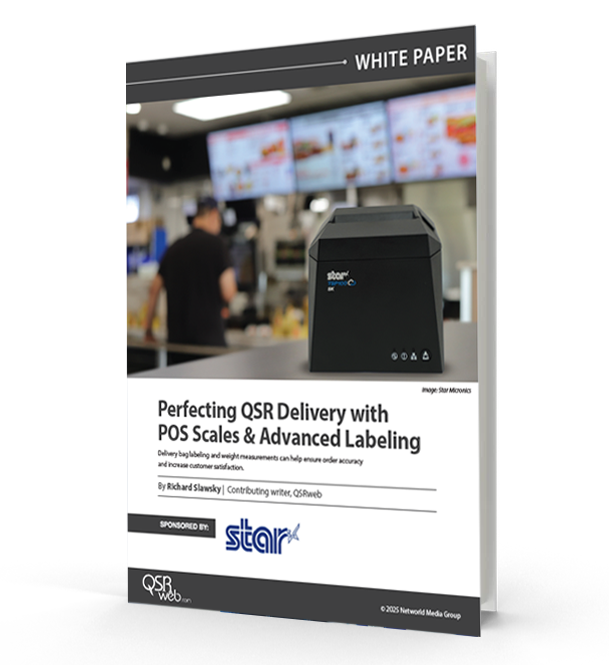
    Perfecting QSR Delivery with POS Scales & Advanced Labeling

    Learn how QSR operators are transforming delivery with weight-based verification and advanced labeling solutions.

    Ready to find out more about Star Blue Eco eco-friendly thermal paper and labels?

    Frequently Asked Questions About Bisphenol-Free Thermal Paper

    What is bisphenol-free thermal paper?

    “Bisphenol-free thermal paper” generally refers to thermal paper formulated without bisphenol-based developers such as BPA or BPS. However, terminology, testing methods, and formulation standards can vary across manufacturers and suppliers.

    In some cases, manufacturers may use phrases such as “no intentionally added BPA or BPS” to describe thermal media formulations. This reflects the fact that trace amounts may still be possible due to manufacturing, raw material, or supply chain variables, even when bisphenols are not intentionally used in the formulation itself.

    Is BPA-free thermal paper the same as BPS-free paper?

    Not necessarily. BPA-free thermal paper simply means BPA was not intentionally used in the formulation, but some products may still use BPS or other alternative developers.

    Because terminology and material standards can vary across suppliers, many businesses now evaluate broader claims around added bisphenols and overall material composition rather than focusing on a single chemical term alone.

    What is Prop 65 compliant thermal paper?

    Prop 65 compliant thermal paper refers to receipt paper or labels designed to align with California Proposition 65 requirements related to listed chemicals and exposure warnings. Many businesses use Prop 65 compliant thermal media to support purchasing consistency across multiple states and locations.

    Can thermal paper be recyclable?

    Some thermal paper products are designed to support recyclability initiatives, though recyclability can depend on the specific paper formulation and local recycling capabilities. Some manufacturers also offer FSC-certified paper and sustainability-focused media options designed to support broader environmental initiatives.

    Star Micronics offers select SKUs of Star Blue Eco thermal receipt paper that are 100% recyclable.

    What is Pergafast in thermal paper?

    Pergafast is a chemical developer that has been used in some thermal paper formulations as an alternative to BPA or BPS. As thermal media standards continue evolving, some manufacturers now offer paper products made without added Pergafast as part of broader sustainability and material selection initiatives.

    Businesses evaluating thermal paper may review whether products contain added BPA, BPS, Pergafast, or other developers depending on their internal standards, sustainability goals, or regulatory considerations.

    What does FSC-certified paper mean?

    FSC-certified paper refers to paper products certified by the Forest Stewardship Council (FSC), an organization that promotes responsible forest management practices.

    FSC-certified thermal paper and labels are sourced from forests and supply chains that meet specific environmental, social, and sustainability standards. Many businesses look for FSC-certified media as part of broader sustainability, sourcing, and ESG initiatives.

    Do eco-friendly thermal paper rolls work with existing POS printers?

    Yes. Most modern thermal paper and label products are designed to work with standard thermal receipt printers and POS systems without requiring hardware changes. Businesses can typically transition to updated thermal media while continuing to use their existing printing equipment.

    What are linerless labels?

    Linerless labels are adhesive labels that do not use a traditional backing liner. They help reduce liner waste, allow for more labels per roll, and support flexible custom-length printing across restaurant, retail, and logistics workflows.

    Why are restaurants using more thermal labels?

    Restaurants increasingly use thermal labels to support:

    • Order accuracy
    • Food traceability
    • Off-premise dining workflows
    • Grab-and-go operations
    • Catering workflows
    • Food rotation and expiration labeling
    • Allergen and compliance labeling

    As delivery and mobile ordering continue growing, labeling has become a more important part of restaurant operations and packaging workflows.

    What should businesses look for in sustainable thermal media?

    Businesses evaluating thermal paper and labels often consider:

    • Material composition and formulation claims
    • Printer compatibility
    • Print quality and durability
    • Prop 65 compliance
    • FSC-certified materials
    • Recyclable paper options
    • Linerless labeling capabilities
    • Long-term media consistency and reliability

    Many businesses are also looking for suppliers that clearly explain how sustainability and material claims are defined across their product lines.

    Originally published on October 17, 2025, by the author.

  • Star Micronics to Showcase Labeling, Order Accuracy, and Cloud POS Solutions at the 2026 National Restaurant Show

    Star Micronics to Showcase Labeling, Order Accuracy, and Cloud POS Solutions at the 2026 National Restaurant Show

    Star will demonstrate food safety labeling, order accuracy workflows, and cloud-connected POS solutions at Booth 6454 during the 2026 National Restaurant Show.

    Chicago, IL – May 15, 2026 – Star Micronics, a global leader in POS hardware, labeling, and cloud printing technology, will exhibit at the 2026 National Restaurant Show, taking place May 16–19 at McCormick Place in Chicago, Illinois. At Booth 6454, Star will showcase integrated solutions for food safety labeling, kitchen execution, and order accuracy in partnership with leading restaurant technology providers.

    Food Safety and Traceability Workflows

    Star will demonstrate food safety labeling solutions that replace manual processes with automated, connected workflows.

    In partnership with ConnectedFresh and Kitchen Technology, Innovations by Integrated Control Corp. (KTI/ICC) attendees can see how labeling is generated during kitchen workflows using Star’s mC-Label3 and mC-Label2 multifunction label printers.

    These demonstrations highlight how operators can:

    • Generate prep, expiration, and traceability labels at the point of food preparation
    • Replace handwritten logs with consistent, printed labeling
    • Use die-cut or linerless media depending on workflow needs

    More advanced integrations also demonstrate how real-time data can automatically trigger labeling, allowing operators to capture food safety processes without manual input.

    KDS and Order Accuracy in the Kitchen

    Star is also highlighting how kitchen display systems (KDS), labeling, and verification workflows work together to improve order accuracy in high-volume environments.

    In collaboration with Logic Controls, attendees can follow how orders move from the front of house to the kitchen via the KitchenGO KDS platform, where staff can view items on-screen and instantly trigger labels through Star’s labeling workflow tools.

    These workflows enable staff to:

    • Apply sticky linerless labels directly to orders for clear identification
    • Reduce missed or misrouted items during peak service
    • Maintain consistency across prep and handoff

    Additional demonstrations showcase scan, weigh, and print workflows using integrated hardware, including the mG-T30 POS scale, BSH-32B barcode scanner, and SK1-311 thermal kiosk printer.

    These verification workflows allow operators to:

    • Scan items to confirm order accuracy
    • Verify portioning or weight-based items
    • Generate labels or receipts as part of a single process before fulfillment

    Cloud and Omnichannel POS Integration

    Star’s booth also features cloud-connected POS workflows that support modern restaurant operations across in-store, kiosk, and online ordering environments.

    Attendees will see how cloud-based systems can:

    • Route orders across multiple stations and locations
    • Print directly from online ordering platforms without local servers
    • Support consistent workflows across dine-in, takeout, and delivery

    Using solutions such as StarIO.Online and CloudPRNT Next, Star enables reliable communication between digital ordering systems and physical kitchen hardware, helping restaurants maintain consistency across locations and service models.

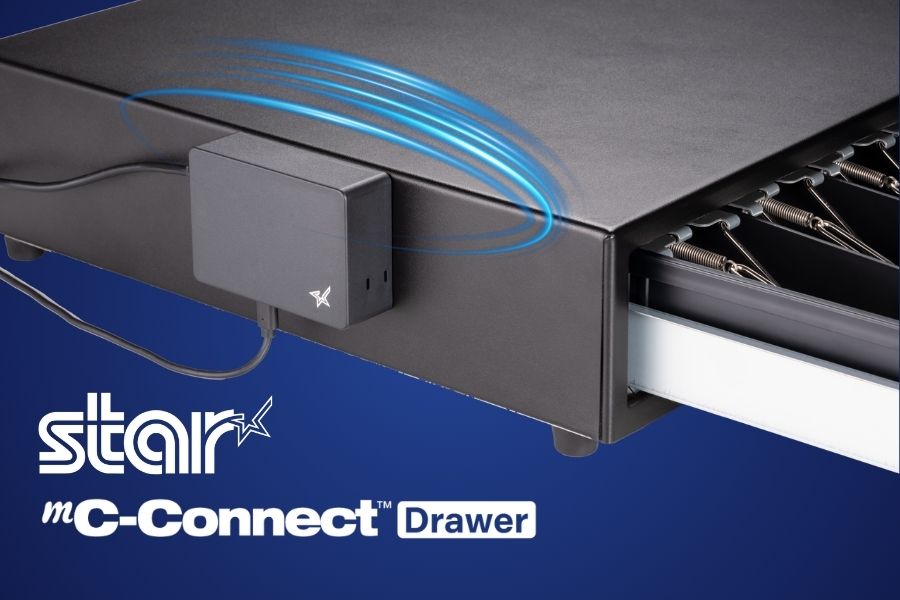
    Star will also showcase the mC-Connect cash drawer controller, which allows tablet and cloud POS systems to control cash drawers directly without requiring a printer connection. Designed for modern and space-constrained POS environments, the device supports flexible cash management workflows across retail and hospitality operations.

    Partner Ecosystem on Display

    At Booth 6454, Star features integrations with a range of restaurant technology partners, demonstrating how hardware and software work together to support real-world operations.

    “Restaurants are managing more complexity than ever across ordering channels, kitchen workflows, and compliance requirements. At the National Restaurant Show, we’re focused on showing how integrated solutions, from labeling to KDS to cloud printing, can help operators bring more control, order accuracy and consistency to their day-to-day operations.”

    Free Order Accuracy and Workflow Audit

    In addition to live demonstrations, Star Micronics is offering a complimentary audit for restaurant operators looking to evaluate their current workflows.

    The audit identifies gaps in order accuracy, labeling, and kitchen communication, while providing practical recommendations to improve consistency across prep, packaging, and handoff.

    Attendees are invited to visit Booth 6454 to see the solutions in action, meet with partners, and schedule a one-on-one workflow review with the Star team.

    For more information, visit starmicronics.com.

    Can’t get enough industry news?

    Star Micronics logo, point-of-sale (POS) hardware and technology company.

    Star Micronics is a global provider of point-of-sale (POS) hardware, cloud printing, and labeling solutions that help businesses connect digital workflows to real-world operations. Serving retail, hospitality, healthcare, and service industries, Star delivers printing, labeling, cash management, self-service, and cloud-based technologies designed to support scalable, connected, and automated environments. Star’s solutions support Android, iOS, Windows, and web-based platforms and extend into the cloud through services such as CloudPRNT Next and StarIO.Online, Star’s fully managed cloud printing service.

    Visit starmicronics.com or follow us on Facebook, X, YouTube, or LinkedIn to learn more.

    Media Contact:

    Christin Dorner
    Star Micronics America, Inc.
    cdorner@starmicronics.com
    848-216-3318

  • Star Micronics Introduces mC-Connect Drawer for Direct Cash Drawer Control Across Modern POS Systems

    Star Micronics Introduces mC-Connect Drawer for Direct Cash Drawer Control Across Modern POS Systems

    A multi-interface cash drawer controller that enables direct control from POS systems, tablets, and mobile devices using USB, Ethernet, Wireless LAN, and Bluetooth LE.

    Somerset, NJ – May 13, 2026 – Star Micronics, a global leader in POS hardware solutions, today announced the launch of the mC-Connect Drawer (MCD10), a cash drawer controller designed to enable control of cash drawers with standard RJ-12 connectivity directly from POS systems, tablets, and mobile devices.

    As POS environments continue to expand beyond fixed checkout stations, businesses are deploying mobile devices, tablets, and flexible counter setups alongside traditional printer-based systems. The mC-Connect Drawer supports these environments by enabling direct communication between POS devices and cash drawers, while continuing to work alongside existing printer-driven configurations. It is well-suited for mobile POS, shared till workflows, self-service environments, and multi-lane retail and restaurant deployments.

    Direct Cash Drawer Control for Flexible POS Setups

    The mC-Connect Drawer allows POS systems, smartphones, and tablets to trigger proximity-based cash drawer opens directly, supporting use cases where a desktop receipt printer is not present or where additional flexibility is needed. It can be used alongside traditional printer-driven setups or as part of mobile and tablet-based POS deployments, including pop-up retail, assisted selling, kiosk, and space-constrained counter environments.

    With USB, Ethernet, Wireless LAN, and Bluetooth® Low Energy (Bluetooth LE) 5.0 built into a single device, the mC-Connect Drawer provides multiple connection options without requiring different hardware models. This allows businesses to standardize on a single device across locations, use a shared in-store till, simplify multi-location deployments, and adapt to different POS configurations as needed.

    Works with Existing Cash Drawers

    The mC-Connect Drawer (MCD10) is compatible with cash drawers that have standard RJ-12 connectors, allowing businesses to add connectivity without replacing existing hardware. It supports up to four cash drawers, making it well-suited for multi-lane and shared POS environments.

    This enables businesses to extend the capabilities of their current cash drawer installations while maintaining compatibility with existing equipment and modern POS workflows.

    Consistent Operation in High-Use Environments

    The mC-Connect Drawer monitors drive voltage and executes open commands only when sufficient power is available, helping prevent failed drawer opens. Commands are held and executed when the device is ready, supporting consistent operation across high-volume retail and restaurant environments.

    Software Support for Setup and Integration

    The mC-Connect Drawer works with Star Quick Setup Utility, Star Windows Software, and StarXpand SDK, providing tools for configuration and integration into POS applications. It supports communication with Android, iOS, Windows, and web-based systems.

    The mC-Connect Drawer is available through Star Micronics’ authorized distribution partners. For more information, visit starmicronics.com or contact your Star Micronics representative.

    Can’t get enough industry news?

    Star Micronics logo, point-of-sale (POS) hardware and technology company.

    Star Micronics is a global provider of point-of-sale (POS) hardware, cloud printing, and labeling solutions that help businesses connect digital workflows to real-world operations. Serving retail, hospitality, healthcare, and service industries, Star delivers printing, labeling, cash management, self-service, and cloud-based technologies designed to support scalable, connected, and automated environments. Star’s solutions support Android, iOS, Windows, and web-based platforms and extend into the cloud through services such as CloudPRNT Next and StarIO.Online, Star’s fully managed cloud printing service.

    Visit starmicronics.com or follow us on Facebook, X, YouTube, or LinkedIn to learn more.

    Media Contact:

    Christin Dorner
    Star Micronics America, Inc.
    cdorner@starmicronics.com
    848-216-3318

  • OIML Scales: Understanding Global Compliance for POS Scales

    OIML Scales: Understanding Global Compliance for POS Scales

    For retailers, grocers, and other businesses using POS scales, compliance is not optional. If a scale is used to determine price based on weight, it must meet legal-for-trade requirements in the region where it is deployed.

    That’s where confusion often begins.

    Different countries follow different standards, and terms like OIML, NTEP, and Measurement Canada are often used interchangeably when they are not the same. For businesses operating across regions or planning international expansion, understanding these differences is critical.

    This guide explains what OIML scales are, how they compare to NTEP and Measurement Canada, and what these standards mean for POS scale deployments in real-world retail and grocery environments.

    Table of Contents

    What Are OIML Scales?

    OIML scales are weighing devices that meet standards set by the International Organization of Legal Metrology (OIML). These standards are designed to ensure accuracy, consistency, and fairness in commercial transactions involving weight.

    OIML-certified scales are commonly used in legal-for-trade applications across global markets, particularly in regions outside the United States and Canada.

    In practical terms, if a business is selling products by weight in an international market, an OIML-compliant scale is often required to meet local regulations.

    What Is OIML Certification?

    OIML certification confirms that a scale complies with internationally recognized metrology standards. These standards are defined through a series of technical documents known as OIML recommendations.

    These recommendations establish how scales should perform under various conditions, including:

    • Accuracy and repeatability
    • Environmental stability
    • Durability over time

    One of the most widely referenced standards is OIML R76, which applies to non-automatic weighing instruments such as retail and grocery POS scales.

    For businesses, OIML certification provides confidence that a scale will meet regulatory requirements and deliver consistent, reliable performance in commercial use.

    OIML vs NTEP: What’s the Difference?

    While both OIML and NTEP relate to legal-for-trade compliance, they apply to different regions and regulatory frameworks.

    OIML

    • International standard
    • Used in many countries worldwide
    • Based on global metrology recommendations

    NTEP (National Type Evaluation Program)

    • United States standard
    • Managed by the National Conference on Weights and Measures (NCWM)
    • Required for legal-for-trade scales used in the U.S.

    The key takeaway is that OIML and NTEP certifications are not interchangeable. A scale approved under one system does not automatically meet the requirements of the other.

    For businesses operating globally, this distinction is critical when selecting POS scales for different markets.

    POS scale and POS setup at a farmer's market food truck.

    OIML vs Measurement Canada: Key Differences

    Measurement Canada governs the approval and certification of weighing devices used in commercial transactions within Canada.

    While there are similarities between Measurement Canada and OIML standards, they are separate regulatory systems with their own requirements and approval processes.

    Measurement Canada

    • Applies specifically to Canada
    • Requires approval for legal-for-trade use
    • Includes inspection and compliance verification

    OIML

    • Applies internationally
    • Provides a framework for global standardization

    Some devices may align with both sets of requirements, but approval in one region does not guarantee compliance in another. Businesses must ensure that their POS scales meet the specific certification requirements of each country where they operate.

    What Are OIML Recommendations (and Why They Matter)?

    OIML recommendations are technical guidelines that define how weighing instruments should perform. These documents serve as the foundation for OIML certification.

    They cover areas such as:

    • Measurement accuracy
    • Tolerance limits
    • Environmental testing
    • Device classification

    For example, OIML R76 outlines the requirements for non-automatic weighing instruments, including most retail POS scales.

    These recommendations help ensure consistency across international markets, making it easier for manufacturers and businesses to align with global standards.

    What This Means for POS Scales in Retail and Grocery

    For businesses using POS scales, compliance directly impacts day-to-day operations.

    If a scale does not meet the required certification:

    • It cannot legally be used to sell products by weight
    • Transactions may be subject to regulatory penalties
    • Customer trust can be impacted

    This is especially important for:

    • Grocery stores
    • Delis and fresh food counters
    • Specialty retail (including cannabis and bulk goods)

    For multi-location or international businesses, the challenge increases. Each location must meet the specific requirements of its region, whether that means OIML, NTEP, or Measurement Canada certification.

    Selecting the right POS scale is not just about performance. It is about ensuring compliance across every location where the business operates.

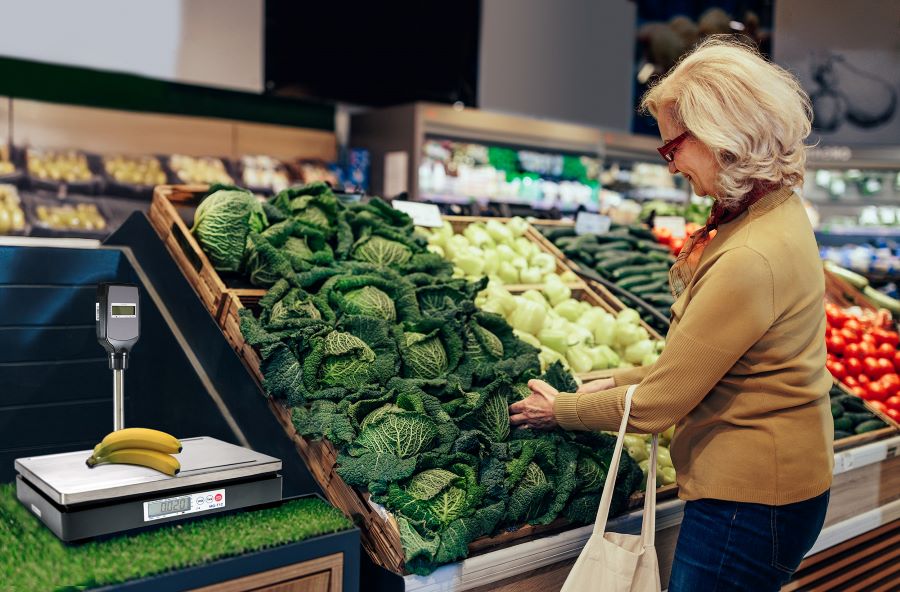
    The latest mG-T POS scales from Star Micronics are perfect for grocery stores and environments.

    Do you run a restaurant or QSR and find orders going out wrong more often than they should, especially during peak hours? Read up on “Why Leading QSRs Use POS Scales & Labels to Increase Order Accuracy” >

    Choosing the Right Certified POS Scale

    When selecting a POS scale, businesses need to balance compliance requirements with day-to-day operational performance. The right solution should meet regional regulations while supporting fast, accurate transactions at the point of sale.

    For example, a grocery POS scale deployed in Europe may require OIML compliance, while the same deployment in the United States would require NTEP certification. Understanding where and how the scale will be used is the first step in selecting the right device.

    Key factors to consider include:

    • Required certification (OIML, NTEP, or Measurement Canada)
    • Integration with POS systems and retail workflows
    • Accuracy and reliability in high-volume environments
    • Durability for consistent daily use

    A legal-for-trade POS scale that does not integrate well into the POS workflow can still create operational challenges. The goal is to choose a solution that meets regulatory requirements while supporting efficient, scalable transactions across locations.

    Want to know more? Read our blog article, “The Ultimate Buyer’s Guide to Choosing the Right POS Scale for Your Business” >

    How Star Micronics Supports Global POS Scale Compliance

    Star Micronics provides POS scale solutions designed to meet the needs of modern retail and grocery environments, where compliance and performance must work together.

    Star POS scales are built to support:

    • Legal-for-trade compliance across multiple regions
    • Reliable performance in high-volume environments
    • Integration with POS systems and retail workflows

    With a focus on accuracy, durability, and ease of use, Star helps businesses deploy POS scale solutions that meet regulatory requirements and real-world operational demands.

    Star’s OIML-certified POS scales are available in regions outside the United States, including Europe. To learn more about availability and deployment options, reach out to the Star Micronics team in the UK.

    Understanding OIML, NTEP, and Measurement Canada requirements helps businesses avoid compliance issues and confidently deploy POS scale solutions across regions. With the right hardware and approach in place, compliance becomes a built-in advantage, not a barrier to growth.

    Learn more about Star Micronics POS scales and compliance-ready solutions for global retail and grocery environments.

    Frequently Asked Questions (FAQs) About OIML Scales

    What does OIML stand for?

    OIML stands for the International Organization of Legal Metrology. It is a global organization that develops standards and recommendations for measuring instruments used in commercial transactions.

    What is an OIML scale?

    An OIML scale is a weighing device that meets the standards set by the International Organization of Legal Metrology. These scales are typically used in legal-for-trade applications in international markets.

    What is the difference between OIML and NTEP certification?

    OIML is an international standard, while NTEP applies specifically to the United States. Both ensure accuracy and compliance for legal-for-trade scales, but they are governed by different organizations and are not interchangeable.

    Are OIML scales required in the U.S.?

    No. In the United States, legal-for-trade scales must be NTEP certified. OIML certification is generally used in international markets outside the U.S.

    Can a scale be both OIML and NTEP certified?

    Yes. Some manufacturers design scales to meet both OIML and NTEP requirements, allowing them to be used in multiple regions. However, each certification must be obtained separately.

    What are OIML recommendations?

    OIML recommendations are technical guidelines that define how weighing instruments should perform. They serve as the basis for OIML certification and help ensure consistency across international markets.

    What are the classes of OIML scales?

    OIML classifies scales based on their level of accuracy. Common classes include:

    • Class I: High-precision laboratory scales
    • Class II: Precision scales used in laboratories and some retail applications
    • Class III: Commercial scales used in retail and grocery environments
    • Class IIII: Scales used for less precise applications such as bulk weighing

    Most POS scales used in retail fall under Class III.

    What are the classes of OIML weights?

    OIML weights are also classified by accuracy, ranging from high-precision classes such as E1 and E2 to lower-precision classes like M1, M2, and M3. These weights are used to calibrate and verify the accuracy of scales.

    What does legal-for-trade mean for POS scales?

    Legal-for-trade means a scale meets the regulatory requirements needed to be used in commercial transactions where price is determined by weight. Certification ensures accuracy, fairness, and compliance with local laws.

  • Cleaning Printers: How to Prevent Gummed-Up Printer Cutters

    Cleaning Printers: How to Prevent Gummed-Up Printer Cutters

    In a busy kitchen or retail environment, everything runs smoothly until it doesn’t. Orders are coming in, labels should be printing, and suddenly the printer slows down. Labels tear instead of separating cleanly. The cutter jams. Staff stop what they are doing to troubleshoot, and operations stall.

    This is a common issue with many label printers. Adhesive buildup from labels accumulates over time, especially in high-volume environments or when switching between media types. As residue collects on the printer cutter, it can cause jams, miscuts, and inconsistent label output. When maintenance is delayed, performance declines and downtime increases.

    Cleaning printers is a critical part of label printer maintenance for businesses that rely on accurate, consistent labeling. Multifunction printers handle linerless labels, die-cut labels, continuous media, and receipts, but they require regular cleaning to keep cutters operating properly. 

    This guide explains how to clean printer cutters, prevent adhesive buildup, and maintain reliable label printing in high-volume operations.

    Table of Contents

    What Is a Gummed-Up Printer Cutter?

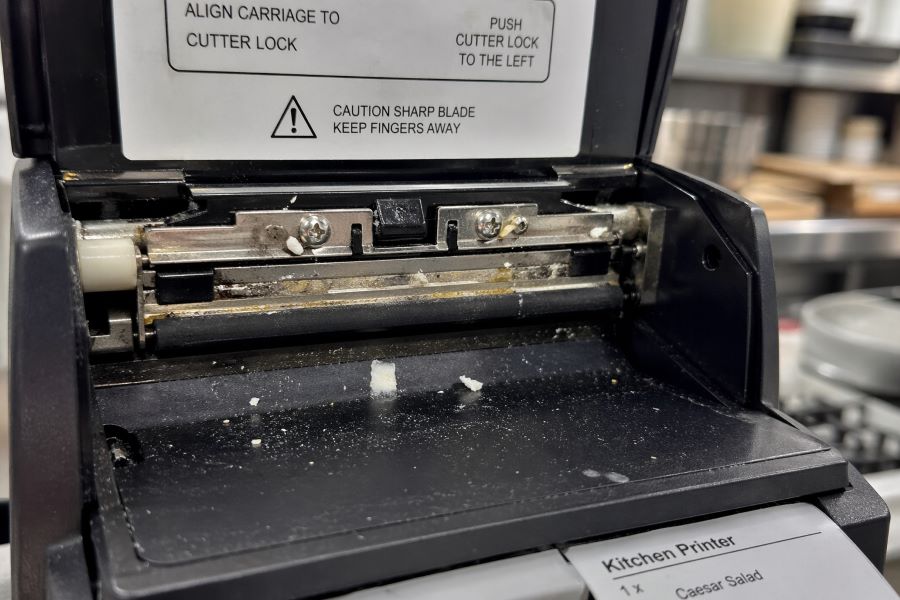
    A gummed-up printer cutter occurs when adhesive residue builds up on the cutter blade. Over time, this residue collects paper dust and label debris.

    As buildup increases, the cutter can become sticky, misaligned, or unable to cut cleanly. This leads to poor performance, inconsistent output, and eventual printer issues if left unaddressed.

    Gummed Up Printer Cutter
    A gummed-up printer cutter leads to poor performance and eventual printer issues if unaddressed.

    How Often Should You Clean a Label Printer Cutter?

    Cleaning frequency depends on print volume, media type, and overall label printer usage.

    High-volume environments and linerless label usage typically require more frequent cleaning due to increased adhesive exposure. Linerless labels, in particular, apply adhesive across the entire label surface, which makes buildup more likely.

    Rather than relying only on a fixed schedule, maintenance alerts are often a better approach. Alerts help ensure cleaning happens when it is actually needed, not too early and not too late.

    The Risks of Not Regularly Cleaning Printers

    Failing to clean printer cutters regularly can lead to a range of operational and mechanical issues:

    • Incomplete cuts, where labels tear instead of separating cleanly
    • Cutter jams that cause print queues to back up
    • Increased strain on the cutter motor, leading to long-term wear
    • Unexpected downtime that interrupts workflows and delays orders
    • Reactive maintenance that pulls staff away from their primary tasks
    • Workarounds that bypass labeling altogether, increasing the risk of errors, missing allergen information, or incorrect orders
    • Damage to brand perception when operations appear inconsistent or unreliable

    Over time, these issues compound. What starts as minor buildup can lead to more serious printer performance problems if not addressed early.

    How to Clean a Label Printer Cutter

    Keeping printer cutters clean is a simple process when done regularly. With the right approach, staff can remove adhesive buildup quickly and keep printers running without interruption.

    1. Power Off and Open the Printer

    • Turn off the printer before performing any maintenance.
    • Open the printer cover to access the cutter area.
    • Ensure the printer is stable and safe to handle before proceeding.

    2. Locate the Cutter Blade and Surrounding Area

    • Identify the cutter blade where labels or receipts are cut.
    • Check for visible adhesive buildup, dust, or debris.
    • Pay attention to edges where residue tends to collect.

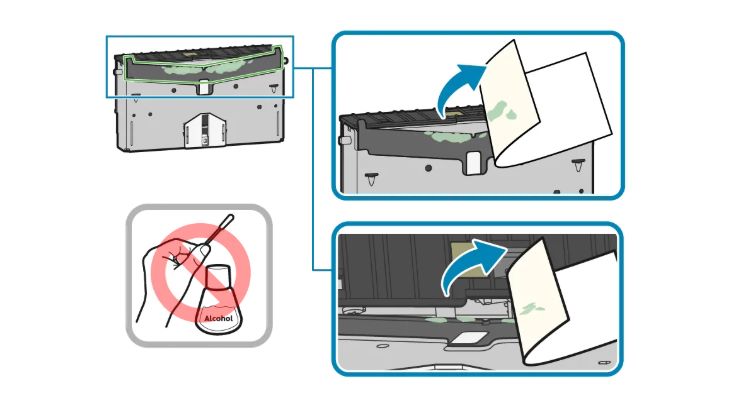
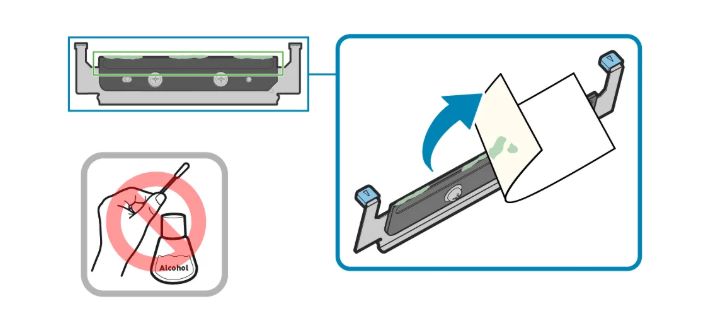
    3. Remove Adhesive Buildup

    • Use the adhesive side of an unused label to lift gum and residue.
    • Gently press and pull to remove buildup from the cutter surface.
    • Avoid using sharp objects or abrasive materials.

    Cleaning Printer Cutter Illustration

    4. Clear Loose Debris

    • Remove any remaining paper dust or label fragments.
    • Ensure the cutter area is free of obstructions.
    • Keep the cleaning process controlled and precise.

    Bottom Cutter Blade

    5. Close the Printer and Test

    • Close the printer securely after cleaning.
    • Power the printer back on.
    • Run a test print to confirm smooth, clean cuts.

    Printer Cleaning Do’s and Don’ts

    Do

    • Follow manufacturer guidelines for cleaning and maintenance
    • Clean printer cutters regularly, especially in high-volume or linerless environments
    • Use approved methods, such as the adhesive side of a label, to remove buildup
    • Perform cleaning in a controlled, well-lit area to ensure accuracy

    Don’t

    • Use sharp tools or abrasive materials that can damage the cutter
    • Apply harsh chemicals that may affect printer components
    • Attempt to clean the printer while it is powered on
    • Ignore early signs of buildup, such as uneven cuts or minor jams

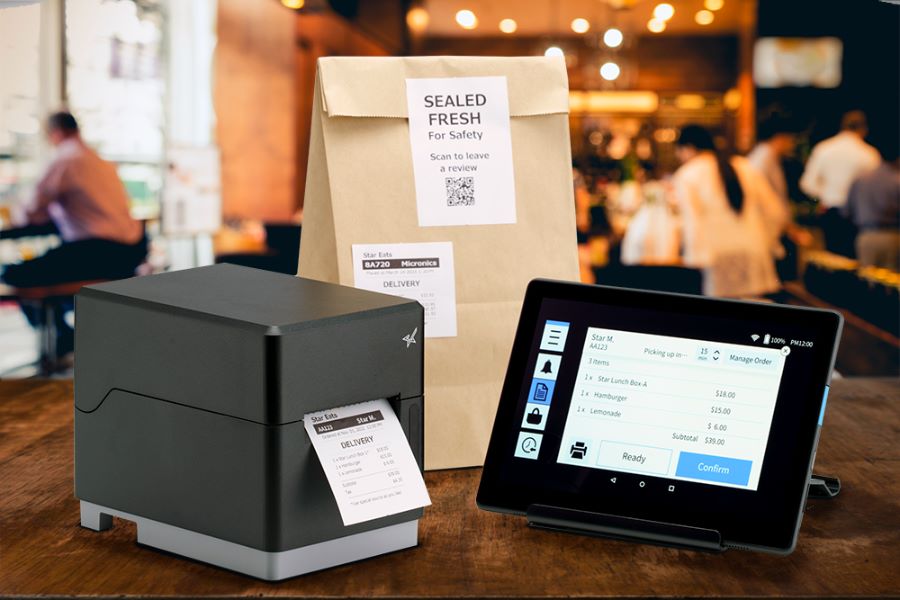
    The mC-Label3 Multifunction Printer by Star Micronics great for delivery take out online ordering and QSRs.
    Keep your label printers working by following best practices for cleaning printer cutters.

    Best Practices for Cleaning Printer Cutters

    Keeping printer cutters clean comes down to a few practical maintenance habits.

    • Follow Maintenance Alerts, Not Just Schedules: Print volume can vary significantly. Built-in maintenance alerts help ensure cleaning happens at the right time, before performance issues begin.
    • Make Cleaning Instructions Easy to Access: When cleaning is required, staff need clear, immediate guidance. Printers that provide quick access to step-by-step instructions make maintenance easier and more consistent.
    • Simplify the Cleaning Process: If maintenance is complicated, it will be delayed. Tool-free access and clearly designed components allow staff to clean printers quickly without relying on IT support.
    • Replace Worn Parts Before They Fail: Even with regular cleaning, cutters and platens wear over time. Replacing these components proactively helps prevent jams and keeps printers performing reliably.

    Printer Cleaning and Maintenance Made Easy with Star Micronics

    Keeping label printers clean should not require specialized training or disrupt daily operations. In high-volume environments, printer cleaning and maintenance need to be simple, repeatable, and built into normal workflows. Star printers are designed so routine label printer maintenance can be performed by staff in minutes, without tools, service calls, or operational delays.

    The mC-Label2 and mC-Label3 multifunction label printers are built to support routine cleaning without technical expertise. Built-in maintenance alerts notify staff when attention is needed, helping prevent adhesive buildup before it impacts performance. When it’s time to clean, QR code-driven instructions provide immediate access to step-by-step guidance, so employees can act quickly and confidently.

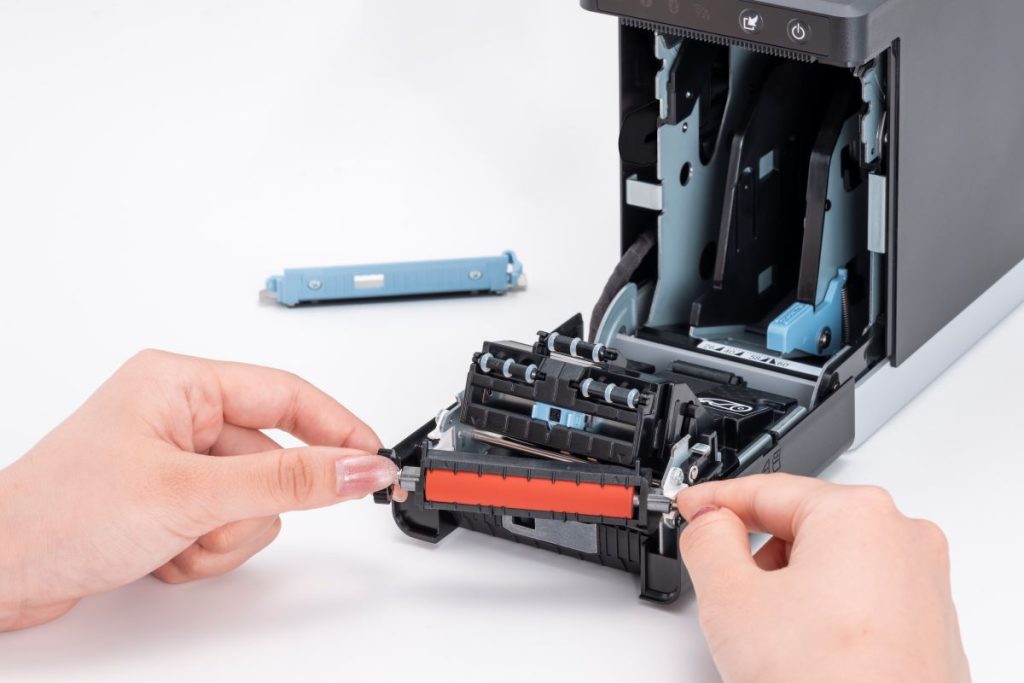
    Cleaning the printer cutter is straightforward. In many cases, staff can use the adhesive side of an unused label to remove gum and debris from the cutter. Tool-free, color-coded components make it easy to access, clean, and reassemble parts without delays or IT support.

    With the right maintenance approach and tools, cleaning label printers becomes a quick, routine task instead of a source of downtime.

    Want to learn more about how the mC-Label series helps reduce printer downtime? Read our blog, “Reduce Label Printer Downtime with Smarter Maintenance Tools.”

    The mC-Label2 multimedia printer by Star Micronics features user-friendly, tool-free maintenance.
    The mC-Label series uses tool-free, color-coded components for easy printer maintenance.

    Contact us for a demonstration to see how easy printer cleaning and maintenance can be.

    Frequently Asked Questions About Cleaning Printers

    How often should you clean a printer cutter?

    A printer cutter should be cleaned based on print volume and media type. High-volume environments and linerless label printing require more frequent cleaning due to adhesive buildup. Maintenance alerts help ensure cleaning happens at the right time.

    What causes a label printer cutter to become gummed up?

    A label printer cutter becomes gummed up when adhesive residue builds up on the cutter blade. This residue collects paper dust and debris, causing the cutter to become sticky, misaligned, or unable to cut cleanly.

    What happens if you do not clean a printer cutter?

    A dirty printer cutter causes incomplete cuts, label tearing, and frequent jams. Over time, this increases wear on the cutter mechanism and leads to downtime that disrupts labeling workflows.

    How do you clean a label printer cutter?

    To clean a label printer cutter, use the adhesive side of an unused label to remove buildup from the cutter blade. Always follow manufacturer instructions and ensure the printer is powered off before cleaning.

    Do linerless labels require more printer maintenance?

    Yes. Linerless labels apply adhesive across the entire label surface, increasing the likelihood of buildup on the printer cutter. More frequent printer cutter cleaning is required in these environments.

    Can employees clean printer cutters without technical training?

    Yes. Printers designed with tool-free access and guided instructions allow staff to perform printer cutter cleaning without technical training or IT support.

    When should you replace a printer cutter or platen?

    Replace a printer cutter or platen when cleaning no longer resolves cutting issues, or when consistent jams and uneven cuts occur.

    How can businesses reduce printer downtime caused by cutter issues?

    Businesses can reduce printer downtime by performing regular printer cutter cleaning, following maintenance alerts, and replacing worn parts proactively. Using printers designed for easy maintenance improves consistency and reliability.

  • Star Micronics Becomes the First to Offer Windows on ARM Driver Support for POS Printers

    Star Micronics Becomes the First to Offer Windows on ARM Driver Support for POS Printers

    The new driver enables ISVs and solution providers to deploy Star printers on ARM-based Windows devices, expanding compatibility for modern POS environments.

    Somerset, NJ – April 7, 2026 – Star Micronics, a global provider of point-of-sale (POS) hardware, cloud printing, and labeling solutions, today announced the availability of Windows on ARM driver support for its printer portfolio. As the first POS hardware manufacturer to offer native support for Windows on ARM devices, Star is expanding compatibility with next-generation computing platforms used by ISVs, resellers, and enterprise customers.

    As adoption of ARM-based Windows devices continues to grow across tablets, laptops, and compact POS systems, software developers and solution providers are increasingly building applications for these environments. Star’s Windows on ARM driver enables native integration with Star printers, allowing ISVs to support receipt, label, and ticket printing without relying on emulation or additional workarounds.

    Expanding Compatibility for Modern POS Deployments

    Star’s Windows on ARM driver support enables ISVs to support printing natively on ARM-based Windows devices, while giving resellers confidence that Star printers will work with newer Windows hardware without requiring emulation or additional configuration. This is especially important as businesses adopt lighter, more energy-efficient ARM-based systems across retail, hospitality, and service environments.

    Supporting ISVs and Solution Providers

    For ISVs, native Windows on ARM driver support removes the need for emulation and ensures consistent printing functionality across both ARM and traditional x86 platforms, simplifying development for modern POS environments.

    Resellers and solution providers also gain greater flexibility in supporting customer environments that are adopting ARM-based Windows devices, allowing them to offer compatible solutions across a wider range of system configurations.

    “ISVs and solution providers are increasingly working with ARM-based Windows devices as part of modern POS deployments. By offering native Windows on ARM driver support, Star ensures our partners can support the latest hardware platforms without compromising compatibility or performance.”

    Availability

    Star’s Windows on ARM drivers are available on request. To learn more or request access, please contact Star Micronics at integrations@starmicronics.com.

    For more information about Star Micronics solutions, visit starmicronics.com.

    Can’t get enough industry news?

    Star Micronics logo, point-of-sale (POS) hardware and technology company.

    Star Micronics is a global provider of point-of-sale (POS) hardware, cloud printing, and labeling solutions that help businesses connect digital workflows to real-world operations. Serving retail, hospitality, healthcare, and service industries, Star delivers printing, labeling, cash management, self-service, and cloud-based technologies designed to support scalable, connected, and automated environments. Star’s solutions support Android, iOS, Windows, and web-based platforms and extend into the cloud through services such as CloudPRNT Next and StarIO.Online, Star’s fully managed cloud printing service.

    Visit starmicronics.com or follow us on Facebook, X, YouTube, or LinkedIn to learn more.

    Media Contact:

    Christin Dorner
    Star Micronics America, Inc.
    cdorner@starmicronics.com
    848-216-3318

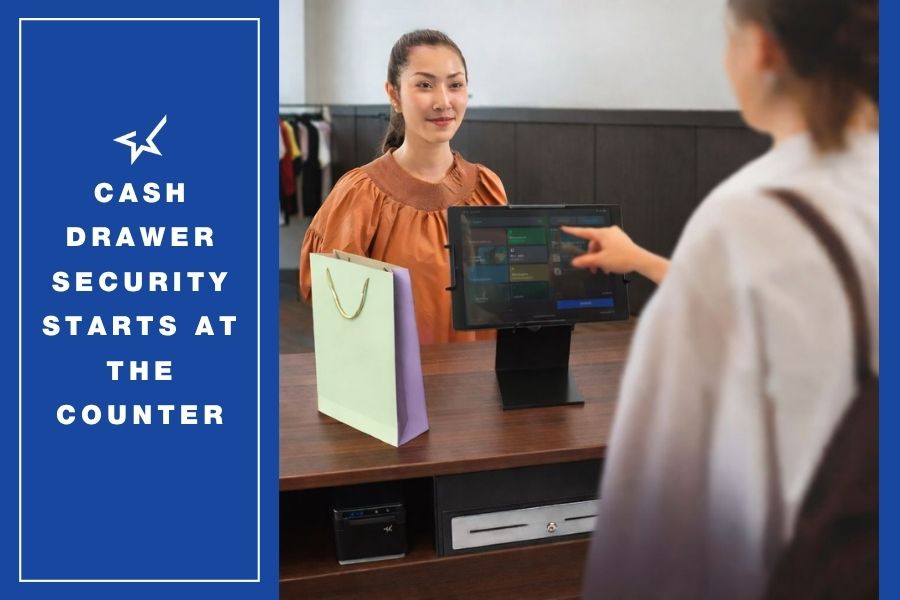
  • Cash Drawer Security: Protecting Cash in a Digital Payments Era

    Cash Drawer Security: Protecting Cash in a Digital Payments Era

    Cash drawer security remains essential as consumers continue to use cash. Secure cash drawers feature robust access control and connectivity to the point-of-sale (POS) system, enabling greater oversight and employee accountability. Secure cash drawers also help to reduce human error and losses by keeping cash organized. Cash drawer construction also plays an important role in preventing jams and failures that lead to workarounds and put cash at risk. 

    Table of Contents

    Cash Is Still Common — and It Still Needs to Be Secured

    Although digital transactions account for an increasing share of payments, merchants still need to maintain focus on cash drawer security. Statistics from the Federal Reserve confirm that U.S. consumers use cash for about 14% of payments, and that rate has stayed steady for the past five years. Furthermore, the Fed reports that 90% of U.S. consumers intend to use cash to store value in the future. Older consumers are more likely to have cash in their wallets, but Empower reports that 24% of Gen Z carry cash daily. 

    The staying power of cash transactions can benefit merchants. With cash, merchants instantly have funds, and there are no processing fees or chargebacks when customers pay with cash. On the other hand, keeping cash secure and ensuring there aren’t any errors in till cash balances are long-term challenges.

    Pros of Accepting Cash Cons of Accepting Cash
    Immediate access to funds Risk of shrinkage
    No payment processing fees Manual counting and reconciliation required
    No chargebacks or payment disputes Risk of employee theft
    Works during internet or network outages Greater need for secure storage and procedures
    Accessible for all customers Human error when making change

    So, as long as consumers use cash, merchants need more than just a drawer for bills and change. They need a secure cash drawer designed for accountability and durability. 

    What is a Secure Cash Drawer?

    A secure cash drawer is a cash drawer that combines physical durability with controlled access through POS system integration. In most modern POS environments, the cash drawer opens only when triggered by the receipt printer or POS terminal, ensuring that every drawer open is tied to a transaction or authorized action. This creates a record of drawer activity and limits unauthorized access to cash.

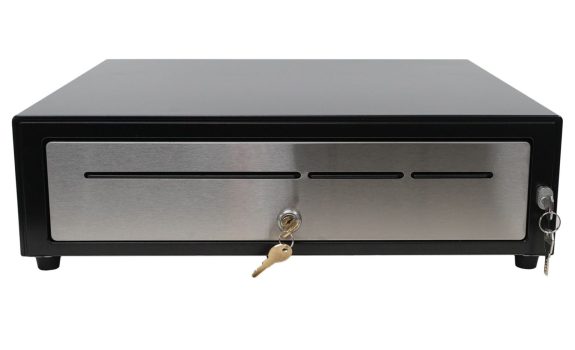
    Secure cash drawers also include durable steel construction, secure bill clips, multiple till configurations, and lock mechanisms that prevent forced entry or accidental opening.

    How Cash Drawer Security Works

    Cash drawer security features help businesses control access to cash, reduce internal theft, prevent cash handling errors, and ensure the drawer can withstand high transaction volumes without failure.

    1. Cash Drawers Give Merchants Access Control

    The most important rule of cash handling is simple: when the drawer is not in use for a transaction, it should be locked. Secure cash drawers are typically connected to the POS terminal or receipt printer and open only when triggered by a transaction or authorized function. This ensures that employees must be logged into the system to access till cash and creates a record of each drawer open, improving accountability and reducing opportunities for unauthorized access.

    2. Insider Threat Mitigation with Cash Drawer Security

    Lax cash drawer security can tempt employees. A&M Consumer Retail Group reports that it’s a threat merchants must acknowledge, with over 50% of shrinkage coming from internal factors like employee theft. Cash drawers that interface with the POS system allow merchants to set policies for when the drawer can open and when manager authorization is required, for example, for voids, returns, or “no sales.” 

    Secure cash drawers help enforce cash handling policies. For example, the POS system can require manager authorization for voids, returns, or “no sale” drawer opens. Drawers that support multiple removable tills allow businesses to assign one till per cashier, making it clear who is responsible for the cash in that drawer during each shift and simplifying reconciliation.

    3. Reducing Human Error with Secure Cash Drawers

    The till design is also a factor in cash drawer security. Having the right number and size of compartments can help prevent cashiers from making mistakes, such as giving a $20 bill in change when $10 was due.

    Secure cash drawer design supports cash balancing best practices

    • Counting at the beginning of the shift
    • Depositing cash throughout the shift
    • Pulling the POS report at the end of the shift
    • Counting in a secure location 
    • Solve any discrepancies immediately

    An organized till reduces mistakes during transactions and makes end-of-shift reconciliation faster and more accurate. Proper till configuration is often an overlooked aspect of cash drawer security because disorganized drawers lead directly to cash-handling errors.

    4. Cash Drawers Need Strong Physical Security Features

    Cash drawers must be built to withstand daily use. In high-volume environments like grocery, cannabis, QSR, and large retail stores, drawers may open hundreds of times per day. All-steel construction, reinforced rails, metal bill clips, and dual-lock systems help prevent forced entry and reduce failures that can lead to security workarounds.

    The CD5-1918 cash drawer by Star Micronics sets the standard for high-cash volume, big-box, and enterprise-level cash management.
    The CD5-1918 Max Series Cash Drawer by Star Micronics

    Quick Cash Handling Security Checklist

    Businesses can improve cash drawer security by following these best practices:

    • Use POS-triggered drawers instead of manual key-only drawers
    • Assign one till per cashier
    • Require manager approval for no-sale drawer opens
    • Store large bills under the till
    • Perform till counts at the beginning and end of each shift
    • Reconcile cash in a secure back-office location
    • Use steel cash drawers in high-volume environments

    Additional Cash Drawer Security Accessories

    In addition to the cash drawer itself, several accessories can improve cash handling security and prevent unauthorized access.

    Locking Till Covers

    Locking till covers allow tills to be securely stored in a safe or back office during shift changes or when the drawer is not in use. This prevents loose cash from being transported in bags or left unsecured.

    Under-Counter Mounting Brackets

    Under-counter mounting brackets secure the cash drawer to the counter, preventing the drawer from being removed from the POS station. This is commonly used in retail and hospitality environments where the risk of theft is higher.

    Dual Drawer Secure Cable

    In dual drawer environments, traditional “Y” cables allow two drawers to connect to one printer, but they can create a security risk because drawers can be swapped at the printer. Secure dual drawer cables prevent drawer swapping by creating a fixed connection between the printer and both drawers, making it much more difficult for an employee to access a second drawer without authorization.

    These accessories are often used in high-volume retail, grocery, cannabis, and hospitality environments where multiple employees share POS stations and cash handling controls are especially important.

    How to Choose a Secure Cash Drawer

    Choosing a secure cash drawer is not just about size or price. The right drawer should match your transaction volume, integrate with your POS system, and support your cash handling procedures. In high-volume environments like retail, grocery, cannabis, and QSR, drawers must withstand constant use while maintaining controlled access to cash. In lower-volume environments, compact drawers with reliable POS integration and basic locking features may be sufficient.

    When evaluating cash drawer security, businesses should consider:

    • Steel construction and durability for high open/close environments
    • POS or receipt printer interface compatibility for controlled drawer opening
    • Till configuration and removable tills for shift-level accountability
    • Locking mechanisms and key options for controlled access
    • Mounting options such as under-counter brackets to prevent drawer removal
    • Support for dual drawer installations to prevent drawer swapping

    A secure cash drawer should support your cash handling procedures, not work against them. The goal is simple: limit access, create accountability, and make cash handling as controlled and traceable as possible.

    Cash Drawer Security by Industry

    Cash drawer security requirements vary by industry:

    • Retail: High transaction volume requires heavy-duty steel drawers and removable tills for multiple cashiers.
    • Grocery: Drawers open frequently and require reinforced rails and high-capacity tills.
    • Quick-Service Restaurants: Compact POS cash drawers are common, often connected to receipt printers.
    • Cannabis: Secure cash handling is critical due to cash-heavy operations and compliance requirements.
    • Hospitality: Bars and cafés often use compact drawers with under-counter mounting for security.

    Star Micronics Cash Drawer Security Solutions

    Star Micronics offers cash drawers and cash handling accessories designed for retail, grocery, hospitality, cannabis, and other environments where secure cash management is important.

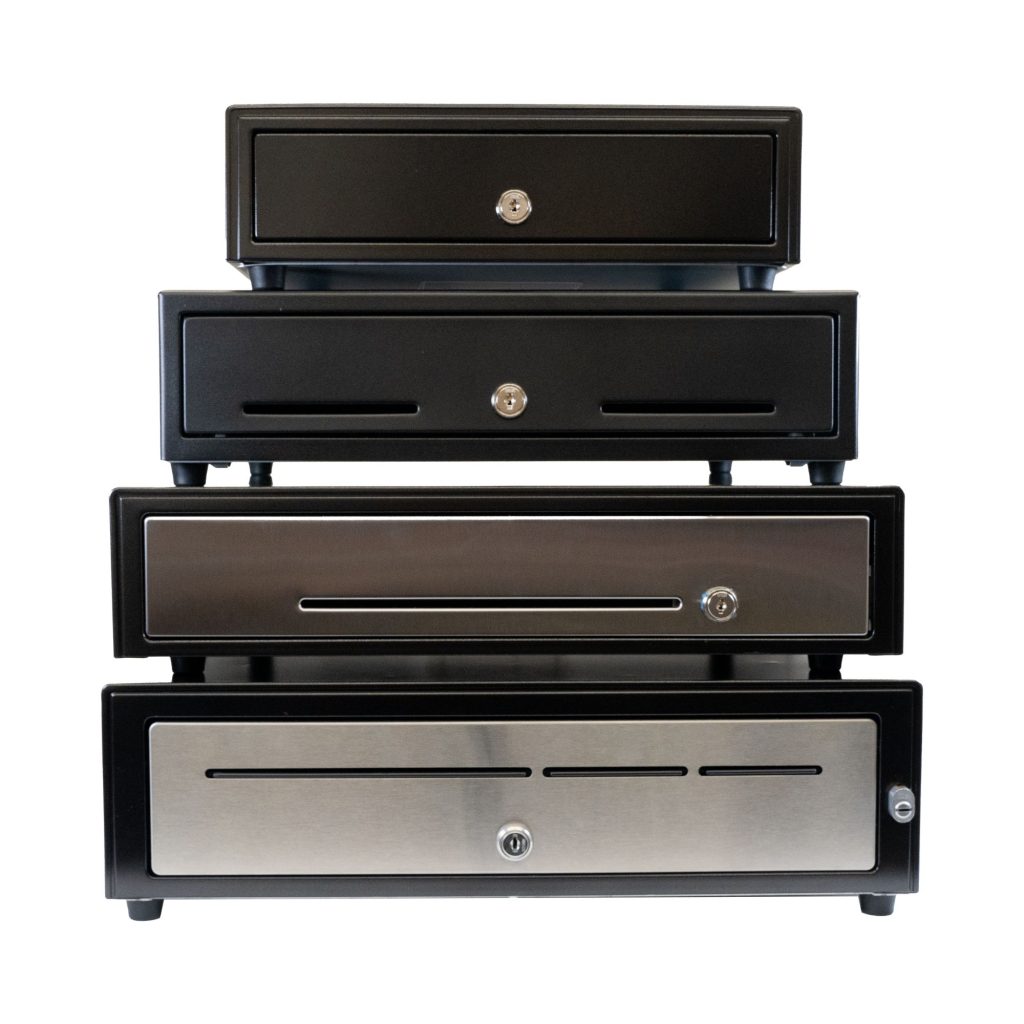
    CD5 Max Series Cash Drawers: The CD5 Max Series is designed for cash-heavy environments where durability and cash handling control are critical. These heavy-duty steel cash drawers are commonly used in grocery stores, large retail, QSRs, and cannabis environments where drawers open frequently throughout the day.

    Key security features include:

    • Heavy-duty all-steel construction in every popular size
    • Dual interface (DK and USB) for POS or printer-driven operation
    • Reinforced drawer rails for high open/close cycles (millions of operations)
    • Dual or multiple media slot options for checks and large bills
    • Multiple till configurations to support different environments
    • Dual-locking mechanisms on select models

    These features help businesses maintain drawer reliability, control access to cash, and support consistent cash handling procedures in high-volume environments.

    CD5 Max Series Cash Drawers

    Designed for high-cash-volume environments, the CD5 Max Series features heavy-duty steel construction, dual lock options, and under-till storage for added organization. Multiple sizes and DK/USB interface options allow easy connectivity with virtually any POS system.

    Explore More >

    CD4 Choice Series Cash Drawers: The CD4 Choice Series is a standard-duty cash drawer designed for general retail, hospitality, and point-of-sale environments that need reliable cash handling with essential security features. These POS cash drawers are commonly used in retail stores, cafés, bars, and service counters where a compact drawer and dependable operation are required.

    Key security features include:

    • Durable steel construction with reinforced steel top
    • Multiple lockset options for key control and drawer access management
    • Dual media slots for storing checks or large bills without opening the drawer
    • Secure bill clips to keep cash organized and in place
    • Multiple till configurations to support different cash handling needs

    Standard-duty cash drawers like the CD4 are used in environments with moderate transaction volumes, but secure cash handling and POS-controlled drawer opening remain important.

    Star Cash Drawer Accessories and Tills

    In addition to cash drawers, Star offers cash handling accessories that help businesses improve security and cash control procedures:

    Using removable tills and locking till covers helps businesses assign responsibility for cash to individual cashiers and transport tills securely to the back office for reconciliation. Mounting brackets help prevent the drawer from being removed from the POS station, and secure dual drawer cables help prevent unauthorized access in dual-drawer POS setups.

    These accessories are commonly used in multi-employee environments where multiple cashiers share POS stations and cash control procedures are important for loss prevention and accurate reconciliation.

    Frequently Asked Questions About Cash Drawer Security

    What makes a cash drawer secure?

    A cash drawer is considered secure when it has durable steel construction, a reliable locking mechanism, and controlled opening through the POS system or receipt printer. Security also depends on proper till organization, removable tills to support cashier accountability, and consistent cash-handling procedures, such as shift counts and reconciliation.

    How do cash drawers prevent employee theft?

    Secure cash drawers give employees access to cash only when necessary and authorized, i.e., when accepting cash payments or making change. A secure cash drawer will also communicate with the POS system to track when an employee opens the drawer for any reason, and keep a record for reconciliation and accountability. 

    How does a cash drawer connect to a POS system?

    Most modern cash drawers connect to the POS system through the receipt printer or directly to the POS terminal. In many setups, the cash drawer is connected to the receipt printer using a drawer cable, and the printer sends a signal to open the drawer when a cash transaction is completed. This is often called a printer-driven cash drawer.

    This setup allows the POS system to control when the drawer opens and helps ensure that the drawer only opens for recorded transactions or authorized functions such as returns or no-sale opens with manager approval. Some basic cash drawers operate manually using only a key, but POS-controlled drawers provide much better security and accountability.

    Why is the removable till important for cash handling?

    One till per cashier has numerous benefits for secure cash handling. It enables secure transport of till cash when the cashier begins the shift and when carrying cash from the shift to the back office for reconciliation. Tills can be stored in a safe rather than in the drawer when not in use. Cash is never stored less securely, for example, in a bank bag or loose, and cashiers are each accountable for the cash in the tills they’re using.

    What is the most durable cash drawer for high-volume retail?

    The most durable cash drawers for high-volume environments are made of all-steel construction and are tested for durability and performance over millions of opens/closes. Star’s CD5 Max Series has all the features a high-volume retailer needs, including reinforced drawer rails and industry-leading lock strength. CD5 cash drawer models include several options, giving merchants the choice of the correct till configuration for the bills and change they accept. 

    Bartender Checking ID

    Where to Learn More About Cash Drawer Security

    Choosing the right cash drawer is an important part of cash handling and loss prevention. Star Micronics offers secure cash drawers designed for retail, grocery, hospitality, and cannabis environments, including heavy-duty and compact models with multiple till configurations and POS interface options.

    Contact us to learn more about Star Micronics CD5 and CD4 cash drawer solutions.

  • POS Printer Integration Shouldn’t Slow Down Your Platform. A New Case Study.

    POS Printer Integration Shouldn’t Slow Down Your Platform. A New Case Study.

    For many POS platforms, printing issues don’t show up during development. They show up during deployment. Different restaurant environments, network configurations, and connectivity challenges can quickly turn printing into one of the biggest sources of support calls.

    That’s exactly what Selflane experienced. Printing instability wasn’t just a minor inconvenience. It was pulling engineering and service teams into troubleshooting instead of product development and growth.

    By standardizing on the TSP143IV thermal receipt printer and moving to the StarXpand SDK, Selflane was able to modernize its POS printer integration, simplify installations, and reduce recurring support issues.

    We put together a short case study that walks through what changed and what other ISVs can learn from it.

    Download the Selflane case study to read the full story.