Tag: QSR & Fast Casual

  • The Restaurant of the Future: What it Looks Like and Why It’s Successful

    The Restaurant of the Future: What it Looks Like and Why It’s Successful

    As the new year begins, restaurateurs and their loyal customers wonder what the restaurant of the future will look like as the industry continues to adapt to changes brought on by the ongoing pandemic. Shifting consumer trends and attitudes have changed the trajectory of the industry in mere months.

    The world is in the middle of digital transformation and many restaurants have recognized that. The shift toward online services won’t pass with the pandemic – from QR codes to digital marketing campaigns, future success depends on how well restaurants adapt to changing consumer trends. Read on to discover how and why digital, self-service, and contactless technology will be a part of the successful restaurant of the future.

    Self-Service

    One technology that is sure to be found in the restaurant of the future is the self-service kiosk. Although self-service kiosks used to mainly be found in large restaurant chains, in recent years the technology has become accessible to small business owners as well. Self-service kiosks offer the ability to shorten lines and free up staff to provide an even better customer experience and handle more pressing tasks that can’t be done by machine.

    Kiosks, tableside tablets, and other self-ordering point of sale (POS) devices allow customers to personalize their orders and forced modifiers prompt them to add side dishes or increase their drink size. While these additions cost only cents to customers, that profit adds up over time for the business.

    Self-service can create sticky business, as well. Easily being able to customize meals encourages diners to come back again and again, allowing restaurants to improve loyalty while addressing the needs of the modern guest.

    The benefits of self-service extend to health and safety, too. Social distancing is made simple when customers complete their transaction at a kiosk or by themselves at their table. An added bonus is improved order turn times, as orders get submitted straight to the kitchen versus having to go through the added step of being submitted by a waitstaff member.

    The benefits of the customization that self-service allows for continue. Many self-ordering solutions include the ability to build customer profiles to help staff predict their needs and tailor every experience like they’re a welcome friend. With the right online ordering platform, guests can quickly log in to reorder favorites and this information gives restaurants valuable access to data they can incorporate into targeted marketing campaigns to increase revenue (or contact trace, if needed).

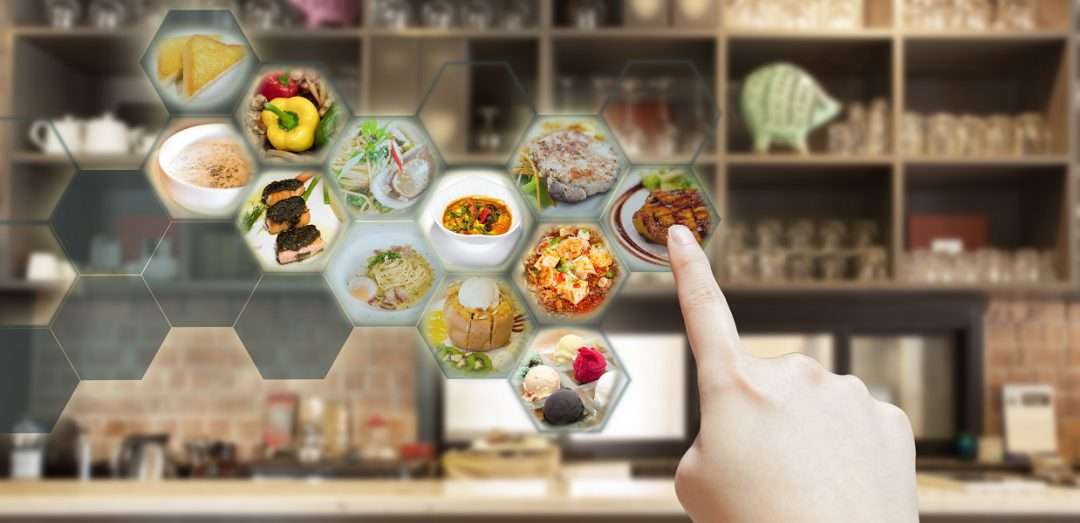
    The restaurant of the future involves customers ordering from their smartphones.

    Online Ordering: Delivery and Curbside Pickup

    With dine-in services being limited around the world, many people are turning their focus to off-premises ordering channels instead. Delivery and takeout systems are growing; they helped restaurants survive the past year and recent additions like drive-throughs and curbside pickup are likely to stick around now that restaurants have recognized the resulting ROI. According to Restaurant Business Magazine, 60% of business owners report that opening up delivery channels produced incremental sales.

    To make the most of the online ordering trend, restaurants should optimize their online ordering platform and streamline operations so they’re ready to handle the influx of business that will flock to the new off-premises channels. Advanced restaurant technology can do just that, improving communication between the front- and back-of-the-house but also from customer to employee. In fact, the best POS systems submit orders directly to the kitchen display system (KDS) and improve order accuracy for enhanced guest satisfaction. Linerless labels, which contain order details and can be easily applied to (and repositioned on) online orders, can also greatly improve order accuracy.

    In the restaurant of the future, technology and manual labor work together to create a streamlined ecosystem of shared responsibilities. Restaurants may assign available waitstaff to direct traffic for a new curbside service or reorganize the seating area to become a zone for socially distanced takeout orders. Advanced POS systems incorporate seamlessly into operations to make life easier, customers happier, and staff more productive.

    6 Crucial Technologies for Successful Curbside Service

    Ignite your curbside service’s full potential with these six crucial technologies.

    QR Codes and Digitization

    Contactless technologies will likely remain a pillar of restaurant businesses when dine-in services open again at full capacity. Over half of U.S. restaurants already use QR-code menus (Beaconstac, 2020) to provide patrons convenience, personalization, and enhanced safety along with the comforts of sitting down at a restaurant. Meanwhile, servers can use their time to improve the customer experience by chatting with patrons, cleaning and sanitizing, and more.

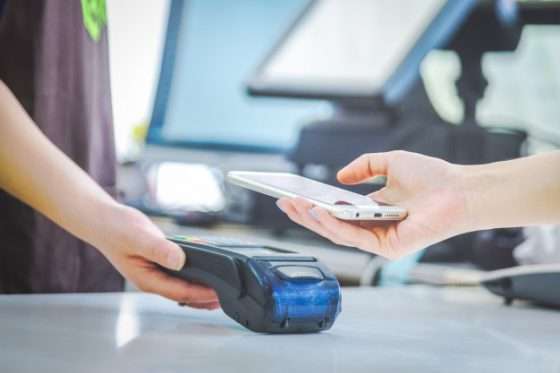
    So, how do QR code menus work? First, place the QR code on each table, the host stand, storefront windows, or as part of the décor – anywhere that is accessible to guests from their seats so they can easily review the menu and enter their orders from their smartphones. Patrons can also complete their transactions at their tables, with faster, secure payment methods that work via mobile menu. By providing in-house, EMV-enabled devices that can take NFC, mobile wallet, tap and swipe payment method, every customer will be satisfied.

    How is all of this possible? With eatOS or similar technologies, you get a POS device that can handle all of these new sales channels and extra traffic without any added effort from your team. Get all of the convenience of cutting-edge digital solutions to common industry problems and see the benefits of implementing online ordering, QR codes and other contactless service options in your restaurant.
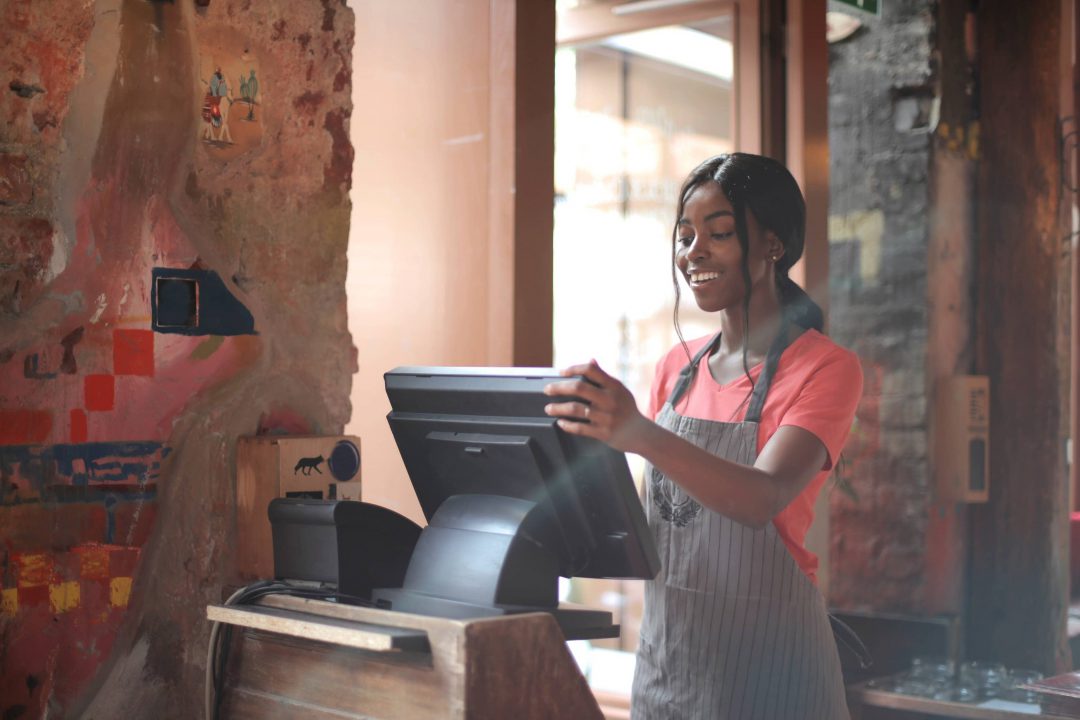
    Technology and manual labor will work in unison in the restaurant of the future.

    Future of Food Service

    The restaurant of the future is digital. Long after the threat of COVID-19 has passed, these trends will likely continue to evolve along a similar trajectory with technology unburdening manual labor, cutting costs, and improving profits, all in one fell swoop. As customers come to rely more and more on a touch-free experience, their favorite businesses will have to adapt to become more efficient. In 2021, that means shifting services to the digital world.

    POS systems are getting faster, more accurate, more capable, and more profitable as consumers come to prefer self-service and automation. As the new year unfolds, the restaurant industry will continue to digitize with the aid of contactless technology that puts them online and launches them toward greater success. Self-service technologies, like kiosks, combined with online ordering platforms, QR codes, and other contactless technology solutions are bringing restaurants all over the world into the future.
    Looking for a cloud-based restaurant management and payment processing ecosystem?


    Looking for a cloud-based restaurant management and payment processing ecosystem?

    About eatOS

    At eatOS, we build cloud-based technology solutions exclusively for restaurants.

    Our experience in the restaurant industry and specialized teams help us understand the complexity of running a restaurant. These tools allow us to build a customizable solution to help restaurants adapt to the industry’s needs.

    Our cloud-based platform works on both iOS & Android, giving restaurants flexibility. Our management solutions simplify operations regardless of restaurant size. Guest engagement features improve the overall guest experience and reduce friction in the operations for staff.

    Our technology gives restaurants the ability to engage with their community in new and innovative ways and automate operations from payroll to inventory management. eatOS point of sale handles all the busywork and allows restaurants to focus on their customers.

    At eatOS our main priority is helping restaurateurs succeed. We strongly believe in giving our clients the ability to simplify management, exceed customer expectations, and provide a true cloud-based POS solution. Using these three values at the core of our focus to bridge the gap between the community and technology.

  • How to Prepare Your Retail Store for 5 Challenges 2021 Will Bring

    How to Prepare Your Retail Store for 5 Challenges 2021 Will Bring

    Most years, there are one or two emerging trends that are expected to become big over the following 12 months. And this can make it relatively straightforward for retailers to prepare for the changes. But of course, 2020 hasn’t been like most years. The COVID-19 outbreak has shifted customer behaviors more rapidly than ever before, and many of the effects of the pandemic are expected to roll over to next year. 

    This means that there’s no single way that retailers can prepare for 2021. Preparing to succeed next year means carefully considering what new challenges the pandemic has introduced to the retail world, and identifying innovative and effective ways to overcome these challenges to meet customer expectations.

    So what challenges are retailers likely to face next year, and how can you prepare for them?

    Let’s take a look…

    Challenge 1: Fluctuating Demand

    “While traffic has begun to rise again over the past few months, there will most likely be variability moving forward. With active cases in a state of flux, store traffic can be expected to do the same”.

    That’s according to the National Retail Federation, which believes that the ebbs and flows of localized outbreaks will create ongoing variability in foot traffic. As local cases rise, foot traffic may slow either due to a personal preference to remain at home or due to changes in legislation. And as cases drop, it can be expected that many shoppers will flock to stores to grab items they need during periods of lower risk. 

    And this is set to create one of the biggest challenges for retailers in 2021; knowing when the store will require the greatest level of cover – and when it won’t – to ensure retailers are getting the most value from the workforce. The best way to prepare for this unique challenge is to prioritize data analysis and forecasting, using both real-time and historical data to facilitate improved employee scheduling

    Challenge 2: Evolving Customer Needs

    It’s clear that the global pandemic has had a huge impact on what customers want from their in-store shopping experience. Post-pandemic shoppers want contactless payments, with research by Mastercard suggesting that 80% of shoppers now use contactless, citing ‘safety and cleanliness’ as the primary reason. Next year, customers are expected to place more importance on store sanitation than ever. 

    Improving your store’s existing hygiene and sanitation practices – and communicating with shoppers the changes that are being made to facilitate a safe and secure in-store shopping experience – is key to preparing to succeed in 2021. If you haven’t already dipped a toe into the world of contactless payments, now is the time to invest in new payment technologies or upgrade older technologies. 

    Challenge 3: Altered Spending Habits

    COVID-19 hasn’t just sparked a health crisis; it’s sparked an economic crisis, too. The US unemployment rate rose from 3.8% in February 2020 to 14.4% just two months later, resulting in many people facing financial uncertainty and difficulties. In turn, this has created a major trend for shoppers to spend more cautiously, and many are taking a more savvy approach to shopping in a bid to lower their outgoings.

    This creates a new challenge for retailers who will need to introduce innovative tactics to re-normalize spending. The secret to preparing for this challenge is to focus on getting traffic through the door with savings, offers, and promotional deals. Coupons can be a highly effective option, particularly printed coupons which research shows have an 18% higher return on investment than digital alternatives. 

    Challenge 4: A Need for Speed

    One of the biggest impacts the pandemic has had on the retail sector is that it’s sparked a new trend for ‘shopping with purpose’, which replaces the former trend of leisurely browsing. That’s because shoppers have a new desire to spend less time in enclosed spaces such as busy stores where it’s not always possible to practice social distancing. Retailers should now focus on creating swift in-store experiences. 

    The best way to prepare for this 2021 challenge is to introduce advanced technologies such as self-service kiosks or mobile point of sale solutions which can reduce line length and in some cases even eradicate traditional queuing systems in a bid to get shoppers through the store faster. By spending less time in busy queues, shoppers can reduce the risk of viral spread and maintain a safe distance from others. 

    Challenge 5: Shifting Customer Preference

    Many countries around the world were together making huge strides towards a greener future. And sadly, the pandemic has caused a significant setback. It’s reported that 129 billion face masks and 65 billion gloves are used – and disposed of – every month, and for hygiene reasons, single-use plastics are back in fashion. It’s reported that waste levels have grown by 30% as a result of the COVID-19 outbreak.

    Today, customers are actively looking to support retailers that do their part to protect the environment. And for those retailers that have not introduced eco-friendly processes, this presents a new challenge. The good news is there are lots of ways to prepare. One such way is to switch to eco-friendly POS solutions, such as receipt printers from responsible suppliers that use BPA-free, recyclable paper. 

    COVID-19 and Beyond

    While the COVID-19 outbreak is expected to be temporary, the impact that the pandemic has had on the retail sector – and on the world – is not. The global crisis has introduced many long-lasting changes that will be witnessed throughout 2021, and beyond. That’s why preparing for the new challenges that have arisen in 2020 is so crucially important for retailers. These challenges are not one-offs; these are challenges that retailers are going to face long into the future, so taking measures now to facilitate great shopping experiences in the future is one of the best ways to ensure you don’t just survive, but thrive. 

  • Why Self-Service Kiosk Integration is Crucial for Restaurateurs

    Why Self-Service Kiosk Integration is Crucial for Restaurateurs

    In recent years, one can’t help but notice how many self-service kiosks are popping up in businesses of all kinds. Arguably, the most noticeable increase has been in restaurants. Kiosks are often found in quick-service restaurants (QSR) but can also be spotted in airport food courts, schools, workplace cafeterias, and many other places. So, what’s all the hype about? Why should restauranteurs prioritize implementing a self-service solution? Read on to explore five main reasons why self-service kiosk integration is not just beneficial, but crucial for restauranteurs.

    Better Customer Experience

    At the end of the day, happy customers translate into returning customers, which in turn means a successful business. Self-service kiosks are an easy way for restauranteurs to provide a better customer experience for their diners and create sticky business.

    First and foremost, kiosks mean customers spend less time waiting in line. Offering two ways to place an order – at a manned point of sale terminal and at a self-service kiosk – helps prevent a restaurant’s queue from bottlenecking. Who doesn’t enjoy quickly ordering and receiving their meal? Kiosk integration makes that a reality – and not just during slow times, but during rush hours, too.

    Another major way that kiosks benefit the customer experience is by allowing diners to customize their orders fully and rapidly. According to the North American Association of Food Equipment Manufacturers, a whopping 72% of consumers expect customization. While it’s true that customers can also customize their order at a manned point of sale terminal, face-to-face orders are more susceptible to miscommunication and inaccurate order-taking, something that simply doesn’t occur as often at self-service kiosks. Additionally, kiosks can accommodate order-taking in multiple languages, further boosting their ability to help all customers place their orders, their way.

    Boosted Profits

    Needless to say, money matters … and kiosk integration can help restauranteurs make more of it!

    Did you know that it’s been shown that customers spend 30% more when ordering from a self-service kiosk? A major reason for this is due to the ability for kiosks to naturally enhance upselling and cross-selling. Diners aren’t likely to order that extra drink or dessert if the only place they see it listed is on a separate part of a physical menu, or if the option is presented to them by a cashier in a sales pitch type of manner.

    However, in one case study measuring sales at self-service kiosks versus sales at manned cashier terminals, not only did kiosks experience more traffic, but on average a kiosk’s orders contained 1.4x more items than orders placed at the terminal. This resulted in an impressive increase of at least $5 per transaction. The ability for kiosks to naturally present add-on items to diners (in an appealing style) certainly pays off.

    More Efficient Use of Staff

    One common fear associated with self-service kiosks is that a kiosk integration means that current restaurant staff will lose their jobs. However, that tends to not be the case. In fact, McDonald’s installed kiosks in thousands of its stores – without plans to lay off its workers.

    According to a Business Insider article,

    “Our CEO, Steve Easterbrook, has said on many occasions that self-order kiosks in McDonald’s restaurants are not a labor replacement,” a spokeswoman told Business Insider. “They provide an opportunity to transition back-of-the-house positions to more customer service roles such as concierges and table service where they are able to truly engage with guests and enhance the dining experience.”

    Just like the article states, self-service kiosks allow staff to focus more of their energy on providing better customer service to customers, staying on top of cleaning and stocking napkins, utensils, and condiments, and more. And having staff prioritize the customer experience is important: 70% of consumers say they have already made a choice to support a company that delivers great customer service.

    Free Self-Service Kiosk Resources

    The future of many industries lies with self-service solutions. That’s why Star Micronics is offering free online ordering resources for resellers and software developers who are helping customers future-proof their businesses with self-service solutions.

    Marketing Benefits

    Self-service kiosks present multiple marketing opportunities to restauranteurs.

    First, they provide an easy way for restaurants to promote their loyalty programs. Kiosks can prompt diners to sign up for a loyalty program or remind existing loyalty program members of program benefits, creating sticky business. Did you know that loyalty program members spend 12-18% more per year at a business than non-members?

    Kiosks also provide a great opportunity for restauranteurs to reinforce their establishment’s branding. The kiosk’s software, as well as its exterior, can be customized to match the restaurant’s look and feel, further enhancing brand awareness. Some kiosks are also able to print promotions on the bottom of the receipt where diners are sure to see them, using technology like Star Micronics PromoPRNT.

    Improved Safety

    Last but certainly not least, kiosk integration can help restauranteurs boost the safety of their restaurants, something that is more important than ever as the world navigates the new normal.

    In this day and age, nearly everyone prefers less contact with other people. Self-service kiosks not only eliminate the face-to-face interaction found at manned terminals, but they can also include safety-boosting features like antimicrobial glass, a single-piece screen design to eliminate the nooks and crannies that can harbor germs, and more.

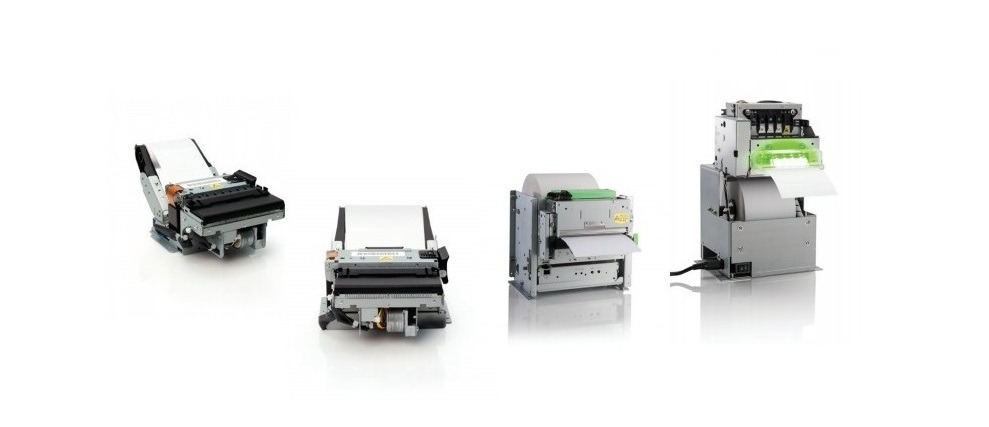
    Star Micronics Self-Service Kiosk Printers

    Kiosk-Printer-Lineup

    A kiosk printing leader, Star Micronics is proud to offer a full range of self-service kiosk printers that accommodate multiple paper widths, operating systems, and more. The compact, reliable, and high-speed printers are designed to bring any restaurant self-service solution to life.

    Kiosk Printer Family Features:

    • 2”, 3”, and 4” paper sizes
    • Compact or modular footprints
    • Available with multiple accessories including bezels, presenters, large paper roll holders, and more
    • Support Windows, Linux, Android, Mac, and iOS
    • Print receipts, tickets, coupons, or adhesive labels
    • Interfaces include serial, USB, parallel, and Ethernet
    • Available with StarPRNT emulation, allowing you to take advantage of the full stack of Star Micronics technology, like StarPRNT SDKs and Star’s powerful line of drivers

    Are you looking to integrate self-service kiosk printers, but not sure how to decide on a printer? Download “A Guide to Selecting the Right Kiosk Printer” now.


  • The Benefits of Self-Service Kiosks During the New Normal

    The Benefits of Self-Service Kiosks During the New Normal

    During the COVID-19 pandemic, times are challenging for most businesses that are working hard to remain afloat while keeping up with continuing fixed operating costs and coping with less revenue being generated. The question of, “What can be done?” is a part of almost every conversation.

    The benefits of self-service kiosks have been and will continue to be a key element in supporting not only the trying businesses, but companies integrating and selling solutions in those markets. As the market demand for contactless solutions continues to grow and those solutions become a part of the new normal, self-service kiosks will become even more of a focal point in the industry.

    Read on to learn more about the various benefits of self-service kiosks during the new normal, whether it’s traditional kiosks taking on a new twist, or new kiosk concepts coming to light as market demands rapidly evolve.

    Tried-and-True Kiosks Will Remain Relevant

    Many things are changing right now, but many well-known and fully tested self-service solutions will remain in the market for specific sectors.

    For example, simple and cost-effective queue management systems using small footprint kiosks will likely remain relevant, and ATMs will probably remain untouched, with some operational processes being adjusted by banks and financial institutions to accommodate the new normal.

    Not all solutions will stick around, though – it’s probable that many solutions that used to work wonderfully will fade away and start being replaced with new trends.

    Fresh Kiosk Concepts for the New Normal

    Speaking of new trends, you most likely have noticed that some companies are not only remaining open, but are actually thriving because of the new opportunities generated by the current challenges we all face. It’s hard not to notice how dynamic a motivated company can be in reinventing themselves and their solution offerings in such a short period of time.

    In terms of self-service, some of these innovations include:

    • Temperature screening kiosks
    • Kiosks featuring touchless technology and contactless payment acceptance
    • Automated cleaning operations, such as UV-C devices which disinfect kiosks in between uses
    • Contactless hand/palm vein pattern scanning, which is just as accurate as a fingerprint scanning but contactless
    • Kiosk screen mirroring using a customer’s personal smartphone to prevent touching the kiosk screen

    Free Self-Service Kiosk Resources

    The future of many industries lies with self-service solutions. That’s why Star Micronics is offering free online ordering resources for resellers and software developers who are helping customers future-proof their businesses with self-service solutions.

    What Remains Important

    Regardless of the solution being designed and presented to the market, the quality of the final product, its ability to provide the needed service as expected, and its post-sale support will separate a successful solution from the rest. Because that aspect of business is not expected to change, selecting the right kiosk manufacturer, integrator, and components are essential.

    Consumer needs also remain a priority. Focusing on consumer expectations and making sure they feel safe and accommodated when using these new or adapted self-service solutions will dictate which companies and solutions succeed in the new normal.

    For example, as QSR franchises temporarily closed their dine-in areas (essentially leaving indoor kiosks unused) some businesses decided to repurpose the kiosks by moving them outside to serve the growing online delivery and takeout markets. This is a prime example of thinking outside the box and using self-service resources to better accommodate consumers’ current demands.

    Together as an industry, as we wait for the economy to stabilize, it’s important and worthwhile to think creatively and become a part of the process of adapting to the new normal – while also remembering that product quality, technical support, and consumer needs remain a priority.

    Star Micronics Self-Service Kiosk Printers

    Star Micronics is proud to offer a robust lineup of self-service kiosk printers for virtually any business need. Available with 2”, 3” and 4” printing capabilities, the kiosk printers include options such as LED bezels, anti-jam receipt capturing, and large paper roll holders so that the printers require fewer paper roll changes. Easy to integrate, the kiosk printers are fully compatible with all operating systems and platforms, including iOS, Android, and Windows tablets with easy to integrate universal SDKs, and are backed by a dedicated integration team.

    Capable of printing receipts, tickets, and labels, Star Micronics’ kiosk printers are ideal for:

    • Quick service/fast casual restaurants
    • Stadiums and parks
    • Banks
    • Retail
    • Parking facilities
    • Transportation hubs such as airports and bus and train stations
    • And more!

    Take a closer look at the Star Micronics kiosk printer family in the below video:


    Star Micronics’ self-service kiosk solutions are ideal for restaurants, retail, and more.

  • Star Teams Up with Square to Offer Linerless Label Printer Support on iOS

    Star Teams Up with Square to Offer Linerless Label Printer Support on iOS

    We’re proud to announce that payments and point of sale (POS) company Square has added iOS support for our TSP654SK label printer. This new release will add even more functionality to Square’s POS solution for cafes and quick service restaurants (QSRs).

    With Square’s addition of label printer support to their Point of Sale for the first time, businesses can say goodbye to writing down individual item modifiers and, instead, automatically print single item tickets to keep orders moving quickly. The support of Star’s TSP654SK will also help to reduce human error by eliminating hand written orders while printing professional, clean, and easy-to-read labels.

    Star Micronics TSP654SK linerless label printer allows for easily repositionable thermal labels that can stick to virtually any surface, and can be removed and reapplied, leaving behind no residue. The labels can stay with and track an order through the entire preparation process, improving takeout order accuracy and eliminating the cost of additional print-outs.

    At Star, we take great pride in our partnership with Square and we are excited to provide more robust solutions for their sellers, giving them the ability to more accurately fulfill and track orders using a simple labeling solution.

    Benefits of Linerless Labels

    Since linerless labels do not use a silicone liner, they eliminate the negative environmental impact of alternative labels and help cut back on in-house waste, thus continuing Star Micronics’ Global Green Initiative which encompasses manufacturing products that provide minimal impact on our environment.

    Linerless labels are a welcomed addition for QSR applications including fulfilling takeout and delivery orders. The labels can be used for custom items within an order or the entire order by attaching it to the order container. Linerless labels can stay with and track an order through the entire preparation process, improving order accuracy and a business’s bottom line.

    About the Star Label PrinterThe TSP654SK is the ideal linerless label printer! Explore some of its features below:

    • 80mm support
    • High reliability at a low cost
    • “Drop-In and Print” paper loading
    • Reliable guillotine auto-cutter
    • Small footprint
    • Swappable communication interface
    • Serial, Ethernet, parallel, or USB
    • Optional vertical stand

    Download Datasheet

    Other Square-Integrated Solutions

    Our partnership with Square includes many more POS solutions. Find some of our other popular integrations below:

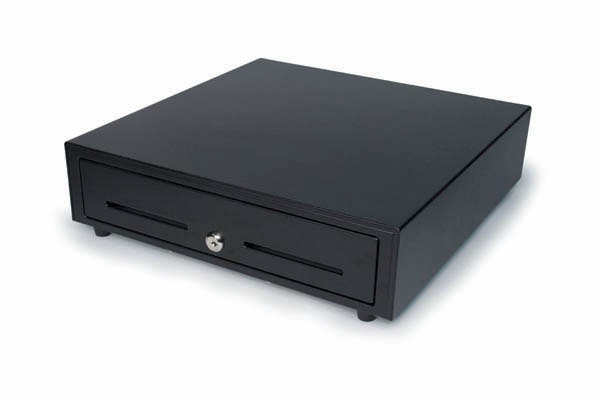
    Value Series Cash Drawers

    CD3-1616-Black-Left-Facing

    Durable steel construction
    13” x 13” and 16” x 16” sizes
    Black or white coated finish
    Cash till options: 4 bill / 5 coin, 3 bill / 5 coin for Canadian currency

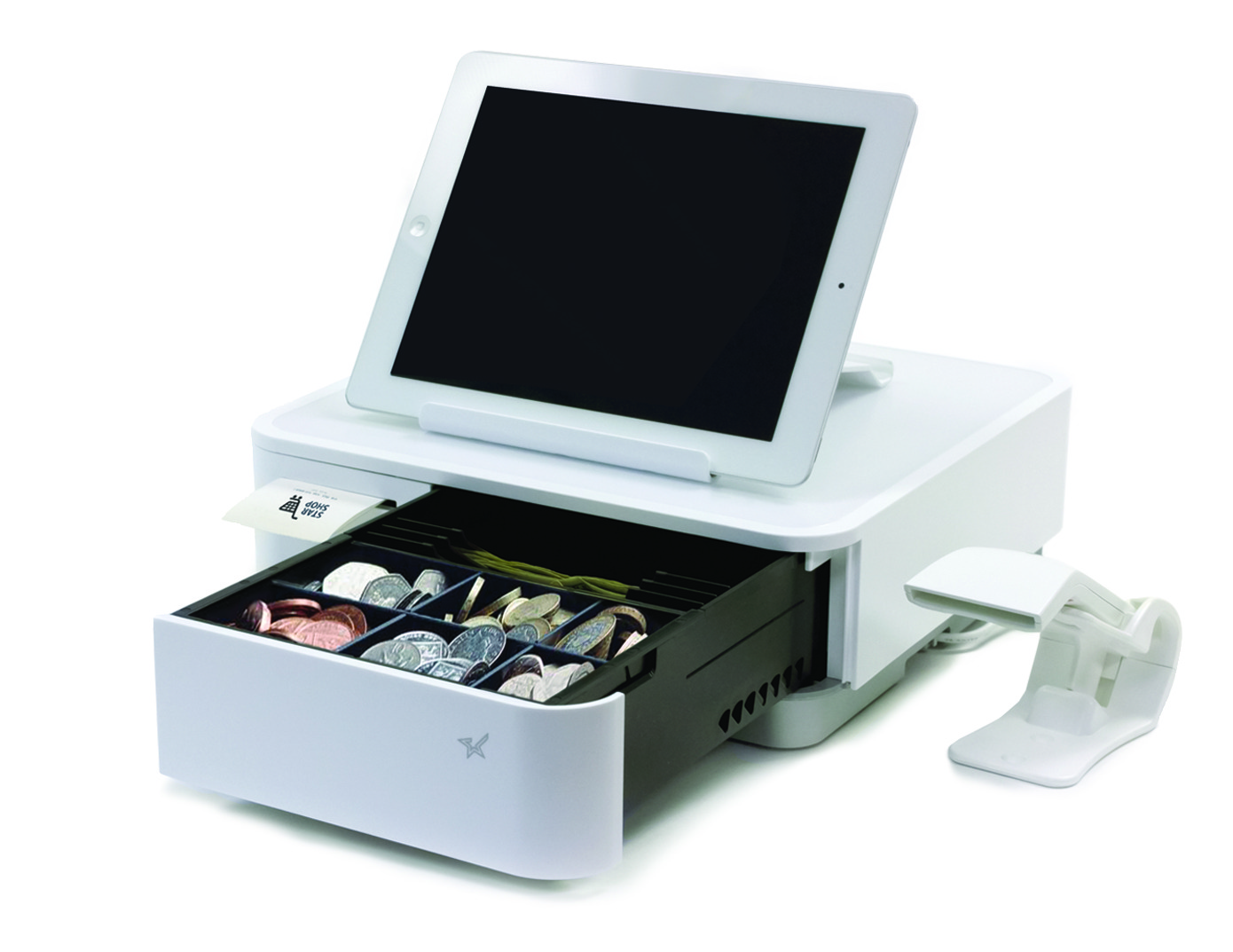
    mPOP™

    mPOP All in One Mobile Point of Sale

    Compact and sleek design
    Printer – cash drawer – scanner – device stand
    Compatible with iOS, Android, and Windows
    Two cash drawer options: vertical bill (4 bill and 6 or 8 adjustable coin slots) and flat bill (4 bill and 4 or 6 adjustable coin slots)

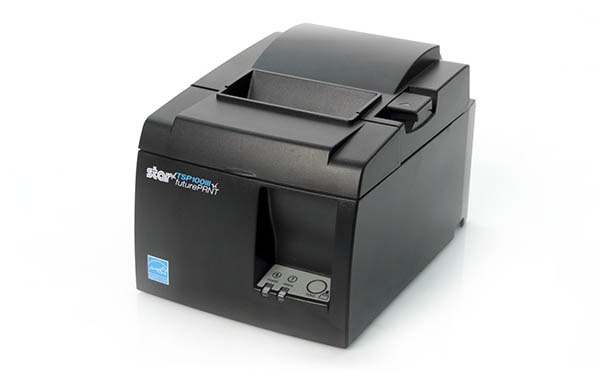
    TSP143III

    TSP143III

    High-speed printing (250mm/s)
    Easy setup across all models
    Lightning connection for simultaneous charging and data transfer
    Compatible with Star Micronics Cloud Services

    Want to Take a Closer Look at the New Star Label Printer?

    Free iOS Resources

    It can be tough to find truly Apple-compatible hardware for point of sale use. Star Micronics offers the largest range of Apple compatible printing products and Apple certified POS hardware. Developer friendly, Star was the first provider of SDK for iOS and is currently the only provider that offers iOS development support for scales, cash drawers, and kiosk printers. Help your customers future-proof their Apple POS solutions with Star Micronics.

  • 3 Reasons Why ISOs Must Transform Into More Than Merchant Service Providers

    3 Reasons Why ISOs Must Transform Into More Than Merchant Service Providers

    Independent sales organizations (ISOs) and member service providers (MSPs) are companies that have developed partnerships with certain financial institutions to provide services to merchants. In the past, this was enough. The market wasn’t as competitive, and business models were simple and effective.

    That has all changed, however. ISOs can no longer survive in the current market just selling merchant services. In order to survive and thrive in an ever-changing industry, ISOs must provide comprehensive market solutions, for example bundling point of sale (POS) systems and add-on services like mobile and online ordering.

    Partnering with an independent software vendor (ISV) allows an organization to bundle merchant services with other critical software solutions and hardware systems and sell them as a package deal to customers. This newer, more flexible business model is necessary in order to get ahead.

    Credit-Card-in-Hand

    Here’s Why: The Market is Growing Too Competitive

    In the past, it was common for ISOs and MSPs to reduce their rates in order to get more business. This was a smart move, as it allowed them to beat out the competition. Now, however, the market is much more competitive, oversaturated with ISOs and MSPs competing with one another for a limited pool of clients. Low rates, if that’s all you can offer, aren’t enough on their own to win out against the competition—it’s no longer a realistic option. If rates continue to get lower and lower, the market won’t be sustainable.

    A better option would be to provide additional software and services that are highly-coveted by your clients. Technology solutions like POS or add-on services with integrated payments offer major benefits to your clients. The ability to stay with one provider for both technology solutions and merchant services is appealing to business owners, who often find it difficult to manage so many separate accounts with multiple providers.

    ISOs are Getting Sold Around—Credit Card Companies and VARs

    New payment providers are bundling their software solutions with integrated payments and selling directly to end-users. To compete with this, ISOs must do the same. Rather than letting this drive them out, ISOs can capitalize on this by partnering with software integrators or ISVs that have already partnered with their payment service of choice.

    By partnering with an ISV, you can integrate payments and solutions and sell them as a bundled solution. What’s more is that you can have your merchant services bundled and sold through the ISV’s network of dealers, and you can act as a dealer within the ISV’s network. Whether you sell the bundled solutions yourself, or they are sold through a dealer, you will be reaping profits.

    You Must Remain Agile or You Will Become Obsolete

    The landscape of the industry is consistently changing. ISOs that are locked into the same business model they’ve used for years will end up being edged out by more agile organizations that are able to adapt to the changing needs and growing demands of clients. In essence, ISOs must provide more value to survive.

    Because you can no longer remain competitive just by reducing rates, you need to provide additional value beyond payments, and extend your offerings into a portfolio of solutions that are designed to help your clients overcome other business challenges. Not only will this allow you to bring on new clients, but it also unlocks the potential to sell deeper into existing accounts.

    Financial-Solutions

    To Do This:

    • Take a consulting role: Your clients look to you for guidance and expertise. Discuss their individual business needs and the
      challenges they face, and guide them towards solutions that help them overcome these challenges.
    • Offer solutions and services: Provide payment-embedded POS systems, online ordering solutions, and other consultative services. This can include assistance and guidance on things like marketing, or solutions for loyalty and gift card
      program management.
    • Consider support services: Many don’t have the time to manage, update, and troubleshoot technology on their own. Often, they don’t have the in-house resources necessary to solve issues quickly enough to prevent significant downtime and profit loss. Offer comprehensive support and services, which will increase uptime for your clients and help them stay productive. These services can be offered by your ISV or payment partner.

    To learn more about each tactic, download our full eBook, “3 Reasons why ISOs Must Become More than Merchant Service Providers.”

    Person-Using-Tablet

    How Star Can Help

    Star Micronics maintains a vast array of partnerships with ISVs. This allows ISVs and all the dealers in their channel to include Star Micronics hardware in their bundled solutions. Our hardware integrates with 90% of all POS software in the marketplace, as well as the latest cutting-edge technology to keep customers ahead of the competition.

    Our experts have extensive knowledge in the following markets:

    Leverage our expertise to determine the technology solutions your clients are looking for, and we can help you offer the right products and services to meet their needs. Star Micronics provides bundled peripherals and accessories with a sleek, modern aesthetic for POS, as well as marketing and consultation support. By partnering with Star Micronics, you can increase your portfolio, your customer satisfaction, and your profits.

    To discover the rest of our tips and take your ISO business to the next level, download the full eBook, “3 Reasons why ISOs Must Become More than Merchant Service Providers.”

  • 4 Survival Tips for Restaurants During COVID-19

    4 Survival Tips for Restaurants During COVID-19

    You are already aware of the impact that coronavirus (COVID-19) is making on restaurants across the world. Unfortunately, this crisis has put a halt on practically all dine-in service, leaving restaurants dependent on alternative service options like delivery, takeout, and curbside pickup. While this is a difficult time, there are several ways for restaurants to keep business flowing. Read on to discover four survival tips for restaurants during COVID-19 – and beyond.

    1. Set Up Food Delivery

    Simply put, if you own a restaurant and you don’t already have a food delivery solution established, now is the time to get it set up – and set up fast.

    Implementing third-party food delivery services such as DoorDash, Grubhub, and Uber Eats is the easiest way to accomplish this task in a timely and effective manner. These service providers not only feature thousands of couriers, but also millions of customers ready to order with a simple tap on their smartphone. As customers across the globe practice social distancing, they are turning to food delivery not only because dine-in establishments are off-limits, but to feed their families without the risk of leaving their home. Many third-party delivery providers are also offering promotions to mitigate restaurants’ financial burden during this difficult time, which can make setting up a new service a more feasible option for you right now.

    Establishing a third-party delivery solution can be simple. With Star Micronics CloudPRNT, your restaurant’s printer can fetch orders directly from the third-party service, with no local tablet, software, or SSL certificate required. Simply prepare the orders as they are received and have a delivery driver already on the way.

    Do you already have food delivery set up? It’s the perfect time to improve upon it. Now more than ever, restaurants need to think about how to optimize their operation for third-party food delivery. OrderOut provides a solution to do just that, by automatically detecting third-party orders, instantly transferring them to your POS and kitchen printer, and providing detailed delivery partner and food data in an easy-to-use, at-a-glance dashboard.

    Free Resources During COVID-19 & Beyond

    Now more than ever, safety is a priority in retail and hospitality environments. Star Micronics is proud to offer a line of solutions and resources for businesses during this challenging time, designed to keep consumers and employees safe, as well as mitigate business impact caused by COVID-19.

    2. Take Advantage of Takeout

    Delivery is not the only way to get food into your customer’s hands: takeout is another great option.

    During COVID-19, many states and localities are mandating that restaurants do not have any in-person customers. However, there are still ways for customers to come pick up their meals from your restaurant – without making any physical contact.

    One option for this is establishing a curbside pickup option. For curbside pickup, customers can place their orders online or over the phone, and when they arrive to your door they can remain in their vehicle as one of your staff members brings the food outside in a safe, hygienic manner. Restaurants during COVID-19 can take curbside pickup a step further by:

    • Allocating nearby parking spots for curbside pickup orders
    • Designating staff to watch for customer vehicles (and take down the vehicle’s make, model, and color during order-taking)
    • Encourage and communicate the option to pay over the phone to limit physical contact during pickup
    • If customers want to pay in-person, offer mobile payments to minimize trips back into the restaurant
    • Invest in high-quality insulated and ventilated takeout containers
    • Don’t forget to communicate your curbside pickup service to your customers via email, social media, and your website

    3. Do the Math

    Once you have signed up for third-party food delivery and established a curbside pickup plan, you need to start thinking about the economics of the situation, such as your margins and how many staff you need to make this all happen.

    To bolster your margins, a good rule of thumb is to avoid putting items on your delivery service’s menus that you’re not going to make money on. You get the freedom to create your own menus, so make sure they make sense economically and you’re making money on every order. Get a calculator or set up a spreadsheet and do the math!

    4. Choose Your Staff Wisely

    At the end of the day, your restaurant depends on having professional, personable, and appropriately skilled staff. It’s wise to take a moment to consider your labor expenses and how that aligns with what skillset you need during this unique time. For example, you probably don’t need a five-star chef on hand in your kitchen to ship out chicken fingers, and people probably aren’t going to be ordering designer cakes during this time. Adapt your business and hire good, hard-working people that can make the food that will keep customers coming back for more from your restaurant!

    At Star Micronics, our hearts go out to anyone impacted by COVID-19, either directly or indirectly, especially to those who are sick, to whom we extend our heartfelt wishes for a full recovery. To learn more about what we are doing as an organization to reduce the global impact of COVID-19, in terms of health and business, please click here.
    To browse all of our blog posts covering tips for small businesses during COVID-19, please visit our #StarForSmallBiz blog collection.

    Star is proud to offer reliable, modern POS solutions to restaurants, QSRs, and more.

  • 3 Innovative Kiosk Solutions You Should Consider in 2020

    3 Innovative Kiosk Solutions You Should Consider in 2020

    Self-service solutions, like many other technologically intensive solutions, are becoming smarter and better designed due to the unstoppable improvement of the available tools and the involvement of more experienced participants in the sector. The sustained increased demand for innovative kiosk solutions is also a factor as it provides the resources to keep the cycle going.So, you may be asking yourself: why are kiosks becoming so popular, and which new solutions should I consider offering to my customers this year? Read on to find out.

    Why Kiosks?

    As consumers become more aware of the advantages of self-service kiosks – like more accurate ordering and easier order customization – merchants are becoming more open to considering them as a part of their operations.

    By choosing to implement kiosk technology, merchants not only improve their customers’ experience, but also positively affect their operation’s bottom line with automated and optimized processes designed for success. And calculating the ROI (return on investment) of kiosks isn’t ambiguous: understanding the value has become easier than ever with the ever-increasing availability of business intelligence reporting within the kiosk itself.

    With innovative kiosk solutions available for virtually any market – restaurant/QSR, retail, hospitals, and even corporate office buildings – it’s important to note that not all kiosks are created equal, and kiosk solutions can be customized to meet your customer’s specific needs. Below are three innovative kiosk solutions you should consider in 2020:

    1. Intelligent Queue Management Systems

    The process of pulling a preprinted number through a fixed dispenser with the sole purpose of organizing customers into an orderly queue is a thing of the past thanks to kiosks. Intelligent and feature-rich solutions are now available to bring value to both merchants and most importantly, their customers.

    Customer-facing features like being able to check on current queue times from home, getting in line before arriving to the premises, scheduling an appointment remotely, checking in upon arrival through a mobile app, and receiving notifications for scheduled appointments and the best route to follow considering traffic are just a few things already possible through the use of the currently available smart queue management solutions. It’s important to remember to include walk-in customers in your kiosk considerations too and be sure the kiosk is capable of issuing receipts, service tickets, and more at each location for those who did not take advantage of the remote features of the solution.

    2. Digital Signage with Printing Options

    Smart advertising is emerging in many verticals, not only because of its ability to disseminate content, but also because of the advanced technologies used to deliver that messaging.

    Imagine being able to watch digital advertising while walking at the mall and at any point be able to request a printout with information, promotions, and special messages relevant to what you were watching. Furthermore, imagine this information being able to dynamically change based on each individual consumer’s purchasing habits.

    The way companies are reaching their potential customers is changing and innovative kiosk solutions are absolutely going to be a part of that change.

    3. Advanced Access Control Solutions

    Self-service kiosks can now be integrated with many biometric technology features like:

    • Facial recognition
    • Retina and fingerprint scanning
    • Gender and age validation
    • And more

    With these technologies in place, access control solutions are now capable of identifying people attempting to go through their systems with an almost zero-failure rate. Not only does this improve safety and security, but this also allows for faster and more accurate screening, turning a potentially bottlenecked process into a perfectly flowing one, opening the door for new possibilities in the sector.

    Kiosk Solution-Selling Tips

    Solutions will continue to evolve as their demand stays in an upward trend. As a solution provider, it is important to be innovative in your proposals and to remain a leader in your space. Providing real-world experience and trusted consultative services to your customers will set yourself apart from the competition.

    To deepen your self-service kiosk solution offering, be sure to partner with other companies that also have a breadth of experience and knowledge on the latest kiosk trends. For example, Star, a kiosk printer provider, has sales and marketing teams with over 370 years of collective experience in the POS industry. Additionally, we are proud to have a Kiosk Product Champion on board, as well as an integration team that is well-versed in making sure Star’s solutions work with the industry’s leading POS software solutions.

    Together you and your kiosk partners can successfully move forward in this ever-changing technocentric world through mutual excellence and solution selling, not product pushing.

    Free Self-Service Kiosk Resources

    The future of many industries lies with self-service solutions. That’s why Star Micronics is offering free online ordering resources for resellers and software developers who are helping customers future-proof their businesses with self-service solutions.

    Explore Star’s Kiosk Solutions

    Star is proud to offer a complete line of kiosk printing solutions perfect for a variety of industries such as hospitality, stadium/recreation, banks, retail, parking facilities, transportation hubs, and more.

    Star Micronics Kiosk Printers

    Star’s Kiosk Printers At-a-Glance:

    • Available in multiple paper widths (2”, 3”, 4”)
    • Open-frame and housed printers available
    • Multiple footprints available, from compact to modular
    • Available interfaces: serial, USB, parallel, Ethernet
    • Operating system compatibility: Windows, Linux, Android, Mac, iOS
    • Multiple accessories available including bezel, presenter, and large paper roll holders

    Click here to easily decide which kiosk printer is right for you.

    Meet Star’s Kiosk Printers

    Star provides the highest quality and largest variety of kiosk printing solutions.

  • 3 Reasons Self-Service Kiosk Solution Providers Should Choose a Printer with Android SDK Support

    3 Reasons Self-Service Kiosk Solution Providers Should Choose a Printer with Android SDK Support

    The growth of the self-service kiosk industry is undeniable: 2019 was the third consecutive year of double-digit growth for the industry, according to Kiosk Marketplace. This data confirms that the industry is a very attractive specialized vertical to focus on, and as a kiosk solution provider, being prepared to provide what the market needs – with the right technology and innovation – is key.One example of this innovation is the ability for a kiosk to support tablets, including Android-based systems. Why is supporting Android tablets so important? As a kiosk solution provider, read on to discover three reasons you should choose a printer with Android SDK support.

    Free Self-Service Kiosk Resources

    The future of many industries lies with self-service solutions. That’s why Star Micronics is offering free online ordering resources for resellers and software developers who are helping customers future-proof their businesses with self-service solutions.

    Reason #1: Android as a Replacement Device

    The times are changing, and so are the go-to devices found in self-service kiosks. As the industry grows and sectors that were previously indifferent to self-service solutions become a part of the demanding force, the need for cost-effective, flexible, and easy-to-integrate solutions has emerged.

    One ideal solution to meet this need is the Android tablet. Affordable, compact, and simple to use, Android tablets are replacing computers, all-in-ones, and touchscreens across the industry, and it’s important to support them.

    Reason #2: Android as a Cost-Effective Solution

    The tablet world has evolved at lightning speed with bigger and more powerful devices available at every price point imaginable. Interestingly, this shift was not triggered by self-service kiosk solutions, but it has changed the way kiosks are designed and has disrupted the industry at its core.

    Although highly customized Windows- and Linux-based kiosks running costly CPUs and larger-than-life touchscreens are still available for those with the budget and need, the self-service market has been disrupted by newer, cost-conscious tablet solutions, with Android becoming the leading operating system for this type of integration.

    Reason #3: Android as a Sleek Design

    When it comes to self-service kiosks, the design follows the function, meaning that the most effective kiosks are designed with their specific use cases in mind.

    Not surprisingly, as the demand for self-service solutions increases, ideal solution designs have also changed. In many cases, this means a smaller footprint, a minimalist style, and more intuitive interfaces – all of which can be found in an Android-based system.

    In addition to the device itself, selecting the right set of components to accompany your Android tablet-based kiosk will dictate how successful your proposed solution will be today and into the future.

    In Summary: Why It’s Imperative to Support Android

    One size does not fit all when it comes to self-service kiosks. Some kiosks print sales receipts in quick service restaurants (QSRs), others print shipping labels in courier companies, some print tickets in parking garages, and so on.

    With so many potential applications (and potential customers), offering the right operating system support is extremely important. And with their high quality, compact size, affordable price point, specific functionality, and easy compatibility, Android devices are now the norm for the market. To ensure your entire kiosk solution is Android-friendly, it’s a must to choose a printer with Android SDK support.

    How to Choose an Android-Compatible Kiosk Printer

    The self-service kiosk journey does not end at the tablet. To ensure maximum efficiency and success, it’s important to choose a kiosk printer that not only supports Android but is also reliable and high-performance. Here are some kiosk printer features to look for:

    • Paper Size: One of the first considerations when it comes to a kiosk printer is what size paper you need to be printing. Common widths include 2”, 3”, and 4”.
    • Interface: Next up on your list of kiosk printer features to think about is the interface. Will you need serial, USB, parallel, or an Ethernet connection? Be sure that the kiosk printer you choose is compatible with the interface(s) you plan on using.
    • Footprint: Another important consideration is the kiosk printer’s footprint. Do you need the most compact printer possible? Or do you need a larger, more modular printer?
    • Position: Like the printer’s footprint, you must also consider whether the printer needs to be in a horizontal or vertical position and choose a printer that can accommodate that requirement.
    • Accessories: Last but not least, be sure to assess which kiosk printer accessories you will need and make sure the printer you are considering is offered with them. Common accessories include a bezel, a presenter, a large paper roll holder, and more.

    Meet Star’s Kiosk Printers

    Star is proud to offer a wide range of kiosk printers featuring multiple paper widths, interfaces, footprints, positions, and available accessories – all compatible with the Android operating system! Learn more about Star’s kiosk printer family in the below video, featuring Star’s Kiosk Printer Champion Augusto Echecopar:

    View the Full Star Product Catalog

    Looking for more help choosing a kiosk printer? Download our free cheat sheet: How to Select Your Kiosk Printer.

  • Why a QSR Loyalty Program is Crucial to Your Customers’ Bottom Line

    Why a QSR Loyalty Program is Crucial to Your Customers’ Bottom Line

    There are nearly 200,000 quick service restaurant (QSR) franchise establishments in the United States, and that number is growing steadily each year. For your QSR customers, that means the competition is hot and the need to run a cohesive, streamlined business is higher than ever.

    The success of a QSR business relies on many factors: location, high-quality product, marketing, and of course, the bottom line. Did you know that by offering a loyalty program, you can help your customers do all the above and more? Read on to discover six ways a QSR loyalty program can help your customers succeed.

    Benefit #1: Less Price Comparison

    Most of the time when consumers are deciding on a product, price is a top consideration. What is your QSR customer to do if they aren’t necessarily the lowest priced option in their market?

    The answer can lie in a QSR loyalty program. If your customer successfully implements a loyalty program that their patrons love, your customer’s restaurant is more likely to stand out in the patron’s mind. This loyalty means those diners may not simply choose the cheapest meal option – if your customer successfully creates a rewarding, personalized experience, their patrons will likely choose the restaurant that gives them perks and customized attention, not just the lowest price tag.

    And your customers can add special value, even if at first glance they do not appear to be the lowest priced meal provider. According to The Association for Consumer Research:

    “The excitement that is often generated in consumers by a price promotion suggests that there is an ego-expressive, as well as utilitarian aspect to a price. This ego-expressive aspect results in ‘smartshopper feelings.’ It is proposed that these feelings can be enhanced by leading the consumer to feel responsible for the discount and by dangling the discount in front of consumers.”

    In other words, by offering a promotion via its loyalty program, a QSR’s customers are more likely to feel like smart shoppers. This is even more true when they feel responsible for finding the discount (i.e. when they find a discount in their personalized loyalty program) and when the promotion is “dangled” in front of them (also through the loyalty program). That rewarding feeling may just be enough to entice them to eat at your customer’s restaurant instead of another establishment that doesn’t offer any special mood-boosting promotions.

    Benefit #2: Stronger Customer Retention

    Loyalty-Program-PromoPRNT-e1574805918143

    Loyalty programs are designed to, well, create loyalty. With so much competition in the QSR market, it’s critical to retain the diners that your QSR customer has already attracted. It’s also worth noting that:

    • 25% to 40% of total revenue from the most stable businesses comes from repeat business
    • Loyal customers spend 67% more than new customers
    • Customer retention costs 4-30 times less than customer acquisition
    • A mere 5% lift in retention can increase profits by a whopping 85%

    A QSR loyalty program can help your customers enjoy all of these perks by retaining existing customers and turning them into loyal ones.

    Did you know your QSR customers can promote their loyalty program on their receipts with PromoPRNT, Star’s value-added promotional tool?

    Benefit #3: Higher Customer Lifetime Value

    A QSR loyalty program can also help raise a restaurant’s Customer Lifetime Value (CLV or CLTV). What’s that? Simply put, it is “a prediction of the net profit attributed to the entire future relationship with a customer.”

    By leveraging loyalty program analytics, your restaurant customer will be able to calculate each of their patron’s CLVs. Knowledge is power, and understanding this data can help the restaurants strategize how best to cater to these patrons and keep them loyal.

    It has been shown that:

    • Loyalty programs increase overall revenue by 5-10%
    • On average, loyalty members spend 5-20% more than non-members
    • Loyalty program members buy 5-20% more frequently than non-members

    Clearly a QSR loyalty program is a win-win: it provides benefits to the consumer and greatly affects the restaurant’s bottom line.

    Benefit #4: A Personalized Experience

    Personalization is everything. We’re living in an era where virtually everything is personalized – with self-service kiosks you can order your food your way and you can even have your favorite household supplies delivered directly to your door on whatever schedule you’d like. A QSR loyalty program should play into this era of personalization.

    A complete, successfully implemented loyalty program will make your QSR’s customers feel emotionally connected to the restaurant. Not only will these positive emotions bring diners back again and again, but they are more likely to be forgiving if a hiccup like a mistake in order-taking occurs during one of their visits.

    Some ways a loyalty program can create these personalized feelings is by calling customers by their name within the user interface, remembering a customer’s favorite customized orders, offering rewards for special events like the customer’s birthday, and more.

    Benefit #5: Create Influencers

    According to marketing legend Philip Kotler, “the best advertising is done by satisfied customers,” and isn’t that the truth?

    Did you know that an estimated 20-50% of all purchasing decisions are primarily influenced by word-of-mouth? And nearly three-quarters of millennials feel it’s their responsibility to help their loved ones make smart purchasing decisions. In other words, when consumers have a positive opinion of your brand, it’s sure to go places in terms of growing your QSR customer’s business.

    How does a QSR loyalty program fit into this? If the program offers special deals and great perks, patrons are likely to share that information with their friends and family. A smart loyalty program will also include a refer-a-friend feature (which is another great place to incorporate a special discount like “refer a friend and get $5 off your next order”).

    Benefit #6: Attract New Customers

    To grow as a business, your QSR customer needs to not only be keeping its current customers happy, but also be attracting new customers. A well-thought-out QSR loyalty program can help do just that. Here’s how:

    • An immediate discount or promotion just for signing up with the program can entice people to try the restaurant (and the loyalty program).
    • If a customer is aware that the loyalty program offers good, easy-to-obtain deals and discounts, they are more likely to try a restaurant for the first time.
    • When choosing a place to eat, roughly 60% of consumers say they use their mobile device to help them decide. If a loyalty program (and its immediate discounts) are easily found by the consumer in search results or on social media, they are more likely to try the restaurant and get that deal.

    Examples of Successful Loyalty Programs

    So, what does a good QSR loyalty program look like? Luckily three major brands have built success programs you gain can inspiration from:

    Starbucks
    Starbucks Rewards Program
    Source: starbucks.com

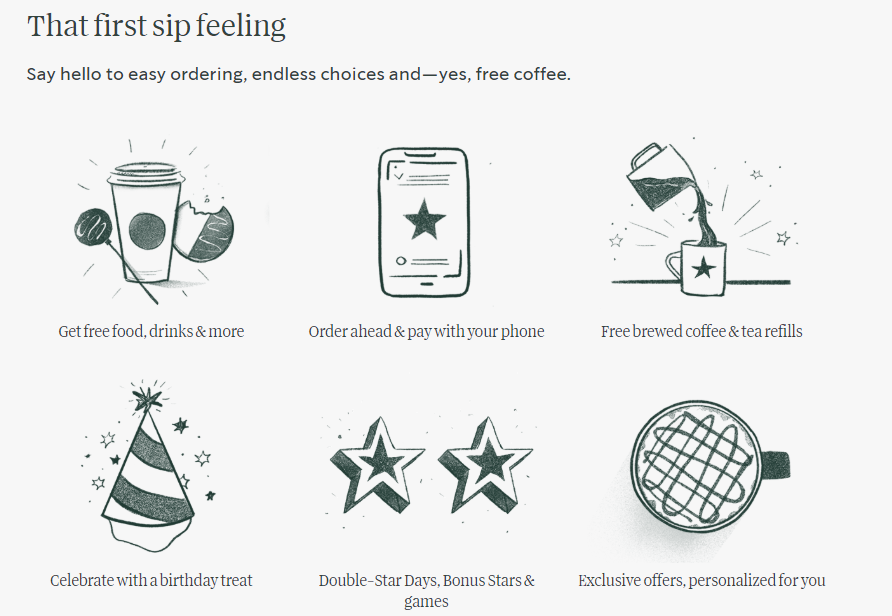
    The Starbucks Rewards program is an iconic loyalty program. Featuring order ahead, pay-by-phone, free birthday treats, “Double-Star Days,” personalized exclusive offers, and more, Starbucks is doing a lot of things right. And according to Zinrelo, Starbucks has reported an increased revenue of $2.65 billion, attributing the program for most of that increase. Click here to learn more about the Starbucks Rewards program.

    Panera Bread
    MyPanera Program
    Source: panerabread.com

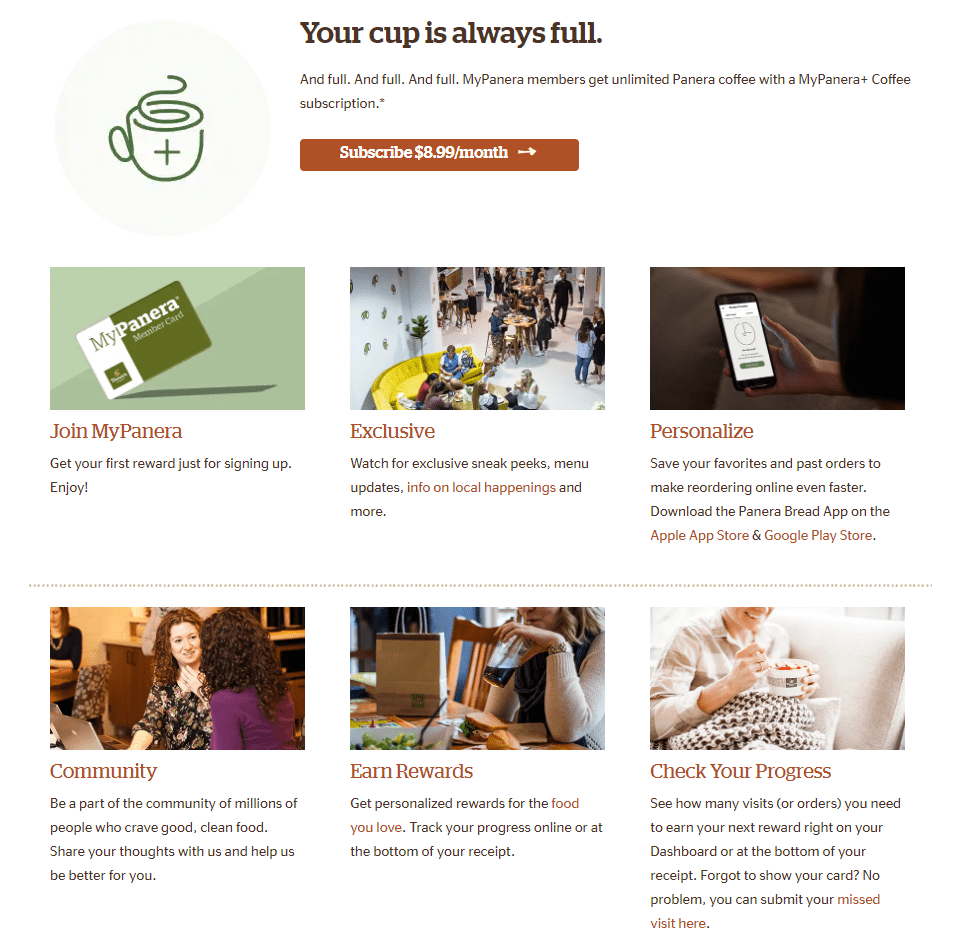
    Panera Bread’s loyalty program, MyPanera, is another one worthy of drawing some inspiration from. It offers a sign-up reward, exclusive sneak peaks, information on local events, order personalization and easy reordering, and the opportunity to subscribe to a MyPanera+ Coffee program which provides unlimited coffee for just $8.99 per month. Click here to learn more about the MyPanera program.

    Chick-fil-A
    Chick-fil-A One Program
    Source: chick-fil-a.com

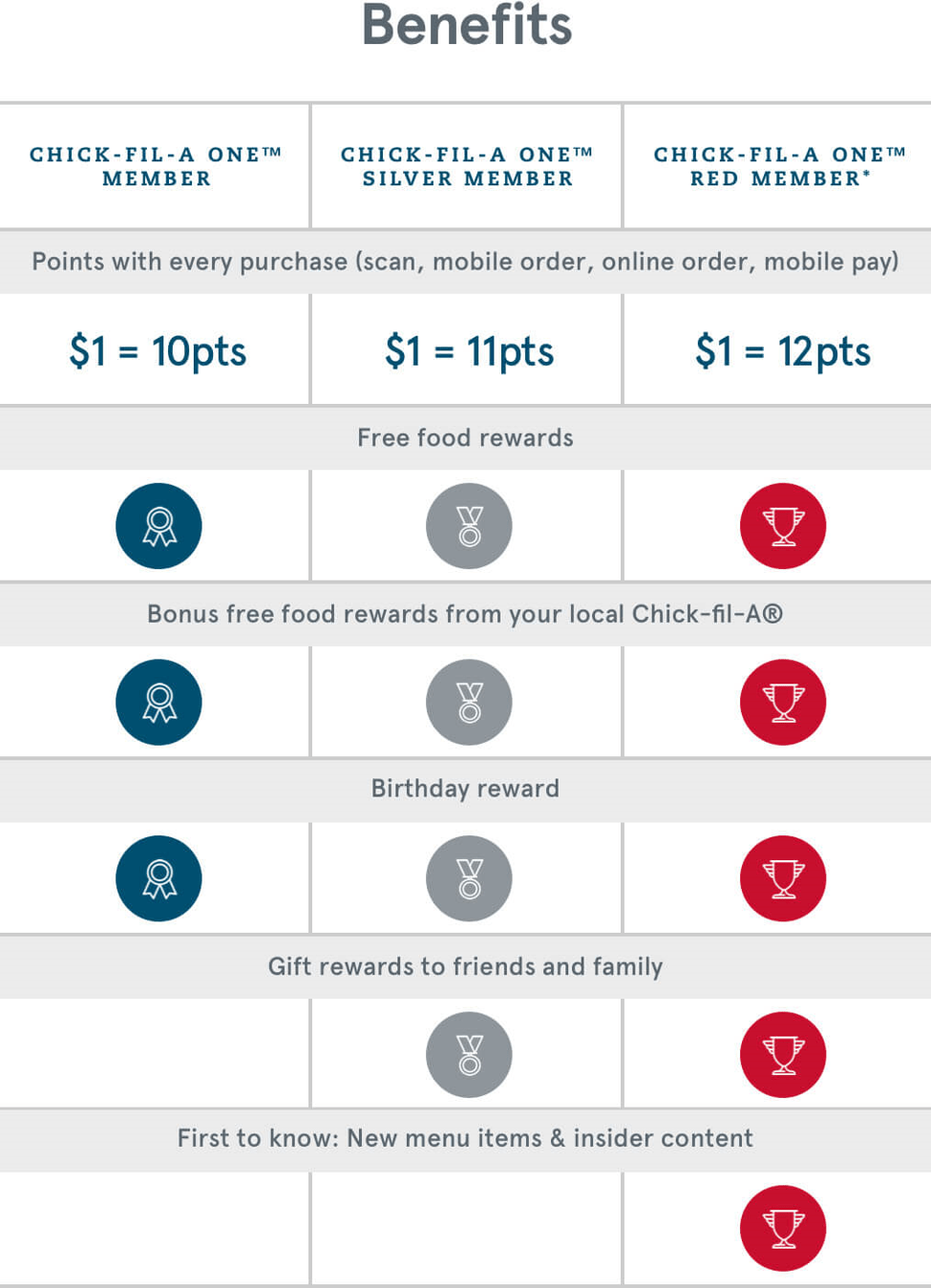
    Chick-fil-A One, the popular chicken QSR chain’s loyalty program, is a tiered program that allows customers to earn points on every purchase. The program includes things like the ability to use points for catering orders, surprise rewards for a customer’s local Chick-fil-A restaurant, birthday rewards, new menu items and insider content, and more. Click here to learn more about Chick-fil-A One.

    Looking to offer even more to your QSR customers? Discover all of Star’s products for restaurants in our Restaurant Brochure.