Tag: POS Hardware

  • The Best POS System for Wash and Fold Laundry Services

    The Best POS System for Wash and Fold Laundry Services

    If you’re looking to start a wash-and-fold laundry service (also known as wash-dry-fold) or add it to your current laundromat or dry-cleaning business, having the right POS system for wash and fold services is essential. To save both money and time, it’s helpful to know exactly what POS hardware is required to operate efficiently. In this post, we’ll outline the key components your POS system for wash and fold laundry services should include for success.

    What is a Wash-and-Fold Laundry Service?

    A wash-and-fold laundry service is an onsite laundry service that washes, dries, and neatly folds clothing and other items from the customer for pickup or delivery. The customer either drops off and picks up the clean clothes at a later date from the same location, or a driver will pick up the laundry from the customer’s location and then wash, dry, fold, and deliver the clothes back to the customer.

    Adding Wash-and-Fold Services to Your Laundry Business Can Be Profitable

    Wash-and-fold laundry services are rapidly increasing in demand, making it a highly profitable addition to any laundry business. With more people working from home and less need for dry-cleaning, casual and comfortable clothing is piling up. Many customers prefer the convenience of outsourcing their laundry rather than handling it themselves, driving the growing popularity of wash-and-fold services.
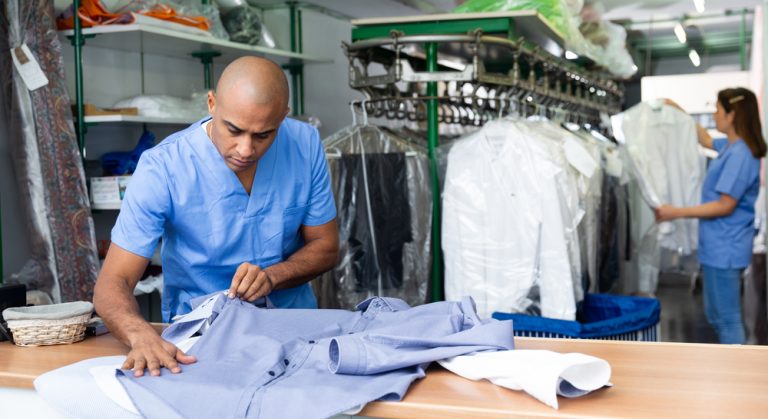
    Man working in laundry business doing wash-and-fold service.

    Providing exceptional customer service is crucial for standing out in the competitive wash-and-fold laundry industry. Offering pick-up and delivery services adds convenience for your customers, setting you apart from competitors. Along with neatly folding and packaging their laundry, including a personalized note, coupons, or branded tags can enhance the customer experience and present your business as more professional.

    Considerations When Choosing a POS System for Wash and Fold

    To run a successful business in this industry, having the right POS system for wash and fold laundry services is necessary. Think about all the different aspects of your business before choosing a point-of-sale system. It’s important to consider the following:

    • How many employees will use the system?
    • What payment methods will you accept?
    • Will you offer recurring laundry services?
    • Do I need in-house payment terminals or mobile payment options?

    These are just a few factors that should be considered when selecting which POS system best suits your needs.
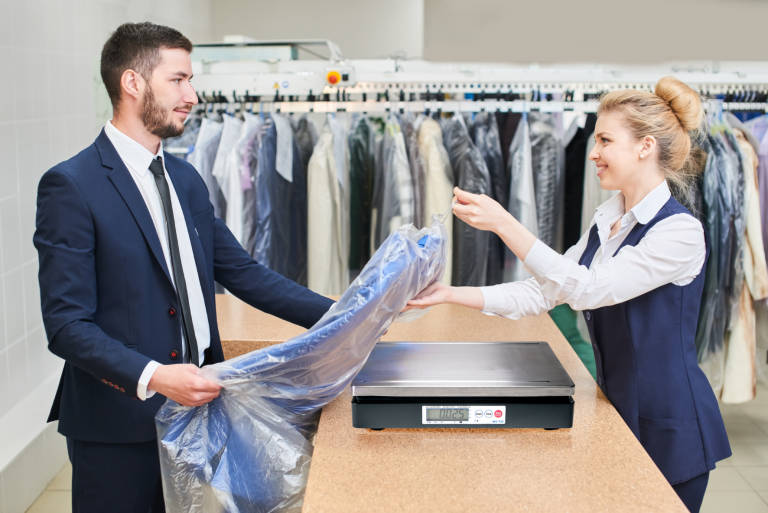
    Lifestyle mG T Scales Laundromat Dry Cleaner Wash and Fold Email

    The Best POS System for Wash and Fold Services

    Having the best hardware and software for your POS system for wash and fold laundry services is crucial. Here’s what you’ll need:

    POS Software

    POS software does more than print receipts—it manages inventory, tracks customer preferences, and provides detailed analytics. Many POS software solutions are tailored to laundry services, including wash-and-fold operations.

    POS Hardware

    Next, you’ll need a computer or tablet device to interact with your POS software and take payments. You’ll need a tablet display stand and a proper enclosure for your mobile device to secure and protect it. A credit card terminal that reads EMV cards to comply with future security updates is critical.

    If you want to accept payments via customers’ phones, be sure to have the correct payment terminal for that. You will also want a cash drawer with the proper capacity for your cash flow so you never run out of change.
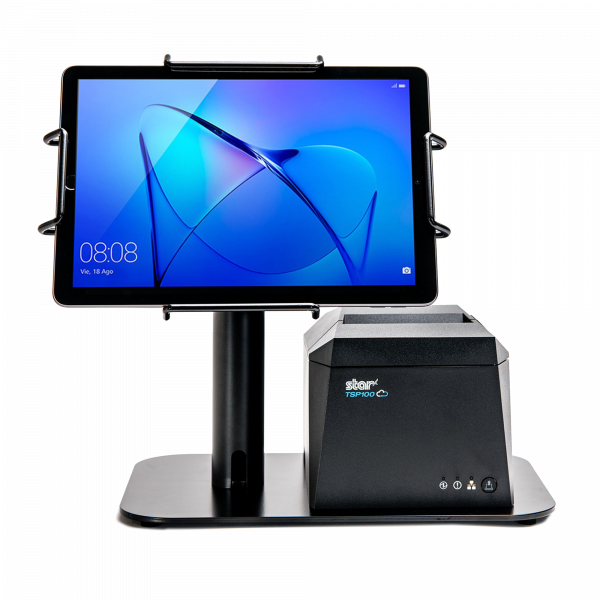

    The EZ POS tablet stand by Star Micronics. Shown in black with TSP143IV receipt printer.
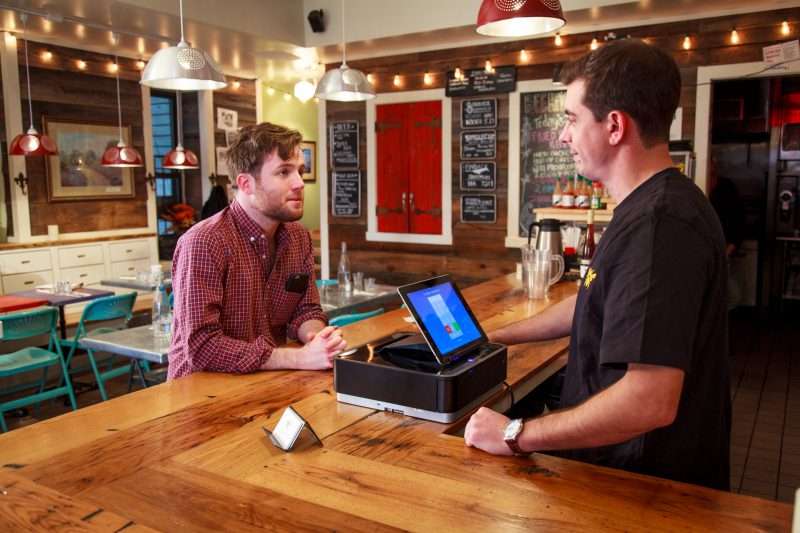
    A POS setup with the Universal mEnclosure, the EZPOS Desktop Tablet Stand, & the TSP143IV thermal receipt printer by Star Micronics is perfect for wash and fold laundry services.

    Trade Legal POS Scale

    Most wash-and-fold laundry services charge by the pound, so an accurate POS scale is a must. You want a scale that is easy to connect to the rest of your POS hardware and can be integrated with your POS software without any problem or delay. Be sure the scale is “trade legal” and can measure a hefty amount of weight.
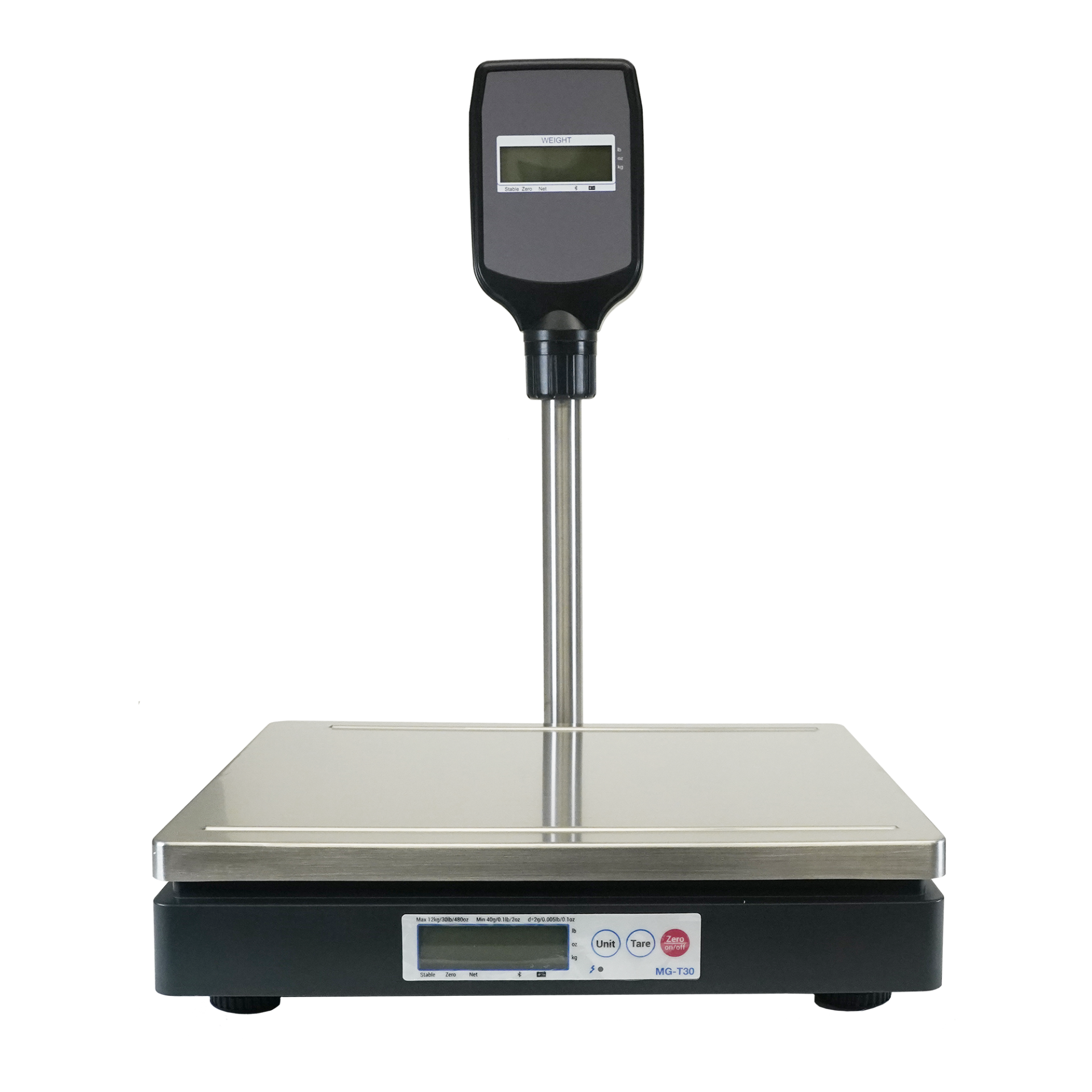

    The mG-TUDB digital pole display for POS scales by Star Micronics.
    An mG-TUDB POS scale, perfect for wash-and-fold laundry services.

    Barcode Scanner

    A reliable barcode scanner is essential for tracking items and managing inventory. For your wash and fold POS system, choose a scanner that reads both 1D and 2D barcodes to streamline order management and customer payments.

    2D barcodes cover things like QR codes, which are now widely used and hugely popular. Since customers can also scan them with their phones, QR codes can be utilized on order labels or receipts to take clients right to your website or landing page. This way, you can showcase ongoing promotions or holiday hours, and increase customer engagement with your brand.

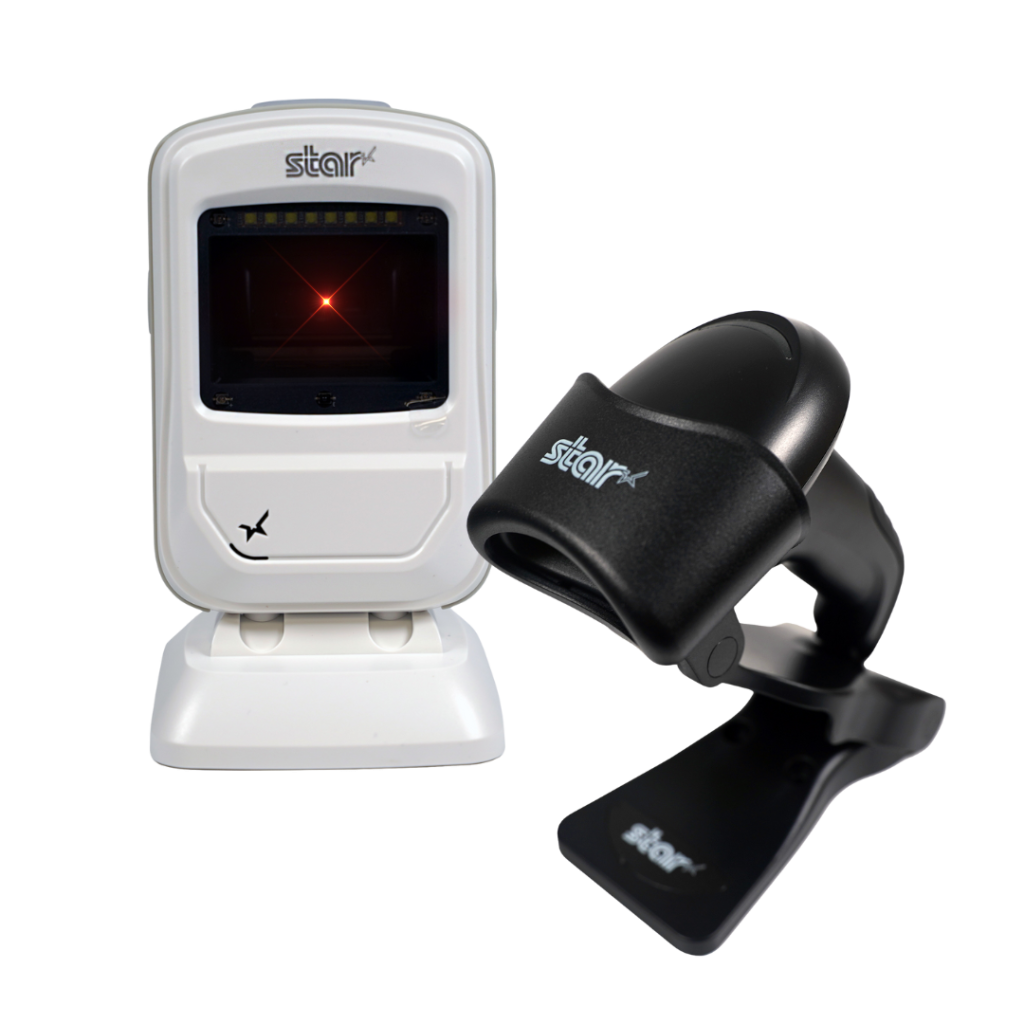
    Star’s 1D/2D Barcode Scanners

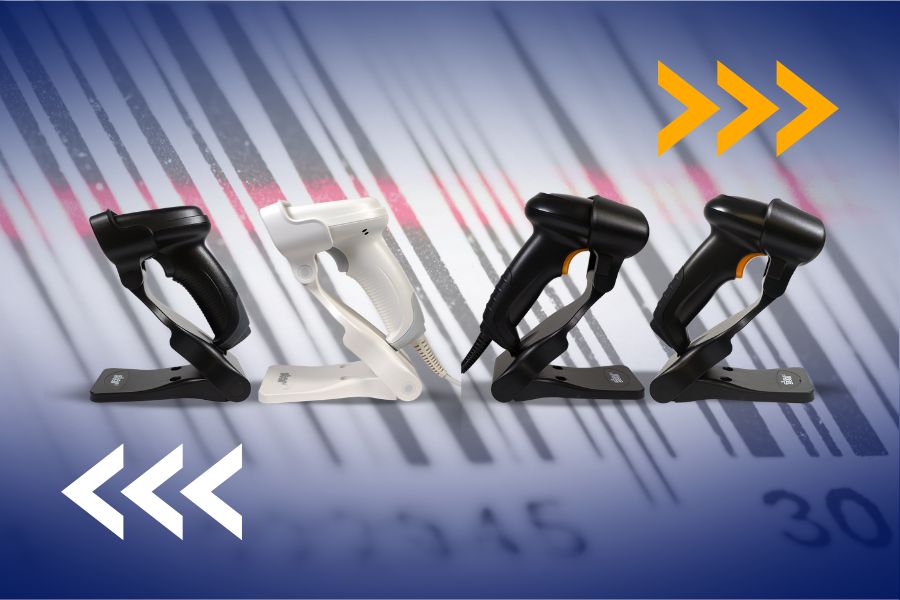
    Star offers a comprehensive range of IP-rated 1D/2D barcode scanners, ideal for diverse business needs. From retail to healthcare, our versatile scanners excel in parsing driver’s license and ID barcodes, ensuring swift and accurate data capture. Choose the perfect fit for your setup—desktophandheld, or wireless Bluetooth options available.
    Thermal Receipt & Label Printers

    Finally, having trusted receipt and label printers will do your company wonders. A thermal receipt printer allows you to print professional-looking receipts, enhancing your brand. Still, some cloud-based printers can even allow automated promotional marketing to be set up and scheduled, printing with your customized receipt with the same QR code or promotional information to boost customer engagement as mentioned above.

    Discover Star Micronics Cloud Services for customizable receipts >
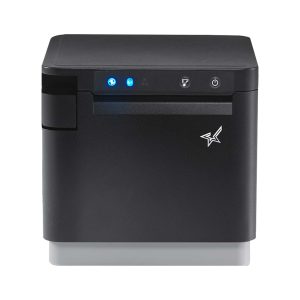
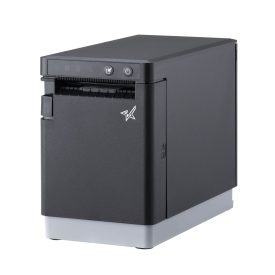
    mC-Print3 Receipt Printer

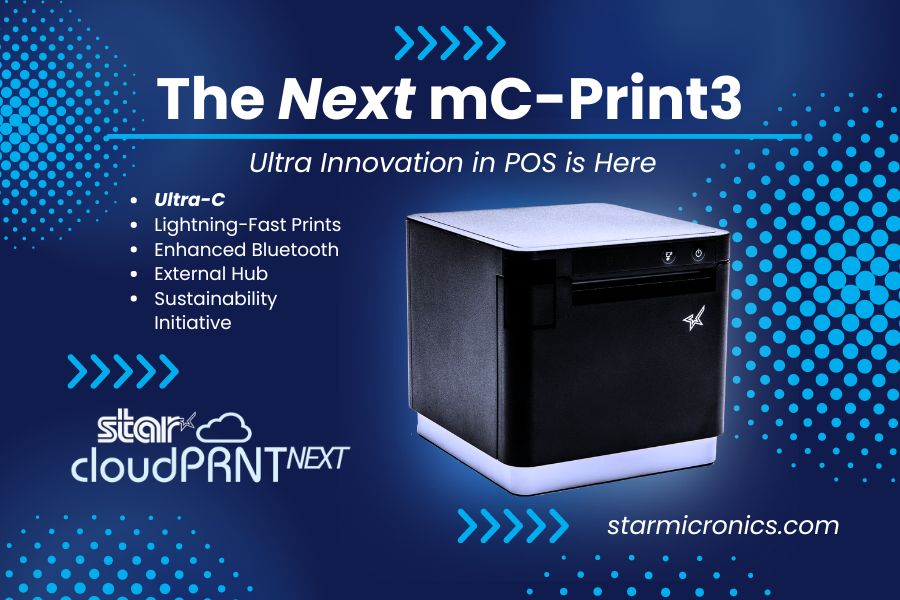
    The Star Micronics mC-Print3 combines high-speed printing with advanced connectivity options like Ultra-C and CloudPRNT Next. Its Ultra-C USB-C port provides seamless power and data transfer with any device, while CloudPRNT Next offers enhanced remote printing using the MQTT protocol, ideal for modern POS environments.

    Discover the mC-Print3 >

    In addition to a receipt printer, you’ll also want a label printer. More people are using linerless label printers these days, whether repositionable sticky or permanent linerless labels. When customers receive their freshly cleaned garments, seeing a professionally applied label with their contact information adds an extra touch of care and attention. Details like this can differentiate your business from competitors and help foster customer loyalty, encouraging repeat visits.

    Find out about Label Builder, part of Star Cloud Services, which allow merchants to customize their labels >

    Popular Star Label Printers

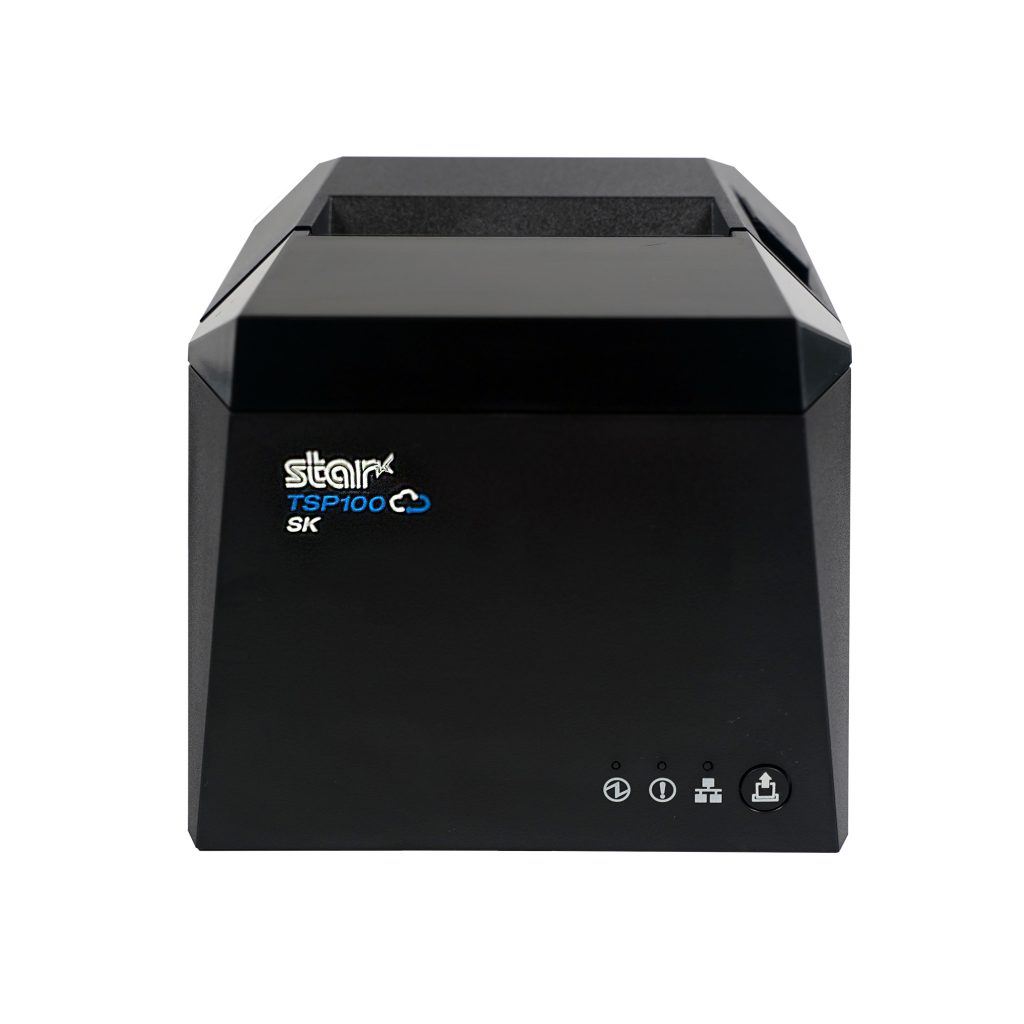
    TSP143IV SK Sticky Label Printer

    The TSP143IV SK by Star Micronics sets a new standard for compact, eco-friendly thermal linerless label printing, offering advanced connectivity options like Wi-Fi and AOA, and efficient, residue-free labels for diverse business needs.
    Find out more >

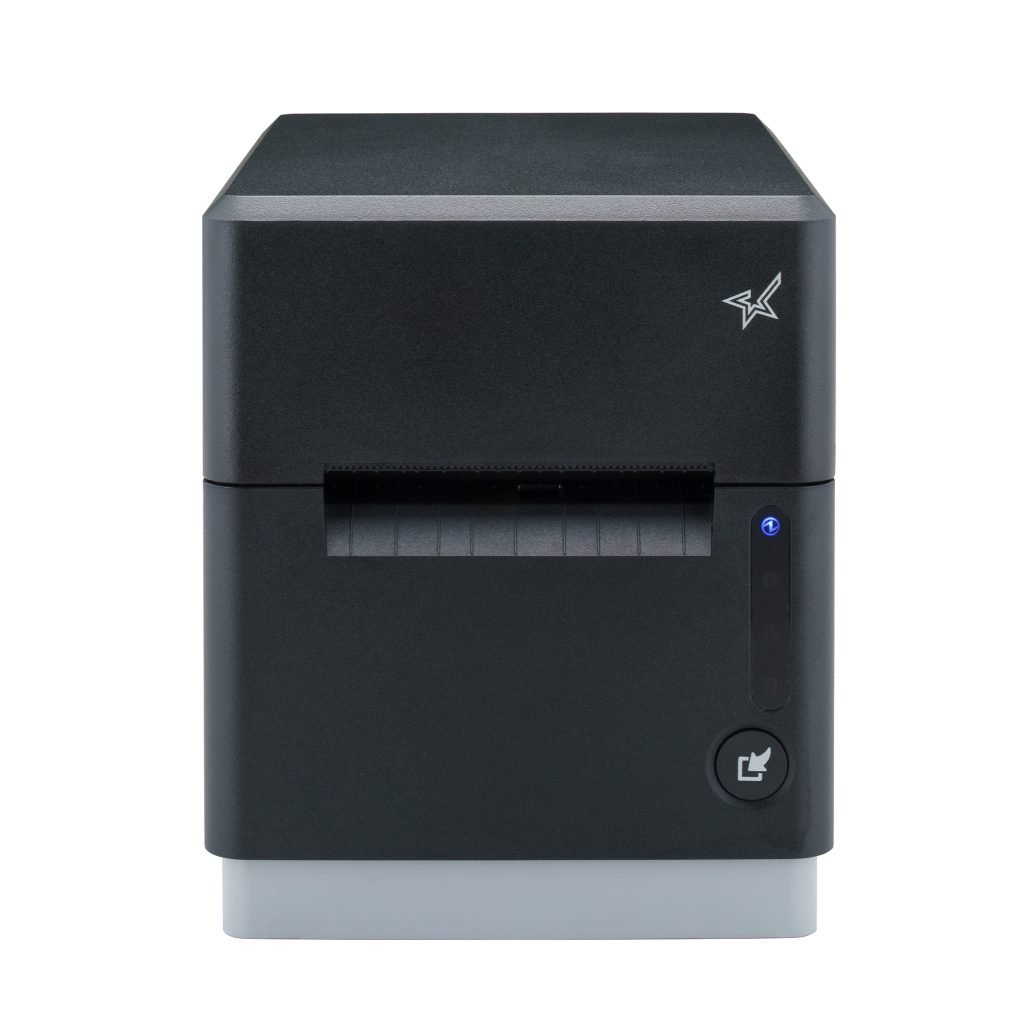
    mC-Label3 Multimedia Printer

    The Star Micronics mC-Label3 is a versatile multimedia printer that prints a wide range of labels and receipts, including both permanent and repositionable sticky linerless. It features cloud connectivity and innovative technologies like SteadyLAN and TetherLAN for enhanced printing convenience.

    Discover the mC-Label3 >

    Impact Printers

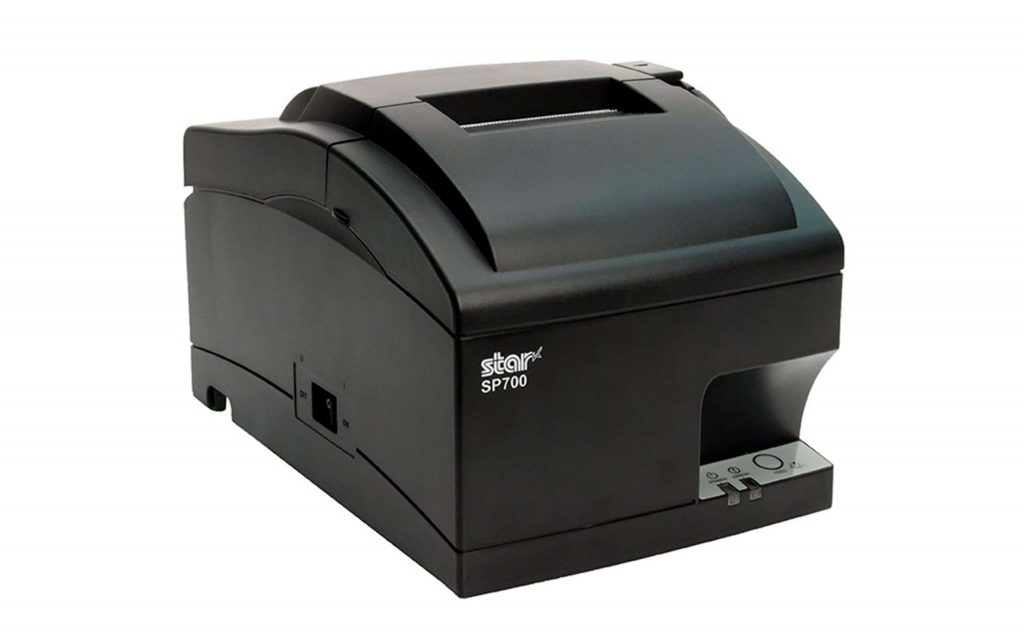
    Impact printers, like the SP700 from Star Micronics, are particularly useful in wash-and-fold laundry services for their ability to produce durable, long-lasting prints. Impact printers use ink ribbons to create clear, smudge-proof tags that can withstand the high temperatures and humidity commonly found in laundry environments.

    For laundry services, these printers can produce durable tags that are attached to customer orders for tracking. This ensures that clothes are easily identified and organized throughout the washing, drying, and folding processes.

    Additionally, most impact printers offer two-color printing, which allows for important details, like customer names or special instructions, to stand out on the tags, further improving efficiency and accuracy. Impact printers like the SP700 provide reliable performance in hot and humid settings, making them an ideal solution for laundromats or any business offering wash-and-fold services.

    SP700 Impact Printer

    With its robust design and consistent print quality, the SP700 impact printer enhances both operational efficiency and customer satisfaction by streamlining order management.
    Explore the SP700 >

    Star Micronics Has the POS Hardware Your Wash and Fold Service Needs

    As a trusted industry leader for over 60 years, Star Micronics offers a wide range of POS hardware solutions ideal for wash-and-fold laundry services. Our portfolio includes desktop, portable, and kiosk printers, cash drawers, barcode scanners, scales, and more—all designed to meet the demands of any retail or hospitality environment. Additionally, Star Micronics Cloud Services can help businesses engage customers with automated receipt marketing tools.

    At Star, we prioritize seamless integration across all POS hardware. That’s why we offer a complete solution for your POS system needs, including reliable receipt and label printers, trade legal POS scales, barcode scanners, and cash drawers—all backed by one dedicated support team.

    With partnerships with top POS software developers, Star provides the tools to keep your business running efficiently. Our expert support and integration teams will work diligently to get your wash-and-fold laundry business online quickly, ensuring smooth operations and happy customers.
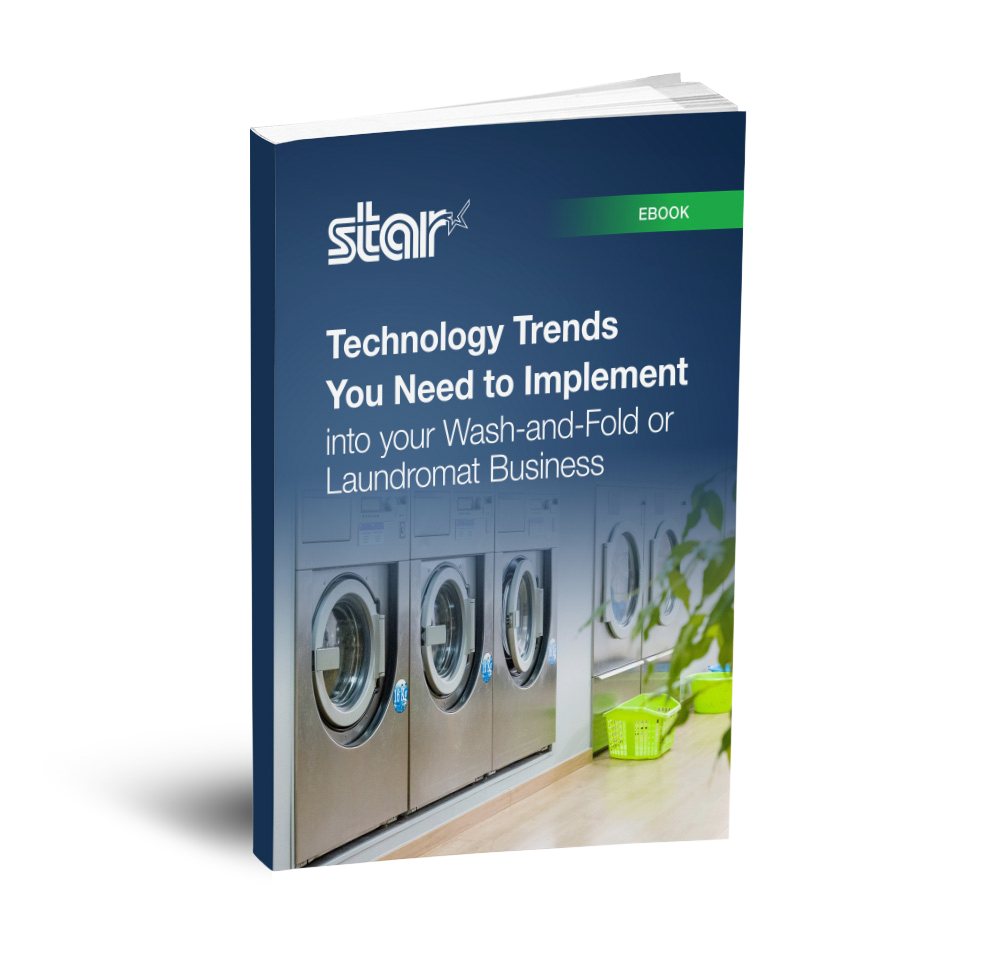
    Tech Trends You Need to Implement into your Wash-and-Fold or Laundromat Business

    Run your competitors through the rinse cycle using the POS technology explained in this helpful guide.
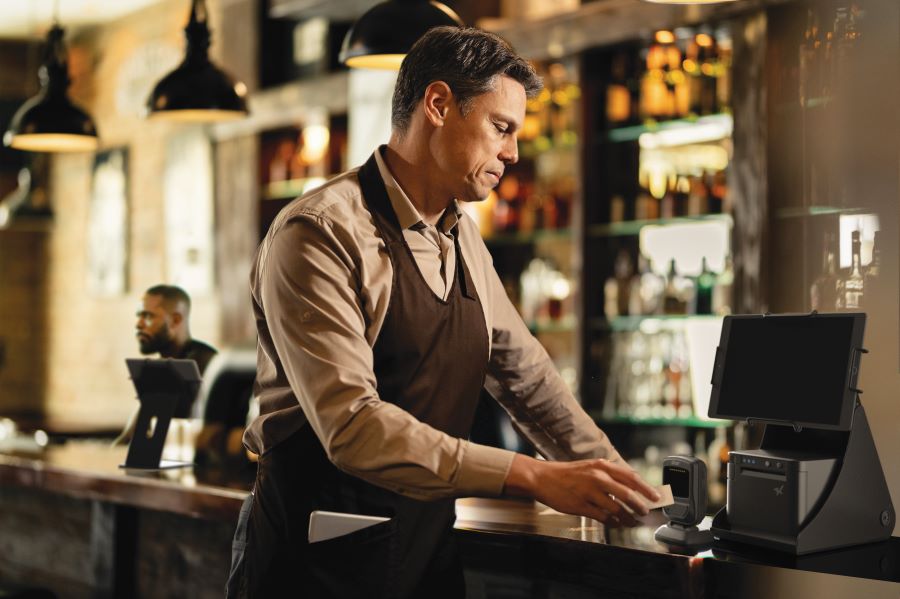
    Find out where you can get Star POS hardware today:

  • 10 Top Uses of Restaurant Barcode Scanners to Dominate Efficiency

    10 Top Uses of Restaurant Barcode Scanners to Dominate Efficiency

    Success in the highly competitive restaurant industry requires more than just providing great food and service. It involves embracing technology to modernize your processes and create a more engaging customer experience. One technology that has become essential is barcode scanners. As part of a comprehensive point of sale (POS) solution, barcode scanners can reform restaurant operations for the better, from menus and ordering to inventory and labor management. 

    Types of Barcodes and Barcode Scanners

    There are a few different types of barcodes and scanners. One-dimensional (1D) barcodes or universal product code (UPC)-style barcodes consist of vertical black and white lines of varying width and are read using a laser scanner. Two-dimensional (2D) barcodes or quick response (QR) codes are square, pixelated codes that require camera-operated scanners to be read. Both types encode product information in a compact form that a machine can read.

    Barcode scanners are wired or wireless handheld devices or desktop/presentation scanners. Codes can also be read by a smartphone camera. A 2D code holds more information than a 1D code, and a 2D scanner can read 1D and QR codes, whereas a 1D scanner reads only 1D barcodes.

    The type of barcode scanner that best suits your restaurant depends on how you plan to use this technology. Here are the top ten uses for barcode scanners in restaurants:

    1. Streamlined Menus and Order Processing

    One of the most prevalent uses of QR codes in restaurants is providing digital menus. Customers can use their phones to scan a code from a table tent, poster, or placemat to access the menu and even place their orders. They can access detailed item descriptions, including nutritional and ingredient information, without needing to touch publicly-handled print menus. 

    Placing orders this way reduces errors, enhances accuracy, and improves kitchen communication and overall efficiency. All of these benefits increase customer satisfaction.

    2. Food Safety and Allergen Management

    The increased menu information available to customers through barcode scanning often includes allergen alerts. Barcode labels on ingredients can also be scanned in the kitchen to ensure compliance with food safety regulations. Both uses boost customer trust and confidence in the restaurant’s offerings.

    3. Tableside Service and Mobile Ordering

    Implementing QR codes and barcode scanners in handheld devices can enhance tableside service and guest experiences. They can enable not only tableside and mobile ordering but also payment processing. Diners can start a tab and order as they like. Then, instead of waiting for the check to take their payment, customers can enjoy expedited, contactless checkout. 

    4. Age Verification

    If your restaurant serves alcohol, you know the importance of age verification. Barcode scanners are essential in checking IDs. Using scanners for this purpose will:

    • Reduce human errors and eliminate fraud;
    • Help you stay up to date with compliance monitoring;
    • Enhance safety and your brand’s reputation.

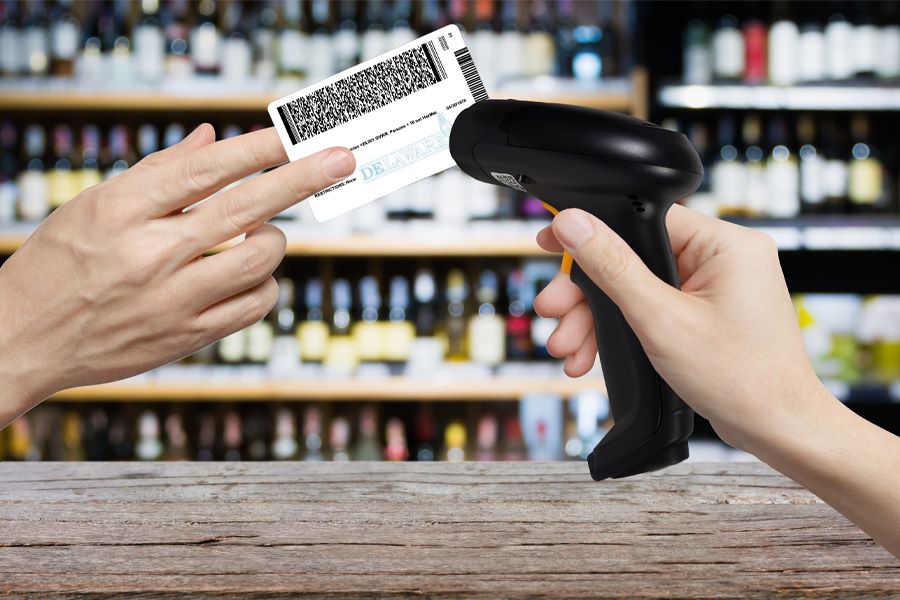
    Bluetooth wireless barcode scanners by Star Micronics can scan and parse barcodes on driver's licenses.

    5. Inventory Management

    Another primary use for incorporating barcode scanners with your restaurant POS system is automated inventory management. Automating your inventory system is far more efficient and accurate than manual methods.

    Barcode scanners can quickly read pantry shelf labels and monitor ingredient usage, sending the information back to the inventory management software. This helps to minimize food waste, optimize stock levels, and simplify restocking procedures. 

    6. Vendor and Supplier Management

    Using barcode scanning for inventory management also streamlines communication with vendors and suppliers. It can help you place reorders, track deliveries, and check incoming inventory. In addition, it can ensure consistency in product quality and pricing.

    7. Loyalty Programs and Customer Engagement

    There are several advantages to using barcode scanners in your customer engagement strategies. QR codes and mobile apps can make it easy for diners to join your loyalty program, check their point balances, and redeem rewards, raising their satisfaction and rate of return visits. 

    The data gleaned from this usage can help you track customer preferences and behaviors and create personalized promotions and bonuses. You can also use QR codes to direct patrons to your social media accounts for further engagement.

    From the Blog: Why Food Packaging Labels are Essential to Online Order Fulfillment

    Consumers are sold on the convenience of food delivery. Statista reports that online food delivery orders worldwide are projected to reach $1.22 trillion in 2024 and will continue to grow…

    8. Staff Attendance and Time Tracking

    Another use for restaurant barcode scanners is labor management. Barcode-based time clock systems for employees offer advantages, including reducing errors, simplifying payroll management, and monitoring staff efficiency and productivity.

    9. Reporting and Analytics

    Restaurant barcode scanners improve reporting and analytics. Utilizing barcode data from the previously discussed uses provides the business insights you need to make informed decisions about your operations and workflow. For example, identifying popular menu items and trends through customer and inventory data leads to menu optimization, ultimately cutting costs. 

    10. Automated Accounting Processes

    Using barcode scanners paired with your accounting system streamlines financial management by automating transactions, expense tracking, and reconciliation. This reduces manual entry errors and significantly improves financial visibility, making it easier to track income, manage costs, and maintain accurate records for tax and reporting purposes.

    The Ultimate Guide to Barcode Scanner Types and Applications

    Reviewing this will ensure you make informed decisions when deciding what barcode scanner to buy for your business’s success.

    Embrace Restaurant Technology and Stay Ahead of the Curve

    Barcode scanners have already become “must-have” restaurant equipment, and the technology will continue innovating. Advancements in barcode scanning technology may soon include merging with AI and machine learning for predictive analytics and potential applications of blockchain for supply chain transparency. 

    Technology will continue to shape the future of the restaurant industry, and businesses that don’t modernize their operations and keep up with these innovations risk being left behind.  

    Restaurant barcode scanners are helpful in many aspects of the business, providing menu, ordering, and engagement options for customers and inventory, labor, and reporting functions for employees and owners. When you’re ready to adopt this technology and experience better restaurant management, find a trusted provider who can guide you to the right solution.

    Find Your Restaurant Barcode Scanner Today!

  • Future-Proofing Kiosk Solutions with Frank Olea

    Future-Proofing Kiosk Solutions with Frank Olea

    In the latest episode of the Rising Stars Podcast, “Kiosk Solutions and Future-Proofing Technology with Frank Olea,” host Kate Orara takes listeners into the world of self-service kiosks. Frank Olea, CEO of Olea Kiosks, brings his longstanding expertise to the conversation, sharing valuable insights on how businesses can prepare their kiosk solutions for the future while maintaining customer service and engagement.

    As an industry leader in kiosk manufacturing and innovation, Frank offers a wealth of knowledge on staying ahead in a quickly changing landscape. This episode covers key topics, including how to transition kiosk systems to new hardware and software platforms, the best practices for minimizing downtime during upgrades, and balancing advanced features with simplicity to ensure a seamless user experience.

    Preparing for the Future of Kiosk Technology

    Frank highlights the importance of future-proofing kiosk systems, ensuring businesses remain flexible and adaptable to changing technology. He shares actionable strategies for Value-Added Resellers (VARs) and businesses looking to showcase the ROI of self-service kiosks and offers advice on how to handle the inevitable shifts in both hardware and software solutions.

    For VARs, ISVs, and entrepreneurs in the kiosk space, this episode provides practical guidance on how to remain competitive and innovative. Tune in to discover how to maximize the potential of your kiosk solutions and prepare for the future of this fast-growing technology.

    Explore innovative kiosk solutions from Star Micronics >

    Loving the podcast? Subscribe now, and let us know what you think by leaving a review!

    Stay up-to-date on all things Star, don’t forget to follow us on X, LinkedIn, Facebook, Instagram, and YouTube.

    The Rising Stars Podcast

    Immerse yourself in the world of point-of-sale (POS) with the Rising Stars Podcast by Star Micronics, hosted by industry pro, Kate Orara. Twice a month, we explore the fascinating journeys of innovators and businesses navigating the challenges of POS technology’s rapid pace.

    In every episode, Kate Orara, Star Micronics’ Partner Development Manager, discusses emerging retail technology trends and strategies with global industry giants. She’s spent her entire career meeting all the right people, and now listeners everywhere can benefit from this vast network of channel gurus.

    Always leading and always innovating, Star Micronics, a pioneer in POS and customer experience technology for over 60 years, welcomes you to join us in shaping a brighter future in the retail, hospitality, and cannabis industries.

    Want more industry news?

    Episode Transcript:

    [Music]

    Kate Orara: Hey there, retail tech enthusiasts! Welcome to the Rising Stars podcast, your go-to source for all things retail technology and the ever-evolving world of point-of-sale. I’m your host, Kate Orara, Partner Development Manager at Star Micronics, and I am thrilled to be your guide on this exciting journey.

    Here at Rising Stars, we’re not just keeping up with the trends—we’re setting them. We dive deep into the tech landscape with global industry leaders, unpacking strategies and discussing the latest innovations that shape the future of retail IT. Whether you’re a tech aficionado, a business owner, or just curious about the dynamic world of retail, this podcast is your backstage pass to insider knowledge. And hey, it’s not just about the tech—it’s about the community. Join me and the Star Micronics team as we lead and innovate, shaping a brighter future for the retail, hospitality, and cannabis industries, and beyond.

    Together, we rise! So hit that subscribe button, stay in the loop, and let’s make waves in the retail tech space. This is the Rising Stars podcast, where innovation meets inspiration. Let’s rise together!


    Kate Orara: Alright, welcome back to another episode of the Rising Stars podcast. Y’all know me—I’m Kate Orara—and today, I’m really excited about this episode. I have the pleasure of being joined by Frank Olea from Olea Kiosks. How are you today, Frank?

    Frank Olea: Doing good, doing awesome.

    Kate Orara: Great! Well, I’d love for you to tell our listeners a little bit about yourself and Olea Kiosks. I’m sure they probably have an idea of what you guys do from the name of your company, but just in case, let’s give them the full picture.

    Frank Olea: Alright, sure. I’m the CEO of Olea Kiosks, and as the name implies, we manufacture kiosks. Next year is actually our 50th year in business. My grandfather, father, and uncle founded the company in the mid-70s. Initially, it was a trade show exhibit company, and we transitioned into kiosks in the mid-90s. We design and manufacture kiosks for various industries, including QSR, theme parks, healthcare, travel, and hospitality.

    Kate Orara: That’s amazing! So it’s a family business that’s been around for decades. I will say, though, I’ve probably only seen kiosks really take off in the past decade, especially during COVID. I bet business was booming for you guys!

    Frank Olea: To be fair, we started in a different industry, as I mentioned, with trade show exhibits. But by the mid-90s, we had fully transitioned into kiosks. Even though kiosks weren’t flying off the shelves in the mid-90s, we had some experience. My family built the first kiosk in 1983, when I was only eight years old. So there was a lot of groundwork laid before kiosks became as widespread as they are now.

    Kate Orara: That’s fascinating! Self-service kiosks have definitely shifted from being a “nice-to-have” to a “must-have” for so many businesses. Even small mom-and-pop shops are starting to use them. What do you think has driven that shift?

    Frank Olea: We spent a lot of time with early adopters—those cutting-edge companies that wanted to do something different. Over the years, it became more mainstream. For example, healthcare and QSR are two industries where self-service is really making an impact. In fact, we have one healthcare client that just reported 83% of their patients are checking in via kiosks. In another case, California Fish Grill, a fast-casual chain, is seeing 68% of their in-store sales coming through kiosks.

    Kate Orara: Wow, those are impressive numbers. I imagine the design of the kiosk plays a big role in that success, right?

    Frank Olea: I wish I could say it was all about the design! Of course, a well-designed kiosk helps, but there are a lot of factors at play. Placement is crucial—if the kiosk isn’t in the right spot, people might not even notice it. Employee training is another key piece. At California Fish Grill, they’ve redeployed staff to walk around and help people with the kiosks, which boosts user confidence.

    Kate Orara: I can totally see that. I remember the first time I used a kiosk at a fast food place, I wasn’t sure about it. But now, I’m a pro! Speaking of user experiences, how do you balance the need for advanced features with the simplicity required for user-friendly interfaces?

    Frank Olea: It can definitely be a challenge. Some kiosks we make have a lot of components, like biometrics, passport readers, or ID scanners. We have to fit all of that into a box that isn’t too big, while also making the interface intuitive. I’m a big fan of simple design, and we always aim to strip things back to what’s essential for the user.

    Kate Orara: That makes sense. Do you often find yourself advising clients to scale back their wishlist of features?

    Frank Olea: Absolutely. Sometimes, clients want to pack everything into a kiosk, but we often advise them to focus on what really matters for the user experience. The more hardware you add, the more complicated it can become, both in terms of functionality and long-term maintenance.

    Kate Orara: Speaking of maintenance, when it comes to resellers explaining the cost of self-service kiosks, how should they communicate the benefits to potential customers who might be hesitant about the investment?

    Frank Olea: The key is sharing statistics. For instance, QSRs can expect a 13-15% upsell per ticket with kiosks. Those are hard numbers that show the ROI. Plus, with labor shortages being what they are, kiosks offer a solution that doesn’t get sick, doesn’t need breaks, and helps with labor gaps.

    Kate Orara: Definitely. I also imagine that kiosks help with consistency in things like payments and upsells. Any other unexpected benefits?

    Frank Olea: Yes! In healthcare, we’ve found that kiosks actually help with collecting outstanding payments. When patients check in, they’re reminded about past-due co-pays, which has led to an 8% increase in collections. That’s something our clients didn’t anticipate but were thrilled to discover.

    Kate Orara: Wow, that’s huge! So kiosks are really transforming not just the customer experience, but also helping businesses collect revenue. Are there any emerging trends in self-service technology that resellers should be highlighting to potential customers?

    Frank Olea: Biometrics are becoming more popular, like facial recognition or palm vein scanning. We’re even seeing stadiums use facial recognition to speed up entry. These kinds of innovations can streamline operations and improve security.

    Kate Orara: I love hearing about that. As technology continues to evolve, how should businesses transition to new hardware or software platforms for their kiosks without too much disruption?

    Frank Olea: Testing is crucial. We work closely with clients to ensure everything from new brackets to software updates is thoroughly tested before implementation. When we upgraded kiosks at the Empire State Building, we tested everything in their lab to avoid any disruptions when the changes went live.

    Kate Orara: That’s great advice. What’s your best tip for businesses looking to future-proof their kiosk solutions?

    Frank Olea: Choose a modular kiosk design. This allows for easy upgrades—whether it’s a new payment device or a different printer. Working with a manufacturer like us, who can custom-fit new components, is key to extending the life of your investment.

    Kate Orara: That’s great to know. Well, Frank, I really appreciate your time today. You’ve shared so many valuable insights with our listeners. Is there anything we didn’t cover that you’d like to mention?

    Frank Olea: No, I think we covered it all! I enjoyed the conversation.

    Kate Orara: Awesome! If any of our listeners want to reach out to you, how can they do that?

    Frank Olea: The best way is through our website or LinkedIn. I’m pretty active on LinkedIn, and I love sharing behind-the-scenes looks at what we’re working on.

    Kate Orara: Fantastic! We’ll include links to your social media in the show notes. Thanks again, Frank, and thanks to all of our listeners for tuning in. Don’t forget to like, subscribe, and share this episode with others. We’ll see you in the next one!

    [Music]

    Kate Orara: And that’s a wrap for this episode of the Rising Stars podcast. A huge thanks to our incredible listeners for tuning in and to our phenomenal guests for sharing their insights. Don’t forget to subscribe, rate, and leave us a review. Let us know what you want to hear more about—your feedback fuels our journey to bring you the best in retail technology. Stay connected with us on social media for updates and behind-the-scenes content.

    As we sign off, remember: The future of retail technology is in our hands, and together, we’re shaping it. Keep innovating, keep rising, and until next time, this is Kate Orara signing off. Together, we rise.

    [Music]

  • Star Micronics to Showcase Next-Gen POS Innovations at VARTECH 2024

    Star Micronics to Showcase Next-Gen POS Innovations at VARTECH 2024

    Star will exhibit its second generation mC-Print3 with CloudPRNT Next and more at VARTECH 2024, highlighting its latest POS technology designed to meet the needs of modern retail and hospitality businesses.

    Orlando, FL – September 16-17, 2024 – Star Micronics, a renowned manufacturer of mobile, point-of-sale (POS), and customer engagement technologies, is excited to announce its participation in VARTECH 2024. The event will take place at the Rosen Shingle Creek Resort in Orlando, Florida, from September 16th to 17th. Star will be located at Booth 311, where attendees will experience the company’s latest innovations designed to meet the evolving needs of the retail, hospitality, and service sectors.

    VARTECH 2024, hosted by BlueStar, brings together industry professionals, including value-added resellers (VARs), software developers, and ISVs, to explore the latest trends and technologies shaping the future of POS solutions. Star is thrilled to highlight several cutting-edge products that exemplify its commitment to transforming business operations:

    • 2nd Gen mC-Print3 Thermal Receipt Printer: Now featuring the groundbreaking CloudPRNT Next technology, the latest in the mC-Print3 series offers lightning-fast printing and Ultra-C connectivity—power and communication to any device via USB-C—making it an ideal solution for modern retail and hospitality environments.
    • The mC-Label3 Multimedia Printer: A versatile solution for today’s printing needs, capable of handling various media such as linerless labels (permanent and sticky), traditional die-cut and continuous labels, and standard thermal receipt paper. It also features a unique One Touch printing function.
    • The mG-TUDB Scale with Pole Display Accessory: A precision POS scale perfect for grocery, restaurant, and farmer’s market applications with an optional pole display accessory for enhanced visibility.
    • The TSP143IV SK, Thermal Sticky Linerless Label Printer: The market’s smallest desktop sticky linerless label printer, perfect for a wide range of applications, including food service, delivery, and takeout. This printer supports eco-friendly and cost-effective operations.

    “We’re eager to connect with industry leaders and partners at VARTECH in Orlando this year! It’s great to get the opportunity to show how our products meet the challenges faced by today’s businesses. Our technology, including the latest mC-Print3 with CloudPRNT Next, underscores our commitment to innovation and providing solutions that drive efficiency and customer satisfaction.”

    Attendees are encouraged to visit Booth 311 at VARTECH 2024 to experience these POS innovations firsthand and see how Star Micronics continues to lead the way in transforming business operations.

    For more information, or to schedule a private demonstration, please contact sales@starmicronics.com.

    Love industry news? Explore our podcast:

    Star Micronics logo, point-of-sale (POS) hardware and technology company.

    Star Micronics, a world leader in point-of-sale (POS), has designated a portfolio of printing, secure cash management, self-service, and customer engagement solutions for any retail or hospitality establishment. Embracing the mPOS wave, Star’s SDKs allow developers to utilize Star printers in tandem with Android™, iOS, iPad®, and iPhone® devices to generate receipts, labels, Chit, and tickets. Star Micronics is always leading and always innovating, creating cloud-based printing solutions, including CloudPRNT and Star Cloud Services, with AOA support and MFi connectivity. Star also has a wealth of peripherals, including 2D barcode scanners, scales, tablet display stands, and more. Visit starmicronics.com or follow us on Facebook, X, Instagram, YouTube, or LinkedIn to learn more.

    Media Contact:

    Christin Dorner
    Star Micronics America, Inc.
    cdorner@starmicronics.com
    848-216-3318

  • SteadyLAN or TetherLAN: Which POS Printer Solution is Best?

    SteadyLAN or TetherLAN: Which POS Printer Solution is Best?

    In this episode of the Rising Stars Podcast, “SteadyLAN or TetherLAN: Which POS Printer Solution is Best?” host Kate Orara breaks down the differences between these two innovative POS printer technologies. As Partner Development Manager at Star Micronics, Kate provides insights on how each solution improves network connectivity and refines day-to-day workflows, helping businesses make informed decisions.

    This quick episode highlights the key features of SteadyLAN and TetherLAN, from SteadyLAN’s reliable wired connections, perfect for fixed locations, to TetherLAN’s flexibility in mobile environments. Kate discusses how each technology can impact your POS setup and what factors to consider when choosing the best solution for your business.

    Advance Your POS Printer Setup with the Right Technology

    Listeners will discover how SteadyLAN and TetherLAN offer unique benefits tailored to different business environments. Whether your business operates in a stable, wired setup or a dynamic, mobile setting, Kate’s expert advice will guide you in selecting the technology that aligns with your operational needs.

    Whether you’re planning for growth, adapting to new environments, or simply looking to optimize your POS system, this episode provides valuable insights on the right choice between SteadyLAN and TetherLAN. With clear explanations and practical examples, Kate makes the case for why choosing the right POS printer technology is crucial for business success.

    Subscribe and listen now to learn how SteadyLAN and TetherLAN can help your business reach its full potential.

    Read the blog post, “How to Choose Between SteadyLAN and TetherLAN for Your POS Printer” here >

    Loving the podcast? Subscribe now, and let us know what you think by leaving a review!

    Stay up-to-date on all things Star, don’t forget to follow us on X, LinkedIn, Facebook, Instagram, and YouTube.

    The Rising Stars Podcast

    Immerse yourself in the world of point-of-sale (POS) with the Rising Stars Podcast by Star Micronics, hosted by industry pro, Kate Orara. Twice a month, we explore the fascinating journeys of innovators and businesses navigating the challenges of POS technology’s rapid pace.

    In every episode, Kate Orara, Star Micronics’ Partner Development Manager, discusses emerging retail technology trends and strategies with global industry giants. She’s spent her entire career meeting all the right people, and now listeners everywhere can benefit from this vast network of channel gurus.

    Always leading and always innovating, Star Micronics, a pioneer in POS and customer experience technology for over 60 years, welcomes you to join us in shaping a brighter future in the retail, hospitality, and cannabis industries.

    Want more industry news?

    Episode Transcript

    [Music]

    Kate Orara: Hey there, retail tech enthusiasts! Welcome to the Rising Stars podcast, your go-to source for all things retail technology and the ever-evolving world of point-of-sale. I’m your host, Kate Orara, Partner Development Manager at Star Micronics, and I am thrilled to be your guide on this exciting journey.

    Here at Rising Stars, we’re not just keeping up with the trends—we’re setting them. We dive deep into the tech landscape with global industry leaders, unpacking strategies and discussing the latest innovations that shape the future of retail IT. Whether you’re a tech aficionado, business owner, or just curious about the dynamic world of retail, this podcast is your backstage pass to insider knowledge. And hey, it’s not just about the tech—it’s about the community. Join me and the Star Micronics team as we lead and innovate, shaping a brighter future for the retail, hospitality, and cannabis industries, and beyond.

    Together, we rise! So hit that subscribe button, stay in the loop, and let’s make waves in the retail tech space. This is the Rising Stars podcast, where innovation meets inspiration. Let’s rise together!

    Hey, and welcome back to Star Micronics’ Rising Stars podcast, where we dive deep into all things tech, business, and innovation. Today’s episode explores an exciting topic that’s crucial for businesses: choosing the right point-of-sale printer technology. But don’t worry, we’re going to break it down into a simple, digestible format for all my non-techy people out there.

    Now, imagine you’re a business owner and you’re faced with a decision: What point-of-sale printing technology do I need to help my business run efficiently? Do I need printing that can bypass unstable Wi-Fi and work directly with iOS devices? Or do I need connectivity for mobile devices with cellular connections, such as 5G tablets, smartphones, or hotspots?

    It might sound like a tough choice, but fear not! Today, we’re diving into a blog from Star Micronics that outlines exactly how to navigate this decision-making process between two printing technologies: SteadyLAN and TetherLAN. So sit back, and let’s dive in.

    Alright, so first up, let’s talk about SteadyLAN. This technology provides a wired network connection between your printer and POS system. Think of it as a direct line of communication, ensuring fast and reliable data transmission. But why might you choose SteadyLAN over other alternatives? Well, for starters, it eliminates the need for separate network cabling, simplifying your setup and potentially saving you time and money. Plus, it offers a robust connection, so you can say goodbye to pesky connectivity issues during peak business hours. It’s all about keeping everything running smoothly.

    On the flip side, Star’s TetherLAN printing technology is another fantastic option to consider. Unlike SteadyLAN, TetherLAN uses a USB connection to link your POS printer and system. You might be wondering, why opt for TetherLAN instead? One word: flexibility. With TetherLAN, you’re not tied down to a specific location or infrastructure. Need to rearrange your setup? No problem! Simply unplug and replug wherever you need to. It’s the ultimate solution for businesses that crave versatility without sacrificing performance.

    So, how do you decide between the two: SteadyLAN or TetherLAN for your point-of-sale printer? Here are some handy tips:

    First and foremost, consider your business’s specific needs and environment. Are you operating in a fast-paced, high-traffic setting where reliability is key? If so, SteadyLAN might be your best bet. Or perhaps you value the freedom to adapt and reconfigure your setup on the fly. In that case, TetherLAN could be the perfect fit.

    Another factor to keep in mind is future-proofing. Technology is ever-evolving, and you want a solution that can grow and adapt alongside your business. Both SteadyLAN and TetherLAN offer scalability and compatibility with a wide range of POS systems, ensuring that you’re not left behind as advancements continue to unfold.

    So there you have it—a whirlwind tour of the ins and outs of choosing between SteadyLAN and TetherLAN for your point-of-sale printer. Whether you’re prioritizing speed and reliability, or flexibility and adaptability, rest assured there’s a solution out there to suit your needs.

    Before you make your decision, be sure to weigh your options carefully and consider the unique requirements of your business. Or, you can always contact us at Star Micronics to discuss your needs, and we can help you select the right technology.

    So that’s your quick little Shooting Star episode for today! I hope you found it helpful and informative. Be sure to visit the Star Micronics website and check out our full blog. And don’t forget to subscribe so you don’t miss any of these amazing insights.

    Until next time, thanks for tuning in, and I’ll see you again soon.

    [Music]

    And that’s a wrap for this episode of the Rising Stars podcast. A huge thanks to our incredible listeners for tuning in and to our phenomenal guests for sharing their insights. Don’t forget to subscribe, rate, and leave us a review. Let us know what you want to hear more about—your feedback fuels our journey to bring you the best in retail technology. Stay connected with us on social media for updates and behind-the-scenes content.

    As we sign off, remember: The future of retail technology is in our hands, and together, we’re shaping it. Keep innovating, keep rising, and until next time, this is Kate Orara signing off. Together, we rise.

    [Music]

  • Smarter Cafe Management with Linerless Sticky Labels

    Smarter Cafe Management with Linerless Sticky Labels

    In this episode of the Rising Stars Podcast, “Smarter Cafe Management with Linerless Sticky Labels,” host Kate Orara uncovers the many benefits of linerless sticky label printers for cafes and coffee shops. As Partner Development Manager at Star Micronics, Kate shares her expertise on how this technology can streamline daily operations while offering a sustainable solution for labeling.

    This quick episode highlights the key benefits of linerless printing, from speeding up order labeling and minimizing customer wait times to reducing environmental waste by eliminating non-recyclable liners. Kate discusses how these printers offer flexible label sizing, catering to a variety of needs from small coffee cups to larger takeout containers, making them a game-changer for both front-of-house and back-of-house operations.

    Power-Up Your Cafe with Linerless Label Printing

    Listeners will gain insights into how linerless sticky label printers can boost productivity, enhance customer service, and contribute to sustainability efforts. Kate also emphasizes the long-term cost savings and operational advantages that make these printers a must-have for any cafe looking to stay competitive in today’s fast-paced environment.

    Whether you’re looking to enhance order management or explore eco-friendly solutions, this episode provides valuable guidance on making the switch to linerless technology. With real-world examples and expert advice, Kate makes the case for why linerless sticky labels are the future of efficient cafe management.

    Subscribe and listen now to discover how linerless sticky label printers can elevate your cafe’s operations.

    Read the blog post, “Why Every Café and Coffee Shop Needs a Linerless Sticky Label Printer,” here >

    Loving the podcast? Subscribe now, and let us know what you think by leaving a review!

    Stay up-to-date on all things Star, don’t forget to follow us on X, LinkedIn, Facebook, Instagram, and YouTube.

    The Rising Stars Podcast

    Immerse yourself in the world of point-of-sale (POS) with the Rising Stars Podcast by Star Micronics, hosted by industry pro, Kate Orara. Twice a month, we explore the fascinating journeys of innovators and businesses navigating the challenges of POS technology’s rapid pace.

    In every episode, Kate Orara, Star Micronics’ Partner Development Manager, discusses emerging retail technology trends and strategies with global industry giants. She’s spent her entire career meeting all the right people, and now listeners everywhere can benefit from this vast network of channel gurus.

    Always leading and always innovating, Star Micronics, a pioneer in POS and customer experience technology for over 60 years, welcomes you to join us in shaping a brighter future in the retail, hospitality, and cannabis industries.

    Want more industry news?

    Episode Transcript

    [Music]

    Kate Orara: Hey there, retail tech enthusiasts. Welcome to the Rising Stars podcast, your go-to source for all things retail technology and the ever-evolving world of point of sale. I’m your host, Kate Orara, Partner Development Manager at Star Micronics, and I am thrilled to be your guide on this exciting journey. Here at Rising Stars, we’re not just keeping up with the trends—we’re setting them. We dive deep into the tech landscape with global industry leaders, unpacking strategies, and discussing the latest innovations that shape the future of retail IT. Whether you’re a tech aficionado, business owner, or just curious about the dynamic world of retail, this podcast is your backstage pass to insider knowledge. And hey, it’s not just about the tech, it’s about the community. Join me and the Star Micronics team as we lead and innovate, shaping a brighter future for the retail, hospitality, and cannabis industries, as well as beyond. Together, we rise. So hit that subscribe button, stay in the loop, and let’s make waves in the retail tech space. This is the Rising Stars podcast, where innovation meets inspiration. Let’s rise together.

    Kate Orara: Hey y’all, welcome back to the Rising Stars podcast. I’m your host, Kate Orara, and in today’s episode, we’re diving into a game changer for cafes and coffee shops—the linerless sticky label printer. If you’ve ever wondered why every cafe needs one, you’re in the right place—or shall I say, you’re listening to the right podcast. We’ll actually be summarizing an insightful blog from Star Micronics that breaks down the benefits. If you’re not already subscribed to Star’s blog, be sure to visit Star Micronics’ website, go to the resources tab at the top, and select Star POS Blog. Scroll all the way down to the bottom of the page and complete the two-field form so you never miss an insightful piece from the resourceful marketing team at Star.

    Kate Orara: With that being said, grab your favorite brew—of the coffee variety—and let’s get started.

    Kate Orara: First off, what’s all the fuss about linerless sticky label printers? Well, imagine a world where labeling your coffee cups, food items, and merchandise is not only quick and easy but also eco-friendly. That is the power of linerless printing technology. The blog emphasizes a key point: efficiency. Picture a bustling morning rush in your cafe—orders are flying, and every second counts. With a linerless printer, you can print labels faster than ever before, reducing wait times and keeping your customers happy. That’s what it’s all about, right?

    Kate Orara: But it’s not just about speed—it’s also about versatility. Linerless printers can produce labels of various lengths, which is perfect for everything from small espresso cups to large venti-to-go containers. Plus, they’re compatible with a range of label materials, ensuring durability without the waste of traditional label rolls.

    Kate Orara: Now, let’s talk about waste reduction. Traditional label rolls come with a backing material called liner, and with linerless printing—well, you see where we’re going—that liner is not often recyclable. So by switching to linerless printing, cafes can significantly reduce their environmental footprint. It’s a win-win for both your business and the planet.

    Kate Orara: But wait, there’s more. Linerless printers aren’t just for labeling cups and containers—they can also streamline your back-of-house operations. From labeling ingredients to organizing inventory, these printers are a game changer for cafe management.

    Kate Orara: So why aren’t all cafes jumping on the linerless bandwagon? Well, like any technology, there is an initial investment involved. But as Star’s blog points out, the long-term benefits far outweigh the upfront costs. Think of it as an investment in the future of your cafe.

    Kate Orara: So, to wrap up, it’s clear that linerless sticky label printers are revolutionizing the way cafes and coffee shops operate. From boosting efficiency to reducing waste, these devices are truly a must-have for any modern cafe looking to stay ahead of the curve.

    Kate Orara: That’s it for today’s episode of the Rising Stars. I hope you’ve enjoyed our dive into the world of linerless printing. Just a reminder, be sure to check out the full blog on Star Micronics’ website for more details. And do not forget to subscribe so you can get all sorts of great information on a regular basis. Until next time, keep brewing excellence in your cafe.

    Kate Orara: And that’s a wrap for this episode of the Rising Stars podcast. A huge thanks to our incredible listeners for tuning in, and to our phenomenal guests for sharing their insights. Don’t forget to subscribe, rate, and leave us a review. Let us know what you want to hear more about. Give us your feedback, because it fuels our journey to bring you the best in retail technology. Stay connected with us on social media for updates and behind-the-scenes content. As we sign off, remember, the future of retail technology is in our hands, and together, we’re shaping it. Keep innovating, keep rising, and until next time, this is Kate Orara signing off. Together, we rise.

    [Music]

  • The Easy Way to Implement Library Book Barcodes and Maximize Their Benefits

    The Easy Way to Implement Library Book Barcodes and Maximize Their Benefits

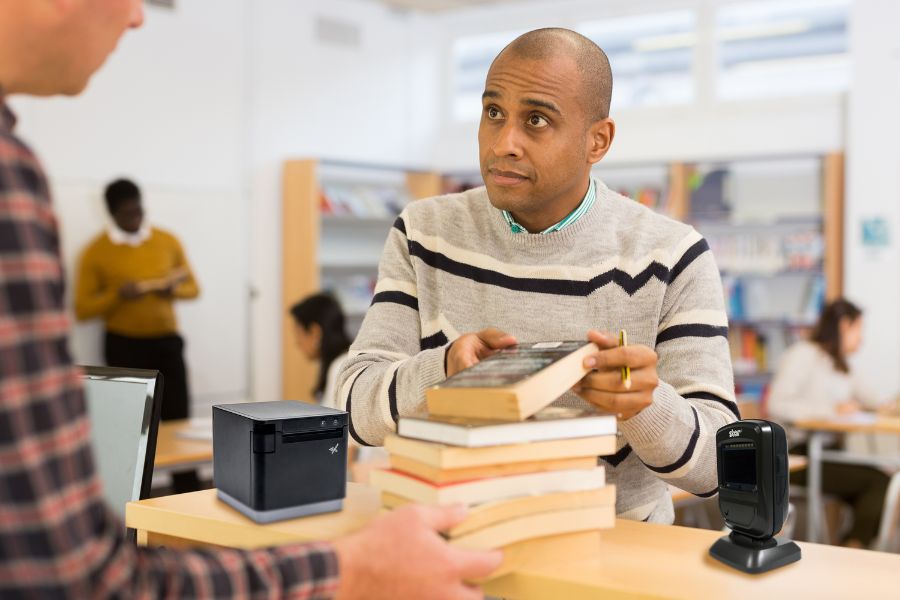
    Implementing library book barcodes offers readers and librarians the best of both the physical and digital worlds. Despite the trend toward digital information, physical books remain the preferred choice for many. 

    Professionals using reference books with maps or schematics often find it easier to see the entire image in a physical book rather than scrolling on a screen. Students may also benefit more from reading physical books. A Cambridge study reported in Yahoo! News found that students reading printed material comprehend six to eight times better than those reading from digital devices.

    Additionally, many people who read for pleasure simply enjoy the tactile experience of turning pages as they anticipate the next sentence in a thriller or romance.

    The continued demand for printed books underscores the importance of libraries to their communities. However, as more books join the classics and centuries of reference materials on the shelves, the task of classifying, organizing, and protecting them becomes increasingly complex. Library book barcodes simplify the management of these physical assets, making storing, organizing, and tracking books easier.

    The Benefits of Library Book Barcodes

    When library administrators choose to barcode library books and other assets in their collections, they take a major step toward greater efficiency and visibility. Using barcodes for library books optimizes:

    Inventory Management

    Scanning a permanent barcode label on a library book informs the library’s system that the title is on the shelf and available for patrons to borrow. Additionally, when librarians scan library book barcodes upon return, their management system can direct them to the exact floor, stack, and shelf for reshelving.

    Barcodes for library books streamline inventory management by providing a digital representation of all titles, saving time, and ensuring proper storage and display.

    Get the ideal library printers and scanners from Star Micronics.

    Online Services

    Library barcode systems are essential to publishing a collection online, giving patrons the convenience of reserving titles for pickup via a device. Libraries that work cooperatively can also use data from barcodes to find titles in other locations and arrange for their patrons to borrow them.

    Book Borrowing

    Barcodes for library books eliminate the need to glue library cards inside books. Librarians simply scan patrons’ library cards and the barcodes on the titles they’re borrowing. The library management system then tracks who borrowed the books and their due dates. Additionally, the system can send email or text reminders to help patrons avoid fines.

    Self-Service Returns

    Library barcode systems enhance the efficiency of dropbox returns. Patrons scan the barcodes at a kiosk when returning books, confirming the return and logging the time. The library’s system immediately updates the status, making the books available for borrowing sooner, benefiting patrons waiting for those titles.

    The Right Tools to Generate and Read Library Book Barcodes

    While library barcode systems offer numerous benefits, the value they provide depends on the quality of labels and the library’s barcode scanner capabilities.

    Library Barcode Label Printers

    Printers for library book barcodes must produce high-quality images for accurate scans. Printers that are flexible enough to work with the library’s label software will result in higher-quality barcode labels and make the labeling process easier. 

    The printer should also accommodate the label media the library chooses. It should be versatile enough to print permanent linerless or die-cut labels for book spines and repositionable sticky labels that librarians can use for holds or titles that patrons reserve online. A printer that accommodates linerless labels–labels without a silicone backing–can streamline labeling processes and reduce clutter and paper waste.

    mC-Label2 Multifunction Printer

    The mC-Label2 packs powerful features into a compact, front-loading design, including 300 dpi resolution, support for linerless, die-cut, receipt, and continuous media, and connectivity options like USB-C, LAN, WLAN, Bluetooth, and Apple MFi-certified pairing (X4 models only).

    Explore the mC-Label2 >

    mC-Label3 Multifunction Printer

    The Star Micronics mC-Label3 is a versatile multimedia printer that prints a wide range of labels and receipts, including both permanent and repositionable sticky linerless. It features cloud connectivity and innovative technologies like SteadyLAN and TetherLAN for enhanced printing convenience.

    Discover the mC-Label3 >

    Library Barcode Scanners

    In addition to printing high-quality labels, libraries also need reliable barcode scanners to read them. Scanners should read both one-dimensional, also known as 1D or linear barcodes, and 2D barcodes, like QR codes, to collect information from different types of codes the library uses. 

    Because labels on book spines or assets could become distorted, libraries will benefit from scanners that can read barcodes on uneven surfaces. The scanner should also work reliably in different lighting conditions, giving accurate reads even in low-light areas. 

    Libraries will also benefit from desktop scanners for use at the front counter and wireless handheld scanners for use by librarians when managing inventory.

    Star’s 1D/2D Barcode Scanners

    Star offers a comprehensive range of IP-rated 1D/2D barcode scanners, ideal for diverse business needs. From retail to healthcare, our versatile scanners excel in parsing driver’s license and ID barcodes, ensuring swift and accurate data capture. Choose the perfect fit for your setup—desktophandheld, or wireless Bluetooth options available.

    Future-Proof Operations with a Barcode Library System

    As library collections expand and the labor shortage persists, libraries must find ways to operate more efficiently. Implementing barcodes for library books allows librarians to accurately manage inventory and gain instant visibility into their collections.

    Barcode technology transforms the management of physical books, making it as streamlined as handling digital assets. This advancement ensures libraries can continue to provide patrons with the benefits of printed works well into the future.

    Beyond the Label: Elevating Brand Connection and Loyalty

    Discover how strategic labeling can redefine customer engagement and boost brand loyalty in this digital age.

    Learn More About Star’s Library Solutions:

  • Making the Right Investment: Wired vs. Wireless Barcode Scanners

    Making the Right Investment: Wired vs. Wireless Barcode Scanners

    Barcode technology offers many benefits to retail, manufacturing, healthcare, and other industries. For example, they enable more accurate inventory management, real-time visibility into products and stock, and more efficient checkout processes. However, businesses need the proper hardware, including a choice between a wired or wireless barcode scanner, to get the most value from their barcode solutions. 

    What Wired and Wireless Barcode Scanners Have in Common

    Both wired and wireless barcode scanners share several hardware features. For instance, you can find both types in laser scanners or imagers designed for reading 1D barcodes (like UPC codes) and 2D scanners capable of reading both 1D and QR codes.

    Additionally, both wired and wireless scanners are available with various ingress protection (IP) ratings. These ratings indicate the level of resistance to dust and liquid infiltration. For example, an IP rating of 42 means the device is protected from solid objects larger than 1 mm (indicated by the first number, “4”) and from water droplets (indicated by the second number, “2”).

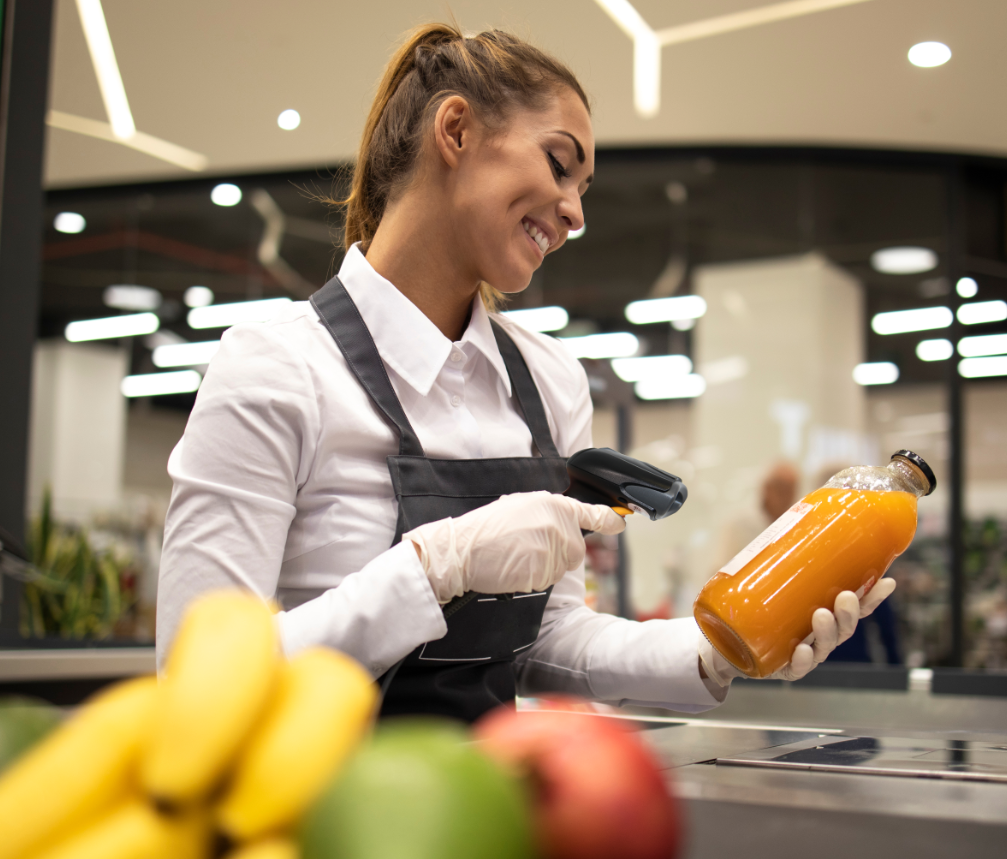
    Woman ringing up groceries with wireless barcode scanner by Star Micronics.

    There is also a range of scanner form factors, including handheld, presentation, fixed-mount, and in-counter models. The choice depends on your specific needs, such as scanning groceries at a checkout counter or shelf tags during inventory counts. It’s also essential to consider the environment in which you’ll use the scanner.

    The following comparison of wired and wireless barcode scanners will help you choose the best option based on your application needs and other crucial business factors.

    Advantages of Wired Barcode Scanners

    Wired barcode scanners are ideal for fixed locations like checkout counters or back-of-house workstations. They provide reliable, fast data transmission without the risk of interference from other devices. Wired scanners are typically plug-and-play, making them easy to set up and use quickly.

    These scanners are also generally more affordable than their wireless counterparts and don’t require battery replacements, reducing their total cost of ownership (TCO).

    Depending on the model, wired scanners can deliver fast, accurate scanning of 1D and 2D barcodes on various surfaces, including paper, uneven packaging, and screens with protective film. For example, Star’s BSH-20U and BSH-32U handheld barcode scanners can function as both a presentation scanner on a counter and a handheld device. This model offers a large field of view, onscreen barcode capture, and an infrared sensor for efficient scanning, even in low-light conditions.

    Advantages of Wireless Barcode Scanners

    Barcode scanning typically requires you to take the product to the scanner, not the other way around. Wireless barcode scanners free you from cords and cables that limit movement and allow you to use presentation or fixed-mount scanning when wired connectivity isn’t available. 

    Leading wireless barcode scanners have a long battery life with up to 12 hours of continuous use and offer reliable wireless data transmission. Star’s wireless barcode scanners, such as the BSH-32B and BSH-HR2081BT, are also easy to move between locations and have plug-and-play setup with any point-of-sale (POS) software.

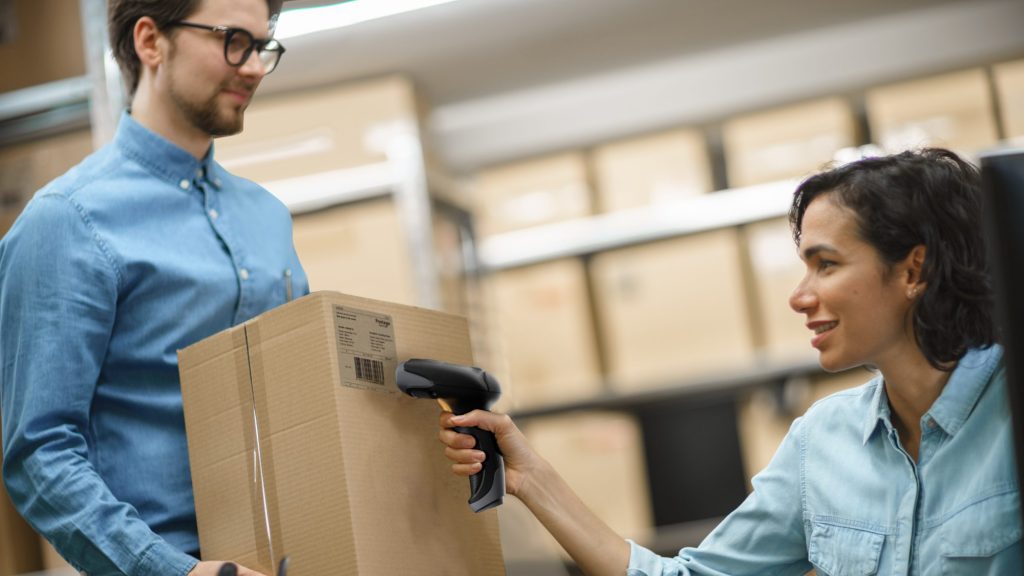
    Woman scans inventory with wireless barcode scanner by Star Micronics.

    Simply connect via Bluetooth or the included USB dongle (USB dongle is imbedded in the charging cradle for the BSH-32B), and the scanner immediately works – no need to download any additional drivers. Star’s wireless scanners also have six scanning modes for convenience and capture images on paper, uneven media, and onscreen.

    Wireless scanners add flexibility to operations, allowing you to quickly accommodate changes in workflow, like when consumer behaviors shift to curbside pickup. They’re ideal for inventory management, stock takes, and cycle counts, enabling employees to capture data instantly and accurately.

    Wireless barcode scanners are also easily scalable. If you need to equip extra employees, you can add more scanners without altering your business infrastructure. 

    3 Factors to Consider When Choosing Between Wired and Wireless Barcode Scanners

    Overall, your choice between wired and wireless barcode scanners comes down to the following:

    1. Workflow Requirements

    Consider whether employees work at a checkout counter, stationary workstation, or need mobility. Also, don’t forget to take ergonomics into account. Repeatedly using a handheld might lead to fatigue and injury, whereas a wired fixed-mount scanner could prevent those issues. 

    Additionally, ensure the model has the power to provide the speed necessary to keep up with the scanning volume employees need to do their jobs efficiently.

    2. Budget

    Consider both upfront costs and TCO, including batteries for wireless scanners and ongoing maintenance costs. Remember to review the warranty to ensure you get the most out of your investment

    3. Environmental Considerations

    Determine where employees will use the scanner. A wireless barcode scanner may be the only choice if a wired connection isn’t possible. If a wired connection is possible, you may want to consider whether interference from other devices could diminish a wireless scanner’s performance. In that case, go with a wired barcode scanner.

    The Ultimate Guide to Barcode Scanner Types and Applications

    Navigate the world of barcodes with clarity and confidence, ensuring the right fit for your business needs.

    Make an Informed Choice

    Both wired and wireless barcode scanners have pros and cons, but when you consider workflow requirements, budget, and environmental factors, you’ll make the optimal choice for your application. 

    You can also contact your barcode technology solution provider to find the best scanner for your business. For example, antimicrobial scanners are available for companies in the healthcare industry, while rugged scanners are for more industrial or outdoor settings.

    Find the right wired or wireless barcode scanner for your application:

  • Star Micronics Unveils the Next mC-Print3: Connectivity and Sustainability Redefined

    Star Micronics Unveils the Next mC-Print3: Connectivity and Sustainability Redefined

    The mC-Print31Ci and mC-Print31CBi thermal receipt printers, featuring CloudPRNT Next and Ultra-C technology, set new benchmarks in speed, efficiency, and sustainability.

    Somerset, NJ – July 24, 2024 – Star Micronics, a global leader in point-of-sale (POS) technology, is excited to announce the highly anticipated launch of the mC-Print31Ci and mC-Print31CBi, the latest additions to the esteemed mC-Print3 series of thermal receipt printers and part of the mCollection®. These new models redefine POS printing standards, combining speed, flexibility, and innovative connectivity features to significantly enhance retail and hospitality operations.

    The mC-Print31Ci and mC-Print31CBi are engineered to set new benchmarks in printing speed and connectivity. They deliver prints at an impressive rate of up to 400mm/sec, ensuring fast, high-quality outputs that boost store efficiency. These models also feature the latest CloudPRNT Next technology, providing faster and more dependable cloud-based printing using the MQTT protocol.

    Key features of the mC-Print31Ci and mC-Print31CBi include:

    • CloudPRNT Next Technology: Advanced cloud-based printing using the MQTT protocol for enhanced performance.
    • Ultra-C Technology: 20W USB-C power and data transfer for seamless connections with iOS, Android, and Windows devices.
    • Enhanced Bluetooth Connectivity: The mC-Print31CBi model offers twice the Bluetooth speed for improved communication.
    • Lightning-Fast Printing Speed: Capable of printing up to 400mm/sec, reducing transaction times and increasing efficiency.
    • External USB Hub Support: Allows connection of up to three peripherals, enhancing functionality.
    • Sustainable Packaging: Eco-friendly packaging made entirely of recyclable materials, with zero plastic wrapping.
    • Robust and Reliable: IP22 splash-proof, insect-proof, and dust-proof design suitable for demanding environments.

    In alignment with Star Micronics’ commitment to sustainability, the mC-Print31Ci and mC-Print31CBi feature compact packaging that reduces ecological impact and increases inventory capacity during transportation. The packaging is entirely plastic-free and reduces cable waste by not including cables that most people already have. The printers’ robust design ensures they can withstand the hustle of a busy kitchen and the demands of a high-traffic retail setting.

    Experience what’s next in thermal receipt printing with Star Micronics’ mC-Print31Ci and mC-Print31CBi, where efficiency, innovation, and sustainability meet.

    Schedule private demos with Star representatives by contacting sales@starmicronics.com.

    Love Industry News? Explore our Podcast:

    Star Micronics logo, point-of-sale (POS) hardware and technology company.

    Star Micronics, a world leader in point-of-sale (POS), has designated a portfolio of printing, labeling, secure cash management, and customer engagement solutions for any retail or hospitality establishment. Embracing the mPOS wave, Star’s SDKs allow developers to utilize Star printers with Android™, iOS, iPad®, and iPhone® devices to generate receipts, labels, Chit, and tickets. Star Micronics is always leading and always innovating, creating cloud-based printing solutions, including CloudPRNT and Star Cloud Services, with AOA support and MFi connectivity. Star also has a wealth of peripherals, including 2D barcode scanners, scales, tablet display stands, and more. Visit starmicronics.com or follow us on Facebook, Instagram, X, YouTube, or LinkedIn to learn more.

    Media Contact:

    Christin Dorner
    Star Micronics America, Inc.
    cdorner@starmicronics.com
    848-216-3318

  • The Acclaimed mPOP® Hybrid mPOS Solution Now Includes Bluetooth Connectivity

    The Acclaimed mPOP® Hybrid mPOS Solution Now Includes Bluetooth Connectivity

    Enjoy flawless connectivity with the latest mPOP® model, the POP10CBi, featuring Bluetooth capability alongside USB-C.

    Somerset, NJ – July 17, 2024 – Star Micronics, a leading manufacturer of mobile, point-of-sale (POS), and customer engagement technologies, is proudly releasing their newest addition to the mCollection®, the mPOP model POP10CBi. Star’s mPOP (mobile point of purchase) remains the industry’s number one hybrid POS solution that combines a cash drawer and printer peripheral into one simplified and stylish system.

    With the POP10CBi, Star offers convenient Bluetooth connectivity, enhancing the flexibility of direct iOS connectivity while also supporting Windows and Android devices. This compact and fully integrated peripheral is ideal for tablet- and mobile device-based POS (mPOS) systems.

    Connect your preferred tablet or mobile device, and the POP10CBi transforms into a fully unified POS system. It’s compatible with all major operating systems (iOS, Android, Windows, macOS) and works with any supported POS or mPOS software, allowing retailers the freedom to use various platforms. With Apple MFi certification, the POP10CBi allows a direct USB-C connection with the iPad®, iPhone®, and iPod Touch®, enabling it to charge your iOS device while data is transferring. This convenient method uses the same charge cord included with the iOS device. Enhancing functionality, the POP10CBi has USB-A and USB-B ports for connecting external devices or peripherals, such as an optional 2D barcode scanner.

    The complete mPOP line combines a two-inch thermal receipt printer with “drop-in and print” paper loading and a unique, functional Flat Bill till. The till, featuring a 4-bill and 4- or 6-coin slot design, provides easy currency storage and management with the same small footprint. As an added option, Star Micronics also offers the mUnite EZPOS tablet display stand, fitting any mPOP® perfectly.

    The functions and connectivity of the mPOP make processing customer transactions smooth and hassle-free for small shops, cafes, florists, food trucks, and more. With multiple exit options for enhanced cable management, it complements any countertop or on-the-go area for a visually appealing POS system no matter where you do business. Aesthetically modern and elegant, the mPOP provides the ultimate POS solution for the new face of mPOS.

    Schedule private demos with Star representatives by contacting sales@starmicronics.com.

    Love Industry News? Explore our Podcast:

    Star Micronics logo, point-of-sale (POS) hardware and technology company.

    Star Micronics, a world leader in point-of-sale (POS), has designated a portfolio of printing, labeling, secure cash management, and customer engagement solutions for any retail or hospitality establishment. Embracing the mPOS wave, Star’s SDKs allow developers to utilize Star printers with Android™, iOS, iPad®, and iPhone® devices to generate receipts, labels, Chit, and tickets. Star Micronics is always leading and always innovating, creating cloud-based printing solutions, including CloudPRNT and Star Cloud Services, with AOA support and MFi connectivity. Star also has a wealth of peripherals, including 2D barcode scanners, scales, tablet display stands, and more. Visit starmicronics.com or follow us on Facebook, Instagram, X, YouTube, or LinkedIn to learn more.

    Media Contact:

    Christin Dorner
    Star Micronics America, Inc.
    cdorner@starmicronics.com
    848-216-3318