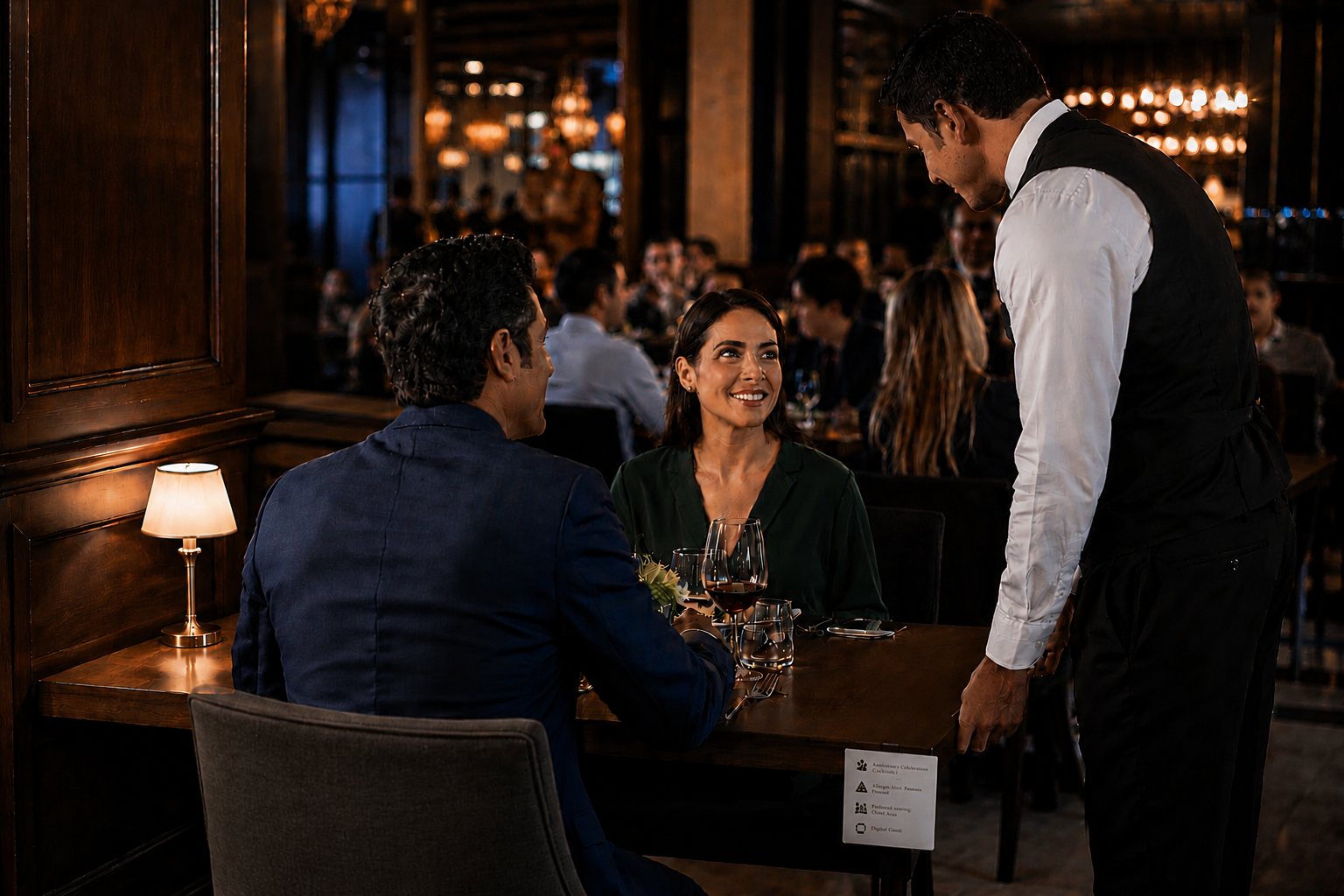
Restaurants today collect more guest information than ever before. Modern restaurant personalization technology, including reservation platforms like OpenTable, Resy, and SevenRooms, helps restaurants capture birthdays, anniversaries, allergies, seating preferences, favorite menu items, and other details that help personalize service.
But collecting information is only the first step.
When a birthday goes unrecognized, a special request is missed, or an allergy note never reaches the server, guests don’t see a workflow breakdown. They see a restaurant that failed to follow through.
The challenge is making sure important details remain visible once guests are seated and service begins. In many restaurants, printed reservation chits (tickets) help bridge the gap between reservation platforms and front-of-house staff, giving servers and managers quick access to guest information at the table.
However, traditional paper chits can easily be lost, misplaced, or blown off the table. As restaurants continue investing in personalization, they also need reliable ways to ensure those details reach the people responsible for delivering them.
Table of Contents
The Rise of Personalized Dining Experiences
Restaurant personalization has become a bigger part of modern hospitality operations. Reservation platforms now allow restaurants to collect far more information about guests before they even arrive, from allergies and seating requests to birthdays, anniversaries, and favorite menu items.
Personalization can include:
- Birthday and anniversary celebrations
- Allergy and dietary information
- Favorite seating areas
- Preferred drinks or menu items
- VIP guest recognition
- Service pacing requests
For restaurants, these details help staff prepare for service, recognize repeat guests, and accommodate special requests more consistently.
The challenge is not collecting the information. Modern reservation platforms already do that well. The challenge is making sure those details remain visible and accessible once the guest is seated and service begins.
Servers and managers move quickly throughout a shift, often handling multiple tables at once. If guest details remain buried inside a reservation platform or are only visible at the host stand, important requests can easily be missed.
Why Restaurants Still Print Reservation Chits
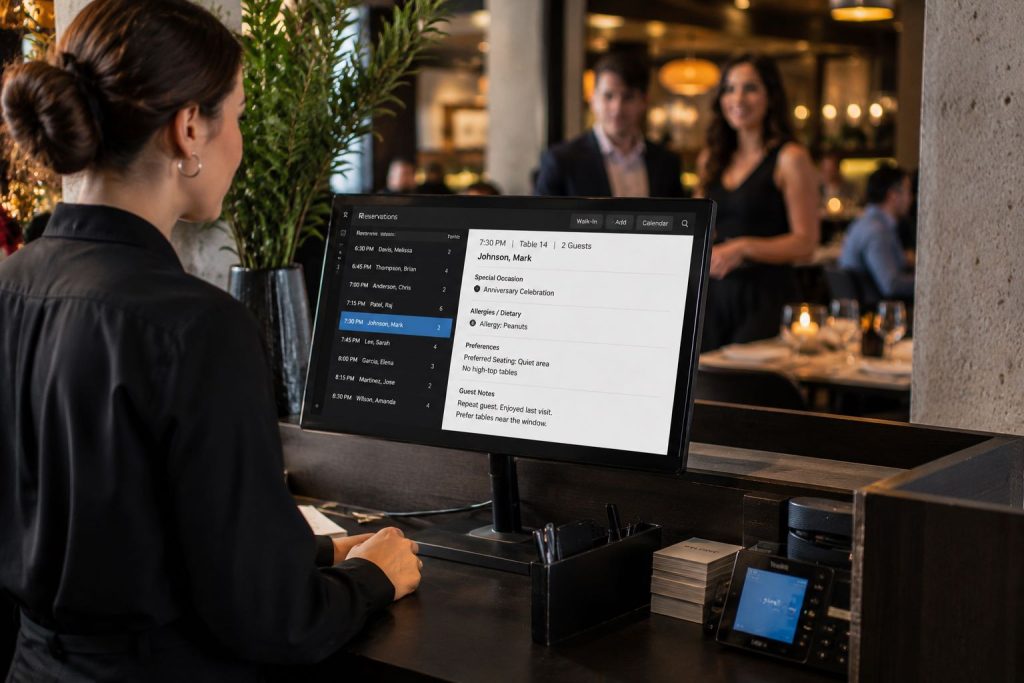
Despite the rise of digital restaurant technology, many restaurants still print reservation chits for one simple reason: physical workflows still matter.
A printed reservation chit creates a fast, visible handoff between the host stand and the front-of-house staff. Once the guest is seated, the chit can stay at the table and communicate important information directly to the server and managers.
The printed chit helps restaurant staff quickly understand the table before the first interaction even begins.
Managers also benefit operationally. A chit left on the table can help indicate whether a server has greeted the guests yet, helping managers monitor service flow during busy shifts.
In many restaurants, this small workflow plays an important role in delivering consistent hospitality.
The Problem With Traditional Reservation Chits
Traditional reservation chits are simple, but they create operational problems.
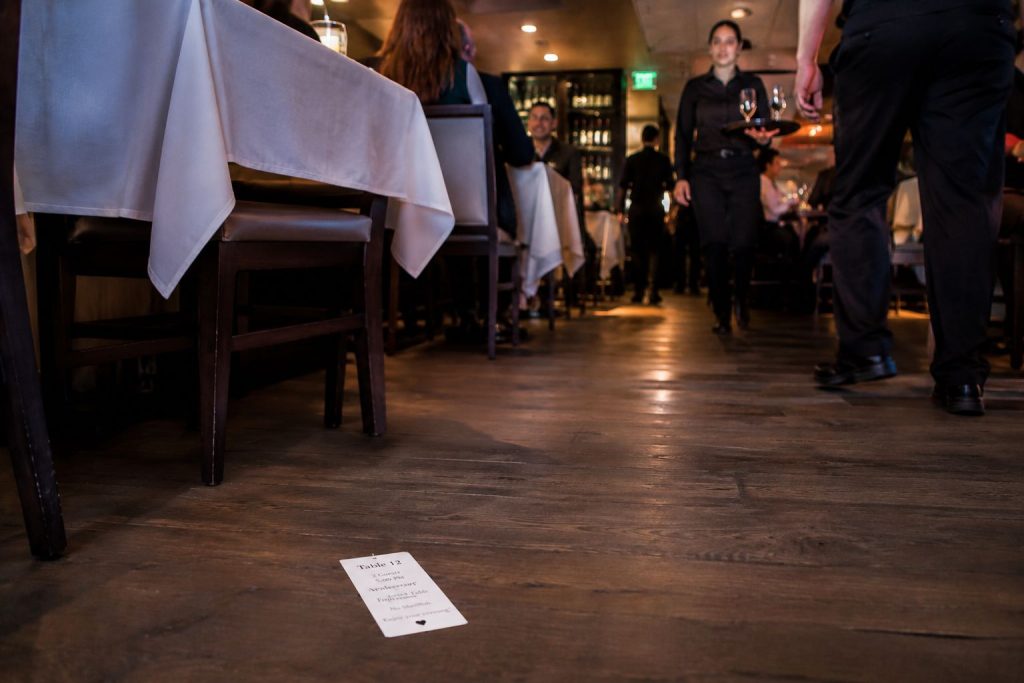
Because the receipts are lightweight thermal paper, they can easily:
- Blow off the table
- Fall onto the floor
- Get misplaced during service
- Become difficult for servers to track
Once the chit disappears, so does the personalization information tied to the guest experience.
To solve this problem, some restaurants improvise by stapling reservation chits to cardstock or heavier paper so they stay visible on the table. While functional, this creates additional operational steps, clutter, and waste during already busy service periods.
A personalization workflow only works if the information remains visible long enough for staff to act on it.
Why Sticky Labels Work Better for Restaurant Personalization
Repositionable sticky labels offer a cleaner, more reliable alternative to traditional reservation chits.
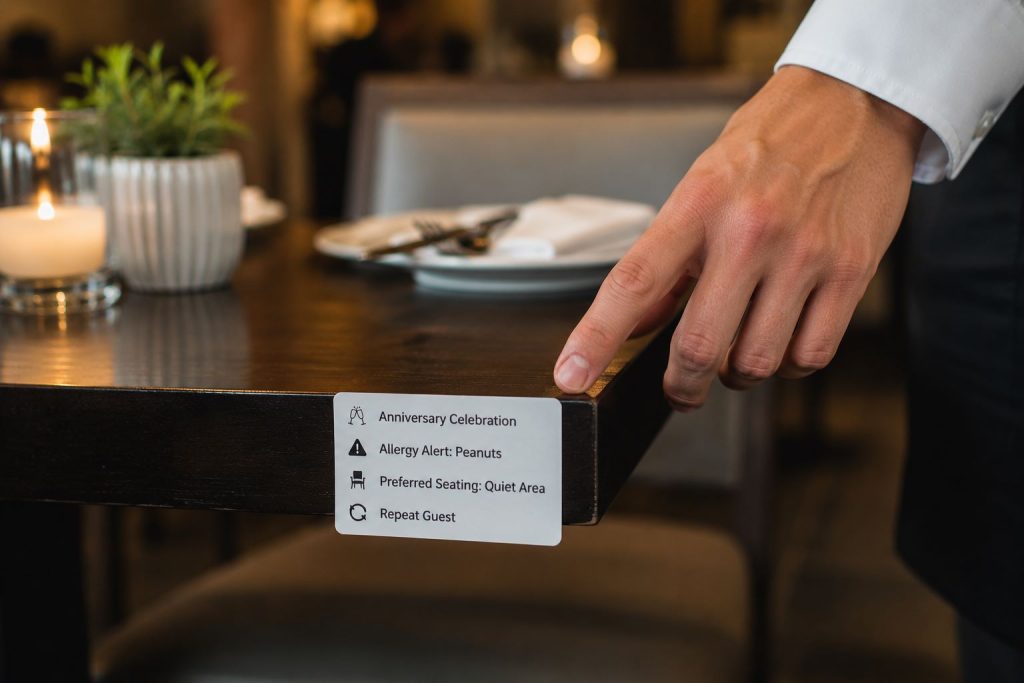
Instead of loose paper receipts, restaurants can print reservation information on repositionable linerless labels that stay attached to the table throughout service. Servers can easily remove and reposition the label without damaging surfaces or leaving residue behind.
This creates several operational benefits:
- Personalization details stay visible
- Labels do not blow away easily
- Servers can move labels as needed during service
- Restaurants eliminate the need for staplers and cardstock
- Front-of-house workflows become cleaner and more consistent
Repositionable linerless labels also help reduce waste compared to traditional linered labels because there is no liner backing to discard. Star’s TRK repositionable linerless labels are designed specifically for workflows that require temporary adhesion and clean removal, leaving no residue behind.
For restaurants focused on consistent guest experience, small operational improvements like these can make personalization easier to execute in real-world service.
How the TSP143IV SK Supports Front-of-House Personalization Workflows
The TSP143IV SK linerless sticky label printer gives restaurants a more operationally efficient way to manage reservation personalization workflows.
Designed for sticky linerless label printing, the TSP143IV SK allows restaurants to print repositionable labels that can remain attached to tables, trays, food packaging, or other surfaces throughout service.
This helps restaurants:
- Keep guest personalization details visible
- Improve communication between hosts, servers, and managers
- Reduce workflow disruptions caused by lost paper chits
- Simplify front-of-house operations
- Support more consistent hospitality experiences
TSP143IV SK Sticky Label Printer
The TSP143IV SK by Star Micronics sets a new standard for compact, eco-friendly thermal linerless label printing, offering advanced connectivity options like Wi-Fi and AOA, and efficient, residue-free labels for diverse business needs.
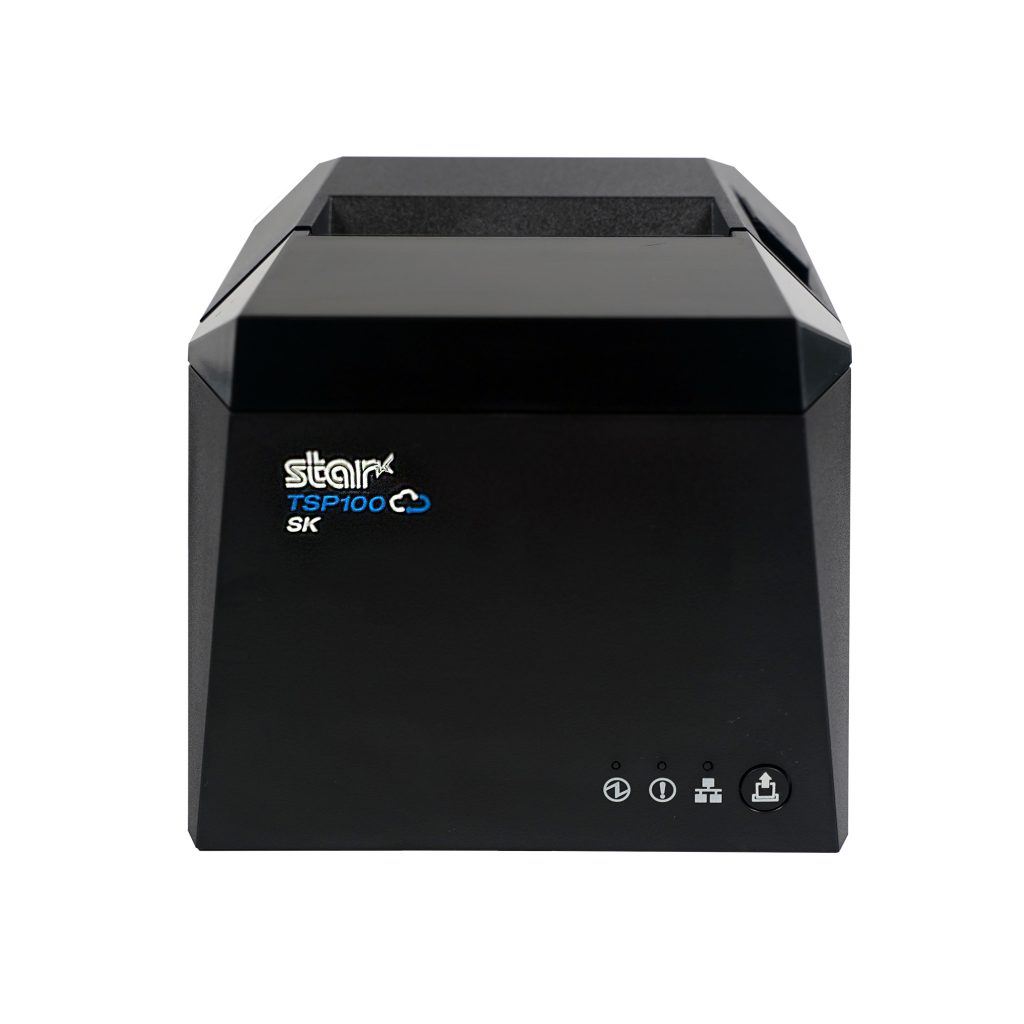
Because the labels are repositionable, servers can remove or relocate them easily during service without leaving residue behind. This creates a cleaner and more professional workflow compared to stapled paper chits or loose thermal receipts.
The TSP143IV SK also supports cloud-connected restaurant environments and modern hospitality workflows, making it easier for reservation platforms and restaurant systems to integrate sticky label printing directly into existing operations.
Why Reservation Platforms Should Support Sticky Label Printing
Reservation platforms continue adding more personalization tools and guest profile features. But restaurants still need reliable ways to communicate that information during service.
Supporting sticky label printing workflows can help restaurants:
- Keep guest details visible throughout service
- Reduce missed requests or forgotten notes
- Improve communication between hosts, servers, and managers
- Create more consistent table-side service
Restaurants already use printed reservation chits because physical workflows still matter in busy dining rooms. Sticky linerless labels simply make those workflows easier to manage and more reliably execute.
Personalization Creates Expectations
The moment a guest enters a birthday, anniversary, seating request, allergy, or other preference into a reservation platform, an expectation is created.
If a birthday candle never arrives, a special request is overlooked, or a preferred table isn’t honored, guests rarely know where the breakdown occurred. They don’t know whether the issue was with the reservation platform, the host stand, a lost chit, or a communication gap during service. They only know the restaurant missed an important detail.
In many cases, servers end up carrying the blame for information they never received.
As reservation platforms continue investing in personalization features, helping restaurants consistently deliver on those details may become just as important as collecting them.

Personalization Is Only Valuable If Restaurants Can Execute It
Restaurants often compete on food, service, and atmosphere. Increasingly, they’ll also compete on how well they remember their guests.
A birthday celebration, allergy note, preferred table, or favorite menu item may seem like a small detail on its own. But those details are often what separate a routine dining experience from one guests talk about, review online, and return to again.
Reservation platforms have made it easier than ever to capture guest preferences. The next challenge is helping restaurants consistently deliver on them.
The restaurants that stand out won’t necessarily be the ones that collect the most information. They’ll be the ones that make sure important details never get lost between the reservation and the table.
Frequently Asked Questions About Restaurant Personalization Technology
What is restaurant personalization technology?
Restaurant personalization technology includes digital tools and workflows that help restaurants collect, manage, and act on guest preferences, dining history, allergies, celebrations, and other hospitality-related information.
Why is personalization important in restaurants?
Personalization helps restaurants create better guest experiences, improve customer loyalty, encourage repeat visits, and differentiate themselves in competitive hospitality markets.
What information do reservation platforms collect?
Reservation platforms may collect guest names, birthdays, anniversaries, allergies, seating preferences, favorite menu items, visit history, and other dining preferences.
Why do restaurants print reservation chits (tickets)?
Restaurants print reservation chits to provide servers and managers with fast, visible access to guest details during service. Printed chits help bridge communication between digital reservation systems and front-of-house operations.
What problems do traditional reservation chits create?
Traditional reservation chits can blow away, fall off tables, become misplaced, or get lost during service. This can lead to missed guest requests and inconsistent hospitality experiences.
How can restaurants ensure guest preferences are not overlooked?
Restaurants use a combination of reservation platforms, host stand workflows, reservation chits, labels, and staff communication processes to ensure important guest details remain visible and accessible throughout service. The goal is to make sure information reaches the employees responsible for acting on it.
How do sticky labels improve restaurant workflows?
Sticky labels help keep important guest information visible throughout service, improving communication between hosts, servers, managers, and other restaurant staff.
How can restaurants turn guest data into personalized service?
Collecting guest information is only the first step. Restaurants must ensure guest preferences, celebrations, allergies, and other requests are communicated clearly and remain visible throughout service so staff can consistently act on them.
How can restaurants make personalization details more visible during service?
Restaurants can use reservation chits, sticky labels, and other front-of-house communication tools to keep guest information visible throughout service. Solutions such as the TSP143IV SK linerless sticky label printer by Star Micronics allow restaurants to print repositionable sticky labels that stay with the table and help ensure important details are not overlooked.
Leave a Reply