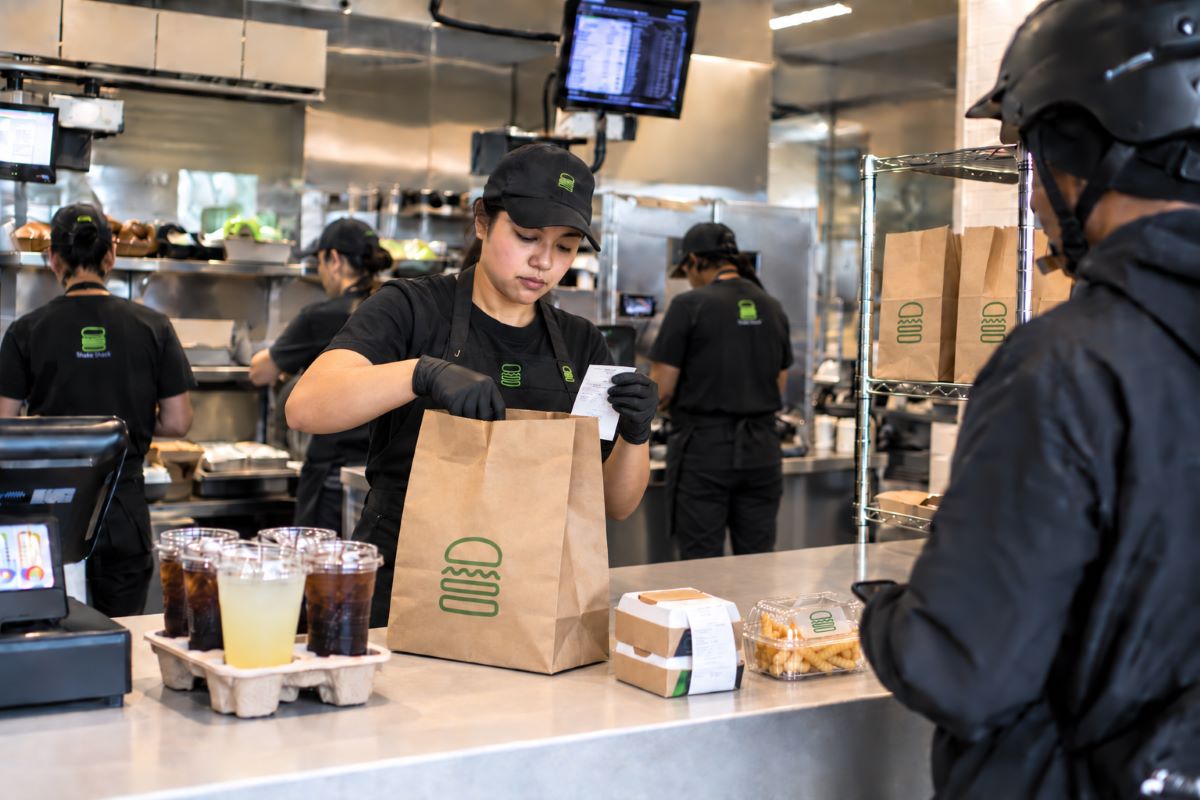
A wrong restaurant order rarely costs only the price of the missing burger, forgotten side, or incorrect modifier.
Restaurant order errors can mean a remake. A refund. Wasted food and labor. Sometimes a chargeback. Then there is the cost that is harder to measure: a frustrated customer who decides not to order from you again.
For restaurants handling takeout, delivery, drive-thru, curbside pickup, and catering, that risk grows with every order that leaves the building. Once the customer walks away or the delivery driver pulls out of the parking lot, correcting a mistake gets much harder.
That is why order accuracy is more than a kitchen metric. It is tied directly to profitability, customer loyalty, and trust.
For a single restaurant, preventing one bad order may seem like a small win. For a franchise group or enterprise chain with hundreds of locations, eliminating even one preventable chargeback per location per day can add up to a significant annual savings opportunity.
Explore Restaurant Solutions from Star
How Much Are Restaurant Order Errors Really Costing You?
Start with the obvious costs. An inaccurate order can result in:
- A refund or chargeback
- Food that must be remade
- Additional labor
- Wasted ingredients and packaging
- Customer service time spent resolving the complaint
But that is only the first layer.
When a customer receives the wrong meal at home, the restaurant has fewer opportunities to fix the problem than it would inside the dining room. A server cannot immediately replace the dish. A manager may never have the chance to speak with the customer.
Instead, the experience may end with a refund request, a poor review, or the decision to order somewhere else next time.
That makes off-premise order accuracy especially important. Once an order leaves the restaurant, there are fewer chances to catch a missing item, wrong modifier, or switched meal before the customer does.

One Preventable Chargeback Can Add Up Fast
The financial impact becomes more significant as location count increases.
Imagine eliminating just one preventable chargeback per day.
At one restaurant, that can add up over the course of a year.
Now multiply the same improvement across 25 locations.
Or 100.
Or 500.
The problem has not changed. The scale has.
Star Micronics developed a chargeback calculator to help restaurant operators estimate what eliminating one preventable chargeback per day, per location could mean across their business.
Enter information about your restaurant operation, submit your numbers, and connect with the Star team to review the potential impact.
Estimate Your Chargeback Exposure
The point is not just to put a dollar amount on restaurant order errors. It is to see how much one preventable mistake, repeated across locations and throughout the year, could be costing the business.
Where Do Off-Premise Order Errors Happen?
The order can be entered correctly into the POS and displayed correctly on the Kitchen Display System, yet the customer can still receive the wrong food.
Why?
Because a digital order eventually becomes a physical one.
Someone has to prepare each item, apply the correct modifiers, assemble the order, match drinks and sides, place everything into the right bag, and hand it to the correct customer or delivery driver.
That creates several opportunities for an otherwise accurate digital order to break down.
- A sandwich is prepared correctly but placed in the wrong bag.
- A modifier is missed during assembly.
- Two similar drinks are switched.
- An order is complete except for one side sitting on another prep station.
- A catering order has dozens of individually prepared items, but staff cannot quickly tell which meal belongs to which guest.
These are not necessarily POS problems or KDS problems. They are often identification and handoff problems.
That is where labeling can help by keeping critical order information attached to the physical item as it moves through preparation, assembly, and handoff.
How Better Labeling Can Help Reduce Chargebacks in Restaurants
Labels give restaurant teams a visible connection between the digital order and the physical item in front of them.
Instead of relying on memory, handwritten notes, or a receipt stapled to the outside of a bag, teams can put relevant information directly where it is needed.
Depending on the restaurant or QSR workflow, that may include:
- Order confirmation labels: Clearly identify the order number, customer name, pickup information, or delivery details.
- Item labels: Identify individual meals, drinks, sides, or other components of a larger order.
- Modifier information: Make special requests more visible, including substitutions, additions, removals, or preparation instructions.
- Customer names: Make individual meals and drinks easier to match with the right person, especially when several similar items are being prepared at once.
- Bag seals and delivery labels: Help identify completed orders and keep order information visible through staging and handoff.
The goal is not to add another task to the kitchen. It is to make important order information easier to see at the points where mistakes are most likely to occur.
For restaurants trying to reduce chargebacks, that gives employees another chance to catch a wrong item, missed modifier, or mismatched order before it leaves the restaurant.

Catering Makes Order Accuracy Even More Important
A single takeout order may contain three or four meals.
A catering order could contain dozens.
That changes the margin for error dramatically.
Catering teams may need to coordinate individual guest meals, dietary requests, modifiers, beverages, sides, serving instructions, and pickup or delivery information within one order.
Clear labeling can help keep those details attached to the right meal, tray, or package throughout preparation and handoff.
A guest name can be printed directly on an individual meal. Allergen information can travel with the item. Trays can be identified before they are staged. Pickup details can remain visible throughout preparation and handoff.
That gives staff a way to verify what they are looking at instead of trying to remember where each item belongs.
For the customer placing a large catering order, those details are easy to notice when they are wrong.
Getting 30 meals right can earn trust for the next event. Getting several of them wrong can do the opposite.
Order Accuracy Is a Customer Loyalty Strategy
Restaurants put significant effort into earning repeat business.
Loyalty programs, promotions, mobile apps, limited-time offers, and personalized marketing can all help bring customers back.
But none of them can compensate for consistently inaccurate orders.
Customers expect the basics first: the food they ordered, prepared the way they requested it, with everything they paid for.
That is why order accuracy matters so much to repeat business.
A clear label may seem like a small operational detail, but it can help make important order information visible through preparation and handoff. The customer name is correct. The modification was acknowledged. Allergen information is attached to the right item. Every part of the order is accounted for.
Those details help reduce the kinds of mistakes customers remember for the wrong reasons.
Accuracy is not simply about preventing a refund. It’s about giving customers a reason to trust the next order, too.
The Same Labeling Workflow Can Support Food Safety and Traceability
That may include:
- Preparation and rotation dates
- Allergen and ingredient information
- Product identification
- Traceability details
For multi-location restaurant brands, standardized labels can also replace inconsistent handwritten systems with the same information and format from one location to the next.
The principle is the same as order accuracy: put the information employees need directly on the item they are handling.
Read More About Labeling & Food Safety
Add Another Layer of Verification With Weight
Some restaurants can add a final checkpoint by verifying order weight before handoff.
When a brand establishes expected weight ranges for completed orders or specific items, a connected scale can help flag an order that may be missing something before it leaves the restaurant.
Labeling identifies what should be there.
Weight provides another signal that something may be missing.
For high-volume takeout and delivery operations, that extra check can help teams catch mistakes while the order is still in the restaurant, not after the customer opens the bag.
Read “Why Leading QSRs Use POS Scales & Labels to Increase Order Accuracy” >

Restaurant Technology Has to Work Together
Improving order accuracy does not require replacing the restaurant’s entire technology stack.
POS platforms and KDS solutions already manage critical parts of ordering and kitchen production. The opportunity is to carry that digital information into the physical workflow, where items are prepared, labeled, verified, packed, and handed off.
Star Micronics works with restaurant software providers to connect printing and verification hardware to the applications restaurants already use.
That can include label printers for order identification, modifiers, food safety, and handoff, along with connected scales that provide an additional verification point before an order leaves the restaurant.
Star’s integration team works with software providers and restaurant technology teams to help connect those devices to existing workflows.
The goal is simple: keep the information from the POS and KDS with the order all the way through handoff, and catch mistakes before the customer does.
Reduce Chargebacks by Preventing the Error First
Refunds and chargebacks happen after something has already gone wrong.
The bigger opportunity is preventing the mistake that causes them.
Better item identification. Clearer modifiers. Organized catering orders. Visible customer names. Consistent food safety information. A final verification step before handoff.
Each improvement may seem small on its own. Across hundreds or thousands of off-premise orders, they can help reduce the restaurant order errors that lead to remakes, refunds, chargebacks, and lost trust.
For a multi-location brand, even eliminating one preventable chargeback per location per day can add up quickly.
Want to see what that could mean for your restaurants?
Use Star’s chargeback calculator to estimate your potential exposure, then connect with our team to review the results and identify where stronger order accuracy could have the greatest impact.
Estimate Your Chargeback Exposure

Case Study: How a QSR Chain Streamlined Kitchen Order Routing and Printing
A real-world look at how YOGO POS and Star Micronics supported high-volume QSR operations across multiple locations.
Ready to prevent restaurant order errors and boost order accuracy for greater customer loyalty?
Frequently Asked Questions About Restaurant Order Errors
What causes restaurant order errors?
Restaurant order errors can happen at several points between order entry and handoff. Even when an order is entered correctly into the POS and displayed correctly on the KDS, mistakes can occur during preparation, assembly, packaging, staging, or handoff.
Common examples include missed modifiers, switched drinks, missing sides, incorrectly packed meals, and orders handed to the wrong customer or delivery driver.
How much can restaurant order errors cost?
The cost of a restaurant order error can extend beyond the price of the food itself. It may include a remake, refund or chargeback, additional labor, wasted ingredients and packaging, customer service time, and potentially lost repeat business.
For multi-location restaurant brands, even a small number of preventable errors repeated across many stores can add up throughout the year.
Why are off-premise restaurant order errors especially costly?
Takeout, delivery, drive-thru, curbside, and catering orders are harder to correct once they leave the restaurant.
A dine-in mistake may be caught and fixed immediately. With an off-premise order, the customer may not discover a missing item or incorrect modifier until they are already home or the delivery driver has left. At that point, the restaurant may be dealing with a refund, remake, complaint, or chargeback instead of correcting the order before handoff.
How can restaurants reduce order errors?
Restaurants can reduce order errors by making order information easier to verify throughout preparation and handoff.
That may include clear item and order labels, visible modifier information, customer names, organized catering labels, bag identification, and a final verification step before the order leaves the restaurant.
The goal is to give employees opportunities to catch a mistake while it can still be corrected.
Can labeling help reduce restaurant chargebacks?
Labeling can help address some of the identification and handoff mistakes that lead to refunds and chargebacks.
Labels can keep information such as customer names, order numbers, modifiers, item details, and pickup or delivery information attached to the physical item or package. That gives employees another way to verify that the right food is going into the right order before handoff.
Labeling cannot prevent every chargeback, but it can support workflows designed to catch preventable order errors earlier.
How can weight verification improve restaurant order accuracy?
When a restaurant establishes expected weight ranges for completed orders or specific items, a connected scale can provide an additional checkpoint before handoff.
An unexpected weight can signal that something may be missing or incorrect, giving employees a reason to review the order before it leaves the restaurant.
Labeling helps identify what should be there, while weight verification can provide another indication that the order may need a second look.
How can restaurants estimate the cost of preventable chargebacks?
Star Micronics’ chargeback calculator helps restaurant operators estimate what eliminating one preventable chargeback per day, per location could mean across their business.
Operators can enter information about their restaurant operation to estimate their potential exposure and see how the impact changes as the number of locations increases.
Leave a Reply