Tag: Retail

  • The Next Retail Breakthrough Starts with Star Micronics at NRF 2025

    The Next Retail Breakthrough Starts with Star Micronics at NRF 2025

    Visit Booth 5757 to see how Star’s latest innovations in cloud technology, cash management, and POS solutions are creating better tools for businesses everywhere.

    New York, NY – January 12-14, 2025 – Star Micronics, a trailblazer in point-of-sale (POS), cloud printing, and retail technology solutions, is excited to announce its participation in the National Retail Federation’s NRF 2025, the premier event of the year for the retail industry. Retail’s Big Show will take place at the Jacob K. Javits Convention Center in New York City from January 12th-14th, and Star Micronics will be welcoming visitors at Booth 5757. 

    At NRF 2025, Star will highlight groundbreaking innovations that empower retailers, hospitality providers, and resellers to stay ahead in a forward-thinking market. Attendees visiting Booth 5757 will experience Star’s latest lineup of solutions, including: 

    • Works with Chromebook: Star Micronics is proud to announce we are officially a “Works with Chromebook” partner and will be featuring a demo at our NRF booth. 
    • The mC-Label3 Multimedia Printer: A highly versatile printer capable of producing linerless sticky labels, traditional die-cut labels, and receipts. Equipped with the One Touch Label feature, this compact solution is ideal for labeling and receipt needs in modern retail operations. 
    • The TSP143IV X4 and SK X4 Series: Advanced thermal printers featuring four interfaces, effortless connectivity, and support for linerless labels (SK X4 model). Perfect for online ordering, labeling, and POS environments, these printers redefine efficiency and scalability. 
    • StarIO.Online: The latest Star-hosted cloud printing platform that offers simple implementation with just one line of code. It includes real-time device monitoring and multi-location management, making it the ultimate solution for developers and businesses embracing cloud technology. 
    • New CD5 Max Series Cash Drawers: Built for high-cash enterprise volume transactions, these heavy-duty, secure cash drawers are perfect for retailers of all sizes. Available in multiple sizes and configurations, they deliver durability and reliability for demanding retail environments. 
    • Star Blue Receipt Paper and Label Rolls: Including eco-friendly phenol-free Star Blue Eco options, these consumables are designed for optimal performance and compatibility with Star printers. 

    Star Micronics’ presence at NRF 2025 underscores its commitment to innovation, sustainability, and providing Customer First Solutions. With a focus on enhancing workflow effectiveness, streamlining operations, and supporting environmental responsibility, Star continues to lead the POS industry. 

    Attendees are encouraged to schedule private demos with Star representatives to get a closer look at these cutting-edge solutions. To book a demo or for more information, contact sales@starmicronics.com. 

    Love Industry News? Explore our Podcast:

    Star Micronics logo, point-of-sale (POS) hardware and technology company.

    Star Micronics, a world leader in point-of-sale (POS), has designated a portfolio of printing, secure cash management, self-service, and customer engagement solutions for any retail or hospitality establishment. Embracing the mPOS wave, Star’s SDKs allow developers to utilize Star printers in tandem with Android™, iOS, iPad®, and iPhone® devices to generate receipts, labels, Chit, and tickets. Star Micronics is always leading and always innovating, creating cloud-based printing solutions, including CloudPRNT Next and Star Cloud Services, with AOA support and MFi connectivity. Star also has a wealth of peripherals, including 2D barcode scanners, scales, tablet display stands, and more. Visit starmicronics.com or follow us on Facebook, X, YouTube, or LinkedIn to learn more. 

    Media Contact:

    Christin Dorner
    Star Micronics America, Inc.
    cdorner@starmicronics.com
    848-216-3318

  • Exploring the Future of Shopping with Virtual Try-Ons and AI Smart Carts

    Exploring the Future of Shopping with Virtual Try-Ons and AI Smart Carts

    In this episode of the Rising Stars Podcast, “The Future of Shopping: Virtual Try-Ons and AI Smart Carts,” host Kate Orara discusses two groundbreaking innovations that are transforming the retail landscape, giving examples of them in action.

    With her expertise as Star Micronics’ Partner Development Manager, Kate explores how Goddiva’s partnership with Zyler brings virtual try-on technology to online shopping, while Intermarché’s collaboration with Shopic and Capgemini introduces AI-powered smart carts to grocery stores.

    This episode highlights how these technologies are reshaping the customer experience, reducing friction in both online and in-store shopping, and creating new opportunities for retailers to engage their audiences in more personalized and efficient ways.

    The Future of Shopping Starts Here

    Virtual try-on technology by Zyler is a game-changer for e-commerce. By allowing shoppers to see how clothing looks on their own body, this innovation bridges the gap between online and in-store experiences, boosting customer confidence and reducing returns.

    Meanwhile, AI-powered smart carts at Intermarché greatly improve the grocery experience by eliminating checkout lines, providing real-time product suggestions, and giving retailers valuable insights into customer behavior.

    Whether you’re a retailer, VAR, or ISV, this episode provides actionable takeaways to help you stay ahead in the exciting retail industry.

    Loving the podcast? Subscribe now, and let us know what you think by leaving a review!

    Stay up-to-date on all things Star, don’t forget to follow us on X, LinkedIn, Facebook, Instagram, and YouTube.

    The Rising Stars Podcast

    Immerse yourself in the world of point-of-sale (POS) with the Rising Stars Podcast by Star Micronics, hosted by industry pro, Kate Orara. Twice a month, we explore the fascinating journeys of innovators and businesses navigating the challenges of POS technology’s rapid pace.

    In every episode, Kate Orara, Star Micronics’ Partner Development Manager, discusses emerging retail technology trends and strategies with global industry giants. She’s spent her entire career meeting all the right people, and now listeners everywhere can benefit from this vast network of channel gurus.

    Always leading and always innovating, Star Micronics, a pioneer in POS and customer experience technology for over 60 years, welcomes you to join us in shaping a brighter future in the retail, hospitality, and cannabis industries.

    Want more industry news?

    Episode Transcript

    [Music]

    Kate Orara: Hey there, retail tech enthusiasts! Welcome to the Rising Stars Podcast, your go-to for all things retail tech and point of sale. I’m Kate Orara, Partner Development Manager at Star Micronics, and I’m excited to guide you through this journey. Here, we dive into the latest innovations shaping the retail, hospitality, and cannabis industries. So whether you’re a techie or a business owner, this is your backstage pass to insider knowledge. Join me and the Star Micronics team as we innovate and rise together.

    Today, we’re diving into two amazing stories that showcase the power of partnerships in reshaping customer experiences. First, we’ll explore how Goddiva, a standout in the fashion world, is teaming up with Zyler to revolutionize online shopping with virtual try-on technology. Then we’ll head to France, where Intermarché is piloting AI-powered smart carts with Shopic and Capgemini. So grab your coffee or your notepad—this is going to be a fun episode!

    All right, let’s start with Goddiva and Zyler’s virtual try-on technology. Goddiva is a fashion brand that’s setting a new standard for online shopping. If you’ve ever shopped for clothes online, you know the struggle—or at least my fellow ladies do. Maybe guys do too, but for me as a female, it’s always a struggle. Does it fit? How will it look on me? Well, Goddiva has partnered with Zyler to solve this problem with virtual try-on technology. Zyler lets shoppers upload a photo to see how different outfits will look on their own body. It’s personalized, intuitive, and quite frankly, could be a game-changer for Goddiva.

    This isn’t just about reducing returns—though that’s going to be a huge plus. It’s about giving customers confidence in their purchases and creating a more engaging, enjoyable shopping experience. Now think about what this means for the broader retail landscape. As e-commerce continues to grow, tools like Zyler’s can be key differentiators. They bridge the gap between physical and digital shopping, blending convenience with personalization. And let’s not overlook how this benefits resellers and tech providers. By aligning with brands like Zyler, you can offer solutions that make online shopping smarter, more interactive, and customer-centric.

    Now, I did get to actually play around on the Zyler website, which was kind of fun. While the concept is good, I think there are some tweaks that need to happen. I was able to plug in my height and weight, but I had to use toggle bars to give other details about my physique, like shoulder width, waist size, chest, and hips. If I had to make a suggestion, I would provide both options: keep the toggle bars, but also give consumers the opportunity to input actual measurements in inches or centimeters. Maybe the technology isn’t there yet, but it’s something to consider. Personally, I’d be more willing to purchase items if I knew for sure they’d look the way I expect based on my actual measurements rather than guessing with the toggle bars. Just my two cents!

    All right, moving from online to in-store, let’s talk about Intermarché, one of France’s largest grocery chains. They’ve partnered with Shopic and Capgemini to bring AI-powered smart carts to life. These smart carts are incredible. Imagine walking into a store, grabbing a cart, and as you add items, the cart instantly recognizes what you’ve picked up. It also tracks your total, eliminates the need for checkout lines, and can even suggest promotions or recipes based on what you’ve selected.

    What I love about this story is how it enhances the in-store experience without complicating it. It’s simple for shoppers yet loaded with advanced AI and real-time analytics. I haven’t seen these carts in person, but I’ve seen similar concepts, like bins that calculate your total. What’s really cool about these carts is the running total feature—you can see the “damage” to your wallet as you go. Plus, the inspiration for recipes based on your selected items is a huge win. It helps prevent shoppers from forgetting items while in the store, which is a consumer win, and it encourages them to purchase more, which is a win for the store. This could be a real revenue generator for Intermarché.

    This is a leap forward in customer convenience and engagement, but there’s a deeper impact here. Retailers gain insights into shopper behavior, allowing them to refine product placement, inventory, and even marketing strategies. For resellers and technology providers, the lesson is clear: innovation sells. These smart carts demonstrate how combining AI with everyday shopping can drive efficiency and delight customers.

    And that’s a wrap on today’s episode. From Gadiva’s virtual try-on revolution with Zyler to Intermarché’s AI-powered smart carts, we’re seeing how technology and partnerships are rewriting the rules of retail. Thank you for tuning in to this episode of the Rising Stars Podcast. If you’ve enjoyed this episode, please be sure to subscribe, share it with a friend, and leave a review—it means the world to us. Until next time, I’m Kate Orara, reminding you that innovation isn’t just the future—it’s happening right now. So let’s embrace it together.

    And that is a wrap for this episode of the Rising Stars Podcast. A huge thanks to our incredible listeners for tuning in. Don’t forget to subscribe, rate, and leave a review. Your feedback fuels our journey to bring you the best in retail tech. Stay connected with us on social media for updates and behind-the-scenes content. As you sign off, remember, the future of retail technology is in our hands, and together, we are shaping it. Keep innovating, keep rising, and until next time, this is Kate Orara signing off. Together we rise.

    [Music]

  • Star Micronics Introduces the CD5 Max Series: High-Cash Volume Cash Drawers

    Star Micronics Introduces the CD5 Max Series: High-Cash Volume Cash Drawers

    Four versatile cash drawer models cater to diverse, high-cash volume retail and hospitality environments, combining durability, security, and sleek design.

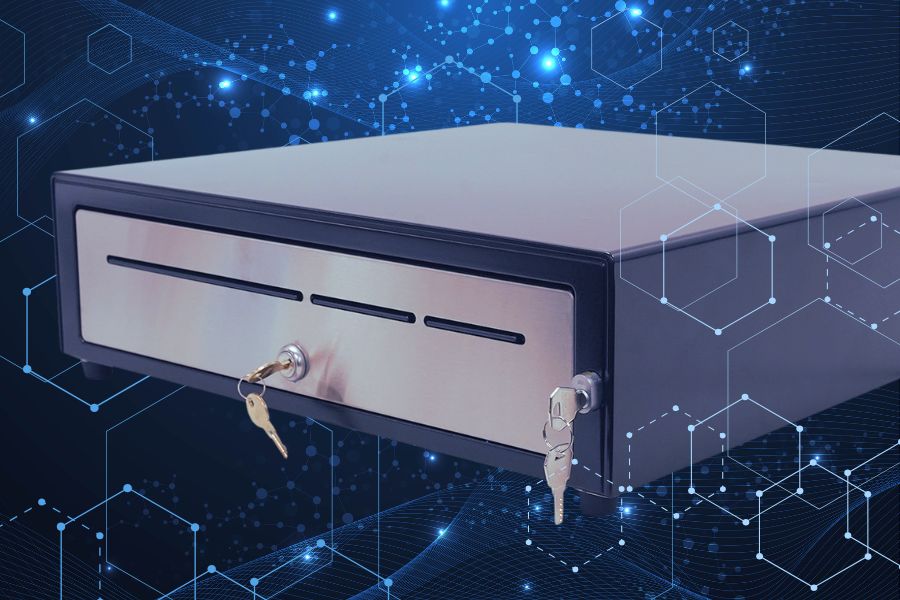
    Somerset, NJ – January 2, 2025 – Star Micronics, a global leader in point-of-sale (POS) technology, is proud to announce the launch of the CD5 Max Series, the next generation of high-performance cash drawers. Designed to meet the demands of modern retail and hospitality operations, the CD5-1316, CD5-1617, CD5-1817, and CD5-1918 models deliver unmatched durability, security, and connectivity options. The new CD5-1918 model is well-equipped for high-cash volume, enterprise-level environments—a new addition to Star’s already innovative cash management portfolio.

    Each model in the CD5 Max Series is tailored to accommodate high-cash businesses of all sizes, from compact retail environments to enterprise-level operations. With features like all-steel construction, multiple interface options, and thoughtfully designed layouts, the CD5 Max Series sets a new benchmark for reliable cash management.

    Key Features of the CD5 Max Series include:

    • Robust All-Steel Construction: Built for long-lasting durability in demanding, high-cash volume environments.
    • Versatile Connectivity Options: Models are available with DK and dual DK/USB interfaces for seamless POS connectivity.
    • Innovative Designs for Every Need: From the ultra-compact CD5-1316 to the enterprise-ready CD5-1918, there’s a size for every operation.
    • Enhanced Security: Features like dual-locking mechanisms and under-till compartments for coin storage on select models.
    • Sleek Finishes: Available in glossy black with or without a stainless-steel front to suit any professional setting.

    Cash Drawer Model Highlights:

    • CD5-1316: The smallest heavy-duty cash drawer in the lineup, ideal for space-sensitive setups, like mPOS and select hospitality environments.
    • CD5-1617: A compact 16-inch design with one media slot, perfect for small to medium retailers.
    • CD5-1817: An 18-inch heavy-duty model with a stainless-steel front for high-volume transactions, including grocery and dispensary environments.
    • CD5-1918: A 19-inch cash drawer with enterprise-level durability, three media slots, and dual-locking mechanisms for added security.

    The CD5 Max Series offers a range of sizes and features to accommodate diverse retail and hospitality needs. From space-saving designs to heavy-duty models for high-cash environments, each drawer is engineered to deliver reliability and efficiency. Select models also support dual interfaces, allowing ISVs and VARs to simplify inventory by stocking one versatile cash drawer for multiple configurations.

    “Star Micronics has always focused on providing cutting-edge solutions that meet the evolving needs of our customers. The CD5 Max Series reflects our commitment to quality, durability, and innovation in cash management.”

    To learn more about the CD5 Max Series, visit https://starmicronics.com.

    Love industry news? Explore our podcast:

    Star Micronics logo, point-of-sale (POS) hardware and technology company.

    Star Micronics, a world leader in point-of-sale (POS), has designated a portfolio of printing, secure cash management, self-service, and customer engagement solutions for any retail or hospitality establishment. Embracing the mPOS wave, Star’s SDKs allow developers to utilize Star printers in tandem with Android™, iOS, iPad®, and iPhone® devices to generate receipts, labels, Chit, and tickets. Star Micronics is always leading and always innovating, creating cloud-based printing solutions, including CloudPRNT Next and Star Cloud Services, with AOA support and MFi connectivity. Star also has a wealth of peripherals, including 2D barcode scanners, scales, tablet display stands, and more. Visit starmicronics.com or follow us on Facebook, X, YouTube, or LinkedIn to learn more.

    Media Contact:

    Christin Dorner
    Star Micronics America, Inc.
    cdorner@starmicronics.com
    848-216-3318

  • Mastering Prop 65 Compliance for Resellers

    Mastering Prop 65 Compliance for Resellers

    In this episode of the Rising Stars Podcast, “Prop 65 Compliance Made Simple for Resellers,” host Kate Orara shines a light on a topic every Value-Added Reseller (VAR) and Independent Software Vendor (ISV) in the retail and restaurant technology space should know: California’s Proposition 65. With her expertise as Star Micronics’ Partner Development Manager, Kate delivers practical insights to help resellers navigate this critical regulation with ease.

    This episode covers key elements of Prop 65 compliance, including identifying products with listed chemicals, understanding the latest BPA-free receipt paper requirements, and ensuring proper warning labels to protect your business and customers.

    Stay Ahead of Prop 65 Compliance Challenges

    Kate offers actionable steps for VARs and ISVs to audit their inventory, collaborate with manufacturers, and educate their teams to stay compliant with Prop 65 updates. By tuning in, you’ll gain strategies to safeguard your business while building trust with your customers.

    Whether you’re new to Prop 65 or looking to refine your compliance strategy, this episode is a must-listen for resellers who want to maintain their competitive edge and protect their bottom line.

    Read our related blog post, “Staying Compliant with Prop 65: What VARs Need to Know About BPS and Paper Inventory” >

    Loving the podcast? Subscribe now, and let us know what you think by leaving a review!

    Stay up-to-date on all things Star, don’t forget to follow us on X, LinkedIn, Facebook, Instagram, and YouTube.

    The Rising Stars Podcast

    Immerse yourself in the world of point-of-sale (POS) with the Rising Stars Podcast by Star Micronics, hosted by industry pro, Kate Orara. Twice a month, we explore the fascinating journeys of innovators and businesses navigating the challenges of POS technology’s rapid pace.

    In every episode, Kate Orara, Star Micronics’ Partner Development Manager, discusses emerging retail technology trends and strategies with global industry giants. She’s spent her entire career meeting all the right people, and now listeners everywhere can benefit from this vast network of channel gurus.

    Always leading and always innovating, Star Micronics, a pioneer in POS and customer experience technology for over 60 years, welcomes you to join us in shaping a brighter future in the retail, hospitality, and cannabis industries.

    Want more industry news?

    Episode Transcript:

    [Music]

    Kate Orara: Hey there, retail tech enthusiasts! Welcome to the Rising Stars Podcast, your go-to for all things retail tech and point of sale. I’m Kate Orara, Partner Development Manager at Star Micronics, and I’m excited to guide you through this journey. Here, we dive into the latest innovations shaping the retail, hospitality, and cannabis industries. So whether you’re a techie or a business owner, this is your backstage pass to insider knowledge. Join me and the Star Micronics team as we innovate and rise together.

    Today, we’re diving into a topic that might not sound exciting at first, but trust me—if you’re a reseller in the retail technology space, this is something you need to know. We’re talking about California’s Proposition 65, also known as Prop 65. Don’t hit pause or exit just yet! Please give me a little bit of your time. This isn’t just about regulations—it’s about protecting your business, your customers, and, let’s be honest, your bottom line.

    By the end of this episode, you’ll have a clear understanding of what Prop 65 is, why it matters to you as a reseller, and how you can stay compliant with both old and new rules. I’ll even share a great resource from Star Micronics that breaks it all down for you. So grab your coffee, settle in, and let’s get started!

    All right, what is Proposition 65? Let’s start with the basics. Prop 65 is a California law that’s been around since 1986. Its goal? To protect the public from chemicals that can cause cancer, birth defects, or other reproductive harm. Now, what does that mean for businesses? If a product you sell contains one of the chemicals on California’s Prop 65 list, you’re required to provide a clear warning to your customers. Think of it as California’s way of saying, “Transparency is key!”

    But here’s the kicker: that list isn’t static. It’s updated annually, and as of now, it includes over 900 chemicals.

    If you’re a reseller, you might be thinking, “Well, I don’t manufacture the products, so this isn’t my problem.” Wrong! It is your problem because you’re the one putting these products into the hands of your end-users. If the products you sell don’t meet Prop 65 requirements, you could face hefty fines or even lawsuits.

    For example, one area of concern is receipt paper. Did you know that some thermal receipt papers contain BPA, a chemical on the Prop 65 list? If your end-users are unaware of this, it could spell trouble not just for them but for you, too.

    All right, so there have been some new updates to Prop 65. BPA has been a hot topic lately, especially in the context of receipt paper. Manufacturers are now producing BPA-free alternatives, but it’s up to resellers like you to ensure your inventory aligns with these changes. Another update is how warnings are delivered. It’s no longer enough to have vague, generic labels—the warnings must be specific about the chemical and the potential harm.

    To my resellers, what does this all mean for you? Here’s the game plan, and it’s a four-step process:

    1. Audit Your Inventory: Take stock of what you’re selling. If any of your products contain Prop 65-listed chemicals, make sure you know which ones.

    2. Work with Manufacturers: Stay in close communication with your suppliers. Ask for documentation that confirms compliance with Prop 65.

    3. Label Clearly: Remember, transparency is key. If a product requires a warning, make sure it’s properly labeled before it reaches your customers.

    4. Educate Your Team and Customers: Make sure your sales team understands these requirements, and don’t hesitate to pass that knowledge on to your end-users.

    Now, I know this sounds like a lot, but you’re not in this alone. The team at Star Micronics has put together a fantastic blog post that dives into Prop 65 compliance, particularly when it comes to receipt paper. So definitely read it when you have a minute. You can find it in the description notes of this episode, or simply go to Star’s website, navigate to the resources tab, and select the Star POS Blog. Star explains the regulations in plain English and even offers tips on managing BPA-free inventory.

    Compliance with Prop 65 might feel like a hassle, but think of it as an investment in your business. By staying ahead of these regulations, you’re not just protecting yourself—you’re building trust with your customers and showing them that you care about their safety. So take the time to review your processes, educate your team, and use resources like the Star blog to guide you.

    That’s it for today’s episode! Thanks for tuning in to the Rising Stars Podcast! If you found this episode helpful, please share it with your network, and don’t forget to subscribe so you never miss an update. Until next time, stay compliant, stay informed, and make sure to always be leading and always be innovating.

    And that is a wrap for this episode of the Rising Stars Podcast. A huge thanks to our incredible listeners for tuning in. Don’t forget to subscribe, rate, and leave a review. Your feedback fuels our journey to bring you the best in retail tech. Stay connected with us on social media for updates and behind-the-scenes content. As you sign off, remember, the future of retail technology is in our hands, and together, we are shaping it. Keep innovating, keep rising, and until next time, this is Kate Orara signing off. Together we rise.

    [Music]

  • Mastering Channel Marketing: Strategies & Trends with BlueStar’s James Korte

    Mastering Channel Marketing: Strategies & Trends with BlueStar’s James Korte

    In the latest episode of the Rising Stars Podcast, host Kate Orara sits down with James Korte, Director of Marketing at BlueStar, to explore today’s top channel marketing strategies and emerging digital marketing trends. In “Channel Marketing Strategies & Trends with James Korte,” James shares his perspective on the future of digital marketing in the channel and highlights his all-time favorite campaigns that set new standards for creativity and impact.

    James covers some common mistakes he sees in digital marketing efforts and provides actionable tips for smaller resellers on how to compete digitally with brands boasting much larger marketing budgets. For those looking to make strategic investments, James also pinpoints the most effective tools and channels, giving listeners insights to refine their approach to channel marketing.

    Reaching New Heights in Channel Marketing

    Throughout the conversation, James emphasizes the importance of understanding the customer journey and provides valuable advice on crafting marketing strategies that resonate. This episode offers VARs, ISVs, and other industry professionals valuable guidance on leveraging innovative digital tactics to enhance engagement and boost their competitive edge.

    Whether you’re looking to level up your digital presence or get ahead of upcoming trends, this episode is full of expert insights to help you stay at the forefront of channel marketing.

    Did you know labeling can help with branding? Explore innovative labeling solutions from Star Micronics >

    Loving the podcast? Subscribe now, and let us know what you think by leaving a review!

    Stay up-to-date on all things Star, don’t forget to follow us on X, LinkedIn, Facebook, Instagram, and YouTube.

    The Rising Stars Podcast

    Immerse yourself in the world of point-of-sale (POS) with the Rising Stars Podcast by Star Micronics, hosted by industry pro, Kate Orara. Twice a month, we explore the fascinating journeys of innovators and businesses navigating the challenges of POS technology’s rapid pace.

    In every episode, Kate Orara, Star Micronics’ Partner Development Manager, discusses emerging retail technology trends and strategies with global industry giants. She’s spent her entire career meeting all the right people, and now listeners everywhere can benefit from this vast network of channel gurus.

    Always leading and always innovating, Star Micronics, a pioneer in POS and customer experience technology for over 60 years, welcomes you to join us in shaping a brighter future in the retail, hospitality, and cannabis industries.

    Want more industry news?

    Episode Transcript:

    [Music]

    Kate Orara:
    Hey there, retail tech enthusiasts! Welcome to the Rising Stars podcast, your go-to source for all things retail tech and point of sale. I’m Kate Orara, Partner Development Manager at Star Micronics, and I’m excited to guide you through this journey. Here, we dive into the latest innovations shaping the retail, hospitality, and cannabis industries. So, whether you’re a techie or a business owner, this is your backstage pass to insider knowledge. Join me and the Star Micronics team as we innovate and rise together.

    Kate Orara:
    Welcome back to another episode of the Rising Stars podcast! I’m really excited about today’s episode because I’m joined by a good friend in the industry, James Korte. If you’re watching, you already know who that is. And if you’re listening, you’re about to find out! James is the Director of Marketing at Blue Star. Is that recent? I mean, you just got promoted to Director, right, James?

    James Korte:
    I did, yes! It was a big moment. I’m terrible with dates, but I think it’s been about five months now—though it could be closer to a year. Time flies! But yes, it’s still fresh and very exciting. I’ve been in this industry for over ten years now, mainly in retail and hospitality technology. Blue Star is a large distributor, so we touch on pretty much every industry from a technology standpoint. I feel like people in this space are fascinated by the industry. I started as a designer, then moved into marketing, and now, here I am! And, Kate, when you messaged me about coming on the podcast and said, “Let’s talk about your favorite thing,” I didn’t even need clarification—I knew what you meant!

    Kate Orara:
    Yes! And I think we share a similar perspective. We’re both Millennials, so we really experienced the digital shift. I remember when Facebook first launched, and you needed a college email to join. I friended everyone because I wanted to have as many friends as possible! Our generation really pushed digital marketing forward.

    James Korte:
    Absolutely! Millennials really ushered in the digital era. I spent the first 13 years of my life without the internet, and then, suddenly, the world opened up. It changed everything for us. And yes, Zuckerberg, a fellow Millennial, created Facebook. So, here we are, a generation that has one foot in the “real” world and another online.

    Kate Orara:
    We could probably do a whole other podcast on the generational topic! I did one recently on marketing to Gen Z with Tyler Wells from MicroTouch. That could be another part two we dive into later.

    Kate Orara:
    So, moving into the focus of today’s episode: digital marketing. I know LinkedIn is a central platform in our industry. What’s one digital marketing trend you’re excited about that the channel hasn’t fully embraced yet?

    James Korte:
    Great question! I’d say the trend I’m most excited about, which the channel is a bit slow to adopt, is entertainment as a marketing strategy. A lot of younger generations realize that interrupting a social media feed with a super buttoned-up, product-centric message doesn’t work as well anymore. The key is engaging your audience purely for the sake of engagement. I know some people think, “Why would I do that? I’m here to grow my business!” But if you’re constantly boring people, they’ll stop paying attention when you actually have something important to share.

    There’s also an algorithmic element to it—if you spend time being generally entertaining and helpful, your business-related posts are more likely to reach people when the time is right. I think the channel needs to embrace micro-influencers, too. Even though these might not be huge celebrities, they’re influential in specific verticals. We tried an offering last year where vendors could hire someone on Cameo to give them a shoutout. It worked well and gave us a taste of influencer marketing. The point is, if you create fun and engaging content, people will stay tuned in for when you do share something business-relevant.

    Kate Orara:
    I couldn’t agree more! You actually did something fun at Retail Now—it was like an “Olympics,” and I remember there was a “flex off.” That kind of engagement shows personality, which people love. We’re people working for companies, and it’s so important to show that human side.

    Kate Orara:
    So, as the Director of Marketing, what’s your favorite digital marketing campaign you’ve ever worked on, or that someone else created, and why did it stand out?

    James Korte:
    I’ll share two examples. One of our own, which wasn’t groundbreaking but was successful, and then one I just admire. First, we ran a campaign in late 2023 for an emerging tech vendor, Loop, an EV charging company. We targeted Wyndham property owners with a three-pronged approach: physical direct mail, meta (Facebook and Instagram) ads, and outbound telemarketing. We made it highly targeted to Wyndham, which resonated really well. The response was fantastic—28 people requested site visits, and it generated a few million dollars in revenue. It was successful because it was so targeted, and we connected with people in the way they preferred.

    The other example is from a brand called Liquid Death. They make canned water, but it’s branded like a heavy metal album. Their tagline was “Murder Your Thirst,” and their ad campaigns were edgy—they even did a video where someone was waterboarded with Liquid Death. It was shocking and very bold. It’s not everyone’s style, but that’s the point—it created a loyal following of people who loved the brand’s irreverent style. It’s a great example of standing out in a crowded market by being different.

    Kate Orara:
    We may not suggest waterboarding or electric shocking, but I get the point! So, in the channel space, what does a perfect customer journey using digital marketing look like to you?

    James Korte:
    In an ideal world, the journey would go like this: the customer hasn’t heard of us, but they see our targeted ads on LinkedIn, our podcast sponsorships, or our presence at events. By the time they reach out, they’d think, “Blue Star is everywhere I am, and everyone I trust seems to be aligned with them.” They’d know who we are, what we do, and they’d trust that we know how to help them.

    Kate Orara:
    Love it! What are some of the biggest mistakes you see businesses in our industry making in their digital marketing efforts today?

    James Korte:
    Three points: First, a lot of businesses underinvest in marketing. It should be as prioritized as any other discipline, like HR or sales. Second, they try to be too broad in their market focus, listing 14 different industries they serve. Focus on a niche where you can truly stand out. Lastly, they often rely on incremental changes to their product rather than building a brand personality. Trust and human connection are what really matter. It’s about creating relationships and brand identity, not just incremental product changes.

    Kate Orara:
    Couldn’t agree more. Human relationships are what drive loyalty, and focusing on a niche lets you speak directly to specific customers. For those with limited budgets, what’s a creative way smaller resellers and ISVs can compete against the larger brands? And if there’s one marketing tool or channel they should focus on, which would it be?

    James Korte:
    Great question! Smaller players can focus on niche markets where they can provide something tailored and special. Look up reviews on larger competitors and see where they fall short, then capitalize on those areas. In terms of a tool, I’d recommend a no-code webpage builder or a design tool like Canva. These make it easy to create professional-looking materials without a huge budget, allowing smaller companies to look bigger and more polished online.

    Kate Orara:
    I love those suggestions! Having a polished digital presence can make a smaller company look much larger, which instills confidence. As someone who’s often thinking ahead, what’s the wildest prediction you have for the future of digital marketing in our industry?

    James Korte:
    I think we’re going to see a shift where personalities lead brands more than logos. Founder-led brands will become the norm, with CEOs and leaders creating content and being the face of the company. It’s a natural evolution with people like us becoming the leaders now. Tyler Young at Tonic POS is a great example—he’s built such a recognizable personal brand that’s aligned with his company’s goals. People will gravitate toward personalities over corporate branding.

    Kate Orara:
    Couldn’t agree more. I think we’re definitely headed that way. It’s been so much fun chatting with you, and I think a part two is definitely needed—maybe after NRF! Before we close out, if there’s one thing in the channel you could change today, what would it be and why?

    James Korte:
    Honestly? I wish I could go to every event! I always leave events feeling inspired, and there’s no better way to gather insights directly from people in the field. Conversations can lead to great ideas, and that feedback loop is invaluable.

    Kate Orara:
    Absolutely. Thank you so much for your time, James. This has been an amazing conversation. Where can people follow you and stay updated with what you’re doing?

    James Korte:
    Thank you, Kate! I’m active on LinkedIn, sharing content around marketing, design, and my observations on the industry. I’d love to connect with anyone interested. And a quick shout-out to Blue Star—we’re a technology distributor focused on building meaningful partnerships and helping businesses succeed through marketing and beyond.

    Kate Orara:
    Thanks again, James! And that wraps up this episode of the Rising Stars podcast. A huge thanks to our listeners and our phenomenal guest for sharing such valuable insights. Don’t forget to subscribe, rate, and leave a review—it fuels our journey to bring you the best in retail tech. Stay connected with us on social media for updates and behind-the-scenes content. Together, we rise!

    [Music]

  • How to Strengthen Retail Cybersecurity: 10 Essential Tips for Your Clients

    How to Strengthen Retail Cybersecurity: 10 Essential Tips for Your Clients

    In this episode of the Rising Stars Podcast, “Top 10 Retail Cybersecurity Tips to Protect Your Clients,” host Kate Orara shares actionable advice for value-added resellers (VARs) and independent software vendors (ISVs) on how to protect their clients’ retail businesses from cybersecurity threats. As Star Micronics’ Partner Development Manager, Kate dives into practical steps to enhance cybersecurity and ensure data protection in retail environments.

    This solo episode explores key topics such as endpoint protection, multi-factor authentication (MFA), and encryption strategies, providing listeners with detailed recommendations on implementing these solutions. Kate also covers how regular security audits, network security tools, and employee training play a crucial role in preventing cyberattacks.

    Build a Strong Cybersecurity Foundation for Your Clients

    Kate explains how implementing advanced cybersecurity measures can enhance protection and build trust with customers. Whether your clients manage retail chains, small shops, or online stores, the podcast provides a comprehensive look at the top cybersecurity priorities for businesses today.

    Learn how to secure POS systems, handle remote data safely, and adopt tools to ensure compliance with industry standards. This episode is packed with useful tips to keep client data safe while optimizing business operations in a secure, scalable way.

    Tune in to discover the best practices in retail cybersecurity and how to help your clients protect their businesses from evolving threats.

    Loving the podcast? Subscribe now, and let us know what you think by leaving a review!

    Stay up-to-date on all things Star, don’t forget to follow us on X, LinkedIn, Facebook, Instagram, and YouTube.

    The Rising Stars Podcast

    Immerse yourself in the world of point-of-sale (POS) with the Rising Stars Podcast by Star Micronics, hosted by industry pro, Kate Orara. Twice a month, we explore the fascinating journeys of innovators and businesses navigating the challenges of POS technology’s rapid pace.

    In every episode, Kate Orara, Star Micronics’ Partner Development Manager, discusses emerging retail technology trends and strategies with global industry giants. She’s spent her entire career meeting all the right people, and now listeners everywhere can benefit from this vast network of channel gurus.

    Always leading and always innovating, Star Micronics, a pioneer in POS and customer experience technology for over 60 years, welcomes you to join us in shaping a brighter future in the retail, hospitality, and cannabis industries.

    Want more industry news?

    Episode Transcript:

    [Music]

    Kate Orara:
    Hey there, retail tech enthusiasts! Welcome to the Rising Stars podcast, your go-to source for all things retail technology and the ever-evolving world of point of sale. I’m your host, Kate Orara, Partner Development Manager at Star Micronics, and I am thrilled to be your guide on this exciting journey. Here at Rising Stars, we’re not just keeping up with the trends—we’re setting them. We dive deep into the tech landscape with global industry leaders, unpacking strategies and discussing the latest innovations that shape the future of retail IT.

    Whether you’re a tech aficionado, a business owner, or just curious about the dynamic world of retail, this podcast is your backstage pass to insider knowledge. And hey, it’s not just about the tech—it’s about the community. Join me and the Star Micronics team as we lead and innovate, shaping a brighter future for the retail, hospitality, and cannabis industries, as well as beyond. Together, we rise! So hit that subscribe button, stay in the loop, and let’s make waves in the retail tech space. This is the Rising Stars podcast, where innovation meets inspiration. Let’s rise together!

    Kate Orara:
    Welcome back to another episode of the Rising Stars podcast, where we dive into the latest strategies and insights for staying ahead in the ever-evolving retail market. Hopefully, you all know me by now, but if not, I’m your host, Kate Orara. In this episode, we’re going to tackle a critical topic that affects every business in the retail space: cybersecurity.

    As technology continues to advance and more retailers rely on digital tools to operate (which they should!), the risk of cyber threats is higher than ever. Whether you’re a reseller advising a client or a retailer looking to protect your business, understanding what to invest in for cybersecurity can be a game-changer. Today, we’re going to cover the top—well, my top—cybersecurity investments that resellers should be recommending to their retail clients. My goal for this episode is to provide you with the details you need to bring to your end users so you can build and maintain trust with them.

    First on the list is endpoint protection. In a retail environment, there are numerous points of entry that cybercriminals can exploit—think point-of-sale systems, tablets, kiosks, and even customer-facing devices. By investing in advanced endpoint protection solutions, retailers can monitor in real-time, detect threats, and automatically intervene before issues escalate. Resellers should emphasize to their clients the importance of having robust protection at every endpoint to create a secure digital perimeter.

    Next up is multi-factor authentication, or MFA for short. You’ve probably heard this term quite a bit, and for good reason. MFA adds an additional layer of security by requiring more than just a password to access sensitive systems. Encourage your clients to adopt MFA for any platform that handles sensitive customer or payment information, such as e-commerce sites and CRM systems. This simple step can drastically reduce the risk of unauthorized access.

    Now, let’s talk about data encryption. Data is often most vulnerable when it’s being transmitted or stored. By using comprehensive encryption strategies, retailers can ensure that sensitive information like customer data and payment details is secure. Resellers should advise their clients to implement full-disk encryption for devices, end-to-end encryption for data in transit, and strong encryption protocols for data at rest.

    Moving on to network security tools. A secure network is the backbone of any retail operation, protecting against threats like malware, ransomware, and DDoS attacks. Firewalls, intrusion detection and prevention systems, and secure Wi-Fi with network segmentation are all essential investments. Advise your clients to separate their customer and operational networks to minimize the impact of potential breaches.

    Regular security audits and vulnerability assessments are another key area for investment. By routinely checking their systems, retailers can identify and address vulnerabilities before they are exploited. Recommend quarterly or semi-annual audits, vulnerability scans, and penetration tests to keep their cybersecurity measures up-to-date and effective.

    Now, let’s not forget about the human element: employee training on cybersecurity awareness is huge—bigger than you think. Many breaches occur due to human error, whether it’s falling for a phishing scam or mishandling sensitive data. Regular training can make employees aware of potential threats and best practices. Encourage your clients to conduct ongoing training sessions and simulated phishing attacks to keep cybersecurity top of mind for their teams.

    Okay, so here’s a little side note—a funny story I’m going to share with you all. The IT team at Star is constantly testing us to make sure we understand the differences between spam and phishing. One time, they got me good. Employees local to the Star New Jersey headquarters can bring their dogs to the office, as long as they’re well-trained. I’m a dog person—I love dogs! I have a dog myself, her name’s Luna, and she’s awesome. Well, an email went out from what looked to be the HR department, saying that a dog was loose outside the office. The email asked if we could look at the attached image and let them know who it belonged to. Well, I wanted to see the dog, so yes—yours truly, me, opened the attachment. I ended up having to take an entire course (begrudgingly) on how to identify phishing emails.

    While it might seem like common sense to some, it’s not as obvious to everyone. Educating others on slowing down and thinking twice can actually prevent a breach, so education is key. Side note to the side note—I’m now very wary of opening anything with an attachment, which isn’t exactly a bad thing!

    Getting back to the main point: what happens if there is a breach? That’s where incident response and recovery planning come in. Even with the best defenses, breaches can happen. Having a plan helps minimize damage and speeds up recovery. Resellers should advocate for a comprehensive incident response plan that includes clear steps for dealing with breaches and robust disaster recovery solutions to ensure business continuity.

    Now, let’s talk about payments. Secure payment solutions are a must, since payment data is a prime target for attackers. Investing in secure, PCI DSS-compliant payment processing solutions is crucial. Recommend options like tokenization and EMV technology to your clients to enhance the security of their transactions.

    Next on my list is ensuring compliance with data protection regulations. Depending on where a retailer operates, they may need to adhere to regulations like GDPR, CCPA, or PCI DSS. Non-compliance can lead to hefty fines and loss of customer trust. Advise your clients to use compliance management solutions that automate monitoring and reporting to stay on top of these requirements.

    Finally, consider recommending cyber insurance. This is often overlooked but can be a lifesaver in the event of a cyber incident. Cyber insurance can help mitigate the financial losses from data breaches, business interruptions, and the costs associated with remediation and notification. Encourage your clients to explore policies that cover a wide range of potential cyber threats.

    So, there you have it—my top recommendations for cybersecurity investments in the retail space. By advising your clients on these key areas, you can help them build a strong defense against cyber threats and protect their businesses and customers.

    Thanks for tuning in to this episode of the Rising Stars podcast. If you found this episode helpful, make sure to subscribe and leave us a review. Don’t forget to share it with your network and customers so you can be the go-to retail security expert.

    Until next time—stay safe and secure!

    [Music]

  • How the MQTT Protocol Saves ISVs Time, Money, and Cloud Space

    How the MQTT Protocol Saves ISVs Time, Money, and Cloud Space

    Today, the cloud reigns in the world of point-of-sale technology. Businesses are moving from on-premises systems to cloud-based solutions. This is especially true for the retail and hospitality sectors, which are embracing the benefits of cloud printing technology.

    As a result, these sectors are demanding from their independent software vendors (ISVs) something they never requested in the era of on-premises software: fast, reliable, and scalable cloud solutions. This is where the MQTT protocol offers transformative benefits, helping ISVs save time, cut costs, and optimize cloud resources.

    What is the MQTT Protocol and Why Does It Matter to ISVs?

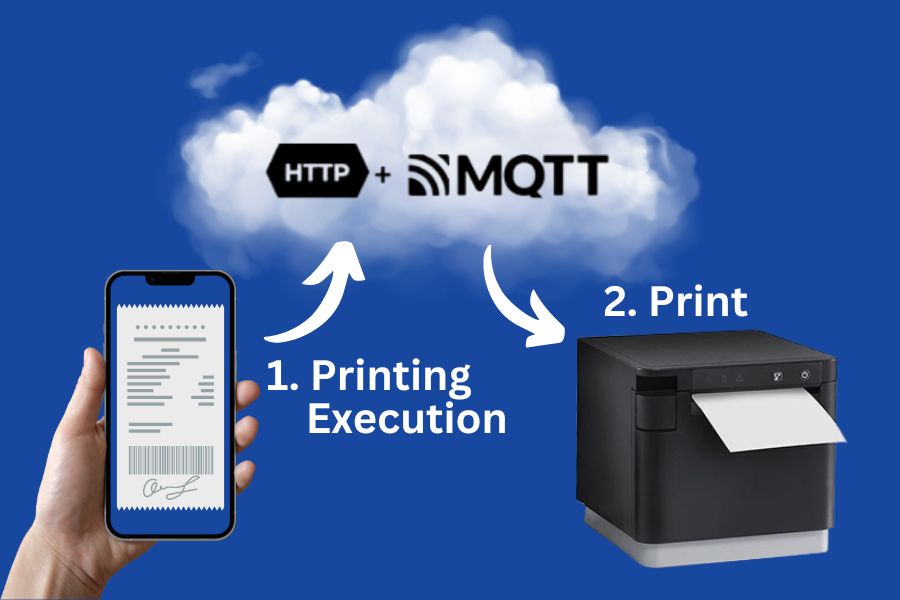
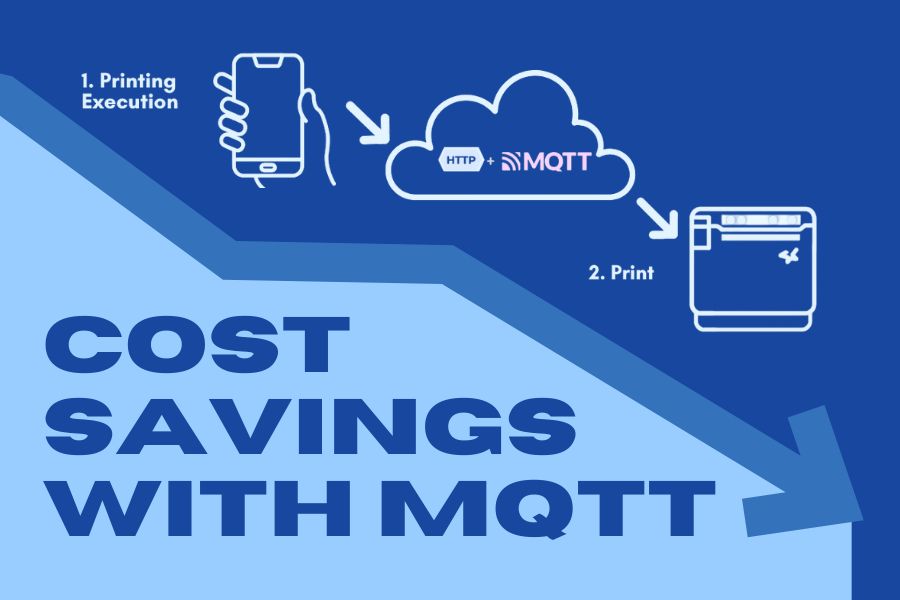
    MQTT (Message Queuing Telemetry Transport) is a lightweight communication protocol built for efficient, low-bandwidth data transfer, providing ISVs with a solution that boosts system performance while keeping operational demands low. Unlike traditional protocols like HTTP, which rely on constant polling, MQTT uses a publish-subscribe model—where devices (publishers) send data to a central broker, which then forwards the data only to devices that have expressed interest in receiving it (subscribers). This method sends data only when necessary, eliminating the need for constant checks and updates.

    The difference results in faster, more efficient cloud communication that reduces resource burdens and cuts unnecessary costs. For ISVs managing cloud-based printing systems, such as POS printers or remote services, this approach offers a significant advantage in reliability and performance.

    At its core, MQTT facilitates real-time communication between devices and cloud applications, making it especially valuable for ISVs handling systems that require stable connections. The protocol helps ISVs manage cloud-based applications more effectively by reducing network congestion and allowing for faster, real-time data transfer.

    This efficiency is particularly beneficial for companies operating across multiple locations—such as retail chains, hospitality franchises, or food delivery services—where smooth operations across dispersed regions are essential.

    Find Out About Star SDKs

    For ISVs navigating the complexities of printer integration, the path forward is often strewn with challenges. Get to know Star Micronics’ range of software development kits (SDKs), each uniquely crafted to address these challenges and enhance your integration prowess.

    Time-Saving Benefits of MQTT for ISVs

    Implementing MQTT in your systems can greatly optimize print job management and POS communication. Its instantaneous data transfer reduces latency, making operations faster and more efficient. This is especially useful for businesses in retail or hospitality, where speedy data processing is critical.

    Key Benefits:

    • Reduced Latency: Real-time data transfer processes print jobs faster, minimizing delays and downtime.
    • Automated Communication: Automatically maintains server-device connections, removing the need for frequent manual checks.
    • Improved Scalability: Lightweight design supports easy expansion without overloading networks as businesses grow.
    • Faster Transactions: Quicker print jobs result in improved customer service, particularly in fast-moving environments.

    Cost-Saving Advantages of MQTT

    In addition to time savings, MQTT also provides notable financial savings for ISVs. One of the main ways this is achieved is through minimized bandwidth usage. Unlike HTTP, which consumes bandwidth continuously by polling for updates, MQTT only transmits data when it’s needed. This results in lower data consumption, which directly reduces expenses related to bandwidth and server use.

    For cloud-based printing solutions, the MQTT protocol can also help ISVs reduce their cloud storage needs. By limiting data transmissions to necessary updates, less information is stored in the cloud, meaning ISVs need fewer resources to manage their systems. This leads to lower cloud hosting costs and makes it easier to maintain scalable, cost-efficient operations as business demands increase.

    Additionally, the use of MQTT can lower infrastructure costs by streamlining server needs to handle constant data traffic. ISVs can operate with leaner infrastructure, which translates to reduced investment in hardware and network systems.

    How the MQTT Protocol Saves ISVs Time, Money, and Cloud Space

    How MQTT Optimizes Cloud Space

    Another critical benefit of MQTT for ISVs is its ability to minimize cloud storage usage. The protocol uses a publish-subscribe model, dramatically reducing the amount of cloud space required, which is particularly advantageous for ISVs managing multi-location businesses that rely on cloud-based systems for remote printing, inventory management, and more.

    By refining data transfer practices and reducing the amount of unnecessary information stored in the cloud, MQTT helps ISVs reduce reliance on costly cloud storage solutions. This is particularly useful for businesses experiencing rapid growth or those looking to expand into new locations without increasing their cloud infrastructure costs.

    As cloud storage fees continue to rise, the efficiency provided by MQTT can result in significant long-term savings for ISVs. With MQTT, you’re only using cloud resources when absolutely necessary, which helps you avoid overage fees and ensures that you always have sufficient cloud capacity for the most critical tasks.

    • Reduced Cloud Storage Usage: MQTT sends data only when updates are necessary, which significantly decreases cloud space requirements, especially for businesses managing multiple locations.
    • Optimized Data Transfer: By cutting down on unnecessary data transmissions, MQTT ensures that ISVs need fewer cloud resources, lowering reliance on expensive storage solutions.
    • Long-Term Cost Savings: As cloud storage fees increase, the reduced data transmission of MQTT helps ISVs avoid overage fees, resulting in substantial cost savings over time.
    • Scalability for Growing Businesses: MQTT’s lightweight design allows ISVs to scale their operations efficiently without overwhelming the network, making it ideal for businesses looking to expand.
    • Improved Cloud Resource Management: With MQTT, ISVs can ensure that cloud resources are used only when necessary, maintaining ample capacity for critical tasks without overspending on storage infrastructure.

    Scalability and Efficiency for Multi-Location Businesses

    For businesses operating across multiple locations, adaptability is essential. The MQTT protocol makes it easier for ISVs to manage print jobs and other critical tasks across geographically dispersed locations without overwhelming the system. Whether you’re running a chain of retail stores, restaurants, or even healthcare clinics, MQTT ensures that your cloud-based systems stay responsive, reliable, and easy to manage.

    With the MQTT protocol, ISVs can monitor multiple devices and systems from a centralized hub, simplifying communication and ensuring consistency across all locations. This allows businesses to scale without needing major infrastructure updates, making it an ideal solution for growing companies looking to maintain efficiency while expanding.

    Learn About Star’s Industry-Leading Tech

    Experience the difference with Star Micronics’ advanced POS technology, designed to make your business run smoother. 

    The Future of ISV Solutions with the MQTT Protocol

    The MQTT protocol represents a shift toward more efficient cloud communication, offering ISVs a scalable solution that lowers costs and maximizes performance. By reducing bandwidth consumption, lowering cloud storage needs, and enabling real-time data transfer, MQTT is revolutionizing how cloud-based printing and POS solutions operate.

    For ISVs looking to implement cutting-edge technology, Star Micronics offers CloudPRNT Next, a cloud-based printing solution that harnesses the power of MQTT to deliver fast, efficient, and reliable remote printing. With CloudPRNT Next, ISVs can leverage the full benefits of MQTT, ensuring their systems remain future-proof while providing the best possible service to clients.

    If you’re ready to explore how CloudPRNT Next and the MQTT protocol can transform your cloud operations, reach out to the Star Micronics integrations team today.

  • Generational Selling in Retail Technology with Tyler Wells

    Generational Selling in Retail Technology with Tyler Wells

    In the latest episode of the Rising Stars Podcast, “Generational Selling in Retail Technology with Tyler Wells,” host Kate Orara dives into how retailers can adapt their tech solutions and sales strategies to better connect with different generations. Tyler Wells, ISV & Strategic Partner Manager at MicroTouch, shares his expertise on engaging Baby Boomers, Gen X, Millennials, and Gen Z by customizing communication and technology approaches to suit each group’s unique preferences.

    Tyler brings deep insights into how each generation’s expectations of retail technology shape their purchasing decisions. This episode covers important topics such as tailoring communication strategies, building trust across generations, and utilizing the latest retail technologies to bridge the generational gap.

    Mastering Generational Selling in Retail Technology

    Tyler emphasizes the need for retailers and tech providers to understand the distinct characteristics of each generation and align their offerings accordingly. He offers practical advice on how Value-Added Resellers (VARs) and Independent Software Vendors (ISVs) can better market retail tech solutions to meet the needs of a diverse customer base, ensuring seamless customer experiences for all age groups.

    For VARs, ISVs, and retailers, this episode provides essential guidance on staying competitive by connecting with every generation. Tune in to discover how generational selling in retail technology can help you better serve your customers and future-proof your business.

    Explore innovative retail solutions from Star Micronics >

    Loving the podcast? Subscribe now, and let us know what you think by leaving a review!

    Stay up-to-date on all things Star, don’t forget to follow us on X, LinkedIn, Facebook, Instagram, and YouTube.

    The Rising Stars Podcast

    Immerse yourself in the world of point-of-sale (POS) with the Rising Stars Podcast by Star Micronics, hosted by industry pro, Kate Orara. Twice a month, we explore the fascinating journeys of innovators and businesses navigating the challenges of POS technology’s rapid pace.

    In every episode, Kate Orara, Star Micronics’ Partner Development Manager, discusses emerging retail technology trends and strategies with global industry giants. She’s spent her entire career meeting all the right people, and now listeners everywhere can benefit from this vast network of channel gurus.

    Always leading and always innovating, Star Micronics, a pioneer in POS and customer experience technology for over 60 years, welcomes you to join us in shaping a brighter future in the retail, hospitality, and cannabis industries.

    Want more industry news?

    Episode Transcript:

    [Music]

    Kate Orara:
    Hey there, retail tech enthusiasts! Welcome to the Rising Stars podcast, your go-to source for all things retail technology and the ever-evolving world of point of sale. I’m your host, Kate Orara, Partner Development Manager at Star Micronics, and I am thrilled to be your guide on this exciting journey. Here at Rising Stars, we’re not just keeping up with the trends—we’re setting them. We dive deep into the tech landscape with global industry leaders, unpacking strategies and discussing the latest innovations that shape the future of retail IT.

    Whether you’re a tech aficionado, business owner, or just curious about the dynamic world of retail, this podcast is your backstage pass to insider knowledge. And hey, it’s not just about the tech—it’s about the community. Join me and the Star Micronics team as we lead and innovate, shaping a brighter future for the retail, hospitality, and cannabis industries, as well as beyond. Together, we rise. So hit that subscribe button, stay in the loop, and let’s make waves in the retail tech space. This is the Rising Stars podcast, where innovation meets inspiration. Let’s rise together!

    Kate Orara:
    Well, hello, everybody, and welcome back to another episode of the Rising Stars podcast. I’m your host, Kate Orara, and I’m so happy you’re here today. I’m really excited because I’ve got a really good friend of mine from the industry, Tyler Wells, who is the ISV and Strategic Partner Manager at MicroTouch. Tyler, welcome!

    Tyler Wells:
    Thanks, Kate! Like you said, we’ve known each other for quite a few years now—almost going on a decade. Back when I was working at Mimo Monitors as their Business Development Manager, I was in the tech hardware space for quite a while. At MicroTouch, I manage our ISVs and strategic partners. As we go to market with solutions, end users and resellers are always asking for a complete solution, not just a touchscreen. So I manage the partners to build a solution through our reseller group, making sure we have great customer service and grow everyone’s business.

    ISVs for hardware companies are an integral part of business growth and understanding the market. They’re an influential piece of our business, and I’m proud to work with them through a company like MicroTouch. Traditionally, we’ve worked with ISVs in North America and Latin America, but we’re also moving into self-service and QSR POS in Europe and Africa. It’s been exciting. I’ve been with the MicroTouch team since their inception three years ago, and it’s been a fun ride watching our prominence grow in the market.

    Kate Orara:
    It’s been fun watching not only their development but also your development, Tyler. You’ve been on the 40 Under 40, now 50 Under 50, and you’re still not even 40 yet! Your girl here has been in the 40s for a little while now. Just to let you know—the water’s fine when you get here. [laughs]

    Tyler Wells:
    [laughs] Well, I appreciate that, Kate. It’s really thanks to the mentors and partners I’ve had throughout my career. They’ve set me up to succeed, and with resources like the RSPA and our partners, we’re surrounded by great people who support and help our growth. That’s for sure.

    Kate Orara:
    Absolutely! So, the structure of this podcast is usually interview-based, but today, we’re doing things a little differently. Tyler and I were fortunate to be on a panel together at RSPA’s RetailNOW, a couple of weeks ago, which was in Vegas. If you’re listening to this in the future, that’s the context. We were on a panel titled “Generational Selling,” where we shared takeaways for resellers and software partners on how to sell to different generations.

    If you weren’t at the panel, let me tell you—it was one of the most passionate and active sessions I’ve ever been a part of in my nearly 19 years in this channel. What about you, Tyler?

    Tyler Wells:
    Yes, it was incredibly passionate. And what stood out to me was that it wasn’t even the panelists who spoke the most—it was the audience! We were excited about the topic, and so was the crowd. They started asking questions, and before we knew it, the whole room was engaged. It was great to see that this is a hot topic for the channel.

    Kate Orara:
    Exactly! What surprised me was how many different generations are in the workforce right now. Tyler and I are both Millennials, but even within that, we have different experiences because Millennials span a broad range from 1981 to 1996. Tyler, do you want to touch on some of the key generational characteristics?

    Tyler Wells:
    Sure. Baby Boomers, born from 1946 to 1964, really value loyalty and face-to-face communication. They prefer to make deals with a handshake or verbal agreement. Generation X, born from 1965 to 1980, is independent, pragmatic, and values work-life balance. They were the first to adopt technology like cell phones and the internet.

    Millennials, from 1981 to 1996, have never really known a world without technology. We grew up with cell phones and adapted to the digital age. And Gen Z, born from 1997 onwards, were practically born with a cell phone in hand! They’re digital natives, but that doesn’t always mean they’re the best communicators in person.

    Kate Orara:
    Exactly! My kids don’t even know what a landline is. I remember explaining a dial tone to them at a soccer tournament—it was hilarious. And I think that really ties into how each generation prefers to communicate. Boomers and Gen X are more likely to pick up the phone, while Millennials and Gen Z might prefer texting or emails. So, how do you adjust your communication strategy for each generation?

    Tyler Wells:
    For Boomers and Gen X, I keep things clear, concise, and direct. They prefer straightforward communication—no room for misinterpretation. For Millennials and Gen Z, I’m more relaxed and conversational, but you still have to be mindful of tone, especially with texts and emails. Emojis can help, but they can also be misinterpreted.

    Kate Orara:
    Right! And when it comes to building trust, each generation values it differently. What are some strategies for building trust with these different groups?

    Tyler Wells:
    Authenticity is key. Cold calling doesn’t work as well as it used to, because people are wary of scams and phishing. You have to build trust through consistent communication—whether it’s email, phone, or in person—and show that you’re genuinely invested in solving their problems.

    Kate Orara:
    Absolutely. And let’s talk about confrontation—Millennials and Gen Z tend to avoid it. How can we encourage these generations to deal with issues head-on?

    Tyler Wells:
    Setting the right expectations is crucial. If there’s an issue, don’t shy away from it. Address the problem directly and explain how you plan to fix it. This turns an awkward conversation into an opportunity to build even more trust.

    Kate Orara:
    Exactly. It’s all about owning the problem and showing that you care about the outcome. Now, let’s shift gears to sales techniques. What aspects of a product or service should be emphasized to appeal to each generation’s priorities?

    Tyler Wells:
    Loyalty is a big factor across all generations, but it looks different depending on the age group. Boomers and Gen X are loyal to brands they trust, while Millennials and Gen Z are more likely to shop around using the internet and apps to compare options. Keeping them loyal requires innovation and competitive pricing.

    Kate Orara:
    Yes! My husband loves to compare car insurance quotes, even though I’m more loyal to brands that have treated us well. It’s funny how Millennials and Gen Z rely on technology for these decisions.

    Tyler Wells:
    Exactly. And speaking of technology, overcoming stereotypes is important. You can’t assume that Gen X won’t understand new tech, or that Gen Z won’t appreciate a personal touch. Each client is unique, so we need to approach them as individuals.

    Kate Orara:
    Totally agree. Now, let’s talk about future trends in retail tech. What do you see coming that could help bridge generational gaps?

    Tyler Wells:
    AI, VR, and AR are the big ones right now. AI, for example, is transforming how we interact with customers and streamline processes. But we need to make sure we’re educating older generations on how to use these technologies safely. We need to address cybersecurity concerns while also showing how these tools can make life easier.

    Kate Orara:
    Absolutely. AI is here to stay, and while there’s some hesitancy—especially among Boomers and Gen X—it’s all about showing the benefits without overwhelming them.

    Tyler Wells:
    Exactly. We need to provide the right education and support for everyone to feel comfortable adopting these new technologies.

    Kate Orara:
    Well, Tyler, I think we’ve covered a lot today. Anything else you’d like to add before we wrap up?

    Tyler Wells:
    No, I think we did a great job covering the key points. It’s been a great conversation, and I’m always happy to talk about these topics.

    Kate Orara:
    Thanks so much, Tyler! And thank you to our listeners for tuning in. Be sure to subscribe to our podcast on your favorite platform—whether it’s Spotify, Apple Podcasts, or anywhere else—and leave us a review. Let us know what you’d like to hear more about. I’d love to have Tyler back for a part two! Thanks again, everyone, and until next time, this is Kate Orara signing off. Together, we rise!

    [Music]

  • Future-Proofing Kiosk Solutions with Frank Olea

    Future-Proofing Kiosk Solutions with Frank Olea

    In the latest episode of the Rising Stars Podcast, “Kiosk Solutions and Future-Proofing Technology with Frank Olea,” host Kate Orara takes listeners into the world of self-service kiosks. Frank Olea, CEO of Olea Kiosks, brings his longstanding expertise to the conversation, sharing valuable insights on how businesses can prepare their kiosk solutions for the future while maintaining customer service and engagement.

    As an industry leader in kiosk manufacturing and innovation, Frank offers a wealth of knowledge on staying ahead in a quickly changing landscape. This episode covers key topics, including how to transition kiosk systems to new hardware and software platforms, the best practices for minimizing downtime during upgrades, and balancing advanced features with simplicity to ensure a seamless user experience.

    Preparing for the Future of Kiosk Technology

    Frank highlights the importance of future-proofing kiosk systems, ensuring businesses remain flexible and adaptable to changing technology. He shares actionable strategies for Value-Added Resellers (VARs) and businesses looking to showcase the ROI of self-service kiosks and offers advice on how to handle the inevitable shifts in both hardware and software solutions.

    For VARs, ISVs, and entrepreneurs in the kiosk space, this episode provides practical guidance on how to remain competitive and innovative. Tune in to discover how to maximize the potential of your kiosk solutions and prepare for the future of this fast-growing technology.

    Explore innovative kiosk solutions from Star Micronics >

    Loving the podcast? Subscribe now, and let us know what you think by leaving a review!

    Stay up-to-date on all things Star, don’t forget to follow us on X, LinkedIn, Facebook, Instagram, and YouTube.

    The Rising Stars Podcast

    Immerse yourself in the world of point-of-sale (POS) with the Rising Stars Podcast by Star Micronics, hosted by industry pro, Kate Orara. Twice a month, we explore the fascinating journeys of innovators and businesses navigating the challenges of POS technology’s rapid pace.

    In every episode, Kate Orara, Star Micronics’ Partner Development Manager, discusses emerging retail technology trends and strategies with global industry giants. She’s spent her entire career meeting all the right people, and now listeners everywhere can benefit from this vast network of channel gurus.

    Always leading and always innovating, Star Micronics, a pioneer in POS and customer experience technology for over 60 years, welcomes you to join us in shaping a brighter future in the retail, hospitality, and cannabis industries.

    Want more industry news?

    Episode Transcript:

    [Music]

    Kate Orara: Hey there, retail tech enthusiasts! Welcome to the Rising Stars podcast, your go-to source for all things retail technology and the ever-evolving world of point-of-sale. I’m your host, Kate Orara, Partner Development Manager at Star Micronics, and I am thrilled to be your guide on this exciting journey.

    Here at Rising Stars, we’re not just keeping up with the trends—we’re setting them. We dive deep into the tech landscape with global industry leaders, unpacking strategies and discussing the latest innovations that shape the future of retail IT. Whether you’re a tech aficionado, a business owner, or just curious about the dynamic world of retail, this podcast is your backstage pass to insider knowledge. And hey, it’s not just about the tech—it’s about the community. Join me and the Star Micronics team as we lead and innovate, shaping a brighter future for the retail, hospitality, and cannabis industries, and beyond.

    Together, we rise! So hit that subscribe button, stay in the loop, and let’s make waves in the retail tech space. This is the Rising Stars podcast, where innovation meets inspiration. Let’s rise together!


    Kate Orara: Alright, welcome back to another episode of the Rising Stars podcast. Y’all know me—I’m Kate Orara—and today, I’m really excited about this episode. I have the pleasure of being joined by Frank Olea from Olea Kiosks. How are you today, Frank?

    Frank Olea: Doing good, doing awesome.

    Kate Orara: Great! Well, I’d love for you to tell our listeners a little bit about yourself and Olea Kiosks. I’m sure they probably have an idea of what you guys do from the name of your company, but just in case, let’s give them the full picture.

    Frank Olea: Alright, sure. I’m the CEO of Olea Kiosks, and as the name implies, we manufacture kiosks. Next year is actually our 50th year in business. My grandfather, father, and uncle founded the company in the mid-70s. Initially, it was a trade show exhibit company, and we transitioned into kiosks in the mid-90s. We design and manufacture kiosks for various industries, including QSR, theme parks, healthcare, travel, and hospitality.

    Kate Orara: That’s amazing! So it’s a family business that’s been around for decades. I will say, though, I’ve probably only seen kiosks really take off in the past decade, especially during COVID. I bet business was booming for you guys!

    Frank Olea: To be fair, we started in a different industry, as I mentioned, with trade show exhibits. But by the mid-90s, we had fully transitioned into kiosks. Even though kiosks weren’t flying off the shelves in the mid-90s, we had some experience. My family built the first kiosk in 1983, when I was only eight years old. So there was a lot of groundwork laid before kiosks became as widespread as they are now.

    Kate Orara: That’s fascinating! Self-service kiosks have definitely shifted from being a “nice-to-have” to a “must-have” for so many businesses. Even small mom-and-pop shops are starting to use them. What do you think has driven that shift?

    Frank Olea: We spent a lot of time with early adopters—those cutting-edge companies that wanted to do something different. Over the years, it became more mainstream. For example, healthcare and QSR are two industries where self-service is really making an impact. In fact, we have one healthcare client that just reported 83% of their patients are checking in via kiosks. In another case, California Fish Grill, a fast-casual chain, is seeing 68% of their in-store sales coming through kiosks.

    Kate Orara: Wow, those are impressive numbers. I imagine the design of the kiosk plays a big role in that success, right?

    Frank Olea: I wish I could say it was all about the design! Of course, a well-designed kiosk helps, but there are a lot of factors at play. Placement is crucial—if the kiosk isn’t in the right spot, people might not even notice it. Employee training is another key piece. At California Fish Grill, they’ve redeployed staff to walk around and help people with the kiosks, which boosts user confidence.

    Kate Orara: I can totally see that. I remember the first time I used a kiosk at a fast food place, I wasn’t sure about it. But now, I’m a pro! Speaking of user experiences, how do you balance the need for advanced features with the simplicity required for user-friendly interfaces?

    Frank Olea: It can definitely be a challenge. Some kiosks we make have a lot of components, like biometrics, passport readers, or ID scanners. We have to fit all of that into a box that isn’t too big, while also making the interface intuitive. I’m a big fan of simple design, and we always aim to strip things back to what’s essential for the user.

    Kate Orara: That makes sense. Do you often find yourself advising clients to scale back their wishlist of features?

    Frank Olea: Absolutely. Sometimes, clients want to pack everything into a kiosk, but we often advise them to focus on what really matters for the user experience. The more hardware you add, the more complicated it can become, both in terms of functionality and long-term maintenance.

    Kate Orara: Speaking of maintenance, when it comes to resellers explaining the cost of self-service kiosks, how should they communicate the benefits to potential customers who might be hesitant about the investment?

    Frank Olea: The key is sharing statistics. For instance, QSRs can expect a 13-15% upsell per ticket with kiosks. Those are hard numbers that show the ROI. Plus, with labor shortages being what they are, kiosks offer a solution that doesn’t get sick, doesn’t need breaks, and helps with labor gaps.

    Kate Orara: Definitely. I also imagine that kiosks help with consistency in things like payments and upsells. Any other unexpected benefits?

    Frank Olea: Yes! In healthcare, we’ve found that kiosks actually help with collecting outstanding payments. When patients check in, they’re reminded about past-due co-pays, which has led to an 8% increase in collections. That’s something our clients didn’t anticipate but were thrilled to discover.

    Kate Orara: Wow, that’s huge! So kiosks are really transforming not just the customer experience, but also helping businesses collect revenue. Are there any emerging trends in self-service technology that resellers should be highlighting to potential customers?

    Frank Olea: Biometrics are becoming more popular, like facial recognition or palm vein scanning. We’re even seeing stadiums use facial recognition to speed up entry. These kinds of innovations can streamline operations and improve security.

    Kate Orara: I love hearing about that. As technology continues to evolve, how should businesses transition to new hardware or software platforms for their kiosks without too much disruption?

    Frank Olea: Testing is crucial. We work closely with clients to ensure everything from new brackets to software updates is thoroughly tested before implementation. When we upgraded kiosks at the Empire State Building, we tested everything in their lab to avoid any disruptions when the changes went live.

    Kate Orara: That’s great advice. What’s your best tip for businesses looking to future-proof their kiosk solutions?

    Frank Olea: Choose a modular kiosk design. This allows for easy upgrades—whether it’s a new payment device or a different printer. Working with a manufacturer like us, who can custom-fit new components, is key to extending the life of your investment.

    Kate Orara: That’s great to know. Well, Frank, I really appreciate your time today. You’ve shared so many valuable insights with our listeners. Is there anything we didn’t cover that you’d like to mention?

    Frank Olea: No, I think we covered it all! I enjoyed the conversation.

    Kate Orara: Awesome! If any of our listeners want to reach out to you, how can they do that?

    Frank Olea: The best way is through our website or LinkedIn. I’m pretty active on LinkedIn, and I love sharing behind-the-scenes looks at what we’re working on.

    Kate Orara: Fantastic! We’ll include links to your social media in the show notes. Thanks again, Frank, and thanks to all of our listeners for tuning in. Don’t forget to like, subscribe, and share this episode with others. We’ll see you in the next one!

    [Music]

    Kate Orara: And that’s a wrap for this episode of the Rising Stars podcast. A huge thanks to our incredible listeners for tuning in and to our phenomenal guests for sharing their insights. Don’t forget to subscribe, rate, and leave us a review. Let us know what you want to hear more about—your feedback fuels our journey to bring you the best in retail technology. Stay connected with us on social media for updates and behind-the-scenes content.

    As we sign off, remember: The future of retail technology is in our hands, and together, we’re shaping it. Keep innovating, keep rising, and until next time, this is Kate Orara signing off. Together, we rise.

    [Music]

  • Star Micronics to Showcase Next-Gen POS Innovations at VARTECH 2024

    Star Micronics to Showcase Next-Gen POS Innovations at VARTECH 2024

    Star will exhibit its second generation mC-Print3 with CloudPRNT Next and more at VARTECH 2024, highlighting its latest POS technology designed to meet the needs of modern retail and hospitality businesses.

    Orlando, FL – September 16-17, 2024 – Star Micronics, a renowned manufacturer of mobile, point-of-sale (POS), and customer engagement technologies, is excited to announce its participation in VARTECH 2024. The event will take place at the Rosen Shingle Creek Resort in Orlando, Florida, from September 16th to 17th. Star will be located at Booth 311, where attendees will experience the company’s latest innovations designed to meet the evolving needs of the retail, hospitality, and service sectors.

    VARTECH 2024, hosted by BlueStar, brings together industry professionals, including value-added resellers (VARs), software developers, and ISVs, to explore the latest trends and technologies shaping the future of POS solutions. Star is thrilled to highlight several cutting-edge products that exemplify its commitment to transforming business operations:

    • 2nd Gen mC-Print3 Thermal Receipt Printer: Now featuring the groundbreaking CloudPRNT Next technology, the latest in the mC-Print3 series offers lightning-fast printing and Ultra-C connectivity—power and communication to any device via USB-C—making it an ideal solution for modern retail and hospitality environments.
    • The mC-Label3 Multimedia Printer: A versatile solution for today’s printing needs, capable of handling various media such as linerless labels (permanent and sticky), traditional die-cut and continuous labels, and standard thermal receipt paper. It also features a unique One Touch printing function.
    • The mG-TUDB Scale with Pole Display Accessory: A precision POS scale perfect for grocery, restaurant, and farmer’s market applications with an optional pole display accessory for enhanced visibility.
    • The TSP143IV SK, Thermal Sticky Linerless Label Printer: The market’s smallest desktop sticky linerless label printer, perfect for a wide range of applications, including food service, delivery, and takeout. This printer supports eco-friendly and cost-effective operations.

    “We’re eager to connect with industry leaders and partners at VARTECH in Orlando this year! It’s great to get the opportunity to show how our products meet the challenges faced by today’s businesses. Our technology, including the latest mC-Print3 with CloudPRNT Next, underscores our commitment to innovation and providing solutions that drive efficiency and customer satisfaction.”

    Attendees are encouraged to visit Booth 311 at VARTECH 2024 to experience these POS innovations firsthand and see how Star Micronics continues to lead the way in transforming business operations.

    For more information, or to schedule a private demonstration, please contact sales@starmicronics.com.

    Love industry news? Explore our podcast:

    Star Micronics logo, point-of-sale (POS) hardware and technology company.

    Star Micronics, a world leader in point-of-sale (POS), has designated a portfolio of printing, secure cash management, self-service, and customer engagement solutions for any retail or hospitality establishment. Embracing the mPOS wave, Star’s SDKs allow developers to utilize Star printers in tandem with Android™, iOS, iPad®, and iPhone® devices to generate receipts, labels, Chit, and tickets. Star Micronics is always leading and always innovating, creating cloud-based printing solutions, including CloudPRNT and Star Cloud Services, with AOA support and MFi connectivity. Star also has a wealth of peripherals, including 2D barcode scanners, scales, tablet display stands, and more. Visit starmicronics.com or follow us on Facebook, X, Instagram, YouTube, or LinkedIn to learn more.

    Media Contact:

    Christin Dorner
    Star Micronics America, Inc.
    cdorner@starmicronics.com
    848-216-3318