Tag: Printing Technology

  • Star Micronics Joins BlueStar’s VARTECH 2023 as a Proud Gold Sponsor

    Star Micronics Joins BlueStar’s VARTECH 2023 as a Proud Gold Sponsor

    Star to unveil its latest advancements in POS technology, featuring the multi-media mC-Label3 printer and Star-branded high-resolution barcode scanners.

    San Antonio, TX – September 10, 2023 – Star Micronics, a global leader in mobile, point-of-sale (POS), and customer engagement technologies, is pleased to announce its participation as a gold sponsor in VARTECH 2023, hosted by BlueStar. Scheduled for September 11 – 12 in San Antonio, Texas, VARTECH is an annual opportunity for the industry’s leading channel professionals to gather, collaborate, and discuss the latest trends and innovations.

    Attendees can meet the Star Micronics team at Booth 130 to learn more about its retail technology and commitment to providing complete POS hardware solutions. Over the last few years, Star has steadily expanded its repertoire beyond printers, underscoring its dedication to being a comprehensive solution provider in the POS realm.

    Highlights at the booth include:

    The New mC-Label3 Multifunctional Printer:

    • Versatile printing on various paper and label media, including linerless sticky labels, permanent linerless labels, die-cut and continuous labels, and traditional receipt paper
    • Maintenance alerts and minimal upkeep for optimal performance
    • Convenient One Touch printing for pre-made receipts and labels

    New High-Resolution 2D Barcode Scanners:

    • Advanced data parsing capabilities for enhanced efficiency
    • Wireless model with charging cradle included for seamless mobility
    • Star-branded for superior quality and reliability

    Star will also showcase its catalog of acclaimed POS solutions, including the striking mCollection®—a line of modern mPOS hardware designed for the mobile future—alongside its robust cash drawers, helpful accessories, and the popular VAR-centric Empower Program.

    Adding to VARTECH’s exciting agenda, Mike Hanson, Executive Vice President of Star Micronics America, is slated to speak on Monday, September 11, from 9:45 to 11:15 am. The panel, “Point of Sale – What YOUR Customers Really Think and Want,” will unpack need-to-know insights gathered from recent end-user surveys. Conducted by BlueStar, the surveys encompass feedback from over 150 retail and restaurant owners and managers on a range of topics regarding their POS systems.

    To ensure personalized attention at the show, VARTECH 2023 attendees can schedule private demos with Star representatives by reaching out to sales@starmicronics.com.

    Don’t miss this opportunity to explore the future of retail technology with Star Micronics at VARTECH 2023. We look forward to welcoming you at Booth 130!

    Love industry news? Check out our podcast:

    Star Micronics logo, point-of-sale (POS) hardware and technology company.

    Star Micronics, a world leader in point-of-sale (POS), has designated a portfolio of printing, secure cash management, self-service, and customer engagement solutions for any retail or hospitality establishment. Embracing the mPOS wave, Star’s SDKs allow developers to utilize Star printers in tandem with Android™, iOS, iPad®, and iPhone® devices to generate receipts, labels, Chit, and tickets. Star Micronics is always leading and always innovating, creating cloud-based printing solutions, including CloudPRNT and Star Cloud Services, with AOA support and MFi connectivity. Star also has a wealth of peripherals, including 2D barcode scanners, scales, tablet display stands, and more. Visit starmicronics.com or follow us on Facebook, Twitter, YouTube, or LinkedIn to learn more.

    Media Contact:

    Christin Dorner
    Star Micronics America, Inc.
    cdorner@starmicronics.com
    848-216-3318

  • Beat a Taylor Swift Concert Rush with Your POS Software

    Beat a Taylor Swift Concert Rush with Your POS Software

    In the world of point-of-sale (POS) software, understanding client needs and environmental context is critical. Concerning the event space, it’s well-known that large stadium events are nothing short of grandeur. Whether it’s a fierce football match, an international cricket tournament, or a musical evening with an iconic artist like Taylor Swift, the sheer number of attendees is staggering.

    Such high-capacity events pose unique logistical challenges for independent software vendors (ISVs) and software developers in the POS solution space. So, let’s dive into these challenges and discuss the essentials a robust stadium POS software application needs to crush them, using a Taylor Swift concert as our guiding star.

    The POS Developer’s Dilemma in the “Swift” Surge

    When Taylor Swift drops a tour date, tickets vanish from virtual shelves. Crowds spanning generations pack huge venues with infectious enthusiasm, eager to sway and sing along to the tunes of their beloved pop icon. While the concert’s central attraction is Taylor herself, behind the scenes, stadiums must ensure that every aspect of the fan experience is seamless.

    That’s where an efficient POS system with the latest software and hardware plays a pivotal role. Beyond the glitter and glamour of the stage, an intricate infrastructure is working overtime. When powered by the proper technology, a stadium’s POS can provide exceptional customer satisfaction across the board.

    Where Does Stadium POS Software Need to Rock?

    Volume Handling

    Stadiums, especially during events like Taylor Swift concerts, see an unprecedented influx of patrons. Your POS software must be able to handle tens of thousands of transactions within a short window without any glitches or lags.

    Numerous & Diverse Sale Points

    The challenge isn’t just about volume – it’s about variety. From exclusive merchandise to gourmet food stalls, the software must ensure seamless integrations and fast, unified processing.

    Swift Transactions

    No fan wants to miss even a minute of Taylor’s performance. Your software must ensure quick, hassle-free, secure transactions, allowing Swifties to get back to the concert without long waiting times.

    Someone makes a heart with their hands at a large concert. Likely a Taylor Swift concert.

    Essential Features for Next-Gen Stadium POS Software

    1. Scalability

    Mega-events demand robust software that scales rapidly, maintaining speed and security despite sudden sales surges.

    2. Mobility

    With patrons scattered throughout the venue, equipping your clients with the power of mobile POS (mPOS) technology can facilitate quicker transactions. Pairing your software with handheld devices for stadium staff ensures fans can make purchases without moving far from their seats.

    Explore Popular Portable Receipt Printers >>

    3. Real-Time Inventory Tracking

    No more stock-outs. Whether it’s Taylor Swift’s exclusive concert tees or the most popular snacks, the software should provide real-time inventory insights to your clients.

    4. Versatile Payment Methods

    From Apple Pay to good old cash, your software must be adaptable, catering to the diverse preferences of a global fan base.

    5. Uncompromised Security

    Given the volume of transactions and the variety of payment methods, security is paramount. Encryption, secure data handling, and fraud detection should be incorporated features.

    6. Offline Capabilities

    Even in our digital age, network issues can arise. Your software must have offline capabilities to ensure sales continue even in the face of internet connectivity challenges.

    4 Elements of a Valuable ISV-Hardware Integration Partnership

    With so many hardware vendors to choose from, it may not be clear which direction to take. Equip yourself with insights to forge partnerships that truly elevate your software.

    Addressing Real-World Challenges for POS Software Devs

    • Challenge: Peaks and troughs in customer flow, leading to potential bottlenecks.
      Solution: Empower clients with software supporting mPOS systems, enabling on-the-go transactions to alleviate counter pressures.
    • Challenge: Catering to a spectrum of payment preferences.
      Solution: Offer hybrid solutions that cater to all payment forms, ensuring every fan is satisfied.
    • Challenge: Unexpected stock-out situations of popular merch or food items.
      Solution: Real-time inventory monitoring ensures replenishment is timely and sales don’t suffer.

    The POS Tech Developer’s Encore

    Imagine this: Taylor Swift is about to start her encore. A fan realizes they haven’t bought the limited-edition concert tee. They rush, make a quick purchase thanks to your software, and are back just in time for the first chord.

    That’s the value you, as an ISV or POS software developer, bring to stadium events. With the right software solutions, you can amplify client satisfaction, making each transaction a part of concert history, even amidst the electrifying chaos of a Taylor Swift concert. For developers aiming to mark their territory in such dynamic arenas, evolving isn’t just an option; it’s a necessity.

    Silhouette of female concert artist onstage. Might be Taylor Swift.

    Enjoy this article? Uncover more from Star:

  • Star Micronics CloudPRNT: Exploring a New Era of POS Technology in Retail and Hospitality

    Star Micronics CloudPRNT: Exploring a New Era of POS Technology in Retail and Hospitality

    The digital transformation of the retail and hospitality industries has been in full swing in recent years, driven by the adoption of innovative technologies that better streamline operations and satisfy consumer expectations, particularly with omnichannel and online ordering. One such technology that has garnered attention is Star Micronics’ CloudPRNT, which is redefining the landscape of point-of-sale (POS) systems.

    This article takes an in-depth look at CloudPRNT, its features, and its potential implications for the retail and hospitality industries.

    CloudPRNT: The Technology Unveiled

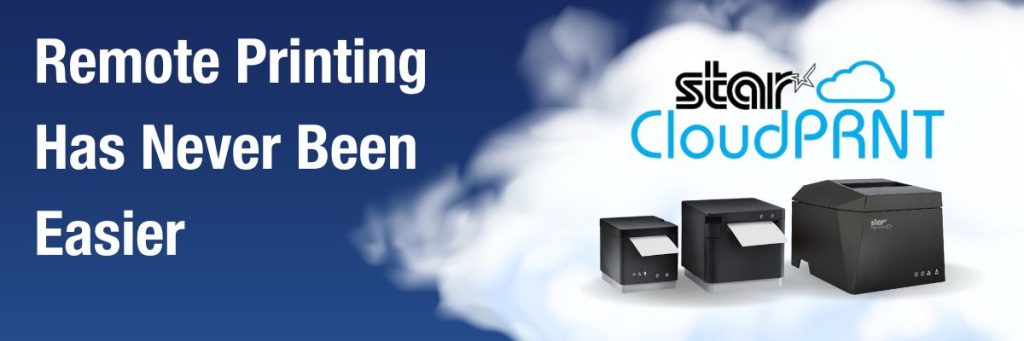
    CloudPRNT is a cloud-based printing technology developed by Star Micronics, a company specializing in POS, customer engagement, and self-service hardware solutions. At its core, CloudPRNT enables POS printers to communicate directly with cloud-based servers for remote printing capabilities.

    This direct server connection negates the need for traditional local network configurations, resulting in a more streamlined and efficient setup. Because of this, any Star printer with CloudPRNT technology allows business owners to utilize omnichannel and online ordering software.

    One crucial aspect of CloudPRNT technology is server storage. Instead of storing print jobs in the printer, the data is stored on the server. This approach prevents data loss if a printer were to fail, offering an added layer of data protection.

    Moreover, CloudPRNT eliminates the need to manage IP addresses or custom firewall/tunneling rules at the local site. By leveraging the power of the cloud, CloudPRNT removes the need for local network connections, streamlining the installation process and reducing overall costs.

    Benefits of CloudPRNT

    1. Increased Operational Efficiency

    By facilitating direct communication between the POS device and the cloud server, CloudPRNT minimizes potential bottlenecks in the transaction process. The result is faster processing times and reduced downtime, which positively impacts the overall customer experience.

    2. Enhanced Scalability and Flexibility

    Cloud-based architecture, such as that used by CloudPRNT, offers seamless scalability for businesses as they grow and their POS requirements change. The technology’s compatibility with a variety of devices and platforms also ensures that companies have the flexibility to choose solutions that suit their specific needs.

    3. Improved Data Security

    Data security is a critical concern for retailers and hospitality providers. CloudPRNT’s reliance on secure cloud servers for data storage and processing minimizes the risk of data breaches and protects sensitive customer information.

    Star Micronics Industry-Leading Technology

    Find out what Star’s innovative printing technologies can do for your business success with this free ebook.

    Industry Implications of CloudPRNT

    While CloudPRNT is just one example of the innovative technologies shaping the retail and hospitality industries, its potential to redefine POS systems is noteworthy. Online ordering is growing, with more consumers coming to expect it as the years go by. This will require all POS devices to one day have cloud-based capabilities.

    As businesses continue to explore and adopt new solutions, it’s essential to always keep an eye on the evolving landscape of POS technology and consider how these advancements could impact overall operations and customer experiences. Success in the retail and hospitality sectors requires a comprehensive approach to POS management. Businesses must remain open to investing in the right tools and strategies to stay competitive.

    As CloudPRNT and other emerging technologies continue to make their mark, the future of the retail and hospitality industries promises to be both exciting and transformative.

    Interested in integrating with Star Micronics?

  • 4 Key Takeaways on Retail Profitability from the 2023 RSPA Retail IT Channel Study

    4 Key Takeaways on Retail Profitability from the 2023 RSPA Retail IT Channel Study

    The 2023 RSPA Retail IT Channel KPI Study has recently been released, and it is full of valuable insights for retail IT solutions providers. The industry has largely recovered from the disastrous 2020 lockdowns, and the outlook for the remainder of 2023 looks the brightest since RSPA began conducting the study.

    Retail profitability is on the rise and will continue to be. This means increased funds available for retailers to invest in the services VARS, ISVs, and Vendors who power the industry. As a result, RSPA respondents predict growth for their businesses across the board.

    Below we will provide a concise analysis of the four main takeaways Star experts took from the report.

    Half of VARs Achieved Double-Digit Sales Growth

    Despite challenges from inflation and increasing pressure to offer free or discounted POS systems to gain recurring credit card processing revenue, channel partners continued to adapt their business model to achieve more profitability. 

    For most VARs, the adaptation worked. Only 16.9% of ISVs reported flat or negative growth. Just over 10% of respondents reported sales growth exceeding 40%. These numbers are dramatic improvements from 2020, when nearly 23% reported declining sales and more than a third (36.2%) saw sales flatline. 

    There was a general mood of optimism among respondents when it came to projections for 2023. The percentage of those forecasting a decline or no change in sales was only 11.7%, with all others predicting an increase of some size.

    Upward graph showing business success and growth.

    57.2% of Channel Partners Have Completely or Mostly Transitioned to a Recurring Revenue Model

    Merchants are becoming accustomed to the “as a service” model and accepting it as a necessary aspect of the business. Most channel partners have now transitioned a majority of their business to a recurring revenue model. Subscription-based solutions that involve hardware, software, and technical support are more profitable and make it challenging for a merchant to switch to a competitor. The move to a recurring revenue model also enables channel partners to build the value of their business. 

    The numbers show this growing trend in the industry; in 2020, only 5% of VARs reported their business model relied on SaaS models to generate recurring revenue. Comparatively, in 2022  17.4% reported relying solely on SaaS business models, and in 2023 VARs adaption of this business model is projected to grow to 26.1%. Lastly, it’s vital to note that 0% of VAR/ISVs, reported having no recurring revenue. Everyone is adopting the model to some extent.

    85% of VAR/ISV Hybrid Models Post Double-Digit Margins

    According to the RSPA study, VARs have never been more profitable. The most successful channel partners are traditional VARs evolving their business offerings to include software and services. Hardware margins have historically been thin and remained so in 2022. 

    It is no coincidence that VARs profitability has risen in conjunction with the adaptation of a recurring revenue model. VARs combining hardware, software, and services have a stronger value proposition to present to the customer. This results in higher monthly subscription revenue and prominent profit margins. 

    Star Micronics Industry-Leading Technology

    Find out what Star’s technologies can do for your business success with this free ebook.

    One-Fifth of VARs Aspire to be Acquired by 2025

    There has been tremendous convergence and acquisition in the POS and payments space. The number of mergers and acquisitions will continue to grow in 2023. With high-profit margins and double-digit sales growth, POS and payments solutions providers are attractive take-over targets. We predict we will continue to see investment firms looking to build their merchant portfolios by acquiring established channel partners. 

    Per the RSPA study, 21.7% of ISV/VAR hybrids “aspire to be acquired.” That is a significant increase from the 10.3% who had the same aspiration last year. This likely has more to do with the financial attractiveness of being acquired rather than a lack of buying interest. Exactly half of the ISV/VAR hybrid respondents stated that they had plans to make an acquisition by 2025. 

    It should be noted that these numbers do not consider interest from FinTech firms outside the industry. With roughly 3 of every 20 retail IT solution providers effectively on the auction block, the M&A space should provide quite the viewing spectacle in 2023.

    In Conclusion

    There has never been a better time to be an ISV/VAR. Sales are growing at historically high levels, and double-digit profit margins are catching many outside the industry’s eyes. Star Micronics is ready to help its partners maintain operations during transitions, whether it’s an acquisition or setting up new revenue paths. We will remain a reliable source of POS solutions to keep everything running smoothly.

    Interested in integrating with Star Micronics?

  • How Online Ordering Helps Cannabis Dispensaries Boost Profits

    How Online Ordering Helps Cannabis Dispensaries Boost Profits

    Online ordering has revolutionized the way that businesses operate—especially since COVID-19. The restaurant industry, in particular, has seen a significant rise in the use of online ordering systems, providing customers with a convenient and contactless way to order food. But it’s not just restaurants benefiting from online ordering; the cannabis industry is also seeing the advantages of this technology.

    The cannabis industry keeps on growing, with more and more states legalizing its sale for medicinal and recreational use. With the rise of point-of-sale (POS) software applications specific to the industry’s needs, dispensaries can now leverage online ordering to tap into a whole new market of customers.

    Offering the option to place cannabis orders online provides a convenient and seamless experience for buyers, but they’re not the only ones who benefit. Dispensaries are routinely finding that providing online ordering services boosts sales and overall revenue.

    How online ordering for cannabis dispensaries boosts profits.

    How Online Ordering Can Help Dispensaries Grow Profits

    Although there may be many more, here are five reasons how online ordering services can help cannabis dispensaries grow profits:

    1. Increased Efficiency

    Online ordering streamlines the ordering process, making it easier for customers to scroll through different products, pick the ones they want, and order from the comfort of their own homes. Less time is spent in-store, reducing labor costs and allowing more time with newer customers who may have questions and need guidance.

    2. Improved Customer Experience

    Online ordering provides a convenient and hassle-free experience for customers, which can lead to increased loyalty and retention. Customers are more likely to return to a dispensary that offers online ordering services than one that doesn’t.

    3. Data-Backed Product Suggestions

    Online ordering applications allow dispensaries to track customer orders and individualize preferences, giving valuable insights into which products are popular and what customers are looking for. Data like this is used to make informed decisions about inventory and marketing strategies, leading to increased sales and profits. This could also save money on marketing costs.

    How online ordering for cannabis dispensaries boosts profits.

    4. Increased Sales

    Online ordering allows dispensaries to reach a wider audience, boosting the potential for sales. Additionally, customers are more likely to make impulse purchases when ordering online, helping to grow revenue for the dispensary even more.

    5. Include Other Technologies

    Software applications that allow online ordering typically also include other features, such as route planning and delivery management. This makes it easier for dispensaries to manage overall operations and increase efficiency.

    Must-Have Hardware & Technology

    As the cannabis industry continues to evolve, it’s important to keep up with the latest technology trends to stay ahead of the competition. Cloud-based receipt and label printers are necessities for online ordering systems. They are just one example of how businesses can embrace new technology to improve their operations and boost profits. 

    Be sure to get thermal receipt and label printers that can connect to cloud-based software applications, like CloudPRNT technology from Star Micronics. Having up-to-date hardware that connects directly to cloud-based cannabis POS software enables the automatic printing of orders as they come in.

    The Complete Guide to Cannabis Point-of-Sale & Accessories

    Discover the solutions that dispensaries need to compete in today’s booming market.

    Online Ordering Helps Dispensaries Stay Competitive

    Online ordering is a game-changer for the cannabis industry. By streamlining the ordering process and providing customers with a convenient way to shop, dispensaries can improve customer satisfaction and build loyalty. Repeat business leads to increased revenue, helping dispensaries keep their competitive edge in a fast-growing market.

    The benefits of online ordering are clear, and with advancements in technology, the possibilities for further development and success in the industry are endless. As the cannabis industry continues to evolve, online ordering will undoubtedly play an essential role in the industry’s future growth. 

    Don’t wait any longer to implement an online ordering system for your dispensary, and start reaping the benefits today.

    Love industry news? Check out our podcast:

  • Sandwiching Success: Unveiling the Power of POS Tech in Our Latest Deli eBook

    Sandwiching Success: Unveiling the Power of POS Tech in Our Latest Deli eBook

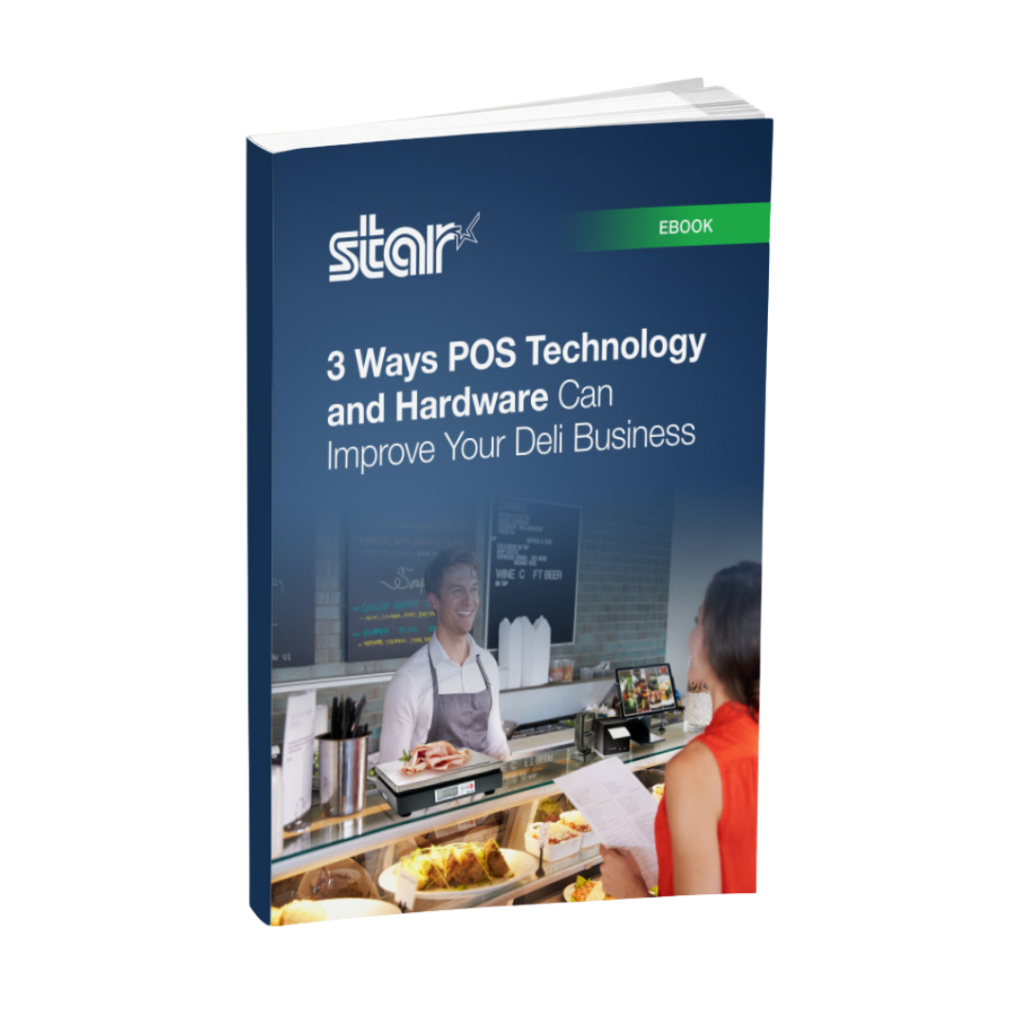
    In the fast-paced, competitive world of food service, delis, butcher shops, and fish markets require efficient, tech-driven solutions to stay ahead. In our latest eBook, “3 Ways POS Tech and Hardware Improve Deli Operations and Customer Experiences,” we delve into the transformative power of modern point-of-sale (POS) technology and how it can optimize deli businesses.

    Addressing Key Challenges in Deli Operations

    Handling perishables, managing a vast array of items, and delivering top-notch service is no easy feat. Our eBook sheds light on how innovative POS tech addresses three key areas: order accuracy, customer service, and inventory management.

    Order Accuracy with Cutting-Edge POS Tools

    Delis juggle diverse offerings, making error-free orders crucial. This eBook illustrates how cutting-edge POS tools like integrated deli scales, receipt and label printers, and tablet stands keep things running smoothly.

    Enhancing Customer Experience and Satisfaction

    Delis thrive on repeat patrons, and exceptional experiences are non-negotiable. The eBook highlights POS-driven technologies like CloudPRNT and SteadyLAN®, self-service kiosks, and accessories, all aimed at streamlining the customer experience, boosting satisfaction, and nurturing loyalty.

    Streamlining Inventory Management

    Learn how real-time tracking and automation through advanced POS systems save time and curb errors, making stock management a breeze.

    Elevate Your Deli with POS Technology by Star Micronics

    Our eBook is a must-read for deli owners seeking to harness POS technology and stay ahead of the game. Don’t miss out—elevate your deli today!

    3 Ways POS Technology and Hardware Can Improve Your Deli Business

    Get the latest point-of-sale (POS) technology and hardware to streamline deli, butcher shop, or fish market operations.

    Want to know more about what Star can offer your business?

  • Star Micronics Prepares Channel Partners for Future POS Industry Changes

    Star Micronics Prepares Channel Partners for Future POS Industry Changes

    As we face new challenges in the coming year, Star Micronics is ready to provide support to its channel partners with upcoming technology and solutions. Star’s Christophe Naasz, Director of Global Business Development, shares his insights on anticipated industry changes and top trends for 2023 and beyond in this Q&A piece.

    What Changes Do You Anticipate the Payments Industry Will Bring to Channel Partners?

    The buying and absorption of companies will slow down. When the interest rate was very low, we saw a frenzy in acquisition, but now that the market has gone down and the interest rate has gone up, many companies are now focused on their profit margin and reducing their debt level.

    In addition, blockchain and decentralization in the payments industry need to be watched closely. Blockchain, mainly, as it could reduce the number of managed databases and multi-players of applications into one. Information related to billings, taxes, customer ratings, orders placed per day, and inventory can be stored and distributed across the blocks in the chain.

    However, a Crypto wallet as a way of payment is still a long way. Software development and deployment will change dramatically in the short term, but Crypto payment will be much slower. Point-of-sale (POS) hardware will not be affected in the short term. People still pay by check, cash, debit, and credit card. A few will slowly move to Crypto.

    Using AI and data analysis for business.

    Artificial intelligence (AI) has recently become a massive player in the POS market. A key benefit of AI POS systems is the ability to handle all kinds of payment methods instantly and efficiently, like online, mobile, chat or social media, and even facial recognition payments. However, when we think about AI in POS, we think about how AI can detect trends in products and sales, offer promotions, upsell, and adjust pricing suggestions as appropriate. AI POS systems are up to 20% more effective than traditional, AI-free marketing campaigns.

    What Technology will Companies Need to Accommodate?

    AI involves a lot of processing power that can only be done in the cloud. This means that all future POS software solutions must be hybrid or fully cloud-based. All hardware will need to be cloud-based compatible.

    Will We Finally Go Back to Pre-Pandemic Business in 2023?

    We are not there yet. We are in an adjustment phase. Low interest rates, excess savings, work from home, and pent-up demand for services and goods are all things of 2022. High interest rates, overstock, and requests to come back to the office are what we need to deal with in 2023.

    Attendance at trade shows is still lower than in 2019, but decision-makers are back on the floor. However, vendors are reviewing the number of shows out there and are pickier about the ones they attend.

    Star’s strategy has always been to offer the best hardware products in POS for SMBs. Our product reliability, customer support, and innovative product development have pushed our customers to request more and more products from us. We are now offering our customers all the accessories needed for the POS industry (except payment terminals). Star has become the one-stop shop for all: one vendor, one consistent support team, and one integration.

    Star will continue investing in its people, partners, and new technologies. In 2021, we invested in a new partner program to allow our partners to stay competitive when selling our product line on any market. We want everyone to succeed.

    A handshake with business, industry, warehouse, and transportation background.

    Pre-pandemic, Star had begun to deploy new collaboration tools like Zoom and Teams, which allow us to communicate internally and externally through video conferencing. This new technology has worked wonderfully for us, and we decided to offer a hybrid work model.

    Most of us work from home 2 to 3 days a week, but we request everyone to come to the office twice a week. We need to support and train our new employees, which can only be done in the office. We also need to keep the Star family environment that made us successful. We believe the social aspect of the office is vital to a company’s success.

    What Challenges Are Star and Its Channel Partners Experiencing That They Expect Will Continue into the Next Year?

    The main challenges we expect to continue to see are shipping Issues, staffing shortages, and costs. However, for Star, shipping issues are 95% solved. Even container pricing is nearly back to pre-pandemic levels.

    As for our staffing needs, we are fully staffed. The pandemic did not affect our employee retention rate. However, with a strong gross, we needed to hire. It took a few months to find the right people.

    With shipping costs going down, product pricing should also come down. We believe inflation is a thing of the past, and pricing should stabilize or come down in the coming months — no need to hoard products anymore. Distributors have plenty of inventory. However, planning and forecast habits should be kept. A large inventory now does not mean it will stay that way in the future.

    What Trends and Technologies Do You Predict Will Become Popular in 2023?

    Ergonomics in POS is huge since retail space is at a premium. Most counter space should be used to promote and display products for sale. You do not want the POS to take over the counter. That is why Star offers stands designed to take up the smallest amount of space and integrate our peripherals. All-in-one is popular for its small footprint, but one of the caveats of that is that if anything breaks, everything needs to be changed.

    Sustainability is also becoming more popular. Star is designing all new products to minimize their environmental impacts. We are reducing product consumption in power and media, eliminating liners from the back of labels, using standard plugs and power supplies, and continually developing built-to-last products.

    Please take some time to learn what Star is doing to help combat climate change and promote diversity in our Environmental Impact Report.

    Star Micronics’ 2021 Environmental Report

    Learn what Star is doing to help combat climate change and promote diversity in this environmental impact report.

    There is also a shift to a hyper-connected, smart world with the growing popularity of AI and the Internet of Things (IoT). Star is now the leader in providing cloud-connected peripherals to current POS solutions, allowing our customers to be confident that our products are future-proof.

    Invested in Innovation

    Star values our partnerships and is investing to help channel partners succeed. We are expanding our product lines and technology in the next year to keep up with changes. The world will shift, but we will be ready and continue to be your #1 go-to.  

    Interested in integrating with Star Micronics?

  • Streamline Your POS App Development with StarXpand SDK for React Native

    Streamline Your POS App Development with StarXpand SDK for React Native

    Are you a developer looking for a way to streamline your POS app development process? If so, you may want to check out the StarXpand SDK for React Native.

    At its core, the StarXpand SDK is a suite of tools and resources that allow you to integrate Star Micronics’ printers, cash drawers, and other peripherals into your React Native app quickly and easily. With just a few lines of code, you can start printing receipts and managing other peripherals directly from your app.

    Interested in integrating with Star Micronics?

    Benefits of Choosing the StarXpand SDK

    So why choose the StarXpand SDK over other options? Here are a few key benefits to consider:

    • Easy Integration: The StarXpand SDK was designed to work seamlessly with React Native, so you can easily integrate it into your existing app without having to rewrite large portions of your codebase.
    • Extensive Documentation: Star Micronics offers extensive documentation and support for the StarXpand SDK, so you can get up and running quickly and troubleshoot any issues.
    • Flexibility: The SDK supports a wide range of receipt and label printers, cash drawers, and other peripherals, so you can choose the ones that work best for your business needs. This flexibility means you can avoid purchasing hardware that may not be necessary or compatible with your existing systems, saving you money and minimizing the risk of technical issues.
    • Save Time: StarXpand makes it easy to integrate Star Micronics’ printers, cash drawers, and other peripherals into your applications, reducing the need for additional hardware. A single React Native development allows you to build for both Android and iOS apps. You’d be able to run on both platforms using one codebase.

    Save Money with StarXpand

    One of the significant benefits of using the StarXpand SDK for React Native is that it can help you save money. By integrating Star Micronics’ printers, cash drawers, and other peripherals directly into your POS app, you can avoid purchasing additional hardware or using third-party solutions that may not be compatible with your existing systems. This can save you significant costs on hardware purchases, maintenance, and troubleshooting.

    Moreover, the flexibility of the StarXpand SDK means that you can choose the peripherals that work best for your business needs rather than being locked into a particular vendor or product line. This means you can optimize your hardware selection based on cost, functionality, and compatibility rather than being limited by a single provider’s offerings.

    By leveraging the flexibility and customization options of the StarXpand SDK, you can create a cost-effective and reliable POS app that meets your specific business requirements.

    Find Compatible Star Printers with StarXpand

    Find out which Star printers are compatible with StarXpand here.

    Whether you’re developing a mobile point-of-sale app, a restaurant ordering system, or any other app that requires printing capabilities, the StarXpand SDK for React Native can help streamline your development process and get your app to market faster. With Star Micronics’ industry-leading POS hardware and excellent technical support, you can trust that you’re choosing innovative and reliable solutions.

    Learn More About the StarXpand SDK

    Click here to learn more about the StarXpand SDK for React Native on our GSS. You’ll find in-depth technical details on all our printer SDKs, manuals, and more to help you get started here.

    Interested in integrating with Star Micronics?

  • GitHub & Star Micronics: The Benefits for POS Software Developers

    GitHub & Star Micronics: The Benefits for POS Software Developers

    If you’re a point-of-sale (POS) software developer, you may already know Star Micronics puts all its code onto GitHub. It may have even helped you at one point. Maybe you’ve also helped Star by posting your thoughts there and sharing some great ideas. Or perhaps you’re just starting out and want to learn more about what I’m referring to.

    Either way, it’s helpful to know about Star and GitHub. As someone new to software development, I wanted to learn more about GitHub – a decentralized, open-sourced platform where developers can publicly post their code and get feedback – and why Star puts its SDK codes on there to help ISVs, software developers, and the tech community in the point-of-sale (POS) space.

    Recently, I spoke to Mark Rasho, Joshua Ventocilla, and Oreoluwa Akeredolu from Star Micronics’s Integration Team to get more information about Star on GitHub

    Here’s how the conversation went:

    Most of our technology providers already know what GitHub is, but for people new in the space, what is GitHub, and how do you use it?

    Mark: So, as far as what GitHub is, I’ll leave that to Josh and Oreo, but I do know the platform is used by developers a lot. They create code in there. If they see any problems with software, they’ll solve them. Guillermo Cubero, our Product Integration Specialist, was the one pushing for us as a company to get on GitHub because he found it useful.

    Then Star Micronics started putting our SDKs on GitHub, our CloudPRNT, Native iOS, and Android, so it’s important. It is something a lot of developers use. It’s basically a platform where you can communicate with developers, ask questions, get questions answered, and support each other. So, it’s like a developer community app, right guys?

    GitHub chat 3

    Oreo: Yep.

    Josh: Yep. That’s correct. I mean, essentially, in the world of development, this is an essential tool to use. GitHub is one of the bigger Git that they have – there are many different types of Git – GitLab is one of them, I use that also, but GitHub is one of the bigger ones. As far as development goes, it’s like a portfolio, in a way, for a developer to have. It’s where all the code source is pushed. You can edit it.

    Also, the great thing about it is you can have other developers collaborate with your code source in case someone needs to edit or improve features on it. They can ask to edit it or suggest edits, and you can approve that. So, it’s one of the most important tools for a developer to have. As Mark mentioned, Star Micronics must be on it because nearly all of our clients who are developing applications use it. We refer them to our GitHub and they can review our code or our SDKs whenever they need to.

    Mark: And to give you a scope of how big GitHub is, there are over 94 million developers on it, and over 4 million organizations use it (at the time of this post), so it’s huge.

    How does GitHub work? Is it kind of like Wikipedia for code? Say, Josh writes code and puts it on there. Can anyone go on and edit it, or do you need to approve it as the original poster?

    Josh: Good question. It’s open source, so almost everyone has access to it. If I were the owner of a code and someone wanted to edit it, depending on how I had the setting (whether public or private: if it’s public, anyone can see it; if it’s private, it’s only allowed by me, or whoever I choose to see it) so, if someone wants to edit that, they’d have to request approval for it. Then, the original poster can review the updated code, see how it works, and if they approve it, it becomes part of the code.

    Is the original code still on there?

    Josh: Yes. Think of it like the base of a car. It needs wheels. So, if I start with the frame of a vehicle and someone wants to add a wheel they made, they will request to add it. Then, I would need to approve their wheel. Once I approve it, you will have both the frame and the wheel together. You can add to or edit the original code, but it needs to be approved.

    Mark: It may not be maintained by the original person who put the code up there, but it’s still there. And viewers can see the changes.

    GitHub is safe to use, right?

    Josh: Absolutely! It allows developers to collaborate on projects. It lets you upload your codebase so other developers may use what you’ve built. It’s also a platform for sharing self-made projects or projects you’ve worked on. It’s like a portfolio of work, but everyone can build upon it.

    Github chat 6 Josh

    So, it definitely sounds helpful and valuable to software developers. But how would you describe the benefits of Star Micronics being on GitHub? Not only the benefits for us as a company but for ISVs and technology providers as well?

    Mark: One benefit developers get from our GitHub page is that they can see our source codes and read and participate in discussions about them. So they can reach out to us, ask us questions, or ask about specific features. And, as a company, we get a lot of ideas from that.

    We may make changes because of a discussion with a developer, or maybe a developer has an idea – hey, I want to do this, I want to do it in a different way – and that can give us some ideas, too. We can make changes and get feedback from developers, which helps us improve our source code. Many benefits come from these discussions and input from other users.

    Oreo or Josh, have you had any situations where a developer brought ideas to you?

    Oreo: Yes! One of the greatest benefits we get from GitHub is the ability to fix bugs. While we release our SDKs for iOS, Android, Windows, and others, there are different ways to create applications on those platforms.

    Here’s an example using one of our recent SDKs, the React Native SDK. Most people use Expo, which is like a wrapper to ensure the application works on iOS and Android. However, with our React Native SDK, it wasn’t working with Expo. That was a bug that needed to be fixed, and it was a developer in the community who brought it to our attention. After seeing that on GitHub, we tested it on our end and worked with the developers at Expo to create a solution that everybody could use. Then we published that update on GitHub and let everyone know that the bug was fixed.

    So, different people use the code in different ways. On GitHub, you can bring up a bug, and we’ll take a look at it, fix it, and update it. That way, everybody can use the solution Star provides however they want to on every platform and framework. That’s one importance of GitHub.

    Interested in integrating with Star Micronics?

    So, GitHub helps make our codes more accessible to people.

    It allows ISVs and technology providers to communicate with us directly to solve problems for more people.

    Oreo: It also makes the developmental process easier because, on the GitHub discussion page, people already put examples of how they got specific things to work. For example, the TSP100 is a graphic-only printer, and the TSP650 supports text. That’s one thing you can find on our GitHub: how to print an image to the printer.

    While we have examples in the SDKs, some developers still have issues. However, there’s a good chance someone has already posted a solution on GitHub. So when you have an issue, you don’t have to start racking your brain because someone else has already posted what you need. You just had to look at it and implement it into your application. Having that community on GitHub reduces development time.

    Github chat 7 Oreo

    Is there anything new coming to GitHub that you may know of?

    Oreo: Well, we had the StarPRNT SDK, and now we have the StarXpand SDK. Both SDKs are on GitHub, but we also explain how to upgrade from StarPRNT to StarXpand on GitHub. So, having that easy transition on there is new. The StarXpand supports more frameworks, and there are examples of how to upgrade on GitHub so that most of the functions don’t break when you do so.

    Josh: And to add to that, there are how-to’s on GitHub in terms of installations. So, for anyone who wants to go break it down, there are step-by-step instructions on how to use our code.

    So GitHub makes things smoother, so developers don’t waste their time.

    Josh: It’s a collaborative platform for almost everybody to use our code. And in the process, as we go through trials and tests, it also helps to improve our code.

    Would most developers know to go to GitHub for Star SDKs and APIs?

    Oreo: Usually, when we’re on an initial call with an ISV, we provide them follow-up messages with links to GitHub. We can also send ISVs links to issues that have already been resolved on GitHub.

    So, it’s part of the onboarding process.

    Oreo: Yes. We let them know we have GitHub when we bring them on board.

    Mark: As soon as Star Micronics began on GitHub, we migrated our SDKs and APIs over to its one central location where everybody has access. We duplicated what we have on our website onto GitHub, where most developers would go anyway.

    GitHub sounds like it’s been an enormous help to Star.

    Mark: Huge.

    My final question is: for anyone thinking about integrating with Star Micronics or anyone about to start that process, is there anything important you want them to know about GitHub and Star?

    Mark: We want to let everyone know to please reach out to the Integration Team with any questions, big or small. Instead of ISVs & developers spending time trying to figure something out, our Integration Specialists like Josh and Oreo may already have the answer. Going to our team first will speed up development time, and when you speed up development time, it drops the costs a lot more for the developer and the ISV, and it just makes the process smoother.

    So, please always reach out to Star. We’re always available, and we respond immediately (during regular business hours, Monday through Friday, 9 pm to 5 pm EST). We are here for the ISVs. Star’s Integration Team is here to make their job simpler and more cost-effective and to integrate them with our hardware as quickly as possible. So, please remember to reach out to us for any reason.

    GitHub chat 3 Mark

    Think of Star’s Integration Team first because this is what it’s here for.

    Josh: To add something, I recommend looking over our SDKs to see what compatible languages we have written up before developing. Sometimes we don’t have some of the language ISVs use. So that slows down the development process because now they have to review our SDKs and then translate them into their language.

    By visiting GitHub, developers can get an idea of “if I’m using JAVA, can I do that with this SDK.” Because there are so many different languages, we may only have options for some of them. GitHub is the go-to platform for seeing what languages we support. If people do that, then development would be a lot smoother.

    Mark: For example, we noticed that React was the trend many developers were going to, so we decided to develop React. And we will keep incorporating other programming languages as long as people are using them.

    We get those trends from GitHub, from ISVs asking us questions, and that’s how we decide what to come out with next.

    Can’t wait to see what that’ll be! Thank you so much for talking to me today. I really appreciate your knowledge.

    Mark: Anytime. And, thank you for listening!

    Oreo: Thanks, Brittany.

    Josh: Always a pleasure. Thanks!

    SaaS in tech cloud on black background.

    Check out another article:

    Independent software vendors (ISVs) and developers devote time, attention, and resources to developing applications that address their markets’ challenges and pain points. An ISV’s success depends on achieving those objectives. However, it is equally important to determine the best way to deliver software to consumers and take it to market.

    Interested in integrating with Star Micronics?

  • Star’s Christophe Naasz On The TEConnect Podcast: Cloud-Based Solution Selling

    Star’s Christophe Naasz On The TEConnect Podcast: Cloud-Based Solution Selling

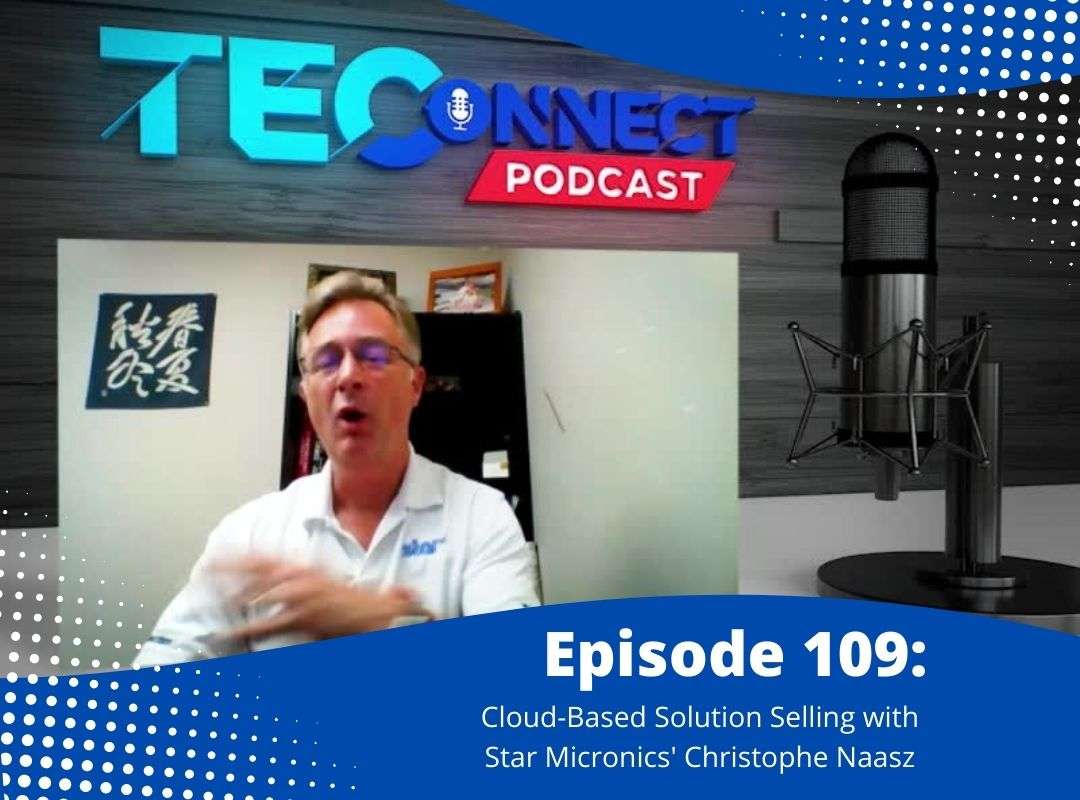
    Christophe Naasz, Director of Global Business Development here at Star Micronics America, spent some time with Dean and John from BlueStar’s TEConnect Podcast to discuss cloud-based technology and solutions. The three lay out how VARs can approach customers about utilizing the cloud for their businesses to stay competitive and relevant.

    Consumers are moving forward with the latest technologies available, and cloud-based services are no longer an option for businesses. From online and omnichannel ordering to remote updates and secure data storage, the cloud offers business owners advantages that cannot be garnered elsewhere.

    From TEConnect:

    We all know that cloud computing is where it’s at, but not all businesses, especially retail & hospitality, are on board just yet. This week, Star Micronics’ Christophe Naasz is here to help VARs explain the benefits of cloud-based solutions.

    • How do cloud-based solutions improve customer experience?
    • What are the best talking points and questions to ask your customers?
    • How do cloud solutions benefit management and back-of-the-house insights?
    • Finally, what’s Star’s philosophy on the cloud?

    It’s the episode laying in the grass saying, “Hey, that cloud looks like recurring revenue!”

    Have a listen:

    Cloud-Approved: Star’s 2D Precision Barcode Scanners

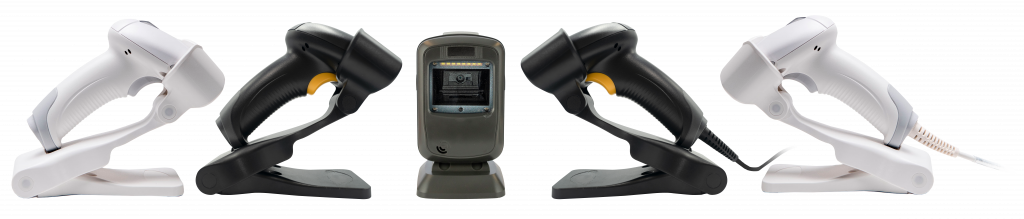
    Having quality barcode scanners and imagers are must-haves for businesses working in the cloud! As a complete POS solution provider, Star Micronics offers a line of sturdy and reliable 1D/2D barcode and QR code scanners to complete your cloud-based solution. Whether swiftly ringing up your customers or taking in a wide variety of inventory, Star’s scanners are precise, drop-resistant, and work as quickly as you do.

    We offer a desktop, handheld usb, and Bluetooth wireless handheld for your convenience, with our wireless model holding up to 12 hours of battery life.

    • More Comfort, More Productivity
    • Fast, Reliable, & Drop-Resistant
    • 12-Hour Battery Life for Mobile
    • Scan on Paper or Screen
    • Protection from dust and water

    Captures high-density, high-volume, and distorted barcodes on paper or screen.
    Plus, all work seamlessly with our line of trademark printers!