Tag: Printing Technology

  • Star Micronics to Showcase POS Hardware, Partner Integrations, and the New mC-Connect Drawer at RetailNOW 2026

    Star Micronics to Showcase POS Hardware, Partner Integrations, and the New mC-Connect Drawer at RetailNOW 2026

    Visit Booth 631 to see the new mC-Connect Drawer, cloud printing, multifunction labeling, kiosk barcode scanning, and live demonstrations with MagTek and Logic Controls.

    Las Vegas, NV – July 17, 2026 – Star Micronics, a global leader in point-of-sale (POS) hardware, cloud printing, and labeling technology, will exhibit at RetailNOW 2026, the retail IT channel’s #1 trade show, education conference, and networking event. The show takes place July 26–28 at Caesars Forum in Las Vegas. Visitors to Booth 631 can explore Star’s latest POS hardware through live demonstrations with leading technology partners.

    RetailNOW attendees will see Star hardware working alongside software and payment technologies used across retail and hospitality.

    Featured Solutions at Booth 631

    Attendees can explore Star’s latest POS hardware and cloud technologies, including:

    • The new mC-Connect Drawer: Modernize any cash drawer with USB, Ethernet, Wireless LAN, and Bluetooth® Low Energy connectivity, enabling direct communication with today’s POS systems, tablets, and mobile devices.
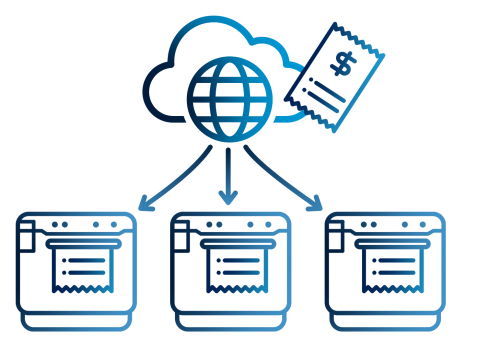
    • Cloud Printing Solutions: CloudPRNT Next and StarIO.Online simplify cloud printing for online ordering, web applications, and multi-location deployments. From direct cloud communication using MQTT to fully managed cloud printing with remote device management, Star offers flexible options for cloud-connected POS environments.
    • Multifunction Labeling Solutions: The mC-Label2 and mC-Label3 support receipts, linerless labels, die-cut labels, and continuous media from a single device, allowing businesses to print food safety labels, order labels, barcode labels, receipts, and more.
    • Kiosk Barcode Scanning: Star’s fixed-mount kiosk barcode scanners, the NLS-FM431 and the NLS-FM3280, provide fast, hands-free scanning of 1D and 2D barcodes from printed labels and mobile devices for self-service kiosks, lockers, and customer-facing terminals.
    • Enterprise POS Hardware: From receipt printers and cash drawers to barcode scanners and cloud-connected peripherals, Star’s hardware portfolio supports retail, restaurant, grocery, healthcare, cannabis, and hospitality applications.

    Live Partner Demonstrations

    Star will feature several integrated demonstrations throughout the show.

    • One Touch Label with Logic Controls KitchenGO KDS and the mC-Label3: See Logic Controls’ KitchenGO KDS working with Star’s mC-Label3 multifunction printer to demonstrate the One Touch Label feature. Kitchen staff can generate labels directly from the KDS as orders move through production, helping identify orders and improve fulfillment accuracy.
    • Direct Cash Drawer Control with MagTek and the mC-Connect Drawer: MagTek will demonstrate the mC-Connect Drawer, showing how payment devices and POS systems can control cash drawers directly without requiring a printer connection.

    Star Solutions Featured Throughout the Show Floor

    Attendees can also see Star solutions featured at the following partner booths:

    “RetailNOW brings together the channel partners, ISVs, and solution providers that help businesses deploy POS technology every day. This year, we’re demonstrating how our hardware works alongside leading software and payment providers, from the new mC-Connect Drawer and cloud printing to multifunction labeling and kiosk technologies, showing how these technologies work together in real-world deployments.”

    Meet the Star Team at RetailNOW 2026

    Francis Angoyar, Sales Accounts Executive at Star Micronics, will participate in a speaking session at the ScanSource booth on Monday, July 27, from 11:45 a.m. to 11:55 a.m., where attendees can ask questions about Star’s POS hardware and integrations.

    Star is also proud to support the Women in Technology (W2W) community at RetailNOW. Joey Richholt, Director of Human Resources at Star Micronics, will serve as a panelist during Martinis & Mentorship: The Perfect Cocktail Mixing Career Advice, Authentic Connections, and Lasting Success, taking place on Sunday, July 26, from 7:00 p.m. to 8:00 p.m.

    Visitors are encouraged to stop by Booth 631 to see the demonstrations, meet with the Star team, and learn more about Star’s latest POS hardware and cloud technologies.

    To schedule time with the Star team or for more information, contact sales@starmicronics.com.

    Can’t get enough industry news?

    Star Micronics logo, point-of-sale (POS) hardware and technology company.

    Star Micronics is a global provider of point-of-sale (POS) hardware, cloud printing, and labeling solutions that help businesses connect digital workflows to real-world operations. Serving retail, hospitality, healthcare, and service industries, Star delivers printing, labeling, cash management, self-service, and cloud-based technologies designed to support scalable, connected, and automated environments. Star’s solutions support Android, iOS, Windows, and web-based platforms and extend into the cloud through services such as CloudPRNT Next and StarIO.Online, Star’s fully managed cloud printing service.

    Visit starmicronics.com or follow us on Facebook, X, YouTube, or LinkedIn to learn more.
    Media Contact:

    Christin Dorner
    Star Micronics America, Inc.
    cdorner@starmicronics.com
    848-216-3318

  • WebPRNT vs StarXpand SDK for Web: Choosing the Right Browser-Based Receipt Printing Solution

    WebPRNT vs StarXpand SDK for Web: Choosing the Right Browser-Based Receipt Printing Solution

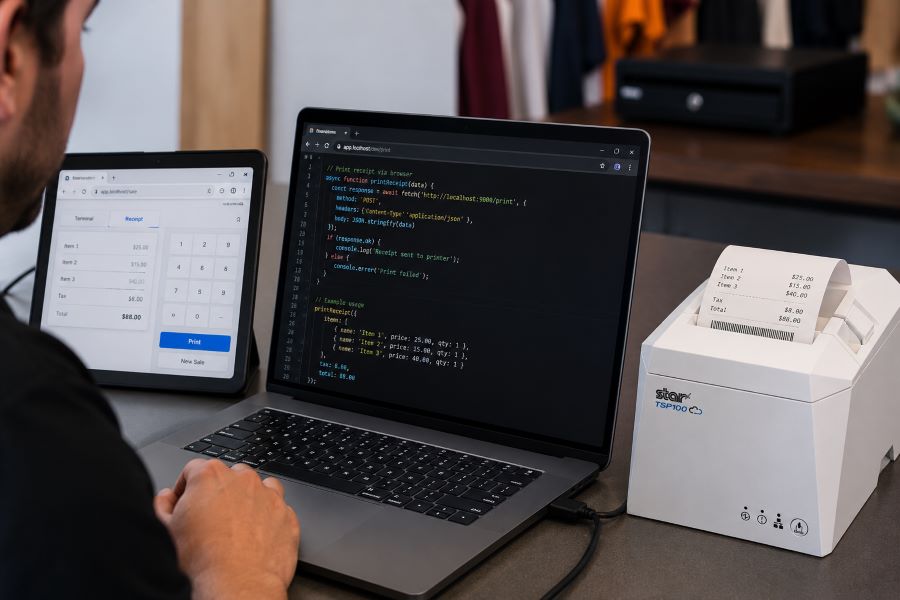
    Browser-based receipt printing has become a core part of POS applications across retail, restaurants, kiosks, and self-service environments. As cloud POS platforms and online ordering systems continue to grow, software providers need reliable ways to trigger receipts, labels, and kitchen tickets directly from web applications.

    For years, Star Micronics’ WebPRNT has given developers a practical way to handle local USB printing directly from the browser, without requiring desktop software or additional middleware.

    Today, StarXpand SDK for Web builds on that same browser-to-device model with a more unified SDK for printing and peripheral control, while CloudPRNT supports LAN and cloud-managed printing across distributed environments.

    Understanding where each fits can help ISVs reduce integration complexity and choose the right architecture for long-term growth.

    Table of Contents

    How Browser-Based Receipt Printing Has Changed

    When browser-based POS systems became more common, one of the biggest technical challenges was local printer communication. A web application could manage transactions, but connecting directly to a receipt printer from a browser was often difficult without middleware, desktop applications, or custom local services.

    WebPRNT helped solve this by enabling direct browser-to-printer communication over USB. This made browser-based printing practical for:

    For many ISVs, this reduced deployment friction and simplified local printing workflows. But browser-based printing requirements have expanded.

    Today, many deployments include:

    • Multi-location stores
    • Cloud-managed ordering systems
    • Distributed kitchen printing
    • Shared hardware environments
    • Remote print routing

    That shift changes how printers need to communicate. Some environments still depend on local USB printing. Others now require printers to communicate over LAN or directly with cloud services.

    That distinction is what separates WebPRNT, StarXpand SDK for Web, and CloudPRNT.

    What Is WebPRNT?

    WebPRNT is Star’s browser-based printing technology designed specifically for browser-based receipt printing over direct USB connections. It allows web applications to send print jobs directly to supported Star printers without requiring a native application layer.

    For developers, this makes WebPRNT useful when:

    • The browser runs locally at the print station
    • The printer is physically connected by USB
    • Printing requirements are focused only on output

    Many ISVs still use WebPRNT successfully in established deployments because it remains stable and predictable for local browser printing. For existing integrations that are already working, WebPRNT remains a practical option.

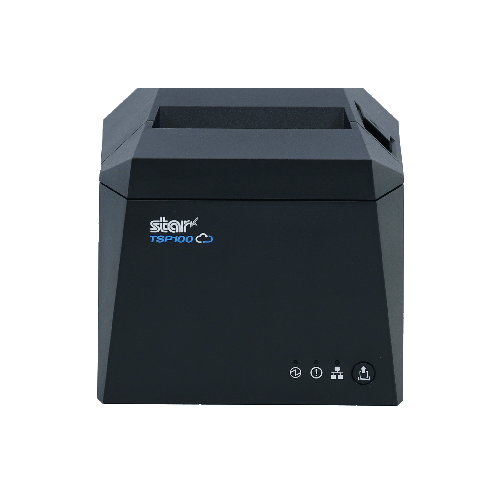
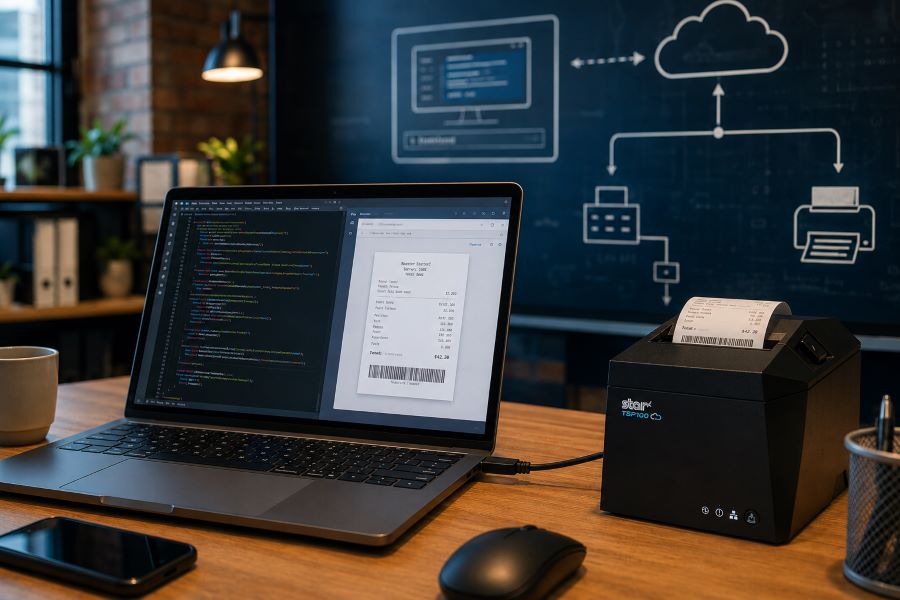
    TSP143IV USB Developer Test

    What Is StarXpand SDK for Web?

    StarXpand SDK for Web is Star’s browser-based SDK for USB-connected printers and supported peripherals. Like WebPRNT, it supports local browser-to-device communication over USB. The difference is in the SDK model.

    Instead of focusing only on print output, StarXpand SDK provides a broader API structure that aligns with Star’s SDK ecosystem across:

    For developers building new browser-based receipt printing workflows, StarXpand SDK for Web provides a broader SDK model that extends beyond print output. This can simplify development when browser applications need to interact with multiple hardware types, not just printers.

    StarXpand SDK for Web supports:

    • Receipt printing
    • Label printing
    • Cash drawer control
    • Barcode scanner integration
    • Peripheral status monitoring

    This makes it useful for browser-based POS environments where printing is only one part of the workflow.

    What Is CloudPRNT?

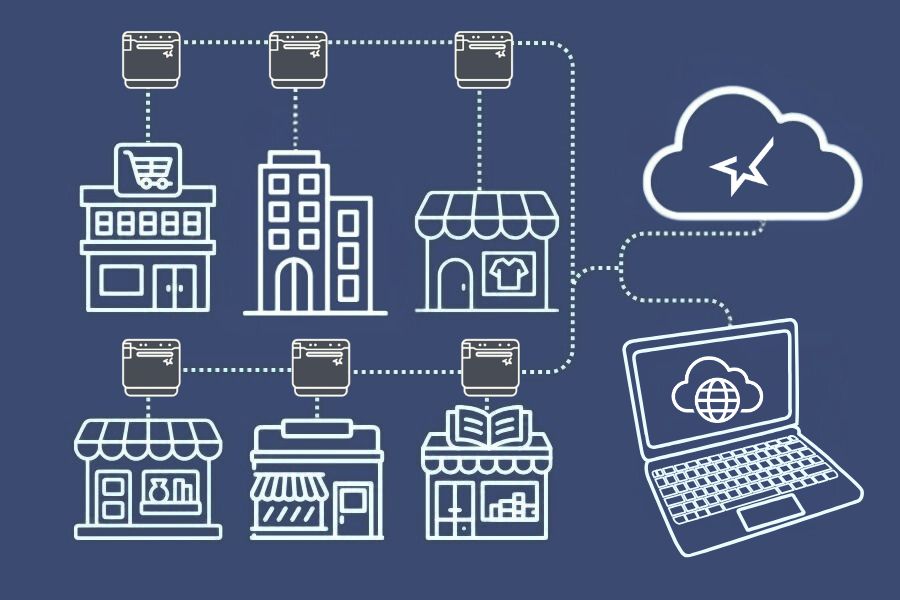
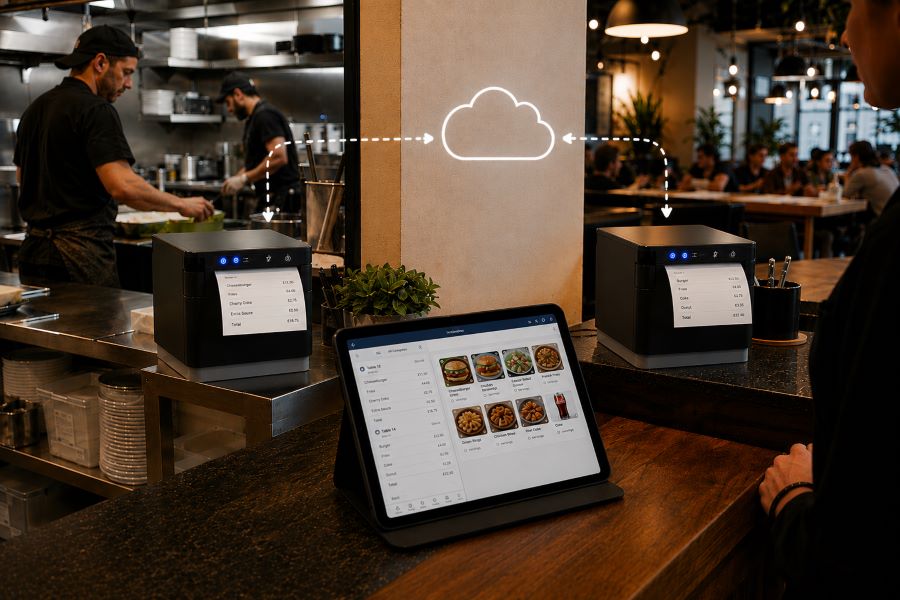
    CloudPRNT is Star’s cloud printing technology for LAN and Wi-Fi connected printers. Unlike WebPRNT and StarXpand SDK for Web, CloudPRNT does not depend on direct USB communication between the browser and printer. Instead, it allows printers to pull print jobs directly from cloud applications over a network.

    Star supports two CloudPRNT communication methods:

    • HTTP polling, where printers regularly check a cloud server for new print jobs
    • MQTT messaging through CloudPRNT Next, a publish-subscribe protocol that enables faster, more efficient real-time print delivery

    For developers, this provides more flexibility depending on the deployment.

    HTTP-based CloudPRNT remains effective for many existing cloud printing environments, while MQTT-based CloudPRNT Next can reduce latency and improve responsiveness for high-volume or multi-location deployments.

    This makes CloudPRNT useful when:

    • Print jobs originate remotely
    • Multiple locations need centralized print routing
    • Online ordering systems send jobs directly to kitchen printers
    • Low-latency print delivery is important
    • Local devices should not manage printer connections

    For distributed environments, this can reduce local infrastructure requirements and simplify cloud-based receipt printing at scale.

    MC Print3 Cloud POS Restaurant

    Why StarXpand SDK for Web Matters for New Development

    For ISVs building new browser-based POS applications, StarXpand SDK for Web solves a different problem than WebPRNT. It is less about replacing WebPRNT and more about reducing fragmentation between SDKs.

    This matters when development teams need:

    Shared Logic Across Platforms

    If your software runs on browser, tablet, and mobile environments, StarXpand SDK creates more API consistency. This can reduce duplicated hardware logic across teams.

    More Than Print Output

    Many modern POS workflows include:

    • Drawer status checks
    • Scanner-triggered workflows
    • Labeling stations
    • Shared hardware access

    StarXpand SDK can support these through one SDK model.

    Easier Long-Term Maintenance

    Maintaining separate hardware integration layers across web and mobile can increase support costs over time. Using one SDK family can reduce that overhead.

    Migration Considerations for Existing WebPRNT Users

    If you already have a working WebPRNT deployment, there may be no immediate reason to change it.

    WebPRNT remains effective for:

    • Local USB receipt printing
    • Browser-based order ticket printing
    • Fixed workstation POS environments

    Migration becomes more relevant when:

    • Expanding into mobile apps
    • Adding peripheral hardware support
    • Standardizing SDKs across multiple platforms
    • Rebuilding core hardware logic

    For ISVs planning future product updates, this is often the point where StarXpand SDK becomes worth evaluating.

    Key Considerations Before Choosing a Browser Receipt Printing Solution

    Before choosing between WebPRNT, StarXpand SDK for Web, and CloudPRNT, start with the deployment model.

    Where does the print job originate?

    If the print job starts at the local browser and the printer is USB-connected, WebPRNT or StarXpand SDK for Web are often the right fit.

    If the print job originates in the cloud, CloudPRNT is often the better option.

    Is this an existing deployment or new development?

    For existing WebPRNT integrations, staying with the current architecture may be the simplest path.

    For new builds, the StarXpand SDK may offer greater long-term flexibility.

    Do you need to control more than printing?

    If the workflow includes drawers, scanners, or other Star peripherals, StarXpand SDK can simplify communication.

    If printing is the only requirement, WebPRNT may still be sufficient.

    Will this scale across locations?

    If the deployment spans multiple stores, remote kitchens, or distributed print stations, CloudPRNT often provides more flexibility than local USB connections.

    Choosing the right architecture early can reduce future integration changes and simplify deployment support.

    An Independent Software Vendor’s (ISV’s) Guide to Star Printer SDKs

    This guide breaks down Star Micronics’ printer SDKs, APIs, and integration tools to help ISVs choose the right solution for POS systems, cloud printing platforms, and custom software applications.

    Final Thoughts on Browser-Based POS Printing

    Browser-based receipt printing is no longer one-size-fits-all. Some POS environments still rely on direct USB connections at a local workstation. Others now depend on cloud-based routing across multiple locations. That’s why Star offers multiple browser and cloud printing technologies built for different deployment models.

    • WebPRNT remains a proven option for stable local USB printing.
    • StarXpand SDK for Web provides a stronger framework for new browser-based development that needs broader hardware communication.
    • And CloudPRNT remains the best fit for LAN-connected and cloud-managed printing environments.

    For ISVs and developers, the best choice depends less on features and more on architecture: where print jobs originate, how hardware is connected, and how the application will scale over time.

    Interested in browser-based receipt printing with Star?

    Frequently Asked Questions About Browser-Based Receipt Printing

    What is browser-based receipt printing?

    Browser-based receipt printing allows web applications to send print jobs directly to a receipt printer without requiring a traditional desktop application. Depending on the deployment, this can happen through local USB communication or cloud-based network printing.

    When should I use browser-based receipt printing instead of cloud printing?

    Browser-based receipt printing is best when a local device needs to send print jobs directly to a USB-connected printer. Cloud printing is often better for LAN-connected printers, remote print routing, or multi-location deployments.

    What is the difference between WebPRNT and StarXpand SDK for Web?

    WebPRNT focuses on browser-based USB printing. StarXpand SDK for Web also supports USB printing, but adds a broader API structure for printers and peripherals.

    Does StarXpand SDK for Web replace WebPRNT?

    Not directly. Existing WebPRNT integrations can continue to operate. StarXpand SDK for Web is better suited for new browser-based development.

    Can I still use WebPRNT for browser-based receipt printing?

    Yes. WebPRNT remains a supported and effective option for local USB browser printing.

    When should I use CloudPRNT instead of StarXpand SDK for Web?

    Use CloudPRNT when printers need to connect over LAN or Wi-Fi and receive print jobs directly from cloud applications.

    Is StarXpand SDK for Web only for USB printing?

    Yes. For browser deployments, StarXpand SDK for Web is designed for direct USB communication.

    Can StarXpand SDK for Web control devices besides printers?

    Yes. It supports compatible Star peripherals such as cash drawers, POS scales, and barcode scanners.

    What is the best receipt printing method for cloud POS systems?

    For cloud POS systems with remote or multi-location print routing, CloudPRNT is generally the best fit.

  • Star Micronics Becomes the First to Offer Windows on ARM Driver Support for POS Printers

    Star Micronics Becomes the First to Offer Windows on ARM Driver Support for POS Printers

    The new driver enables ISVs and solution providers to deploy Star printers on ARM-based Windows devices, expanding compatibility for modern POS environments.

    Somerset, NJ – April 7, 2026 – Star Micronics, a global provider of point-of-sale (POS) hardware, cloud printing, and labeling solutions, today announced the availability of Windows on ARM driver support for its printer portfolio. As the first POS hardware manufacturer to offer native support for Windows on ARM devices, Star is expanding compatibility with next-generation computing platforms used by ISVs, resellers, and enterprise customers.

    As adoption of ARM-based Windows devices continues to grow across tablets, laptops, and compact POS systems, software developers and solution providers are increasingly building applications for these environments. Star’s Windows on ARM driver enables native integration with Star printers, allowing ISVs to support receipt, label, and ticket printing without relying on emulation or additional workarounds.

    Expanding Compatibility for Modern POS Deployments

    Star’s Windows on ARM driver support enables ISVs to support printing natively on ARM-based Windows devices, while giving resellers confidence that Star printers will work with newer Windows hardware without requiring emulation or additional configuration. This is especially important as businesses adopt lighter, more energy-efficient ARM-based systems across retail, hospitality, and service environments.

    Supporting ISVs and Solution Providers

    For ISVs, native Windows on ARM driver support removes the need for emulation and ensures consistent printing functionality across both ARM and traditional x86 platforms, simplifying development for modern POS environments.

    Resellers and solution providers also gain greater flexibility in supporting customer environments that are adopting ARM-based Windows devices, allowing them to offer compatible solutions across a wider range of system configurations.

    “ISVs and solution providers are increasingly working with ARM-based Windows devices as part of modern POS deployments. By offering native Windows on ARM driver support, Star ensures our partners can support the latest hardware platforms without compromising compatibility or performance.”

    Availability

    Star’s Windows on ARM drivers are available on request. To learn more or request access, please contact Star Micronics at integrations@starmicronics.com.

    For more information about Star Micronics solutions, visit starmicronics.com.

    Can’t get enough industry news?

    Star Micronics logo, point-of-sale (POS) hardware and technology company.

    Star Micronics is a global provider of point-of-sale (POS) hardware, cloud printing, and labeling solutions that help businesses connect digital workflows to real-world operations. Serving retail, hospitality, healthcare, and service industries, Star delivers printing, labeling, cash management, self-service, and cloud-based technologies designed to support scalable, connected, and automated environments. Star’s solutions support Android, iOS, Windows, and web-based platforms and extend into the cloud through services such as CloudPRNT Next and StarIO.Online, Star’s fully managed cloud printing service.

    Visit starmicronics.com or follow us on Facebook, X, YouTube, or LinkedIn to learn more.
    Media Contact:

    Christin Dorner
    Star Micronics America, Inc.
    cdorner@starmicronics.com
    848-216-3318

  • Star Micronics Expands ESC/POS Printer Compatibility Across Thermal and Impact Printing Solutions

    Star Micronics Expands ESC/POS Printer Compatibility Across Thermal and Impact Printing Solutions

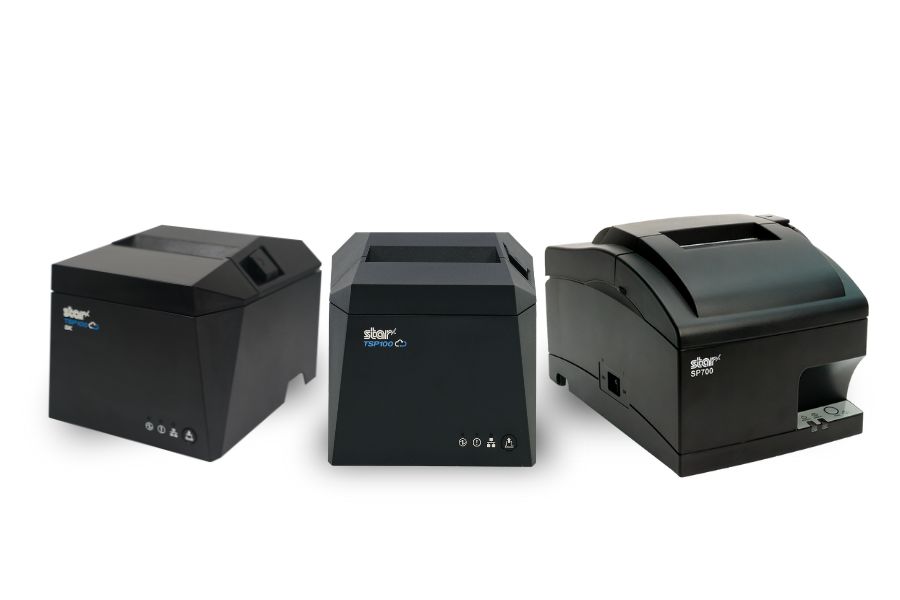
    New ESC/POS printer support includes the TSP100IV series, including SK models, and LAN-based ESC/POS emulation for the SP742 impact printer.

    Somerset, NJ – January 30, 2026 – Star Micronics today announced expanded ESC/POS printer support for the TSP100IV thermal printer series, including TSP100IV SK models, and added LAN-based ESC/POS emulation for the SP742 impact printer. This update extends across the UE and X4 models, including both receipt and linerless sticky label printers. It gives retailers, resellers, and software developers the flexibility to expand their Star hardware portfolio or move to Star, even when their current applications rely on ESC/POS support.

    TSP143IV Series with ESC/POS: Compact & Connected

    The TSP143IV UE (thermal receipt) and TSP143IV UE SK (linerless sticky label) provide a balance of compact design and versatile connectivity. Both models feature USB-C, LAN, CloudPRNT, and Android Open Accessory (AOA) support. With the addition of ESC/POS emulation, integration with legacy systems is even simpler.

    TSP143IV X4 Series with ESC/POS: Future-Proof Versatility

    The TSP143IV X4 (thermal receipt) and TSP143IV SK X4 (linerless sticky label) printers bring four interfaces in one device — “Ultra-C” USB-C, LAN, WLAN, and Bluetooth — along with CloudPRNT Next for faster, more reliable cloud-based printing. Now with ESC/POS emulation, the X4 series ensures maximum compatibility while maintaining industry-leading performance and connectivity.

    Shared Features Across All Models

    • ESC/POS emulation for broader software support
    • High-speed thermal printing (up to 250mm/s on receipt models, 180mm/s on SK label models)
    • Built-in guillotine auto-cutters
    • Compact, space-saving design with internal power supply
    • EnergyStar certification and eco-friendly packaging with minimal plastic

    SP742 Impact Printer Adds ESC/POS Support via LAN

    Star Micronics has also expanded ESC/POS™ emulation support to its SP742 impact printer with the LAN interface. This update enables broader compatibility with legacy POS systems that rely on ESC/POS while continuing to support environments that require durable, impact-printed output. The SP742 remains well suited for kitchens, back-office operations, and other applications where impact printing is preferred.

    Supporting Retail & Hospitality Innovation

    “By adding ESC/POS emulation to all four models in the TSP100IV series, we’re giving businesses and ISVs greater flexibility without compromising the advanced performance that defines Star. Whether for receipts or linerless sticky labels, the UE and X4 models deliver the connectivity, reliability, and sustainability today’s businesses need.”

    For more details on the new ESC/POS-enabled models, visit starmicronics.com or contact sales@starmicronics.com.

    Can’t get enough industry news?

    Star Micronics logo, point-of-sale (POS) hardware and technology company.

    Star Micronics is a global leader in POS hardware and transaction technology, providing printers, secure cash management, and connected peripherals for retail and hospitality environments. Known for reliability and developer-friendly integration, Star solutions work seamlessly with Android™, iOS, Windows®, and web-based POS platforms to power receipt, label, ticket, and order printing across modern commerce environments.

    Star’s cloud technologies extend printing beyond the counter. CloudPRNT Next enables scalable direct cloud printing, while StarIO.Online is Star’s fully managed cloud printing service that removes the need for server infrastructure and simplifies remote printer management across distributed locations. Star also offers a broad portfolio of POS peripherals, including barcode scanners, scales, and tablet stands, designed to work together as a complete hardware solution.

    Learn more at starmicronics.com or follow Star on LinkedIn, YouTube, Facebook, Instagram, and X.

    Media Contact:

    Christin Dorner
    Star Micronics America, Inc.
    cdorner@starmicronics.com
    848-216-3318

  • How ISVs Can Deliver Cloud Printing with Less Risk and Faster Scale

    How ISVs Can Deliver Cloud Printing with Less Risk and Faster Scale

    Cloud printing has moved from a value-add feature to core infrastructure for modern software platforms. As ISVs support multi-location customers, omnichannel ordering, kiosks, and mobile workflows, printing must scale reliably, remain visible, and work consistently across environments.

    Hosted cloud printing shifts the responsibility for print infrastructure, monitoring, and ongoing maintenance from the software vendor to a dedicated provider. This model allows ISVs to deliver cloud-enabled printing without building or managing their own server environments. Developers can put all their focus into making the best product for their customers.

    In the past, offering cloud printing required ISVs to host print servers in-house, absorb infrastructure costs, and carry long-term operational risk. StarIO.Online, a fully managed cloud printing service from Star Micronics, removes that burden by handling hosting, monitoring, and connectivity at the infrastructure level. This allows ISVs to deliver enterprise-ready printing while staying focused on core product development.

    Table of Contents

    Who StarIO.Online Is Designed For

    StarIO.Online is designed for independent software vendors (ISVs) building cloud-based, web-based, or multi-location platforms that require reliable receipt and label printing. It is particularly well-suited for ISVs supporting enterprise retail, hospitality, quick-service restaurants, kiosks, and distributed operations where printing must function consistently across locations and devices.

    Developers Love Fully Managed Cloud Printing Services Like StarIO.Online

    What You’ll Learn in This Blog

    • Why cloud printing has become table stakes for competitive ISVs
    • How device visibility strengthens cloud printing reliability
    • What hosted cloud printing changes for ISVs and their customers
    • How cloud printing and device management together drive measurable ROI

    Why Cloud Printing Has Become Table Stakes for ISVs

    For years, ISVs have worked to meet customer demand for cloud-enabled printing. In 2026, that demand is no longer emerging. It is expected. As organizations adopt cloud POS platforms, mobile devices, self-service kiosks, and remote management models, printing must function seamlessly across locations, devices, and workflows.

    What has changed is the scope of that responsibility. Cloud printing now needs to support:

    • Multi-location and multi-device environments
    • High-volume, always-on workflows
    • Remote visibility and centralized control

    StarIO.Online is a fully managed cloud printing service by Star Micronics.

    Historically, bringing cloud printing to market required ISVs to host and maintain their own managed print services. That meant investing in servers, security, uptime monitoring, and ongoing maintenance. Over time, those responsibilities pulled resources away from core product development and introduced risk as customer footprints expanded.

    Market adoption makes this challenge impossible to ignore. Quocirca research found that 69% of organizations used some form of cloud-based printing in 2024, up from 55% in 2023. According to Grand View Research, the cloud printing market is projected to exceed $3.1 billion by 2030. ISVs that cannot scale cloud printing efficiently risk falling behind competitors who can.

    Partnering with a hosted cloud printing provider offers a practical path forward. It allows ISVs to meet growing demand for cloud-enabled printing while avoiding the infrastructure burden and long-term complexity of legacy approaches.

    The Benefits of Cloud Print Solutions for ISVs and their Users

    Cloud printing enables ISVs to extend the value of their platforms by centralizing how organizations manage and standardize printing. Templates for receipts, labels, and documents can be created once and shared across locations, ensuring brand consistency and operational alignment.

    From an administrative standpoint, cloud printing provides greater control over user permissions, job routing and queuing, policy enforcement, and audit and compliance reporting.

    For end users, cloud printing introduces flexibility. Employees can print from tablets, mobile devices, kiosks, and countertop terminals without being tethered to a specific workstation. New locations or devices can be added quickly, connecting to existing printers via the cloud without complex configuration. The result is improved productivity, faster rollouts, and more resilient operations.

    Why Device Visibility Is the Missing Piece in Cloud Printing

    While cloud printing solves distribution and accessibility, device visibility solves reliability. Without insight into printer status, even cloud-connected environments remain vulnerable to downtime, missed jobs, and service interruptions.

    By pairing cloud printing with device management, ISVs can give customers the ability to monitor printer health and connectivity remotely, identify issues before they cause downtime, and resolve certain problems without dispatching on-site support.

    Proactive monitoring improves uptime, protects service-level agreements, and reduces support costs. For ISVs, it also minimizes reactive troubleshooting that pulls engineering resources away from product innovation. For customers, it means more consistent performance and higher satisfaction across locations.

    Software Developers Use StarIO.Online Cloud Printing Service By Star Micronics

    What Hosted Cloud Printing Really Changes for ISVs

    Unlike self-hosted cloud printing, hosted cloud printing removes the need for ISVs to manage servers, security updates, and uptime monitoring internally. Infrastructure responsibilities shift to a dedicated provider, reducing operational risk and long-term maintenance costs.

    Recognizing the growing complexity of cloud printing, Star Micronics developed StarIO.Online, a hosted cloud printing service designed specifically for ISVs building modern, scalable platforms.

    With StarIO.Online, ISVs no longer need to deploy or maintain their own print servers. Star manages the infrastructure layer so software teams can stay focused on product innovation rather than printing back ends.

    StarIO.Online helps ISVs:

    • Eliminate the need to host and maintain print servers
    • Reduce infrastructure, security, and uptime management overhead
    • Support CloudPRNT-compatible printers across distributed environments
    • Scale printing reliably as customer footprints grow

    Integration is streamlined through REST APIs, allowing developers to send print jobs and receive printer status updates with minimal code. Webhooks enable real-time printer event notifications, supporting automated workflows and faster issue resolution.

    In addition, StarIO.Online provides:

    • A unified dashboard to manage, monitor, and configure printers across all customer locations
    • Centralized visibility into printer status and connectivity
    • The ability to extend offerings using Star Micronics Cloud Services, such as Label Builder or PromoPRNT

    These capabilities allow ISVs to tailor managed services to specific markets and create bundled, recurring-revenue offerings without increasing operational complexity.

    Built on scalable architecture, StarIO.Online grows alongside ISVs and their customers, whether onboarding new clients or supporting expanding enterprise deployments.

    How Cloud Printing and Device Management Drive Measurable ROI

    When cloud-enabled printing and device visibility come together, the impact extends beyond operational efficiency. ISVs gain a scalable foundation that lowers the cost of delivering managed printing while improving margins and accelerating time to market.

    Customers benefit from reliable, consistent printing experiences across devices and locations. ISVs benefit from reduced infrastructure costs, fewer support escalations, and stronger platform stickiness. Over time, these advantages contribute to increased customer retention, higher lifetime value, and a clearer path to sustainable growth.

    POS Printing Technologies Built for Modern Software Platforms

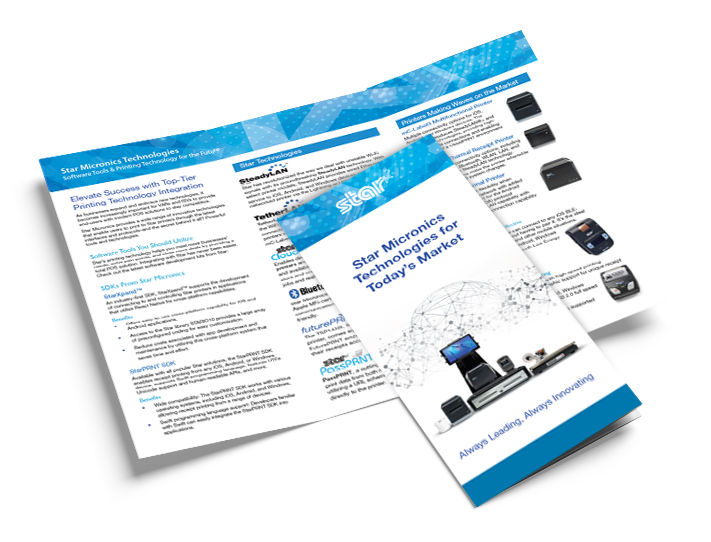
    This brochure shows how Star helps ISVs extend their platforms with dependable printing and device control while minimizing integration effort and long-term maintenance.

    Frequently Asked Questions About Hosted Cloud Printing

    What is hosted cloud printing?

    Hosted cloud printing is a printing model where servers, infrastructure, monitoring, and maintenance are managed by a third-party provider, allowing software vendors to offer cloud-enabled printing without hosting their own print servers.

    How is hosted cloud printing different from self-hosted cloud printing?

    Self-hosted cloud printing requires ISVs to build, secure, and maintain their own server environments. Hosted cloud printing shifts those responsibilities to a dedicated provider, reducing operational risk and infrastructure overhead.

    Who benefits most from StarIO.Online?

    StarIO.Online is ideal for ISVs supporting multi-location retail, hospitality, quick-service restaurants, kiosks, and enterprise environments that require reliable, scalable printing across distributed operations.

    How does managed cloud printing support AI-driven restaurant operations?

    AI-driven ordering, forecasting, and labor tools rely on fast, consistent execution at the edge. Managed cloud printing ensures that receipts, labels, and order tickets print reliably as AI systems dynamically route orders, adjust prep timing, or optimize fulfillment across channels. By centralizing print logic in the cloud and pairing it with device visibility, operators can trust that automated decisions are carried out accurately at every location without adding operational risk.

    Is hosted cloud printing secure enough for enterprise and multi-location environments?

    Yes. Hosted cloud printing platforms are designed with enterprise security and scalability in mind. Print jobs are transmitted using secure protocols, and device access can be centrally controlled by role, location, or application. For ISVs and MSPs, this model reduces exposure by eliminating on-premise servers while still providing auditability, monitoring, and compliance support across distributed restaurant and retail environments.

    Learn More About StarIO.Online

    To learn how StarIO.Online can help you deliver reliable, scalable cloud printing without the infrastructure burden:

  • Easily Scale Your Cloud POS With Fully Managed Cloud Printing

    Easily Scale Your Cloud POS With Fully Managed Cloud Printing

    Scaling your cloud POS gets much easier when printing does not rely on local servers or custom networking. A fully managed cloud printing service, like StarIO.Online, gives you a cleaner, faster, and more reliable way to support printing across every customer location.

    Table of Contents

    The Hidden Roadblock in Scaling Your Cloud POS

    Your cloud POS platform is built to move fast, deploy anywhere, and scale smoothly. But printing is usually the one part of the workflow that refuses to scale with the rest of your system. Each customer location has its own router, firewall settings, and networking quirks. As a result, printing often becomes the most unpredictable and support-heavy part of your rollout plan.

    Even if your POS is fully cloud native, the printing layer remains attached to on-site hardware. Traditional installs require drivers, local configurations, and sometimes even print servers that slow down deployments and increase your team’s workload.

    A fully managed cloud printing service removes these blockers. StarIO.Online makes it possible to scale your cloud POS without servers, without drivers, and without the on-site work that slows down your expansion. With a simple API and centralized visibility, you gain a more predictable and repeatable way to support printing across every customer environment.

    Why Printing Becomes the Bottleneck in Scaling Your Cloud POS

    When your customers add new locations or expand into new markets, your cloud POS can scale almost instantly. Printing is often the exception. The problem is rarely the POS system itself. It’s everything happening in the local environment.

    Each location runs a different network setup. Some rely on older software, while others have restrictive firewalls or inconsistent Wi-Fi. Print servers require maintenance. Drivers break unexpectedly. And in many cases, you cannot see what printed or whether the printer ever received the job.

    Without that visibility, your support team spends hours walking customers through manual resets and trial-and-error testing. What should be a standard rollout turns into a lengthy troubleshooting exercise.

    In most cloud POS environments, everything is cloud-controlled except the printer. That gap slows rollouts, increases support tickets, and makes it harder for you to deliver a consistent experience across all locations.

    StarIO.Online is a fully managed cloud printing service by Star Micronics.

    What a Fully Managed Cloud Printing Service Solves

    A managed cloud printing service replaces the entire local printing layer with a cloud-controlled workflow. Instead of configuring each site one by one, you shift printing to a centralized system that behaves the same way everywhere.

    With managed cloud printing, you gain:

    • No drivers, no local installs, and no custom networking
    • One cloud API for all supported Star printers
    • Consistent printing across all networks and environments
    • Print job routing from any approved device
    • Real time visibility into job results and device events
    • Faster onboarding for new locations
    • Less technical overhead for chain and franchise deployments

    This approach turns printing into a predictable, repeatable component of your cloud architecture. It frees your team from resolving on-site issues and allows you to grow without adding technical debt.

    How StarIO.Online Helps You Scale Faster

    StarIO.Online is Star Micronics fully managed cloud printing service for ISVs and multi-location operators. It removes the need for print servers or custom middleware and connects printers directly to the cloud with a simple REST style API.

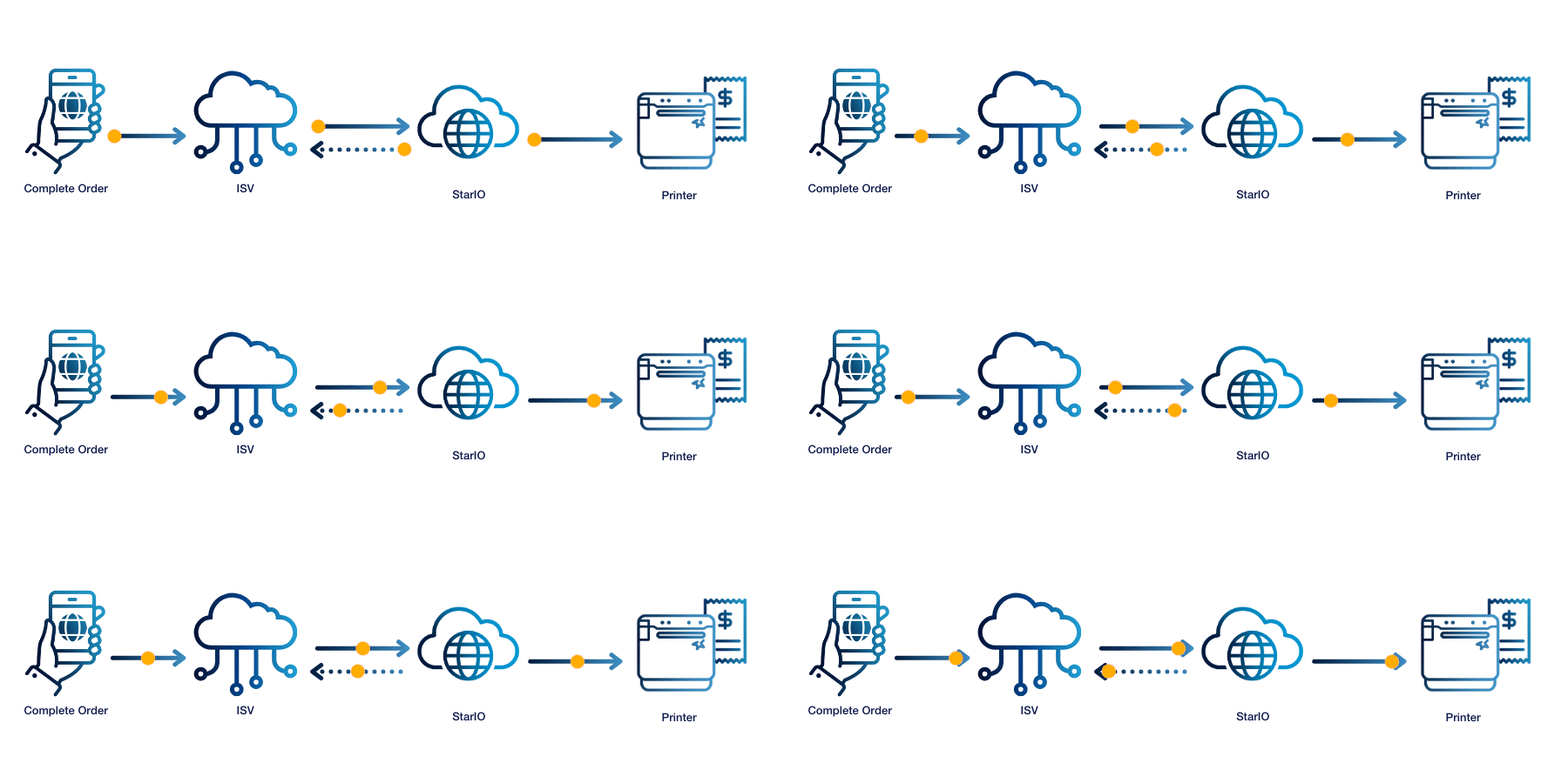
    Instead of relying on local drivers or complex networking, your cloud POS sends print jobs through StarIO.Online, which routes them to the correct printer and returns a webhook with the result. You get predictable behavior regardless of the local environment.

    StarIO.Online is a fully managed cloud printing service by Star Micronics.

    Key capabilities include:

    • REST style API for cloud print jobs
    • Webhooks for print results and device events
    • Device status visibility for online or offline states
    • A single dashboard for all cloud-connected printers
    • Uniform print behavior across mixed networks
    • Easy expansion as customers add new stores
    • Reduced reliance on on-site technicians

    StarIO.Online shifts printing from the local environment to the cloud, so printing scales as easily as the rest of your platform.

    Real ROI for Your Cloud POS

    When printing is managed from the cloud instead of configured locally, your team and your customers see measurable improvements.

    • Lower support ticket volume
    • Less time spent diagnosing print failures
    • Predictable print behavior across every location
    • Faster onboarding for new stores and franchises
    • Lower operational costs without servers or custom networking
    • More reliable printing for online and in-store workflows
    • Better customer satisfaction with fewer missed prints

    Your cloud POS becomes easier to deploy, easier to support, and easier to grow. You can focus on building features and improving your platform instead of troubleshooting printers.

    Happy Cloud POS Software Application Developer

    The Path to Scalable Cloud POS Starts With Cloud-Controlled Printing

    Scaling your cloud POS gets significantly easier when printing no longer depends on local networks, drivers, and on-site maintenance. A fully managed cloud printing service brings consistency, visibility, and reliability to the part of your workflow that traditionally causes the most friction. With StarIO.Online, you can roll out new locations faster, reduce support overhead, and deliver the dependable printing your customers expect from a cloud native solution.

    Cloud POS grows quickly when every part of the system scales together. Centralizing printing in the cloud gives you the freedom to innovate, expand, and support your customers without the limitations of legacy infrastructure.

    Explore how StarIO.Online can power your cloud POS:

  • Star Micronics Introduces StarIO.Online, a Fully Managed Cloud Printing Service for ISVs

    Star Micronics Introduces StarIO.Online, a Fully Managed Cloud Printing Service for ISVs

    ISVs can provide their users with cloud printing services without the need to host or maintain infrastructure.

    Somerset, NJ – October 8, 2025 – Star Micronics, a leading provider of point-of-sale (POS) and cloud technology solutions, today announced the release of StarIO.Online, a fully managed cloud printing service designed for independent software vendors (ISVs) and technology providers.

    StarIO.Online offers the same seamless integration process as CloudPRNT with minimal code and simple API calls, but eliminates the need for ISVs to host or manage their own printing server. Star oversees the servers, monitoring, and uptime, allowing ISVs to focus on application development and customer delivery.

    “StarIO.Online gives ISVs an easier path to added value. You can provide cloud printing services across 10 or 1,000+ customers with zero infrastructure burden. It’s your code and our cloud, together producing powerful results.”

    Key advantages of cloud printing with StarIO.Online include:

    • No hosting requirements. Star manages all infrastructure and uptime.
    • Rapid scaling. Support from single-site customers to large enterprise deployments.
    • Streamlined integration. One REST-style API call connects applications directly to Star’s managed cloud.
    • Broad compatibility. Works with any CloudPRNT and CloudPRNT Next compatible printer, including receipt, label, and kitchen models.

    “Many ISVs are seeking ways to reduce the time and resources devoted to server maintenance. StarIO.Online simplifies this process by offering a managed solution that helps software providers grow without adding IT overhead.”

    StarIO.Online is available immediately with a 90-day free trial, followed by subscription-based pricing. Developers can sign up at https://starmicronics.com/stario.

    For additional information, contact sales@starmicronics.com.

    Want more industry news?

    Star Micronics logo, point-of-sale (POS) hardware and technology company.

    Star Micronics, a world leader in point-of-sale (POS), has designated a portfolio of printing, secure cash management, self-service, and customer engagement solutions for any retail or hospitality establishment. Embracing the mPOS wave, Star’s SDKs allow developers to utilize Star printers in tandem with Android™, iOS, iPad®, and iPhone® devices to generate receipts, labels, Chit, and tickets. Star Micronics is always leading and always innovating, creating cloud printing solutions, including CloudPRNT Next and Star Cloud Services, with AOA support and MFi connectivity. Star also has a wealth of peripherals, including 2D barcode scanners, scales, tablet display stands, and more. Visit starmicronics.com or follow us on Facebook, X, YouTube, or LinkedIn to learn more.
    Media Contact:

    Christin Dorner
    Star Micronics America, Inc.
    cdorner@starmicronics.com
    848-216-3318

  • The Answers You Need to Make an Informed Decision About Cloud POS Services

    The Answers You Need to Make an Informed Decision About Cloud POS Services

    With the rise of the Internet of Things (IoT), artificial intelligence (AI), and other advanced technologies, cloud services adoption is becoming increasingly common. Gartner reports that public cloud services spending will grow to $723.4 billion in 2025, up from $595.7 billion last year. 

    Cloud services benefit different industries in various ways, particularly for cloud point of sale (POS) services. For retailers and restaurateurs, cloud POS services enable managing POS devices and peripherals remotely. Managers can monitor devices to ensure they’re online and operating properly. They may also be able to run diagnostics remotely to address maintenance issues that might be brewing. A cloud POS enables a proactive approach that maximizes uptime rather than reacting when a printer or other device stops working.

    Cloud POS services can also make data and tools available to employees across an organization, saving time and ensuring brand consistency.

    So, What’s Holding You Back from Using Cloud POS Services?

    Even though cloud solutions offer retailers and restaurateurs numerous benefits, it’s common for business leaders to have some concerns. Getting the facts will help you understand how cloud solutions work and the safeguards that are in place so you can move forward confidently. Some of the most important facts you need to know about cloud POS services are: 

    Cloud POS Services Are Secure

    While news of cyberattacks has become common, using cloud POS services doesn’t necessarily increase your risk. Cloud service providers invest heavily in securing their offerings and keeping up with changes in the threat landscape.

    In most cases, the security measures the vendor has in place far exceed anything a single retailer or restaurateur could establish. By partnering with a trusted vendor, you can be confident that your data and your business are safeguarded by robust security measures. 

    Your Data Is Private

    Cloud POS services providers are careful to keep each customer’s data private. No other customers have access to your data; they can’t see the label templates you have built or access digital receipts you store to make returns more convenient for your customers. The only people who can access your data are your employees who use the right login credentials. 

    You Can Work Offline

    While accessing your data in the cloud requires a network connection, this doesn’t mean you can’t work when you’re offline. Cloud POS services often provide a way to establish a “hybrid” system where information is stored locally. This allows your employees to access it during network outages and sync when the connection is restored. Cloud service providers ensure that your workflows remain uninterrupted. 

    Star Micronics CloudPRNT Next Cloud Services
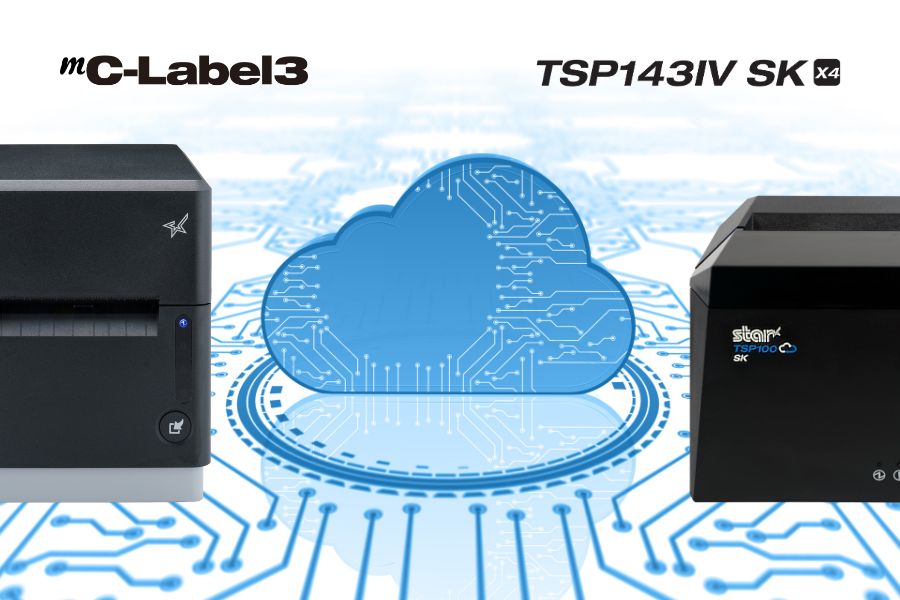
    Star Micronics mC-Label3 and TSP143IV SK label printers support CloudPRNT Next for fast cloud printing.

    You Can Afford Them

    Cost is always a consideration, but with cloud POS services, it’s important to think in terms of total cost of ownership (TCO). You don’t need the same amount of infrastructure on-site to do the same things that a cloud solution does. You use the provider’s resources, not your own servers, for things like data storage, backup, and data security.  

    When you consider all costs and all cost savings, including gains in operational efficiency, cloud services are generally more cost-effective than on-premises solutions. Furthermore, when it comes to Star Micronics Cloud Services, they’re included at no additional cost with our cloud-ready printers. 

    They’re Easy to Use

    A major concern among business leaders is that cloud POS services may be too challenging for their employees to use. However, a quick demo will demonstrate how easy using cloud services can be. For instance, Star’s PromoPRNT allows you to add promotions to receipts, providing you with a new—and effective—customer engagement tool. You can easily create promotions from templates and manage them from any connected device. For your employees, adding marketing messages to receipts is effortless. 

    What Is CloudPRNT Next?

    If you’re exploring cloud POS options, it’s worth getting familiar with CloudPRNT Next—Star Micronics’ next-generation remote printing technology.

    Built on the MQTT protocol, CloudPRNT Next offers faster, more secure, and more scalable communication between cloud applications and printers. Whether you’re printing receipts, orders, labels, or tickets, CloudPRNT Next gives developers and operators the power to:

    • Print directly from web apps—no middleware or local server required

    • Receive real-time feedback from the printer (status, errors, confirmations)

    • Scale easily across locations and devices

    • Support complex workflows like multi-item labeling or off-premise fulfillment

    It’s the ideal solution for ISVs, enterprise foodservice operators, and QSRs looking to streamline remote order fulfillment without sacrificing control or reliability.

    What’s Your Next Move?

    Once you have a clear understanding of the pros and cons of cloud POS services, you can make an informed decision about their value for your organization. You likely have more questions about how a cloud POS will operate within your organization and the benefits it will provide. The Star Micronics team is here to answer your questions and assist you in selecting the best cloud-ready solution for your company. Contact us today. 

    Conquering Omnichannel Order Management with Cloud-Based Technology Solutions

    Consumers have spoken! The future of retail and hospitality is omnichannel, cloud-based, and connected. Is your business prepared?

    Ready to boost your cloud printing capabilities?

  • New Super Easy Wi-Fi Printer Setup for TSP143IV X4 and TSP143IV SK X4

    New Super Easy Wi-Fi Printer Setup for TSP143IV X4 and TSP143IV SK X4

    Traditionally, the steps to set up a printer for wireless printing take time. Although the workforce is increasingly more tech-savvy than previous generations, few employees have extra time to devote to printer setup while taking care of their core responsibilities.

    The ease of Wi-Fi printer setup is particularly important for employees with mobile devices who need to print in different areas of a facility or campus. How quickly and reliably they can set up a printer directly impacts their productivity and overall operational efficiency. 

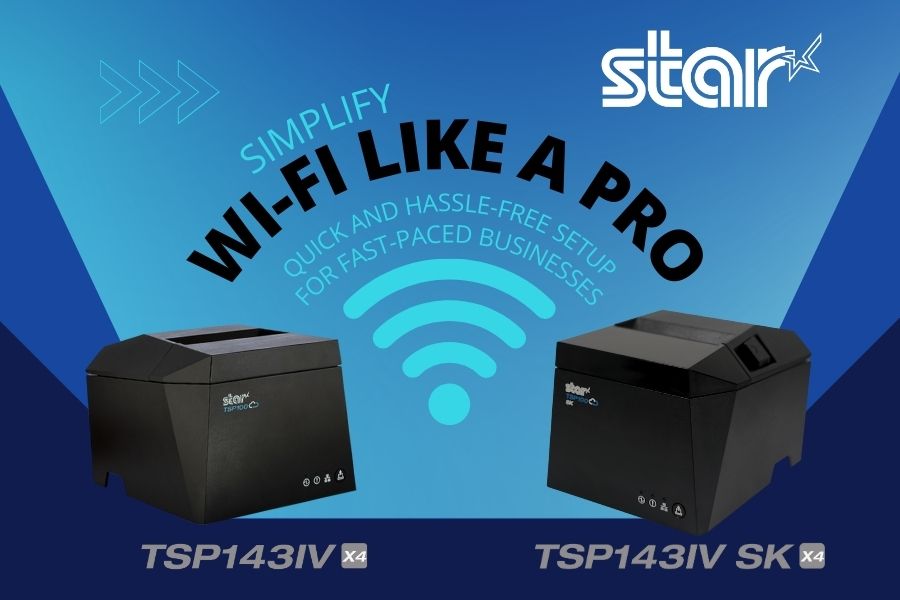
    To help organizations overcome this challenge, Star Micronics designed the TSP143IV X4 thermal receipt and TSP143IV SK X4 linerless label printers to make Wi-Fi setup as seamless and user-friendly as possible. With cutting-edge technology and two innovative setup options, these printers ensure quick, reliable connections to your wireless network.

    Here’s how they work: 

    Using the Star Quick Setup Utility

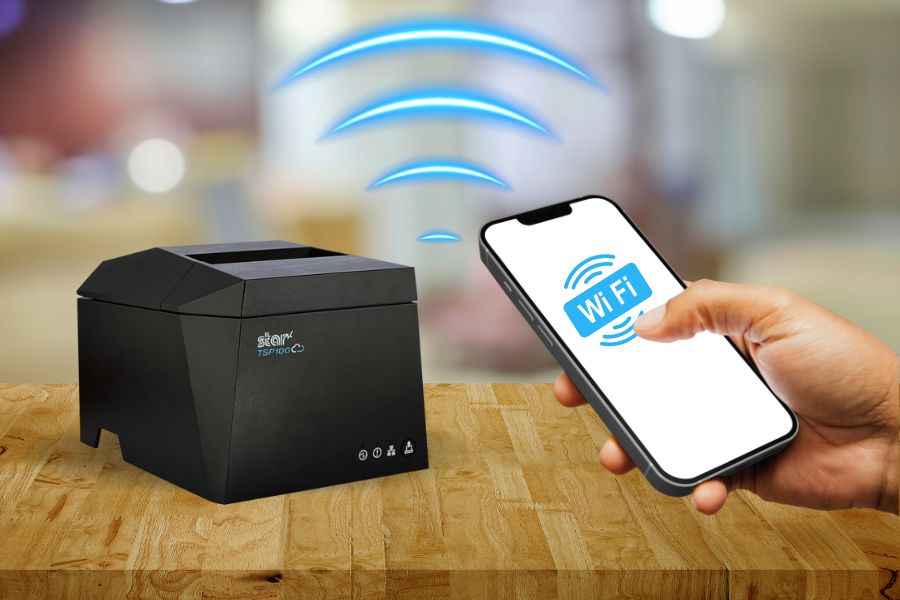
    This method leverages Bluetooth Low Energy (BLE) technology for a streamlined setup process. Wi-Fi printer setup step for this method: 

    1. Launch the Star Quick Setup Utility App: Download and open the app on your mobile device.
    2. Enter the Network Security Key: Input the password for your Wi-Fi network within the app.
    3. Proximity Pairing: Bring your mobile device close to the printer to establish a connection.
    4. Confirmation Printout: Once connected, the printer will automatically generate a diagnostic printout confirming the success of the setup.

    The advantages of using the Star Quick Setup Utility include minimal steps, speed, and ease of use. It’s a benefit for operations that require setting up Wi-Fi frequently. The Star Quick Setup Utility app also includes built-in troubleshooting options that help address any connection issues. 

    X4 Receipt Printer Wi Fi Connectivity

    Using the Hotspot Captive Portal

    Considered an alternative method, using the Hotspot Captive Portal allows users to accomplish Wi-Fi printer setup without using additional software. Instead, it uses the printer’s built-in hotspot functionality. This method also has only four easy steps: 

    1. Power On the Printer: Upon powering up, the printer will automatically print a QR code.
    2. Scan the QR Code: Use your mobile device’s camera to scan the QR code.
    3. Follow the Instructions: Your device will guide you through entering the network credentials and finalizing the setup.
    4. Confirmation Printout: As with the first method, a diagnostic printout is generated to confirm successful connectivity.

    In addition to eliminating the need to download and install an app to set up a printer for Wi-Fi, this method is also quick and easy for users unfamiliar with BLE technology.

    TSP143IV SK X4 Removable Sticky Label Printer

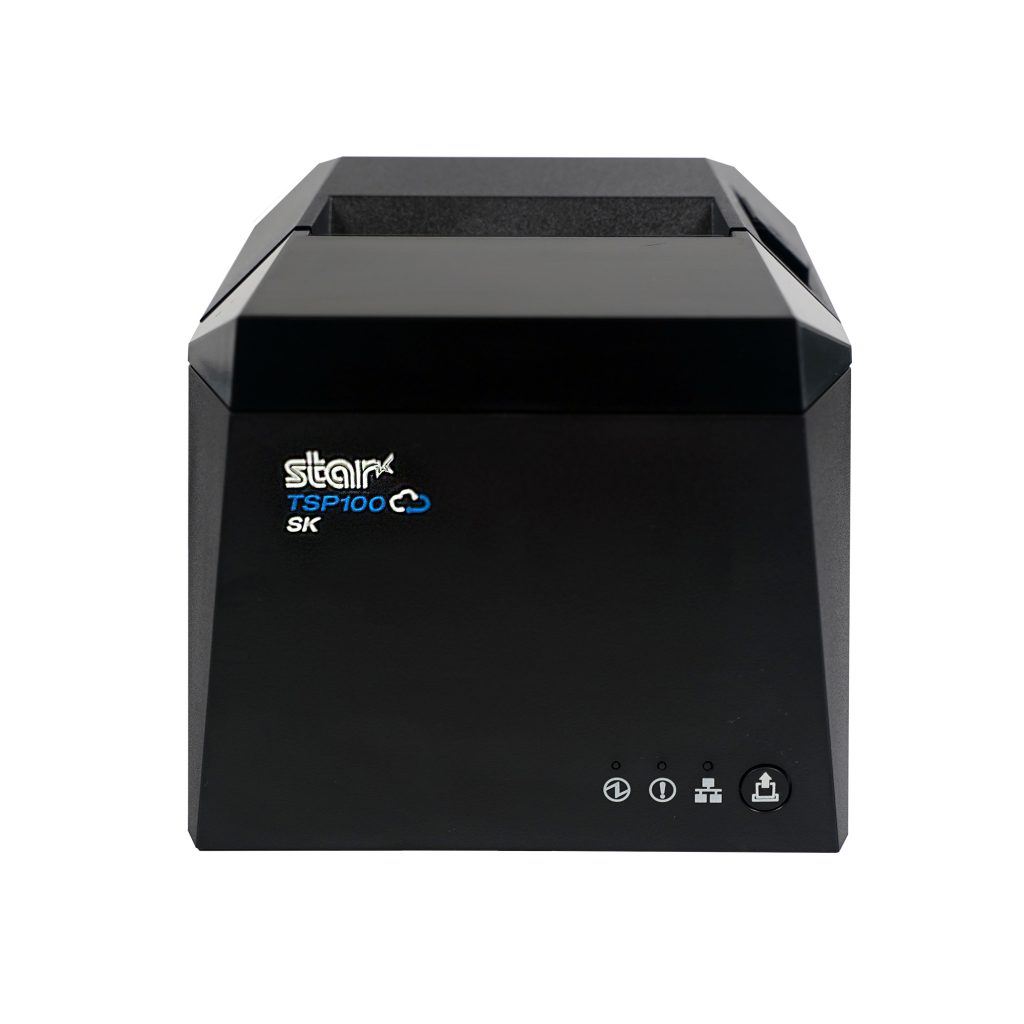
    The TSP143IV SK X4 by Star Micronics sets a new standard for compact, eco-friendly thermal linerless label printing, offering four advanced connectivity options like Wi-Fi with easy setup and AOA. Get efficient, residue-free repositionable labels for your diverse business needs.

    Find out more >

    Key Features of TSP143IV X4 and TSP143IV SK X4 Wi-Fi Connectivity

    In addition to making Wi-Fi printer setup easy for the TSP143IV X4 and TSP143IV SK X4, Star designed these printers for reliable connectivity and maximum uptime. Organizations that count on trouble-free wireless printing benefit from: 

    • Dual-Band Connectivity: The printers support both 2.4 GHz and 5 GHz frequencies for flexibility in various network environments.
    • Diagnostic Printouts: Every setup method concludes with a detailed printout that verifies network connection status.
    • Troubleshooting Tools: In addition to helping users resolve connection issues during Wi-Fi setup, the Star Quick Setup Utility app has built-in troubleshooting tools that assist users with connectivity issues during day-to-day use. 
    • User-Friendly Design: The printers enable efficient wireless printing, ensuring minimal downtime and maximum productivity.

    TSP143IV X4 Thermal Receipt Printer

    The TSP143IV series thermal receipt printer from Star Micronics is 20% smaller than its predecessor, offering high-speed printing with USB, LAN, WLAN, and Bluetooth connectivity. With CloudPRNT Next, dual-band WLAN, and Android Open Accessory (AOA) support, it ensures seamless compatibility across Windows, iOS, Android, and cloud-based applications, making it an efficient, adaptable solution for modern POS environments.

    Discover the TSP143IV X4 >

    Flexible Wi-Fi Setup Lets You Choose the Best Option for Your Operation

    With the TSP143IV X4 and TSP143IV SK X4 printers, Star Micronics has redefined the Wi-Fi setup experience. Whether you choose the Bluetooth-assisted Star Quick Setup Utility or the Hot Spot Captive Portal, the process is straightforward, fast, and reliable. Dual-band connectivity ensures optimal performance, while diagnostic printouts and troubleshooting tools provide added confidence and support. 

    By simplifying wireless setup, these printers empower businesses to focus on what matters most: delivering exceptional service and efficiency.

    Contact us to schedule a demonstration or consultation today to see firsthand how easily and quickly printer setup is with the TSP143IV X4 receipt printer and the TSP143IV SK X4 sticky linerless label printer.

    Find out more about the easy Wi-Fi printer setup on our TSP100IV X4 models:

  • How the MQTT Protocol Saves ISVs Time, Money, and Cloud Space

    How the MQTT Protocol Saves ISVs Time, Money, and Cloud Space

    Today, the cloud reigns in the world of point-of-sale technology. Businesses are moving from on-premises systems to cloud-based solutions. This is especially true for the retail and hospitality sectors, which are embracing the benefits of cloud printing technology.

    As a result, these sectors are demanding from their independent software vendors (ISVs) something they never requested in the era of on-premises software: fast, reliable, and scalable cloud solutions. This is where the MQTT protocol offers transformative benefits, helping ISVs save time, cut costs, and optimize cloud resources.

    What is the MQTT Protocol and Why Does It Matter to ISVs?

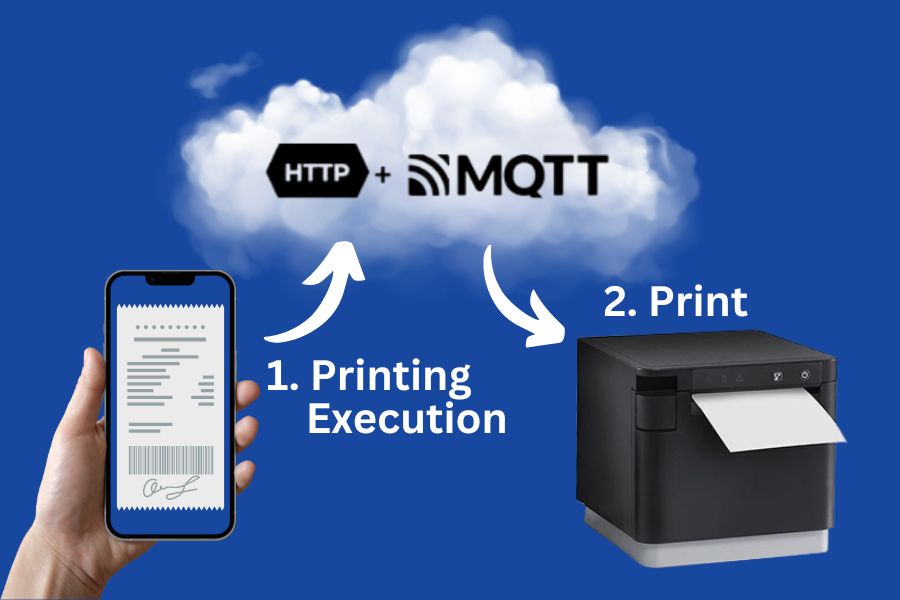
    MQTT (Message Queuing Telemetry Transport) is a lightweight communication protocol built for efficient, low-bandwidth data transfer, providing ISVs with a solution that boosts system performance while keeping operational demands low. Unlike traditional protocols like HTTP, which rely on constant polling, MQTT uses a publish-subscribe model—where devices (publishers) send data to a central broker, which then forwards the data only to devices that have expressed interest in receiving it (subscribers). This method sends data only when necessary, eliminating the need for constant checks and updates.

    The difference results in faster, more efficient cloud communication that reduces resource burdens and cuts unnecessary costs. For ISVs managing cloud-based printing systems, such as POS printers or remote services, this approach offers a significant advantage in reliability and performance.

    At its core, MQTT facilitates real-time communication between devices and cloud applications, making it especially valuable for ISVs handling systems that require stable connections. The protocol helps ISVs manage cloud-based applications more effectively by reducing network congestion and allowing for faster, real-time data transfer.

    This efficiency is particularly beneficial for companies operating across multiple locations—such as retail chains, hospitality franchises, or food delivery services—where smooth operations across dispersed regions are essential.

    Find Out About Star SDKs

    For ISVs navigating the complexities of printer integration, the path forward is often strewn with challenges. Get to know Star Micronics’ range of software development kits (SDKs), each uniquely crafted to address these challenges and enhance your integration prowess.

    Time-Saving Benefits of MQTT for ISVs

    Implementing MQTT in your systems can greatly optimize print job management and POS communication. Its instantaneous data transfer reduces latency, making operations faster and more efficient. This is especially useful for businesses in retail or hospitality, where speedy data processing is critical.

    Key Benefits:

    • Reduced Latency: Real-time data transfer processes print jobs faster, minimizing delays and downtime.
    • Automated Communication: Automatically maintains server-device connections, removing the need for frequent manual checks.
    • Improved Scalability: Lightweight design supports easy expansion without overloading networks as businesses grow.
    • Faster Transactions: Quicker print jobs result in improved customer service, particularly in fast-moving environments.

    Cost-Saving Advantages of MQTT

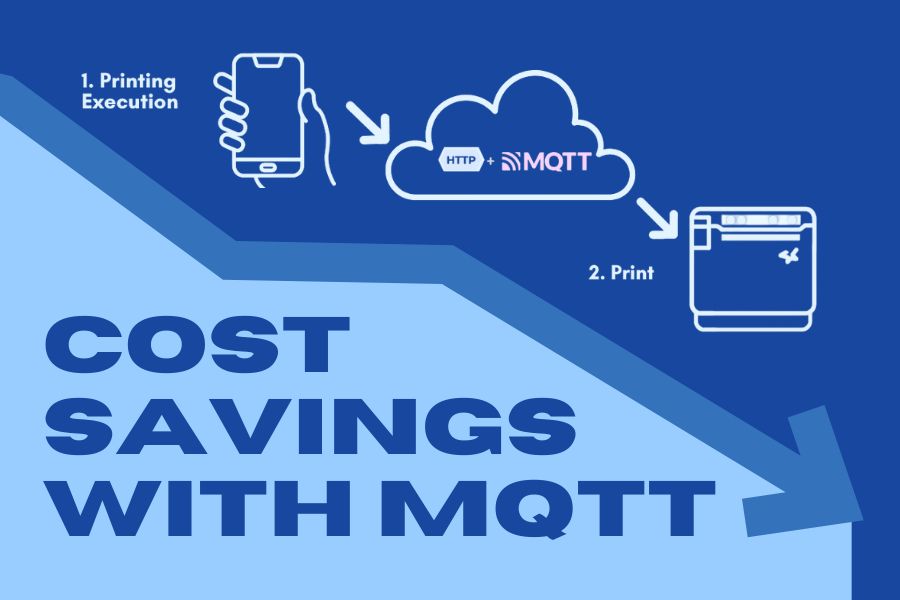
    In addition to time savings, MQTT also provides notable financial savings for ISVs. One of the main ways this is achieved is through minimized bandwidth usage. Unlike HTTP, which consumes bandwidth continuously by polling for updates, MQTT only transmits data when it’s needed. This results in lower data consumption, which directly reduces expenses related to bandwidth and server use.

    For cloud-based printing solutions, the MQTT protocol can also help ISVs reduce their cloud storage needs. By limiting data transmissions to necessary updates, less information is stored in the cloud, meaning ISVs need fewer resources to manage their systems. This leads to lower cloud hosting costs and makes it easier to maintain scalable, cost-efficient operations as business demands increase.

    Additionally, the use of MQTT can lower infrastructure costs by streamlining server needs to handle constant data traffic. ISVs can operate with leaner infrastructure, which translates to reduced investment in hardware and network systems.

    How the MQTT Protocol Saves ISVs Time, Money, and Cloud Space

    How MQTT Optimizes Cloud Space

    Another critical benefit of MQTT for ISVs is its ability to minimize cloud storage usage. The protocol uses a publish-subscribe model, dramatically reducing the amount of cloud space required, which is particularly advantageous for ISVs managing multi-location businesses that rely on cloud-based systems for remote printing, inventory management, and more.

    By refining data transfer practices and reducing the amount of unnecessary information stored in the cloud, MQTT helps ISVs reduce reliance on costly cloud storage solutions. This is particularly useful for businesses experiencing rapid growth or those looking to expand into new locations without increasing their cloud infrastructure costs.

    As cloud storage fees continue to rise, the efficiency provided by MQTT can result in significant long-term savings for ISVs. With MQTT, you’re only using cloud resources when absolutely necessary, which helps you avoid overage fees and ensures that you always have sufficient cloud capacity for the most critical tasks.

    • Reduced Cloud Storage Usage: MQTT sends data only when updates are necessary, which significantly decreases cloud space requirements, especially for businesses managing multiple locations.
    • Optimized Data Transfer: By cutting down on unnecessary data transmissions, MQTT ensures that ISVs need fewer cloud resources, lowering reliance on expensive storage solutions.
    • Long-Term Cost Savings: As cloud storage fees increase, the reduced data transmission of MQTT helps ISVs avoid overage fees, resulting in substantial cost savings over time.
    • Scalability for Growing Businesses: MQTT’s lightweight design allows ISVs to scale their operations efficiently without overwhelming the network, making it ideal for businesses looking to expand.
    • Improved Cloud Resource Management: With MQTT, ISVs can ensure that cloud resources are used only when necessary, maintaining ample capacity for critical tasks without overspending on storage infrastructure.

    Scalability and Efficiency for Multi-Location Businesses

    For businesses operating across multiple locations, adaptability is essential. The MQTT protocol makes it easier for ISVs to manage print jobs and other critical tasks across geographically dispersed locations without overwhelming the system. Whether you’re running a chain of retail stores, restaurants, or even healthcare clinics, MQTT ensures that your cloud-based systems stay responsive, reliable, and easy to manage.

    With the MQTT protocol, ISVs can monitor multiple devices and systems from a centralized hub, simplifying communication and ensuring consistency across all locations. This allows businesses to scale without needing major infrastructure updates, making it an ideal solution for growing companies looking to maintain efficiency while expanding.

    Learn About Star’s Industry-Leading Tech

    Experience the difference with Star Micronics’ advanced POS technology, designed to make your business run smoother. 

    The Future of ISV Solutions with the MQTT Protocol

    The MQTT protocol represents a shift toward more efficient cloud communication, offering ISVs a scalable solution that lowers costs and maximizes performance. By reducing bandwidth consumption, lowering cloud storage needs, and enabling real-time data transfer, MQTT is revolutionizing how cloud-based printing and POS solutions operate.

    For ISVs looking to implement cutting-edge technology, Star Micronics offers CloudPRNT Next, a cloud-based printing solution that harnesses the power of MQTT to deliver fast, efficient, and reliable remote printing. With CloudPRNT Next, ISVs can leverage the full benefits of MQTT, ensuring their systems remain future-proof while providing the best possible service to clients.

    If you’re ready to explore how CloudPRNT Next and the MQTT protocol can transform your cloud operations, reach out to the Star Micronics integrations team today.