Tag: Payments

  • 5 Portable Receipt Printer Opportunities for Resellers

    5 Portable Receipt Printer Opportunities for Resellers

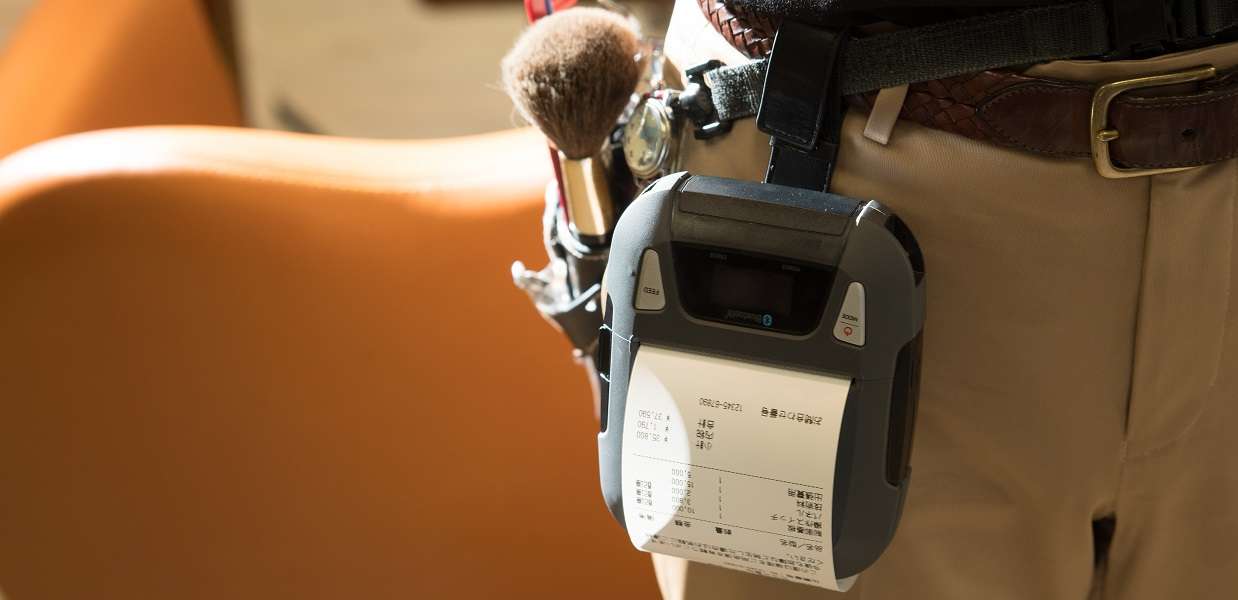
    As a reseller in the point of sale (POS) industry, it’s becoming increasingly important to not just sell products, but to be a full solution provider and trusted adviser to your customers. Besides being the one your customers turn to for all things tech, being a trusted advisor also means you must always be identifying new selling opportunities. A benefit of this can, of course, be boosted margins. In today’s blog post, explore five portable receipt printer opportunities to help you move deeper into accounts while also thickening your wallet.

    1. Tableside Restaurant Payments

    Pay-at-the-table is gaining popularity, and for good reason. Touch-free tableside payments – which eliminate back-and-forth handling of cards or cash – boast multiple benefits, including:

    • Higher table turn rate: The traditional payment process, involving a waitstaff member running back and forth from the table to the POS terminal, can be lengthy, and of course, time means money in the restaurant world. Speeding up the payment process can really pay off (pun intended): according to Hospitality Technology, moving from three to four table turns per shift can increase revenue by 20-25%.
    • Less identity theft: Unfortunately, card skimming occasionally occurs within the hospitality industry, namely when cards are with servers and out of the sight of customers for several minutes. The possibility of identity theft is greatly reduced if a customer instead pays tableside.
    • Increased tips: Pay-at-the-table is undoubtedly a faster, smoother process than traditional back-and-forth payments. This improved experience often times means increased tips for servers. According to the Los Angeles Times, Olive Garden waitstaff using mobile payment tablets saw a 15% increase in tips.

    Help your customers offer seamless, profitable pay-at-the-table options by providing the ideal portable receipt printer.

    Recommended Printer: SM-L200
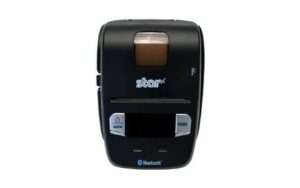
    SM-L200 Portable Receipt Printer

    2” Receipts
    Bluetooth, Apple BLE

    2. On-the-Road Services: Field Service, Landscaping, Taxi

    Another opportune industry for selling portable printers is any business that needs to complete transactions on-the-go. Examples of this include field services like telecommunications, HVAC, pest control, and contracting; landscaping; and taxi services. While these all provide very different services, they have one thing in common: they need fast, reliably connected receipt printers to keep their customers happy and their revenue flowing. Help them reach those goals by providing the right portable receipt printer.

    Recommended Printer: SM-T300i
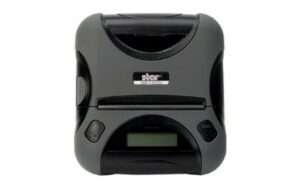
    SM-T300i Portable Receipt & Label Printer

    3” Rugged with MSR, Receipts & Labels
    Bluetooth

    3. Concession Sales at Stadiums, Parks, and Event Venues

    The days of getting up from your seat at a sports game or concert to go stand in a long line for a snack or beverage are ending. Mobile and in-seat sales of concessions at stadiums, parks, and event venues are on the rise, and offer many benefits like:

    • Reduced venue congestion
    • Faster turnaround
    • No waiting in long lines, meaning guests have more fun
    • Enhanced customer experience via mobile payment acceptance and integrated loyalty programs
    Recommended Printer: SM-S230i
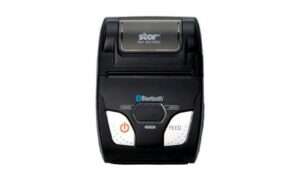
    SM-S230i Portable Receipt Printer

    2” High-Speed Receipts
    Bluetooth

    4. Police Tickets and Citations

    Getting pulled over and receiving a ticket is on fun, but one thing that makes it even less fun is a long wait. Help police officers quickly and safely provide tickets and citations with the right portable printer. Not just any mobile printer will do, however; be sure to offer a printer that is rugged and built to last, can print 4”-wide documents, and is available with accessories like belt clips, shoulder straps, and car chargers.

    Recommended Printer: SM-T400i
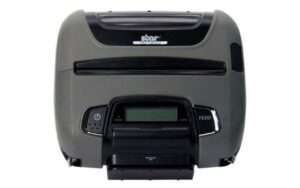
    SM-T400i Portable Receipt Label Document Printer

    4” Rugged with MSR, Receipts, Labels & More
    Bluetooth

    5. Every Corner of the Retail Store

    The usage of mobile printers in retail stores seems virtually endless. From big-box stores to specialty retailers and salons, portable printers have a place in nearly every brick-and-mortar establishment. Examples of mobile printer usage in retail stores include:

    • Line-busting: One of the most obvious portable printer use cases in retail is line-busting. By implementing mobile checkout locations within the store, shoppers can avoid waiting in long lines, pay at a more convenient location, and be on their way faster.
    • In-aisle labeling: A portable printer that can also print labels is the perfect solution for workers who need to label product in-aisle.
    • Online order preparation: BOPIS (buy-online-pickup-in-store) is booming. In fact, according to Shopify, nearly 60% of consumers are interested in BOPIS-type shopping options, and 64% are opting for BOPIS more often than before the pandemic started. A portable printer can help workers prepare BOPIS orders by easily printing receipts and labels on-the-go in the store as they assemble orders.
    Recommended Printer: SM-L300
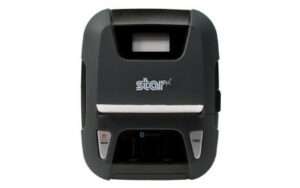
    SM-L300 Portable Receipt and Sticky Label Printer

    3” Receipts & Sticky Labels
    USB, Bluetooth, Apple BLE

    The Future is Mobile

    While mobile transactions and processes aren’t new, their speed, seamlessness, and integration with modern payments and devices are increasingly important in a variety of industries. As a reseller, it’s pertinent that you stay up-to-date on trends such as these to remain a trusted advisor and to maximize your profits. The right portable printers, like those from Star, can help you do just that.

    Boost Your Business with Star’s Portable Printers

    Boost your business by offering Star Micronics portable printers! Star is proud to offer a full line of portable, wireless receipt printers that are compatible with Bluetooth, Android, and iOS iPad and iPhone devices. Capable of printing receipts, labels, tickets, and more, the portable printers are ideal for retail, hospitality, parks and stadiums, police, food trucks, landscaping, pest control, field service, and more.


    Ready to learn even more about Star’s line of portable printers?

  • POS Trends to Expect in the Second Half of 2021

    POS Trends to Expect in the Second Half of 2021

    As we reach the midway point of 2021, one thing is certain: this year is monumental to the point of sale (POS) industry as the economy rushes into recovery. Read on to explore some of the top POS trends to expect in the second half of the year and beyond.

    POS Trend #1: Ongoing Online Ordering Boom

    In the return to normalcy, and in many regions, restaurants are reopening, and brick-and-mortar retailers are trying to resume their activities as close as possible to their pre-pandemic levels. But no matter where businesses are on their recovery journey, online ordering is here to stay, and not just because of it being the primary method available to consumers during the pandemic. In fact, consumers worldwide have discovered the convenience and benefits of online ordering and have decided to stick with that method of purchasing, even as physical businesses reopen.

    Interestingly, businesses have also found additional benefits in using online ordering platforms. Advantages include an additional revenue stream flowing into their businesses, as well as the opportunity to utilize more robust loyalty programs in a less intrusive, nearly seamless way. This improved loyalty strategy can improve the customer experience and in turn create sticky customers.

    Most of the initial challenges many online ordering systems and digital transactions faced have been mitigated, making them an even more appealing option for businesses everywhere. For example, new security measures like multi-factor authentication are becoming standard, allowing a business to offer promotions, discounts, and payments that are less susceptible to fraud.

    POS Trend #2: Faster Technology Adoption

    Complete solutions and intuitive user experiences (UX) have become essential, and although price will most definitely always be an important consideration in any technological deployment, now value and having the right solution have risen to the top of the priority list.

    In a rapidly changing market, solution integrators have no time to spare to try new things that they are not sure will work or test products from uncertain vendors. Instead, they are opting to go directly to what is already working in the market and are selecting the brands with the technologies that are being adopted massively by market leaders.

    POS Trend #3: An Emphasis on Health and Safety

    Even after the COVID-19 pandemic passes, health and safety will remain a priority to people worldwide. To put employees and customers at ease, a new POS trend has accelerated and retail and hospitality businesses that are reopening must offer a tangible sense of safety to their customers.

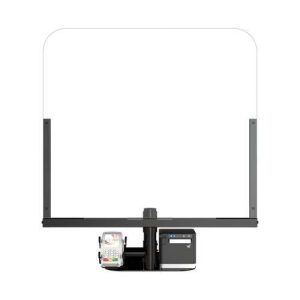
    Popular health and safety POS products include sneeze guards placed at the point of sale, antimicrobial covers which reduce germ transfer on high-touch surfaces, and tamper-proof labels to securely seal delivery and takeout orders.

    Health & Safety Solutions Brochure

    Discover which solutions can keep your business squeaky clean and help customers feel confident at your brick-and-mortar location.

    POS Trend #4: Affordable and Simplified Development

    The development side of the industry is also experiencing changing POS trends. Development phases are accelerating, and software providers are developing using cross-platform tools (like the StarXpand™ SDK) on the React Native platform, cutting development time and cost in half.

    As most digital interactions and virtual communications are happening in the cloud, POS transactions, especially for online ordering, are not an exception. Technologies, like CloudPRNT, are allowing the seamless connection of thermal printers to the cloud. These technologies are not only cost-effective but also shorten integration and development times and are becoming the go-to solution in the market.

    POS Trend #5: The Continued Rise of Self-Service Kiosks

    Did you know that more than 65% of customers said they would be more willing to visit a restaurant if self-service kiosks were offered?

    Clearly, self-service kiosks are a rising POS trend and as they are more widely used, consumers will hold them to a higher standard and expect them to be reliable, intuitive, and safe to use. Because of this, self-service kiosks are particularly sensitive to the quality of the components they are integrated with, so it is essential that those components are selected carefully.

    Some POS hardware manufacturers, like Star, offer a vast portfolio of kiosk printers with receipt and labeling capabilities with features that can help ensure customer satisfaction. For example, a kiosk printer with a bezel allows for jam-free kiosk operations, and large-capacity paper rolls allow for extended paper autonomy.

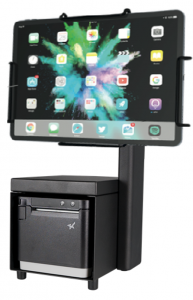
    mC-Print3-Kiosk-193x300For businesses and integrators with tight budgetary constraints, there are still options for assembling a highly sophisticated self-service kiosk solution. For example, businesses can pair a desktop printer, with the right technology built-in, with a universal tablet enclosure, a tablet, and a tablet stand. This is when finding the right one-stop shop POS manufacturer to work with that can provide all of those components becomes key.

    Recommended Solution

    For an affordable yet high-quality kiosk, connect the Star Micronics mCP31L multi-interface thermal printer to an iPad via the Lightning port. Next, place the iPad in a Universal mEnclosure (which locks for security purposes), attached firmly to an mUnite stand. Pairing these Star products together can turn a potentially complicated and costly kiosk project into a functional, cost-effective, and simple one.

    As a one-stop shop, Star is proud to provide a complete range of POS hardware solutions for retailers, restaurants, and more.


  • 5 Features to Look for in Cannabis POS Software

    5 Features to Look for in Cannabis POS Software

    Cannabis point-of-sale (POS) systems have unique components that you will not find in any other industry.  With legalization being closer to reality than ever, it is key to have a software system that can be flexible to adapt to the different rules set by the regulatory bodies.  It is customary for providers to have a cloud-based framework that will be able to connect to all the track-and-trace providers seamlessly and adapt to these new changes. Below are five key components to look for in cannabis POS software.

    1. Compliancy

    Compliancy is a key component for dispensaries to maintain legitimacy with the reporting of every transaction to the regulatory body. Why? The government, depending on the state, requires the dispensary to report information directly to them. This information usually includes dispensary, inventory, customer, package, and product data. The four different American track-and-trace government software providers are as follows: Metrc, Helix, Leaf Data Systems, and Agrisoft. The largest player is Metrc with 16 states and one territory (Washington D.C) under current contract.

    Law enforcement agencies use data irregularities in the track-and-trace software to detect any illegal marijuana activities. On the off chance that these irregularities are adequately extreme, an examination could be triggered that could prompt closing-down activities and heavy fines.  It is critical to use a cannabis POS software that has a controlled API push after each transaction so that you can ensure all data is transmitted accurately. Keep in mind, if the track-and-trace state-mandated software is not maintaining uptime, this can cause non-compliancy issues.

    2. eCommerce

    Prior to the pandemic online ordering was more of a luxury than a necessity for dispensaries. According to a poll of 840 people made by Ganja Goddess, “Only 6.4% of consumers say retail shops are now their primary purchasing method, compared to 63.3% pre-COVID, representing a roughly 57% decrease.” You can associate these numbers with pandemic-influenced buying trends.

    Cannabis POS software providers have different strategies when it comes to online ordering. Some decide to use a third-party eCommerce provider and others have eCommerce built into their service offering. In general, many new cannabis companies have shifted their focus to an online-first business, and the industry is seeing more online ordering systems and dispensary-branded app models pop up.  Because of these trends, dispensaries must have their POS operating synchronously with the online ordering platform, meaning whatever is available to shop for online must be in-stock at the dispensary.  Many e-commerce solutions can make that possible by enabling delivery, digital payments, and curbside pickup. 

    3. Cashless Transactions

    Since cannabis remains illegal at the federal level, cannabis banking remains a finicky topic. However, cannabis banking on the state level has been enabled and because of that there are extra layers of cannabis compliancy that local banks and credit unions must adhere to.  As of today, the federal government has not issued an MCC (Merchant Category Code) for cannabis dispensaries, so the different cashless payment models that exist today are as follows:

    ACH/Bank-to-Bank Transfers (Similar to PayPal)
    • Compliant so it can convert into an actual merchant account when legal
    • Payment transfers occur across the ACH payment network
    • Completely transparent – with every party involved
    • Actual business representation on merchant and consumer account statements
     Cashless ATMs
    • Rounds up to the nearest $5 and/or $20
    • Masks transactions as an ATM transaction
    • Merchants can be shut off without notice
    • Not sustainable
    Debit and Credit Cards
    • Miscoded accounts
    • High risk of being shut off
    • High fees with offshore settlements
    • Not endorsed by the card brands
     Cryptocurrencies
    • Very small number of dispensaries are using this as an option
    • Blockchain technology
    • Real-time settlements
    • Bitcoin and other various digital currencies

    As you can see above, the most sustainable solution until the federal government enacts new rules is the ACH/bank-to-bank transfers. By working with a payment solution provider like Hypur, AeroPay, or CanPay, dispensary owners can be confident that their payment processing will not damage their business with any unannounced issues.

    Successful Software Needs Successful Hardware

    That’s where Star comes in. CDG proudly integrates its software tools with a variety of Star hardware including the all-in-one mPOP®, TSP654IISK linerless label printer, Value Series Cash Drawers, and more.

    4. Reward/Loyalty Program

    Building customer retention via a reward or loyalty program is critical, especially in cannabis. As legalization becomes widespread, creating more access, the cost of cannabis to consumers will continue to decline. At the same time, the number of dispensaries is inclining at a rapid velocity and under these circumstances profit margins will naturally decline.

    A highly engaging reward program will create a continuous flow of returning clients for your dispensary. Running daily specials that are sent through text messages and emails not only help retain the dispensary’s current clients, but also contributes to maintaining the strength of the dispensary’s margins. When sending out promotional messages, it is prudent that the message includes a link directly to the dispensary’s eCommerce platform and that the special being offered is highly visible after clicking the link.  A successful reward or loyalty system acts like a mini-bank account for loyal customers and is a win-win; they will spend more as they strive to achieve larger discounts, and your business will thrive.

    5. Inventory Management

    Cannabis is unique in comparison to other businesses when it comes to inventory. If you are ordering delivery from a restaurant, most likely they will have the ingredients to fulfill your request. This is simply not the case with cannabis.

    It is vital for dispensaries to know what is in stock and what needs to be re-ordered from their distributors. If a dispensary’s inventory is inaccurate, they will have unhappy customers who have ordered online and will not be able to get what they ordered.

    When bulk packages arrive from distributors, it is a smart business practice to scan each package using an inventory scanner that is directly integrated into your POS. Adding inventory manually into the system can create a massive headache, and also allows for a higher possibility of human error. According to Cannabis Industry Journal, “Cannabis businesses need more sophisticated solutions to track sales, monitor supplies, oversee shipments and remain informed on where products originate from and how frequently to re-order. Native functionalities too often do not provide such robust features.” Having a consistent, standard operating procedure in your dispensary is so valuable.

     Appspensary Cannabis POS SoftwareAppspensary Software on Smartphone

    If you’re looking for a robust cannabis POS software solution, Appspensary has what you need. Appspensary is an online ordering platform and cloud-based POS system that is tailored and branded for marijuana-related businesses. Appspensary includes features like:

    • Online store
    • Cashless payments
    • Delivery optimization
    • Curbside pickup
    • Text message marketing
    • Loyalty program
    • Custom development

  • 4 Contactless Payment Trends to Take Advantage Of

    4 Contactless Payment Trends to Take Advantage Of

    As the economy reopens, things have changed. The pandemic was a catalyst of retail innovation and will have a lasting effect on consumers’ payment preferences. Read on to learn more about what exactly contactless payments are, some key contactless payment trends, and how you can leverage them.

    What is a Contactless Payment?

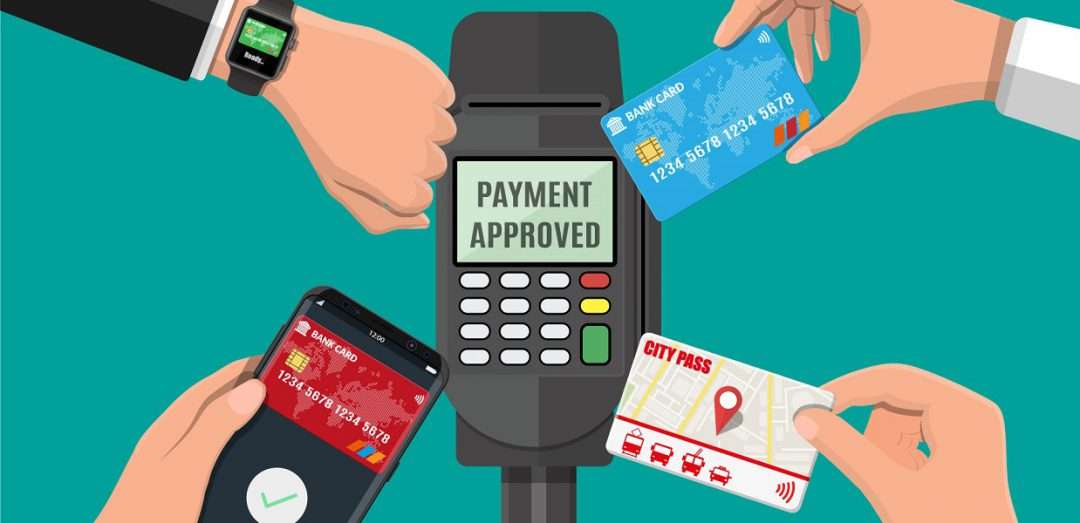
    The term “contactless payments” is an umbrella phrase describing multiple payment methods. According to Investopedia,

    “Contactless payment is a secure method for consumers to purchase products or services using a debit, credit, or smartcard—also known as a chip card—by using RFID technology or near-field communication (NFC).

    To make a contactless payment, tap your card near a point-of-sale terminal that is equipped with the contactless payment technology. Since contactless payments do not require a signature or a personal identification number (PIN), transaction sizes on cards are limited. The allowable amount for a contactless transaction varies by country and by the bank.

    Contactless payment is also referred to as tap-and-go by some banks and retailers. Examples of non-credit or debit card contactless payments include transit cards, Apple Pay, Android Pay, and Google Wallet.”

    4 Important Contactless Payment Trends

    1. Not Just an Option, a Preference

    While the adoption of contactless payments in the United States was initially slow-moving, the pandemic has sparked rapid growth and this payment method is now a preference, not simply just an option.

    According to Visa’s Back to Business Study, “If all other factors were equal (price, selection and location), nearly two-thirds (63%) of consumers would switch to a new business that installed contactless payment options.”

    The study also discovered that safety influenced how 78% of global consumers pay and that 46% of consumers believe using contactless payment methods is among the most important retail safety measures.

    Additionally, American Express recently reported that 70% U.S. merchants are experiencing customers requesting the option of contactless tap-and-go or mobile app payments (American Express 2020).

    Needless to say, contactless payments are here, and they are here to stay. Instead of simply being a futuristic option, they are now a present-day necessity.

    2. An Ageless Trend …

    While you might assume that the desire for contactless payments is strongest with younger generations, the numbers might surprise you. According to Dynata’s recent report, “A Breakthrough for Contactless Payments,”

    “Generationally, the largest growth in both contactless preference and adoption occurred among Baby Boomers – preference jumped from 45% pre-COVID-19 to 55% today, and adoption of a contactless card or app increased from 67% to 71%. This is followed by Gen Z, Gen X and Millennials.”

    Star Micronics Payment Solutions

    By providing sleek, easy-to-integrate POS hardware, Star Micronics merges the priorities of business owners, software providers, and payments companies, while offering an easy, reliable, and compliant solution.

    3. … and a Lasting Trend

    A substantial amount of contactless payment adoption occurred during the pandemic – however this adoption is slated to remain relevant for years to come.

    According to Mastercard, 74% of consumers state they will continue to use contactless payment methods post-pandemic. Additionally, roughly half of respondents had already swapped out their top-of-wallet card for one that offers contactless payments.

    4. Listen to Your Customers … Literally

    Most contactless payments today happen via contactless cards, mobile wallets, and smart watches. However, that will likely change, and soon. Enter, voice assistants.

    Voice assistants, also known as home assistants and smart speakers, allow people to give voice commands and receive a vocal response in return. Users can give commands for many things like the weather forecast, traffic updates, booking a rideshare – and of course, buying items. Some examples of popular voice assistants are Amazon Alexa, Google Home, and Apple HomePod.

    These voice assistants are making a splash in the industry and are a worthwhile contactless medium to pay attention to. According to Statista, by 2024 the number of digital voice assistants in use worldwide is expected to hit 8.4 billion by 2024, and 35% of smart speaker users buy products like home care, groceries, and clothing from the speaker.

    How to Take Advantage of Contactless Payments

    Ready or not, contactless payments are the future of commerce. Here are three simple ways to take advantage.

    mC-Print3
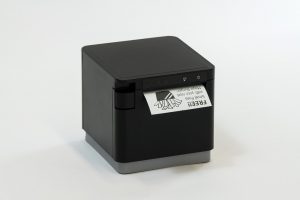
    The Star mC-Print3 with CloudPRNT technology is ideal for printing online orders.
    • Update Your Point of Sale. First and foremost, businesses should deploy contactless payment terminals, so they are able to accept payments from contactless credit and debit cards, smartphones, and smart watches. For contactless online ordering orders, it’s crucial to have a connected receipt printer that can effortlessly accept orders no matter where they come from (whether it’s from a mobile app, a website, or a home speaker).
    • Spread the Word. Accepting contactless payments can improve the customer experience and aid in creating repeat business. Let customers know that you accept contactless payments by communicating with them – in the right channels. Because a variety of generations are leveraging contactless payments, be sure your messaging reaches them where they’re at. In addition to sharing your news on your website, app, and through your emails, this might look like communicating to Gen Z on TikTok, Baby Boomers on Facebook, and Millennials on Instagram.
    • Consider Voice Shopping. Digital voice assistants are the next big thing. If possible, consider starting voice retailing. For more information on how to sell products to customers through voice via Amazon Alexa, click here. And to learn more about Google for retailers, click here.

    Star Micronics offers one design, one integration, and one provider … for all payment peripherals.

  • How Contactless Dining Technology Will Impact Restaurants

    How Contactless Dining Technology Will Impact Restaurants

    The effects of the COVID-19 pandemic have impacted the restaurant and food service industry dramatically. The pandemic has forced restaurant owners and operators to adapt, pivot, and move quickly to keep up with government regulations and consumer expectations. One of the ways business owners have done this is through embracing contactless dining technology.

    What is Contactless Dining Technology?

    Contactless dining technology refers to a dining experience that limits physical contact with the restaurant’s staff, surfaces, menus, and so on. This means that diners can view a menu, and order and pay for a meal directly from their smartphones.

    A contactless experience has become a necessity as research shows that 57% of consumers say they are more likely to do business with those who offer a contactless payment option. Not only is this a faster way to order and pay, but limiting physical contact is also a genuine desire of diners.

    With restaurants jumping on the bandwagon of contactless dining technology, it doesn’t appear to be going away anytime soon. In fact, Gartner predicts that 80% of all ordering, payment, and checkout services will be contactless by 2024. So beyond safety in a post-pandemic recovery, what are the benefits of adopting a contactless dining solution for restaurants? Here are 5 proven outcomes of using contactless dining technology:

    1.   Increase Operational Efficiency

    By definition, operational efficiency is the metric that measures the efficiency of profit earned as a function of operational costs. For restaurants, there tend to be three main operating costs:

    • Labor costs
    • Food costs
    • Rent/lease costs

    So, when we talk about operational efficiency, it’s a matter of how efficiently costs are producing profit, and the relationship between those costs and profits.

    Arguably one of the most important restaurant metrics is table turnover, which is directly correlated to operating costs and efficiency. The faster you can turn tables, the more tables you can seat, and the more products you can sell. Contactless dining technology can greatly increase table turnover times through increased staff and labor efficiency.

    Some of the most time-consuming aspects of an employee’s shift are collecting orders, punching them into a POS, and then splitting the bill manually. With a contactless dining solution, guests can send orders directly to a chit printer or kitchen display system (KDS), then split the bill amongst the table whenever they’re ready to settle up. This entire process eliminates some low value steps for staff and is almost guaranteed to shave off a few minutes per table – which adds up.

    OrderUp Contactless Dining Technology on Laptop

    2.   Increased Customer Satisfaction

    One myth about contactless dining technology is that it will take away from the hospitality and service aspect of dining at a restaurant. This is false! In fact, in the State of The Industry Webinar led by the National Restaurant Association revealed that, “52% of Americans want restaurants to use technology to make ordering and payment easier.”

    Contactless dining leads to increased customer satisfaction because it speeds up the entire process of ordering and payment, while giving the customer more control and autonomy over their orders. With contactless ordering, the diner can be confident that exactly what they ordered is exactly what the back-of-the-house prepares. This can include special instructions, add-ons, dietary preferences, or allergies.

    The end result? A better, faster service that leaves guests satisfied and happy with their experience.

    Star Micronics Restaurant Solutions

    Star proudly provides a variety of POS hardware for the modern restaurateur, including receipt and label printers for online ordering, cash drawers, tablet stands, and more.

    3. Increased Average Check Size

    Although contactless ordering and payment for restaurants is relatively new, the concept and logic behind it makes sense. Take e-commerce for example; about 35% of Amazon’s e-commerce revenue comes from “suggested for you” items and add-ons. The same is true for restaurants. Restaurants that adopt contactless technology will be able to leverage the same trend and capitalize on this type of buying behavior. While it may not be to the tune of 35%, initial modeling from contactless dining providers have noted an an increase in average check size by about 12%.

    For example, a $10 cheeseburger can easily become a $14 cheeseburger when given the option to add bacon and sauteed mushrooms, at $2 apiece.

    This is just the beginning of how complex and smart digital menus can be. It’s even possible to have suggested food and drink pairings. While this can again drive revenue, it also supports the diner’s positive experience by guiding their decision-making process with the best possible outcome.

    4. Environmental Impact, Opportunities, and Saved Costs

    Not only does contactless dining technology help drive sales and increase efficiency, it’s also extremely environmentally friendly. Especially with the onset of COVID-19 and the increased usage of single-use menus, a digital menu can save thousands of dollars a year on printing costs while saving the trees. Generally, one tree produces about 8,333 pieces of generic A4 paper – when you think of all the single-use paper menus, that’s a lot of trees!

    On the other hand, consumers are looking for ways to be more environmentally friendly and support businesses that are environmentally conscious. One study showed that Americans are willing to pay up to 36% more for ethically sourced and produced foods. Using a digital menu makes it very easy to highlight your food sources and maybe even justify a higher price tag. At the very least, restaurants can test this, without spending money on re-printing menus.

    5. Menu Optimization Opportunities

    Perhaps the most exciting opportunity of a contactless dining experience is the ability to continually test and optimize your menu in real time. No more spending hundreds (or thousands) of dollars on reprinting menus, changing prices, and adding and removing items.

    By using a contactless digital menu and ordering system, restaurant owners can make changes and run tests in real time, meaning they can finetune a menu for maximum revenue on the fly. Some examples are:

    • Finding the price elasticity of demand for your items: Find out exactly how much the average diner is willing to pay for a specific item, drink, or add-on. Having the ability to adjust prices in real time based on time of day, weather, and other factors presents a huge opportunity for restaurants to drive revenue.
    • Test images: Items with images next to them on a digital or mobile menu have been shown to sell 5% more than items without an image. Understanding this gives restaurant operators the ability to test different imagery for items and conclude which type of image results in the most purchases. Of course, this can be done in tandem with testing prices, naming conventions, item descriptions, and add-ons.
    • Testing item placement: In general, restaurants should have one high-margin, high sales volume item per section on their menu. On a traditional menu, these items should be highlighted at the top-center of any given page. But on a digital menu, restaurateurs can adjust and test where items appear on the menu. One advantage of this is testing where high-margin but low sales volume items appear. Perhaps your restaurant has a dish that’s highly profitable, but just doesn’t sell that often. Restaurants are now able to experiment with the price, imagery, and placement of these items to try to increase the sales volume.

    The opportunities are truly endless, and restaurant operators can get as granular or as broad as they see fit.

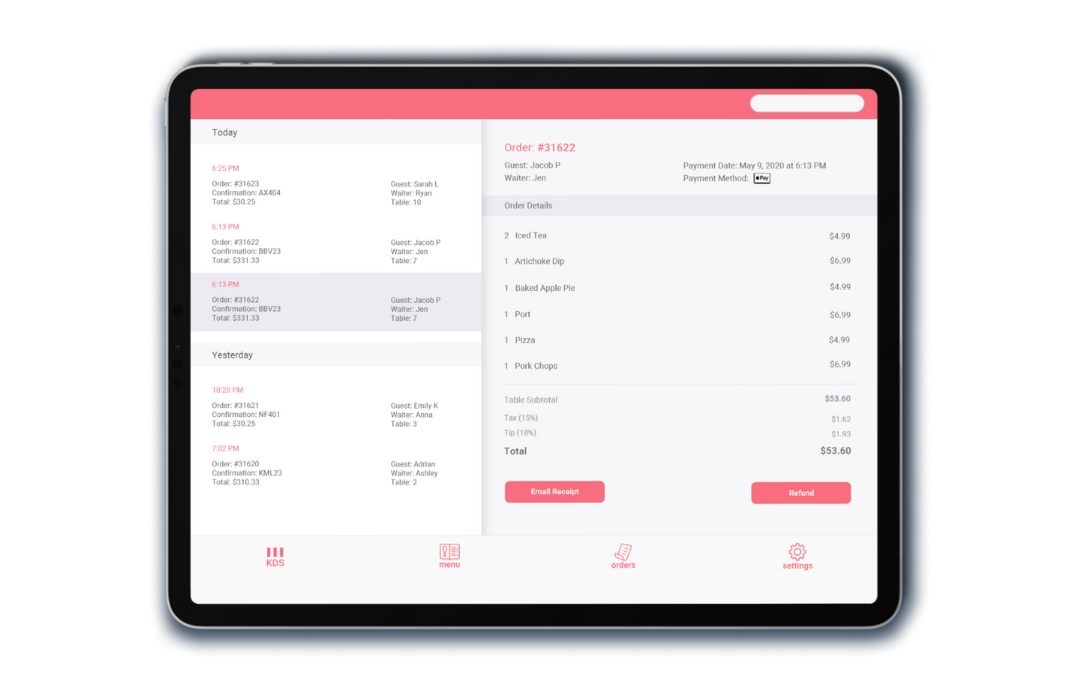
    OrderUp Contactless Dining Technology KDS

    OrderUp Contactless Dining Technology

    Contactless dining is here to stay. Restaurants who choose to invest the time into developing a contactless dining experience put themselves in a position to impact revenue, customer satisfaction, and operational efficiency, all while making an effort to be more environmentally conscious. Even if your restaurant likes to do things “the old-fashioned way,” it’s always a good idea to have a contactless option for guests who have safety concerns or demographics that are more accustomed to contactless ordering and payment.

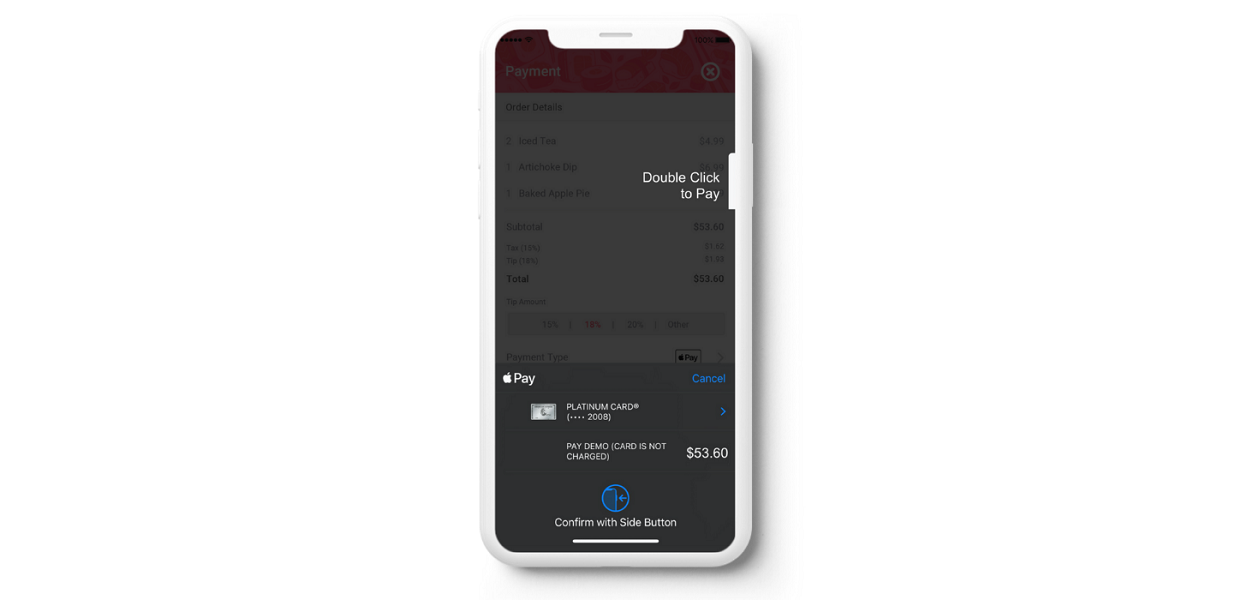
    There are several services that provide contactless dining solutions such as OrderUp. OrderUp is a completely free platform that provides digital menus, and contactless order and pay, among other services such as email collection. They have an easy-to-use menu builder that allows restaurants to make changes in real time, all while reaping the many other benefits of contactless dining.

  • Star Micronics and Rhombus POS Provide Free, Flexible Point of Sale Solution

    Star Micronics and Rhombus POS Provide Free, Flexible Point of Sale Solution

    Rhombus POS’ and Star Micronics’ end-to-end solution is designed for cost-conscious restaurants and retailers

    Somerset, NJ – May 6, 2021 – Star Micronics, a leading manufacturer of mobile, point of sale (POS), and customer engagement technologies is excited to announce that Rhombus POS has added support for Star’s mPOP®, TSP143III, mUnite tablet stand, and mG-S8200 scale. Rhombus POS provides free, flexible software for restaurants and retailers that is designed for use on Apple iOS and Android devices, and PAX terminals.

    Rhombus POS includes a robust set of features like advanced reporting, multi-store support, sophisticated item categorization, inventory tracking, and employee timekeeping. Designed for intuitive and functional operation, Rhombus POS gives customers the ability to apply order modifiers, put orders on hold, split payments, use multiple printers or a second screen for the kitchen, integrate scales, perform extensive reporting, send customer text notifications, and more. Additionally, Rhombus POS is a cloud-based continuity, meaning that all platforms work together under the same account.

    To print receipts, Rhombus POS can communicate with virtually any Star printer, including the popular TSP143III model and the all-in-one mPOP. Customers can also take advantage of integrated scaling with support for the entire line of NTEP-certified Star mG-S series scales, and further streamline customer and merchant experiences with the Star mUnite tablet stand featuring clean cable management.

    “We are proud to have an affordable solution for businesses of all types,” said Michael P. Hogan, CEO, at Rhombus POS. “From a restaurant chain to a boutique retailer, Rhombus POS provides an agile yet complete solution for any company looking to leverage the latest technology without breaking the bank.”

  • UBMe Technology Transforms Restaurant Curbside Operations

    UBMe Technology Transforms Restaurant Curbside Operations

    Since early 2020, businesses worldwide have been struggling to cope with the effects of the coronavirus pandemic, and the restaurant industry is no exception. For many restaurateurs, this meant adjusting and changing their everyday business operations to generate new revenue and help their staff and customers feel safer. For some, adjusting has not been as easy leading to temporary and in some cases permanent closures.

    Restaurateurs, faced with the same challenges as last year, are seeking to remain as profitable as possible in an industry that may need to re-invent itself once in-person dining returns. Successful restaurateurs are uncovering new and inventive ways to wait out the storm, such as utilizing innovative technology-based solutions.

    Click here to download the full case study.

    The Challenge

    With restrictions on indoor dining, many restaurants have leaned on outdoor dining, drive-thru, and online ordering service. However, businesses without a patio, drive-thru window, or an online ordering system found themselves unable to compete. Because of this, they turned to online ordering and curbside pickup services. Traditionally, curbside pickup staff would approach cars in the parking lot to take orders, process payments, and then hand-deliver the food to the car when it was ready. Customers who opted to order ahead of time would call the restaurant’s landline and show up curbside to collect their order.

    While these methods are great in concept and may have sufficed pre-pandemic, they are not holding up today. Staff taking orders and processing transactions from window to window are risking their own health as well as the health of everyone else in the curbside pickup queue. Additionally, suppose customers place a curbside order and call again when they arrive. In that case, the restaurant will quickly become flooded with calls and leave customers waiting with a busy dial tone. No one wants their customers and staff frustrated.

    The Solution

    UBMe Star curbside solution for restaurants
    Source: UBMe

    Restaurateurs continue to be nimble and creative by searching for solutions that cater to the current environment by turning to solutions like UBMe. A social, mobile tech company, UBMe uses patented communication technology to help businesses better connect to, transact with, and understand their customers. UBMe offers a free app that allows local users to discover and interact with businesses such as restaurants.

    The app gives restaurateurs the ability to remotely communicate with customers via live chat for curbside pickup services. This not only cuts down on communication frustration, it also cuts down unnecessary contact between staff and customers, making the interaction safer for everyone. Customers simply need to download the app and stay inside their car while making or picking up a curbside order.

    Paired with a Star Micronics printer, the most efficient printer capable of printing orders that come through UBMe’s platform, orders placed via the app will be printed automatically for immediate preparation. Starting with a 30-day free trial and one-time fee to purchase a printer from Star, restaurateurs can discover for themselves the benefits of implementing UBMe’s technology. After the free trial, restaurateurs are charged a flat 5% commission on each order from the app to cover the subscription cost. Restaurant owners can also pass this cost down to their customers with a small upcharge per order and use the UBMe platform for free.

    Star Restaurant POS Solutions

    From online ordering printers to kitchen buzzers, Star is proud to offer POS solutions for restaurants, QSRs, food stands, and more.

    The Results

    The first key benefit of implementing UBMe’s technology is ensuring the safety of both restaurant staff and customers as it limits direct
    contact and thus the transferring of harmful pathogens. It also gives restaurateurs full control of the environment inside and around their business, reducing movement in and out of the building and cleaning up clogged phone lines.

    With printers from Star Micronics, ordering and order fulfillment processes are streamlined along with in-house delivery. UMBe aims at making this process more efficient and affordable by giving businesses online ordering capabilities on their own website. This offers an affordable alternative that doesn’t cut deep into restaurant margins.

    To discover the full benefits of the solution, download the free case study now.

  • Reopening Retail Stores: The Full Guide

    Reopening Retail Stores: The Full Guide

    As the world begins to recover from COVID-19, business owners everywhere like yourself may be wondering how to move forward. Reopening retail stores is not as straightforward as simply returning to business as usual; the pandemic has forever changed consumers’ shopping habits, as well as their sanitation standards. Read on to discover some key considerations to keep in mind as you plan reopening your retail store.

    Reopening Retail Stores: 4 Tips

    1. Create a Long-Term Health and Safety Plan

    Even as many people become vaccinated against COVID-19, health and safety is a topic that is sure to stay on shoppers’ minds in the future. It’s likely that consumers will be more concerned with how they can to avoid the common cold, the flu, and more, even as COVID-19 becomes less prevalent.

    To plan for the changing priorities of your consumers, it’s important to develop a long-term cleaning plan, including which areas will be cleaned, how often, with which supplies, by whom, and how the cleaning procedures will be logged. It’s also important to develop a set of safety protocols for your shoppers and employees, including things like if and when masks should be worn, social distancing guidelines, when sneeze guards should be used, and more.

    Certain easy-to-use health and safety products – like the Star Micronics POSShield sneeze guard and antimicrobial covers – are more-or-less “set it and forget it” solutions that can assist you as you prioritize health and safety in the long run.

    Health & Safety Solutions Brochure

    Discover which solutions can keep your business squeaky clean and help customers feel confident at your brick-and-mortar location.

    2. Assess Your Tech Needs

    The pandemic acted as a catalyst in the growth of many tech-centric retail trends including online ordering, curbside pickup, and contactless payments. Not only did these digital trends blow up during the lockdown, but people will likely continue to use and prefer these technologies. For example, did you know that 58% of people in the United States are more likely to use contactless payment methods than they were before the pandemic?

    If you haven’t already, it’s time to consider what technology your store needs to adapt to the ongoing digital transformation. A receipt printer that has the capability to automatically print online orders, like the mC-Print3, is key, as well as a label printer like the TSP654IISK which can print liner-free labels to be used for labeling buy-online-pickup-in-store (BOPIS) and curbside pickup orders.

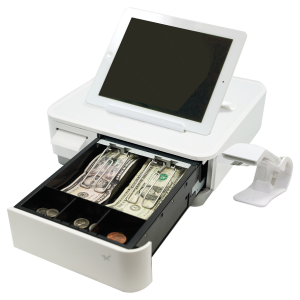
    Does a large chunk of your clientele still shop in-store? You may still need a tech refresh. An all-in-one point-of-purchase that combines a receipt printer, cash drawer, device stand, and scanner can be helpful for businesses that are experiencing more contactless payments now as retail stores reopen. And cash-heavy businesses, such as cannabis dispensaries, can consider upgrading to the latest cash drawers which feature added strength and security.

    3. Evaluate and Adjust Store Setup

    As the digital transformation continues to permeate the retail industry, you may find that your store’s inventory needs adjusted. For example, if you are experiencing more online orders than you previously did, you may need to adjust the ratio of your back-of-store and front-of-store inventory to support that need.

    In a similar vein, if your store experiences a large volume of BOPIS orders, that will likely continue, and it is wise to establish a permanent space within the store to be used for storing and delivering those orders.

    4. Communicate

    Once you’ve updated your health and safety procedures, your point of sale technology, and your store setup, there’s one very important thing left to do: communicate all of these changes to your loyal customers!

    They say communication is the most important element of a relationship, and the same applies to business-customer relationships. Be sure to make your shoppers aware of your new hours, online ordering/delivery options, and safety protocols, if applicable.

    Some marketing ideas to help deliver your news include:

    • Email marketing: Put that email database to use and send some updates to your shoppers letting them know about your news and updates.
    • Social media: Adults in the US spend an average of 2 hours and 6 minutes on social media each day. Take advantage of that and be sure to post your latest updates for your loyal followers to see (and share).
    • In-store signage: Want to let in-store shoppers know about your “endless aisle” or the measures you’re taking to keep them safe? In-store signs placed near the store entrance and point of sale can drive the message home.
    • Receipt marketing: One place that customers are sure to look? Their receipt! Consider using your Star printer to print custom promotions on the bottoms of your receipts (for free).

    Star Micronics Solutions for Reopening Retail Stores

    Star Micronics has what it takes to make retailers stand out – today and in the future. We proudly provide end-to-end retail POS solutions that are compatible with today’s top applications. Star’s wide variety of retail POS hardware and systems solutions for the modern retailer include:

    • Receipt printers
    • Ticket/label printers
    • Portable printers for mobile sales, curbside payments, and line-busting
    • Sneeze guards
    • Antimicrobial covers
    • NTEP-certified scales
    • Check readers and endorsers
    • Self-service kiosk printers
    • Value-added cloud marketing services
    • And more!
    Recommended Small Business Bundle:

    mPOP®

    mPOP All in One Point of Purchase

    Printer – cash drawer – scanner – device stand
    Available with Flat Bill cash management
    Compatible with iOS, Android, and Windows

    POSShield

    POSShield sneeze guard

    Portable plexiglass sneeze guard
    Limits the spread of germs
    No countertop mounting or drilled required

    Antimicrobial covers*

    Antimicrobial covers on elevator button

    Reduce the transfer of germs on high-touch surfaces
    Designed for use on door handles, checkout counters, and more
    Thoroughly tested, EPA-registered, latex-free

    Ready for a reopening refresh?

  • 5 Reasons You Need a Cannabis Dispensary POS System

    5 Reasons You Need a Cannabis Dispensary POS System

    The cannabis industry is flourishing. With recent legalizations, including New York, it is without a doubt that the market will see countless new dispensaries opening their doors in the near future. Whether you already operate a dispensary or are looking to open one, read on to learn what to look for a in a dispensary point of sale (POS) system and why they’re so important.

    What to Look for in a Dispensary POS System

    First, let’s dive into a quick list of must-have dispensary POS system technologies. POS systems have several components, but they don’t need to be complicated. One way to make it easy? Choose a POS supplier (like Star Micronics) that can provide all necessary hardware and has integrations with industry-leading dispensary POS software companies. Essential dispensary POS system components include:

    • Receipt printer: Receipt printers are of utmost importance to dispensaries. Proof of legal purchase is essential – and there’s no better way to provide it than with a receipt. Additionally, it’s important to note that depending on your region, receipts must also contain other information, like store name and address, product category/name, and appropriate tax codes/identifiers.
    • Label printer: Another printer that’s important to have on hand is a label printer. Labels are integral for seed-to-sale tracking, a key requirement in cannabis regulatory models. This process tracks plants and their byproducts from planting all the way through to the plant’s sale.
    • Cash drawer: Currently, the majority of dispensary transactions are cash. Why? According to FindLaw.com, “Even though dispensaries supplying recreational or medical marijuana may be perfectly licensed and legal under state law, federal law still classifies marijuana as a Schedule 1 drug and considers marijuana businesses illegal. The banking system is regulated by federal law, so banks risk charges of aiding and abetting a federal crime or money laundering if they choose to do business with marijuana-related ventures.” That being said, a durable and high-volume cash drawer is key.
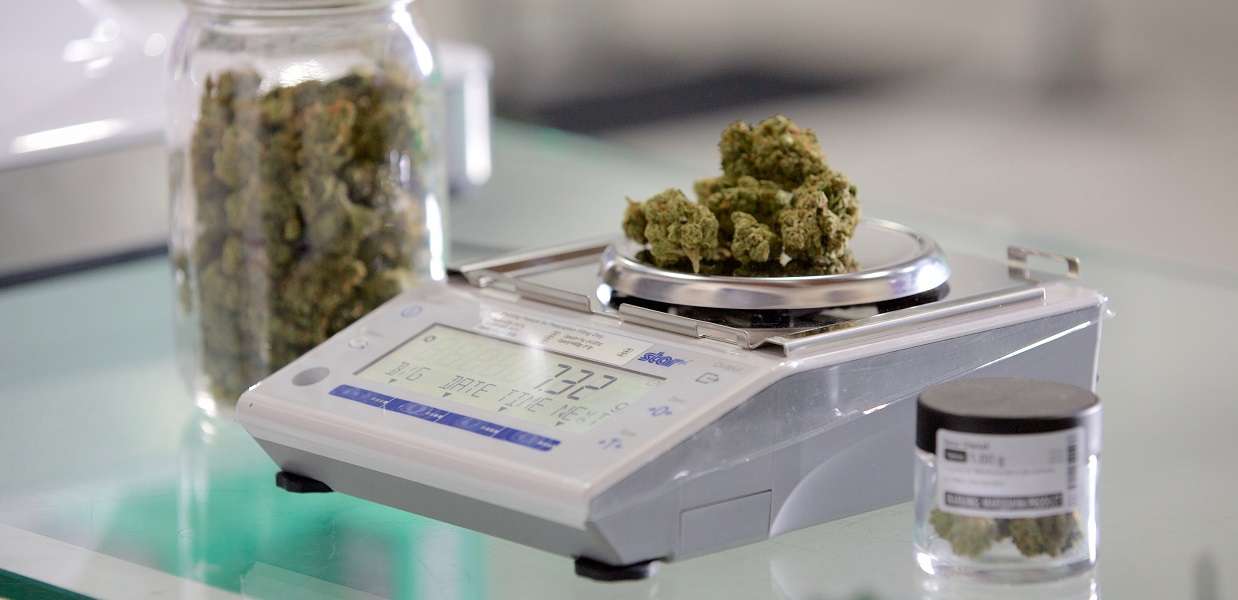
    • Scale: One of the most critical elements of a dispensary POS system is the scale. When it comes to scales, there are a few things to keep in mind. First, the scale must be legal to use in your state and NTEP-certified. This certification ensures that the scales are charging the correct amount for the product being weighed. Another great feature to look for is a scale that is integrated directly into the POS as direct integration can reduce the risk of human error in data entry.
    • Accessories: There is a plethora of dispensary POS system accessories that can take your business to the next level, including: scanners to increase the speed of transactions and convenience of scanning, an LED customer display so shoppers can easily see item prices and the transaction total, and a tablet stand and enclosure that features hidden cable management and matches the rest of the dispensary POS system aesthetic.
    • Software: At the heart of a successful dispensary POS system is the right software. Like we discussed earlier, it’s key to make sure that your software is integrated with all of your POS hardware. Additionally, some software features to look for are built-in ID scanning and age verification, loyalty programs, on-demand product information, alternative payment acceptance, offline mode, inventory management, analytics and reporting, and more.

    How Resellers Can Cash in on Cannabis Point of Sale

    The cannabis industry has become one of the fastest growing markets. Here’s how resellers can take advantage.

    5 Benefits of a Dispensary POS System

    So now that you know what needs to be included in your dispensary POS setup, why exactly is all of this important? Here are 5 major benefits of a dispensary POS system:

    1. Compliance: Compliance is, of course, absolutely critical for dispensaries. POS systems can help not only provide necessary proof of purchase, but can manage inventory and age and ID verification as well. Common compliance violations include failing to report inventory, patient purchase limits, sales to minors, and inadequate delivery documentation. These violations are severe and can result in notice to comply, citation for violation, interim suspension, or revocation of license.
    2. Accuracy: Keeping product secure from seed to sale, and ensuring you’re selling the exact amount you think you are, is important. POS label printing solutions can aid in accurate seed-to-sale tracking, and an NTEP-certified scale complete with a windshield means you’re charging exactly the right amount for the product you’re selling.
    3. Online Ordering: Did you know that cannabis delivery soared during the pandemic, and that change is likely here to stay? The right POS software will be capable of ecommerce and delivery, and will be integrated with a complete line of POS hardware. With the right POS system, staying up-to-date on digital trends is a piece of cake.
    4. Future-Proof Integration: Speaking of being future-proof, choosing the right dispensary POS software and hardware means no matter where the market goes in terms of ecommerce or payments – as national banking eventually opens its doors to the industry – your POS system will already be prepared to handle it all.
    5. Marketing: As the market explodes and competition becomes fiercer, marketing is key – and your dispensary POS system can help. Opt for a POS software that includes loyalty programs, gift cards, and marketing tools like email campaigns and social media integration. Your POS hardware can help too – with PromoPRNT, you can print custom promotions on the bottom of your Star Micronics receipts and labels for free.

    The Proper Dispensary POS System is Important – Now and in the Future

    In summary, while an ideal dispensary POS system has many parts, including software and hardware like receipt and label printers, cash drawers, scales, and more, deploying the best solution doesn’t need to be complicated. By choosing the right POS dispensary system suppliers you can start taking advantage of the many benefits a proper system offers, like compliance, accuracy, future-proofed technology and integrations, and built-in marketing benefits.

    Star Micronics has the POS technology your dispensary needs to thrive today and in the future.

  • 4 Self-Service Market Predictions in 2021

    4 Self-Service Market Predictions in 2021

    As businesses and consumers become more aware of and more familiar with what is needed to continue doing business in the new normal, a brighter light is emerging at the end of the tunnel in terms of the coronavirus pandemic – vaccines are becoming more available and the processes needed to get them into people’s arms more efficient. From a technology perspective, you may wonder which solutions that picked up steam during the past year will continue to gain momentum in the future.

    One technology that has taken flight during the pandemic – and has immense potential for years to come – is the self-service market. As the economy reopens and shutdowns become less restrictive, early adopters of self-service kiosks are coming back with revamped versions of their previous kiosk’s solutions, while new adopters are considering the latest trends in the self-service market.

    Read on to explore which industries are experiencing self-service market solution changes and key self-service technology predictions.

    Which Industries are Experiencing Self-Service Market Changes?

    Let’s take a closer look at which industries and solutions have been affected and needed some fine-tuning during the pandemic, and which were introduced as brand-new alternatives to existing technology.

    • Healthcare and Service Providers: In the healthcare and service provider sectors, a few self-service trends have emerged. These industries have begun to require a more powerful queue management system, as well as additional features such as temperature screening, AI-powered engines, and expanded access control solutions like printing name badge labels for visitors who were cleared during the screening process.
    • Banking: ATMs have recently gotten a facelift by providing additional human interaction. While ATMs are of course still a self-service solution, intelligent ATMs are pairing their automation power with a human touch by providing teller-customer communication through a speaker. The teller can answer questions, print full transactions, account details, and more.
    • Retail and Hospitality: With the proliferation of online ordering, the buy-online-pickup-in store (BOPIS) model has become more popular than ever for restaurants and retailers. In some cases, it has even helped to keep businesses afloat that would not have delivery options otherwise. One popular update to the BOPIS model is the introduction of virtual lockers to pick up small-sized orders. The virtual lockers offer many options including the ability for consumers to obtain printed receipts at the locker (or virtually) instead of having to go inside the store.

    Self-Service Market Technology Predictions

    When we look into the future of the self-service market, many of the trends we expect to see revolve around creating fully contactless processes and transactions, improving on user experience, expectations, and their perception of feeling safe. These trends include:

    1. QR Barcode Scanning / Cell Phone-Mirroring Screens

    With QR barcode scanning and cell phone-mirroring kiosk screens, customers can turn their own smartphones into a remote kiosk navigation tool and can even complete payments on their own devices.

    2. Touchless Touch Screens

    These screens are quickly becoming part of the new standard for self-service kiosks. By using infrared (IR) and even sonar-based technologies, touchless touch screens allow users to interact without touching them, and in some cases they even allow gesture interactions.

    3. New Biometric Tools

    Biometric tools have been on the market for years but are experiencing updates. For example, Amazon One, available at select Amazon Go stores, uses the latest biometric technologies to allow users to pay with just a wave of their hand. Replacing fingerprint scanners that required direct contact with contactless palm scanners is something we expect to see more of in the self-service market.

    4. Self-Cleaning Technologies

    When touching is unavoidable, what could be better than a self-cleaning kiosk? Ultraviolet C (UVC) technology, which uses ultraviolet light to kill or inactivate germs, allows this to become a reality by ensuring the touchable areas of a kiosk are cleaned and ready for the next customer after each use. As more users become aware of the benefits that UVC technology offers, it may become something they expect in all self-service kiosks which will in turn encourage a stronger adoption of it within the self-service market.

    The possibilities for the self-service kiosk market are truly endless, as the need for self-service has become more relevant and diverse than ever before. We’re excited to watch the market evolve.

    Star Micronics Self-Service Solutions

    Looking to expand your self-service offering? Star Micronics is proud to offer a wide variety of thermal kiosk printers capable of printing receipts, labels, tickets, and more. Ideal for virtually any self-service application, the printers include features like:

    • A variety of paper sizes (2”, 3”, and 4”)
    • Compact or modular footprints
    • Multiple optional accessories like bezels, presenters, large paper roll holders, and more
    • Interfaces like serial, USB, parallel, and Ethernet
    • Operating system support for Windows, Linux, Android, Mac, and iOS
    • StarPRNT emulation, allowing software developers to take advantage of all of Star Micronics’ technology like StarPRNT SDKs and its powerful line of drivers
    • A dedicated integration team ready to help you build the right solution for your needs

    Kiosk Printer Wizard

    Star Micronics offers a full variety of self-service kiosk printers – but deciding which one fits your needs can be easy. This wizard will help you select the right printer for your specific use case, based on desired paper size, interface, footprint, operating system, accessories, and more factors.

    Featured Kiosk Printers

    SK1-211

    Star Micronics SK1-211 Kiosk Printer

    2” Kiosk Printer
    Compact and Lightweight
    Supports Receipt, Ticket, or Label Media

    SK1-311

    Star Micronics SK1-311 Kiosk Printer

    3” Kiosk Printer
    For Banking, ATMs, and More
    Supports Receipt, Ticket, or Label Media

    TUP900

    Star Micronics TUP900 Kiosk Printer

    4” Wide Format Kiosk Printer
    Looping Presenter
    Easy Paper Width Adjustments

    Want to learn more about Star’s self-service kiosk printing solutions?