Tag: mC-Label Series

  • What NRF 2026 Revealed About the Future of Retail and Restaurant Technology

    What NRF 2026 Revealed About the Future of Retail and Restaurant Technology

    The National Retail Federation’s Big Show has long served as a bellwether for where retail technology is headed, offering a clear view each year into how the industry is evolving. NRF 2026, however, surfaced a more defining shift.

    The future of retail and restaurants is being built right before our eyes, as hardware, AI-powered platforms, and workflow design operate as a single system, with order accuracy forming the foundation for lasting customer loyalty. What stood out at NRF 2026 was not any single breakthrough, but how these technologies are increasingly designed to work together in real-world environments.

    Across the show floor, one theme surfaced repeatedly. Technology is no longer being evaluated in isolation. Operators are assessing complete, end-to-end workflows, from ordering and production to fulfillment and the final guest interaction. The conversation has moved beyond experimentation and toward execution, reliability, and scale.

    At NRF 2026, retail and restaurant technology clearly entered a phase of operational maturity, with solutions increasingly judged by how well they perform across locations, channels, and peak demand moments.

    Here are the key takeaways from NRF 2026, and what they signal for the rest of 2026.

    Table of Contents

    Self-Service Is No Longer Optional

    Self-service has moved beyond experimentation. At NRF 2026, kiosks, unattended stations, and automated pickup workflows were everywhere, across QSR, retail, travel, and hybrid environments.

    Operators are adopting self-service to address labor challenges, increase throughput, and meet customer expectations for speed and convenience. That shift places new demands on hardware reliability. When self-service fails, there is no staff member to step in.

    What this means for 2026:

    • Kiosks and unattended workflows will continue expanding into new verticals
    • Open-frame and kiosk printers must deliver high uptime and jam-free performance
    • Hardware flexibility will matter as much as software innovation

    Self-service is no longer a differentiator. It is the baseline.

    Order Accuracy Has Become the Guest Experience

    Speed gets orders out the door. Accuracy determines whether customers come back.

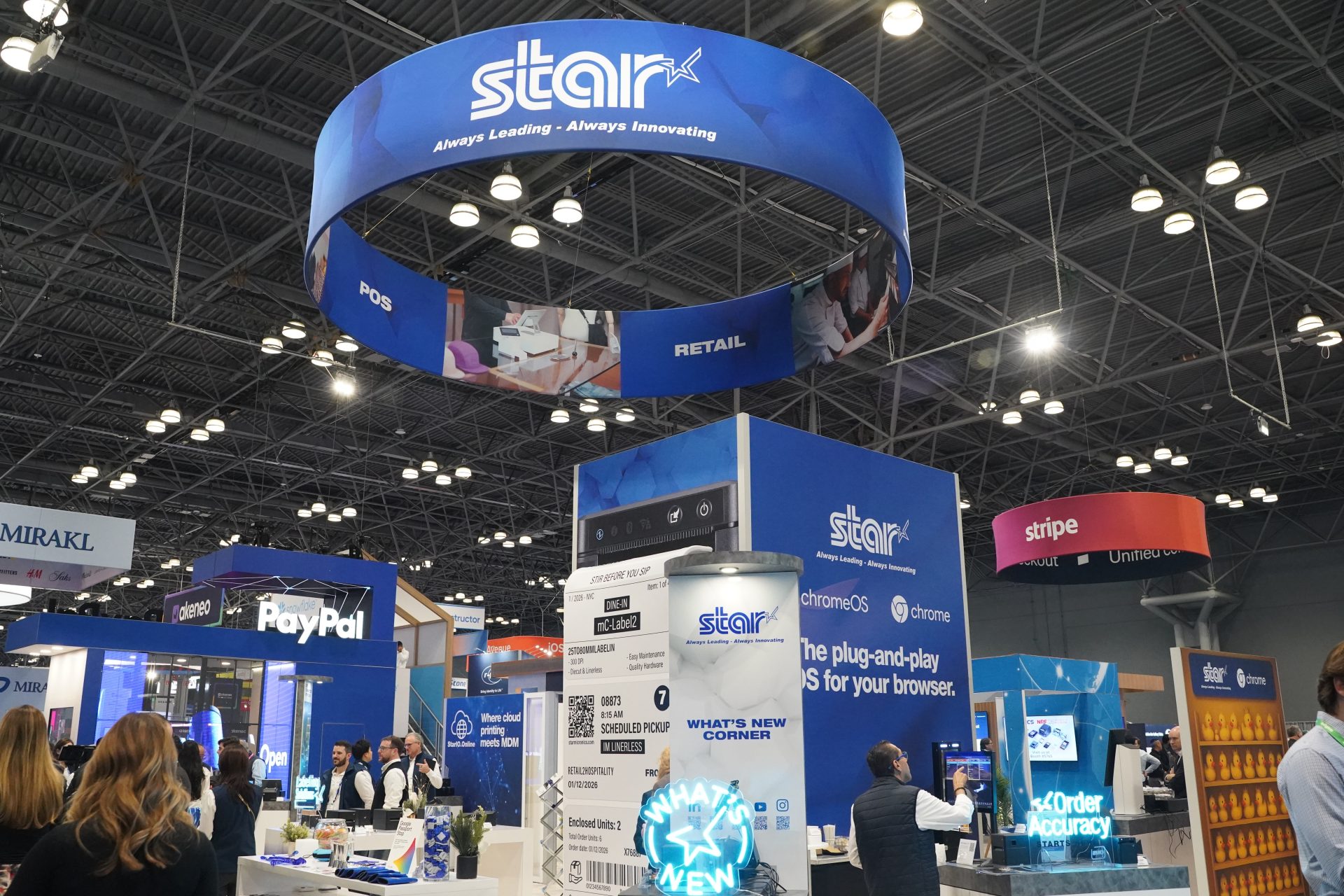
    One of the strongest signals at NRF 2026 was the growing emphasis on order accuracy, especially for off-premise dining, third-party delivery, catering, and pickup. As order volumes increase and channels multiply, operators are turning to labeling and verification workflows to reduce errors.

    Labeling is now being used to:

    • Identify individual items within an order
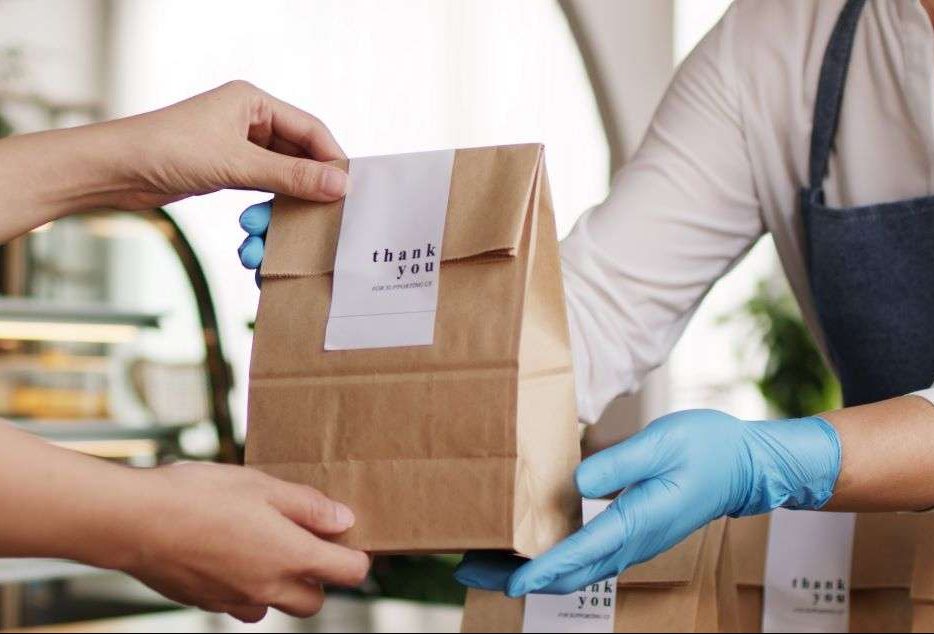
    • Seal bags for tamper-evident delivery
    • Improve kitchen communication and fulfillment accuracy
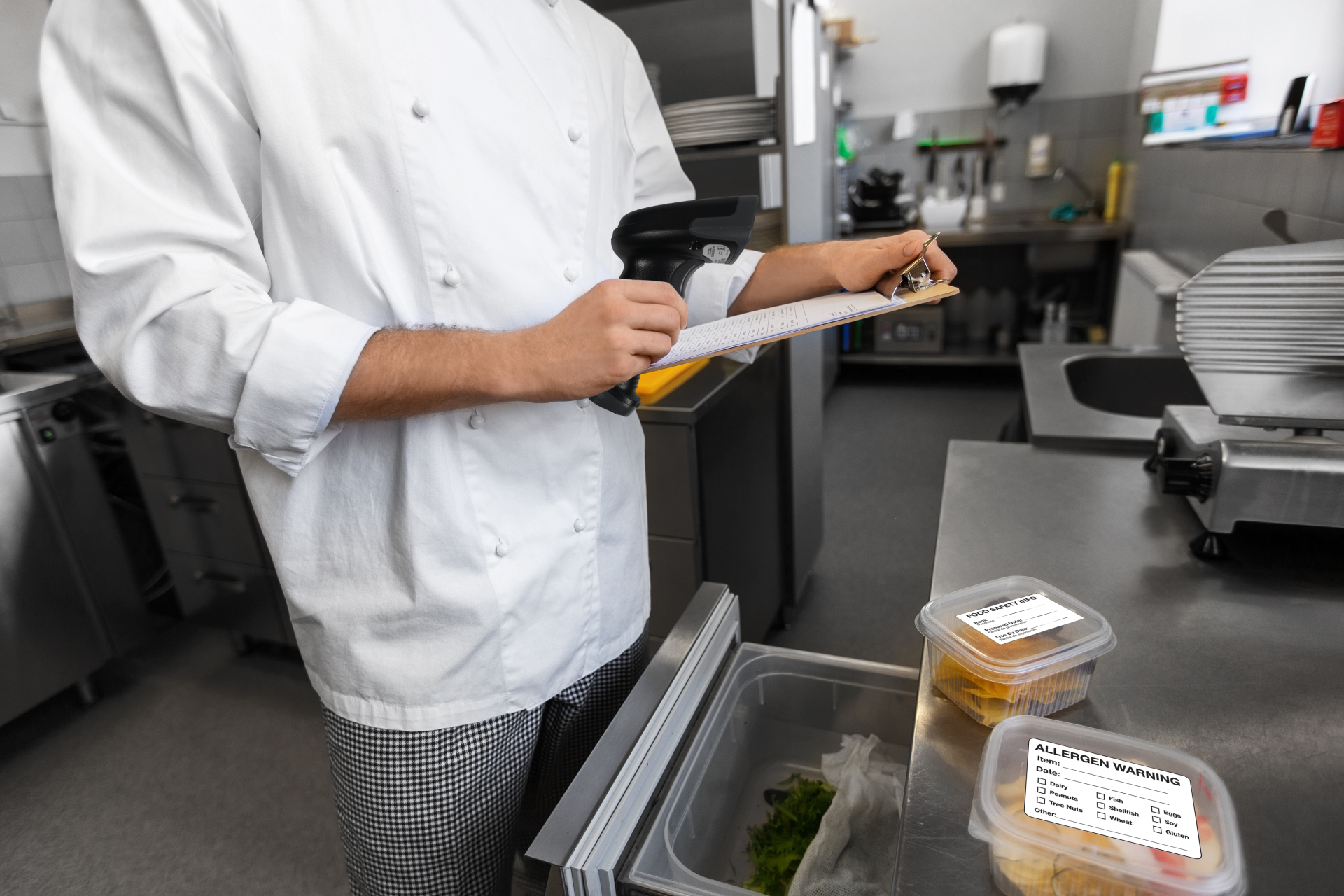
    • Support food safety and expiration tracking

    What this means for 2026:

    • Label printing will continue shifting from optional to mission-critical
    • KDS-driven label printing will become more common
    • Linerless and die-cut labels will be selected based on workflow, not trend

    Order accuracy is no longer only a back-of-house concern. It is central to the brand experience.
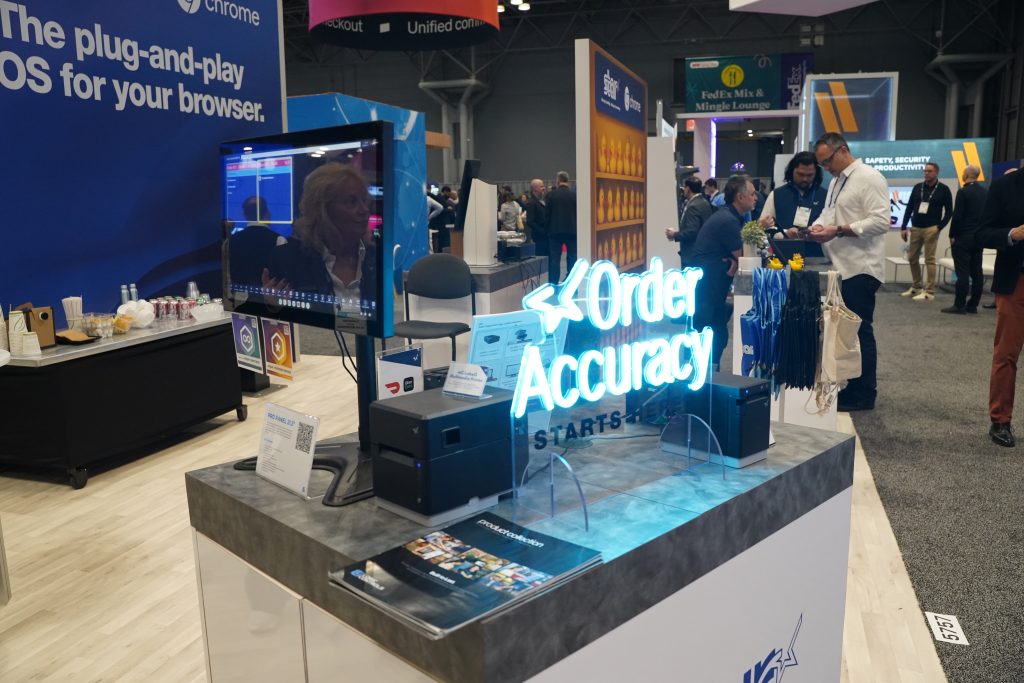
    Visit Star Micronics at booth 5757 during NRF 2026.

    Cloud Infrastructure Is Getting Simpler by Design

    ISVs and platform providers sent a clear message at NRF 2026. They want fewer systems to manage, not more.

    Rather than building and maintaining proprietary print servers, many developers are looking for hosted, API-based solutions that remove infrastructure overhead. Cloud printing is evolving from a technical challenge into a managed service expectation.

    What this means for 2026:

    • Hosted cloud printing will see increased adoption
    • API-first platforms will outperform custom infrastructure
    • Remote device monitoring and management will be table stakes

    The cloud stack is not getting more complex. It is becoming more streamlined.

    Web-Based POS and Chrome OS Are Gaining Momentum

    Another major takeaway from NRF 2026 was the continued rise of web-based POS applications and Chrome OS deployments. Developers are prioritizing flexibility, faster updates, and browser-based workflows that reduce OS dependency.

    This shift places new requirements on POS hardware. Devices must work seamlessly across Android, web, and kiosk environments without extensive integration work.

    What this means for 2026:

    • Web-based POS applications will continue to grow
    • Chrome OS kiosks will expand in retail and hospitality
    • Hardware that works across platforms will be preferred

    Platform flexibility is becoming a key purchasing criterion.

    POS Hardware Design and Ergonomics Matter More Than Ever

    NRF 2026 highlighted a growing focus on workspace design. Operators are paying closer attention to how POS environments look, function, and scale over time.

    Clean countertops, effective cable management, and ergonomic mounting solutions are no longer cosmetic concerns. They impact staff efficiency, safety, and customer perception.

    What this means for 2026:

    • Modular and adaptable hardware setups will increase
    • Mounting and peripheral integration will be planned together
    • POS design will be viewed as part of the brand experience

    Hardware must perform well and look intentional.

    Sustainability Is Becoming an Operational Advantage

    Sustainability conversations at NRF 2026 were quieter, but more serious. Operators are increasingly evaluating solutions that reduce waste, simplify operations, and support compliance without adding cost or complexity.

    Linerless labeling stood out as a clear example. It reduces liner waste, improves efficiency, and supports modern labeling workflows without changing user behavior.

    What this means for 2026:

    • Waste-reducing technologies will gain broader adoption
    • Media choices will factor into purchasing decisions
    • Sustainability and efficiency will continue to align

    Environmental considerations are becoming practical, not promotional.

    Partnerships Are Driving the Most Compelling Solutions

    Some of the most effective solutions at NRF 2026 were not built by a single company. They were the result of deep partnerships across hardware, software, and platform providers.

    Integrated ecosystems reduce friction for resellers, simplify deployments, and deliver better outcomes for operators. Collaboration is accelerating innovation faster than isolated development ever could.

    What this means for 2026:

    • Ecosystem-driven solutions will gain traction
    • Channel-friendly integrations will matter more
    • End-to-end workflows will outperform point solutions

    Looking Ahead to the Rest of 2026

    NRF 2026 made one thing unmistakable. Retail and restaurant technology is moving into a more disciplined and outcome-driven phase. The emphasis is no longer on adding disconnected features. It is on building systems that work together reliably under real operating conditions.

    As hardware, AI-powered platforms, and workflow design continue to converge, operators are prioritizing solutions that improve execution at every step of the journey. Order accuracy, uptime, and consistency across locations are becoming the true measures of success because they directly shape customer loyalty and long-term performance.

    For the rest of 2026, expect continued investment in:

    • Self-service and unattended workflows
    • Labeling and order verification
    • Cloud-managed and web-based platforms
    • Modular, adaptable POS hardware
    • Integrated partner ecosystems

    At Star Micronics, these shifts reinforce a long-standing focus on building reliable, flexible hardware that adapts as workflows evolve. When technology operates as a unified system rather than a collection of parts, it quietly enables better execution, stronger operations, and better experiences for customers.

    NRF 2026 did not just highlight what is emerging. It clarified how the next generation of retail and restaurant operations will be built.
    How VARs and ISVs Can Maximize ROI with Advanced Kiosk Printing Technology

    This ebook reveals how ISVs and VARs can harness the transformative potential of kiosk printing technology to maximize ROI for both their clients and their own businesses.

    Learn More About Star POS & Labeling Solutions

  • Star Micronics Brings Scalable Retail POS, Labeling, and Cloud Printing to NRF 2026

    Star Micronics Brings Scalable Retail POS, Labeling, and Cloud Printing to NRF 2026

    Visit Booth 5757 to see how Star’s hardware and cloud tools support omnichannel retail workflows, enterprise deployments, and cloud POS platforms.

    New York, NY – January 11-13, 2026 – Star Micronics, a global leader in point-of-sale (POS), labeling, and cloud technology, is excited to announce its participation in NRF 2026: Retail’s Big Show, taking place January 11–13, 2026, at the Jacob K. Javits Convention Center in New York City. Attendees are invited to visit Booth 5757 to experience Star’s latest retail-ready hardware and cloud printing solutions.

    At NRF 2026, Star Micronics will demonstrate how enterprise retailers, omnichannel brands, and retail technology providers can improve order accuracy, simplify deployments, and scale printing across complex environments using Star’s customer-first solutions.

    Attendees can explore live demonstrations of Star’s retail technology and cloud tools, including:

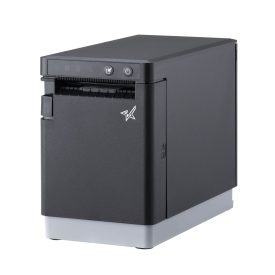
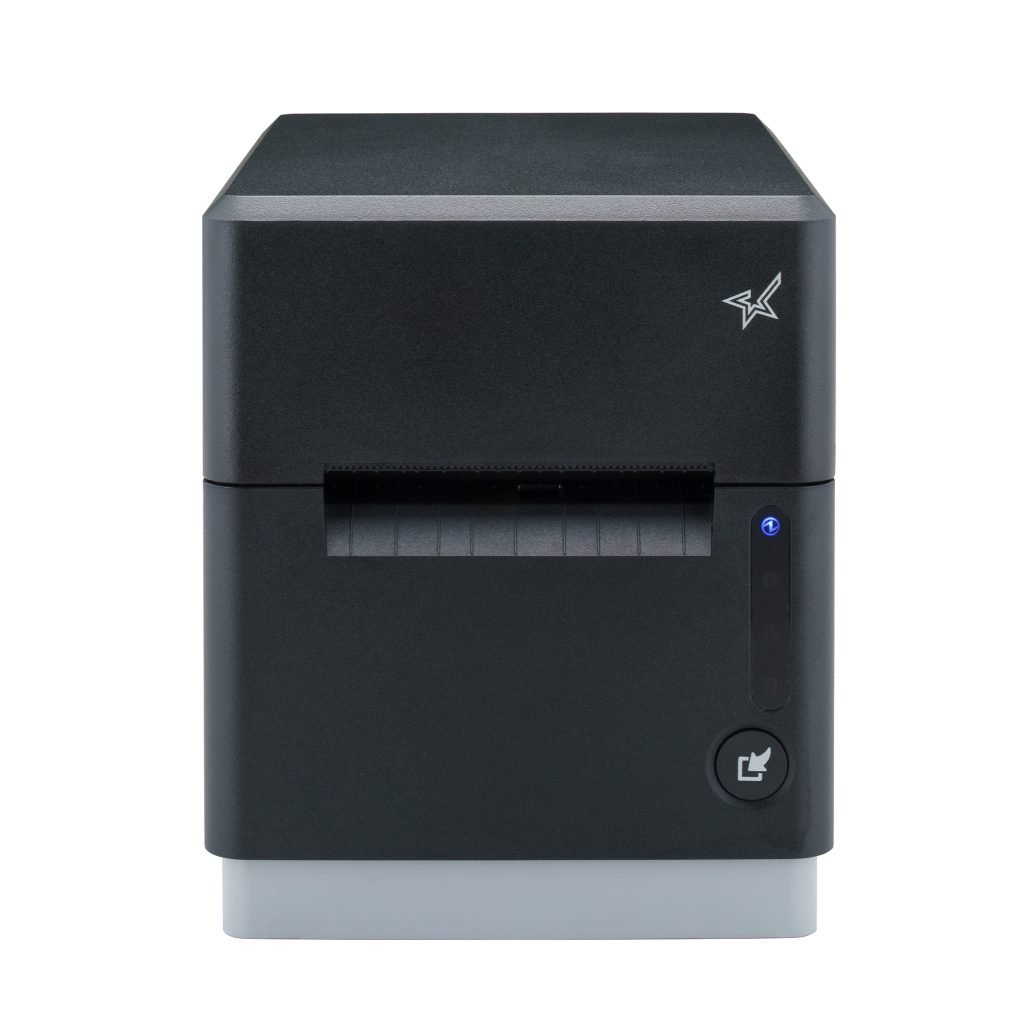
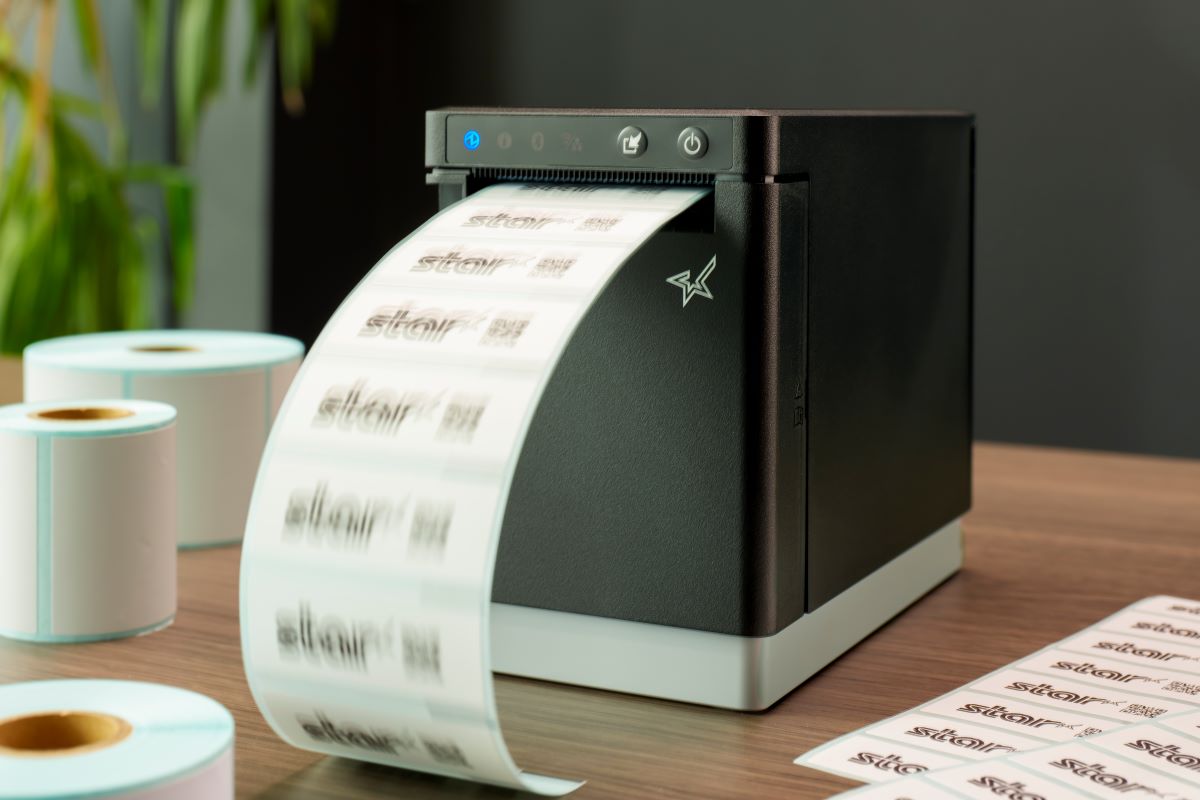
    • The mC-Label Series (mC-Label2 and mC-Label3): Cloud-ready, multifunction printers designed for modern retail environments. The mC-Label series supports receipts, linerless labels, die-cut labels, and continuous media, enabling on-demand labeling for BOPIS, curbside pickup, third-party delivery, and in-store fulfillment. X4 models offer USB, LAN, Bluetooth, and Wi-Fi connectivity, along with advanced wireless features and cross-platform support.
    • StarIO.Online: A fully managed cloud printing service that removes the need for local servers or custom infrastructure. Developers and ISVs can use a single dashboard to monitor device health, push remote updates, and manage printers across multiple locations, improving visibility and control.
    • CD5 Max Series Cash Drawers: Star’s most durable cash drawer line, built for cash-heavy retail. With all-steel construction, dual printer-driven and USB interfaces, a five-year warranty, and optional accessories, the CD5 Max Series provides secure, long-lasting cash handling for high-volume environments.
    • LED Cash Drawer (CD4 Choice Series with LED Status): A Star first, this cash drawer features built-in LED indicators that provide instant visual confirmation of drawer status, helping staff quickly identify open or closed drawers in busy checkout environments and improving speed and accuracy at the point of sale.
    • mC-Connect™ Drawer: Another Star first and an industry milestone, this compact connectivity hub brings Ethernet, USB, wireless LAN, and Bluetooth® LE together in one device, unlocking true flexibility for cash drawer deployments. Built for modern, tablet-driven POS environments, it bridges traditional cash management with next-gen retail infrastructure, so retailers can evolve their systems without replacing what already works.
    • Star Eco and Star Blue Eco Paper & Labels: Star’s expanded media line offers value-focused and premium eco-forward options, including BPA/BPS-free and Prop 65-compliant formulations and recyclable thermal receipt paper. Engineered for consistent thermal performance and guaranteed compatibility with Star printers, these solutions help retailers support sustainability initiatives without compromising print clarity or reliability.

    At NRF 2026, Star Micronics will be joined in the booth by technology partners ImageHolders, Logic Controls, and Lenovo InstoreScreen to highlight how browser-based POS, kitchen, and printing workflows are shaping modern retail and foodservice environments. The show also marks a new partnership between Star Micronics and Logic Controls, bringing KDS software and labeling together to improve order accuracy and accountability across in-store, kiosk, BOPIS, delivery, and catering workflows. 

    In addition, Star will feature kiosk and drive-thru applications in the Food Service Innovation Zone alongside MicroTouch, highlighting scalable self-service and high-throughput ordering environments. 

    Star Micronics will also host an exclusive partner appreciation event during NRF 2026, offering invited guests the opportunity to connect with peers and industry leaders in a relaxed setting above the city. “Night Above NYC,” Star’s NRF rooftop gathering, will take place on Sunday, January 11, at the Sandbar Rooftop (23rd floor of the Hilton), featuring skyline views, refreshments, and networking. Attendance is limited, and advance registration is required.

    Retailers, ISVs, and solution providers are encouraged to visit Booth 5757 to see Star’s solutions in action and schedule one-on-one meetings with the Star team.

    To book a demo or for more information, contact sales@starmicronics.com. 

    Can’t get enough industry news?

    Star Micronics logo, point-of-sale (POS) hardware and technology company.

    Star Micronics, a world leader in point-of-sale (POS), has designated a portfolio of printing, secure cash management, self-service, and customer engagement solutions for any retail or hospitality establishment. Embracing the mPOS wave, Star’s SDKs allow developers to utilize Star printers in tandem with Android™, iOS, iPad®, and iPhone® devices to generate receipts, labels, chit, and tickets. Star Micronics is always leading and always innovating, creating cloud-based printing solutions, including CloudPRNT Next, StarIO.Online, and Star Cloud Services, with AOA support and MFi connectivity. Star also has a wealth of peripherals, including 2D barcode scanners, scales, tablet display stands, and more. Visit starmicronics.com or follow us on Facebook, X, YouTube, or LinkedIn to learn more. 

    Media Contact:

    Christin Trilone
    Star Micronics America, Inc.
    ctrilone@starmicronics.com
    848-216-3318

  • Star Micronics and Logic Controls Strengthen Online Ordering Accuracy Through Strategic KDS and Labeling Partnership

    Star Micronics and Logic Controls Strengthen Online Ordering Accuracy Through Strategic KDS and Labeling Partnership

    The partnership brings labeling and KDS together to improve order accuracy, accountability, and fulfillment across modern restaurant and retail workflows.

    Somerset, NJ – January 9, 2026 – Star Micronics, a global leader in POS hardware, labeling, and cloud printing technology, today announced a strategic partnership with Logic Controls, the original creator of the kitchen display system (KDS). The collaboration strengthens restaurant and retail order workflows by combining Logic Controls’ industry-leading KDS software with Star’s high-performance labeling solutions to improve order accuracy, operational accountability, and customer experience. 

    As online ordering expands across both restaurant and retail environments, operators face growing pressure to deliver speed, security, and simplicity while controlling costs. Star Micronics and Logic Controls are both Chrome Certified Partners, ensuring seamless compatibility with modern, browser-based POS and ordering platforms. This certification makes it easier for operators to deploy scalable, cloud-first workflows without added IT complexity. 

    Strengthening Orders From Screen to Handoff

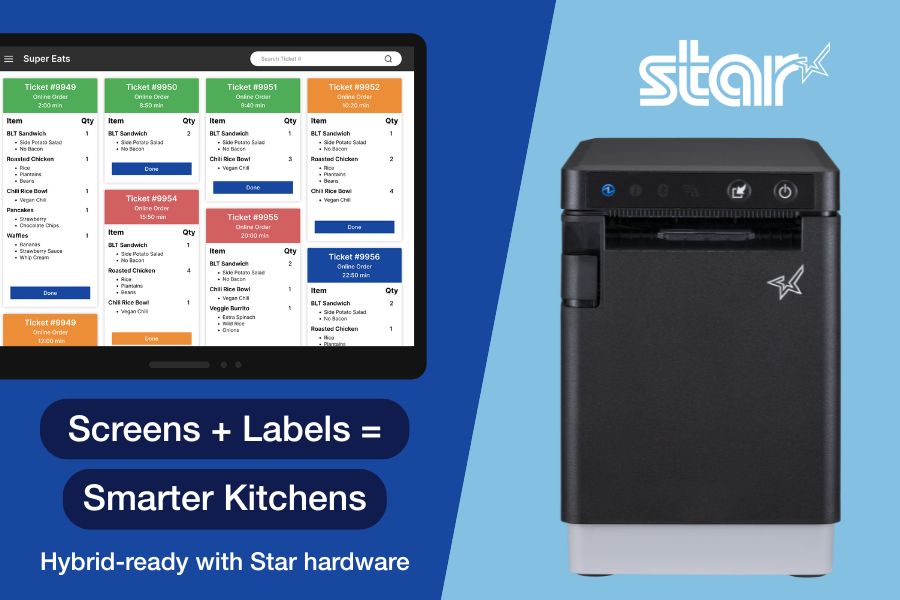
    Logic Controls’ Kitchen GO platform has long been trusted by restaurants, retailers, and self-service operators to organize and route orders across prep and expo stations. By pairing real-time order visibility with Star’s labeling technology, operators gain a physical verification layer that extends accuracy beyond the screen and into packaging, pickup, and delivery. 

    Each item is clearly labeled, verified, and traceable, reducing missed items, eliminating confusion at handoff, and helping order fulfillment teams consistently deliver the right order to the right customer. 

    Designed for Modern Ordering Channels

    As ordering expands across dine-in, kiosk, BOPIS, curbside, and third-party delivery, retailers and restaurants must manage more complexity with less margin for error. The Star Micronics and Logic Controls partnership supports: 

    • Third-party delivery and BOPIS by clearly labeling orders for correct pickup and handoff 
    • Kiosk and in-store ordering by maintaining item identification through prep and expo 
    • Multi-brand environments by routing orders to separate kitchens and accurately reassembling them 

    A More Connected Kitchen Workflow for Restaurants and Retailers

    Together, Star Micronics and Logic Controls are helping operators achieve consistent, secure, and reliable order fulfillment that supports operational efficiency, stronger margins, and lasting customer trust across every ordering channel. 

    For more information about Star Micronics solutions, visit starmicronics.com. 
    To learn more about Logic Controls and Kitchen GO, visit logiccontrols.com. 

    Can’t get enough industry news?

    About Star Micronics 

    Star Micronics is a world leader in point-of-sale (POS) hardware, offering a portfolio of printing, secure cash management, self-service, and customer engagement solutions for retail and hospitality environments. Star’s technologies support Android, iOS, Windows, and web-based platforms, as well as cloud printing solutions, including CloudPRNT Next and StarIO.Online. 

    About Logic Controls 

    Logic Controls is the original creator of the kitchen display system and a global leader in kitchen automation technology. With more than 40 years of experience and over 500,000 stations deployed worldwide, Logic Controls delivers durable hardware and advanced KDS software designed to improve kitchen speed, accuracy, and performance. 

    Media Contacts:

    Christin Trilone 

    Star Micronics America, Inc. 

    ctrilone@starmicronics.com 

    848-216-3318 

    Bridget Belcher 

    Logic Controls 

    bridget.belcher@logiccontrols.com 

    407-401-9706 

  • Star Micronics to Bring Leading Cannabis POS, Labeling, and Cloud Printing to MJBizCon 2025

    Star Micronics to Bring Leading Cannabis POS, Labeling, and Cloud Printing to MJBizCon 2025

    Visit Booth C25822 to see how Star’s hardware and cloud tools support cannabis POS platforms, weighing systems, labeling stations, and multi-store deployments.

    Las Vegas, NV – December 3-5, 2025 – Star Micronics, a global leader in point-of-sale (POS), labeling, and cloud technology, is pleased to announce its participation in MJBizCon 2025, the cannabis industry’s largest B2B conference and expo. The event takes place December 3–5, 2025, at the Las Vegas Convention Center, where Star will welcome attendees at Booth C25822.

    At MJBizCon 2025, Star will demonstrate how cannabis retailers, vertically integrated operators, and POS software providers can improve accuracy, compliance, and operational efficiency by integrating Star’s Customer First Solutions into their workflows.

    Attendees are invited to explore live demonstrations of Star’s cannabis-ready hardware and cloud tools, including:

    • The mC-Label2 Multifunction Printer: A compact, front-loading, 2-inch printer with ultra-sharp 300 DPI resolution. Ideal for cannabis packaging stations and weighing counters, it prints receipts, tags, strain labels, shelf labels, linerless labels, and die-cut compliance labels from a single device. The X4 models offer all four connectivity options (USB, LAN, Bluetooth, and Wi-Fi) and support One Touch Label for fast, stored-label printing in high-volume environments.
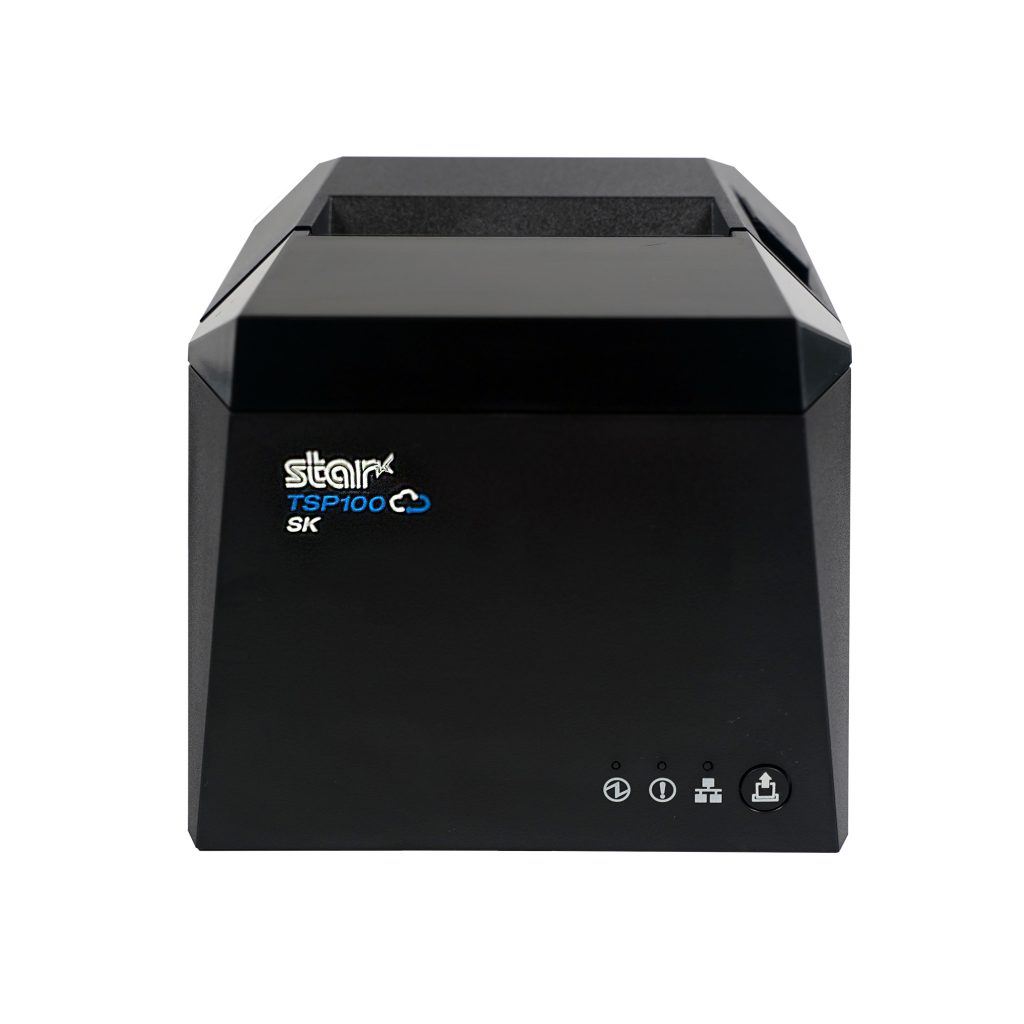
    • The TSP143IV X4 and SK X4 Series: Advanced thermal printers with four connectivity interfaces, Bluetooth-assisted Wi-Fi setup, and CloudPRNT Next compatibility for reliable multi-location and delivery routing. The SK X4 model supports removable sticky linerless labels, making it well-suited for prescription bags, order pickup, curbside/drive-up, and online cannabis ordering workflows.
    • StarIO.Online: A fully managed cloud printing service that removes the need for local servers or custom infrastructure. Cannabis retailers and ISVs can use a single dashboard to monitor device health, push remote updates, and manage printers across multiple dispensaries, improving visibility and control for delivery services, grow facilities, and vertically integrated operators.
    • CD5 Max Series Cash Drawers: Star’s most durable cash drawer line, built for cash-heavy cannabis retail. With all-steel construction, dual printer-driven and USB interfaces, a five-year warranty, and optional accessories, the CD5 Max Series provides secure, long-lasting cash handling for high-volume dispensaries.
    • Star Blue Eco Receipt Paper and Labels: Eco-friendly, BPA/BPS-free, Prop 65 compliant paper and label rolls that support compliant printing for weighing slips, product labels, pickup receipts, and customer transactions. Designed for optimal performance with Star printers, Star Blue Eco helps cannabis businesses meet sustainability expectations without sacrificing print clarity.

    Star Micronics continues to support cannabis retailers as the industry evolves, providing technology built to increase accuracy, simplify compliance, and improve workflow efficiency across every point of the cannabis retail experience.

    Attendees are encouraged to visit Booth C25822 to see these innovations firsthand and schedule one-on-one demonstrations with the Star team.

    To book a demo or for more information, contact sales@starmicronics.com. 

    Can’t get enough industry news?

    Star Micronics logo, point-of-sale (POS) hardware and technology company.

    Star Micronics, a world leader in point-of-sale (POS), has designated a portfolio of printing, secure cash management, self-service, and customer engagement solutions for any retail or hospitality establishment. Embracing the mPOS wave, Star’s SDKs allow developers to utilize Star printers in tandem with Android™, iOS, iPad®, and iPhone® devices to generate receipts, labels, Chit, and tickets. Star Micronics is always leading and always innovating, creating cloud-based printing solutions, including CloudPRNT Next, StarIO.Online, and Star Cloud Services, with AOA support and MFi connectivity. Star also has a wealth of peripherals, including 2D barcode scanners, scales, tablet display stands, and more. Visit starmicronics.com or follow us on Facebook, X, YouTube, or LinkedIn to learn more. 

    Media Contact:

    Christin Trilone
    Star Micronics America, Inc.
    ctrilone@starmicronics.com
    848-216-3318

  • How ISVs Can Simplify Multi-Location Labeling with Cloud Label Printing

    How ISVs Can Simplify Multi-Location Labeling with Cloud Label Printing

    Managing label printing across multiple locations can get complex fast. Discover how cloud label printing with Star Micronics helps ISVs standardize templates, automate updates, and maintain reliable, real-time labeling at scale without managing local servers.

    Table of Contents

    The Challenge of Multi-Location Labeling

    For software developers supporting retail, restaurant, or enterprise clients, labeling is rarely simple. Each location may use different devices, printers, and workflows. Updates to label templates often require on-site maintenance or manual intervention. For ISVs, that means more tickets, more support hours, and less time building new features.

    As brands expand, this fragmented approach becomes even harder to manage. A menu change, new allergen disclosure, or compliance update can mean hundreds, or even thousands, of label formats to update.

    Cloud label printing changes that equation.

    Discover how cloud label printing with Star Micronics helps ISVs standardize templates, automate updates, and maintain reliable, real-time labeling at scale without managing local servers.

    Why Cloud Label Printing Matters

    Cloud label printing moves the entire labeling process off local networks and into the cloud. Instead of relying on a PC or tablet to relay jobs to a printer, cloud-enabled devices communicate directly with a web server or managed service. For ISVs, that means:

    • Centralized control: Update label templates or configurations instantly across all client locations.
    • Simplified deployment: No local server installation or VPN setup required.
    • Fewer integration barriers: Print directly from web or cloud-based software using modern APIs and SDKs.
    • Consistent performance: Each printer checks in with the server automatically, ensuring nothing is missed.

    Cloud printing eliminates the need for custom middleware, manual updates, or printer-by-printer configuration.

    CloudPRNT Next: Printing Without the Middleman

    Star Micronics’ CloudPRNT Next technology enables printers to communicate directly with a web server to retrieve and print label jobs—no tablet or on-site gateway required.

    The latest evolution of Star printers enhances this process with MQTT-based communication, delivering real-time performance, instant message delivery, live printer status updates, and improved uptime across distributed environments.

    This architecture makes CloudPRNT Next ideal for enterprise and multi-location deployments where orders, labels, or production tickets must print immediately and reliably from the cloud.

    Perfect for ISVs developing:

    • Online ordering and fulfillment platforms
    • Retail labeling and inventory systems
    • Manufacturing or warehouse label management
    • Franchise-level POS or ERP applications


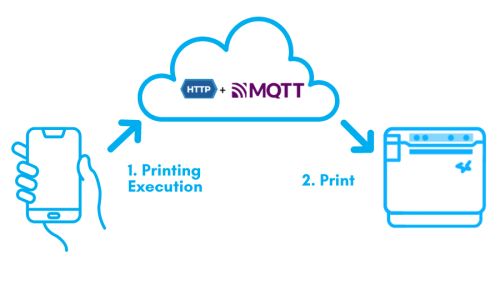
    CloudPRNT Next by Star Micronics is a cutting-edge solution for faster cloud printing using the MQTT protocol.
    CloudPRNT Next uses the MQTT protocol for cloud label printing.

    StarIO.Online: Fully Managed Cloud Printing for Developers

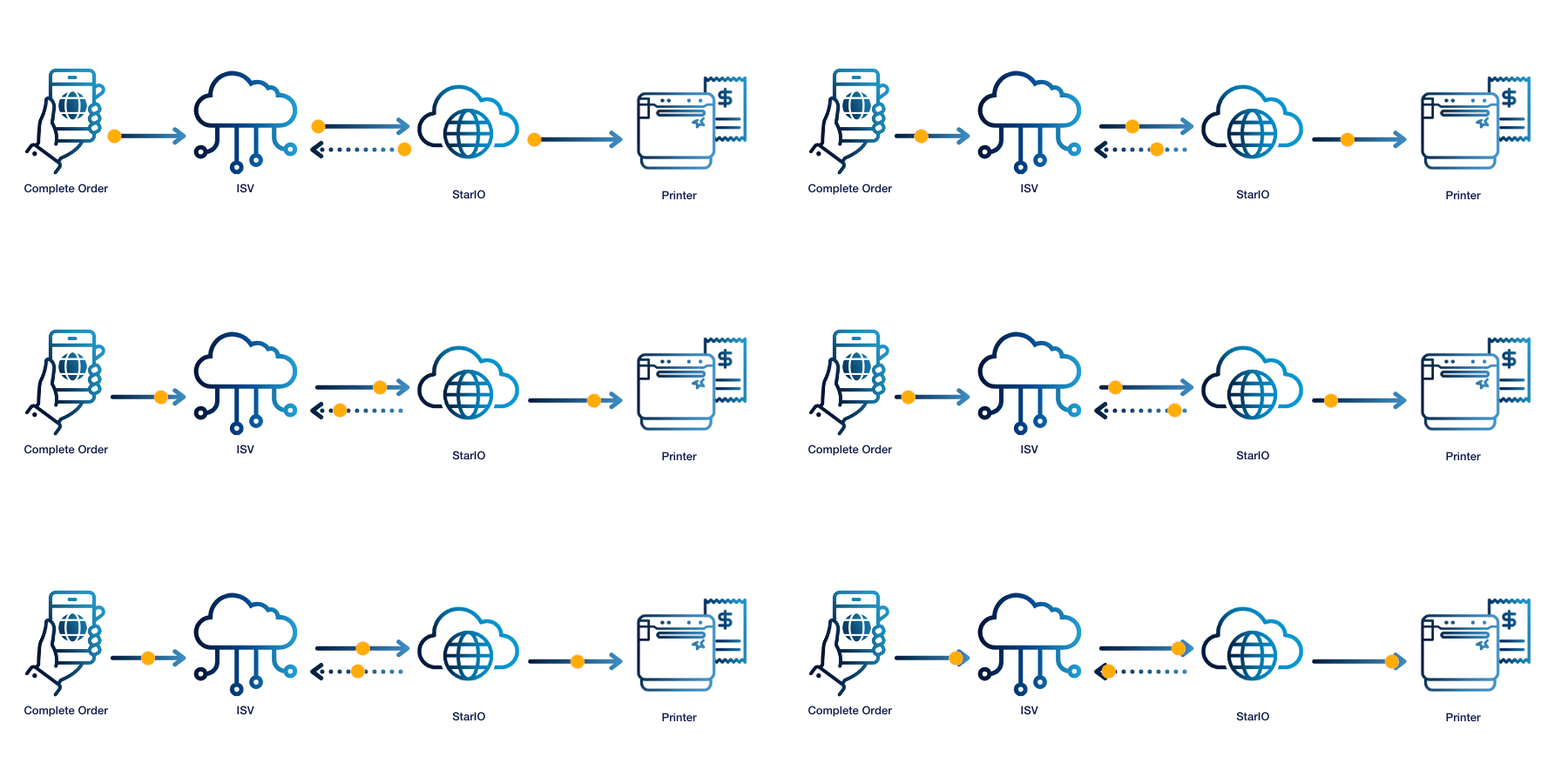
    For ISVs who want the power of CloudPRNT Next without hosting their own infrastructure, StarIO.Online offers a fully managed cloud printing service.

    StarIO.Online runs on secure, Star-hosted servers, no installation or server maintenance required. Developers can integrate printing into their web or mobile apps through a REST-style API, send jobs directly to any CloudPRNT-compatible printer, and monitor devices from a centralized dashboard.

    Key benefits for ISVs:

    • Zero infrastructure management: Star handles hosting, uptime, and certificates.
    • Real-time monitoring: Check printer status and job history remotely.
    • Rapid integration: Use predefined APIs instead of building custom code.
    • Global scalability: Manage thousands of printers across multiple clients or brands.

    With StarIO.Online, ISVs can build one integration that supports any connected location, whether it’s one store or one thousand.

    StarIO.Online is a fully managed cloud printing service by Star Micronics.

    Star Printers Built for Cloud Label Printing

    Star’s cloud-ready printers make it easy for ISVs to deploy at scale. All models below support CloudPRNT Next, giving developers flexibility across use cases:

    Printer Model Connectivity Label Support Best For
    mC-Label3 Ethernet, Wi-Fi, Bluetooth, USB-C Linerless, Die-Cut, Continuous Multi-station labeling and order workflows
    mC-Label2 Ethernet, Wi-Fi, Bluetooth, USB-C Linerless, Die-Cut, Continuous Compact labeling setups and barcoding
    TSP143IV SK X4 Ethernet, Wi-Fi, USB-C, Bluetooth Sticky linerless labels Takeout and delivery bag labeling

    Each printer can be integrated locally or connected directly to a cloud service, ideal for ISVs who need flexibility across different client environments.

    mC-Label2 Multifunction Printer

    The mC-Label2 packs powerful features into a compact, front-loading design, including 300 dpi resolution, support for linerless, die-cut, receipt, and continuous media, and connectivity options like USB-C, LAN, WLAN, Bluetooth, and Apple MFi-certified pairing (X4 models only).

    Explore the mC-Label2 >

    mC-Label3 Multifunction Printer

    The Star Micronics mC-Label3 is a versatile multifunction printer that prints a wide range of labels and receipts, including both permanent and repositionable sticky linerless. It features cloud connectivity and innovative technologies like SteadyLAN and TetherLAN for enhanced printing convenience.

    Discover the mC-Label3 >

    TSP143IV SK Sticky Label Printer

    The TSP143IV SK by Star Micronics sets a new standard for compact, eco-friendly thermal linerless label printing, offering advanced connectivity options like Wi-Fi and AOA, and efficient, residue-free labels for diverse business needs.

    Find out more >

    Explore Star Micronics Industry-Leading Technology

    Find out what Star’s technologies can do for your business success with this free ebook.

    The Future of Labeling is Cloud-Connected

    As more restaurants and retailers embrace remote management and scalable infrastructure, cloud label printing offers ISVs a way to stay ahead. By centralizing printing through CloudPRNT Next or StarIO.Online, developers can simplify integration, reduce maintenance costs, and deliver more reliable labeling solutions to enterprise clients.

    Ready to simplify multi-location labeling?

  • Food Label Compliance and Traceability in QSR and Grab-and-Go Operations

    Food Label Compliance and Traceability in QSR and Grab-and-Go Operations

    Food label compliance is becoming a critical requirement for restaurants, quick service operators, and grab-and-go foodservice environments. Accurate labeling helps businesses meet health regulations, communicate allergen information clearly, and maintain traceability across food preparation workflows.

    In high-volume kitchens, maintaining consistent food label compliance can be challenging. Food is prepared quickly, multiple employees interact with labeling workflows, and regulatory expectations continue to evolve. Without reliable labeling practices, operators risk food safety violations, failed inspections, and confusion for both staff and customers.

    As labeling requirements expand and traceability becomes more important, many foodservice operators are integrating labeling directly into kitchen and packaging workflows. When labeling happens automatically during preparation, restaurants can maintain compliance while keeping service fast and consistent.

    What Is Food Label Compliance?

    Food label compliance refers to ensuring that prepared food items are labeled with accurate and legally required information. In restaurant and foodservice environments, labels typically include details such as ingredient lists, allergen disclosures, preparation dates, expiration times, and storage instructions required by local health regulations.

    Maintaining food label compliance helps restaurants meet health department requirements while providing customers with clear and reliable information about the food they purchase. Consistent labeling also supports internal food safety practices such as product rotation, traceability, and quality control.

    For quick service restaurants and grab-and-go operations, effective food label compliance usually requires labeling systems that can keep pace with fast-moving kitchen workflows while maintaining consistent accuracy across every item prepared.

    In many jurisdictions, food label compliance requirements are defined by local health departments as well as federal food safety regulations such as the FDA’s Food Safety Modernization Act (FSMA).

    Table of Contents

    Labeling Has Become a Compliance Priority

    The foodservice industry is changing fast. Regulators, delivery platforms, and customers all expect clear, accurate labeling for prepared and packaged food items. Quick service restaurants, cafés, and grab-and-go operations are increasingly labeling items with ingredients, allergens, and nutrition details, both to stay compliant and meet consumer demand for transparency.

    At the same time, new regulations such as the FDA’s Food Safety Modernization Act (FSMA) Section 204 are emphasizing traceability throughout the food supply chain. Labeling has become a key part of that visibility, helping businesses record when, where, and how each item was prepared.

    Today, labeling isn’t just a packaging step. It’s part of compliance, food safety, and customer trust.

    Key Labels That Support Compliance and Transparency

    In a regulated foodservice environment, each label serves a distinct function within the compliance workflow. Whether identifying allergens, tracking product rotation, or linking batches to traceability records, these labels help operators and technology providers align labeling practices with evolving safety standards and digital recordkeeping requirements.

    1. Allergen and Nutritional Labels

    Provide essential information for customer safety and confidence. Accurate allergen disclosures and nutrition data protect guests and strengthen compliance with local and national labeling guidelines.

    2. Traceability Labels

    Traceability labels connect the kitchen to the supply chain. They record prep dates, batch numbers, and supplier details, crucial for recall management, freshness tracking, and regulatory audits.

    3. Food Rotation Labels

    Consistent rotation labeling helps reduce waste and maintain freshness. Pre-set templates allow teams to quickly apply prep times, expiration dates, and storage details across all stations.

    4. Barcode Labels

    Barcode and QR code labels link items to digital systems, making it easy to scan, track, and verify data. They support both compliance documentation and real-time operational visibility.

    Barcode or QR code labels link items to digital systems, making it easy to scan, track, and verify data for food compliance.

    How Modern Label Printers Simplify Compliance

    Legacy labeling systems often require multiple printers or manual data entry to produce different label types. Star Micronics’ new generation of label printers, like the mC-Label3 and mC-Label2, combine media flexibility and smart control in a single device.

    These printers support most linerless, die-cut, and continuous media, allowing operators to print rotation, allergen, or traceability labels from the same model. For ISVs and technology providers, they also integrate easily into cloud or local POS workflows through CloudPRNT Next, Bluetooth, or USB connections.

    When paired with Label Builder software and the One Touch Label function, operators can easily create or update label templates to match new compliance requirements. And when combined with a connected platform such as StarIO.Online or a compatible cloud POS system, template updates can be deployed across multiple stores without manual intervention at each site.

    mC-Label2 Multifunction Printer

    The mC-Label2 packs powerful features into a compact, front-loading design, including 300 dpi resolution, support for linerless, die-cut, receipt, and continuous media, and connectivity options like USB-C, LAN, WLAN, Bluetooth, and Apple MFi-certified pairing (X4 models only).

    Explore the mC-Label2 >

    mC-Label3 Multifunction Printer

    The Star Micronics mC-Label3 is a versatile multifunction printer that prints a wide range of labels and receipts, including both permanent and repositionable sticky linerless. It features cloud connectivity and innovative technologies like SteadyLAN and TetherLAN for enhanced printing convenience.

    Discover the mC-Label3 >

    Why Traceability Is Becoming a Requirement, Not an Option

    Traceability is no longer limited to large-scale manufacturers. The FDA’s FSMA Section 204 now holds foodservice brands to a higher standard for documenting ingredient sources and maintaining accurate records.

    Digital labeling helps meet that requirement. By embedding batch codes, timestamps, or QR data directly onto product labels, operators can verify sourcing, monitor shelf life, and respond faster to potential recalls.

    For enterprise and franchise-level brands, traceability also enables consistency across every location. Each prep label, barcode, or rotation tag becomes a point of accountability that protects both customers and the brand itself.

    Modern Food Compliance for Restaurants Made Easy

    This white paper breaks down how today’s smart labeling solutions, powered by Star Micronics technology, make food labeling simple, scalable, and sustainable. 

    A Smarter, More Compliant Labeling System

    Maintaining food label compliance doesn’t have to slow kitchen operations. With Star Micronics label printers, QSRs and grab-and-go operators can handle nutritional, allergen, rotation, and traceability labeling efficiently across every location.

    From fast food chains to fresh markets, Star helps operators build labeling workflows that scale with their business. The result: consistent accuracy, simplified compliance, and readiness for the next wave of regulations.

    Frequently Asked Questions (FAQs)

    What is food label compliance?

    Food label compliance means following food safety and regulatory requirements when labeling prepared food items. In restaurant and grab-and-go environments, labels typically include information such as allergens, ingredients, preparation dates, and expiration times so customers and staff can safely identify and handle food products.

    Why is food label compliance important for restaurants?

    Food label compliance helps restaurants meet health department regulations, reduce food safety risks, and provide transparency for customers. Accurate labeling ensures that allergens, ingredients, and expiration information are clearly communicated, helping prevent food safety incidents and supporting regulatory inspections.

    What information should appear on food labels in restaurants?

    Depending on local regulations, food labels may include:

    • ingredient lists
    • allergen disclosures
    • preparation date and time
    • expiration or discard time
    • storage instructions
    • supplier or batch information

    These details help maintain traceability and support food safety procedures.

    How do restaurants maintain food label compliance in high-volume kitchens?

    Many restaurants use automated labeling systems integrated with POS or kitchen workflows. Label printers can generate standardized templates that automatically print preparation dates, expiration times, and allergen information. This reduces manual errors and ensures consistent labeling across all locations.

    What role does traceability play in food label compliance?

    Traceability allows restaurants to track when and where food items were prepared and which ingredients were used. Labels containing batch numbers, timestamps, or QR codes help operators respond quickly to food safety recalls and maintain accurate records required by regulations such as the FDA’s Food Safety Modernization Act.

    How do label printers support food label compliance?

    Modern label printers help restaurants maintain food label compliance by automatically printing accurate labels for allergens, rotation schedules, traceability data, and ingredient information. Integrated labeling systems reduce manual entry, improve consistency, and help ensure that every prepared item is properly labeled.

    Learn more about Star’s popular label printers for better food label compliance:

  • Which Are the Best Star Micronics Printers for Online Ordering Apps?

    Which Are the Best Star Micronics Printers for Online Ordering Apps?

    Online ordering has become a vital part of restaurant and retail operations, but every platform connects differently. Learn which Star Micronics printers work best for online ordering apps and how CloudPRNT Next, Bluetooth, and USB connectivity simplify integration for ISVs and developers.

    Table of Contents

    Online Ordering Is Here to Stay

    Online ordering has become essential for restaurants and retailers that want to meet customers where they are. From platforms like DoorDash and Uber Eats to custom-built ordering systems, businesses depend on reliable printers for online ordering apps to keep operations running smoothly.

    The question many developers and operators ask is simple: Which are the best Star Micronics printers for online ordering apps?

    The answer is that most Star Micronics printers are already compatible. Whether your app prints directly from the cloud or through a tablet on-site, Star offers flexible solutions for both workflows. With built-in support for CloudPRNT, CloudPRNT Next, Bluetooth, and USB, Star printers make online order printing fast, reliable, and easy to integrate into any environment.

    All Star Micronics Printers Can Handle Online Ordering

    Every Star printer supports online order printing. The difference lies in how each printer communicates with your online ordering app or POS platform.

    In today’s market, there are two main ways that orders are sent to a printer:

    1. Cloud-based printing, where the printer connects directly to a remote server.
    2. Local printing, where a tablet or POS terminal serves as the connection point.

    Star printers are built to handle both. This flexibility allows ISVs and software developers to create integrations that work seamlessly across multiple online ordering platforms without extra middleware, custom builds, or device-specific configurations.

    The mC-Label2 multifunction label printer by Star Micronics.
    The mC-Label2 multifunction printer can integrate with any online ordering app.

    How Online Ordering Apps Communicate with Printers

    Online ordering systems typically operate in one of two ways: web-based (cloud) or local (tablet or device-based). Both approaches are common across the industry, and Star Micronics supports them all.

    1. Cloud-Based Printing with CloudPRNT and CloudPRNT Next

    CloudPRNT is Star’s cloud printing technology that enables printers to communicate directly with a web server to retrieve and print orders.

    Instead of relying on a tablet or POS terminal, a CloudPRNT printer connects to the internet and automatically checks the server for new jobs. When an order is received, it prints automatically—no local drivers, middleware, or PCs required.

    How it works:

    • The printer connects to the internet through Ethernet or Wi-Fi.
    • Orders are sent from the online ordering platform’s cloud server to the printer.
    • The printer retrieves the job, formats it, and prints automatically.

    Why ISVs love it:

    • Straightforward integration: Use Star’s CloudPRNT API to connect web or cloud-based systems directly to the printer.
    • Cross-platform flexibility: Works independently of the operating system or device.
    • Reduced support overhead: No middleware or local drivers to manage, meaning fewer service calls.
    • Scalable architecture: Centralized monitoring and remote updates make multi-location deployment easier.

    CloudPRNT Next, Star’s latest enhancement, takes cloud-based printing even further. It uses MQTT-based communication for faster, more reliable performance and provides real-time message delivery, instant status updates, and improved uptime.

    For example, a restaurant brand with hundreds of locations might use CloudPRNT Next to ensure orders print the moment they’re placed online. Instead of each printer periodically checking the server for new jobs, CloudPRNT Next keeps a live connection open. When a new order comes in, the printer is instantly notified, prints immediately, and sends a confirmation back to the server. This live communication gives IT teams real-time visibility and ensures that no orders are delayed or missed.

    Printers that support CloudPRNT or CloudPRNT Next

    All models include Ethernet and Wi-Fi connectivity, allowing them to communicate directly with cloud-based ordering platforms or web servers.

    2. Local Tablet Printing via Bluetooth or USB

    Many third-party ordering platforms, including Uber Eats, DoorDash, and others, use a tablet-based printing workflow.

    In this setup, the tablet acts as a local bridge between the ordering platform’s cloud server and the printer. The app receives incoming orders from the cloud, then sends them directly to a connected printer using Bluetooth or USB.

    How it works:

    • Orders are placed through the online ordering platform.
    • The restaurant’s tablet (logged into the app) downloads each order.
    • The tablet sends print jobs to a paired Star printer over Bluetooth or USB.

    Why it works well:

    • Developer control: Ideal for apps that handle print formatting, order logic, and device management internally.
    • Resilient operation: Printing continues through the tablet even if network connectivity is interrupted.
    • Straightforward integration: Star’s StarXpand SDK and StarPRNT SDK provide clear APIs and sample code for Android, iOS, and Windows environments.
    • Flexible deployment: Compatible with many tablets and operating systems, making it easier to support multiple delivery and aggregator platforms with one integration.

    For ISVs, Star’s StarXpand SDK and StarPRNT SDK make integration simple across Android, iOS, and Windows environments. The same printer models that support cloud-based workflows can also print locally through Bluetooth or USB, giving developers universal compatibility with virtually any online ordering platform.

    Looking for a Fully Managed Cloud Printing Option?

    For ISVs who want the power of CloudPRNT without hosting or maintaining their own print servers, Star offers StarIO.Online, a fully managed cloud printing service.

    StarIO.Online runs on Star-hosted servers and enables developers to integrate printing into web or cloud-based applications through a simple REST-style API. It provides:

    • Zero infrastructure management: Star handles uptime, security, and maintenance.
    • Real-time visibility: Monitor printers, job status, and device health from a single dashboard.
    • Fast integration: Send print jobs to any CloudPRNT-compatible Star printer with minimal code.

    StarIO.Online makes it even easier for developers to build, deploy, and scale cloud printing without adding IT complexity and overhead.

    Printers That Support Every Online Ordering Connection

    For developers, one of the biggest challenges in online ordering integration is dealing with different connectivity requirements across platforms. Some apps depend on tablets and Bluetooth, while others print directly from the cloud through APIs. Managing multiple printer models for each connection type can create unnecessary complexity in development, testing, and long-term support.

    Star Micronics solves that problem.

    Star’s newest printer lineup is designed for modern connectivity, giving ISVs a single hardware family that supports all four connection types: Ethernet, Wi-Fi, USB-C, and Bluetooth. These hybrid models can handle both CloudPRNT-based and local (tablet) printing workflows, allowing developers to build one integration that works everywhere.

    Printer Model CloudPRNT / CloudPRNT Next Bluetooth / USB Label & Receipt Support Best For
    mC-Label3 All media Multi-station restaurant environments
    mC-Label2 All media Compact counter setups, barcodes
    TSP143IV X4 Receipts General POS & restaurant integration
    TSP143IV SK X4 Sticky linerless labels, receipts Takeout & delivery bag labeling

    These printers combine every major connectivity option in one compact device, giving ISVs maximum flexibility in integration and deployment. Whether the printer communicates directly with the cloud or connects locally through a tablet, the experience is seamless. Developers can support both workflows through Star’s unified SDKs and APIs—no additional middleware or platform-specific configurations required.

    Why Star Micronics Printers Are Ideal for Online Ordering Integration

    • Broad compatibility: Can work with nearly every online ordering app and POS system.
    • Comprehensive connectivity: Bluetooth, USB, Ethernet, and Wi-Fi in a single device.
    • Future-ready technology: CloudPRNT Next delivers faster, more reliable cloud communication.
    • Developer-first design: Unified SDKs, APIs, and detailed documentation streamline integration.
    • Proven reliability: Backed by over 60 years of innovation in POS and hospitality printing.

    How VARs and ISVs Can Maximize ROI with Advanced Kiosk Printing Technology

    This ebook reveals how ISVs and VARs can harness the transformative potential of kiosk printing technology to maximize ROI for both their clients and their own businesses.
    Build Once, Integrate Everywhere

    For ISVs, the key to scaling online ordering integrations is flexibility.

    Star Micronics printers allow developers to build a single integration that supports every type of connection, whether printing through a cloud API, a web dashboard, or a local tablet app.

    With one printer family, you can support CloudPRNT, CloudPRNT Next, Bluetooth, and USB workflows, all backed by Star’s SDKs, APIs, and developer resources.

    Learn more about Star printers for online ordering apps:

  • The KDS Hardware You Need to Improve Restaurant Order Accuracy

    The KDS Hardware You Need to Improve Restaurant Order Accuracy

    A kitchen display system (KDS) is one of the most effective ways to improve restaurant order accuracy and efficiency. It upgrades the way restaurants communicate between the front and back of house, replacing paper chits and verbal communication with digital precision. By sending orders directly from the POS system to prep stations, a KDS helps control the chaos of omnichannel ordering from online platforms, off-premise dining, mobile apps, kiosks, drive-thru, and counter service.

    However, a KDS alone won’t solve every accuracy problem in the kitchen. Orders can still break down during prep, packaging, labeling, and handoff, where small mistakes quickly turn into remakes, refunds, and frustrated customers. To deliver a complete restaurant order accuracy solution, KDS providers need POS and KDS hardware peripherals built specifically for modern kitchen workflows.

    Table of Contents

    What is KDS Hardware?

    KDS hardware is more than a screen and bump bar. A total solution includes label printers, barcode scanners, and scales to create an effective restaurant order accuracy solution. A comprehensive KDS hardware solution allows restaurants to optimize communication throughout the KDS workflow and ensure accuracy at every step.

    Differentiate Your Offering with Modular KDS Hardware

    As competition among KDS providers intensifies, differentiation becomes increasingly crucial. Partnering with a KDS hardware peripheral manufacturer allows you to offer a complete, modular solution that enhances restaurant operations and drives greater accuracy.

    By combining your software with reliable POS hardware for restaurants, such as label printers, scales, and scanners, you can help your users take the next step toward streamlined workflows and consistent order quality.

    Label Printers

    Label printers are the cornerstone of restaurant labeling solutions. Integrating with a restaurant label printer enables restaurants to automatically generate labels when a food prep station receives an order or when it’s bumped to the next stage.

    Restaurant labeling keeps every item traceable and ensures accurate handoffs between kitchen staff, expeditors, and delivery drivers. A KDS-connected label printer can even print tamper-evident labels for delivery bags to reinforce food safety and customer trust.

    The ideal printer for these workflows is a multifunctional model that can handle all types of labels, as well as receipts. Multimedia printers allow restaurants to use less SKUs, with the same model printer at each station. 

    Linerless label printers are also a great option for high-volume kitchens in areas that don’t require die-cut only. Linerless labels eliminate liner waste and clutter while keeping labeling stations clean and efficient.


    KDS Hardware Restaurant Labeling with the mC-Label2 multimedia label printer from Star Micronics.
    The new mC-Label2 multifunction printer offers compact labeling power with precision & connectivity.

    POS Scales

    Integrating POS scales as part of your KDS peripheral bundle helps restaurants verify accuracy at the final handoff. The POS scale compares the weight of a packaged order to the expected weight stored in a database or spreadsheet. Sensitive scales can even factor in wrappers, condiments, and utensils, ensuring every bag matches what was ordered.

    This added layer of precision reduces errors, waste, and refunds, helping restaurants build trust and protect margins.

    Barcode Scanners

    Barcode scanners also play a critical role in achieving restaurant order accuracy. Scanners can be used to track inventory through barcode labels, ensuring ingredients stay stocked and accounted for.

    For customer-facing operations, scanning technology provides visibility into the order journey, signaling when items are ready for pickup, handed off to delivery, or en route. This transparency helps prevent disputes, minimize chargebacks, and increase customer satisfaction.

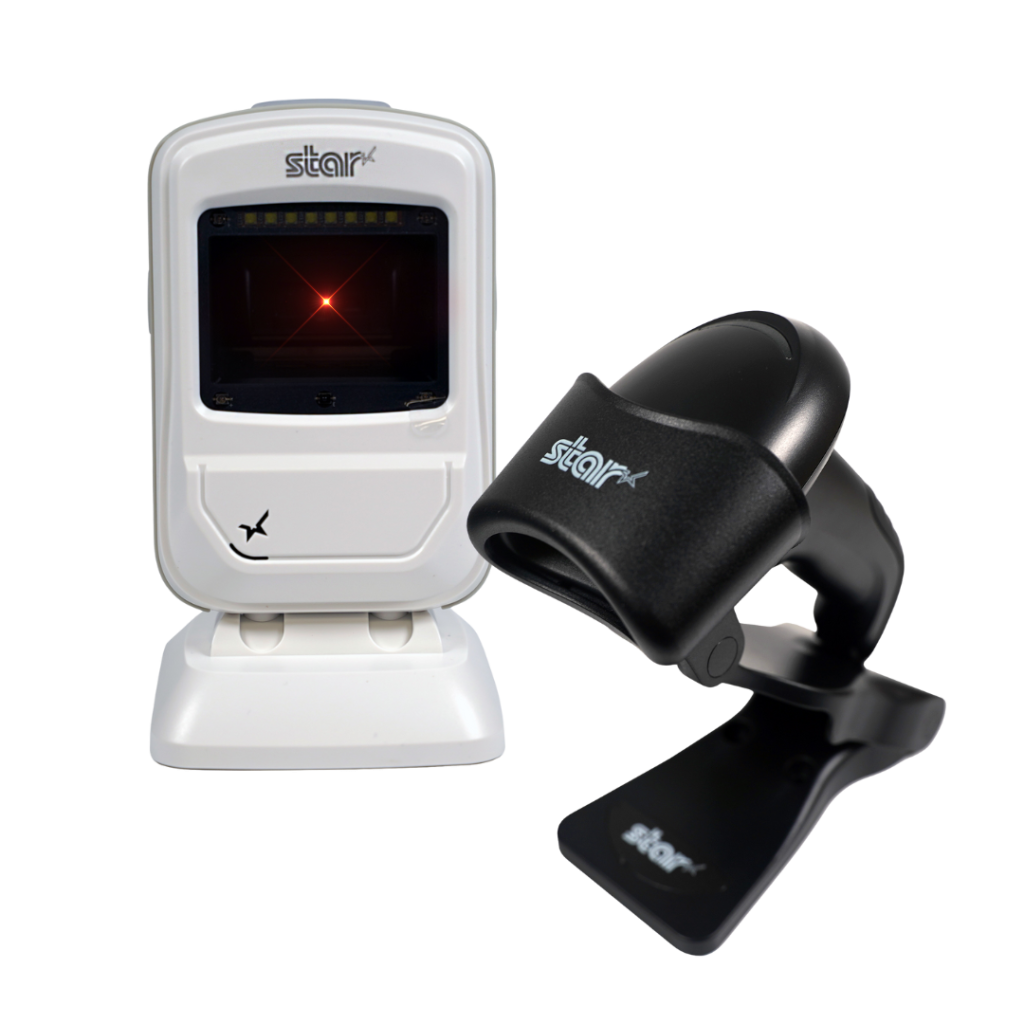
    Star’s 1D/2D Barcode Scanners

    Star offers a comprehensive range of IP-rated 1D/2D barcode scanners, ideal for diverse business needs. From retail to healthcare, our versatile scanners excel in parsing driver’s license and ID barcodes, ensuring swift and accurate data capture. Choose the perfect fit for your setup—desktophandheld, or wireless Bluetooth options available.

    5 Must-Have Features in KDS Hardware

    When looking for a hardware partner to enhance your KDS solution, make sure they offer thermal printers, scales, and scanners that deliver the durability, compatibility, and flexibility restaurants depend on.

    1. Ruggedized Hardware

    Kitchen environments demand hardware designed for heat, humidity, and constant use. Purpose-built kitchen printers deliver greater reliability and longer service life in these conditions, helping reduce downtime and support costs.

    In temperature-controlled kitchens, connected thermal ticket printers can also be effective, provided they are engineered for continuous, high-volume operation. For KDS platforms, choosing hardware with a low total cost of ownership (TCO) ensures restaurant partners avoid frequent replacements, service calls, and operational disruption.

    Learn more about Star’s kitchen printer solutions here >

    2. Cross-Platform Compatibility

    To reach the widest range of restaurant environments, KDS platforms must integrate seamlessly with peripherals that support all major operating systems, including Windows, iOS, Android, Linux, and ChromeOS. Broad OS compatibility ensures printers, scales, and scanners can be deployed consistently across diverse POS ecosystems without limiting customer choice or increasing integration complexity.

    3. Cloud-Based Printing

    For KDS providers, consistent order flow depends on reliable, low-latency printing that integrates cleanly with cloud-based applications. Cloud-based printing allows printers to communicate directly with cloud systems, eliminating reliance on local print servers and reducing architectural complexity.

    Modern cloud printing architectures built on MQTT (Message Queuing Telemetry Transport) enable faster, more reliable message delivery between cloud applications and connected printers. This event-driven approach supports real-time order and label printing, even during peak volume periods, helping keep KDS stations, expo lines, and fulfillment workflows synchronized.

    • CloudPRNT Next enables ISVs to implement MQTT-based cloud printing directly within compatible Star printers, giving KDS platforms full control over their own cloud infrastructure and backend logic.

    • StarIO.Online offers a fully managed, Star-hosted cloud printing service for KDS providers that prefer to offload infrastructure management. Print jobs are delivered securely via REST APIs, with support for both MQTT and HTTP, defaulting to MQTT when the printer is compatible.


    Star Micronics' CloudPRNT Next, featuring the MQTT protocol, sets a new standard for cloud-based printing by providing faster and more reliable communication between devices.
    CloudPRNT Next and StarIO.Online use the faster, leaner MQTT protocol.

    4. Remote Device Management

    For KDS providers supporting multi-location restaurant environments, device visibility and uptime are critical. Remote device management allows ISVs and operators to monitor printer status, connectivity, and job health across locations without requiring on-site intervention.

    • StarIO.Online provides KDS platforms with real-time visibility into cloud-connected printers, including online/offline status and print job activity, all through a Star-hosted infrastructure. This reduces troubleshooting time and removes the need to manage local servers or gateways.
    • Star Micronics Cloud Services gives ISVs that manage their own cloud infrastructure programmatic access to printer status and connectivity data, allowing developers to build custom monitoring dashboards or embed device visibility directly into their KDS platforms.

    Together, these options allow KDS providers to support enterprise-scale deployments more efficiently, maintain consistent performance across locations, and keep order accuracy tools running reliably without increasing operational overhead.

    5. Scalable Support

    Growth shouldn’t introduce friction. The right KDS hardware partner supports scale with cloud-ready printing architectures, flexible integration options, and long-term technical support designed for multi-location and enterprise restaurant environments.

    Key elements of scalable KDS support include:

    • Cloud-native printing architectures – MQTT-based cloud printing enables fast, reliable communication between cloud applications and printers, ensuring consistent performance as order volume and location count increase.

    • Flexible infrastructure models – KDS providers can choose to manage their own cloud infrastructure using CloudPRNT Next or offload infrastructure management entirely with StarIO.Online, depending on their scalability and support strategy.

    • Reduced IT overhead – Star-hosted cloud printing options eliminate the need for local print servers, gateways, or on-site configuration, simplifying deployment and ongoing support for distributed restaurant networks.

    • Developer-first integration support – Star provides SDKs in all major programming languages, detailed documentation, and direct access to an experienced integration team to accelerate development and reduce implementation risk.

    • Multi-location deployment readiness – Hardware can be rolled out consistently across stores, regions, or brands, with cloud-based workflows that support centralized updates and scalable growth without downtime.

    With infrastructure simplified, KDS platforms can scale faster while maintaining reliable printing and consistent order accuracy.

    Benefits of a Total Order Accuracy Solution

    When your KDS hardware is part of a larger order accuracy ecosystem, both you and your restaurant clients benefit:

    • Fewer errors at handoff points lead to greater customer satisfaction and fewer chargebacks.
    • Streamlined operations without a full POS overhaul—modular hardware works with existing systems.
    • Greater efficiency and visibility, helping restaurants manage every stage from order to bag.
    • More sustainable workflows, with less wasted time, food, and paper.
    • Stronger customer trust, supported by tamper-evident restaurant labeling and accurate fulfillment.

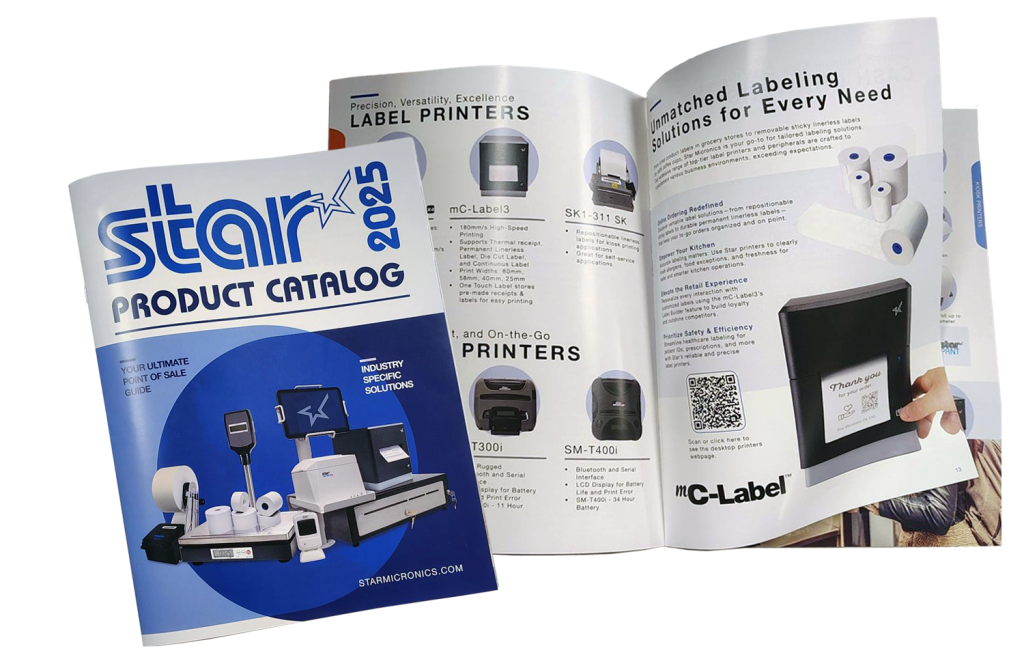
    The Star Micronics Product Catalog

    Built for performance and easy software integration, Star’s technology connects every part of your operation—from cloud printing and labeling to payment and cash management.

    The Future of KDS Hardware and Restaurant Order Accuracy

    With the right KDS hardware partner, you can offer more than a display screen — you can deliver a complete restaurant order accuracy solution. Pairing your software with reliable POS peripherals helps your clients reduce errors, improve efficiency, and enhance the customer experience.

    By partnering with Star Micronics, KDS providers can access a range of proven POS hardware and restaurant labeling solutions that fit seamlessly into today’s restaurant ecosystems.

    Additional Resources

    Explore Star Micronics products that complement KDS systems and help close the loop on restaurant order accuracy:

    Explore KDS hardware peripherals that improve restaurant order accuracy:

    Frequently Asked Questions About KDS Hardware and Restaurant Order Accuracy

    What is KDS hardware?

    KDS hardware includes the physical devices that support a kitchen display system, such as kitchen printers, label printers, POS scales, barcode scanners, tablets, and cloud-connected peripherals. Together, these tools help restaurants improve communication, streamline workflows, and increase order accuracy.

    How does KDS hardware improve restaurant order accuracy?

    KDS hardware helps reduce mistakes during food prep, packaging, labeling, and handoff. Tools like label printers and POS scales provide additional verification steps that help ensure every order is complete, correctly labeled, and ready for pickup or delivery.

    Why are label printers important for KDS systems?

    Label printers help restaurants automatically generate prep, expiration, delivery, and tamper-evident labels directly from the KDS workflow. This improves traceability, reduces manual errors, and helps staff identify and hand off orders accurately.

    How do POS scales support order accuracy?

    POS scales can compare the expected weight of an order against the actual packaged weight, helping restaurants catch missing or incorrect items before orders leave the kitchen. This reduces remakes, refunds, and customer complaints.

    What should KDS providers look for in KDS hardware?

    KDS providers should look for hardware that offers:

    • Ruggedized designs for kitchen environments
    • Cross-platform compatibility
    • Cloud-based printing support
    • Remote device management capabilities
    • Scalable deployment and integration support

    Reliable hardware helps ensure consistent performance across restaurant locations.

    What is cloud-based printing for KDS systems?

    Cloud-based printing allows kitchen printers and label printers to receive print jobs directly from cloud applications without relying on local print servers. This simplifies deployment, improves reliability, and supports multi-location restaurant operations.

    What is the difference between CloudPRNT Next and StarIO.Online?

    CloudPRNT Next allows ISVs to implement MQTT-based cloud printing while maintaining control over their own cloud infrastructure. StarIO.Online is Star Micronics’ fully managed cloud printing service, where Star hosts and maintains the infrastructure while securely delivering print jobs through REST APIs.

    Why is remote device management important for KDS providers?

    Remote device management gives KDS providers visibility into printer status, connectivity, and print job activity across multiple locations. This helps reduce troubleshooting time, improve uptime, and support enterprise restaurant deployments more efficiently.

    Which operating systems should KDS hardware support?

    KDS hardware is available for all popular operating systems, including Android, Windows, ChromeOS and Linux. Partnering with a hardware vendor that offers products that work across platforms enables solutions providers to meet the needs of more restaurants in their markets.

    How does KDS hardware connect to restaurant POS systems?

    Modern KDS hardware supports multiple connectivity options depending on the device and workflow requirements. Printers may support USB, LAN, WLAN, USB-C, or Bluetooth connections, while scanners and POS scales can connect through wired or wireless interfaces. Flexible connectivity helps restaurants integrate KDS hardware into existing POS environments more easily.

  • Best Ways Restaurants and Retailers Are Using Die-Cut Labels

    Best Ways Restaurants and Retailers Are Using Die-Cut Labels

    Linerless labels are grabbing headlines in foodservice and retail—and for good reason. They cut down on waste, allow flexible label lengths, and streamline high-volume packaging and delivery. But even as linerless grows, die-cut labels remain the industry standard for many workflows where consistency, compliance, and clarity are non-negotiable.

    From food prep to retail shelves, die-cut labels provide pre-sized, uniform labeling that keeps operations accurate and compliant. And with the right die-cut label printer, businesses can ensure every label is crisp, clear, and ready to perform without slowing down their teams.

    That’s why Star developed the mC-Label2 LBL models, compact label printers purpose-built for die-cut media. Available with X4 connectivity or USB/LAN only, these models bring precision, efficiency, and flexibility to the everyday labeling tasks restaurants and retailers rely on most.

    Why Die-Cut Labels Still Matter

    While linerless brings flexibility, die-cut labels remain indispensable in operations where uniformity is key. Their pre-sized format ensures every label is consistent, whether it’s tracking expiration dates, displaying prices, or tagging inventory.

    Die-cut also shines in batch printing. Operators can print a stack of labels all at once for food prep, pricing, or product rotation, so staff always have exactly what they need on hand. This predictability reduces downtime and helps teams move quickly during peak periods.

    And with fixed shapes and sizes, die-cut labels help businesses maintain a consistent, professional look across all products, reinforcing customer trust. For many restaurants and retailers, die-cut remains the most cost-effective, reliable, and standardized choice for day-to-day labeling.

    The mC-Label2 LBL die-cut label printer is ideal for retail, food service, and cannabis, able to print ultra-precise with 300 dpi.

    Additional Reasons Die-Cut Labels Are Still Common

    • Standardization: Many QSRs, groceries, and retailers already work with standardized label sizes. Die-cut labels fit seamlessly into those systems.
    • Prepared in Advance: Staff can keep labels printed and ready to go for busy shifts.
    • Branding Consistency: Pre-cut shapes allow logos, graphics, and product details to remain uniform across every container or shelf.
    • Cost Control: For businesses that don’t need variable lengths, die-cut labels are a predictable, budget-friendly option.

    In short, linerless may offer flexibility, but die-cut labels continue to deliver the consistency and standardization most restaurants and retailers rely on every day.

    Best Uses for Die-Cut Labels in Restaurants

    In foodservice, die-cut labels support the workflows that keep kitchens compliant and customers confident:

    > Food Prep & Rotation

    Small die-cut prep labels track expiration dates, ingredients, and FIFO systems.

    > Nutritional & Allergen Labels

    Uniform labels display critical information in a way customers can trust.

    > Order Component Labels

    Perfect for sides, drinks, and add-ons in large catering or takeout orders, reducing mix-ups before handoff.

    With 300 dpi precision, the mC-Label2 LBL die-cut label printer ensures every label is crisp and legible, whether it’s a barcode or fine-print allergen information.

    Visit our Restaurant & Food Service Solutions Page for more >

    Best Uses for Die-Cut Labels in Retail

    Retail environments also depend heavily on die-cut label printers to keep shelves, products, and inventory in order:

    > Barcode Labels

    Fast, accurate scanning for point of sale and stock management.

    The mC-Label2 LBL die-cut label printer is ideal for retail, food service, and cannabis, able to print ultra-precise with 300 dpi.

    > Pricing Labels

    Clear, consistent sizing across shelves, tags, and items.

    > Product Identification Labels

    In grocery and c-stores, die-cut labels fit grab-and-go packaging like deli items or drinks. In non-food retail, they’re just as useful for tagging electronics, apparel, or specialty goods.

    > Specialty Labels (like Cannabis)

    Compliance-driven industries require precise, legible labels (sometimes with tiny QR codes) to display THC content, warnings, or tracking barcodes.

    Visit our Dispensary Solutions Page for more >

    Why the mC-Label2 LBL is Built for Die-Cut

    When it comes to die-cut label printers, the mC-Label2 LBL models are purpose-built to do the job right.

    • Die-Cut Only Design: Simplifies media use and reduces errors (can print receipts, too).
    • 300 dpi Resolution: Sharp text, barcodes, and logos, even on small labels.
    • Compact Size: Fits easily into kitchens, prep areas, retail counters, or against walls.
    • Front-Loading Design: Roll swaps are quick, space-saving, and hassle-free.
    • Connectivity Options: Choose between X4 connectivity (USB/LAN/Bluetooth/Wi-Fi) or streamlined USB/LAN only models to match your setup.

    For operators who don’t need linerless, the LBL models are a dedicated solution for reliable, professional die-cut labeling.

    mC-Label2 Multifunction Printer

    The mC-Label2 packs powerful features into a compact, front-loading design, including 300 dpi resolution, support for linerless, die-cut, receipt, and continuous media, and connectivity options like USB-C, LAN, WLAN, Bluetooth, and Apple MFi-certified pairing (X4 models only).

    Explore the mC-Label2 >

    Easy Integration for Software Developers

    For software providers, supporting die-cut labeling shouldn’t add complexity. Star makes it simple to integrate the mC-Label2 LBL into POS, inventory, or kitchen display systems (KDS) with robust SDKs, APIs, and cross-platform compatibility.

    That means developers can give their customers exactly what they want: a die-cut label printer that’s reliable, easy to deploy, and tailored for restaurant and retail workflows. With Star, integration is fast, maintenance is minimal, and scaling across multiple locations is seamless.

    Explore Star Micronics Industry-Leading Printing & Cloud Technology

    Find out what Star’s technologies can do for your business success with this free catalog.

    Die-Cut Labels: Still Essential, Now Smarter

    Die-cut labels remain a vital part of restaurant and retail operations, from prep and rotation to pricing and packaging. With the mC-Label2 LBL, operators get a die-cut label printer built for precision, speed, and ease of use. For developers, Star provides the SDKs and APIs to integrate seamlessly with POS and KDS systems, so their customers get the labeling solutions they expect.

    The payoff is simple: faster operations, consistent presentation, and stronger customer confidence—all powered by Star.

    Explore the mC-Label2 LBL die-cut label printer today and see how smarter labeling starts with Star.

  • Food Delivery Labels: The Unsung Hero Behind the DoorDash vs. Amazon Race

    Food Delivery Labels: The Unsung Hero Behind the DoorDash vs. Amazon Race

    The delivery wars are no longer just about who can get food to customers the fastest. With Amazon expanding same-day grocery delivery to thousands of cities and DoorDash pouring billions into grocery, retail, and international markets, the competition has never been fiercer. Together, they’re battling for dominance in a U.S. grocery and food delivery market worth more than $1.5 trillion.

    But speed isn’t enough. At this scale, even the smallest mistakes, such as a mislabeled bag, a missing item, or a tamper-evident seal that fails, can result in millions of dollars in refunds, chargebacks, and lost trust. In the race between Amazon and DoorDash, the real differentiator isn’t just logistics. It’s food delivery labels.

    Every order, from a grocery bag to a takeout clamshell, depends on smart labeling to ensure accuracy, compliance, and customer trust. Without it, delivery breaks down before it ever reaches the customer’s doorstep, whether you’re Amazon, DoorDash, or a neighborhood café.

    The Role of Food Delivery Labels in Every Order

    Behind every order, there’s a label that tells the story. Without it, mistakes pile up: wrong bags are handed off, items go missing, food safety risks increase, and customers walk away unhappy.

    • Food delivery labels identify the right order for the right customer across pickup, drive-thru, and third-party delivery.
    • Food rotation labels keep groceries and perishables safe and compliant with FDA and USDA standards.
    • Nutritional and allergen labels ensure restaurants and grocers meet customer needs and regulations.
    • Tamper-evident labels provide peace of mind that meals and groceries haven’t been opened or altered.

    Without Food Delivery Labels, Accuracy Breaks Down

    Inside every restaurant or fulfillment center, accuracy depends on what happens at the handoff points, from the KDS screen to the expo station to the courier’s hands. This is where food delivery labels hold the chain together. They confirm the right bag matches the right order, direct groceries or meals to the correct customer, and provide the details needed for a smooth delivery.

    When labels are unclear, sloppy, or missing, breakdowns happen fast: orders are delayed, items are lost, meals are wasted, and customers lose trust. For restaurants and QSRs working on razor-thin margins, those errors quickly add up to costly refunds and lost loyalty. That’s why food delivery labels are as vital to a single café as they are to billion-dollar platforms—they protect profits, reduce waste, and keep customers coming back.

    Better labeling strategies for online orders and delivery from Star Micronics.

    What Restaurants and Retailers Can Learn

    Amazon and DoorDash may set the pace, but local restaurants and retailers can win by focusing on the fundamentals that make delivery work. At the top of that list: labeling.

    • Treat labeling as part of the customer experience. A smudged or missing label isn’t just an operational issue—it erodes trust. Consistency builds confidence that every bag, box, and cup is prepared with care and attention.
    • Think beyond food delivery labels. Prep labels, food rotation labels, and allergen information labels all work together to ensure compliance, safety, and efficiency. A complete strategy covers both front-of-house accuracy and back-of-house organization.
    • Match the label to the workflow. Delivery bags may require tamper-evident adhesives, while grab-and-go cups benefit from removable/repositionable options. The right adhesive strength in the right place minimizes waste and errors.
    • Plan for scale, even if you’re small today. As order channels expand (dine-in, pickup, third-party delivery, mobile apps), labeling systems should be able to grow with them. Future-proofing your labeling strategy now prevents costly overhauls later.

    Smart labeling isn’t just a detail to check off. It’s the bridge between fast-moving operations and the customer experience that keeps people coming back.

    How Star Micronics Powers Food Delivery Labels

    Star Micronics delivers the technology that makes food delivery labels reliable, efficient, and scalable:

    • mC-Label multimedia label printers: The mC-Label3 and mC-Label2 print linerless labels, die-cut labels, and receipts from one compact device.

    mC-Label2 Multifunction Printer

    The mC-Label2 packs powerful features into a compact, front-loading design, including 300 dpi resolution, support for linerless, die-cut, receipt, and continuous media, and connectivity options like USB-C, LAN, WLAN, Bluetooth, and Apple MFi-certified pairing (X4 models only).

    Explore the mC-Label2 >

    mC-Label3 Multifunction Printer

    The Star Micronics mC-Label3 is a versatile multimedia printer that prints a wide range of labels and receipts, including both permanent and repositionable sticky linerless. It features cloud connectivity and innovative technologies like SteadyLAN and TetherLAN for enhanced printing convenience.

    Discover the mC-Label3 >

    Star’s 1D/2D Barcode Scanners

    Star offers a comprehensive range of IP-rated 1D/2D barcode scanners, ideal for diverse business needs. From retail to restaurants, our versatile scanners excel in parsing driver’s license and ID barcodes, ensuring swift and accurate data capture. Choose the perfect fit for your setup—desktophandheld, or wireless Bluetooth options available.

    Food Delivery Labels: The Unsung Hero of Delivery

    Amazon and DoorDash may dominate the headlines, but success in food delivery doesn’t come down to speed alone. Food delivery labels are what make accuracy, compliance, and customer trust possible at every handoff, from the kitchen to the customer’s doorstep.

    For restaurants and QSRs of any size, smarter labeling is more than an operational detail—it’s a strategy that protects margins, reduces waste, and keeps guests coming back.

    With Star Micronics, operators gain the tools to put that strategy into practice, from multifunctional printers and adhesive options to scales, scanners, and cloud-ready solutions.

    Smarter labeling. Smarter delivery. That’s the future of food delivery labels with Star.

    The Smart QSR Delivery Playbook: Labeling, Accuracy & Efficiency Done Right

    Learn how leading QSRs are using smart labeling and scalable POS technology to reduce errors, cut costs, and deliver a better guest experience.

    Turn Food Delivery Labels into a Competitive Edge