Category: Solutions & Use Cases

  • Technology Shifts & Consumer Trends in Front of 2017

    Technology Shifts & Consumer Trends in Front of 2017

    Amazon Go and the Post Checkout Era Begins

    New broke out detailing Amazon’s latest innovate in retail, Amazon Go beta, which opens to the public in 2017. Amazon has built a grocery store equipped with machine learning technology, similar to that in self-driving cars, and is testing out a post checkout, post line waiting era in retail. Here’s the cool Amazon Go video for your enjoyment. Companies like ShelfX and a Swedish entrepreneur have also attempted unmanned grocery stops (before it was cool).

    Why is there so much hype surrounding it? Consumers are in and out of the store thanks to Amazon’s “Just Walk Out Shopping” experience. Families and individuals can go into the store, see something on the shelf, and walk out with it while never speaking to an employee (it’s called technology, not shoplifting?).

    This means POS users need to start thinking ahead of the curve and preparing themselves for yet another technological advancement. Granted, since the program is in beta, that doesn’t mean things are going to change overnight, but now is a good time to start brainstorming changes so the impact of a new status quo is less severe.
    Amazon-Go-TA

    This new shopping experience requires customers to have an Amazon account, a supported smartphone, and the Amazon Go app installed to shop freely. The outside orange square logo display Amazon and Go in large letters, and on the inside there are four bottom menus that users can press “key”, “receipts”, “about”, and “more”.

    I speculate they might release for both Android and iOS. Users can enter the store by tapping on “key” and scanning the QR code that appears on screen to pass through a subway-like terminal. That process than activates the shopper’s virtual cart and customers can begin taking goods. Amazon Go automatically updates the user’s inventory in the app when products are detected taken from our returned to the shelves. Customers don’t need to scan out and when they pass back through the terminal, the app sens a mobile notification alerting that a payment was processed, and a digital receipt is then sent to their device.

    NFC Contactless Payments lead the change into the Post Checkout Era

    Snapchat Spectacles and the Engaging Brick and Mortar Space

    Snapchat, known as Snap, Inc., released a camera equipped pair of sunglasses called Spectacles that might seem familiar to those who bought Google Glass. TechCrunch reports Spectacles allow users to record video tidbits in a socially accepted style. On November 21st 2016, a pop up shop appeared overnight in New York City where app users and curios consumers initially waited as long as three hours in wintery weather to get their hands on a pair. Inside the brick and mortar store was a single vending machine (SnapBot), where customers choose up to two out of three sunglasses, selling for $129.99 each. I was in the city visiting some friends and decided to snag a pair for myself. While I anxiously waited in line, there were a few thing that I noticed about the store. Snap Inc engaged their users and holiday customers by providing exclusive content. Unique snap codes were placed throughout the queue and shoppers in line were able to entertain themselves by scanning them. The staff was equally as engaging by educating their new product users in-store with personalized customer service.

    Showrooming Pains and Frustrations

    Retailers will continue to struggle against online sales due to a developing showroom trend that is likely to move forward into the new year. Consumers visiting in-store locations are purchasing goods online later at their own convenience after studying the product in-store. I’ve seen people walk into a store, snapping a quick photo and leaving without a purchase. This can be increasingly difficult for retailers and small business owners to keep a healthy relationship with customers while fighting for their attention. At first glance it might seem as though showrooming is becoming a nuisance, but some retailers are using this as an opportunity to innovate. Small businesses can utilize new technology available to study their target market, improve the ecommerce experience, as well as integrating a seamless purchasing system between online and physical

    Personalization and Exclusivity

    In a retail world where department stores once ruled the market, small unique ships are are able to provide value, unique in-store experiences, and cultivate relationships with their customers, are embracing the momentum shift. Therefore, offering a unique and personalized shopping experience is vital for customer retention, on-site sales, and business growth. The goal is to add a hint of intimacy and customer care, rather than entertaining customers (depending on your objective and brand).

    Rob Hom

    Marketing Intern
     

  • Growing Restaurant Revenue with Mobile POS

    Growing Restaurant Revenue with Mobile POS

    Mobility is dominating the point of sale world. From table-side service, to tablet point of sale, mobility is making is easier for restaurant owners and operators to perform quick and painless transactions and give their customers the ideal dining-out experience. While some of the smaller, “mom and pop” restaurants may be hesitant to invest in a mobile point of sale (mPOS) system, they could be missing out on a huge boost in revenue by not upgrading. In addition to revenue increase, the adoption of an mPOS system could also mean an increase in tips for servers, making it easier to maintain low turnover rates.

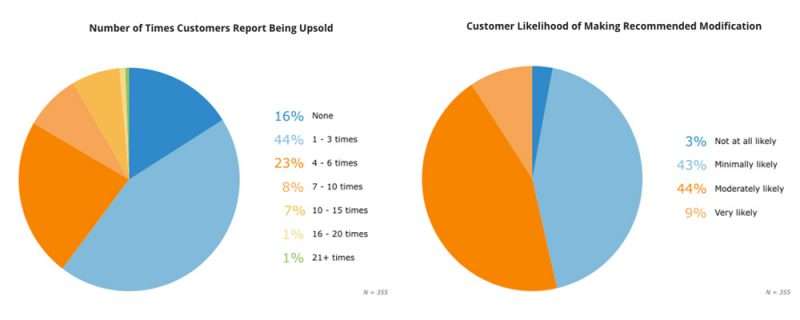
    A report by Software Advice shows that mPOS can predominantly impact your servers’ commitment to upselling – therefore, increasing daily restaurant revenue. Upselling is a sales technique that restaurant server often use to induce the customer to purchase more expensive items, upgrades, or add-ons when placing their order. This technique is commonly used by restaurant server because their calculated tip becomes higher with every dollar spent by the customer.

    How does mPOS impact upselling?

    In restaurant settings where the mPOS system is used for table-side service, the server may have a tablet in-hand entering the order as it is being placed. This can help remind the server to ask the customer if they would like to add a side of fries to their order or upgrade their drink to a larger size for only a dollar more. This is especially helpful for daily promotions or one-day offers that are not a part of the server’s regular order-taking routine.

    restaurant mPOS charts

    In the chart above provided by Software Advice, you can see that restaurants are not upselling as much as they could be. However, we can see that the majority of customers surveyed are more likely to make an order modification that was suggest by their server when dining out.

    The Mobile POS Checklist

    In case revenue increase isn’t reason enough to adopt a mobile point of sale system, we’ve outlined some additional benefits that mPOS can bring to restaurant businesses. According to an additional report done by Software Advice, 72% of restaurant owners request mobile restaurant POS software.

    First and foremost, you need an mPOS system that is simple enough for any server to fluently use. If you’re looking for a mobile solution that will allow for a table-side service, you must ensure that your mPOS software is quick and easy-to-use. If your servers are disrupting the order process by taking the time to search for items in the POS, it defeats the purpose of the table-side mPOS solution.

    Secondly, you will need a receipt printer that works seamlessly with your mPOS solution and will allow for a total transaction to be completed right at the table. It has been bound that engaging customers by having them complete the payment process right on the tablet can actually lead to an increase in tips. When this transaction is complete, servers equipped with portable, handheld receipt printers can kindly print and hand the customer their receipt without ever disrupting the transaction process.

    In addition to the ease of use and fluid transaction process, mPOS systems often offer features such as inventory management, loyalty, and customer data capture, that help you run your restaurant more efficiently.

    If you’re looking for an mPOS solution to take your restaurant business to the next level, be sure to check out Star’s line of portable receipt printers for your mobile point of sale needs.

  • 3 Critical Payment Trends to Watch This Year

    3 Critical Payment Trends to Watch This Year

    The past few years have brought rapid evolution and change to the payments industry, with the same growth expected in 2017. Retailers must remain aware of these developments to properly compete with other operations in their vertical market. Here is a close look at three critical payment trends that will prevail this year.

    Mobile Wallet Growth

    Statistics make a strong case for including increased momentum for mobile wallets on the list of significant payment trends to watch in 2017. This is especially true of mobile wallets that incorporate near field communication (NFC) technology.

    • According to a report by research firm Research and Markets, the global mobile wallet market will experience a compound annual growth rate (CAGR) of 35.5% between 2017 and 2021.
    • Technavio, another research firm, has predicted a similar CAGR (more than 35%) for mobile wallets through 2021.
    • A Capital One Wallet Survey conducted by Capital One late last year shows that nearly one-quarter (24%) of U.S. consumers use mobile wallets in some capacity.
    • More proof that the use of mobile wallet technology among consumers is trending up: Of 24% of Capital One survey respondents who claimed to utilize mobile wallet technology, more than 63% have been doing so for less than a year. This demonstrates rapid adoption and use of the technology in 2016, according to Capital One, with a similar pattern expected throughout 2017.

    Ongoing technological advanced in NFC devices and heightened security of payment portals rank among catalysts for the consistent growth of mobile payments and its high rank among key payment trends, according to Research and Markets and Technavio. Mobile wallet options such as integration with coupons and tickets are fueling the fire as well.

    Payment Security Push

    With perpetrators’ attempts as and methods for transaction fraud growing more sophisticated, increased and varied attempts to shore up payment security is one of the hottest payment trends. There is now a major move among U.S. merchants to migrate to point of sale (POS) equipment that accommodates microprocessor chip-enabled credit and debit cars (“chip cards”) under the umbrella of the Europay/Mastercard/Visa (EMV) liability shift that took effect in October of 2015.

    • The Payments Security Task Force, a consortium of payment networks, backs, credit unions, acquirers, retailers, POS device manufacturers, and industry trade groups, estimates that the shift to EMV will “reach 98%” by the end of this year.
    • According to Mastercard, 9 in 10 Americans now user chips cards, a 38 point year-over-year increase from 49% in 2015 to 87% in 2016. Payment trends cited in a recent Mastercard report includes additional increased in chip card usage in 2017.

    More mPOS

    Mobile point of sale (mPOS) and tablet POS devices are becoming a staple as merchants adopt mobile technology to assist with line-busting and speeding up transactions during peak traffic periods. What’s more, with innovations like Star Micronics’ new mPOP™ accessories, tablet POS devices can be used as a cost effective, fully functioning point of sale system. This versatility makes mPOS a hot ticket item in 2017.

    • According to a study conducted by Boston Retail Partners, almost half (49%) of retailers are using mobile solutions for sales staff. That’s up from less than a third (31%) from last year.

    Payment trends other than those discussed here may also take hold in 2017. However, the rise of mobile wallets and mPOS, coupled with a greater emphasis on payment security, merit special attention in the coming months.

    Learn more about the mPOP™, Mobile Point of Purchase, here.

  • The Rise of Experiential, Discount, and Specialty Retail

    The Rise of Experiential, Discount, and Specialty Retail

    In 2016, we have seen major shifts in the retail industry and consumer buying patterns. We’ve seen the largest Internet-based retailer in the world (Amazon) open brick-and-mortar stores, and we have seen “big-box” retailers closing stores. Clark has named just a few:

    • Macy’s plans to close about 15% of its locations amid challenging retail environment.
    • According to the Dallas Morning News, JCPenney CEO Marvin Ellison said the department store chain plans to close some of its roughly 1,000 stores soon.
    • CVS, America’s leading retail pharmacy, plans to close 70 stores early this year.
    • Mall-based retailer, The Limited, closed all of its nearly 250 stores across the country on January 8, but will continue to have an online presence.

    Shift in Consumer Buying Patterns

    With the closing of many department stores and “big-box” retail stores, we see that discount retailers such as T.J. Maxx, Marshalls, and Ross are thriving. Consumers are now realizing that many of the products or goods that they typically shop for in department stores can be found for a cheaper price either online or in discount stores. This shift is being largely influenced by the millennial generation. For retailers who do not fall into the “discount retailer” category, the key to competing is improved store data. This means creating a way to better track customer data in order to provide unique and authentic shopping experiences for each customer.

    The Millennial Consumer

    According to Forbes, there are eighty million millennials in America alone, and they represent about a fourth of the entire population, with $200 billion in annual buying power. This means that the buying patterns of millennials are having a direct impact on the retail industry and brick and mortar stores.

    While millennials are commonly targeted as the “self-entitled” and “lazy” generation, it has been found that they are extremely price sensitive. Meaning, millennials will take the time to search for more affordable options (usually online or by using their smartphone) before making a purchase. Based on a survey performed by Accenture, 41% of respondents said they have practiced “showrooming” – the act of examining merchandise at a nearby retail store and then shopping for it online to find the lowest price.

    It’s no question that the millennial generation is very unique. Retailers have struggled to understand the buying patterns and the interests of this generation for quite some time now. Unlike the Baby Boomer or Gen X generations, millennials tend to be less influenced by advertising and promotional content, and care more about the authenticity of a brand. Millennials best connect with people over logos. The fact that millennials are less likely to go for the “brand name” over a cheaper option, is largely impacting the way retailers must market themselves and their brand. The recent closing of Macy’s and JCPenny stores speaks volumes when compared to the popularity these stores held with previous generations.

    Specialty Retail Steps Up

    Specialty retailers are businesses that focus on specific product categories. It isn’t the product they sell that determines if a company is a specialty store, but rather the breadth of their product offering.

    As we see more and more large retail stores closing, we see specialty retail continue to thrive. Brick and mortar retail is becoming less about shopping and more about the customer experience. With the rise of retail technology such as IoT, virtual reality and augmented reality in retail, consumers are entering brick and mortar stores with the expectation that they will walk away with more than just their purchase, but with a valuable and unique shopping experience.

    With the generation that values experiences over items now holding such high buying power, retailers have to make an adjustment to their previous selling strategy. Retailers are beginning to take advantage of IoT and artificial intelligence to create a more personalized shopping experience. Specialty retail is thriving because it has been much easier for SMB and specialty retailers to create these personalized experiences, because they are more likely to have repeat customers, making it possible to establish a certain level of customer loyalty. “Big-box” retail stores have a more difficult time creating a unique customer experience, simply because their audience is too large, and too diverse to maintain a valuable relationship with the customer.

    For retailers to survive in this age of discount and digital shopping, it is essential that retailers do not just sell goods, but that they sell an experience.

  • 5 Benefits of Liquor Store Point of Sale Systems

    5 Benefits of Liquor Store Point of Sale Systems

    With over 42,000 liquor stores across the U.S., liquor store owners are constantly faced with finding new ways to stay ahead of the game. This can be as simple as upgrading to a point of sale system in place of an old and bulky cash register. Installing a POS system in your liquor store will not only open up opportunities for creating customer loyalty, but it can help with the overall management of your business. Here are the 5 of the biggest benefits that a POS system can bring to your liquor store business:

    1. Simple Transactions

    With an easy-to-use POS system, liquor store owners and operators can simply enter pricing based on single, multi-pack, and cases to automatically ring up the customer’s order without manually entering pricing. This also allows employees to automatically include discounts or coupons based on items sold, or the category of items. For non-scannable items, users can create fast, preset pick keys to ring up popular items.

    2. Inventory Management

    Point of sale systems allow liquor store employees to use inventory management features on single or multi-store locations, and provides multiple methods for adding, adjusting, and counting inventory. Print barcode labels when receiving new inventory, and let the POS track sales when scanning or entering items for check-out so you know when you begin to run low on specific items.

    3. Employee Scheduling

    Easily use your POS system to track employee’s clock-in and clock-out times, and track sales by department, store, and various date/time ranges. Store owners can use this information to conclude which employees are selling the most products, and which employees need further training. This information can also be used to track when your store is getting the most traffic so you can schedule an extra cashier for those times, and keep the lines moving.

    4. Manage Reports

    With a fully integrated point of sale, liquor store owners can easily run reports to monitor discounts and refunds, and track sales by item, brand, type, or date/time purchased. Store management can also gain instant access to inventory reports from any browser that includes current sales and inventory, or reorder reports to maintain static or dynamic levels of stock.

    5. Customer Loyalty

    By using a point of sale system in your liquor store, you now have the ability to capture important customer data and purchase history information. Many POS systems include automated VIP club pricing to help reward frequent customers, and offer a CRM to track customer buying history, and to target marketing efforts.retailcloud Additionally, digital receipts open another way to engage with customers through the point of sale. By adopting a digital receipt app for your customers to use, store owners can now offer their customers tailored discounts and promotions through the receipt itself. Learn how to start offering your customers digital receipts with Star printers. at www.starcloudservices.com.

    Make your POS more than just a place for customers to complete a transaction, but a tool to crease a smoother workflow for your business, and an opportunity to engage with customers, and create customer loyalty.

    Learn more about retailcloud’s POS for liquor stores at www.retailcloud.com.

  • Is Your Restaurant Ready for the Growing Online Ordering Trend?

    Is Your Restaurant Ready for the Growing Online Ordering Trend?

    Are you looking for a new way to grow your restaurant business? Consider online ordering. According to QSR Web, digital ordering is growing 300 percent faster than dine-in traffic, and analysts project in a few years, more restaurant sales will come from takeout, delivery, and other forms of off-premises dining, than from customers who dine-in.

    Restaurant competition is fierce and profit margins are tight. The majority of independently-owned restaurants that open today will not survive beyond a few years, and according to an Ohio State University study, more than 60 percent will fail in the first year.

    A Cornell University study revealed restaurant survival is based on finding ways to differentiate your business from the competition and being agile enough to successfully respond to consumer trends.

    Don’t become a statistic. Offering online ordering is a feature your customers are looking for, and it also elevates your digital presence, which can help raise awareness about what makes your restaurant and your brand unique and appealing.

    There are three options for adding online ordering services:

    • Sign up with a third-party online order network. There are a variety of options for online ordering networks you can work with depending on your location. Investigate costs – some will charge a percentage of each order and others charge a flat fee for being listed on their websites.
    • Sign up for the online ordering service of your current POS solution (if available). This option provides the added benefit of integrating online sales with your finance report, but functionality of the online ordering application itself may be limited.
    • Integrate your own online ordering system on your own website. You can establish online ordering through your own website or app. This option locks a customer into your brand when they are ready to place orders and can build customer loyalty.

    The process of receiving orders from a third-part ordering site and getting them to the kitchen can still be a pain point for some restaurants. Restaurants usually receive orders via email on a tablet in the restaurant – or on several tablets if they work with more than one third-party network. During a shift, one or more employees may be assigned to communicate the orders to the kitchen and enter them into the point of sale (POS) system. The lack of integration between online ordering sites and the POS system means the process still requires labor hours and errors can still occur when orders are transferred.

    Consider the gains in efficiency, productivity, and customer satisfaction for your restaurant if you could download an app that would send your online orders directly to the kitchen printer where your staff could start food prep immediately and ensure orders are ready at the appropriate times. Technology solutions are available to help your restaurant bridge the gap between online orders and the kitchen.

    Maximizing online order processing efficiency will enable you to truly benefit from adding this service to your business, allowing you to address this major consumer trend, reach a wider pool of potential customers, and fully develop this revenue stream.

    Learn how you can easily integrate online ordering in your restaurant with Star’s TSP650IIcloudPRNT cloud printer.

    Download our full eBook here: Star_Online-Ordering_eBook

  • Top Retail Blogs to Follow this Holiday Season

    Top Retail Blogs to Follow this Holiday Season

    With Thanksgiving and Black Friday behind us, retailers are in “holiday season” mode with special promotions, seasonal marketing campaigns, long hours, and hectic customer requests. Now more than ever, retailers need to pay attention to the holiday retail trends, and look for any tips they can find on how to make this season a little bit easier for everyone.

    SMB retailers require actionable insights that are retail-centric for the nitty gritty of the daily management of their stores. In our years of working with hundreds of ISVs, VARs, POS providers, and retail stores themselves, we’ve come to also appreciate the retail influencers, insiders, and thought-leaders that inspire us to perfect our craft. Star took a look at some retail blogs and put together this list of the best retail blogs to follow this holiday season.

    Here are just a few that we recommend checking out:

    1. Vend

    Aside from the fact that Vend is one of the best blogs for retailers to follow, they have dedicated an entire series of blog articles to holiday retailers with their “Vend’s 2016 Holiday Retail Boot Camp” series. The twelve-part blog series includes tips on how to improve your store and increase sales during the holiday season, all while answering of the what, how, any why on where to begin!

    best-holiday-blogs-vend

    2. Retail Geek

    For a non-traditional holiday retail blog, be sure to check out the Retail Geek. This site hosts weekly podcasts with hosts Jason “Retailgeek” Goldberg and Scot Wingo. Their last two podcasts have focused on the holidays with a holiday preview and cyber holiday recap. Many of their podcasts also feature reputable guest hosts as well.

    best-holiday-blogs-retail-geek

    3. Shopify

    Shopify is another point of sale company that is killing the holiday retail blog game! Shopify boasts tons of great blog articles for retailers that vary from retail tips, to management strategy, to inspirational posts. This holiday season, they are helping out retailers with articles like: Seasonal Staffing 101: How to Prep Employees For the Holiday Shopping Rush and How to Cater to Last-Minute Holiday Shoppers.

    best-holiday-blogs-shopify

    4. Signal

    The holiday season is the perfect time to capture customer data because store traffic is generally increased. But, what do you do with data once the sleigh bells stop ringing and the holiday hype is over? Signal offers tons of articles that focus on data capture, sharing, and onboarding for the SMB retailer.

    best-holiday-blogs-signal

    5. ShopKeep

    ShopKeep is the perfect blog to follow if you are an SMB retailer looking to compete with “big-box” retailers this holiday season. ShopKeep offers tons of tips and guidance on how to boost those retail sales. With the holidays underway, this is the best time to check out their blog and see how you can exceed your sales goals and increase traffic to your store.

    best-holiday-blogs-shopkeep

    6. Square

    While the holiday season usually brings in the highest profits of the year for retailers, there is still a ton of work that needs to go into an effective seasonal marketing plan. Square’s blog has tons of articles to help retailers with their holiday marketing plans. From email marketing, to trendy window displays, Square can help you get the most bang for your buck this holiday season.

    best-holiday-blogs-square

    7. Lightspeed

    Lightspeed takes holiday blogging to a whole new level! Like most retail blogs, Lightspeed’s holiday blogs offer tips and guides for retailers on how to get through the holiday season with the most ease as possible. Including articles for inventory management and Holiday tax treats for small business, Lightspeed has something for any retail business.

    best-holiday-blogs-lightspeed


    Time is ticking! Visit any of the recommended blogs above to start gathering tips and pointers on how to get the most out of this holiday season for your retail business.


    Sign up for our newsletter!

    [contact-form to=’bmoriarty@starmicronics.com’ subject=’Blog Contact Form’][contact-field label=’First Name’ type=’name’ required=’1’/][contact-field label=’Last Name’ type=’name’ required=’1’/][contact-field label=’Email’ type=’email’/][/contact-form]

  • Electronic NFC Payments Continually Increase in Popularity

    Electronic NFC Payments Continually Increase in Popularity

    Who is using it?

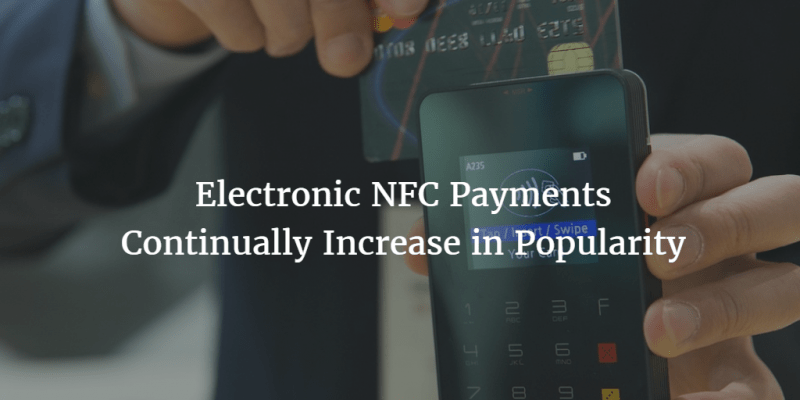
    Millennials are embracing the use of their phones and mobile near field communication (NFC) technology at the checkout lane. Now is the time for small business owners to accept that reality and harvest the benefits by adapting their point of sale system.

    Picture this. A consumer is in a hurry to grab a quick bite to eat on their way to a meeting. While driving through town, the consumer sees a local restaurant and decides it would be a good place to pick up lunch. Getting back on the road with as little time disruption as possible is important. After a quick meal prepared by the merchant, the consumer soon realizes he left his wallet in the car, but notices that the restaurant accepts mobile payments. Without hesitating, the consumer pulls out his phone at the point of sale and uses it to pay for his meal. After a speedy meal and transaction, both the merchant and consumer are happy with the exchange.

    Consumers and shoppers are always looking for the smallest queue. NFC technology effectively cuts back the wait time since people with smaller purchases can complete their purchase faster. There’s no more waiting a half an hour just to buy a single item. Thankfully, there’s also no more searching through purses (or man purses because… it’s 2016) for oversized wallets filled with tons of credit cards or cash. With the advent of technologies like Apple Pay, Samsung Pay, Google Pay, and Android Pay, wallets are succumbing to the Internet of Thing (IoT), a past time that consumers are likely not to miss.

    Where are they being used?

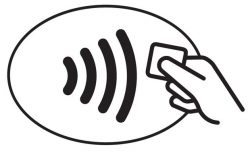
    contactless-lead-1355413251According to a Business Insider article, there are approximately 2.5 million point of sale systems equipped with NFC readers that are being used in the United States alone and Apple Pay is looking at a lot of growth. Mobile payment systems are being used in local retail stores, restaurants, for public transportation, and inside convenience stores when consumers are making a quick or small purchase. As long as the point of sale hardware or credit card reader displays an NFC logo, that means Apple Pay and other mobile payments are compatible at that retail location.


    Barclays is now leading the finance industry with newly announced ATMs. The new machines offer cardholders contactless access to their accounts via mobile key points at the ATM, according to multiple news sources. These new machines utilize the same kind of near field communication technology, and prompts user authorization to allow the debit card stored on their device to be used for banking.

    Why are they using it?

    In 2014, PayPal disrupted the payments industry where users could pay across platforms with a single touch, without the hassle of entering usernames and passwords. A year earlier, companies like Venmo began the downplay of entering credit card numbers on small screens. Innovative technology continually changes our world, and millennials are adapting by using these services to help create a smooth initial transaction at checkout. PayPal and Venmo revolutionized the way younger consumers interact with their finances, and larger tech companies notice the switch in consumer behavior and react by scaling use of mobile payments.

    In addition to the mobile payment phenomenon, millennials are now using more coupons than previous generations and they are accessing these on their mobile device. Imagine allowing customers to not only use their phone for coupons at the point of sale, but for payment as well. The two go hand-and-hand because with every mobile payment, there is an opportunity for the merchant to access the customer digital world by offering digital receipts and coupons, ultimately driving more return customers.

    Small businesses can believe in the post-cash payment era because it all comes down to speed, ease, and simplicity. Using a phone to pay for goods provides a better solution for consumers who don’t like to carry cash or consistently forget their wallet, and it provides a faster and easier workflow for the retailer who wants to keep their lines moving.

    Learn more about Star’s digital receipts and coupon solutions at www.starcloudservices.com.

    Rob Hom

    Marketing Intern
  • 4 Ways Digital Receipts Can Help You through the Holiday Season

    4 Ways Digital Receipts Can Help You through the Holiday Season

    Whether you are an SMB or a “big-box” retailer, the holiday season can present a busy and challenging time for retail store owners, operators, and employees. While challenging, the holiday season usually also brings the highest sales of the year for retailers. It is important to ensure that you are operating your retail store at utmost efficiency and that you are upholding excellent customer service during the chaotic season. Star Cloud Services wants to make your job easier by offering a seamless solution for digital receipts and customer engagement for your retail store. Here are 4 ways digital receipts can help you through this holiday season:

    1. Create Omnichannel Opportunities

    By offering customers the option of digital receipts through Star’s receipt printers, you are building a connection between their brick and mortar shopping experience and their digital world. When using Star Cloud Services’ digital receipt solutions, you have the ability to offer much more than just a digital receipt by using the Engage Now feature. With Engage Now, you engage with your customers through all channels and give shoppers an easy way to access either your website or social media pages.

    2. Promote Seasonal Sales and Discounts

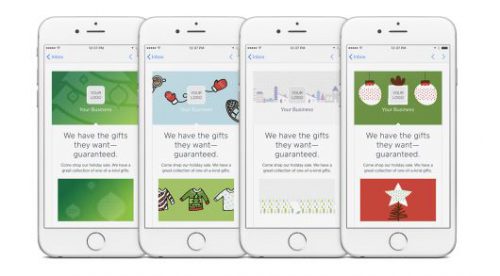
    Another great way to connect with shoppers through digital receipts is Star Cloud Services’ Flip feature. Most digital receipt applications only allow the customer to store a digital copy of the front of their receipt. With Flip, retailers can fully utilize the back side of the receipt for store promotions and coupons. This is perfect for holiday promotions! While shoppers are busy trying to find the perfect holiday gifts for their friends and families, digital receipts offer a quick and convenient way to already have discounts and coupons right on their smartphone. No more sifting through email promotions and mailing coupons to find a great deal!

    3. More Convenience for Shoppers

    While the holiday season is always the busiest for retailers, the post-holiday season tends to bring a different type of chaos – returns. After the holidays are over and everyone has sorted through their gifts, there comes the time for returns and exchanges to be made. Rather than relying on shoppers to save their receipts during the holidays, offer them digital receipts instead. Now, whether it is the gift giver or the gift receiver who misplaced the receipt, there is always a safe and secure copy stored on the buyer’s smartphone in the AllReceipts™ app.

    4. Build Post-Holiday Season Loyalty

    Let’s not forget about the post-holiday season. While the holidays are great for retailers in terms of increasing sales, it is still important to keep sales up during the remainder of the year. Stay relevant to your customers! Star Cloud Services digital receipt solutions allow retailers to continue to engage with customers for months after the initial transaction has been made.

    Make the hectic holiday season a little bit easier this year by using Star Cloud Services to offer an easy digital receipt solution to your shoppers.

    Learn more about Star Cloud Services at www.starcloudservices.com.

  • 5 Reasons Why Your Restaurant Needs an Online Ordering System

    5 Reasons Why Your Restaurant Needs an Online Ordering System

    We recently posted an article about how our smart phones are replacing other devices in our lives such as cameras, computers, iPods, etc. They are changing the way we do everything, including the way we order food. In an age of being able to text instead of call, restaurants have learned to adopt this strategy of communication with online ordering systems.

    Now, you can order your take-out or delivery with just a few simple clicks through online ordering systems and applications such as GrubHub, Seamless, and more. Some larger franchises, like Domino’s, have even created their own online ordering applications. This new way of ordering is growing rapidly among the younger generations. According to QSRweb, 52% of U.S. Internet users would likely use a smartphone or tablet for ordering take-out and delivery if possible, with 74% of millennials expressing interest in doing so. It’s needless to say that if you own or operate a restaurant that offers take-out or delivery, you should consider an online ordering system. Here’s why:

    1. Higher Employee Productivity

    Think about all the time your employees spend taking orders over the phone and making sure that the order is correct. When taking orders over the phone, there is a higher likelihood of miscommunication, in turn, compelling employees to stay on the phone longer to ensure that they have gotten the correct order before hanging up. By implementing an online ordering service, employees will spend less time taking phone orders and can spend more time actually preparing those orders for pick-up or delivery to the customer. Another great benefit of online ordering is the ability for the customer to pre-place large orders and set a specific pick-up or delivery time. This allows the restaurant employees time to properly prep large orders in advance.

    2. Order Accuracy

    Going back to the miscommunication that often occurs when taking orders over the phone, online ordering systems allow the customer to select and modify their food order exactly the way they like it. This order will then be sent directly to a restaurant printer with no misunderstanding or miscommunication. Being able to take an order straight from the printer to prep will cut back on order inaccuracy and will save the restaurant from wasting money and bad reviews.

    Free Online Ordering Resources

    Social distancing has deeply affected our customers in the restaurant industry. That’s why Star Micronics is offering free online ordering resources for VARs and ISVs helping restaurants navigate the implementation of online ordering.

    3. Grow your Business

    Sometimes people don’t want to be bothered with calling and placing their take-out or delivery order over the phone, and opt for a restaurant that provides an online ordering service or application instead. Convenience is key when it comes to customer service. Providing a seamless and easy-to-use  online ordering system will create a better experience for customers, resulting in an increase in sales.

    4. Ability to Build a Database

    When your customers order through an online ordering service, this creates an opportunity for you to capture information, such as an email address, and use this information to create a database. This database can then be used to communicate with your customers and encourage them to come back through loyalty programs, email marketing, mailing coupons, and more. When taking orders over the phone, you often times only receive their phone number and delivery address, which usually does not allow you to reengage with the customer after the transaction is complete.

    5. Powerful Analytics

    Once you’ve built your database of customers, you can then use analytics offered with online ordering services to track the ordering patterns of your customers. This will allow you to offer tailored promotions to customers based on what they frequently order or how frequently they order. You can also use this information to adjust, add, or remove menu items based on what your customers are ordering.

    Implementing an online ordering system can bring endless benefits to your restaurant business. You may consider using your own, or partnering with an existing online ordering app. Whichever you choose, Star Micronics is there to help you seamlessly integrate online ordering into your restaurant by providing cloud-based point of sale technology to help that order go straight from the cloud, to your restaurant, and then out the door.

    CloudPRNT for Online Ordering

    CloudPRNT is an innovative technology enabling users to print to Star Micronics printers directly through a cloud service. CloudPRNT works with the online ordering service to store and create print jobs, and communicate status with the printer.

    Features include:

    • Communicate directly with server
    • Cloud-connected control of peripherals
    • No need for tablet, software, and SSL certificate at local level

    Learn more in the below video:

    Is Your Restaurant Ready for the Growing Online Ordering Trend?