Category: Solutions & Use Cases

  • 3 Reasons Why You Must Have an NTEP Certified Scale

    3 Reasons Why You Must Have an NTEP Certified Scale

    Whether a business is dishing out candy, measuring pharmaceuticals, or weighing produce and bulk bin ingredients, it’s imperative that they weight goods on an NTEP certified scale. If you’re new to the scale market, it’s important to know that NTEP certification is non-negotiable, but buyer beware: every scale on the market doesn’t have this important designation.

    What is NTEP certification?

    NTEP certification is granted by the National Type Evaluation Program (NTEP) Committee of the National Conference on Weights and Measures. The standards they use for certification, with guidance from the National Institute of Standards and Technology (NIST) cover every aspect of a scale’s use, including capacity, accuracy, and the effects of temperature fluctuations on its operations.

    If you’re investing in a scale for your business, here are three reasons why an NTEP certified scale is the only type of device you should consider:

    1. When a product is sold by weight, it is a legal requirement that weighing equipment must be ‘legal for trade’

    A retailer that is caught using a non-NTEP certified scale may be subject to heavy fines, seizure of the illegal scale, or work shutdown. Only consider purchasing a scale with an NTEP Certificate of Conformance (CoC), which means the scale is legal for trade and can be used in a commercial setting to sell products by weight. Every NTEP certified scale will have a CoC number that an inspector uses to verify that the scale meets the agency’s testing standards. Only a NTEP certified scale, when properly inspected and calibrated, is “legal for trade”.

    2. Accurate and consistent measurements are important

    When purchasing items by weight, the scale tells the customer they are receiving the exact amount of produce they’re paying for an ensures the retailer is receiving the correct payment. Always choose a scale that’s the correct accuracy class, because a candy store doesn’t need the same level of accuracy required for a pharmacy.

    Maintaining properly calibrated devices helps you avoid overcharging customers or shorting your business. It could cause irreparable harm to your brand if you’re caught overcharging customers due to an improperly calibrated scale, even if it’s only off by a cent or two. Although this error would be unintentional, the negative backlash will cause you to lose customers and once this happens, it’s hard to regain the public’s trust.

    3. It will be inspected annually by the Bureau of Weights and Measures

    Just because you’ve purchased a NTEP certified scale, it doesn’t mean you can unpack it and start processing transactions right away. Before using the scale, contact your local regulatory authority  to find out what you need to do before processing any sales by weight.

    Every state has its own agencies and departments that monitor scales and inspect them for accuracy. A local weights and measures official will use NIST standards when inspecting your scale, certifying it for use and in most localities, the scale will be sealed (with a sticker showing the date) to prove it’s legal for trade. Scale inspection isn’t a “one and done” process, you’ll have to register your equipment for regular inspections.

    There’s plenty that can go wrong for a business, but an issue with weight and measures doesn’t have to be one—calibration and compliance laws are there to protect you and your customers. And NTEP certification can make sure you are protected.

    Download our Free Scale Buyer’s Guide.

  • 4 Elements of a Valuable ISV-Hardware Integration Partnership

    4 Elements of a Valuable ISV-Hardware Integration Partnership

    You design software to provide the best possible user experience. It’s impossible, however, to reach that goal without the proper hardware for your system. In the point of sale (POS) space, that can include POS terminals, mobile devices, and rugged tablets as well as receipt printers, cash drawers, kiosks, scales, barcode scanners, and other POS peripherals. Integrating with the right hardware is critical to the user experience your customers will have and ultimately, it will impact your brand image.

    Your partnership with a hardware vendor can also have a direct impact on the success of your business. Whether you are a startup or a legacy ISV, selecting a hardware solution integration partner is a critical business decision for positioning your software solution in the POS industry.

    With so many hardware vendors to choose from—and many vying for you as an integration partner—it may not be clear which direction to take. Forming a successful partnership with a hardware vendor follows the same principles as any other type of beneficial business partnership. It depends on agreement in four areas:

    1. Goal Alignment
    2. Growth Potential for Both Parties
    3. Shared Resources
    4. Unified Marketing Strategy

    Business Goal Alignment

    The first thing you need to determine about a potential hardware integration partner is whether your business goals and theirs align. That makes it necessary for you to have a clear vision of what you want to achieve. That makes it necessary for you to have a clear vision of what you want to achieve. Once you have established the direction you want to take, you can evaluate hardware vendors as potential partners to help you reach your goals.

    Potential for Growth

    Do you clearly see the hardware vendor’s value proposition or are you concerned that the benefits of the partnership may be one-sided? Will your solution simply be added to a list the hardware vendor can use to their advantage with little return for your ISV? A more attractive option is a hardware partner with the experience, innovative solutions, and resources to help your business grow. If you can’t see how the partnership would help you advance your business, keep looking until you find a partner that will.

    Hardware Partner Integration Resources

    The breadth and quality of resources the hardware partner has dedicated to developing software integration relationships is a good indicator of how committed they will be to your partnership. For example, find out if they make software development kits (SDKs) and APIs available to ISVs. Thoroughly vet the hardware vendor’s integration process to learn whether or not the hardware vendor has developers on staff that can assist with integration and help you troubleshoot. If possible, speak to other ISVs who partner with the vendor to gauge their impression of how committed the vendor is to assisting with integrations and how easy their team is to work with.

    Unified Marketing Strategy

    Make sure you and your potential partner agree on a go-to-market strategy, including distributor and reseller support. Also agree on marketing down to the methods and frequency of marketing activities to adequately promote your partnership and the integration. Some examples include:

    • Issuing a joint press release to announce your partnership and include it in each company’s newsletter
    • Creating a campaign around your joint solution and promoting it on social media
    • Building a microsite or webpages devoted to the hardware-software solution
    • Taking advantage of success stories to produce case studies
    • Producing videos to demonstrate the solution
    • Participating in tradeshows to demonstrate the hardware-software solution

    How marketing will be managed and funded is also an important decision. The division of labor and investment should be equitable and acceptable to both partners.

    Download our full e-book here.

  • The Ultimate Guide to Payment Data Security

    The Ultimate Guide to Payment Data Security

    Point of sale systems make every merchants’ day-to-day activities run more smoothly, so keeping technology up to date and secure is important. It’s not just your business that relies on your system; your customers put their trust in it to keep their data secure as well. Every time shoppers complete a transaction at the terminal, their personal information is sent across public networks. If your business is not PCI compliant for maximum payment data security,  you are putting customers and your business at risk.

    Breaches are like a perfect storm: they can happen when the system is vulnerable and cybercriminals are looking for ways to steal your data. However, you have some control to stop the storm. It’s a given that hackers and thieves want your data, but you can control whether your POS system is vulnerable. A good place to start is making sure your POS and payment technology meets PCI-DSS standards.

    What is PCI Compliance?

    PCI compliance refers to meeting Payment Card Industry DataSecurity Standards (PCI-DSS), which outline how credit card data should be secured and stored. The credit card industry’s big four, Visa, MasterCard, American Express and Discover, founded the PCI Security Standards Council which regulates the standards. To ensure a high level of payment data security across the industry, PCI security standards include requirements about firewalls, passwords, encryption, employee ID numbers, system access, and data storage and transmission.

    Does this matter for my business?

    If your business accepts credit cards in-store or online, then PCI compliance pertains to you. There are no varying degrees of compliance, you either are or you’re not. Non-compliance puts you at risk for financial attacks and breaches. Aside from bad publicity and loss of business, these events can hurt your wallet and end your relationship with your financial institution. Fines for non-PCI compliance can run upwards of $100,000 a month from the PCI council.

    What do I need for maximum payment data security?

    There are three technologies that work together to optimize a payment data security environment:

    EMV: EMV technology makes card-present transactions more secure. The changeover to EMV not only changed how people pay with a credit card (inserting chip cards into the terminal, rather than swiping), it also shifted responsibility for fraudulent transactions from the banks to the merchants if the merchants aren’t using EMV-ready technology. That means businesses no longer have the credit card companies’ protection if someone makes a fraudulent transaction; they’re on the hook for those losses. The result of non-compliance can be an expensive lesson.

    Tokenization: This technology helps merchants keep payment card data out of PCI scope. Tokenization refers to swapping sensitive data like credit card numbers or personal information with a “token” that is used to complete a specific transaction. Since the data has been converted to a token before being sent over the networks and it isn’t an actual account number, tokenized information doesn’t have any value to hackers and data thieves.

    Encryption: Whenever cardholder information is saved or sent over open networks, this data must be encrypted. Encryption is when sensitive information is converted into a code that can only be deciphered with a cryptographic key — which hackers don’t have. Full credit and debit card numbers and other personal information should never be stored or sent over open networks.

    Payment data security technologies and PCI compliance help protect your business from security breaches. These events are front-page news that have long-lasting consequences for businesses, including negative publicity, loss of revenue, and liability associated with the breach. Don’t allow your POS system to be a victim, stay informed and keep your technology up to date.

    Discover How mPOS is Revolutionizing Payments

  • How Small Businesses Can Stand Out on Social Media

    How Small Businesses Can Stand Out on Social Media

    Owning a small business can make it difficult to compete with the big brand names that everyone already knows. The advantage that SMB retailers have compared to “big-box” retailers is their opportunity to create an authentic and unique experience for each of their customers. While you may feel like you’re being overshadowed by the big guys, here are a few ways to stand out on social media.

    Start a Vlog

    Benefits:

    Video is taking over the way people consume information. A fun way for small businesses to showcase their products and expertise about their business is to start a vlog, a.k.a, a video blog. Video blogs can cover topics from a new clothing line you’ve just started carrying, to fashion tips, to a personal entry about the success of our small business.

    Vlogs are also great for promoting events and one-time sales. Aside from that fact that online videos now account for more than 80% of Internet traffic, a vlog creates a better sense of authenticity than your standard blog. This gives you a better opportunity, not just to increase the foot traffic in your store, it allows you to create a community with your frequent shoppers.

    How to do it:

    The great thing about vlogging is that it doesn’t need to be filmed in a fancy production studio. All you really need to start a vlog is a smart phone and an idea of the type of content you want to share with your viewers.

    A great starting point for a vlog is to film an overview of your business, what inspired you to start it, and a tour. This introduction is a perfect way to create loyal viewers and customers who are interested in learning more from your vlog. And if you’re camera shy, try asking a friend, employee, or business partner to take the lead with your creative input!

    Run Seasonal Campaigns

    Benefits:

    For retailers, you may find yourself needing to update your store for every season. This is especially true for clothing stores. By creating seasonal campaigns, you are not only letting your audience know that you are all set for the upcoming season, but showing them that you know what will be trendy for the upcoming season.

    Seasonal campaigns are beneficial because they allow you to get very visual in your social media posting – which is great since Facebook posts with images see 2.3 times more engagement than those without images, and as of June 2016, there are more than 500 million Instagram users.

    seasonal-social-e1574800068484

    How to do it:

    In order to announce your brand new stock of inventory for the upcoming season, you’ll need to create a visually appealing seasonal campaign. There are a few ways to do this.

    In addition to the aforementioned vlog, try creating some promotional videos to help promote the new inventory coming in. Capturing visuals of outdoor seasonal scenes will trigger your audience to visit your store for a new winter coat. In addition to video content, Instagram and Pinterest are the perfect platforms to look to when promoting a seasonal campaign.

    According to Shopify, 93% of Pinterest users use the platform to plan their next purchase. Hootsuite found that 75% of Instagram users are taking action, such as visiting a website, after viewing an Instagram post. By visually promoting products that are appropriate to the season on platforms such as Pinterest and Instagram, you’re much more likely to turn those “likes” into sales.

    Leverage User Generated Content

    Benefits:

    User generated content is a great way for small businesses to stand out on social media because it means that people are paying attention to and care about your business! By definition, user generated content includes any form of content such as blogs, wikis, discussion forums, posts, chats, tweets, podcasts, digital images, video, audio files, advertisements and other forms of media that were created by users of an online system or service, often made available via social media websites.

    Put in more simple terms – user generated content is content posted by your customers about your business. This can include anything from an Instagram user posting a photo of them wearing an item from your latest clothing line, to a shopper writing a blog article about your business. Not only does user generated content often result in free advertising, but it helps you reach a wider audience through your customers’ network.

    How to do it:

    I know what you’re thinking – how do I encourage my customers to create content about my product? There are a number of ways to push that content out of your shoppers. The easiest way to do this is simply to use social media to interact with their audiences. If someone tags you in a post, make sure to leave a comment! There are also a number of social media monitoring tools that will help you scan for posts that mention your business but don’t tag your page. Surprising one of your frequent shoppers with a comment on their Instagram photo is almost guaranteed to increase customer loyalty and stand out to all of their followers.

    If you’re looking to boost your user generated content, try hosting a contest. Photo contests are probably the most popular way to get see more user content. For example, if you are the owner of a fashion boutique, try holding a photo contest on Instagram asking people to pose with their latest store purchases. You can create a hashtag for users to post along with their photos; that way, you can easily track who is participating in your contest, and choose a winner! People will notice the hashtag and it will help you stand out to a wider audience than you initially started with.

    Competing with large retailers doesn’t have to be a ton of work. Standing out on social media has allowed retailers to connect with their customers on a more personal level, and will continue to advance in favor of business owners. Sometimes all it takes to stand out is the initial interaction.

  • 3 Must-Have Restaurant Back-of-House Technologies

    3 Must-Have Restaurant Back-of-House Technologies

    A restaurant’s “back-of-house” generally refers to three parts: kitchen (the largest component), offices, and staff break room/rest area. A restaurant with a well-run back-of-house operation increases customer satisfaction, empowers staff to provide a higher level of customer service, and prepares the consistent, quality meals your customers expect at every visit.

    Essential restaurant back-of-house technologies like a kitchen display system, durable receipt printers, and an all-in-one point of sale system help your kitchen run more smoothly so the front-of-house doesn’t suffer from long waits for a table, poorly timed service or incorrect orders.

    Here are three restaurant back-of-house technologies that your eatery should implement right now:

    1. Kitchen display system (KDS)

    A kitchen display system streamlines food preparation. This critical restaurant back-of-house technology helps manage customer expectations by preventing kitchen backups, monitoring prep times and alerting staff when things start to go awry. The KDS also lists out cooking directions/ingredients to ensure that diners have the same delicious experience every time they visit your restaurant.

    A kitchen display system connects to the point of sale terminal and consists of software, a monitor that can resist moisture and heat, controller, and a bump bar to scroll through the orders. When the customer is finished ordering, data is sent through the kitchen controller to the appropriate location, either to a single screen or multiple ones at different food prep stations.

    Selections are time stamped, labeled with the customer’s name and sent to the appropriate prep area at different times to ensure everything will be finished and served to the proper person simultaneously. This means diners will never have to wait for their friends to be served while their meal gets cold or receive their appetizer with their dinner being served immediately after.

    1. Fast, tough receipt printer for orders

    Receipt printers are an integral part of your restaurant back-of-house technologies. However, an immaculately well-run kitchen is full of hazards for electronic components. Overuse, heat, spills, particles and steam can harm a restaurant kitchen printer, causing expensive work slowdowns, bottlenecks, and mistakes.

    Restaurant owners looking for a quality printer for their kitchen should consider a durable receipt printer that can withstand this harsh environment. To guarantee a healthy ROI, the receipt printer chosen should be spill-proof and insect-proof. Additionally, consider a compact model that won’t take up much valuable back-of-the-house counter space. Ensure that the printer you choose is flexible and able to connect with future hardware by selecting one with a multi-interface. For example, the mC-Print3 fills all of these requirements, plus grants access to a suite of free value-added Star Cloud Services.

    1. All-in-one point of sale systems

    All-in-one point of sale (POS) systems are exactly what the name implies: POS systems that include all the important components in space-saving configurations. The best all-in-one POS systems will give end-users the ability to add peripherals, upgrades, and new options as they come to market.

    All-in-ones typically include a touchscreen, printer, cash drawer, and magnetic stripe reader, with the option of adding other peripherals such as a scale, bar code scanner, additional security options, and displays. In addition to the mC printers, Star’s mCollection includes 1D scanners, 2D imagers, customer display, and three NTEP-certified scales.

    All-in-one POS systems can save a business money, time, and counter space. These systems have a much smaller footprint then a stationary terminal which frees up space for taking orders and impulse purchases. Purchasing an all in one POS means the components are equally rugged and designed for the environment you’re working in. This will also eliminate any headaches and runaround from different vendors when it’s time to make repairs to the system.

    Take a Wholistic View of Your Operation

    Restaurant back-of-house technologies can be just as important to profitability and customer service as solutions your restaurant uses in the front of the house. Evaluate your entire operation for areas that can operate more efficiently and find solutions that can address those issues, helping you save time and money.

  • Amazon Expands AmazonGo Stores and Hits New Milestone

    Amazon Expands AmazonGo Stores and Hits New Milestone

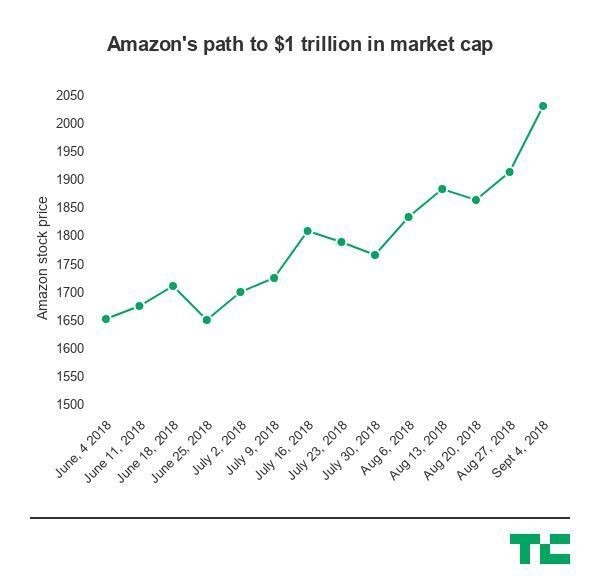
    It was a big month for Amazon in September, 2018. Amazon has become the 2nd company to hit the $1 Trillion dollar market cap. This is significant since Amazon, according MKM Partners, could reach a whopping $2.4 trillion valuation by 2024. AmazonGo is billed as the cashierless stores of the future and Amazon is ready to expand them to new locations. The latest location is its third overall and third in Seattle, where it’s headquartered. The 2,100 square foot store sits on the corner of Boren Ave. and Thomas St. and is its largest yet.

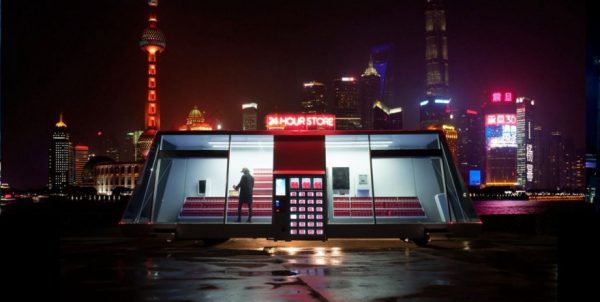
    While expansion to San Francisco and Chicago remains imminent, Cate Trotter of Insider Trends recently did an article on these new, more automated kinds of stores. The AmazonGo concept has been embraced by many retailers across the world with various initiatives from smart kiosks, to what appear to be more like vending machines that operate on AI, to mobile stores ;  the idea of more seamless retail and customer experiences is growing.

    A report on Kiosk and Retail by USA Technologies and PYMNTS.com predicts that the interactive kiosk sector in the US will be worth more than $1 billion by 2020. AmazonGo isn’t at Alibaba’s level in China for retail experiences, but it certainly does re-conceive how the physical stores work for convenience. While E-commerce is growing faster in China, in the U.S. even the likes of JD.crew have started selling on Amazon.

    Amazon is Fueling Retail Innovation

    The Amazon Prime value is incredible and is beginning to scale into entertainment (Prime Video), AI (Alexa), Grocery (WholeFoods) and many other segments. There’s been talk about Alexa Smart Glasses and an Amazon home robot, both likely to appear before 2021. However for physical retail experiences, AmazonGo may be the most tested and innovative feature in the evolution of retail we’ve seen for quite some time.
    Amazon2

    Amazon’s profitability of AWS, Alexa, and future advertising revenue means it will be able to perfect in-store technology. Walmart is testing a new feature called Spark delivery, that uses crowdsourcing to find drivers to make grocery deliveries and will include a partnership with Delivery Drivers, which manages such workers, because the race to automated grocery delivery is also fairly lucrative. JD.com, Kroger, and many others are all looking at this service very carefully.

    AmazonGo has been slow to expand its cashierless grab-and-go experience. However, the concept is clear—this is using LiDAR and other technologies to create a faster experience that is uniquely made for urban shoppers. The point of sale is, for all intents and purposes, virtual. Checkout is completely eliminated, there’s only a kind of mobile check-in with QR codes.

    In the evolution of what physical stores might become, there are lessons for brick-and-mortar retailers to look into:

    • AmazonGo
    • BingoBox
    • Auchan Minute
    • JD.com’s “X” chain
    • Alibaba’s TaoCafe
    • The robotic CafeX
    • Stockwell (Bodega)
    • Moby Mart

    Amazon3-e1574799762164

    The Future Store is Late, but is Arriving in the 2020s

    For the future of commerce, the marketplace, and the local store, these are not isolated incidents. These represent a trend towards increased retail automation, logistics, and consumer fulfillment that will change how GenZ interacts with stores, restaurants, and the future of mobile in-store as well. 5G mobile, the IoT and blockchain will all power the smart store in new creative ways.

    Just as point of sale is evolving, our entire concept of what a “store” is, could change considerably in the next decade. According to Nielson and many retail analysts, we’ll be doing 70% of our grocery shopping online by 2024. In China, Meituan is about to go IPO in Hong Kong, it’s one of the leaders in “O2O”—online to offline—and represents the ultimate in convenience for consumers, though it’s burning cash.

    As impressive as Amazon is to the future of convenience and giving consumers various “upgrades” in customer experience and fulfillment, a lot of the interesting stuff in retail is happening in China, where mobile penetration and eCommerce are both higher and where there are more total consumers and digital natives.

    • 7-Eleven Signature
    • Suning Biu
    • Alibaba’s “smile to pay”
    • Bianlifeng
    • Alibaba’s Hema supermarket

    It turns out having a cashless society with QR codes and an app-of-everything (WeChat) is a huge advantage for China in terms of retail innovation. China’s integration of facial recognition is also very advanced in retail, financial and services generally.

    AmazonGo might be just the tip of the iceberg in how physical retail innovation occurs globally. The future of automation in retail is occurring not just in eCommerce, but in restaurants, grocery, cafes, local stores, convenience stores, and syncing with the values of the new consumer.

    The Future of AmazonGo

    The further expansion in Seattle makes sense as the newest store reportedly is the largest Amazon Go location yet, at about 2,100 square feet, according to the Seattle Times story.

    AmazonGo tech, perfected in Seattle, does not stay in Seattle. An AmazonGo store is heading to New York. Here’s how it works:

    1. When entering the grocery stores, shoppers scan their phone using the Amazon Go app. (The virtual POS is essentially sign-in only)
    2. As you shop, cameras, LiDAR, and motion sensors track what you pick up from (and put back on) shelves.
    3. You can “grab and go” with just-walk-out technology. There are no lines, checkout, or cashiers to worry about.
    4. There’s less staff and typically no grocery carts or baskets. Shoppers are encouraged to use their own bags.

    AmazonGo is rumored to launch in places such as New York, San Francisco, and Chicago first, before spreading to more cities. So if Seattle was phase one, this is phase two.

    Considering how long AmazonGo’s concept was in R&D and testing, this is a pretty huge deal. Amazon’s footprint in brick-and-mortar stores is still pretty small even with the Whole Foods acquisition. Nothing compared to its rival in China, Alibaba, or even JD.com.

    However, AmazonGo is the torch bearer for being a prototype of the “smart store”. As such, many physical retailers are watching closely to see what Amazon accomplishes with AmazonGo and how consumers will respond. Surely it’s an upgrade in what we might term convenience and customer experience in-store. With 7-Eleven integrating Apple Pay recently, it’s only a matter of time before Amazon becomes more aggressive in its brick-and-mortar strategy.

    As for AmazonGo in NYC, Amazon is seeking members for its staff and roles such as:

    • Store Manager
    • Assistant Manager
    • Trading Lead Associate
    • Prep Ingredients Associate
    • Shelves Stocking Associate
    • Customer Success and Help Associate
    • Food Prep Associate
    • Security Associate

    It’s important to note, these stores won’t need as many regular staff due to their unique technology.

    Seattle, New York, San Francisco, and Chicago seem to be the early birds to enjoy semi-automated AmazonGo shopping experiences in 2018 and early 2019. While Amazon is expected to choose Washington D.C. as its next HQ site, it appears to be in no hurry to launch AmazonGo too quickly.

    Later in September it was rumored Amazon will open 3,000 AmazonGo stores by 2021. Amazon also opened an Amazon 4-Star store in New York.

  • How to Choose a POS System for Salons and Boutiques

    How to Choose a POS System for Salons and Boutiques

    Retailers that make a living helping clients look and feel gorgeous need to look amazing themselves, so electronic clutter and outdated technology doesn’t fit the bill.  Choosing a point of sale (POS) system for salons requires extra attention to style, whether it’s hardware design or an installation that needs an added level of detail.

    However, don’t choose a POS system based on looks alone. Think carefully about the software: do you need inventory management, customer relationship management (CRM), reports, or time keeping? It seems like common sense, but don’t paint yourself into a corner by selecting a package that leaves out important features.

    Once you’ve made a list of what you need, it’s time to shop around. Choose a POS system for salons that includes these six necessities.

    1. Functionality: POS systems for salons should be easy to learn and use and allow employees to complete a transaction in as few clicks as possible. If you cater to repeat clients, select software with an integrated CRM. This allows you to track customers’ buying habits and preferences. You can use this information to make recommendations based on past purchases or send clients coupons and incentives to make a purchase or schedule an appointment.

    2. Employee management: Employee management is an important, multifaceted function of a POS system for salons and boutiques. Labor schedulers make it simple to schedule employees for work, swap shifts or duplicate a previous week’s schedule. They also help you make informed decisions about scheduling, so you are not caught under or overstaffed. Depending on the software, employee management functions give you a bird’s eye view of how many employees are working and what jobs they are performing that day.

    3. Printed promotions: Very few receipt printers come with cloud software that allows you to create and schedule printed promotions for free. Choosing a Star Micronics printer for your salon POS system will grant you access to a full suite of Star Cloud Services, including PromoPRNT. PromoPRNT will empower salon owners to create custom promotions, manage them remotely, and schedule them to run at a pre-determined time. Increase customer retention with a limited time 20% off brow wax offer. Boost customer retention with a monthly 15% off of a cut and color.

    4. Sales and inventory reporting: Many POS systems for salons allow you to see sales and inventory information in real time, so you can keep tabs on business throughout the day. These systems also include a variety of reporting options that give you the opportunity to see sales by the shift, hour, day, week, month, or year. Running sales reports help salon and boutique owners identify which styles and product lines customers can’t get enough of and which ones are ready for markdown. Knowing what the top selling items are helps ensure they’re always in stock and in prime position on the sales floor.

    5. Inventory control: Knowing which items are hot helps you manage inventory levels so you aren’t overloaded with unsold products while running out of the ones customers want. POS systems for salons and boutiques can greatly reduce the amount of time you spend searching for items that are in stock, so choose one with the proper inventory control functions. A multilocation business can use its POS system to determine which locations have the items available and arrange for shipping.

    6. Aesthetics: When it’s your business to make people look beautiful, you need to keep up appearances. Choose a stylish POS system for salons that fits with your business’ reputation. Appearances matter, so you can’t afford to have wires hanging around or dated hardware. The checkout is a customer’s last stop before they leave, so a fast transaction on beautifully designed hardware leaves a positive, lasting impression as clients depart.

    The term “salon quality” has come to mean top of the line. Insist on the same standard for the technology you choose for your business. A purpose-built POS system for salons and boutiques will give you the features that meet your unique business needs, allow you to provide great customer service, and equip your business to operate successfully.

  • The Five Ways Retail is Changing Forever

    The Five Ways Retail is Changing Forever

    Retail will never be the same. Consumer preferences are constantly shifting, technology is advancing, and commerce is dynamic. The marketplace is on the front-lines of new experiences, and there’s nothing shoppers crave more than new retail experiences. Is a retail renaissance occurring for small businesses?

    On the front lines, independent retail stores must constantly reinvent themselves. Small business owners as entrepreneurs are essentially creators now, in an age where the marketplace is converging with a new reality.

    1. It’s the Age of the Consumer

    Retail experiences and customer journeys are now frictionless and customer-focused. Advertising, commerce, and smartphone trends now have to keep up with the quickly changing consumer, whose values and new habits are creating the new paradigm of retail.

    Customer experiences must be the focus to appeal to audiences and personalize experiences for them that are radically in sync with culture, community, education and entertainment. In other words, the age of the consumer means stores must impact these — and not simply sell “stuff”.

    2. Always Easy Path to Purchase

    In an era of multi-channel and always online commerce, stores must make it easy, because for the new consumer, convenience wins. What’s easy and convenient is different for a diverse group of your shoppers.

    However being mobile friendly, having great return policies, smooth customer service, a store design that’s easy on the eyes, and having a great loyalty program—that’s facilitating an easy path to purchase.

    3. Educate and Entertain Customers

    A retail brand isn’t what it used to be. The new consumer demands a fully immersive and interactive brand and product experience. Shoppers don’t just want great products with unbelievable discounts, you have to offer them the full experience.

    In 2018, the full experience means does your commerce stand for something — does it bring your local community together? Does it entertain and educate you seamlessly about the product and the people who bring those products to life? Influencers, community, and sustainable causes can really help a retail brand reach the next level of customer interaction.

    4. The Power of Digital Influence

    For a small business it’s great to have your physical store, but your work is never done. For in 2018, digital influence takes many forms. From AR to digital signage in the store, to good-old email marketing, and being quick to answer customer inquiries online, the impact of digital influence on commerce is undeniable.

    Is your website and store optimized for search and local search; have you covered your bases on social media; have you implemented the very best POS and software integrations that’s right for your store? Everything counts, from the printer you use, to the kind of marketing you do.

    0_gFww8tYFv0YFkxFt-e1574799529892

    5. Be An Authentic Entrepreneur — Live Your Commerce

    Independent retailers are families, stories, and sometimes even inter-generational. Retail stores with rich stories and who portray themselves as real entrepreneurs appeal to the human side of shoppers.

    Being authentic in physical retail also means you care about your customer at every point of their journey. You sweat the details and create holistic and exquisite experiences. You inspire with the positive impact you have on the community, not just as an outlet of merchandise, but a small businesses that’s approachable, experts in their domain, and people that sync with the values of your best customers.

    Retail might never be the same. As big apparel and retail chains go bankrupt (think Sears & Toys R Us), independent retailers recognize they have a huge advantage, they are pillars of the community and excel at putting people first. Retail might be changing forever, but there’s never been a more exciting time to be a small business owner, or a shopper.

    Star’s future-proof retail POS solutions have you covered, today and tomorrow.

  • 4 Ways to Streamline Restaurant Kitchen Operations

    4 Ways to Streamline Restaurant Kitchen Operations

    Well-run kitchen operations mean perfectly timed food prep, faster table turns, and few mistakes. However, no restaurant is perfect and in these high-pressure, non-stop work environments, sometimes mistakes are unavoidable. Errors that aren’t quickly contained can trickle down and cause kitchen backups, longer wait times and fewer table turns, which means less profit and lower tips for staff.

    If your kitchen operations could use a refresh, or if you want to integrate new technology for greater efficiency, choose a system that will help you achieve your current goals as well as keep your restaurant humming in the future.

    1. Assess your hardware

    Evaluate your technology components from top to bottom, including point of sale (POS) hardware and front- and back-of -house printers. Overuse, heat, spills, food particles, and steam can harm point of sale hardware and printers, causing expensive work slowdowns and inviting mistakes. Even the cleanest, most organized kitchen operations can lead to electronics damage, especially the moving parts and printhead of a printer. Choosing a model protected from splashes and designed for use in your kitchen environment will ensure your investment will last.

    1. Consider tableside ordering and payment processing

    Mobile POS is a must for restaurants that want to increase throughput and boost profits. These systems allow servers to take orders tableside and transmit them directly to the kitchen, so the kitchen staff can prepare them without delay. It eliminates the time spent writing down the orders, walking back to the POS terminal and waiting if someone else is using it to input an order.  Taking orders with a mobile device also eliminates costly mistakes that can occur when trying to remember an order or deciphering handwriting on the way to the POS terminal. In addition, using mobile POS, staff can process credit card payments tableside, which eliminates the need to bring the check to the table, take the credit card to the terminal and swipe it, and then bring the receipt back for the customer to sign.

    1. Floorplan mapping

    An entire restaurant can be monitored from the tablet POS or stationary terminal with just a few clicks. If one section becomes too busy, the floor plan can be shifted around to incorporate more staff. And if a backup slows down the pace or a server becomes overwhelmed, it’ll be easy to identify and adapt kitchen operations before it becomes a larger issue.

    1. Real-time cloud-based reporting

    Cloud-based point of sale systems enable you to review sales and inventory information in real time, so you can monitor your business throughout the day. These systems also include a variety of reporting options that give you an in-depth look in to every shift, hour, day, week, month or year. Running sales reports help restaurant owners and managers identify which menu items are most popular and which result in ingredients taking up shelf space in the kitchen. Identifying best-selling menu items also ensures the right stock is available to make them, maximizing profitability and increasing customer satisfaction.

    Kitchen operations can make or break a restaurant, but the right technology can help keep them on track. The most successful eateries have the tools they need to succeed—mobile POS, kitchen technology, real-time reporting and the ability to monitor the restaurant floor right from the POS. How do your kitchen operations stack up?

  • This is How Big the Cannabis Retail Sector is Going to Be

    This is How Big the Cannabis Retail Sector is Going to Be

    Within the next 10 years, the legal cannabis industry is likely to boom around the globe, according to Arcview Market Research and its research partner BDS Analytics.

    Spending on legal cannabis is expected to reach $57 billion by 2027. The adult recreational market is predicted to reach 67% of the spending and the remaining 33% will be taken up by medical marijuana.

    More states are recognising cannabis

    Take the U.S. for example, where it looks like more states are likely to legalize cannabis. Thirty states plus the District of Columbia now allow the legal use of medical marijuana. Nine of these states plus D.C. have also legalized the recreational use of marijuana.

    Two more states, Michigan and New Jersey, seem to be on the path to legalization in 2018. In April, The Michigan Board of State Canvassers approved an initiative to put recreational marijuana legalization on the ballot paper later this year. They needed to gather 250,000 signatures and ended up with more than 365,000 signatures of support.

    Meanwhile, Democrat Phil Murphy, Governor of New Jersey, voiced his support for the legalization of recreational cannabis and is promoting a bill that would legalize recreational use of marijuana in his state.

    Cannabis Sales Could Even Eclipse Beer

    The cannabis market is even putting pressure on alcohol sales and could out-sell beer.

    Binge-drinking rates have fallen 9% below the national average in states that have legalized marijuana, and 11% in states that allow the recreational use of the drug, according to Bloomberg reports. Adults in states which have legalized marijuana binge drink on average 13% fewer times per month than those in states which have legalized recreational usage.

    Other estimates show that the market for cannabis could even eclipse the sales of soda.

    According to investment bank Cowen, if marijuana is legalized nationwide in the US by 2030, the legal weed industry could generate $75 billion in sales by that year. Soda consumption, on the other hand, is declining. Per capita, soda consumption fell to a 31-year low in the US in 2016, Bloomberg reports, with $76.4 billion in sales in 2017.

    Having said this, even though the US decriminalization of cannabis is likely over time, there are still legal challenges for the booming market. Marijuana is still considered illegal and a Schedule I substance by the federal government and therefore cannabis-based businesses don’t have access to traditional banks and so cannot open lines of credit. And around the globe, the adult recreational cannabis market remains hampered by the United Nations and its 1961 Single Convention on Narcotic Drugs.

    A Canadian Perspective

    Meanwhile in Canada the cannabis industry is expected to soar as the recreational use of marijuana will be legalized on October 17, 2018. The market is due to increase drastically as Justin Trudeau announced the long-awaited date after months of speculation in Ottawa, confirming that Canadians will be able to purchase and consume the drug.

    Of course, no one can know for sure what the retail environment will look like once marijuana stores are legal. But according to Avery Shenfeld, chief economist at CIBC World Market, if businesses are allowed cannabis shops and to compete in the same way other retailers do, then Canadians could be buying as much as $10 billion worth of marijuana products per year.

    To put this in perspective, Canadians bought around $9 billion worth of beer in 2015, according to Statistics Canada.

    Further promises of the booming market come after the Ontario Cannabis Store (OCS) announced that it has partnered with 26 licensed producers for its online retail platform, which is the province’s only retailer for recreational marijuana this fall.

    The store says that supply agreements with these Health Canada-authorized producers were extremely competitive and will allow for a variety of products to be sold when pot becomes legal on October 17th.

    The Picture of Legalization

    The online store plans to sell various products including dried flowers, cannabis oil and cannabis seeds to customers 19 or older and plans to expand the selection over time.

    Ontario has also announced it will allow recreational pot to be sold in retail stores while the province will handle online sales.

    With this plan, the OCS will not operate any storefronts, but will provide an online channel that will include an age-verification system to ensure safe home delivery of cannabis products. This means the OCS will act as a wholesale supplier for private retailers.

    Minister of Finance Vic Fedeli says that the government will propose an official Ontario Cannabis Retail seal which will help consumers identify retailers that sell federally qualified products. “Consumers can look to this seal to confirm they are buying from a legal channel,” said Fedeli. “This is an assurance that the illegal market simply cannot match.”

    The full regulatory framework for the private sector will be designed in consultation with stakeholders, including municipal governments, indigenous communities, law enforcement, public health advocates, business and consumer groups. Fedeli assures sceptics that the government’s priorities are ensuring public safety and eliminating the black market. “The Government of Ontario will not be in the business of running physical cannabis stores,” said Fedeli. “Instead we will work with private-sector businesses to build a safe, reliable retail system that will divert sales away from the illegal market.”

    So what does this mean for the future of cannabis retail? Although the exact outcome is unknown, the $57 billion spending on legal cannabis predicted by Arcview Research is extremely promising. We are already seeing positive steps in the US and Canada, where legalization is becoming increasingly common and is arguably filtering into mainstream law. This is fantastic news for the marijuana retail sector.

    The cannabis retail store definitely shows huge potential and only time will tell just how big the market will really be.