Category: Solutions & Use Cases

  • Why You Should Create Instagram Stories for Your Store

    Why You Should Create Instagram Stories for Your Store

    The influence that social media has in today’s society is undeniable. Life is now about documenting every experience, whether it’s a trip to a new country or what you ate for dinner. Instagram Stories allows Instagram users to share multiple experiences through images and videos for a 24-hour period until they disappear (very much like a Snapchat story).

    As Instagram Stories has grown to be more popular, it is becoming an important tool to help businesses increase brand awareness and engage with their customers. But first thing’s first – how do you create Stories, and why should you use them?

    How To Create An Instagram Story

    Although Instagram Stories has existed since 2016, here is a brief tutorial to get you started:

    1. Open your store’s Instagram account and tap either the camera icon or your store’s logo in the upper right-hand corner.
    2. Next, either:
      1. Take a picture or video, or
      2. Choose an existing picture or video from your phone’s gallery.
    3. Upload your picture/video to your Story by tapping “Your Story” in the bottom left corner.

    Once uploaded, your image will remain on your Story for 24 hours.

    Why Use Instagram Stories?

    Over 400 million people use Instagram Stories. That’s a lot of people, and it’s more than double the number of Snapchat users! One huge benefit of using Stories is that because you can add public hashtags to your Stories, even users who do not follow your business can discover your content.

    Besides making your business more discoverable, Instagram Stories now allows the use of outbound links, meaning you can include links to your website or blog. Stories is also an excellent way to build your business’ community by tagging partners and brand influencers.
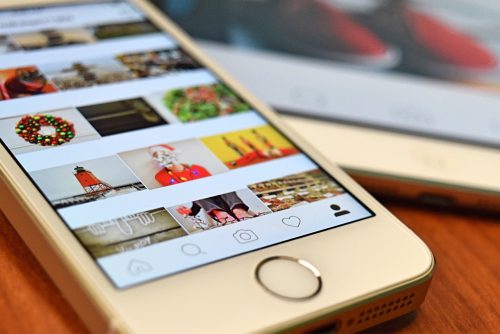
    account-app-apple-163148-e1574802578394
    Making seasonal content a focus can be very successful on Instagram. Source: pexels.com

    Ways to Use Instagram Stories for Your Business

    As you’ve now learned, Instagram Stories is a great way to reach your target audience, no matter what industry you are in. In fact, agencies report 2-3 times more engagement with Stories than with regular content. With a plethora of features just one tap away, Instagram Stories can be a valuable part of any small business marketing strategy. Here are some ideas to help get you started:

    • Use location tags to inform users where your store is located
    • Start a poll to get valuable customer feedback
    • Use Stories to highlight product teasers
    • Use the tagging feature to give partner and/or customer shout outs
    • Leverage the “Swipe Up to Read” feature (if you qualify) to give quick access to your website or blog
    • Post motivational quotes
    • Share client success stories

    If you’re looking for even more inspiration, click here to learn about eight content tricks used by top brands, from sharing an experience to focusing on seasonal content.

    How One Fashion Store Made the Most of Instagram Stories

    Utilizing online marketing to drive in-store sales is a huge part of the omnichannel retail experience, and Instagram Stories is a great place to do just that. For example, one footwear and fashion company which recently opened retail stores hoped to raise brand awareness among young women, its target audience. The company created eye-catching Stories video ads, and the Insta-effort really paid off: the ads boosted brand awareness by 11 points among young women! Click here to learn more about how the store leveraged Instagram Stories, or click here for even more Stories ideas.

    Good luck and happy “storytelling!”

  • Star Micronics Introduces the “Star Select Club” for ISV Partners

    Star Micronics Introduces the “Star Select Club” for ISV Partners

    Star Micronics presents a new, three-tier loyalty program for ISVs that offers exclusive benefits and resources

    Somerset, NJ – January 21, 2018 – Star Micronics, a leading provider of point of sale and customer engagement technology, is proud to introduce the Star Select Club.

    The Star Select Club is designed for software developers that either offer Star Micronics’ products, or have created a solution to be used for or with Star products. With this membership, ISVs will gain exclusive access to the Star ISV Partner Portal online. The portal contains beneficial information including developer resources, technical support, marketing materials, sales support, and more.

    Partners are able to join the Star Select Club at tiered levels, which will be determined by Star Micronics on a case-by-case basis. Upon sign-up, members will be informed on what their tier level is, what it includes, and how to advance.

    The three Star Select Club Levels are:

    Bronze: The Bronze level includes access to the Star Partner Portal website filled with technical support and marketing resources, a sales support call with Star Micronics, and the opportunity to be added to Star’s Certified Software page.

    Silver: The Silver level includes everything in the Bronze tier, as well as digital marketing initiatives, exclusive pre-release product information, and sales support.

    Gold: The Gold level contains all the benefits from Bronze and Silver, and also consists of dedicated technical and marketing support with first-pick selection of co-marketing activities.

    “We deeply value our partnerships with ISVs,” says Christophe Naasz, Director of Business Development at Star Micronics. “Because of this, we are always looking for new ways to provide them with additional value. We’ve been committed to building this loyalty club for the benefit our software vendors and are looking forward to the launch of this program.”

    To register for the Star Select Club, please click here.

    For questions regarding membership, please contact Brianna Moriarty at bmoriarty@starmicronics.com.

  • Star Micronics and Veras Retail to Offer a Simple and Powerful Point of Sale for Specialty Retail

    Star Micronics and Veras Retail to Offer a Simple and Powerful Point of Sale for Specialty Retail

    Veras CheckOut for POS and Veras Extend for mobile POS, along with Star’s mC-Print3 printer, enable retailers to conduct effortless checkouts and orders across multiple channels

    Somerset, NJ – January 10, 2019 – Star Micronics, a leading manufacturer of mobile, point of sale (POS), and customer engagement technologies, is proud to announce that Veras Retail, a leading provider of point of sale, inventory, omnichannel execution and CRM software solutions, now supports the new Star mC-Print3 thermal printer. Together, Star Micronics and Veras Retail are providing retailers with a point of sale solution that is designed to complement—not duplicate—their merchandising and ERP systems.

    Veras CheckOut for point of sale enables retailers to effortlessly carry out corporate strategies with a powerful pricing engine, enterprise-wide visibility into inventory levels, and the ability to access customer information and orders across channels. With built-in integrations to leading EMV-capable payment solutions, the solution enables retailers to effectively and simply follow PCI standards. It also features a variety of omnichannel “save the sale” capabilities, allowing customers to save items in their online cart and then purchase in-store. Veras Extend for mobile POS uses the same data and business logic as Veras CheckOut, enabling store associates to interact with customers anywhere on the sales floor.

    Paired with Star Micronics’ mC-Print3 printer, Veras CheckOut and Veras Extend offer an intuitive user experience and maintenance. The mC-Print3 offers a compact footprint, and is equipped with multiple interfaces and HUB capability, allowing retailers to power their POS peripherals such as customer displays or barcode scanners, directly through the printer.

    Veras CheckOut and Veras Extend with Star’s mC-Print3 also come ready-to-use with Star Micronics Cloud Services, including PromoPRNT. PromoPRNT allows retailers to simply create and schedule printed promotions, coupons, surveys, and more. The Star Micronics Cloud Dashboard hosts hundreds of drag-and-drop shapes, icons, and text, along with pre-designed promotion templates. The dashboard also provides customer data for when a promotion is printed or redeemed.

    “We are committed to providing retailers with best-in-class store systems solutions that enable them to provide a seamless shopping experience and build better relationships with their customers,” says Rohit Vir, CEO and Founder of Veras Retail. “Partnering with technology leaders like Star Micronics is a key part of our business strategy. We are pleased that our Veras CheckOut and Extend users can benefit from the integration with Star’s mC-Print3 printer.”

  • Star Micronics to Highlight Latest mPOS and Customer Engagement Solutions at NRF 2019

    Star Micronics to Highlight Latest mPOS and Customer Engagement Solutions at NRF 2019

    The mCollection – an mPOS line featuring printers, scales and a variety of peripherals – will be demonstrated in a simulated shopping mall

    Somerset, NJ – January 07, 2019 – Star Micronics, a leading manufacturer of mobile, point of sale (POS), and customer engagement technologies, is excited to attend NRF 2019, where it will demonstrate its new mCollection in a mock shopping mall located at booth #3601.

    The mCollection includes a variety of mPOS technologies, including Star’s newest printers, the mC-Print2 and mC-Print3, as well as scales, mPOP accessories, and peripherals including barcode scanners and customer displays. Featuring a sleek, unified design and easily integrated with the most modern ISVs, the mCollection is geared towards cannabis, grocery/deli, jewelry, pharmaceutical, restaurant and retail industries. PromoPRNT, Star’s value-add in-store marketing tool, will also be demonstrated at the show.

    In its booth, Star will also feature several of its partners’ technologies, including Appetize, Apptizer, Evoke, Mad Mobile, SuiteRetail, and Veras Retail. A variety of giveaways will be available to booth visitors, including candy, T-shirts, and tote bags. Additionally, a grand prize will be raffled off to an attendee who visits each simulated shop.

    “Star is looking forward to returning to NRF this year,” said Christophe Naasz, Director of Business Development at Star. “We believe that in our mock shopping mall, we will demonstrate the strong value our mCollection has for many of today’s – and tomorrow’s – hottest markets.”

  • Star’s Top 5 Blog Posts of 2018

    Star’s Top 5 Blog Posts of 2018

    Happy New Year! To celebrate the beginning of 2019, we’re taking a look back at our top five blog posts that were published in 2018. But don’t be confused: just because these were our top blog posts last year, they certainly still have value today and beyond.

    Read on to discover everything from how to implement an iOS POS system and how blockchain can optimize retail stores, to the benefits of digital signage and the importance of properly managing cannabis receipts. Happy reading!

    1. 3 Ways to Get the Most Out of Your Apple POS System with AirPrint Receipt Printers

    AirPrint-With-drawer-cropped-e1574795965801


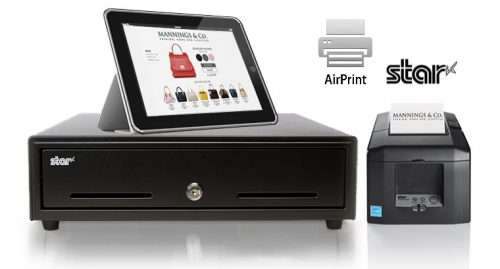
    Apple POS systems are extremely popular in many industries including retail, restaurant, hospitality and more – and that’s sure to remain the same in 2019. But how can you get the most out of your iOS POS setup? This blog post dives into three ways to do just that with AirPrint, from printing receipts directly from your device to controlling your cash drawer remotely.

    2. 5 Benefits of Digital Signage Solutions

    My-Post-e1574796095841

    Digital signage displays do more than just look good – they’re a great way to boost your business’ marketing strategy! Discover the many benefits digital signage can offer you, including grabbing customers’ attention, providing dynamic updates, being cost-effective, boosting impulse purchases, and increasing in-store digital and social media presence.

    3. The Ultimate Guide to Building Your iOS POS System

    The-Ultimate-Guide-to-Building-Your-iOS-POS-system-e1574796222219


    Another iOS POS post reached the top of our ranks this year – can you tell the systems are popular? In this blog post, we walk you through how exactly to set up the ideal iOS POS system, from choosing the right device to creating an aesthetic appeal … and everything in between!

    4. 3 Things Cannabis Retailers Need to Know About Cannabis Receipt Regulations

    Cannabis-Blog-e1574796358246


    Not surprisingly, one of our top posts in 2018 was about cannabis. Also not surprising is the fact that cannabis retailers need to pay close attention to cannabis receipt regulations, which is what this post is all about. There are three main things you need to stay on top of if you’re a marijuana retailer: adhering to your state’s requirements, managing your cannabis receipts, and including all of the required information on the receipts. Read on!

    5. The Future of Blockchain in Retail

    Blockchain-Innovation-in-Retail-e1574798838700

    Blockchain, or an incorruptible digital ledger, is here to stay. It might sound a little intimidating, but in this post we explore how retailers small and large can use blockchain technology to improve the consumer experience, streamline the supply chain, and optimize payments and contracts.

    Thanks for reading! Happy New Year!

  • 6 Top Retail Trends Coming in 2019

    6 Top Retail Trends Coming in 2019

    It’s December, which means a new year is right around the corner. Along with the big ball drop and lots of confetti, the New Year is also bringing a slew of retail trends. From multi-channel nurturing to the continuing growth of artificial intelligence, let’s take a deeper dive into the top 5 retail trends coming in 2019.

    1. Experiential Retail

    This first retail trend probably comes as no surprise: today’s consumers want to feel more engaged. Simply remodeling your store isn’t enough – you need to create an experience. Some examples of this include “pop-ups” that feature your best products (even if they aren’t for sale), in-store classes and workshops, incorporating your brand’s apps in brick and mortar stores, and more.

    Speaking of apps, there are many types to choose from. Some features of today’s retail apps include:

    • Showing product aisle location, price, current stock, specs, reviews, etc.
    • Shopping list creation and coupon access
    • Augmented reality (AR) functionality, enabling customers to try on clothes virtually, see what products would look like in their home, visit “invisible” pop-up shops, etc.

    Using apps will not only make your store (and brand) more fun – it will benefit your customers, too. According to a recent study, over 60% of consumers say AR could improve their daily lives, including how they shop. By implementing AR into your retail marketing strategy, you’ll stay on top of the trend that’s predicted to attract 1 billion users by 2020 – and grow to $90 billion in size.

    2. Multi-Channel Selling

    Don’t let the changing retail environment scare you – there’s certainly still a place for brick and mortar. But the key to your success involves more than just the physical storefront: you must appeal to customers online, as well.

    It’s not just speculation – it’s been shown that consumers embracing multi-channel shopping is a true retail trend. For example, on Black Friday this year, 54% of shoppers reported shopping both online and in physical stores. The time to funnel effort into your e-commerce approach (from your website to your social media strategy) is now.

    3. Innovative mPOS Systems

    Next year, point of sale (POS) systems will continue expanding further into businesses’ marketing and customer engagement strategies. Mobile point of sale (mPOS) systems are a perfect example of that transition. Because mPOS systems are deployed on mobile devices, they enable employees to bring the transaction to the customer, decreasing wait times and greatly improving the

    Star-mCollection-e1574800629417
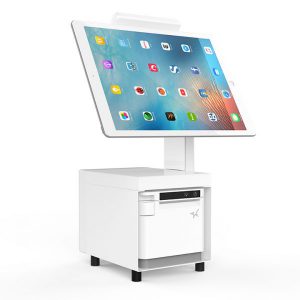
    Star’s mCollection can help you bring the transaction to the customer.

    shopping experience. mPOS (and some traditional POS) can also enhance your brand’s marketing by allowing you to communicate and schedule coupons, promotions, job openings, and more via your receipt printers – all from one centralized device.

    4. Corporate Social Responsibility

    In this day and age, consumers don’t want to shop just anywhere – they want to purchase high-quality products from companies that care. Topics such as food waste and plastic pollution are making headlines left and right, and it’s more important than ever to practice what you preach. From sourcing locally to encouraging volunteerism, there are many ways to embrace corporate social responsibility (CSR) that can better the world – and align with your business objectives. Some examples of the business benefits of implementing CSR initiatives include improved brand reputation, operational cost savings, increased employee productivity, and a greater ability to attract and retain talent.

    5. Data Driven Workflows

    Data is king. If you build strategic data collection into your business model, you can then leverage it to improve everything from sales and marketing, to operations and customer service.

    What does this look like? Big box retailers such as Walmart are using machine learning to optimize home delivery routes, and the technology could also be used for stocking and inventory, marketing and product placement, theft monitoring and more.

    6. Artificial Intelligence

    While the peak of artificial intelligence (AI) usage may still be a couple of years out, there’s no denying that AI is a growing trend – and a quickly growing trend, at that. Siri, Cortana, and Alexa are being utilized more and more, and it’s predicted that AI will follow a path similar to mobile shopping (starting off slow, then becoming a major channel for purchasing). This year consumers might just ask their virtual assistant for the forecast, but next year they could be asking to buy your product.

    Is modernizing and optimizing your retail store on your list of New Year’s Resolutions? Discover how mPOS solutions can help you increase sales and improve customer satisfaction in our e-book!

  • The Power of Offline Marketing in Retail

    The Power of Offline Marketing in Retail

    GDPR: The Renaissance of SMB Receipt Marketing

    Today, because more than half of retail sales are influenced by digital – and GDPR influences data collection – a new trend is emerging: Retailers are turning to offline marketing.

    GDPR (or the General Data Protection Regulation) has had implications for foreign small businesses and retailers, and now similar regulations are coming to the United States.

    While large retailers may have the funds to dedicate to safeguarding their big data, SMBs tend to have smaller budgets and fewer staff to manage such procedures. How do these stores continue to successfully communicate with customers – and stay protected against regulation?

    Receipt Marketing: A Secret Weapon to Boost Customer Engagement

    Independent retailers may create email marketing campaigns or implement a basic loyalty program, but there’s another thing they could be doing: receipt marketing.

    Apart from customer service at physical stores, what’s the one thing shoppers always take away with them? A receipt, which is an intuitive and significantly underutilized marketing channel!

    Customer retention, loyalty and engagement are all built upon developing relationships, being memorable, standing out and creating a connection. What if a cute or funny message on a receipt could do that? What if coupons, discounts, QR codes and thoughtful messages on receipts could build rapport with your audience?

    It’s Cheap, Easy, Safe and Humanizing

    Because digital marketing doesn’t always produce results for brands with a strict budget, offline marketing that reaches all customers could be a more rational place to invest your customer engagement dollars.

    Just think of the possibilities! Your messaging can be timely and feature endearing calls-to-action that brighten your customer’s day. And the best part? This type of offline marketing has no privacy infringements – just enticing offers and a personal touch that makes SMBs feel genuine.

    Customer Incentives for Return Business

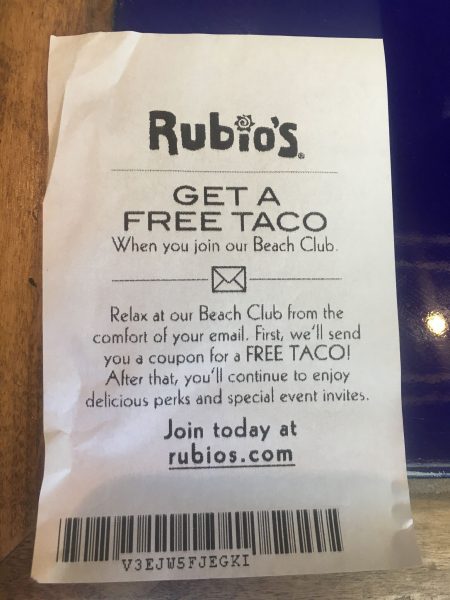
    Receipts can be a great place to highlight special offers to boost future store, restaurant and kiosk traffic.

    rubios-receipt-e1574800443247

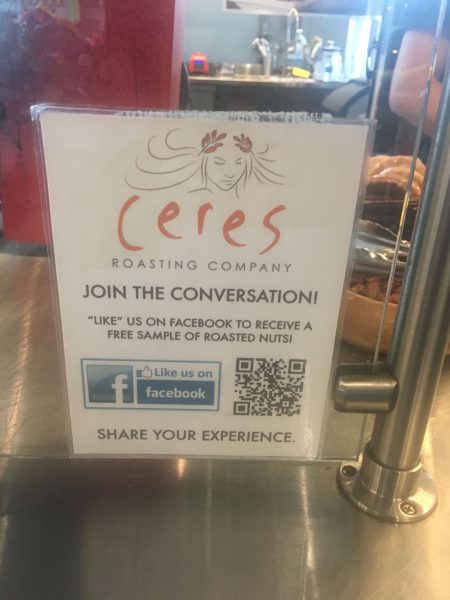
    Offline Meets Mobile: QR Codes

    QR codes embedded on receipts, cards and in-store posters mean offline marketing can sync up with mobile offers.

    ceres-sign-e1574800465363

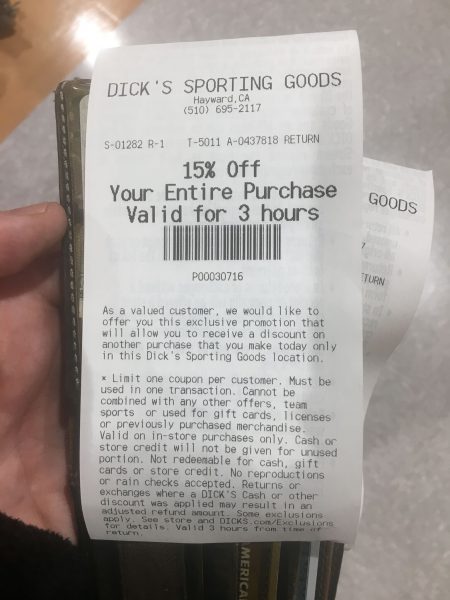
    Persuasive Discount Offers and Time-Sensitive Offline Messaging

    Receipt marketing is a great way to reach a lot of eyeballs at an extremely low cost. Discounts with time-sensitive offers can create some of the best results and are a part of the most persuasive loyalty campaigns.

    dicks-sporting-goods-receipt-e1574800492603

    PromoPRNT: The Free Offline Marketing Tool

    Ready to get your offline marketing tactics rolling? Star Micronics has developed PromoPRNT, a complimentary, easy-to-use receipt marketing program for SMBs, local retailers and independent stores. With PromoPRNT, you can:

    • Make and schedule custom receipt offers and promotions
    • Manage receipt promotions from the cloud
    • Increase customer retention and drive loyalty marketing campaigns
    • Make each customer visit unique and make the experience more memorable

    For small businesses, offline advertising will never really die because it drives repeat business in the age of e-commerce. With GDPR and look-alike regulations hitting the retail industry, offline marketing is a low stress, low cost and high ROI way of communicating with your customers … with a nearly 100% read rate!

    Learn more about PromoPRNT

  • The Top 7 Ways Retail Stores Can Grow Repeat Customers

    The Top 7 Ways Retail Stores Can Grow Repeat Customers

    Why Customer Retention Matters

    For brick and mortar stores and small businesses, driving repeat business means everything. With increased competition for less traffic and reduced consumer attention, small businesses too need to learn how to stand out and be memorable. Increasing customer lifetime value is part art and all science—data and marketing.

    The right customer retention tactics for your independent business could mean success or failure in the critical window; here you need to grow and increase ROI and focus in on your most valuable customers to drive sales.

    1. Serve the authenticity motive.

    Consumers need to feel a connection to your staff, your store, and your products to keep coming back. This requires great customer service, competitive prices, exquisite products, and building trust with authenticity. At the end of the day, your best customers will want to support you and see your establishment do well if they feel a connection. By being genuine, transparent, generous, and focused on giving to the community, your local business can do great things and drive people to care, and shop more!

    2. Adopt a loyalty program.

    The surest way to re-target customers and drive repeat sales is to choose and implement the best loyalty program that works for you, and generates higher sales on the top 20% of your customers that are the most profitable. With a solution like thirdshelf, small businesses and boutiques can quickly develop a loyalty program and easily on-board their customers to enjoy the benefits.

    3. Drive visual and mobile attention.

    Adopting tech at your small business does not have to be expensive, and it can help increase repeat sales and pair products most commonly bought together. This is fairly intuitive with the implementation of digital signage via Sophatar. The impact of digital influence on customer engagement is increasing; contextually based dynamic content that’s highly visual can increase basket size and augment the customer experience.

    4. Have the very best customer service.

    The key to having great customer service is in well trained and motivated sales associates and store clerks. Investing in employee engagement tools and staff training programs such as those offered by Myagi can help keep employees on top of their game. Customer fulfillment in physical retail really is very based on the human experience with staff, and if their training was skill-based, they will have all the tools to deliver truly memorable service.

    5. Acquire and utilize customer data for personalization.

    Even the smallest retailers should be obsessed with their customers and this also means gathering customer data. This is the genius of loyalty programs in that they benefit the entire business by understanding customer and product analytics at a deeper level. To increase customer retention, engagement, and repeat business, it’s therefore essential to gather customer information. Re-targeting with email marketing and personalized offers is the bread and butter of any customer retention program.

    6. Elevate the customer experience that matters to your key customer segment.

    Every business will have a sweet-spot of what the ideal customer journey looks like and the most common points of friction. By providing more of the best and minimizing the usual rough spots, independent stores can constantly improve the experiences they provide. Offering educational opportunities, events, and even appointments with an expert can provide added incentives for loyalty customers to convert. A tool like Booxi can drive traffic via online appointment booking while simplifying the journey.

    7. Optimize and quantify your physical retail success.

    For loyalty marketing that’s data-based, you will be able to create marketing campaigns that are customer-centric. This means having the right data your fingertips, both in terms of customer segments and actual foot-traffic, and for this, we recommend getting Dor. Dor can help you measure marketing outcomes as it’s an actual foot traffic solution that’s affordable and easy to install at your retail location.

    One of the key takeaways is that growing repeat customers takes data, it takes hard work, and it takes a lot of testing via loyalty and marketing campaigns. The savvy retail entrepreneurs, who understand their customer the best, can implement the right solution to drive additional revenue and increase sales. Setting these priorities firmly in mind can enable you to grow your business with proactive growth mentality that is constantly in tune with your customers that are always in search of adding more value to their experience.

    • Do more with less; try new tools and software.
    • Eliminate pain points and friction.
    • Zero in on providing add-on value for your best customers.
    • Create fresh campaigns that truly differentiates your retail brand as an experience provider.
    • Incentivize repeat business will well-crafted and personalized offers.
  • The Latest POS Technology to Modernize Retail Tech

    The Latest POS Technology to Modernize Retail Tech

    If you’re looking for a good reason to upgrade to the latest POS technology, consider this: it’s designed to be more effective at customer engagement.  Forget the middleman — traditional engagement strategies are going out the window as retailers opt for technologies that do two things: reach shoppers at critical touch points, and give them the opportunity to collect customers’ contact information for future use.

    Here are six examples of the latest POS technology and how they can benefit your business and create great shopping experiences for your customers:

    1. Digital Signage

    Digital signage takes the guesswork out of advertising. Will people see your messaging? With digital signage, the answer is YES. Digital signage is a virtual guarantee that customers will see important messages about new products or promotions while they are in-store browsing or deciding whether to make a purchase. This foolproof method of communicating with customers translates into higher sales numbers almost immediately, because it encourages upselling, cross-selling, and impulse buys.

    2. Mobile Payments

    Your customers will appreciate the ability to use their preferred payment methods — including giving them the option to use mobile payments.  The latest POS technology allows your customers to pay in a variety of ways:

    • Mobile at the POS: Paying via smartphone or mobile device at the register using near-field communication (NFC) technology
    • Mobile as the POS: Accepting a payment card on a retailer’s mobile device
    • Mobile Payment Platforms: Sending money to a merchant using a mobile device, such as using a mobile wallets

    3. mPOS and Tablet POS + High Speed, Ergonomic Thermal Receipt Printers

    No one wants to finish a shopping trip, only to be faced with a long line that’s not moving. mPOS or tablet POS and thermal printers allow employees to process transactions, complete with a receipt, anywhere in the store. The latest POS technology, used on a mobile device and coupled with quiet and reliable thermal receipt printers, provides an engaging shopping experience that gets shoppers out the door faster and gives you the flexibility to add more checkouts when needed.

    4. Digital Receipts

    Keeping track of receipts can be frustrating for customers, because these elusive slips of paper seem to get lost so easily. Offering digital receipts allows customers to keep, sort and locate their proof of purchase easily — even days or weeks later. The ability to make hassle-free returns with digital receipts moves customer service lines faster and may increase the chance that people will shop at your store again.

    5. Printed Promotions

    Don’t overlook the value of printed promotions within the increasingly digital world.  The “2K17 Valassis Coupon Intelligence Report” revealed that 84% of shoppers surveyed said that coupons influence what products they buy, while 86% of people said that they were persuaded to purchase a new product because they had a coupon for it.

    6. Customer Satisfaction Survey

    A customer satisfaction survey is a direct line of communication with customers to get their feedback on how your business and products are performing. These surveys, which are typically offered at checkout, help you understand your customers’ needs, evaluate employees, and remedy issues in a timely manner.

    The latest POS technology will give you the ability to engage with your customers like never before and provide them with the types of shopping experiences that they want and expect. Consider incorporating the latest POS technology into your business to generate more sales, more repeat customers, and better in-store experiences.

    Can mPOS increase your sales and boost your customer satisfaction? Find out now.

  • How Resellers Can Cash in on Cannabis Point of Sale

    How Resellers Can Cash in on Cannabis Point of Sale

    It’s like a dream come true for point of sale (POS) VARs. There’s a new consumer market with a product that people are clamoring for to the tune of $10 billion per year and anticipated growth of 28% over the next three years: Cannabis.

    If you haven’t considered expanding into the cannabis point of sale market, you could be missing out on one of the biggest opportunities your business will ever encounter.

    A Snapshot of a Rising Industry

    The legal cannabis industry is growing fast. Currently, cannabis is legal for recreational use in nine states and the District of Columbia, and medical marijuana is legal in 30 states. A report from cannabis industry analysts at Arcview Market Research and BDS Analytics estimated 2017 legal sales to reach $9.7 billion, a whopping 33% increase over 2016. Moreover, their report estimates the market will reach $24.5 billion by 2021.

    The product line is more diverse than you may think. Dispensaries sell oil, hash, shatter, and rosin that can be smoked or vaped. They may also offer bakes goods and candy, as well as the traditional flower. Medical dispensaries sell products including CBD (cannabidiol) usually in the form of oil or candy, which is used to treat epilepsy or pain.

    There are 9,397 active licenses for marijuana businesses in the U.S.—and all of them need a POS system to help manage their business.

    What’s Different About Cannabis POS?

    There are some aspects of selling cannabis retail or through a dispensary that make it different from other business operations and that require different features than other retail POS systems. Here are five examples:

    1. It’s a cash business.

    At least for now, cannabis businesses primarily deal in cash. There are still federal laws that define it as illegal, and banks, caught in the middle in states that have made it legal, are reluctant to open accounts for these businesses. Politics and legal battles aside, this presents unique challenges to cannabis businesses—which could really use trusted advisors well versed in retail and POS technology as well as strict cannabis regulations to help them solve business challenges such as this.

    2. Scales need to be sensitive.

    You may have sold scales for deli, grocery, or bulk items. But cannabis scales have to be more accurate than a hundredth of a pound. The sensitivity of a cannabis sale must be accurate to a fraction of a gram—both to comply with regulations and to ensure maximum profits.

    3. Labels are strictly regulated.

    Cannabis customers are limited to a specific quantity they can purchase per day. That may seem straightforward, but considering a customer may be purchasing baked goods, candies, or oil, the quantity of controlled substance won’t be immediately obvious without a label. Some states also require labels to include information about testing that has been done on the products and traceability information back to the source of the cannabis flower.

    4. Receipts are more than proof of purchase.

    The information that needs to be included on a receipt provided by cannabis businesses are different depending on the regulations in each state. In Oregon, for example, receipts need to include store name and address, product category, something that identifies the products that are taxed, a breakdown of state and local tax, and a disclaimer that receipts are required for tax disputes. In California, for example, it’s important to instruct your customers to save all copies of receipts from each day’s sales for a minimum of three years in the event that the cannabis store is subject to an audit. Advice your customers to check on their individual state’s regulations regarding cannabis receipts.

    5. Stores need heightened security.

    With an all-cash business, a desirable product, and tough regulatory scrutiny, cannabis stores and dispensaries will need a robust security solution. Today’s state-of-the-art solutions enable business owners to track inventory with GPS, monitor facilities inside and out with high-resolution IP camera systems, guard blind spots in the store with hidden cameras, and protect their businesses with sensitive alarm systems that send alerts in the event of a break-in or fire. Integrating security with the POS system can provide information that helps business owners identify people responsible if theft occurs and give law enforcements the details it needs to act.

    The cannabis industry is in its earliest stages, so it will be important for you to establish partnerships that will help you develop this part of your business as you expand your VAR into a new market, stay on top of regulatory developments, and search the market for solutions that will provide your customers with the greatest value.

    Click here to download our full eBook.