Category: Product Updates

  • 8 Proven Strategies to Transform Cash Management Solutions for Your Clients

    8 Proven Strategies to Transform Cash Management Solutions for Your Clients

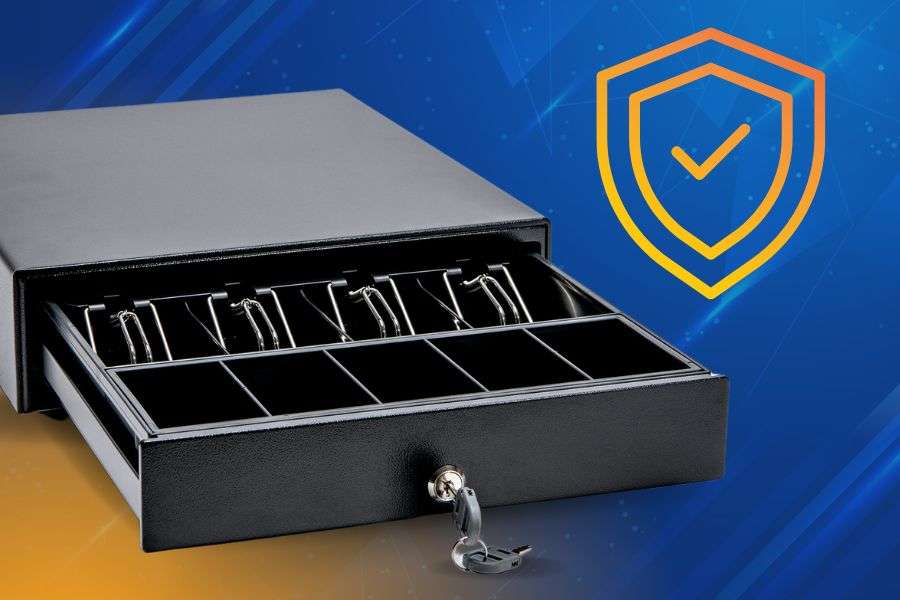
    Managing financial transactions effectively is crucial to maintaining customer trust and business integrity in any industry, especially for cash-heavy sectors like cannabis, hospitality, and retail. As technology advances, security features in cash management solutions must also evolve to address new threats and further enhance operational efficiency.

    For value-added resellers (VARs), guiding clients toward modern cash management solutions, particularly focusing on cash drawer security and handling practices, is key to elevating your offerings.

    Understanding the Security Landscape

    Security in cash management is an essential pillar of business operations. With theft and fraud risks continually changing, business owners need cash management solutions that protect against external and internal threats, keeping transactions transparent and accountable. As a VAR, understanding these concerns helps tailor recommendations to each client’s specific needs.

    Strategies to Optimize Cash Management Solutions

    To help clients protect their revenue and streamline cash-handling operations, it’s crucial to implement strategies customized to each business’s unique needs. Here are some fundamental approaches that VARs can recommend to strengthen cash management systems:

    1. Assess Business Context for Cash Drawers

    Every business is unique. A thorough understanding of your client’s operating environment allows you to recommend cash drawer solutions that provide the right level of security. For instance, a high-traffic retail store may require multiple locking mechanisms, while a smaller café might benefit more from locking covers for after-hours security.

    2. Educate on Multiple Locking Options

    Different businesses demand different security levels. Cash drawers with various locking mechanisms provide flexibility, allowing businesses to choose locks that reduce the risks of both internal and external theft.

    Here are some common types of locking options:

    > Keyed Locking: The drawer can be locked or unlocked with a specific key. Some drawers have multiple key types or configurations to restrict access to particular personnel.

    > Electronic Locking: The drawer is controlled electronically, often through the point-of-sale (POS) system or a keypad, requiring a code or authorization.

    > Manager Override Locks: Some drawers feature a second lock that only managers or authorized personnel can open with a unique key or code, adding an additional layer of security.

    > Locking Modes: Some drawers offer different locking modes, such as:

    • Locked-Open: The drawer remains unlocked after each transaction.
    • Locked-Closed: The drawer automatically locks after closing.
    • Manual Locking: The drawer can be locked or unlocked manually by authorized personnel.
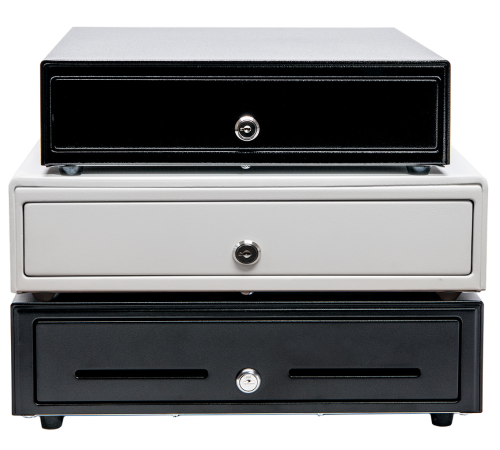

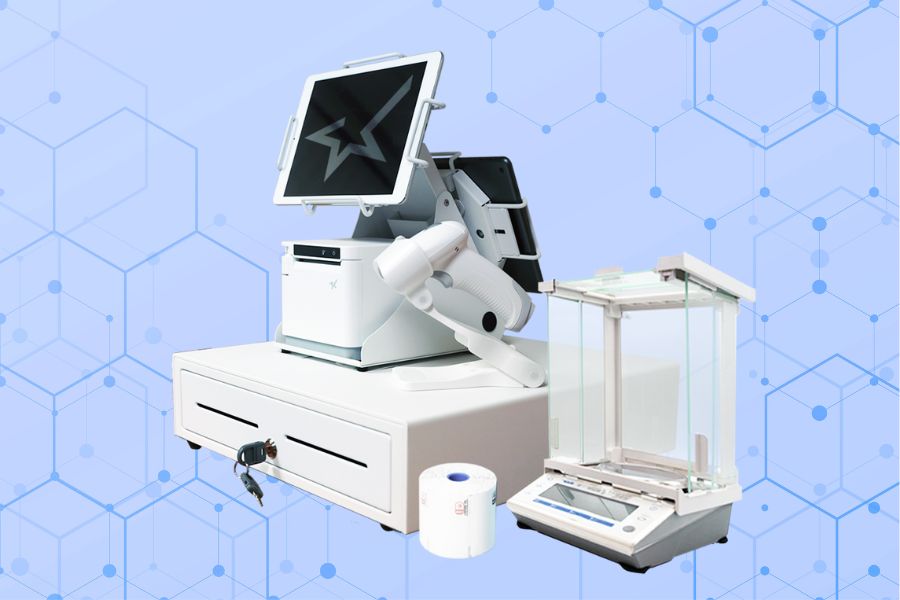
    Star Micronics has a range of robust cash drawers for any industry.
    Star Micronics has a wide range of cash management solutions.

    3. Promote Organized Cash Handling Practices

    Encourage clients to implement cash drawer solutions that minimize exposure to theft, such as limiting the cash-in-drawer amounts, regular cash drops, and secure transportation between cash drawers and safes.

    4. Safe Cash Transport Practices

    To reduce risks during transport, suggest lockable cash transport boxes and established procedures for moving cash from drawers to safes. Star’s cash drawers, including the CD4 series, offer optional locking cash till covers for enhanced protection during transport and storage.

    5. Recommend Reliable Cash Drawer Hardware

    Cash drawers must be secure and durable. The CD4 Choice Series, for instance, provides advanced locking systems, robust materials, and compatibility with diverse POS systems, making it reliable for various business environments.

    6. Periodic Audits and Drawer Checks

    Recommend regular audits and drawer checks to detect discrepancies. This practice not only helps identify security gaps but also allows for better training and refinement of cash handling practices.

    7. Dual-Drawer Management

    Where multiple registers are required, recommend systems that enable centralized management through dual-drawer cables, which provide efficient cash flow control.

    Cash Drawer Connectivity Guide

    Star Micronics offers a versatile range of cables for seamless compatibility with various point-of-sale (POS) configurations. Whether you need to connect two cash drawers to a single printer or connect a non-Star printer with a Star cash drawer, our selection of specialized cables ensures smooth and efficient operation for any setup.

    8. Strategic Drawer Placement

    Advise clients to position drawers in secure, discreet locations, such as under the counter but still within view of surveillance cameras or staff, to deter theft while limiting unauthorized access.

    Highlighting the CD4 Choice Series

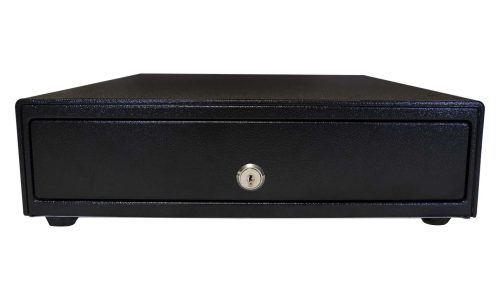
    The CD4 Choice Series by Star Micronics exemplifies secure and reliable cash management solutions. Its high-quality lock systems, robust construction, and compatibility with diverse POS systems provide peace of mind to business owners.

    The series offers customization options, like different drawer sizes and finishes, making it suitable for various operational needs while providing the necessary protection. Additionally, built-in security features like reinforced steel construction and high-security locks ensure durability and resilience.
    Cash Management Solutions to Empower

    Helping your clients transform their cash management solutions requires a focused approach to understanding their specific security challenges. By emphasizing the importance of robust cash drawer hardware and tailored cash handling practices, you can provide proven strategies that elevate their businesses while strengthening your role as a trusted partner.
    Explore all of Star’s cash drawer offerings:

  • Why ISVs Prefer CloudPRNT Over WebPRNT for Superior Connectivity

    Why ISVs Prefer CloudPRNT Over WebPRNT for Superior Connectivity

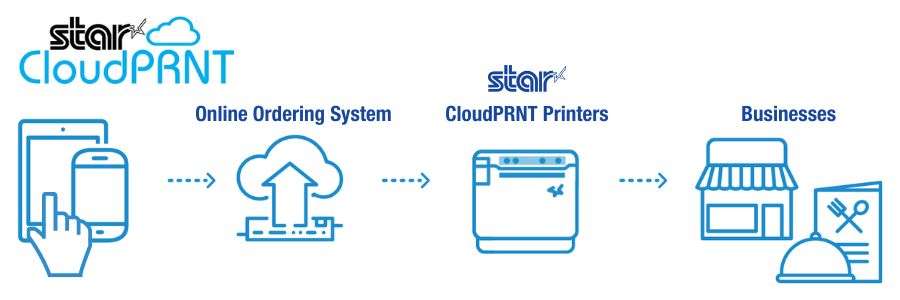
    As businesses continue to navigate the challenges of a fast-moving marketplace, the efficiency of online order processing has become crucial. Developed by Star Micronics, CloudPRNT and WebPRNT are two pivotal technologies designed to enhance modern printing with improved connectivity and efficiency. CloudPRNT communicates directly to the specified cloud server, while WebPRNT connects through the local network, enabling printing via a web browser.
    Both technologies lead the way in modernizing printing solutions to meet the demands of today’s businesses. However, for Independent Software Vendors (ISVs) seeking superior connectivity and efficiency, CloudPRNT is the standout choice. Let’s explore the reasons behind this.

    Understanding CloudPRNT and WebPRNT

    CloudPRNT and WebPRNT serve the fundamental purpose of enabling remote printing capabilities, but they approach the task differently. CloudPRNT facilitates direct communication between the server and the printer, bypassing the need for an intermediate device. This direct server connection simplifies the hardware setup for businesses and streamlines the process of managing online orders.

    CloudPRNT by Star Micronics is ideal for cloud-based printing and preferred by ISVs.

    The Case for CloudPRNT: Benefits for ISVs

    Software Developer or Independent Software Vendor (ISV)

    1. Direct Cloud Integration

    CloudPRNT’s ability to allow direct communication between the server and the printer significantly simplifies the hardware setup for businesses. This integration not only reduces complexity but also cuts down on costs associated with traditional local network configurations, making it an attractive and cost-effective option for ISVs looking to offer simplified solutions to their clients.

    2. Enhanced Order Management

    CloudPRNT, with its streamlined process for managing online orders, significantly reduces the likelihood of missed or delayed prints. This efficiency reassures businesses that they can maintain a high level of service, contributing to a better overall customer experience.

    3. Broad Application Support

    CloudPRNT’s compatibility with a wide range of applications and services allows ISVs to integrate their software with a variety of solutions. This compatibility ensures that ISVs can cater to the diverse needs of their clients, making CloudPRNT a versatile choice for integrating printing solutions.

    4. Scalability and Reliability

    As businesses evolve, so do their needs. CloudPRNT’s scalable nature accommodates business growth without significant additional investment. Furthermore, CloudPRNT’s reliability in maintaining constant communication with cloud servers ensures streamlined printing, vital for businesses that rely on timely order fulfillment.

    Why CloudPRNT Over WebPRNT for ISVs?

    CloudPRNT technology by Star Micronics enables Star printers to print from cloud-based software.

    Ease of Integration

    CloudPRNT offers a straightforward integration process with various cloud-based services, simplifying the task for ISVs. This ease of integration allows ISVs to quickly implement CloudPRNT into their solutions, providing a seamless experience for their clients.

    Integrate with Star today >

    Future-Ready with Cloud Computing

    With the ongoing shift toward cloud computing, CloudPRNT ensures that ISVs and their clients are well-prepared for future technological trends. By choosing CloudPRNT, ISVs position their solutions at the forefront of innovation, ready to meet the demands of the digital age. CloudPRNT ensures their solutions remain relevant and competitive in a quickly changing market.

    Elevating the Customer Experience

    The direct benefits of CloudPRNT’s efficiency—faster service and reduced wait times—translate into an enhanced customer experience. For ISVs, integrating CloudPRNT means offering solutions that meet and exceed customer expectations, driving loyalty and satisfaction.

    Star Micronics Technologies for Today’s Market

    Your POS software deserves hardware that enhances its capabilities – not limits it. Star Micronics ensures your application stands out, helping you address customer demands, mitigate challenges, and drive sales by offering comprehensive POS solutions.

    CloudPRNT as the Optimal Choice

    For ISVs focused on delivering top-tier connectivity and operational efficiency, CloudPRNT is the clear choice. Its advantages in streamlining operations and ensuring scalability make it an invaluable asset in the competitive landscape of technology-driven markets. ISVs are encouraged to leverage CloudPRNT to elevate their offerings, ensuring they remain relevant and competitive.

    Discover CloudPRNT’s full potential and how it can revolutionize your software solutions.

    Learn More About Integrating CloudPRNT Today:

  • Optimizing Omnichannel Experiences with Best Labeling Practices for SMBs

    Optimizing Omnichannel Experiences with Best Labeling Practices for SMBs

    Omnichannel commerce has become a cornerstone for small and medium-sized businesses (SMBs) aiming to thrive in the digital age. With customers shifting between online, in-store, and mobile engagement, strategic labeling has become crucial in enhancing omnichannel experiences for customers. 

    To meet this need for your retail or restaurant business, Star Micronics offers solutions like the mC-Label3 multimedia printer, the TSP143IV SK sticky label printer, permanent linerless labels, and Label Builder from Star Micronics Cloud Services. These smart labeling solutions have the features and flexibility to optimize omnichannel commerce.

    Understanding Omnichannel Commerce

    Omnichannel retail expands traditional in-store or digital shopping methods by connecting different points of engagement to create cohesive customer experiences. Labeling plays a pivotal role in ensuring that orders from different channels are processed accurately and efficiently in an organized manner, streamlining operations and helping to keep customers happy.

    Customized Labeling for Diverse Order Types

    Customized labels are vital for managing omnichannel retail orders. Best practices require using the proper labels for different order types, for example:

    • In-Store Purchases: Labels used in-store can include item details, prices, sale information, and QR codes for digital receipts.
    • Online Orders: Labels should list order numbers, customer information, and package handling instructions.
    • BOSS and BOPIS/Curbside Pickups: Buy online, ship to store (BOSS), buy online, pickup in-store (BOPIS), and curbside pickup require labels that clearly distinguish them from regular orders, possibly with color codes or distinct symbols.

    Customizing labels for each process streamlines order processing and minimizes errors, enhancing the customer’s omnichannel experience.

    Star Micronics has the POS hardware small businesses need to create the best omnichannel experience.

    Enhancing Inventory Management through Strategic Labeling

    Efficient inventory management is crucial in omnichannel commerce. Labels that include barcodes or RFID tags help track inventory levels in real time, ensuring that stock information is accurate across all sales channels. This approach not only streamlines inventory management but also supports better purchasing decisions and demand forecasting.

    Customized Labeling Solutions for Increased Operational Efficiency

    As e-commerce and omnichannel commerce continue to represent a larger portion of retail sales, you must ensure your business’s processes are as efficient as possible. As order volumes increase, saving minutes at each step in processing and fulfilling them can add up to significant cost savings each year.

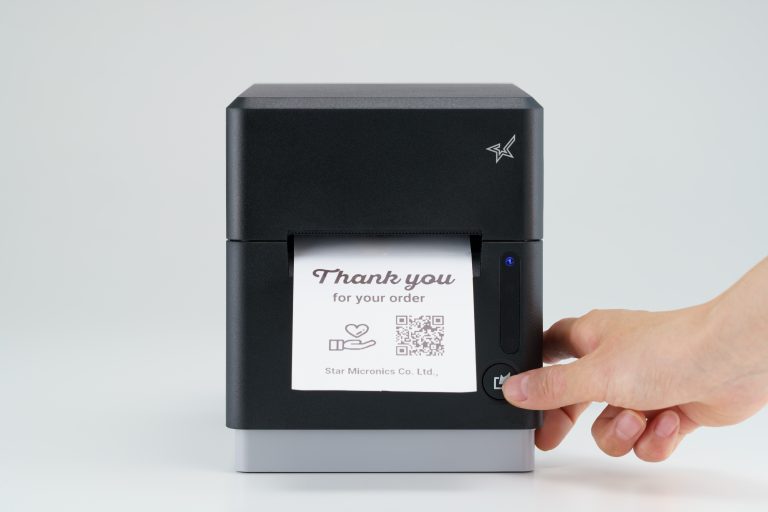
    The right labeling solutions for your small business can make all the difference. For instance, Star Micronics’ One Touch Label printing feature allows you to create three distinct label images for different types of orders to store on the mC-Label3 multimedia printer and printed with the multifunction button.
    Additionally, linerless labels allow employees to retrieve a label from a printer and apply it with one hand. There’s no paper backing to remove, saving time – and helping your business operate more sustainably.

    Star Micronics’ Labeling Solutions for SMBs

    The mC-Label3 Multifunction Printer by Star Micronics great for delivery take out online ordering and QSRs.

    The mC-Label3 multimedia printer is at the forefront of addressing the labeling needs of SMBs, especially for those looking to create better omnichannel experiences. It offers:

    • Compatibility with various media types, including permanent linerless labels, which are gaining popularity.
    • High-quality printing that ensures readability and durability.
    • Modern connectivity options like CloudPRNT, Android Open Accessory (AOA) support, TetherLAN, and SteadyLAN.
    • Access to Label Builder on Star Micronics Cloud Services, allowing businesses to create custom labels tailored to their specific needs.
    • Universal compatibility with Android, iOS, and Windows – a versatile choice for various business setups.


    The mC-Label3 multifunction label and receipt printer from Star Micronics.
    The mC-Label3 helps small businesses with strategic labeling for omnichannel commerce.

    Steps Toward Optimal Labeling Practices

    The steps toward improving omnichannel experiences by implementing labeling best practices are:

    1.  Assess your current processes and identify areas for improvement. To understand the impact of your current labeling practices, you can collect data from several sources. Talk to your employees to understand their pain points and suggestions for improving workflows.
    2.  Look at data from your point-of-sale (POS), ecommerce, or other system application to understand how often order errors occur and how accurate labeling could have prevented them. Include the cost of mistakes and how labeling can reduce them in your assessment.
    3.  Consider customer feedback, looking for trends that reveal how a better approach to labeling can increase customer satisfaction.
    4.  Invest in reliable hardware like the mC-Label3 and quality labeling materials once you have defined your needs for a new solution. Ensure the solution is correctly set up and configured for online order fulfillment, in-store pickup, or other processes for the best omnichannel experience.
    5.  Train your staff on how to get the most value from your new labeling solutions and encourage feedback for continuous improvement.

    Conquering Omnichannel Order Management with Cloud-Based Technology Solutions

    Consumers have spoken! The future of retail and hospitality is omnichannel, cloud-based, and connected. Is your business prepared?

    Compete on Omnichannel Experience

    Effective labeling is more than a functional necessity; it’s a strategic tool that can significantly enhance customers’ omnichannel experience. By adopting the best practices outlined here and leveraging solutions like those offered by Star Micronics, SMBs can streamline their operations and elevate customer service to new heights.

    Explore Star Micronics’ innovative labeling solutions and take the first step towards a more efficient and customer-friendly future.

    Find out how Star can elevate your brand:

  • Why Every Café and Coffee Shop Needs a Linerless Sticky Label Printer

    Why Every Café and Coffee Shop Needs a Linerless Sticky Label Printer

    Operating a coffee shop or café is an exercise in multitasking. Orders come in from self-service kiosks, online, the drive-thru, and the counter. Keeping customers happy requires a wide range of options, like offering the choice of whole, skim, 2%, almond, oat, or coconut milk, adding an extra shot of syrup, or topping off their beverages with whipped cream or a sprinkle of cinnamon.

    In such a dynamic setting, utilizing labels from a dependable linerless sticky label printer can significantly streamline operations and ensure each unique customer request is handled accurately and efficiently.

    The teams at these shops must ensure they work accurately; mistakes and shrinkage can account for 4-10% of inventory loss. However, they must also work quickly to keep lines short and accommodate busy customers.

    Furthermore, counter workers, baristas, and other employees must communicate effectively in noisy, tight spaces. Sticky labels help maintain necessary organization and increase efficiency, making them indispensable in your busy café or coffee shop environment.

    Another challenge labeling solutions can help you overcome is operating in markets with increasing competition. The U.S. coffee shop market expanded to more than 40K stores in 2023, 7% growth over 2019. Daily Coffee News reports that many of the new stores are part of large chains. Small coffee shop and café businesses need tools that help them enhance customer experiences and engagement to hold onto their share of the market as larger companies attempt to overtake it.

    Why Every Café and Coffee Shop Needs a Linerless Sticky Label Printer

    Overcome Challenges with a Linerless Sticky Label Printer

    Labels may seem like a simple operational tool, but they can significantly impact café and coffee shop efficiency, profitability, and customer loyalty. Using a label printer for coffee shop orders lets you automatically communicate every order detail to baristas and prep stations so they can delight customers every time. In addition, labels with clear instructions decrease errors, boosting profitability.

    Linerless sticky label solutions are an excellent choice for cafes and coffee shops. They allow employees to print labels for each order, stick them to their work area, reposition them as they complete orders, and then attach them to beverage cups. Employees don’t need to communicate orders verbally or in handwriting. Linerless sticky labels streamline work and enhance productivity. 

    Sticky labels can also give cafes and coffee shops an effective method to elevate their brands and engage customers beyond the order’s completion. Full-featured label printers for coffee shops allow you to enhance labels with your logo, QR codes that simplify loyalty rewards program sign-ups, or personalized thank you messages. Labels give you quick, creative opportunities to engage with customers long after the service is provided.

    Read: The Importance of Permanent Linerless Labeling in Modern Business >

    Choose the Right Sticky Label Solution

    To get the greatest value from a label printer, work with a value-added reseller to create a solution tailored to your business. Discuss these options with your provider:  

    Repositionable linerless sticky labels

    Labels that your team can peel and reapply as needed—from order to workstation and to the customer’s beverage cup—ensure accurate order prep. Linerless sticky labels add even more efficiency.

    Linerless labels have no silicone backing that employees must remove, eliminating waste that can clutter counters and floors and allowing you to operate more sustainably. Additionally, employees can easily print, apply, and reapply the removable label with one hand, saving time. 

    Linerless labels also increase operational efficiency in other ways. Since there’s no backing, linerless label rolls contain 40% more labels, so employees spend less time loading printers and more time serving customers. In addition, because you’ll need fewer rolls on hand, they help you conserve storage space for other essential supplies to keep your business running.

    Label design capabilities

    Make sure you deploy a label solution that allows you to print different labels and create designs that enhance your brand. Label design solutions enable you to build a template for the labels your team uses to communicate order details and to generate creative labels, even die-cut, brand-enhancing labels, on demand. 

    Star Micronics Label Builder, one of Star Micronics Cloud Services, is an ideal option for cafes and coffee shops. It allows you to build customized labels, combining text, barcodes, QR codes, images, and shapes to create unique designs.

    If you use a Star mC-Label3 multifunction printer, you can store up to three labels directly on the printer, and your team can easily print them with the One Touch button. It also prints with any paper roll width between 25mm and 80mm for further customization.

    Why Food Packaging Labels Are Essential to Online Order Fulfillment
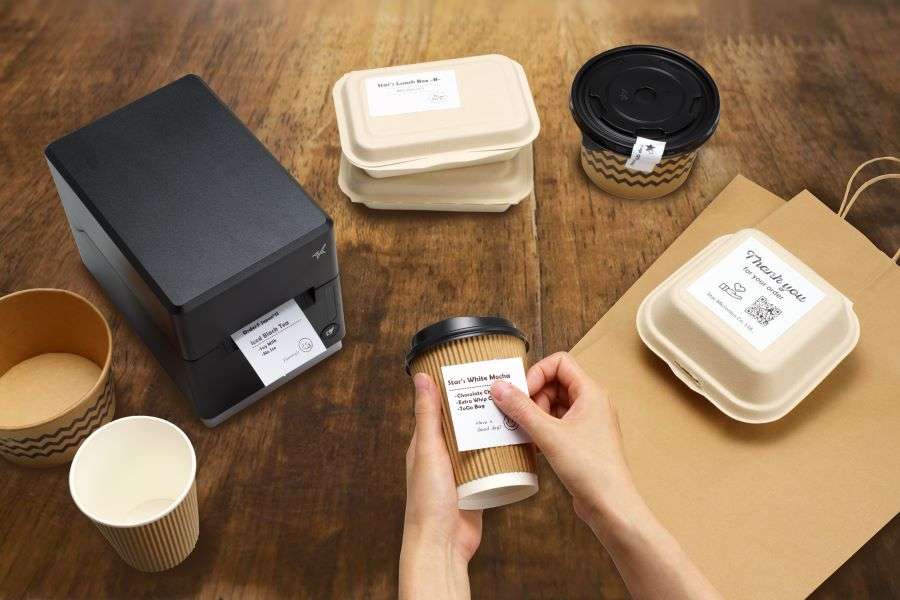
    The mC-Label3 multimedia printer can use permanent or repositionable sticky linerless labels.

    If you use the TSP143IV SK linerless sticky label printer, your team can quickly customize Star’s Cloud Services image templates and print a variety of labels as needed. Flexible label widths of 40mm, 58mm, and 80mm cater to all your labeling needs as well, enabling you to print everything from slim drink labels to wider order details.

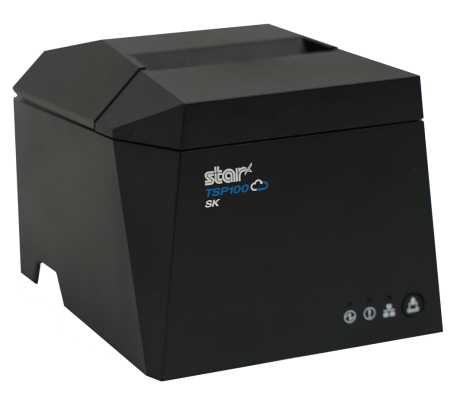
    Tsp100iv Sk Left2 Small 1
    The TSP143IV SK sticky label printer from Star Micronics is great for cafes and coffee shops.

    Flexibility with modern features

    Your labeling solution must also include a printer designed to work well in your environment. A small footprint and vertical mounting options will help you save counter space and workspace. The TSP143IV SK is currently the market’s most compact 3” desktop sticky label printer. It also has a built-in vertical mounting capability and internal power supply, freeing up valuable counter space and optimizing your service area like never before.

    The ideal printer for cafés and coffee shops should feature versatile connectivity options such as USB and Wi-Fi, enabling seamless pairing with any setup. As cloud-based operations gain popularity, the ability to print directly from the cloud is also essential.

    Additionally, the best sticky label printers in this sector are characterized by their rapid printing speeds and low total cost of ownership (TCO). This affordability stems from their reliability and durability, ensuring they meet the demands of busy environments without overly frequent maintenance or replacement.

    Café and Coffee Shop Sticky Label Printer ROI

    Investing in a high-quality sticky label printer can yield substantial returns for your café or coffee shop. The tangible benefits include increased employee productivity and higher throughput, directly contributing to a healthy return on investment (ROI).

    By using linerless sticky labels, your business can enhance order accuracy, significantly reducing shrinkage and boosting profitability. Additionally, this sustainable choice minimizes waste from both paper and ingredients.

    Conquering Omnichannel Order Management with Cloud-Based Technology Solutions

    Consumers have spoken! The future of retail and hospitality is omnichannel, cloud-based, and connected. Is your business prepared?

    Perhaps even more crucial is the impact on customer satisfaction. Delivering consistently accurate orders can dramatically boost the customer experience. Furthermore, sticky labels can play a pivotal role in your strategy to increase customer engagement and build loyalty, keeping you competitive in a whirlwind market. 

    These benefits are measurable and often happen swiftly after implementing a new streamlined labeling solution. Beyond these immediate advantages, employee satisfaction increases when they are equipped with tools that make their tasks more manageable.

    As the business landscape evolves, relying on legacy tools and outdated processes is no longer viable. Upgrading to modern solutions that utilize linerless sticky labels ensures that your business remains efficient and competitive.

    Ready to upgrade your sticky label game?

  • Grocery Store Technology with Rod Plus Solutions on the Rising Stars Podcast

    Grocery Store Technology with Rod Plus Solutions on the Rising Stars Podcast

    The grocery industry is undergoing rapid transformation, fueled by digital innovation and evolving consumer expectations. For grocery retailers and technology solutions providers, staying ahead in this dynamic landscape requires a deep understanding of the intersection between technology and customer service.

    In the latest episode of the Rising Stars Podcast, “The Impact of Technology on Modern Grocery Stores,” host Kate Orara welcomes Kevin Spencer, President and CEO of Rod Plus Solutions and host of the podcast Retail Checks and Balances. Together, they explore Rod Plus’s pivotal role in reshaping the grocery sector through innovative technology solutions that cater to the digital retail landscape and changing consumer behaviors.


    Listen to the New Episode Now

    Innovations in Grocery Store Technology

    Kevin Spencer shares insights into Rod Plus’s contributions to the grocery technology sector, focusing on how the company’s solutions have revolutionized inventory management, e-commerce platforms, and customer engagement. This episode offers a unique glimpse into Rod Plus Solutions’ innovative strategies to help grocery retailers adapt to the digital era, enhancing both operational efficiency and customer satisfaction.

    What Listeners Will Discover

    By listening to this episode, audiences will discover:

    • The strategic innovations Rod Plus brings to the grocery industry.
    • How Rod Plus Solutions addresses common challenges in the sector.
    • The role of AI and IoT in advancing grocery services while maintaining a human touch.
    • Kevin Spencer’s perspectives on managing digital transformation in grocery retail.

    A Must-Listen for Industry Stakeholders

    “The Impact of Technology on Modern Grocery Stores” is essential listening for anyone involved in the grocery industry—from technology providers to retail managers and business leaders. As Kevin Spencer and Kate Orara explore Rod Plus Solutions’ approach to leveraging technology for grocery retail, they highlight the importance of balancing digital advancements with the intrinsic value of human connections in creating memorable customer experiences.

    As Rod Plus Solutions and Star Micronics prepare for their appearance at the upcoming National Grocers Association (NGA) show, this episode is a timely resource for retailers looking to navigate the complexities of grocery technology and digital transformation.

    Tune in to gain actionable insights into the future of grocery retail, driven by technology solutions that prioritize efficiency, customer engagement, and adaptability in a quickly changing market landscape.


    Explore All Episodes

    Loving the podcast? Subscribe now, and let us know what you think by leaving a review!

    Stay up-to-date on all things Star, don’t forget to follow us on Twitter, LinkedIn, Facebook, Instagram, and YouTube.


    Podcast Playlist on YouTube

    The Rising Stars Podcast

    Immerse yourself in the ever-evolving world of point-of-sale (POS) with the Rising Stars Podcast by Star Micronics, hosted by industry pro, Kate Orara. Twice a month, we dive into the fascinating journeys of innovators and businesses navigating the challenges of technology’s rapid pace.

    In every episode, Kate Orara, Star Micronics’ Partner Development Manager, takes listeners on an exploration of emerging retail technology trends and strategies with global industry giants. She’s spent her entire career meeting all the right people, and now listeners everywhere can benefit from this vast network of channel gurus.

    Always leading and always innovating, Star Micronics, a pioneer in POS and customer experience technology for over 60 years, welcomes you to join us in shaping a brighter future in the retail, hospitality, and cannabis industries.

    Want more industry news?


    Explore the Star Blog

  • Restaurant Printer Solutions: Back-of-House vs. Front-of-House Essentials

    Restaurant Printer Solutions: Back-of-House vs. Front-of-House Essentials

    In today’s rapid-paced dining environment, coupled with high employee turnover, the efficiency and reliability of restaurant operations are more critical than ever. Leveraging the right printer technology can significantly streamline workflows, from the kitchen to the counter, enhancing both the staff and customer experience.

    This guide explores the essential types of restaurant printers, covering back-of-house, front-of-house, and label printers to ensure seamless service and operation.

    Kitchen Printers for Efficient Back-of-House Operations

    In the heart of any bustling restaurant, the kitchen demands resilient and adaptable tools to match its vigorous pace. While impact printers have long been the stalwarts of back-of-house operations, modern advancements have made thermal printers equally indispensable. Engineered to endure the challenging kitchen environment, both types of printers ensure clear, quick order communication.

    Thermal printers, with their specific features like splash resistance and insect-proof design, alongside traditional impact printers, which use bond paper known for its durability under heat and humidity, collectively offer comprehensive solutions that cater to the diverse needs of professional kitchens, enhancing efficiency and reducing order preparation errors.

    Impact Printers: The Backbone of Kitchen Printing

    Impact printers stand as the traditional choice for kitchens, where the physical impact of a printhead against an ink ribbon ensures orders are printed in a durable, dual-color format. Using bond paper, these printers produce orders that can withstand the harsh heat and humidity conditions in busy kitchens. Also, bond paper is typically multi-ply, a favorite in the industry, providing a practical solution for orders shared across multiple stations.

    The distinct advantage of using two colors—black for the main order and red for modifiers—alongside the audible printout delivery on 2-ply bond paper makes impact printers invaluable for maintaining clear communication with kitchen staff. It all helps to minimize preparation errors, ensuring coordinated efforts and flawless dish preparation.

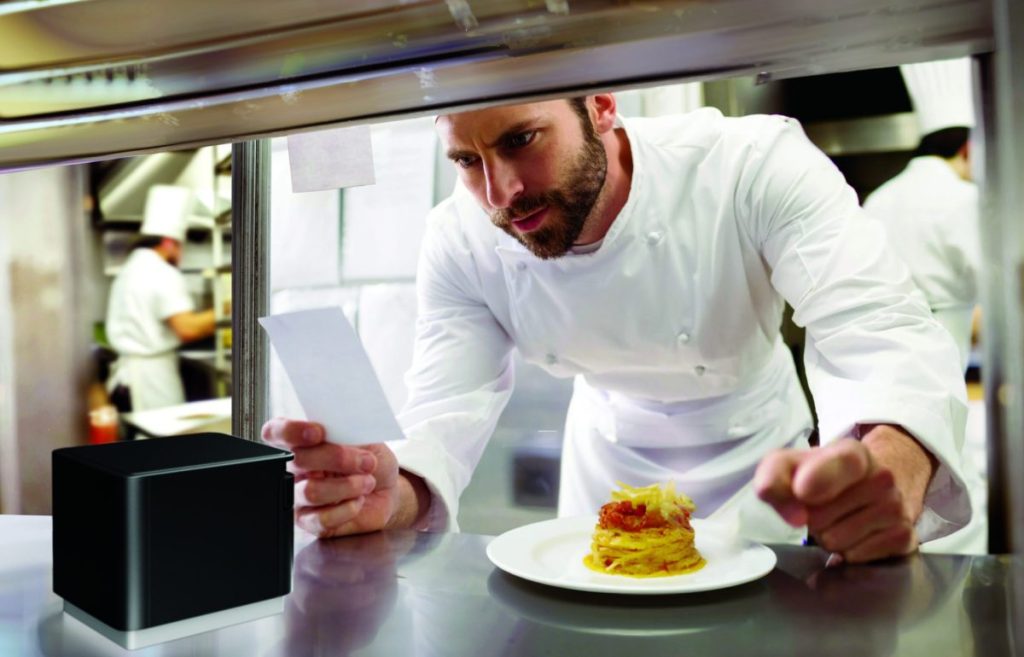
    Chef in modern, professional kitchen looking at ticket from mC-Print3 thermal receipt and restaurant printer by Star Micronics.

    Thermal Printers: Embrace the Modern Kitchen

    Thermal printers, with their advanced features tailored for modern professional kitchens, offer a compelling alternative to impact printers. These printers thrive in environments where direct heat and grease are minimized, providing high-quality printouts without the need for ink or ribbons. Attributes such as splash resistance, warning buzzers for incoming orders, and an insect-proof design make thermal printers irreplaceable in today’s kitchen setups.

    As for having multiple tickets for the same order, thermal printers can print back-to-back copies of the same order at a rapid pace. This guarantees that every workstation receives its required orders for timely food preparation. In fact, many modern kitchens equip each station with a thermal printer, streamlining the entire process to ensure appetizers precede entrees and orders are sent out just as guests expect.

    Coupled with electronic kitchen display systems (KDS), thermal printers integrate seamlessly into digital workflows, offering a cleaner, more efficient alternative to traditional printing methods and supporting the dynamic nature of back-of-house operations.

    Here are Star’s recommendations for kitchen and back-of-house printers:

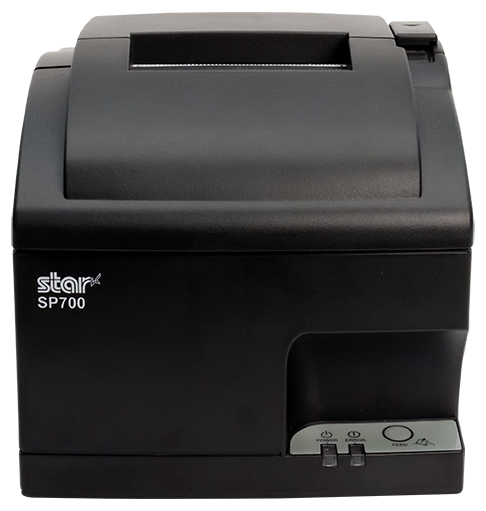
    SP742 Impact Printer

    The SP742 Impact Printer from Star Micronics offers a durable, efficient solution for kitchens, combining high-speed, two-color printing with seamless CloudPRNT and Bluetooth integration for streamlined online order processing.

    Explore the SP742 >

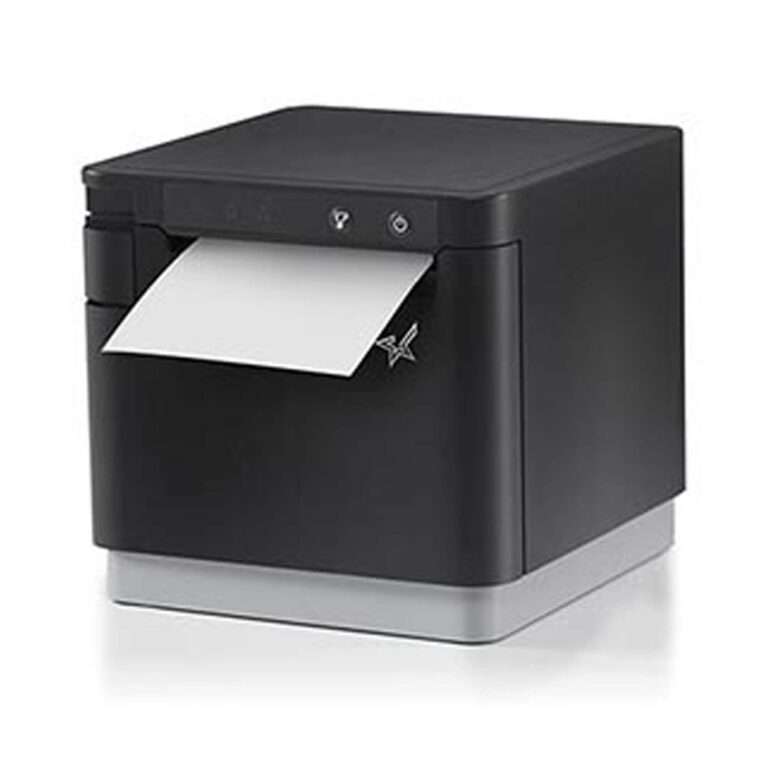
    mC-Print3 Thermal Printer

    The mC-Print3 stands out as a versatile and sleek POS receipt printer, ideal for both front- and back-of-house environments that are heat controlled. Thanks to its compact size, splash-proof design, and robust connectivity options, like CloudPRNT Next and enhanced Bluetooth, this future-proof printer is adaptable to any POS system changes.

    Learn more >

    POS Receipt Printers for Front-of-House Excellence

    In the front-of-house areas of restaurants, the selection of a POS receipt printer is crucial to creating lasting impressions and facilitating quick transactions. Thermal printers stand out as the preferred choice, offering rapid, high-quality printouts essential for fast-paced service environments. Equipped with features like wireless connectivity and cloud-based printing, these printers integrate seamlessly with various POS systems, catering to the evolving demands of restaurant operations.

    The design of front-of-house printers plays a significant role in maintaining the aesthetic and functional harmony of restaurant settings. Thermal printers boast a sleek, compact design that minimizes space usage and operates quietly, preventing disruption in bustling dining areas.

    Furthermore, these printers deliver exceptional resolution, enabling the production of detailed receipts, branded coupons, and promotional materials. This capability not only meets the essential requirement for clarity in customer receipts but also contributes to enhancing the dining experience and building customer loyalty through personalized touches.

    mC-Print3 Thermal Printer

    The Star Micronics mC-Print3 wins again. This compact and versatile 3-inch thermal printer excels in both front- and back-of-house settings. Its splash-proof design and multiple connectivity options, including CloudPRNT Next, make it an adaptable choice for any restaurant environment.

    Find out about the mC-Print3 >

    TSP143IV Thermal Printer

    The TSP143IV series thermal printer offers a compact, future-proof solution with enhanced connectivity options like Android Open Accessory (AOA). It’s Cloud Ready for Star Cloud Services and has easy installation, ideal for modern mPOS or POS systems.

    Discover more >

    TSP143III Thermal Printer

    The TSP143III sets the standard for thermal receipt printing, offering versatile connectivity options, easy setup, and customization capabilities, making it an all-in-one solution for retail, hospitality, and cannabis sectors.

    Learn about the TSP143III >

    mPOP® Multifunction System

    The Star Micronics mPOP combines a cash drawer and printer into a sleek, hybrid POS solution. Now with direct iOS connectivity, supporting Windows and Android, it’s an ideal choice for versatile mPOS systems.

    Explore the mPOP >

    Label Printers for Streamlined Order and Inventory Management

    Accuracy and organization are paramount in a restaurant’s service, making label printing solutions invaluable. These printers facilitate the production of custom labels for food items, identifying special orders, allergy information, or takeout packages, thus ensuring correct order fulfillment.

    Versatile label printers can handle a range of media types, from sticky labels for food packaging to die-cut labels for shelf labeling, enhancing the efficiency and accuracy of both kitchen and front-of-house operations.

    TSP143IV SK Sticky Label Printer

    The TSP143IV SK by Star Micronics sets a new standard for compact, eco-friendly thermal linerless label printing, offering advanced connectivity options like Wi-Fi and AOA, and efficient, residue-free labels for diverse business needs.

    Find out more >

    mC-Label3 Multimedia Label Printer

    The Star Micronics mC-Label3 is a versatile multimedia label printer that prints a wide range of labels and receipts, including both permanent and repositionable sticky linerless. It features cloud connectivity and innovative technologies like SteadyLAN and TetherLAN for enhanced printing convenience.

    Discover the mC-Label3 >

    mC-Label2 Multimedia Label Printer

    The mC-Label2 packs powerful features into a compact, front-loading design, including 300 dpi resolution, support for linerless, die-cut, receipt, and continuous media, and connectivity options like USB-C, LAN, WLAN, Bluetooth, and Apple MFi-certified pairing (X4 models only).

    Explore the mC-Label2 >

    POS Printers for Restaurant Success

    The choice of printing solutions within a restaurant significantly influences operational efficiency, accuracy, and customer satisfaction. Integrating the right mix of back-of-house, front-of-house, and label printers into your restaurant’s operations can lead to smoother service, better food management, and an overall enhanced dining experience.

    As technology evolves, staying informed about the latest printing solutions and how they can benefit your restaurant is essential for staying competitive and meeting the high expectations of today’s diners.

    4 Restaurant Technology Challenges for the Next Decade

    The wants and needs of the consumer are constantly evolving and changing. SMB restaurant owners can prepare for the shifts in the restaurant industry by deploying the right technology.

    Find Your Restaurant Printer Solution Today:

    Original article written by Brianna Moriarty and published September 6, 2018.

  • 5 Technologies Shaping the Future of Labeling

    5 Technologies Shaping the Future of Labeling

    The landscape of labeling technology is in a constant state of evolution. The days of labels simply serving as identifiers for products have passed. Today, labels are interactive, data-rich tools that enable unprecedented levels of communication between merchants, products, and consumers. This transformation is mainly due to advancements in technology that have broadened the potential applications of labels.

    In this post, we will look at five key technologies that are significantly shaping the future of labeling. Furthermore, we’ll uncover how Star Micronics, an industry leader, contributes to this exciting future.

    1. Internet of Things (IoT) Integration

    One of the most significant trends influencing the future of labeling is the integration of Internet of Things (IoT) technology. Labels embedded with IoT capabilities can transform ordinary products into smart, connected items. This integration allows real-time tracking, enhanced supply chain visibility, and even consumer interaction.

    For instance, labels with embedded sensors can provide data to restaurant managers about the storage conditions of perishable goods or help retailers authenticate products to combat counterfeiting. IoT integration in labeling is not just a futuristic concept; it’s becoming essential to inventory management and customer engagement strategies.

    The future of labeling brings exciting new technologies.
    The future of labeling revolves around the latest technologies.

    In this evolving 5G IoT landscape, Star’s upcoming CloudPRNT Next technology emerges as a timely innovation. CloudPRNT Next, an advanced version of Star’s existing CloudPRNT technology, offers more efficient, secure, and faster cloud-based printing capabilities. It represents a significant advancement in IoT device communication, greatly enhancing printing across various commercial environments.

    This technology is poised to play a crucial role in supporting the dynamic needs of modern labeling and IoT applications in commerce.

    2. QR Codes and Augmented Reality

    QR codes and augmented reality (AR) are revolutionizing how consumers interact with products. Labels with QR codes can link to digital content, such as product information, user manuals, or promotional videos. Augmented reality takes this a step further by offering immersive experiences.

    For example, a wine label could use AR to tell the story of its vineyard or provide food pairing suggestions. These technologies enhance the customer experience, making labels a powerful marketing tool beyond mere identification.

    3. Sustainable and Eco-Friendly Materials

    Sustainability is a growing concern, and the labeling industry is responding with eco-friendly materials and processes. Though more of an advancement than a technology, biodegradable labels, linerless labels, and labels made from recycled materials are gaining traction.

    This shift meets consumer demand for sustainable products and helps companies reduce their environmental footprint. Labels that use less material or that can be easily recycled contribute significantly to the eco-conscious goals of businesses.

    Permanent Linerless Labels

    And, within the linerless label trend, permanent linerless labels are further marking their territory, presenting businesses with a durable and sustainable alternative that resonates with modern needs. In fact, several reasons underscore the growing preference for permanent linerless labels:

    • Eco-friendly
    • Versatility and increased production
    • Reduced inventory space
    • Top-quality strong adhesion
    • Enhanced safety and reduced downtime

    4. RFID and NFC Technologies

    Radio-frequency identification (RFID) and near-field communication (NFC) technologies are elevating labels to new heights. Labels equipped with RFID or NFC chips can store and transmit data wirelessly. This technology is ideal for inventory management, as it enables quick scanning and tracking of products.

    NFC labels also open up possibilities for interactive customer experiences; for example, tapping a smartphone to an NFC-enabled label could trigger a loyalty program or offer product information.

    Read this blog article to learn about 5 Technologies Shaping the Future of Labeling.

    5. Advanced Printing Techniques and Customization

    Advancements in printing technology have made customized and on-demand labeling more accessible and cost-effective. Digital printing allows for greater flexibility in label design, enabling short runs and variable data printing. This means labels can be personalized for specific batches, locations, or even individual customers. These advanced printing techniques empower businesses to create more targeted and engaging labels, enhancing brand recognition and customer loyalty.

    Star has also created a label image customization tool for developers and merchants. Label Builder on Star Micronics Cloud Services enables users to design custom labels from scratch or use pre-made templates effortlessly. It offers the convenience of storing up to three designs on the mC-Label3 Multimedia Printer, which can easily be printed using the One Touch multifunctional button, even without an internet connection.

    Labeling the Future with Star Micronics

    As we look toward the future, it’s clear that these technologies will continue to play a significant role in shaping the labeling industry. Star Micronics is committed to staying at the forefront of these developments, providing businesses with the labeling technology they need to succeed in such a dynamic market.

    The latest mC-Label3 multimedia printer by Star is a breakthrough in this space. Whether you’re printing linerless sticky labels, permanent linerless labels, traditional labels, die-cut labels, or standard receipt paper, the mC-Label3 caters to all your needs.


    The mC-Label3 multifunction label and receipt printer from Star Micronics is great for retail, BOPIS, and online ordering.
    The mC-Label3 multimedia printer from Star Micronics.

    It’s also Cloud Ready, able to connect to Star Micronics Cloud Services and Label Builder for customized labels. With Star’s Cloud Services, the mC-Label3 also offers the flexibility to build, store, and later print multiple static receipt/label images at the touch of a button with One Touch Label.

    Able to connect to iOS, Android, and Windows devices, it’s equipped with faster SteadyLAN® and introduces the latest technology – TetherLAN. With Star Micronics, you can be confident that your labeling solutions are not just meeting current demands but are also geared for future advancements.

    Labeling’s Future: Interactive, Efficient, Sustainable

    The future of labeling technology is rich with possibilities. From IoT and AR to sustainable practices and advanced printing techniques, these innovations are transforming labels from simple identifiers to dynamic, interactive tools.

    As we move into 2024 and beyond, it’s clear that these technologies will continue to shape the way businesses and consumers interact with products, offering opportunities for enhanced communication, improved operational efficiency, and a deeper commitment to sustainability.

    The world of labeling is evolving, and Star Micronics is proud to be a part of this transformation.

    Ready for Labeling Excellence?

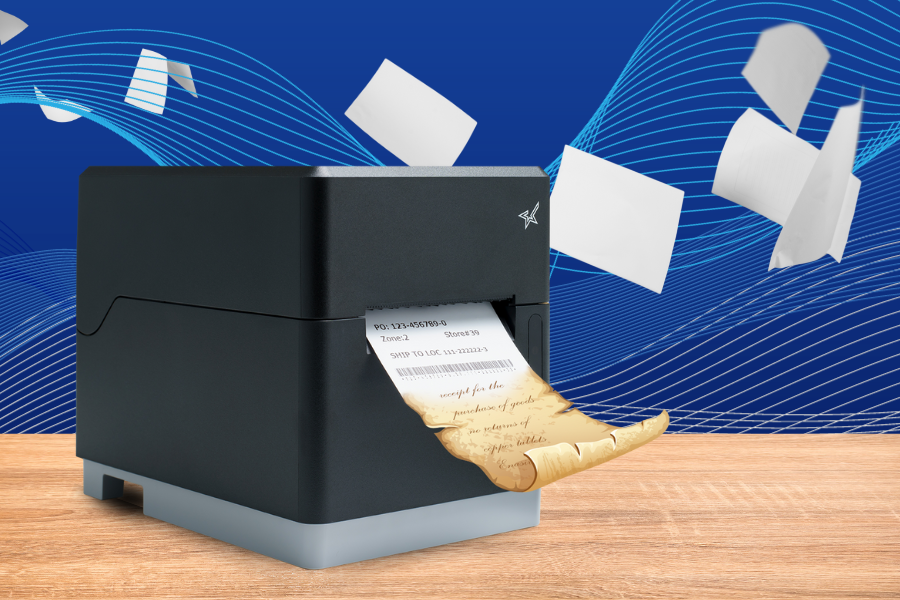
  • The Evolution of Receipt Printing: From Scrolls to Screens

    The Evolution of Receipt Printing: From Scrolls to Screens

    Receipts have been an integral part of commerce for centuries, acting as proof of transaction for both the buyer and the seller. These small yet critical pieces of paper bridge the trust between businesses and consumers, offering a tangible validation of a completed sale. The evolution of receipt printing has significantly influenced business operations, customer service, and record-keeping processes.

    Whether they’re tucked away for accounting purposes, stored as insurance for a considerable purchase, or quickly glanced at before being discarded, receipts play a diverse role in our daily transactions. From handwritten notes to digital screens, the journey of receipt printing mirrors the evolution of commerce itself, reflecting the changing dynamics of trade and the technological innovations that drive it.

    The Early Days: Manual Receipts and the Inception of Printers

    The history of receipt printing is rich and varied, with its roots firmly planted in a time when transactions were meticulously recorded by hand and receipts were handwritten with great care. This labor-intensive method, while functional, was fraught with the possibility of human errors and inefficiencies, mainly as business transactions grew in volume and complexity.

    It was this need for precision and efficiency that paved the way for the advent of receipt printing itself.

    The inception of printing technology marked a pivotal revolution in the world of commerce. Although ink rubbing on cloth was known to exist during the Han dynasty in China, the earliest known form of printing technology originated during the Tang dynasty before the 8th century CE with the invention of woodblock printing.

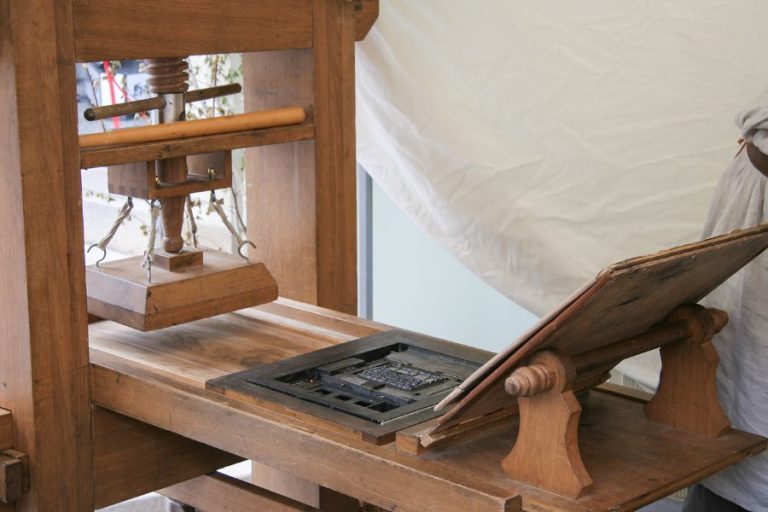
    However, it was Johannes Gutenberg’s invention of the movable type printing press in the 15th century that truly revolutionized printing, making it easier and more efficient to produce written material on a large scale.

    Gutenberg Printing Press

    While it is unclear exactly when the first receipt printer was created, as businesses grew and transactions became more complex, the need for a faster and more efficient method of generating receipts became vital. This led to the development of the first receipt printers, which utilized technology similar to that of the typewriters of the time.

    These early printers were a far cry from the sophisticated machines we use today, but they represented a significant step forward in the evolution of receipt printing.

    The Introduction of Impact and Dot-Matrix Printers

    The history of impact printing dates back to the 19th century with the invention of the typewriter, a form of impact printing that revolutionized written communication. This foundational technology laid the groundwork for the first significant technological advancements in receipt printing in the 20th century, with the introduction of impact and dot-matrix printers.

    Impact printers, as we understand them today, work by striking an ink-soaked ribbon against the paper to create characters and images. This method provided a faster and more reliable way of printing receipts.

    Commercially, it wasn’t until 1968 that the Japanese company OKI released the first-ever dot-matrix printer, the OKI Wiredot, paving the way for the widespread adoption of dot-matrix printers for receipts and other business-related printing. Dot-matrix printers use a print head that runs back and forth or in an up-and-down motion, printing by impact and creating characters and images with dots.

    The invention of these printers was a game-changer for businesses, offering a faster and more reliable method of printing receipts. The precision and efficiency of these printers drastically reduced errors, improved record-keeping, and enhanced customer satisfaction, revolutionizing how businesses operate and interact with their customers.

    The Leap into Thermal Printing Technology

    As technology advanced, thermal printers soon emerged as a significant innovation in the world of receipt printing. Unlike their predecessors, thermal printers didn’t require ink or ribbons. Instead, they utilized heat-sensitive paper that turned black when exposed to the heat of the printer’s head.

    This method was faster, quieter, and more reliable, quickly becoming the preferred choice for businesses in the retail and hospitality industries.

    This leap into thermal printing technology marked a pivotal moment in the evolution of receipt printing. The benefits were not just limited to improved print quality and speed; the absence of the need for ink cartridges or ribbons also made this a more cost-effective solution for businesses. Additionally, the compact size of thermal printers made them a popular choice for companies with limited space.

    The adoption of thermal printing technology was a testament to the industry’s commitment to innovation and efficiency, and it laid the foundation for the further advancements that were to come in the world of receipt printing.


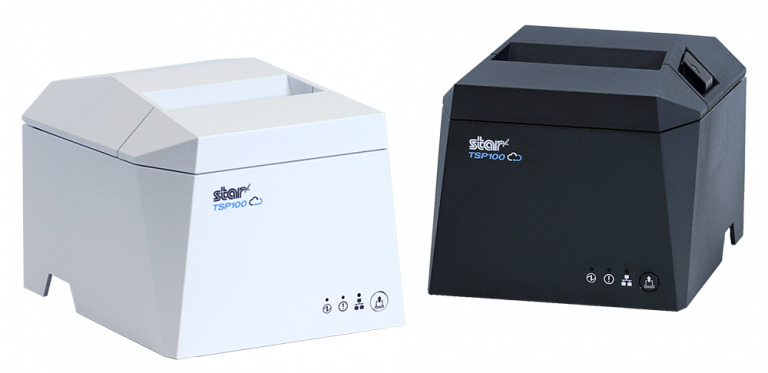
    The TSP143IV thermal receipt printer by Star Micronics comes in black or white.
    The TSP100IV series thermal receipt printer by Star Micronics

    Wireless and Mobile Printing: A Technological Marvel

    The next significant milestone in the evolution of receipt printing was the advent of wireless and mobile printing. This technology allowed receipts to be printed without cable connections, using Bluetooth or Wi-Fi to connect to point-of-sale (POS) systems and other devices.

    The flexibility and convenience offered by wireless and mobile printing were instrumental in industries such as food delivery and transportation, where printing on the go became essential. This mobility has revolutionized how businesses operate, breaking the constraints of traditional POS systems.

    The emergence of mobile point-of-sale (mPOS) systems has further elevated the capabilities of wireless and mobile printing. mPOS systems enable businesses to process transactions and print receipts from anywhere, providing a level of convenience and efficiency previously unattainable.

    The combination of mPOS and wireless printing technology transforms the customer experience, allowing businesses to offer more personalized and efficient services. Wireless and mobile printing is not just a technological marvel but a necessary tool for companies aiming to succeed in the modern, fast-paced world.


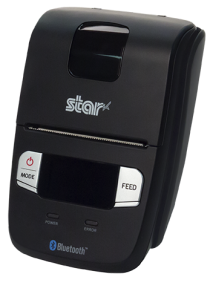
    SM L200 UB40 39633000 Left
    The SM-L200 portable receipt printer by Star Micronics

    The Introduction of Multimedia Printers

    In recent years, the receipt printer has evolved into a multifunctional device capable of handling various media types. Multimedia printers are now able to print not just receipts but also labels, tickets, and more. This evolution has provided businesses with a comprehensive printing solution, allowing for increased versatility and efficiency.

    With the ability to handle multiple tasks, multimedia printers are quickly becoming an essential tool for businesses, enhancing their operations and providing better customer service.


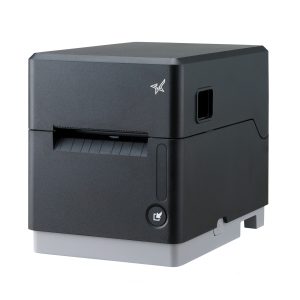
    The mC-Label3 multifunction label and receipt printer from Star Micronics can fit media of multiple widths and types.
    The mC-Label3 Multimedia Printer by Star Micronics

    The mC-Label3: A Glimpse into the Future of Receipt Printing

    A prime example of a modern multimedia printer is the mC-Label3 by Star Micronics. This innovative printer is a testament to the advancements in receipt printing technology, offering unparalleled adaptability and convenience. With the capability to print linerless sticky labels, permanent linerless labels, traditional labels, die-cut labels, and standard receipt paper, the mC-Label3 caters to a wide range of business needs.

    Gone are the days when businesses must purchase multiple printers for various functions.

    Furthermore, it’s Cloud-Ready and can connect to Star Micronics Cloud Services, a free platform where business owners can create their own receipts and labels. And compatibility with iOS, Android, and Windows devices makes it a truly multifunctional device. With features like cloud-based printing, TetherLAN, faster SteadyLAN+ technology, and toolless repairs, it’s the perfect solution for businesses aiming to streamline their operations to an even higher degree.

    Another significant facet of this printer is its greener appeal. Because it’s so adept at printing on linerless label paper, the mC-Label3 is a more sustainable option for businesses and the environment. It truly represents the future of POS printing.

    mC-Label3 Features:

    • The mC-Label3 is versatile, handling a range of labels and receipts, including linerless sticky labels, permanent linerless labels, traditional labels, die-cut labels, and standard receipt paper.
    • No need for multiple printers; the mC-Label3 caters to all business printing needs.
    • Cloud-ready, it connects to Star Micronics Cloud Services, where business owners create custom receipts and labels.
    • Compatibility with iOS, Android, and Windows devices makes it a multifunctional tool.
    • Enhances business operations with features like cloud-based printing, fast SteadyLAN+ technology, and toolless repairs.
    • Environmentally friendly, thanks to its ability to print on linerless label paper.

    Embracing the Future of Receipt Printing Technology

    The evolution of receipt printing from handwritten notes to sophisticated multimedia printers is a testament to human ingenuity and technological progress. The advancements in printing technology have revolutionized business operations and significantly improved customer service and record-keeping processes.

    With innovative solutions like the mC-Label3, businesses now have the tools to succeed in the modern world. As we continue to embrace the future of receipt and label printing, we can expect to see even more innovative solutions that will further transform the world of commerce and customer service.

    Get the POS printer for your business needs:

  • Rising Stars Podcast: Behind the Tech Curtain of Star’s Integration Success

    Rising Stars Podcast: Behind the Tech Curtain of Star’s Integration Success

    The point-of-sale (POS) landscape always presents a unique set of challenges and opportunities for software developers. Technology is advancing at a remarkable rate, and striking the right balance between innovation and practicality is key.

    What developers need is a powerful ally in this journey—an effective partner who ensures their cutting-edge applications will work with the latest hardware and still provide a smooth user experience.

    What software developers need is the Star Integration Team!

    In the latest episode of the Rising Stars Podcast, “Behind the Tech Curtain: Star’s Integration Success,” host Kate Orara has an eye-opening conversation with Mark Rasho, the seasoned Manager of Star Micronics’ world-class Integration Team. With his extensive background in electronic manufacturing, consulting, and business development, Mark sheds light on the critical role integration plays in harmonizing hardware and software to create POS systems that wow customers.

    What you will learn in this episode:

    • The integral role of Star’s Integration Team in supporting software developers.
    • Innovative technologies in the POS industry, including the mC-Label3, TetherLAN, and Android Open Accessory.
    • The importance of seamless integration between hardware and software in POS systems.
    • The evolving role of software vendors in the POS industry and the expansion into niche markets.
    • How Star empowers software developers in the fast-paced world of POS.

    Take advantage of this informative and insightful episode – tune in today and discover the secrets of POS integration success.

    Loving the podcast? Subscribe now, and let us know what you think by leaving a review!

    Stay up-to-date on all things Star, don’t forget to follow us on Twitter, LinkedIn, Facebook, Instagram, and YouTube.

    The Rising Stars Podcast

    Immerse yourself in the ever-evolving world of point-of-sale (POS) with the Rising Stars Podcast by Star Micronics, hosted by industry pro, Kate Orara. Twice a month, we dive into the fascinating journeys of innovators and businesses navigating the challenges of technology’s rapid pace.

    In every episode, Kate Orara, Star Micronics’ Partner Development Manager, takes listeners on an exploration of emerging retail technology trends and strategies with global industry giants. She’s spent her entire career meeting all the right people, and now listeners everywhere can benefit from this vast network of channel gurus.

    Always leading and always innovating, Star Micronics, a pioneer in POS and customer experience technology for over 60 years, welcomes you to join us in shaping a brighter future in the retail, hospitality, and cannabis industries.

  • Intelligent Cash Drawer Detection: A New Star Feature

    Intelligent Cash Drawer Detection: A New Star Feature

    In point-of-sale (POS) technology, seamless integration and efficient troubleshooting are pivotal for operational success. Star Micronics, always at the forefront of innovation, is pleased to announce the introduction of intelligent cash drawer detection as one of its pioneering features.

    The First to Detect Cash Drawer Connectivity

    The TSP100IV thermal receipt printer series had the distinction of being the first Star Micronics product to embrace this feature. We’re excited to confirm that the momentum continues with the forthcoming mC-Label3 multifunctional label printer, making it the subsequent product to carry on with this advancement.

    Understanding the Functionality

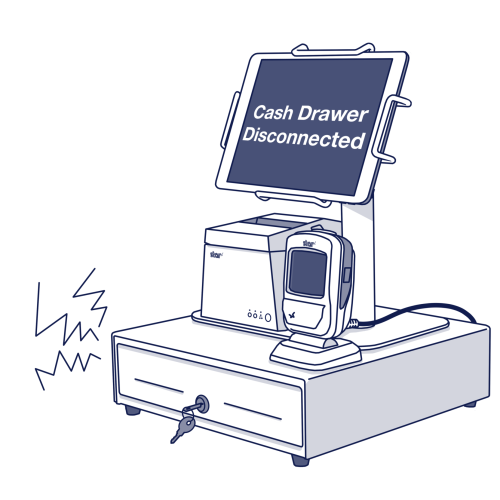
    Normally, when a cashier initiates the “accept cash” prompt, the integrated cash drawer is triggered to open. However, should there be any connectivity issues, this could result in operational hiccups.

    With the new cash drawer detection, the POS is designed to immediately flag an error if there’s any misalignment in the connection. This not only assists with instant troubleshooting but also ensures that setup errors related to cash drawer connectivity are minimized.

    For example, during the initial setup, the POS is programmed to post an error if there’s an oversight and the cash drawer isn’t correctly connected. Consequently, the user is immediately notified to examine the cash drawer’s cable connectivity.

    Star Micronics Printer Cash Drawer Connection Detector

    Supported Software Development Kits (SDKs)

    For developers and businesses keen on integrating this feature, Star Micronics is providing support through multiple SDKs, including:

    Innovating for Better Operations

    Incorporating this feature not only enhances the user experience but also solidifies the commitment of Star Micronics to provide sophisticated, user-friendly solutions to the POS industry. As always, we remain dedicated to offering cutting-edge solutions that streamline operations and support businesses in achieving their operational best.

    An ISV’s Guide to Star Printer SDKs

    For ISVs navigating the complexities of printer integration, the path forward is often strewn with challenges. Get to know Star Micronics’ range of software development kits (SDKs), each uniquely crafted to address these challenges and enhance your integration prowess.

    Interested in integrating with Star Micronics?