Category: Product Updates

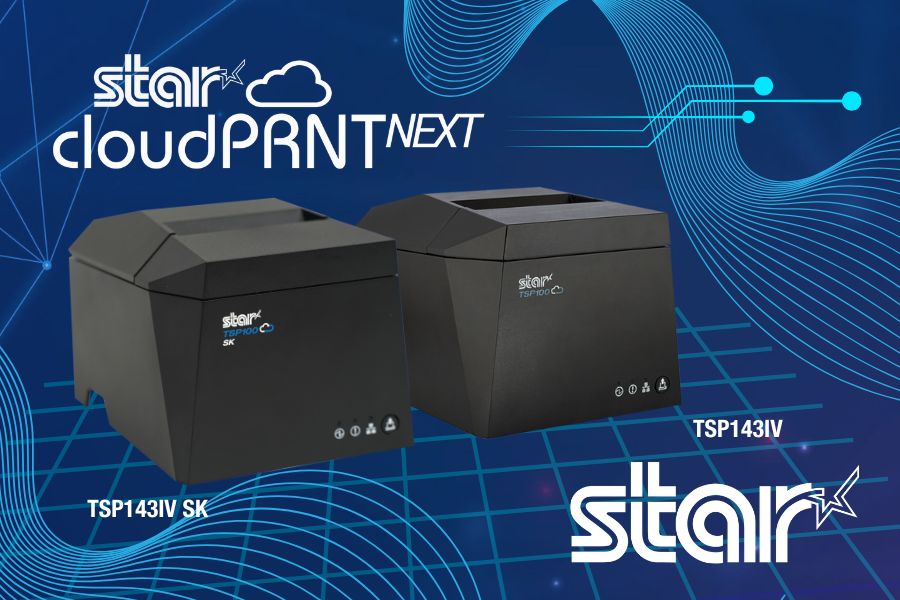
  • Star Software Update: CloudPRNT Next Now Compatible with TSP143IV and TSP143IV SK Models

    Star Software Update: CloudPRNT Next Now Compatible with TSP143IV and TSP143IV SK Models

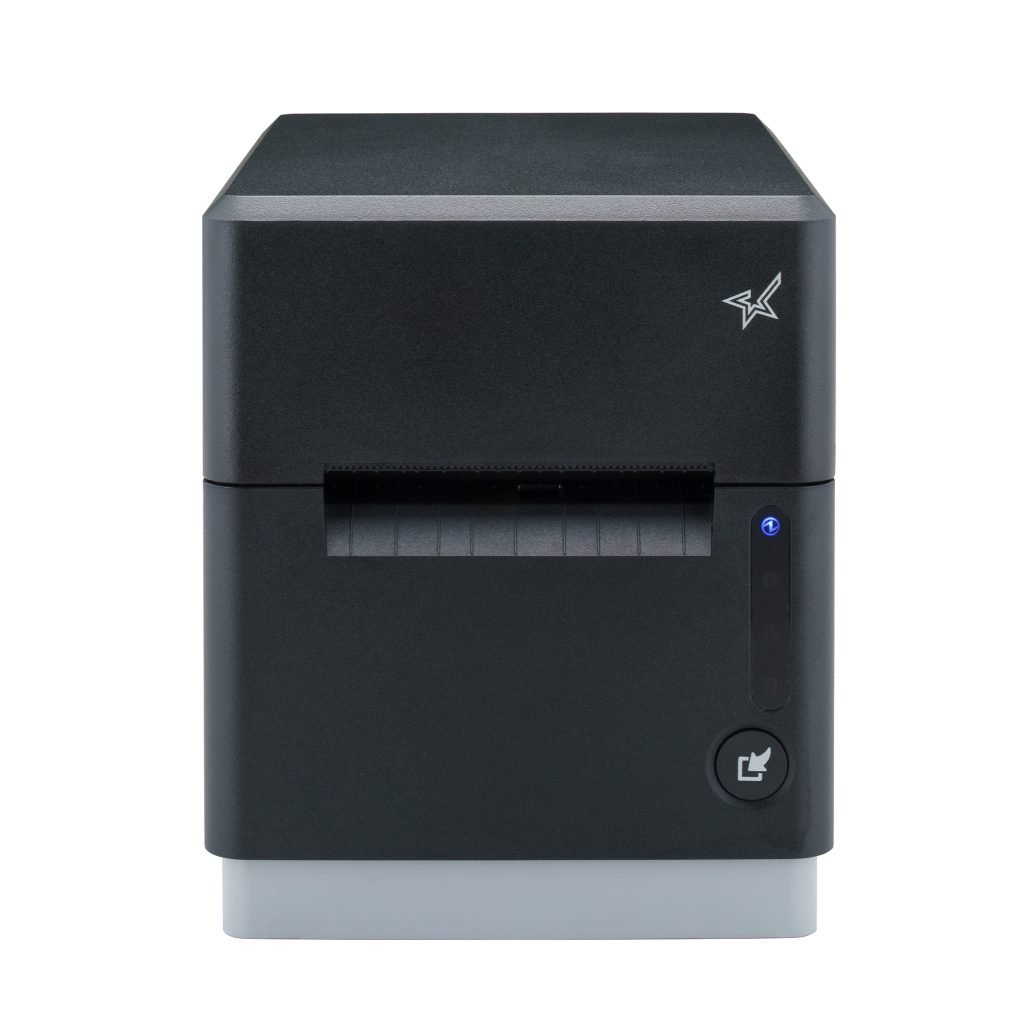
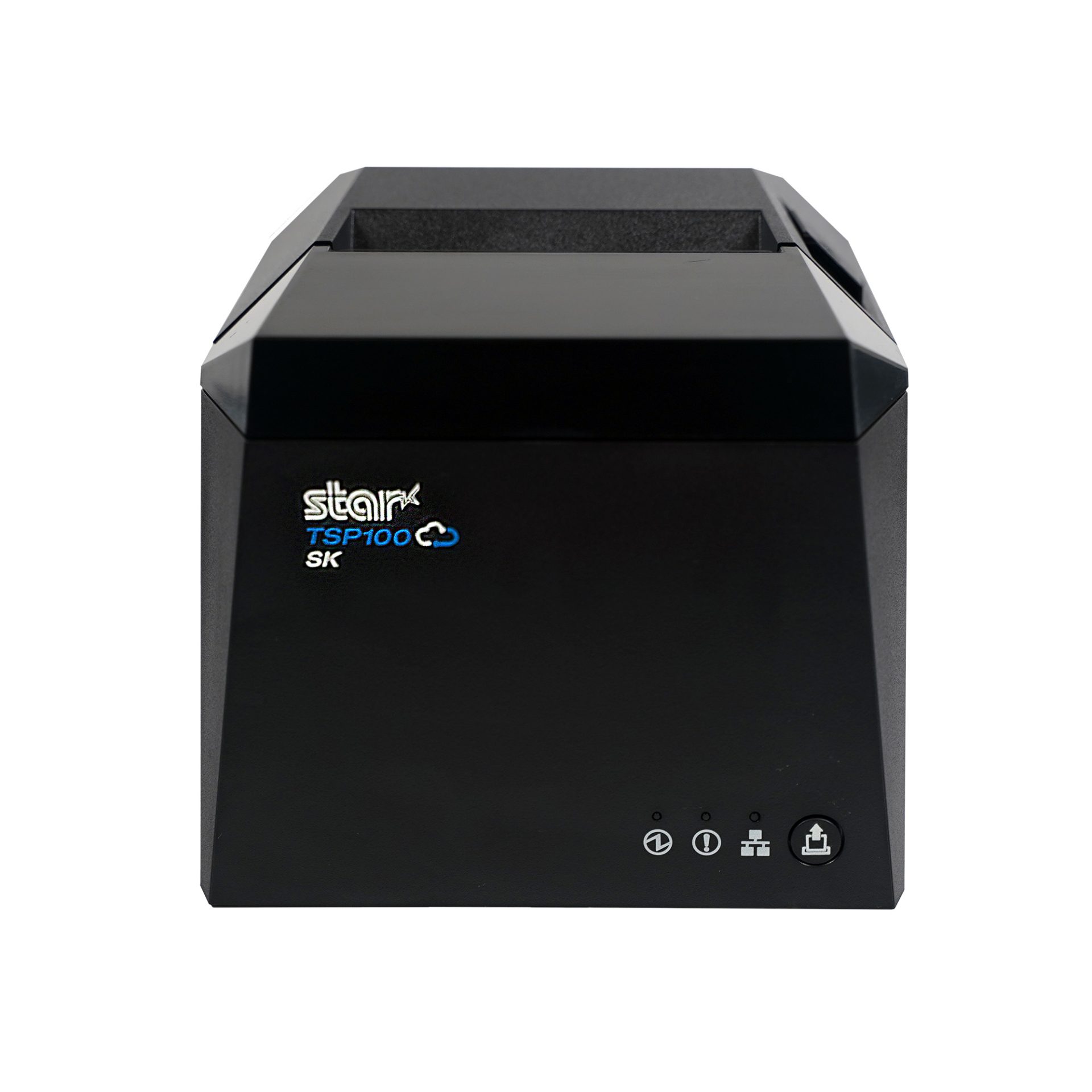
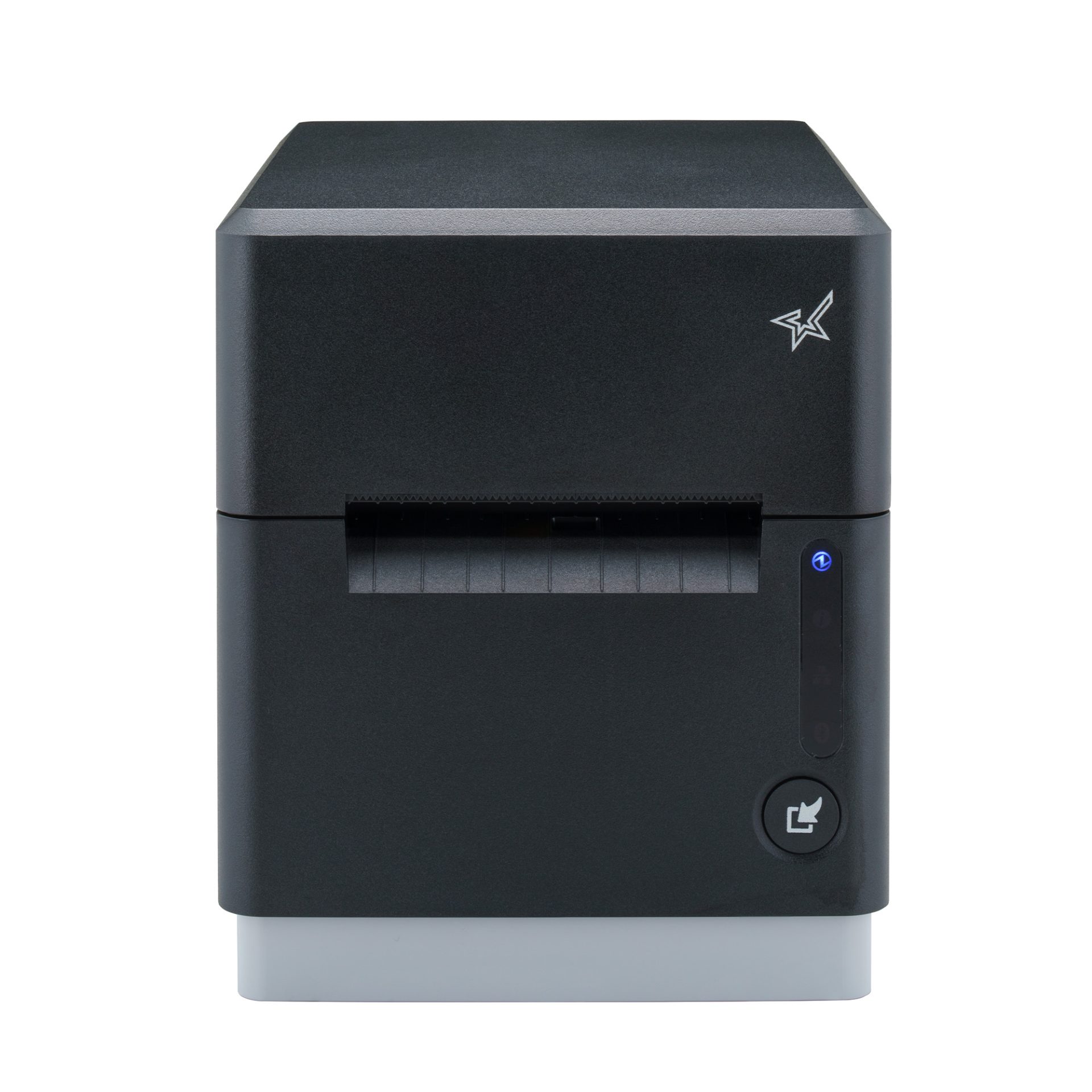
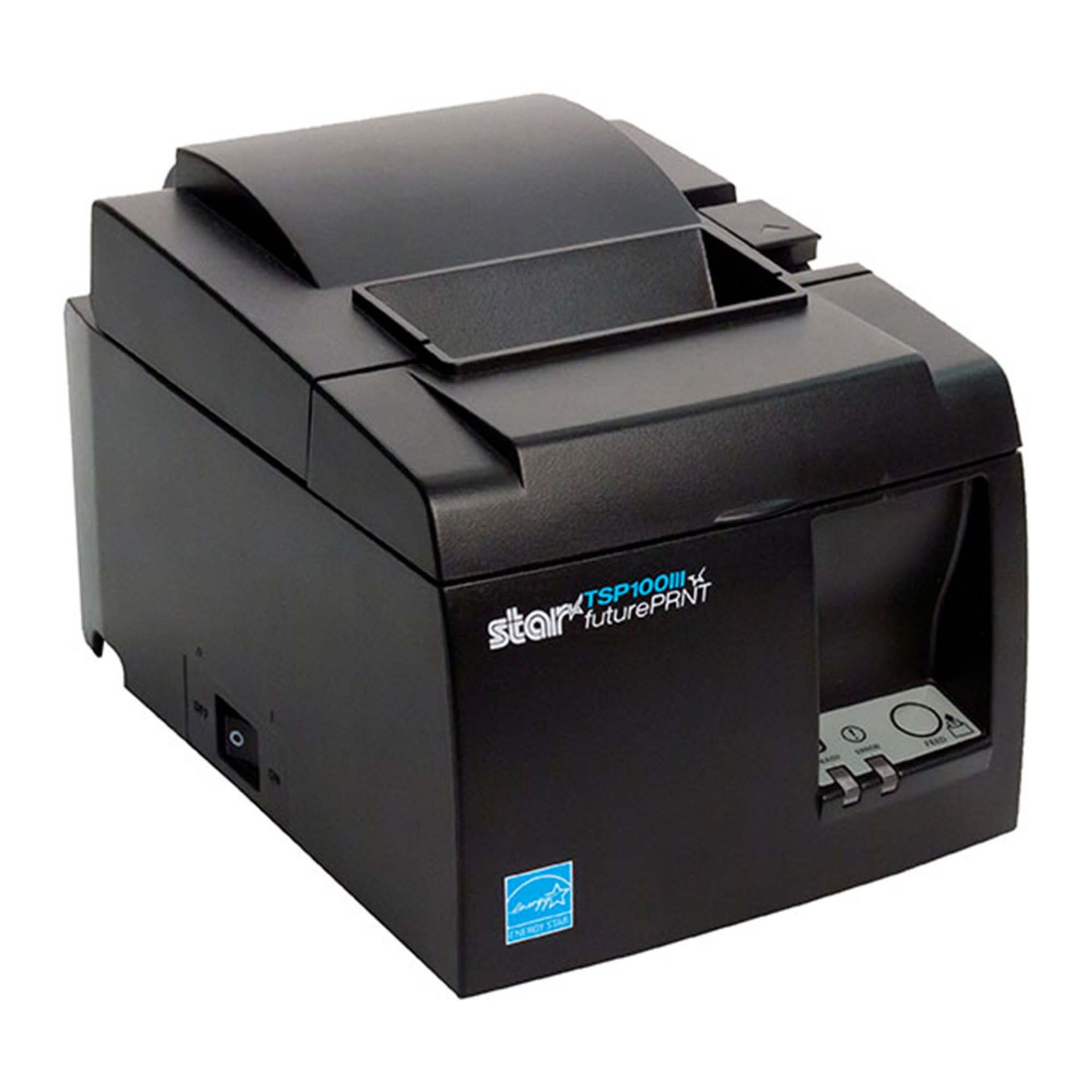
    Star Micronics’ CloudPRNT Next technology, initially introduced on the mC-Print3 models, is now also available for the latest TSP143IV thermal receipt printers, including the TSP143IV SK sticky linerless label printer models. By updating the firmware to version 2.2 or later, users of these TSP143IV models can now take advantage of CloudPRNT Next’s benefits, improving cloud printing operations in environments needing higher efficiency, dependability, and scalability.

    Read more about CloudPRNT Next technology here >

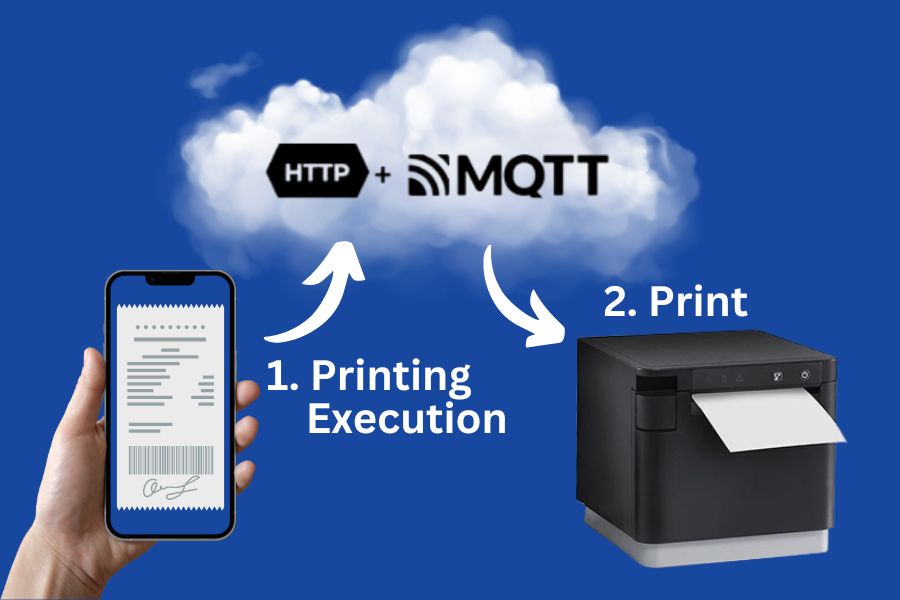
    CloudPRNT Next supports streamlined remote printing through the MQTT protocol, providing more reliable, real-time communication between cloud systems and connected devices. This results in lower latency and bandwidth consumption, particularly advantageous for businesses with high-demand or multi-location setups. Additionally, CloudPRNT Next’s scalable infrastructure accommodates an increased number of connected devices, helping businesses grow without compromising performance.

    To enable CloudPRNT Next on the TSP143IV and TSP143IV SK printers, update to firmware version 2.2 or later. This update allows businesses and developers to leverage the full capacity of CloudPRNT Next’s advanced printing capabilities, optimizing order management and workflow efficiency across the board.

    Need more information?

  • Essential Airport Restaurant Solutions for Modern Hospitality

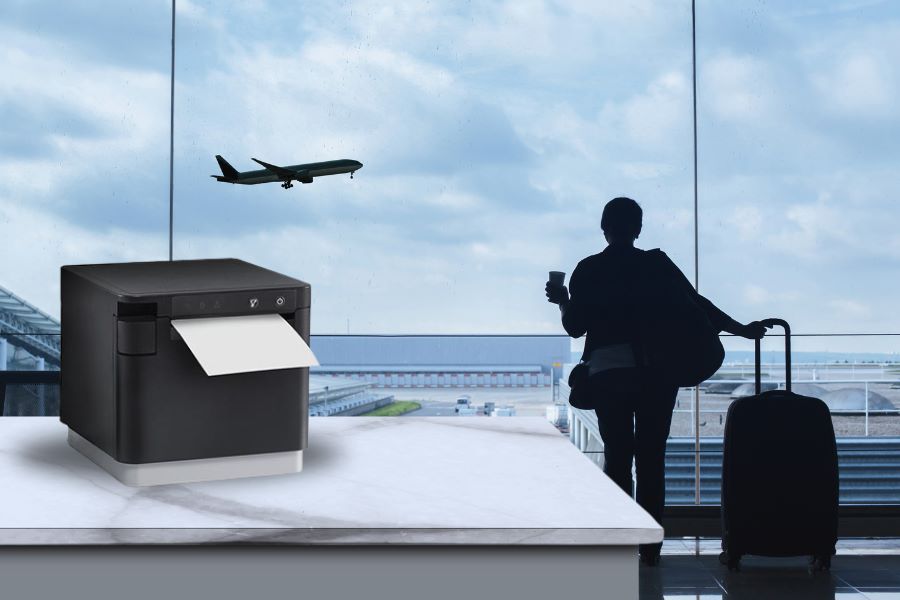
    Essential Airport Restaurant Solutions for Modern Hospitality

    Restaurants and food service companies with airport locations have an immense opportunity to provide the meals and snacks travelers count on to sustain them before or after flights. However, filling orders and optimizing customer experiences can be a challenge without the right airport restaurant solutions. 

    Airport restaurant and concessions staff have to deal with demand from thousands of people, particularly when large flights land or at traditional mealtimes. Furthermore, travelers are looking for a variety of experiences. Some want quick service before catching a connecting flight and will not be patient if forced to waste time standing in line. Others want to relax in a restaurant during a long day of travel. 

    Regardless of how they engage, travelers want efficient service and food made to order. The complexity of managing multiple restaurants can make meeting those demands even more challenging. Operators may have numerous locations throughout an airport or have locations with different branding and menus. Ensuring smooth operations at each restaurant, counter, and concession stand requires real-time visibility and centralized control.

    Must-Have Airport Restaurant Solutions

    Technology tailored specifically for airport restaurants helps meet high customer expectations for quick, efficient service, even during peak times. Modern airport restaurant and food service operations leverage the following technologies: 

    1. Online Ordering and Cloud-Ready Hardware

    With more travelers opting to order food and beverages from their mobile devices, online ordering has become an essential service for airport restaurants. Allowing customers to browse menus, place orders, and pay directly from their phones not only enhances convenience but also helps reduce wait times at busy counters. Customers can complete an order with a few taps as they move through the terminal, allowing staff to prepare the food before they even approach the restaurant.

    To support this level of convenience, having cloud-ready hardware is ideal. Cloud-print-enabled printers receive orders directly from online ordering platforms, whether from mobile apps or websites, minimizing the need for extra devices or manual input. This technology helps staff stay updated with orders in real time, reducing delays and making sure that all orders—no matter where they come from—are accurately printed and efficiently managed.

    Star Micronics’ CloudPRNT technology makes this process flawless by allowing printers to communicate directly with web-based ordering services. With Star’s CloudPRNT Next, enhanced by the MQTT protocol, airport restaurants benefit from faster, more reliable cloud communication, ensuring orders are printed promptly, even in high-demand environments.

    2. Self-Service Kiosks

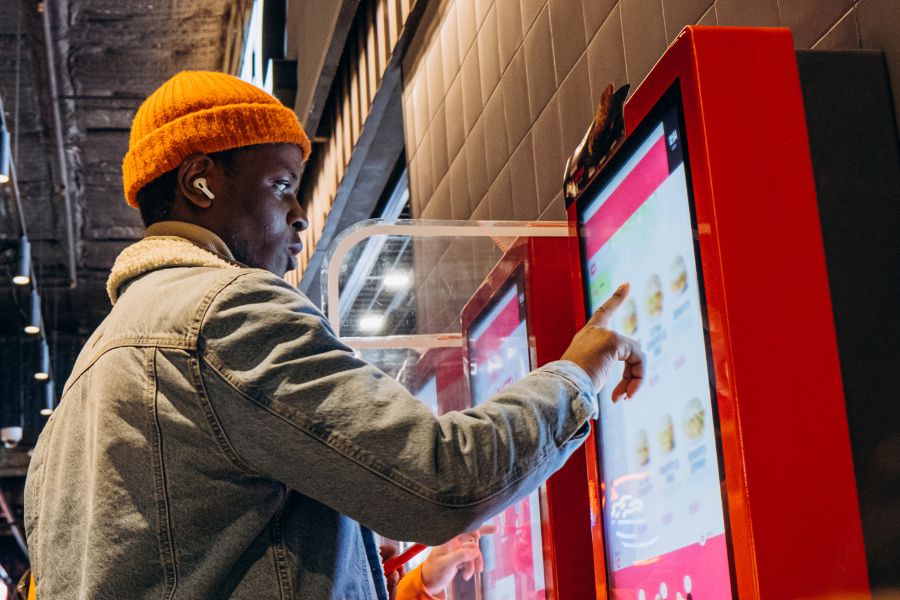
    Deploying kiosks is one of the best ways to keep lines short and minimize errors and waste. Instead of waiting for assistance from an employee, travelers place their orders at a kiosk, using a touchscreen to choose precisely what they want. 

    Self-service “kiosks” can take many forms, from large interactive digital signage to touchscreens embedded in cabinets. However, a tablet in a secure enclosure supported by a tablet stand or display gives airport restaurants a space-saving way to provide self-service options. 

    With self-service kiosks, travelers are free to quickly browse their options and potentially even place orders with different restaurants or vendors near them from the same screen. Kiosk software can make nutrition and allergen information readily available and upsell customers with offers to expand an order into a combo or add a side. 

    After making their selections, travelers can pay at the kiosk using cash, a payment card, or a mobile wallet. A receipt or ticket with an order number is then printed for easy tracking. The receipt can also include an estimated time when the order will be ready so travelers can purchase items for their flights or run other errands before picking up their food.

    Airport Restaurant Solutions Kiosk

    3. Kitchen Printers

    Once travelers place their orders, it’s essential for airport kitchens to receive them quickly and accurately. Kitchen printers ensure each order reaches the back of house promptly, helping staff prepare and serve food efficiently, even during busy times. By improving the order process, these printers contribute to faster service, ultimately creating a smoother experience and happier customers.

    Impact printers are known for their durability and can handle the demands of busy kitchen environments. They reliably produce clear, legible orders, performing well despite the heat and humidity often found in kitchen spaces. These printers also offer fast output, simple paper loading, and a compact design to optimize space.

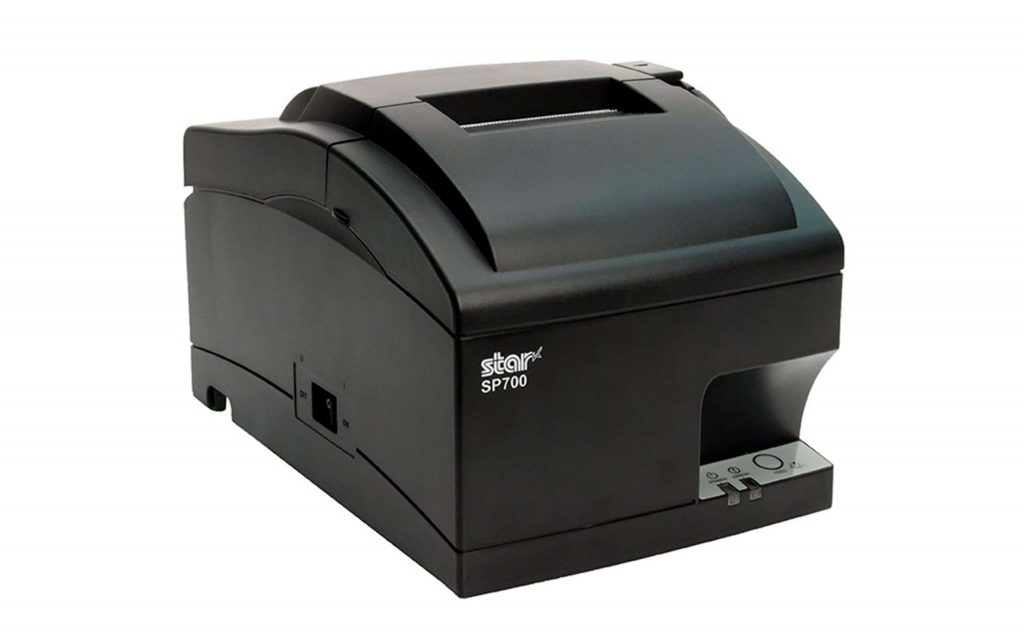
    The SP700 series by Star Micronics supports CloudPRNT technology, which allows kitchen printers to receive online orders directly from cloud-based platforms without additional hardware. This capability makes it easier for staff to keep up with orders and reduces delays, providing a positive experience for both in-house and online customers.

    SP700 Impact Printer

    With its robust design and consistent print quality, the SP700 impact printer enhances both operational efficiency and customer satisfaction by streamlining order management.

    Explore the SP700 >

    As modern kitchens adopt effective heat control, thermal receipt printers are quickly becoming the standard for reliable performance in high-temperature settings. Thermal ticket or chit printers offer faster speeds and enhanced connectivity options, making them ideal for a more streamlined kitchen workflow.

    Learn “Why Thermal Receipt Printers Have a Place in Today’s Modern Kitchens” here >

    4. POS and Receipt Printers

    For airport restaurant operations, POS and receipt printers play a crucial role in ensuring fast and polished customer experiences. High-volume environments require efficient POS systems that can quickly process various payment types, from mobile wallets to contactless cards, meeting the fast-paced demands of airport travelers. Paired with high-speed thermal receipt printers, these systems speed up transactions, minimizing wait times for customers eager to grab a bite before their flights.

    In addition to efficient processing, clear and readable receipts improve order tracking and pickup for customers and staff alike. Thermal receipt printers provide crisp, legible receipts with order numbers and instructions, helping travelers and staff stay organized in the fast-moving airport environment.

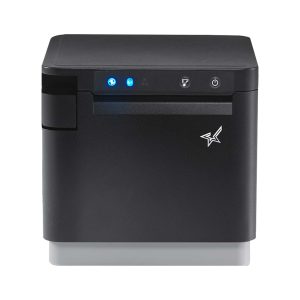
    mC-Print3 Receipt Printer

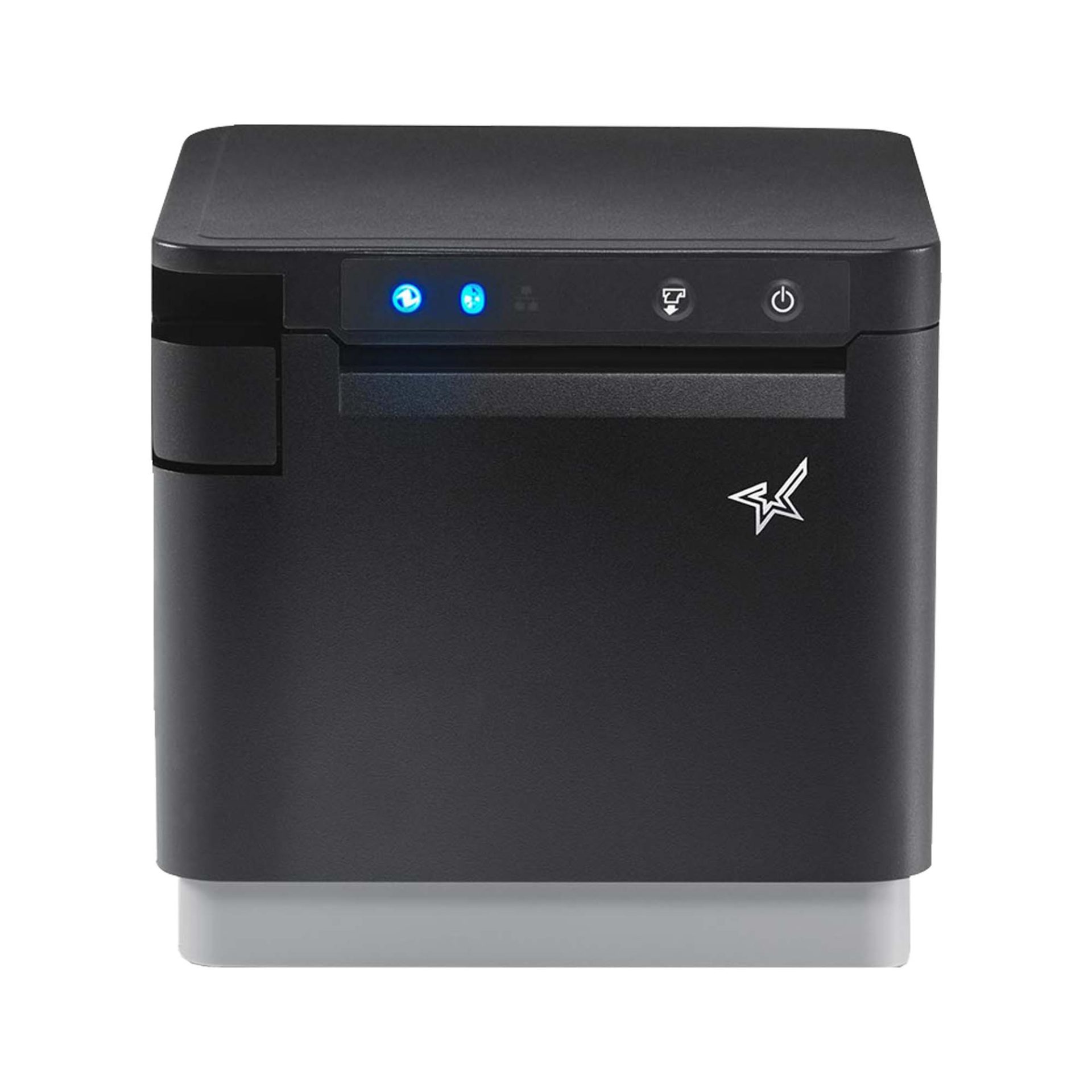
    The Star Micronics mC-Print3 combines high-speed printing with advanced connectivity options like Ultra-C and CloudPRNT Next. Its Ultra-C USB-C port provides seamless power and data transfer with any device, while CloudPRNT Next offers enhanced remote printing using the MQTT protocol, ideal for modern POS environments.

    Discover the mC-Print3 >

    5. Label Printers

    Label printers have become essential in airport restaurants, providing a versatile solution for labeling various items, from grab-and-go meals to fresh ingredients. Clear, easy-to-read labels display product names, nutrition facts, and prices, allowing travelers to make quick purchasing decisions, which is particularly valuable in fast-paced environments. 

    Linerless label printers, in particular, offer substantial benefits for airport restaurants. Unlike traditional labels, linerless labels do not have a silicone backing, which makes them quicker to apply, eliminates unnecessary waste, and keeps workstations cleaner and safer. These printers can use either a repositionable adhesive for temporary labeling or a stronger adhesive for more permanent applications. 

    mC-Label3 Multimedia Printer

    The Star Micronics mC-Label3 is a versatile multimedia printer that prints a wide range of labels and receipts, including both permanent and repositionable sticky linerless. It features cloud connectivity and innovative technologies like SteadyLAN and TetherLAN for enhanced printing convenience.

    Discover the mC-Label3 >

    6. Barcode Scanners

    For restaurants looking to optimize inventory management and simplify workflows, barcodes or QR codes are an ideal addition to labels. Scanning these codes allows staff to quickly verify product details, check inventory levels, and even monitor sales trends for efficient reordering. Barcodes on receipts or QR codes for mobile app ordering also streamline the customer experience by making it easier to retrieve order details or participate in loyalty programs.

    Additionally, barcode scanners, whether handheld or countertop, are invaluable for smooth and accurate order processing, age verification, and stock tracking. From portable devices for stockroom use to fixed scanners for checkout, barcode scanning equipment enhances operational efficiency and accuracy, giving airport restaurant staff reliable tools to improve customer service and maintain organized, well-stocked inventory.

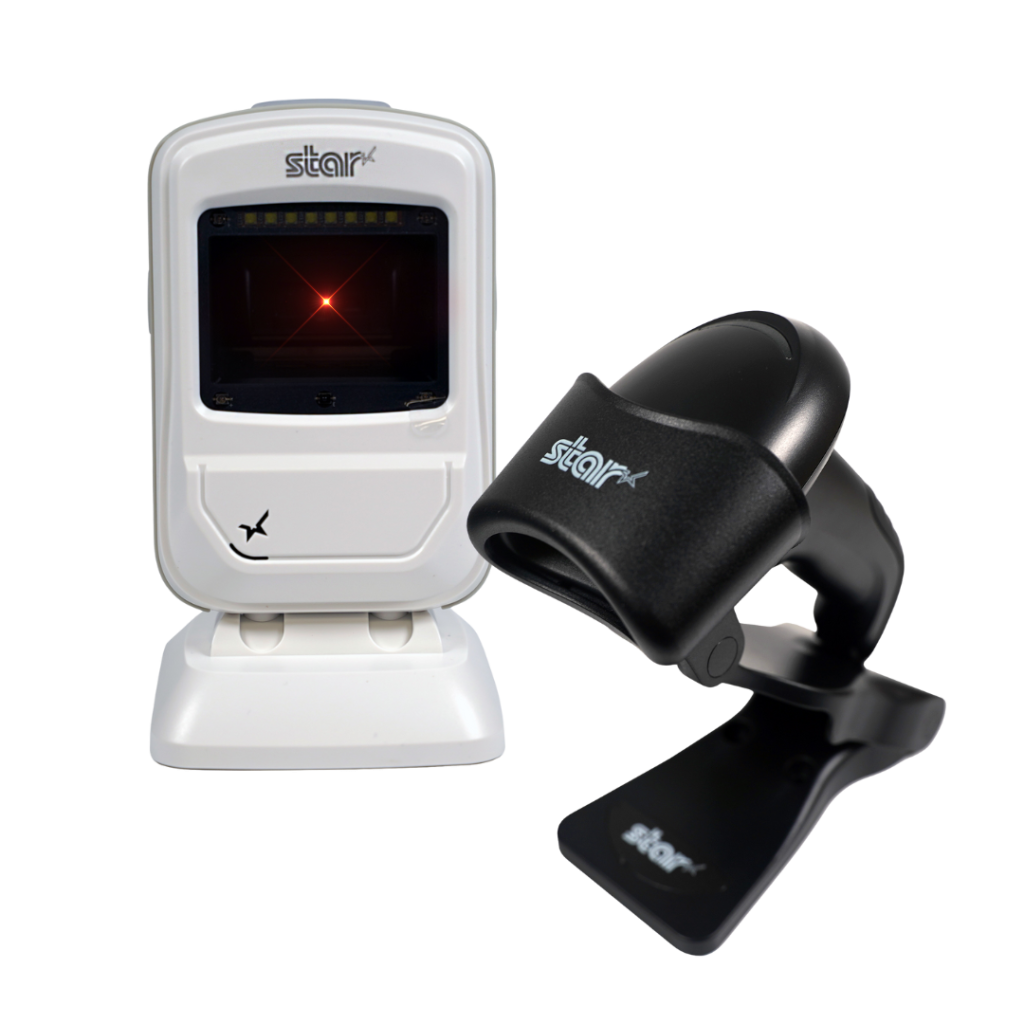
    Star’s 1D/2D Barcode Scanners

    Star offers a comprehensive range of IP-rated 1D/2D barcode scanners, ideal for diverse business needs. From retail to healthcare, our versatile scanners excel in parsing driver’s license and ID barcodes, ensuring swift and accurate data capture. Choose the perfect fit for your setup—desktophandheld, or wireless Bluetooth options available.

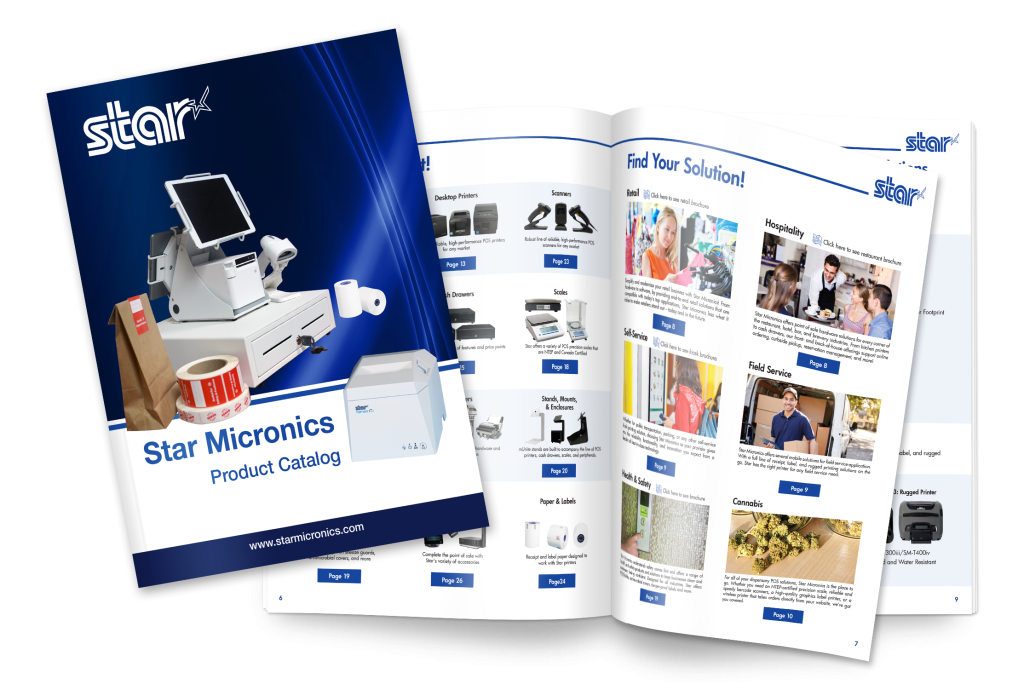
    View the Star Catalog

    Discover the full range of Star Micronics airport restaurant solutions in our product catalog, offering the tools you need for efficient, high-performing airport dining operations.

    Think Omnichannel for Airport Restaurant Solutions

    Travelers come from all walks of life, and their preferences for how they interact with businesses vary widely. For instance, non-native speakers may find it easier to use a kiosk with multilingual support, while travelers with mobility issues may prefer browsing menu options on a screen instead of moving from restaurant to restaurant. Some guests may even want the convenience of ordering from multiple airport eateries at once.

    On the other hand, travelers rushing to catch a connecting flight often seek quick grab-and-go options with fast self-checkout. Leveraging an omnichannel approach with airport restaurant solutions makes all types of engagement possible.

    Additionally, these solutions empower airport restaurants to drive greater operational efficiency, improve order accuracy, and minimize waste. By connecting front- and back-of-house processes, operators can ensure control, consistency, and high-quality customer service. With the right technology, airport restaurants can overcome the unique challenges of airport hospitality, creating a frictionless, low-stress experience that benefits both travelers and staff.

    Find Your Airport Restaurant Solutions Today:

  • How the MQTT Protocol Saves ISVs Time, Money, and Cloud Space

    How the MQTT Protocol Saves ISVs Time, Money, and Cloud Space

    Today, the cloud reigns in the world of point-of-sale technology. Businesses are moving from on-premises systems to cloud-based solutions. This is especially true for the retail and hospitality sectors, which are embracing the benefits of cloud printing technology.

    As a result, these sectors are demanding from their independent software vendors (ISVs) something they never requested in the era of on-premises software: fast, reliable, and scalable cloud solutions. This is where the MQTT protocol offers transformative benefits, helping ISVs save time, cut costs, and optimize cloud resources.

    What is the MQTT Protocol and Why Does It Matter to ISVs?

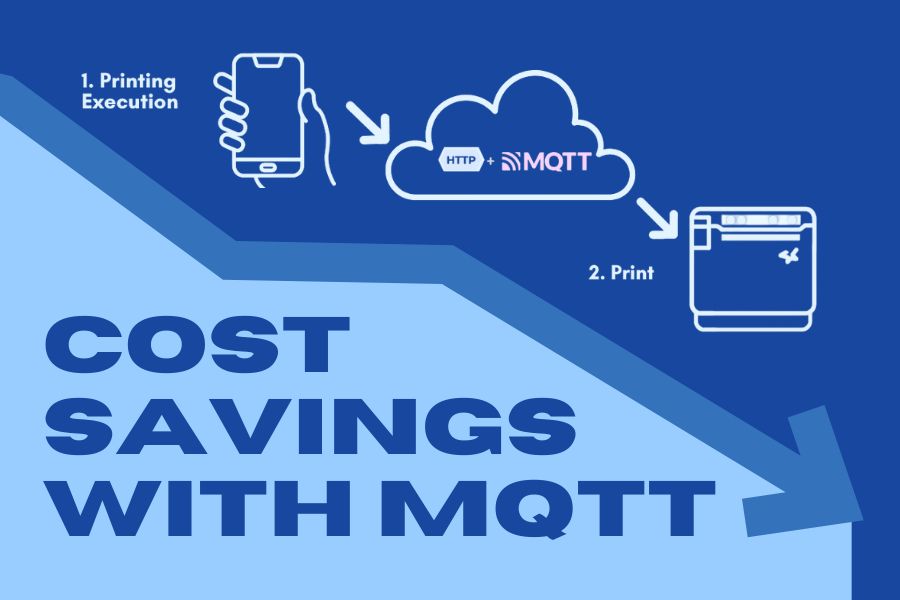
    MQTT (Message Queuing Telemetry Transport) is a lightweight communication protocol built for efficient, low-bandwidth data transfer, providing ISVs with a solution that boosts system performance while keeping operational demands low. Unlike traditional protocols like HTTP, which rely on constant polling, MQTT uses a publish-subscribe model—where devices (publishers) send data to a central broker, which then forwards the data only to devices that have expressed interest in receiving it (subscribers). This method sends data only when necessary, eliminating the need for constant checks and updates.

    The difference results in faster, more efficient cloud communication that reduces resource burdens and cuts unnecessary costs. For ISVs managing cloud-based printing systems, such as POS printers or remote services, this approach offers a significant advantage in reliability and performance.

    At its core, MQTT facilitates real-time communication between devices and cloud applications, making it especially valuable for ISVs handling systems that require stable connections. The protocol helps ISVs manage cloud-based applications more effectively by reducing network congestion and allowing for faster, real-time data transfer.

    This efficiency is particularly beneficial for companies operating across multiple locations—such as retail chains, hospitality franchises, or food delivery services—where smooth operations across dispersed regions are essential.

    Find Out About Star SDKs

    For ISVs navigating the complexities of printer integration, the path forward is often strewn with challenges. Get to know Star Micronics’ range of software development kits (SDKs), each uniquely crafted to address these challenges and enhance your integration prowess.

    Time-Saving Benefits of MQTT for ISVs

    Implementing MQTT in your systems can greatly optimize print job management and POS communication. Its instantaneous data transfer reduces latency, making operations faster and more efficient. This is especially useful for businesses in retail or hospitality, where speedy data processing is critical.

    Key Benefits:

    • Reduced Latency: Real-time data transfer processes print jobs faster, minimizing delays and downtime.
    • Automated Communication: Automatically maintains server-device connections, removing the need for frequent manual checks.
    • Improved Scalability: Lightweight design supports easy expansion without overloading networks as businesses grow.
    • Faster Transactions: Quicker print jobs result in improved customer service, particularly in fast-moving environments.

    Cost-Saving Advantages of MQTT

    In addition to time savings, MQTT also provides notable financial savings for ISVs. One of the main ways this is achieved is through minimized bandwidth usage. Unlike HTTP, which consumes bandwidth continuously by polling for updates, MQTT only transmits data when it’s needed. This results in lower data consumption, which directly reduces expenses related to bandwidth and server use.

    For cloud-based printing solutions, the MQTT protocol can also help ISVs reduce their cloud storage needs. By limiting data transmissions to necessary updates, less information is stored in the cloud, meaning ISVs need fewer resources to manage their systems. This leads to lower cloud hosting costs and makes it easier to maintain scalable, cost-efficient operations as business demands increase.

    Additionally, the use of MQTT can lower infrastructure costs by streamlining server needs to handle constant data traffic. ISVs can operate with leaner infrastructure, which translates to reduced investment in hardware and network systems.

    How the MQTT Protocol Saves ISVs Time, Money, and Cloud Space

    How MQTT Optimizes Cloud Space

    Another critical benefit of MQTT for ISVs is its ability to minimize cloud storage usage. The protocol uses a publish-subscribe model, dramatically reducing the amount of cloud space required, which is particularly advantageous for ISVs managing multi-location businesses that rely on cloud-based systems for remote printing, inventory management, and more.

    By refining data transfer practices and reducing the amount of unnecessary information stored in the cloud, MQTT helps ISVs reduce reliance on costly cloud storage solutions. This is particularly useful for businesses experiencing rapid growth or those looking to expand into new locations without increasing their cloud infrastructure costs.

    As cloud storage fees continue to rise, the efficiency provided by MQTT can result in significant long-term savings for ISVs. With MQTT, you’re only using cloud resources when absolutely necessary, which helps you avoid overage fees and ensures that you always have sufficient cloud capacity for the most critical tasks.

    • Reduced Cloud Storage Usage: MQTT sends data only when updates are necessary, which significantly decreases cloud space requirements, especially for businesses managing multiple locations.
    • Optimized Data Transfer: By cutting down on unnecessary data transmissions, MQTT ensures that ISVs need fewer cloud resources, lowering reliance on expensive storage solutions.
    • Long-Term Cost Savings: As cloud storage fees increase, the reduced data transmission of MQTT helps ISVs avoid overage fees, resulting in substantial cost savings over time.
    • Scalability for Growing Businesses: MQTT’s lightweight design allows ISVs to scale their operations efficiently without overwhelming the network, making it ideal for businesses looking to expand.
    • Improved Cloud Resource Management: With MQTT, ISVs can ensure that cloud resources are used only when necessary, maintaining ample capacity for critical tasks without overspending on storage infrastructure.

    Scalability and Efficiency for Multi-Location Businesses

    For businesses operating across multiple locations, adaptability is essential. The MQTT protocol makes it easier for ISVs to manage print jobs and other critical tasks across geographically dispersed locations without overwhelming the system. Whether you’re running a chain of retail stores, restaurants, or even healthcare clinics, MQTT ensures that your cloud-based systems stay responsive, reliable, and easy to manage.

    With the MQTT protocol, ISVs can monitor multiple devices and systems from a centralized hub, simplifying communication and ensuring consistency across all locations. This allows businesses to scale without needing major infrastructure updates, making it an ideal solution for growing companies looking to maintain efficiency while expanding.

    Learn About Star’s Industry-Leading Tech

    Experience the difference with Star Micronics’ advanced POS technology, designed to make your business run smoother. 

    The Future of ISV Solutions with the MQTT Protocol

    The MQTT protocol represents a shift toward more efficient cloud communication, offering ISVs a scalable solution that lowers costs and maximizes performance. By reducing bandwidth consumption, lowering cloud storage needs, and enabling real-time data transfer, MQTT is revolutionizing how cloud-based printing and POS solutions operate.

    For ISVs looking to implement cutting-edge technology, Star Micronics offers CloudPRNT Next, a cloud-based printing solution that harnesses the power of MQTT to deliver fast, efficient, and reliable remote printing. With CloudPRNT Next, ISVs can leverage the full benefits of MQTT, ensuring their systems remain future-proof while providing the best possible service to clients.

    If you’re ready to explore how CloudPRNT Next and the MQTT protocol can transform your cloud operations, reach out to the Star Micronics integrations team today.

  • SteadyLAN or TetherLAN: Which POS Printer Solution is Best?

    SteadyLAN or TetherLAN: Which POS Printer Solution is Best?

    In this episode of the Rising Stars Podcast, “SteadyLAN or TetherLAN: Which POS Printer Solution is Best?” host Kate Orara breaks down the differences between these two innovative POS printer technologies. As Partner Development Manager at Star Micronics, Kate provides insights on how each solution improves network connectivity and refines day-to-day workflows, helping businesses make informed decisions.

    This quick episode highlights the key features of SteadyLAN and TetherLAN, from SteadyLAN’s reliable wired connections, perfect for fixed locations, to TetherLAN’s flexibility in mobile environments. Kate discusses how each technology can impact your POS setup and what factors to consider when choosing the best solution for your business.

    Advance Your POS Printer Setup with the Right Technology

    Listeners will discover how SteadyLAN and TetherLAN offer unique benefits tailored to different business environments. Whether your business operates in a stable, wired setup or a dynamic, mobile setting, Kate’s expert advice will guide you in selecting the technology that aligns with your operational needs.

    Whether you’re planning for growth, adapting to new environments, or simply looking to optimize your POS system, this episode provides valuable insights on the right choice between SteadyLAN and TetherLAN. With clear explanations and practical examples, Kate makes the case for why choosing the right POS printer technology is crucial for business success.

    Subscribe and listen now to learn how SteadyLAN and TetherLAN can help your business reach its full potential.

    Read the blog post, “How to Choose Between SteadyLAN and TetherLAN for Your POS Printer” here >

    Loving the podcast? Subscribe now, and let us know what you think by leaving a review!

    Stay up-to-date on all things Star, don’t forget to follow us on X, LinkedIn, Facebook, Instagram, and YouTube.

    The Rising Stars Podcast

    Immerse yourself in the world of point-of-sale (POS) with the Rising Stars Podcast by Star Micronics, hosted by industry pro, Kate Orara. Twice a month, we explore the fascinating journeys of innovators and businesses navigating the challenges of POS technology’s rapid pace.

    In every episode, Kate Orara, Star Micronics’ Partner Development Manager, discusses emerging retail technology trends and strategies with global industry giants. She’s spent her entire career meeting all the right people, and now listeners everywhere can benefit from this vast network of channel gurus.

    Always leading and always innovating, Star Micronics, a pioneer in POS and customer experience technology for over 60 years, welcomes you to join us in shaping a brighter future in the retail, hospitality, and cannabis industries.

    Want more industry news?

    Episode Transcript

    [Music]

    Kate Orara: Hey there, retail tech enthusiasts! Welcome to the Rising Stars podcast, your go-to source for all things retail technology and the ever-evolving world of point-of-sale. I’m your host, Kate Orara, Partner Development Manager at Star Micronics, and I am thrilled to be your guide on this exciting journey.

    Here at Rising Stars, we’re not just keeping up with the trends—we’re setting them. We dive deep into the tech landscape with global industry leaders, unpacking strategies and discussing the latest innovations that shape the future of retail IT. Whether you’re a tech aficionado, business owner, or just curious about the dynamic world of retail, this podcast is your backstage pass to insider knowledge. And hey, it’s not just about the tech—it’s about the community. Join me and the Star Micronics team as we lead and innovate, shaping a brighter future for the retail, hospitality, and cannabis industries, and beyond.

    Together, we rise! So hit that subscribe button, stay in the loop, and let’s make waves in the retail tech space. This is the Rising Stars podcast, where innovation meets inspiration. Let’s rise together!

    Hey, and welcome back to Star Micronics’ Rising Stars podcast, where we dive deep into all things tech, business, and innovation. Today’s episode explores an exciting topic that’s crucial for businesses: choosing the right point-of-sale printer technology. But don’t worry, we’re going to break it down into a simple, digestible format for all my non-techy people out there.

    Now, imagine you’re a business owner and you’re faced with a decision: What point-of-sale printing technology do I need to help my business run efficiently? Do I need printing that can bypass unstable Wi-Fi and work directly with iOS devices? Or do I need connectivity for mobile devices with cellular connections, such as 5G tablets, smartphones, or hotspots?

    It might sound like a tough choice, but fear not! Today, we’re diving into a blog from Star Micronics that outlines exactly how to navigate this decision-making process between two printing technologies: SteadyLAN and TetherLAN. So sit back, and let’s dive in.

    Alright, so first up, let’s talk about SteadyLAN. This technology provides a wired network connection between your printer and POS system. Think of it as a direct line of communication, ensuring fast and reliable data transmission. But why might you choose SteadyLAN over other alternatives? Well, for starters, it eliminates the need for separate network cabling, simplifying your setup and potentially saving you time and money. Plus, it offers a robust connection, so you can say goodbye to pesky connectivity issues during peak business hours. It’s all about keeping everything running smoothly.

    On the flip side, Star’s TetherLAN printing technology is another fantastic option to consider. Unlike SteadyLAN, TetherLAN uses a USB connection to link your POS printer and system. You might be wondering, why opt for TetherLAN instead? One word: flexibility. With TetherLAN, you’re not tied down to a specific location or infrastructure. Need to rearrange your setup? No problem! Simply unplug and replug wherever you need to. It’s the ultimate solution for businesses that crave versatility without sacrificing performance.

    So, how do you decide between the two: SteadyLAN or TetherLAN for your point-of-sale printer? Here are some handy tips:

    First and foremost, consider your business’s specific needs and environment. Are you operating in a fast-paced, high-traffic setting where reliability is key? If so, SteadyLAN might be your best bet. Or perhaps you value the freedom to adapt and reconfigure your setup on the fly. In that case, TetherLAN could be the perfect fit.

    Another factor to keep in mind is future-proofing. Technology is ever-evolving, and you want a solution that can grow and adapt alongside your business. Both SteadyLAN and TetherLAN offer scalability and compatibility with a wide range of POS systems, ensuring that you’re not left behind as advancements continue to unfold.

    So there you have it—a whirlwind tour of the ins and outs of choosing between SteadyLAN and TetherLAN for your point-of-sale printer. Whether you’re prioritizing speed and reliability, or flexibility and adaptability, rest assured there’s a solution out there to suit your needs.

    Before you make your decision, be sure to weigh your options carefully and consider the unique requirements of your business. Or, you can always contact us at Star Micronics to discuss your needs, and we can help you select the right technology.

    So that’s your quick little Shooting Star episode for today! I hope you found it helpful and informative. Be sure to visit the Star Micronics website and check out our full blog. And don’t forget to subscribe so you don’t miss any of these amazing insights.

    Until next time, thanks for tuning in, and I’ll see you again soon.

    [Music]

    And that’s a wrap for this episode of the Rising Stars podcast. A huge thanks to our incredible listeners for tuning in and to our phenomenal guests for sharing their insights. Don’t forget to subscribe, rate, and leave us a review. Let us know what you want to hear more about—your feedback fuels our journey to bring you the best in retail technology. Stay connected with us on social media for updates and behind-the-scenes content.

    As we sign off, remember: The future of retail technology is in our hands, and together, we’re shaping it. Keep innovating, keep rising, and until next time, this is Kate Orara signing off. Together, we rise.

    [Music]
  • Star Micronics Unveils the Next mC-Print3: Connectivity and Sustainability Redefined

    Star Micronics Unveils the Next mC-Print3: Connectivity and Sustainability Redefined

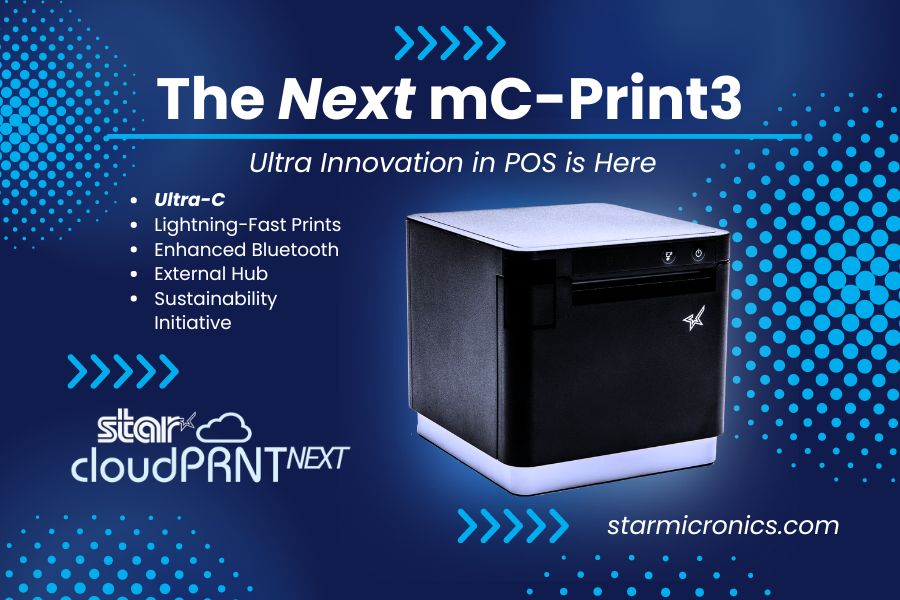
    The mC-Print31Ci and mC-Print31CBi thermal receipt printers, featuring CloudPRNT Next and Ultra-C technology, set new benchmarks in speed, efficiency, and sustainability.

    Somerset, NJ – July 24, 2024 – Star Micronics, a global leader in point-of-sale (POS) technology, is excited to announce the highly anticipated launch of the mC-Print31Ci and mC-Print31CBi, the latest additions to the esteemed mC-Print3 series of thermal receipt printers and part of the mCollection®. These new models redefine POS printing standards, combining speed, flexibility, and innovative connectivity features to significantly enhance retail and hospitality operations.

    The mC-Print31Ci and mC-Print31CBi are engineered to set new benchmarks in printing speed and connectivity. They deliver prints at an impressive rate of up to 400mm/sec, ensuring fast, high-quality outputs that boost store efficiency. These models also feature the latest CloudPRNT Next technology, providing faster and more dependable cloud-based printing using the MQTT protocol.

    Key features of the mC-Print31Ci and mC-Print31CBi include:

    • CloudPRNT Next Technology: Advanced cloud-based printing using the MQTT protocol for enhanced performance.
    • Ultra-C Technology: 20W USB-C power and data transfer for seamless connections with iOS, Android, and Windows devices.
    • Enhanced Bluetooth Connectivity: The mC-Print31CBi model offers twice the Bluetooth speed for improved communication.
    • Lightning-Fast Printing Speed: Capable of printing up to 400mm/sec, reducing transaction times and increasing efficiency.
    • External USB Hub Support: Allows connection of up to three peripherals, enhancing functionality.
    • Sustainable Packaging: Eco-friendly packaging made entirely of recyclable materials, with zero plastic wrapping.
    • Robust and Reliable: IP22 splash-proof, insect-proof, and dust-proof design suitable for demanding environments.

    In alignment with Star Micronics’ commitment to sustainability, the mC-Print31Ci and mC-Print31CBi feature compact packaging that reduces ecological impact and increases inventory capacity during transportation. The packaging is entirely plastic-free and reduces cable waste by not including cables that most people already have. The printers’ robust design ensures they can withstand the hustle of a busy kitchen and the demands of a high-traffic retail setting.

    Experience what’s next in thermal receipt printing with Star Micronics’ mC-Print31Ci and mC-Print31CBi, where efficiency, innovation, and sustainability meet.

    Schedule private demos with Star representatives by contacting sales@starmicronics.com.

    Love Industry News? Explore our Podcast:

    Star Micronics logo, point-of-sale (POS) hardware and technology company.

    Star Micronics, a world leader in point-of-sale (POS), has designated a portfolio of printing, labeling, secure cash management, and customer engagement solutions for any retail or hospitality establishment. Embracing the mPOS wave, Star’s SDKs allow developers to utilize Star printers with Android™, iOS, iPad®, and iPhone® devices to generate receipts, labels, Chit, and tickets. Star Micronics is always leading and always innovating, creating cloud-based printing solutions, including CloudPRNT and Star Cloud Services, with AOA support and MFi connectivity. Star also has a wealth of peripherals, including 2D barcode scanners, scales, tablet display stands, and more. Visit starmicronics.com or follow us on Facebook, Instagram, X, YouTube, or LinkedIn to learn more.

    Media Contact:

    Christin Dorner
    Star Micronics America, Inc.
    cdorner@starmicronics.com
    848-216-3318

  • The Acclaimed mPOP® Hybrid mPOS Solution Now Includes Bluetooth Connectivity

    The Acclaimed mPOP® Hybrid mPOS Solution Now Includes Bluetooth Connectivity

    Enjoy flawless connectivity with the latest mPOP® model, the POP10CBi, featuring Bluetooth capability alongside USB-C.

    Somerset, NJ – July 17, 2024 – Star Micronics, a leading manufacturer of mobile, point-of-sale (POS), and customer engagement technologies, is proudly releasing their newest addition to the mCollection®, the mPOP model POP10CBi. Star’s mPOP (mobile point of purchase) remains the industry’s number one hybrid POS solution that combines a cash drawer and printer peripheral into one simplified and stylish system.

    With the POP10CBi, Star offers convenient Bluetooth connectivity, enhancing the flexibility of direct iOS connectivity while also supporting Windows and Android devices. This compact and fully integrated peripheral is ideal for tablet- and mobile device-based POS (mPOS) systems.

    Connect your preferred tablet or mobile device, and the POP10CBi transforms into a fully unified POS system. It’s compatible with all major operating systems (iOS, Android, Windows, macOS) and works with any supported POS or mPOS software, allowing retailers the freedom to use various platforms. With Apple MFi certification, the POP10CBi allows a direct USB-C connection with the iPad®, iPhone®, and iPod Touch®, enabling it to charge your iOS device while data is transferring. This convenient method uses the same charge cord included with the iOS device. Enhancing functionality, the POP10CBi has USB-A and USB-B ports for connecting external devices or peripherals, such as an optional 2D barcode scanner.

    The complete mPOP line combines a two-inch thermal receipt printer with “drop-in and print” paper loading and a unique, functional Flat Bill till. The till, featuring a 4-bill and 4- or 6-coin slot design, provides easy currency storage and management with the same small footprint. As an added option, Star Micronics also offers the mUnite EZPOS tablet display stand, fitting any mPOP® perfectly.

    The functions and connectivity of the mPOP make processing customer transactions smooth and hassle-free for small shops, cafes, florists, food trucks, and more. With multiple exit options for enhanced cable management, it complements any countertop or on-the-go area for a visually appealing POS system no matter where you do business. Aesthetically modern and elegant, the mPOP provides the ultimate POS solution for the new face of mPOS.

    Schedule private demos with Star representatives by contacting sales@starmicronics.com.

    Love Industry News? Explore our Podcast:

    Star Micronics logo, point-of-sale (POS) hardware and technology company.

    Star Micronics, a world leader in point-of-sale (POS), has designated a portfolio of printing, labeling, secure cash management, and customer engagement solutions for any retail or hospitality establishment. Embracing the mPOS wave, Star’s SDKs allow developers to utilize Star printers with Android™, iOS, iPad®, and iPhone® devices to generate receipts, labels, Chit, and tickets. Star Micronics is always leading and always innovating, creating cloud-based printing solutions, including CloudPRNT and Star Cloud Services, with AOA support and MFi connectivity. Star also has a wealth of peripherals, including 2D barcode scanners, scales, tablet display stands, and more. Visit starmicronics.com or follow us on Facebook, Instagram, X, YouTube, or LinkedIn to learn more.

    Media Contact:

    Christin Dorner
    Star Micronics America, Inc.
    cdorner@starmicronics.com
    848-216-3318

  • The 5 Best Star Receipt Printers

    The 5 Best Star Receipt Printers

    Star Micronics offers a diverse range of thermal receipt printers designed to meet the unique demands of different work environments. Whether you seek a stylish printer to complement your aesthetic or a robust model capable of withstanding temperature fluctuations, liquids, dust, and intensive usage, there’s a Star receipt printer for you.

    Our lineup spans thermal and impact printers, each tailored to specific business needs. For those aiming to enhance promotional strategies, Star provides comprehensive solutions to craft receipts, coupons, and promotional messages with ease.

    Unsure which Star receipt printer aligns best with your business? Discover our top picks, perfect for various retail, restaurant, and hospitality settings:

    1. The TSP143IV Series

    The sleek TSP143IV series sets new standards in thermal printing with its compact design, reducing its footprint by 20% compared to the TSP143III. Ideal for mPOS and POS systems, it offers versatile connectivity (including Android Open Accessory (AOA) support and WLAN) and seamless integration with Windows, iOS, and Android. This series excels in cloud-based applications with CloudPRNT technology support and connects to Star Micronics Cloud Services for enhanced device monitoring and promotional capabilities. 

    The TSP143IV series also includes a sticky linerless label model, the TSP143IV SK, expanding its online ordering and delivery capabilities. Its efficient “drop-in and print” paper loading and internal power supply make it an indispensable tool in retail or hospitality.

    2. The mC-Label3 Multimedia Printer

    The mC-Label3 from Star Micronics is a multifunctional printer that excels in versatility, supporting a wide range of media from linerless labels (permanent and sticky) to die-cut labels and standard receipt paper. Its Cloud Ready capability enables connection to Star Micronics Cloud Services and Label Builder for customized label solutions. 

    With One Touch Label, users can easily print pre-set labels or receipts with the touch of a button. Its compatibility with iOS, Android, and Windows devices, combined with advanced connectivity options like SteadyLAN® and TetherLAN, positions the mC-Label3 as a top choice for diverse printing needs.

    Discover Star’s wide range of printing technologies >

    3. The mC-Print3 Series

    The premier mC-Print3 series combines style and next-gen functionality in a compact cube design, perfect for busy retail and restaurant spaces. It has an IP22 splash-proof rating and withstands harsh environments, including professional kitchens and outdoor venues. It excels in speed (400 mm/second) and connectivity, supporting various USB peripherals and offering access to Star CloudPRNT Next and Star Micronics Cloud Services.

    Its small footprint and robust design, coupled with multiple connection options (including CloudPRNT and SteadyLAN), make the mC-Print3 a powerful solution for any modern POS system.

    4. The mPOP® Multifunction System

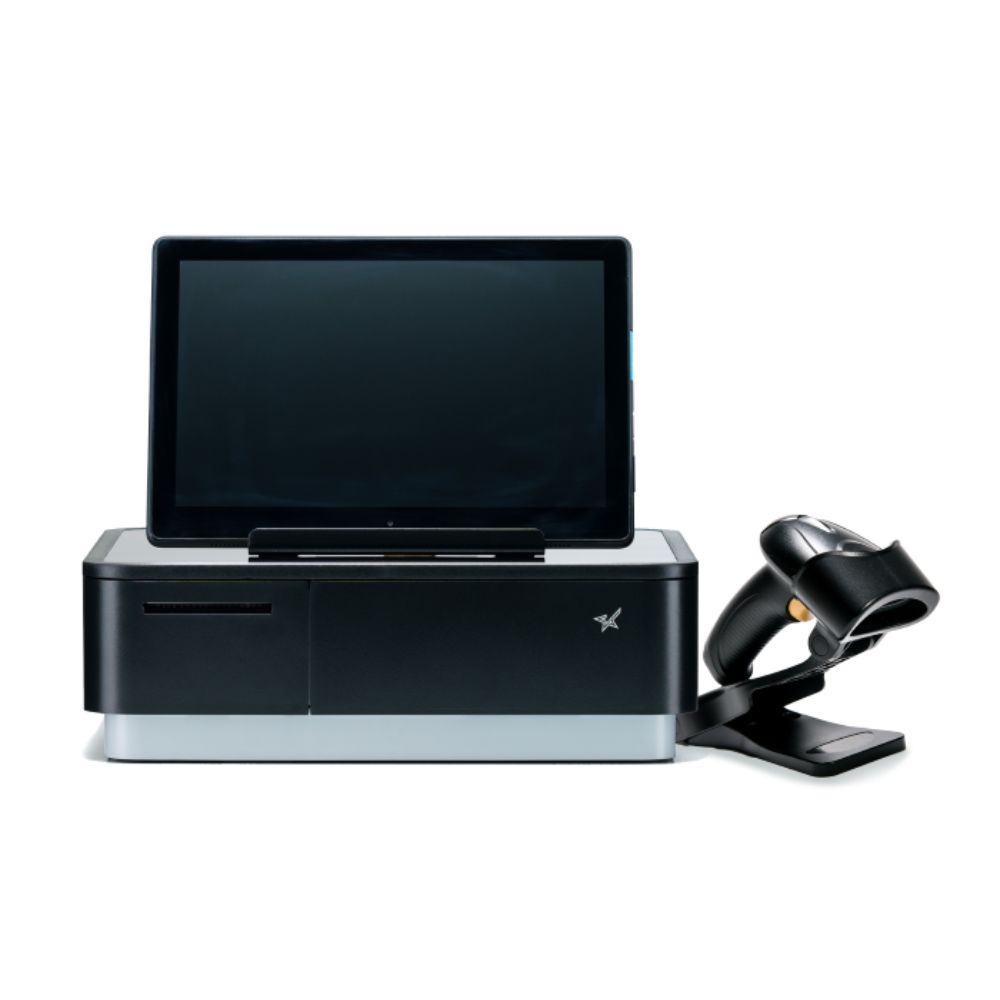
    Star Micronics’ mPOP redefines the tablet POS experience by combining a cash drawer with a 2-inch thermal printer into one innovative solution. It fits perfectly in boutique or salon settings, offering a sleek and ergonomic design without sacrificing functionality. It supports all major operating systems, providing versatility for diverse POS software. The addition of USB ports enhances its functionality, enabling connections with external devices like the optional Star 2D barcode scanner.


    Black mPOP with optional 2D Scanner shown with Tablet
    Tablets not included

    5. The TSP143III Series

    The acclaimed TSP143III is a thermal receipt printer designed for businesses seeking reliable, high-quality printing solutions. Its diverse connectivity options, including USB, Bluetooth, LAN, and WLAN, make it suitable for various industries. With features like USB charging for mobile devices and access to futurePRNT software for receipt customization, it’s an adaptable solution for any retail or hospitality environment. It comes with a complete package for immediate setup, enhancing its appeal for businesses looking for an easy-to-use, comprehensive printing solution.

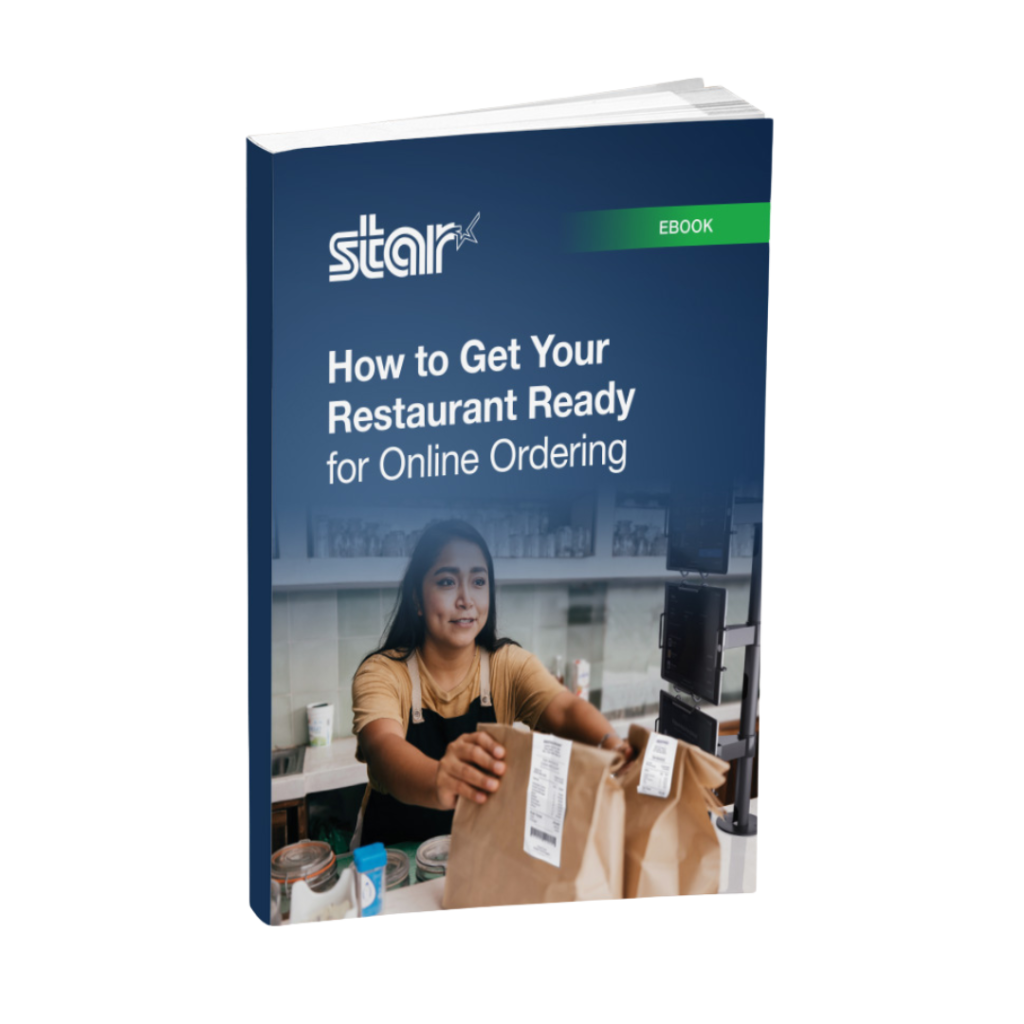
    How to Get Your Restaurant Ready for Online Ordering

    Are you looking for a new way to grow your restaurant business? Accepting online orders keeps you relevant and competitive.

    Star Micronics’ printer lineup complements any device and includes options for every type of business and environment, even where space is limited. The company’s roster of printers includes thermal units for clear printing, impact printers for harsh work stations, and hardware with functional, compact footprints.

    Learn more about Star Solutions:

    Original article written by Heidi Orpilla and published on January 10, 2019.

  • Establishing Your LinkedIn Professional Brand

    Establishing Your LinkedIn Professional Brand

    In this episode of the Rising Stars Podcast, “Building Your Personal Professional Brand on LinkedIn,” host Kate Orara delves into the essentials of crafting a compelling professional presence on LinkedIn. As Partner Development Manager at Star Micronics, Kate brings her expertise and passion for personal branding in the retail technology channel industry to provide actionable insights for professionals at all levels.

    This quick take episode focuses on three key strategies for leveraging LinkedIn to its fullest potential. Kate shares her top tips for optimizing your LinkedIn profile, curating engaging content, and networking strategically to build and maintain a robust professional brand.

    Enhance Your Professional Presence with Practical Tips

    Listeners will learn how to make a solid first impression with a well-crafted LinkedIn profile, including the importance of a professional photo, a compelling headline, and a captivating summary. Kate emphasizes the significance of sharing valuable industry content and engaging with your network to demonstrate expertise and build credibility.

    Whether you’re looking to attract potential employers, clients, or collaborators, this episode offers the tools you need to stand out on LinkedIn. Kate’s expert advice is tailored for both novice and experienced LinkedIn users, making it easy to implement these strategies today.

    Subscribe and listen now to gain the knowledge you need to elevate your LinkedIn game!

    Loving the podcast? Subscribe now, and let us know what you think by leaving a review!

    Stay up-to-date on all things Star, don’t forget to follow us on X, LinkedIn, Facebook, Instagram, and YouTube.

    The Rising Stars Podcast

    Immerse yourself in the world of point-of-sale (POS) with the Rising Stars Podcast by Star Micronics, hosted by industry pro, Kate Orara. Twice a month, we explore the fascinating journeys of innovators and businesses navigating the challenges of POS technology’s rapid pace.

    In every episode, Kate Orara, Star Micronics’ Partner Development Manager, discusses emerging retail technology trends and strategies with global industry giants. She’s spent her entire career meeting all the right people, and now listeners everywhere can benefit from this vast network of channel gurus.

    Always leading and always innovating, Star Micronics, a pioneer in POS and customer experience technology for over 60 years, welcomes you to join us in shaping a brighter future in the retail, hospitality, and cannabis industries.

    Want more industry news?

  • The Ultimate Buyer’s Guide to Choosing the Right POS Scale for Your Business

    The Ultimate Buyer’s Guide to Choosing the Right POS Scale for Your Business

    Selecting the perfect point-of-sale (POS) scale for your business is a crucial decision that can significantly impact your efficiency and customer satisfaction. With countless options available, finding the right one can be overwhelming. This comprehensive buyer’s guide aims to simplify the process by outlining the key factors to consider when choosing a POS scale for your business.

    Table of Contents

    Factors to Consider When Choosing a POS Scale

    Selecting the appropriate POS scale involves various crucial factors that can significantly influence your business operations and customer interactions.

    1. Business Type and Application

    Your business type and the specific applications for which you’ll use the scale play a significant role in determining the ideal POS scale. Different industries require unique features and capabilities. For instance, a grocery store might need a scale that can handle large volumes of produce, while a jewelry store requires a scale with high precision for small items.

    2. Weighing Capacity

    Consider the scale’s maximum weight capacity, ensuring it meets your specific business requirements. For instance, a grocery store selling bulk items might need a scale with a higher capacity, while a coffee shop measuring beans may require a lower capacity.

    3. Accuracy

    Accuracy is critical when it comes to POS scales, as precise weight measurements ensure fair pricing and minimize the potential for customer disputes. Look for a scale that offers the accuracy your business needs, whether high precision for small items or more general measurements for larger products.

    4. Size and Design

    The available space in your retail environment will influence your choice of POS scale. If your store has limited space, opt for a compact, space-saving design, while larger businesses might have more flexibility regarding scale size.

    5. Ease of Use

    A user-friendly scale with an intuitive interface and easy-to-read display is essential for streamlining the checkout process and minimizing errors. Look for a scale that simplifies the weighing process, ensuring employees can quickly and accurately measure items.

    6. Connectivity

    First, ensure your POS scale is compatible with your existing POS system, including the software you want to use. Seamless connectivity is critical for maintaining efficiency and minimizing disruptions to your business operations. Modern POS scales offer a variety of connectivity options to suit diverse technological environments.

    USB-C is popular for its fast data transfer and power supply capabilities, making it ideal for newer systems. Bluetooth connectivity allows for wireless communication with a range of devices, including tablets and smartphones, supporting both iOS and Android platforms. Additionally, traditional Serial interfaces are available for systems requiring a robust wired connection.

    Ultimately, choosing a POS scale with flexible connectivity options that include many choices ensures it can connect to your current and future POS setups, enhancing your business’s overall system adaptability and user experience.

    Ensuring Compliance with Trade Legal Scales

    A key consideration when selecting a POS scale for your business is ensuring it is trade-legal and certified by reputable standards such as the National Type Evaluation Program (NTEP) and Measurement Canada. NTEP certification ensures that a scale meets the stringent standards for accuracy and reliability set by the National Conference on Weights and Measures (NCWM). Scales with NTEP certification have undergone rigorous testing and evaluation to ensure precision, making them legally approved for commercial transactions.

    Similarly, Measurement Canada certification is crucial for businesses operating in Canada, as it assures compliance with the Canadian standards for measuring devices. This certification indicates the scale has passed accuracy and performance tests under specific conditions, adhering to the Measurement Canada guidelines.

    By choosing a trade-legal scale with both NTEP and Measurement Canada certifications, you demonstrate your commitment to fair and accurate pricing and ensure compliance with industry regulations in both the United States and Canada, protecting your business from potential fines and penalties. This dual certification can be especially important for companies that operate or plan to expand across North American markets, providing a level of reliability and trust in the measurements provided by their POS systems.

    Benefits of Investing in a High-Quality POS Scale

    Investing in a high-quality POS scale offers numerous advantages for your business, including:

    • Improved Efficiency: A reliable, accurate scale streamlines the checkout process, reducing wait times and enhancing the customer experience.
    • Better Inventory Management: Accurate weight measurements allow for more precise inventory control, helping you optimize stock levels and reduce waste.
    • Increased Customer Satisfaction: Fair, accurate pricing builds trust with your customers, leading to increased loyalty and repeat business.

    Star Micronics POS Scale Options: An Overview

    Star Micronics proudly offers a variety of POS precision scales that are NTEP and Measurement Canada certified with modern connectivity options, ideal for use in groceries, cannabis dispensaries, jewelry stores, pawn shops, and more.


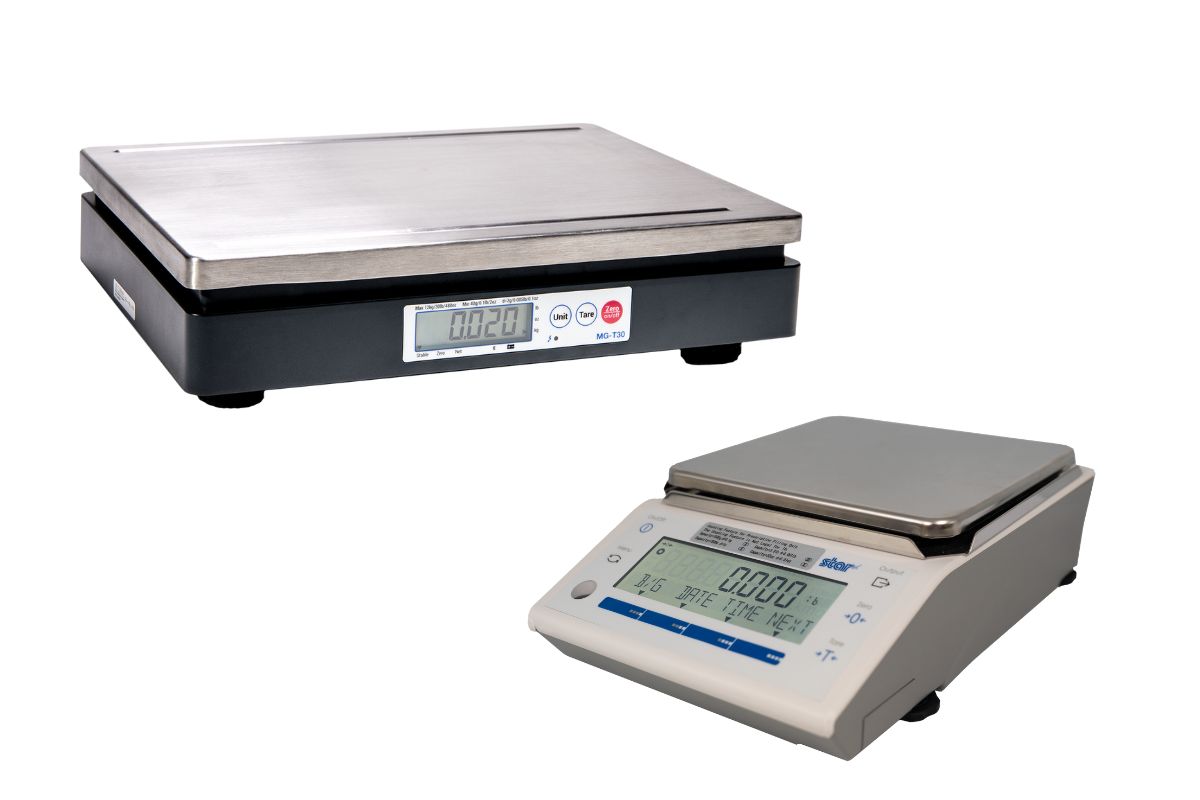
    Star Micronics offers mG-T and mG-S series of POS scales.
    Star’s mG-T series on the top left & mG-S series POS scales on the bottom right.

    mG-T Series POS Scales

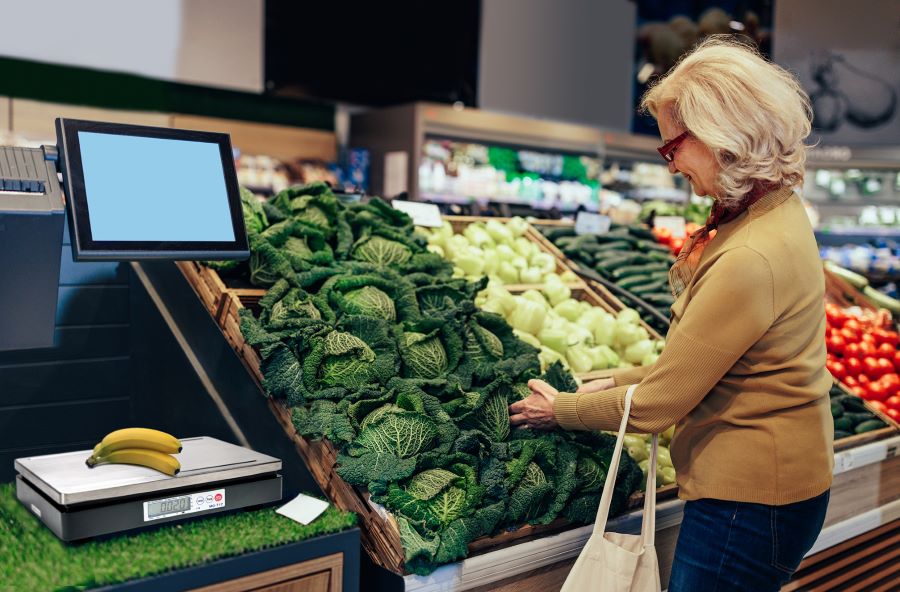
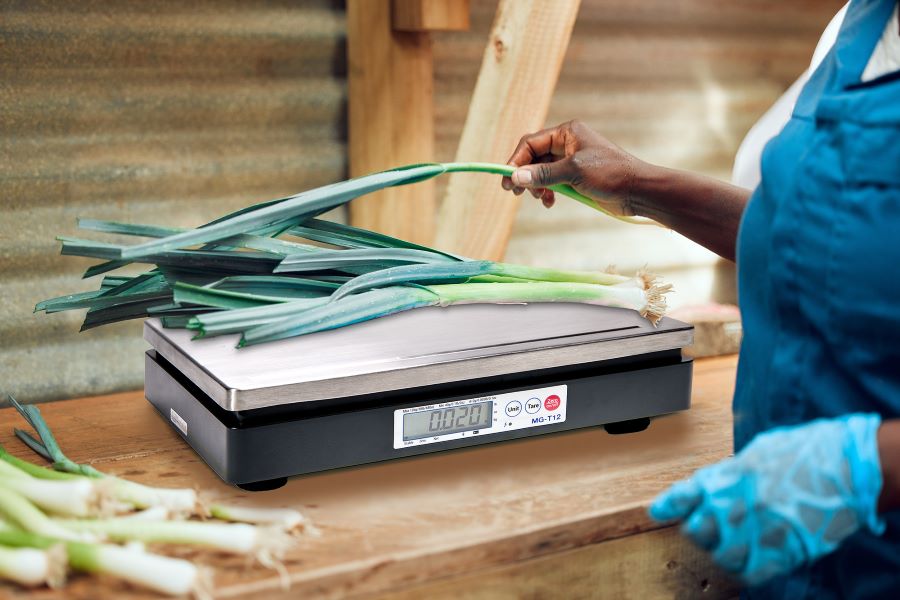
    The Star Micronics mG-T Series POS scales are designed for a wide range of retail applications, such as grocery produce, deli products, salad bars, and bulk items. Key features include:

    • High-precision measurement, accurate down to 0.01g
    • Compact, space-saving design
    • Bluetooth, serial & USB-C connectivity (mG-TUDB models only)
    • Easy integration with various POS systems
    • Suitable for retail, hospitality, grocery, and more
    • Durable construction for long-lasting performance
    • NTEP & Measure Canada-certified
    • Optional pole display for added convenience (mG-TUDB models only)


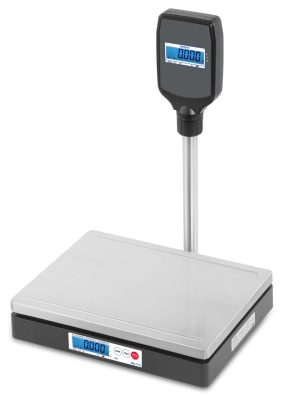
    The mG-TUDB digital pole display for POS scales by Star Micronics.
    The mG-TUDB model POS scale with optional pole display.

    mG-S1501 POS Scale

    Ideal for coffee shops, candy stores, and delis, the mG-S1501 POS scale offers precise weight measurements and NTEP certification. Its features include:

    • Capacity: 0 – 300g x 0.1g; 300 – 1500g x 0.5g
    • RS-232C and USB interfaces for easy integration
    • Internal rechargeable battery for portability
    • Stainless steel weighing pan for durability
    • NTEP certified

    mG-S322 POS Scale

    The mG-S322 POS scale is perfect for pharmacies, dispensaries, and jewelry stores, providing highly accurate weight measurements for small items. Key features include:

    • Capacity: 0 – 100g x 0.01g; 100 – 320g x 0.1g
    • NTEP certified, ensuring accuracy and compliance
    • RS-232C and USB interfaces for easy integration
    • Stainless steel weighing pan for durability
    • NTEP certified

    mG-S8200 POS Scale

    For businesses such as warehouses, shipping centers, grocery stores, and cannabis retailers, the mG-S8200 POS scale is an ideal choice. Its features include:

    • Capacity: 0 – 500g x 0.01g; 500 – 8200g x 0.1g
    • NTEP certified, ensuring accuracy and compliance
    • RS-232C and USB interfaces for easy integration
    • Stainless steel weighing pan for durability
    • NTEP certified

    Applications for Star Micronics POS Scales

    Star Micronics POS scales cater to various business types and applications, such as:

    • Grocery Produce: Accurately weigh fruits and vegetables for precise pricing.
    • Deli Products: Efficiently measure and price meats, cheeses, and other deli items.
    • Butcher Shops: Ensure correct weight and pricing for various cuts of meat.
    • Salad Bars: Easily measure and charge customers for their customized salads.
    • Bulk Items: For grains, nuts, dried fruit, candy, coffee, tea, and more.
    • Ice Cream & Frozen Yogurt Shops: Weigh and price frozen treats for a seamless customer experience.
    • Wash-and-Fold Laundry Services: Accurately charge customers based on the weight of their laundry.
    • Farmer’s Markets: For fresh produce, meats, and other locally-sourced bulk products.

    By understanding your business’s specific needs and selecting the appropriate Star Micronics POS scale, you can enhance the efficiency and accuracy of your transactions, leading to improved user and customer satisfaction.

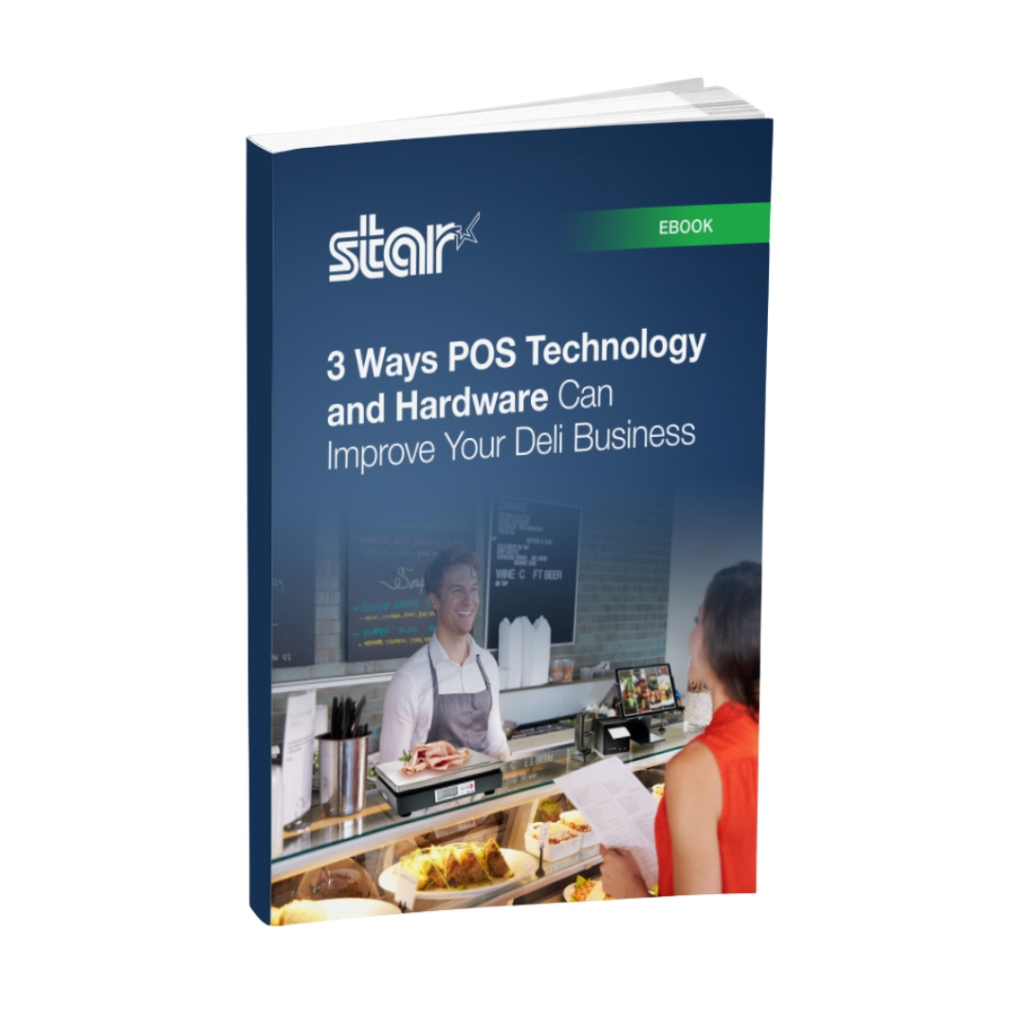
    3 Ways POS Technology and Hardware Can Improve Your Deli Business

    Get the latest point-of-sale (POS) technology and hardware to streamline deli, butcher shop, or fish market operations.

    Love industry news? Get into our podcast:

    Original article written by the author and published on March 15, 2023.

  • Reliable Connections and Cellular Printing in POS Technology

    Reliable Connections and Cellular Printing in POS Technology

    In this highly informative episode of the Rising Stars Podcast, “Reliable Connections and Cellular Printing in POS Technology,” host Kate Orara wants to know more about advancements in POS connectivity. With Star Micronics experts Joshua Ventocilla and Oreoluwa Akeredolu, the discussion centers on the innovative technologies of SteadyLAN and TetherLAN.

    The episode highlights the different ways these technologies provide stable and reliable network connections in various POS environments, ensuring seamless transactions and continuous service. It explores the importance of stable Ethernet and efficient cellular printing in maintaining operational efficiency.

    Insights into Enhanced POS Technology

    Listeners will gain valuable insights into how SteadyLAN and TetherLAN can significantly enhance the functionalities of their POS systems and applications. This episode offers key guidance for independent software vendors (ISVs) and business owners alike on optimizing POS operations through improved connectivity solutions.

    Don’t miss this opportunity to understand how leveraging advanced network technologies can transform your POS setup and contribute to smoother, more reliable business operations.
    Subscribe and listen now!

    Read the blog post, “How to Choose Between SteadyLAN and TetherLAN for Your POS Printer” here >

    Loving the podcast? Subscribe now, and let us know what you think by leaving a review!

    Stay up-to-date on all things Star, don’t forget to follow us on X, LinkedIn, Facebook, Instagram, and YouTube.

    The Rising Stars Podcast

    Immerse yourself in the world of point-of-sale (POS) with the Rising Stars Podcast by Star Micronics, hosted by industry pro, Kate Orara. Twice a month, we explore the fascinating journeys of innovators and businesses navigating the challenges of POS technology’s rapid pace.

    In every episode, Kate Orara, Star Micronics’ Partner Development Manager, discusses emerging retail technology trends and strategies with global industry giants. She’s spent her entire career meeting all the right people, and now listeners everywhere can benefit from this vast network of channel gurus.

    Always leading and always innovating, Star Micronics, a pioneer in POS and customer experience technology for over 60 years, welcomes you to join us in shaping a brighter future in the retail, hospitality, and cannabis industries.

    Want more industry news?