Category: Industry Insights

  • The Rise of Social Commerce: How Retailers Can Leverage Social Media

    The Rise of Social Commerce: How Retailers Can Leverage Social Media

    Something I find particularly exciting about the start of each new year is getting to look through the growing retail and e-commerce trends, and 2024 did not disappoint. At a time when digital storefronts and spaces are just as crucial as physical ones, the retail landscape is undergoing yet another epic transformation.

    Part of this shift is the emergence of social commerce, a trend that’s setting the stage for this next retail revolution. Combining mobile shopping and social media, two of the most popular contemporary pastimes, retailers are finding more creative ways to engage consumers, drive sales, and enhance the shopping experience. It’s never been easier to meet your customers where they already are.

    This blog post explores the rise of social commerce and how retailers can leverage this trend to their advantage. I will also show how Star Micronics is leading innovation in mobile point-of-sale (mPOS) hardware for businesses entering and thriving in the online ordering space.

    Understanding Social Commerce

    Social commerce, the process of selling products and services directly through social media platforms, is not just an extension of ecommerce; it’s a new frontier in retail, and still a relatively new one. Social commerce combines the interactive and social aspects of social media with the modern convenience of online shopping, creating a powerful tool for retailers.

    Compelling statistics support growth in this sector: According to Statista, sales through social commerce in the United States hit an estimated $64.8 billion and are expected to surge to around $150 billion by 2028, more than doubling. It would be a mistake for retailers not to pursue this market.

    The Rise of Social Commerce: How Retailers Can Leverage Social Media

    The Convergence of Mobile Ecommerce and Social Media

    The explosion of mobile ecommerce has been a critical driver for social commerce. Innovations in mobile technology have made smartphones the primary device for internet access, social interaction, and online shopping. Retailers leveraging mobile commerce hardware and technologies are uniquely positioned to capitalize on social commerce growth.

    Platforms like Facebook, Instagram, Pinterest, and TikTok have native shopping features, allowing users to purchase without leaving the app. This harmony of social media and ecommerce is transforming how consumers discover and buy products.

    Benefits of Social Commerce for Retailers

    The advantages of social commerce extend beyond just increased sales. Here are a few benefits that highlight its importance for retailers:

    • Enhanced Customer Engagement: Social commerce turns shopping into a social experience, encouraging users to share, like, and comment on products. This engagement builds a community around a brand, fostering loyalty and repeat business.
    • Direct Sales Channel: By selling directly on social media, retailers can reduce the steps in the buying process, making it easier for consumers and the potential for higher conversion rates.
    • Rich Customer Insights: Social commerce platforms offer detailed analytics about customer preferences and behavior. Retailers can use this data to modify their marketing strategies, product offerings, and even product development.
    • Credibility via Social Proof: Social commerce boosts brand visibility and trust by leveraging user reviews and recommendations as powerful forms of social proof.
    • Cost-Effective Marketing: Marketing on social media platforms is extremely cost-effective for merchants, allowing small businesses the chance to be competitive in the market.

    Implementing Social Commerce: Strategies for Retailers

    A successful social commerce initiative requires more than just setting up a shop on a social platform. Here are effective strategies retailers should consider:

    1. Cultivate a Robust Social Media Presence

    The foundation of successful social commerce lies in maintaining an active, engaging presence on social media. Retailers should craft content that resonates with their audience, prompts engagement, and showcases their products attractively.

    The Rise of Social Commerce: How Retailers Can Leverage Social Media

    2. Create and Nurture Online Communities

    Beyond posting content, use your social channels to foster vibrant online communities. Engage with your audience through interactive content, Q&A sessions, live footage, and community discussions to build a loyal customer base.

    3. Embrace Influencer Partnerships

    Influencers can significantly amplify your reach and credibility. But don’t pick just anyone! Work with influencers who align with your brand values and appeal to your target audience, leveraging their reach to introduce your products to real potential customers.

    4. Maximize Platform Shopping Features

    Leverage the built-in shopping functionalities of social platforms to facilitate easy purchases. Utilize features like Instagram’s Shopping tags and Facebook Marketplace to integrate seamless shopping experiences within your social profiles. Make sure your store is easily seen on your business profile.

    5. Offer Exclusive Social Media Discounts

    Encourage purchases directly through social platforms by offering special discounts and promotions exclusive to your followers. This not only rewards engagement but boosts followers and incentivizes direct sales through these channels. This activity can signal to platform algorithms that your store deserves to be seen by more people.

    6. Add User-Generated Content

    Encourage and share user-generated content (UGC) to enhance credibility and trust among potential customers. UGC, such as customer reviews, unboxing videos, and product photos, serves as authentic social proof that can influence buying decisions.

    7. Optimize for Mobile Shopping

    With most social media browsing done on mobile devices, ensure your social commerce experience is optimized for mobile users. This includes easy navigation, quick loading times, and a streamlined checkout.

    The Rise of Social Commerce: How Retailers Can Leverage Social Media

    8. Implement Targeted Social Media Advertising

    Utilize social media ads to get your message out to a broader audience with precision targeting. By running ads on platforms where your audience is most active, you can increase brand visibility, drive traffic to your social commerce channels, and boost conversions.

    Preparing for the Surge

    With social commerce set to continue its rapid growth, retailers must be prepared to adapt and refine. This means investing in mobile-friendly platforms, exploring new social media features, and finding creative ways to engage with your audience.

    Building a solid social media presence takes time and consistency, so start as soon as you can and keep going. Retailers that can effectively leverage social commerce will find themselves well-positioned to capitalize on it and drive significant business growth.

    Omnichannel Ordering with Social Commerce

    As retailers strive to provide the easiest shopping experience across all platforms, incorporating social commerce into an omnichannel strategy becomes essential. Omnichannel retail solutions ensure that whether a customer shops online from a mobile device, a laptop, their television, or in a brick-and-mortar store, the experience is consistent and complementary.

    For instance, a customer might see a product on a brand’s social media, purchase it through their mobile app, and choose to pick it up in-store. This streamlined process enhances customer satisfaction and loyalty, driving further growth in social commerce.

    Conquering Omnichannel Order Management with Cloud-Based Technology Solutions

    Consumers have spoken! The future of retail and hospitality is omnichannel, cloud-based, and connected. Is your business prepared?

    Navigating the Challenges of Social Commerce

    While the benefits of social commerce are clear, retailers must also be prepared for its challenges. Privacy concerns, the complexity of managing different social media platforms, and the need to craft engaging content require thoughtful strategy and execution.

    Consumer skepticism about data privacy on social platforms remains a barrier, especially for smaller businesses. Shoppers often show a preference for dealing with well-established retailers. Instances of counterfeit products and unsatisfactory delivery experiences reported by social commerce consumers could exacerbate this mistrust.

    Retailers must ensure they can handle these challenges by investing in technology with robust security, training their teams, and staying informed about changes in social media platform policies and consumer behavior.

    Equipping for Online Orders with Smart Hardware Solutions

    As social commerce amplifies online order volumes, having the proper hardware becomes crucial for managing this influx. Printers equipped with innovative technologies like CloudPRNT from Star Micronics offer seamless integration with cloud-based and mobile ordering systems, ensuring orders are processed swiftly and accurately.

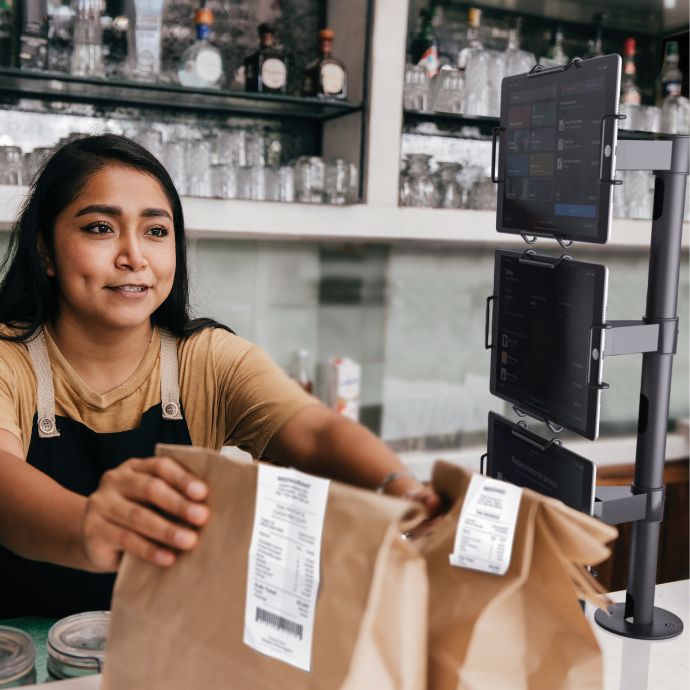
    Strategic labeling, facilitated by advanced printers such as the mC-Label3 multimedia printer, becomes indispensable for sorting and fulfilling online orders, enhancing operational efficiency. Additionally, organizing workstations with versatile solutions like the Tri-Mount from Star, which can secure three tablets simultaneously, allows for streamlined handling of orders from multiple online platforms.

    This suite of smart hardware solutions not only supports the rise in online orders but also helps maintain organized, efficient operations in the fast-paced world of social commerce.
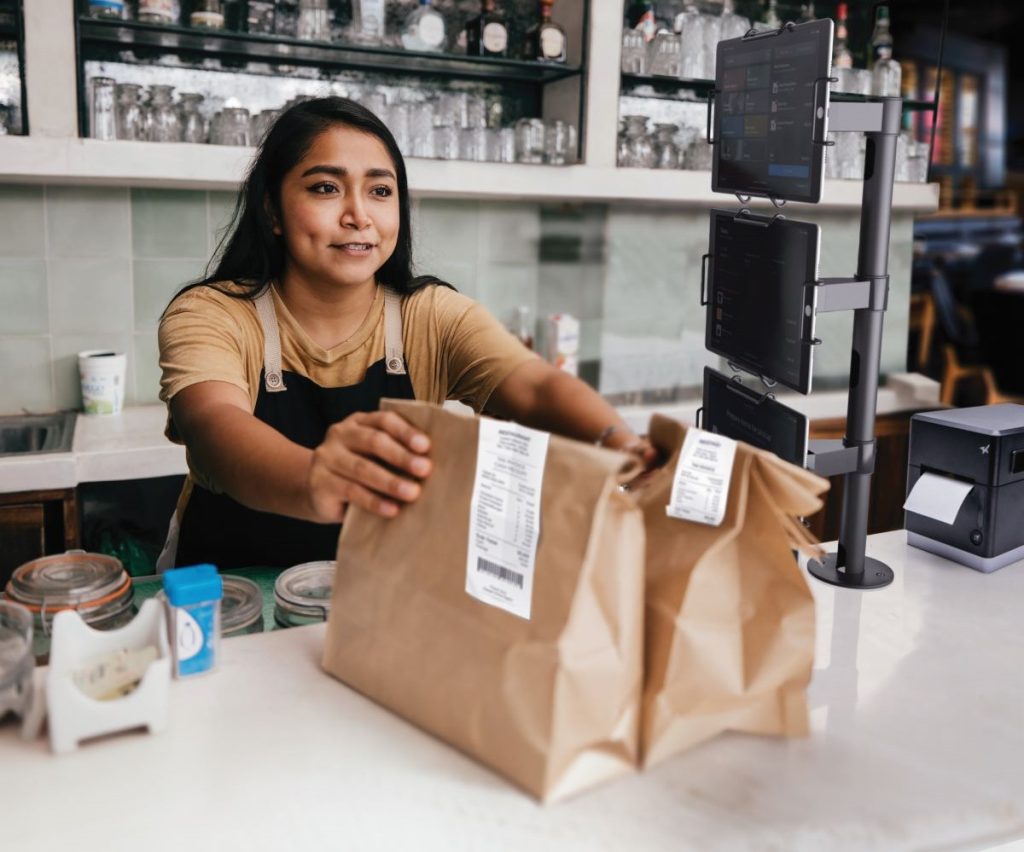
    Takeout Restaurant Lifestyle 2 Small
    The mUnite Tri-Mount and mC-Label3 multimedia printer are perfect for online orders.

    Seizing the Social Commerce Wave with Star Micronics

    It’s clear that embracing social commerce is essential for retailers aiming to thrive in today’s digital-first marketplace. This digital revolution, powered by the fusion of social media and ecommerce, offers a platform for brands of any size to enhance engagement, drive sales, and solidify their market presence.

    Star Micronics offers innovative hardware solutions for every industry, including CloudPRNT technology and the versatile mC-Label3 multimedia printer. These solutions are designed to streamline online orders and enhance operational efficiency. By incorporating these tools into your omnichannel strategy, you can ensure a seamless, engaging shopping experience that aligns with the rising demands of mobile commerce and social media shopping.

    Retail is going places – get there first with the support of Star Micronics.

    Harness the Power of Social Commerce Today:

  • Thriving in Economic Uncertainty: Strategies for VARs and ISVs

    Thriving in Economic Uncertainty: Strategies for VARs and ISVs

    In today’s uncertain economic climate, strategic agility and resilience have become indispensable qualities for Value-Added Resellers (VARs) and Independent Software Vendors (ISVs). This blog explores essential strategies tailored to help VARs and ISVs navigate these tumultuous times. Our focus is not just on survival but on harnessing opportunities for growth and efficiency in an economy that will test your resolve and that of your clients.

    Here, we explore a range of tactics designed to underscore and amplify the unique value you bring to your clients, ensuring your business is weathering the storm while setting a course for success.

    Strategic Inventory Management

    Effective inventory management is crucial for maintaining healthy cash flow, especially during challenging economic times. A smart strategy includes focusing on multifunctional products that provide a variety of features in one package. This approach minimizes the need for a wide range of single-function items and significantly reduces inventory size.

    Versatile Solutions, Less Inventory

    The mC-Label3 multimedia printer prints on most media types, including permanent and repositionable linerless labels, die-cut labels, and receipt paper. This multifunctionality allows for the consolidation of printer stock, saving space and streamlining inventory management.

    Additionally, adopting a just-in-time inventory model can be particularly beneficial during a recession. This approach involves ordering and receiving goods as needed, which helps cut down costs linked to overstocking. However, success with this model requires a thorough understanding of both your supply chain and customer demands. It may be more helpful for some to keep a reduced inventory, only restocking after orders have been filled.

    Equally important is leveraging the right tools and software for inventory management. Modern solutions offer real-time tracking, automated reordering, and comprehensive analytics, all of which are invaluable in making informed decisions about inventory levels. These tools can significantly boost efficiency, allowing you to adapt quickly to changing market demands and maintain a lean, cost-effective inventory.

    Thriving in Economic Uncertainty: Strategies for VARs and ISVs - Blog Post from Star Micronics

    It is also highly likely that your clients would benefit from knowing about the above strategic inventory tactics. Stepping into a leadership role and passing on these suggestions would be a great way to differentiate yourself from your competitors and build loyalty.

    Innovative Sales and Marketing Tactics

    Navigating an economic downturn demands strategic adjustments in sales and marketing tactics to match evolving customer needs. Embracing cost-effective channels like social media and content marketing is vital; these platforms offer a direct line to customers while allowing caps on advertising expenditures.

    In your marketing efforts, emphasize the long-term value and cost-efficiency of your offerings. This will resonate with budget-conscious clients looking for substantial, tangible benefits from their investments, particularly in more challenging economic times.

    Make Purchasing Easier by Offering Complete & Tailored Setups

    Providing POS printers with peripherals and accessories like cash drawers, tablet stands, and Star’s latest premium 1D/2D barcode scanners simplifies your client’s operations. Offer complete, top-quality hardware and software setups tailored to their needs.

    VARs and ISVs must cultivate strong customer relationships whether the economy is struggling or not. Distinguish your services by providing bespoke solutions tailored to each client’s unique challenges and goals. Position yourself as a reliable expert and a go-to resource in times of need, offering comprehensive support from the initial installation to ongoing service.

    By focusing on crafting enduring client relationships and delivering personalized, value-added solutions, you can create a competitive edge that endures beyond economic challenges.

    Read our blog post, “The Power of VARs: A Candid Conversation with POS Guys” for more helpful tips >

    Embracing Collaboration and Partnerships

    Forming or strengthening current strategic partnerships can offer mutual benefits and shared resources, which are especially valuable in a tight economy. Partnerships that offer loyalty programs can provide added help when your funds are running thin, notably when they help with marketing and tradeshow sponsorship.

    Strategic Financial Management for VARs and ISVs

    In the face of economic challenges, VARs and ISVs must adopt a multifaceted financial strategy. This includes:

    Diversifying Revenue Streams: Diversification is key. Exploring new markets, especially niche areas within the POS industry that are often overlooked, can provide stability and growth opportunities. This strategy reduces risk exposure and can also pave the way for business expansion.

    Budget-friendly Tech Solutions: Aligning your offerings with the financial realities of your clients is crucial. Creating bundled service packages enhances value perception and can lead to greater customer satisfaction. Collaborating with established brands known for their comprehensive and compatible retail technology solutions simplifies operations and bolsters client relationships.

    Smart Cost Management: It’s critical to find ways to cut costs without compromising quality. This involves scrutinizing expenses to identify areas for reduction while maintaining high standards in products and services. Achieving this balance requires careful planning but is essential for staying competitive and positioning your business for future growth.

    Financial Budget Management

    Thriving Amidst Economic Challenges

    In the face of economic uncertainties, adapting and innovating becomes crucial for VARs and ISVs. A proactive approach that encompasses strategic inventory management, innovative sales and marketing, strong partnerships, budget-friendly solutions, and cost-effective strategies is critical.

    This multifaceted approach not only helps in navigating the current challenges but also sets the foundation for long-term growth and stability.

    Embracing agility in business strategy and decision-making, fostering a culture of innovation and creative thinking, focusing on post-sale services, and leveraging customer feedback for continuous improvement are also essential steps in staying ahead.

    By focusing on these strategies and maintaining a balance between immediate adaptability and long-term planning, VARs and ISVs can absolutely thrive in shaky times, turning economic challenges into roadmaps for sustained success.

    6 Industry Trends Affecting POS VARs and How to Handle Them

    Explore the transformative changes in the POS sector with this exclusive ebook, examining the shifts and challenges reshaping the landscape for POS VARs. Get actionable strategies for staying competitive!

    Ready for a Partner in Success?

  • Navigating 6 Key Business Trends Impacting POS VARs

    Navigating 6 Key Business Trends Impacting POS VARs

    In today’s rapidly evolving digital landscape, businesses face significant changes in customer buying habits and expectations. Point-of-sale (POS) value-added resellers (VARs) play a crucial role in helping many companies, especially small to medium-sized businesses, to adapt and thrive amidst these transformations. 

    This blog explores six major business trends impacting POS VARs and provides insights on navigating and leveraging these trends.

    Shift in Shopping Habits With Digital Here to Stay

    The accelerated digital transformation has led to changes in customer buying habits. To adapt to this shift, VARs should focus on offering comprehensive technology solutions and flexible online buying options. VARs should also emphasize digital content marketing, data-driven decision-making, and evaluating the potential benefits and challenges of transitioning to a direct-to-consumer (D2C) model.

    Merchants Turn to VARs for Their Expertise

    As consumers have access to extensive product knowledge, merchants expect VARs to be industry experts. VARs should prioritize ensuring their employees possess an in-depth understanding of the products and services offered. By positioning themselves as trusted advisors and providing industry insights, VARs can differentiate themselves and add value to merchant partnerships.

    Business people going over stats.

    A Growing Need for Differentiation

    Merchants seek to stand out from competitors through technology and service-driven solutions. VARs should prioritize flexibility and scalability, offering customizable options that meet unique merchant requirements. By focusing on outcomes and demonstrating the value their solutions provide, VARs can position themselves as strategic partners rather than mere product providers.

    The Talent Challenge

    Merchants face talent acquisition and retention challenges, relying on technology solutions to compensate for labor shortages. VARs can play a vital role in addressing these challenges by offering workplace automation solutions. VARs should highlight the benefits of automation in reducing reliance on manual labor, increasing operational efficiency, and freeing up employees for higher-value tasks.

    Inflation and Supply Chain Security

    Inflation and disruptions impact supply chains, requiring businesses to enhance resilience and mitigate risks. POS VARs should collaborate with suppliers, explore alternative sourcing options, and offer value-added services to optimize supply chain operations. By addressing these concerns, VARs can position themselves as trusted partners, providing necessary solutions and support to overcome supply chain challenges.

    Business success

    The Importance of Providing Support as a True Partner to Merchants

    POS VARs should go beyond initial setup and offer ongoing technical assistance, customization, and system maintenance. By providing regular software updates, security patches, and consultation on business process optimization, VARs can establish themselves as reliable partners. Integration with third-party applications further enhances the value VARs bring to merchants.

    The Empower Partner Program

    The Star Micronics Empower Partner Program represents a strategic alliance for Value-Added Resellers (VARs) in the POS industry. Designed with a focus on collaboration and shared success, this program provides VARs with extensive cost savings and resources to enhance their operational capabilities.

    Participants in the program also benefit from access to a range of sales and marketing materials. Additionally, features like deal registration and personalized access to the Star Micronics Partner Portal offer VARs tailored support and insights.

    Navigating Trends and Partnering for Success

    POS VARs are at the forefront of a dynamic business landscape shaped by technological advancements and evolving customer expectations. By recognizing and navigating the key trends, VARs can position themselves as strategic partners, differentiate their offerings, and provide comprehensive support to merchants. Choosing the right vendors and partnerships is crucial for VARs. Star Micronics is one such POS solution provider offering innovative solutions to help VARs adapt to changing trends.

    6 Industry Trends Affecting POS VARs and How to Handle Them

    Explore the transformative changes in the POS sector with this exclusive ebook, examining the shifts and challenges reshaping the landscape for POS VARs. Get actionable strategies for staying competitive!

    Star Micronics Partners with VARs for their Success:

  • 5 Technologies Shaping the Future of Labeling

    5 Technologies Shaping the Future of Labeling

    The landscape of labeling technology is in a constant state of evolution. The days of labels simply serving as identifiers for products have passed. Today, labels are interactive, data-rich tools that enable unprecedented levels of communication between merchants, products, and consumers. This transformation is mainly due to advancements in technology that have broadened the potential applications of labels.

    In this post, we will look at five key technologies that are significantly shaping the future of labeling. Furthermore, we’ll uncover how Star Micronics, an industry leader, contributes to this exciting future.

    1. Internet of Things (IoT) Integration

    One of the most significant trends influencing the future of labeling is the integration of Internet of Things (IoT) technology. Labels embedded with IoT capabilities can transform ordinary products into smart, connected items. This integration allows real-time tracking, enhanced supply chain visibility, and even consumer interaction.

    For instance, labels with embedded sensors can provide data to restaurant managers about the storage conditions of perishable goods or help retailers authenticate products to combat counterfeiting. IoT integration in labeling is not just a futuristic concept; it’s becoming essential to inventory management and customer engagement strategies.

    The future of labeling brings exciting new technologies.
    The future of labeling revolves around the latest technologies.

    In this evolving 5G IoT landscape, Star’s upcoming CloudPRNT Next technology emerges as a timely innovation. CloudPRNT Next, an advanced version of Star’s existing CloudPRNT technology, offers more efficient, secure, and faster cloud-based printing capabilities. It represents a significant advancement in IoT device communication, greatly enhancing printing across various commercial environments.

    This technology is poised to play a crucial role in supporting the dynamic needs of modern labeling and IoT applications in commerce.

    2. QR Codes and Augmented Reality

    QR codes and augmented reality (AR) are revolutionizing how consumers interact with products. Labels with QR codes can link to digital content, such as product information, user manuals, or promotional videos. Augmented reality takes this a step further by offering immersive experiences.

    For example, a wine label could use AR to tell the story of its vineyard or provide food pairing suggestions. These technologies enhance the customer experience, making labels a powerful marketing tool beyond mere identification.

    3. Sustainable and Eco-Friendly Materials

    Sustainability is a growing concern, and the labeling industry is responding with eco-friendly materials and processes. Though more of an advancement than a technology, biodegradable labels, linerless labels, and labels made from recycled materials are gaining traction.

    This shift meets consumer demand for sustainable products and helps companies reduce their environmental footprint. Labels that use less material or that can be easily recycled contribute significantly to the eco-conscious goals of businesses.

    Permanent Linerless Labels

    And, within the linerless label trend, permanent linerless labels are further marking their territory, presenting businesses with a durable and sustainable alternative that resonates with modern needs. In fact, several reasons underscore the growing preference for permanent linerless labels:

    • Eco-friendly
    • Versatility and increased production
    • Reduced inventory space
    • Top-quality strong adhesion
    • Enhanced safety and reduced downtime

    4. RFID and NFC Technologies

    Radio-frequency identification (RFID) and near-field communication (NFC) technologies are elevating labels to new heights. Labels equipped with RFID or NFC chips can store and transmit data wirelessly. This technology is ideal for inventory management, as it enables quick scanning and tracking of products.

    NFC labels also open up possibilities for interactive customer experiences; for example, tapping a smartphone to an NFC-enabled label could trigger a loyalty program or offer product information.

    Read this blog article to learn about 5 Technologies Shaping the Future of Labeling.

    5. Advanced Printing Techniques and Customization

    Advancements in printing technology have made customized and on-demand labeling more accessible and cost-effective. Digital printing allows for greater flexibility in label design, enabling short runs and variable data printing. This means labels can be personalized for specific batches, locations, or even individual customers. These advanced printing techniques empower businesses to create more targeted and engaging labels, enhancing brand recognition and customer loyalty.

    Star has also created a label image customization tool for developers and merchants. Label Builder on Star Micronics Cloud Services enables users to design custom labels from scratch or use pre-made templates effortlessly. It offers the convenience of storing up to three designs on the mC-Label3 Multimedia Printer, which can easily be printed using the One Touch multifunctional button, even without an internet connection.

    Labeling the Future with Star Micronics

    As we look toward the future, it’s clear that these technologies will continue to play a significant role in shaping the labeling industry. Star Micronics is committed to staying at the forefront of these developments, providing businesses with the labeling technology they need to succeed in such a dynamic market.

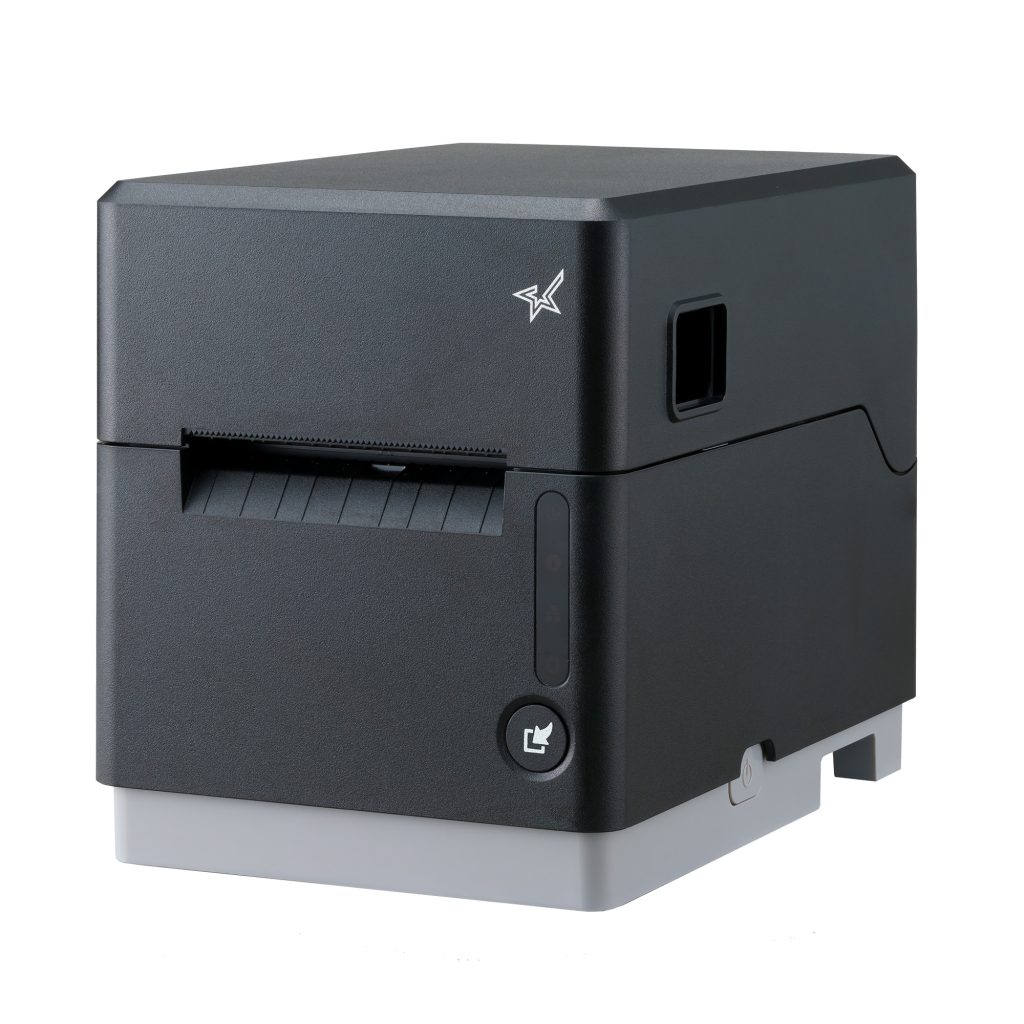
    The latest mC-Label3 multimedia printer by Star is a breakthrough in this space. Whether you’re printing linerless sticky labels, permanent linerless labels, traditional labels, die-cut labels, or standard receipt paper, the mC-Label3 caters to all your needs.


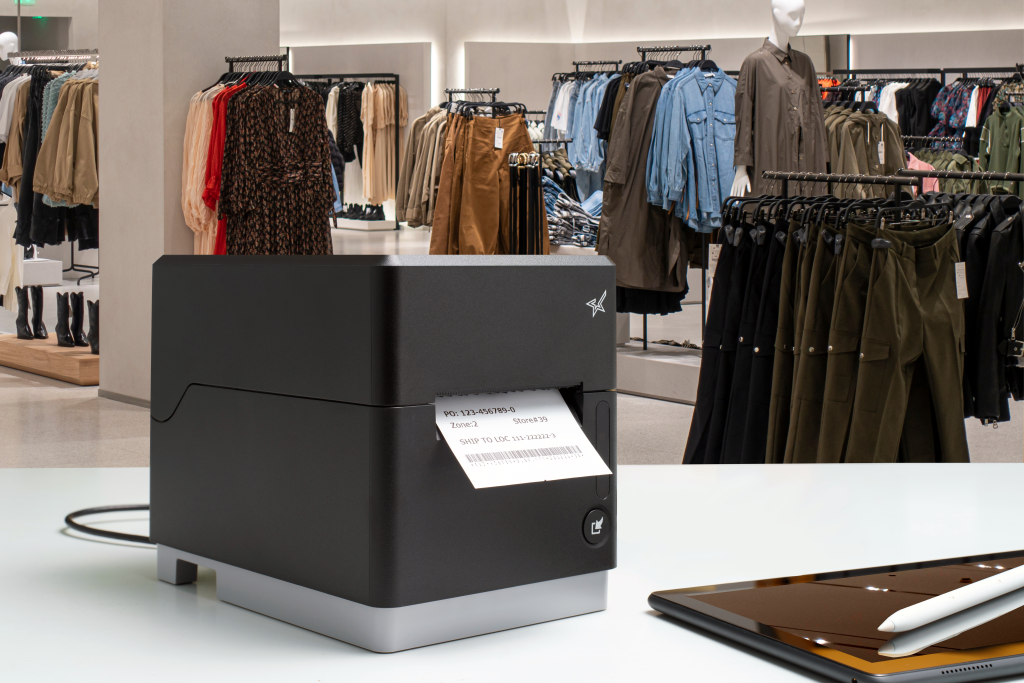
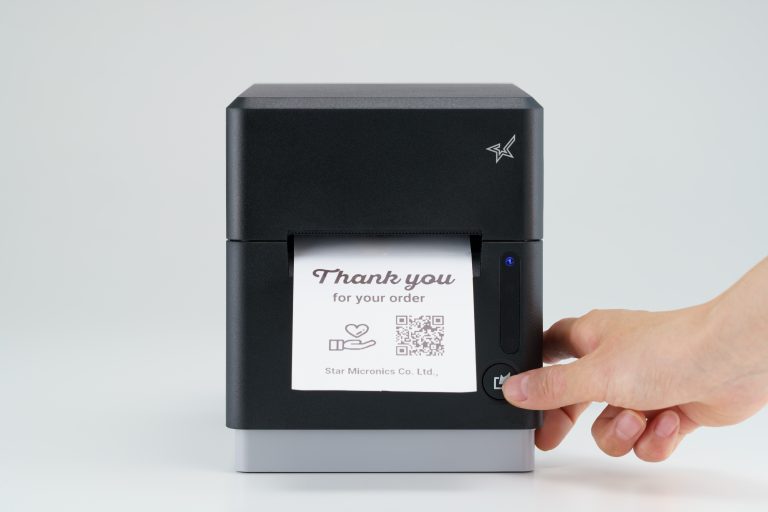
    The mC-Label3 multifunction label and receipt printer from Star Micronics is great for retail, BOPIS, and online ordering.
    The mC-Label3 multimedia printer from Star Micronics.
    It’s also Cloud Ready, able to connect to Star Micronics Cloud Services and Label Builder for customized labels. With Star’s Cloud Services, the mC-Label3 also offers the flexibility to build, store, and later print multiple static receipt/label images at the touch of a button with One Touch Label.

    Able to connect to iOS, Android, and Windows devices, it’s equipped with faster SteadyLAN® and introduces the latest technology – TetherLAN. With Star Micronics, you can be confident that your labeling solutions are not just meeting current demands but are also geared for future advancements.

    Labeling’s Future: Interactive, Efficient, Sustainable

    The future of labeling technology is rich with possibilities. From IoT and AR to sustainable practices and advanced printing techniques, these innovations are transforming labels from simple identifiers to dynamic, interactive tools.

    As we move into 2024 and beyond, it’s clear that these technologies will continue to shape the way businesses and consumers interact with products, offering opportunities for enhanced communication, improved operational efficiency, and a deeper commitment to sustainability.

    The world of labeling is evolving, and Star Micronics is proud to be a part of this transformation.

    Ready for Labeling Excellence?

  • Rising Stars Podcast: Innovating the POS Landscape with Biztracker

    Rising Stars Podcast: Innovating the POS Landscape with Biztracker

    The landscape of point-of-sale (POS) technology is in a state of continual evolution. For companies aiming to maintain a competitive edge, it’s essential to not only keep up with these rapid advancements but also to craft adaptable business strategies that are responsive to these ongoing shifts.

    In the latest episode of the Rising Stars Podcast, “Biztracker’s Edge: Innovating the POS Landscape,” host Kate Orara delivers an insightful discussion with a key figure in the industry, Craig Kaliebe, Director of Business Development and Marketing at Biztracker.

    Together, they explore innovative approaches to shaping company strategy that sharpen competitive edge no matter where the path of POS technology takes us.

    Unveiling Innovations in POS

    Craig Kaliebe brings his extensive expertise to the table, discussing Biztracker’s unique “Fulfillment as a Service” model. This approach has revolutionized how Independent Software Vendors (ISVs) manage hardware supply, logistics, and support, offering a glimpse into the future of streamlined POS solutions.

    The discussion also ventures into the diverse applications of POS systems, ranging from retail to healthcare and warehouse automation, highlighting Biztracker’s versatility and adaptability in a rapidly evolving market.

    Listeners will gain valuable insights into:

    • The transformative role of AI and cloud computing in the POS domain.
    • Strategies for maintaining robust data security in an increasingly digital landscape.
    • The importance of adaptability and staying informed about emerging technologies.
    • Building powerful partnerships and collaboration strategies.
    • Effectively leveraging the power of social media branding.

    A Must-Listen for Industry Enthusiasts and Professionals

    Whether you’re a seasoned professional, a budding entrepreneur, or simply an enthusiast curious about the direction of retail technology, this episode of the Rising Stars Podcast is an invaluable resource. Craig Kaliebe’s insights provide a roadmap for navigating the complexities of the POS industry and harnessing the power of innovation to drive business success.

    Tune in to this episode and arm yourself with the knowledge and insights needed to stay ahead in the dynamic world of POS technology.

    Loving the podcast? Subscribe now, and let us know what you think by leaving a review!

    Stay up-to-date on all things Star, don’t forget to follow us on Twitter, LinkedIn, Facebook, Instagram, and YouTube.

    The Rising Stars Podcast

    Immerse yourself in the ever-evolving world of point-of-sale (POS) with the Rising Stars Podcast by Star Micronics, hosted by industry pro, Kate Orara. Twice a month, we dive into the fascinating journeys of innovators and businesses navigating the challenges of technology’s rapid pace.

    In every episode, Kate Orara, Star Micronics’ Partner Development Manager, takes listeners on an exploration of emerging retail technology trends and strategies with global industry giants. She’s spent her entire career meeting all the right people, and now listeners everywhere can benefit from this vast network of channel gurus.

    Always leading and always innovating, Star Micronics, a pioneer in POS and customer experience technology for over 60 years, welcomes you to join us in shaping a brighter future in the retail, hospitality, and cannabis industries.

    Want more industry news?

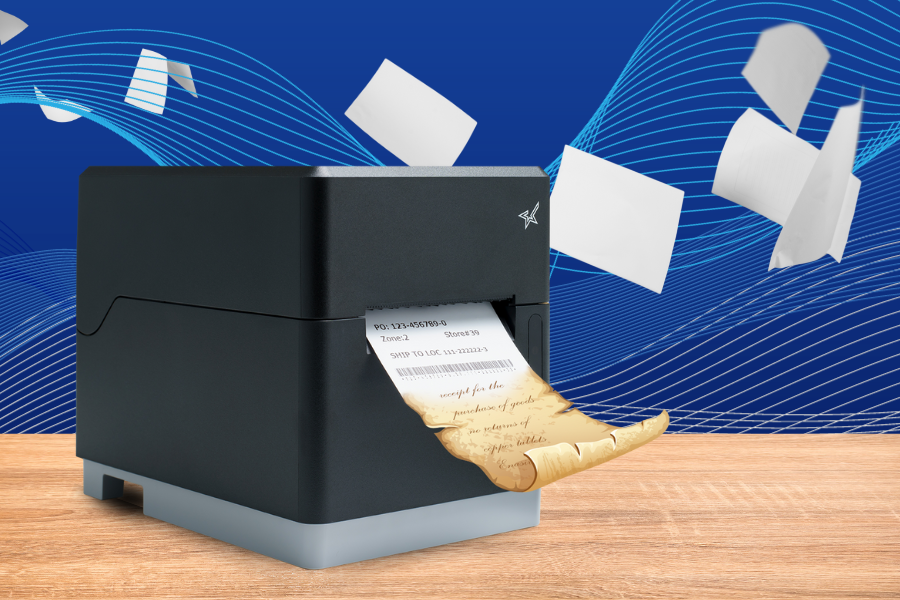
  • The Evolution of Receipt Printing: From Scrolls to Screens

    The Evolution of Receipt Printing: From Scrolls to Screens

    Receipts have been an integral part of commerce for centuries, acting as proof of transaction for both the buyer and the seller. These small yet critical pieces of paper bridge the trust between businesses and consumers, offering a tangible validation of a completed sale. The evolution of receipt printing has significantly influenced business operations, customer service, and record-keeping processes.

    Whether they’re tucked away for accounting purposes, stored as insurance for a considerable purchase, or quickly glanced at before being discarded, receipts play a diverse role in our daily transactions. From handwritten notes to digital screens, the journey of receipt printing mirrors the evolution of commerce itself, reflecting the changing dynamics of trade and the technological innovations that drive it.

    The Early Days: Manual Receipts and the Inception of Printers

    The history of receipt printing is rich and varied, with its roots firmly planted in a time when transactions were meticulously recorded by hand and receipts were handwritten with great care. This labor-intensive method, while functional, was fraught with the possibility of human errors and inefficiencies, mainly as business transactions grew in volume and complexity.

    It was this need for precision and efficiency that paved the way for the advent of receipt printing itself.

    The inception of printing technology marked a pivotal revolution in the world of commerce. Although ink rubbing on cloth was known to exist during the Han dynasty in China, the earliest known form of printing technology originated during the Tang dynasty before the 8th century CE with the invention of woodblock printing.

    However, it was Johannes Gutenberg’s invention of the movable type printing press in the 15th century that truly revolutionized printing, making it easier and more efficient to produce written material on a large scale.

    Gutenberg Printing Press

    While it is unclear exactly when the first receipt printer was created, as businesses grew and transactions became more complex, the need for a faster and more efficient method of generating receipts became vital. This led to the development of the first receipt printers, which utilized technology similar to that of the typewriters of the time.

    These early printers were a far cry from the sophisticated machines we use today, but they represented a significant step forward in the evolution of receipt printing.

    The Introduction of Impact and Dot-Matrix Printers

    The history of impact printing dates back to the 19th century with the invention of the typewriter, a form of impact printing that revolutionized written communication. This foundational technology laid the groundwork for the first significant technological advancements in receipt printing in the 20th century, with the introduction of impact and dot-matrix printers.

    Impact printers, as we understand them today, work by striking an ink-soaked ribbon against the paper to create characters and images. This method provided a faster and more reliable way of printing receipts.

    Commercially, it wasn’t until 1968 that the Japanese company OKI released the first-ever dot-matrix printer, the OKI Wiredot, paving the way for the widespread adoption of dot-matrix printers for receipts and other business-related printing. Dot-matrix printers use a print head that runs back and forth or in an up-and-down motion, printing by impact and creating characters and images with dots.

    The invention of these printers was a game-changer for businesses, offering a faster and more reliable method of printing receipts. The precision and efficiency of these printers drastically reduced errors, improved record-keeping, and enhanced customer satisfaction, revolutionizing how businesses operate and interact with their customers.

    The Leap into Thermal Printing Technology

    As technology advanced, thermal printers soon emerged as a significant innovation in the world of receipt printing. Unlike their predecessors, thermal printers didn’t require ink or ribbons. Instead, they utilized heat-sensitive paper that turned black when exposed to the heat of the printer’s head.

    This method was faster, quieter, and more reliable, quickly becoming the preferred choice for businesses in the retail and hospitality industries.

    This leap into thermal printing technology marked a pivotal moment in the evolution of receipt printing. The benefits were not just limited to improved print quality and speed; the absence of the need for ink cartridges or ribbons also made this a more cost-effective solution for businesses. Additionally, the compact size of thermal printers made them a popular choice for companies with limited space.

    The adoption of thermal printing technology was a testament to the industry’s commitment to innovation and efficiency, and it laid the foundation for the further advancements that were to come in the world of receipt printing.


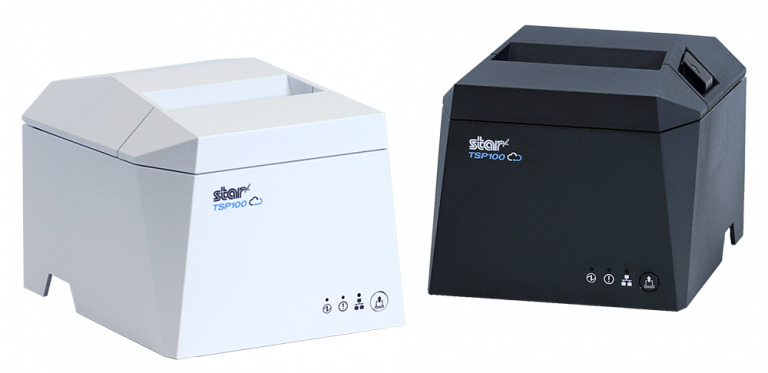
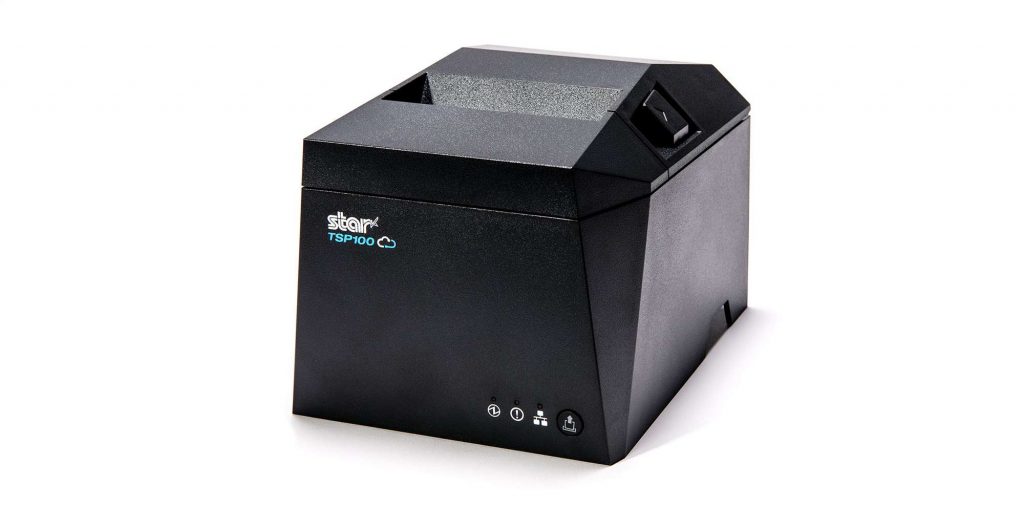
    The TSP143IV thermal receipt printer by Star Micronics comes in black or white.
    The TSP100IV series thermal receipt printer by Star Micronics

    Wireless and Mobile Printing: A Technological Marvel

    The next significant milestone in the evolution of receipt printing was the advent of wireless and mobile printing. This technology allowed receipts to be printed without cable connections, using Bluetooth or Wi-Fi to connect to point-of-sale (POS) systems and other devices.

    The flexibility and convenience offered by wireless and mobile printing were instrumental in industries such as food delivery and transportation, where printing on the go became essential. This mobility has revolutionized how businesses operate, breaking the constraints of traditional POS systems.

    The emergence of mobile point-of-sale (mPOS) systems has further elevated the capabilities of wireless and mobile printing. mPOS systems enable businesses to process transactions and print receipts from anywhere, providing a level of convenience and efficiency previously unattainable.

    The combination of mPOS and wireless printing technology transforms the customer experience, allowing businesses to offer more personalized and efficient services. Wireless and mobile printing is not just a technological marvel but a necessary tool for companies aiming to succeed in the modern, fast-paced world.


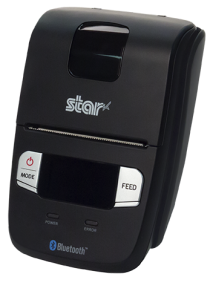
    SM L200 UB40 39633000 Left
    The SM-L200 portable receipt printer by Star Micronics

    The Introduction of Multimedia Printers

    In recent years, the receipt printer has evolved into a multifunctional device capable of handling various media types. Multimedia printers are now able to print not just receipts but also labels, tickets, and more. This evolution has provided businesses with a comprehensive printing solution, allowing for increased versatility and efficiency.

    With the ability to handle multiple tasks, multimedia printers are quickly becoming an essential tool for businesses, enhancing their operations and providing better customer service.


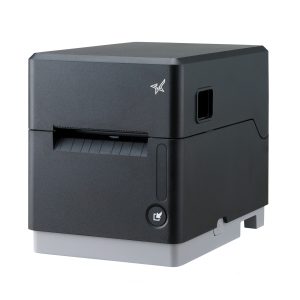
    The mC-Label3 multifunction label and receipt printer from Star Micronics can fit media of multiple widths and types.
    The mC-Label3 Multimedia Printer by Star Micronics

    The mC-Label3: A Glimpse into the Future of Receipt Printing

    A prime example of a modern multimedia printer is the mC-Label3 by Star Micronics. This innovative printer is a testament to the advancements in receipt printing technology, offering unparalleled adaptability and convenience. With the capability to print linerless sticky labels, permanent linerless labels, traditional labels, die-cut labels, and standard receipt paper, the mC-Label3 caters to a wide range of business needs.
    Gone are the days when businesses must purchase multiple printers for various functions.

    Furthermore, it’s Cloud-Ready and can connect to Star Micronics Cloud Services, a free platform where business owners can create their own receipts and labels. And compatibility with iOS, Android, and Windows devices makes it a truly multifunctional device. With features like cloud-based printing, TetherLAN, faster SteadyLAN+ technology, and toolless repairs, it’s the perfect solution for businesses aiming to streamline their operations to an even higher degree.

    Another significant facet of this printer is its greener appeal. Because it’s so adept at printing on linerless label paper, the mC-Label3 is a more sustainable option for businesses and the environment. It truly represents the future of POS printing.

    mC-Label3 Features:

    • The mC-Label3 is versatile, handling a range of labels and receipts, including linerless sticky labels, permanent linerless labels, traditional labels, die-cut labels, and standard receipt paper.
    • No need for multiple printers; the mC-Label3 caters to all business printing needs.
    • Cloud-ready, it connects to Star Micronics Cloud Services, where business owners create custom receipts and labels.
    • Compatibility with iOS, Android, and Windows devices makes it a multifunctional tool.
    • Enhances business operations with features like cloud-based printing, fast SteadyLAN+ technology, and toolless repairs.
    • Environmentally friendly, thanks to its ability to print on linerless label paper.

    Embracing the Future of Receipt Printing Technology

    The evolution of receipt printing from handwritten notes to sophisticated multimedia printers is a testament to human ingenuity and technological progress. The advancements in printing technology have revolutionized business operations and significantly improved customer service and record-keeping processes.

    With innovative solutions like the mC-Label3, businesses now have the tools to succeed in the modern world. As we continue to embrace the future of receipt and label printing, we can expect to see even more innovative solutions that will further transform the world of commerce and customer service.

    Get the POS printer for your business needs:

  • Essential POS Hardware for Cannabis Sellers at Farmers Markets

    Essential POS Hardware for Cannabis Sellers at Farmers Markets

    Farmers markets are a beloved tradition, offering fresh, locally sourced produce, handmade goods, and unique treats. The landscape of cannabis commerce in New York is transforming with the recent approval of cannabis farmers markets by state regulators. This groundbreaking change allows licensed cannabis cultivators and retailers to connect directly with consumers in a market-style setting, creating a new avenue for cannabis sales. 

    But what does it mean for your cannabis business regarding the necessary point-of-sale (POS) hardware for selling at farmers markets? 

    Cannabis POS Hardware for Farmers Markets

    In the bustling environment of a farmers market, the right POS system for cannabis can be a game-changer. Not only does it streamline business operations, making sales swifter and more efficient, but it can also enhance the overall customer experience. When patrons have a seamless transaction process, they’re more likely to think highly of your brand and return, fostering a loyal customer base and boosting your long-term sales. It’s a win-win.

    So, here’s what cannabis vendors need for the ideal farmers market POS:

    1. Mobile POS System and Tablet or Smartphone

    When selling cannabis at farmers markets, a robust mobile POS system is the cornerstone of your POS setup. As transactions will happen on the fly, a mobile POS system, operated via a tablet or smartphone, is an indispensable tool for a seamless customer experience.

    These mobile systems offer valuable features like real-time inventory management and sales tracking – a critical aspect for cannabis businesses adhering to strict regulatory requirements. Many mobile POS systems are cloud-based, ensuring your data updates in real-time and is accessible from anywhere.

    2. Receipt Printer

    Providing receipts is a standard practice in any sales environment, and cannabis farmers markets are no exception. A portable, battery-operated thermal printer can be a practical choice for vendors, allowing you to print customer receipts immediately after the transaction.

    A traditional desktop thermal printer can be an excellent choice for vendors with access to a power source. Especially advantageous are those printers that come with wireless capability, seamlessly pairing to your mobile device and eliminating the clutter of unnecessary cables.

    These printers offer wireless connectivity and can quickly print receipts for customers. They also play a significant role in maintaining transaction records, which is especially important in the highly regulated cannabis industry.


    TSP143IV thermal receipt printer by Star Micronics
    The TSP143IVUW thermal receipt printer has wireless capability

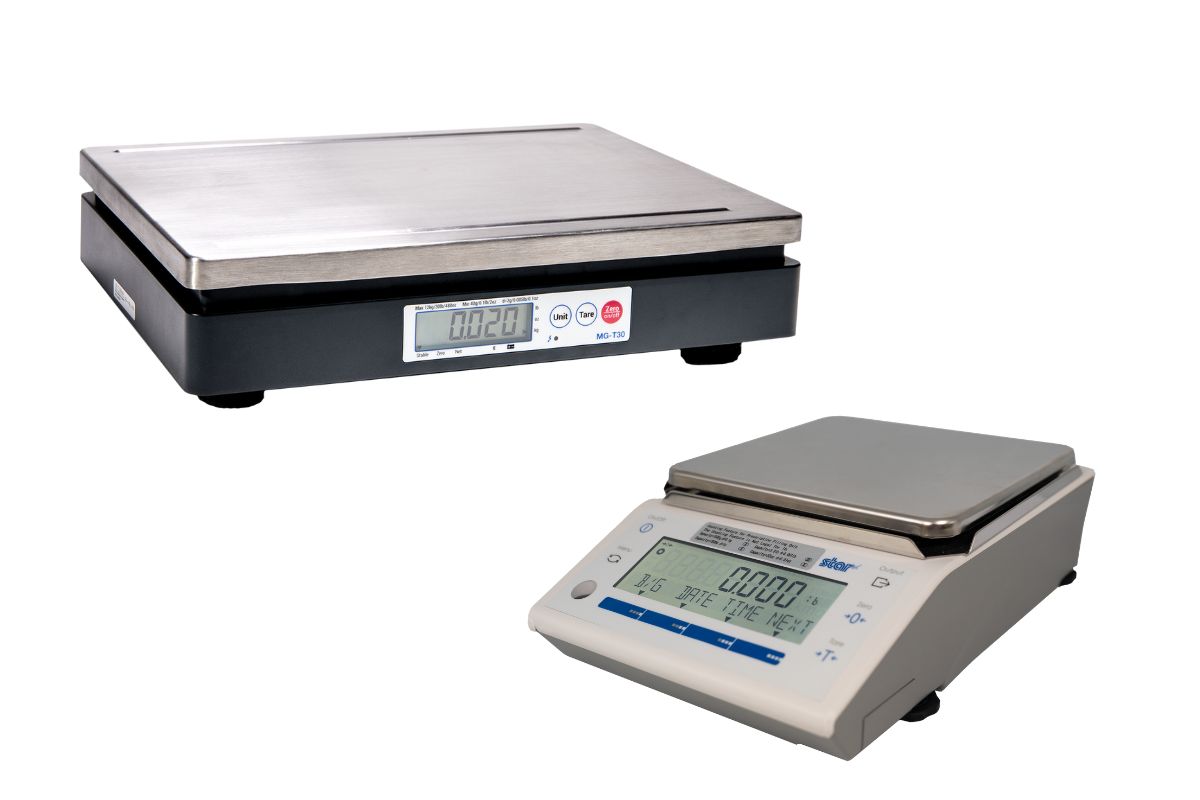
    3. POS Scale

    As cannabis is often sold by weight, having a POS scale is crucial. It enables you to weigh cannabis products accurately and in full view of customers, ensuring transparency in your transactions.

    A POS scale can be easily incorporated into your mobile POS system, automatically entering weight information to speed up the sales process and reduce the potential for human error. Remember to use a scale that is “Legal for Trade,” “NTEP Certified” (in the US), or “Measurement Canada Certified” to ensure it meets commercial standards for accuracy.


    Star Micronics offers mG-T and mG-S series of POS scales.
    Star Micronics offers Trade Legal POS scales ideal for weighing cannabis

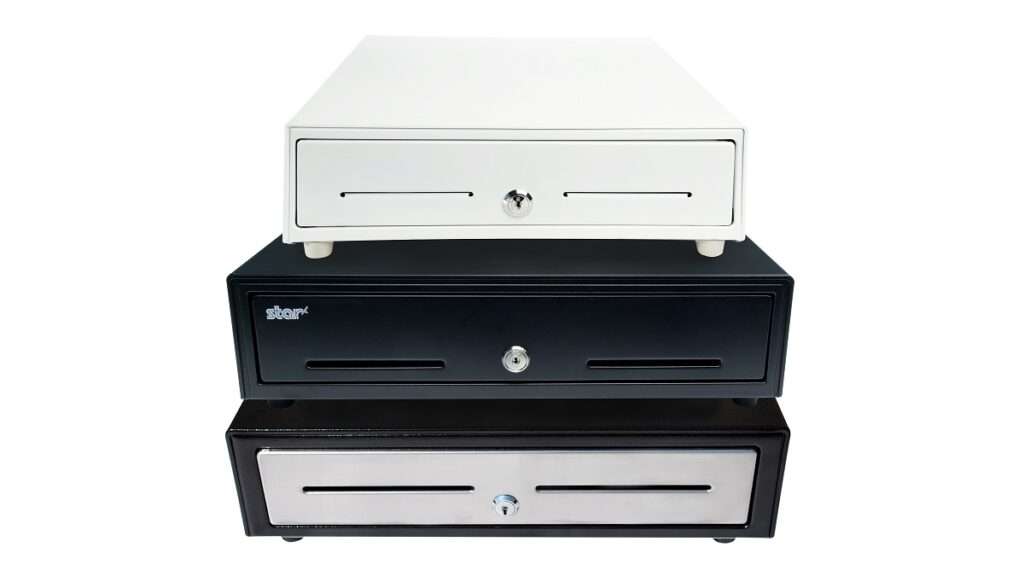
    4. Cash Drawer

    Even with the surge in digital payments, cash transactions are still everyday occurrences at farmers markets. Therefore, having a secure cash drawer is vital for safe and organized cash handling.

    This also allows for quick and convenient change-making, contributing to a smooth checkout process. A secured cash drawer will help you organize bills and coins and keep them safe during your day at the market and on the way home.


    Stacked Cash Drawers by Star Micronics.

    Keep cash secure with cash drawers by Star Micronics

    5. Barcode Scanner

    If your products come pre-packaged with barcodes, a barcode scanner can speed up the checkout process. Portable, wireless scanners can be especially useful in the typically compact setup of a farmers market stall.

    A barcode scanner is essential to streamline the checkout process and keep track of inventory in real time. It enables quick, accurate product identification and price lookup, enhancing efficiency at the point of sale – an essential consideration when dealing with a high volume of customers at farmers markets.


    Black wireless handheld 2D barcode scanner by Star Micronics.

    Star offers 1D/2D wireless barcode scanners perfect for farmers markets

    6. Card Reader

    While cash transactions are common at farmers markets, the trend of cashless payments is on the rise. This means having a card reader that can accept credit and debit card payments can put you ahead of your competition.

    Ensure your card reader can handle EMV chip cards and contactless payments (NFC), like Apple Pay or Google Wallet, to provide your customers with diverse payment options. This ensures a smooth and convenient payment process for customers, which can enhance their shopping experience and increase sales.

    The Right POS Hardware Can Maximize Cannabis Sales at Farmers Markets

    Selling at a farmers market can be a rewarding experience, building community and connecting directly with your customers. The proper POS hardware can help make this experience run smoothly, ensuring you can focus more on your patrons and less on handling delays.

    As New York blazes the trail in this new form of commerce, cannabis businesses must prepare and adapt. However, having the POS hardware essentials down will keep you well-equipped to seize this unique opportunity in the growing cannabis industry.

    Remember, before investing in any POS hardware, consider your specific needs and do your research to ensure compatibility with your POS software. The perfect setup can create a seamless checkout experience, ensuring every transaction is as smooth as your finest roll.

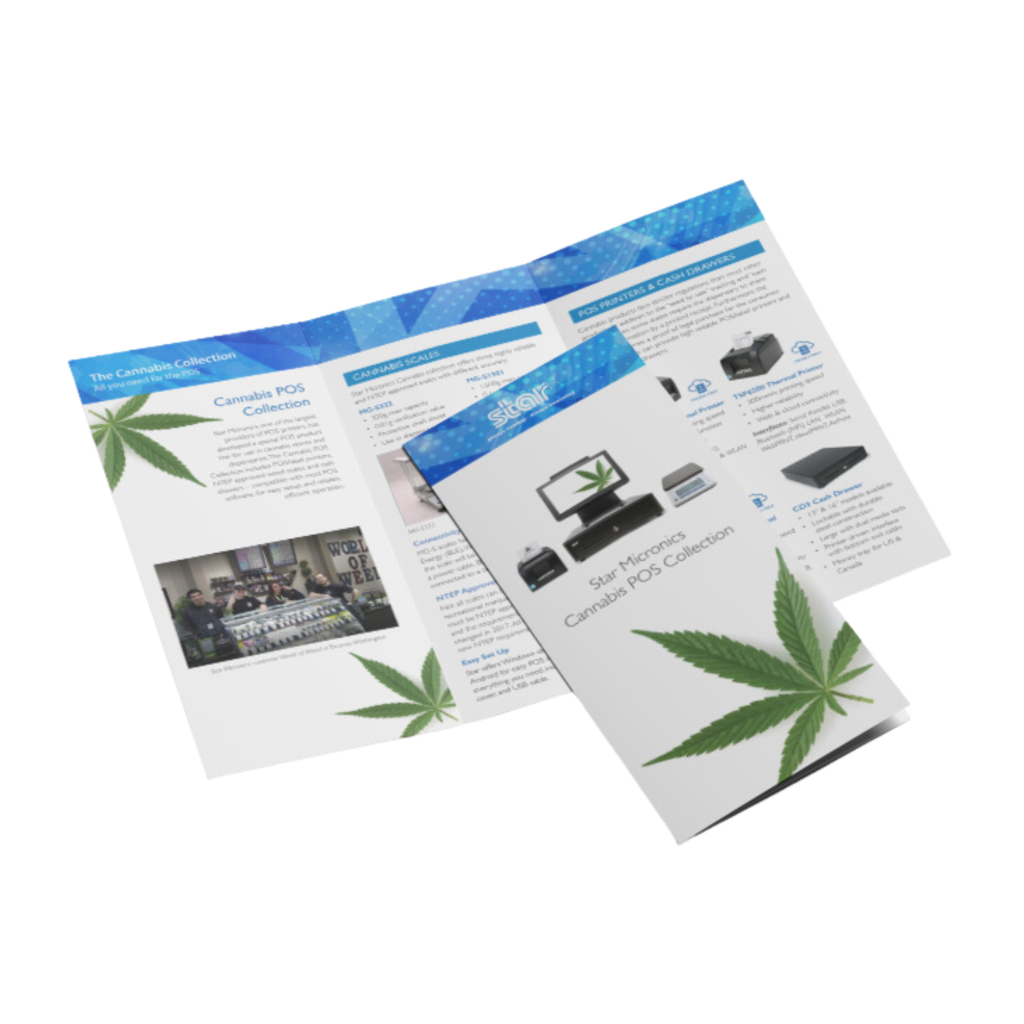
    Star Micronics Cannabis POS Solutions Brochure

    Star is proud to offer the latest POS hardware and technology solutions for cannabis stores and dispensaries.

    Want to know more about cannabis POS hardware?

  • Tax Law Shifts in Quebec: A Guide for Bars and Restaurants

    Tax Law Shifts in Quebec: A Guide for Bars and Restaurants

    In Quebec’s bustling culinary scene, where flavors evolve and trends change, a new transformation is taking place—not in the kitchen, but in the ledger. A shift in tax laws is underway, one that will affect bars and restaurants across the province. From the established MEV model to the innovative Web-SRM system, these changes carry significant implications for the way businesses record sales and comply with tax regulations.

    This blog post is your essential guide to understanding these changes, equipping your business with the knowledge and tools needed to seamlessly adapt and stay ahead. Whether you’re a restaurateur, a bar owner, or an industry professional, these insights will empower you to navigate Quebec’s new tax landscape with confidence.

    Restaurant owner smiling because he has Star Micronics.
    From MEV to Web-SRM: What’s Changing?

    For years, bars and restaurants in Quebec operated under the MEV (Module d’Enregistrement des Ventes) model. The MEV system mandated every restaurant and bar to record all transactions using a sales recording module, thereby ensuring transparency and adherence to tax norms.

    However, the recent shift to the Web-SRM system marks a significant departure from this traditional model. The new Web-based Sales Recording Module aims to make the tax recording process more efficient and transparent, leveraging digital infrastructure to its fullest.

    The most noteworthy features of the Web-SRM system include:

    • Real-time Tracking: Sales can be recorded and monitored in real-time, allowing for more accurate and immediate insights into transactions.
    • Enhanced Security: Digital encryption ensures that data remains secure, mitigating risks associated with potential breaches.
    • Ease of Integration: The new system seamlessly integrates with various POS systems, reducing the hassles of migration.

    Navigating the Change: The Importance of Compatible Equipment

    With the Web-SRM system in place, the spotlight shines on having POS equipment that’s not just efficient but also compliant. Non-compliance can lead to hefty fines and potential legal ramifications. Therefore, businesses must assess and update their POS equipment.

    With the spotlight now on efficient and compliant point-of-sale systems in Quebec, the need for updated, top-notch printers has never been more critical. Star Micronics understands this need and recommends a range of printers designed for excellence and adaptability.

    Here’s a breakdown:

    The TSP143III Thermal Receipt Printer: Trusted Reliability


    The TSP143III thermal receipt printer by Star Micronics.

    The TSP143III thermal receipt printer by Star Micronics

    Over the years, the TSP143III has become more than just a printer—it’s become a trusted partner in enhancing business operations. Reliable, efficient, and designed for diverse industries, it promises outstanding performance, making it an excellent choice for your POS hardware needs.

    Key Features:

    • Compatible with iOS, Android, and Windows
    • High-speed printing at 250mm/s
    • Hassle-free setup across all models
    • Simultaneous charging and data transfer with Lightning connection
    • Unique Print Flat technology
    • Access to futurePRNT technology for receipt customization
    • Extensive range of optional accessories for tailored usability

    The TSP143IV Thermal Printer: Compact, Modern, & Cloud-Ready


    The TSP143IV thermal receipt printer by Star Micronics comes in black or white.
    The TSP143IV thermal receipt printer by Star Micronics

    In the world of thermal printers, the TSP143IV stands out with its cutting-edge design, advanced features, and future-proof connectivity. Whether you’re in the retail, hospitality, or cannabis industries, the latest model in Star’s TSP100 series keeps you flexible and ahead of the competition.

    Key Features:

    • Sleek and sharp with a 20% smaller footprint than its predecessor
    • Compatible with iOS, Android, and Windows
    • CloudPRNT technology for cloud-based operations
    • Versatile connectivity to suit modern POS setups
    • User-friendly for effortless installation
    • Backward and forward compatibility with previous versions, ensuring continuity
    • Lightning-fast printing at 250mm/s
    • Standard two-year warranty with options for extended coverage

    The mC-Print3 Thermal Receipt Printer: Premier & Powerful


    The mC-Print3 thermal receipt printer by Star Micronics.

    The mC-Print3 thermal receipt printer by Star Micronics

    The mC-Print3 from the mCollection® is your go-to solution for top-tier POS receipt printing. Compact, sleek, and boasting countless features, this printer is all about blending form with functionality.

    Key Features:

    • Compact design, delivering big performance
    • Compatible with iOS, Android, and Windows
    • A myriad of connectivity options, including Bluetooth, USB, and Wi-Fi
    • Splash-proof with an IPX2 rating, ensuring longevity
    • SteadyLAN® technology for uninterrupted connection
    • A hub of peripheral connectivity options
    • Quick charge and efficient communication with the USB-C power delivery port (select models only)

    Staying Ahead in a Changing Landscape

    Quebec’s new tax laws for bars and restaurants reflect a broader global trend of integrating technology into governance and tax administration. It’s an exciting era, albeit filled with potential challenges. By understanding these changes, ensuring compliance, and leveraging tools like Star Micronics high-performance printers, businesses can adapt and thrive in this evolving environment.

    Remember, staying informed and equipped is half the battle won.

    The Ultimate Guide to Barcode Scanner Types and Applications

    Navigate the world of barcodes with clarity and confidence, ensuring the right fit for your business needs.

    Have questions for us about POS hardware in Canada?

  • The Power of VARs: A Candid Conversation with POSGuys.com

    The Power of VARs: A Candid Conversation with POSGuys.com

    In the dynamic landscape of today’s business world, the decisions you make about the technology you buy, particularly point-of-sale (POS) technology, can either jumpstart your growth or add stumbling blocks to your success. With all the options available, many businesses are left pondering a critical question: Should you navigate the complexities of selecting technology on your own or consider partnering with a specialized intermediary like a Value-Added Reseller (VAR)?

    To shed light on the critical role VARs play in providing merchants the technology they need (plus ongoing support and expertise), Christin Dorner, Content and Media Manager at Star, recently sat down with the Marketing Director at POSGuys.com, Colton Kaltenfeldt.

    In this candid interview, Colton offers invaluable insights into the unique advantages of working with a VAR, the common pitfalls of taking shortcuts, and how VARs cultivate partnerships that benefit businesses in the long run.

    Christin Dorner: Thanks for joining us today, Colton. It’s always a pleasure speaking with you. So, why don’t we begin by discussing the advantages of working with a VAR. Could you elaborate on why this route could be beneficial for businesses?

    Colton Kaltenfeldt: Absolutely, Christin. Thank you for having me. I like to think of working with a VAR as embarking on an exploratory journey. Every business is different, and selling a one-size-fits-all solution is almost impossible. As VARs, we really get to the bottom of your unique pain points—some of which you might not even be aware of—because we’re trained to see where technology can offer solutions.

    For instance, we have dedicated teams with compatibility sheets for software ranging from extensive systems like Square to more niche software solutions. When you work with a VAR, you’re not just buying a product; you’re getting expertise that could save you valuable time and money in the long run.

    And finally, if you’re working with an established VAR, you’re usually working with a partner who can work with you as your operation and technology needs grow. The owner of a retail store running a single POS terminal might have no problem figuring everything out on their own. But once you introduce mobile computing, inventory and asset management software, e-commerce, and all the other technology that competitive retail stores look at nowadays, keeping everything straight can be difficult.

    A good VAR will know how each of those pieces fit together and remove much of the stress.

    Happy Retail Business Owner Merchant

    Christin: Yeah, that gets us right to my next question. How frequently do you encounter folks who initially opted for POS technology on an online marketplace only to realize they needed something different?

    Colton: Oh, it’s a daily occurrence. We field 1-2 calls a day from people who thought they could take a shortcut by ordering something cheap from an online marketplace. They often find themselves stuck with a manual they can’t understand or a product that doesn’t do what they need it to.

    The beauty of a VAR is that we don’t just sell you a product; we offer ongoing support. We are your partners in success. So when you hit a wall, we’re just a phone call away to help you climb over it.

    Christin: What are the drawbacks you see when people decide to purchase from a marketplace?

    Colton: When you buy from a marketplace, you’re taking a risk. You may receive a product that’s used or not quite what you were expecting. It might not even be compatible with your software. Marketplaces prioritize profits over support, so if you run into a snag, you’re mostly on your own.

    With VARs, support isn’t an afterthought—it’s built into our business model. You get what you order, and you get a team that stands behind what they sell.

    A VAR giving tech support to a business owner.

    Christin: That makes a lot of sense. What about all the popular software apps businesses use? Could you talk a bit about the synergy between VARs and software providers like Square or DoorDash?

    Colton: Sure, I’d love to. VARs often have direct partnerships with manufacturers and software providers, enabling us to be your go-between for custom solutions. Let’s say you’re a software company looking to integrate your application or a franchise wanting to roll out new tech. With our connections, we can expedite the process and even manage the whole project. This means that from consultation to deployment, you’ve got just one point of contact, making the process seamless.

    Christin: That sounds incredibly advantageous. Do you have any examples where someone passed up going the VAR route, only to find themselves wishing they had?

    Colton: Absolutely, I’ve got stories. We had one business owner who came to us in a panic. She had bought $4,000-$5,000 worth of POS equipment elsewhere. The software was mismatched, the hardware was a mess, and her store opening was just two weeks away.

    We stepped in, reassessed her needs, and got her the proper setup. By the time she was ready to open, everything was functioning as it should, and she was incredibly relieved. That kind of turn-around is what VARs can offer.

    Why Choose Star for Your POS Hardware?

    Star Micronics proudly collaborates with the industry’s leading Value-Added Resellers (VARs) to deliver top-notch, tailor-made point-of-sale (POS) solutions that address your unique business needs. Discover why discerning business owners opt for Star hardware for unparalleled quality and seamless installation.

    Christin: That’s quite a testimonial. She’s lucky she got your number! So, for those who are new to this, how can they go about finding a reputable VAR?

    Colton: Manufacturer referrals can often point you in the right direction, but we also get a lot of traffic through the educational content on our website and YouTube channel. Word of mouth, though, that’s the gold standard. If you’re looking for a VAR, just ask around in your network. Someone you trust probably has a recommendation.

    Thank you, Colton, for these valuable insights! Feel free to connect with Colton on LinkedIn. For more information on how VARs like POSGuys.com can benefit your business, click here.

    Ready to purchase from the best?

  • Meeting the Online Order Surge: How Hardware Impacts Efficiency

    Meeting the Online Order Surge: How Hardware Impacts Efficiency

    As online ordering charts an upward path, businesses find themselves in a whirlwind trying to adapt and catch up. The post-pandemic era has redefined modern convenience for good, with customers prioritizing speed and touchless transactions from platforms like DoorDash, Uber Eats, Grubhub, and many more.

    To stay competitive as a business owner, you must be able to handle the surge in online orders, and one crucial aspect of this is re-evaluating your hardware systems.

    The Online Order Surge is Here to Stay

    Recent data underscores an undeniable truth: online ordering is not just a fleeting trend—it’s an entrenched consumer habit well-established in everyday life. In the past couple of years alone, there’s been a substantial increase in customers opting for online food orders, grocery shopping, cannabis, and even retail.

    We’ve all heard friends and people at the office saying they’re going to “DoorDash” for lunch or dinner.

    Undeniably, this shift is mainly due to the desire for safer, faster, and more convenient shopping experiences. The appeal is hard to resist.

    Challenges Faced by Businesses

    In effect, the growing trend of online ordering brings inevitable challenges for every business owner. Businesses are expected to maintain profitability and customer satisfaction no matter what comes their way.

    • Diverse Ordering Platforms:

      In today’s digital age, consumers have multiple avenues to place orders. From branded apps and third-party delivery platforms like Grubhub and DoorDash to direct website orders—businesses must juggle between different systems simultaneously. This can lead to potential mismanagement and oversight of specific orders.

    • Real-time Order Management:

      With the expectation of prompt deliveries and real-time order updates, businesses face pressure to manage orders in real-time, particularly with popular delivery apps. Any lag or delay can lead to a ripple effect, causing dissatisfaction, negative reviews, and, ultimately, the loss of new and loyal customers.

    • Accuracy and Detailing:

      With online orders, there’s a greater emphasis on customization and details. Whether it’s food allergies, special requests, or bespoke products, businesses must capture and execute every detail correctly. Any oversight here could lead to costly re-dos or, in extreme cases, health hazards.

    • Inventory Management:

      The rapidity of online orders requires businesses to have a robust inventory management system. Running out of crucial ingredients or products not only hampers current orders but can lead to a loss of potential future orders from disappointed customers.

    • Integration with Physical Storefront:

      For businesses operating both online and offline, there’s the added challenge of ensuring seamless integration. Physical in-store purchases must be harmonized with online orders to prevent over-commitment or under-utilization of resources.

    • Staff Training and Adaptation:

      The digital landscape is constantly changing. As new systems and technologies emerge, businesses must ensure their staff are adequately trained and can adapt swiftly. This continuous learning curve can sometimes be daunting for long-term employees or those less technologically inclined.

    Ultimately, to mitigate these challenges and streamline operations, the importance of well-structured, ergonomic, and technologically sound hardware workstations cannot be stressed enough.

    Conquering Omnichannel Order Management with Cloud-Based Technology Solutions

    Consumers have spoken! The future of retail and hospitality is omnichannel, cloud-based, and connected. Is your business prepared for online ordering?

    The Role of Hardware in Streamlining Online Order Management

    The efficiency of any online ordering system is, to a large extent, influenced by the hardware it runs on. Multi-tasking is the name of the game. Therefore, an optimized workstation featuring a multi-tablet system can be transformative.

    With one or two tablets dedicated to processing incoming orders from different online ordering applications and another for customer interactions or auxiliary operational needs, businesses can achieve optimal efficiency.

    Ergonomics and User Experience

    Beyond functionality, there are the added concerns of ergonomics, organization, installation, and user comfort. These concerns should not be taken lightly. A good workstation isn’t just about speed—it’s about ensuring staff can install, view, access, and use every piece of hardware easily, reducing the potential for frustration and errors.

    Proper workstation placement can significantly improve operational flow, enhance user experience, and boost overall employee morale.

    Star Micronics: Meeting the Needs of Modern Businesses

    For years, Star Micronics has emphasized the critical nature of efficient workstations. In today’s dynamic landscape, each piece of hardware must integrate flawlessly with the next, ensuring a streamlined workflow for hassle-free operations. This synergy is essential to meeting evolving demands and maximizing customer satisfaction.

    Designed with the modern business landscape in mind, Star’s mCollection® features a multitude of standout products like the mPOP and the mC-Print series. But the mCollection is much more than POS printers. With the mUnite line of tablet stands and pole mounts, the hardware collection provides the adaptability necessary to declutter and structure even the busiest of workstations.

    Focusing on Multi-Tablet Workstations

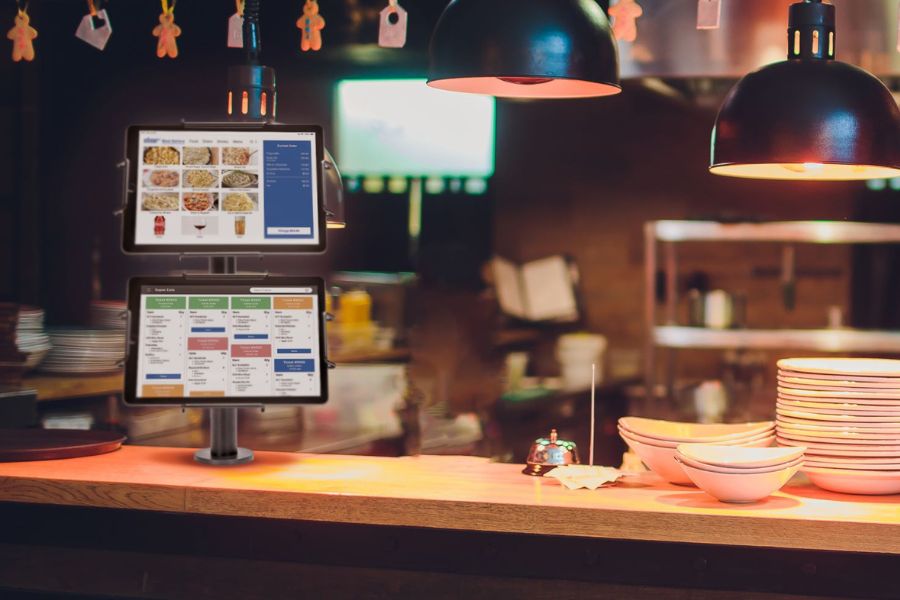
    Attached to the popular mUnite Mount 18 pole mount, the VESA mount accessory allows businesses to easily elevate their online order management by creating a versatile dual-tablet station. It’s cost-effective and ideal for companies seeking an organized, multi-functional workstation in busy retail and hospitality environments.

    The VESA pole mount accessory from Star Micronics turns the Mount 18 tablet mount into a two-tablet display.
    The VESA pole mount accessory turns the Mount 18 into a two-tablet display

    Key Features of the VESA Pole Mount Accessory on Mount 18:

    • Instantly creates a cost-effective & flexible two-tablet workstation
    • Great for organizing online ordering or customer engagement tablets
    • Compatible with any tablet enclosure using 75/100 VESA mounting
    • Tablet mount is securely fastened, protecting the tablet or device
    • Made of durable steel
    • Easy installation & removal

    mUnite Tri-Mount Multi-Tablet Display

    Furthermore, the mUnite Tri-Mount pole mount is perfect for multi-tablet and online order setups, especially for restaurants that receive orders from platforms like DoorDash, Grubhub, and Uber Eats, which often require different printers and tablets.

    Easily installed on most countertops, its sleek design conserves space, making it ideal for restaurants managing online orders across multiple devices. It securely accommodates up to three tablets (see here for specifications), ensuring easy access and protection in fast-moving settings.

    The Tri-Mount multi-tablet mount from Star Micronics displays three tablets at once. Great for online orders.
    The Tri-Mount multi-tablet display by Star Micronics

    Future Readiness in the Age of Digital Ordering

    The surge in online ordering continues to reshape the business landscape. To stay competitive, businesses must invest in organized, ergonomic, and efficient hardware solutions. By doing so, they position themselves to meet current demands and be well-prepared for future challenges and opportunities.

    So, as technology continues to evolve and consumer preferences shift, is your business infrastructure flexible enough to adapt? Remember, the choices you make today will shape your success in the digital ordering era of tomorrow.

    Learn about Star Micronics reliable hardware for online orders: