Category: Industry Insights

  • The Answers You Need to Make an Informed Decision About Cloud POS Services

    The Answers You Need to Make an Informed Decision About Cloud POS Services

    With the rise of the Internet of Things (IoT), artificial intelligence (AI), and other advanced technologies, cloud services adoption is becoming increasingly common. Gartner reports that public cloud services spending will grow to $723.4 billion in 2025, up from $595.7 billion last year. 

    Cloud services benefit different industries in various ways, particularly for cloud point of sale (POS) services. For retailers and restaurateurs, cloud POS services enable managing POS devices and peripherals remotely. Managers can monitor devices to ensure they’re online and operating properly. They may also be able to run diagnostics remotely to address maintenance issues that might be brewing. A cloud POS enables a proactive approach that maximizes uptime rather than reacting when a printer or other device stops working.

    Cloud POS services can also make data and tools available to employees across an organization, saving time and ensuring brand consistency.

    So, What’s Holding You Back from Using Cloud POS Services?

    Even though cloud solutions offer retailers and restaurateurs numerous benefits, it’s common for business leaders to have some concerns. Getting the facts will help you understand how cloud solutions work and the safeguards that are in place so you can move forward confidently. Some of the most important facts you need to know about cloud POS services are: 

    Cloud POS Services Are Secure

    While news of cyberattacks has become common, using cloud POS services doesn’t necessarily increase your risk. Cloud service providers invest heavily in securing their offerings and keeping up with changes in the threat landscape.

    In most cases, the security measures the vendor has in place far exceed anything a single retailer or restaurateur could establish. By partnering with a trusted vendor, you can be confident that your data and your business are safeguarded by robust security measures. 

    Your Data Is Private

    Cloud POS services providers are careful to keep each customer’s data private. No other customers have access to your data; they can’t see the label templates you have built or access digital receipts you store to make returns more convenient for your customers. The only people who can access your data are your employees who use the right login credentials. 

    You Can Work Offline

    While accessing your data in the cloud requires a network connection, this doesn’t mean you can’t work when you’re offline. Cloud POS services often provide a way to establish a “hybrid” system where information is stored locally. This allows your employees to access it during network outages and sync when the connection is restored. Cloud service providers ensure that your workflows remain uninterrupted. 
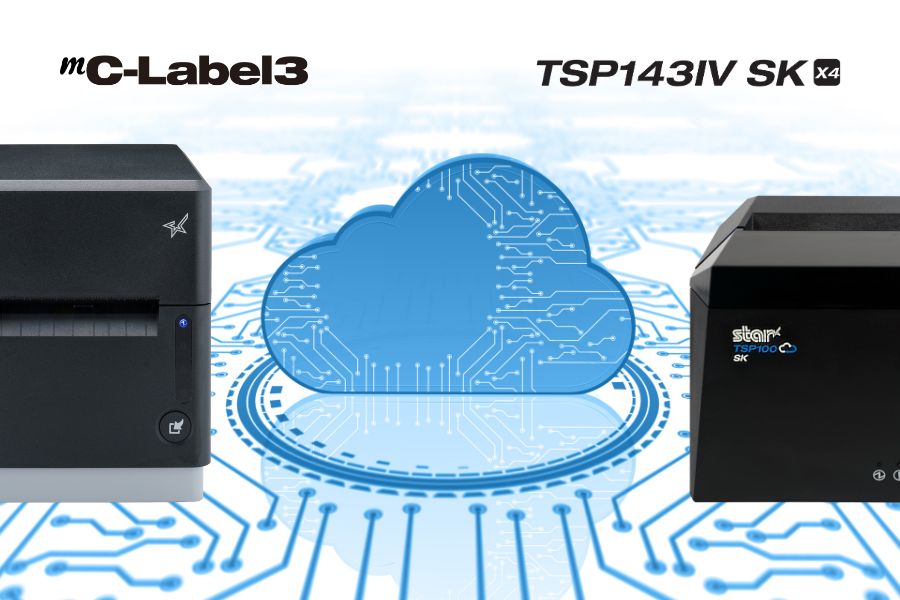
    Star Micronics CloudPRNT Next Cloud Services
    Star Micronics mC-Label3 and TSP143IV SK label printers support CloudPRNT Next for fast cloud printing.

    You Can Afford Them

    Cost is always a consideration, but with cloud POS services, it’s important to think in terms of total cost of ownership (TCO). You don’t need the same amount of infrastructure on-site to do the same things that a cloud solution does. You use the provider’s resources, not your own servers, for things like data storage, backup, and data security.  

    When you consider all costs and all cost savings, including gains in operational efficiency, cloud services are generally more cost-effective than on-premises solutions. Furthermore, when it comes to Star Micronics Cloud Services, they’re included at no additional cost with our cloud-ready printers. 

    They’re Easy to Use

    A major concern among business leaders is that cloud POS services may be too challenging for their employees to use. However, a quick demo will demonstrate how easy using cloud services can be. For instance, Star’s PromoPRNT allows you to add promotions to receipts, providing you with a new—and effective—customer engagement tool. You can easily create promotions from templates and manage them from any connected device. For your employees, adding marketing messages to receipts is effortless. 

    What Is CloudPRNT Next?

    If you’re exploring cloud POS options, it’s worth getting familiar with CloudPRNT Next—Star Micronics’ next-generation remote printing technology.

    Built on the MQTT protocol, CloudPRNT Next offers faster, more secure, and more scalable communication between cloud applications and printers. Whether you’re printing receipts, orders, labels, or tickets, CloudPRNT Next gives developers and operators the power to:

    • Print directly from web apps—no middleware or local server required

    • Receive real-time feedback from the printer (status, errors, confirmations)

    • Scale easily across locations and devices

    • Support complex workflows like multi-item labeling or off-premise fulfillment

    It’s the ideal solution for ISVs, enterprise foodservice operators, and QSRs looking to streamline remote order fulfillment without sacrificing control or reliability.

    What’s Your Next Move?

    Once you have a clear understanding of the pros and cons of cloud POS services, you can make an informed decision about their value for your organization. You likely have more questions about how a cloud POS will operate within your organization and the benefits it will provide. The Star Micronics team is here to answer your questions and assist you in selecting the best cloud-ready solution for your company. Contact us today. 
    Conquering Omnichannel Order Management with Cloud-Based Technology Solutions

    Consumers have spoken! The future of retail and hospitality is omnichannel, cloud-based, and connected. Is your business prepared?


    Ready to boost your cloud printing capabilities?

  • Why Businesses Are Moving to Cloud-Based POS – And Why You Should Too

    Why Businesses Are Moving to Cloud-Based POS – And Why You Should Too

    In this episode of the Rising Stars Podcast, “Why Businesses Are Moving to Cloud-Based POS – And Why You Should Too,” host Kate Orara explores the growing shift toward cloud-based POS solutions and why businesses are making the transition. Drawing from her expertise as Star Micronics’ Partner Development Manager, Kate highlights how VARs, ISVs, and business owners can leverage cloud POS technology to drive efficiency, lower costs, and keep their operations competitive.

    This episode provides valuable insights into the benefits of cloud POS, including real-time data access, scalability, security enhancements, and lower total cost of ownership (TCO)—helping businesses stay competitive in an evolving digital landscape.

    Future-Proofing with Cloud POS

    The transition to cloud-based POS is reshaping the way businesses manage operations, customer interactions, and multi-location growth. Kate discusses key advantages such as automatic software updates, reduced IT maintenance, and enhanced data security. She also addresses common concerns, including offline functionality, PCI compliance, and data ownership, ensuring businesses understand how to navigate the shift with confidence.

    This episode is a must-listen for anyone looking to optimize their POS strategy. Whether you’re a QSR, retail chain, or enterprise business, embracing cloud technology can unlock new efficiencies and set the stage for continued success.

    Have you heard of Star’s CloudPRNT Next? Find out more about the next level of cloud printing here >

    Loving the podcast? Subscribe now, and let us know what you think by leaving a review!

    Stay up-to-date on all things Star, don’t forget to follow us on X, LinkedIn, Facebook, Instagram, and YouTube.

    The Rising Stars Podcast

    Immerse yourself in the world of point-of-sale (POS) with the Rising Stars Podcast by Star Micronics, hosted by industry pro, Kate Orara. Twice a month, we explore the fascinating journeys of innovators and businesses navigating the challenges of POS technology’s rapid pace.

    In every episode, Kate Orara, Star Micronics’ Partner Development Manager, discusses emerging retail technology trends and strategies with global industry giants. She’s spent her entire career meeting all the right people, and now listeners everywhere can benefit from this vast network of channel gurus.

    Always leading and always innovating, Star Micronics, a pioneer in POS and customer experience technology for over 60 years, welcomes you to join us in shaping a brighter future in the retail, hospitality, and cannabis industries.

    Want more industry news?

    Episode Transcript

    [Music]

    Kate Orara: Hey there, retail tech enthusiasts! Welcome to the Rising Stars Podcast, your go-to for all things retail tech and point of sale. I’m Kate Orara, Partner Development Manager at Star Micronics, and I’m excited to guide you through this journey. Here, we dive into the latest innovations shaping the retail, hospitality, and cannabis industries. So whether you’re a techie or a business owner, this is your backstage pass to insider knowledge. Join me and the Star Micronics team as we innovate and rise together.

    Today, we’re diving into an exciting topic that’s all about modernizing the way we do business—the move to cloud-based point-of-sale (POS) systems. Whether you’re a reseller or an independent software vendor (ISV), helping your end users understand the value of moving their POS to the cloud can be a game-changer, not just for their business but for yours too. So, let’s unpack this topic with an upbeat, practical lens.

    Accessibility and Flexibility

    Here’s the deal: cloud-based POS systems act like the ultimate remote control for business operations. With just an internet connection, business owners can manage sales, track inventory, and even oversee employee performance—no matter where they are.

    Think about it: a business owner could be at the beach (lucky them!) or visiting another store location, and they can still pull up real-time sales data on their smartphone or tablet. It’s like having their entire business in their back pocket. That level of flexibility isn’t just a perk—it’s a necessity in today’s fast-paced retail world.

    For resellers and ISVs, this is a golden selling point. You’re not just pitching software; you’re offering freedom and control.

    Operational Efficiency

    Cloud-based systems simplify many day-to-day processes, making them incredibly efficient for end users. Here’s an example: instead of manually updating inventory across multiple stores or platforms, a cloud system updates everything in real time. One click, and boom—inventory is synced. No spreadsheets, no guesswork, no headaches.

    What about software updates? Traditional POS systems often require manual updates, leading to downtime. With the cloud, updates happen automatically behind the scenes, ensuring no disruption to business operations. It’s seamless.

    As a reseller or ISV, you can confidently position cloud-based systems as tools that make life easier for end users. When businesses operate more efficiently, they grow faster, and that success reflects back on you as a trusted advisor.

    Packaging the Benefits for Customers

    So, how do you package these benefits into a compelling message for your customers? Here’s the win-win scenario you can paint for the business owner: Moving to a cloud-based POS means they gain freedom, speed, and peace of mind. For you, the reseller or ISV, it’s an opportunity to build deeper relationships, drive recurring revenue through subscriptions, and help your customers stay ahead of the curve.

    This isn’t just about selling technology; it’s about being a partner in growth.

    When Cloud-Based POS Might Not Be Ideal

    Now, before we wrap up, let’s address a common question: Are there businesses where a cloud-based POS might not be the ideal solution? The short answer: yes. While cloud-based systems offer significant benefits, they’re not a one-size-fits-all solution.

    Here are a few scenarios where they may not be the best fit:

    • Businesses in areas with unreliable internet: While many systems offer offline modes, consistent connectivity is essential to fully leverage the benefits of the cloud. In such cases, a hybrid system or a traditional locally hosted POS might be a better choice.
    • Specialized software or hardware requirements: Certain manufacturing businesses or highly specialized retail environments may use equipment or workflows that require older, on-premise systems.
    • Small businesses with minimal transactions: While cloud-based POS systems often have a lower total cost of ownership, very small businesses with extremely low transaction volumes may find subscription costs unnecessary compared to basic cash registers or standalone systems.

    As resellers and ISVs, your role is to guide end users toward the best solution for their unique situation. Ask thoughtful questions about their infrastructure, location, and operational needs. If a cloud-based system isn’t right for them, they’ll appreciate your honesty, and that trust can lead to future opportunities.

    Final Thoughts

    To wrap things up, remember: cloud-based POS systems bring tremendous value, but they’re not the answer for every business. Knowing when and why to recommend or not recommend them is what will set you apart as a trusted advisor.

    Thank you for tuning in to this episode of the Rising Stars Podcast! If you found today’s discussion valuable, share it with a colleague or post it on your socials. Let’s keep these conversations going! And if you’ve got more questions about cloud-based POS, reach out to me or the team at Star. I’d love to hear from you.

    Until next time, stay inspired, stay innovative, and keep reaching for the stars.

    And that is a wrap for this episode of the Rising Stars Podcast! A huge thanks to our incredible listeners for tuning in. Don’t forget to subscribe, rate, and leave a review. Your feedback fuels our journey to bring you the best in retail tech. Stay connected with us on social media for updates and behind-the-scenes content.

    As you sign off, remember: the future of retail technology is in our hands, and together, we are shaping it. Keep innovating, keep rising, and until next time, this is Kate Orara signing off. Together, we rise.

    [Music]

  • Strengthening Channel Partnerships with Elo & Star Micronics

    Strengthening Channel Partnerships with Elo & Star Micronics

    In the latest episode of the Rising Stars Podcast, host Kate Orara is joined by Rob Nordby, Channel Sales Manager at Elo Touch Solutions, for an insightful discussion on what makes a channel partnership thrive. In “Channel Partner Success: Best Practices from Elo & Star Micronics,” Rob shares his expertise on how ISVs, VARs, and resellers can maximize their relationships with manufacturers to drive long-term success.

    Rob breaks down the key traits of successful channel partners, the importance of clear communication, and the role of manufacturer support in fostering growth. He also provides a behind-the-scenes look at Elo’s Elite Partner Program and how it creates real value for resellers and integrators looking to stand out in the competitive retail and hospitality technology space.

    Strategies for Success in the POS Industry

    From best practices in launching new products to overcoming common partnership challenges, this episode is packed with actionable advice for businesses looking to build stronger, more strategic alliances. Whether you’re a seasoned reseller or an ISV exploring new opportunities, Rob’s insights offer a valuable roadmap to growth.

    Supercharge your success with the Star Micronics Empower Partner Program >

    Loving the podcast? Subscribe now, and let us know what you think by leaving a review!

    Stay up-to-date on all things Star, don’t forget to follow us on X, LinkedIn, Facebook, Instagram, and YouTube.

    The Rising Stars Podcast

    Immerse yourself in the world of point-of-sale (POS) with the Rising Stars Podcast by Star Micronics, hosted by industry pro, Kate Orara. Twice a month, we explore the fascinating journeys of innovators and businesses navigating the challenges of POS technology’s rapid pace.

    In every episode, Kate Orara, Star Micronics’ Partner Development Manager, discusses emerging retail technology trends and strategies with global industry giants. She’s spent her entire career meeting all the right people, and now listeners everywhere can benefit from this vast network of channel gurus.

    Always leading and always innovating, Star Micronics, a pioneer in POS and customer experience technology for over 60 years, welcomes you to join us in shaping a brighter future in the retail, hospitality, and cannabis industries.

    Want more industry news?

    Episode Transcript

    [Music]

    Kate Orara: Hey there, retail tech enthusiasts! Welcome to the Rising Stars Podcast, your go-to for all things retail tech and point of sale. I’m Kate Orara, Partner Development Manager at Star Micronics, and I’m excited to guide you through this journey. Here, we dive into the latest innovations shaping the retail, hospitality, and cannabis industries. So whether you’re a techie or a business owner, this is your backstage pass to insider knowledge. Join me and the Star Micronics team as we innovate and rise together.

    Welcome back to another episode of the Rising Stars Podcast! I’m really excited today because I have one of my old buddies joining me. I know I keep saying this, but truly, the guests I bring on provide valuable insights into this industry—I promise it’s not just me bringing on friends for fun! Today, I have my good friend Rob Nordby from Elo Touch Solutions with me. Rob, how are you?

    Rob Nordby: I’m doing well! Thanks for having me. Excited to be here.

    Kate Orara: Awesome! I’m happy you could join us today. I know you’re traveling and actually at a conference right now, so I really appreciate you taking the time to speak with me.

    Rob Nordby: No worries! Excuse the background noise—I’ll just annoy everyone around me here. But let’s do it! Ready to rock.

    Kate Orara: Well, it’s funny because you’re currently at a partner event, and today we’re talking about partnerships! To kick things off, for our listeners who may not be familiar with you or Elo, could you give us a brief introduction about yourself and your role?

    Rob Nordby: Absolutely! I’m Rob Nordby, and I’ve been with Elo for six years. I manage our national solution provider team and programs, working with large national partners like CDW, SHI, and Insight. It’s a small but nimble team. Before Elo, I spent almost seven years at Zebra and started my career at PC Mall, which is now Insight. I’ve had a variety of roles in the industry, but my primary focus has always been on the channel, managing relationships and long-term partnerships.

    Kate Orara: That’s great! You’ve worked at the manufacturer level and the reseller level. Have you worked at the distributor level as well?

    Rob Nordby: That’s actually the one part of the industry I haven’t worked in, but I work closely with distribution. I have great relationships with our distributors and always advocate for collaboration between manufacturers, distributors, and resellers. Even though I’ve never worked for a distributor, I feel like I have offices at many of them!

    Kate Orara: That makes sense! So, let’s talk about partnerships. What are some key traits or behaviors you look for in a successful channel partner?

    Rob Nordby: Great question! A successful partner is motivated and truly embraces the term “partner.” Transparency and goal alignment are huge. Whether a partner is small or large, if we establish a long-term plan and stick to it, that makes for a great relationship. We love investing in partners who are committed to working toward mutual success.

    Kate Orara: From a partner’s perspective, what should they expect in terms of support, resources, and communication from a manufacturer like Elo?

    Rob Nordby: Honesty is number one. We all know about channel conflict, but maintaining a clean channel is a priority for Elo. Partners should expect reliable products, transparency about where our solutions work best, and clear guidance. We don’t just push products; we help partners find the right solutions for their customers. When manufacturers and resellers work together with honesty and a shared goal, it leads to successful rollouts and strong relationships.

    Kate Orara: Speaking of rollouts, how do you involve partners in launching new products, and what are some best practices for ensuring a smooth rollout?

    Rob Nordby: We prioritize roadmaps. Communication is key—we make sure partners are informed well in advance about what’s coming. Training is also essential. With large-scale rollouts, like those for Walmart or Target, understanding needs upfront and sharing that information between manufacturers and resellers prevents surprises down the road. Bringing partners in from day one creates a cohesive strategy and minimizes issues later.

    Kate Orara: That makes so much sense! So, tell us about the Elo Elite Partner Program. How does it benefit partners in tangible ways?

    Rob Nordby: The Elo Elite Partner Program is designed to reward and support our partners. It’s a tiered program where the more a partner sells, the better their discounts and rebates. But it’s not just about revenue—we also reward value-added services, training participation, and product engagement. We keep a clean channel and use deal registration to ensure partners can remain competitive. The goal is to build a long-term, mutually beneficial relationship.

    Kate Orara: What are some common challenges manufacturers and channel partners face in building strong relationships, and how can they be addressed?

    Rob Nordby: One big challenge is trust. Customers sometimes try to turn manufacturers and resellers against each other, which can create tension. Maintaining transparency, staying aligned, and working toward the same goal help mitigate those issues. Another challenge is competition and market consolidation, which can make it harder for smaller partners to compete. That’s why we advocate for a balanced channel approach.

    Kate Orara: If you could change one thing about the channel today, what would it be and why?

    Rob Nordby: I’d like to see less consolidation. The increasing number of mergers makes it difficult to maintain a diverse and competitive market. I also wish resellers would trust manufacturers more. We truly want to help them succeed, but sometimes there’s hesitation to share opportunities early on. Building trust through transparency is key.

    Kate Orara: That’s a great perspective. Thank you, Rob, for sharing your insights! We’ll include your LinkedIn and contact details in the show notes for anyone who wants to connect.

    Rob Nordby: Thanks for having me, Kate! This was fun. Looking forward to seeing you on the road.

    Kate Orara: And that’s a wrap for this episode of the Rising Stars Podcast! A huge thanks to our listeners for tuning in and to our phenomenal guest for sharing his insights. Don’t forget to subscribe, rate, and leave a review. Your feedback fuels our journey to bring you the best in retail tech.

    Stay connected with us on social media for updates and behind-the-scenes content. The future of retail technology is in our hands, and together, we are shaping it. Keep innovating, keep rising, and until next time, this is Kate Orara signing off. Together, we rise.

    [Music]

  • A Better Cash Management Solution Starts with the Right Cash Drawer

    A Better Cash Management Solution Starts with the Right Cash Drawer

    Merchants have focused on adapting their IT environments to accommodate the growth of digital payments. However, in many enterprises, such as certain food services, big box and specialty retail, and cannabis, most transactions continue to involve cash. If your business falls into the high-cash category, it’s critical that you implement an effective cash management solution, including a cash drawer that meets your needs.

    The Pros and Cons of Cash

    Cash use can have an upside for both consumers and merchants. There aren’t any fees associated with using it. Consumers don’t build credit card debt or deal with fees for overdrawing an account, and merchants don’t pay processing fees. Additionally, merchants receive payment immediately —  there’s no waiting for checks to clear for banks to move funds from payment card transactions. Also, merchants who accept cash only never spend time and effort on challenging credit card chargebacks. 

    On the other hand, as a high-cash business operator, you face challenges related to operational efficiency, cash control, and security. You must organize cash so managers can count and balance drawers quickly and accurately. Also, cash is a target for theft, both by actors from external and internal threats.

    Cash Management System With The Right Cash Drawer

    The Right Design Makes the Difference

    Choosing a cash drawer for your cash management solution can help you give your customers and your business the benefits of cash transactions while minimizing the drawbacks. The key is to match the drawer’s features to your specific needs to create a comprehensive cash management system. Features to evaluate include: 

    1. Till Design

    The till should have the right number of compartments for the bills and coins your business commonly receives. In the U.S., a four-bill, five-coin configuration is popular, while a three-bill and five-coin option may better suit Canadian companies. However, those aren’t your only options. Models are available that help businesses efficiently store up to five bills and eight coins.

    Additionally, some models have ample space under the till for coin rolls, so cashiers can always make change without delay. Choosing the right drawer configuration for your business supports faster balancing and greater accuracy.

    2. POS System and Printer Communication

    The cash drawer should operate seamlessly with your point of sale (POS) system. When the sale is tallied, the drawer should open for the cash payment and to allow the cashier to make change. Communication with the POS system automates that process for speed and security. You can also choose a drawer that communicates with your printer to coordinate receipt printing.

    3. Durable Construction

    To optimize cash control, you need drawers for your cash management solution with heavy-duty construction. Durable steel is not only necessary to keep cash secure, but it also ensures that daily use won’t result in dents or wear that could impact the drawer’s functioning and minimize the life of your investment. 

    Reinforced slides and high-cycle components prevent jams and ensure smooth operation, even in high-traffic environments, maintaining the integrity of your cash drawer over time. Investing in a well-built cash drawer reduces maintenance costs and minimizes downtime, keeping your business running efficiently.

    4. Locks and Lock Function

    You will find models with different types of locking mechanisms, such as single key or separate manager and key lock design. Models can also give you different features that enhance cash control, such as automatic locking, manual open, and online open, which opens the drawer electronically.

    For added security, heavy-duty cash drawers feature dual locks and reinforced latching mechanisms to prevent tampering. Some models also include under-till compartments for discreet cash storage, helping businesses manage high-cash transactions while keeping funds secure. Locking features allow you to create workflows that keep cash protected and minimize fraud schemes related to returns and voids.

    Upgrade Your Cash Management with the Right Drawer

    In a high-volume, cash-heavy business, every second counts. The right cash drawer isn’t just a box to hold money—it’s a tool that keeps transactions moving smoothly, safeguards your cash, and simplifies end-of-day balancing. A durable, high-security cash drawer designed for your needs can prevent operational headaches, reduce fraud risks, and streamline cash handling so your team can focus on customers, not cash counting. If your current setup isn’t pulling its weight, it may be time for an upgrade.


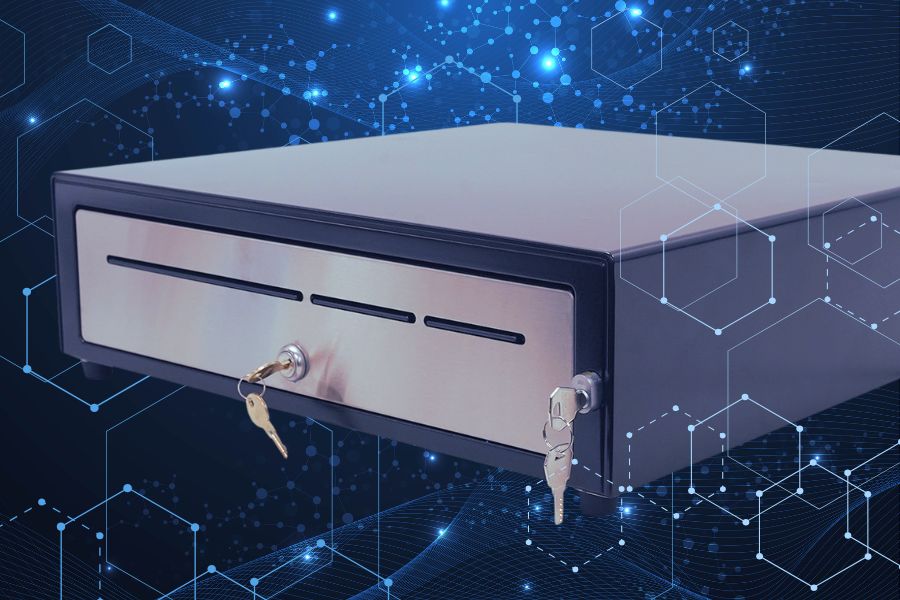
    The CD5-1918 Max Series cash drawer by Star Micronics is ideal for high-cash volume environments.
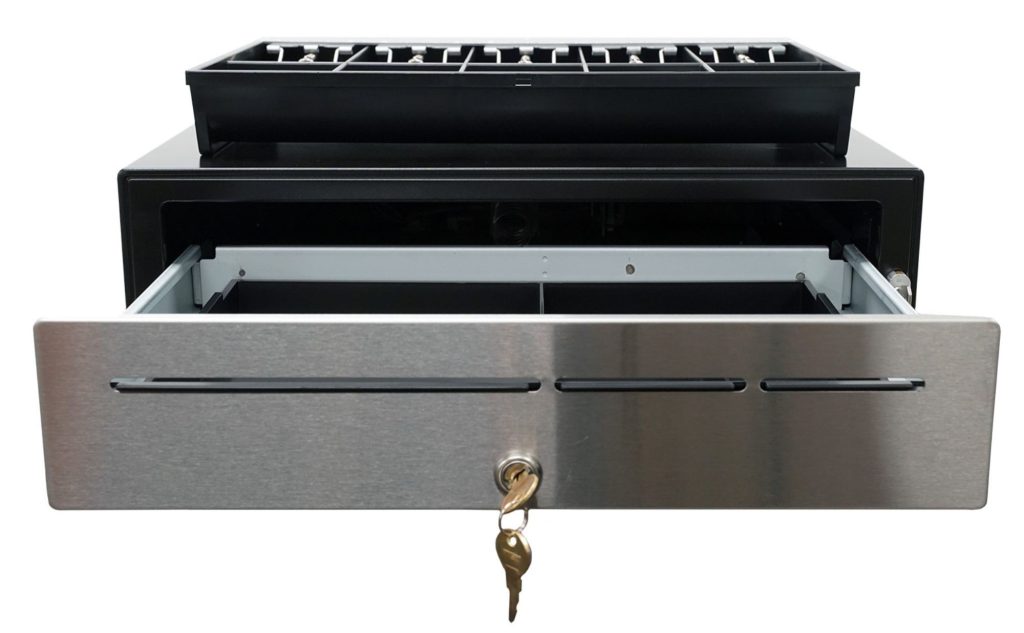
    The CD5-1918 cash drawer handles enterprise level high-cash volume environments with ease.

    Additional Resources

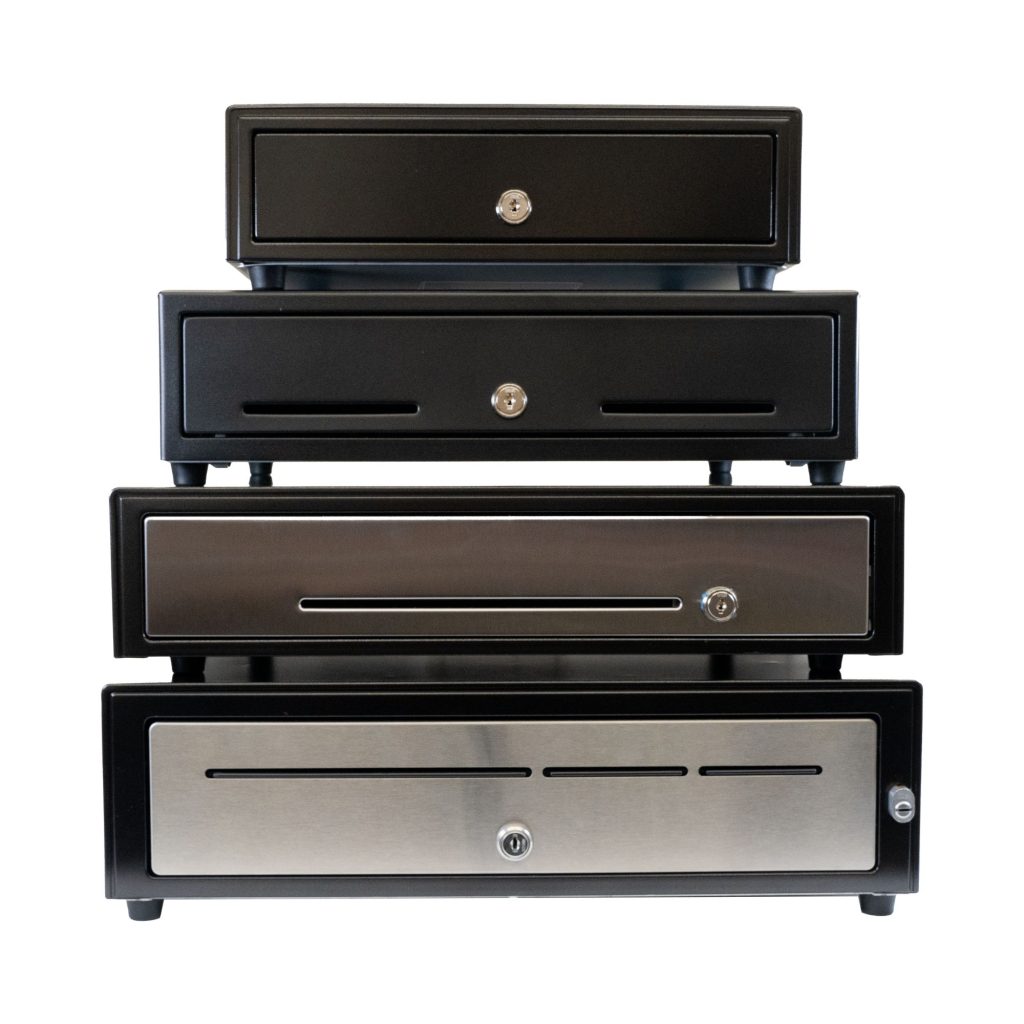
    Star Micronics has designed cash drawers for every level of durability, security, and functionality. Explore our CD5 Max Series lineup to find the perfect fit for your operation:

    • CD5-1316: Compact but tough, this heavy-duty cash drawer is ideal for high-cash businesses where counter space is limited. With a choice of standard DK or dual DK + USB interfaces, it integrates seamlessly with any POS system.
    • CD5-1617: A balance of durability and storage, this model provides a robust cash control solution in a space-efficient design. It features two media slots for added functionality and multiple connectivity options.
    • CD5-1817: Built for demanding environments, this 18-inch heavy-duty drawer is ideal for businesses processing large cash volumes daily. It includes a media slot for streamlined cash management and flexible connectivity. 
    • CD5-1918: Designed for enterprise-level operations, this extra-heavy-duty cash drawer offers maximum durability and security. With under-till coin storage, three media slots, and a dual-locking mechanism, it’s built to handle high-demand environments with ease.

    CD5 Max Series Cash Drawers

    Designed for high-cash volume businesses, the CD5 Max Series cash drawers deliver durability, security, and sleek design. With all-steel construction, dual lock mechanisms, and under-till compartments for added organization, these drawers are ideal for grocery stores, cannabis dispensaries, and other busy retail settings. Available in multiple sizes and with dual DK and USB interface options, the CD5 Max Series integrates seamlessly into any POS system.

    Explore More >

    Is your current cash management system keeping up?

  • Strategies for Adapting to Tariff Policy Changes in Retail Technology

    Strategies for Adapting to Tariff Policy Changes in Retail Technology

    In this episode of the Rising Stars Podcast, “Navigating Tariff Policy Changes in the Retail Technology Industry,” host Kate Orara reveals essential strategies for businesses in the retail technology channel to adapt and thrive amidst evolving tariff regulations. Drawing from her expertise as Star Micronics’ Partner Development Manager, Kate discusses how VARs, ISVs, and distributors can mitigate the impact of tariffs through proactive planning and strategic partnerships.

    This episode provides valuable insights into managing supply chain vulnerabilities, analyzing financial risks, and updating product strategies to maintain competitiveness in an increasingly complex global market.

    Thriving in Uncertain Tariff Policy

    Understanding tariff impacts is vital for today’s retail technology professionals. From sourcing alternatives and stockpiling inventory to implementing tools like CloudPRNT and localized production, Kate highlights practical ways to safeguard your business operations. With additional tips on customer communication and leveraging partnerships, this episode equips listeners with actionable guidance to navigate policy changes effectively.

    Whether you’re a VAR, ISV, or distributor, this episode is a must-listen for anyone seeking to stay informed and ahead in the POS hardware industry.

    Loving the podcast? Subscribe now, and let us know what you think by leaving a review!

    Stay up-to-date on all things Star, don’t forget to follow us on X, LinkedIn, Facebook, Instagram, and YouTube.

    The Rising Stars Podcast

    Immerse yourself in the world of point-of-sale (POS) with the Rising Stars Podcast by Star Micronics, hosted by industry pro, Kate Orara. Twice a month, we explore the fascinating journeys of innovators and businesses navigating the challenges of POS technology’s rapid pace.

    In every episode, Kate Orara, Star Micronics’ Partner Development Manager, discusses emerging retail technology trends and strategies with global industry giants. She’s spent her entire career meeting all the right people, and now listeners everywhere can benefit from this vast network of channel gurus.

    Always leading and always innovating, Star Micronics, a pioneer in POS and customer experience technology for over 60 years, welcomes you to join us in shaping a brighter future in the retail, hospitality, and cannabis industries.

    Want more industry news?

    Episode Transcript

    [Music]

    Kate Orara: Hey there, retail tech enthusiasts! Welcome to the Rising Stars Podcast, your go-to for all things retail tech and point of sale. I’m Kate Orara, Partner Development Manager at Star Micronics, and I’m excited to guide you through this journey. Here, we dive into the latest innovations shaping the retail, hospitality, and cannabis industries. So whether you’re a techie or a business owner, this is your backstage pass to insider knowledge. Join me and the Star Micronics team as we innovate and rise together.

    Today, we’re diving into a topic that’s been on the minds of many resellers, ISVs, distributors, and hardware manufacturers: how can we prepare for potential changes under the new United States administration? Before we get started, I want to emphasize that this discussion will remain non-political. My goal is to provide you with practical strategies and considerations to help your business navigate any upcoming changes, regardless of the political climate.

    Let’s dive in. I want to cover this topic in eight segments: understanding the landscape, staying informed, assessing supply chains, financial impacts, supporting customers, strengthening partnerships, investing in technology, and legal considerations.

    Understanding the Landscape

    As administrations change, so do policies that impact international trade. While specific details about proposed tariffs are still emerging, history tells us that tariffs can directly affect supply chains, pricing, and overall business operations in the retail channel. It’s crucial to stay informed and proactive.

    Staying Informed

    You’re already doing the first step—staying informed. Keep an eye on announcements from government agencies and industry associations. Organizations like the Retail Solutions Providers Association (RSPA), of which Star Micronics is a member, are excellent resources for timely updates. If you’re not a member, let me know—I’m happy to connect you with someone who can help you join.

    Joining groups like RSPA and subscribing to their newsletters can give you a head start on understanding proposed tariffs. Networking with industry peers can also provide insights and opportunities to collaborate on solutions.

    Assessing Supply Chains

    Take a close look at your supply chain. Identify which of your products or components could be affected by tariffs. If you’re sourcing items from regions likely to face new duties, now’s the time to explore alternatives or have those discussions. Consider working with suppliers in unaffected regions or exploring domestic manufacturing options. Additionally, renegotiate contracts with your current suppliers to share or absorb potential cost increases.

    Financial Impacts

    Tariffs can significantly impact your bottom line, so it’s essential to prepare financially. Start by estimating how proposed tariffs might increase costs for your key products. From there, consider strategies to adjust pricing while remaining competitive. You might also explore financial tools like hedging or insurance to protect against cost volatility. For businesses that rely heavily on imports, these tools can provide a much-needed safety net.

    Supporting Customers

    Don’t forget about your customers—communication is key. Be transparent about potential impacts on pricing or product availability. At the same time, offer alternatives. If a product’s cost rises significantly due to tariffs, suggest lower-cost options or locally sourced solutions. Always emphasize the value of your offerings, whether that’s long-term ROI, reliability, or customer support.

    Strengthening Partnerships

    Strong partnerships can make all the difference during times of uncertainty. Collaborate with your manufacturers, distributors, and other partners to develop strategies for mitigating tariff impacts. For example, you might work together to build up inventory before tariffs take effect or share the burden of increased costs. Additionally, consider advocating as a group for tariff exemptions or relief—a collective voice often carries more weight.

    Investing in Technology

    Another way to offset potential tariff impacts is by investing in technology. Automation and efficiency tools can reduce operational costs, helping to balance out higher import expenses. Similarly, exploring localized production can reduce reliance on imports altogether. For some businesses, now might be the time to reevaluate your product strategy entirely. Shifting focus to high-margin products or services can help you absorb cost increases more effectively.

    Legal Considerations

    Finally, don’t overlook legal and compliance aspects. Consult with legal experts to understand how tariffs may impact your contracts and compliance requirements. Review tariff codes for your products to ensure proper classification and avoid unnecessary duties.

    Closing Thoughts

    Preparing for potential tariffs isn’t just about mitigating risks; it’s also about finding opportunities to innovate and strengthen your business. By staying informed, assessing your supply chain, and collaborating with partners, you can navigate these changes with confidence. Remember, change is constant in the retail IT channel, and adapting proactively is what sets successful businesses apart.

    And that’s a wrap for this episode of the Rising Stars Podcast. A huge thanks to our incredible listeners for tuning in. Don’t forget to subscribe, rate, and leave a review—your feedback fuels our journey to bring you the best in retail tech. Stay connected with us on social media for updates and behind-the-scenes content. As you sign off, remember, the future of retail technology is in our hands, and together, we are shaping it. Keep innovating, keep rising, and until next time, this is Kate Orara signing off. Together we rise.

    [Music]

  • Grocery Tech and Takeaways from NRF 2025: How Self-Service and AI Are Shaping the Future

    Grocery Tech and Takeaways from NRF 2025: How Self-Service and AI Are Shaping the Future

    Walking through the head-turning aisles of NRF 2025, it was impossible to ignore the pull of grocery technology. Kiosks. Self-checkout. POS scales. Everywhere you turned, there they were—showing us just how much this retail sector is leaning into innovation. In a major way, grocery tech wasn’t just a theme; it was the star of the show.

    Why? Because it’s where the retail rubber meets the road. This isn’t just about flashy setups or eye-catching displays (although there were plenty of those). It’s about the undeniable shift toward convenience, efficiency, and—most importantly—revenue potential. For VARs and ISVs, this is a moment to seize.

    The Self-Service Revolution: Grocery Edition

    Grocery technology at NRF 2025 didn’t just stand out; it shouted its presence. Self-service kiosks and checkout stations were front and center, and not just for the sake of automation. They’re solving real problems for grocery retailers: long lines, labor shortages, and the skyrocketing customer expectation for speed and ease.

    Kiosks and AI: The Perfect Pairing

    The buzz wasn’t just about kiosks; it was about what’s powering them. AI is no longer just a futuristic idea—it’s here, and it’s delivering ROI for retailers. Picture this: AI-driven self-checkout systems that don’t just weigh produce but predict trends, analyze purchasing patterns, and suggest product placements. As Jim Roddy put it, “Nobody cares if you used AI. They just care about the ROI.”

    For grocery, AI transforms self-checkout from a convenience feature into a data powerhouse. It’s identifying theft with computer vision, optimizing inventory in real-time, and even delivering personalized coupons at the point of sale. For VARs and ISVs, knowing how to leverage these tools can turn their clients’ grocery operations into well-oiled, revenue-generating machines.

    How VARs and ISVs Can Capitalize

    This is where it gets exciting. Self-checkout systems, kiosks, and AI aren’t just shiny new toys; they’re solutions that bring measurable results. VARs and ISVs who understand the potential of this tech can become the heroes of their clients’ grocery businesses.

    Here’s how:

    1. Show Them the ROI: Whether it’s through AI-powered theft prevention or kiosks that reduce labor costs, explain how these solutions save money and boost revenue.
    2. Offer Scalable Systems: Grocery operations aren’t static. Provide hardware and software that can grow with the business, from small neighborhood grocers to big-box chains.
    3. Be the Trusted Advisor: As Jim Roddy pointed out, retailers are drowning in options. Be the guide who cuts through the noise and points them to the right tools.

    Star Micronics: Hardware Built for Grocery Success

    Star Micronics has the tools to help VARs and ISVs make the most of the grocery tech boom. From kiosk printing to POS scales, our hardware is designed to meet the demands of modern grocery environments tenfold.

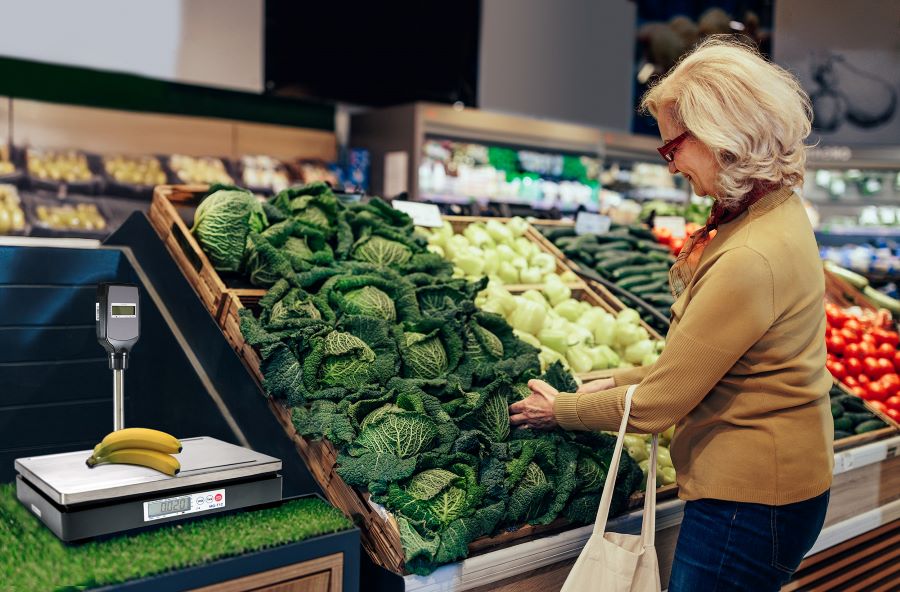
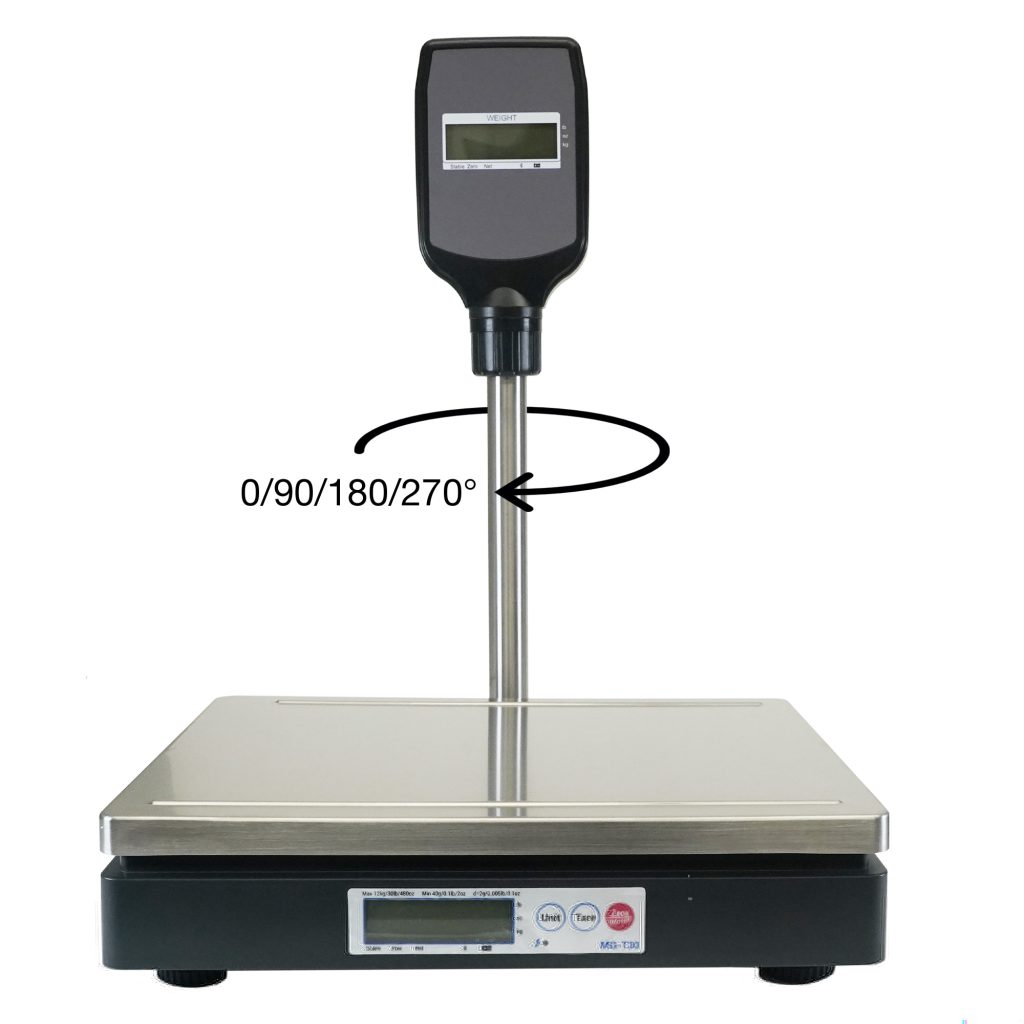
    The latest mG-T POS scales from Star Micronics are perfect for grocery stores and environments.

    Kiosk Printers

    Behind every seamless self-checkout experience is a reliable kiosk printer quietly doing its job. From printing crisp receipts to generating order tickets and labels, kiosk printers are the unsung heroes of modern grocery stores. Star Micronics brings precision and speed to the table, offering solutions built to keep self-service stations efficient and customers happy—even during the busiest rush hours.

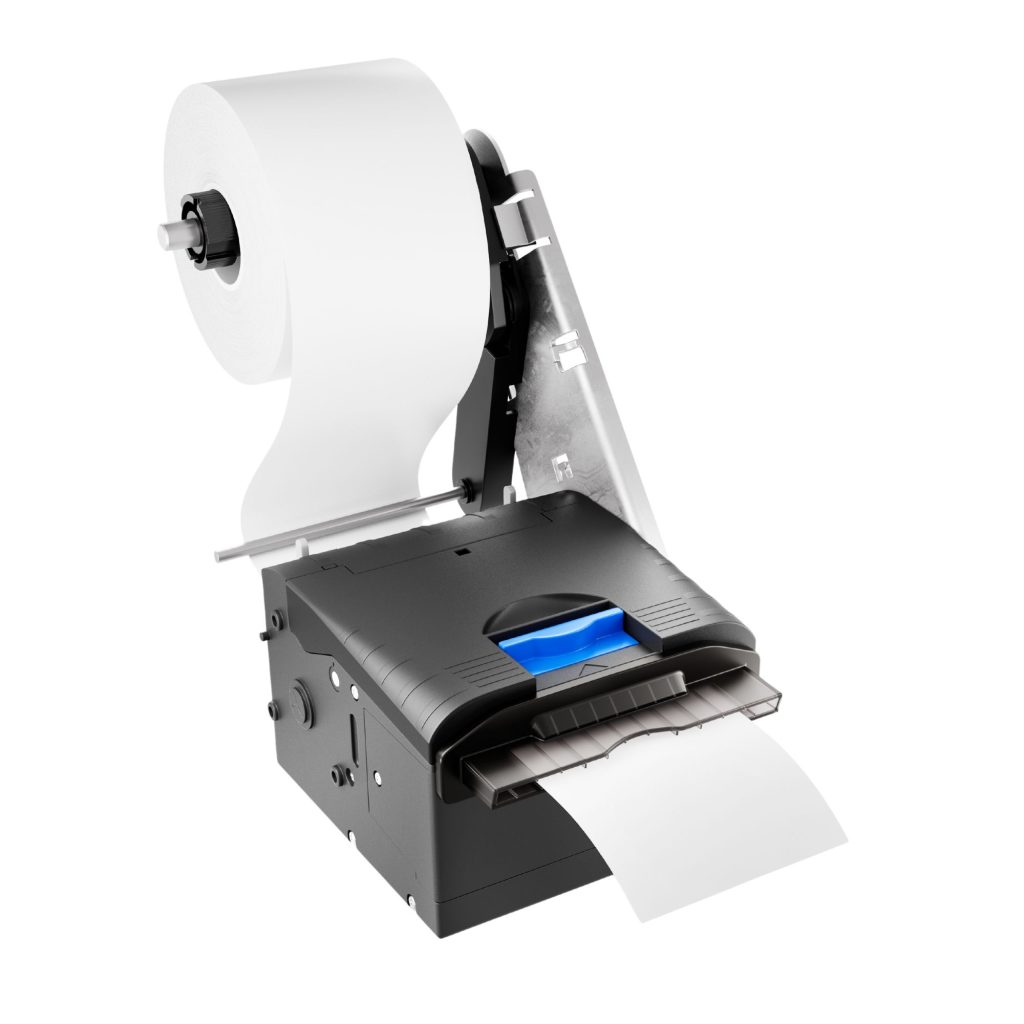
    SK5-31 Kiosk Printer

    Designed for high-demand environments, the SK5-31 combines a sleek, fully enclosed design with advanced features like anti-jam technology, paper eject assistance, and an adjustable paper guide with 12 positions. With a print speed of 250mm/s and versatile connectivity options (USB/Serial or USB/LAN), this printer ensures smooth, efficient, and reliable operations.

    Explore the SK5-31 >

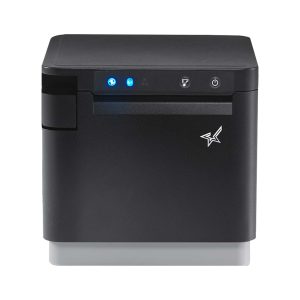
    mC-Print3 Receipt Printer

    The Star Micronics mC-Print3 combines high-speed printing with advanced connectivity options like Ultra-C and CloudPRNT Next. Its Ultra-C USB-C port provides seamless power and data transfer with any device, while CloudPRNT Next offers enhanced remote printing using the MQTT protocol, ideal for modern POS environments.

    Discover the mC-Print3 >

    How VARs and ISVs Can Maximize ROI with Advanced Kiosk Printing Technology

    Find out how ISVs and VARs can harness the transformative potential of kiosk printing technology to maximize ROI for both their clients and their own businesses.

    Precision POS Scales

    mG-TUDB Scales

    Designed for precision and versatility, the mG-TUDB scales are a perfect fit for grocery self-checkout stations, produce sections and bulk item sales. With trade-legal certification for the U.S. and Canada, these scales offer Class III accuracy and seamless connectivity via Bluetooth, serial, or USB-C. Their large platter and optional pole display accessory ensure effortless setup with your POS system, making them ideal for a wide range of applications, from delis to farmer’s markets.

    Find Out More >

    Cash Management

    CD5 Max Series Cash Drawers

    Designed for high-cash volume businesses, the CD5 Max Series cash drawers deliver durability, security, and sleek design. With all-steel construction, dual lock mechanisms, and under-till compartments for added organization, these drawers are ideal for grocery stores, cannabis dispensaries, and other busy retail settings. Available in multiple sizes and with dual DK and USB interface options, the CD5 Max Series integrates seamlessly into any POS system.

    Explore More >

    Scanning Technology

    Star’s 1D/2D Barcode Scanners

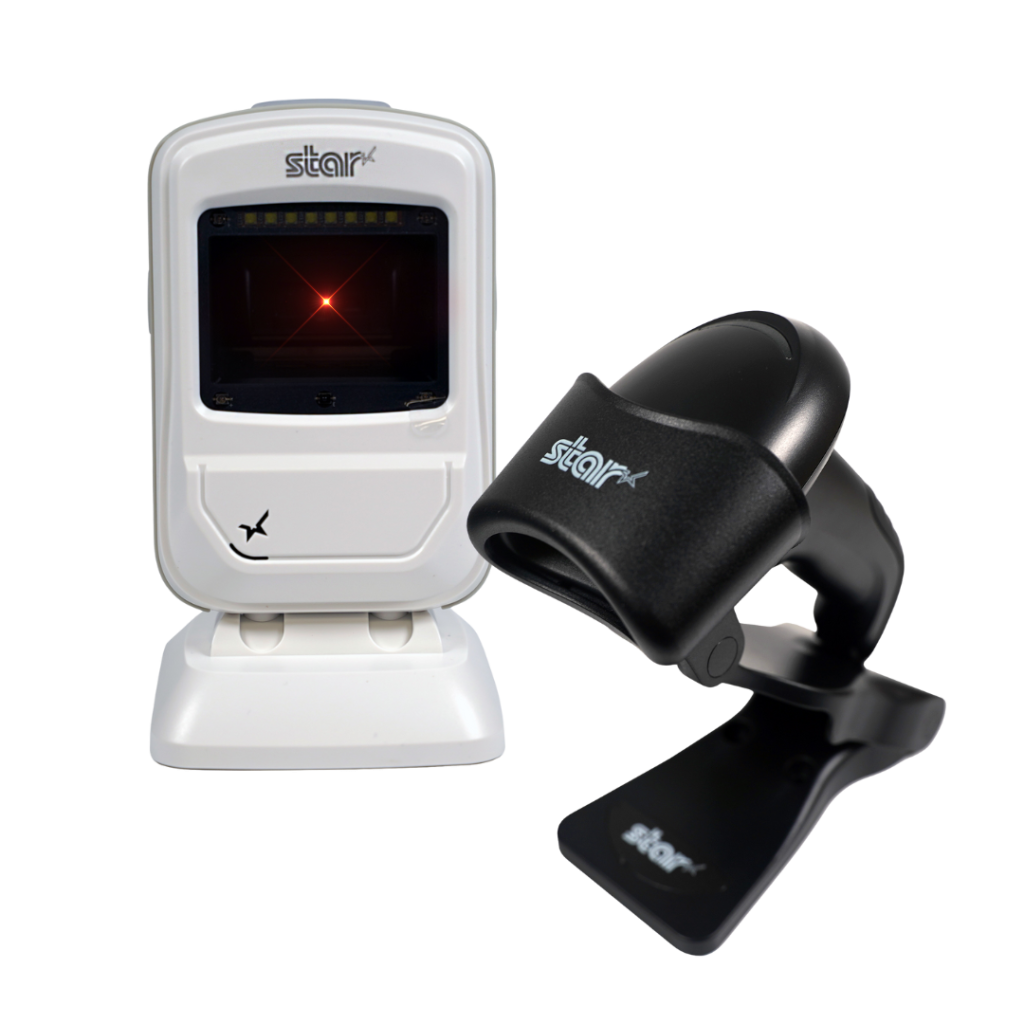
    Star offers a comprehensive range of IP-rated 1D/2D barcode scanners, ideal for diverse business needs. From retail to healthcare, our versatile scanners excel in parsing driver’s license and ID barcodes, ensuring swift and accurate data capture. Choose the perfect fit for your setup—desktophandheld, or wireless Bluetooth options available.

    The Takeaway: Grocery Tech Is a Golden Opportunity

    Grocery retail is truly exploding with possibilities. NRF 2025 made it clear that self-service, kiosks, and AI are here to stay, and they’re revolutionizing how grocers operate. For VARs and ISVs, this is the moment to step in, guide clients toward the right solutions, and build partnerships that drive growth.

    With Star Micronics by your side, you’re equipped to offer the tools grocery retailers need to stay competitive now and into the future.

    Ready for the grocery tech you need?

  • Exploring the Future of Shopping with Virtual Try-Ons and AI Smart Carts

    Exploring the Future of Shopping with Virtual Try-Ons and AI Smart Carts

    In this episode of the Rising Stars Podcast, “The Future of Shopping: Virtual Try-Ons and AI Smart Carts,” host Kate Orara discusses two groundbreaking innovations that are transforming the retail landscape, giving examples of them in action.

    With her expertise as Star Micronics’ Partner Development Manager, Kate explores how Goddiva’s partnership with Zyler brings virtual try-on technology to online shopping, while Intermarché’s collaboration with Shopic and Capgemini introduces AI-powered smart carts to grocery stores.

    This episode highlights how these technologies are reshaping the customer experience, reducing friction in both online and in-store shopping, and creating new opportunities for retailers to engage their audiences in more personalized and efficient ways.

    The Future of Shopping Starts Here

    Virtual try-on technology by Zyler is a game-changer for e-commerce. By allowing shoppers to see how clothing looks on their own body, this innovation bridges the gap between online and in-store experiences, boosting customer confidence and reducing returns.

    Meanwhile, AI-powered smart carts at Intermarché greatly improve the grocery experience by eliminating checkout lines, providing real-time product suggestions, and giving retailers valuable insights into customer behavior.

    Whether you’re a retailer, VAR, or ISV, this episode provides actionable takeaways to help you stay ahead in the exciting retail industry.

    Loving the podcast? Subscribe now, and let us know what you think by leaving a review!

    Stay up-to-date on all things Star, don’t forget to follow us on X, LinkedIn, Facebook, Instagram, and YouTube.

    The Rising Stars Podcast

    Immerse yourself in the world of point-of-sale (POS) with the Rising Stars Podcast by Star Micronics, hosted by industry pro, Kate Orara. Twice a month, we explore the fascinating journeys of innovators and businesses navigating the challenges of POS technology’s rapid pace.

    In every episode, Kate Orara, Star Micronics’ Partner Development Manager, discusses emerging retail technology trends and strategies with global industry giants. She’s spent her entire career meeting all the right people, and now listeners everywhere can benefit from this vast network of channel gurus.

    Always leading and always innovating, Star Micronics, a pioneer in POS and customer experience technology for over 60 years, welcomes you to join us in shaping a brighter future in the retail, hospitality, and cannabis industries.

    Want more industry news?

    Episode Transcript

    [Music]

    Kate Orara: Hey there, retail tech enthusiasts! Welcome to the Rising Stars Podcast, your go-to for all things retail tech and point of sale. I’m Kate Orara, Partner Development Manager at Star Micronics, and I’m excited to guide you through this journey. Here, we dive into the latest innovations shaping the retail, hospitality, and cannabis industries. So whether you’re a techie or a business owner, this is your backstage pass to insider knowledge. Join me and the Star Micronics team as we innovate and rise together.

    Today, we’re diving into two amazing stories that showcase the power of partnerships in reshaping customer experiences. First, we’ll explore how Goddiva, a standout in the fashion world, is teaming up with Zyler to revolutionize online shopping with virtual try-on technology. Then we’ll head to France, where Intermarché is piloting AI-powered smart carts with Shopic and Capgemini. So grab your coffee or your notepad—this is going to be a fun episode!

    All right, let’s start with Goddiva and Zyler’s virtual try-on technology. Goddiva is a fashion brand that’s setting a new standard for online shopping. If you’ve ever shopped for clothes online, you know the struggle—or at least my fellow ladies do. Maybe guys do too, but for me as a female, it’s always a struggle. Does it fit? How will it look on me? Well, Goddiva has partnered with Zyler to solve this problem with virtual try-on technology. Zyler lets shoppers upload a photo to see how different outfits will look on their own body. It’s personalized, intuitive, and quite frankly, could be a game-changer for Goddiva.

    This isn’t just about reducing returns—though that’s going to be a huge plus. It’s about giving customers confidence in their purchases and creating a more engaging, enjoyable shopping experience. Now think about what this means for the broader retail landscape. As e-commerce continues to grow, tools like Zyler’s can be key differentiators. They bridge the gap between physical and digital shopping, blending convenience with personalization. And let’s not overlook how this benefits resellers and tech providers. By aligning with brands like Zyler, you can offer solutions that make online shopping smarter, more interactive, and customer-centric.

    Now, I did get to actually play around on the Zyler website, which was kind of fun. While the concept is good, I think there are some tweaks that need to happen. I was able to plug in my height and weight, but I had to use toggle bars to give other details about my physique, like shoulder width, waist size, chest, and hips. If I had to make a suggestion, I would provide both options: keep the toggle bars, but also give consumers the opportunity to input actual measurements in inches or centimeters. Maybe the technology isn’t there yet, but it’s something to consider. Personally, I’d be more willing to purchase items if I knew for sure they’d look the way I expect based on my actual measurements rather than guessing with the toggle bars. Just my two cents!

    All right, moving from online to in-store, let’s talk about Intermarché, one of France’s largest grocery chains. They’ve partnered with Shopic and Capgemini to bring AI-powered smart carts to life. These smart carts are incredible. Imagine walking into a store, grabbing a cart, and as you add items, the cart instantly recognizes what you’ve picked up. It also tracks your total, eliminates the need for checkout lines, and can even suggest promotions or recipes based on what you’ve selected.

    What I love about this story is how it enhances the in-store experience without complicating it. It’s simple for shoppers yet loaded with advanced AI and real-time analytics. I haven’t seen these carts in person, but I’ve seen similar concepts, like bins that calculate your total. What’s really cool about these carts is the running total feature—you can see the “damage” to your wallet as you go. Plus, the inspiration for recipes based on your selected items is a huge win. It helps prevent shoppers from forgetting items while in the store, which is a consumer win, and it encourages them to purchase more, which is a win for the store. This could be a real revenue generator for Intermarché.

    This is a leap forward in customer convenience and engagement, but there’s a deeper impact here. Retailers gain insights into shopper behavior, allowing them to refine product placement, inventory, and even marketing strategies. For resellers and technology providers, the lesson is clear: innovation sells. These smart carts demonstrate how combining AI with everyday shopping can drive efficiency and delight customers.

    And that’s a wrap on today’s episode. From Gadiva’s virtual try-on revolution with Zyler to Intermarché’s AI-powered smart carts, we’re seeing how technology and partnerships are rewriting the rules of retail. Thank you for tuning in to this episode of the Rising Stars Podcast. If you’ve enjoyed this episode, please be sure to subscribe, share it with a friend, and leave a review—it means the world to us. Until next time, I’m Kate Orara, reminding you that innovation isn’t just the future—it’s happening right now. So let’s embrace it together.

    And that is a wrap for this episode of the Rising Stars Podcast. A huge thanks to our incredible listeners for tuning in. Don’t forget to subscribe, rate, and leave a review. Your feedback fuels our journey to bring you the best in retail tech. Stay connected with us on social media for updates and behind-the-scenes content. As you sign off, remember, the future of retail technology is in our hands, and together, we are shaping it. Keep innovating, keep rising, and until next time, this is Kate Orara signing off. Together we rise.

    [Music]

  • Optimize Dry Cleaning Processes with Print-On-Demand Garment Tracking

    Optimize Dry Cleaning Processes with Print-On-Demand Garment Tracking

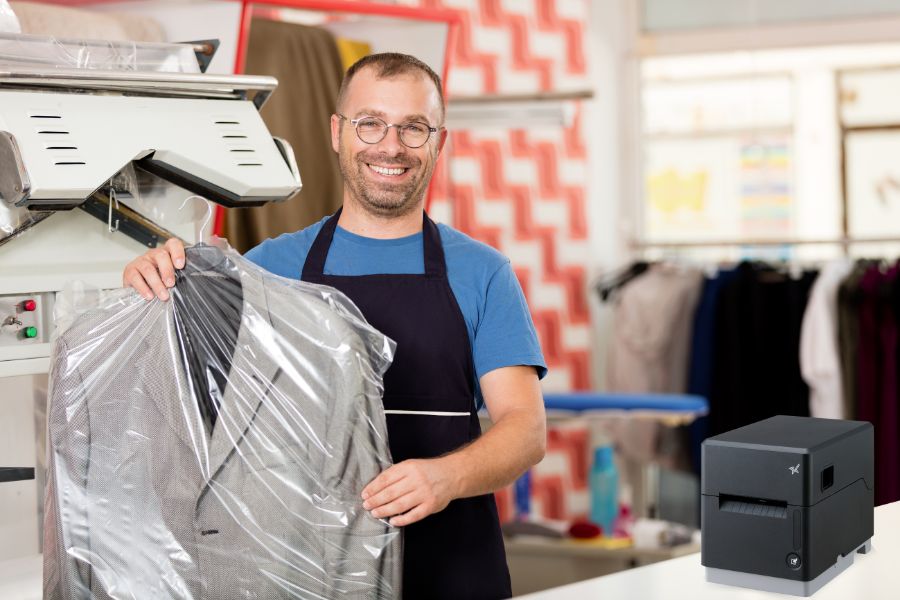
    As long as people cherish luxury fabrics like silk and velvet, rely on sharp business suits to make a lasting impression, or don formalwear for special occasions, the dry cleaning process will remain essential for garment care. Customers turn to dry cleaners not only for the expertise required to handle delicate materials but also for the convenience and reliability that come with professional service. 

    However, times are changing. In the digital age, consumers expect more than just clean clothes—they demand a seamless, efficient, and error-free experience. Outdated practices, such as stapled dry cleaning labels and handwritten tickets, are no longer sufficient to meet these expectations. These methods not only appear antiquated but also increase the likelihood of errors, such as lost items or incorrect orders, which can damage customer trust and loyalty. 

    Updating your labeling and ticketing equipment to meet modern standards can dramatically improve your dry cleaning processes, enhancing accuracy, efficiency, and customer satisfaction in today’s competitive market.

    Printing Can Enhance Each Step of the Dry Cleaning Process

    Modernizing operations with advanced printing technology can significantly improve garment tracking and communication across all stages of the dry cleaning process.

    1. Garment Tagging

    When customers drop off their clothes, dry cleaners tag each item with a unique number so they can accurately identify them. These tags need to withstand the chemicals used in the operation and stay readable throughout dry cleaning processes. It’s common for dry cleaners to purchase prenumbered tags in various colors to help direct items back to the right location after cleaning or to sort items quickly by the day the customer returns to pick them up. 

    However, preprinted tags require an upfront investment and storage in dry cleaning operations where space is at a premium. Preprinted tags could also lead to errors. If two customers come to the counter at about the same time, it’s possible the tags could be switched. 

    Printing tags on demand can overcome those challenges. By choosing tag media and inks that withstand dry cleaning processes, businesses can revise their tagging processes to be customer-specific and accurate. When receiving clothing for cleaning, employees can print tags with the job number, the customer’s name, or other essential information.

    Optimize Dry Cleaning Processes with Print-On-Demand Garment Tracking
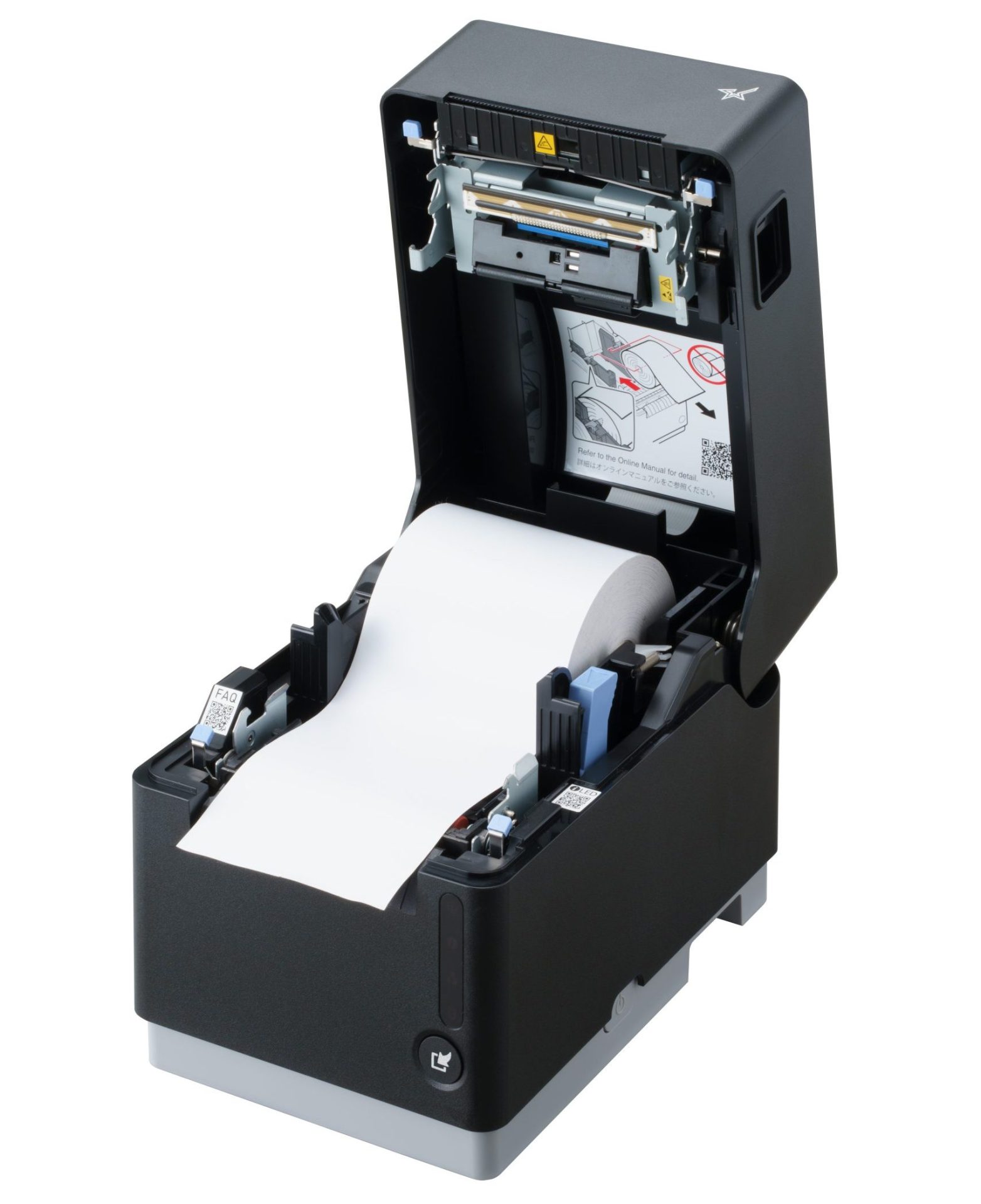
    The mC-Label3 multimedia printer by Star Micronics is perfect for labels.

    mC-Label3 Multimedia Printer

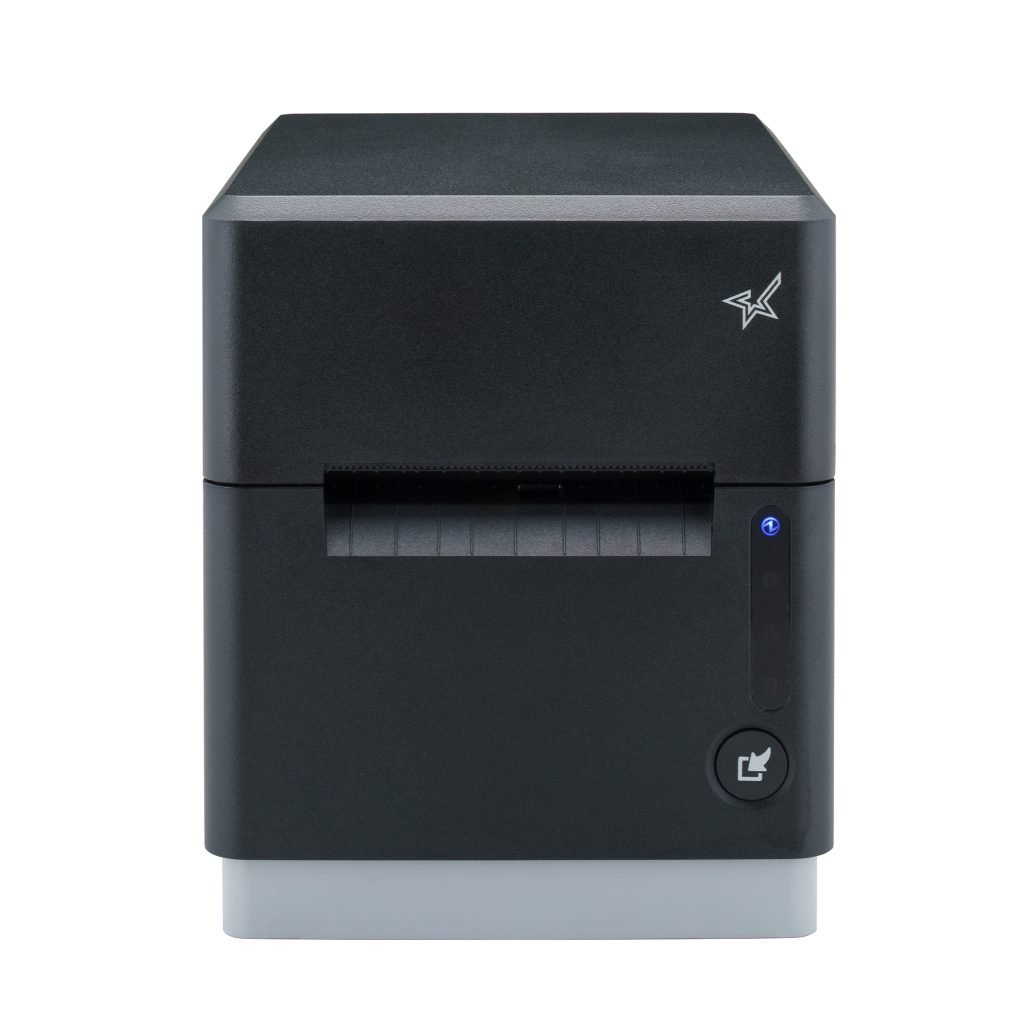
    The Star Micronics mC-Label3 is a versatile multimedia printer that prints a wide range of labels and receipts, including both permanent and repositionable sticky linerless. It features cloud connectivity and innovative technologies like SteadyLAN and TetherLAN for enhanced printing convenience.

    Discover the mC-Label3 >

    2. Inspection

    Before garments proceed to the dry cleaning process, an inspector looks for specific issues that the cleaner must address. The inspector will mark stains that need pretreatment and find tears or missing buttons that the cleaner must document or repair. The inspector typically tags these spots. 

    Equipping inspectors with a printer can enable them to provide clear, detailed instructions on tags, ensuring that cleaners address all issues during the dry cleaning process. This additional layer of precision supports smoother operations and helps ensure customer satisfaction with the final results.

    3. Garment Tracking and Second Inspection

    It’s common for dry cleaners to transport clothing and fabrics that customers drop off at a storefront to a cleaning facility. Dry cleaners often use legacy methods, such as color coding, for tracking items from multiple locations so that they return to the right place on time. 

    However, printing linerless sticky labels that communicate exactly where the job originated and when it’s scheduled for pickup can optimize the process. With linerless dry cleaning labels, there’s no backing to remove, so employees can print the label and immediately apply it to the garment’s plastic wrapping. This method also eliminates waste from silicone label backing, reducing clutter in work areas. Using repositionable linerless sticky labels also means the labels stay in place but are easier to remove, keeping the garment’s plastic casing neat and intact.

    After cleaning, an inspector will ensure the job meets quality standards. If not, the inspector will mark the garment for further care. Printing a label or tag can provide the information necessary to correct issues and facilitate garment tracking so employees can bundle the item with the rest of the customer’s order in time for pickup.

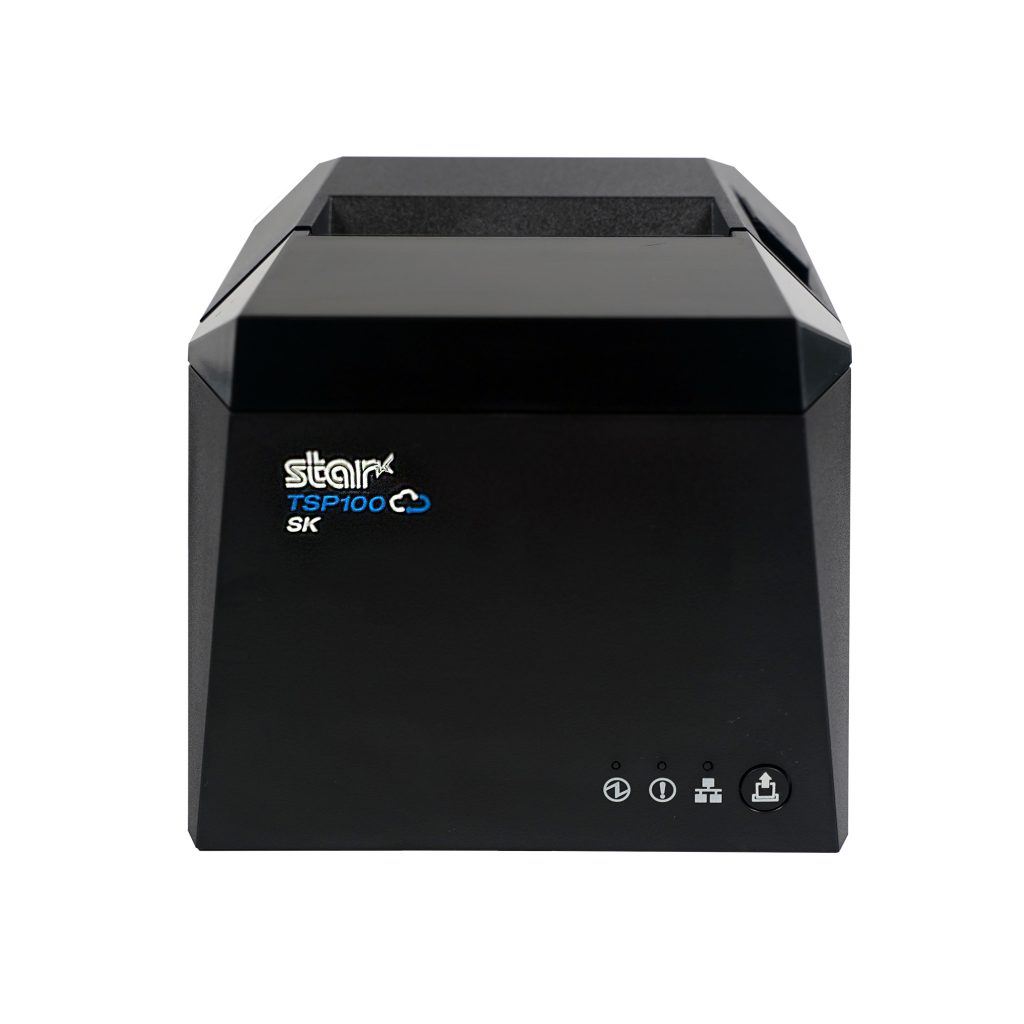
    TSP143IV SK Sticky Label Printer

    The TSP143IV SK by Star Micronics sets a new standard for compact, eco-friendly thermal linerless label printing, offering advanced connectivity options like Wi-Fi and AOA, and efficient, residue-free labels for diverse business needs.

    Find out more >

    When clean clothes and fabric items return to the dry cleaner’s storefront, employees need to organize them so they can find them quickly when customers arrive. Dry cleaning labels on the items will help them hang them in the proper location and ensure that all items in the order are together. 

    When customers arrive, employees take payment and provide customers with a receipt. The receipt is proof that the customer paid their bill, but dry cleaners can leverage it to engage customers and incentivize return business. The right printer will enable dry cleaners to print receipts that include coupons or discounts for the next visit, give customers instructions to enroll in the dry cleaners’ loyalty program, or encourage customers to provide feedback with a brief survey. 

    A multifunction printer will also enable dry cleaners to print custom labels, which can be used to increase brand awareness and add professional finishing touches when returning items to customers.

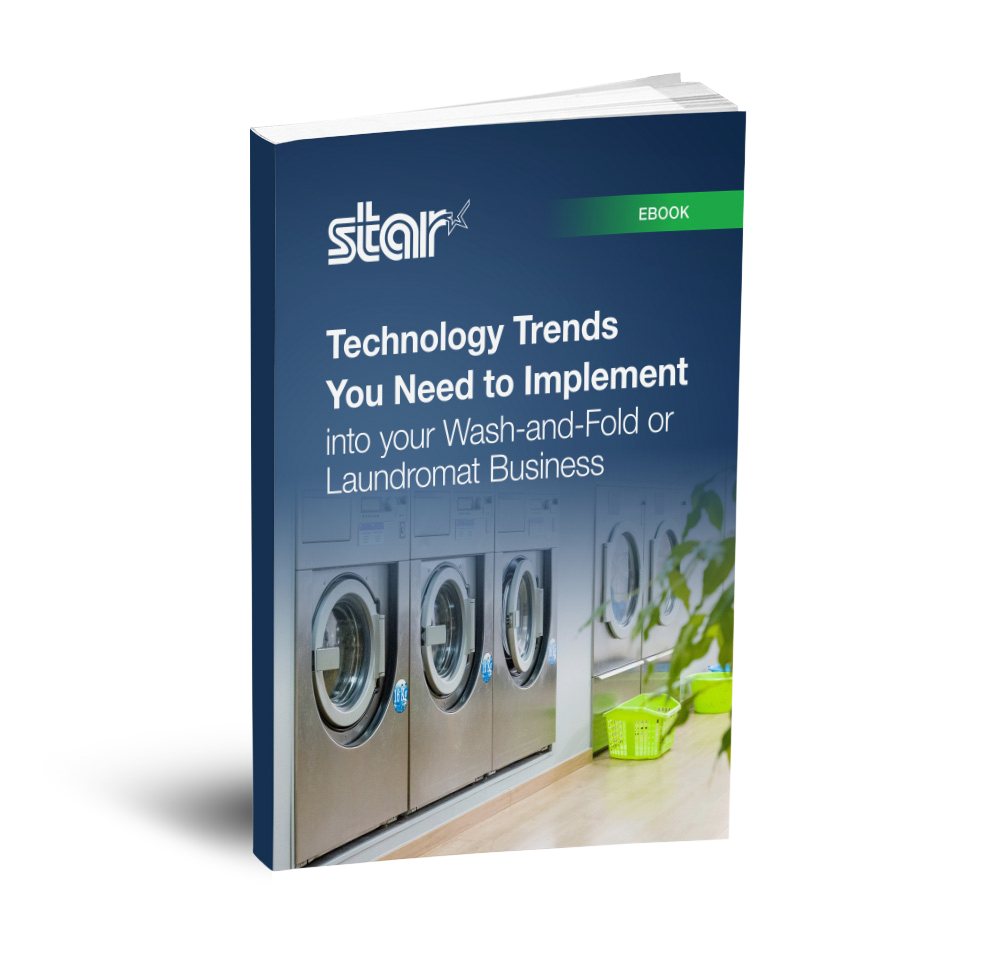
    Technology Trends You Need to Implement into your Wash-and-Fold or Laundromat Business

    Run your competitors through the rinse cycle using the POS technology explained in this helpful guide!

    Take the Next Step for Your Dry Cleaning Process

    Printing can modernize and optimize each step of the dry cleaning process, resulting in more efficient garment tracking, accurate orders, and customer satisfaction. To learn more about printers that are ideal for dry cleaning operations and adapt to your specific requirements, contact us

    Additional Resources

    Star Micronics offers several options for dry cleaning label, tag, and receipt printing. Follow these links to learn more:

    • mC-Label3This multifunction printer enables printing on a variety of media, including linerless labels, both permanent and removable sticky linerless, traditional die-cut labels, and thermal receipts. The mC-Label3 is also cloud-ready. It connects with Star Micronics Cloud Services and Label Builder, so you can design labels and receipts and print them on demand without an internet connection using its One Touch multifunction button. 
    • TSP143IV SKThis thermal linerless sticky label printer is compact, features multiple connectivity options, and can accommodate paper widths of 80 mm, 58 mm, and 40 mm. 
    • SP742If ticket stapling is still part of your workflow, the SP742 impact printer is the optimal choice for producing clear, durable receipts that withstand the rigors of the dry cleaning process. This high-speed, reliable impact printer performs well where heat and humidity are concerns. Plus, it features multiple connectivity options and easy maintenance.

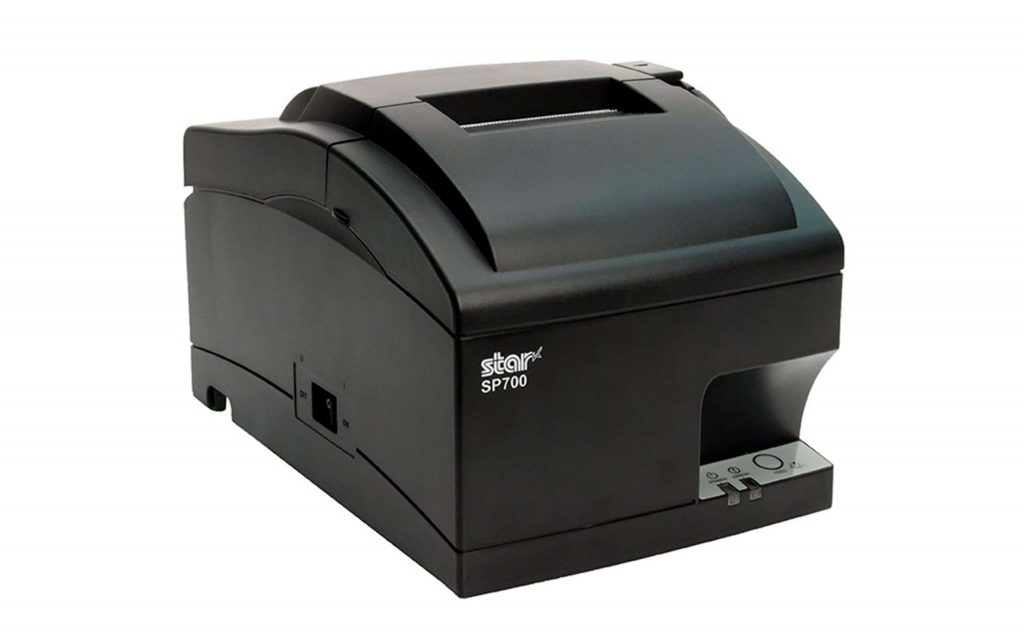
    SP700 Impact Printer

    With its robust design and consistent print quality, the SP700 impact printer enhances both operational efficiency and customer satisfaction by streamlining order management.

    Explore the SP700 >

    Ready to boost your dry cleaning workflow?

  • Build a Visitor Badge System for Better Guest Experiences

    Build a Visitor Badge System for Better Guest Experiences

    Many organizations have established processes to identify visitors and control access within their facilities via visitor badge systems. Government buildings and schools require procedures to monitor who has entered the building and ensure everyone has registered, helping to keep their facilities and people secure. Hospitals and long-term care facilities require visitor badge printers as a part of a system to protect patients and to help control access to restricted areas. 

    Corporate enterprises issue badges to alert employees to the presence of visitors and ensure they don’t enter sensitive or unsafe areas. Whatever the setting, organizations across a wide range of industries have determined that identifying visitors and providing information about them on badges helps organizations operate more efficiently and securely.

    How to Increase Badge-Issuing Efficiency

    While visitor badges are an integral part of a comprehensive access control strategy, the process of issuing them may be inefficient and interfere with positive guest experiences. Issuing badges manually takes time, and handwritten badges may be difficult to read. Moreover, it’s often impractical to include a visitor photo or other key details when badges are created by hand.

    Badge solutions that incorporate purpose-built software, cameras, scanners, and printers streamline these processes. The system can allow guests to scan their ID to auto-populate fields on a badge, use an integrated camera to include a photo, and automatically add details like permissions and entry time. These systems also create a log for real-time tracking and auditing purposes. 

    While issuing badges in most cases will continue to require an employee to check credentials and ensure policy compliance, a visitor badge system saves time, keeps lines short, and improves the overall user experience.

    Features of the Optimal Visitor Badge Printer

    A visitor badge printer is a key component of any badge solution. To ensure efficient processes and high-quality badges, printers need the following features:

    1. Print Width

    You need the capability to print the right-sized labels so your team can easily read information and confirm that the badge is authentic. The ability to print on varying widths from the same printer is even more efficient, depending on your purposes.

    2. Print Quality and Speed

    A good visitor badge printer balances quick output with sharp, clear results to avoid bottlenecks while maintaining professionalism. 

    3. Flexible Connectivity

    Not all entrances to your facilities allow for a wired network connection to your software. Printers with wireless or Bluetooth connectivity options enable printing wherever necessary. 

    4. Access to Label Templates

    Printers that allow you to build and store pre-designed templates will make badge printing easier, especially when visitors have varying levels of permissions or unique needs.

    5. Hardware Design

    Choose a compact, space-saving printer with adaptable power options to suit your processes.

    6. Easy User-Friendly Maintenance

    A visitor badge printer with easy, user-friendly maintenance is essential for minimizing downtime and ensuring smooth operations. Features like toolless repair and straightforward upkeep allow staff to quickly address issues, keeping the badge-issuing process efficient and hassle-free.

    The mC-Label3 multifunction label and receipt printer from Star Micronics can fit media of multiple widths and types.
    The mC-Label3 multimedia printer by Star Micronics offers simple, user-friendly maintenance alerts.

    Choose the Right Label Media for Your Visitor Badge System

    The type of label media used is another crucial factor in building an efficient system.  Peel-and-stick die-cut labels, a common option, can slow down processes, extend visitor wait times, and generate waste from backing materials. These label rolls also need to be changed more often because they contain labels plus silicone backing, giving fewer labels per roll. Business owners will also need to keep more rolls stocked in-house, taking up valuable storage space. 

    Because of the drawbacks of using linered labels, many organizations are choosing linerless labels. These labels exit the printer ready to apply—there is no silicone backing to peel off. This allows employees to issue badges more quickly and efficiently. It’s also a more sustainable choice for the system, reducing paper waste and allowing organizations to store more labels per shipment, minimizing transportation emissions.

    Find out more about more about the eco-friendly advantages of linerless labels here >

    Evaluate Your Current Processes—and Your Options

    Transitioning from manual processes or outdated, legacy systems to a modern efficient badge solution will save time, streamline workflows, and help visitors get where they need to go with less friction and in less time. 

    Star’s mC-Label3 multimedia printer has all of the features you need to generate high-quality, easily readable badges that are customized to your needs. It allows flexible print widths and accommodates linerless sticky labels (whether diamond or full adhesive), permanent linerless labels, die-cut labels, and continuous labels. It also features multiple connectivity options, whether connecting requires wireless or wired options. 

    Designed with user-friendly maintenance in mind, the mC-Label3 offers toolless repair and provides maintenance alerts with QR codes that guide users to detailed instructions on what the printer needs. This multifunctional printer includes One Touch Label, allowing your team to print custom, pre-designed label templates stored directly in the printer—even without a network connection.

    Visit the mC-Label3 page for more information.

    mC-Label3 Multimedia Printer

    The Star Micronics mC-Label3 is a versatile multimedia printer that prints a wide range of labels and receipts, including both permanent and repositionable sticky linerless. It features cloud connectivity and innovative technologies like SteadyLAN and TetherLAN for enhanced printing convenience.

    Discover the mC-Label3 >

    Learn More About Visitor Badge Printers From Star

  • Energy Star Certified: Star Micronics is Printing a Greener Future

    Energy Star Certified: Star Micronics is Printing a Greener Future

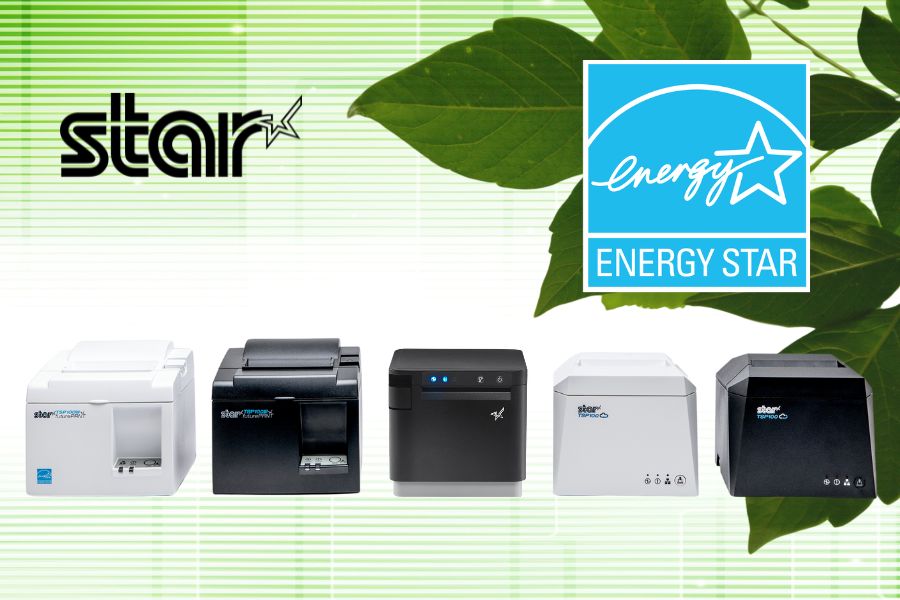
    Sustainability is more than just a buzzword—businesses are increasingly taking action to reduce their environmental impact. Every choice, from the products we use to the energy we consume, plays a role in shaping a greener future. At Star Micronics, we’re proud to do our part by offering Energy Star-certified printers that combine exceptional performance with energy efficiency.

    What Does It Mean to Be Energy Star Certified?

    When you see the Energy Star logo, it’s not just a marketing ploy; it’s a promise. This certification, awarded by the U.S. Environmental Protection Agency (EPA) and the Department of Energy (DOE), signifies that a product meets strict energy efficiency standards. Energy Star-certified devices are designed to use less energy without sacrificing performance, helping businesses cut costs while contributing to a cleaner environment.

    For printers, this means efficient energy usage during operation and standby, reducing electricity consumption and helping to lower greenhouse gas emissions. By choosing Energy Star-certified printers, businesses can demonstrate their commitment to sustainability while enjoying long-term savings.

    Energy Star Certified: Star Micronics is Printing a Greener Future

    Why Energy Efficiency Matters in Printers

    Printers are essential workhorses in industries worldwide, from retail and hospitality to healthcare and logistics. However, they’re also notorious for their energy demands. That’s where Energy Star certification makes a difference. By using less energy, these printers reduce operational costs and support global sustainability efforts.

    For businesses, it’s more than just a numbers game. Choosing energy-efficient products signals to customers and employees that you prioritize environmentally responsible practices. It’s a small change with big implications for the planet and your brand.

    Sustainability is not just for printers! Find out about the eco-friendly advantages of linerless labels >

    Star Micronics Energy Star-Certified Printers

    At Star, we believe innovation and responsibility go hand in hand. That’s why we’re thrilled to offer a lineup of printers that have achieved Energy Star certification, ensuring you don’t have to choose between performance and sustainability.

    Leading the charge are our TSP143III and TSP143IV series printers, known for their reliability and advanced connectivity. These models are designed to handle high-demand environments while conserving energy at every step.

    TSP143IV SK Sticky Label Printer

    The TSP143IV SK by Star Micronics sets a new standard for compact, eco-friendly thermal linerless label printing, offering advanced connectivity options like Wi-Fi and AOA, and efficient, residue-free labels for diverse business needs.

    Find out more >

    If compact and sleek is more your style, look no further than the mC-Print3. The second generation of this model (MCP31) is packed with cutting-edge features like “Ultra-C” USB-C connectivity and CloudPRNT Next, all while meeting Energy Star standards. And let’s not forget the mPOP, our complete point of purchase solution that combines a printer and cash drawer in an energy-efficient and space-saving design.

    mC-Print3 Receipt Printer

    The Star Micronics mC-Print3 combines high-speed printing with advanced connectivity options like “Ultra-C” and CloudPRNT Next. Its “Ultra-C” USB-C port provides seamless power and data transfer with any device, while CloudPRNT Next offers enhanced remote printing using the MQTT protocol, ideal for modern POS environments.

    Discover the mC-Print3 >

    Choosing Star Means Choosing a Better Tomorrow

    Every business decision shapes the world we leave behind. With Star Micronics Energy Star-certified printers, you’re not just investing in reliable, high-quality hardware; you’re choosing a future where sustainability and efficiency go hand in hand.

    Whether it’s reducing your electricity bill or lowering your carbon footprint, these printers empower your business to make a difference. By supporting greener technologies, you’re joining a global effort to create a healthier planet for generations to come.

    Ready to upgrade to Energy Star-certified printing? Explore our range of printers today and discover how Star Micronics can help your business thrive sustainably.