Payment technology is rapidly transforming, presenting new challenges and opportunities for businesses and consumers alike. To stay ahead in this fast-evolving sector, it’s crucial to understand the latest trends and innovations.
In the newest episode of the Rising Stars Podcast, “New Dimensions in Payment Tech Evolution,” host Kate Orara discusses payment tech with Heather Philpott, Director of Supplier Services at ScanSource. This essential episode covers the need-to-know information about the present and ongoing evolution of payment technologies.
Heather Philpott shares her in-depth knowledge, discussing key topics reshaping the payment industry. The discussion spans various areas, including the intricacies of remote key injection, the evolution of traditional payment devices, and the nuances between multifunction and integrated payment systems.
Listeners get into a comprehensive exploration of:
How virtual payments are altering the landscape of transactions.
The rising influence of app-based payments like Venmo and Zelle.
The role and impact of installment payment services, including Afterpay, Affirm, and Klarna.
The evolving roles of value-added resellers (VARs) and independent software vendors (ISVs) in the POS sector.
Strategies for fostering strong industry collaborations.
A Must-Listen for Industry Enthusiasts and Professionals
For professionals in the POS and payment technology sectors, this episode is a must-listen. It offers a detailed analysis of how payment tech is evolving and what it means for the future of retail and commerce.
Join us on another riveting episode of the Rising Stars Podcast and equip yourself with the insights and knowledge to better navigate the dynamic world of payment technology.
Immerse yourself in the ever-evolving world of point-of-sale (POS) with the Rising Stars Podcast by Star Micronics, hosted by industry pro, Kate Orara. Twice a month, we dive into the fascinating journeys of innovators and businesses navigating the challenges of technology’s rapid pace.
In every episode, Kate Orara, Star Micronics’ Partner Development Manager, takes listeners on an exploration of emerging retail technology trends and strategies with global industry giants. She’s spent her entire career meeting all the right people, and now listeners everywhere can benefit from this vast network of channel gurus.
Always leading and always innovating, Star Micronics, a pioneer in POS and customer experience technology for over 60 years, welcomes you to join us in shaping a brighter future in the retail, hospitality, and cannabis industries.
With the holiday season upon us, retailers are actively preparing to make the most of the upcoming customer rush. A rising trend in this arena is the concept of holiday pop-up shops, which are becoming part of the broader movement toward temporary retail spaces. These pop-up shops, varying from expansive holiday markets to cozy storefronts, are transient retail events tailored for the winter holiday season.
Taking part in this growing trend is crucial to accelerating your business, especially considering the competitive landscape. Data from Capital One Shopping reveals that pop-up shops contribute up to $80 billion in annual revenue, a figure expected to climb to an impressive $95 billion by 2025. Notably, 80% of retailers who have ventured into the pop-up shop domain report significant success (Capital One Shopping Research).
This article will explore why embracing the holiday pop-up shop could be a game-changer for your brand’s visibility and engagement. Additionally, we’ll highlight the crucial role of advanced retail point-of-sale (POS) technology in ensuring the smooth operation and success of your pop-up, allowing you to concentrate on what matters most – making sales and delighting customers.
Why Participate in Holiday Markets or Pop-Up Shops?
Choosing a holiday pop-up shop to showcase your products this season offers numerous benefits, particularly in the realm of customer engagement. Despite the surge in online shopping, many consumers worldwide still cherish the in-store experience.
According to the Klarna Shopping Pulse global survey, a striking 80% of shoppers believe that social interaction is more rewarding in physical stores, and 70% favor the customer service they receive in-store over online. Holiday pop-up shops create an ideal environment for these valuable face-to-face interactions, enhancing the connection between customers and your product offerings.
The temporary nature of pop-ups themselves is also great for driving consumer demand. The “get-it-before-it’s-gone” feeling creates a sense of urgency amongst shoppers. Holiday markets also offer a low-cost yet effective opportunity to put your marketing and promotions to the test.
Getting your name out there provides an opportunity to significantly boost your brand visibility during the holiday season.
Retail POS Technology for Holiday Market Success
Distinguishing your booth in the bustling holiday market scene demands more than just eye-catching products; it calls for leveraging advanced POS technology to elevate the customer experience. For retailers aiming to streamline their operations in a pop-up or market setting, sophisticated retail POS technology solutions are not just beneficial—they’re essential.
These tools simplify transactions and help to make your brand stand out, all while amplifying overall business efficiency. This ensures every customer interaction is seamless and engaging.
On top of decorating your booth to have a festive and distinct look, having customized receipts and labels imprinted with your logo and business details will elevate your brand’s visibility. Incorporating your social media handles on these materials can significantly boost your digital presence and foster customer engagement. Adorn your labels with unique, holiday-themed designs, adding a touch of seasonal charm to each purchase.
Moreover, design your receipts to be more than transaction records; transform them into valuable marketing tools featuring exclusive coupons, your website URL, store hours, and other relevant information.
To truly stand out this holiday season, having a multifunctional printer that can create these receipts and labels becomes crucial. Opt for models with versatility in printing on various media types, ranging from linerless sticky labels and permanent linerless options to traditional labels and standard receipt paper. Tailor your choice of labels to suit your specific requirements, whether you need repositionable or permanent adhesives.
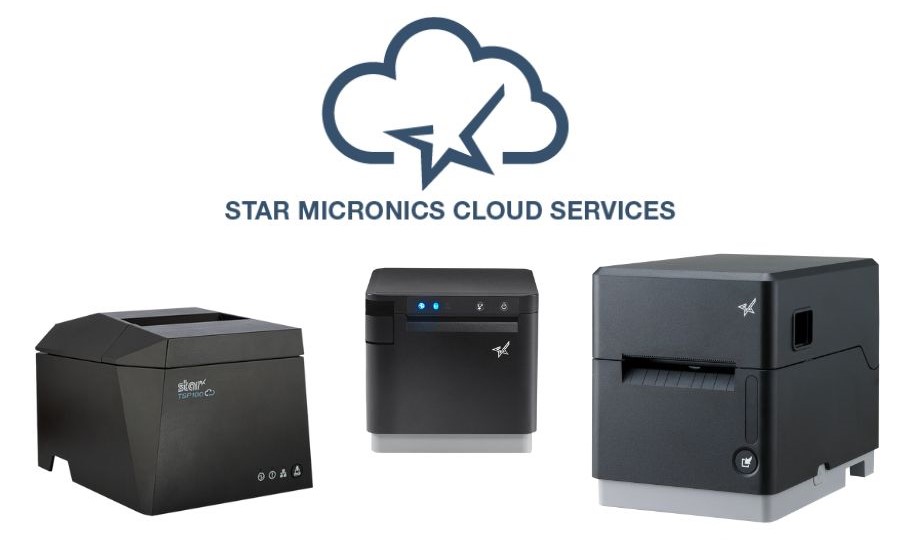
Star Micronics Cloud Services provides receipt and label customization.
Buy Online, Pick Up In-Store (BOPIS)
Technology has added flexibility to the holiday shopping process. Buy online, pick up in-store (BOPIS) allows customers to shop on their devices and pick up their items in person. BOPIS can speed up transactions and minimize crowds at holiday pop-up shops. And if you operate a brick-and-mortar store, it can streamline your processes there, too. To offer this functionality, you must have printers and other POS hardware that help facilitate online ordering.
Keep POS Printers Connected
During the critical holiday season, the last thing your business needs is disruption due to network issues. Fortunately, with the right printers and technology, your tablet or device can effectively share its network connection with the printer and vice versa.
Imagine a scenario where your mobile device, equipped with a 4G or 5G cellular connection, can extend this network to your printer. This innovative setup – TetherLAN – creates a cloud-based printing environment virtually anywhere, ensuring uninterrupted printing operations, even in the often unpredictable settings of pop-up shops or markets.
Moreover, some advanced printers offer the ability to share their Ethernet (LAN) network connection with the connected tablet or device. SteadyLAN® by Star Micronics provides a stable and reliable internet connection from the printer to the device, ensuring smoother business operations.
By leveraging these smart printers and technologies, you can significantly enhance the efficiency and reliability of your holiday pop-up POS systems, assuring a productive selling experience during this bustling time of year.
Easy Setup and Breakdown With Compact Hardware
Holiday pop-up shops present a fantastic opportunity to engage with new customers, but they often pose unique challenges from a technological perspective. In the confined spaces of these booths, every inch counts for showcasing your products and promotional materials.
Additionally, the frequent need to set up and break down your booth at these markets can become cumbersome with most equipment. However, this process becomes effortlessly manageable by choosing compact printers and accessories designed specifically for mobile point-of-sale (mPOS) systems. mPOS hardware is space-efficient, ensuring a minimal footprint, and has modern connectivity options to get your system up and running without hassle.
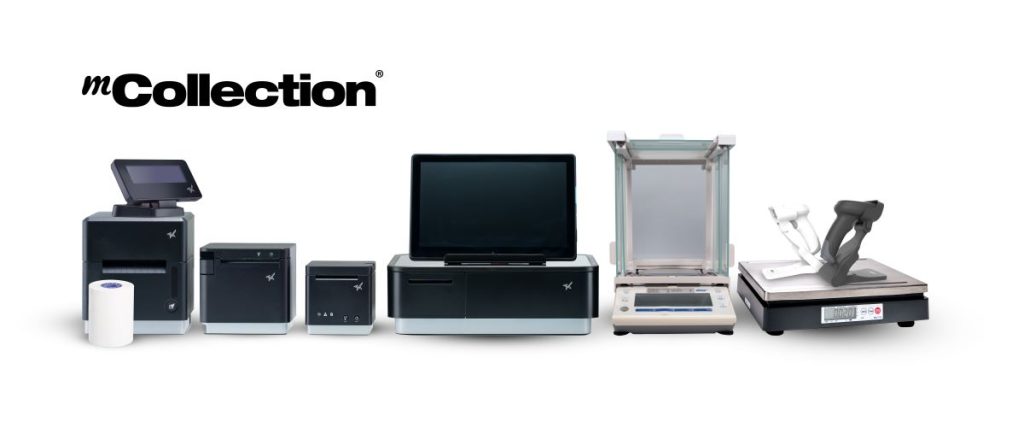
Star Micronics mCollection® is designed to optimize mobile point-of-sale (mPOS).
Connected Peripherals for Optimal Performance
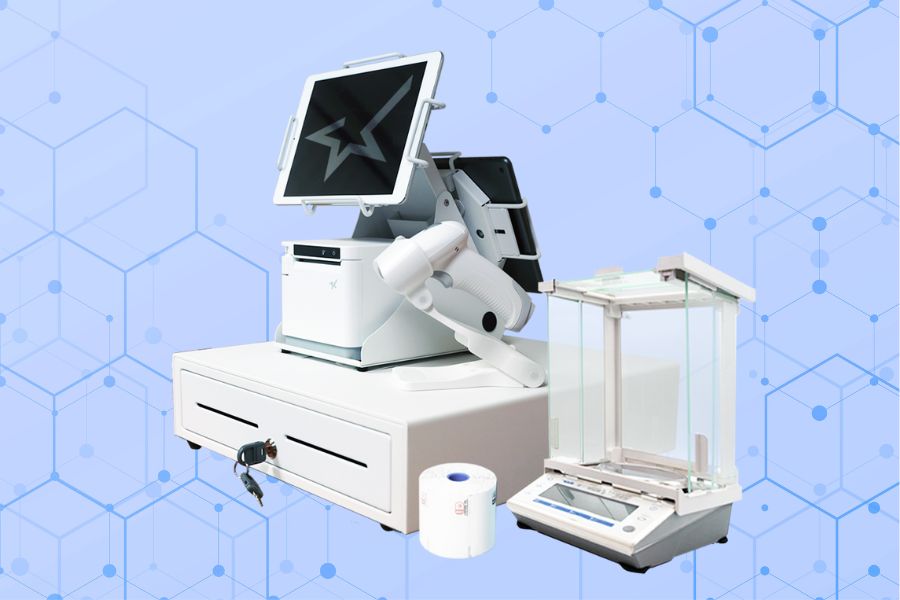
Achieving success in a holiday pop-up shop hinges significantly on employing the proper POS hardware. An ideal technology suite should provide hub functionality, facilitating seamless USB connectivity for multiple peripherals.
Your POS solution should effortlessly support connections with essential hardware, including:
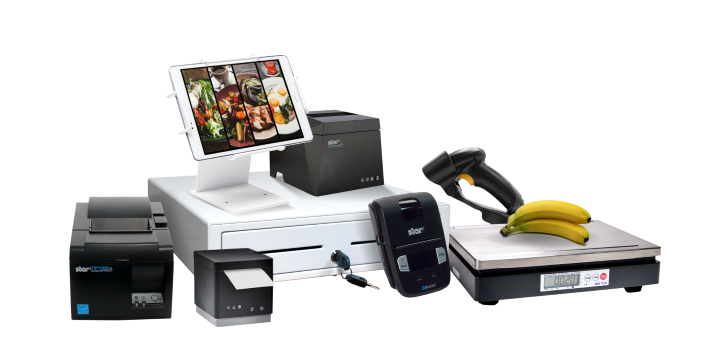
Cash Drawers: To securely manage cash transactions.
Barcode Scanners: For efficient product identification and inventory management.
Scales: Essential for accurately weighing and pricing items.
With this cohesive setup, your holiday pop-up shop is well-equipped to handle high-volume transactions with ease and precision, enhancing the overall customer experience.
Embrace Next-Gen Retail POS Technology for a Successful Holiday Pop-Up Shop
In the fiercely competitive landscape of the holiday season, the combination of standout products and proper pricing remains crucial. However, incorporating modern POS technology can be the catalyst for maximizing the potential of holiday markets and pop-up shops.
This season, transform your business approach by opting for a POS printer that not only offers customizable receipts and BOPIS capabilities but also ensures seamless connectivity and boasts a compact, space-efficient design.
Embrace the advancements in retail POS technology and hardware to navigate this holiday season with greater efficiency, enhanced customer experience, and boosted sales.
The landscape of point-of-sale (POS) technology is in a state of continual evolution. For companies aiming to maintain a competitive edge, it’s essential to not only keep up with these rapid advancements but also to craft adaptable business strategies that are responsive to these ongoing shifts.
Together, they explore innovative approaches to shaping company strategy that sharpen competitive edge no matter where the path of POS technology takes us.
Craig Kaliebe brings his extensive expertise to the table, discussing Biztracker’s unique “Fulfillment as a Service” model. This approach has revolutionized how Independent Software Vendors (ISVs) manage hardware supply, logistics, and support, offering a glimpse into the future of streamlined POS solutions.
The discussion also ventures into the diverse applications of POS systems, ranging from retail to healthcare and warehouse automation, highlighting Biztracker’s versatility and adaptability in a rapidly evolving market.
Listeners will gain valuable insights into:
The transformative role of AI and cloud computing in the POS domain.
Strategies for maintaining robust data security in an increasingly digital landscape.
The importance of adaptability and staying informed about emerging technologies.
Building powerful partnerships and collaboration strategies.
Effectively leveraging the power of social media branding.
A Must-Listen for Industry Enthusiasts and Professionals
Whether you’re a seasoned professional, a budding entrepreneur, or simply an enthusiast curious about the direction of retail technology, this episode of the Rising Stars Podcast is an invaluable resource. Craig Kaliebe’s insights provide a roadmap for navigating the complexities of the POS industry and harnessing the power of innovation to drive business success.
Tune in to this episode and arm yourself with the knowledge and insights needed to stay ahead in the dynamic world of POS technology.
Immerse yourself in the ever-evolving world of point-of-sale (POS) with the Rising Stars Podcast by Star Micronics, hosted by industry pro, Kate Orara. Twice a month, we dive into the fascinating journeys of innovators and businesses navigating the challenges of technology’s rapid pace.
In every episode, Kate Orara, Star Micronics’ Partner Development Manager, takes listeners on an exploration of emerging retail technology trends and strategies with global industry giants. She’s spent her entire career meeting all the right people, and now listeners everywhere can benefit from this vast network of channel gurus.
Always leading and always innovating, Star Micronics, a pioneer in POS and customer experience technology for over 60 years, welcomes you to join us in shaping a brighter future in the retail, hospitality, and cannabis industries.
Receipts have been an integral part of commerce for centuries, acting as proof of transaction for both the buyer and the seller. These small yet critical pieces of paper bridge the trust between businesses and consumers, offering a tangible validation of a completed sale. The evolution of receipt printing has significantly influenced business operations, customer service, and record-keeping processes.
Whether they’re tucked away for accounting purposes, stored as insurance for a considerable purchase, or quickly glanced at before being discarded, receipts play a diverse role in our daily transactions. From handwritten notes to digital screens, the journey of receipt printing mirrors the evolution of commerce itself, reflecting the changing dynamics of trade and the technological innovations that drive it.
The Early Days: Manual Receipts and the Inception of Printers
The history of receipt printing is rich and varied, with its roots firmly planted in a time when transactions were meticulously recorded by hand and receipts were handwritten with great care. This labor-intensive method, while functional, was fraught with the possibility of human errors and inefficiencies, mainly as business transactions grew in volume and complexity.
It was this need for precision and efficiency that paved the way for the advent of receipt printing itself.
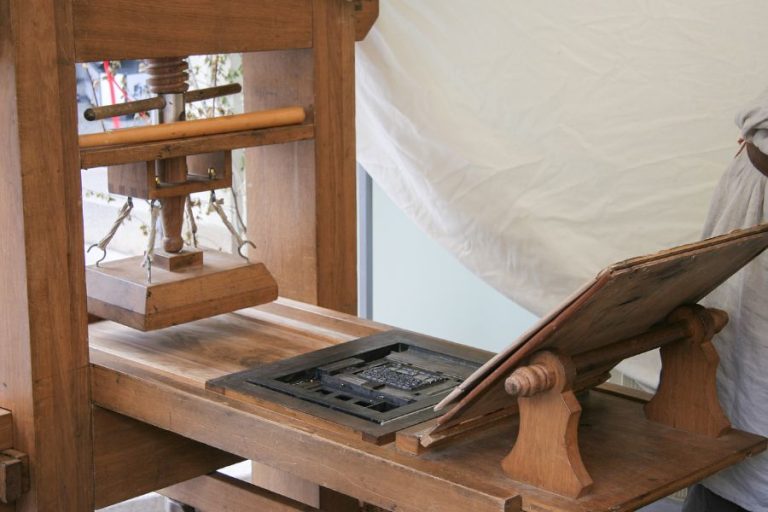
The inception of printing technology marked a pivotal revolution in the world of commerce. Although ink rubbing on cloth was known to exist during the Han dynasty in China, the earliest known form of printing technology originated during the Tang dynasty before the 8th century CE with the invention of woodblock printing.
While it is unclear exactly when the first receipt printer was created, as businesses grew and transactions became more complex, the need for a faster and more efficient method of generating receipts became vital. This led to the development of the first receipt printers, which utilized technology similar to that of the typewriters of the time.
These early printers were a far cry from the sophisticated machines we use today, but they represented a significant step forward in the evolution of receipt printing.
The Introduction of Impact and Dot-Matrix Printers
The history of impact printing dates back to the 19th century with the invention of the typewriter, a form of impact printing that revolutionized written communication. This foundational technology laid the groundwork for the first significant technological advancements in receipt printing in the 20th century, with the introduction of impact and dot-matrix printers.
Impact printers, as we understand them today, work by striking an ink-soaked ribbon against the paper to create characters and images. This method provided a faster and more reliable way of printing receipts.
Commercially, it wasn’t until 1968 that the Japanese company OKI released the first-ever dot-matrix printer, the OKI Wiredot, paving the way for the widespread adoption of dot-matrix printers for receipts and other business-related printing. Dot-matrix printers use a print head that runs back and forth or in an up-and-down motion, printing by impact and creating characters and images with dots.
The invention of these printers was a game-changer for businesses, offering a faster and more reliable method of printing receipts. The precision and efficiency of these printers drastically reduced errors, improved record-keeping, and enhanced customer satisfaction, revolutionizing how businesses operate and interact with their customers.
The Leap into Thermal Printing Technology
As technology advanced, thermal printers soon emerged as a significant innovation in the world of receipt printing. Unlike their predecessors, thermal printers didn’t require ink or ribbons. Instead, they utilized heat-sensitive paper that turned black when exposed to the heat of the printer’s head.
This method was faster, quieter, and more reliable, quickly becoming the preferred choice for businesses in the retail and hospitality industries.
This leap into thermal printing technology marked a pivotal moment in the evolution of receipt printing. The benefits were not just limited to improved print quality and speed; the absence of the need for ink cartridges or ribbons also made this a more cost-effective solution for businesses. Additionally, the compact size of thermal printers made them a popular choice for companies with limited space.
The adoption of thermal printing technology was a testament to the industry’s commitment to innovation and efficiency, and it laid the foundation for the further advancements that were to come in the world of receipt printing.
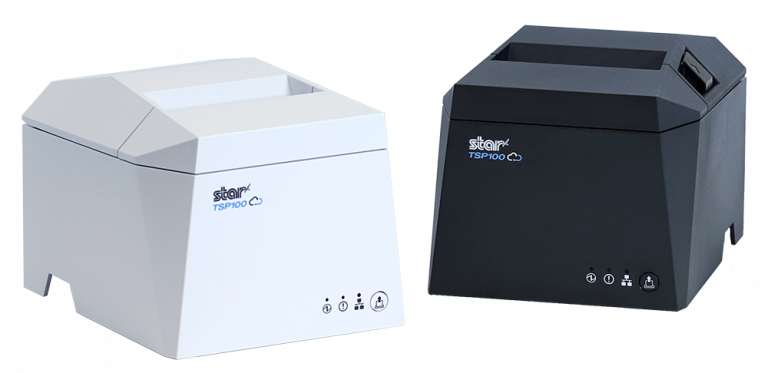
The TSP100IV series thermal receipt printer by Star Micronics
Wireless and Mobile Printing: A Technological Marvel
The next significant milestone in the evolution of receipt printing was the advent of wireless and mobile printing. This technology allowed receipts to be printed without cable connections, using Bluetooth or Wi-Fi to connect to point-of-sale (POS) systems and other devices.
The flexibility and convenience offered by wireless and mobile printing were instrumental in industries such as food delivery and transportation, where printing on the go became essential. This mobility has revolutionized how businesses operate, breaking the constraints of traditional POS systems.
The emergence of mobile point-of-sale (mPOS) systems has further elevated the capabilities of wireless and mobile printing. mPOS systems enable businesses to process transactions and print receipts from anywhere, providing a level of convenience and efficiency previously unattainable.
The combination of mPOS and wireless printing technology transforms the customer experience, allowing businesses to offer more personalized and efficient services. Wireless and mobile printing is not just a technological marvel but a necessary tool for companies aiming to succeed in the modern, fast-paced world.
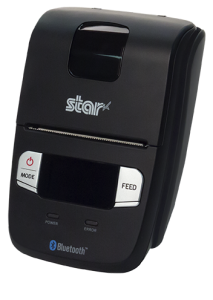
The SM-L200 portable receipt printer by Star Micronics
The Introduction of Multimedia Printers
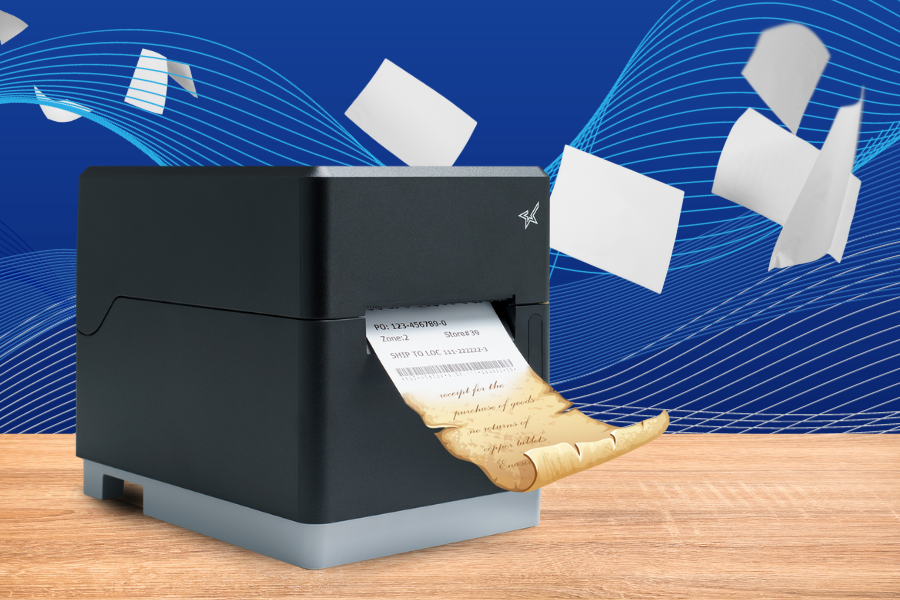
In recent years, the receipt printer has evolved into a multifunctional device capable of handling various media types. Multimedia printers are now able to print not just receipts but also labels, tickets, and more. This evolution has provided businesses with a comprehensive printing solution, allowing for increased versatility and efficiency.
With the ability to handle multiple tasks, multimedia printers are quickly becoming an essential tool for businesses, enhancing their operations and providing better customer service.
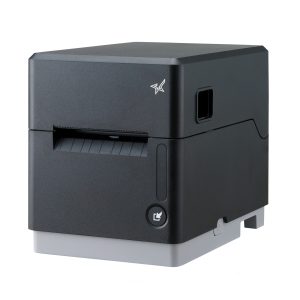
The mC-Label3 Multimedia Printer by Star Micronics
The mC-Label3: A Glimpse into the Future of Receipt Printing
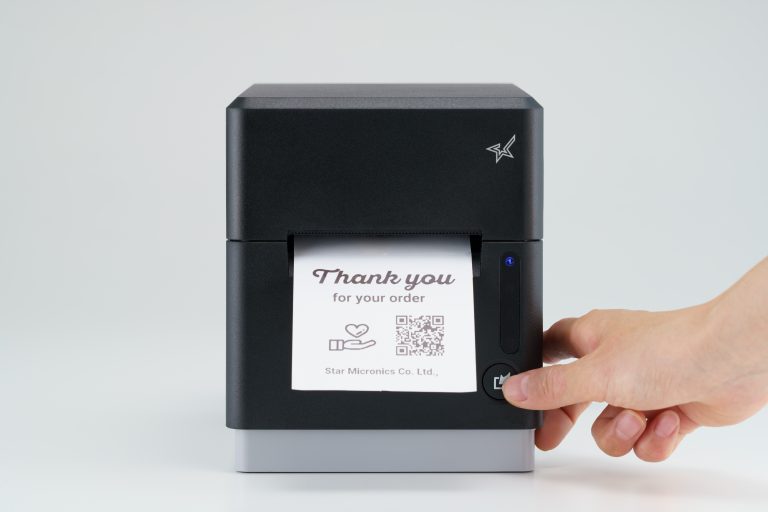
A prime example of a modern multimedia printer is the mC-Label3 by Star Micronics. This innovative printer is a testament to the advancements in receipt printing technology, offering unparalleled adaptability and convenience. With the capability to print linerless sticky labels, permanent linerless labels, traditional labels, die-cut labels, and standard receipt paper, the mC-Label3 caters to a wide range of business needs.
Gone are the days when businesses must purchase multiple printers for various functions.
Furthermore, it’s Cloud-Ready and can connect to Star Micronics Cloud Services, a free platform where business owners can create their own receipts and labels. And compatibility with iOS, Android, and Windows devices makes it a truly multifunctional device. With features like cloud-based printing, TetherLAN, faster SteadyLAN+ technology, and toolless repairs, it’s the perfect solution for businesses aiming to streamline their operations to an even higher degree.
Another significant facet of this printer is its greener appeal. Because it’s so adept at printing on linerless label paper, the mC-Label3 is a more sustainable option for businesses and the environment. It truly represents the future of POS printing.
mC-Label3 Features:
The mC-Label3 is versatile, handling a range of labels and receipts, including linerless sticky labels, permanent linerless labels, traditional labels, die-cut labels, and standard receipt paper.
No need for multiple printers; the mC-Label3 caters to all business printing needs.
Cloud-ready, it connects to Star Micronics Cloud Services, where business owners create custom receipts and labels.
Compatibility with iOS, Android, and Windows devices makes it a multifunctional tool.
Enhances business operations with features like cloud-based printing, fast SteadyLAN+ technology, and toolless repairs.
Environmentally friendly, thanks to its ability to print on linerless label paper.
Embracing the Future of Receipt Printing Technology
The evolution of receipt printing from handwritten notes to sophisticated multimedia printers is a testament to human ingenuity and technological progress. The advancements in printing technology have revolutionized business operations and significantly improved customer service and record-keeping processes.
With innovative solutions like the mC-Label3, businesses now have the tools to succeed in the modern world. As we continue to embrace the future of receipt and label printing, we can expect to see even more innovative solutions that will further transform the world of commerce and customer service.
The point-of-sale (POS) landscape always presents a unique set of challenges and opportunities for software developers. Technology is advancing at a remarkable rate, and striking the right balance between innovation and practicality is key.
What developers need is a powerful ally in this journey—an effective partner who ensures their cutting-edge applications will work with the latest hardware and still provide a smooth user experience.
In the latest episode of the Rising Stars Podcast, “Behind the Tech Curtain: Star’s Integration Success,” host Kate Orara has an eye-opening conversation with Mark Rasho, the seasoned Manager of Star Micronics’ world-class Integration Team. With his extensive background in electronic manufacturing, consulting, and business development, Mark sheds light on the critical role integration plays in harmonizing hardware and software to create POS systems that wow customers.
What you will learn in this episode:
The integral role of Star’s Integration Team in supporting software developers.
Innovative technologies in the POS industry, including the mC-Label3, TetherLAN, and Android Open Accessory.
The importance of seamless integration between hardware and software in POS systems.
The evolving role of software vendors in the POS industry and the expansion into niche markets.
How Star empowers software developers in the fast-paced world of POS.
Take advantage of this informative and insightful episode – tune in today and discover the secrets of POS integration success.
Immerse yourself in the ever-evolving world of point-of-sale (POS) with the Rising Stars Podcast by Star Micronics, hosted by industry pro, Kate Orara. Twice a month, we dive into the fascinating journeys of innovators and businesses navigating the challenges of technology’s rapid pace.
In every episode, Kate Orara, Star Micronics’ Partner Development Manager, takes listeners on an exploration of emerging retail technology trends and strategies with global industry giants. She’s spent her entire career meeting all the right people, and now listeners everywhere can benefit from this vast network of channel gurus.
Always leading and always innovating, Star Micronics, a pioneer in POS and customer experience technology for over 60 years, welcomes you to join us in shaping a brighter future in the retail, hospitality, and cannabis industries.
The modern retail landscape is in constant flux, mainly driven by consistent technological innovation. Among these many changes, the shift toward Android point-of-sale (POS) systems has been particularly noteworthy over the last couple of years.
The Rise of Android POS Software
The Android operating system, universally recognized for its user-friendly nature and cost-effectiveness, is now the first choice for a rapidly growing number of retail businesses. Its open-source nature lends itself to exceptional customization capabilities, allowing software developers to tailor their POS applications to their exact specifications. Merchants in the retail and hospitality industries have greatly benefitted from such progress.
Such flexibility isn’t just about aesthetics; it’s about delivering a smooth, efficient customer service experience and integrating diverse software applications that manage everything from inventory to customer feedback.
The Critical Role of Hardware in Android POS Systems
However, an Android POS system’s success relies on more than just the software. The hardware components, particularly the printers, are pivotal in ensuring the system operates seamlessly.
Here, Star Micronics shines in the world of retail solutions. Fully understanding the Android revolution in the POS industry, Star has dedicated its resources to craft printers that perfectly sync with Android systems.
AOA support ensures communication between the Android system and the printer while keeping the tablet or device powered and charged, enhancing the user experience by leaps and bounds. Star also has industry-leading software development kits (SDKs) to aid technology providers in the integration of Star printers with developer POS software.
If Your Current POS Software is Android-Compatible
For many business owners, the thought of transitioning to a new system can be daunting, especially if they’re content with their current POS software. The good news? Your transition can be significantly streamlined if your POS software is already compatible with Android hardware.
If this is you, you’re in a favorable position; your employees are already acquainted with the software, eliminating the need for extensive training.
In such cases, while reviewing the steps detailed below for a thorough understanding is beneficial, you may not have to follow all of them. Instead, you can focus on hardware, ensuring a smoother and more efficient switch to the Android POS system of your choice.
Before considering a switch to an Android POS system, businesses without Android-compatible software should start by evaluating their current system. This means pinpointing its strengths and acknowledging its limitations.
But introducing new technology isn’t just about installation. The importance of thorough staff training cannot be overstated. A system can only reach its full potential when those using it are proficient and confident.
Be prepared to do the necessary work if you want the greatest rewards later on.
Steps to Transition to an Android POS System
Transitioning requires careful planning and execution. Here’s a structured approach for business owners looking to make the switch to an Android POS system:
1. Assessment & Planning
Evaluate Current Needs: Start by analyzing the features of your current POS system. Pinpoint its strengths and any gaps in functionality. Examine both your software and hardware, identifying essentials and desired additions. Invest time in creating a detailed list. Group all your “must-have” features together and create a separate wishlist for the desirable, but not crucial, add-ons.
Determine Compatibility: Ensure which of your existing hardware (e.g., barcode scanners, cash drawers, printers) is compatible with Android systems or plan for necessary upgrades.
2. Research & Selection
Choose the Proper Software: Various Android POS applications cater to distinct business requirements. As features, pricing, and support differ across the board, it’s crucial to choose wisely. Refer back to your prioritized list, ensuring your software selection has all your must-have features and, ideally, some from your wishlist.
Hardware Selection: Decide if you’ll be using dedicated Android POS terminals or other popular devices such as tablets. If you need to upgrade to new POS hardware, be sure it’s compatible with Android, is user-friendly, and has excellent support. This may go without saying, but ensure your chosen hardware is also robust enough for your business’s daily operational demands. Cutting costs on hardware may lead to regrets when they break down, leaving you in a jam during your busiest hours.
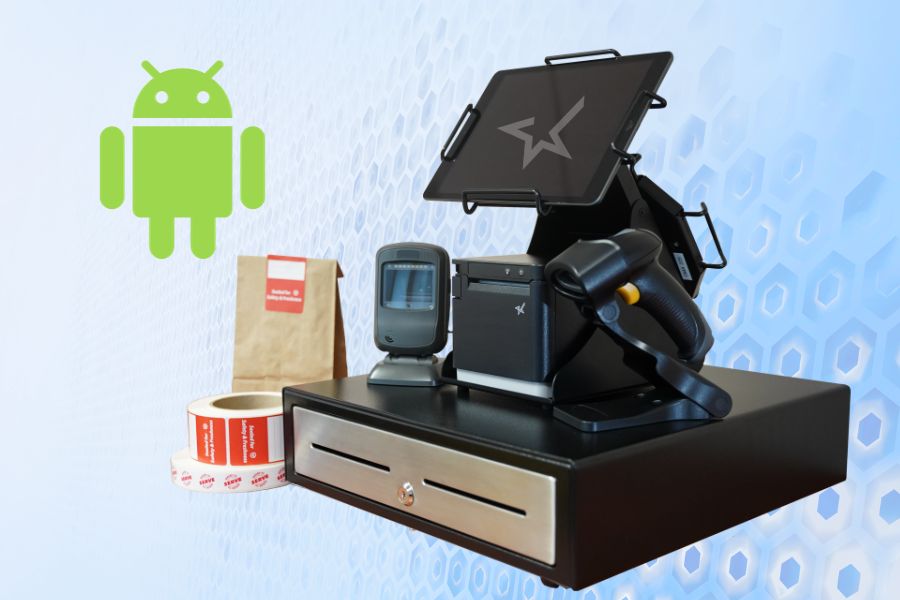
All point-of-sale hardware by Star Micronics works with Android operating systems.
3. Data Migration
Inventory & Product Data: Most modern POS systems allow you to export product data. Once exported, this data can be imported into your new Android POS software.
Customer Data: If you’ve maintained a customer database or loyalty program, ensure this data is also transitioned.
4. Configuration & Customization
Payment Processing: Set up payment gateways and processors to ensure seamless transactions with your Android POS system. Note: if you are using your current Android-compatible POS software and making no software changes, there will likely be no need to update your payment processing or terminal.
Tax & Compliance: Ensure your chosen software is configured according to local tax regulations. All POS software must comply with all federal and state tax laws.
Custom Features: Depending on the software, you may be able to add specialized features tailored to your business needs.
5. Training
Staff Orientation: Familiarize your team with the basics of the new system.
In-depth Training: Consider more detailed training sessions or workshops depending on your business’s complexity.
6. Testing
Pilot Run: Before fully transitioning, consider running the new Android POS system parallel to your existing system to catch any issues.
Feedback Loop: Allow staff to provide feedback on any challenges they encounter.
7. Deployment & Go-Live
Full Transition: Once you’re confident in the new system’s functionality, make the full switch.
Support: Ensure there’s a system in place for staff to report issues and get help as needed.
8. Ongoing Review & Optimization
Collect Feedback: It’s crucial to consistently gather feedback from staff and customers to ensure the system meets everyone’s needs.
Updates & Maintenance: Regularly update the software to benefit from the latest features and security enhancements.
Remember, while there are challenges in making a significant change like this, the flexibility, customization options, and potential cost savings of an Android POS can offer many benefits to modern businesses.
Embracing Tomorrow’s POS Landscape
Staying ahead in the ever-changing retail and hospitality world means staying informed and embracing a proactive spirit. If you’re sensing your legacy POS system may be holding back your business, there are many reasons why upgrading to a newer Android POS system would be advantageous.
Not only is it a highly cost-effective alternative, but the operating system itself allows for excellent customization and is very user-friendly. Paired with the advanced capabilities of Star Micronics’ printers, vendors are equipped with leading technology and an edge in operational efficiency.
Embracing innovation ensures a brighter, more efficient future for your business, positioning you at the forefront of the retail evolution.
Star to unveil its latest advancements in POS technology, featuring the multi-media mC-Label3 printer and Star-branded high-resolution barcode scanners.
San Antonio, TX – September 10, 2023 – Star Micronics, a global leader in mobile, point-of-sale (POS), and customer engagement technologies, is pleased to announce its participation as a gold sponsor in VARTECH 2023, hosted by BlueStar. Scheduled for September 11 – 12 in San Antonio, Texas, VARTECH is an annual opportunity for the industry’s leading channel professionals to gather, collaborate, and discuss the latest trends and innovations.
Attendees can meet the Star Micronics team at Booth 130 to learn more about its retail technology and commitment to providing complete POS hardware solutions. Over the last few years, Star has steadily expanded its repertoire beyond printers, underscoring its dedication to being a comprehensive solution provider in the POS realm.
Highlights at the booth include:
The New mC-Label3 Multifunctional Printer:
Versatile printing on various paper and label media, including linerless sticky labels, permanent linerless labels, die-cut and continuous labels, and traditional receipt paper
Maintenance alerts and minimal upkeep for optimal performance
Convenient One Touch printing for pre-made receipts and labels
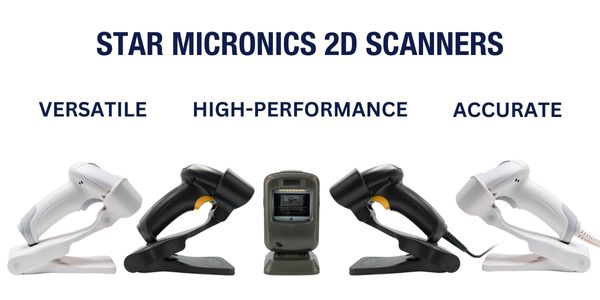
New High-Resolution 2D Barcode Scanners:
Advanced data parsing capabilities for enhanced efficiency
Wireless model with charging cradle included for seamless mobility
Star-branded for superior quality and reliability
Star will also showcase its catalog of acclaimed POS solutions, including the striking mCollection®—a line of modern mPOS hardware designed for the mobile future—alongside its robust cash drawers, helpful accessories, and the popular VAR-centric Empower Program.
Adding to VARTECH’s exciting agenda, Mike Hanson, Executive Vice President of Star Micronics America, is slated to speak on Monday, September 11, from 9:45 to 11:15 am. The panel, “Point of Sale – What YOUR Customers Really Think and Want,” will unpack need-to-know insights gathered from recent end-user surveys. Conducted by BlueStar, the surveys encompass feedback from over 150 retail and restaurant owners and managers on a range of topics regarding their POS systems.
To ensure personalized attention at the show, VARTECH 2023 attendees can schedule private demos with Star representatives by reaching out to sales@starmicronics.com.
Don’t miss this opportunity to explore the future of retail technology with Star Micronics at VARTECH 2023. We look forward to welcoming you at Booth 130!
Star Micronics, a world leader in point-of-sale (POS), has designated a portfolio of printing, secure cash management, self-service, and customer engagement solutions for any retail or hospitality establishment. Embracing the mPOS wave, Star’s SDKs allow developers to utilize Star printers in tandem with Android™, iOS, iPad®, and iPhone® devices to generate receipts, labels, Chit, and tickets. Star Micronics is always leading and always innovating, creating cloud-based printing solutions, including CloudPRNT and Star Cloud Services, with AOA support and MFi connectivity. Star also has a wealth of peripherals, including 2D barcode scanners, scales, tablet display stands, and more. Visit starmicronics.com or follow us on Facebook, Twitter, YouTube, or LinkedIn to learn more.
The new VESA Pole Mount accessory further enhances the mUnite Mount 18 tablet stand, meeting demand for operational flexibility within the retail and hospitality industries.
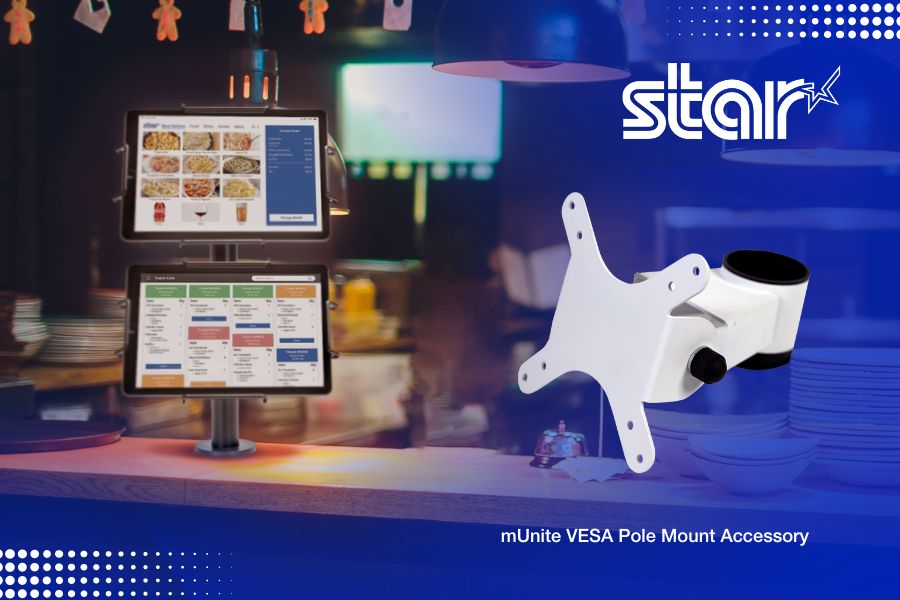
Somerset, NJ – August 15, 2023 – Star Micronics, a world-renowned innovator in point-of-sale (POS) and customer engagement technology, announces the release of their latest mUnite VESA Pole Mount accessory designed to optimize dual-tablet workstations. This new solution adds versatility to Star’s mUnite Mount 18 tablet display mount by enabling a second tablet to securely attach, creating a customer-facing option, or accommodating two tablets for online order management.
“The mUnite VESA Pole Mount leverages the universally accepted VESA mounting design, providing compatibility with a broad range of tablet enclosures, including Star Micronics’ own Universal mEnclosure. It’s another answer to the ever-growing demand for efficiency and operational flexibility within the retail and hospitality industries.”
Christophe Naasz, Global Director of Business Development at Star Micronics
The mUnite Mount 18 tablet stand, already favored for its sleek and minimalist design, is now further enhanced with the new VESA Pole Mount. The accessory is easy to install and use, transforming the Mount 18 into a versatile multi-use workstation. Star’s VESA 75mm/100mm mount accessory works with any tablet enclosure that uses universal VESA mounting to affix to POS stands or pole mounts, including the Universal mEnclosure and Mini Universal mEnclosure. The Pole Mount keeps tablets securely attached yet effortless to remove, streamlining sales and customer interactions.
Star Micronics’ Mount 18, a part of the mCollection® series, has been well received for its space-maximizing contemporary design, catering to the bustling environments of restaurants and quick-service restaurants (QSRs). Now, its ability to securely hold two tablets while keeping them easily accessible makes it an excellent choice for businesses needing organized dual-tablet workstations.
“Star is committed to continuously innovating and delivering meaningful, tangible benefits to our customers. We are excited to see this versatile addition to our mCollection series assist businesses in maintaining a well-organized, efficient workspace.”
Christophe Naasz, Global Director of Business Development at Star Micronics
Star Micronics, a world leader in point-of-sale (POS), has designated a portfolio of printing, secure cash management, self-service, and customer engagement solutions for any retail or hospitality establishment. Embracing the mPOS wave, Star’s SDKs allow developers to utilize Star printers in tandem with Android™, iOS, iPad®, and iPhone® devices to generate receipts, labels, Chit, and tickets. Star Micronics is always leading and always innovating, creating cloud-based printing solutions, including CloudPRNT and Star Cloud Services, with AOA support and MFi connectivity. Star also has a wealth of peripherals, including 2D barcode scanners, scales, tablet display stands, and more. Visit starmicronics.com or follow us on Facebook, Twitter, Instagram, YouTube, or LinkedIn to learn more.
In point-of-sale (POS) technology, seamless integration and efficient troubleshooting are pivotal for operational success. Star Micronics, always at the forefront of innovation, is pleased to announce the introduction of intelligent cash drawer detection as one of its pioneering features.
The First to Detect Cash Drawer Connectivity
The TSP100IV thermal receipt printer series had the distinction of being the first Star Micronics product to embrace this feature. We’re excited to confirm that the momentum continues with the forthcoming mC-Label3 multifunctional label printer, making it the subsequent product to carry on with this advancement.
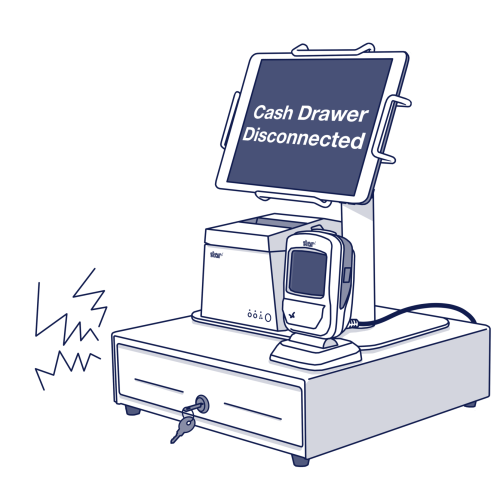
Normally, when a cashier initiates the “accept cash” prompt, the integrated cash drawer is triggered to open. However, should there be any connectivity issues, this could result in operational hiccups.
With the new cash drawer detection, the POS is designed to immediately flag an error if there’s any misalignment in the connection. This not only assists with instant troubleshooting but also ensures that setup errors related to cash drawer connectivity are minimized.
For example, during the initial setup, the POS is programmed to post an error if there’s an oversight and the cash drawer isn’t correctly connected. Consequently, the user is immediately notified to examine the cash drawer’s cable connectivity.
Supported Software Development Kits (SDKs)
For developers and businesses keen on integrating this feature, Star Micronics is providing support through multiple SDKs, including:
Incorporating this feature not only enhances the user experience but also solidifies the commitment of Star Micronics to provide sophisticated, user-friendly solutions to the POS industry. As always, we remain dedicated to offering cutting-edge solutions that streamline operations and support businesses in achieving their operational best.
An ISV’s Guide to Star Printer SDKs
For ISVs navigating the complexities of printer integration, the path forward is often strewn with challenges. Get to know Star Micronics’ range of software development kits (SDKs), each uniquely crafted to address these challenges and enhance your integration prowess.
In the world of point-of-sale (POS) software, understanding client needs and environmental context is critical. Concerning the event space, it’s well-known that large stadium events are nothing short of grandeur. Whether it’s a fierce football match, an international cricket tournament, or a musical evening with an iconic artist like Taylor Swift, the sheer number of attendees is staggering.
Such high-capacity events pose unique logistical challenges for independent software vendors (ISVs) and software developers in the POS solution space. So, let’s dive into these challenges and discuss the essentials a robust stadium POS software application needs to crush them, using a Taylor Swift concert as our guiding star.
When Taylor Swift drops a tour date, tickets vanish from virtual shelves. Crowds spanning generations pack huge venues with infectious enthusiasm, eager to sway and sing along to the tunes of their beloved pop icon. While the concert’s central attraction is Taylor herself, behind the scenes, stadiums must ensure that every aspect of the fan experience is seamless.
That’s where an efficient POS system with the latest software and hardware plays a pivotal role. Beyond the glitter and glamour of the stage, an intricate infrastructure is working overtime. When powered by the proper technology, a stadium’s POS can provide exceptional customer satisfaction across the board.
Where Does Stadium POS Software Need to Rock?
Volume Handling
Stadiums, especially during events like Taylor Swift concerts, see an unprecedented influx of patrons. Your POS software must be able to handle tens of thousands of transactions within a short window without any glitches or lags.
Numerous & Diverse Sale Points
The challenge isn’t just about volume – it’s about variety. From exclusive merchandise to gourmet food stalls, the software must ensure seamless integrations and fast, unified processing.
Swift Transactions
No fan wants to miss even a minute of Taylor’s performance. Your software must ensure quick, hassle-free, secure transactions, allowing Swifties to get back to the concert without long waiting times.
Essential Features for Next-Gen Stadium POS Software
1. Scalability
Mega-events demand robust software that scales rapidly, maintaining speed and security despite sudden sales surges.
2. Mobility
With patrons scattered throughout the venue, equipping your clients with the power of mobile POS (mPOS) technology can facilitate quicker transactions. Pairing your software with handheld devices for stadium staff ensures fans can make purchases without moving far from their seats.
No more stock-outs. Whether it’s Taylor Swift’s exclusive concert tees or the most popular snacks, the software should provide real-time inventory insights to your clients.
4. Versatile Payment Methods
From Apple Pay to good old cash, your software must be adaptable, catering to the diverse preferences of a global fan base.
5. Uncompromised Security
Given the volume of transactions and the variety of payment methods, security is paramount. Encryption, secure data handling, and fraud detection should be incorporated features.
6. Offline Capabilities
Even in our digital age, network issues can arise. Your software must have offline capabilities to ensure sales continue even in the face of internet connectivity challenges.
4 Elements of a Valuable ISV-Hardware Integration Partnership
With so many hardware vendors to choose from, it may not be clear which direction to take. Equip yourself with insights to forge partnerships that truly elevate your software.
Addressing Real-World Challenges for POS Software Devs
Challenge: Peaks and troughs in customer flow, leading to potential bottlenecks. Solution: Empower clients with software supporting mPOS systems, enabling on-the-go transactions to alleviate counter pressures.
Challenge: Catering to a spectrum of payment preferences. Solution: Offer hybrid solutions that cater to all payment forms, ensuring every fan is satisfied.
Challenge: Unexpected stock-out situations of popular merch or food items. Solution: Real-time inventory monitoring ensures replenishment is timely and sales don’t suffer.
The POS Tech Developer’s Encore
Imagine this: Taylor Swift is about to start her encore. A fan realizes they haven’t bought the limited-edition concert tee. They rush, make a quick purchase thanks to your software, and are back just in time for the first chord.
That’s the value you, as an ISV or POS software developer, bring to stadium events. With the right software solutions, you can amplify client satisfaction, making each transaction a part of concert history, even amidst the electrifying chaos of a Taylor Swift concert. For developers aiming to mark their territory in such dynamic arenas, evolving isn’t just an option; it’s a necessity.