In this episode of the Rising Stars Podcast, “Building Your Personal Professional Brand on LinkedIn,” host Kate Orara delves into the essentials of crafting a compelling professional presence on LinkedIn. As Partner Development Manager at Star Micronics, Kate brings her expertise and passion for personal branding in the retail technology channel industry to provide actionable insights for professionals at all levels.
This quick take episode focuses on three key strategies for leveraging LinkedIn to its fullest potential. Kate shares her top tips for optimizing your LinkedIn profile, curating engaging content, and networking strategically to build and maintain a robust professional brand.
Enhance Your Professional Presence with Practical Tips
Listeners will learn how to make a solid first impression with a well-crafted LinkedIn profile, including the importance of a professional photo, a compelling headline, and a captivating summary. Kate emphasizes the significance of sharing valuable industry content and engaging with your network to demonstrate expertise and build credibility.
Whether you’re looking to attract potential employers, clients, or collaborators, this episode offers the tools you need to stand out on LinkedIn. Kate’s expert advice is tailored for both novice and experienced LinkedIn users, making it easy to implement these strategies today.
Subscribe and listen now to gain the knowledge you need to elevate your LinkedIn game!
Immerse yourself in the world of point-of-sale (POS) with the Rising Stars Podcast by Star Micronics, hosted by industry pro, Kate Orara. Twice a month, we explore the fascinating journeys of innovators and businesses navigating the challenges of POS technology’s rapid pace.
In every episode, Kate Orara, Star Micronics’ Partner Development Manager, discusses emerging retail technology trends and strategies with global industry giants. She’s spent her entire career meeting all the right people, and now listeners everywhere can benefit from this vast network of channel gurus.
Always leading and always innovating, Star Micronics, a pioneer in POS and customer experience technology for over 60 years, welcomes you to join us in shaping a brighter future in the retail, hospitality, and cannabis industries.
In this episode of the Rising Stars Podcast, “Retail Technology Solutions: The Aptimyz Approach,” host Kate Orara speaks with David Soden, the CEO at Aptimyz, an award-winning SaaS provider. Their conversation explores the intricate world of retail technology, focusing on Aptimyz’s journey and its innovative solutions that are redirecting retail management.
The episode traverses a range of topics, underscoring what makes Aptimyz distinct within the retail technology sector and detailing the company’s evolution and expansion across international markets. David outlines the specific challenges that the groundbreaking iPad solution from Aptimyz addresses, enhancing the retail experience for both customers and staff.
Listeners will gain firsthand insights into how Aptimyz’s retail technology solutions cater to evolving market needs and how their flexible systems can be adapted across various retail formats. The discussion dives into strategic methods for navigating industry challenges, spotlighting how Aptimyz leverages emerging trends to stay ahead.
Don’t miss out on understanding how advancements in retail technology can drive business growth and enhance operational efficiency. For VARs, ISVs, and entrepreneurs eager to harness the latest in retail tech, this episode offers practical advice and showcases the innovative spirit crucial for success in a tech-driven marketplace.
Subscribe and listen now to discover how the experiences and strategies of Aptimyz can inspire and inform your own business ventures.
Immerse yourself in the world of point-of-sale (POS) with the Rising Stars Podcast by Star Micronics, hosted by industry pro, Kate Orara. Twice a month, we explore the fascinating journeys of innovators and businesses navigating the challenges of POS technology’s rapid pace.
In every episode, Kate Orara, Star Micronics’ Partner Development Manager, discusses emerging retail technology trends and strategies with global industry giants. She’s spent her entire career meeting all the right people, and now listeners everywhere can benefit from this vast network of channel gurus.
Always leading and always innovating, Star Micronics, a pioneer in POS and customer experience technology for over 60 years, welcomes you to join us in shaping a brighter future in the retail, hospitality, and cannabis industries.
Selecting the perfect point-of-sale (POS) scale for your business is a crucial decision that can significantly impact your efficiency and customer satisfaction. With countless options available, finding the right one can be overwhelming. This comprehensive buyer’s guide aims to simplify the process by outlining the key factors to consider when choosing a POS scale for your business.
Selecting the appropriate POS scale involves various crucial factors that can significantly influence your business operations and customer interactions.
1. Business Type and Application
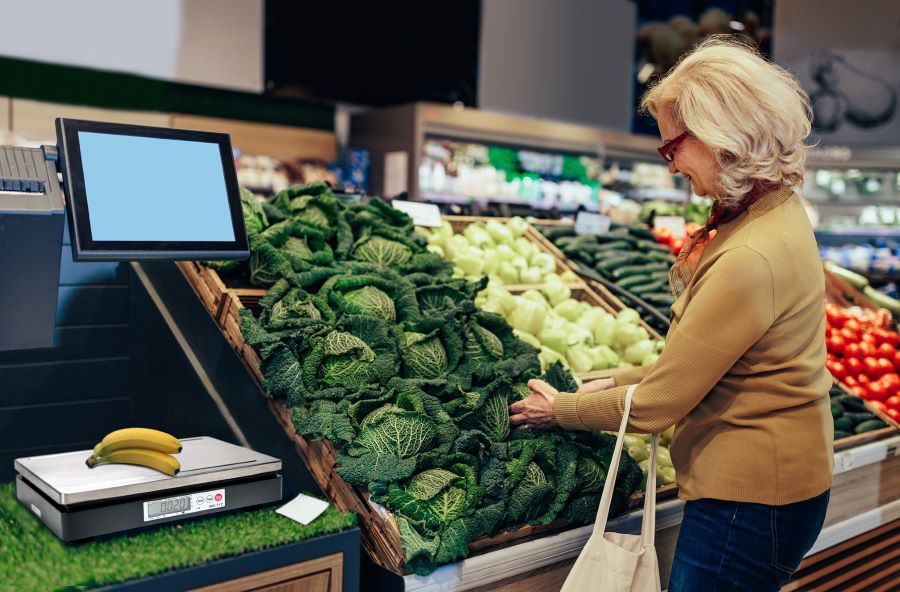
Your business type and the specific applications for which you’ll use the scale play a significant role in determining the ideal POS scale. Different industries require unique features and capabilities. For instance, a grocery store might need a scale that can handle large volumes of produce, while a jewelry store requires a scale with high precision for small items.
2. Weighing Capacity
Consider the scale’s maximum weight capacity, ensuring it meets your specific business requirements. For instance, a grocery store selling bulk items might need a scale with a higher capacity, while a coffee shop measuring beans may require a lower capacity.
3. Accuracy
Accuracy is critical when it comes to POS scales, as precise weight measurements ensure fair pricing and minimize the potential for customer disputes. Look for a scale that offers the accuracy your business needs, whether high precision for small items or more general measurements for larger products.
4. Size and Design
The available space in your retail environment will influence your choice of POS scale. If your store has limited space, opt for a compact, space-saving design, while larger businesses might have more flexibility regarding scale size.
5. Ease of Use
A user-friendly scale with an intuitive interface and easy-to-read display is essential for streamlining the checkout process and minimizing errors. Look for a scale that simplifies the weighing process, ensuring employees can quickly and accurately measure items.
6. Connectivity
First, ensure your POS scale is compatible with your existing POS system, including the software you want to use. Seamless connectivity is critical for maintaining efficiency and minimizing disruptions to your business operations. Modern POS scales offer a variety of connectivity options to suit diverse technological environments.
USB-C is popular for its fast data transfer and power supply capabilities, making it ideal for newer systems. Bluetooth connectivity allows for wireless communication with a range of devices, including tablets and smartphones, supporting both iOS and Android platforms. Additionally, traditional Serial interfaces are available for systems requiring a robust wired connection.
Ultimately, choosing a POS scale with flexible connectivity options that include many choices ensures it can connect to your current and future POS setups, enhancing your business’s overall system adaptability and user experience.
A key consideration when selecting a POS scale for your business is ensuring it is trade-legal and certified by reputable standards such as the National Type Evaluation Program (NTEP) and Measurement Canada. NTEP certification ensures that a scale meets the stringent standards for accuracy and reliability set by the National Conference on Weights and Measures (NCWM). Scales with NTEP certification have undergone rigorous testing and evaluation to ensure precision, making them legally approved for commercial transactions.
Similarly, Measurement Canada certification is crucial for businesses operating in Canada, as it assures compliance with the Canadian standards for measuring devices. This certification indicates the scale has passed accuracy and performance tests under specific conditions, adhering to the Measurement Canada guidelines.
By choosing a trade-legal scale with both NTEP and Measurement Canada certifications, you demonstrate your commitment to fair and accurate pricing and ensure compliance with industry regulations in both the United States and Canada, protecting your business from potential fines and penalties. This dual certification can be especially important for companies that operate or plan to expand across North American markets, providing a level of reliability and trust in the measurements provided by their POS systems.
Benefits of Investing in a High-Quality POS Scale
Investing in a high-quality POS scale offers numerous advantages for your business, including:
Improved Efficiency: A reliable, accurate scale streamlines the checkout process, reducing wait times and enhancing the customer experience.
Better Inventory Management: Accurate weight measurements allow for more precise inventory control, helping you optimize stock levels and reduce waste.
Increased Customer Satisfaction: Fair, accurate pricing builds trust with your customers, leading to increased loyalty and repeat business.
Star Micronics POS Scale Options: An Overview
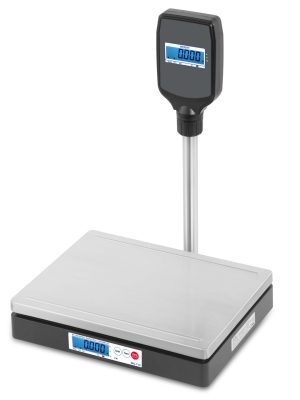
Star Micronics proudly offers a variety of POS precision scales that are NTEP and Measurement Canada certified with modern connectivity options, ideal for use in groceries, cannabis dispensaries, jewelry stores, pawn shops, and more.
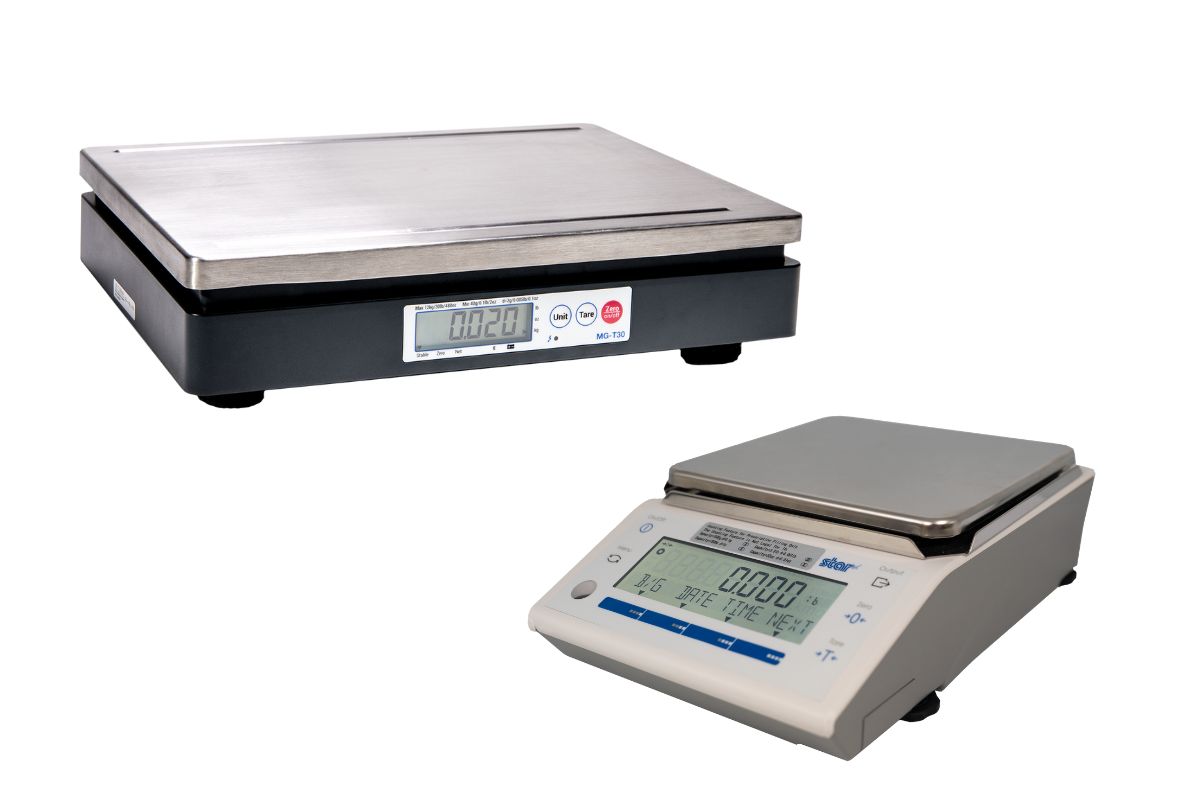
Star’s mG-T series on the top left & mG-S series POS scales on the bottom right.
mG-T Series POS Scales
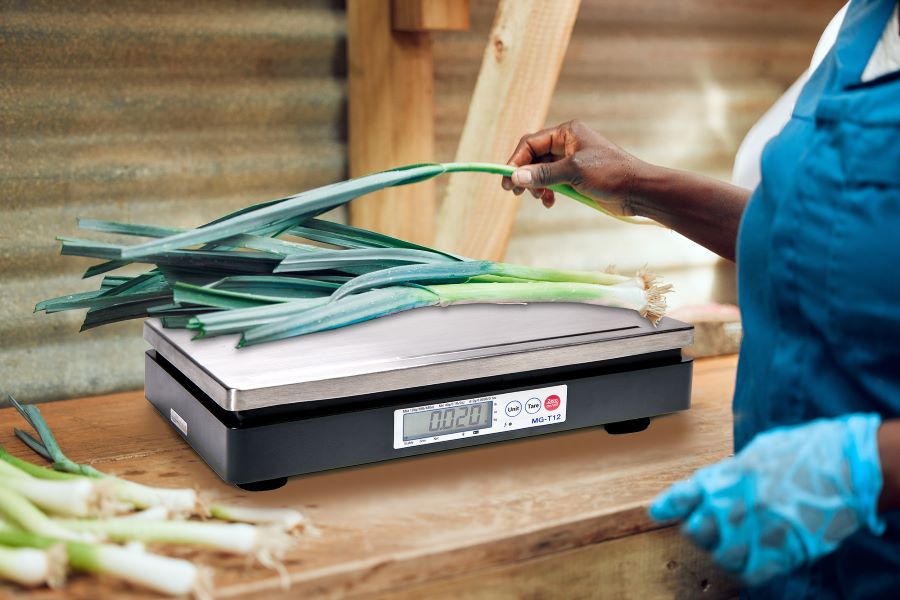
The Star Micronics mG-T Series POS scales are designed for a wide range of retail applications, such as grocery produce, deli products, salad bars, and bulk items. Key features include:
High-precision measurement, accurate down to 0.01g
Compact, space-saving design
Bluetooth, serial & USB-C connectivity (mG-TUDB models only)
Easy integration with various POS systems
Suitable for retail, hospitality, grocery, and more
Ideal for coffee shops, candy stores, and delis, the mG-S1501 POS scale offers precise weight measurements and NTEP certification. Its features include:
Capacity: 0 – 300g x 0.1g; 300 – 1500g x 0.5g
RS-232C and USB interfaces for easy integration
Internal rechargeable battery for portability
Stainless steel weighing pan for durability
NTEP certified
mG-S322 POS Scale
The mG-S322 POS scale is perfect for pharmacies, dispensaries, and jewelry stores, providing highly accurate weight measurements for small items. Key features include:
Capacity: 0 – 100g x 0.01g; 100 – 320g x 0.1g
NTEP certified, ensuring accuracy and compliance
RS-232C and USB interfaces for easy integration
Stainless steel weighing pan for durability
NTEP certified
mG-S8200 POS Scale
For businesses such as warehouses, shipping centers, grocery stores, and cannabis retailers, the mG-S8200 POS scale is an ideal choice. Its features include:
Star Micronics POS scales cater to various business types and applications, such as:
Grocery Produce: Accurately weigh fruits and vegetables for precise pricing.
Deli Products: Efficiently measure and price meats, cheeses, and other deli items.
Butcher Shops: Ensure correct weight and pricing for various cuts of meat.
Salad Bars: Easily measure and charge customers for their customized salads.
Bulk Items: For grains, nuts, dried fruit, candy, coffee, tea, and more.
Ice Cream & Frozen Yogurt Shops: Weigh and price frozen treats for a seamless customer experience.
Wash-and-Fold Laundry Services: Accurately charge customers based on the weight of their laundry.
Farmer’s Markets: For fresh produce, meats, and other locally-sourced bulk products.
By understanding your business’s specific needs and selecting the appropriate Star Micronics POS scale, you can enhance the efficiency and accuracy of your transactions, leading to improved user and customer satisfaction.
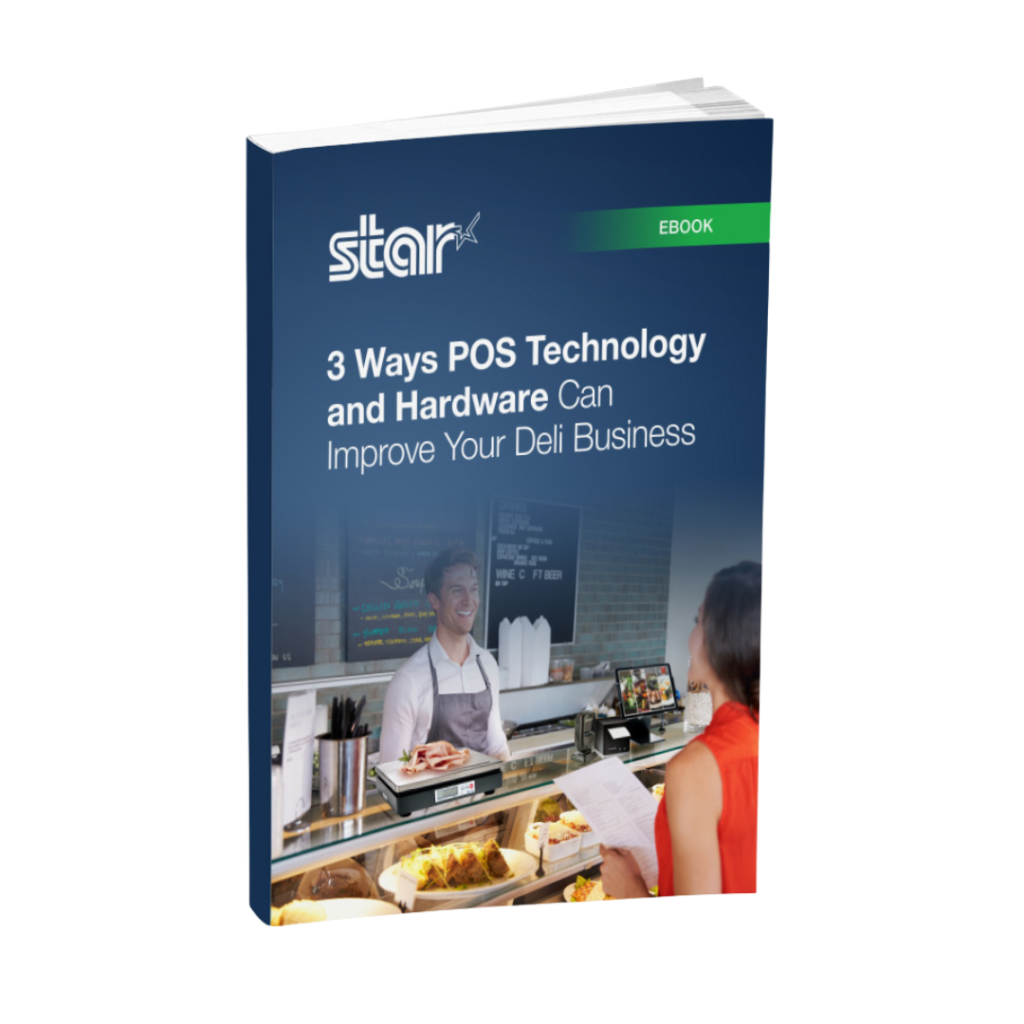
3 Ways POS Technology and Hardware Can Improve Your Deli Business
Get the latest point-of-sale (POS) technology and hardware to streamline deli, butcher shop, or fish market operations.
Technological innovation is a key driver of business success. To stay ahead, value-added resellers (VARs) need to continually seek advanced solutions to enrich their product portfolios. One such solution, driver’s license barcode parsing, is gaining traction for its unique benefits. This technology, with its unmatched accuracy and efficiency, simplifies data entry across various sectors.
By adding parsing capabilities to their offerings, VARs can gain a competitive edge in today’s dynamic business environment.
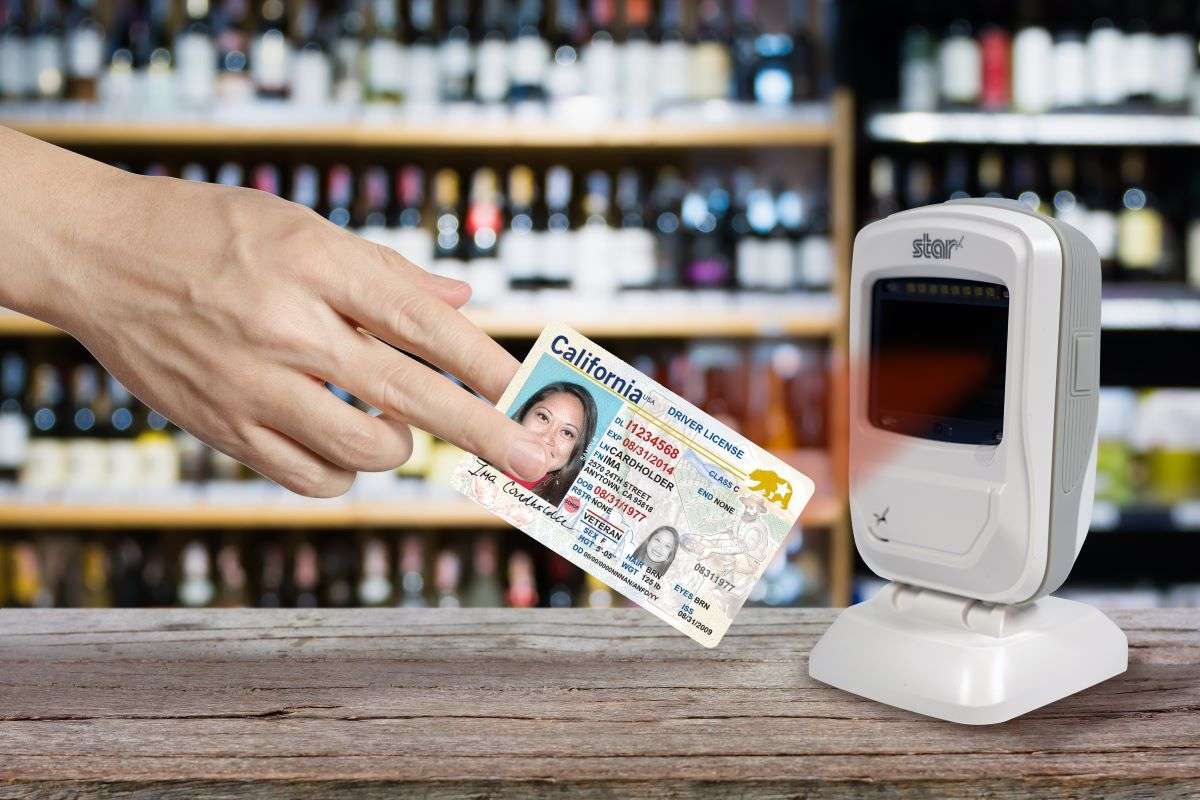
Driver’s license barcode parsing is a user-friendly technology that reads and extracts data from the barcode on a driver’s license using specialized scanners. This rapid data deciphering captures critical details like the holder’s name, address, and date of birth within seconds. Essential for processes from fraud prevention to age verification, this technology enriches a VAR’s toolkit, providing clients with a powerful tool for quick and secure information processing.
Expanding Client Capabilities with Driver’s License Barcode Parsing
Driver’s license barcode parsing not only simplifies data entry but also transforms the way businesses interact with their clients across various industries. With this advanced technology, businesses can unlock numerous benefits that enhance customer service, increase operational reliability, and ensure compliance with regulatory standards.
Below, we explore some of the key capabilities that driver’s license barcode parsing can bring to your clients:
1. Enhanced Customer Service: Quick, accurate data capture from driver’s licenses reduces transaction times and wait periods, which is especially crucial in environments like retail and hospitality. Thus, it boosts customer satisfaction.
2. Increased Data Reliability: By minimizing human error, barcode parsing ensures that businesses operate with accurate and reliable information, critical for managing customer relationships and loyalty programs effectively.
3. Boosted Operational Efficiency: This technology automates data capture in processes like customer onboarding and identity verification, allowing for the handling of more customers with greater accuracy, which enhances throughput and profitability.
4. Strengthened Compliance and Security: Accurate data collection via barcode parsing aids compliance with strict legal standards, which is vital in regulated industries such as pharmaceuticals and alcohol sales.
5. Automated Age Verification: This feature not only speeds up transactions but also eliminates calculation errors during age-sensitive sales, crucial for adherence to legal standards and preventing unauthorized sales.
Diverse Applications of Driver’s License Barcode Parsing
Driver’s license barcode parsing technology offers a wide range of applications across various sectors, significantly enhancing operational efficiencies and improving user experiences. Here’s how different industries can leverage this powerful tool to streamline processes and ensure compliance:
Retail
Enhance the customer checkout experience with instant age verification and streamlined loyalty program sign-ups.
Simplify record-keeping for controlled substances, ensuring compliance and reducing administrative burdens.
Expedite the application process for store-branded credit and loyalty cards, attracting more sign-ups without additional wait times.
Bars & Restaurants
Verify customer ages to comply with alcohol service regulations with a single scan.
Swiftly capture essential customer data from driver’s licenses for loyalty programs, accelerating the enrollment process and reducing paperwork.
Hotels
Speed up guest check-ins by automatically populating registration forms, allowing guests to start their stay with minimal delay.
Increase security measures in services like valet parking by verifying driver identities quickly and accurately.
Healthcare
Ensure patient safety with accurate identification and quick access to medical records, crucial for maintaining high standards of care and reducing the risk of medical errors.
Financial Services
Streamline account creation and identity verification processes, enhancing both customer experience and security in sensitive financial operations.
Government
Facilitate faster access to citizen records and streamline payment processes, enhancing efficiency in government operations.
Navigating Challenges and Considerations
Adopting driver’s license barcode parsing technology is not devoid of challenges. Data privacy concerns and integration complexities are significant hurdles. Addressing these issues requires adherence to strict data protection laws and selecting robust, secure solutions that integrate seamlessly with existing systems.
VARs should prioritize selecting barcode scanners that meet high security standards and effectively address data privacy concerns, ensuring their solutions comply with rigorous data protection laws.
Selecting Optimal Barcode Parsing Solutions
When choosing barcode parsing technologies, VARs should consider factors like flexibility, ease of integration, affordability, and the technology’s ability to handle diverse data types. Solutions should meet various industry standards, ensuring they are adaptable to different client needs and offer ease of use.
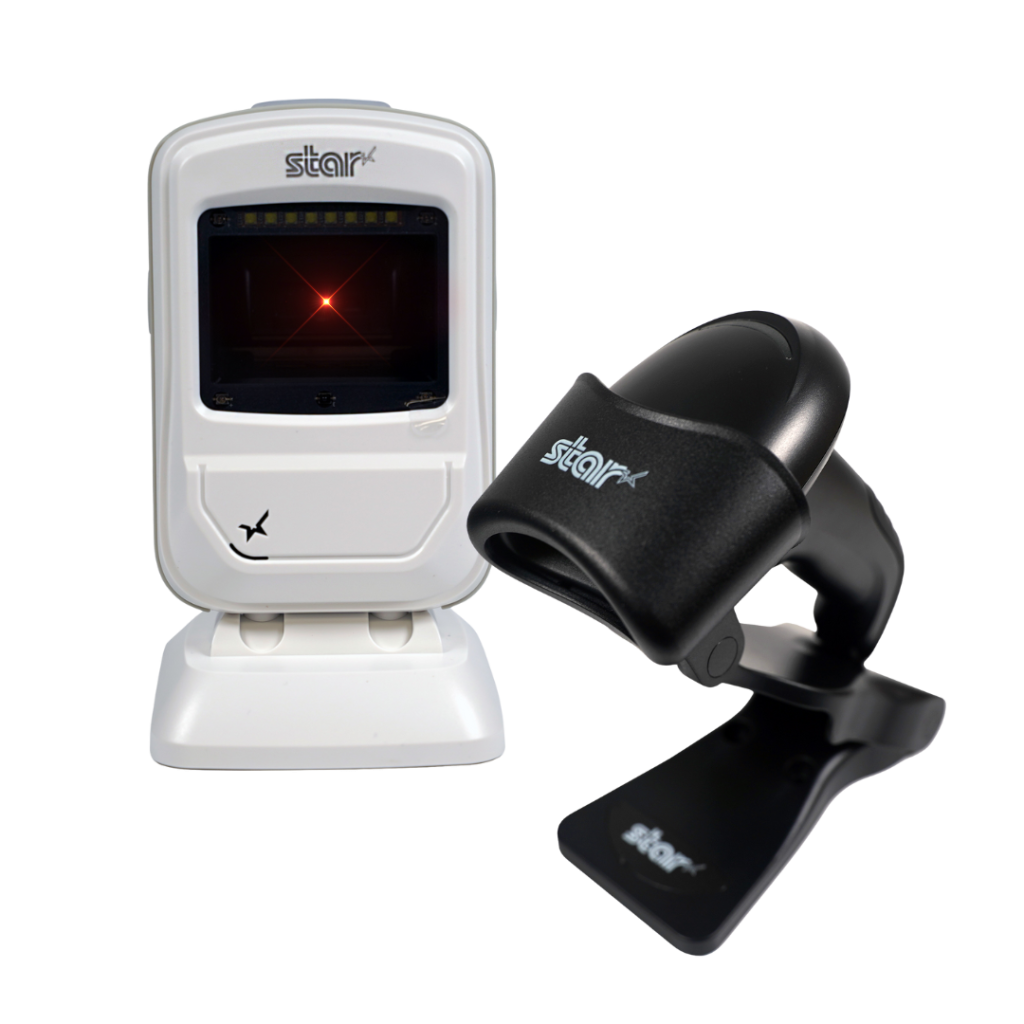
Star Micronics 1D/2D Barcode Scanners
Star offers a comprehensive range of IP-rated 1D/2D barcode scanners, ideal for diverse business needs. From retail to healthcare, our versatile scanners excel in parsing driver’s license and ID barcodes, ensuring swift and accurate data capture. Choose the perfect fit for your setup—desktop, handheld, or wireless Bluetooth options available.
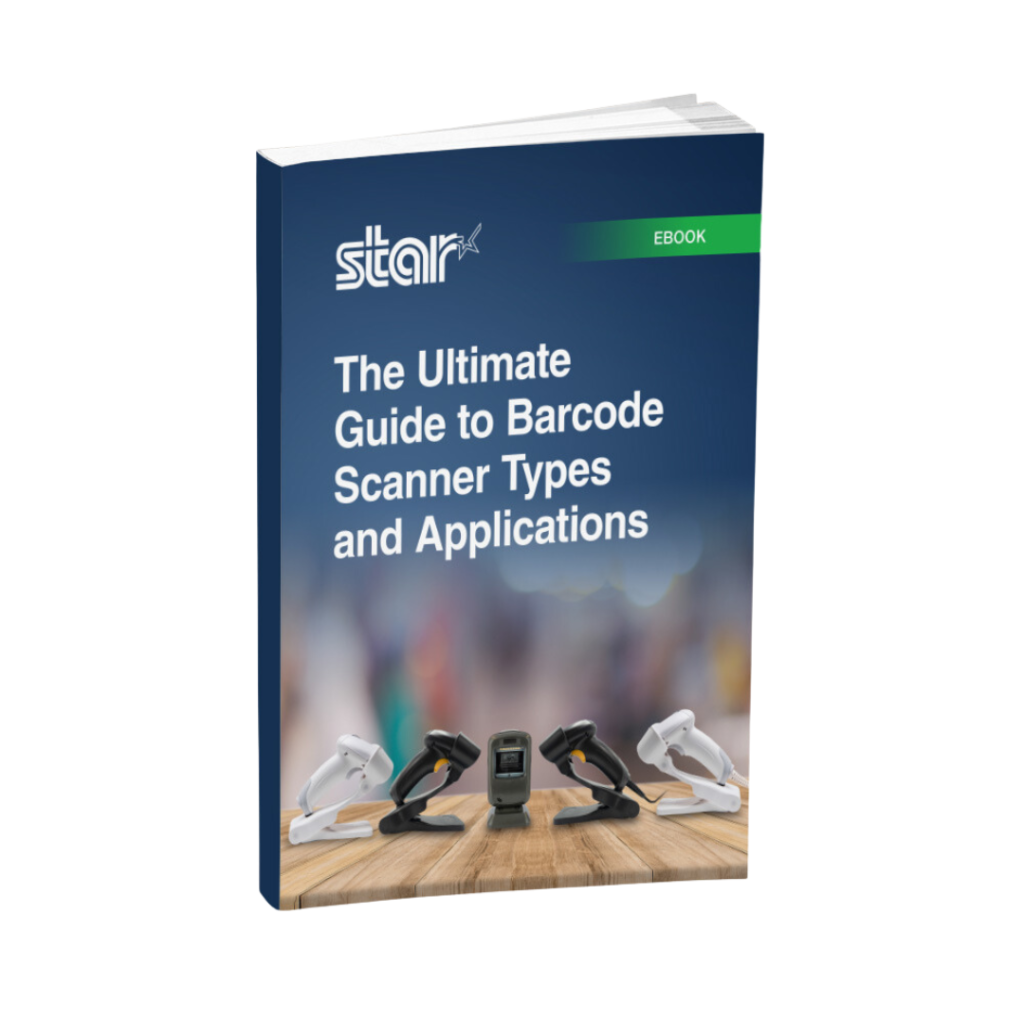
The Ultimate Guide to Barcode Scanner Types and Applications
This guide has everything you need to know about barcode scanners in one place. Reviewing this will ensure you make informed decisions when deciding what barcode scanner to buy for your business’s success.
Elevating Business Success with Driver’s License Barcode Parsing
Driver’s license barcode parsing is a transformative solution for VARs aiming to elevate their service offerings and assist clients in achieving significant operational improvements. By incorporating such advanced scanning solutions into their portfolios, VARs can deliver enhanced value, improve client satisfaction, and tap into new revenue streams.
Are you ready to revolutionize your service offerings with driver’s license barcode parsing technology? Contact us today to learn more about our innovative solutions and discover how they can benefit your business. Let us assist you in getting started with a tailored demo or consultation.
In this highly informative episode of the Rising Stars Podcast, “Reliable Connections and Cellular Printing in POS Technology,” host Kate Orara wants to know more about advancements in POS connectivity. With Star Micronics experts Joshua Ventocilla and Oreoluwa Akeredolu, the discussion centers on the innovative technologies of SteadyLAN and TetherLAN.
The episode highlights the different ways these technologies provide stable and reliable network connections in various POS environments, ensuring seamless transactions and continuous service. It explores the importance of stable Ethernet and efficient cellular printing in maintaining operational efficiency.
Listeners will gain valuable insights into how SteadyLAN and TetherLAN can significantly enhance the functionalities of their POS systems and applications. This episode offers key guidance for independent software vendors (ISVs) and business owners alike on optimizing POS operations through improved connectivity solutions.
Don’t miss this opportunity to understand how leveraging advanced network technologies can transform your POS setup and contribute to smoother, more reliable business operations. Subscribe and listen now!
Immerse yourself in the world of point-of-sale (POS) with the Rising Stars Podcast by Star Micronics, hosted by industry pro, Kate Orara. Twice a month, we explore the fascinating journeys of innovators and businesses navigating the challenges of POS technology’s rapid pace.
In every episode, Kate Orara, Star Micronics’ Partner Development Manager, discusses emerging retail technology trends and strategies with global industry giants. She’s spent her entire career meeting all the right people, and now listeners everywhere can benefit from this vast network of channel gurus.
Always leading and always innovating, Star Micronics, a pioneer in POS and customer experience technology for over 60 years, welcomes you to join us in shaping a brighter future in the retail, hospitality, and cannabis industries.
Managing financial transactions effectively is crucial to maintaining customer trust and business integrity in any industry, especially for cash-heavy sectors like cannabis, hospitality, and retail. As technology advances, security features in cash management solutions must also evolve to address new threats and further enhance operational efficiency.
For value-added resellers (VARs), guiding clients toward modern cash management solutions, particularly focusing on cash drawer security and handling practices, is key to elevating your offerings.
Security in cash management is an essential pillar of business operations. With theft and fraud risks continually changing, business owners need cash management solutions that protect against external and internal threats, keeping transactions transparent and accountable. As a VAR, understanding these concerns helps tailor recommendations to each client’s specific needs.
Strategies to Optimize Cash Management Solutions
To help clients protect their revenue and streamline cash-handling operations, it’s crucial to implement strategies customized to each business’s unique needs. Here are some fundamental approaches that VARs can recommend to strengthen cash management systems:
1. Assess Business Context for Cash Drawers
Every business is unique. A thorough understanding of your client’s operating environment allows you to recommend cash drawer solutions that provide the right level of security. For instance, a high-traffic retail store may require multiple locking mechanisms, while a smaller café might benefit more from locking covers for after-hours security.
2. Educate on Multiple Locking Options
Different businesses demand different security levels. Cash drawers with various locking mechanisms provide flexibility, allowing businesses to choose locks that reduce the risks of both internal and external theft.
Here are some common types of locking options:
> Keyed Locking: The drawer can be locked or unlocked with a specific key. Some drawers have multiple key types or configurations to restrict access to particular personnel.
> Electronic Locking: The drawer is controlled electronically, often through the point-of-sale (POS) system or a keypad, requiring a code or authorization.
> Manager Override Locks: Some drawers feature a second lock that only managers or authorized personnel can open with a unique key or code, adding an additional layer of security.
> Locking Modes: Some drawers offer different locking modes, such as:
Locked-Open: The drawer remains unlocked after each transaction.
Locked-Closed: The drawer automatically locks after closing.
Manual Locking: The drawer can be locked or unlocked manually by authorized personnel.
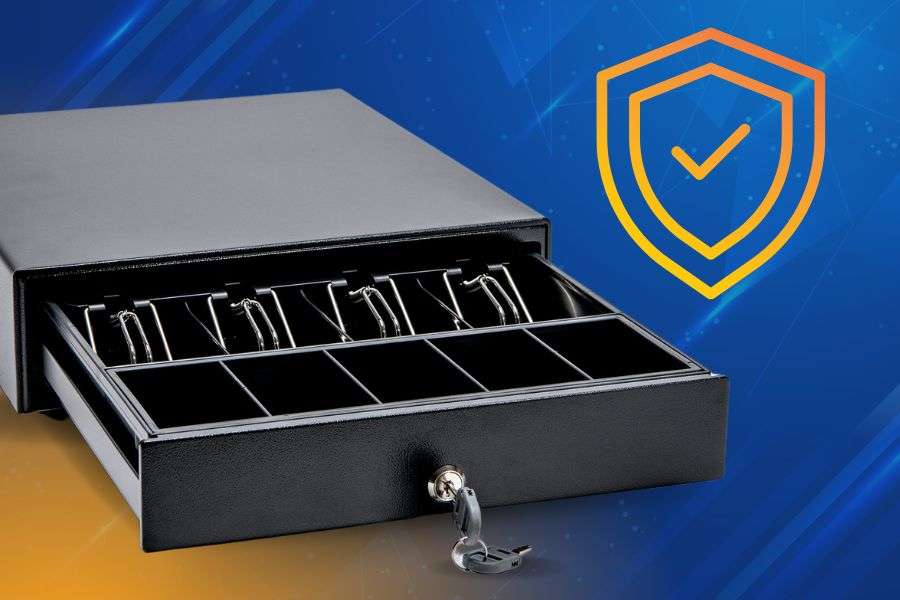
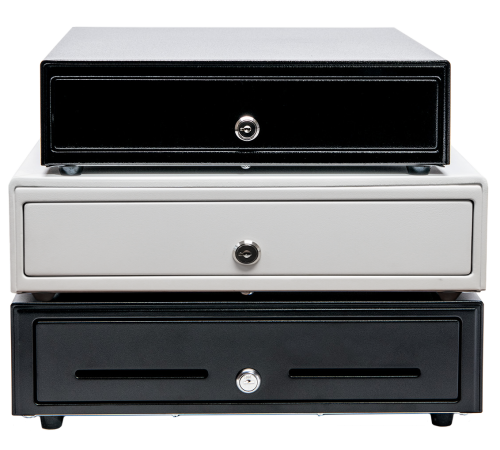
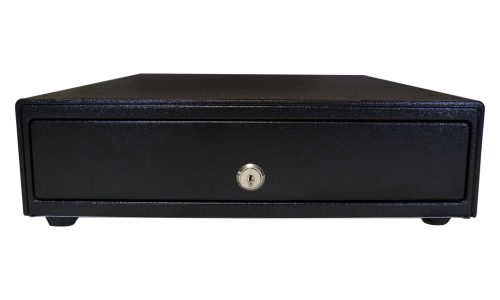
Star Micronics has a wide range of cash management solutions.
3. Promote Organized Cash Handling Practices
Encourage clients to implement cash drawer solutions that minimize exposure to theft, such as limiting the cash-in-drawer amounts, regular cash drops, and secure transportation between cash drawers and safes.
4. Safe Cash Transport Practices
To reduce risks during transport, suggest lockable cash transport boxes and established procedures for moving cash from drawers to safes. Star’s cash drawers, including the CD4 series, offer optional locking cash till covers for enhanced protection during transport and storage.
Cash drawers must be secure and durable. The CD4 Choice Series, for instance, provides advanced locking systems, robust materials, and compatibility with diverse POS systems, making it reliable for various business environments.
6. Periodic Audits and Drawer Checks
Recommend regular audits and drawer checks to detect discrepancies. This practice not only helps identify security gaps but also allows for better training and refinement of cash handling practices.
7. Dual-Drawer Management
Where multiple registers are required, recommend systems that enable centralized management through dual-drawer cables, which provide efficient cash flow control.
Cash Drawer Connectivity Guide
Star Micronics offers a versatile range of cables for seamless compatibility with various point-of-sale (POS) configurations. Whether you need to connect two cash drawers to a single printer or connect a non-Star printer with a Star cash drawer, our selection of specialized cables ensures smooth and efficient operation for any setup.
Advise clients to position drawers in secure, discreet locations, such as under the counter but still within view of surveillance cameras or staff, to deter theft while limiting unauthorized access.
Highlighting the CD4 Choice Series
The CD4 Choice Series by Star Micronics exemplifies secure and reliable cash management solutions. Its high-quality lock systems, robust construction, and compatibility with diverse POS systems provide peace of mind to business owners.
The series offers customization options, like different drawer sizes and finishes, making it suitable for various operational needs while providing the necessary protection. Additionally, built-in security features like reinforced steel construction and high-security locks ensure durability and resilience.
Helping your clients transform their cash management solutions requires a focused approach to understanding their specific security challenges. By emphasizing the importance of robust cash drawer hardware and tailored cash handling practices, you can provide proven strategies that elevate their businesses while strengthening your role as a trusted partner.
In the latest episode of the Rising Stars Podcast, titled “Kate’s Quick Take: The Power of Social Commerce,” host Kate Orara explores the growing world of social commerce. This solo episode highlights the pivotal role of social media platforms like Instagram and Facebook as emerging retail powerhouses.
Kate discusses how authenticity and user-generated content are reshaping how consumers interact with brands online. She underscores the importance of these elements in creating trust and enhancing brand loyalty.
Listeners will gain insight into leveraging social commerce platforms to boost sales and customer engagement. Businesses can harness these social media strategies to remain competitive and relevant in the digital age.
Tune in to discover strategic tips that could revolutionize your approach to e-commerce and help you tap into the lucrative world of social commerce.
Immerse yourself in the world of point-of-sale (POS) with the Rising Stars Podcast by Star Micronics, hosted by industry pro, Kate Orara. Twice a month, we explore the fascinating journeys of innovators and businesses navigating the challenges of POS technology’s rapid pace.
In every episode, Kate Orara, Star Micronics’ Partner Development Manager, discusses emerging retail technology trends and strategies with global industry giants. She’s spent her entire career meeting all the right people, and now listeners everywhere can benefit from this vast network of channel gurus.
Always leading and always innovating, Star Micronics, a pioneer in POS and customer experience technology for over 60 years, welcomes you to join us in shaping a brighter future in the retail, hospitality, and cannabis industries.
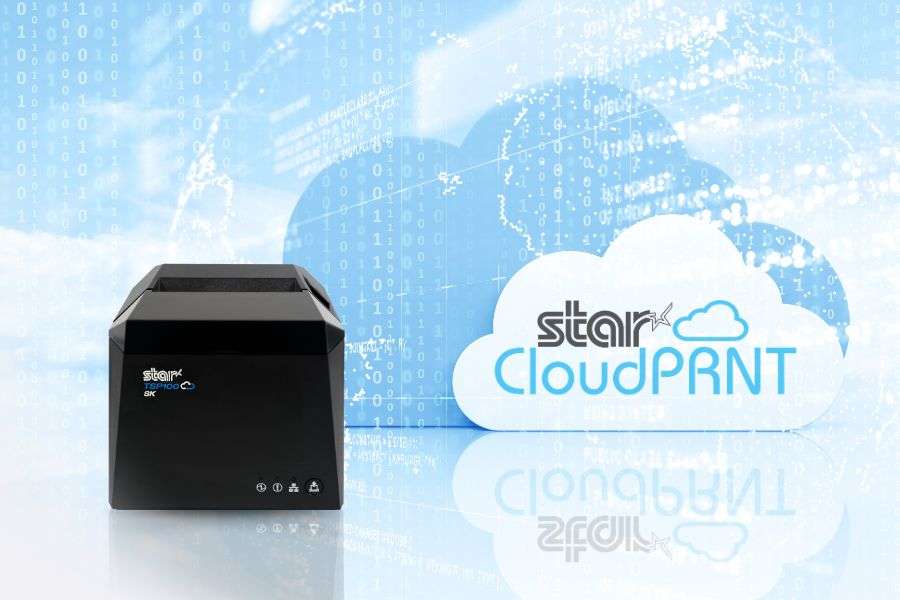
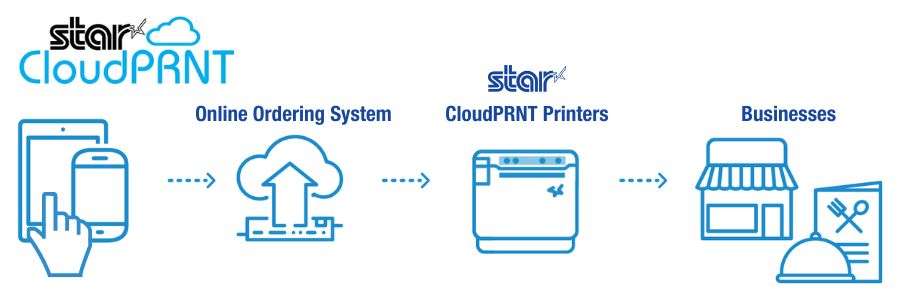
As businesses continue to navigate the challenges of a fast-moving marketplace, the efficiency of online order processing has become crucial. Developed by Star Micronics, CloudPRNT and WebPRNT are two pivotal technologies designed to enhance modern printing with improved connectivity and efficiency. CloudPRNT communicates directly to the specified cloud server, while WebPRNT connects through the local network, enabling printing via a web browser.
Both technologies lead the way in modernizing printing solutions to meet the demands of today’s businesses. However, for Independent Software Vendors (ISVs) seeking superior connectivity and efficiency, CloudPRNT is the standout choice. Let’s explore the reasons behind this.
CloudPRNT and WebPRNT serve the fundamental purpose of enabling remote printing capabilities, but they approach the task differently. CloudPRNT facilitates direct communication between the server and the printer, bypassing the need for an intermediate device. This direct server connection simplifies the hardware setup for businesses and streamlines the process of managing online orders.
The Case for CloudPRNT: Benefits for ISVs
1. Direct Cloud Integration
CloudPRNT’s ability to allow direct communication between the server and the printer significantly simplifies the hardware setup for businesses. This integration not only reduces complexity but also cuts down on costs associated with traditional local network configurations, making it an attractive and cost-effective option for ISVs looking to offer simplified solutions to their clients.
2. Enhanced Order Management
CloudPRNT, with its streamlined process for managing online orders, significantly reduces the likelihood of missed or delayed prints. This efficiency reassures businesses that they can maintain a high level of service, contributing to a better overall customer experience.
CloudPRNT’s compatibility with a wide range of applications and services allows ISVs to integrate their software with a variety of solutions. This compatibility ensures that ISVs can cater to the diverse needs of their clients, making CloudPRNT a versatile choice for integrating printing solutions.
4. Scalability and Reliability
As businesses evolve, so do their needs. CloudPRNT’s scalable nature accommodates business growth without significant additional investment. Furthermore, CloudPRNT’s reliability in maintaining constant communication with cloud servers ensures streamlined printing, vital for businesses that rely on timely order fulfillment.
Why CloudPRNT Over WebPRNT for ISVs?
Ease of Integration
CloudPRNT offers a straightforward integration process with various cloud-based services, simplifying the task for ISVs. This ease of integration allows ISVs to quickly implement CloudPRNT into their solutions, providing a seamless experience for their clients.
With the ongoing shift toward cloud computing, CloudPRNT ensures that ISVs and their clients are well-prepared for future technological trends. By choosing CloudPRNT, ISVs position their solutions at the forefront of innovation, ready to meet the demands of the digital age. CloudPRNT ensures their solutions remain relevant and competitive in a quickly changing market.
Elevating the Customer Experience
The direct benefits of CloudPRNT’s efficiency—faster service and reduced wait times—translate into an enhanced customer experience. For ISVs, integrating CloudPRNT means offering solutions that meet and exceed customer expectations, driving loyalty and satisfaction.
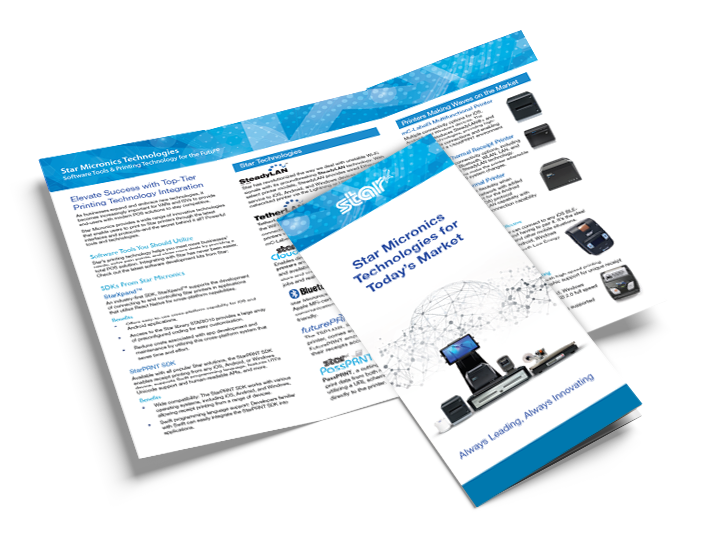
Star Micronics Technologies for Today’s Market
Your POS software deserves hardware that enhances its capabilities – not limits it. Star Micronics ensures your application stands out, helping you address customer demands, mitigate challenges, and drive sales by offering comprehensive POS solutions.
For ISVs focused on delivering top-tier connectivity and operational efficiency, CloudPRNT is the clear choice. Its advantages in streamlining operations and ensuring scalability make it an invaluable asset in the competitive landscape of technology-driven markets. ISVs are encouraged to leverage CloudPRNT to elevate their offerings, ensuring they remain relevant and competitive.
Discover CloudPRNT’s full potential and how it can revolutionize your software solutions.
The commerce landscape is evolving rapidly, with retail technology constantly shaping customer experiences and operational strategies. For businesses eager to navigate this transformation successfully, insight into the effective use of the latest technology is essential.
In this captivating episode of the Rising Stars Podcast, “Retail Reimagined: How Tech is Transforming In-Store Customer Experiences,” host Kate Orara engages in a fascinating conversation with Andy Szanger, Director of Strategic Industries at CDW.
With over 28 years of experience and a wealth of knowledge, Szanger offers an insider’s view into the retail industry’s adaptation to the latest technological advancements and the critical challenges it faces today.
The discussion unfolds around the top issues confronting retailers and how technology solutions can offer a lifeline. Szanger highlights the many ways technology has been and will remain a game-changer, from enhancing economic efficiency to redefining in-store consumer interactions through innovative solutions.
Listeners Will Discover:
Insights into the current challenges within the retail sector and technological solutions.
The significant role of partnership in augmenting retail efficiency.
Techniques employed by leading retailers to upgrade in-store experiences using cutting-edge technology.
Predictions about the future direction of the retail industry influenced by current tech trends and obstacles.
Essential Listening for Retail Innovators
“Retail Reimagined: How Tech is Transforming In-Store Customer Experiences” is an invaluable resource for anyone interested in the intersection of retail and technology. Whether you’re a retailer looking to elevate your customer experience or a technology enthusiast curious about retail industry trends, this episode offers comprehensive insights into leveraging technology for retail success.
Join us for this episode of the Rising Stars Podcast to better understand how technology is not only reshaping but fundamentally enhancing how retailers operate and connect with their customers. Discover the strategies that could define the next era of retail, making it more interactive, efficient, and customer-focused than ever before.
Immerse yourself in the ever-evolving world of point-of-sale (POS) with the Rising Stars Podcast by Star Micronics, hosted by industry pro, Kate Orara. Twice a month, we dive into the fascinating journeys of innovators and businesses navigating the challenges of technology’s rapid pace.
In every episode, Kate Orara, Star Micronics’ Partner Development Manager, takes listeners on an exploration of emerging retail technology trends and strategies with global industry giants. She’s spent her entire career meeting all the right people, and now listeners everywhere can benefit from this vast network of channel gurus.
Always leading and always innovating, Star Micronics, a pioneer in POS and customer experience technology for over 60 years, welcomes you to join us in shaping a brighter future in the retail, hospitality, and cannabis industries.
Barcode technology, a cornerstone of modern retail, offers a systematic approach to tracking a wide array of inventory items through unique numerical values represented by parallel bars. This innovative method has facilitated the rapid processing and easy readability of product information by both computers and humans. Its simplicity and efficiency have made barcode technology a staple in inventory management across diverse sectors, including grocery, retail, hospitality, and cannabis.
The Evolution and Accessibility of Barcode Technology
Initially adopted by large enterprises, barcode technology has significantly evolved, becoming more sophisticated and accessible to companies of all sizes. The reduction in the cost of handheld barcode scanners has democratized advanced inventory management systems, allowing small and midsize businesses to reap the benefits as well.
These devices can now feature more compact designs, portability, and increased storage capabilities, expanding their utility beyond traditional settings to encompass a wide range of retail applications.
Beyond Point of Sale: The Expanding Role of Barcode Scanners
Today’s barcode scanners have transcended their original use as mere checkout tools. These versatile devices now serve as essential components in enhancing customer engagement, offering features like displaying customer reviews, providing virtual product demos, and verifying item pricing and availability. Furthermore, they have become indispensable in inventory management, helping to identify sales trends and tracking items throughout the supply chain.
mPOS: A New Frontier for Barcode Technology
Combining mobile point-of-sale (mPOS) systems and cloud-based technologies has transformed barcode scanners into powerful tools for real-time information access. Armed with mPOS-enabled scanners, warehouse workers and sales associates can now address customer inquiries, locate inventory, and access product details instantly, improving service quality and operational efficiency.
Creating Connected Environments With Cloud Technology
Cloud technology continues to enhance the capabilities of barcode systems. By connecting barcode scanners to cloud-based POS and inventory management systems, retailers can achieve real-time visibility into stock levels, sales data, and customer preferences. Their ability to scan and track items mitigates potential losses by reducing errors and improving cash flow, margins, and response times.
This connectivity enables more accurate forecasting, streamlined operations, and more personalized customer experiences.
Commercial-grade barcode technology can improve the customer experience in numerous ways. Omnichannel retailers use barcodes to locate in-stock items and “buy online, pick up in-store” (BOPIS) orders quickly. Customers can present a barcode on their smartphone at a counter or kiosk for fast order fulfillment.
In addition to increasing efficiency and order accuracy, these tools drive employee satisfaction, customer retention, and positive reviews. By automating manual tasks such as inventory tracking and order processing, barcode technology can free up employees’ time for more value-added activities, like attending to customer needs.
Hardware Innovation: Improving Barcode Scanners for Retailers
As barcode technology continues to advance, the development of smart barcode scanners has introduced new functionalities to meet the complex demands of the retail environment. These devices, equipped with wireless connectivity and capable of integrating seamlessly with POS systems, offer retailers a comprehensive solution for inventory management and customer service.
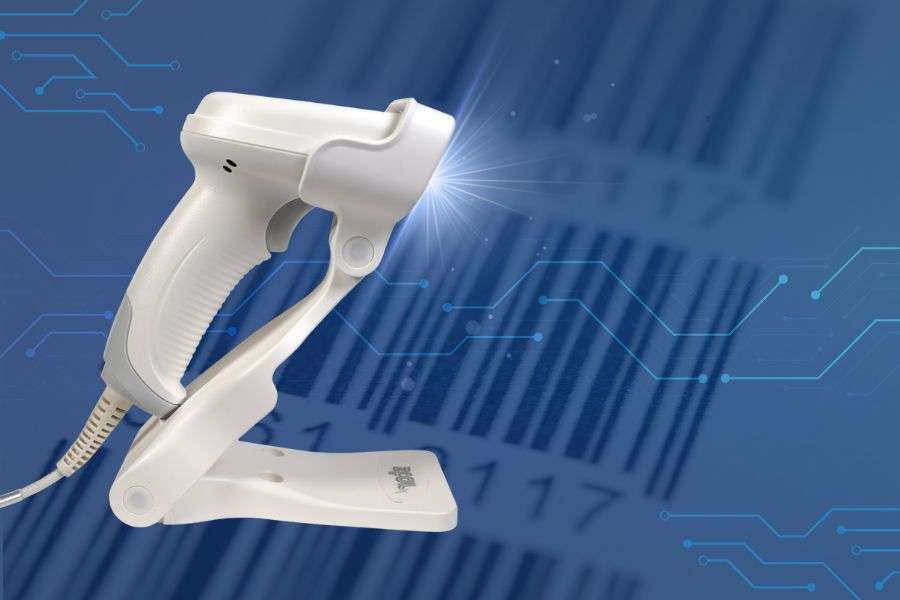
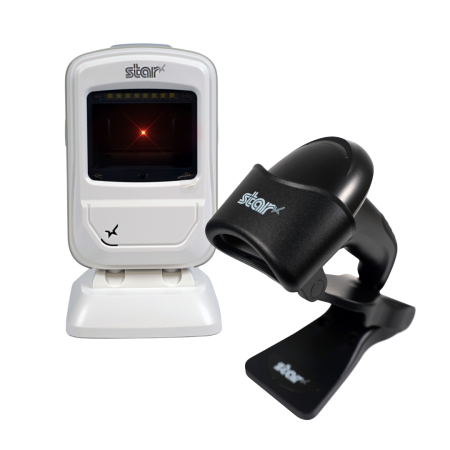
Star Micronics offers a wide range of desktop, USB handheld, and wireless handheld barcode scanners.
Smart Scanners for Advanced Applications
The leap from basic to smart scanners marks a significant milestone in barcode technology, with new models offering enhanced scanning capabilities, ID verification, and wireless operations. These features support a broad spectrum of retail activities, from checkout efficiency to dynamic inventory control.
Durable and User-Friendly Designs
Recognizing the demanding nature of retail settings, manufacturers have prioritized durability and ease of use in scanner design. Many models now feature rugged construction to withstand drops and spills, ergonomic designs for comfortable all-day use, and intuitive interfaces that require minimal training.
Multifunctional Capabilities
Contemporary barcode scanners are multifunctional tools supporting a wide range of barcode types, including 1D and 2D barcodes. Advanced imaging technology allows them to scan codes from various surfaces, including screens, essential for mobile couponing and digital loyalty programs.
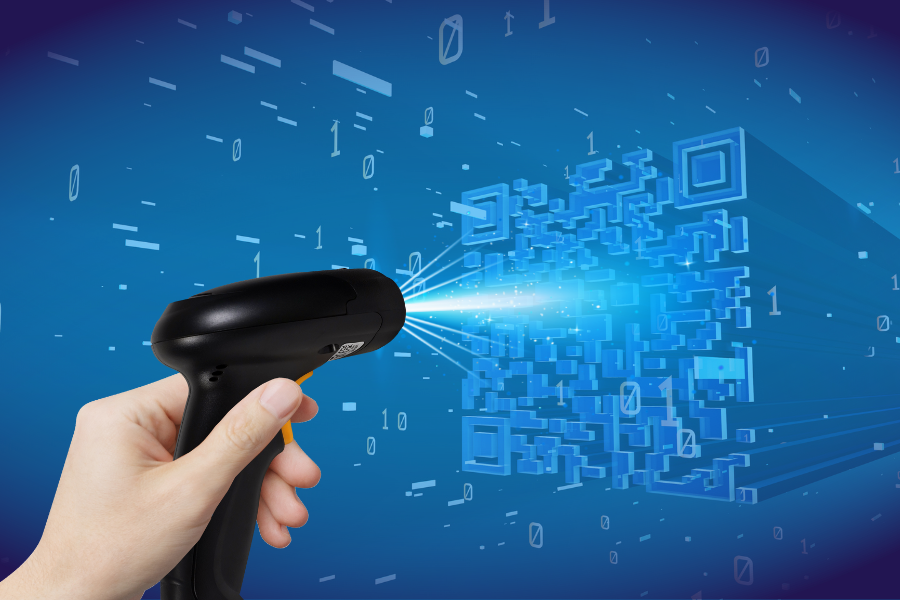
2D scanners are equipped with cameras and high-performance CPUs, enabling applications such as QR code scanning, ID verification, data parsing, and price checking.
QR Codes and the Expansion of Barcode Applications
Barcode technology innovations in the 1980s led to QR codes, a derivation of 2D barcodes with enhanced storage capacity that represent data horizontally and vertically. Patented by Denso Wave, QR codes were initially designed to automate inventory management but found their way into mainstream usage, giving customers and businesses new ways to connect and transact. Here are some examples:
Loyalty Solutions: Scan a QR code directly from a customer’s phone to connect a purchase to their loyalty account. Starbucks, an early QR code adopter, championed this approach by enabling customers to display unique codes to receive discounts and free drinks.
Payment Solutions: Scan a QR code from a customer’s phone to facilitate payment from a digital wallet or mobile app. Stores like Walmart use QR codes to reduce checkout line bottlenecking. In addition, consumers can scan QR codes for cashless payments that speed up checkout queues.
Confirmation Tracking: QR codes provided to shoppers can be scanned at the store for online order pickups and proof of purchase/delivery. Concert halls, sporting events, and festival venues have used QR codes to speed check-ins by scanning customer tickets directly from their phones.
Omnichannel Ordering: QR codes provided to shoppers can facilitate out-of-stock item orders by directing customers to ecommerce websites. In addition, QR codes on posters and merchandise displays can bridge in-store and digital commerce with offers and discounts.
In-Store Navigation: QR codes can also be placed around the store to provide a platform for customer reviews and engagement.
These are examples of how barcode technology can help you grow and scale. Advanced scanners seamlessly communicate with smartphones, using barcodes and QR codes as a common language. Basic 1D laser scanners were sufficient for scanning paper coupons, but you will need 2D commercial-grade imagers to scan QR codes.
Emerging Scanning Technologies
The future of barcode scanning hardware lies in merging with newer technologies like RFID, NFC, and artificial intelligence (AI). These unions promise to unlock new capabilities, such as near-instantaneous scanning of multiple items and the ability to glean deeper insights from the encoded data.
Enhancing Retail with AI and Machine Learning
Incorporating AI and machine learning into barcode scanners can significantly enhance the retail experience. AI algorithms can analyze purchasing patterns, optimize inventory management, and even predict future trends based on the data captured through barcode scanning.
RFID (Radio Frequency Identification) and NFC (Near Field Communication) are wireless communication technologies for tracking and identifying objects. RFID utilizes electromagnetic fields to automatically identify and track tags attached to objects. At the same time, NFC enables close-range communication between compatible devices, allowing for secure data exchange with a simple tap.
RFID and NFC technologies complement traditional barcode scanning by enabling touchless transactions and more dynamic customer interactions. These technologies can streamline checkout processes, enhance security measures, and provide customers with richer product information, all contributing to a more engaging and efficient shopping experience.
Selecting the Right Barcode Scanner for Retail Success
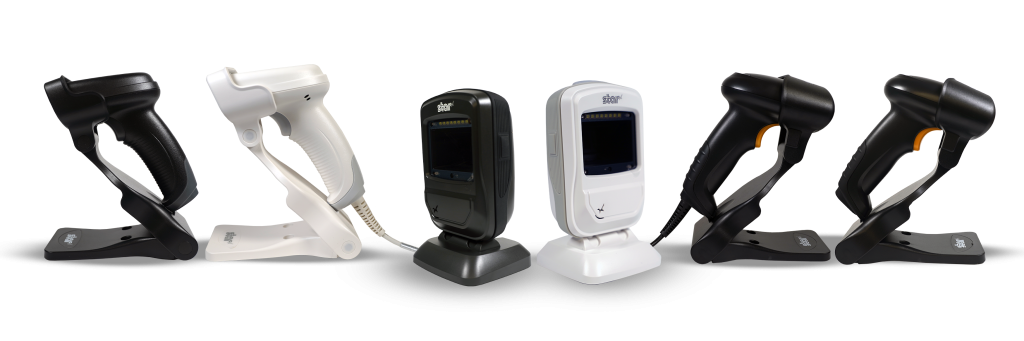
Star Micronics offers 1D/2D precision scanners – desktop, USB handheld, & wireless handheld.
With so many benefits of QR and barcode technology, you’ll want futureproof scanners that seamlessly adapt to your needs. As you reflect on your business, consider what you want from a scanner, including how it will serve your employees and customers.
Today’s high-performing scanners accurately process high-density, high-volume, and distorted barcodes printed on paper or screens. Models built for high-traffic environments have an IP42-rated design or higher and at least 1.2m drop resistance. As you assess available models, here are a few questions to help you find the suitable scanner for your business:
What will my scanner empower me to do?
Will this scanner help with inventory management, and is it safe to take mobile?
Does it connect with my POS to create a connected workspace?
Does this scanner fit into my budget?
Embracing the Future of Barcode Technology in Retail
As we look toward the future, barcode technology remains at the forefront of retail innovation, offering scalable solutions for inventory management, customer engagement, and operational efficiency. With ongoing advancements and the adoption of AI and machine learning, barcode scanners are set to redefine retail as we know it.
Investing in the latest scanning solutions will be vital to achieving operational excellence and delivering superior customer service.
The Ultimate Guide to Barcode Scanner Types and Applications
This guide has everything you need to know about barcode scanners in one place. Discover the different types of barcode scanners and a brief history, as well as applications and evaluations required to consider when purchasing a barcode scanner.
Are you looking for barcode scanners to create a connected store and cover all your scanning needs? Check out Star Micronics 1D/2D Scanners, or talk to a member of our friendly Sales Team to find out where you can purchase Star’s scanners today!