Tag: Retail

  • What to Look for in a Retail Space

    What to Look for in a Retail Space

    When you operate a retail brand, your storefront is everything. And when you consider that the average real estate lease term length is 3-5 years, it’s important to choose your space wisely. That’s why we’re here to discuss the three key things to look for in a retail space – before you sign your next lease. Read on!

    A Prime Location

    Location, location, location! One of the most important features to look for in a retail space is its location. The area’s foot traffic and demographic makeup should be two of your top considerations. What sort of shoppers stroll the area, and do they align with your target customer?

    Another important thing to consider is the climate of the local business community. Are the businessowners supportive of each other? Do they collaborate? A supportive group of entrepreneurs will help you succeed – and an ultra-competitive environment most likely will not.

    In addition to your customers and fellow businesses, you also need to keep your employees and contractors in the forefront of your mind. What local amenities will be available to your staff? From nearby restaurants to convenience stores, the more you accommodate for a healthy work-life balance, the better talent you’ll attract. You must also keep in mind the parking and public transportation availability – for your staff, contractors, delivery trucks and more.

    The Right Price

    The price should absolutely be right in your new space. Ideally, your lease payment should amount to 3-8% of your gross revenue, depending on your industry. For example, a store with lots of big-ticket sales (like an electronics store) usually has rent that is about 2% of its gross revenue. On the contrary, clothing stores typically average rent that’s approximately 8% of their gross revenue. Curious what your target rent is? Below are sample amounts by industry:

    Industry Percentage of Sales Allocated for Rent
    Clothing and Apparel 7.66%
    General Merchandise Stores 3.86%
    Furniture and Furnishing Stores 5.98%
    Food and Drink Establishments 5.81%
    Electronics and Appliance Stores 2.09%
    Books, Hobby, Music, Sporting Goods Stores 3.30%
    Health & Personal Care Stores 3.37%

    Source: fitsmallbusiness.com

    And don’t forget about your down payment, and other expenses like utilities, property taxes, insurance, and common area maintenance (CAM)!

    Properly Sized and Equipped

    Once you’ve found a space that’s in a location that fits your target demographic – and your budget – it’s time to take a deeper look at the store’s features.

    First, you need to make sure the space is the right size for your business. To calculate your target square footage, add together the sizes of the different areas in your store: for example, your sales floor, inventory storage, office, kitchen, bathrooms, and dressing rooms. Not sure how big your sales floor should be? Here’s a handy formula: Planned sales volume / average sales per square foot in your industry = sales floor space

    If you’re just starting out, consider a pop-up shop, or a “store within a store.” These are more affordable than standalone shops, can help familiarize your target market with your brand, and helps the storeowner offset the high cost of rent. When your goal is to grow your baseline brand awareness, it’s worth doing some research and finding a complementary store in your target area to partner with!

    Next, make sure the space has the features you need to make your store shine. Here are some factors to consider:

    • Lighting: Can the lights be dimmed? Can alternative lights be brought in?
    • Loss Prevention: Are there cameras (or other tactics) to prevent theft?
    • Emergencies: Is there adequate fire and police presence in the area?
    • Sales Restrictions: For example, are there restrictions on Sunday sales (blue laws)?
    • Wi-Fi: What’s the Wi-Fi availability like? This is extremely important so that you can process credit card transactions on your mPOS system.

    Last but not least, don’t forget to keep in mind your target shopper – what do they look like? What is their occupation? Where do they live and what do they do for fun? When you boil it down, you need your retail space to match your target audience. For example, if your customers typically have small children, make sure you build in extra aisle space to accommodate strollers. And if you are selling trendy items, you’ll need a clean, modern, easy-to-manage space to match.

    We hope these tips are helpful while navigating retail space leases.
  • Why Guest Wi-Fi is an Important Asset for Small Businesses

    Why Guest Wi-Fi is an Important Asset for Small Businesses

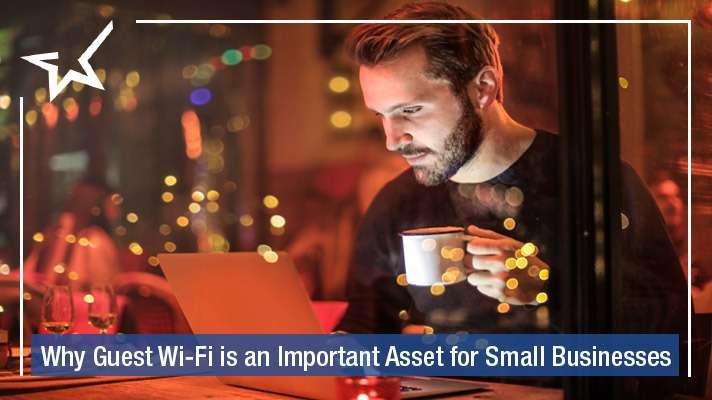
    If one thing is true about today’s consumers, it’s that they are constantly (or nearly constantly) connected. With the rising trend of omnichannel retail experiences, it’s more important than ever to provide an easy, free way for your customers to connect to the internet. Implementing a guest Wi-Fi network does more than connect your shoppers to their favorite apps and websites, though – it can also improve your business in many ways! Here’s how:

    Enhance Marketing

    Speaking of omnichannel marketing, having a guest Wi-Fi network is an excellent way to expand your omnichannel strategy. One way to do so is to engage in Wi-Fi marketing, a method where you use your network as a channel to communicate with your shoppers. Using Wi-Fi marketing, you can promote campaigns of your choice, which can serve as a part of your in-store marketing strategy.

    When guests log on to your Wi-Fi network, their phones will redirect to a splash page where they’ll view a branded message, as well as details about the network and its terms of use. On the page, users will enter credentials such as their email address, which can help you build customer profiles and gather leads. With this additional insight into shoppers’ demographics, you can further tailor your marketing tactics to better suit them, and that can help create more sales. For example, a Deviscape survey found that half of businesses report that customers spend more money now that they have a Wi-Fi network!

    Safeguard Internet of Things (IoT) Devices

    Better marketing and more sales are nice, but did you know that implementing a guest Wi-Fi network has security benefits, as well? If you incorporate IoT-connected devices into your store, such as automated checkouts and smart shelves, you probably already know that they’re more vulnerable than traditional devices. If you connect those smart devices to your main network, the chance that hackers can access your other devices – like your main server or physical security system – is increased.  By connecting your smart devices to a guest network instead, you create an additional layer of protection against attacks; Even if a cybercriminal hacks into one of your devices, they won’t be able to penetrate your main network, where your most valuable information lies.

    Improve Customer Experience

    Last but not least – and this probably goes without saying – guest Wi-Fi networks greatly improve the customer experience. Depending on your store location and your customers’ cellular provider, providing shoppers a guest network saves them data and gives them a potentially faster network. And there are stats to back it up – nearly 62% of businesses with free Wi-Fi report their customers stay in the store longer, which likely means they’re having a better shopping experience, spending more money, and are more likely to return.

    From boosting sales to securing your sensitive data, there are many reasons to utilize a guest Wi-Fi network!

  • 5 Irresistible Valentine’s Day Marketing Ideas

    5 Irresistible Valentine’s Day Marketing Ideas

    It may feel like we just celebrated the holidays, but already another holiday is upon us: Valentine’s Day!  Historically, the romantic holiday has been a big money maker – in fact, the National Retail Federation has predicted that U.S. consumers will spend a near-record $19.6 billion this year on Valentine’s Day alone. So how can retailers take advantage of this? Today, we have five irresistible Valentine’s Day marketing ideas for your small business:

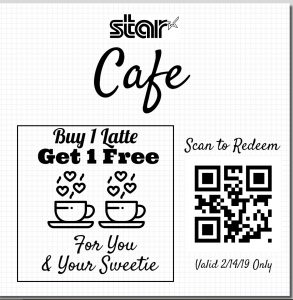
    Valentines-Day-Latte-PromoPRNT-e1574802651640
    A PromoPRNT Two-for-One Example

    Promote Two-for-One Deals

    What better time to promote a two-for-one deal than Valentine’s Day? If your business is in the hospitality industry, consider offering two meals, or two desserts, for the price of one. If you are a boutique shop, consider offering two accessories for the price of one. You could also simply offer a specific discount, like 14% off a customer’s entire purchase (to honor February 14). To ensure your customers have plenty of time to become aware of and plan for your sale, promote it at least one week ahead of time. A great way to practice Valentine’s Day marketing on your current shoppers is to promote the sale on your printed receipts.

    Leverage Seasonal Branding

    No one can ignore well-planned seasonal branding. Whether you choose to do your branding in-store or online, creating a festive vibe can get your shoppers in the mood to spend on their loved ones (or treat themselves). Examples of online branding could include Valentine’s Day-themed social media posts and email campaigns. In-store branding can include everything from decorating with flowers and balloons, to offering gift wrapping services and having your staff wear pink or red outfits. Don’t forget to showcase any holiday-themed items at the front of your store.

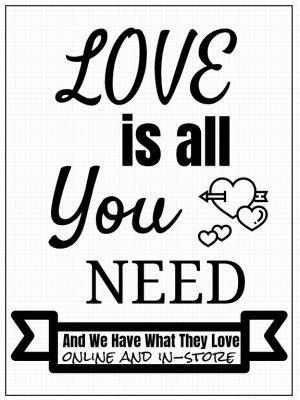
    Valentines-Day-Online-In-Store-PromoPRNT-e1574802673498
    An Example of Promoting Your Gift Guide via PromoPRNT

    Take Advantage of Pop Culture

    Thanks to the television show Parks and Recreation, Valentine’s Day is celebrated on more days than just February 14! The hit show coined “Galentine’s Day” during its second season in February 2010. Since then, many women have started to celebrate the holiday, which focuses on the love they have for their female friends, on February 13 each year. Don’t believe us? A quick Google search of the term, “Galentine’s Day” yields a whopping 1.5 million results, including news articles, gift guides, party tips, and more. Another example of a Valentine’s Day-related holiday (that isn’t Valentine’s Day) is Singles Awareness Day, which takes place annually on February 15. So many holidays to take advantage of in your Valentine’s Day marketing strategy!

    Create a Gift Guide

    You know your product (or service) best. There’s no one better to provide a Valentine’s Day gift guide! You can create a guide that is tailored to your specific products and allows you to clearly pitch your selling points. You can even create “his and hers” versions, and versions specific to someone’s interest (e.g. cooking or fashion). Gift guides are a great way to flex your omnichannel marketing muscle – offer your guides in person, online, or both by pointing your customers to your online store via a printed receipt.

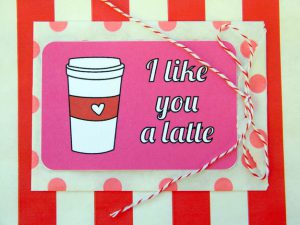
    enhanced-buzz-15039-1390343924-9-e1574802700552
    Source: Buzzfeed

    Send Valentine’s Day Cards

    Last, but not least, is a tried-and-true favorite: Valentine’s Day cards. Whether you deliver them in person beforehand with a coupon attached, or deliver them digitally day-of (via social media or email), an eye-catching greeting card is sure to capture your shoppers’ attention. Valentine’s Day cards are also a great way to show your brand’s personality or sense of humor – click here to check out some inspirational “punny” cards.

    PromoPRNT, Star Micronics’ value-add tool, can help you with Valentine’s Day marketing – using your existing receipt printer! Click here to learn more and get promoting today.

  • Amazon Expands AmazonGo Stores and Hits New Milestone

    Amazon Expands AmazonGo Stores and Hits New Milestone

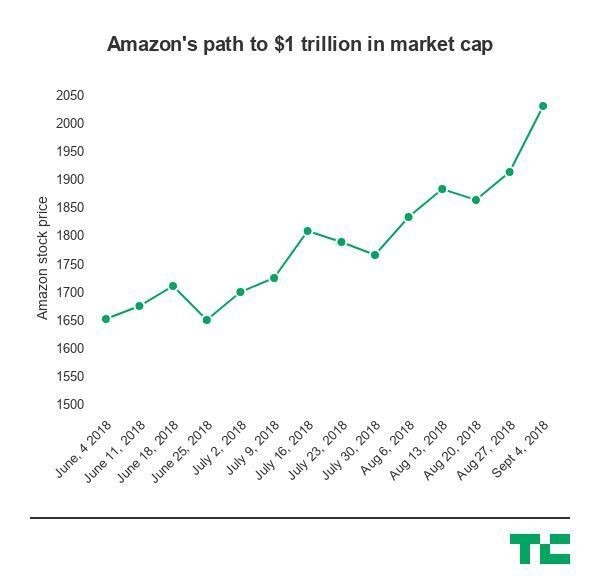
    It was a big month for Amazon in September, 2018. Amazon has become the 2nd company to hit the $1 Trillion dollar market cap. This is significant since Amazon, according MKM Partners, could reach a whopping $2.4 trillion valuation by 2024. AmazonGo is billed as the cashierless stores of the future and Amazon is ready to expand them to new locations. The latest location is its third overall and third in Seattle, where it’s headquartered. The 2,100 square foot store sits on the corner of Boren Ave. and Thomas St. and is its largest yet.

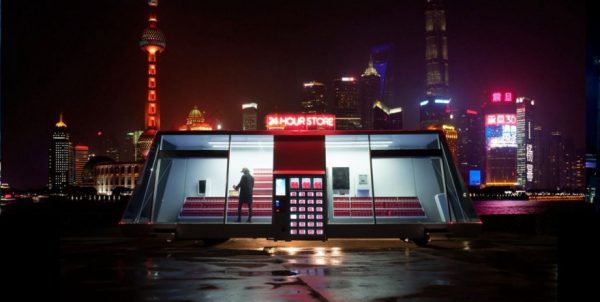
    While expansion to San Francisco and Chicago remains imminent, Cate Trotter of Insider Trends recently did an article on these new, more automated kinds of stores. The AmazonGo concept has been embraced by many retailers across the world with various initiatives from smart kiosks, to what appear to be more like vending machines that operate on AI, to mobile stores ;  the idea of more seamless retail and customer experiences is growing.

    A report on Kiosk and Retail by USA Technologies and PYMNTS.com predicts that the interactive kiosk sector in the US will be worth more than $1 billion by 2020. AmazonGo isn’t at Alibaba’s level in China for retail experiences, but it certainly does re-conceive how the physical stores work for convenience. While E-commerce is growing faster in China, in the U.S. even the likes of JD.crew have started selling on Amazon.

    Amazon is Fueling Retail Innovation

    The Amazon Prime value is incredible and is beginning to scale into entertainment (Prime Video), AI (Alexa), Grocery (WholeFoods) and many other segments. There’s been talk about Alexa Smart Glasses and an Amazon home robot, both likely to appear before 2021. However for physical retail experiences, AmazonGo may be the most tested and innovative feature in the evolution of retail we’ve seen for quite some time.

    Amazon2

    Amazon’s profitability of AWS, Alexa, and future advertising revenue means it will be able to perfect in-store technology. Walmart is testing a new feature called Spark delivery, that uses crowdsourcing to find drivers to make grocery deliveries and will include a partnership with Delivery Drivers, which manages such workers, because the race to automated grocery delivery is also fairly lucrative. JD.com, Kroger, and many others are all looking at this service very carefully.

    AmazonGo has been slow to expand its cashierless grab-and-go experience. However, the concept is clear—this is using LiDAR and other technologies to create a faster experience that is uniquely made for urban shoppers. The point of sale is, for all intents and purposes, virtual. Checkout is completely eliminated, there’s only a kind of mobile check-in with QR codes.

    In the evolution of what physical stores might become, there are lessons for brick-and-mortar retailers to look into:

    • AmazonGo
    • BingoBox
    • Auchan Minute
    • JD.com’s “X” chain
    • Alibaba’s TaoCafe
    • The robotic CafeX
    • Stockwell (Bodega)
    • Moby Mart

    Amazon3-e1574799762164

    The Future Store is Late, but is Arriving in the 2020s

    For the future of commerce, the marketplace, and the local store, these are not isolated incidents. These represent a trend towards increased retail automation, logistics, and consumer fulfillment that will change how GenZ interacts with stores, restaurants, and the future of mobile in-store as well. 5G mobile, the IoT and blockchain will all power the smart store in new creative ways.

    Just as point of sale is evolving, our entire concept of what a “store” is, could change considerably in the next decade. According to Nielson and many retail analysts, we’ll be doing 70% of our grocery shopping online by 2024. In China, Meituan is about to go IPO in Hong Kong, it’s one of the leaders in “O2O”—online to offline—and represents the ultimate in convenience for consumers, though it’s burning cash.

    As impressive as Amazon is to the future of convenience and giving consumers various “upgrades” in customer experience and fulfillment, a lot of the interesting stuff in retail is happening in China, where mobile penetration and eCommerce are both higher and where there are more total consumers and digital natives.

    • 7-Eleven Signature
    • Suning Biu
    • Alibaba’s “smile to pay”
    • Bianlifeng
    • Alibaba’s Hema supermarket

    It turns out having a cashless society with QR codes and an app-of-everything (WeChat) is a huge advantage for China in terms of retail innovation. China’s integration of facial recognition is also very advanced in retail, financial and services generally.

    AmazonGo might be just the tip of the iceberg in how physical retail innovation occurs globally. The future of automation in retail is occurring not just in eCommerce, but in restaurants, grocery, cafes, local stores, convenience stores, and syncing with the values of the new consumer.

    The Future of AmazonGo

    The further expansion in Seattle makes sense as the newest store reportedly is the largest Amazon Go location yet, at about 2,100 square feet, according to the Seattle Times story.

    AmazonGo tech, perfected in Seattle, does not stay in Seattle. An AmazonGo store is heading to New York. Here’s how it works:

    1. When entering the grocery stores, shoppers scan their phone using the Amazon Go app. (The virtual POS is essentially sign-in only)
    2. As you shop, cameras, LiDAR, and motion sensors track what you pick up from (and put back on) shelves.
    3. You can “grab and go” with just-walk-out technology. There are no lines, checkout, or cashiers to worry about.
    4. There’s less staff and typically no grocery carts or baskets. Shoppers are encouraged to use their own bags.

    AmazonGo is rumored to launch in places such as New York, San Francisco, and Chicago first, before spreading to more cities. So if Seattle was phase one, this is phase two.

    Considering how long AmazonGo’s concept was in R&D and testing, this is a pretty huge deal. Amazon’s footprint in brick-and-mortar stores is still pretty small even with the Whole Foods acquisition. Nothing compared to its rival in China, Alibaba, or even JD.com.

    However, AmazonGo is the torch bearer for being a prototype of the “smart store”. As such, many physical retailers are watching closely to see what Amazon accomplishes with AmazonGo and how consumers will respond. Surely it’s an upgrade in what we might term convenience and customer experience in-store. With 7-Eleven integrating Apple Pay recently, it’s only a matter of time before Amazon becomes more aggressive in its brick-and-mortar strategy.

    As for AmazonGo in NYC, Amazon is seeking members for its staff and roles such as:

    • Store Manager
    • Assistant Manager
    • Trading Lead Associate
    • Prep Ingredients Associate
    • Shelves Stocking Associate
    • Customer Success and Help Associate
    • Food Prep Associate
    • Security Associate

    It’s important to note, these stores won’t need as many regular staff due to their unique technology.

    Seattle, New York, San Francisco, and Chicago seem to be the early birds to enjoy semi-automated AmazonGo shopping experiences in 2018 and early 2019. While Amazon is expected to choose Washington D.C. as its next HQ site, it appears to be in no hurry to launch AmazonGo too quickly.

    Later in September it was rumored Amazon will open 3,000 AmazonGo stores by 2021. Amazon also opened an Amazon 4-Star store in New York.

  • Star Micronics Unveils Their New Line of mG-Scales

    Star Micronics Unveils Their New Line of mG-Scales

    m-collection_with-logo02-e1574798680532

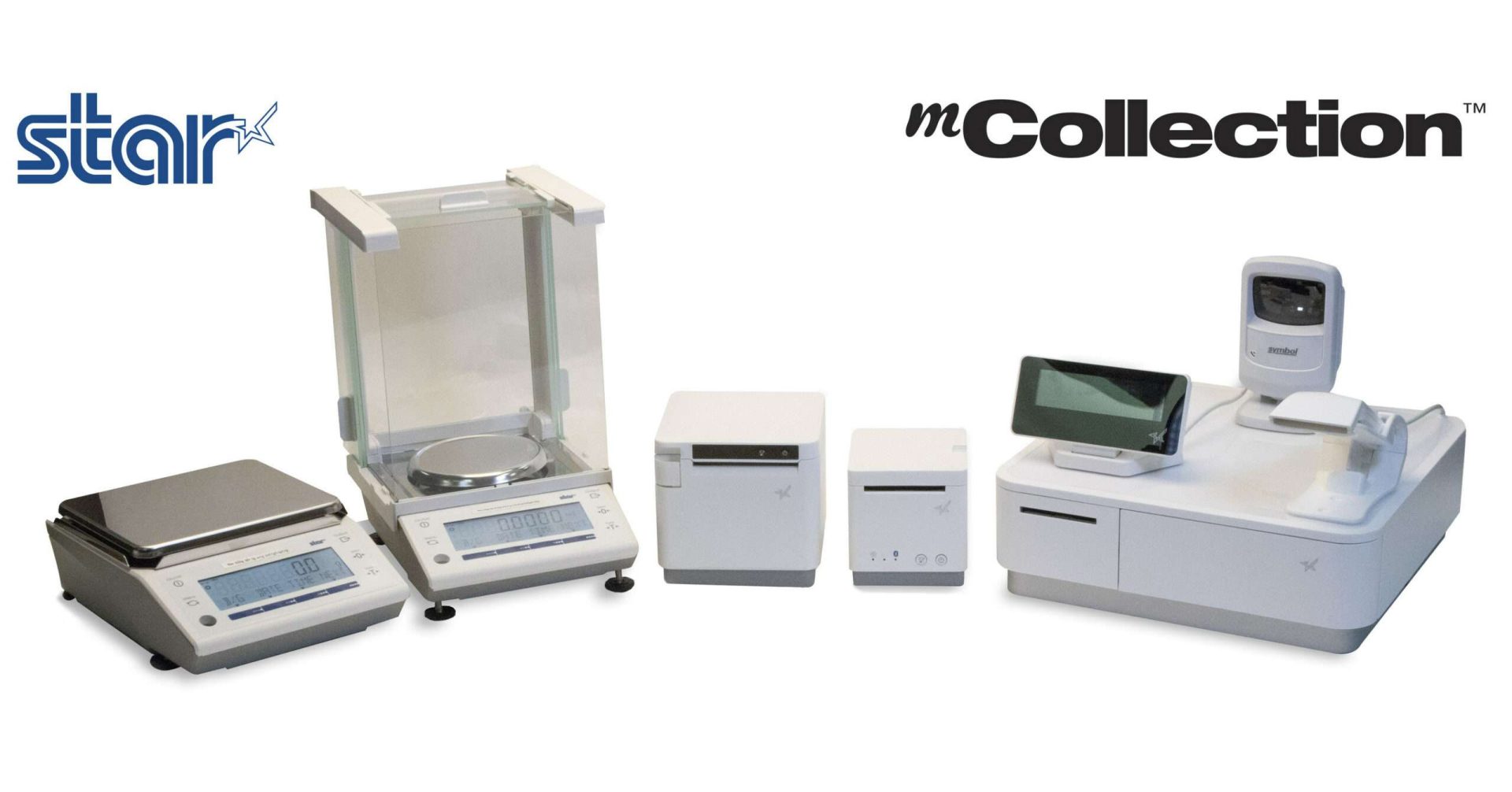
    Somerset, NJ – October 15, 2018 Star Micronics, a leading global manufacturer of mobile, point of sale (POS), and customer engagement technologies, is proud to announce Star’s new NTEP Certified mG-Scales that allow retailers to legally and accurately measure to a fraction of a gram. The scales are perfect for industries that must comply with regulations or that demand a greater degree of accuracy such as pharmacy, cannabis, jewelry, and grocery.

    There are three models with different capacities and sensitivities to meet the needs of different industries and applications:

    1. mG-S322 (320g, 0.01g)
    2. mG-S1501 (1500g, 0.1g)
    3. mG-S8200 (8200g, 1g)

    Each of the three models includes a triple interface including BLE (Bluetooth Low Energy), USB, and serial and the ability to support Windows, iOS, and Android. The scales can also be battery powered, making them ideal for virtually any application. Everything is all in the box, including a waterproof and dustproof cover, power cable, and USB cable.

    “Certain retail niches need scales that measure the smallest quantities—down to the one-hundredth or one-thousandth of a gram—so they can comply with regulations and keep tight control on inventory,” Christophe Naasz, the Director of Business Development at Star Micronics, said. “The mG-Scales are the best solution.”

    Star Micronics also provides software support to ensure the fast and easy integration of the scales to the POS system used by the specific retailer. To learn more about the mG-Scales, visit our website or call us at 1-800-782-7636.

  • The Five Ways Retail is Changing Forever

    The Five Ways Retail is Changing Forever

    Retail will never be the same. Consumer preferences are constantly shifting, technology is advancing, and commerce is dynamic. The marketplace is on the front-lines of new experiences, and there’s nothing shoppers crave more than new retail experiences. Is a retail renaissance occurring for small businesses?

    On the front lines, independent retail stores must constantly reinvent themselves. Small business owners as entrepreneurs are essentially creators now, in an age where the marketplace is converging with a new reality.

    1. It’s the Age of the Consumer

    Retail experiences and customer journeys are now frictionless and customer-focused. Advertising, commerce, and smartphone trends now have to keep up with the quickly changing consumer, whose values and new habits are creating the new paradigm of retail.

    Customer experiences must be the focus to appeal to audiences and personalize experiences for them that are radically in sync with culture, community, education and entertainment. In other words, the age of the consumer means stores must impact these — and not simply sell “stuff”.

    2. Always Easy Path to Purchase

    In an era of multi-channel and always online commerce, stores must make it easy, because for the new consumer, convenience wins. What’s easy and convenient is different for a diverse group of your shoppers.

    However being mobile friendly, having great return policies, smooth customer service, a store design that’s easy on the eyes, and having a great loyalty program—that’s facilitating an easy path to purchase.

    3. Educate and Entertain Customers

    A retail brand isn’t what it used to be. The new consumer demands a fully immersive and interactive brand and product experience. Shoppers don’t just want great products with unbelievable discounts, you have to offer them the full experience.

    In 2018, the full experience means does your commerce stand for something — does it bring your local community together? Does it entertain and educate you seamlessly about the product and the people who bring those products to life? Influencers, community, and sustainable causes can really help a retail brand reach the next level of customer interaction.

    4. The Power of Digital Influence

    For a small business it’s great to have your physical store, but your work is never done. For in 2018, digital influence takes many forms. From AR to digital signage in the store, to good-old email marketing, and being quick to answer customer inquiries online, the impact of digital influence on commerce is undeniable.

    Is your website and store optimized for search and local search; have you covered your bases on social media; have you implemented the very best POS and software integrations that’s right for your store? Everything counts, from the printer you use, to the kind of marketing you do.

    0_gFww8tYFv0YFkxFt-e1574799529892

    5. Be An Authentic Entrepreneur — Live Your Commerce

    Independent retailers are families, stories, and sometimes even inter-generational. Retail stores with rich stories and who portray themselves as real entrepreneurs appeal to the human side of shoppers.

    Being authentic in physical retail also means you care about your customer at every point of their journey. You sweat the details and create holistic and exquisite experiences. You inspire with the positive impact you have on the community, not just as an outlet of merchandise, but a small businesses that’s approachable, experts in their domain, and people that sync with the values of your best customers.

    Retail might never be the same. As big apparel and retail chains go bankrupt (think Sears & Toys R Us), independent retailers recognize they have a huge advantage, they are pillars of the community and excel at putting people first. Retail might be changing forever, but there’s never been a more exciting time to be a small business owner, or a shopper.

    Star’s future-proof retail POS solutions have you covered, today and tomorrow.

  • Star Micronics Reveals New Service: PromoPRNT

    Star Micronics Reveals New Service: PromoPRNT

    Effortlessly create promotions right on paper receipts!

    Somerset, NJ – August 3, 2018Star Micronics, a leading global manufacturer of mobile, point of sale (POS) and customer engagement technologies, is proud to announce PromoPRNT, a brand-new service added to the famous Star Micronics Cloud Service platform.

    PromoPRNT will allow retailers to automatically create printed promotions in addition to receipts. These incentives and bonuses will be delivered directly to shoppers’ hands, boosting customer retention and notifying customers of new deals and promotions.

    PromoPRNT is provided through two services on the Star Micronics Cloud Services dashboard: Promotion Builder and Promotion Scheduler. Promotion Builder is a seamless and simple way to create and design the promotions that will appear on the receipts from templates available in the Promotion Builder library. Promotion Builder makes it simple to add logos, text, and icons.

    Promotion Scheduler will empower retailers to schedule the duration of a coupon campaign by selecting a time, date, and printer for each coupon/promotion. With Promotion Scheduler, retailers will also have access to analytics that provides insight into each promotional campaign.

    For more information about PromoPRNT and other Star Micronics point of sale solutions, visit www.starmicronics.com.


  • 5 Ways to Motivate Retail Store Staff and Keep Morale High

    5 Ways to Motivate Retail Store Staff and Keep Morale High

    Picture this:

    It’s just a normal Tuesday and you arrive at your shop. Your spirits are high and you are looking forward to your day. You step through the door and your cashier is on her phone. Another employee is lounging to the side. There is no sense of enthusiasm or motivation. There are no positive interactions with your customers. Your mood immediately changes and, suddenly, you realize that this is affecting your store’s sales.

    Motivation, the state or condition of being motivated or having a strong reason to act or accomplish something. In 2017, it was reported that 51% of employees in the United States are not motivated. With the lack of motivation, about 70% of Americans do not feel engaged at their job. Why? There is a science to motivation that needs to be understood in order to keep employees engaged in their daily work.

    Let’s first understand why it is so hard to stay motivated. As said by Forbes, there are three main mental reasons as to why it is so hard to remain motivated:

    1. “I have to”
    2. “I don’t feel right about this”
    3. “I can’t do this”

    Basically, motivation is determined by how your employees view a situation. So, how can you keep your staff motivated besides their paycheck? Take a look at these five tactics!

    1. Employee Training

    We get it, this sounds boring. Nobody actually wants to sit through training, right? Wrong. Employee training sessions may have a bad rap for being boring, however, when done correctly, can be fun and engaging. For starters, Myagi suggests utilizing quizzes and follow-up questions to bring about friendly competition to your employees and increase participation and memory retention. Additionally, get your employees to present their ideas to one another.  You never know what tricks they may have up their sleeves.

    2. Listen

    Such a simple concept, yet so effective. Think about your personal experiences. Don’t you feel more valued when your boss listens to what you are saying? Listening to your employees’ thoughts, concerns and ideas is crucial in allowing staff to feel involved. Showing employees that their insights are valued and appreciated guarantee a high morale and motivated work environment.

    3. Advancement Opportunities

    Knowing that you are working to achieve a goal is motivating. The goal is especially motivating if it leads to more opportunities to advance within the business. By offering these opportunities, you give your staff the encouragement to work to the best of their abilities.

    4. Incentives

    Incentives are a fun, simple, solution to keep staff members motivated. Don’t worry, your incentives do not need to be expensive. They can be as simple a gift card to Starbucks. Let’s be honest, most people love prizes, so why not give your employees a reward for a job well done?   

    5. Be an Effective Leader

    Blog-Image-e1574798413408

    Show that you’re passionate about your role. Be excited about your business’s goals. Nothing is more motivating than a leader who wants to succeed with their staff. However, passion is not solely what makes an effective leader. Take a look Peter Economy’s 10 powerful habits that leaders should practice:

    1. Confidence
    2. Persuasive communication
    3. The ability to be sensitive and responsive
    4. Determined
    5. Supportive
    6. Distinguished
    7. Responsible
    8. Optimistic
    9. Honesty
    10. Organized

    Takeaway

    Motivation is mental and the mind is strong. With the mind being such a powerful tool, one must learn how to interact with their staff in order to encourage a positive and productive workday. Motivated retail associates directly translate into better customer service and thus increased in-store sales.

  • Retail Stores are Boosting In-Store Customer Experiences with Receipts

    Retail Stores are Boosting In-Store Customer Experiences with Receipts

    At Star Micronics, we’ve been innovating POS tech customer engagement solutions for years as an innovation hub for POS.

    Recently we have solved how retail stores can achieve digital receipts and micro receipts that engage customers, and this year we’re rolling out PromoPRNT, a seamless feature that allows stores to easily reach their customers with POS Ads in-store on receipts.

    PromoPRNT as an Innovative Location Marketing Tool

    • PromoPRNT is a new service available to Star Micronics Cloudregistered members that empowers retailers to create printed promotions in addition to receipts.
    • PromoPRNT is a suite of tools that allow small businesses to easily reach their customers with the creation, design, and execution of location marketing campaigns on receipts.
    • Ultimately, with these PromoPRNT tools, retailers will be able to deliver incentives directly to shopper’s hands at a fraction of the cost of other marketing tools.

    Mobile In-Store is Catching On

    According to a survey by iVend Retail’s 2018 Global Path to Purchase, 60.1% of shoppers said they used their smartphones in brick-and-mortar stores. This means mobile is an important touch-point for physical retailers and stores to elevate the customer experience. In 2017, Star created a seamless way for customers to upload their receipts to their smartphones called AllReceipts.

    Starbucks-e1574798293112
    Photo Credit: Kate Taylor, Business Insider

    Customer-centric apps allow retailers to boost their sales. A good example of this is how Starbucks has created a seamless way to do mobile ordering.

    Deployment 2.0 of Starbucks reworks the workflow of employees to better optimize their time that caters to the new mobile ordering feature at Starbucks locations, with a dedicated place for customers to pick up their orders.

    Starbucks insists that digital sales are a key for its future and displays one of the top in-app experiences of any global retailer. Dedicated employees for mobile ordering tasks means Starbucks have sped up their customer-experience to enable mobile ordering to become an ever-increasing portion of their sales.

    In-Store Mobile Experience Trends

    Shoppers who receive special offers via mobile while they are inside physical stores show higher conversion rates than in other customer journeys, according to Retail Dive. Mobile is also increasingly the starting place for research into products and retail locations that are local. At Star, we recognize the importance of both digital and physical cues for shoppers and thus have dedicated digital receipts and location marketing suite of services that is an omnichannel solution to better engage the modern shopper.

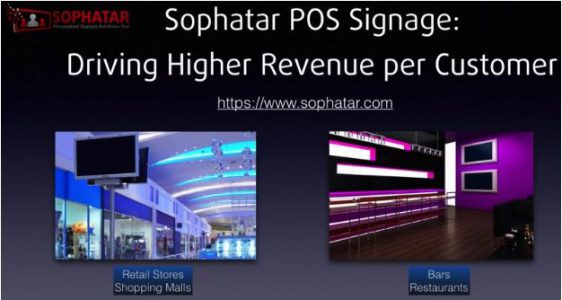
    Sophatar-e1574798315870

    Digital Signage that Combines Mobile Loyalty with Digital Displays

    With more consumers using mobile at physical retail locations, Star also has another new program that leverages POS Digital Signage, with digital signage partner, Sophatar.

    Sophatar® POS Signage is another new service available to retailers who are registered Star Micronics Cloud users, for a low monthly subscription cost. Combining POS Data, with digital signage screens, the solution is able to increase the basket size of the most popular selling items at hospitality, grocery, retail, and apparel boutique locations.

    In this article, we have covered how retailers and brick-and-mortar small businesses can easily combine mobile, location-marketing receipt tech and POS digital signage to create a better in-store customer experience that increases retail sales.

  • The SMB Guide to Retail Promotions

    The SMB Guide to Retail Promotions

    The weather is getting warmer and school’s almost over for the year. SMBs are shifting gears for summer months, lining the shelves with warm weather merchandise. Customers are ready for some fun in the sun, but they’re looking for deals to affordably stock up for summer camp and trips to the beach.

    E-commerce sales have outpaced brick-and-mortar store growth, but effective retail promotions will help you compete with online goliaths. It’s important to focus on your existing customer base because marketing experts agree that it’s less expensive to retain customers than it is to acquire new ones. How much exactly? According to the Harvard Business Review, it ranges from 5 to 25 times more expensive to attract a new customer than it is to generate repeat business.

    Brick-and-mortar stores still have the upper hand over online competitors when it comes to instant gratification and the face-to-face service experiences that shoppers crave. Supercharge these advantages by combining them with effective retail promotions that draw in foot traffic, giving customers can’t-miss reasons for wanting to shop in your store.

    1. Discount Promotions

    It’s natural to think that the easiest way to give sales figures a boost is to run discount promotions however, it’s important to ensure there’s enough long-term value to justify the short-term discount. Bundling is a great way to encourage shoppers to spend more money. Couple related items for a discount—for example, purchase a beach towel and get a bottle of sunscreen for 50% off. Partnering less popular items at full price with discounted best sellers is a smart way to move inventory quickly while still earning a profit.

    2. Utilize “Free” in Your Promotions

    Free items or small “tokens of affection” can go a long way toward making shoppers feel their business is appreciated. Customers are more likely to return to your store if they feel they are being rewarded for buying items they need or value, so “buy one, get one free” can inspire shoppers to stock up. This is especially effective for special event-related merchandise that’s headed for the markdown bin after the season is over. Retail promotions such as “purchase a $100 gift card and get a $10 gift card free,” are also popular because consumers feel like they are getting a bonus with their purchase.

    3. Coupons, Coupons, Coupons

    Coupons are a great way to get people to try new products at a lower price, and if the product lives up to expectations, pay full price the next time. In addition, coupons like “spend $50 and take $10 off” give people an incentive to buy a few more items to reach the $50 goal, and let the shopper choose which items to purchase. Merchants can use their POS solutions to reduce the cost of printing coupons by generating offers in-store. Printing coupons on receipts allows you to reach a higher percentage of shoppers because you can be sure the customer receives it, and it gives your sales associates an additional opportunity to engage customers before they leave the store.

    4. Limited-Time-Only Retail Promotions

    Discounts or items that are only available for a short amount of time creates scarcity and a sense of urgency to purchase. For example, flash sales that happen between certain hours will force people to purchase in that time frame. Daily deals give the perception that the deal will last only as long as the items are in stock. Use these tactics to your advantage with summer deals.

    Although the retail landscape is competitive, SMBs can employ smart retail promotions to help attract new shoppers and retain their customer base. Coupons, free products, discounts, and limited-time-only sales can make an already-great, in-store shopping experience too irresistible to pass up.

    Star’s PromoPRNT allows you to easily customize promotions that print directly on receipts.