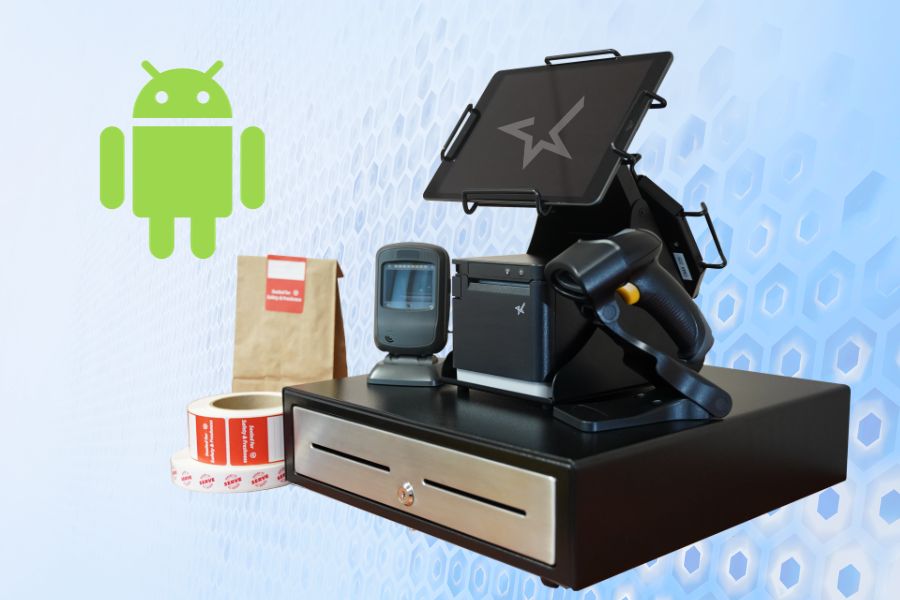
Tag: Restaurant & Hospitality

  • How to Switch to an Android POS System: A Detailed Guide

    How to Switch to an Android POS System: A Detailed Guide

    The modern retail landscape is in constant flux, mainly driven by consistent technological innovation. Among these many changes, the shift toward Android point-of-sale (POS) systems has been particularly noteworthy over the last couple of years.

    The Rise of Android POS Software

    The Android operating system, universally recognized for its user-friendly nature and cost-effectiveness, is now the first choice for a rapidly growing number of retail businesses. Its open-source nature lends itself to exceptional customization capabilities, allowing software developers to tailor their POS applications to their exact specifications. Merchants in the retail and hospitality industries have greatly benefitted from such progress.

    Such flexibility isn’t just about aesthetics; it’s about delivering a smooth, efficient customer service experience and integrating diverse software applications that manage everything from inventory to customer feedback.

    The Critical Role of Hardware in Android POS Systems

    However, an Android POS system’s success relies on more than just the software. The hardware components, particularly the printers, are pivotal in ensuring the system operates seamlessly.

    Here, Star Micronics shines in the world of retail solutions. Fully understanding the Android revolution in the POS industry, Star has dedicated its resources to craft printers that perfectly sync with Android systems.

    Among Star’s crowning achievements is the TSP143IVUE thermal receipt printer. All Star Micronics receipt and label printers are compatible with Android, but the TSP143IVUE optimizes the Android experience thanks to its support for the Android Open Accessory (AOA) protocol.

    AOA support ensures communication between the Android system and the printer while keeping the tablet or device powered and charged, enhancing the user experience by leaps and bounds. Star also has industry-leading software development kits (SDKs) to aid technology providers in the integration of Star printers with developer POS software.

    Software developers, click here to contact the Star Integrations Team >

    An Independent Software Vendor’s (ISV’s) Guide to Star Printer SDKs

    Unlock seamless printer integration tailored to elevate your software’s performance and versatility.

    If Your Current POS Software is Android-Compatible

    For many business owners, the thought of transitioning to a new system can be daunting, especially if they’re content with their current POS software. The good news? Your transition can be significantly streamlined if your POS software is already compatible with Android hardware.

    If this is you, you’re in a favorable position; your employees are already acquainted with the software, eliminating the need for extensive training.

    In such cases, while reviewing the steps detailed below for a thorough understanding is beneficial, you may not have to follow all of them. Instead, you can focus on hardware, ensuring a smoother and more efficient switch to the Android POS system of your choice.

    Preparing for a Seamless Transition

    Before considering a switch to an Android POS system, businesses without Android-compatible software should start by evaluating their current system. This means pinpointing its strengths and acknowledging its limitations.

    But introducing new technology isn’t just about installation. The importance of thorough staff training cannot be overstated. A system can only reach its full potential when those using it are proficient and confident.

    Be prepared to do the necessary work if you want the greatest rewards later on.

    Steps to Transition to an Android POS System

    Transitioning requires careful planning and execution. Here’s a structured approach for business owners looking to make the switch to an Android POS system:

    1. Assessment & Planning

    • Evaluate Current Needs: Start by analyzing the features of your current POS system. Pinpoint its strengths and any gaps in functionality. Examine both your software and hardware, identifying essentials and desired additions. Invest time in creating a detailed list. Group all your “must-have” features together and create a separate wishlist for the desirable, but not crucial, add-ons.
    • Determine Compatibility: Ensure which of your existing hardware (e.g., barcode scanners, cash drawers, printers) is compatible with Android systems or plan for necessary upgrades. 

    2. Research & Selection

    • Choose the Proper Software: Various Android POS applications cater to distinct business requirements. As features, pricing, and support differ across the board, it’s crucial to choose wisely. Refer back to your prioritized list, ensuring your software selection has all your must-have features and, ideally, some from your wishlist.
    • Hardware Selection: Decide if you’ll be using dedicated Android POS terminals or other popular devices such as tablets. If you need to upgrade to new POS hardware, be sure it’s compatible with Android, is user-friendly, and has excellent support. This may go without saying, but ensure your chosen hardware is also robust enough for your business’s daily operational demands. Cutting costs on hardware may lead to regrets when they break down, leaving you in a jam during your busiest hours.
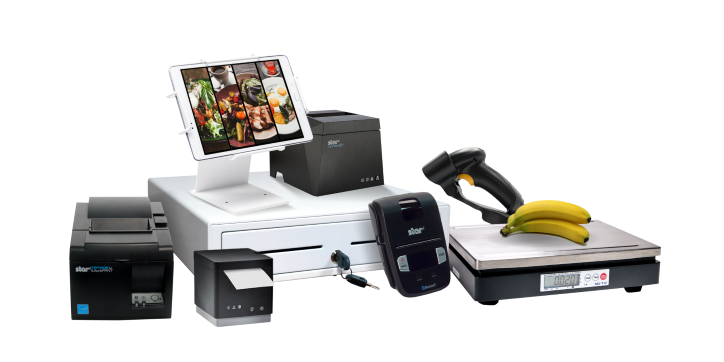

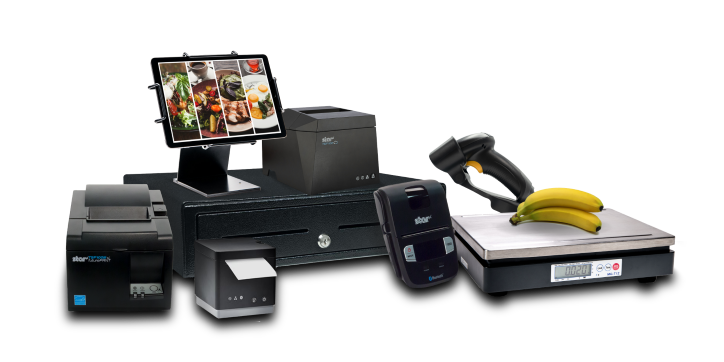
    The complete point-of-sale (POS) suite in black and white by Star Micronics.
    All point-of-sale hardware by Star Micronics works with Android operating systems.

    3. Data Migration

    • Inventory & Product Data: Most modern POS systems allow you to export product data. Once exported, this data can be imported into your new Android POS software.
    • Customer Data: If you’ve maintained a customer database or loyalty program, ensure this data is also transitioned.

    4. Configuration & Customization

    • Payment Processing: Set up payment gateways and processors to ensure seamless transactions with your Android POS system. Note: if you are using your current Android-compatible POS software and making no software changes, there will likely be no need to update your payment processing or terminal.
    • Tax & Compliance: Ensure your chosen software is configured according to local tax regulations. All POS software must comply with all federal and state tax laws.
    • Custom Features: Depending on the software, you may be able to add specialized features tailored to your business needs.

    5. Training

    • Staff Orientation: Familiarize your team with the basics of the new system.
    • In-depth Training: Consider more detailed training sessions or workshops depending on your business’s complexity.

    6. Testing

    • Pilot Run: Before fully transitioning, consider running the new Android POS system parallel to your existing system to catch any issues.
    • Feedback Loop: Allow staff to provide feedback on any challenges they encounter.

    7. Deployment & Go-Live

    • Full Transition: Once you’re confident in the new system’s functionality, make the full switch.
    • Support: Ensure there’s a system in place for staff to report issues and get help as needed.

    8. Ongoing Review & Optimization

    • Collect Feedback: It’s crucial to consistently gather feedback from staff and customers to ensure the system meets everyone’s needs.
    • Updates & Maintenance: Regularly update the software to benefit from the latest features and security enhancements.

    Remember, while there are challenges in making a significant change like this, the flexibility, customization options, and potential cost savings of an Android POS can offer many benefits to modern businesses.

    Happy Business Owner Retail Grocery Small

    Embracing Tomorrow’s POS Landscape

    Staying ahead in the ever-changing retail and hospitality world means staying informed and embracing a proactive spirit. If you’re sensing your legacy POS system may be holding back your business, there are many reasons why upgrading to a newer Android POS system would be advantageous.

    Not only is it a highly cost-effective alternative, but the operating system itself allows for excellent customization and is very user-friendly. Paired with the advanced capabilities of Star Micronics’ printers, vendors are equipped with leading technology and an edge in operational efficiency.

    Embracing innovation ensures a brighter, more efficient future for your business, positioning you at the forefront of the retail evolution.

  • Star Micronics Unveils mUnite VESA Pole Mount for Versatile Two-Tablet Workstations

    Star Micronics Unveils mUnite VESA Pole Mount for Versatile Two-Tablet Workstations

    The new VESA Pole Mount accessory further enhances the mUnite Mount 18 tablet stand, meeting demand for operational flexibility within the retail and hospitality industries.

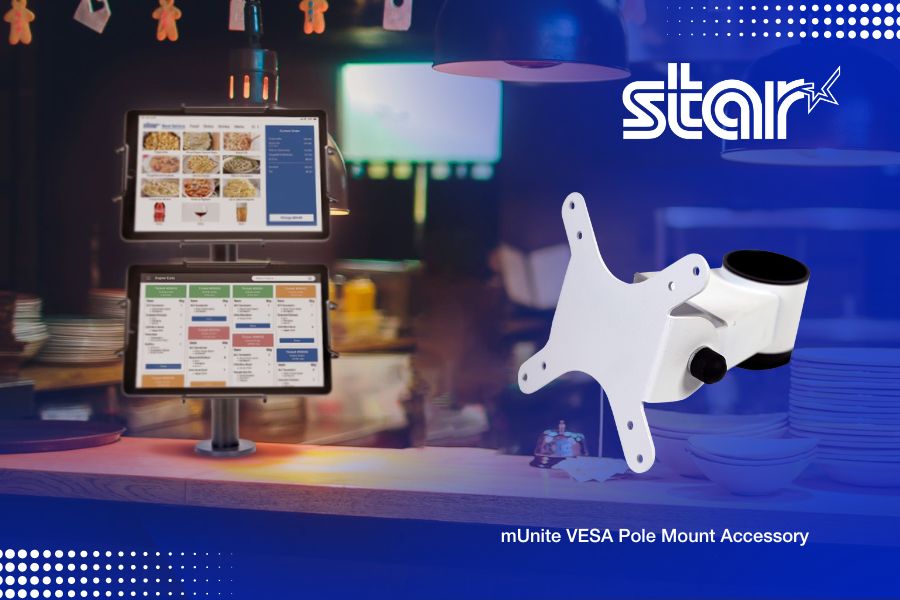
    Somerset, NJ – August 15, 2023 – Star Micronics, a world-renowned innovator in point-of-sale (POS) and customer engagement technology, announces the release of their latest mUnite VESA Pole Mount accessory designed to optimize dual-tablet workstations. This new solution adds versatility to Star’s mUnite Mount 18 tablet display mount by enabling a second tablet to securely attach, creating a customer-facing option, or accommodating two tablets for online order management.

    “The mUnite VESA Pole Mount leverages the universally accepted VESA mounting design, providing compatibility with a broad range of tablet enclosures, including Star Micronics’ own Universal mEnclosure. It’s another answer to the ever-growing demand for efficiency and operational flexibility within the retail and hospitality industries.”

    The mUnite Mount 18 tablet stand, already favored for its sleek and minimalist design, is now further enhanced with the new VESA Pole Mount. The accessory is easy to install and use, transforming the Mount 18 into a versatile multi-use workstation. Star’s VESA 75mm/100mm mount accessory works with any tablet enclosure that uses universal VESA mounting to affix to POS stands or pole mounts, including the Universal mEnclosure and Mini Universal mEnclosure. The Pole Mount keeps tablets securely attached yet effortless to remove, streamlining sales and customer interactions.

    Star Micronics’ Mount 18, a part of the mCollection® series, has been well received for its space-maximizing contemporary design, catering to the bustling environments of restaurants and quick-service restaurants (QSRs). Now, its ability to securely hold two tablets while keeping them easily accessible makes it an excellent choice for businesses needing organized dual-tablet workstations.

    “Star is committed to continuously innovating and delivering meaningful, tangible benefits to our customers. We are excited to see this versatile addition to our mCollection series assist businesses in maintaining a well-organized, efficient workspace.”

    Love industry news? Check out our podcast:

    Star Micronics logo, point-of-sale (POS) hardware and technology company.

    Star Micronics, a world leader in point-of-sale (POS), has designated a portfolio of printing, secure cash management, self-service, and customer engagement solutions for any retail or hospitality establishment. Embracing the mPOS wave, Star’s SDKs allow developers to utilize Star printers in tandem with Android™, iOS, iPad®, and iPhone® devices to generate receipts, labels, Chit, and tickets. Star Micronics is always leading and always innovating, creating cloud-based printing solutions, including CloudPRNT and Star Cloud Services, with AOA support and MFi connectivity. Star also has a wealth of peripherals, including 2D barcode scanners, scales, tablet display stands, and more. Visit starmicronics.com or follow us on Facebook, Twitter, Instagram, YouTube, or LinkedIn to learn more.

    Media Contact:

    Christin Dorner
    Star Micronics America, Inc.
    848-216-3318

  • Meeting the Online Order Surge: How Hardware Impacts Efficiency

    Meeting the Online Order Surge: How Hardware Impacts Efficiency

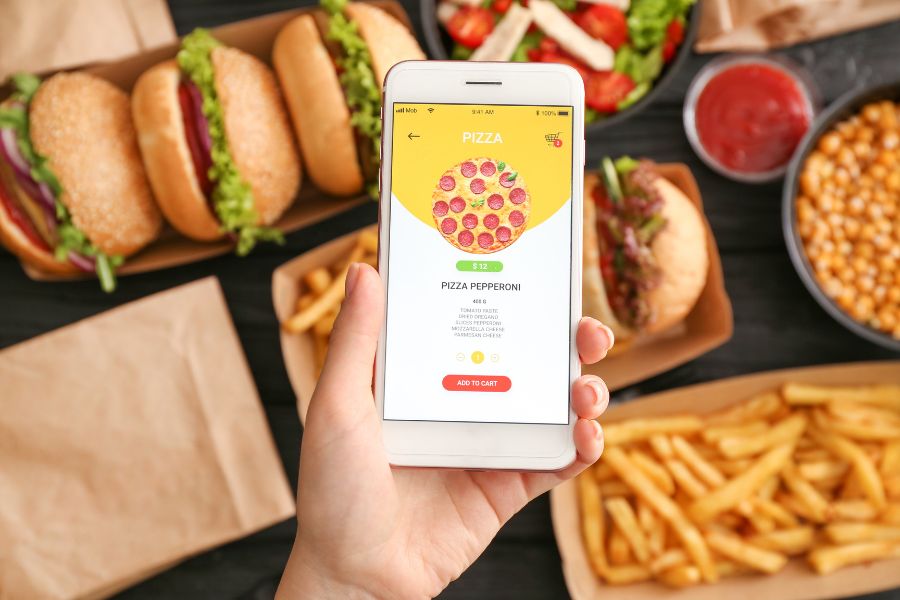
    As online ordering charts an upward path, businesses find themselves in a whirlwind trying to adapt and catch up. The post-pandemic era has redefined modern convenience for good, with customers prioritizing speed and touchless transactions from platforms like DoorDash, Uber Eats, Grubhub, and many more.

    To stay competitive as a business owner, you must be able to handle the surge in online orders, and one crucial aspect of this is re-evaluating your hardware systems.

    The Online Order Surge is Here to Stay

    Recent data underscores an undeniable truth: online ordering is not just a fleeting trend—it’s an entrenched consumer habit well-established in everyday life. In the past couple of years alone, there’s been a substantial increase in customers opting for online food orders, grocery shopping, cannabis, and even retail.

    We’ve all heard friends and people at the office saying they’re going to “DoorDash” for lunch or dinner.

    Undeniably, this shift is mainly due to the desire for safer, faster, and more convenient shopping experiences. The appeal is hard to resist.

    Challenges Faced by Businesses

    In effect, the growing trend of online ordering brings inevitable challenges for every business owner. Businesses are expected to maintain profitability and customer satisfaction no matter what comes their way.

    • Diverse Ordering Platforms:

      In today’s digital age, consumers have multiple avenues to place orders. From branded apps and third-party delivery platforms like Grubhub and DoorDash to direct website orders—businesses must juggle between different systems simultaneously. This can lead to potential mismanagement and oversight of specific orders.

    • Real-time Order Management:

      With the expectation of prompt deliveries and real-time order updates, businesses face pressure to manage orders in real-time, particularly with popular delivery apps. Any lag or delay can lead to a ripple effect, causing dissatisfaction, negative reviews, and, ultimately, the loss of new and loyal customers.

    • Accuracy and Detailing:

      With online orders, there’s a greater emphasis on customization and details. Whether it’s food allergies, special requests, or bespoke products, businesses must capture and execute every detail correctly. Any oversight here could lead to costly re-dos or, in extreme cases, health hazards.

    • Inventory Management:

      The rapidity of online orders requires businesses to have a robust inventory management system. Running out of crucial ingredients or products not only hampers current orders but can lead to a loss of potential future orders from disappointed customers.

    • Integration with Physical Storefront:

      For businesses operating both online and offline, there’s the added challenge of ensuring seamless integration. Physical in-store purchases must be harmonized with online orders to prevent over-commitment or under-utilization of resources.

    • Staff Training and Adaptation:

      The digital landscape is constantly changing. As new systems and technologies emerge, businesses must ensure their staff are adequately trained and can adapt swiftly. This continuous learning curve can sometimes be daunting for long-term employees or those less technologically inclined.

    Ultimately, to mitigate these challenges and streamline operations, the importance of well-structured, ergonomic, and technologically sound hardware workstations cannot be stressed enough.

    Conquering Omnichannel Order Management with Cloud-Based Technology Solutions

    Consumers have spoken! The future of retail and hospitality is omnichannel, cloud-based, and connected. Is your business prepared for online ordering?

    The Role of Hardware in Streamlining Online Order Management

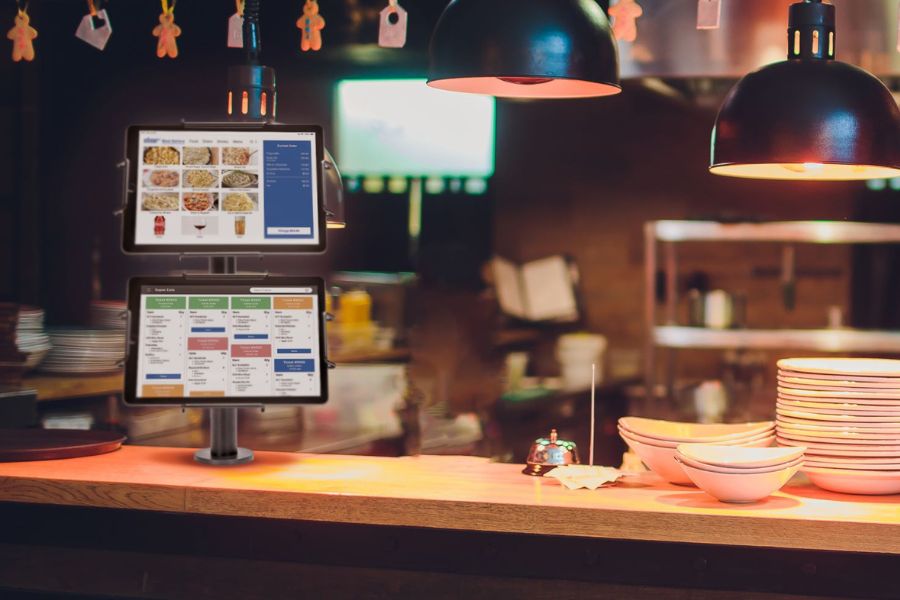
    The efficiency of any online ordering system is, to a large extent, influenced by the hardware it runs on. Multi-tasking is the name of the game. Therefore, an optimized workstation featuring a multi-tablet system can be transformative.

    With one or two tablets dedicated to processing incoming orders from different online ordering applications and another for customer interactions or auxiliary operational needs, businesses can achieve optimal efficiency.

    Ergonomics and User Experience

    Beyond functionality, there are the added concerns of ergonomics, organization, installation, and user comfort. These concerns should not be taken lightly. A good workstation isn’t just about speed—it’s about ensuring staff can install, view, access, and use every piece of hardware easily, reducing the potential for frustration and errors.

    Proper workstation placement can significantly improve operational flow, enhance user experience, and boost overall employee morale.

    Star Micronics: Meeting the Needs of Modern Businesses

    For years, Star Micronics has emphasized the critical nature of efficient workstations. In today’s dynamic landscape, each piece of hardware must integrate flawlessly with the next, ensuring a streamlined workflow for hassle-free operations. This synergy is essential to meeting evolving demands and maximizing customer satisfaction.

    Designed with the modern business landscape in mind, Star’s mCollection® features a multitude of standout products like the mPOP and the mC-Print series. But the mCollection is much more than POS printers. With the mUnite line of tablet stands and pole mounts, the hardware collection provides the adaptability necessary to declutter and structure even the busiest of workstations.

    Focusing on Multi-Tablet Workstations

    Attached to the popular mUnite Mount 18 pole mount, the VESA mount accessory allows businesses to easily elevate their online order management by creating a versatile dual-tablet station. It’s cost-effective and ideal for companies seeking an organized, multi-functional workstation in busy retail and hospitality environments.

    The VESA pole mount accessory from Star Micronics turns the Mount 18 tablet mount into a two-tablet display.
    The VESA pole mount accessory turns the Mount 18 into a two-tablet display

    Key Features of the VESA Pole Mount Accessory on Mount 18:

    • Instantly creates a cost-effective & flexible two-tablet workstation
    • Great for organizing online ordering or customer engagement tablets
    • Compatible with any tablet enclosure using 75/100 VESA mounting
    • Tablet mount is securely fastened, protecting the tablet or device
    • Made of durable steel
    • Easy installation & removal

    mUnite Tri-Mount Multi-Tablet Display

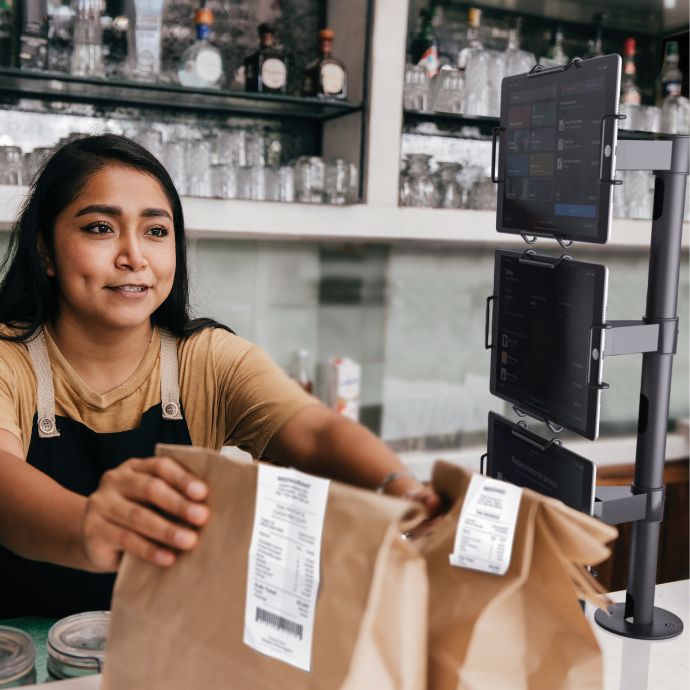
    Furthermore, the mUnite Tri-Mount pole mount is perfect for multi-tablet and online order setups, especially for restaurants that receive orders from platforms like DoorDash, Grubhub, and Uber Eats, which often require different printers and tablets.

    Easily installed on most countertops, its sleek design conserves space, making it ideal for restaurants managing online orders across multiple devices. It securely accommodates up to three tablets (see here for specifications), ensuring easy access and protection in fast-moving settings.

    The Tri-Mount multi-tablet mount from Star Micronics displays three tablets at once. Great for online orders.
    The Tri-Mount multi-tablet display by Star Micronics

    Future Readiness in the Age of Digital Ordering

    The surge in online ordering continues to reshape the business landscape. To stay competitive, businesses must invest in organized, ergonomic, and efficient hardware solutions. By doing so, they position themselves to meet current demands and be well-prepared for future challenges and opportunities.

    So, as technology continues to evolve and consumer preferences shift, is your business infrastructure flexible enough to adapt? Remember, the choices you make today will shape your success in the digital ordering era of tomorrow.

    Learn about Star Micronics reliable hardware for online orders:

  • Embracing Sustainability: The Eco-Friendly Advantages of Linerless Sticky Labels

    Embracing Sustainability: The Eco-Friendly Advantages of Linerless Sticky Labels

    In an age of heightened environmental awareness, businesses increasingly seek eco-friendly alternatives in all aspects of their operations. From reducing waste to minimizing carbon footprints, sustainability has become a crucial consideration for modern enterprises. Among the innovative solutions making a positive impact is the adoption of linerless sticky labels.

    Whether permanent linerless or repositionable linerless, these versatile labels offer a greener alternative to traditional labels, aligning with businesses’ commitment to eco-conscious practices. But why are they the greener choice, and are there any issues that need further consideration?

    In this article, we will explore the many eco-friendly advantages of linerless sticky labels and why they are an essential addition to any environmentally-conscious business that uses labels.

    Why Linerless Sticky Labels are the Greener Choice

    Linerless sticky labels are greener, more sustainable, and eco-friendly environmentally.

    Waste Reduction

    First and foremost, linerless sticky labels eliminate the need for backing paper, a significant source of waste with traditional labels. Silicone backing paper, also known as liner waste, contributes to the bulk of discarded materials in labeling processes.

    With linerless labels, this waste is drastically reduced during production and application, leading to less environmental strain and landfill usage. By adopting linerless sticky labels, whether repositionable or permanent, businesses can demonstrate their commitment to waste reduction and a circular economy.

    Recyclable Materials

    Linerless sticky labels can be made from eco-friendly, fully recyclable, and even biodegradable materials. These materials can be chosen to ensure minimal environmental impact throughout their lifecycle. As businesses aim to meet their sustainability goals, opting for eco-friendly sticky labels becomes an essential step toward reducing their environmental impact.

    Improved Material Efficiency

    The absence of backing paper with linerless labels translates to optimized efficiency in printing processes. Linerless labels have more labels per roll, reducing the frequency of roll changes and ultimately saving resources. Plus, businesses don’t need to change the sticky paper roll as often.

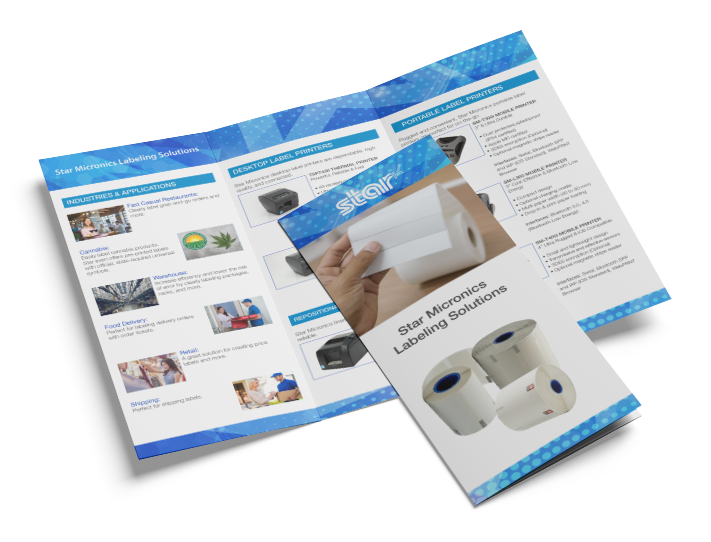
    Star Micronics Labeling Solutions Brochure

    Ideal for self-ordering, Star Micronics kiosk label printers have a small footprint and are easy to incorporate.

    Space-Saving and Cost-Effective

    The higher number of labels per roll and the elimination of liner waste contribute to significant space-saving advantages. Businesses can store and transport more sticky labels at once, reducing storage space requirements and logistic costs. This space-saving feature also extends to retail environments where compact label rolls allow for more products on display, enhancing visual appeal.

    Versatility in Applications

    Linerless sticky labels are incredibly versatile and can be used for a wide range of applications. Whether you need labels for food and beverages, retail items, shipping, or any other purpose, these labels offer a convenient all-in-one solution. 
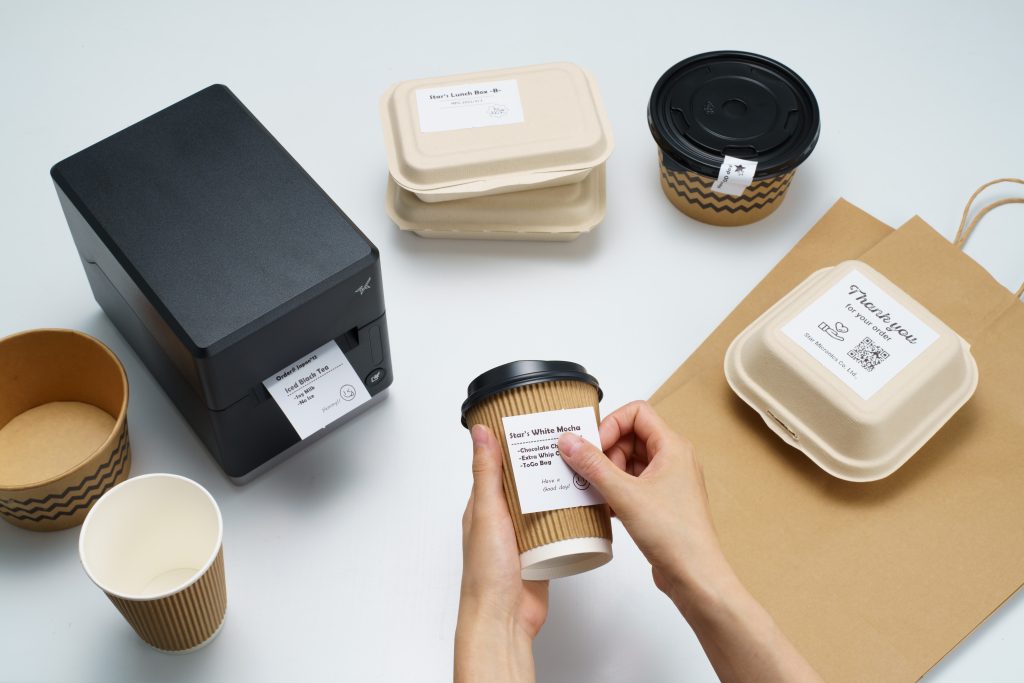
    By using linerless labels, businesses can simplify inventory management and reduce the need for multiple label types, resulting in less material consumption and a more efficient labeling process.

    Exploring Linerless Labels Responsibly

    When it comes to linerless labels, understanding their potential environmental advantages requires careful consideration of critical factors:

    • Adhesive Selection: Linerless labels rely on specialized adhesives that eliminate the need for liners. The environmental impact of these adhesives may vary, making it crucial to opt for eco-friendly options that align with your application requirements.
    • Label Application Process: Efficient application techniques and equipment are vital for minimizing waste and reducing environmental impact when working with linerless labels. Ensuring streamlined processes can contribute to sustainable practices.
    • Responsible Disposal: Maximizing the environmental benefits of linerless labels necessitates proper disposal or recycling. Educating consumers about recyclability and providing clear disposal instructions can encourage eco-friendly habits.


    As with any labeling solution, the overall environmental impact of linerless labels depends on factors like material choices, manufacturing practices, and end-of-life disposal. Collaborating with knowledgeable suppliers or sustainability experts can assist in evaluating specific linerless label options and understanding their environmental implications.

    Paving the Way to a Greener Future

    Environmentally friendly business man

    Sustainability is a top priority for many businesses, so opting for eco-friendly solutions like linerless sticky labels makes perfect sense. Not only do these labels help reduce waste and minimize carbon footprints, but they also offer cost-effective benefits and can be used in a variety of applications.

    By making the switch to linerless labels, businesses showcase their dedication to environmental responsibility, attracting eco-conscious customers and playing their part in building a greener future. Take a leap toward sustainability and enhance your business’s environmental profile by embracing linerless sticky labels today.

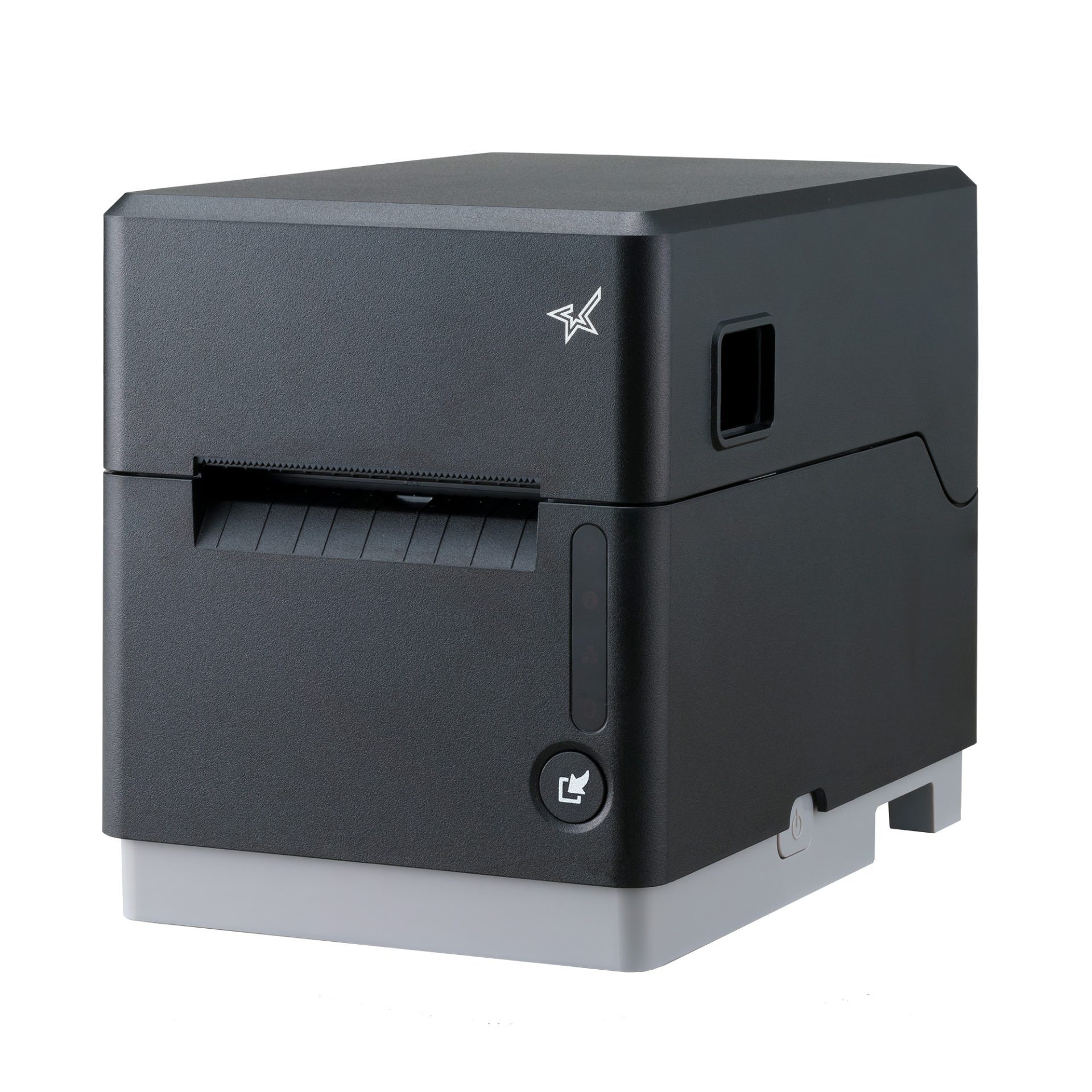
    The mC-Label3 Multimedia Printer

    The latest innovation by Star Micronics, the mC-Label3 Multimedia Printer, prints across a wide array of media types, including repositionable linerless sticky label paper.


    Always Leading, Always Innovating

    Star Micronics is a leading provider of sustainable labeling solutions tailored to meet your unique business needs. Learn more about our eco-friendly printer and label options and how we can help your business make a positive impact on the environment:

  • A Look Back at 75 Years of Retail Innovation

    A Look Back at 75 Years of Retail Innovation

    As we commemorate the 75th anniversary of the Retail Solutions Providers Association (RSPA), it’s the perfect time to acknowledge the profound shifts in the retail industry brought about by technology. Over the past 75 years, technological innovations have drastically reshaped the retail landscape. To honor RSPA’s enduring relationship with the retail sector, let’s revisit the key ways technology has transformed the industry over these pivotal years.

    The RSPA celebrates its 75th anniversary being the POS technology place to be for the retail industry.

    A Short Timeline of Retail Innovations From the Last 75 Years

    1948: A small group of cash register dealers formed the ICRDA (Independent Cash Register Dealers Association), which would later become the RSPA.

    1958: Bank of America launched BankAmericard, which laid the foundation for credit cards in retail transactions, revolutionizing payment methods.

    1965: Nobel Prize laureate, Jack Kilby, invented the world’s first semiconductor-based thermal printer. This invention paved the way for efficient printing solutions in retail environments.

    1965: Digital scales, initially invented in Japan, became the most popular type of weighing scale worldwide, offering accurate measurements for various retail applications.

    1968: The Japanese company Epson introduced the EP-101, the first electronic printer, which was crucial in enhancing printing capabilities in retail operations.

    1971: Cash registers capable of handling currency conversions were created, streamlining international transactions.

    1973: The first computer-operated cash register marked a significant shift from mechanical to electronic systems, improving efficiency and accuracy in retail transactions.

    1976: The first Universal Product Code (UPC) was scanned from a barcode attached to a pack of gum. This technology revolutionized inventory management and checkout processes.

    1977: The University of Illinois introduced the “Plato Hotline,” the first interactive kiosk that provided campus information, opening doors to self-service and information dissemination.

    1985: Mosher introduced the first color touch-screen-driven point-of-sale (POS) interface, improving the user experience and making transactions more intuitive.

    1997: The first contactless payment system, Mobil Speedpass, was launched, paving the way for convenient and fast payment methods in retail.

    2002: The United Kingdom introduced the first cloud-based POS system, enabling businesses to manage their operations remotely and efficiently.

    The future of retail innovation and cloud technology.

    Advanced Features

    These groundbreaking steps have landed a place in history while others are still solidifying a stronghold. Applications like integrations with artificial intelligence and machine learning, along with barcode scanning, RFID, and QR codes, are all evolving to create new and exciting retail experiences. 

    There’s no denying the power of artificial intelligence (AI) and machine learning (ML). These incredible technologies promise to redefine the retail sector, analyzing data to reveal critical findings about customer behaviors, likes, and trends. Such insights empower retailers to offer personalized shopping experiences, manage inventory more effectively, and predict demand. Moreover, AI-fueled chatbots and virtual assistants are enhancing customer service by providing immediate assistance and suggestions.

    Furthermore, tools such as 1D barcodes, RFID, and 2D QR codes are propelling retailers to new heights, improving inventory management, minimizing errors in shipping and receiving, and streamlining logistics. These innovations are quickly becoming integral to the ultimate omnichannel experience for consumers.

    Future Potential

    Over the past 75 years, the retail industry has seen impressive transformations, reshaping consumer behavior and business operations. Technology has been the catalyst behind these changes, and its rapid progress leaves us wondering about the future of retail.

    As we look to the next 75 years, we can expect even more profound technological advancements influencing the retail scene. The incorporation of AI and ML will continue to personalize shopping experiences and optimize business processes. Emerging technologies like RFID and QR codes will further enhance data collection and foster smooth interactions between consumers and businesses.

    The future of retail innovation and AI technology.

    The Next Wave of Retail Innovations

    The future presents a vast landscape for creative breakthroughs and newcomers in the retail industry. It’s exhilarating to think about the innovations that will define the next wave of retail. As we celebrate RSPA’s 75th anniversary, we acknowledge their significant achievements and contributions to the industry.

    At Star, we are dedicated to offering product lines and technologies that stay up-to-date with the evolving retail sector. Here’s to celebrating another 75 years of success, collaboration, and exciting retail innovations!

  • What are Connected Workstations & Why Are They Beneficial?

    What are Connected Workstations & Why Are They Beneficial?

    In today’s fast-paced business environment, every bit of operations efficiency is gold. Even if your business is only half a step ahead of the competition, it’s better than being a quarter step behind. This is why all retail and hospitality business owners need to consider connected workstations. Having a connected workstation can make a substantial difference in the productivity and efficiency of your store. 

    But what exactly is a connected workstation, and how can it benefit your small business? 

    What are Connected Workstations?

    Connected workstations are a collection of devices and peripherals, such as computers, printers, scanners, and other hardware, that are interconnected and can communicate seamlessly. These devices are typically connected to a network, whether that’s a local area network (LAN), wide area network (WAN), or a wireless local area network (WLAN), and can share data and resources.

    Why are Connected Workstations Beneficial to Businesses?

    Connected workstations offer several benefits to businesses, including:

    • Increased Productivity: With a connected workstation, employees can access and share resources easily, allowing them to work more efficiently and collaboratively. This can lead to increased productivity and faster completion of tasks.
    • Improved Workflow: A connected workstation can streamline business processes and workflows by automating tasks and reducing manual intervention. This can result in a more efficient and cost-effective workflow.
    • Cost Savings: A connected workstation can help businesses save money by reducing hardware and software costs. By sharing resources such as printers and scanners, companies can avoid purchasing multiple devices, which can be expensive.
    • Enhanced Security: A connected workstation can also improve security by providing centralized management and monitoring of devices and applications. This can help businesses protect against security threats and reduce the risk of data breaches.

    Increase Your Chance For Success

    In summary, connected workstations can provide several benefits to businesses, including increased productivity, improved workflow, cost savings, and enhanced security. By adopting a connected workstation setup, businesses can work more efficiently, boosting overall performance and ultimately leading to increased success and growth.


    If you’re interested in setting up a connected workstation for your business, be sure to check out our “Connected Workstation Guide: 5 Easy Steps” ebook for simple instructions on how to get started. It’s perfect for those in the retail, hospitality, and cannabis industries.

    How To Create a Connected Workstation in 5 Easy Steps

    Connected workstations are perfect for modern-day hospitality, retail, and restaurant businesses, offering a unique setup to optimize workflows.

    Love industry news? Check out our podcast!

  • The Best POS System for Small Businesses on a Budget

    The Best POS System for Small Businesses on a Budget

    Securing your business’s financial future begins at the checkout counter. For small and medium-sized companies, balancing quality with affordability often poses a significant challenge, especially when you’re just starting out. You need tools that won’t break the bank but are robust enough to handle your daily operations in retail, hospitality, or the burgeoning cannabis industry, especially at your point-of-sale (POS).

    Here’s where the TSP143IIIU thermal printer and CD3-1616 cash drawer combo by Star Micronics steps in. These cost-effective yet high-performing devices are more than just peripherals; they’re the linchpins of your POS system, revolutionizing not only your transactions but the very way your business operates and thrives. The journey to enhancing your customer checkout experience starts here.

    In this article, we’ll dive into the details of this incredible pair and show you why it’s the perfect investment for your growing business.

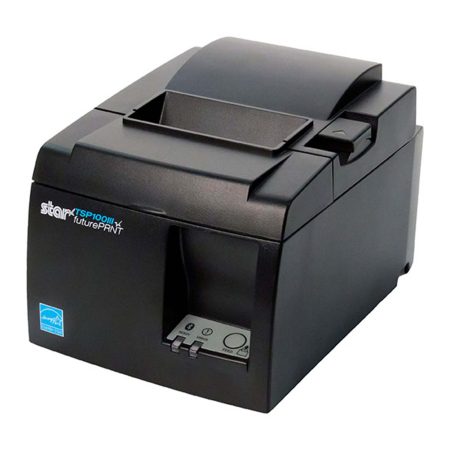
    TSP143IIIU Thermal Receipt Printer

    The TSP143IIIU is a high-speed thermal receipt printer that offers easy, reliable USB connectivity. It’s great for busy environments that require a stable connection and fast and accurate receipt printing. The TSP143IIIU also has an easy-to-use design, making it ideal for businesses that are looking for a hassle-free printing solution. Plus, it’s certified with major companies like Square, Clover, Chromebook, Postmates, and more.

    The TSP143III thermal receipt printer by Star Micronics.
    The TSP143III series thermal receipt printer from Star Micronics

    Features of the TSP143IIIU

    • High-speed printing of up to 43 receipts per minute.
    • Easy “Drop-In and Print” paper loading.
    • Effortless USB “plug-and-play” connectivity.
    • Connects and charges the tablet or mobile device simultaneously.
    • Standard 2-year warranty included with options to extend.
    • Energy Star certification for eco-friendliness.
    • Access to futurePRNT software for receipt customization.

    Benefits of the TSP143IIIU

    • Faster transactions and shorter customer wait times.
    • Ready to use out of the box.
    • Simple installation, easy-to-use design and maintenance.
    • Keep your connected tablet or mobile device charged while data transfers for convenient all-day use.
    • Simple receipt customization with logos and graphics for branding purposes.
    • Energy efficient, reducing operating costs, paper waste, and overall environmental impact.
    • Widespread popularity means industry familiarity is high.

    How To Create a Connected Workstation in 5 Easy Steps

    Connected workstations are perfect for modern-day hospitality, retail, and restaurant businesses, offering a unique setup to optimize workflows.

    CD3-1616 Value Series Cash Drawer

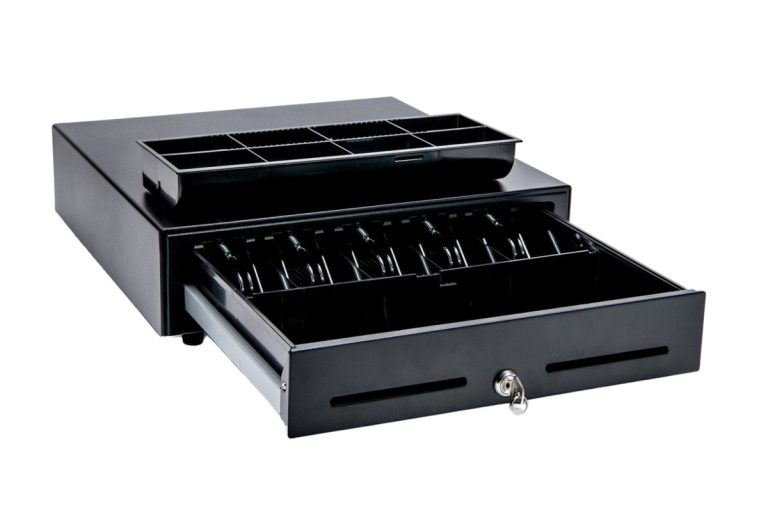
    When the TSP143IIIU thermal receipt printer is paired with the CD3-1616 cash drawer, small to medium-sized businesses create an unstoppable POS duo. The CD3-1616 is a versatile, all-steel drawer designed for businesses that need secure cash management with all the expected features. Its 16″ x 16″ size is large enough to handle a lot of cash, with dual media slots to accommodate extra storage options for checks, credit card receipts, and coupons.

    The CD3-1616 Value Cash Drawer by Star Micronics.
    The CD3-1616 cash drawer from Star Micronics

    Features of the CD3-1616

    • Durable steel construction with sturdy housing for long-lasting use.
    • Compact design with a small footprint, making it ideal for small retail spaces or crowded countertops.
    • Dual media slots for added storage options.
    • Smooth operation with a reliable lock mechanism and ball-bearing rollers for easy opening and closing.
    • Optional accessories available for added security, including a dual-drawer cable and under-counter mounting brackets.
    • Warranty-protected with options to extend up to 4 years.

    Benefits of the CD3-1616

    • Improved cash management with secure storage and organization of cash and media.
    • Reduced risk of theft or loss of cash and media with added security accessories.
    • Durability and reliability in a busy business environment.
    • Compact design, saving valuable counter space.
    • Easy operation and smooth opening and closing, reducing transaction times or snags.
    • Warranty protection for peace of mind.

    An Ideal Solution for New Businesses & Startups

    The TSP143IIIU and CD3-1616 combo is not only perfect for established small to medium-sized businesses but also offers an excellent solution for new businesses and startups. As new businesses enter the market, they need reliable and efficient tools to support their growth and streamline their operations. The TSP143IIIU and CD3-1616 combo provides these essential features from a trusted name in POS for businesses just starting out.

    Features that Benefit New Businesses

    • Affordable pricing: Both the TSP143IIIU thermal receipt printer and CD3-1616 cash drawer are priced competitively, making them an accessible and cost-effective solution for businesses with limited budgets.
    • Easy setup: The TSP143IIIU and CD3-1616 are designed for quick installation and compatibility with popular POS systems, so businesses can get up and running right away.
    • Scalability: As new businesses grow, the TSP143IIIU and CD3-1616 combo can easily scale with them, supporting journeys from inception to expansion.

    Small business owner.

    Added Benefits for Startups

    • Professional appearance: High-quality printed receipts and secure cash management contribute to a professional image, helping new businesses establish credibility and trust with customers.
    • Enhanced customer experience: Fast transactions, shorter wait times, and clear receipts contribute to a positive customer experience, encouraging repeat business and fostering customer loyalty.
    • Streamlined operations: By simplifying cash handling and receipt printing, the TSP143IIIU and CD3-1616 combo allow new businesses to focus on other aspects of their operations, such as marketing, inventory management, and customer service.


    In summary, the TSP143IIIU and CD3-1616 combo is a fantastic investment for new businesses and startups looking to optimize their operations, enhance customer experiences, and build a solid foundation for growth.

    The Perfect Pairing for Your POS System

    The TSP143IIIU and CD3-1616 cash drawer combo is simply the perfect pairing for small to medium-sized businesses in the retail, hospitality, and cannabis industries. Especially for new businesses that need affordability with top quality, high ROI, and simple installation, the TSP143IIIU and CD3-1616 together serve as the best place to start.

    This combination offers a range of benefits, including faster transactions, improved accuracy, and better cash management, streamlining daily operations. All of that boosts the customer experience and frees up headspace to focus on other important matters, making this formidable POS duo a great investment for any business.

  • Offer Complete POS Hardware Setups & Boost Your Reseller Business

    Offer Complete POS Hardware Setups & Boost Your Reseller Business

    In the fast-paced world of retail, where efficiency, ease of use, and customer experience are key, providing a cohesive POS solution can give your reseller business an unparalleled edge. As a VAR in the POS industry, your mission extends beyond merely supplying hardware – it’s about crafting exceptional customer experiences that drive success for your clients.

    This is where offering comprehensive POS and self-service hardware setups from a single manufacturer becomes your secret weapon. Let’s delve into the multi-dimensional benefits this approach offers to your business and ultimately sets you apart in the bustling POS market.

    The Advantages of Providing a Unified POS Hardware Solution

    White mPOP with 1D/2D barcode scanner by Star Micronics

    Streamlined Compatibility

    By offering your customers a complete POS or self-service hardware solution from a single manufacturer, you’re providing them with a seamless setup and installation experience. With everything made of compatible components, your customers will also spend less time dealing with mismatched technical issues and more time focusing on their business.

    Easier Maintenance and Support

    When you provide a unified POS hardware solution, your customers benefit from maintenance and support that’s simplified. With a single point of contact for all hardware, it’s easier for you to manage the relationship with the manufacturer and provide exceptional support to your customers.

    Consistent Customer Experience

    Offering a complete POS hardware solution from one manufacturer ensures consistent customer experience across the board. A cohesive design easily gives off a professional brand appearance, and a similar look and feel across all touchpoints promotes familiarity and ease of use.

    Increased Sales Opportunities

    Bundling POS hardware from a single manufacturer can lead to more sales opportunities for your reseller business. By offering a comprehensive solution all in one, you can upsell additional hardware components and accessories, increasing your overall revenue.

    An Added Advantage with Star Micronics

    The complete point-of-sale (POS) suite in black by Star Micronics.
    Star Micronics offers printers, scales, scanners, tablet stands, and more

    As a value-added reseller (VAR) or ISV in the POS industry, you understand the importance of providing your customers with the best solutions to meet their needs. Offering complete POS and self-service hardware setups from a single manufacturer has too many benefits to ignore and can set you apart from the competition.

    Star Micronics has the complete POS hardware solution perfect for VARs and ISVs in the retail, hospitality, and cannabis industries. From receipt, label, and kiosk printers to cash drawers, barcode scanners, and tablet stands, Star manufactures it all, and with the same top-quality you’ve come to expect.

    But there’s another major benefit to partnering with Star Micronics:

    The Empower Partner Program: Stay Competitive

    The Star Empower Partner Program is designed to help resellers like you succeed in the competitive POS market. By partnering with Star Micronics, you can take advantage of numerous benefits, including:

    • Access to a comprehensive product portfolio, ensuring you have the right solution for every customer
    • Exclusive promotions and incentives, increasing your earning potential
    • Dedicated support and training, giving you the tools and knowledge to succeed


    By providing your customers with complete POS and self-service hardware solutions from a single manufacturer, you can grow your reseller business and set yourself apart from the competition. Join the Star Empower Partner Program today and start reaping the benefits!

    To learn more about the Star Empower Partner Program:

  • Chowbus: Revolutionizing Asian Cuisine Delivery in the U.S.

    Chowbus: Revolutionizing Asian Cuisine Delivery in the U.S.

    Food delivery apps have emerged as game-changing platforms, reshaping the dynamics of dining and food consumption. Among these trailblazers is Chowbus, an app revolutionizing food delivery for Asian and prominently Chinese restaurants across the United States.

    What sets Chowbus apart is its focus on underserved cuisines and smaller, family-run establishments, allowing them to reach a broader customer base while preserving their unique culinary identity.

    Interested in integrating with Star Micronics?

    We live in an age of convenience and digital integration, and Chowbus serves as an exceptional facilitator, connecting food lovers with authentic Asian eats. Yet, as with any technology-driven service, it can’t function in a vacuum. Online ordering apps like Chowbus underscore the necessity for more and more restaurants to have robust and reliable point-of-sale (POS) systems that manage transactions and keep up with this growing industry trend.

    As an industry leader, Star Micronics offers impressive POS hardware that aligns perfectly with these needs, paving the way for seamless restaurant operations in the digital era.

    A Niche Market Focus – Chowbus and Asian Cuisine

    Chowbus has carved a distinctive niche in the food delivery app market by concentrating exclusively on Asian cuisine. By having a range of Asian restaurants on a single platform and allowing customers to order different items from multiple restaurants without any extra fees, Chowbus has simplified the process of exploring a variety of Asian food joints one at a time.

    In doing so, this app not only bridges the gap between consumers craving authentic Asian food and smaller, local restaurants, but it also offers curated meal suggestions in select cities, further enhancing user experience. Plus, they offer same-day grocery delivery as well.

    By strictly catering to the Asian community in cities around the U.S., Chowbus has carved itself out a nice slice of niche pie! In a world with so many options, focusing on a small market is often your best bet, especially in the restaurant industry.

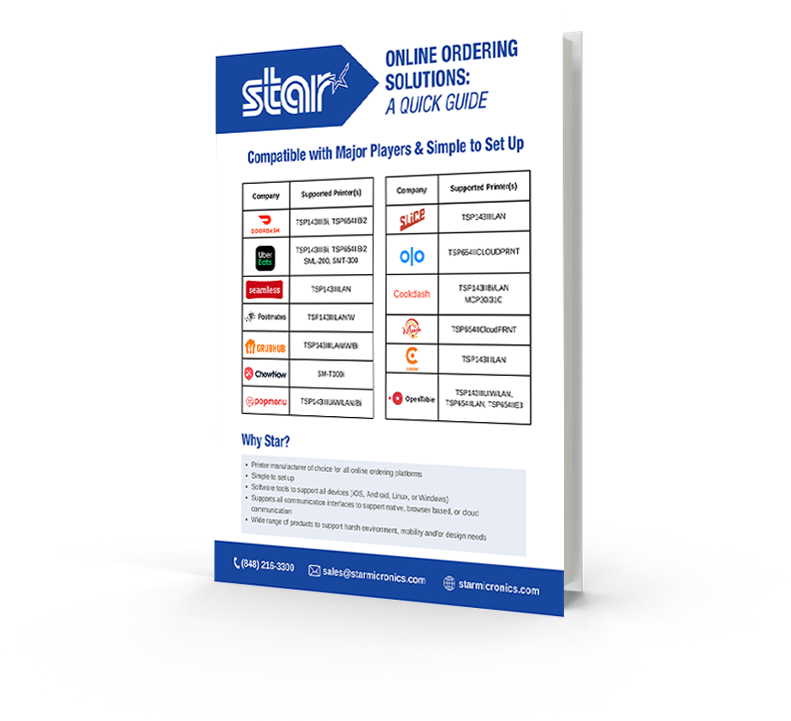
    Online Ordering Solutions: A Quick Guide

    Use this quick guide to find out which Star printer is right for your business. Don’t see your app? We are integrated with most POS software on the market. Contact us for more info.

    Embracing the Mobile Ordering Revolution

    The rise of Chowbus coincides with a broader trend in the food industry: the surge in mobile and online ordering. Consumers appreciate the convenience and simplicity that apps like Chowbus provide, allowing them to browse menus, read reviews, and place orders—all from the comfort of their homes or offices.

    Chowbus has embraced this trend and successfully catered to this digital preference. The app offers an intuitive user interface, making it easy for customers to navigate through different food options and place their orders in just a few taps. Mobile and online ordering are not going away, and it’s exciting to see how apps like Chowbus will continue to evolve.

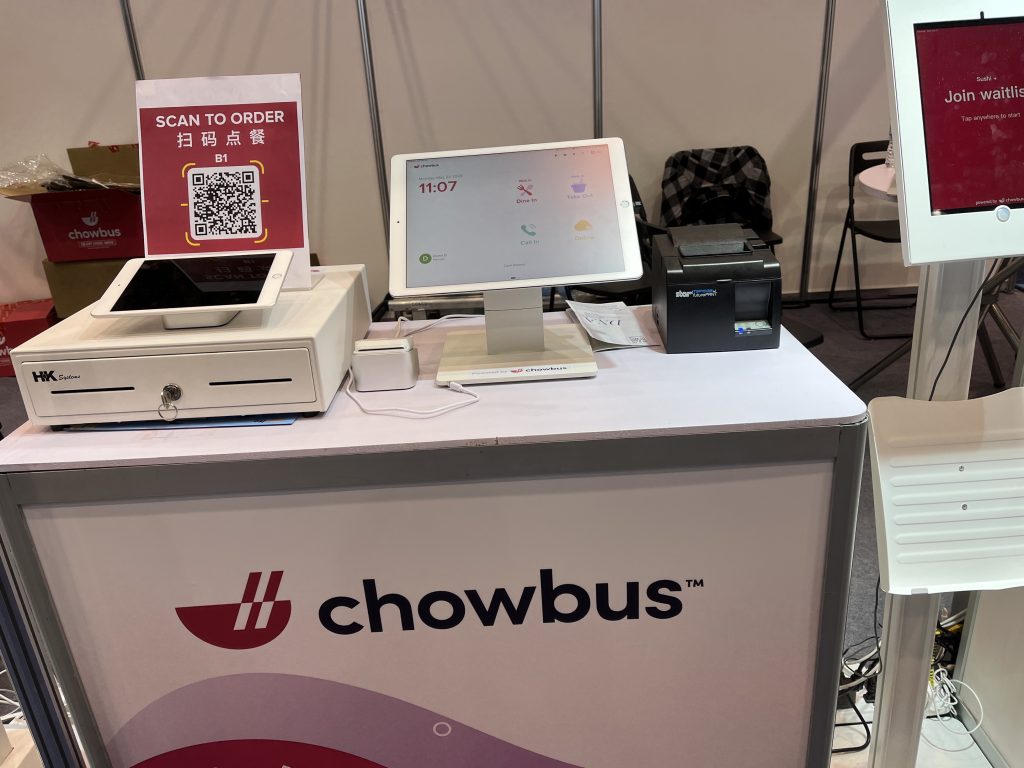
    The authentic Asian food delivery app, Chowbus, uses the TSP143III thermal receipt printer by Star Micronics at the National Restaurant Association Show 2023.
    Chowbus online ordering and delivery app for authentic Asian food uses Star Micronics hardware

    Star Micronics – Complete POS Hardware Solutions

    Many small-business restaurants struggle with growing too large for their operations at some point in their journeys. Especially when moving to online ordering platforms, orders can keep coming in but the way those orders get to the kitchen, make it into the delivery vehicle, and are paid for may be haphazard at best.

    Sloppy operations can cause orders to come out incorrectly, which can be the cause of lost revenue and a lack of customer loyalty. While having a delivery platform like Chowbus helps indie restaurants reach wider audiences, ensuring the seamless management of day-to-day transactions is equally critical.

    This is where quality POS hardware comes into play. Top-of-the-line equipment, like those provided by Star Micronics, ensures a secure, efficient, and reliable operational flow. When your restaurant has the proper hardware, online orders come in a rhythmic fashion. They’re delivered to the kitchen without issue, and everything is kept organized to make it to the customer in a timely manner.

    Bagels n’ Cream Partners with KitchenHub and Star to Offer Streamlined Online Ordering and Delivery

    Restaurant management knew they needed a solution to handle high customer demand.

    Software Isn’t Everything

    As Chowbus continues to transform the Asian cuisine delivery experience in the U.S. (and Australia), its partnering restaurants must make sure they’re meeting the increased demand with confidence. Simply having your menu on food delivery apps is not enough to stay competitive. Restaurants must make sure they have the proper in-house hardware to handle the influx of online and mobile orders.

    The continued rise of Chowbus and similar platforms asks restauranteurs to consider – are we positioned to take advantage of these sweeping changes? Embracing online ordering apps is just one piece of the puzzle. In an industry that sees near-constant change, are you equipped with the right tools and technologies to ensure seamless operations and excellent customer experience?

    With online and mobile ordering apps, it is possible to boost your restaurant’s revenue immensely. Plenty of your competitors are doing just that. But you need to stay ahead of the curve and keep your customers coming back with great food and service. You can do so with the help of the Chowbus platform and apps like it, but also through the reliable operation of top-quality physical POS systems and hardware that connect the front of the house with the back in real-time.

    Don’t miss out on all that online ordering can offer!

  • Linerless Label Paper vs. Traditional Label Paper: Which Is Right for Your Business?

    Linerless Label Paper vs. Traditional Label Paper: Which Is Right for Your Business?

    Navigating the world of label paper can be more of a complex task than most would assume. The choice is no longer as simple as picking between small and large label paper. Now, businesses have an array of options to choose from, including traditional label paper, linerless, permanent linerless, and more. Each type comes with unique applications and benefits, so it would be wise to know enough about each to identify the right fit for your business.

    This article offers a comprehensive guide, demystifying the various types of label paper and their respective applications and advantages to empower you to make an informed decision. So, let’s explore the fascinating world of label paper!

    Traditional Label Paper

    Traditional label paper is perhaps the most commonly used type in the market. It comes in a simple geometric shape (square, circle, etc.) with a paper, polyester, or polypropylene facestock, an adhesive layer, and a liner. The liner protects the adhesive until the label is ready to be used.

    Traditional label paper, often referred to as direct thermal labels, is a classic choice that has stood the test of time in various industries. It’s used extensively across various industries, such as retail, logistics, and manufacturing.

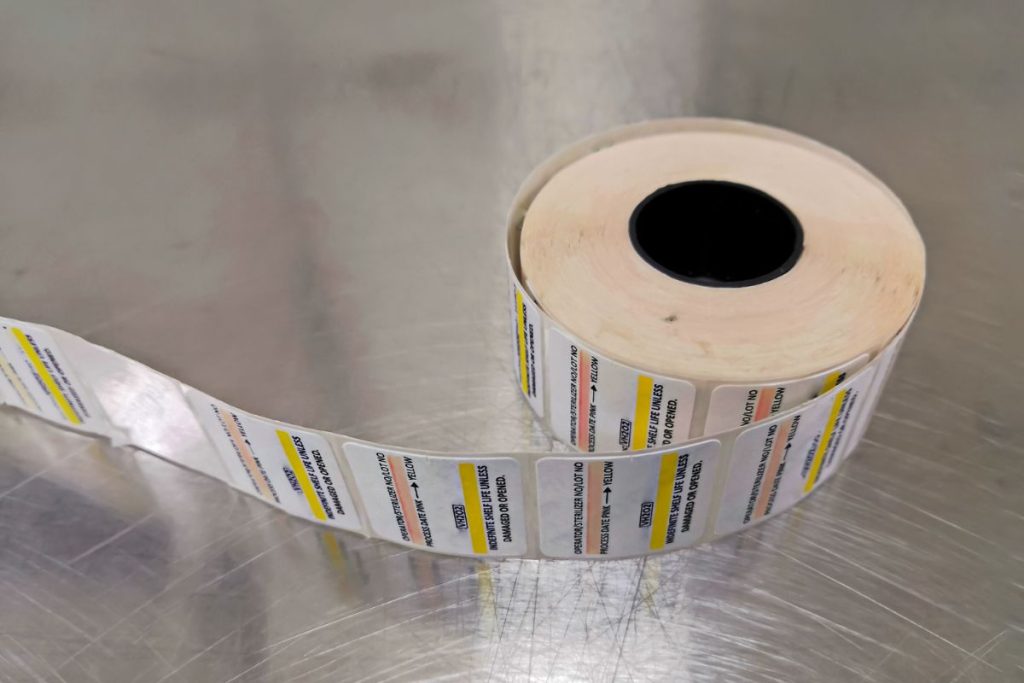
    A roll of labels.

    Key attributes of traditional label paper include:

    • Versatility: Traditional label paper is adaptable to a wide array of applications, including shipping, barcoding, inventory tracking, and more. This versatility makes it a strong contender in many business contexts.
    • Dependability: With a proven track record of performance, traditional label paper is reliable and trusted by many businesses. It offers consistent quality and performance, providing clear and durable prints.
    • Printer Compatibility: Traditional label paper can be used with various types of printers, including direct thermal and thermal transfer printers. This makes it a flexible option compatible with various printing technologies.

    However, traditional label paper is not without its limitations. Traditional label paper may not have the look or shape you desire. Labels also incur waste generation. Each label comes with a liner that is discarded after the label is used, contributing to waste. This can be a concern for environmentally conscious businesses.

    Moreover, these labels are sensitive to heat and light, which may cause the ink to fade over time or the labels to darken if exposed to extreme conditions.

    Die-Cut Label Rolls

    Die-cut labels differ from traditional labels because they are specifically cut around the label designs. They come pre-cut, allowing for a clean and professional finish in various applications. This makes die-cut labels a popular option among businesses for their precision, customization, high quality, and ease of use.

    Key features of die-cut label paper include:

    • Precision: Each label is pre-cut with precision, ensuring consistent and accurate dimensions across the entire roll.
    • Customization: Die-cut labels are available in a wide range of shapes, sizes, and materials to suit various branding needs. This allows businesses to find the perfect fit for their specific labeling requirements.
    • Ease of Use: Since die-cut labels are pre-cut and separated from each other, they can be easily peeled off from the liner and applied to the desired surface. This feature can save time, especially when dealing with a large volume of labels.
    • Compatibility: Die-cut labels can be used with various types of printers, including thermal, inkjet, and laser printers. This broad compatibility makes them a versatile option for many businesses.

    However, there are some reasons not to use die-cut label paper. The pre-cut designs limit flexibility, as the size and shape of the labels are fixed. Businesses may need to buy several different customized labels to use for various applications. Also, the presence of a liner contributes to a lot of waste generation, which can be a concern for some businesses.

    The Value of Receipts: Printed and Digital

    There’s no getting away from it: receipts hold great value and are an irrefutable part of everyday life. Learn how to use them to your business’s advantage!

    Linerless Label Paper

    Linerless label paper, or sticky paper, presents a unique solution for businesses looking to enhance efficiency and sustainability. As the name suggests, linerless labels don’t have backing paper, which is unlike traditional label rolls. This leads to a significant reduction in waste, making linerless labels a more environmentally friendly choice.

    Many industries are now using linerless labels. They’re ideal for takeout orders, food packaging, retail price marking, and logistics.

    Linerless label paper offers the following advantages:

    • Less Waste: As there is no liner, there’s significantly less waste produced, making this option better for the environment.
    • Increased Efficiency: Without a liner, the roll can hold more labels. This means fewer roll changes and increased productivity in high-volume environments.
    • Versatility: The length of the label can be customized on the spot without changing the roll, making it versatile for varying product sizes and shapes.
    • Cost-Effective: Less material is used in the production of linerless labels, and they take up less storage space. This can lead to cost savings in the long run.

    However, like any other type of label paper, linerless label paper might not be the perfect fit for all businesses. These labels require special printers designed to handle them and may not be suitable for some applications where a long-term label is required. They also might not be the best choice if you need pre-printed labels, as the print can wear off over time.

    mC-Label thermal printer by Star Micronics using linerless label paper.

    Permanent Linerless Label Paper

    Permanent linerless label paper has emerged as an innovative addition to the lineup of label solutions. It offers the same environmental and efficiency benefits as standard linerless labels but with an added level of adhesion.

    Permanent linerless labels are suitable where a more robust label is required, such as outdoor use, chemical containers, and high-traffic areas. If your business needs labels in challenging environments, these labels would be your go-to choice.

    Features of permanent linerless label paper include:

    • Strong Adhesion: As suggested by the name, permanent linerless labels are designed to stick and stay put. This makes them an ideal solution for applications where long-lasting labeling is necessary, such as product identification, shipping labels, or asset tracking.
    • Environmental Benefits: Like their linerless counterparts, permanent linerless labels eliminate the waste associated with liners. This contributes to an eco-friendlier labeling solution.
    • Maximized Efficiency: With more labels per roll due to the absence of a liner, businesses experience fewer roll changes, increasing productivity in fast-paced environments.
    • Customizable Lengths: The lack of a pre-cut shape allows the label length to be adjusted as per the requirement, providing flexibility for different product sizes.

    Of course, permanent linerless labels are not without their considerations. The increased adhesion means they stick firmly, and removing them can be difficult without leaving a residue. Therefore, they may not be suitable for applications where labels need to be removed cleanly. Also, like standard linerless labels, they require specific printers designed to handle repeatedly cutting the adhesive.

    Wrapping Up: Picking the Right Label Paper for Your Business Success

    In conclusion, the label paper you choose will significantly influence your business operations, affecting everything from efficiency to sustainability. Whether it’s the precision of die-cut labels, the eco-friendly appeal of linerless labels, the reliability of traditional labels, or the versatility of permanent linerless labels, each type brings unique merits to the table. Understanding these differences is crucial in making an informed decision that aligns with your business’s unique needs and goals.

    Remember, the right label paper is not just about meeting your current needs; it’s about anticipating your future demands and staying ahead in the ever-evolving marketplace.

    Labels on products.

    Want to know more about what Star can offer your business?