Tag: POS Systems

  • Star Micronics and Quetzal POS Help Specialty Retailers Modernize Inventory, Labeling, and Omnichannel Operations

    Star Micronics and Quetzal POS Help Specialty Retailers Modernize Inventory, Labeling, and Omnichannel Operations

    The integration combines Quetzal POS software with Star Micronics hardware solutions for receipt printing, merchandise labeling, barcode scanning, and checkout, helping specialty retailers manage inventory and support both in-store and online sales.

    Somerset, NJ – June 30, 2026 – Star Micronics, a global provider of point-of-sale (POS) hardware, cloud printing, and labeling solutions, today announced its integration with Quetzal POS, a point-of-sale platform designed for specialty retailers. The integration brings together Quetzal POS software and Star’s portfolio of receipt printing, merchandise labeling, barcode scanning, and hybrid POS hardware, providing retailers with flexible options for managing sales and store operations.

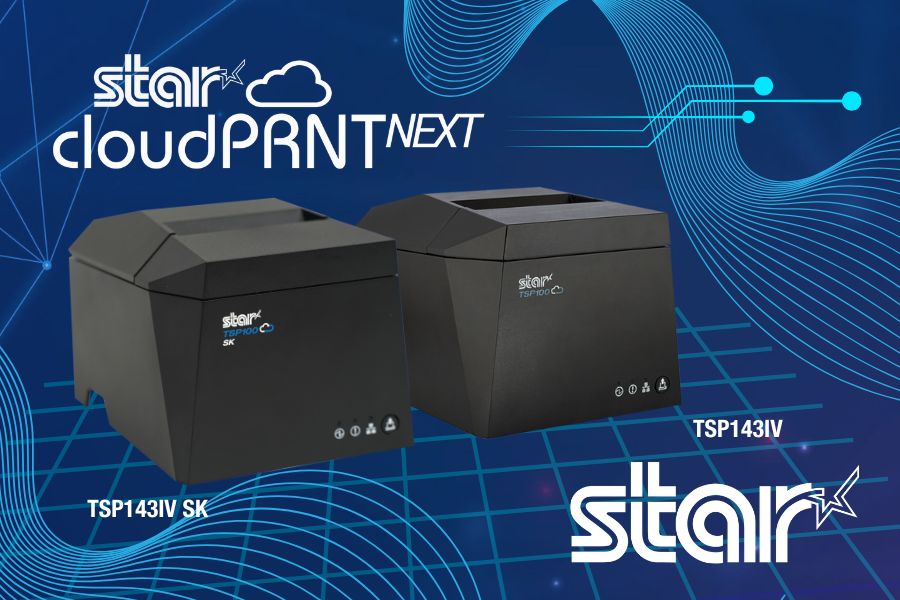
    Quetzal POS supports Star’s full portfolio of receipt and label printers, including the TSP143IV X4, TSP143IV SK X4, mC-Print series, mC-Label series, and the mPOP® hybrid receipt printer and cash drawer, as well as Star’s BSH-32 barcode scanner. Across iOS, Android, and Windows environments, Quetzal uses StarPRNT SDK to support local device communication over USB, Ethernet, Wi-Fi, and Bluetooth, giving retailers flexibility in how they deploy hardware across store and fulfillment workflows.

    Available on iOS, Android, and the web, the platform supports both single-store and multi-location retailers and can automatically discover compatible Star printers across network and Bluetooth connections.

    Inventory Management with Barcode Labeling

    For many specialty retailers, inventory management remains one of the most time-consuming aspects of daily operations. Manual inventory processes can lead to pricing errors, inaccurate stock counts, and lost sales opportunities.

    Quetzal POS helps retailers track inventory using barcode-based workflows that improve visibility into stock levels across stores and sales channels. Through its integration with Star’s printers and barcode scanning solutions, including the mC-Label multifunction label printer series and BSH-32 barcode scanners, retailers can generate merchandise labels directly from the POS system while improving item tracking and inventory accuracy.

    These capabilities help retailers:

    • Track inventory using barcode-based workflows
    • Improve inventory visibility across locations
    • Create merchandise labels directly from the POS system
    • Reduce reliance on manual inventory processes

    Supporting In-Store and Online Sales

    As more independent retailers expand into ecommerce, they need systems that connect online and in-store operations without adding complexity.

    Quetzal POS includes a web application that integrates with WooCommerce and will soon support Shopify. Using StarPRNT SDK, Quetzal POS extends online orders into the same receipt and labeling workflows used for in-store sales, helping retailers maintain consistency across sales channels.

    This allows retailers to:

    • Receive online orders directly within their existing workflows
    • Print fulfillment documents and labels automatically
    • Support in-store pickup and delivery workflows
    • Maintain consistent processes across sales channels

    Built for Specialty Retail

    Quetzal POS includes tools for customer relationship management, loyalty programs, integrated payments, trade-in transactions, and multi-location management. Retailers can customize receipt and label workflows based on transaction type, helping support a variety of specialty retail environments.

    “We built Quetzal POS to give specialty retailers practical tools for managing inventory, sales, and customer relationships without requiring the resources of a large retail chain. Working with Star allows us to extend those workflows into labeling, receipt printing, and ecommerce fulfillment, giving merchants options in how they deploy their systems.”

    “Specialty retailers rarely operate the same way from store to store. By supporting Star’s full portfolio of receipt printing, labeling, barcode scanning, and hybrid POS hardware, Quetzal POS gives merchants the flexibility to choose the workflows and hardware that best fit their business.”

    To learn more about Star Micronics solutions, visit starmicronics.com.

    To explore Quetzal POS, visit quetzalpos.com.

    Can’t get enough industry news?

    Quetzal POS Logo Red

    Quetzal POS is a point-of-sale platform built for specialty retailers, including boutiques, thrift stores, music shops, electronics retailers, and other independent businesses. Available on iOS, Android, and the web, the platform combines inventory management, customer loyalty, trade-ins, payments, and ecommerce tools to help retailers manage day-to-day operations across in-store and online sales channels. Through QuetzalPay, merchants can process payments, manage high-volume transaction workflows, simplify reconciliation, and access reporting tools that provide greater visibility into payment activity and business performance.
    Star Micronics logo, point-of-sale (POS) hardware and technology company.

    Star Micronics is a global provider of point-of-sale (POS) hardware, cloud printing, and labeling solutions that help businesses connect digital workflows to real-world operations. Serving retail, hospitality, healthcare, and service industries, Star delivers printing, labeling, cash management, self-service, and cloud-based technologies designed to support scalable, connected, and automated environments. Star’s solutions support Android, iOS, Windows, and web-based platforms and extend into the cloud through services such as CloudPRNT Next and StarIO.Online, Star’s fully managed cloud printing service.

    Visit starmicronics.com or follow us on Facebook, X, YouTube, or LinkedIn to learn more.

    Media Contact:

    Christin Dorner
    Star Micronics America, Inc.
    cdorner@starmicronics.com
    848-216-3318

    Media Contact:

    Nith Nadarajah
    Quetzal POS
    nith@heliotech.ca
    877-343-5467

  • Easily Scale Your Cloud POS With Fully Managed Cloud Printing

    Easily Scale Your Cloud POS With Fully Managed Cloud Printing

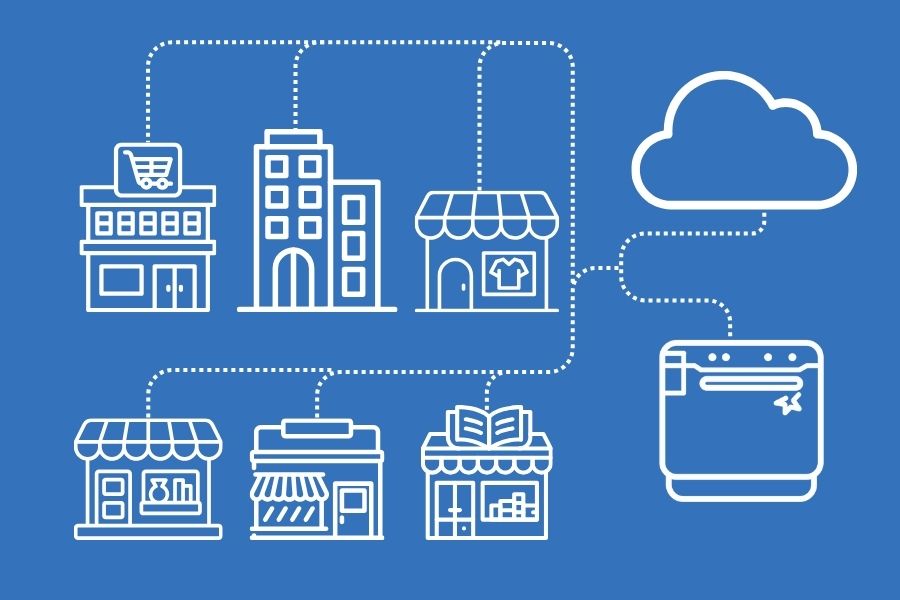
    Scaling your cloud POS gets much easier when printing does not rely on local servers or custom networking. A fully managed cloud printing service, like StarIO.Online, gives you a cleaner, faster, and more reliable way to support printing across every customer location.

    Table of Contents

    The Hidden Roadblock in Scaling Your Cloud POS

    Your cloud POS platform is built to move fast, deploy anywhere, and scale smoothly. But printing is usually the one part of the workflow that refuses to scale with the rest of your system. Each customer location has its own router, firewall settings, and networking quirks. As a result, printing often becomes the most unpredictable and support-heavy part of your rollout plan.

    Even if your POS is fully cloud native, the printing layer remains attached to on-site hardware. Traditional installs require drivers, local configurations, and sometimes even print servers that slow down deployments and increase your team’s workload.

    A fully managed cloud printing service removes these blockers. StarIO.Online makes it possible to scale your cloud POS without servers, without drivers, and without the on-site work that slows down your expansion. With a simple API and centralized visibility, you gain a more predictable and repeatable way to support printing across every customer environment.

    Why Printing Becomes the Bottleneck in Scaling Your Cloud POS

    When your customers add new locations or expand into new markets, your cloud POS can scale almost instantly. Printing is often the exception. The problem is rarely the POS system itself. It’s everything happening in the local environment.

    Each location runs a different network setup. Some rely on older software, while others have restrictive firewalls or inconsistent Wi-Fi. Print servers require maintenance. Drivers break unexpectedly. And in many cases, you cannot see what printed or whether the printer ever received the job.

    Without that visibility, your support team spends hours walking customers through manual resets and trial-and-error testing. What should be a standard rollout turns into a lengthy troubleshooting exercise.

    In most cloud POS environments, everything is cloud-controlled except the printer. That gap slows rollouts, increases support tickets, and makes it harder for you to deliver a consistent experience across all locations.

    StarIO.Online is a fully managed cloud printing service by Star Micronics.

    What a Fully Managed Cloud Printing Service Solves

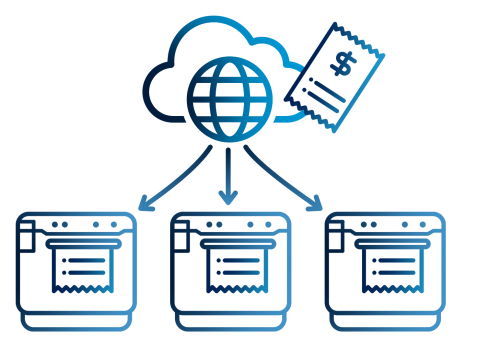
    A managed cloud printing service replaces the entire local printing layer with a cloud-controlled workflow. Instead of configuring each site one by one, you shift printing to a centralized system that behaves the same way everywhere.

    With managed cloud printing, you gain:

    • No drivers, no local installs, and no custom networking
    • One cloud API for all supported Star printers
    • Consistent printing across all networks and environments
    • Print job routing from any approved device
    • Real time visibility into job results and device events
    • Faster onboarding for new locations
    • Less technical overhead for chain and franchise deployments

    This approach turns printing into a predictable, repeatable component of your cloud architecture. It frees your team from resolving on-site issues and allows you to grow without adding technical debt.

    How StarIO.Online Helps You Scale Faster

    StarIO.Online is Star Micronics fully managed cloud printing service for ISVs and multi-location operators. It removes the need for print servers or custom middleware and connects printers directly to the cloud with a simple REST style API.

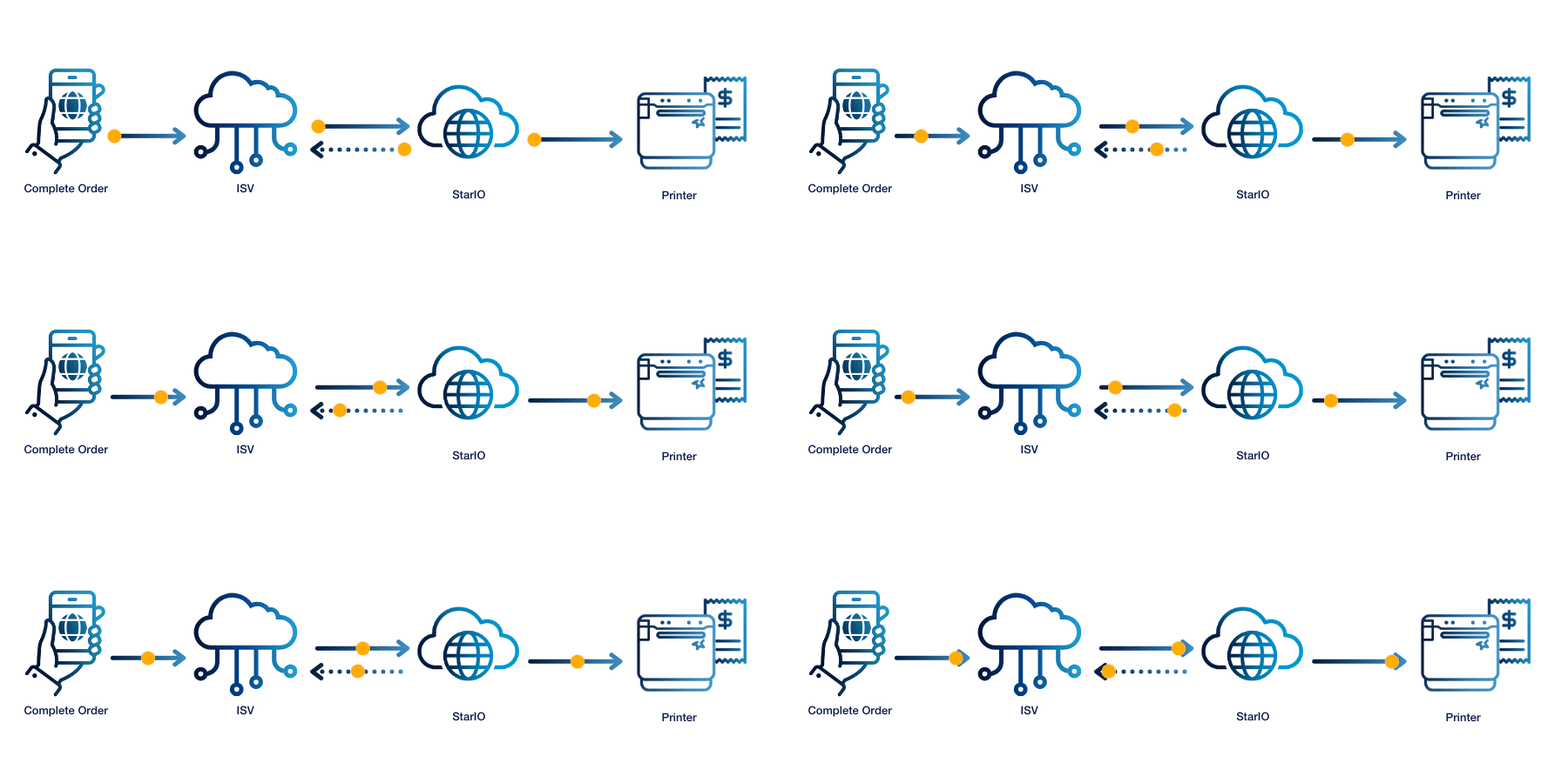
    Instead of relying on local drivers or complex networking, your cloud POS sends print jobs through StarIO.Online, which routes them to the correct printer and returns a webhook with the result. You get predictable behavior regardless of the local environment.

    StarIO.Online is a fully managed cloud printing service by Star Micronics.

    Key capabilities include:

    • REST style API for cloud print jobs
    • Webhooks for print results and device events
    • Device status visibility for online or offline states
    • A single dashboard for all cloud-connected printers
    • Uniform print behavior across mixed networks
    • Easy expansion as customers add new stores
    • Reduced reliance on on-site technicians

    StarIO.Online shifts printing from the local environment to the cloud, so printing scales as easily as the rest of your platform.

    Real ROI for Your Cloud POS

    When printing is managed from the cloud instead of configured locally, your team and your customers see measurable improvements.

    • Lower support ticket volume
    • Less time spent diagnosing print failures
    • Predictable print behavior across every location
    • Faster onboarding for new stores and franchises
    • Lower operational costs without servers or custom networking
    • More reliable printing for online and in-store workflows
    • Better customer satisfaction with fewer missed prints

    Your cloud POS becomes easier to deploy, easier to support, and easier to grow. You can focus on building features and improving your platform instead of troubleshooting printers.

    Happy Cloud POS Software Application Developer

    The Path to Scalable Cloud POS Starts With Cloud-Controlled Printing

    Scaling your cloud POS gets significantly easier when printing no longer depends on local networks, drivers, and on-site maintenance. A fully managed cloud printing service brings consistency, visibility, and reliability to the part of your workflow that traditionally causes the most friction. With StarIO.Online, you can roll out new locations faster, reduce support overhead, and deliver the dependable printing your customers expect from a cloud native solution.

    Cloud POS grows quickly when every part of the system scales together. Centralizing printing in the cloud gives you the freedom to innovate, expand, and support your customers without the limitations of legacy infrastructure.

    Explore how StarIO.Online can power your cloud POS:

  • Avoid POS Downtime: Why Your Business Needs an Extended Warranty

    Avoid POS Downtime: Why Your Business Needs an Extended Warranty

    In the latest episode of the Rising Stars Podcast, host Kate Orara is joined by Paul Leduc, CEO of Globe POS Systems, for an insightful discussion on the importance of extended warranties in the POS industry. In “Avoid POS Downtime: Why Your Business Needs an Extended Warranty,” Paul shares his expertise on how businesses can safeguard their POS investments and minimize costly disruptions.

    Paul breaks down the most common hardware failures, the true cost of downtime, and how extended warranties help businesses stay operational while reducing unexpected repair expenses. He also discusses how Globe POS partners with Star Micronics to offer seamless warranty solutions that keep retail and hospitality businesses running smoothly.

    The Business Benefits of POS Extended Warranties

    From reducing downtime to ensuring long-term cost savings, this episode is packed with actionable advice for business owners, ISVs, and resellers looking to perfect their POS system reliability. Whether you run a small retail shop or a multi-location restaurant, Paul’s insights will help you understand how to make the smartest investment in POS hardware protection.

    • Protect your business from costly repairs
    • Maximize POS uptime and efficiency
    • Gain peace of mind with long-term hardware coverage

    Loving the podcast? Subscribe now, and let us know what you think by leaving a review!

    Stay up-to-date on all things Star, don’t forget to follow us on X, LinkedIn, Facebook, Instagram, and YouTube.

    The Rising Stars Podcast

    Immerse yourself in the world of point-of-sale (POS) with the Rising Stars Podcast by Star Micronics, hosted by industry pro, Kate Orara. Twice a month, we explore the fascinating journeys of innovators and businesses navigating the challenges of POS technology’s rapid pace.

    In every episode, Kate Orara, Star Micronics’ Partner Development Manager, discusses emerging retail technology trends and strategies with global industry giants. She’s spent her entire career meeting all the right people, and now listeners everywhere can benefit from this vast network of channel gurus.

    Always leading and always innovating, Star Micronics, a pioneer in POS and customer experience technology for over 60 years, welcomes you to join us in shaping a brighter future in the retail, hospitality, and cannabis industries.

    Want more industry news?

    Episode Transcript:

    [Music]

    Kate Orara: Hey there, retail tech enthusiasts! Welcome to the Rising Stars Podcast, your go-to for all things retail tech and point of sale. I’m Kate Orara, Partner Development Manager at Star Micronics, and I’m excited to guide you through this journey. Here, we dive into the latest innovations shaping the retail, hospitality, and cannabis industries. So whether you’re a techie or a business owner, this is your backstage pass to insider knowledge. Join me and the Star Micronics team as we innovate and rise together.

    Welcome back to another episode of Rising Stars Podcast! I’m your host, Kate Orara, and I’m really excited for today’s discussion. I have a good friend and industry partner with me—Paul Leduc, CEO of Globe POS. Paul, how are you?

    Paul Leduc: I’m great! How are you? Nice to see you again.

    Kate Orara: Good to see you too! I’m super excited for today’s conversation. We had a call a couple of weeks ago that really inspired this topic, and I knew we had to bring it to the podcast. We’re talking about something near and dear to my heart—extended service warranties. I have experience in the services industry, working in warranty and non-warranty repair, so I know firsthand how important this topic is.

    But before we dive in, I’d love for you to introduce yourself to our listeners. Tell us a little about your experience in the channel and about Globe POS.

    Paul Leduc: Sure! I’ve been in the industry for a long time. I started in a software company as a dealer rep across North America, working with a variety of VARs of different sizes and focuses. Before that, I owned a grocery store, so I understand the retail environment firsthand. Over the years, I worked with different dealerships across different states and provinces. About 15 years ago, I decided to acquire Globe POS Systems because I wanted something stable and closer to home while staying active in the industry.

    To stay connected, I’ve remained involved in the RSPA (Retail Solutions Providers Association), serving on the board and keeping my ears on the ground for industry trends. I love engaging with resellers and partners and providing assistance wherever I can.

    Kate Orara: That’s great! Yes, we both have been involved with RSPA, and it’s such a fantastic organization. If any listeners have questions about RSPA, Paul and I are happy to help!

    Now, let’s dive into today’s topic: extended warranties. Our conversation a few weeks ago was about how Globe POS successfully incorporates extended warranties into its overall solution and how that has helped your business. To start, what inspired Globe POS to offer extended warranties on point-of-sale hardware, and how does this address common customer pain points?

    Paul Leduc: Years ago, manufacturers didn’t always offer extended warranties, and as a smaller VAR, that posed challenges. We wanted to grow beyond our immediate region while still offering high-level service, but the logistics were difficult. I remember flying out on a Sunday night to replace a hard drive for a customer, which was expensive and time-consuming.

    Without extended warranties, service and replacement costs could quickly add up for both us and our customers. It became clear that offering extended service plans was the best way to provide cost-effective, scalable support. When manufacturers started offering warranty add-ons more actively about eight years ago, we fully embraced it. Now, we can ensure that even customers in remote locations get the same level of service and peace of mind.

    Kate Orara: That makes so much sense. Having a warranty in place removes a lot of uncertainty for customers and prevents unexpected expenses.

    What are some of the key benefits for merchants who opt for extended warranties on their POS hardware? How do these warranties contribute to overall business continuity and cost savings?

    Paul Leduc: Beyond peace of mind, the cost savings are significant. One repair on a critical component like a scanner or cash drawer can be costly. Having a warranty means that rather than paying for an expensive repair or replacement, businesses are covered.

    Another benefit is faster service. If a business encounters an issue, they have a dedicated support line to troubleshoot first. Many times, it’s a simple fix—like pressing a reset button—but without support, the customer might have sent the unit in for repair, leading to unnecessary downtime.

    Extended warranties also ensure that businesses stay operational. If a POS terminal goes down, sales stop, and that’s lost revenue. For industries like hospitality and restaurants, where peak hours are critical, having warranty-backed support can mean the difference between minimal disruption and a full-blown crisis.

    Kate Orara: Absolutely! When I worked in services, restaurants would call us in a panic if their systems went down during the dinner rush. Having that warranty-backed support helped them get back up and running quickly.

    What are some of the most common POS hardware failures, and how do extended warranties help mitigate these challenges?

    Paul Leduc: It really depends on the environment. In restaurants, touchscreens take a lot of wear and tear—grease, spills, and heavy use can lead to dead zones or calibration issues. In retail, the biggest issues tend to be scanners, cash drawers, and occasionally printers.

    Having an extended warranty means businesses don’t have to worry about costly repairs. If a scanner is dropped or a cord is damaged, they can quickly get a replacement without extra expenses. It ensures minimal downtime and maintains business continuity.

    Kate Orara: That makes sense. Now, let’s talk about how extended warranties work with Star Micronics printers and other hardware. What should businesses know about coverage, response times, and maintenance support?

    Paul Leduc: Star Micronics is one of the easiest manufacturers to work with when it comes to extended warranties. The process is simple—when we sell a new printer, we can add the warranty with just a quick call. No complicated paperwork.

    If an issue arises, Star provides advanced exchange services. They’ll ship a replacement printer, and the customer just sends the faulty one back. Most issues, however, are solved over the phone. Instead of directing us to a knowledge base, Star’s team actually helps troubleshoot in real time, which saves a lot of frustration.

    Kate Orara: That hands-on support is invaluable. As technology continues to evolve, how do you see the role of extended warranties changing in the POS industry?

    Paul Leduc: While POS hardware itself is fairly stable, extended warranties will become even more important as businesses rely more on these devices. Many businesses keep their hardware for five to ten years, so offering a long-term warranty makes sense.

    The future changes in POS are happening more on the software side with AI and advanced analytics, but hardware remains the foundation of operations. Ensuring longevity and reliability through extended warranties will always be a smart investment.

    Kate Orara: Absolutely! Before we wrap up, here’s a curveball question I ask all my guests: If you could change one thing about the channel today, what would it be and why?

    Paul Leduc: I’d like to see more manufacturers commit fully to either channel sales or direct sales, rather than doing both. The channel has proven its value, and companies that truly invest in it see long-term success. While some direct sales efforts still exist, I think the channel is in a better position today than it was a decade ago.

    Kate Orara: That’s a great perspective. Thank you so much for joining me today, Paul! How can listeners reach out to you if they want to learn more about Globe POS?

    Paul Leduc: You can visit our website at globpos.ca for more information.

    Kate Orara: Perfect! Thank you again, Paul. I really appreciate your time and insights.

    And that’s a wrap for this episode of the Rising Stars Podcast! A huge thanks to our listeners for tuning in. Don’t forget to subscribe, rate, and leave a review—your feedback fuels our journey to bring you the best in retail tech. Stay connected with us on social media for updates and behind-the-scenes content.

    As we sign off, remember: the future of retail technology is in our hands, and together, we are shaping it. Keep innovating, keep rising, and until next time, this is Kate Orara signing off. Together, we rise.

    [Music]


  • The Answers You Need to Make an Informed Decision About Cloud POS Services

    The Answers You Need to Make an Informed Decision About Cloud POS Services

    With the rise of the Internet of Things (IoT), artificial intelligence (AI), and other advanced technologies, cloud services adoption is becoming increasingly common. Gartner reports that public cloud services spending will grow to $723.4 billion in 2025, up from $595.7 billion last year. 

    Cloud services benefit different industries in various ways, particularly for cloud point of sale (POS) services. For retailers and restaurateurs, cloud POS services enable managing POS devices and peripherals remotely. Managers can monitor devices to ensure they’re online and operating properly. They may also be able to run diagnostics remotely to address maintenance issues that might be brewing. A cloud POS enables a proactive approach that maximizes uptime rather than reacting when a printer or other device stops working.

    Cloud POS services can also make data and tools available to employees across an organization, saving time and ensuring brand consistency.

    So, What’s Holding You Back from Using Cloud POS Services?

    Even though cloud solutions offer retailers and restaurateurs numerous benefits, it’s common for business leaders to have some concerns. Getting the facts will help you understand how cloud solutions work and the safeguards that are in place so you can move forward confidently. Some of the most important facts you need to know about cloud POS services are: 

    Cloud POS Services Are Secure

    While news of cyberattacks has become common, using cloud POS services doesn’t necessarily increase your risk. Cloud service providers invest heavily in securing their offerings and keeping up with changes in the threat landscape.

    In most cases, the security measures the vendor has in place far exceed anything a single retailer or restaurateur could establish. By partnering with a trusted vendor, you can be confident that your data and your business are safeguarded by robust security measures. 

    Your Data Is Private

    Cloud POS services providers are careful to keep each customer’s data private. No other customers have access to your data; they can’t see the label templates you have built or access digital receipts you store to make returns more convenient for your customers. The only people who can access your data are your employees who use the right login credentials. 

    You Can Work Offline

    While accessing your data in the cloud requires a network connection, this doesn’t mean you can’t work when you’re offline. Cloud POS services often provide a way to establish a “hybrid” system where information is stored locally. This allows your employees to access it during network outages and sync when the connection is restored. Cloud service providers ensure that your workflows remain uninterrupted. 

    Star Micronics CloudPRNT Next Cloud Services
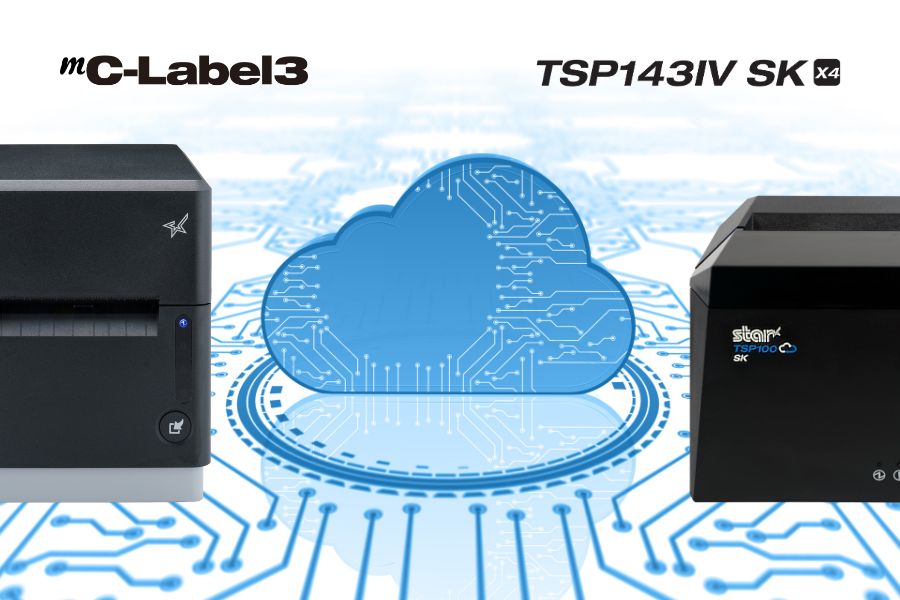
    Star Micronics mC-Label3 and TSP143IV SK label printers support CloudPRNT Next for fast cloud printing.

    You Can Afford Them

    Cost is always a consideration, but with cloud POS services, it’s important to think in terms of total cost of ownership (TCO). You don’t need the same amount of infrastructure on-site to do the same things that a cloud solution does. You use the provider’s resources, not your own servers, for things like data storage, backup, and data security.  

    When you consider all costs and all cost savings, including gains in operational efficiency, cloud services are generally more cost-effective than on-premises solutions. Furthermore, when it comes to Star Micronics Cloud Services, they’re included at no additional cost with our cloud-ready printers. 

    They’re Easy to Use

    A major concern among business leaders is that cloud POS services may be too challenging for their employees to use. However, a quick demo will demonstrate how easy using cloud services can be. For instance, Star’s PromoPRNT allows you to add promotions to receipts, providing you with a new—and effective—customer engagement tool. You can easily create promotions from templates and manage them from any connected device. For your employees, adding marketing messages to receipts is effortless. 

    What Is CloudPRNT Next?

    If you’re exploring cloud POS options, it’s worth getting familiar with CloudPRNT Next—Star Micronics’ next-generation remote printing technology.

    Built on the MQTT protocol, CloudPRNT Next offers faster, more secure, and more scalable communication between cloud applications and printers. Whether you’re printing receipts, orders, labels, or tickets, CloudPRNT Next gives developers and operators the power to:

    • Print directly from web apps—no middleware or local server required

    • Receive real-time feedback from the printer (status, errors, confirmations)

    • Scale easily across locations and devices

    • Support complex workflows like multi-item labeling or off-premise fulfillment

    It’s the ideal solution for ISVs, enterprise foodservice operators, and QSRs looking to streamline remote order fulfillment without sacrificing control or reliability.

    What’s Your Next Move?

    Once you have a clear understanding of the pros and cons of cloud POS services, you can make an informed decision about their value for your organization. You likely have more questions about how a cloud POS will operate within your organization and the benefits it will provide. The Star Micronics team is here to answer your questions and assist you in selecting the best cloud-ready solution for your company. Contact us today. 

    Conquering Omnichannel Order Management with Cloud-Based Technology Solutions

    Consumers have spoken! The future of retail and hospitality is omnichannel, cloud-based, and connected. Is your business prepared?

    Ready to boost your cloud printing capabilities?

  • Why Businesses Are Moving to Cloud-Based POS – And Why You Should Too

    Why Businesses Are Moving to Cloud-Based POS – And Why You Should Too

    In this episode of the Rising Stars Podcast, “Why Businesses Are Moving to Cloud-Based POS – And Why You Should Too,” host Kate Orara explores the growing shift toward cloud-based POS solutions and why businesses are making the transition. Drawing from her expertise as Star Micronics’ Partner Development Manager, Kate highlights how VARs, ISVs, and business owners can leverage cloud POS technology to drive efficiency, lower costs, and keep their operations competitive.

    This episode provides valuable insights into the benefits of cloud POS, including real-time data access, scalability, security enhancements, and lower total cost of ownership (TCO)—helping businesses stay competitive in an evolving digital landscape.

    Future-Proofing with Cloud POS

    The transition to cloud-based POS is reshaping the way businesses manage operations, customer interactions, and multi-location growth. Kate discusses key advantages such as automatic software updates, reduced IT maintenance, and enhanced data security. She also addresses common concerns, including offline functionality, PCI compliance, and data ownership, ensuring businesses understand how to navigate the shift with confidence.

    This episode is a must-listen for anyone looking to optimize their POS strategy. Whether you’re a QSR, retail chain, or enterprise business, embracing cloud technology can unlock new efficiencies and set the stage for continued success.

    Have you heard of Star’s CloudPRNT Next? Find out more about the next level of cloud printing here >

    Loving the podcast? Subscribe now, and let us know what you think by leaving a review!

    Stay up-to-date on all things Star, don’t forget to follow us on X, LinkedIn, Facebook, Instagram, and YouTube.

    The Rising Stars Podcast

    Immerse yourself in the world of point-of-sale (POS) with the Rising Stars Podcast by Star Micronics, hosted by industry pro, Kate Orara. Twice a month, we explore the fascinating journeys of innovators and businesses navigating the challenges of POS technology’s rapid pace.

    In every episode, Kate Orara, Star Micronics’ Partner Development Manager, discusses emerging retail technology trends and strategies with global industry giants. She’s spent her entire career meeting all the right people, and now listeners everywhere can benefit from this vast network of channel gurus.

    Always leading and always innovating, Star Micronics, a pioneer in POS and customer experience technology for over 60 years, welcomes you to join us in shaping a brighter future in the retail, hospitality, and cannabis industries.

    Want more industry news?

    Episode Transcript

    [Music]

    Kate Orara: Hey there, retail tech enthusiasts! Welcome to the Rising Stars Podcast, your go-to for all things retail tech and point of sale. I’m Kate Orara, Partner Development Manager at Star Micronics, and I’m excited to guide you through this journey. Here, we dive into the latest innovations shaping the retail, hospitality, and cannabis industries. So whether you’re a techie or a business owner, this is your backstage pass to insider knowledge. Join me and the Star Micronics team as we innovate and rise together.

    Today, we’re diving into an exciting topic that’s all about modernizing the way we do business—the move to cloud-based point-of-sale (POS) systems. Whether you’re a reseller or an independent software vendor (ISV), helping your end users understand the value of moving their POS to the cloud can be a game-changer, not just for their business but for yours too. So, let’s unpack this topic with an upbeat, practical lens.

    Accessibility and Flexibility

    Here’s the deal: cloud-based POS systems act like the ultimate remote control for business operations. With just an internet connection, business owners can manage sales, track inventory, and even oversee employee performance—no matter where they are.

    Think about it: a business owner could be at the beach (lucky them!) or visiting another store location, and they can still pull up real-time sales data on their smartphone or tablet. It’s like having their entire business in their back pocket. That level of flexibility isn’t just a perk—it’s a necessity in today’s fast-paced retail world.

    For resellers and ISVs, this is a golden selling point. You’re not just pitching software; you’re offering freedom and control.

    Operational Efficiency

    Cloud-based systems simplify many day-to-day processes, making them incredibly efficient for end users. Here’s an example: instead of manually updating inventory across multiple stores or platforms, a cloud system updates everything in real time. One click, and boom—inventory is synced. No spreadsheets, no guesswork, no headaches.

    What about software updates? Traditional POS systems often require manual updates, leading to downtime. With the cloud, updates happen automatically behind the scenes, ensuring no disruption to business operations. It’s seamless.

    As a reseller or ISV, you can confidently position cloud-based systems as tools that make life easier for end users. When businesses operate more efficiently, they grow faster, and that success reflects back on you as a trusted advisor.

    Packaging the Benefits for Customers

    So, how do you package these benefits into a compelling message for your customers? Here’s the win-win scenario you can paint for the business owner: Moving to a cloud-based POS means they gain freedom, speed, and peace of mind. For you, the reseller or ISV, it’s an opportunity to build deeper relationships, drive recurring revenue through subscriptions, and help your customers stay ahead of the curve.

    This isn’t just about selling technology; it’s about being a partner in growth.

    When Cloud-Based POS Might Not Be Ideal

    Now, before we wrap up, let’s address a common question: Are there businesses where a cloud-based POS might not be the ideal solution? The short answer: yes. While cloud-based systems offer significant benefits, they’re not a one-size-fits-all solution.

    Here are a few scenarios where they may not be the best fit:

    • Businesses in areas with unreliable internet: While many systems offer offline modes, consistent connectivity is essential to fully leverage the benefits of the cloud. In such cases, a hybrid system or a traditional locally hosted POS might be a better choice.
    • Specialized software or hardware requirements: Certain manufacturing businesses or highly specialized retail environments may use equipment or workflows that require older, on-premise systems.
    • Small businesses with minimal transactions: While cloud-based POS systems often have a lower total cost of ownership, very small businesses with extremely low transaction volumes may find subscription costs unnecessary compared to basic cash registers or standalone systems.

    As resellers and ISVs, your role is to guide end users toward the best solution for their unique situation. Ask thoughtful questions about their infrastructure, location, and operational needs. If a cloud-based system isn’t right for them, they’ll appreciate your honesty, and that trust can lead to future opportunities.

    Final Thoughts

    To wrap things up, remember: cloud-based POS systems bring tremendous value, but they’re not the answer for every business. Knowing when and why to recommend or not recommend them is what will set you apart as a trusted advisor.

    Thank you for tuning in to this episode of the Rising Stars Podcast! If you found today’s discussion valuable, share it with a colleague or post it on your socials. Let’s keep these conversations going! And if you’ve got more questions about cloud-based POS, reach out to me or the team at Star. I’d love to hear from you.

    Until next time, stay inspired, stay innovative, and keep reaching for the stars.

    And that is a wrap for this episode of the Rising Stars Podcast! A huge thanks to our incredible listeners for tuning in. Don’t forget to subscribe, rate, and leave a review. Your feedback fuels our journey to bring you the best in retail tech. Stay connected with us on social media for updates and behind-the-scenes content.

    As you sign off, remember: the future of retail technology is in our hands, and together, we are shaping it. Keep innovating, keep rising, and until next time, this is Kate Orara signing off. Together, we rise.

    [Music]

  • The Best Receipt and Label Printer Options for Spas and Salons

    The Best Receipt and Label Printer Options for Spas and Salons

    As a salon or spa owner, you create the personalized, relaxing — even luxurious — experiences your customers crave. However, managing a successful business behind the scenes is often anything but relaxing. In the 2020s, hiring, training, and overseeing staff have become increasingly time-consuming, taking you away from focusing on clients. Rising inflation has made product selection and inventory control essential to staying profitable, while effective marketing and brand-building are crucial to retaining customers. 

    Fortunately, investing in the right technology, like a versatile receipt or sticky label printer, can help address these challenges. A modern label printer as part of your spa or salon point of sale (POS) system can help lighten the load, giving you a practical way to keep things organized, showcase your brand, and free up time to focus on what matters most: delivering that perfect experience for every client.

    Receipt and Label Printer Features for Salons and Spas

    In choosing a receipt and label printer, it’s all about finding one that adds ease and polish to your day-to-day. Think of it as choosing a tool that blends seamlessly into the ambiance of your space—reliable, aesthetically pleasing, and able to handle the flow of customers. Start with high-quality output; after all, your brand is on every receipt and label that leaves your business. Clear, professional-looking prints keep things elegant, whether it’s a transaction receipt or a label for custom-blended products.

    Speed and reliability are also key players here, especially during peak hours. You want a device that’s as efficient as it is intuitive—because training new or seasonal staff should be easy, leaving more time for creating client magic. A compact design that preserves precious counter space is also a plus, allowing you to maintain a clutter-free, welcoming atmosphere.


    The TSP143IV SK linerless sticky label printer by Star Micronics is a great choice for spas, salons, and beauty parlors.
    The TSP143IV SK repositionable linerless label printer by Star is the most compact 3″ desktop sticky label printer on the market.

    Connectivity with Your Spa or Salon Point of Sale System

    Your POS system, whether it’s Square, Clover, or otherwise, is the backbone of your business, so any printer worth considering should connect seamlessly with it, creating a truly well thought-out experience. Look for printers with multiple connectivity options, like Bluetooth, Wi-Fi, USB, and Ethernet. These options allow for flexible placement and make sure the printer works with a variety of devices, from a mobile POS tablet to a desktop computer at the front desk.

    Imagine the freedom of mobile connectivity: you’re no longer tethered to a single checkout counter, allowing staff to close out transactions wherever they need.

    Star Micronics provides a range of printers with the right connectivity compatible with many POS systems, ensuring smooth operations so you can spend less time on tech management and more time on your clients.

    mC-Print3 Receipt Printer

    The Star Micronics mC-Print3 combines high-speed printing with advanced connectivity options like “Ultra-C” and CloudPRNT Next. Its “Ultra-C” USB-C port provides seamless power and data transfer with any device, while CloudPRNT Next offers enhanced remote printing using the MQTT protocol, ideal for modern POS environments.

    Discover the mC-Print3 >

    Printers that Allow You to Use Different Paper and Label Types

    A truly versatile printer meets the needs of both receipt and label printing, whether you’re printing product labels for a new line of bath products or creating a thank-you label for customer orders. The Star Micronics mC-Label3 multimedia label printer is an excellent choice here, designed to handle various media types, including repositionable and permanent linerless label media, giving you the flexibility to print both receipts and adhesive labels.

    With support for different media widths, this printer allows you to print everything from transaction receipts to customized labels (using Star’s Label Builder platform) that reflect your brand’s unique style.

    Find out “The Importance of Permanent Linerless Labeling in Modern Business” here >

    mC-Label3 Multimedia Printer

    The Star Micronics mC-Label3 is a versatile multimedia printer that prints a wide range of labels and receipts, including both permanent and repositionable sticky linerless. It features cloud connectivity and innovative technologies like SteadyLAN and TetherLAN for enhanced printing convenience.

    Discover the mC-Label3 >

    Eco-Friendly Printing Solutions for a Sustainable Salon or Spa

    There’s a reason modern receipt and label printers are a must for today’s salons and spas. Not only do they create that smooth client experience, but they also add value behind the scenes. These printers help support eco-friendly options, like energy-saving features, allowing your business to operate more sustainably while cutting down on waste. 

    Linerless label printers in particular use high-quality label rolls similar to traditional linered options, but without the silicone backing. This eliminates substantial liner waste, helping reduce environmental impact. Additionally, without a liner, each roll holds nearly twice as many labels, maximizing space and reducing the frequency of roll replacements.

    Learn more about the eco-friendly sustainability features of linerless labels here >

    More Benefits of a Modern Printer for Your Spa or Salon

    Modern printers are also built for durability and ease. Features like auto-cutters and simple paper loading ensure minimal downtime, while advanced thermal print heads reduce maintenance needs. This level of reliability frees up your time for the things that matter most—like delivering the kind of service that keeps clients coming back.

    Below are some more benefits that modern receipt and label printers can bring to spas, salons, and beauty parlors:

    1. Easier Employee Training

    Spas and salons often rely on the owner or long-time employees to share their knowledge of running the shop. Labeling the stockroom and equipment allows new employees to find what they need more quickly, collect information for effective inventory management, and communicate warranty information to service techs when equipment or tools need replacement or repair. New employees can learn how to print from your spa or salon POS system faster, work independently sooner, and devote their attention to customers to increase satisfaction with your business.

    2. Inventory Control Made Simple

    Receipt and label printers can help track products, whether they’re for salon use or retail. Barcodes or QR codes can be added to customized labels, marking inventory for easy identification. Also, transaction data from receipts provides insights into what’s selling, helping you make smart, data-driven inventory decisions.

    3. Brand-Building Opportunities

    Customized receipts and product labels featuring your logo add a professional touch that clients notice. Personalized messages and QR codes that send customers to loyalty programs or landing pages all work to create a better customer experience. This cohesive client experience reinforces your brand’s image and reflects the quality and personality of your spa or salon.

    Beyond the Label: Elevating Brand Connection and Loyalty

    Discover how strategic labeling can redefine customer engagement and boost brand loyalty in this digital age. “Beyond the Label” offers insights into innovative labeling techniques that help retailers and restaurateurs captivate and connect with their audience more effectively.

    Receipt and Label Printers Made for Spas and Salons

    Adding a high-quality thermal receipt or label printer is more than a business decision; it’s an investment in a smoother, more efficient client experience. With seamless POS connectivity, versatile media options, and thoughtful design, printers like the Star Micronics mC-Label3 multimedia label printer let you keep your workflow moving while maintaining your brand’s professional edge.

    Imagine the time and energy you’ll save for the things that truly matter—like creating those unforgettable experiences your clients love and expect.

    Get the Best of Star for Your Salon or Spa.

  • Star Software Update: CloudPRNT Next Now Compatible with TSP143IV and TSP143IV SK Models

    Star Software Update: CloudPRNT Next Now Compatible with TSP143IV and TSP143IV SK Models

    Star Micronics’ CloudPRNT Next technology, initially introduced on the mC-Print3 models, is now also available for the latest TSP143IV thermal receipt printers, including the TSP143IV SK sticky linerless label printer models. By updating the firmware to version 2.2 or later, users of these TSP143IV models can now take advantage of CloudPRNT Next’s benefits, improving cloud printing operations in environments needing higher efficiency, dependability, and scalability.

    Read more about CloudPRNT Next technology here >

    CloudPRNT Next supports streamlined remote printing through the MQTT protocol, providing more reliable, real-time communication between cloud systems and connected devices. This results in lower latency and bandwidth consumption, particularly advantageous for businesses with high-demand or multi-location setups. Additionally, CloudPRNT Next’s scalable infrastructure accommodates an increased number of connected devices, helping businesses grow without compromising performance.

    To enable CloudPRNT Next on the TSP143IV and TSP143IV SK printers, update to firmware version 2.2 or later. This update allows businesses and developers to leverage the full capacity of CloudPRNT Next’s advanced printing capabilities, optimizing order management and workflow efficiency across the board.

    Need more information?

  • Future-Proofing Kiosk Solutions with Frank Olea

    Future-Proofing Kiosk Solutions with Frank Olea

    In the latest episode of the Rising Stars Podcast, “Kiosk Solutions and Future-Proofing Technology with Frank Olea,” host Kate Orara takes listeners into the world of self-service kiosks. Frank Olea, CEO of Olea Kiosks, brings his longstanding expertise to the conversation, sharing valuable insights on how businesses can prepare their kiosk solutions for the future while maintaining customer service and engagement.

    As an industry leader in kiosk manufacturing and innovation, Frank offers a wealth of knowledge on staying ahead in a quickly changing landscape. This episode covers key topics, including how to transition kiosk systems to new hardware and software platforms, the best practices for minimizing downtime during upgrades, and balancing advanced features with simplicity to ensure a seamless user experience.

    Preparing for the Future of Kiosk Technology

    Frank highlights the importance of future-proofing kiosk systems, ensuring businesses remain flexible and adaptable to changing technology. He shares actionable strategies for Value-Added Resellers (VARs) and businesses looking to showcase the ROI of self-service kiosks and offers advice on how to handle the inevitable shifts in both hardware and software solutions.

    For VARs, ISVs, and entrepreneurs in the kiosk space, this episode provides practical guidance on how to remain competitive and innovative. Tune in to discover how to maximize the potential of your kiosk solutions and prepare for the future of this fast-growing technology.

    Explore innovative kiosk solutions from Star Micronics >

    Loving the podcast? Subscribe now, and let us know what you think by leaving a review!

    Stay up-to-date on all things Star, don’t forget to follow us on X, LinkedIn, Facebook, Instagram, and YouTube.

    The Rising Stars Podcast

    Immerse yourself in the world of point-of-sale (POS) with the Rising Stars Podcast by Star Micronics, hosted by industry pro, Kate Orara. Twice a month, we explore the fascinating journeys of innovators and businesses navigating the challenges of POS technology’s rapid pace.

    In every episode, Kate Orara, Star Micronics’ Partner Development Manager, discusses emerging retail technology trends and strategies with global industry giants. She’s spent her entire career meeting all the right people, and now listeners everywhere can benefit from this vast network of channel gurus.

    Always leading and always innovating, Star Micronics, a pioneer in POS and customer experience technology for over 60 years, welcomes you to join us in shaping a brighter future in the retail, hospitality, and cannabis industries.

    Want more industry news?

    Episode Transcript:

    [Music]

    Kate Orara: Hey there, retail tech enthusiasts! Welcome to the Rising Stars podcast, your go-to source for all things retail technology and the ever-evolving world of point-of-sale. I’m your host, Kate Orara, Partner Development Manager at Star Micronics, and I am thrilled to be your guide on this exciting journey.

    Here at Rising Stars, we’re not just keeping up with the trends—we’re setting them. We dive deep into the tech landscape with global industry leaders, unpacking strategies and discussing the latest innovations that shape the future of retail IT. Whether you’re a tech aficionado, a business owner, or just curious about the dynamic world of retail, this podcast is your backstage pass to insider knowledge. And hey, it’s not just about the tech—it’s about the community. Join me and the Star Micronics team as we lead and innovate, shaping a brighter future for the retail, hospitality, and cannabis industries, and beyond.

    Together, we rise! So hit that subscribe button, stay in the loop, and let’s make waves in the retail tech space. This is the Rising Stars podcast, where innovation meets inspiration. Let’s rise together!


    Kate Orara: Alright, welcome back to another episode of the Rising Stars podcast. Y’all know me—I’m Kate Orara—and today, I’m really excited about this episode. I have the pleasure of being joined by Frank Olea from Olea Kiosks. How are you today, Frank?

    Frank Olea: Doing good, doing awesome.

    Kate Orara: Great! Well, I’d love for you to tell our listeners a little bit about yourself and Olea Kiosks. I’m sure they probably have an idea of what you guys do from the name of your company, but just in case, let’s give them the full picture.

    Frank Olea: Alright, sure. I’m the CEO of Olea Kiosks, and as the name implies, we manufacture kiosks. Next year is actually our 50th year in business. My grandfather, father, and uncle founded the company in the mid-70s. Initially, it was a trade show exhibit company, and we transitioned into kiosks in the mid-90s. We design and manufacture kiosks for various industries, including QSR, theme parks, healthcare, travel, and hospitality.

    Kate Orara: That’s amazing! So it’s a family business that’s been around for decades. I will say, though, I’ve probably only seen kiosks really take off in the past decade, especially during COVID. I bet business was booming for you guys!

    Frank Olea: To be fair, we started in a different industry, as I mentioned, with trade show exhibits. But by the mid-90s, we had fully transitioned into kiosks. Even though kiosks weren’t flying off the shelves in the mid-90s, we had some experience. My family built the first kiosk in 1983, when I was only eight years old. So there was a lot of groundwork laid before kiosks became as widespread as they are now.

    Kate Orara: That’s fascinating! Self-service kiosks have definitely shifted from being a “nice-to-have” to a “must-have” for so many businesses. Even small mom-and-pop shops are starting to use them. What do you think has driven that shift?

    Frank Olea: We spent a lot of time with early adopters—those cutting-edge companies that wanted to do something different. Over the years, it became more mainstream. For example, healthcare and QSR are two industries where self-service is really making an impact. In fact, we have one healthcare client that just reported 83% of their patients are checking in via kiosks. In another case, California Fish Grill, a fast-casual chain, is seeing 68% of their in-store sales coming through kiosks.

    Kate Orara: Wow, those are impressive numbers. I imagine the design of the kiosk plays a big role in that success, right?

    Frank Olea: I wish I could say it was all about the design! Of course, a well-designed kiosk helps, but there are a lot of factors at play. Placement is crucial—if the kiosk isn’t in the right spot, people might not even notice it. Employee training is another key piece. At California Fish Grill, they’ve redeployed staff to walk around and help people with the kiosks, which boosts user confidence.

    Kate Orara: I can totally see that. I remember the first time I used a kiosk at a fast food place, I wasn’t sure about it. But now, I’m a pro! Speaking of user experiences, how do you balance the need for advanced features with the simplicity required for user-friendly interfaces?

    Frank Olea: It can definitely be a challenge. Some kiosks we make have a lot of components, like biometrics, passport readers, or ID scanners. We have to fit all of that into a box that isn’t too big, while also making the interface intuitive. I’m a big fan of simple design, and we always aim to strip things back to what’s essential for the user.

    Kate Orara: That makes sense. Do you often find yourself advising clients to scale back their wishlist of features?

    Frank Olea: Absolutely. Sometimes, clients want to pack everything into a kiosk, but we often advise them to focus on what really matters for the user experience. The more hardware you add, the more complicated it can become, both in terms of functionality and long-term maintenance.

    Kate Orara: Speaking of maintenance, when it comes to resellers explaining the cost of self-service kiosks, how should they communicate the benefits to potential customers who might be hesitant about the investment?

    Frank Olea: The key is sharing statistics. For instance, QSRs can expect a 13-15% upsell per ticket with kiosks. Those are hard numbers that show the ROI. Plus, with labor shortages being what they are, kiosks offer a solution that doesn’t get sick, doesn’t need breaks, and helps with labor gaps.

    Kate Orara: Definitely. I also imagine that kiosks help with consistency in things like payments and upsells. Any other unexpected benefits?

    Frank Olea: Yes! In healthcare, we’ve found that kiosks actually help with collecting outstanding payments. When patients check in, they’re reminded about past-due co-pays, which has led to an 8% increase in collections. That’s something our clients didn’t anticipate but were thrilled to discover.

    Kate Orara: Wow, that’s huge! So kiosks are really transforming not just the customer experience, but also helping businesses collect revenue. Are there any emerging trends in self-service technology that resellers should be highlighting to potential customers?

    Frank Olea: Biometrics are becoming more popular, like facial recognition or palm vein scanning. We’re even seeing stadiums use facial recognition to speed up entry. These kinds of innovations can streamline operations and improve security.

    Kate Orara: I love hearing about that. As technology continues to evolve, how should businesses transition to new hardware or software platforms for their kiosks without too much disruption?

    Frank Olea: Testing is crucial. We work closely with clients to ensure everything from new brackets to software updates is thoroughly tested before implementation. When we upgraded kiosks at the Empire State Building, we tested everything in their lab to avoid any disruptions when the changes went live.

    Kate Orara: That’s great advice. What’s your best tip for businesses looking to future-proof their kiosk solutions?

    Frank Olea: Choose a modular kiosk design. This allows for easy upgrades—whether it’s a new payment device or a different printer. Working with a manufacturer like us, who can custom-fit new components, is key to extending the life of your investment.

    Kate Orara: That’s great to know. Well, Frank, I really appreciate your time today. You’ve shared so many valuable insights with our listeners. Is there anything we didn’t cover that you’d like to mention?

    Frank Olea: No, I think we covered it all! I enjoyed the conversation.

    Kate Orara: Awesome! If any of our listeners want to reach out to you, how can they do that?

    Frank Olea: The best way is through our website or LinkedIn. I’m pretty active on LinkedIn, and I love sharing behind-the-scenes looks at what we’re working on.

    Kate Orara: Fantastic! We’ll include links to your social media in the show notes. Thanks again, Frank, and thanks to all of our listeners for tuning in. Don’t forget to like, subscribe, and share this episode with others. We’ll see you in the next one!

    [Music]

    Kate Orara: And that’s a wrap for this episode of the Rising Stars podcast. A huge thanks to our incredible listeners for tuning in and to our phenomenal guests for sharing their insights. Don’t forget to subscribe, rate, and leave us a review. Let us know what you want to hear more about—your feedback fuels our journey to bring you the best in retail technology. Stay connected with us on social media for updates and behind-the-scenes content.

    As we sign off, remember: The future of retail technology is in our hands, and together, we’re shaping it. Keep innovating, keep rising, and until next time, this is Kate Orara signing off. Together, we rise.

    [Music]

  • SteadyLAN or TetherLAN: Which POS Printer Solution is Best?

    SteadyLAN or TetherLAN: Which POS Printer Solution is Best?

    In this episode of the Rising Stars Podcast, “SteadyLAN or TetherLAN: Which POS Printer Solution is Best?” host Kate Orara breaks down the differences between these two innovative POS printer technologies. As Partner Development Manager at Star Micronics, Kate provides insights on how each solution improves network connectivity and refines day-to-day workflows, helping businesses make informed decisions.

    This quick episode highlights the key features of SteadyLAN and TetherLAN, from SteadyLAN’s reliable wired connections, perfect for fixed locations, to TetherLAN’s flexibility in mobile environments. Kate discusses how each technology can impact your POS setup and what factors to consider when choosing the best solution for your business.

    Advance Your POS Printer Setup with the Right Technology

    Listeners will discover how SteadyLAN and TetherLAN offer unique benefits tailored to different business environments. Whether your business operates in a stable, wired setup or a dynamic, mobile setting, Kate’s expert advice will guide you in selecting the technology that aligns with your operational needs.

    Whether you’re planning for growth, adapting to new environments, or simply looking to optimize your POS system, this episode provides valuable insights on the right choice between SteadyLAN and TetherLAN. With clear explanations and practical examples, Kate makes the case for why choosing the right POS printer technology is crucial for business success.

    Subscribe and listen now to learn how SteadyLAN and TetherLAN can help your business reach its full potential.

    Read the blog post, “How to Choose Between SteadyLAN and TetherLAN for Your POS Printer” here >

    Loving the podcast? Subscribe now, and let us know what you think by leaving a review!

    Stay up-to-date on all things Star, don’t forget to follow us on X, LinkedIn, Facebook, Instagram, and YouTube.

    The Rising Stars Podcast

    Immerse yourself in the world of point-of-sale (POS) with the Rising Stars Podcast by Star Micronics, hosted by industry pro, Kate Orara. Twice a month, we explore the fascinating journeys of innovators and businesses navigating the challenges of POS technology’s rapid pace.

    In every episode, Kate Orara, Star Micronics’ Partner Development Manager, discusses emerging retail technology trends and strategies with global industry giants. She’s spent her entire career meeting all the right people, and now listeners everywhere can benefit from this vast network of channel gurus.

    Always leading and always innovating, Star Micronics, a pioneer in POS and customer experience technology for over 60 years, welcomes you to join us in shaping a brighter future in the retail, hospitality, and cannabis industries.

    Want more industry news?

    Episode Transcript

    [Music]

    Kate Orara: Hey there, retail tech enthusiasts! Welcome to the Rising Stars podcast, your go-to source for all things retail technology and the ever-evolving world of point-of-sale. I’m your host, Kate Orara, Partner Development Manager at Star Micronics, and I am thrilled to be your guide on this exciting journey.

    Here at Rising Stars, we’re not just keeping up with the trends—we’re setting them. We dive deep into the tech landscape with global industry leaders, unpacking strategies and discussing the latest innovations that shape the future of retail IT. Whether you’re a tech aficionado, business owner, or just curious about the dynamic world of retail, this podcast is your backstage pass to insider knowledge. And hey, it’s not just about the tech—it’s about the community. Join me and the Star Micronics team as we lead and innovate, shaping a brighter future for the retail, hospitality, and cannabis industries, and beyond.

    Together, we rise! So hit that subscribe button, stay in the loop, and let’s make waves in the retail tech space. This is the Rising Stars podcast, where innovation meets inspiration. Let’s rise together!

    Hey, and welcome back to Star Micronics’ Rising Stars podcast, where we dive deep into all things tech, business, and innovation. Today’s episode explores an exciting topic that’s crucial for businesses: choosing the right point-of-sale printer technology. But don’t worry, we’re going to break it down into a simple, digestible format for all my non-techy people out there.

    Now, imagine you’re a business owner and you’re faced with a decision: What point-of-sale printing technology do I need to help my business run efficiently? Do I need printing that can bypass unstable Wi-Fi and work directly with iOS devices? Or do I need connectivity for mobile devices with cellular connections, such as 5G tablets, smartphones, or hotspots?

    It might sound like a tough choice, but fear not! Today, we’re diving into a blog from Star Micronics that outlines exactly how to navigate this decision-making process between two printing technologies: SteadyLAN and TetherLAN. So sit back, and let’s dive in.

    Alright, so first up, let’s talk about SteadyLAN. This technology provides a wired network connection between your printer and POS system. Think of it as a direct line of communication, ensuring fast and reliable data transmission. But why might you choose SteadyLAN over other alternatives? Well, for starters, it eliminates the need for separate network cabling, simplifying your setup and potentially saving you time and money. Plus, it offers a robust connection, so you can say goodbye to pesky connectivity issues during peak business hours. It’s all about keeping everything running smoothly.

    On the flip side, Star’s TetherLAN printing technology is another fantastic option to consider. Unlike SteadyLAN, TetherLAN uses a USB connection to link your POS printer and system. You might be wondering, why opt for TetherLAN instead? One word: flexibility. With TetherLAN, you’re not tied down to a specific location or infrastructure. Need to rearrange your setup? No problem! Simply unplug and replug wherever you need to. It’s the ultimate solution for businesses that crave versatility without sacrificing performance.

    So, how do you decide between the two: SteadyLAN or TetherLAN for your point-of-sale printer? Here are some handy tips:

    First and foremost, consider your business’s specific needs and environment. Are you operating in a fast-paced, high-traffic setting where reliability is key? If so, SteadyLAN might be your best bet. Or perhaps you value the freedom to adapt and reconfigure your setup on the fly. In that case, TetherLAN could be the perfect fit.

    Another factor to keep in mind is future-proofing. Technology is ever-evolving, and you want a solution that can grow and adapt alongside your business. Both SteadyLAN and TetherLAN offer scalability and compatibility with a wide range of POS systems, ensuring that you’re not left behind as advancements continue to unfold.

    So there you have it—a whirlwind tour of the ins and outs of choosing between SteadyLAN and TetherLAN for your point-of-sale printer. Whether you’re prioritizing speed and reliability, or flexibility and adaptability, rest assured there’s a solution out there to suit your needs.

    Before you make your decision, be sure to weigh your options carefully and consider the unique requirements of your business. Or, you can always contact us at Star Micronics to discuss your needs, and we can help you select the right technology.

    So that’s your quick little Shooting Star episode for today! I hope you found it helpful and informative. Be sure to visit the Star Micronics website and check out our full blog. And don’t forget to subscribe so you don’t miss any of these amazing insights.

    Until next time, thanks for tuning in, and I’ll see you again soon.

    [Music]

    And that’s a wrap for this episode of the Rising Stars podcast. A huge thanks to our incredible listeners for tuning in and to our phenomenal guests for sharing their insights. Don’t forget to subscribe, rate, and leave us a review. Let us know what you want to hear more about—your feedback fuels our journey to bring you the best in retail technology. Stay connected with us on social media for updates and behind-the-scenes content.

    As we sign off, remember: The future of retail technology is in our hands, and together, we’re shaping it. Keep innovating, keep rising, and until next time, this is Kate Orara signing off. Together, we rise.

    [Music]

  • Retail Software Success with RMH on the Rising Stars Podcast

    Retail Software Success with RMH on the Rising Stars Podcast

    Welcome to another exciting edition of the Rising Stars Podcast! In episode 38, “RMH’s Blueprint on Retail Software Success,” we had the pleasure of hosting Israel Morrison, Director of Sales & Marketing at Retail Management Hero (RMH), with our own Kate Orara, Partner Development Manager at Star Micronics.

    This episode dives into the innovative world of RMH’s tailor-made software solutions for small- to medium-sized retailers. Israel Morrison brings over a decade of experience in point-of-sale (POS) technology to the table, sharing valuable insights into the company’s RMH Store and RMH Central software systems.

    These solutions are not just revolutionizing retail management but are also driving efficiency and growth for a variety of industries, including grocery, liquor, apparel, and specialty retail.

    Listeners will gain valuable insights into:

    • Israel Morrison’s perspectives on the evolving POS landscape.
    • RMH’s strategies for tackling the rise of tablet-based POS systems.
    • The significance of adapting to fast-evolving technologies like cloud computing, e-commerce, AI, and online ordering.
    • The importance of these technologies for businesses aiming to stay competitive.
    • RMH’s collaborative methods with hardware manufacturers and resellers for all-encompassing solutions.
    • Future predictions for the retail industry over the next decade.
    • How Value-Added Resellers (VARs) and software companies can prepare for or lead industry changes.

    A Must-Listen for Retail Enthusiasts and Professionals

    This episode is a must-listen for anyone in the retail sector, from VARs to software enthusiasts and business owners. Israel’s expertise and RMH’s forward-thinking approach are a beacon for those navigating the complex retail technology landscape.

    Take advantage of this informative and engaging episode! Listen now and join us as we explore the future of retail with RMH. Check out the Rising Stars Podcast for more episodes on the latest trends and innovations in the POS and retail industry.

    Loving the podcast? Subscribe now, and let us know what you think by leaving a review!

    Stay up-to-date on all things Star, don’t forget to follow us on Twitter, LinkedIn, Facebook, Instagram, and YouTube.

    The Rising Stars Podcast

    Immerse yourself in the ever-evolving world of point-of-sale (POS) with the Rising Stars Podcast by Star Micronics, hosted by industry pro, Kate Orara. Twice a month, we dive into the fascinating journeys of innovators and businesses navigating the challenges of technology’s rapid pace.

    In every episode, Kate Orara, Star Micronics’ Partner Development Manager, takes listeners on an exploration of emerging retail technology trends and strategies with global industry giants. She’s spent her entire career meeting all the right people, and now listeners everywhere can benefit from this vast network of channel gurus.

    Always leading and always innovating, Star Micronics, a pioneer in POS and customer experience technology for over 60 years, welcomes you to join us in shaping a brighter future in the retail, hospitality, and cannabis industries.

    Want more industry news?