Tag: Payments

  • 3 Reasons Why ISOs Must Transform Into More Than Merchant Service Providers

    3 Reasons Why ISOs Must Transform Into More Than Merchant Service Providers

    Independent sales organizations (ISOs) and member service providers (MSPs) are companies that have developed partnerships with certain financial institutions to provide services to merchants. In the past, this was enough. The market wasn’t as competitive, and business models were simple and effective.

    That has all changed, however. ISOs can no longer survive in the current market just selling merchant services. In order to survive and thrive in an ever-changing industry, ISOs must provide comprehensive market solutions, for example bundling point of sale (POS) systems and add-on services like mobile and online ordering.

    Partnering with an independent software vendor (ISV) allows an organization to bundle merchant services with other critical software solutions and hardware systems and sell them as a package deal to customers. This newer, more flexible business model is necessary in order to get ahead.

    Credit-Card-in-Hand

    Here’s Why: The Market is Growing Too Competitive

    In the past, it was common for ISOs and MSPs to reduce their rates in order to get more business. This was a smart move, as it allowed them to beat out the competition. Now, however, the market is much more competitive, oversaturated with ISOs and MSPs competing with one another for a limited pool of clients. Low rates, if that’s all you can offer, aren’t enough on their own to win out against the competition—it’s no longer a realistic option. If rates continue to get lower and lower, the market won’t be sustainable.

    A better option would be to provide additional software and services that are highly-coveted by your clients. Technology solutions like POS or add-on services with integrated payments offer major benefits to your clients. The ability to stay with one provider for both technology solutions and merchant services is appealing to business owners, who often find it difficult to manage so many separate accounts with multiple providers.

    ISOs are Getting Sold Around—Credit Card Companies and VARs

    New payment providers are bundling their software solutions with integrated payments and selling directly to end-users. To compete with this, ISOs must do the same. Rather than letting this drive them out, ISOs can capitalize on this by partnering with software integrators or ISVs that have already partnered with their payment service of choice.

    By partnering with an ISV, you can integrate payments and solutions and sell them as a bundled solution. What’s more is that you can have your merchant services bundled and sold through the ISV’s network of dealers, and you can act as a dealer within the ISV’s network. Whether you sell the bundled solutions yourself, or they are sold through a dealer, you will be reaping profits.

    You Must Remain Agile or You Will Become Obsolete

    The landscape of the industry is consistently changing. ISOs that are locked into the same business model they’ve used for years will end up being edged out by more agile organizations that are able to adapt to the changing needs and growing demands of clients. In essence, ISOs must provide more value to survive.

    Because you can no longer remain competitive just by reducing rates, you need to provide additional value beyond payments, and extend your offerings into a portfolio of solutions that are designed to help your clients overcome other business challenges. Not only will this allow you to bring on new clients, but it also unlocks the potential to sell deeper into existing accounts.

    Financial-Solutions

    To Do This:

    • Take a consulting role: Your clients look to you for guidance and expertise. Discuss their individual business needs and the
      challenges they face, and guide them towards solutions that help them overcome these challenges.
    • Offer solutions and services: Provide payment-embedded POS systems, online ordering solutions, and other consultative services. This can include assistance and guidance on things like marketing, or solutions for loyalty and gift card
      program management.
    • Consider support services: Many don’t have the time to manage, update, and troubleshoot technology on their own. Often, they don’t have the in-house resources necessary to solve issues quickly enough to prevent significant downtime and profit loss. Offer comprehensive support and services, which will increase uptime for your clients and help them stay productive. These services can be offered by your ISV or payment partner.

    To learn more about each tactic, download our full eBook, “3 Reasons why ISOs Must Become More than Merchant Service Providers.”

    Person-Using-Tablet

    How Star Can Help

    Star Micronics maintains a vast array of partnerships with ISVs. This allows ISVs and all the dealers in their channel to include Star Micronics hardware in their bundled solutions. Our hardware integrates with 90% of all POS software in the marketplace, as well as the latest cutting-edge technology to keep customers ahead of the competition.

    Our experts have extensive knowledge in the following markets:

    Leverage our expertise to determine the technology solutions your clients are looking for, and we can help you offer the right products and services to meet their needs. Star Micronics provides bundled peripherals and accessories with a sleek, modern aesthetic for POS, as well as marketing and consultation support. By partnering with Star Micronics, you can increase your portfolio, your customer satisfaction, and your profits.


    To discover the rest of our tips and take your ISO business to the next level, download the full eBook, “3 Reasons why ISOs Must Become More than Merchant Service Providers.”

  • The Best Way to Sell Merchant Services

    The Best Way to Sell Merchant Services

    The point of sale (POS) and payments industries are changing. About five or six years ago, a shift in the business occurred when the payments side of the business and the POS hardware and software side began to integrate. Because of this merge, it’s not enough to simply sell your core product anymore.The key to success today – and tomorrow – is selling a full solution to the customer. In today’s blog, we will explore the best way to sell merchant services and remain sticky with your customers in this time of innovation and blending.

    Why the Change?

    The change is happening for a good reason: for the customers! While it may seem like a tricky and ever-evolving shift, integrating payments and offering a full POS solution provides the best possible experience to the customer. Simplicity is key, so why should customers have to piecemeal their solution together when payments and POS providers all work with the same customers in the end anyways?

    Offering POS Systems and Hardware is Crucial to Today’s Merchant Services

    When it comes to selling merchant services, offering POS systems and associated hardware is a must. In the past, technology companies told the customers what to use. Today, that situation has completely flipped, and now the customers tell us what they want.

    The Amazon effect, as it’s called, essentially means that consumers want what they want, and they want it now. This is a great opportunity for companies looking to “get a bigger slice of the pie” and claim more market share. By offering a complete, end-to-end solution, you can increase profits and offer your solution as a service model, ultimately increasing your bottom line over time and giving the customers the simple, all-in-one solution that they crave.

    The POS Tech That Makes Waves

    So, by now you might understand that you need to offer POS hardware in addition to payments services. But what POS tech will have the most impact on your business? Again, it’s good to focus on providing a full solution, including:

    • Printers
    • Cash drawers
    • Scanners
    • Tablet POS stands and enclosures
    • Customer displays
    • Consumables like paper, labels, and ribbon

    By offering a full, robust POS stack, you relieve your customers of having to deal with different companies and you guessed it – you can easily add to your bottom line along the way.

    Offering Industry-Specific Solutions

    It should come as no surprise that different vertical markets require different POS hardware. The best way to sell merchant services is to cater to these unique needs instead of trying to sell a “one size fits all” solutions. Some industry-specific examples include:

    • Cannabis customers, such as dispensaries, require NTEP-certified scales which are legal for trade
    • Most retail customers require a barcode scanner/imager
    • Customers looking to take advantage of self-service kiosk applications require a kiosk printer to be mounted inside an enclosure

    The Secret Sauce: Support and Value-Added Features

    The icing on the cake of a bundled solution is of course top-notch support and value-added features. What does this look like when it comes to POS?

    One example is to offer POS hardware that features an easy-to-integrate SDK (software development kit). A simple SDK can help ISVs utilize and support a complete line of products.  It’s important to also offer hardware that is backed by an experienced integration team and readily available technical support staff.

    On a value-added front, some POS hardware includes marketing tools that work out-of-the-box. For example, Star offers PromoPRNT, a receipt marketing tool which allows anyone using Star printers to create custom scheduled advertisements and promotions at no charge.

    Value-adds can be more technical, too. Take for instance, Star’s SteadyLAN® technology which allows tablet POS users to not only charge but also communicate via Lightning- or USB-C®-to-Ethernet connection without the use of third-party peripherals.

    The Future of POS and Payments

    What does the future of POS and payments look like? We believe that more mobile solutions will emerge that encompass the entire solution with payment and printing in one device. Self-service checkouts with kiosks are another trend that’s sure to remain strong. We’ll also likely see more acquisitions/mergers from payments companies, and more companies will begin to offer total solutions or risk going out of business.

    How Does Star Fit in to This Trend?

    Star Micronics has been around for over 70 years and started in Japan manufacturing precision components.  Today we are one of the leading manufacturers of POS solutions, offering the entire POS stack with our easy-to-integrate SDKs which allow ISVs the ability to deliver a predictable outcome every time and confidence that the solution is going to work for the customer.

    Star’s approach is to remove the fear of the unknown by educating ISOs, resellers, and anyone interested in learning about POS. We have the resources available to help our partners gain confidence in offering the total solution.

    Most importantly, we listen to our customers. We never try to fit a square peg in a round hole. We realize aesthetics and functionality are critical in today’s market. Merchants spend millions on furniture, displays, and retail designs, and we understand that the POS system should also look appealing. To make this happen, our engineers are always looking at the most recent trends and ways to improve our products both technically and aesthetically.

    Listen and Learn

    To learn more about the changing payment landscape – and how to navigate it for success – tune in to the Soar Payments’ PayPod podcast episode, “POS Hardware and Sales Insights” featuring Star’s Channel Partner Manager Michael Flores. Listen below!

    Becoming more than an MSP can help your ISO business. Download our free eBook, “3 Reasons why ISOs Must Become More than Merchant Service Providers” now to learn more.

  • 4 Survival Tips for Restaurants During COVID-19

    4 Survival Tips for Restaurants During COVID-19

    You are already aware of the impact that coronavirus (COVID-19) is making on restaurants across the world. Unfortunately, this crisis has put a halt on practically all dine-in service, leaving restaurants dependent on alternative service options like delivery, takeout, and curbside pickup. While this is a difficult time, there are several ways for restaurants to keep business flowing. Read on to discover four survival tips for restaurants during COVID-19 – and beyond.

    1. Set Up Food Delivery

    Simply put, if you own a restaurant and you don’t already have a food delivery solution established, now is the time to get it set up – and set up fast.

    Implementing third-party food delivery services such as DoorDash, Grubhub, and Uber Eats is the easiest way to accomplish this task in a timely and effective manner. These service providers not only feature thousands of couriers, but also millions of customers ready to order with a simple tap on their smartphone. As customers across the globe practice social distancing, they are turning to food delivery not only because dine-in establishments are off-limits, but to feed their families without the risk of leaving their home. Many third-party delivery providers are also offering promotions to mitigate restaurants’ financial burden during this difficult time, which can make setting up a new service a more feasible option for you right now.

    Establishing a third-party delivery solution can be simple. With Star Micronics CloudPRNT, your restaurant’s printer can fetch orders directly from the third-party service, with no local tablet, software, or SSL certificate required. Simply prepare the orders as they are received and have a delivery driver already on the way.

    Do you already have food delivery set up? It’s the perfect time to improve upon it. Now more than ever, restaurants need to think about how to optimize their operation for third-party food delivery. OrderOut provides a solution to do just that, by automatically detecting third-party orders, instantly transferring them to your POS and kitchen printer, and providing detailed delivery partner and food data in an easy-to-use, at-a-glance dashboard.

    Free Resources During COVID-19 & Beyond

    Now more than ever, safety is a priority in retail and hospitality environments. Star Micronics is proud to offer a line of solutions and resources for businesses during this challenging time, designed to keep consumers and employees safe, as well as mitigate business impact caused by COVID-19.

    2. Take Advantage of Takeout

    Delivery is not the only way to get food into your customer’s hands: takeout is another great option.

    During COVID-19, many states and localities are mandating that restaurants do not have any in-person customers. However, there are still ways for customers to come pick up their meals from your restaurant – without making any physical contact.

    One option for this is establishing a curbside pickup option. For curbside pickup, customers can place their orders online or over the phone, and when they arrive to your door they can remain in their vehicle as one of your staff members brings the food outside in a safe, hygienic manner. Restaurants during COVID-19 can take curbside pickup a step further by:

    • Allocating nearby parking spots for curbside pickup orders
    • Designating staff to watch for customer vehicles (and take down the vehicle’s make, model, and color during order-taking)
    • Encourage and communicate the option to pay over the phone to limit physical contact during pickup
    • If customers want to pay in-person, offer mobile payments to minimize trips back into the restaurant
    • Invest in high-quality insulated and ventilated takeout containers
    • Don’t forget to communicate your curbside pickup service to your customers via email, social media, and your website

    3. Do the Math

    Once you have signed up for third-party food delivery and established a curbside pickup plan, you need to start thinking about the economics of the situation, such as your margins and how many staff you need to make this all happen.

    To bolster your margins, a good rule of thumb is to avoid putting items on your delivery service’s menus that you’re not going to make money on. You get the freedom to create your own menus, so make sure they make sense economically and you’re making money on every order. Get a calculator or set up a spreadsheet and do the math!

    4. Choose Your Staff Wisely

    At the end of the day, your restaurant depends on having professional, personable, and appropriately skilled staff. It’s wise to take a moment to consider your labor expenses and how that aligns with what skillset you need during this unique time. For example, you probably don’t need a five-star chef on hand in your kitchen to ship out chicken fingers, and people probably aren’t going to be ordering designer cakes during this time. Adapt your business and hire good, hard-working people that can make the food that will keep customers coming back for more from your restaurant!

    At Star Micronics, our hearts go out to anyone impacted by COVID-19, either directly or indirectly, especially to those who are sick, to whom we extend our heartfelt wishes for a full recovery. To learn more about what we are doing as an organization to reduce the global impact of COVID-19, in terms of health and business, please click here.
    To browse all of our blog posts covering tips for small businesses during COVID-19, please visit our #StarForSmallBiz blog collection.

    Star is proud to offer reliable, modern POS solutions to restaurants, QSRs, and more.

  • Star Spotlight – NRF 2020 Edition: Tulip

    Star Spotlight – NRF 2020 Edition: Tulip

    NRF is a wonderful show for multiple reasons – it’s where over 40,000 retail industry professionals gather to share ideas, build partnerships, and experience the year’s latest technology. Speaking of partnerships, one of Star’s favorite reasons for being at Retail’s Big Show is the dedicated time we give to catching up with our many retail software partners.

    In today’s blog post, discover what one of Star’s POS software partners, Tulip, is doing in terms of modern retail this year. Learn more about our partnership in the below video interview filmed at NRF 2020 and stay tuned for even more partnership interviews in our upcoming Star Spotlight NRF 2020 Edition blog posts.

    What Does Tulip Do?

    Tulip is the global leader in mobile retail technology solutions. Partnered with Apple and Salesforce, Tulip’s mission is to harness the power of the world’s most advanced technology to deliver simple-to-use mobile applications that enable all aspects of the retail experience from Clienteling and Assisted Selling to Point of Sale. Only Tulip enables the omnichannel experience via a scalable and extensible technology platform designed around the retail associate.

    Tulip was founded in 2013 by Ali Asaria and a team of mobile commerce experts with the vision to reinvent retail and shape the future in-store shopping experience. Today, Tulip powers the in-store experience for our clients and partners around the globe.

    Tulip provides a SaaS-based mobile platform to empower retailers and better connect customer and store associate experiences.

    Tulip’s mission is to empower next generation retail associates with world-class mobile-first, cloud-first enterprise software that modernizes and transforms the in-store experience.

    Source: https://tulip.com/

    What are Some of Tulip’s Key Products?

    Clienteling

    In this day and age, shopping needs to be personalized. With Tulip’s clienteling capabilities, users can:

    • Create and access detailed customer profiles
    • View a customer’s wish list and previously viewed items
    • Manage a VIP customer client book
    • Track birthdays and anniversaries
    • Schedule one-on-one follow-ups and marketing campaigns with customers
    • And more!
    Checkout Nova

    This mobile POS solution allows retailers to seamlessly complete transactions from anywhere in the store. It’s not just about payments though: Checkout Nova can also access in-store and online inventory, support discounts, coupons, and loyalty points, and mix in-store and online products into one order.

    Assisted Selling

    Retail associates become trusted advisors when they use Tulip’s assisted selling features like mobile omnichannel catalog access, real-time product ratings and reviews and social media activity, advanced searching capabilities, and more.

    Runner

    Almost everyone has experienced needing some extra help locating an item in a store, only to be left alone for minutes as the store associate completes the request. With Tulip’s Runner, employees can request items from other coworkers real-time on a mobile device (even a smart watch) and never leave the customer waiting.

    What’s New with Tulip in 2020?

    In 2020, mobility is setting Tulip apart in the retail space. Tulip has worked with some of the world’s largest retailers in powering transactions from anywhere on the sales floor. Associates can build a basket, take a full transaction, look up orders, complete returns, and more – all on the go, without customers lining up and waiting in a queue.

    What Star Products Does Tulip Integrate?

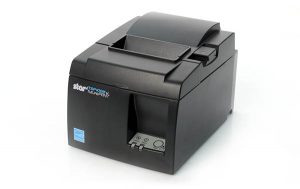
    TSP143III

    Star Micronics TSP143III

    High-speed printing (250mm/s)
    Easy setup across all models
    Lightning connection for simultaneous charging and data transfer
    Compatible with Star Micronics Cloud Services

    Stay tuned for our upcoming NRF 2020 Star Spotlights, coming soon. In the meantime, learn more about how Star and our partners have teamed up to provide solutions by browsing our Success Stories.

  • Star Spotlight – NRF 2020 Edition: Springboard Retail

    Star Spotlight – NRF 2020 Edition: Springboard Retail

    NRF is a wonderful show for multiple reasons – it’s where over 40,000 retail industry professionals gather to share ideas, build partnerships, and experience the year’s latest technology. Speaking of partnerships, one of Star’s favorite reasons for being at Retail’s Big Show is the dedicated time we give to catching up with our many retail software partners.

    In today’s blog post, discover what one of Star’s valued software partners, Springboard Retail, is up to this year. Learn more about our partnership in the below video interview filmed at NRF 2020 and stay tuned for even more partnership interviews in our upcoming Star Spotlight NRF 2020 Edition blog posts.

    What Does Springboard Retail Do?

    “It all began out of necessity. Gordon Russell’s Boston-based chain of specialty retail stores had a problem. He needed a POS system that would be comprehensive enough to manage his current business, while also driving future growth. Gordon tried plenty of available retail point of sale systems, but none of them provided the intuitive yet flexible structure his retail teams needed to succeed.

    So, Gordon and co-founder, Jay Stotz, put their heads together. They focused on developing a modern, cloud-based POS system designed to support a growing multi-channel, multi-site retail enterprise with features that brought clarity and resilience for the future. Reporting was key. With a multitude of data points, they ensured that their point of sale was able to combine relevant data in any way the retailer envisions and that the software was responsive, agile and easy-to-use. In fact, the results of their efforts were so successful that the team had to share it with other retailers. Springboard Retail was born.

    Since our official launch in November, 2013, Springboard Retail has helped our customers grow across their locations and channels—processing over $2B of retail sales at over 1,000 sites across North America. The team continues to focus on providing exceptional value to our customers. We take our customer’s success personally because we’ve walked in your shoes and understand that even the smallest detail, is critical.”

    Source: https://www.springboardretail.com/

    What are Some of Springboard Retail’s Key Products?

    Springboard Retail’s software is multi-faceted and chock full of features and benefits for today’s modern retailer:

    • Point of Sale: Cloud-based and user-friendly, Springboard Retail’s POS is highly scalable and includes features like quick order lookup, easy customer creation, split payments, simple returns, sales rep tracking, and more.
    • Order Management: Springboard Retail’s order management makes it easy to access inventory in real-time and place orders across multiple store locations, online, and in the warehouse. The order management also includes fulfillment alerts and easy order splitting to multiple fulfillment points.
    • Inventory Management: Your inventory is key. With features like partial and full inventory counts, transfer management, custom reasons codes for adjustments, and more, Springboard Retail’s inventory management keeps retailers running smoothly.
    • Customer Management: CRM and POS don’t have to be separate. Springboard Retail’s included CRM features a QuickView customer dashboard, unlimited custom fields, custom reports for segment marketing, and integrations with top loyalty/marketing providers.
    • Purchasing and Receiving: Retail buying is made easy with Springboard Retail’s ability to create barcode labels directly from a PO, easily process returns to vendors, smoothly enter size runs with an item grid feature, and more.
    • Metrics and Reporting: Data is imperative! Enjoy real-time data, custom field and reports, user-based permissions, CSV/PDF/URL sharing and exporting, and data comparison with Springboard Retail.
    • Traffic and Conversions: Gone are the days of manually tracking retail traffic. With Springboard Retail’s POS, track foot traffic electronically, review real-time traffic data, and more – even if you have multiple stores.

    What Sets Springboard Retail Apart?

    Springboard Retail focuses specifically on larger-footprint specialty retailers, with two to 200 store locations. Additionally, Springboard Retail is a browser-based system and cross-platform, meaning it has customers that use Mac, PC, and iPad POS, and is able to deliver a consistent, streamlined experience to all of those customers with its POS products.

    What Star Products Does Springboard Retail Integrate?

    TSP143III

    Star Micronics TSP143III

    High-speed printing (250mm/s)
    Easy setup across all models
    Lightning connection for simultaneous charging and data transfer
    Compatible with Star Micronics Cloud Services

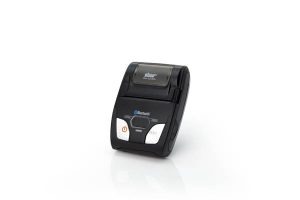
    SM-S230i

    Star Micronics SM-S230i

    2-inch portable printer with compact, lightweight design
    Bluetooth 2.1 + EDR / USB 2.0 full speed
    Barcode/graphics printing supported
    Magnetic stripe reader

    SM-T300i

    Star Micronics SM-T300i

    3-inch ultra rugged mobile printer
    Apple MFi certified
    Long battery life
    3DES encryption and optional magnetic stripe reader

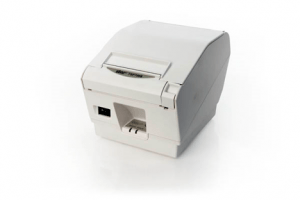
    TSP743II

    Star Micronics TSP743IIBlack mark label support
    Vertically mountable
    Double resolution mode to increase graphic sharpness
    Bluetooth, CloudPRNT, WebPRNT, Serial, Parallel, USB, LAN

    Stay tuned for our upcoming NRF 2020 Star Spotlights, coming soon. In the meantime, learn more about how Star and our partners have teamed up to provide solutions by browsing our Success Stories.

  • 4 Essential Features of a Frozen Yogurt POS Solution

    4 Essential Features of a Frozen Yogurt POS Solution

    It’s flavorful, colorful, and just healthy enough to not feel guilty about indulging in it. That’s right: we’re talking frozen yogurt. Specifically, we’re talking frozen yogurt point of sale (POS) and how to choose a frozen yogurt POS that goes the extra mile for your business.

    You’re likely well aware of the popularity of frozen yogurt shops; it’s estimated that 121 million servings of frozen yogurt are served each year in the United States! And while it’s good news that so many people love the tasty dessert, it can also be intimidating to think about the best way to go about differentiating your frozen yogurt shop from the competition.

    In addition to choosing a strategic location, creating an attractive aesthetic, offering high-quality flavors and toppings, and effectively marketing your business, did you know that a well-thought-out POS can be a stable foundation to a successful, differentiated frozen yogurt shop? Read on to discover the 4 essential features of a frozen yogurt POS solution.

    Feature #1: Scale

    Arguably one of the most important features of your frozen yogurt POS is your scale. Why? Simply put, accuracy is money!

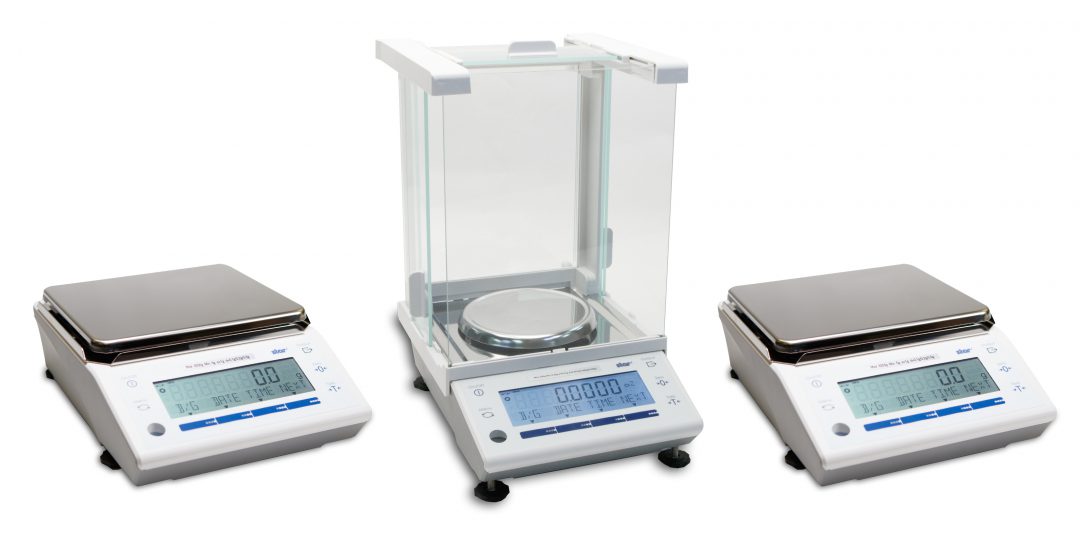
    To ensure you are charging the correct amount for the frozen yogurt that you sell, selecting an NTEP-certified scale is a must. The NTEP Certificate of Conformance “indicates that the device manufacturer has demonstrated the ability to meet applicable requirements for commercial weighing and measuring equipment in the United States as specified in Handbook 44: Specifications and Tolerances and Other Technical Requirements. NTEP certification is required in most states in the United States.”

    Second most important to accuracy is connectivity. What good is a scale if it doesn’t connect to the rest of your POS? Be sure to choose a scale that connects to your software and operating system. It is also helpful if your scale features multiple interface options such as Bluetooth, Serial, and USB. Additionally, it’s wise to choose a scale that directly connects to your POS so that there is no risk of human error in entering numbers incorrectly from the scale to the POS.

    Finally, let’s be real: frozen yogurt can easily become messy. Choose a scale that has an available protective shield to defend it from spills.

    Star’s mG-Scales

    mG-Scales

    Legal for Trade, NTEP-Certified
    Multiple Interfaces (Bluetooth, Serial, USB)
    Support for Windows, Android, iOS
    Available with Protective Shield

    Learn More

    Feature #2: Receipt Printer

    Your customers want to eat their frozen yogurt before it melts. One way to help them do that is by utilizing a fast, high-quality, and easy-to-use receipt printer. A reliable and high-performance printer means your employees can complete transactions more quickly, and customers can get to enjoying their treats in a jiffy.

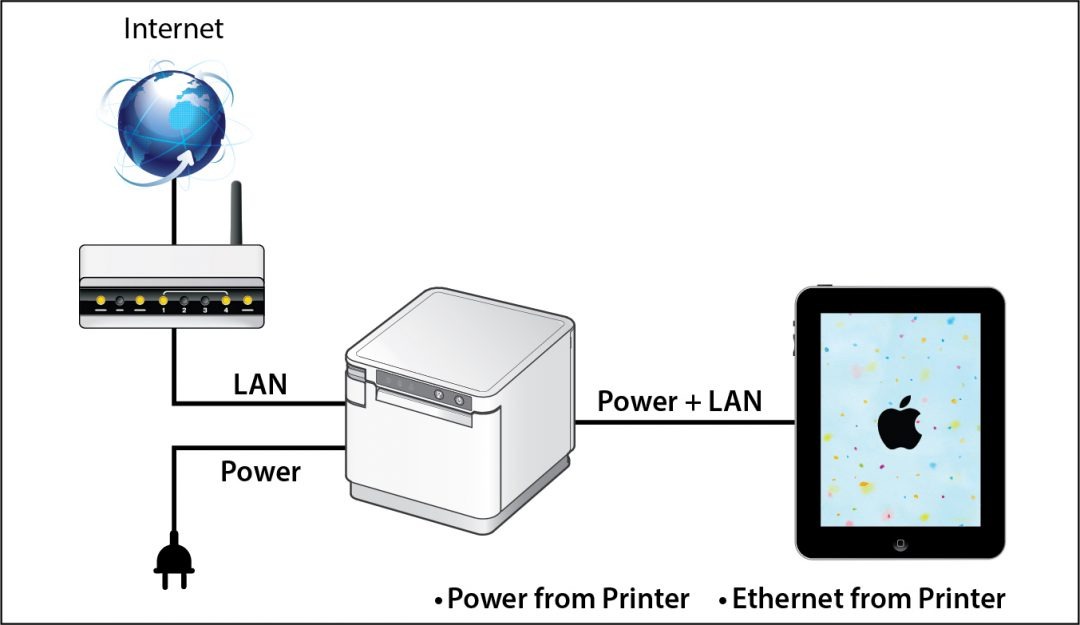
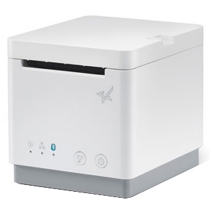
    On a more technical front, it’s crucial to choose a printer with the connectivity options to meet your needs. Some good connectivity options to look for are Bluetooth, USB, Lightning, and LAN. And by choosing Star’s mC-Print2 or mC-Print3, you’ll get the added benefit of SteadyLAN® technology. This world-first solution provides both power and direct, reliable Ethernet connectivity to iOS, Android, and Windows devices via the printer, and all through one cable. You can say goodbye to downtime and low-signal frustration with SteadyLAN!

    Star-SteadyLAN-Technology-Final-withoutlogo-1080x625

    Two more aspects of a receipt printer to look for are a splash-proof design and marketing capabilities. By choosing a splash-proof printer, you know your POS hardware is safe from any spilled frozen yogurt mishaps. And some receipt printers, like the mC-Print Series, includes free receipt marketing software so that you can promote upcoming sales, special flavors, and more right on your receipt, where customers are sure to see it.

    Feature #3: POS Software

    Just like sprinkles make the perfect accompaniment to frozen yogurt, choose a printer that pairs well with your favorite frozen yogurt POS software!

    If you’re currently shopping around for frozen yogurt POS software – or considering making a switch – here are some good features to look for:

    • Weight-based pricing
    • Inventory management and detailed sales reporting (so that you can know which flavors and toppings sell fastest, when to replenish, profit margins, real-time sales, etc.)
    • A simple checkout process and easy training (for part-time and seasonal staff)
    • A prominent customer display system (CDS) for transparent transactions
    • The opportunity for customer information capture for marketing activities
    • Offline transaction processing
    • Employee timekeeping
    • Pay-as-you-go pricing (if you are a seasonal business)
    • Secure payments (EMV-ready for chip and pin payments)
    • Handheld, mobile POS capabilities for peak business hours

    Feature #4: Sleek Design

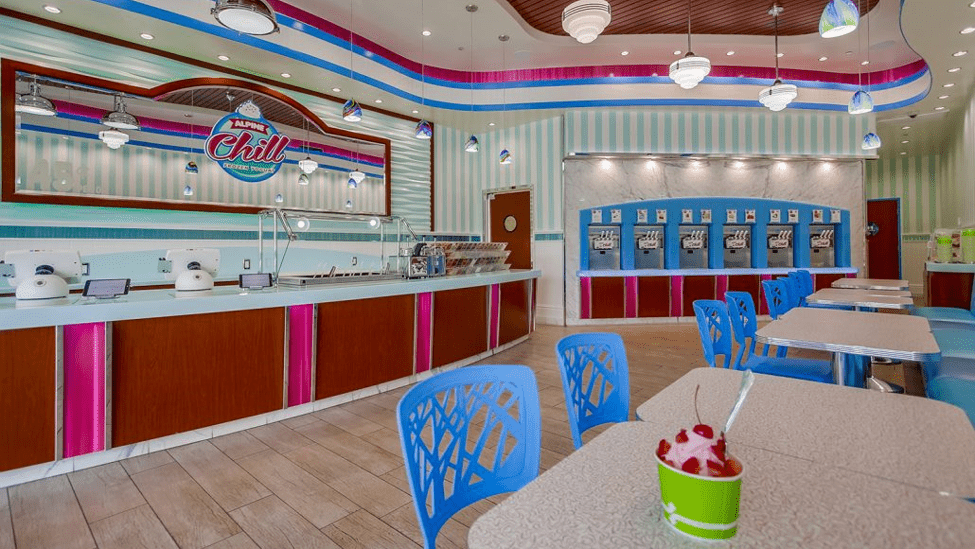
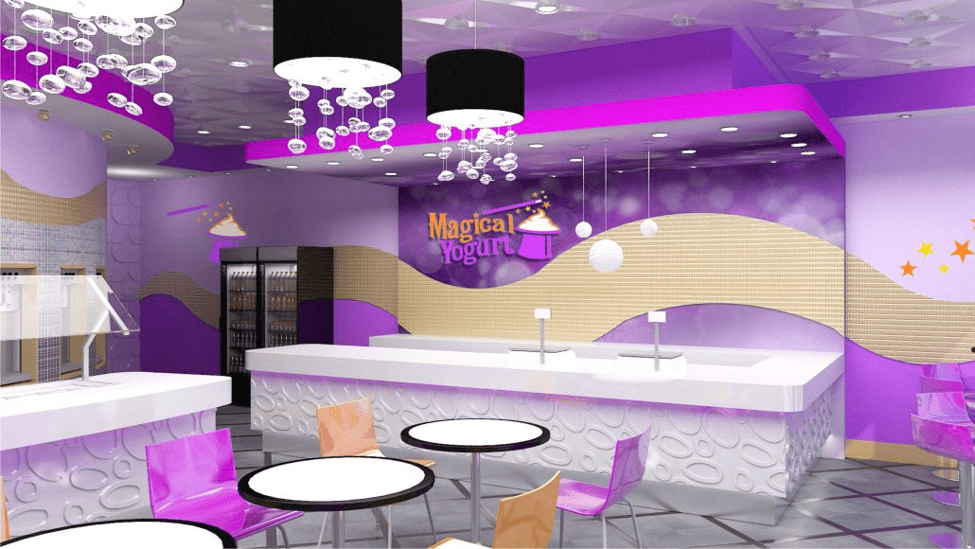
    Frozen yogurt shops are known for their design. You know the look: a well-lit, happy space, with bright colors and the undeniable feeling of childhood-like joy. What’s one thing that can completely kill the mood? Outdated POS hardware.

    Alpine Chill Yogurt Shop
    Alpine Chill Yogurt Shop, Alpine, CA
    Magical Yogurt
    Magical Yogurt, Lumberton, TX

    Choose a POS that is as sleek as the rest of your business. Not only will this create a cohesive feel, but this optimized design will help you create a memorable experience and hopefully stand out in your customers’ minds.

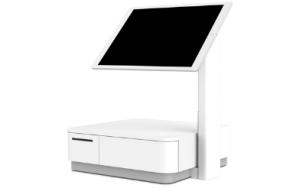
    mUnite POP tablet POS stand
    Star’s mUnite Stand

    The easiest way to create an attractive POS area is by choosing a clean, sleek tablet POS stand. Look for a stand that features hidden cable management that routes cables through the stand arm (like the Star mUnite). Another key feature that cannot be overlooked is choosing a stand that includes universal VESA mounting, meaning it can support any iOS, Android, and Windows touchscreen device. An added bonus of a stand with VESA mounting capabilities is that it is future-proof and can save you money: if you change your tablet down the road, the same great stand will still work.

    We hope that these frozen yogurt POS tips were useful. Need some help choosing your frozen yogurt scale? Download our free Scale Buyer’s Guide now!

  • Star Spotlight – NRF 2020 Edition: Erply

    Star Spotlight – NRF 2020 Edition: Erply

    NRF is a wonderful show for multiple reasons – it’s where over 40,000 retail industry professionals gather to share ideas, build partnerships, and experience the year’s latest technology. Speaking of partnerships, one of Star’s favorite reasons for being at Retail’s Big Show is the dedicated time we give to catching up with our many retail software partners.

    In today’s blog post, we will explore what one our valued partners, Erply, is up to in 2020, and how they are working with Star. Learn more about our partnership in the below video interview filmed at NRF 2020 and stay tuned for even more partnership interviews in our upcoming Star Spotlight NRF 2020 Edition blog posts.

    What Does Erply Do?

    Erply started as an award-winning Seedcamp entry in 2009 –hence its name, ERPly!– and was officially founded in 2010. Since its establishment, Erply was designed to create B2B customizations for small to medium-sized businesses, resulting in a highly in-depth inventory management platform.

    Today Erply has grown into a successful company that processes billions of annual transactions and supports over 100,000 stores across the globe in over 15 different languages.

    Erply’s cloud-based, full-featured point of sale solution has helped us become a recognized leader in the retail POS space. Erply POS serves retailers large and small, and is well-known for its:

    • Comprehensive POS features
    • World-class API
    • Highly secure servers
    • Personable customer support
    • Mobile applications

    Flexibility has always been a key feature of Erply, and its expertise in creating highly customized solutions comes from its team of veteran developers who have years of experience building specialized business solutions.

    Source: https://erply.com

    What are Some of Erply’s Key Products?

    Designed for enterprise retail, retail franchise, and more, Erply’s products can be grouped into several categories:

    • Point of sale: Erply’s cloud-based POS is powerful, easy-to-use, and works online and offline. Features include employee timeclock, layaway sales, cash in or out, in-store pickup orders, recent sale lookup, stock and price lookup, returns and refunds, and more.
    • Inventory management: For large and small businesses alike, Erply’s inventory management solutions include product information management (PMI), inventory transfers, stocktaking, matrix products, supplier management, stock replenishment reports, and more.
    • CRM: The power is in the customer data. Erply’s retail CRM has what it takes for retailers to develop long-term customer relationships, and includes customer information, a loyalty program, and customer grouping.
    • Multi-store management: Perfect for chains, Erply’s multi-store management solutions help retailers set up store locations, manage pricing, create promotions, manage employees, track store activity, and more.
    • Sales management: The key to retail success lies in well-managed sales data. Erply’s back office technology allows retailers to easily create sales quotes and orders, manage order fulfillment, and handle invoicing and payments workflows.
    • Reporting: Erply provides its customers with fully customizable reports, for sales, inventory, and more.
    • API: Erply’s API is simple to use, and allows businesses to easily integrate with other applications, creating a true omnichannel retail experience.

    What’s New with Erply in 2020?

    One of the biggest differentiators for Erply in 2020 is its ability to integrate with customers’ existing tech stacks, whether it’s a CRM, ERP, or an e-commerce platform. This integration ability ensures Erply can provide a true all-in-one system, making retail operations much easier and more efficient.

    What Star Products Does Erply Integrate?

    Erply currently integrates the Star Micronics TSP143III, mPOP™, SM-S230i, and mC-Print2.

    TSP143III

    TSP143III

    High-speed printing (250mm/s)
    Easy setup across all models
    Lightning connection for simultaneous charging and data transfer
    Compatible with Star Micronics Cloud Services

    mPOP

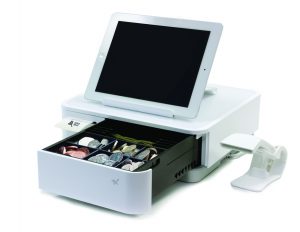
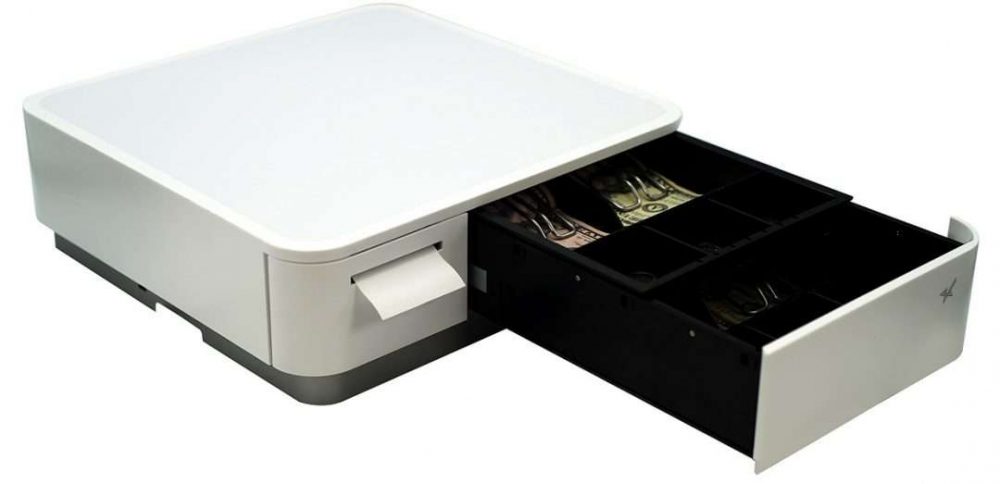
    mPOP All in One Mobile Point of Sale

    Compact and sleek design
    Printer – cash drawer – scanner – device stand
    Compatible with iOS, Android, and Windows
    Two cash drawer options: vertical bill (4 bill and 6 or 8 adjustable coin slots) and flat bill (4 bill and 4 or 6 adjustable coin slots)

    SM-S230i

    SM-S230i

    2-inch portable printer with compact, lightweight design
    Bluetooth 2.1 + EDR / USB 2.0 full speed
    Barcode/graphics printing supported
    Magnetic stripe reader

    mC-Print2

    mC-Print2

    2-inch thermal printer
    Sleek, compact, connected
    Bluetooth, USB, Lightning, LAN, CloudPRNT
    SteadyLAN® technology (mCP21LB)

    Stay tuned for our upcoming NRF 2020 Star Spotlights, coming soon. In the meantime, learn more about how Star and our partners have teamed up to provide solutions by browsing our Success Stories.

  • The Best New Star Technology in 2020

    The Best New Star Technology in 2020

    It’s 2020 and it should come as no surprise that point of sale (POS) technology is advancing rapidly. But which POS trends are predicted to be hot this year?


    • Cloud POS: According to Finances Online, the cloud POS market penetration rate is expected to hit 44% this year, up from 35% in 2018 and 39% in 2019.
    • Self-Service: In 2019, the self-service market was valued at $28 billion USD, and by 2025 it’s expected to reach $68 billion USD. Needless to say, self-service kiosks will be popping up left and right this year.
    • Mobile Payments: It’s estimated that by the end of 2020, nearly 1 in every 2 dollars spent online will come from purchase made using mobile devices. That’s a lot of mobile payments!

    Download Free eBook: MPOS: How it’s Revolutionizing Payments

    So, what’s Star doing to keep up with these emerging trends? Read on to discover the best new Star technology this year.

    SteadyLAN®

    The foundation of each of the above POS trends is a stable connection. For cloud POS to reliably operate, a strong network connection must be present. A self-service kiosk that’s out of order is a nuisance to customers and a waste of money to business owners. Mobile payments don’t exist without a solid connection.

    To greatly strengthen network connection in iPad POS, Star is proud to introduce SteadyLAN®. This unique, patent-pending new Star technology makes unstable Wi-Fi signals a thing of the past. Available on certain mC-Print models and designed for iOS, Android, and Windows devices provides direct cabled control of the printer and attached peripherals, as well as Ethernet provision to the tablet, from the wired Ethernet port of the printer.

    Star-SteadyLAN-Technology-Final-withoutlogo-1080x625

    For locations where Wi-Fi connectivity is not possible or unreliable, this new technology is a world-first, providing the stability of a cabled LAN connection for tablet POS systems. By connecting the SteadyLAN-compatible printer to the Internet via wired LAN and connecting the printer and a tablet with a Lightning-USB or USB-C® cable, the device can use the Internet without Wi-Fi communication. At the same time, the tablet can communicate with the printer via USB or LAN and can be charged from the printer.

    Click here to learn more about SteadyLAN

    A Full Kiosk Lineup

    Kiosk printers aren’t a new edition to Star in 2020 – we have been offering a robust lineup of self-service printing options for quite some time – but what is new and hot this year are our second generation of compact SK1 kiosk printers.

    The new kiosk printers, the SK1-211 and the SK1-311,  ship standard with StarPRNT emulation, which will allow software developers to take advantage of the full stack of Star Micronics technology, such as the StarPRNT SDKs and Star’s powerful line of drivers. Software developers that have already integrated Star products can now easily swap or extend their applications from a desktop printer to a kiosk printer.

    When used with Windows drivers, StarPRNT emulation also enables developers to take advantage of PromoPRNT, Star Micronics’ cloud-based marketing tool which allows for custom-designed promotions to print on the bottom of receipts.

    These new kiosk printers are exciting for a few reasons: Not only are these new products faster and more reliable, the addition of the modern StarPRNT emulation will allow easy integration of kiosk solutions into any environment already featuring Star printers.

    Star offers even more kiosk printers than the SK1 series. Click here to browse all available kiosk printers, including open-frame printers, housed printers, wide-format printers, and more.

    mPOP™ Flat Bill

    mPOP-Flat-Bill-1080x523
    You may already recognize our sleek, all-in-one mobile point of purchase, the mPOP. But did you know that this year we have released a new and improved mPOP for SMB retail, the mPOP Flat Bill?

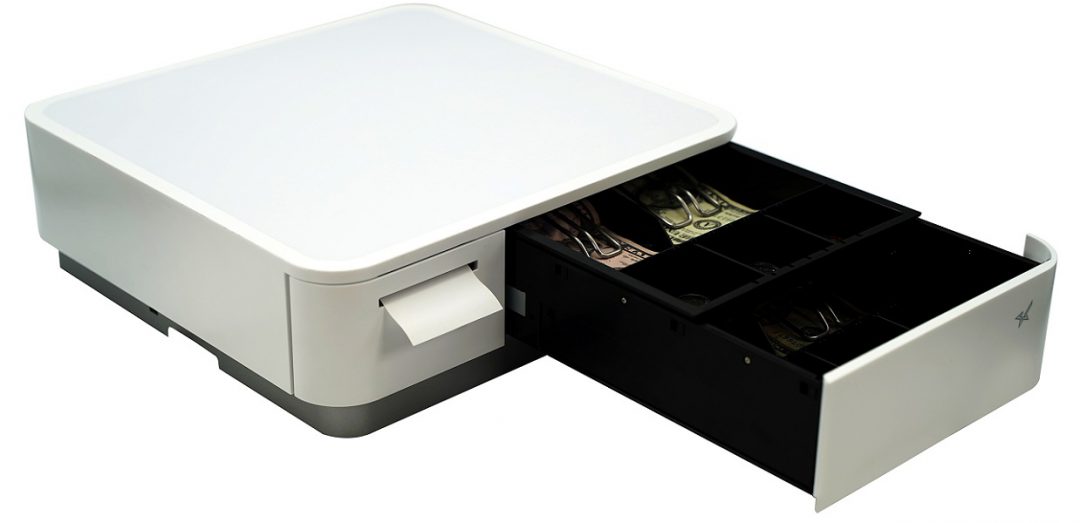
    The new mPOP with Flat Bill cash management stacks the till, providing a total of 4 slots for bills, and 4 or 6 adjustable spaces for coins.The individual tills offer 2Bill-2Coin slots, with the top till easily sliding back to expose the bottom till section.

    Just like the original mPOP, the mPOP Flat Bill also features:

    • Bluetooth and USB connectivity
    • Compatibility with any iOS, Android, or Windows device
    • Easy “drop-in and print” paper loading and cable management
    • Compatibility with Star peripherals ( 1D barcode scanner, 2D imager, digital customer-facing display)
    • Optional mUnite POP solution stand

    Click here to learn more about mPOP

    mUnite

    A new decade calls for business owners of all kinds to make the switch to a sleek, modern POS, and our mUnite stands make that easier than ever.

    Designed to accompany the mC-Print3, mPOP, and TSP143/TSP654II, the mUnite tablet POS stands are the perfect solution for businesses on the hunt for a clean POS which frees up valuable counterspace.

    With clean cable management and a sleek, unified design, mUnite stands bundles all devices together into one visually cohesive solution, and are:

    • Built of durable steel
    • Compatible with any tablet manufacturer (universal VESA mounting)
    • Easy to set up
    • Available in black or white to match existing POS systems
    • And more!

    Click here to learn more about mUnite

    The new Star technology featured in this blog post is just a portion of Star’s many offerings. To learn more about our full product lineup and see how our various technologies can be bundled into one cohesive, streamlined solution, explore our Product Catalog.

  • Star Micronics Introduces the New and Improved mPOP for SMB Retail

    Star Micronics Introduces the New and Improved mPOP for SMB Retail

    The new mPOP by Star Micronics offers improved functionality with easier cash management for retailers

    Somerset, NJ – February 18, 2020 – Star Micronics, a leading global manufacturer of mobile, point of sale (POS), and customer engagement technologies, is proud to introduce the upgraded mPOP™ (mobile point of purchase). The Star Micronics mPOP offers a hybrid solution for tablet POS that combines a cash drawer and printer peripheral, offering an ideal hardware solution for small- to medium-sized retail businesses. Star’s most recent update to the mPOP makes it even easier for merchants to manage their cash payments with a small cash drawer footprint.

    The new mPOP with Flat Bill cash management stacks the till, providing a total of 4 slots for bills, and 4 or 6 adjustable spaces for coins. The individual tills will offer 2Bill-2Coin slots, with the top till easily sliding back to expose the bottom till section. This allows for US retailers to store and manage their cash in a more natural way and keep their cash payment organized, compared to the previous vertical-slot version of the mPOP.

    The mPOP also offers convenient Bluetooth and USB connectivity, and is compatible with any iOS, Android, or Windows device. With easy “drop-in and print” paper loading, and cable management, the mPOP offers an easy-to-use solution for any SMB retailer. The mPOP is also compatible with a number of Star peripherals including a 1D barcode scanner, 2D imager, and digital customer-facing display. Star Micronics also provides the mUnite POP solution stand for a sleek POS enclosure option.

    “Star Micronics is proud to have answered the request of many of our partners to introduce a Flat Bill solution for the mPOP,” said Michael Hanson, Executive Vice President of Star Micronics. “The new and improved Flat Bill solution keeps the small footprint of the mPOP that SMB retailers enjoyed, while integrating a more simple and familiar way to manage cash payments.”

    To learn more about the new Flat Bill mPOP, please visit https://starmicronics.com/mPOP.

  • The Evolution of Printer Software Technology to Cater to mPOS

    The Evolution of Printer Software Technology to Cater to mPOS

    Point of sale (POS) is no longer limited to the traditional, fixed model. Merchants have tried and proven the benefits of mobility. They can complete payment transactions in-aisle or tableside, and set up additional checkouts for line busting. In addition, they can enhance the customer experience at their establishments by providing sales associates and wait staff with information on products and menu items, promotions and sales, and even the customer’s purchase history or loyalty program activity.

    While POS has gone mobile, so have label and receipt printers, as well as the point of sale systems they operate with. Mobile printers or mobile point of sale systems can help reduce labor time and costs of in-aisle and shelf labeling. Mobile point of sale also provides mobile receipt printing both in-store and beyond, at pop-up shops, and other outdoor sales and dining venues.

    Today’s mPOS solutions can be both lightweight and easy-to-use, are capable of printing receipts and labels with a variety of media, and can even assist businesses with their marketing strategy. Mobile POS peripherals can connect with mobile devices such as tablets or mobile phones using cabled, Bluetooth, or wireless network connection. They can also receive print jobs directly from the merchant’s network, or third-party online ordering and scheduling applications.

    From a printer software perspective, however, mPOS has created new challenges. With merchants using a variety of devices for POS functions, printing is no longer as simple as plugging in a printer that’s designed to work with the POS terminal to print receipts and other materials such as labels, tags, forms, or coupons.

    As your mobility initiative grows, you may encounter challenges to printing what you need, when and where you need it. Here are three common challenges merchants face with mobile printing and the solutions that will help you overcome them.

    Download the Full eBook: “How Printer Software Technology is Evolving to Accommodate mPOS”

    Illustration of Software

    Challenge 1: Printing from an iOS, Android, or Windows Native App

    With most legacy applications, many POS printers and printer brands could be used by just installing the right Windows driver. Since iOS and Android operating systems do not have a print engine to support drivers, the printer functions need to be integrated inside the POS software, thus limiting the choice. Fortunately, these companies have usually integrated the best of breed printers which make for an easy choice.

    Solution: SDK Integration

    A software development kit (SDK) helps software engineers or developers to speed up the process to support special features (like printing) in software applications. The printing SDKs needed to create applications are usually available for developers to download from the printer hardware manufacturer. For example, iOS applications traditionally use Objective-C or the Swift programming language, while Android uses Java.

    An advantage to SDK integration is that the application your software engineer or developer creates can give you more complete control of printing, such as adjusting print formatting, controlling the cash drawer, or checking the status of the printer. It also enables additional, innovative features to be added to the print application such as digital receipts and other cloud services.

    Another huge advantage is that an SDK provides a foundation for developers to build on. Without it, each developer would have to build the basics themselves, which can be especially complicated when working with multiple printers.

    The modern SDKs provided by printer manufacturers are designed to be powerful while also being simple to integrate – adding printing capabilities may only require a few lines of code.

    Solution: AirPrint®

    Star Micronics’ AirPrint technology allows retailers to continue to use the simple print method that they are used to. Apple has certified Star Micronics’ TSP654II AirPrint as the first and only AirPrint receipt printer, and has also certified the Star Micronics TSP847II AirPrint, which can print labels, tickets, forms, barcodes, and graphics. Modern and flexible, this new technology is beneficial to integrators as well.

    For ISVs, using Star Micronics’ AirPrint technology is the easiest and fastest way to integrate a printer with Apple software. The TSP654II AirPrint and TSP847II AirPrint work immediately after setup and are the perfect fit for the occasional print job. With Star Micronics’ Apple-certified printers, Mac and iOS developers now have another option in addition to the StarPRNT SDK, giving them more flexible printer control.

    Learn More About Star Micronics StarPRNT SDK

    Challenge 2: Managing Online Ordering and Scheduling

    Online ordering and scheduling have made a huge splash in the global marketplace. In particular, the hospitality, salon/spa, medical, and service industries have been highly effected. Customers choose to order food and schedule appointments online primarily for convenience. Online ordering and scheduling help to simplify the process, ensure accuracy, keep costs transparent, reduce human error, and more.

    This new wave of Cloud-based orders and requests presents a new set of challenges to those in effected industries – and all of those challenges revolve around having a reliable, functional mPOS and chit printer. Businesses need a printer that can promptly receive and alert staff to online orders and requests, and that is compatible with today’s modern, ever-changing online applications.

    Solution: CloudPRNT

    Star’s CloudPRNT technology is the answer to online ordering and scheduling pain points. A remote printing technology specially designed for Web-based POS printing, CloudPRNT is scalable, quick to integrate, easy to deploy, and even allows Cloud-connected control of peripherals.

    Platform-independent, CloudPRNT is compatible with the industry’s top online ordering and scheduling applications. CloudPRNT, which automatically detects and pulls Web-based orders and requests, requires no SSL certificate, has no exposed network ports or special firewall settings, and is compatible with any programming language or operating system.

    Star Micronics CloudPRNT

    Challenge 3: Printing from a Web Browser Application

    Advanced Web standards, such as HTML5, give developers the ability to build Web-based applications with nearly the same level of features as native (local) applications. Web applications have the added advantage of allowing live, automatic updating so that customers always have the most up-to-date version of the software since the application lives in the cloud.

    If the POS software is Web-based, the issue isn’t which mobile device the application is running on. Most Web-based solutions are device agnostic: if the device can connect to the Internet, it can usually use the application. In this case, it’s necessary for the printer to receive data directly from the Web-based application.

    Solution: WebPRNT

    Star’s JavaScript-based WebPRNT technology allows complete control of any Star WebPRNT Ethernet interface printer. Developers can use Star’s JavaScript library and Builder API to integrate a Web-based application with a WebPRNT printer. In addition, this functionality can be extended to Bluetooth printers by using the WebPRNT Browser with little to no changes.

    Learn More About WebPRNT

    Want to learn about the last 3 challenges? Discover how to successfully market to target audiences, continue to use legacy applications with newer hardware, and more in our free eBook.