Category: Industry Insights

  • Millennials’ Eating Habits: How They’re Changing the Food Industry

    Millennials’ Eating Habits: How They’re Changing the Food Industry

    If there’s one generation that makes headlines, it’s millennials. According to the 2015 U.S. Census, there are 75.4 million millennials living in the country, officially making them the largest generation in the States. If you operate a restaurant, it’s worth paying attention to what millennials do and want – especially when you consider that they spend more dining out than they save for retirement. Here are the top four things millennials are seeking when it comes to dining out – and how these changes are affecting the food industry.

    They Want Convenience

    The first meal kit service started in 2007 – and now, 12 years later, it’s a booming industry estimated to hit $10 billion in revenue by 2020. Who’s to thank for that? Millennials, of course – they’re considerably more likely to subscribe to these services than non-millennials.

    That’s just one example of the importance convenience has to millennials. Other popular (and booming) examples are grocery delivery services, food trucks, heat-and-eat options available at grocery stores, and online ordering (millennials are the most likely to get home delivery from restaurants). In fact, according to the 2017 Food and Health Survey by the International Food Information Council, 55% of millennials say convenience is a top driver when buying food.

    They Want Transparency (And Responsibility)

    Don’t be mistaken: just because millennials value convenience doesn’t mean they don’t also take healthiness and sustainability seriously. The trend is just the opposite, actually.

    First and foremost, millennials are redefining what it means for a food to be considered “healthy” – instead of low-fat being a top priority, they now put natural, organic, locally sourced, and sustainable foods at the top of their list. Did you know that millennials eat 52% more vegetables than baby boomers and 52% of organic consumers are millennials?

    This generation also wants to know where their food is made – a whopping 80% of them want to know more about where their food is grown – and they value how it’s made (you may have noticed the terms “locally sourced” and “farm-to-table” popping up on menus in recent years).

    appetizer-avocado-basil-1824353-e1574802805597
    Avocado toast, a trendy meal popular among millennials. Source: pexels.com

    They Want Trendiness

    Gone are the days of steak and potatoes – instead, unique, customizable items are making a splash with millennials. “Build-your-own” quick service restaurants (like Chipotle) are growing steadily, and for a good reason: 72% of consumers expect customization! Some examples of recent unique trends are food bowls, food mashups/hybrids (hello, cronuts), and avocado toast.

    So, are unique meals actually popular with millennials, or do they just make headlines? The former is true: 40% of millennials report they like to order different things every time they eat in the same restaurant, and they don’t shy away from vegan and cultural cuisines. They’re also described as open-minded and curious. Besides adopting a creative menu, it’s a good idea to also create a unique, modern vibe in your restaurant – from your light fixtures to your point of sale.

    They Want an Experience

    If you have a social media account, you know that photos from users experiencing a satisfying meal are popular. In fact, 75% of millennials report they value the experience of eating food more than the nourishment. And social media is a huge part of the dining experience: 41% of millennials log in to Facebook every day, 29% use Instagram regularly, and 25% use Snapchat on a daily basis. To top it off, 20% of millennials say that they receive food news from peers on Facebook.

    To help make your restaurant “Instagram-worthy,” consider adopting a modern and aesthetically pleasing menu design, ambiance, and décor – and don’t forget to create social media accounts for your restaurant if you haven’t already!

    Looking to modernize your restaurant for today’s largest demographic? Discover how Star Micronics helped a restaurant operate efficiently, provide excellent service, and incorporate online ordering.

  • Why Guest Wi-Fi is an Important Asset for Small Businesses

    Why Guest Wi-Fi is an Important Asset for Small Businesses

    If one thing is true about today’s consumers, it’s that they are constantly (or nearly constantly) connected. With the rising trend of omnichannel retail experiences, it’s more important than ever to provide an easy, free way for your customers to connect to the internet. Implementing a guest Wi-Fi network does more than connect your shoppers to their favorite apps and websites, though – it can also improve your business in many ways! Here’s how:

    Enhance Marketing

    Speaking of omnichannel marketing, having a guest Wi-Fi network is an excellent way to expand your omnichannel strategy. One way to do so is to engage in Wi-Fi marketing, a method where you use your network as a channel to communicate with your shoppers. Using Wi-Fi marketing, you can promote campaigns of your choice, which can serve as a part of your in-store marketing strategy.

    When guests log on to your Wi-Fi network, their phones will redirect to a splash page where they’ll view a branded message, as well as details about the network and its terms of use. On the page, users will enter credentials such as their email address, which can help you build customer profiles and gather leads. With this additional insight into shoppers’ demographics, you can further tailor your marketing tactics to better suit them, and that can help create more sales. For example, a Deviscape survey found that half of businesses report that customers spend more money now that they have a Wi-Fi network!

    Safeguard Internet of Things (IoT) Devices

    Better marketing and more sales are nice, but did you know that implementing a guest Wi-Fi network has security benefits, as well? If you incorporate IoT-connected devices into your store, such as automated checkouts and smart shelves, you probably already know that they’re more vulnerable than traditional devices. If you connect those smart devices to your main network, the chance that hackers can access your other devices – like your main server or physical security system – is increased.  By connecting your smart devices to a guest network instead, you create an additional layer of protection against attacks; Even if a cybercriminal hacks into one of your devices, they won’t be able to penetrate your main network, where your most valuable information lies.

    Improve Customer Experience

    Last but not least – and this probably goes without saying – guest Wi-Fi networks greatly improve the customer experience. Depending on your store location and your customers’ cellular provider, providing shoppers a guest network saves them data and gives them a potentially faster network. And there are stats to back it up – nearly 62% of businesses with free Wi-Fi report their customers stay in the store longer, which likely means they’re having a better shopping experience, spending more money, and are more likely to return.

    From boosting sales to securing your sensitive data, there are many reasons to utilize a guest Wi-Fi network!

  • 5 Irresistible Valentine’s Day Marketing Ideas

    5 Irresistible Valentine’s Day Marketing Ideas

    It may feel like we just celebrated the holidays, but already another holiday is upon us: Valentine’s Day!  Historically, the romantic holiday has been a big money maker – in fact, the National Retail Federation has predicted that U.S. consumers will spend a near-record $19.6 billion this year on Valentine’s Day alone. So how can retailers take advantage of this? Today, we have five irresistible Valentine’s Day marketing ideas for your small business:

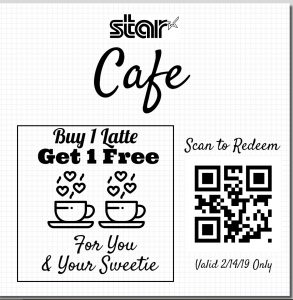
    Valentines-Day-Latte-PromoPRNT-e1574802651640
    A PromoPRNT Two-for-One Example

    Promote Two-for-One Deals

    What better time to promote a two-for-one deal than Valentine’s Day? If your business is in the hospitality industry, consider offering two meals, or two desserts, for the price of one. If you are a boutique shop, consider offering two accessories for the price of one. You could also simply offer a specific discount, like 14% off a customer’s entire purchase (to honor February 14). To ensure your customers have plenty of time to become aware of and plan for your sale, promote it at least one week ahead of time. A great way to practice Valentine’s Day marketing on your current shoppers is to promote the sale on your printed receipts.

    Leverage Seasonal Branding

    No one can ignore well-planned seasonal branding. Whether you choose to do your branding in-store or online, creating a festive vibe can get your shoppers in the mood to spend on their loved ones (or treat themselves). Examples of online branding could include Valentine’s Day-themed social media posts and email campaigns. In-store branding can include everything from decorating with flowers and balloons, to offering gift wrapping services and having your staff wear pink or red outfits. Don’t forget to showcase any holiday-themed items at the front of your store.

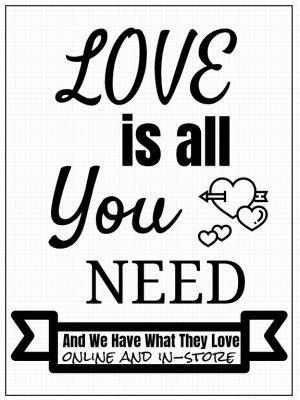
    Valentines-Day-Online-In-Store-PromoPRNT-e1574802673498
    An Example of Promoting Your Gift Guide via PromoPRNT

    Take Advantage of Pop Culture

    Thanks to the television show Parks and Recreation, Valentine’s Day is celebrated on more days than just February 14! The hit show coined “Galentine’s Day” during its second season in February 2010. Since then, many women have started to celebrate the holiday, which focuses on the love they have for their female friends, on February 13 each year. Don’t believe us? A quick Google search of the term, “Galentine’s Day” yields a whopping 1.5 million results, including news articles, gift guides, party tips, and more. Another example of a Valentine’s Day-related holiday (that isn’t Valentine’s Day) is Singles Awareness Day, which takes place annually on February 15. So many holidays to take advantage of in your Valentine’s Day marketing strategy!

    Create a Gift Guide

    You know your product (or service) best. There’s no one better to provide a Valentine’s Day gift guide! You can create a guide that is tailored to your specific products and allows you to clearly pitch your selling points. You can even create “his and hers” versions, and versions specific to someone’s interest (e.g. cooking or fashion). Gift guides are a great way to flex your omnichannel marketing muscle – offer your guides in person, online, or both by pointing your customers to your online store via a printed receipt.

    enhanced-buzz-15039-1390343924-9-e1574802700552
    Source: Buzzfeed

    Send Valentine’s Day Cards

    Last, but not least, is a tried-and-true favorite: Valentine’s Day cards. Whether you deliver them in person beforehand with a coupon attached, or deliver them digitally day-of (via social media or email), an eye-catching greeting card is sure to capture your shoppers’ attention. Valentine’s Day cards are also a great way to show your brand’s personality or sense of humor – click here to check out some inspirational “punny” cards.

    PromoPRNT, Star Micronics’ value-add tool, can help you with Valentine’s Day marketing – using your existing receipt printer! Click here to learn more and get promoting today.

  • The Cannabis Industry: What Lies Ahead in 2019

    The Cannabis Industry: What Lies Ahead in 2019

    As more states and countries continue to legalize medicinal and recreational cannabis use, one thing is clear: the cannabis industry is here to stay – and it’s rapidly growing. This new industry doesn’t just affect cannabis users – it affects countless markets. So, what’s to come in 2019, in terms of cannabis? Here are four key predictions for this year:

    Cannabis-Infused Products Will Thrive

    If you only think of dry leaf marijuana when you imagine cannabis, you are missing out on a ton of the market’s hottest products. Non-leaf CBD-infused items have a very high profit margin. Derived from the Cannabis Sativa plant, but without any psychoactive properties, hemp products infused with CBD are a great way to introduce cannabis to a larger crowd. Cannabis-infused beverages, in particular, are slated to be a huge hit in 2019, but other infused products include oils, beauty and skin care products, pain relief ointments, chocolates, nuts, gummies – and even dog treats. These alternative forms of cannabis are expected to spread across North America, thanks to the recently passed U.S. Farm Bill which legalized industrial hemp. Many of these products (minus the dog treats) also come in psychoactive THC-infused forms, and are experiencing widespread popularity, thanks to medical and recreational marijuana bills being passed in several states, as well as Canada’s recent legalization of recreational usage.

    The Key Players Will Emerge

    Until now, it’s been tricky figuring out who the top players will be in the cannabis industry. However, with consumer spending expected to jump 40% this year, those who are executing successful cannabis business plans should get a big boost this year as sales continue to grow. Strategy in this rapidly-expanding market will be key, and by the end of the year (or before), we should have a good idea of who the top dogs are. However, because interstate commerce is denied and it is currently difficult to create any sort of national brand, we will likely not see any nationwide dominators – yet. In the meantime, it will be of utmost importance for cannabis retailers to successfully promote themselves and maintain a tight business plan.

    Legalization Will Continue

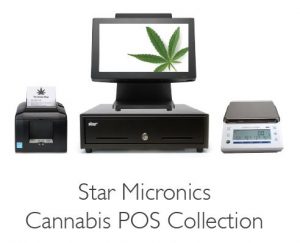
    Capture-Cannabis-brochure-e1574802612781

    2018 was a big year for legalization – in fact, it was arguably the biggest one yet – and that trend is expected to continue into 2019. At least six more countries are slated to legalize medicinal marijuana usage, and at least one is expected to legalize recreational use. In terms of the U.S., at least three states have plans to legalize medicinal or recreational usage, with Illinois, New Jersey, and New York being the biggest possibilities. Even more traditionally-conservative states like Texas could change their current marijuana regulations.

    (More) Research Will Be Conducted

    Cannabis research has already been taking place, but it will pick up speed even more this year. Because of the more open regulatory environment, more research will be conducted, which is expected to spark even more innovation within the cannabis industry. The Farm Bill has opened the CBD market this year, and will support overall marijuana consumption, meaning more knowledge will soon be uncovered on each specific cannabinoid’s (the chemical compounds secreted by cannabis flowers) powers. For example, therapeutic uses include treating and managing obesity, anorexia, emesis, pain, multiple sclerosis, neuroprotection, inflammation, Parkinson’s disease, Huntington’s disease, Tourette’s syndrome, Alzheimer’s disease, epilepsy, bipolar disorder, schizophrenia, PTSD, depression, anxiety, insomnia, asthma, cardiovascular disorders, glaucoma, cancer, and more.

    The cannabis industry is booming. Are you looking to cash in on cannabis point of sale? Download our e-book now!

  • Why You Should Create Instagram Stories for Your Store

    Why You Should Create Instagram Stories for Your Store

    The influence that social media has in today’s society is undeniable. Life is now about documenting every experience, whether it’s a trip to a new country or what you ate for dinner. Instagram Stories allows Instagram users to share multiple experiences through images and videos for a 24-hour period until they disappear (very much like a Snapchat story).

    As Instagram Stories has grown to be more popular, it is becoming an important tool to help businesses increase brand awareness and engage with their customers. But first thing’s first – how do you create Stories, and why should you use them?

    How To Create An Instagram Story

    Although Instagram Stories has existed since 2016, here is a brief tutorial to get you started:

    1. Open your store’s Instagram account and tap either the camera icon or your store’s logo in the upper right-hand corner.
    2. Next, either:
      1. Take a picture or video, or
      2. Choose an existing picture or video from your phone’s gallery.
    3. Upload your picture/video to your Story by tapping “Your Story” in the bottom left corner.

    Once uploaded, your image will remain on your Story for 24 hours.

    Why Use Instagram Stories?

    Over 400 million people use Instagram Stories. That’s a lot of people, and it’s more than double the number of Snapchat users! One huge benefit of using Stories is that because you can add public hashtags to your Stories, even users who do not follow your business can discover your content.

    Besides making your business more discoverable, Instagram Stories now allows the use of outbound links, meaning you can include links to your website or blog. Stories is also an excellent way to build your business’ community by tagging partners and brand influencers.

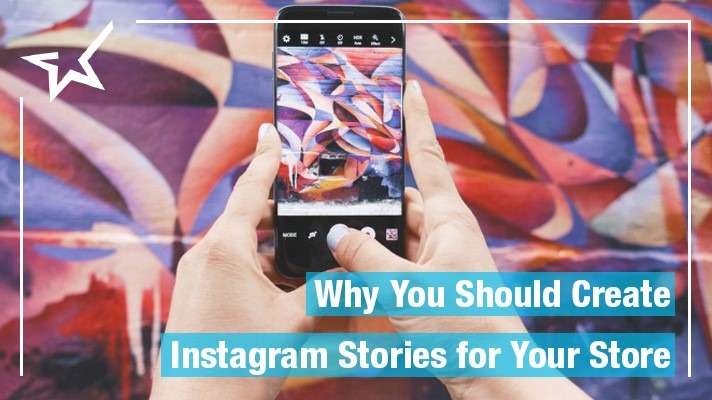
    account-app-apple-163148-e1574802578394
    Making seasonal content a focus can be very successful on Instagram. Source: pexels.com

    Ways to Use Instagram Stories for Your Business

    As you’ve now learned, Instagram Stories is a great way to reach your target audience, no matter what industry you are in. In fact, agencies report 2-3 times more engagement with Stories than with regular content. With a plethora of features just one tap away, Instagram Stories can be a valuable part of any small business marketing strategy. Here are some ideas to help get you started:

    • Use location tags to inform users where your store is located
    • Start a poll to get valuable customer feedback
    • Use Stories to highlight product teasers
    • Use the tagging feature to give partner and/or customer shout outs
    • Leverage the “Swipe Up to Read” feature (if you qualify) to give quick access to your website or blog
    • Post motivational quotes
    • Share client success stories

    If you’re looking for even more inspiration, click here to learn about eight content tricks used by top brands, from sharing an experience to focusing on seasonal content.

    How One Fashion Store Made the Most of Instagram Stories

    Utilizing online marketing to drive in-store sales is a huge part of the omnichannel retail experience, and Instagram Stories is a great place to do just that. For example, one footwear and fashion company which recently opened retail stores hoped to raise brand awareness among young women, its target audience. The company created eye-catching Stories video ads, and the Insta-effort really paid off: the ads boosted brand awareness by 11 points among young women! Click here to learn more about how the store leveraged Instagram Stories, or click here for even more Stories ideas.

    Good luck and happy “storytelling!”

  • What is the Future of Receipt Printers?

    What is the Future of Receipt Printers?

    Receipt printers play an integral part in the customer experience. Every transaction at the point of sale (POS) generates a receipt; these paper (or digital) takeaways are proofs of purchase and potentially so much more. A good receipt printer enables store owners and managers to print coupons, raise brand awareness, and issue customer surveys. As receipt printer technology progresses, you can expect even more functionality, higher quality printing, and faster connections.

    What does the future hold for receipt printers? These six features will become even more important as businesses evolve.

    1. Front-Loading Paper Design

    Front-loading printers are designed for easy loading and low maintenance. It’s inevitable that cashiers will need to change the printer paper at least once while there’s a line waiting. Quick access for a paper swap can shave time off the wait, which keeps the line moving.

    2. Multiple Connectivity Options

    Consumers expect always-on connectivity for uninterrupted service, so don’t limit yourself. Purchasing a printer that has multiple connectivity choices, including Ethernet, Wi-Fi, traditional USB, lightning USB, Bluetooth, and cloudPRNT, allows for versatile, reliable use throughout retail locations. Mobile checkouts are mainstays in busy retail operations, so multiple connectivity choices will ensure your receipt printer is always up and running.

    3. Easy Software Integration

    The days of downloading multiple drivers, clicking around to integrate printers and software, getting frustrated and finally calling tech support is over. No one has time to sit on the phone to troubleshoot problems, so expect to see plug and play setups, with everything you need right in one box and online.

    4. Hardy and Compact, but Still High-End and Stylish

    Bigger isn’t better, and in the future, you’ll be hard-pressed to find a receipt printer that takes up a lot of real estate on a checkout counter. Instead, expect stylish, compact designs, even for printers that are tough enough to work in any modern environment.

    5. Thermal Printing

    A thermal receipt printer is quiet and uses a printhead to apply heat that transfers characters and images to receipt paper and labels. Thermal receipt printers have a higher resolution than impact printers, so they print crisp, clear images. For merchants that want a nicer looking receipt, or print coupons and marketing information, thermal printers may be the right choice.

    6. Value-Added Services Included

    You want more control from your POS system over services that were previously managed through third-party companies, such as surveys, promotions, coupons, and even digital signage. Star Cloud Services was created to bring next-generation customer engagement solutions to retailers by transforming their receipt printers into cloud-connected devices. This gives business owners total control over the what and how of communicating with their customer base.

    Star Cloud Services include:

    • AllReceipts: a free cloud-based, digital receipt application that allows customers to store and manage receipts on their mobile devices
    • PromoPRNT/Promotion creator: a simple coupon creator that designs promotions for receipts
    • PromoPRNT/scheduler: schedule the duration of a coupon campaign by selecting a time, date, and printer for each coupon/promotion
    • Customer surveys: a direct line of communication with customers, printed on the receipt, to get their feedback on how your business and products are performing

    Business owners shopping for a new receipt printer shouldn’t choose one that’s obsolete before it’s even out of the box. Look for a printer that is a front-loading device for fast paper changes, and one with myriad connectivity options for mobility and flexibility. Don’t let your receipt printer limit you — choose one that includes value-added services that gives you control over how and when you communicate with customers.

    The Future of Printing with Star

  • How Small Businesses Can Stand Out on Social Media

    How Small Businesses Can Stand Out on Social Media

    Owning a small business can make it difficult to compete with the big brand names that everyone already knows. The advantage that SMB retailers have compared to “big-box” retailers is their opportunity to create an authentic and unique experience for each of their customers. While you may feel like you’re being overshadowed by the big guys, here are a few ways to stand out on social media.

    Start a Vlog

    Benefits:

    Video is taking over the way people consume information. A fun way for small businesses to showcase their products and expertise about their business is to start a vlog, a.k.a, a video blog. Video blogs can cover topics from a new clothing line you’ve just started carrying, to fashion tips, to a personal entry about the success of our small business.

    Vlogs are also great for promoting events and one-time sales. Aside from that fact that online videos now account for more than 80% of Internet traffic, a vlog creates a better sense of authenticity than your standard blog. This gives you a better opportunity, not just to increase the foot traffic in your store, it allows you to create a community with your frequent shoppers.

    How to do it:

    The great thing about vlogging is that it doesn’t need to be filmed in a fancy production studio. All you really need to start a vlog is a smart phone and an idea of the type of content you want to share with your viewers.

    A great starting point for a vlog is to film an overview of your business, what inspired you to start it, and a tour. This introduction is a perfect way to create loyal viewers and customers who are interested in learning more from your vlog. And if you’re camera shy, try asking a friend, employee, or business partner to take the lead with your creative input!

    Run Seasonal Campaigns

    Benefits:

    For retailers, you may find yourself needing to update your store for every season. This is especially true for clothing stores. By creating seasonal campaigns, you are not only letting your audience know that you are all set for the upcoming season, but showing them that you know what will be trendy for the upcoming season.

    Seasonal campaigns are beneficial because they allow you to get very visual in your social media posting – which is great since Facebook posts with images see 2.3 times more engagement than those without images, and as of June 2016, there are more than 500 million Instagram users.

    seasonal-social-e1574800068484

    How to do it:

    In order to announce your brand new stock of inventory for the upcoming season, you’ll need to create a visually appealing seasonal campaign. There are a few ways to do this.

    In addition to the aforementioned vlog, try creating some promotional videos to help promote the new inventory coming in. Capturing visuals of outdoor seasonal scenes will trigger your audience to visit your store for a new winter coat. In addition to video content, Instagram and Pinterest are the perfect platforms to look to when promoting a seasonal campaign.

    According to Shopify, 93% of Pinterest users use the platform to plan their next purchase. Hootsuite found that 75% of Instagram users are taking action, such as visiting a website, after viewing an Instagram post. By visually promoting products that are appropriate to the season on platforms such as Pinterest and Instagram, you’re much more likely to turn those “likes” into sales.

    Leverage User Generated Content

    Benefits:

    User generated content is a great way for small businesses to stand out on social media because it means that people are paying attention to and care about your business! By definition, user generated content includes any form of content such as blogs, wikis, discussion forums, posts, chats, tweets, podcasts, digital images, video, audio files, advertisements and other forms of media that were created by users of an online system or service, often made available via social media websites.

    Put in more simple terms – user generated content is content posted by your customers about your business. This can include anything from an Instagram user posting a photo of them wearing an item from your latest clothing line, to a shopper writing a blog article about your business. Not only does user generated content often result in free advertising, but it helps you reach a wider audience through your customers’ network.

    How to do it:

    I know what you’re thinking – how do I encourage my customers to create content about my product? There are a number of ways to push that content out of your shoppers. The easiest way to do this is simply to use social media to interact with their audiences. If someone tags you in a post, make sure to leave a comment! There are also a number of social media monitoring tools that will help you scan for posts that mention your business but don’t tag your page. Surprising one of your frequent shoppers with a comment on their Instagram photo is almost guaranteed to increase customer loyalty and stand out to all of their followers.

    If you’re looking to boost your user generated content, try hosting a contest. Photo contests are probably the most popular way to get see more user content. For example, if you are the owner of a fashion boutique, try holding a photo contest on Instagram asking people to pose with their latest store purchases. You can create a hashtag for users to post along with their photos; that way, you can easily track who is participating in your contest, and choose a winner! People will notice the hashtag and it will help you stand out to a wider audience than you initially started with.

    Competing with large retailers doesn’t have to be a ton of work. Standing out on social media has allowed retailers to connect with their customers on a more personal level, and will continue to advance in favor of business owners. Sometimes all it takes to stand out is the initial interaction.

  • 3 Must-Have Restaurant Back-of-House Technologies

    3 Must-Have Restaurant Back-of-House Technologies

    A restaurant’s “back-of-house” generally refers to three parts: kitchen (the largest component), offices, and staff break room/rest area. A restaurant with a well-run back-of-house operation increases customer satisfaction, empowers staff to provide a higher level of customer service, and prepares the consistent, quality meals your customers expect at every visit.

    Essential restaurant back-of-house technologies like a kitchen display system, durable receipt printers, and an all-in-one point of sale system help your kitchen run more smoothly so the front-of-house doesn’t suffer from long waits for a table, poorly timed service or incorrect orders.

    Here are three restaurant back-of-house technologies that your eatery should implement right now:

    1. Kitchen display system (KDS)

    A kitchen display system streamlines food preparation. This critical restaurant back-of-house technology helps manage customer expectations by preventing kitchen backups, monitoring prep times and alerting staff when things start to go awry. The KDS also lists out cooking directions/ingredients to ensure that diners have the same delicious experience every time they visit your restaurant.

    A kitchen display system connects to the point of sale terminal and consists of software, a monitor that can resist moisture and heat, controller, and a bump bar to scroll through the orders. When the customer is finished ordering, data is sent through the kitchen controller to the appropriate location, either to a single screen or multiple ones at different food prep stations.

    Selections are time stamped, labeled with the customer’s name and sent to the appropriate prep area at different times to ensure everything will be finished and served to the proper person simultaneously. This means diners will never have to wait for their friends to be served while their meal gets cold or receive their appetizer with their dinner being served immediately after.

    1. Fast, tough receipt printer for orders

    Receipt printers are an integral part of your restaurant back-of-house technologies. However, an immaculately well-run kitchen is full of hazards for electronic components. Overuse, heat, spills, particles and steam can harm a restaurant kitchen printer, causing expensive work slowdowns, bottlenecks, and mistakes.

    Restaurant owners looking for a quality printer for their kitchen should consider a durable receipt printer that can withstand this harsh environment. To guarantee a healthy ROI, the receipt printer chosen should be spill-proof and insect-proof. Additionally, consider a compact model that won’t take up much valuable back-of-the-house counter space. Ensure that the printer you choose is flexible and able to connect with future hardware by selecting one with a multi-interface. For example, the mC-Print3 fills all of these requirements, plus grants access to a suite of free value-added Star Cloud Services.

    1. All-in-one point of sale systems

    All-in-one point of sale (POS) systems are exactly what the name implies: POS systems that include all the important components in space-saving configurations. The best all-in-one POS systems will give end-users the ability to add peripherals, upgrades, and new options as they come to market.

    All-in-ones typically include a touchscreen, printer, cash drawer, and magnetic stripe reader, with the option of adding other peripherals such as a scale, bar code scanner, additional security options, and displays. In addition to the mC printers, Star’s mCollection includes 1D scanners, 2D imagers, customer display, and three NTEP-certified scales.

    All-in-one POS systems can save a business money, time, and counter space. These systems have a much smaller footprint then a stationary terminal which frees up space for taking orders and impulse purchases. Purchasing an all in one POS means the components are equally rugged and designed for the environment you’re working in. This will also eliminate any headaches and runaround from different vendors when it’s time to make repairs to the system.

    Take a Wholistic View of Your Operation

    Restaurant back-of-house technologies can be just as important to profitability and customer service as solutions your restaurant uses in the front of the house. Evaluate your entire operation for areas that can operate more efficiently and find solutions that can address those issues, helping you save time and money.

  • Amazon Expands AmazonGo Stores and Hits New Milestone

    Amazon Expands AmazonGo Stores and Hits New Milestone

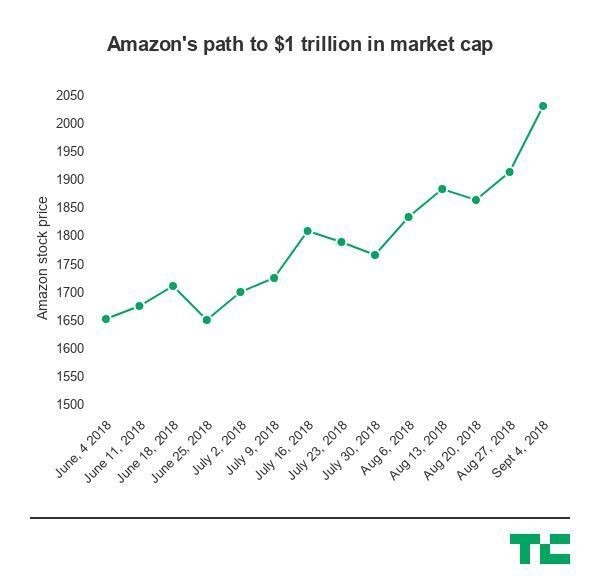
    It was a big month for Amazon in September, 2018. Amazon has become the 2nd company to hit the $1 Trillion dollar market cap. This is significant since Amazon, according MKM Partners, could reach a whopping $2.4 trillion valuation by 2024. AmazonGo is billed as the cashierless stores of the future and Amazon is ready to expand them to new locations. The latest location is its third overall and third in Seattle, where it’s headquartered. The 2,100 square foot store sits on the corner of Boren Ave. and Thomas St. and is its largest yet.

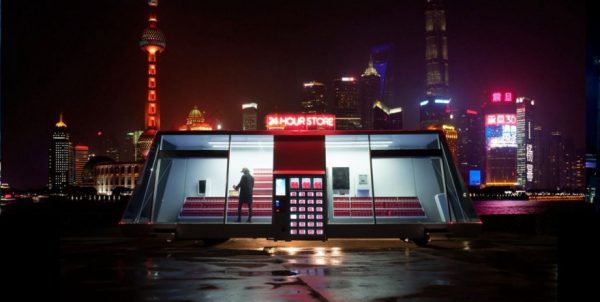
    While expansion to San Francisco and Chicago remains imminent, Cate Trotter of Insider Trends recently did an article on these new, more automated kinds of stores. The AmazonGo concept has been embraced by many retailers across the world with various initiatives from smart kiosks, to what appear to be more like vending machines that operate on AI, to mobile stores ;  the idea of more seamless retail and customer experiences is growing.

    A report on Kiosk and Retail by USA Technologies and PYMNTS.com predicts that the interactive kiosk sector in the US will be worth more than $1 billion by 2020. AmazonGo isn’t at Alibaba’s level in China for retail experiences, but it certainly does re-conceive how the physical stores work for convenience. While E-commerce is growing faster in China, in the U.S. even the likes of JD.crew have started selling on Amazon.

    Amazon is Fueling Retail Innovation

    The Amazon Prime value is incredible and is beginning to scale into entertainment (Prime Video), AI (Alexa), Grocery (WholeFoods) and many other segments. There’s been talk about Alexa Smart Glasses and an Amazon home robot, both likely to appear before 2021. However for physical retail experiences, AmazonGo may be the most tested and innovative feature in the evolution of retail we’ve seen for quite some time.

    Amazon2

    Amazon’s profitability of AWS, Alexa, and future advertising revenue means it will be able to perfect in-store technology. Walmart is testing a new feature called Spark delivery, that uses crowdsourcing to find drivers to make grocery deliveries and will include a partnership with Delivery Drivers, which manages such workers, because the race to automated grocery delivery is also fairly lucrative. JD.com, Kroger, and many others are all looking at this service very carefully.

    AmazonGo has been slow to expand its cashierless grab-and-go experience. However, the concept is clear—this is using LiDAR and other technologies to create a faster experience that is uniquely made for urban shoppers. The point of sale is, for all intents and purposes, virtual. Checkout is completely eliminated, there’s only a kind of mobile check-in with QR codes.

    In the evolution of what physical stores might become, there are lessons for brick-and-mortar retailers to look into:

    • AmazonGo
    • BingoBox
    • Auchan Minute
    • JD.com’s “X” chain
    • Alibaba’s TaoCafe
    • The robotic CafeX
    • Stockwell (Bodega)
    • Moby Mart

    Amazon3-e1574799762164

    The Future Store is Late, but is Arriving in the 2020s

    For the future of commerce, the marketplace, and the local store, these are not isolated incidents. These represent a trend towards increased retail automation, logistics, and consumer fulfillment that will change how GenZ interacts with stores, restaurants, and the future of mobile in-store as well. 5G mobile, the IoT and blockchain will all power the smart store in new creative ways.

    Just as point of sale is evolving, our entire concept of what a “store” is, could change considerably in the next decade. According to Nielson and many retail analysts, we’ll be doing 70% of our grocery shopping online by 2024. In China, Meituan is about to go IPO in Hong Kong, it’s one of the leaders in “O2O”—online to offline—and represents the ultimate in convenience for consumers, though it’s burning cash.

    As impressive as Amazon is to the future of convenience and giving consumers various “upgrades” in customer experience and fulfillment, a lot of the interesting stuff in retail is happening in China, where mobile penetration and eCommerce are both higher and where there are more total consumers and digital natives.

    • 7-Eleven Signature
    • Suning Biu
    • Alibaba’s “smile to pay”
    • Bianlifeng
    • Alibaba’s Hema supermarket

    It turns out having a cashless society with QR codes and an app-of-everything (WeChat) is a huge advantage for China in terms of retail innovation. China’s integration of facial recognition is also very advanced in retail, financial and services generally.

    AmazonGo might be just the tip of the iceberg in how physical retail innovation occurs globally. The future of automation in retail is occurring not just in eCommerce, but in restaurants, grocery, cafes, local stores, convenience stores, and syncing with the values of the new consumer.

    The Future of AmazonGo

    The further expansion in Seattle makes sense as the newest store reportedly is the largest Amazon Go location yet, at about 2,100 square feet, according to the Seattle Times story.

    AmazonGo tech, perfected in Seattle, does not stay in Seattle. An AmazonGo store is heading to New York. Here’s how it works:

    1. When entering the grocery stores, shoppers scan their phone using the Amazon Go app. (The virtual POS is essentially sign-in only)
    2. As you shop, cameras, LiDAR, and motion sensors track what you pick up from (and put back on) shelves.
    3. You can “grab and go” with just-walk-out technology. There are no lines, checkout, or cashiers to worry about.
    4. There’s less staff and typically no grocery carts or baskets. Shoppers are encouraged to use their own bags.

    AmazonGo is rumored to launch in places such as New York, San Francisco, and Chicago first, before spreading to more cities. So if Seattle was phase one, this is phase two.

    Considering how long AmazonGo’s concept was in R&D and testing, this is a pretty huge deal. Amazon’s footprint in brick-and-mortar stores is still pretty small even with the Whole Foods acquisition. Nothing compared to its rival in China, Alibaba, or even JD.com.

    However, AmazonGo is the torch bearer for being a prototype of the “smart store”. As such, many physical retailers are watching closely to see what Amazon accomplishes with AmazonGo and how consumers will respond. Surely it’s an upgrade in what we might term convenience and customer experience in-store. With 7-Eleven integrating Apple Pay recently, it’s only a matter of time before Amazon becomes more aggressive in its brick-and-mortar strategy.

    As for AmazonGo in NYC, Amazon is seeking members for its staff and roles such as:

    • Store Manager
    • Assistant Manager
    • Trading Lead Associate
    • Prep Ingredients Associate
    • Shelves Stocking Associate
    • Customer Success and Help Associate
    • Food Prep Associate
    • Security Associate

    It’s important to note, these stores won’t need as many regular staff due to their unique technology.

    Seattle, New York, San Francisco, and Chicago seem to be the early birds to enjoy semi-automated AmazonGo shopping experiences in 2018 and early 2019. While Amazon is expected to choose Washington D.C. as its next HQ site, it appears to be in no hurry to launch AmazonGo too quickly.

    Later in September it was rumored Amazon will open 3,000 AmazonGo stores by 2021. Amazon also opened an Amazon 4-Star store in New York.

  • The Five Ways Retail is Changing Forever

    The Five Ways Retail is Changing Forever

    Retail will never be the same. Consumer preferences are constantly shifting, technology is advancing, and commerce is dynamic. The marketplace is on the front-lines of new experiences, and there’s nothing shoppers crave more than new retail experiences. Is a retail renaissance occurring for small businesses?

    On the front lines, independent retail stores must constantly reinvent themselves. Small business owners as entrepreneurs are essentially creators now, in an age where the marketplace is converging with a new reality.

    1. It’s the Age of the Consumer

    Retail experiences and customer journeys are now frictionless and customer-focused. Advertising, commerce, and smartphone trends now have to keep up with the quickly changing consumer, whose values and new habits are creating the new paradigm of retail.

    Customer experiences must be the focus to appeal to audiences and personalize experiences for them that are radically in sync with culture, community, education and entertainment. In other words, the age of the consumer means stores must impact these — and not simply sell “stuff”.

    2. Always Easy Path to Purchase

    In an era of multi-channel and always online commerce, stores must make it easy, because for the new consumer, convenience wins. What’s easy and convenient is different for a diverse group of your shoppers.

    However being mobile friendly, having great return policies, smooth customer service, a store design that’s easy on the eyes, and having a great loyalty program—that’s facilitating an easy path to purchase.

    3. Educate and Entertain Customers

    A retail brand isn’t what it used to be. The new consumer demands a fully immersive and interactive brand and product experience. Shoppers don’t just want great products with unbelievable discounts, you have to offer them the full experience.

    In 2018, the full experience means does your commerce stand for something — does it bring your local community together? Does it entertain and educate you seamlessly about the product and the people who bring those products to life? Influencers, community, and sustainable causes can really help a retail brand reach the next level of customer interaction.

    4. The Power of Digital Influence

    For a small business it’s great to have your physical store, but your work is never done. For in 2018, digital influence takes many forms. From AR to digital signage in the store, to good-old email marketing, and being quick to answer customer inquiries online, the impact of digital influence on commerce is undeniable.

    Is your website and store optimized for search and local search; have you covered your bases on social media; have you implemented the very best POS and software integrations that’s right for your store? Everything counts, from the printer you use, to the kind of marketing you do.

    0_gFww8tYFv0YFkxFt-e1574799529892

    5. Be An Authentic Entrepreneur — Live Your Commerce

    Independent retailers are families, stories, and sometimes even inter-generational. Retail stores with rich stories and who portray themselves as real entrepreneurs appeal to the human side of shoppers.

    Being authentic in physical retail also means you care about your customer at every point of their journey. You sweat the details and create holistic and exquisite experiences. You inspire with the positive impact you have on the community, not just as an outlet of merchandise, but a small businesses that’s approachable, experts in their domain, and people that sync with the values of your best customers.

    Retail might never be the same. As big apparel and retail chains go bankrupt (think Sears & Toys R Us), independent retailers recognize they have a huge advantage, they are pillars of the community and excel at putting people first. Retail might be changing forever, but there’s never been a more exciting time to be a small business owner, or a shopper.

    Star’s future-proof retail POS solutions have you covered, today and tomorrow.