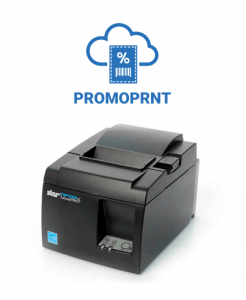
Author: Star Micronics

  • Star Micronics Partners with Flash Order to Transform the Cafeteria Ordering Experience

    Star Micronics Partners with Flash Order to Transform the Cafeteria Ordering Experience

    Cafeterias play an especially important role in hospital and university settings, providing students, patients, and staff members with quick, nutritious meals to keep them energized throughout the day in a setting where cooking your own food is not a viable option.

    Contra Costa College in San Pablo, CA has a student population of about 6,000, and it is not uncommon for its campus cafeteria to serve up to 10% of the student population at once during busy hours. Kaiser Permanente Vacaville Medical Center in Vacaville, CA has a population that sits at around a hefty 15,000 and its cafeteria serves a large number of patients, staff members, and guests daily.

    Flash Order provides a digital self-order platform for hospitality environments, with a special focus on cafeterias like those in Contra Costa College and Vacaville Medical Center. As a self-order kiosk app, Flash Order makes it easy for cafeterias to provide a fast customer experience and a streamlined, accurate ordering process.

    Free Self-Service Kiosk Resources

    The future of many industries lies with self-service solutions. That’s why Star Micronics is offering free online ordering resources for resellers and software developers who are helping customers future-proof their businesses with self-service solutions.

    The Challenge

    Recently, cafeterias have been under mounting pressure to save on operating expenses due to the rising costs of labor and food. They are also faced with rising consumer demand and increased competition, making it imperative to deliver fast service and positive customer experiences.

    In the past, cafeterias relied on written paper tickets to fulfill orders, however, this came at a cost. Handwritten orders can be difficult to read, and it is easy for front-of-house staff to miss modifiers, sides, and other items as they are given when it takes longer to write the order than it takes for a customer to dictate it.

    These handwritten ordering processes resulted in too many errors.

    For cafeterias, this can lead to major losses in profits from food waste when orders need to be re-made, as well as decreased consumer trust and a poor customer experience. Order errors not only delay the customer that placed the order, but all the customers in line behind them. In a hospital or university setting, cafeterias serve hundreds of customers in a short time frame, so order errors are a major issue.

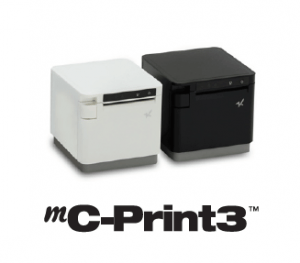
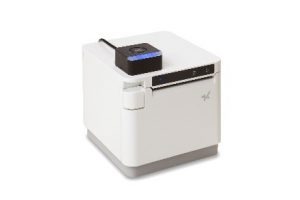
    The SolutionmC-Print3

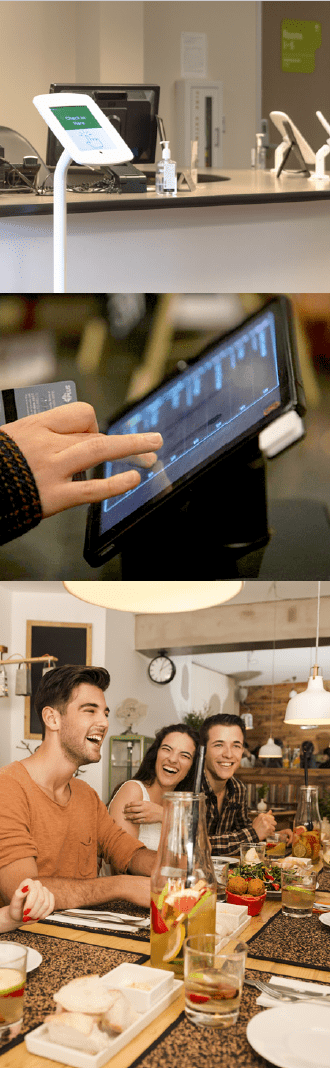
    Cafeterias require a technology upgrade to handle the new challenges facing the industry today, and Flash Order answered the call. They developed a self-order kiosk app that can streamline the ordering process and reduce order errors. Many cafeterias have implemented the kiosk app and seen improvements in the ordering process.

    Recently, Flash Order partnered with Star Micronics, which provided a robust lineup of printing options suitable for any cafeteria or self-ordering environment to reduce order errors and combat environmental challenges that make it difficult to rely on digital tickets.

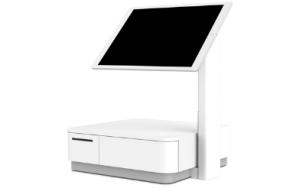
    The collaboration between Flash Order and Star Micronics provided self-order kiosks and integrated printers for both Contra Costa College and Kaiser Permanente Vacaville Medical Center.

    The solution is designed to be a “plug-and-play” solution to reduce downtime during installation. With Flash Order, customers can simply download the app, log in with their Square credentials, and build their menus with Flash Order’s proprietary menu editor.

    The entire installation took less than two weeks to go live at the college. Training was made simple by the intuitive and user-friendly app interface on the Flash Order app.

    The Results

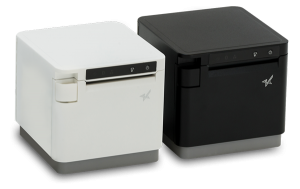
    Flash-Order-Case-Study-Hospitality-ImageryThe Star Micronics mC-Print3 printers with CloudPRNT have replaced handwritten tickets with printed tickets, which are far more reliable and easier to read. Every item the customer selects is added to the ticket with 100% accuracy, so kitchen staff is always aware of modifiers, sides, and preparation instructions that customers request on the kiosk.

    The self-order kiosk has significantly reduced average customer wait time. Now, more customers can place orders at a single time, and no time is wasted handwriting customer orders on paper tickets. Sales totals are automatically calculated by the kiosk as customers enter, so front-of-house staff can process transactions much quicker.

    Because of this, labor costs can be reduced as labor can be redistributed to order prep stations, helping fulfill orders even faster. However, in some locations, the need for labor increased due to the higher number of orders being placed in a shorter time frame.

    The Flash Order kiosk also assists with upselling and cross-selling, increasing average ticket size, and giving customers a better view of all available menu offerings. Cafeteria operators and managers have the ability to change menu information across all locations simultaneously and remotely with the app, which helps to streamline menu management.

    Overall, the Flash Order solution has increased total sales by about 16%-20% on average, with the medical center’s cafeteria in particular having seen an increase in sales by about $4,000 to $5,000 worth of orders per day.

  • How Back of the House Restaurant Technology is Evolving

    How Back of the House Restaurant Technology is Evolving

    There’s no doubt about it: people love to dine out. In fact, there are over 1 million restaurants in the United States alone, and it’s estimated that those restaurants produced $863 billion of sales in 2019. At the same time, the hospitality industry is undergoing the same digital transformation as nearly every other industry: for example, online ordering is growing 300% faster than in-dining spend!

    To accommodate these advancements, back of the house restaurant technology is evolving to keep up. Read on to learn more about the transformation taking place in kitchens around the world – and how it’s not as complicated as you think to keep up with modern hospitality trends if you choose the proper back of the house restaurant technology.

    Restaurants across the world are being prompted to streamline their operations to meet the demands of today’s latest hospitality trends. These new technologies include online ordering, self-service kiosks, and other updated kitchen technology. Let’s explore each trend and how your restaurant (or your customer’s restaurants) can adapt to take advantage of these opportunities.

    Online Ordering

    One of the most prevalent technological changes to the restaurant industry is online ordering. Did you know:

    • 31% of consumers say they use third-party delivery apps at least twice a week.
    • 67% of customers who have placed an order online will visit the restaurant more frequently versus those who have not.
    • Restaurants that utilizes an online-ordering system are able to grow their delivery revenue 30% more than those who do not.
    • Millennials order takeout via an app or website more than any other age group, with 79% of Millennials doing so in the last year.
    • Two-thirds of consumers say that they are more likely to visit a restaurant if they have previously ordered from them online.
    • Partnering with an online ordering service is a great way to reach new customers – one service has claimed that 92% of its orders come from entirely new customers.

    So, what does a restaurant need to do to accommodate online orders? The first step is to choose a third-party online ordering service. Some popular options include DoorDashGrubhubUber Eats, and more (Star is partnered with all three of those – and is proud to partner with nearly every other online ordering service provider, as well).

    Partnering with an online ordering service can be very straightforward. Most simply ask that the restaurant provides information about itself and uploads its menu, and then the service provider will send out the necessary equipment to get started.

    Many services allow the restaurant to either use its own drivers or leverage on-demand drivers, and some may even include special perks like professional photoshoots, marketing opportunities, website tools, and more.

    Considering back of the house restaurant technology when choosing your service provider is of utmost importance. Be sure to choose a service which provides a feature-packed printer that is:

    • Full of Connectivity Options: Star’s printers include multiple connectivity options including:
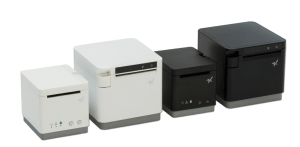
      mC-Print2-and-mC-Print3
       Star’s mC-Print2-and-mC-Print3
      • CloudPRNTCloudPRNT allows the printer to communicate directly with the online ordering service’s server, which means no need for an additional tablet, software, or SSL certificate at the local level. Enjoy all the benefits of online ordering without additional hassle and clutter!
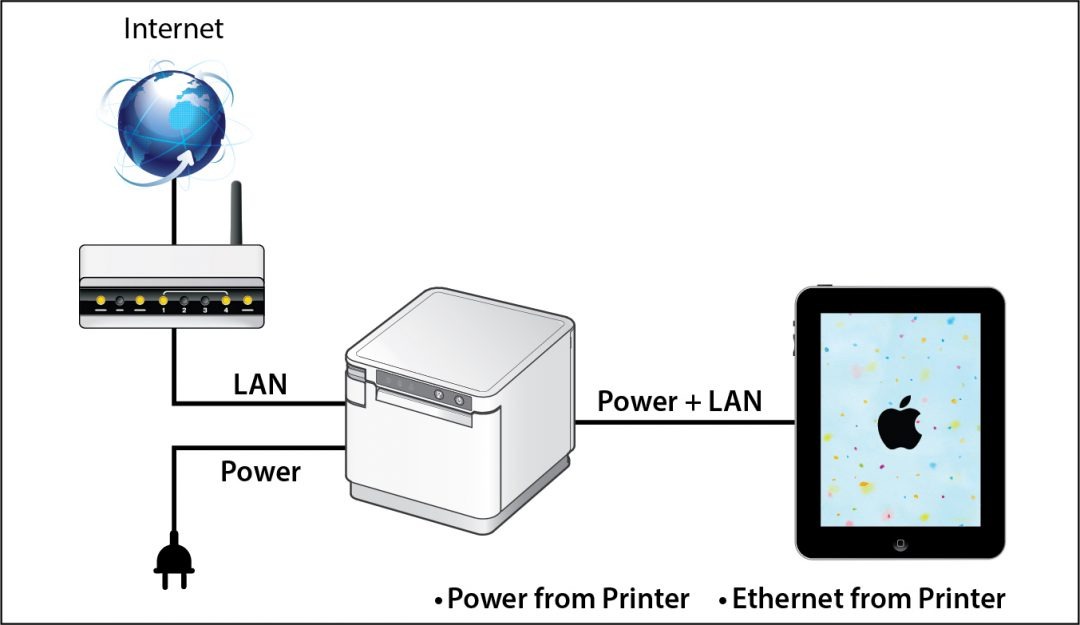
      • SteadyLANTM: Star’s mC-Print series features SteadyLAN, which allows for direct data transfer between Apple iOS devices and the printer via the Lightning cable. For the first time ever, enjoy direct ethernet connectivity to iOS devices from the wired ethernet port of the printer.
      • USB Hub: Star’s mC-Print series also features a USB hub which allows for connectivity of up to three peripherals, like 1D and 2D scanners, cash drawers, line displays, kitchen buzzers, and more.
    • Durable: The kitchen can be a messy place. A good rule of thumb is to choose a printer that is IPX2-rated, meaning it is splash-proof and insect-proof.
    • High Performance: Choosing a high-quality and high-performance printer will serve you well in the long run. Look for a printer with a high print speed (like 250mm/s), a high print resolution (203dpi), and a simple user experience.

    Self-Service Kiosk Orders

    Arguably, the second most popular trend emerging in the hospitality market is self-service kiosks (it’s estimated that 41% of the industry is now using kiosks) – and for good reason. There are many benefits for both the customer and the restaurant when it comes to self-service kiosks:

    • More Sales: Customers spend more money when they order from a kiosk, thanks to kiosks prompting them with options such as additional toppings, which can add up over time. In fact, McDonald’s has seen a 20% increase in drink orders alone since implementing kiosks!
    • A Better Customer Experience: Implementing kiosks means shorter lines and enhanced order customization and accuracy for your customers. Additionally, your employees can spend more time giving customers a high-quality experience since they won’t have as much pressure to quickly process all of the orders.
    • Cost-Efficient: On top of making more money, you’ll avoid the time and money that is wasted when orders need to be re-made due to inaccurate manual order-taking.

    It may surprise you, but you can implement self-service kiosk technology without making big changes to your current restaurant operations! If your staff is trained on processing printed kitchen tickets, it’s possible to keep your back of the house operations the same –you can keep them by choosing a connected kitchen printer that can retrieve digital orders. Save time, money, and keep your workers happy by keeping your back-of-house processes the same.

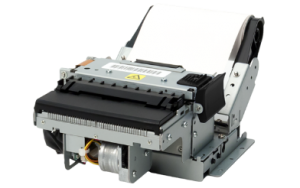
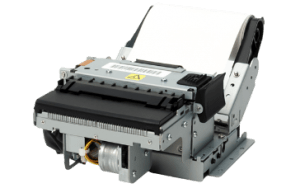
    SK1-311 Kiosk Printer   Star’s SK1-311 Kiosk Printer[/caption]

    Star is proud to partner and integrate with many of the industry’s leading kiosk manufacturers. With a large variety of kiosk printers designed to meet different kiosk styles and requirements, there’s a good chance we have the right kiosk solution for you. Please contact our sales team to learn more, whether you’re a kiosk manufacturer searching for the right printer, a reseller or ISV looking for the right solution to offer your customers, or a restaurant on the hunt for a kiosk solution to meet your specific needs.


    Other Updated Kitchen Technology

    There are even more modern advancements happening in restaurant kitchens besides online ordering and kiosks. One example? The kitchen buzzer.

    Star mC-Sound Kitchen Buzzer
       Star’s mC-Sound Kitchen Buzzer

    Modern kitchen buzzers – like the Star mC-Sound – include many new features like:

    • High quality sound (89dB)
    • Easy-to-use, pre-recorded melodies
    • The ability to record custom user speech
    • Compatibility with Windows, iOS, and Android SDKs
    • The ability for the sound converter tool to be integrated
    • And more!

    Back of the house restaurant technology is evolving – but you may be surprised how easy it can be to update your existing technology and take advantage of today’s trends, which can add more money to your bottom line and create a better customer experience.

    Whether you want to offer online ordering, deploy self-service kiosk technology, or more, be sure your new processes are backed by high-quality hardware featuring future-proof connectivity options and integrations with your favorite service providers. Always leading, and always innovating, Star is proud to offer a portfolio of back of the house restaurant technology designed to meet today’s needs.

  • Star Micronics Launches SteadyLAN™ for iOS to Provide Reliable Network Access for iPad POS

    Star Micronics Launches SteadyLAN™ for iOS to Provide Reliable Network Access for iPad POS

    An industry-first solution to support stable store operation with one simple cable connection

    Somerset, NJ – Jan 13, 2020 – Star Micronics, a leading global manufacturer of mobile, point of sale (POS), and customer engagement technologies, is excited to announce SteadyLAN, an industry-first solution designed to provide power and network access to iPad POS through one Lightning cable connection.

    SteadyLAN is a patent pending technology available on certain mC-Print Series printers.  It provides wired Ethernet service to an iPad connected to a networked printer via the Lightning cable (iOS10 or later required). SteadyLAN is available on the following mC-Print models: mCP21LB, mCP31L, and mCP31LB.

    Star-SteadyLAN-Technology-Final-withoutlogo-1080x625

    For locations where Wi-Fi connectivity is not possible or unreliable, this new technology is a world-first, providing the stability of a cabled LAN connection for iPad POS systems. By connecting the SteadyLAN-compatible printer to the Internet via wired LAN and connecting the printer and an iPad with a Lightning-USB cable, the iPad can use the Internet without Wi-Fi communication. At the same time, the iPad can communicate with the printer via Lightning USB and can simultaneously be charged from the printer.

    “We’re incredibly proud to announce SteadyLAN, as it will make unstable Wi-Fi signals a thing of the past,” said Jon Levin, Director of Product Management at Star Micronics. “We expect this new solution to greatly improve business operations in retail and restaurant POS settings, mobile ordering, and more.”

  • 8 Features Kiosk Manufacturers Should Look For When Choosing Kiosk Printing Mechanisms

    8 Features Kiosk Manufacturers Should Look For When Choosing Kiosk Printing Mechanisms

    People love to use self-service kiosks in almost every setting—parking garages, airports, restaurants, stores and entertainment venues. This reliable, consistent technology is empowering consumers to enter orders themselves in a restaurant, check into a hotel without waiting in line, or check out their own groceries in a supermarket.

    The kiosk industry is thriving, and research shows that shoppers, diners and travelers love the control of doing things themselves. Despite the shift, the basic premise of every kiosk transaction is the same: enter the data, pay (if necessary), and obtain take away collateral, whether it’s a receipt, voucher, ticket or other use.

    Kiosk manufacturers have a lot of components to fit inside an enclosure, and it can get pretty crowded in there. Among all of the internal components, the printer that produces the take away collateral is critical to the kiosk’s success. A printer that jams, drops receipts on the ground, or frequently runs out of paper renders the kiosk undesirable for end users. Or worse, it could be offline so often it’s more of a problem than a solution.

    Star Micronics has one of the world’s largest portfolios of encased, open frame modular, thermal kiosk printer solutions. Every one of Star’s kiosk printers accommodate multiple roll sizes for less frequent changes, while delivering receipts, tickets or labels.

    The kiosk printer is a critical part of a successful kiosk’s design and operation. Here are eight features every kiosk manufacturer should look for when choosing a kiosk printer, straight from the experts.

    1. Multiple Kiosk Software Support

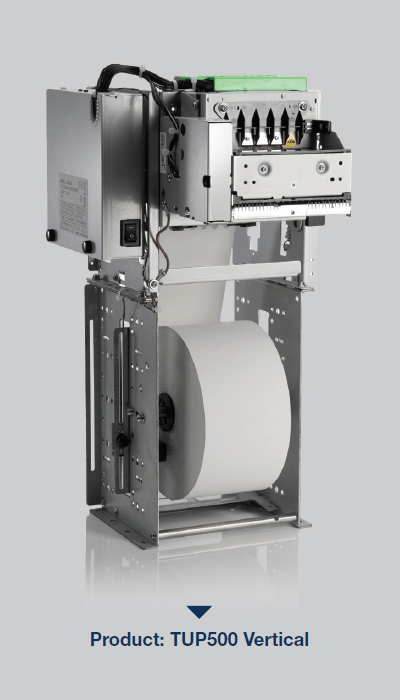
    TUP500-Vertical

    Kiosk development is expensive, and incorporating hardware and software development for different components is no small task. These efforts need to be scaled for projects that range in size from a few kiosks to several hundred units.

    Before choosing a kiosk printer, research prospective hardware partners and select one with several kiosk printer choices. It’s important that the partner also provides support for web-based or cloud-based software applications. Ask if the company supports tablet-based (iOS and Android) SDK or sample software and find out if they have an experienced and knowledgeable integration team to support the software development. The absence of an SDK means each developer would have to build the basics themselves, which can be especially complicated when working with multiple printers or a large network of kiosks.

    2. Sensors to Ensure Proper Function, Even While Unattended

    Choose a kiosk printer equipped with sensors that assist with customer information security, safety and that reduces waste. Sensors will also provide accurate status reports that verify whether a ticket or receipt has been printed and wasn’t retrieved or taken in a timely manner by the customer.

    For example, if the printer generates a receipt or ticket and it isn’t retrieved, a sensor may trigger the system to recapture the collateral instead of letting it hang in limbo, or worse, drop on the ground as garbage. Sensors that prompt the printer to recapture the medium helps safeguard customer information and ensures the ground won’t be littered with receipts for people to slip and fall on or clean up regularly. Knowing with certainty that a ticket or receipt has been generated also eliminates the possibility of theft if a customer retrieves their items and then fraudulently claims the kiosk didn’t produce what they paid for.

    Since kiosks are designed to be left unattended for long periods of time, they should be equipped with sensors and paper status alerts that will notify an employee when a kiosk is low on paper, requires a new roll, or has a jam.

    It’s a bonus if the kiosk printer supports digital receipts, because it helps reduce the use of paper and allows customers to store proofs of purchase, tickets and other information on their mobile devices.

    Free Self-Service Kiosk Resources

    The future of many industries lies with self-service solutions. That’s why Star Micronics is offering free online ordering resources for resellers and software developers who are helping customers future-proof their businesses with self-service solutions.

    3. Lights/Visual Cues

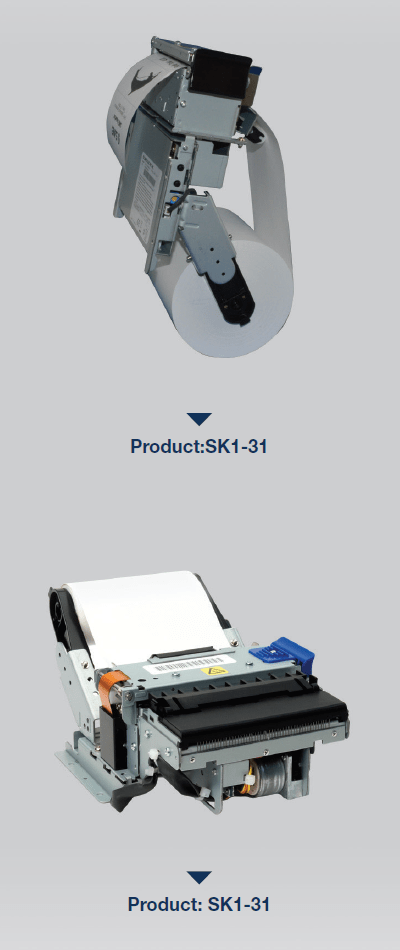
    SK1-31

    Kiosks aren’t particularly chatty, so lights or other visual cues are necessary for them to communicate different messages. For example, Star Micronics’ TUP500, a printer that supports smaller paper widths, has an optional bezel that flashes green or red to get the user’s attention. These lights may flash when the receipt or tickets are printed, signifying they are ready for pickup, or alerting the customer to a problem with their order.

    Since employees aren’t usually monitoring the kiosk, a light may illuminate to get a staff member’s attention if a problem needs to be resolved. It’s essential for the printer to notify you immediately if it requires more paper, so choose a kiosk printer that displays a light or text alert when it is low or out of paper entirely.

    4. Multiple Profiles

    Most kiosks are compact with small footprints, so choose the printer that suits your needs but will also help save a little space. Look for a printer with a flexible enclosure design, so it fits into several different styles of kiosks. A printer could be as small as 4” inches deep, including the paper. But be careful, as a small printer may be too limiting, making frequent paper changes an inconvenient reality.

    Consider the printer’s orientation. “Standard format” is a printer with a horizontal orientation and takes up more space. A vertical kiosk printer doesn’t have any “sprawl,” so it’s more convenient for a narrow width enclosure. A vertical printer’s lower profile takes up less space inside the kiosk enclosure, leaving you more room for additional components. Ideally, kiosk printers should feature drop-in paper loading because it’s the easiest, fastest way to load paper and get the kiosk back online.

    5. Looping Presenter

    The looping presenter is an innovative kiosk printer technology that prints receipts in full before presenting them to the customer to be taken. Most importantly, the looping presenter prevents paper jams from occurring if users pull on the paper before printing is complete. A paper jam takes the kiosk offline, which causes customer service delays and has a negative impact on customer throughput and experience.

    A presenter increases security and supports customer privacy by ensuring that receipts are delivered only to the right person; if forgotten, they remain inside the kiosk so other people can’t grab them and access a customer’s information. A looping presenter also eliminates the chance that receipts or other collateral to fall to the floor if it is not delivered to the intended recipient. Kiosk printers equipped with this technology mean a reduction in litter generated by the kiosk, resulting in a cleaner looking store, restaurant, or other business environment.

    6. Paper Holder

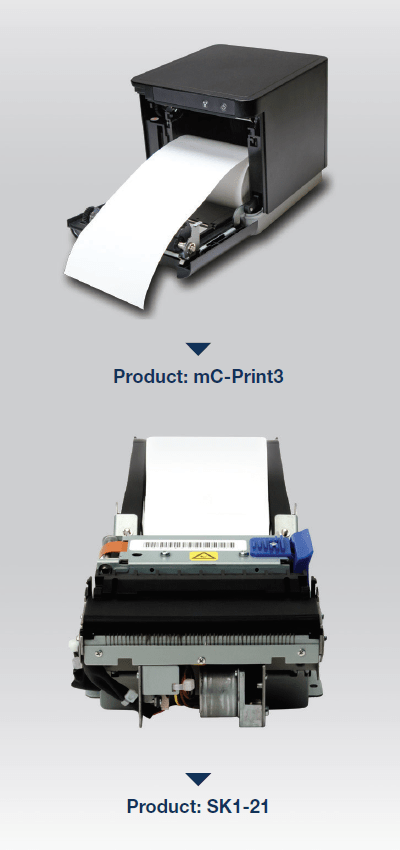
    mC-Print-3-SK1-21

    It may seem like a small feature, but a kiosk printer’s paper holder will dictate how often someone is running to the kiosk to change the paper roll. Most kiosk printers have a standard size paper holder—2”, 3”, 5”, 6” diameter supported—and a large capacity option. Although the standard size takes up less space inside the kiosk, workers may find themselves replacing the paper more often, which disrupts customers and the business’ workflow. A kiosk in a high traffic environment, like an airport, usually requires the maximum size paper holder available to accommodate heavy use. However, a kiosk doesn’t need to be in a high-traffic environment to warrant companies wanting a larger capacity. Although a larger paper holder does require a little more real estate inside the enclosure, it will save a business’ employees time spent changing the paper rolls, so they can focus on other tasks during the work day.

    Also, if the paper needs to be changed too seldom, people forget about the maintenance all together. Aim for a paper holder that allows for paper roll changes once a week.

    7. Communication

    Don’t limit a kiosk’s printing capability before it’s even installed. Look for a kiosk printer that gives you flexibility by supporting more than one communication interface, including serial and USB. Star Micronics also offers Ethernet and Bluetooth as an optional communication interface. The type of interface and the ports the printer has will dictate what type of operating system can be used. Serial is typically for legacy systems or PCs, USB is best suited for Android systems, with Bluetooth and Ethernet being the best option for iOS.

    8. Bezel

    A bezel is an alternative to the looping presenter. The bezel is positioned between the kiosk slot and the printer, so it provides a path to push paper out of the kiosk. If the best kiosk printer for your enclosure doesn’t accommodate a presenter, a bezel is an alternative solution that provides a clean delivery.

    Conclusion

    The self-service trend is gaining momentum, and consumers love to be in control—so this growing market will continue to evolve. Choosing the right kiosk printer is a matter of understanding target industries and their customers, as well as a thorough assessment of partner vendors and feature options.

    A successful kiosk design requires strategic printer evaluation and selection, and proper attention should be paid to the supported interfaces, paper roll size, alert lights and how the collateral is delivered.

    Printers that adequately check these boxes are ideal for different applications, including point of sale, entertainment, food labeling, shipping, gift registry, ATM, parking lots and transportation hubs.


  • Star Micronics to Unveil New mPOS Solutions at NRF 2020

    Star Micronics to Unveil New mPOS Solutions at NRF 2020

    Additions to the mCollection, SteadyLAN, kiosks, hospitality solutions, and more to be demonstrated at booth #5419

    Somerset, NJ – Jan. 6, 2020 – Star Micronics, a leading manufacturer of mobile, point of sale (POS), and customer engagement technologies, is excited to attend NRF 2020 where it will demonstrate the latest additions to its mCollection, cutting-edge solutions for retail and hospitality, and leading self-service kiosks at booth #5419.

    Star is excited to unveil two new mCollection products at NRF 2020: a new model of mPOPTM featuring a Flat Bill cash drawer, as well as SteadyLAN, an industry-first technology for tablet POS which provides reliable power and network access through one cable connection. The mCollection also includes a variety of mPOS solutions including the mC-Print2 and mC-Print3, as well as mUnite stands, mG-Scales, and peripherals such as barcode scanners and customer displays. PromoPRNT, Star’s value-add receipt marketing tool, will be demonstrated along with these technologies.

    In addition to Star’s newest technologies, there will be three mock stores in Star’s booth: two retail shops featuring Star’s mPOP, mUnite Stands, mC-Print2/mC-Print3, cash drawers, and mobile printers; and a coffee shop featuring Star’s TSP654IIBi, mG-Scales, cash drawers, mUnite stands, and self-service kiosks.

    Several Star partners will be featured in its booth, including Elo, eMobilePOS, Erply, ImageHolders, Kiosk Group, nCLOSE, PredictSpring, Sitoo, Sophatar, SuiteRetail, and Vend. A variety of giveaways will be available in the booth, including bags of coffee, custom-designed tote bags, and gloves.

    “The Star team is looking forward to both reconnecting with current partners, and building new connections, at NRF 2020,” said Christophe Naasz, Director of Business Development at Star. “We’re excited to show the industry our latest mPOS solutions which are paving the way for retailers in the new decade.”

  • The Benefits of Leveraging Kiosks for Self-Ordering in Hospitality

    The Benefits of Leveraging Kiosks for Self-Ordering in Hospitality

    The airline industry was one of the first to revolutionize the check-in process with the implementation of self-service kiosks. The technology helped to decrease guest wait times and enabled labor to be reallocated to areas of greater need. Today, self-service kiosks have transitioned from an innovation found at the airport to an expectation held by consumers of the hospitality industry. In a recent survey by PYMNTS, it was revealed that kiosks are seeing the strongest growth, and that 41% of the industry is now using kiosk technology to serve guests.

    Self-service kiosks provide businesses the opportunity to both meet consumer expectation and demand, while at the same time growing the bottom line. Kiosks have been proven to help increase order size, improve accuracy, decrease labor costs, and more, which is why so many restaurants are adopting this solution. As this tech takes off, make sure your business is positioned to capitalize on self-ordering applications.

    Free Self-Service Kiosk Resources

    The future of many industries lies with self-service solutions. That’s why Star Micronics is offering free online ordering resources for resellers and software developers who are helping customers future-proof their businesses with self-service solutions.

    Increased Upselling Capabilities & Average Ticket Size

    In the high-tech age we live in, customers have become increasingly comfortable ordering from a screen. Kiosks allow customers to take their time and order precisely what they want, how they want it, without feeling pressure from the counter or customers next in line. According to the Kiosk Marketplace, research indicates that most customers prefer self-service devices to waiting in line or at a table for service.

    So, what’s encouraging guests to open their wallets for a bigger order at the screen? The primary driver is upselling. You may have trained your cashier to upsell, but chances are staff members aren’t asking guests to purchase additional items every time. With kiosks, an opportunity to upsell is never missed.

    Self-service kiosks can automatically prompt guests with tantalizing options that pair well with the selections they have chosen. Something as simple as additional toppings like cheese or sour cream— which may cost an additional $0.30 to $0.70—really adds up over time. When McDonald’s implemented these kiosks, they saw a 20% increase in drink orders alone.

    Don’t let the opportunity for those larger sales pass you by.

    Enhanced Order Customization

    With kiosk technology, upselling can be personalized. Kiosks can learn from the buying habits of repeat customers, making better recommendations based on what guests like. Loyalty programs are easily managed with kiosks, allowing guests to quickly see rewards points and how they can use them as they build their order. This added personalization creates a great sense of value for your customers, keeping them coming back time and time again.

    Upselling isn’t the only customization tool that self-service kiosks can provide. They also put the power directly in the hands of your guests to customize every item. They’ll be able to see every option available to them, including gluten-free or vegan options. Whether they want to add or remove toppings, swap sides, upgrade their drink, or elect a light or healthier version, they can easily make those adjustments with a few quick clicks.

    A cashier can only provide all this information when guests request it. Static menu boards only allow so much information on each item, topping, and sauce choice available. With kiosks, the customization is endless. Self-service kiosks allow businesses to meet guest expectations.
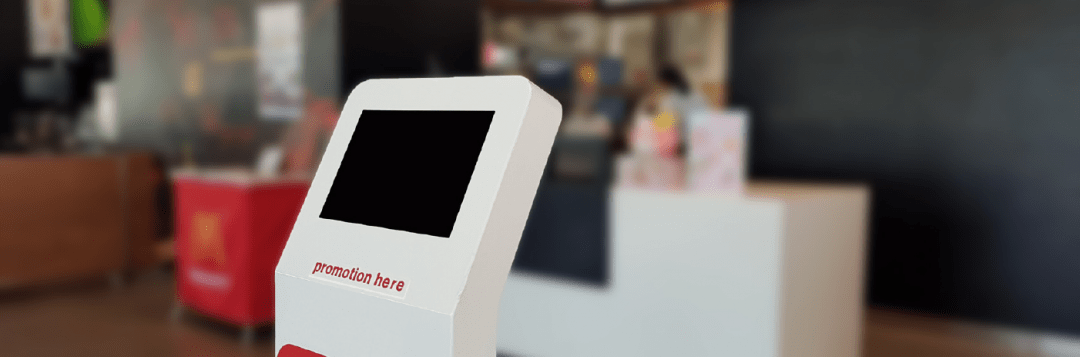
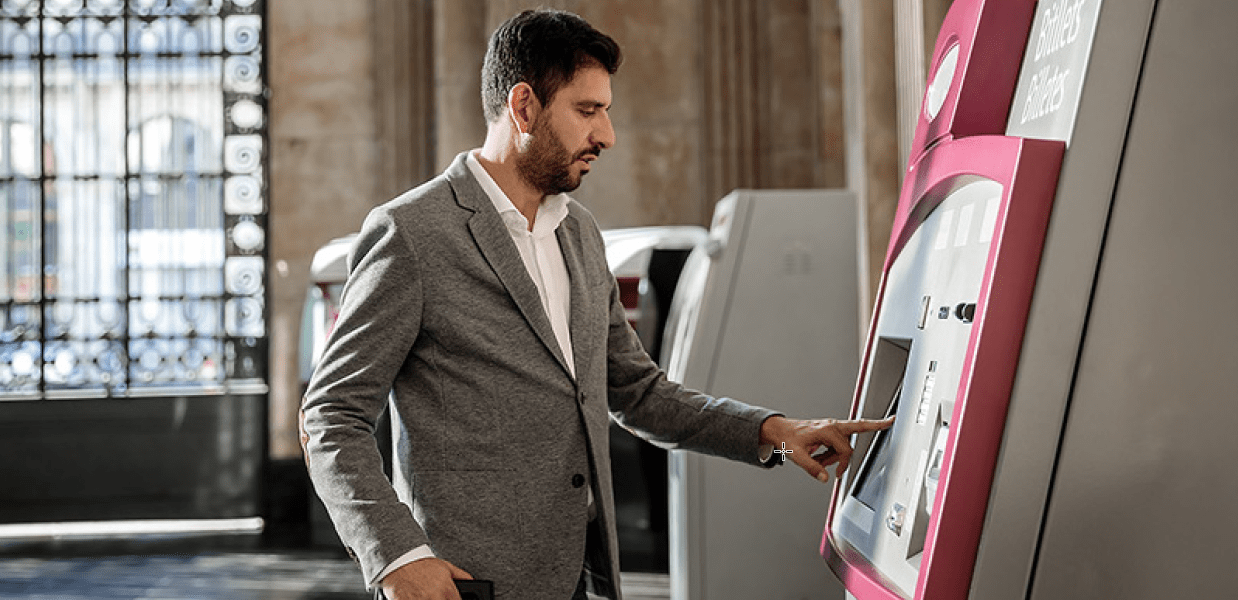
    Self-Ordering Kiosk

    Improved Order Accuracy

    As customization increases, so too increases the need for accurate order entry. Imagine you run a coffee shop, and a guest comes in and quickly rattles off, “One large iced coffee, double espresso, skim milk, light ice, mocha drizzle with extra cinnamon, no whip.” The guest might have gotten the entire order out before your cashier was able to even select the size. Your employee might require the order being repeated several times or risk entering it incorrectly—a costly mistake if it becomes a common occurrence.

    Now imagine that your guest has the ability to enter an order directly into a self-service kiosk. Every detail is entered correctly, then reviewed before checking out.

    Guests have the reassurance that their order was entered precisely how they want. Self-service kiosks deliver orders directly to the queue, which significantly increases order accuracy, saving your business time and money associated with correcting improperly made orders.

    Reduced Labor Costs

    Implementing kiosks doesn’t mean that you are eliminating cashiers and traditional cashier terminals. Some guests will still want to order from a cashier, especially if they want to pay with cash. With less pressure for cashiers to process orders quickly to meet the demands of a fast-growing line, cashiers can now take more time with customers, delivering a better customer experience. In addition, your business may now need fewer cashiers to take orders, allowing you to reallocate the labor time you save at the front counter to other areas where labor consistently falls short.

    Customer Insights

    Self-service kiosks provide business owners with valuable data. You’ll be able to get insights into popular menu items, busiest times of the day, and popular order modifications and add-on items. This data can empower you to determine what items to strategically promote on the kiosks, when additional staff might be necessary to assist guests with kiosks, and more.

    For example, if you notice that guests are often opting for a specific add-on item, this might direct you to make a price increase on that add-on item to test what that item’s ideal price point is for delivering the best profit margin. You’ll be able to track how that price change has had an impact on sales and your revenue stream. These small adjustments can have long-term impact to your bottom line.

    Additionally, you may notice that sales are slow for certain menu items during certain days or times. Changing the promotions that are displayed on the kiosk screen can bolster sales during slower times.

    Reduced Wait Times

    Guests don’t want to wait. Long lines are a major deterrent, and with the countless options available to consumers seeking quick service or fast casual establishments, wait times could make or break your guest experience—and you may never get the chance to make it up to the guest who waited too long.

    Kiosks offer a fast, easy way for guests to enter their own order, make their payment, get their (correct) order, and be on their way. This seamless process improves the guest experience and your business will reap the rewards.

    In addition, since cashiers will have to spend less time entering orders and processing payments, they can focus more on providing the best customer service possible. They’ll be available for guests to ask questions, ensure needs are met, and walk guests through any technical or user errors on the kiosks. The human element won’t be lost, simply transitioned into more of a service role, and less of a data entry one.

    Stay Competitive

    The hospitality industry is constantly evolving—always seeking the latest and greatest means to attract and retain customers. The competition is becoming more complex, as consumers have more options than ever. From high-end dining, to fast casual, home delivery services, meal kit, and grocery delivery options—the contenders aren’t backing down.

    Kiosks can help you contend with competitors in the hospitality industry, providing you with the edge you need to not only stay afloat, but also to become a successful establishment in the industry. With improved speed and accuracy, you’ll see higher customer satisfaction out of the gate. Plus, with the data it can provide, you’ll be able to fine-tune your offerings and prices, so your bottom line is always looking its best.
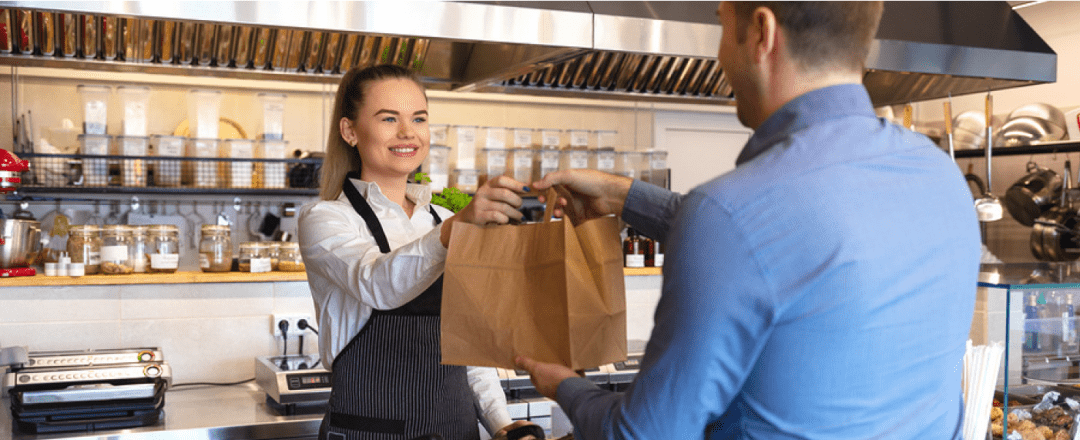
    Customer Picking up Food from Restaurant

    Make Sure Your Kiosk is Complete

    In order to process customer transactions, your kiosk needs to be outfitted with a reliable receipt printer. You’ll want to make sure that the printer is ergonomically designed to fit a wide range of kiosks. You also want to make sure the kiosk printer is fast, so lines aren’t held up from slow printing.

    A few qualities that make printers ergonomic and fast that you will want to look for are:

    • Looping presenter: This helps reduce paper jams and an output sensor detects if the customer has taken the receipt or not. The printer ejects uncollected receipts or foreign objects prior to printing the next receipt.
    • LED presenter: This helps deliver printer maintenance information to staff members and customers, such as receipt available (green light) or paper jam issue (red light).
    • Bezel: A bezel will ensure a seamless, professional aesthetic for the paper exit. It can be integrated with the LED feature for further visual appeal and maintenance functionality.
    • Paper roll holder: The paper roll holder should support different sizes of receipt paper rolls depending on the application of the kiosk printer its frequency of use.
    • PromoPRNT & Cloud-connected: A PromoPRNT, Cloud-connected kiosk printer will provide additional value-add services to your business. With PromoPRNT, you will be able to offer customers promos and coupons on printed receipts. Cloud connectivity will enable device management features and other benefits.

    Looking to learn more? Here are 8 features kiosk manufacturers should look for when choosing kiosk printing mechanisms.

    The correct kiosk printer is just a click away. Download our full eBook now to discover which kiosk printer on the market fits your needs!

  • Coming Soon: Star at NRF 2020!

    Coming Soon: Star at NRF 2020!

    It’s hard to believe, but another year, another decade, and another NRF are upon us! NRF 2020 Vision: Retail’s Big Show “is the centerpiece of NRF Retail Week, where the entire industry unites to get a whole new perspective. NRF convenes the largest community of movers, shakers and industry makers who come together to see beyond what is, to reveal what could be. NRF 2020 is where visionary talent meets visionary tech and the latest and greatest becomes the here and now!”

    The Star team is excited to head back to NRF in 2020, and will be located at booth #5419. Read on to discover what will be in store with Star this year, from our new mPOS technologies to our rooftop party.

    Star Solutions at NRF 2020

    Get hands-on experience with Star’s latest mPOS technology in our NRF “main street,” featuring a café, retail store, and bath and body shop. With sleek tablet solution stands, easy-to-integrate printers, certified scales, and much more, Star is bringing big things to the big show in the big city!

    mUnite Stands

    • POS EnclosuremUnite POP tablet POS stand
    • Universal VESA Mounting
    • Hidden Cable Management
    • For mC-Print3, mPOPTM, and TSP143III/TSP654II
    • Supports Any iOS, Android, and Windows Tablet or Touchscreen Computer

    mC-Print3 (with NEW Technology Features)

    mC-Print3

    • Sleek, Compact, Connected
    • Simple User Experience
    • Easy to Integrate through Common SDK
    • Bluetooth, USB, Lightning, LAN, CloudPRNT
    • IPX2 Splash-Proof Design
    • Coming Soon: Printer Will Deliver Power and Ethernet to iPad!

    Self-Service Kiosk PrintersSK1 Kiosk Printer

    • Available in Compact and Modular Designs
    • High Print Speed
    • 2”, 3” and 4” Paper Widths
    • Available with StarPRNT or ESC/POS Emulation
    • Wide Variety of Accessories Available

    PromoPRNTPromoPRNT Logo

    • Make Custom Promotions from Templates
    • Manage Promotions from Anywhere
    • Increase Customer Retention
    • Make Each Customer Visit Unique

    Featured In-Booth Partners

    Elo Logo

    Elo’s product portfolio includes a broad selection of interactive touchscreen displays from 10-70 inches, all-in-one touchscreen computers, OEM touchscreens and touchscreen controllers and touchscreen monitors. Elo’s touchscreens can be found in in gaming machines, interactive kiosks, hospitality systems, point-of-sale terminals, wayfinder displays, interactive retail displays, transportation applications, and more.

    Erply Logo

    Erply’s cloud-based, full-featured point of sale solution has helped them become a recognized leader in the retail POS space. Erply POS serves retailers large and small, and they’re well-known for their comprehensive POS features, world-class API, highly secure servers, personable customer support, and mobile applications.

    imageHOLDERS Logo

    imageHOLDERS designs and manufactures tablet enclosures, iPad kiosks and innovative mPOS solutions which allow your business to engage customers and drive sales. Their patent pending design process means we are the only company in the world who can securely display any Windows, Android or iOS tablet, giving your business the freedom to choose a device that best suits your needs.

    Kiosk Group Logo

    Kiosk Group is a privately-owned, Maryland-based company that many leading companies, organizations, and government agencies trust and rely upon for interactive kiosks. Kiosk Group has developed both hardware and software for hundreds of interpretive exhibits, transactional kiosks, sales exhibits, and training programs.

    nCLOSE Logo

    nCLOSE manufactures custom Point of Sale (POS) protective enclosures to house and protect tablets and mobile credit card readers. With nCLOSE, rest assured that your Apple iPad or Samsung Galaxy Tab 2 is in the exact same place you left it, when you turned your back to help a customer.

    PredictSpring Logo

    PredictSpring is the unified commerce platform to connect consumer and store associate experiences. PredictSpring innovative technology powers Modern POS, mPOS, Clienteling, and Native Mobile Apps for brands and retailers.

    Sitoo Logo

    Sitoo is a world-leading cloud-based Mobile Point of Sales (mPOS) for global retailers. With a razor sharp focus on the digitalization of brick-and-mortar retail, Sitoo makes the physical stores a natural part of the omnichannel shopping experience – helping retailers sell everywhere and fulfill anywhere.

    Sophatar Logo

    Sophatar is a Silicon Valley based Software Company providing innovative solutions for higher customer engagement in retail, hospitality and enterprise markets, including digital signage. The solutions utilize a software-as-a-service business model and run on commercially available hardware.

    SuiteRetail Logo

    SuiteRetail’s SuitePOS is a single fixed-lane and mobile point-of-sale app for in-store check-out and clienteling.  SuitePOS functions without any compromise to CRM, marketing, inventory and financial integrations.

    Tulip Logo

    Tulip’s powerful, yet simple-to-use mobile apps enable store associates to easily look up products, manage customer information, check out shoppers, and communicate with clients. The end results are amazing customer engagements, great customer experiences and higher sales.

    Vend Logo

    Vend enables retailers to accept payments, sell in-store and online, manage their inventory, reward customer loyalty, and report on their business in real time. Launched in late 2010, Vend is now used in over 20,000 stores across 140 countries and is continuing to grow at a rapid pace.

    Star’s Rooftop Party

    Monarch Rooftop Skyline

    Soak in the beautiful New York City view at Star’s rooftop party! Join us for a night filled with valuable networking, an open bar, and a spread of light snacks.

    When: Sunday, January 12, 2020, 8:00 p.m. – 11:00 p.m.

    Where: Monarch Rooftop, 71 West 35th Street, New York, NY 10001

    Who: You and your guests are welcome to join the event!

    See you soon at NRF 2020!

  • Greene Street Expands to a Greene Neighborhood

    Greene Street Expands to a Greene Neighborhood

    From its origins as a small consignment shop in the ’90s that sold a hodgepodge of furniture, clothing, appliances, and more, Greene Street has evolved into the multi-location franchise it is today, spanning across Pennsylvania and New Jersey. Though it operated successfully as a single-location consignment shop, when the business passed from the original owners to their daughters, Greene Street began to shift its focus from an eclectic assortment of general goods to a fashionable and environmentally-conscious clothing reseller.

    As consumers become more aware of the social, economic, and environmental impacts of the disposable fast fashion industry that has made a home in today’s retail space, Greene Street has risen to provide a sustainable shopping alternative, offering mid- to high-end labels at a fraction of retail prices at all of its 10 locations.

    Greene Street Promo Image

    The Challenge

    As the popularity of ethical consumerism grew, Greene Street expanded along with it. The original point of sale (POS) system that had worked well enough for the retailer in the past no longer addressed the challenges of the growing business. Greene Street needed a POS system that could be tailored to their specific industry, with built-in buy/trade software.

    Greene Street was looking for a feature-rich system with robust reporting and analytics software that would allow the owners to view critical sales and purchase data. They needed to keep more accurate records of what customers were buying and what they desired.

    With the additional locations that they have opened, they also needed the ability to transfer items from store to store without needing to manually pull items and re-key them into the system.

    Additionally, they needed a more convenient way to advertise employment opportunities and bring in applicants so they could appropriately staff the new locations.

    The Solution

    Star Micronics TSP143III and PromoPRNT

    After researching its options, Greene Street chose Celerant command software, which has built-in buy/trade software and can be easily customized and modified based on the needs of the retailer. At the time of the install, Greene Street had seven locations with 11 register stations, which were all fitted with the Celerant solution, as well as the TSP143III Windows setup. As the brand added new stores, Celerant scaled with it, and is currently used in all 10 locations.

    In addition to Celerant command software, Greene Street chose to use Star Micronics PromoPRNT software for its seamless integration into the Celerant system and its ability to make custom printed promotions and receipts.

    After determining the solution they wanted to use, Greene Street went live within a couple of months for the first location, and added on a store every two months for the rest. When they added PromoPRNT, they were able to train employees on the software and go live the same day.

    The Results

    After implementing the Celerant software, Greene Street was able to expand and add three more locations to the franchise. The integrated loyalty program enabled the retailer to foster better customer relationships and review critical data that helped with promotional marketing.

    The POS software also provided more robust analytics, which allowed them to know the inventory and profitability of the products in their store. Celerant software accommodated the easy transfer of products from store to store, and provided necessary tools for streamlining operations and improving productivity.

    Once the Star Micronics PromoPRNT software was integrated, Greene Street was able to solve many of its hiring challenges. The software allowed management to design and schedule promotions to be printed, and it was easy to install their own templates. Additionally, pre-loaded templates and fonts were available and easy to use.

    Greene Street used the PromoPRNT solution to print receipts that advertised job openings, which allowed the retailer to spend less time recruiting candidates. They have received more applications since implementing the solution, and have been able to adequately staff all of their locations.

  • Your Guide to Choosing Eco-Friendly Receipts

    Your Guide to Choosing Eco-Friendly Receipts

    This is the fifth and final part of “Keep the Receipt,” a five-part blog series about the various advantages paper receipts offer to businesses and consumers, and why you should elect to choose to offer – and accept – paper receipts.

    Sustainability is more than just a buzzword. It’s more important than ever to do your part to help preserve the environment. While some people’s first impression of receipts may be that they are not environmentally friendly, there are some steps you can take to ensure you are choosing eco-friendly receipts.

    Choosing receipts – and a receipt printer supplier – that practice environmentally friendly measures is an easy and important way to do your part while still providing printed receipts that many customers still prefer and business operations require.

    Discover The Value of Receipts: Printed and Digital.

    Here are three tips to help you choose eco-friendly receipts:

    Star Micronics Receipt Paper
    Star is proud to provide BPA-free, recyclable premium grade printer paper rolls. Authentic Star paper rolls are easily recognized by the Blue Core.

    1. Choose BPA-Free Receipt Paper

    Studies have shown that 90% of receipts contain the chemical BPA (Bisphenol A). While there is conflicting evidence about whether or not the level of BPA found on a receipt is dangerous to human health, why not skip the worry and choose BPA-free receipt paper?

    When you choose the right high quality, BPA-free receipt paper – like Star’s – you can also rest assured that your paper is working efficiently with your printer to extend the life of the print head, provide longer paper lengths for fewer paper changes, and prevent jams and clogs. These paper rolls also support Star’s warranty compliance and are offered in convenient pack sizes.

    2. Opt for Recyclable Receipt Paper

    Tying into the above point about choosing receipt paper that is free of BPA, it’s also important to choose receipt paper that is recyclable. There are forms of thermal receipt paper that should not be recycled, but guess what. You can recycle BPA-free receipt paper like Star’s!

    According to the American Forest & Paper Association, over 68% of paper was recycled in 2018, and the organization hopes to hit 70% in 2020. Why not contribute to that effort by choosing recyclable, eco-friendly receipts?

    3. Choose an Environmentally Friendly Supplier

    While choosing BPA-free and recyclable receipts is important, it’s just as crucial to choose a receipt printer (and paper) provider that prioritizes the environment.

    Some examples of environment friendly initiatives to look for in a receipt paper and printer manufacturer are:

    • Paper reduction tactics: Paper usage is a receipt printer’s largest negative burden on the environment. Choose a manufacturer that takes that fact into consideration and designs ways to reduce the severity of receipt paper’s ecological impact while maintaining user comfort and familiarity. Some examples of these tactics include options for reduced top margin, receipt length and width compression, digital receipts, and more.
    • Energy efficiency: Although the cost to power a receipt printer is minimal, business owners can still benefit from energy efficient solutions. Be sure to choose an ENERGY STAR-qualified manufacturer. The ENERGY STAR qualification is a highly respected achievement, and in order for a product to obtain the qualification, it must meet strict energy requirements set by the government.
    • Sustainable packaging: Every little step helps, so choose a printer manufacturer that uses recyclable packaging and provides electronic manuals.
    • Environmentally friendly manufacturing: Look for a supplier that monitors and conforms to international laws and standards, obtains certifications, and investigates new ways to make products safe for people and the environment. Some examples of these environmental initiatives include:

      Star is proud to offer all of these eco-friendly features – and more! Click here to read more about our environmentally friendly practices.

    Ready to make the switch to an eco-friendly printer manufacturer?

  • Star Software Update: Introducing the CloudPRNT SDK

    Star Software Update: Introducing the CloudPRNT SDK

    Welcome to the Star Software Update, the regular series of blog updates where Star’s Integration Team informs you about the latest important Star Micronics software updates.

    In this edition:

    • Introducing the CloudPRNT SDK! Now it’s even easier to integrate your favorite CloudPRNT features

    Read on to learn what this month’s update entails.

    CloudPRNT SDK

    Release Date:

    Already released, on November 11, 2019.

    What is CloudPRNT?

    Star CloudPRNT is a REST-based protocol which allows web servers to remotely control and receive events from Star point of sale (POS) peripherals which are CloudPRNT-compatible. CloudPRNT enables server-side control of document printing, barcode scanning, keyboard input, display update, and other peripherals (such as scales) depending on model.

    CloudPRNT is suitable for remote printing applications, such as kitchen delivery order printing, warehouse pick ticket printing, etc., where low latency is not strictly required. It is also suitable for lower latency applications, such as traditional POS, with full peripheral control.

    This can be very useful for web-based applications, but can apply to any thin client-style environment. CloudPRNT can also simplify the installation, setup, and daily usage, as it eliminates the need to manage IP addresses or custom firewall/tunneling rules at the local site.

    In addition to simplifying connectivity, CloudPRNT provides a mechanism to allow client and server to negotiate compatibility and capability information. This allows a server to format its output appropriately to fit the client device.

    At this time, several Star models are available with CloudPRNT compatibility:

    About the SDK

    CloudPRNT is an openly documented JSON/REST-based HTTP protocol, and therefore it is not necessary to have an SDK in order to implement a CloudPRNT-compatible service.

    CloudPRNT servers can be created using any server-side technology that can be used to implement web services. Many server-side technologies are used such as PHP, Node.js, ASP.Net, ASP.Net Core, JSP, Python, Lua, and more.

    In order to provide maximum benefit to developers, this SDK is not a CloudPRNT server implementation (although sample servers are included), but a set of helper functions, that can be extended as needed and incorporated into as many server-side systems as possible.

    SDK Helper Features

    This SDK provides functions to assist with:

    • Status decoding
    • Print job media format negotiation
    • Print job conversion, so that the server may generate print jobs in a single media format, which are converted in case that format is not supported by the client device

    SDK Integration

    For integration purposes, the SDK provides the following:

    • .Net API: A .Net Standard 2.0 compatible library, which can be installed via NuGet into any .Net 4.6 or later, and .Net Core 2.0 or later project. This API provides job format conversion, status decoding, and ready-made classes for serializing/de-serializing CloudPRNT JSON messages.
    • CPUtil: A stand-alone command line tool that can be integrated with any server-side development system that can invoke local processes. This tool can be provided as native binaries for Linux x86, Linux x64, Linux Arm, Mac OS x64, Windows x86 and Windows x64 servers (it is not necessary to install the .Net Framework or .Net Core runtime). environments in order to use it.
    • Sample Projects: Examples of very simple CloudPRNT servers, implemented with a variety of server-side technologies. These samples serve as both examples of implementing the CloudPRNT protocol and how to integrate either the API, or cputil in each environment.
    • Star Document Markup: A simple, unified printer markup language that can adapt to any Star printer regardless of emulation, print width, or print method. It is a higher-level language that abstracts away the need to know printer-specific escape sequences. It does this by providing easy to use tags for various POS printer functions such as cut, alignment, image printing, and text formatting. Using the document markup system provides a balance between full bit-image based printing, and plain text output, while being easier to use than printer-specific commands. In order to take advantage of the markup language you must use it in conjunction with cputil.

    Next Steps

    Developers interested in the CloudPRNT SDK should reach out to the Star Integration Team to discuss the integration process specific to their development environment.

    Please click here to learn more about the CloudPRNT SDK.