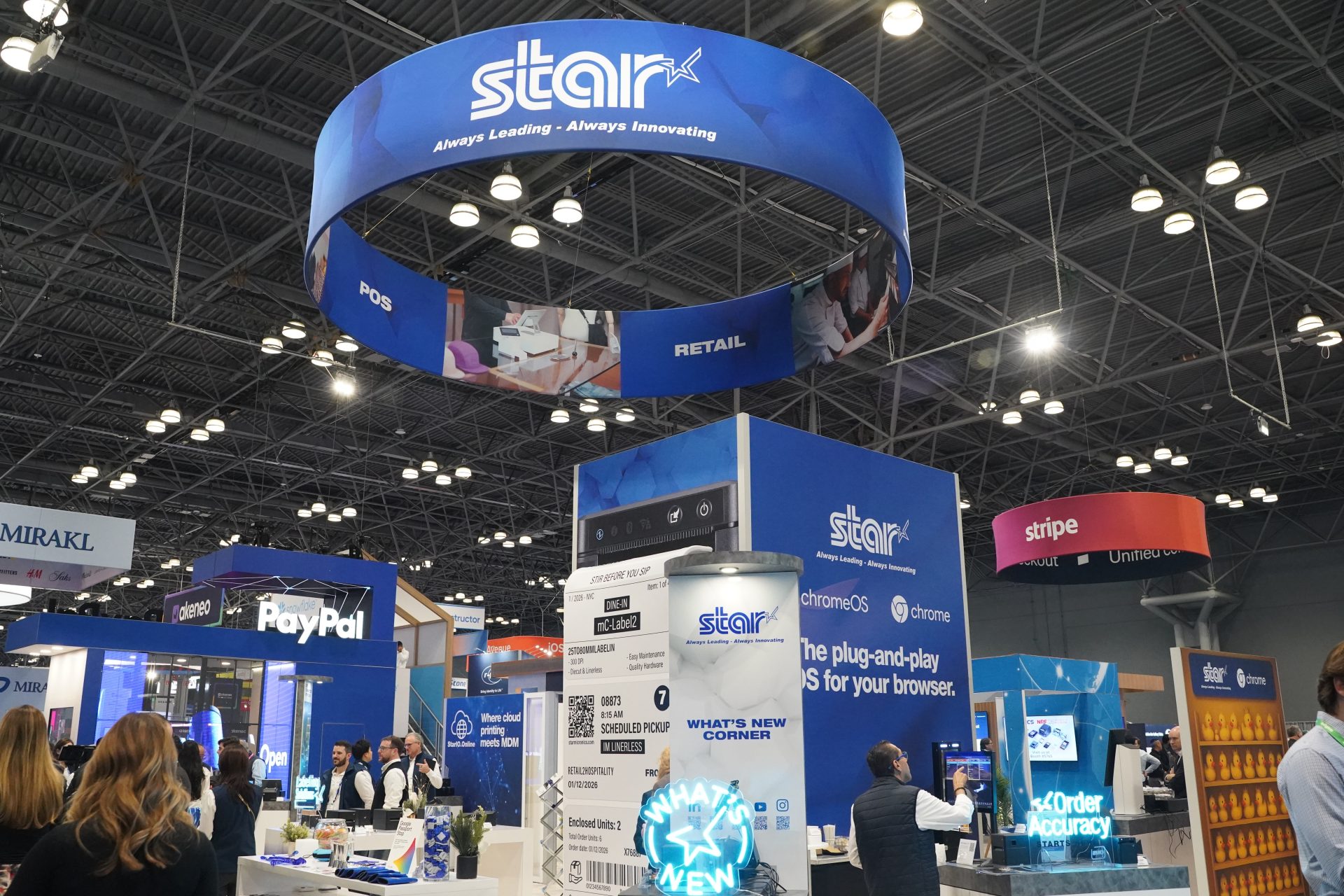
The National Retail Federation’s Big Show has long served as a bellwether for where retail technology is headed, offering a clear view each year into how the industry is evolving. NRF 2026, however, surfaced a more defining shift.
The future of retail and restaurants is being built right before our eyes, as hardware, AI-powered platforms, and workflow design operate as a single system, with order accuracy forming the foundation for lasting customer loyalty. What stood out at NRF 2026 was not any single breakthrough, but how these technologies are increasingly designed to work together in real-world environments.
Across the show floor, one theme surfaced repeatedly. Technology is no longer being evaluated in isolation. Operators are assessing complete, end-to-end workflows, from ordering and production to fulfillment and the final guest interaction. The conversation has moved beyond experimentation and toward execution, reliability, and scale.
At NRF 2026, retail and restaurant technology clearly entered a phase of operational maturity, with solutions increasingly judged by how well they perform across locations, channels, and peak demand moments.
Here are the key takeaways from NRF 2026, and what they signal for the rest of 2026.
Table of Contents
Self-Service Is No Longer Optional
Self-service has moved beyond experimentation. At NRF 2026, kiosks, unattended stations, and automated pickup workflows were everywhere, across QSR, retail, travel, and hybrid environments.
Operators are adopting self-service to address labor challenges, increase throughput, and meet customer expectations for speed and convenience. That shift places new demands on hardware reliability. When self-service fails, there is no staff member to step in.
What this means for 2026:
- Kiosks and unattended workflows will continue expanding into new verticals
- Open-frame and kiosk printers must deliver high uptime and jam-free performance
- Hardware flexibility will matter as much as software innovation
Self-service is no longer a differentiator. It is the baseline.
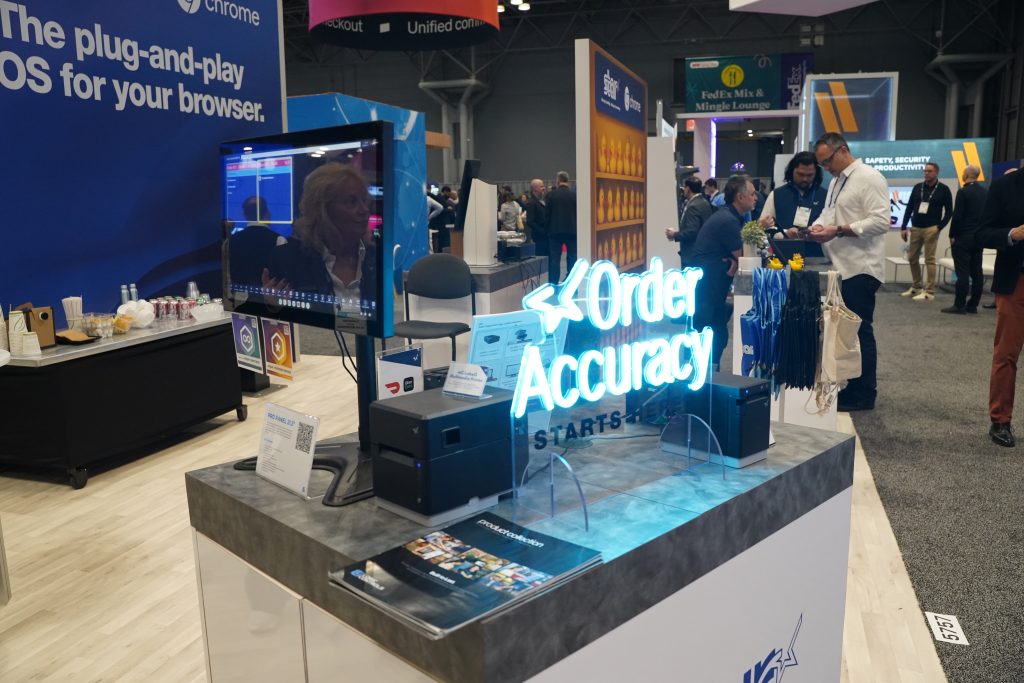
Order Accuracy Has Become the Guest Experience
Speed gets orders out the door. Accuracy determines whether customers come back.
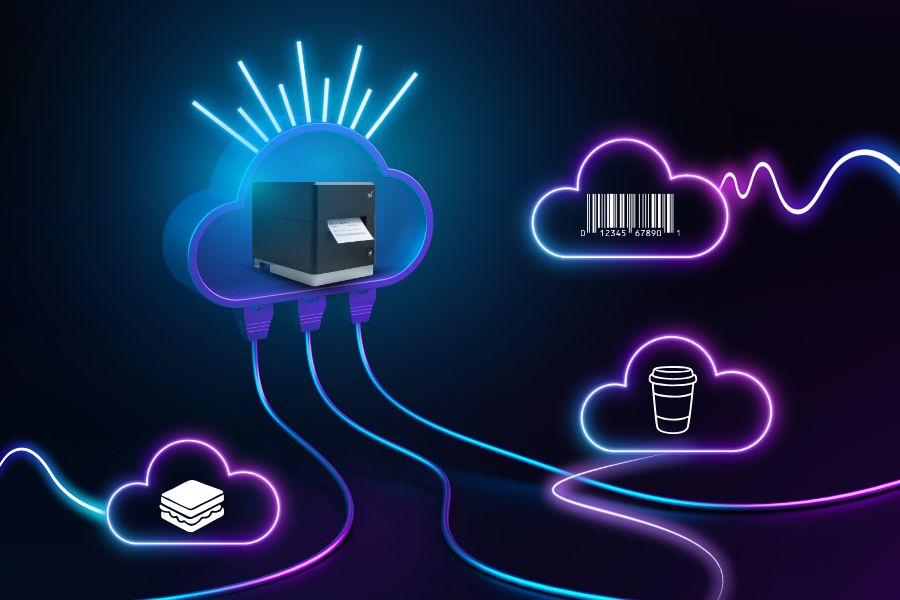
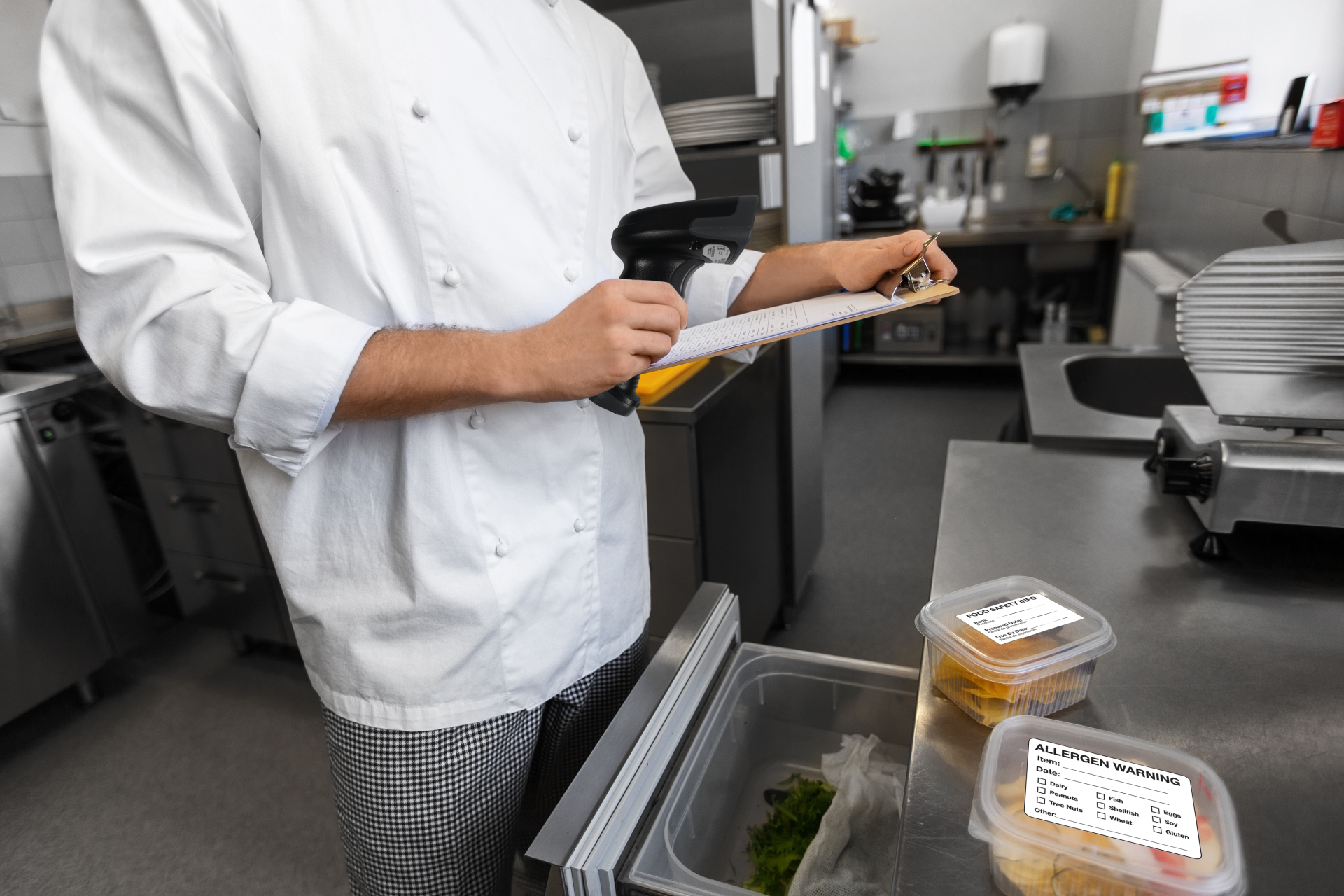
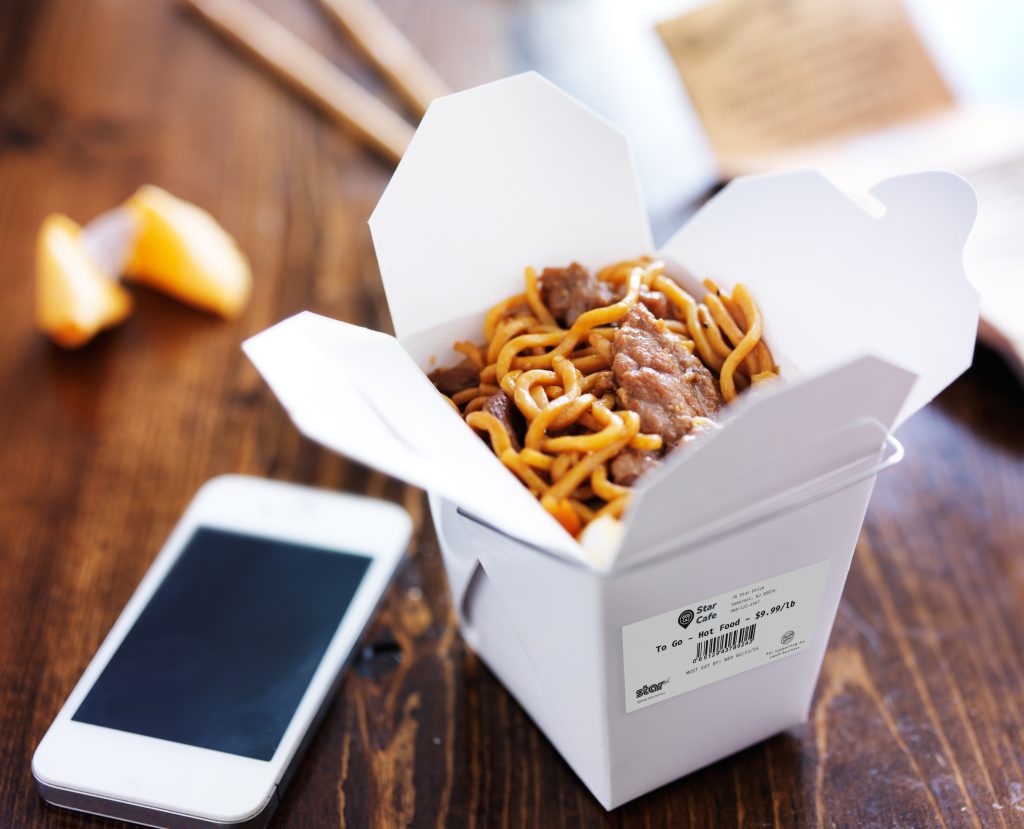
One of the strongest signals at NRF 2026 was the growing emphasis on order accuracy, especially for off-premise dining, third-party delivery, catering, and pickup. As order volumes increase and channels multiply, operators are turning to labeling and verification workflows to reduce errors.
Labeling is now being used to:
- Identify individual items within an order
- Seal bags for tamper-evident delivery
- Improve kitchen communication and fulfillment accuracy
- Support food safety and expiration tracking
What this means for 2026:
- Label printing will continue shifting from optional to mission-critical
- KDS-driven label printing will become more common
- Linerless and die-cut labels will be selected based on workflow, not trend
Order accuracy is no longer only a back-of-house concern. It is central to the brand experience.
Cloud Infrastructure Is Getting Simpler by Design
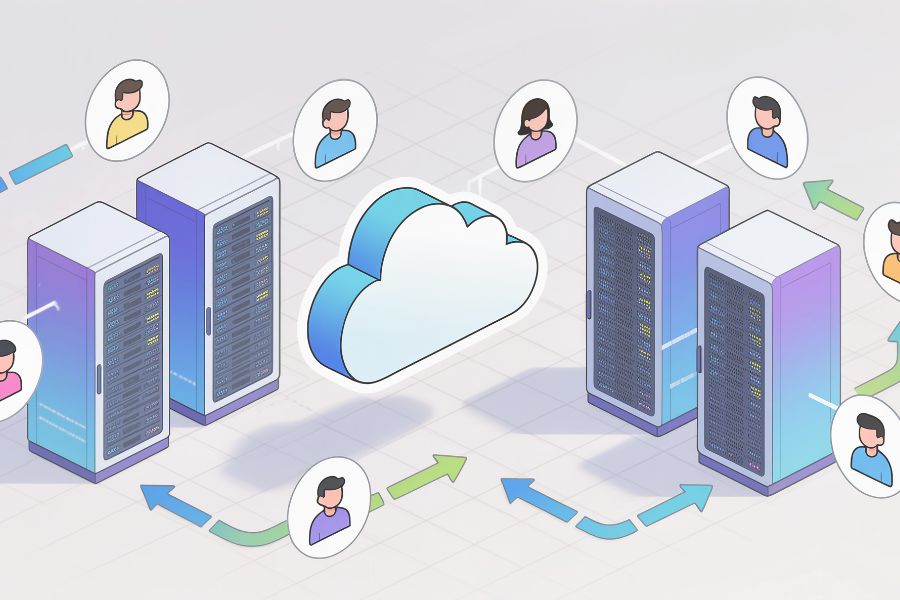
ISVs and platform providers sent a clear message at NRF 2026. They want fewer systems to manage, not more.
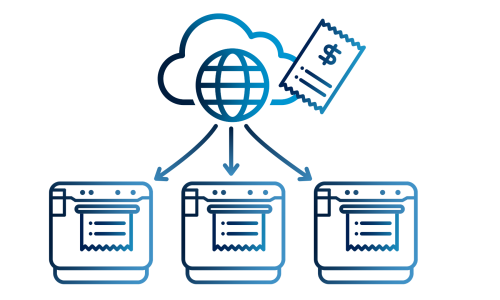
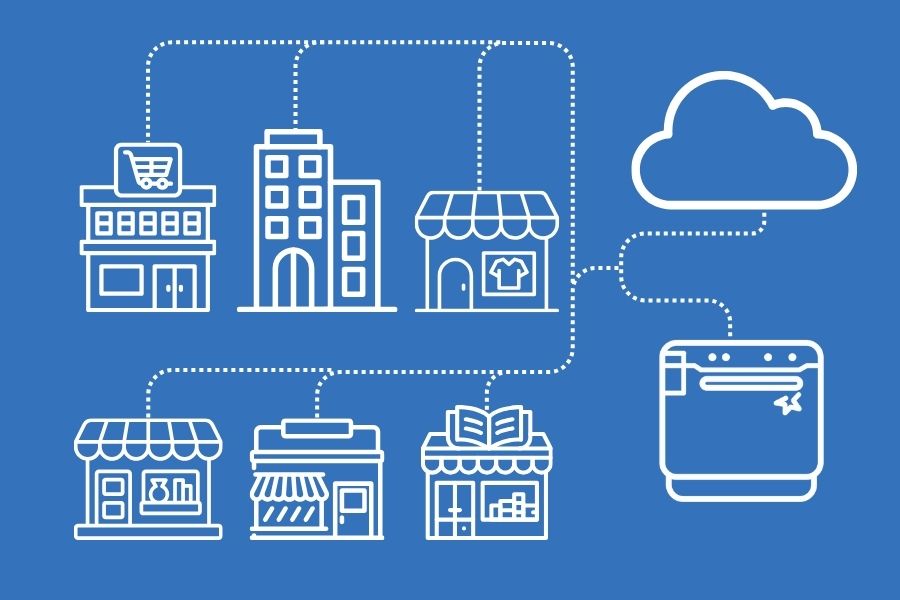
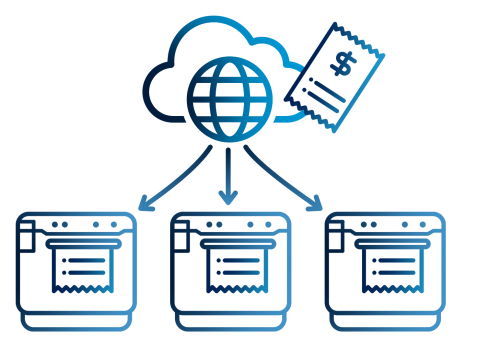
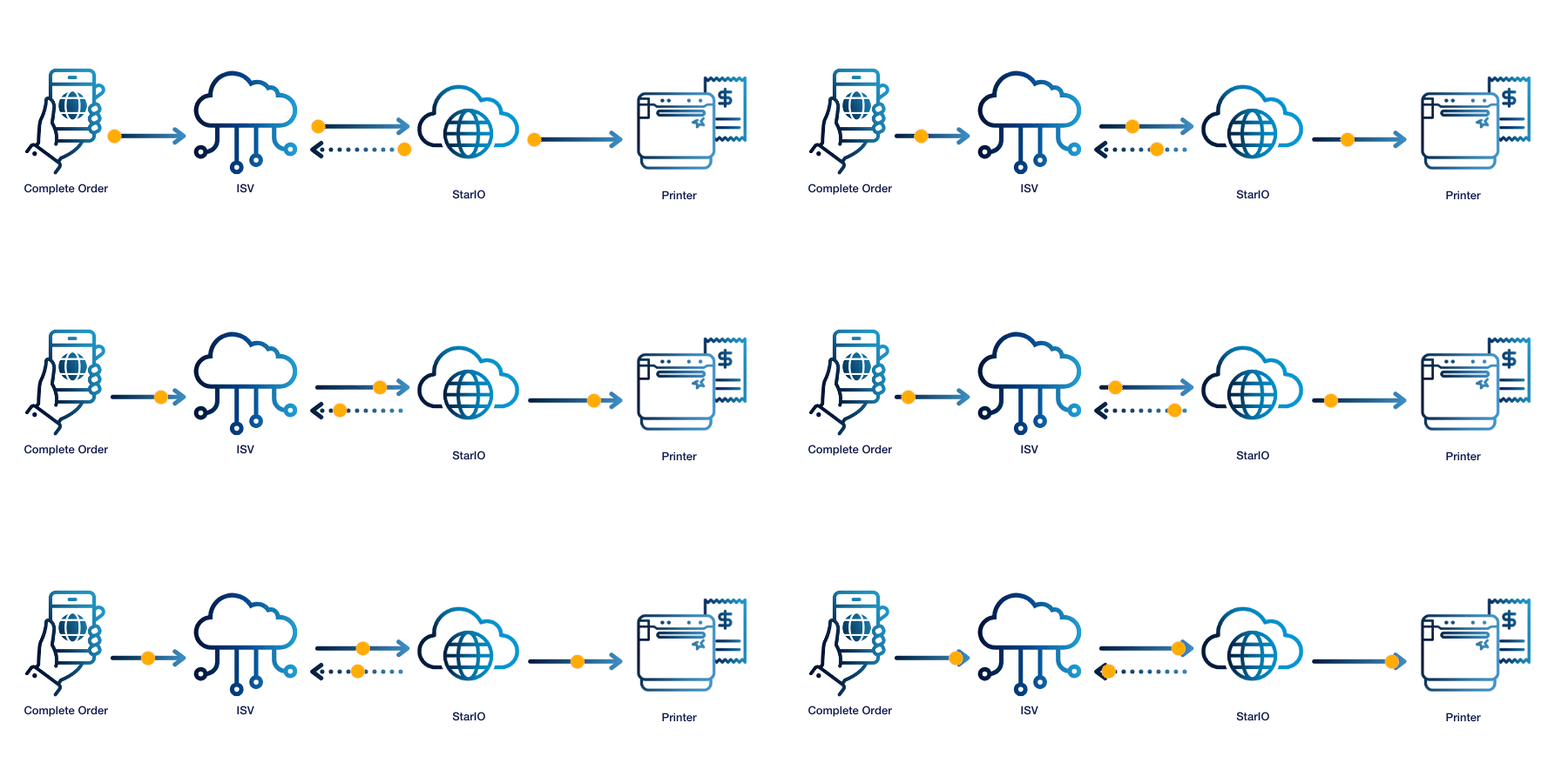
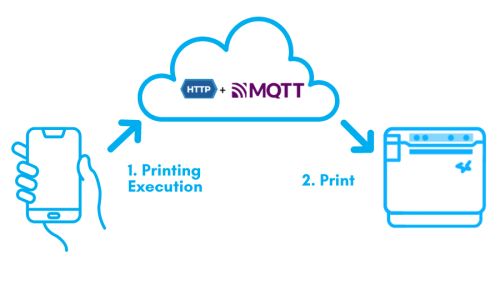
Rather than building and maintaining proprietary print servers, many developers are looking for hosted, API-based solutions that remove infrastructure overhead. Cloud printing is evolving from a technical challenge into a managed service expectation.
What this means for 2026:
- Hosted cloud printing will see increased adoption
- API-first platforms will outperform custom infrastructure
- Remote device monitoring and management will be table stakes
The cloud stack is not getting more complex. It is becoming more streamlined.
Web-Based POS and Chrome OS Are Gaining Momentum
Another major takeaway from NRF 2026 was the continued rise of web-based POS applications and Chrome OS deployments. Developers are prioritizing flexibility, faster updates, and browser-based workflows that reduce OS dependency.
This shift places new requirements on POS hardware. Devices must work seamlessly across Android, web, and kiosk environments without extensive integration work.
What this means for 2026:
- Web-based POS applications will continue to grow
- Chrome OS kiosks will expand in retail and hospitality
- Hardware that works across platforms will be preferred
Platform flexibility is becoming a key purchasing criterion.
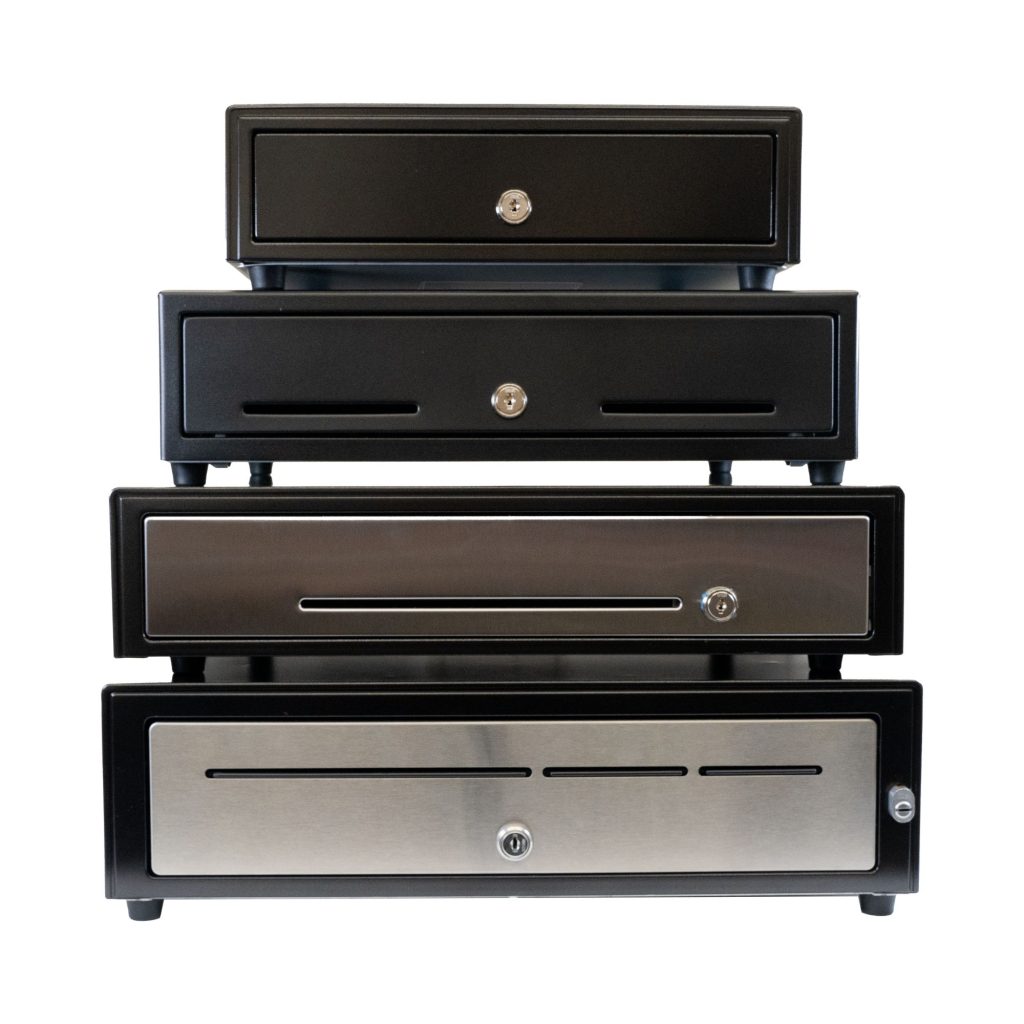
POS Hardware Design and Ergonomics Matter More Than Ever
NRF 2026 highlighted a growing focus on workspace design. Operators are paying closer attention to how POS environments look, function, and scale over time.
Clean countertops, effective cable management, and ergonomic mounting solutions are no longer cosmetic concerns. They impact staff efficiency, safety, and customer perception.
What this means for 2026:
- Modular and adaptable hardware setups will increase
- Mounting and peripheral integration will be planned together
- POS design will be viewed as part of the brand experience
Hardware must perform well and look intentional.
Sustainability Is Becoming an Operational Advantage
Sustainability conversations at NRF 2026 were quieter, but more serious. Operators are increasingly evaluating solutions that reduce waste, simplify operations, and support compliance without adding cost or complexity.
Linerless labeling stood out as a clear example. It reduces liner waste, improves efficiency, and supports modern labeling workflows without changing user behavior.
What this means for 2026:
- Waste-reducing technologies will gain broader adoption
- Media choices will factor into purchasing decisions
- Sustainability and efficiency will continue to align
Environmental considerations are becoming practical, not promotional.
Partnerships Are Driving the Most Compelling Solutions
Some of the most effective solutions at NRF 2026 were not built by a single company. They were the result of deep partnerships across hardware, software, and platform providers.
Integrated ecosystems reduce friction for resellers, simplify deployments, and deliver better outcomes for operators. Collaboration is accelerating innovation faster than isolated development ever could.
What this means for 2026:
- Ecosystem-driven solutions will gain traction
- Channel-friendly integrations will matter more
- End-to-end workflows will outperform point solutions
Looking Ahead to the Rest of 2026
NRF 2026 made one thing unmistakable. Retail and restaurant technology is moving into a more disciplined and outcome-driven phase. The emphasis is no longer on adding disconnected features. It is on building systems that work together reliably under real operating conditions.
As hardware, AI-powered platforms, and workflow design continue to converge, operators are prioritizing solutions that improve execution at every step of the journey. Order accuracy, uptime, and consistency across locations are becoming the true measures of success because they directly shape customer loyalty and long-term performance.
For the rest of 2026, expect continued investment in:
- Self-service and unattended workflows
- Labeling and order verification
- Cloud-managed and web-based platforms
- Modular, adaptable POS hardware
- Integrated partner ecosystems
At Star Micronics, these shifts reinforce a long-standing focus on building reliable, flexible hardware that adapts as workflows evolve. When technology operates as a unified system rather than a collection of parts, it quietly enables better execution, stronger operations, and better experiences for customers.
NRF 2026 did not just highlight what is emerging. It clarified how the next generation of retail and restaurant operations will be built.

How VARs and ISVs Can Maximize ROI with Advanced Kiosk Printing Technology
This ebook reveals how ISVs and VARs can harness the transformative potential of kiosk printing technology to maximize ROI for both their clients and their own businesses.