Author: Star Micronics

  • What is Artificial Intelligence, and How Does it Impact Your Point-of-Sale?

    What is Artificial Intelligence, and How Does it Impact Your Point-of-Sale?

    When people hear the term “artificial intelligence” (AI), it might conjure images of futuristic androids or sentient computers from movies such as I, Robot or AI. But while those things are still in the realm of science fiction, AI has become increasingly engrained in the modern technology we now use every day, from our smartphones to our point-of-sale (POS) systems. AI helps consumers and workers streamline their activities and increase productivity.

    But what is artificial intelligence? The Oxford English Dictionary defines AI as “the development of computer systems able to perform tasks that normally require human intelligence, such as visual perception, speech recognition, decision-making, and translation between languages.”

    Before AI began to appear in retail technology, large-scale monitoring of employees, inventories, transactions, customer purchase histories, or sales was next to impossible due to limited data management and analysis capabilities. Now, your POS system can incorporate AI to generate smart reports and optimize your data into actionable insights.

    Person doing data analysis at their laptop computer.

    Those insights may give you a potent competitive edge. In the recent results of 2022’s McKinsey Global Survey on AI revealed that the number of businesses using AI technologies since 2017 has more than doubled. On top of that, the companies that use AI for marketing and other purposes consistently outperform those that do not.

    In fact, a recent blog posted by Techjury revealed that the AI market is projected to grow at CAGR of 38.0% from 2021 to 2030, and that 77% of the devices we already use feature one form of AI or another.  

    By integrating AI into day-to-day operations, companies can:

    • Boost efficiency by spending less time sifting through vast streams of data from a variety of disparate sources
    • Focus on what really matters for their business
    • Speed up time to action


    So, what is artificial intelligence in the context of POS technology, and what does it look like for merchants?

    AI Combines and Analyzes POS Data with Real-Time Reports

    AI and POS software work together to create continuous intelligence. According to the Gartner Glossary of Information Technology, continuous intelligence is “a design pattern in which real-time analytics are integrated into business operations, processing current and historical data to prescribe actions in response to business moments and other events.” It provides decision automation or decision support.
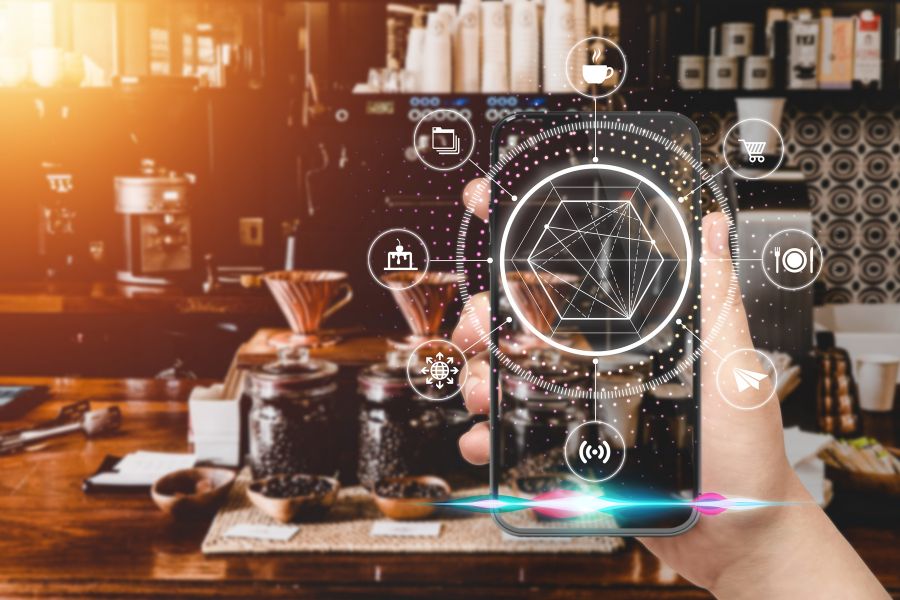
    AI technology and data analysis helping a cafe business owner.

    This intelligence involves a variety of technologies, such as machine learning, event stream processing, optimization, and business rule management. Some of the technologies that can help generate better real-time data include:

    • Facial Recognition: This technology can generate customer profiles, enhance security, track behaviors, and make specific suggestions that improve sales by providing a personalized experience.
    • IoT-Enabled Sensors: The Internet of Things (IoT) enables communication and data exchange between objects with computer devices connected to the Internet. A smart POS system can utilize electronic shelf labels to track user behavior, update inventory, and complete transactions anywhere in the store through connected sensors. This function prevents long queues with smart scan technology during peak hours or end-of-season sales (EOSS). It also automatically alerts the inventory manager when items are nearly out of stock, prompting timely reorders and preventing disappointed customers.


    With these AI technologies paired with traditional POS reports, merchants can take their data strategy to the next level by leveraging predictive analytics to enhance their insights into inventory management, customer marketing, and sales, creating actionable plans.

    AI-Based POS Reports Create Actionable SMART Insights

    With more advanced, AI-based reports, you can create SMART (Specific, Measurable, Attainable, Realistic, and Timely) goals and actionable plans. These reports provide managers and owners with information that uncovers deeper insights.  

    You can take it a step further with AI power that makes recommendations for you. Some AI programs give you insights and suggest the best responses. 

    Leverage smart insights to discover shopping patterns and preferences, which you can turn into successful sales strategies. For example, the information you gain can help you decide which products to place near each other and where to position the best or most profitable items for higher sales based on buyer behavior reports and foot-traffic heat maps.

    AI point-of-sale for QSRs and restaurants.

    Other SMART insights might assist with decisions and strategies, such as:

    • Generating loyalty programs for preferred customers who visit your store regularly
    • Placing additional staff in new locations for customer support
    • Creating electronic displays that change using facial recognition to show products and promotions tailored to a recognized customer’s profile

    Optimize Your Business Operations with AI POS Software

    Once you have SMART insights and create strategic responses, watch as your operations speed up and become more optimized. You’ll use your reports to take action to eliminate long checkout lines, reduce stock-outs, and enhance the customer experience in-store and online.

    Your actions will bring:

    • More efficient workflows that eliminate redundancies
    • Streamlined stocking and other in-store maintenance
    • Automation of previously manual, tedious processes, freeing your staff to devote more attention to customers


    So, what is artificial intelligence when paired with POS solutions? It’s the key to true business intelligence.

    Data analysis and AI technology for business.

    Get Your AI from a Smart Provider

    AI is readily available to merchants ready to invest in their businesses, streamline their processes, and take control of their data. It starts with understanding which AI technology is best for your business needs, gathering and analyzing your data to generate actionable insights, then optimizing your operations.

    Get everything you need to utilize AI with your POS system from your trusted POS hardware provider. Star Micronics has been dedicated to innovation for more than five decades. To learn about the latest POS hardware options to improve your business, contact us today.
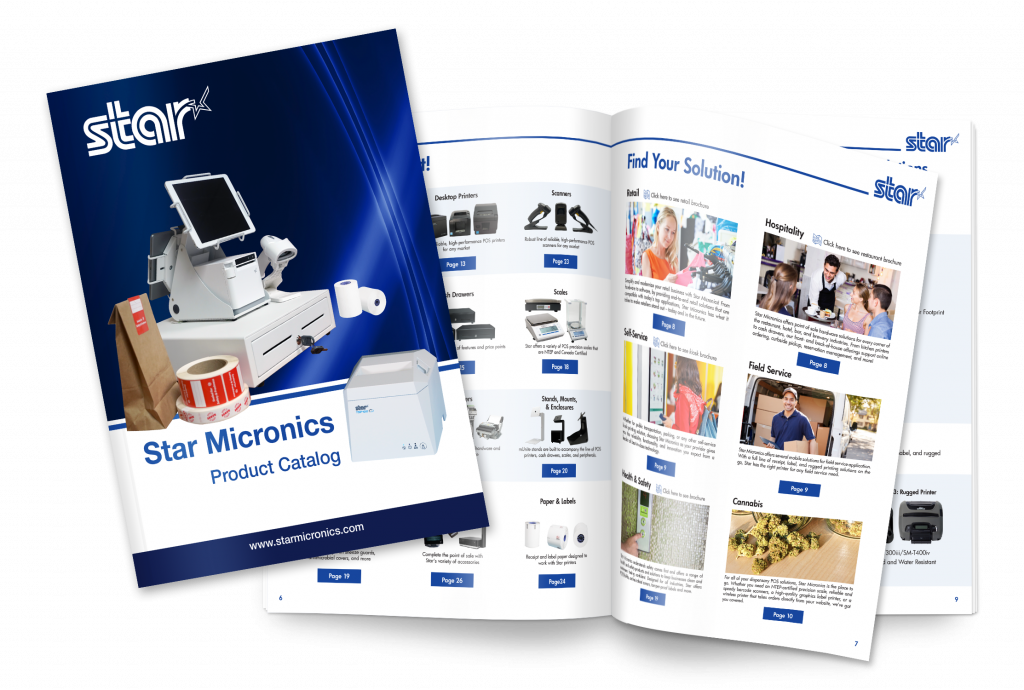
    Check out Star’s full Product Catalog!

    Discover the innovative technology solutions Star Micronics has to offer.
    Love industry news? Check out our podcast:

  • Star Micronics at NRF 2023 Recap

    Star Micronics at NRF 2023 Recap

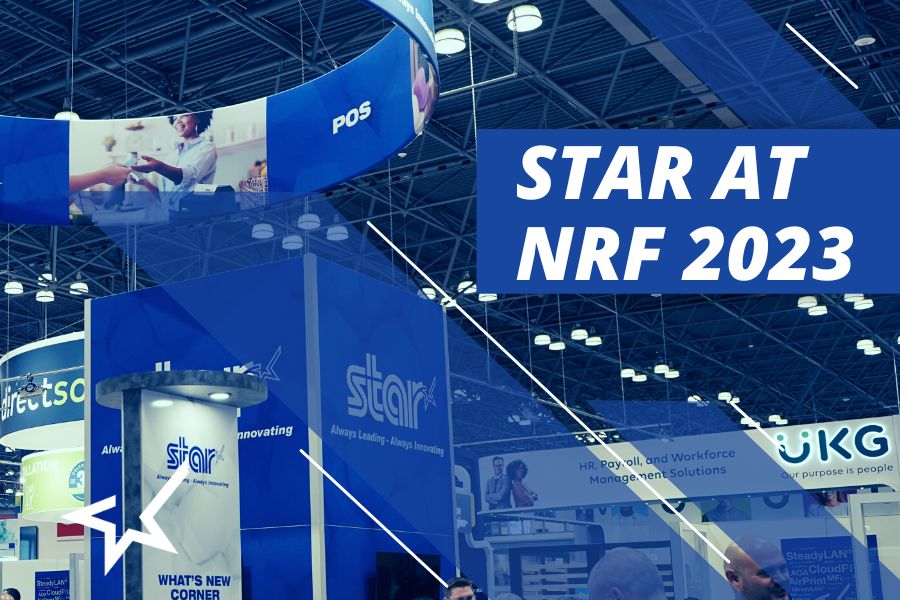
    Star Micronics presented its latest point-of-sale (POS) hardware solutions and technology at the National Retail Federation’s (NRF) 2023 conference, held in New York City from January 15th to January 17th at the Javits Convention Center.

    NRF 2023: Retail’s Big Show is the prime opportunity for the retail industry to cultivate thriving and rewarding business relationships with hardware manufacturers and software solution providers. It’s one of the industry’s largest shows of the year, and we were thrilled to be there.

    As usual, the Star Micronics team had a blast, finally coming together with others from all over the world. At NRF 2023, we met and heard from the most prominent changemakers in the industry and dipped our toes into the future of retail.

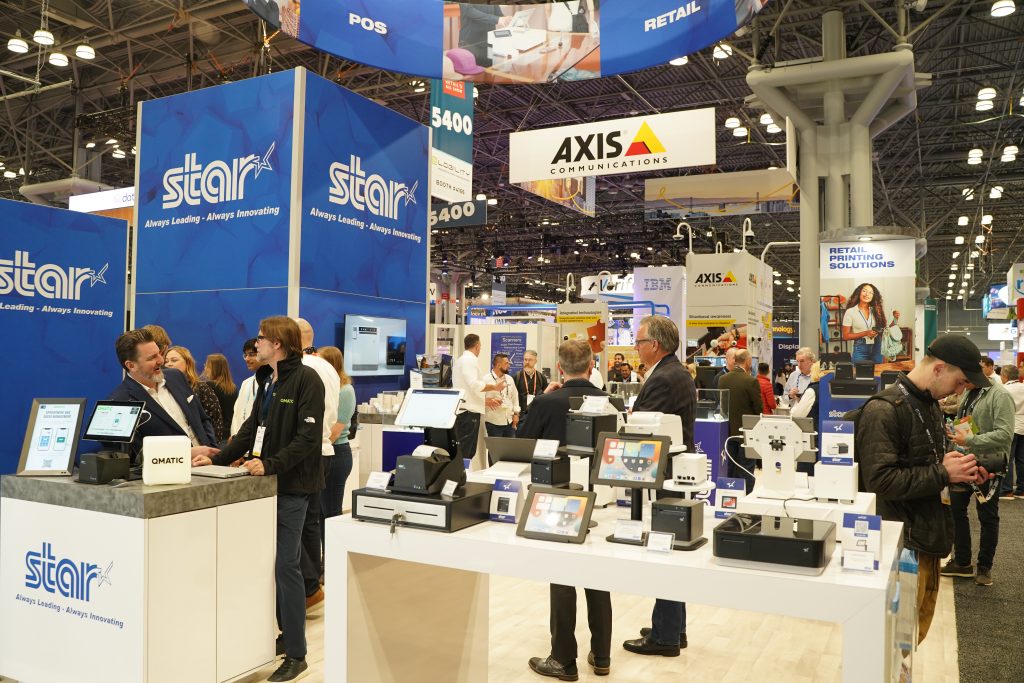
    Star Micronics's booth at NRF 2023.

    In addition, we thank everyone who visited us on the trade show floor and our partners who joined us in the booth: Qmatic & Retail Management Hero!


    NRF 2023 Qmatic logo
    Qmatic is a global leader in reshaping connections between people and services for truly excellent customer experiences.


    Retail Management Hero (RMH) logo.
    The core RMH software includes a robust set of features to meet the business requirements of a wide variety of retailers.

    Star’s NRF 2023 Exhibit

    Star was privileged to showcase its products at the trade show, where we had multiple partners with our solutions exhibited in our booth and throughout the trade show floor. As a result, we got to walk around and say hi to everyone we regularly work with (albeit virtually).

    This not only gave us the chance to develop more personal relationships with our customers and associates but to exhibit our cutting-edge POS and mPOS solutions as well.

    Star Micronics's booth at NRF 2023.

    Since the NRF 2022 conference, Star has launched a variety of next-level POS and self-service solutions and was excited to showcase everything at NRF 2023.

    • The new mC-Label3 with the faster SteadyLAN+CloudPRNT, & brand-new TetherLAN capabilities – an optimized label and receipt printing solution that does the work of multiple printers in one. 
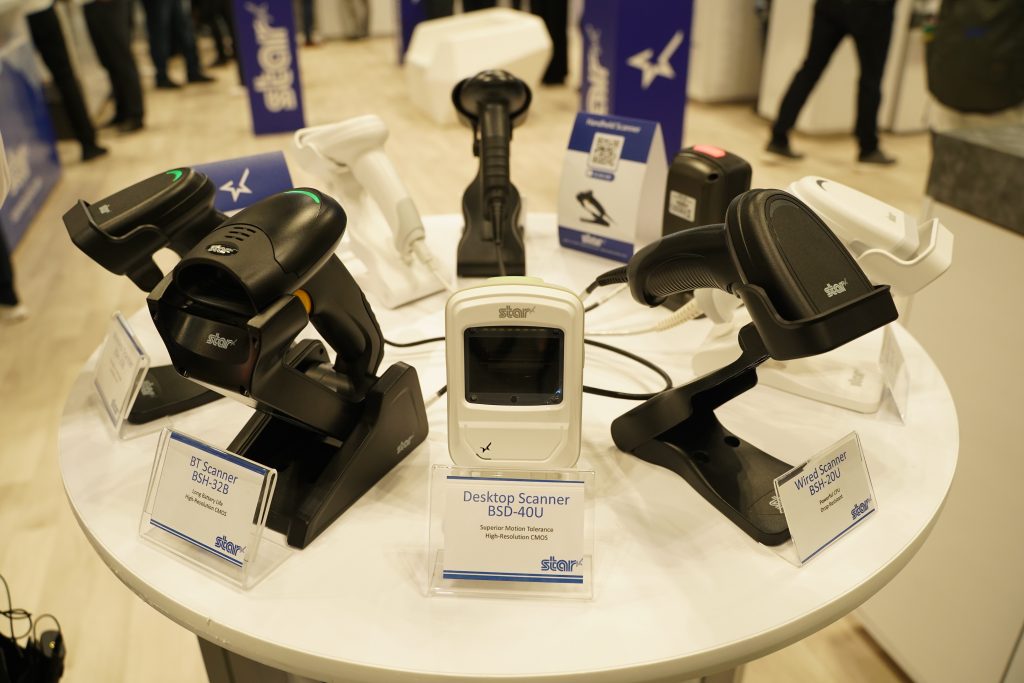
    • Brand new high-resolution barcode scanners. 
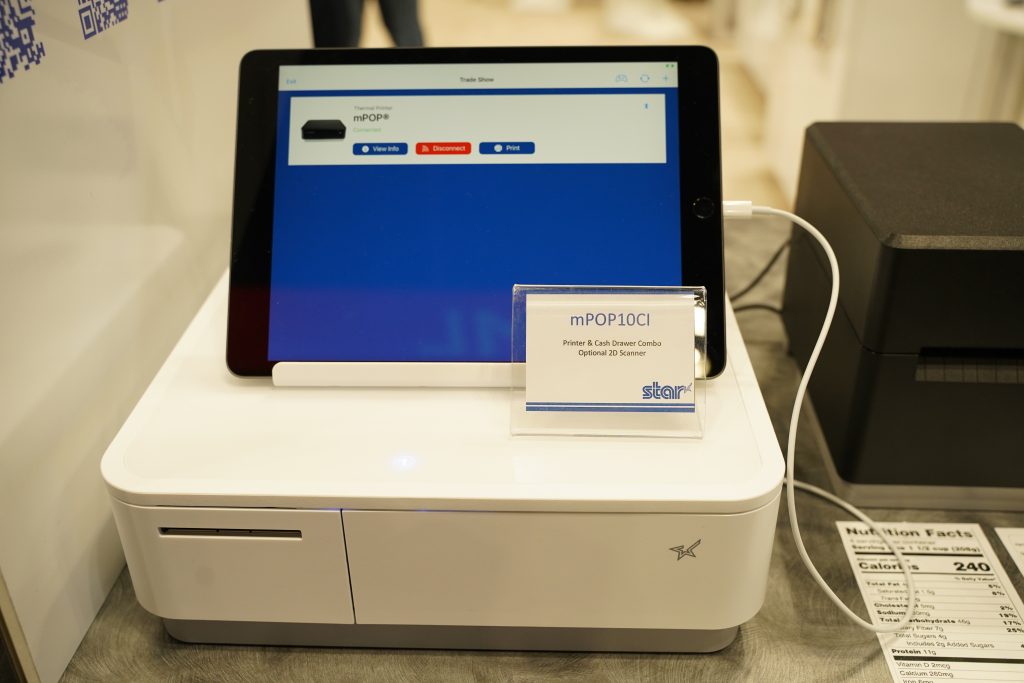
    • The latest mPOP® (mobile point-of-purchase) with direct iOS connectivity: power and data transfer for all-day use. 
    • Both models of the acclaimed TSP143IV; the TSP143IVUE with Android Open Accessory (AOA) support and a USB/LAN dual interface, and the TSP143IVUW with USB-C and dual-band WiFi connectivity. 
    • A kiosk printing solution that uses repositionable linerless label paper, the SK1-311 SK. 
    • The mG-T series of POS scales: the mG-T30 & mG-T60 models; ideal for shops, grocery stores, and farmer’s markets. 
    • The extensive new line of mUnite modern tablet display stands and mounts. 
    • New WiFi-loving models of the popular mC-Print2 & mC-Print3 series; two thermal printing solutions from the state-of-the-art mCollection®. 

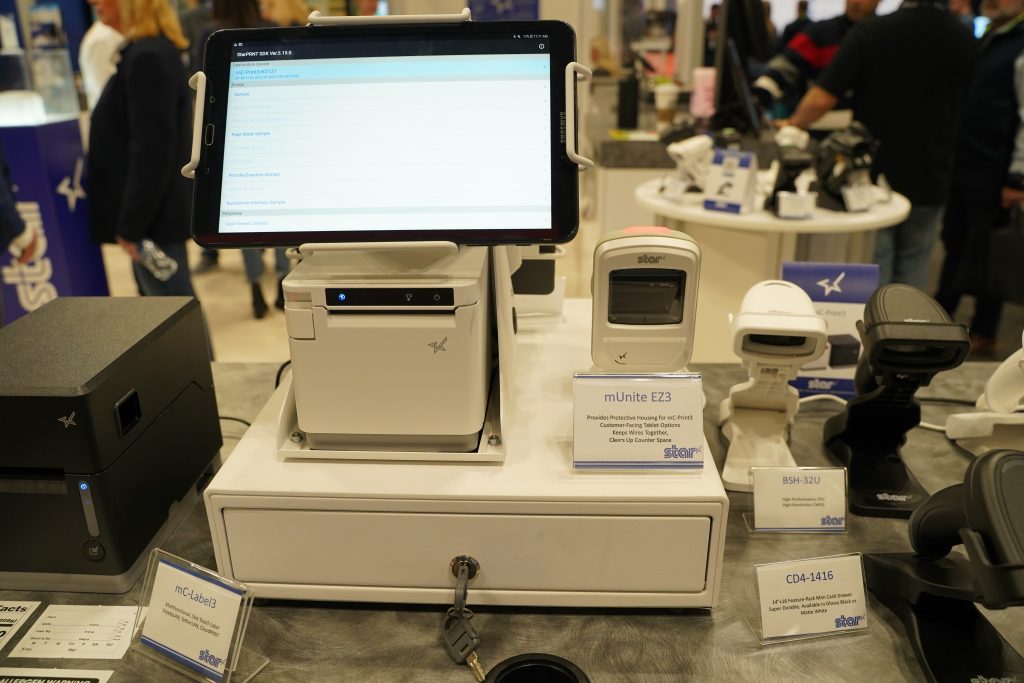
    The full point-of-sale (POS) hardware solution by Star Micronics, displayed at NRF 2023.
    The complete POS suite (tablets not included).

    The mC-Label

    The new mC-Label was the definite star of the show! 

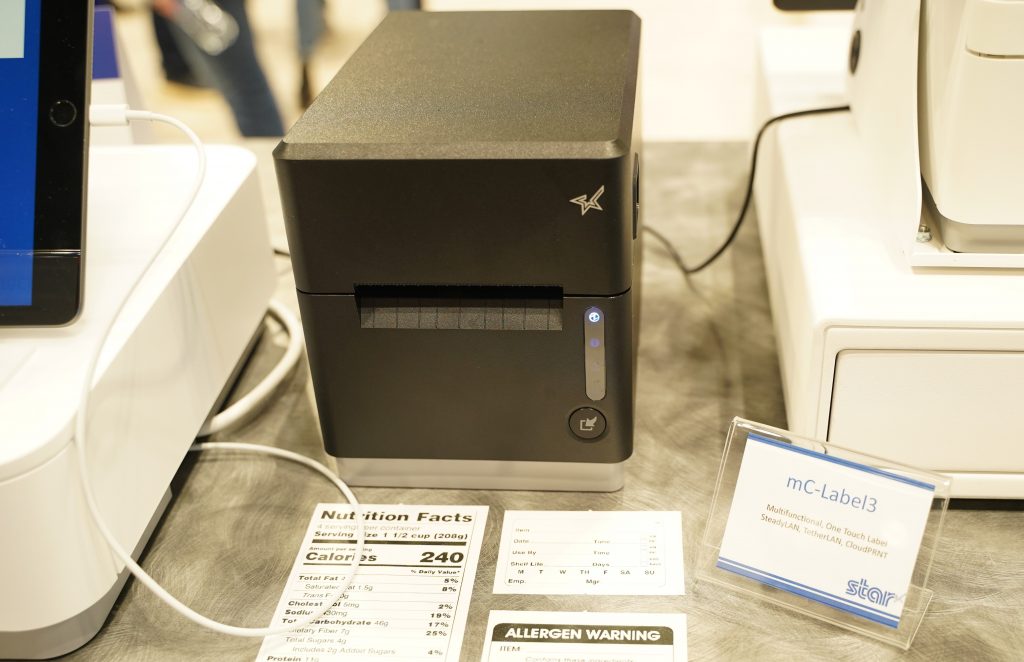
    The versatile mC-Label printer is another Star innovation, combining multiple printing solutions into one. With superior quality, the mC-Label prints on various media, making it much more than a label printer. Able to connect to iOS, Android, and Windows devices, it’s equipped with much faster SteadyLAN+ and introduces Star’s latest technology – TetherLAN & Ultra-C.

    TetherLAN allows a connected device (4G & 5G) to share its network connection with the mC-Label. As a result, a CloudPRNT environment is created anywhere.

    Ultra-C is a unique 20W USB-C port that works with iOS, Android, and Windows devices. With iOS and Android devices, the printer can also power and charge the device while data transfers between the two.

    The mC-Label multifunction thermal label and receipt printer from Star Micronics displayed at NRF 2023.

    TetherLAN

    Star Micronics is also expecting big things for TetherLAN in 2023 and beyond!

    TetherLAN is an innovative Star technology that enables the WiFi service from a tablet or device with an active cellular connection (4G/5G) to share that connection with select Star printers. Simply connect a networked device to the printer via USB, and the printer can now work with integrated web- and cloud-based POS software.

    This premium technology works with iOS and Android devices and is available on the mC-Label and select mC-Print series printers (to be announced later this year).

    TetherLAN technology by Star Micronics.

    The mPOP®

    The latest mPOP (mobile point-of-purchase) was also a highlight of the show. It remains the industry’s first hybrid POS solution that combines a cash drawer and printer into one simplified peripheral.

    The mPOP (mobile point of purchase) by Star Micronics displayed at NRF 2023.
    First in the industry hybrid printer + cash drawer – the mPOP (tablet not included).

    Compatible with all major operating systems (iOS, Android, Windows, macOS), the latest mPOP offers direct USB-C connectivity with any iOS device, enabling it to charge while transferring data. Because of this feature, the same charging cord that comes with the Apple iOS device can be conveniently plugged right into the mPOP for full communication and power.

    New Line of 2D Barcode Scanners

    Star’s new scanner line, due out later this year, was also of great intrigue, with many people stopping by to check them out.

    New line of 1D/2D barcode scanners by Star Micronics, displayed at NRF 2023.

    They’re Star-branded and available with a higher resolution. Able to read and parse barcodes, including driver’s licenses, these lightweight and sturdy scanners come in desktop, USB handheld, and wireless handheld models.

    NRF 2023 Highlights

    We at Star Micronics would like to express our sincerest appreciation to everyone who visited us at NRF 2023: Retail’s Big Show. It was a fantastic experience engaging with our customers and associates, establishing new partnerships, and introducing our most recent products and technology.

    In case you weren’t able to attend the event, we want to give you some of its highlights:

    Web3 + Artificial Intelligence (AI)

    Web3 was the topic on everyone’s lips during the show. Holographic displays of products gave customers a way to ‘try before they buy’ without leaving their homes or even handling the product itself.

    Artificial Intelligence was also a popular subject. Business owners can take advantage of the value of data and AI to make their retail operations more meaningful.

    Climate Change

    The state of the economy wasn’t a primary focus; however, a considerable amount of attention was placed on environmental matters. Several voices advocated that businesses should take steps to combat climate change as its effects have already started to be felt and will only increase in severity if nothing is done.

    Customer Journeys + Brick-and-Mortar

    Developing a more comprehensive customer experience was also discussed, from initial contact through post-purchase. The importance of traditional retail stores and putting the emphasis back on brick-and-mortar stores was also touched upon.

    In Closing

    Again, we were delighted to have our Latin America team and representatives from Europe and Japan join us at the show. It was an extraordinary opportunity to collaborate and engage with the partners and customers we have cultivated relationships with over the last few years.

    In conclusion, NRF 2023 was hugely successful due to our valued customers, partners, and the Star Micronics team. By working together to reach new heights, Star Micronics continues to embody its philosophy, “Always Leading, Always Innovating.”

    Many thanks to everyone who attended, and we can’t wait to see you all again next year!

    Group shot of Star Micronics at NRF 2023.

    Want to see more from Star at NRF 2023?

  • Star Micronics Breaks into 2023 with Next-Level Solutions at NRF

    Star Micronics Breaks into 2023 with Next-Level Solutions at NRF

    Star will feature its extensive line of innovations at NRF 2023: Retail’s Big Show, including the highly anticipated mC-Label3 and mPOP® solutions.

    Somerset, NJ – January 10, 2023 – Star Micronics, a leading manufacturer of mobile, point-of-sale (POS), and customer engagement technologies, is excited to present its latest POS hardware and technology at the National Retail Federation’s (NRF) 2023 conference, held in New York City from January 15th to January 17th, at the Javits Convention Center.  

    NRF 2023: Retail’s Big Show is the prime opportunity for those in the retail industry to cultivate thriving and rewarding business relationships with hardware manufacturers and software solution providers.

    Star has launched a variety of modern POS and self-service solutions since the last NRF conference and will be showcasing: 

    • The new mC-Label3 with the faster SteadyLAN+, CloudPRNT, & brand-new TetherLAN capabilities – an optimized label and receipt printing solution that does the work of multiple printers in one. 
    • Brand new high-resolution barcode scanners. 
    • The latest mPOP® (mobile point-of-purchase) with direct iOS connectivity; power and data transfer for all-day use. 
    • The acclaimed TSP143IV in two models; the TSP143IVUE with Android Open Accessory (AOA) support and a USB/LAN dual interface, and the TSP143IVUW with USB-C and dual-band WiFi connectivity. 
    • A kiosk printing solution that uses repositionable linerless label paper, the SK1-311 SK. 
    • The mG-T series of POS scales: the mG-T30 & mG-T60 models; ideal for shops, grocery stores, and farmer’s markets. 
    • The extensive new line of mUnite modern tablet display stands and mounts. 
    • New WiFi-loving models of the popular mC-Print2 & mC-Print3 series; two thermal printing solutions from the state-of-the-art mCollection®. 


    Want to see Star outside of the tradeshow floor? Star hosts a Sunday night reception on January 15th, from 8 – 11 pm: Star’s Rooftop Soiree against the breathtaking NYC skyline!  

    “Star Micronics has been investing in several areas to help channel partners succeed. Following our ‘Always Leading, Always Innovating’ decree, this includes diversifying and expanding our product offerings and bolstering our supply chain operations and sourcing. Globally, Star has been strategic, expanding manufacturing capacity aggressively… Star is dedicated to providing our channel partners with a full solution suite.”

    Love industry news? Check out our podcast:

    Star Micronics logo, point-of-sale (POS) hardware and technology company.

    Star Micronics, a world leader in point-of-sale (POS), has designated a portfolio of printing, secure cash management, self-service, and customer engagement solutions for any retail or hospitality establishment. Embracing the mPOS wave, Star’s SDKs allow developers to utilize Star printers in tandem with Android™, iOS, iPad®, and iPhone® devices to generate receipts, labels, Chit, and tickets. Star Micronics is always leading and always innovating, creating cloud-based printing solutions, including CloudPRNT and Star Cloud Services, with AOA support and MFi connectivity. Star also has a wealth of peripherals, including 2D barcode scanners, scales, tablet display stands, and more. Visit starmicronics.com or follow us on Facebook, Twitter, YouTube, or LinkedIn to learn more.

    Media Contact:

    Christin Dorner
    Star Micronics America, Inc.
    cdorner@starmicronics.com
    848-216-3318

  • GitHub & Star Micronics: The Benefits for POS Software Developers

    GitHub & Star Micronics: The Benefits for POS Software Developers

    If you’re a point-of-sale (POS) software developer, you may already know Star Micronics puts all its code onto GitHub. It may have even helped you at one point. Maybe you’ve also helped Star by posting your thoughts there and sharing some great ideas. Or perhaps you’re just starting out and want to learn more about what I’m referring to.

    Either way, it’s helpful to know about Star and GitHub. As someone new to software development, I wanted to learn more about GitHub – a decentralized, open-sourced platform where developers can publicly post their code and get feedback – and why Star puts its SDK codes on there to help ISVs, software developers, and the tech community in the point-of-sale (POS) space.

    Recently, I spoke to Mark Rasho, Joshua Ventocilla, and Oreoluwa Akeredolu from Star Micronics’s Integration Team to get more information about Star on GitHub

    Here’s how the conversation went:

    Most of our technology providers already know what GitHub is, but for people new in the space, what is GitHub, and how do you use it?

    Mark: So, as far as what GitHub is, I’ll leave that to Josh and Oreo, but I do know the platform is used by developers a lot. They create code in there. If they see any problems with software, they’ll solve them. Guillermo Cubero, our Product Integration Specialist, was the one pushing for us as a company to get on GitHub because he found it useful.

    Then Star Micronics started putting our SDKs on GitHub, our CloudPRNT, Native iOS, and Android, so it’s important. It is something a lot of developers use. It’s basically a platform where you can communicate with developers, ask questions, get questions answered, and support each other. So, it’s like a developer community app, right guys?

    GitHub chat 3

    Oreo: Yep.

    Josh: Yep. That’s correct. I mean, essentially, in the world of development, this is an essential tool to use. GitHub is one of the bigger Git that they have – there are many different types of Git – GitLab is one of them, I use that also, but GitHub is one of the bigger ones. As far as development goes, it’s like a portfolio, in a way, for a developer to have. It’s where all the code source is pushed. You can edit it.

    Also, the great thing about it is you can have other developers collaborate with your code source in case someone needs to edit or improve features on it. They can ask to edit it or suggest edits, and you can approve that. So, it’s one of the most important tools for a developer to have. As Mark mentioned, Star Micronics must be on it because nearly all of our clients who are developing applications use it. We refer them to our GitHub and they can review our code or our SDKs whenever they need to.

    Mark: And to give you a scope of how big GitHub is, there are over 94 million developers on it, and over 4 million organizations use it (at the time of this post), so it’s huge.

    How does GitHub work? Is it kind of like Wikipedia for code? Say, Josh writes code and puts it on there. Can anyone go on and edit it, or do you need to approve it as the original poster?

    Josh: Good question. It’s open source, so almost everyone has access to it. If I were the owner of a code and someone wanted to edit it, depending on how I had the setting (whether public or private: if it’s public, anyone can see it; if it’s private, it’s only allowed by me, or whoever I choose to see it) so, if someone wants to edit that, they’d have to request approval for it. Then, the original poster can review the updated code, see how it works, and if they approve it, it becomes part of the code.

    Is the original code still on there?

    Josh: Yes. Think of it like the base of a car. It needs wheels. So, if I start with the frame of a vehicle and someone wants to add a wheel they made, they will request to add it. Then, I would need to approve their wheel. Once I approve it, you will have both the frame and the wheel together. You can add to or edit the original code, but it needs to be approved.

    Mark: It may not be maintained by the original person who put the code up there, but it’s still there. And viewers can see the changes.

    GitHub is safe to use, right?

    Josh: Absolutely! It allows developers to collaborate on projects. It lets you upload your codebase so other developers may use what you’ve built. It’s also a platform for sharing self-made projects or projects you’ve worked on. It’s like a portfolio of work, but everyone can build upon it.

    Github chat 6 Josh

    So, it definitely sounds helpful and valuable to software developers. But how would you describe the benefits of Star Micronics being on GitHub? Not only the benefits for us as a company but for ISVs and technology providers as well?

    Mark: One benefit developers get from our GitHub page is that they can see our source codes and read and participate in discussions about them. So they can reach out to us, ask us questions, or ask about specific features. And, as a company, we get a lot of ideas from that.

    We may make changes because of a discussion with a developer, or maybe a developer has an idea – hey, I want to do this, I want to do it in a different way – and that can give us some ideas, too. We can make changes and get feedback from developers, which helps us improve our source code. Many benefits come from these discussions and input from other users.

    Oreo or Josh, have you had any situations where a developer brought ideas to you?

    Oreo: Yes! One of the greatest benefits we get from GitHub is the ability to fix bugs. While we release our SDKs for iOS, Android, Windows, and others, there are different ways to create applications on those platforms.

    Here’s an example using one of our recent SDKs, the React Native SDK. Most people use Expo, which is like a wrapper to ensure the application works on iOS and Android. However, with our React Native SDK, it wasn’t working with Expo. That was a bug that needed to be fixed, and it was a developer in the community who brought it to our attention. After seeing that on GitHub, we tested it on our end and worked with the developers at Expo to create a solution that everybody could use. Then we published that update on GitHub and let everyone know that the bug was fixed.

    So, different people use the code in different ways. On GitHub, you can bring up a bug, and we’ll take a look at it, fix it, and update it. That way, everybody can use the solution Star provides however they want to on every platform and framework. That’s one importance of GitHub.

    Interested in integrating with Star Micronics?

    So, GitHub helps make our codes more accessible to people.

    It allows ISVs and technology providers to communicate with us directly to solve problems for more people.

    Oreo: It also makes the developmental process easier because, on the GitHub discussion page, people already put examples of how they got specific things to work. For example, the TSP100 is a graphic-only printer, and the TSP650 supports text. That’s one thing you can find on our GitHub: how to print an image to the printer.

    While we have examples in the SDKs, some developers still have issues. However, there’s a good chance someone has already posted a solution on GitHub. So when you have an issue, you don’t have to start racking your brain because someone else has already posted what you need. You just had to look at it and implement it into your application. Having that community on GitHub reduces development time.

    Github chat 7 Oreo

    Is there anything new coming to GitHub that you may know of?

    Oreo: Well, we had the StarPRNT SDK, and now we have the StarXpand SDK. Both SDKs are on GitHub, but we also explain how to upgrade from StarPRNT to StarXpand on GitHub. So, having that easy transition on there is new. The StarXpand supports more frameworks, and there are examples of how to upgrade on GitHub so that most of the functions don’t break when you do so.

    Josh: And to add to that, there are how-to’s on GitHub in terms of installations. So, for anyone who wants to go break it down, there are step-by-step instructions on how to use our code.

    So GitHub makes things smoother, so developers don’t waste their time.

    Josh: It’s a collaborative platform for almost everybody to use our code. And in the process, as we go through trials and tests, it also helps to improve our code.

    Would most developers know to go to GitHub for Star SDKs and APIs?

    Oreo: Usually, when we’re on an initial call with an ISV, we provide them follow-up messages with links to GitHub. We can also send ISVs links to issues that have already been resolved on GitHub.

    So, it’s part of the onboarding process.

    Oreo: Yes. We let them know we have GitHub when we bring them on board.

    Mark: As soon as Star Micronics began on GitHub, we migrated our SDKs and APIs over to its one central location where everybody has access. We duplicated what we have on our website onto GitHub, where most developers would go anyway.

    GitHub sounds like it’s been an enormous help to Star.

    Mark: Huge.

    My final question is: for anyone thinking about integrating with Star Micronics or anyone about to start that process, is there anything important you want them to know about GitHub and Star?

    Mark: We want to let everyone know to please reach out to the Integration Team with any questions, big or small. Instead of ISVs & developers spending time trying to figure something out, our Integration Specialists like Josh and Oreo may already have the answer. Going to our team first will speed up development time, and when you speed up development time, it drops the costs a lot more for the developer and the ISV, and it just makes the process smoother.

    So, please always reach out to Star. We’re always available, and we respond immediately (during regular business hours, Monday through Friday, 9 pm to 5 pm EST). We are here for the ISVs. Star’s Integration Team is here to make their job simpler and more cost-effective and to integrate them with our hardware as quickly as possible. So, please remember to reach out to us for any reason.

    GitHub chat 3 Mark

    Think of Star’s Integration Team first because this is what it’s here for.

    Josh: To add something, I recommend looking over our SDKs to see what compatible languages we have written up before developing. Sometimes we don’t have some of the language ISVs use. So that slows down the development process because now they have to review our SDKs and then translate them into their language.

    By visiting GitHub, developers can get an idea of “if I’m using JAVA, can I do that with this SDK.” Because there are so many different languages, we may only have options for some of them. GitHub is the go-to platform for seeing what languages we support. If people do that, then development would be a lot smoother.

    Mark: For example, we noticed that React was the trend many developers were going to, so we decided to develop React. And we will keep incorporating other programming languages as long as people are using them.

    We get those trends from GitHub, from ISVs asking us questions, and that’s how we decide what to come out with next.

    Can’t wait to see what that’ll be! Thank you so much for talking to me today. I really appreciate your knowledge.

    Mark: Anytime. And, thank you for listening!

    Oreo: Thanks, Brittany.

    Josh: Always a pleasure. Thanks!

    SaaS in tech cloud on black background.

    Check out another article:

    Independent software vendors (ISVs) and developers devote time, attention, and resources to developing applications that address their markets’ challenges and pain points. An ISV’s success depends on achieving those objectives. However, it is equally important to determine the best way to deliver software to consumers and take it to market.

    Interested in integrating with Star Micronics?

  • 7 Features to Look for in the Best Tablet Stand

    7 Features to Look for in the Best Tablet Stand

    With the right point-of-sale (POS) tablet software and a well-designed tablet display stand, you can transform a simple tablet into an agile, versatile workstation. POS tablets are gaining traction in numerous industries, including restaurants, stores, boutiques, hotels, and entertainment venues. Their lightweight form, affordability, and ease of use make tablet-based POS solutions popular among small and midsize business owners. A recent study by Statista predicts that U.S. tablet usage will reach nearly 155.3 million units by 2025. 

    When compared to traditional PC-based systems, POS tablets offer a healthy ROI. Unlike legacy integrated POS systems or terminals, which can cost upwards of $5,000 per unit, tablet-based POS solutions are competitively priced, offering a range of low-cost hardware and software options. They take up less space and give your POS a sleek, modern look and feel.

    Having the proper display stand to hold your tablet can not only provide a single secure workspace for your busy store or restaurant, but it keeps your tablet protected as well. Low cost does not mean the POS tablet has no value!

    Let’s look at what makes a great tablet display stand:

    7 Features to Look for in the Best Tablet Stand

    The right tablet stand for your business operations will not only enhance and protect your tablet POS investment but also boost customer experience, enhancing your brand’s appeal. Designs vary, but market-leading tablet stands share fundamental characteristics and are easy to spot.

    Secure Tablet Mounting

    VESA mounting, an industry standard used by numerous industries and manufacturers, enables a tablet stand to accommodate virtually any type of tablet enclosure that holds the tablet and secures it to the stand. However, there are perfectly fine stands out there that do not use VESA. The key is that the attachment is 100% firm and secure. Otherwise, your valuables will end up on the floor.

    Clean Cable Management

    Sleek, aesthetically designed tablet stands route cables internally, making a favorable first impression and saving precious counter space.

    They do more than make your POS station look clean, however. The best POS tablet stands help protect cables from spills, dust, or other accidents that could cause damage.

    Enclosure Option

    Tablets should be housed in protective enclosures that also look nice. A universal mEnclosure holds virtually any tablet and enables it to be mounted horizontally or vertically. This way, you can change your tablet without buying a new enclosure.

    Compatibility with a Variety of Printers

    Many shops and restaurants using tablets for their POS also use POS printers. The ability to support a variety of receipt and label printers increases your point-of-sale tablet stand’s functionality, keeping your tablet safe and protecting and housing your printer.

    This adds to a stand’s overall versatility. With your POS hardware in one place, you and your staff manage multiple tasks from a single point of access. It’s better for security and better for the customer experience as well.

    Sturdy & Made to Last

    An all-steel tablet stand with VESA compatibility can reliably support and protect any tablet, future-proofing your investment.

    Easy Installation & Readily Available Support

    Installation and use should require minimal effort, with best-in-class technical support if needed via live chat and phone, giving you more time to focus on business priorities.

    Business-Boosting Features

    Optional configuration settings, combined with easy-to-tilt maneuverability and a customer-facing option, can boost your brand and customer experience. When customers see you have a neat and put-together POS, it gives them more trust in your business overall.

    Star’s mUnite Tablet Display Stands

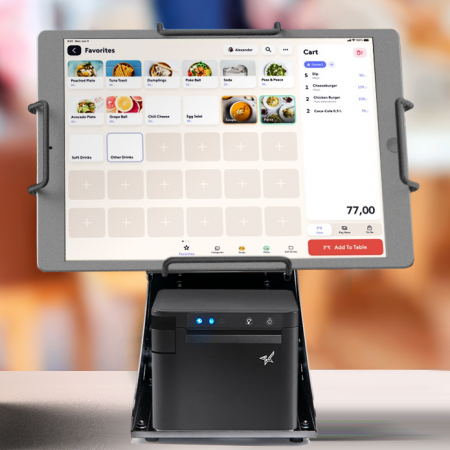
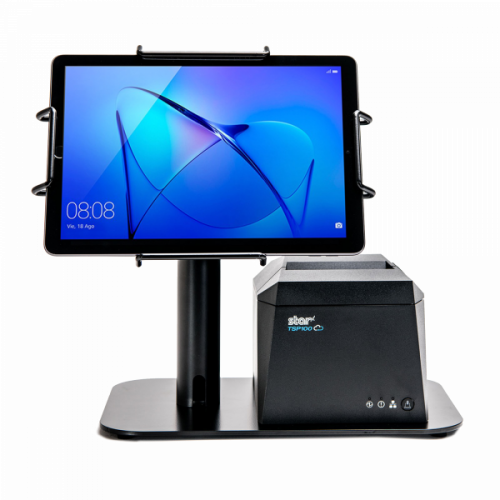
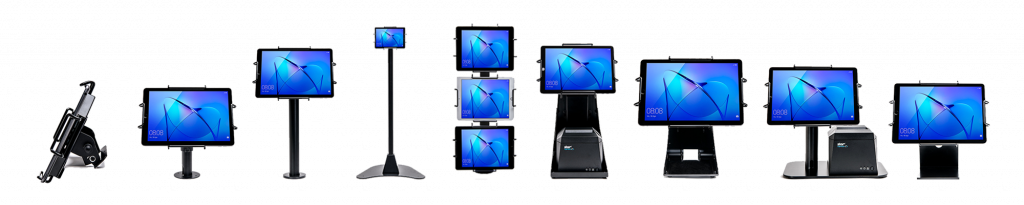
    Star Micronics has created the mUnite series of tablet display stands and mounts, the latest addition to its acclaimed mCollection series. The stands and mounts are sleekly designed, highly configurable, and easy to set up and use.

    A perfect choice for POS and self-service environments, mUnite stands and mounts include the following key features:

    Universal VESA Mounting

    Most mUnite stands use universal VESA mounting hardware to support all tablet and computer manufacturers, including the Star Micronics mPOS and mCollection lines. But there are a couple of fantastic tablet display stands that do not. Either way, the hold on your tablet is long-term.

    Clean Cable Management

    mUnite stands hide wires and cables within their sleek housing while routing power supplies under the counter, maximizing valuable countertop real estate.

    Easy to Tilt for Customer Interactions

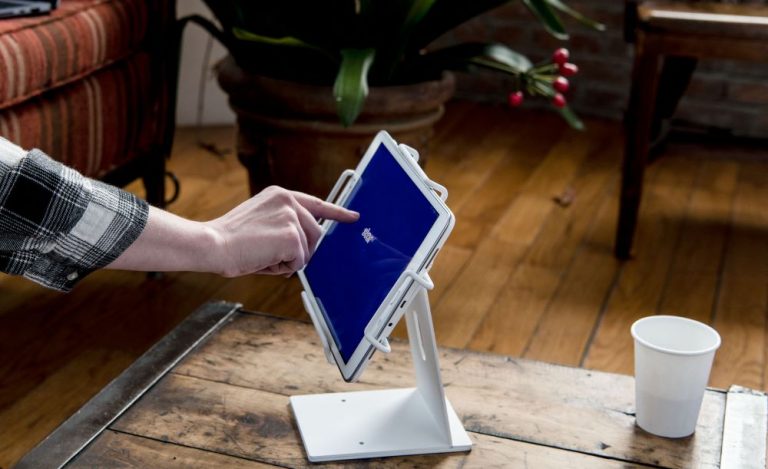
    mUnite stands have excellent maneuverability, making them adaptable to numerous settings and easy to tilt for order review, signature capture, and additional functions.

    Supports Two Screens

    Many mUnite stands can support additional customer-facing displays as well as horizontal and vertical tablet views, extending and enhancing the mUnite experience. 

    Discover mUnite

    Take back your counter with Star’s sleek and functional mUnite stands. Their clean designs keep your tablets connected and optimized while hiding cables, wires, and power supplies. Enhance your brand and delight customers with purpose-built, aesthetically pleasing mUnite tablet stands.

    Discover which tablet stand by Star is right for you:

  • The Tech Needed to Create Connected Workstations in Your Industry

    The Tech Needed to Create Connected Workstations in Your Industry

    Your clients are facing some of the most severe challenges they’ve ever encountered. Overhead and labor costs are rising, online competition has increased, customer loyalty is fleeting, and labor is hard to find. Merchants committed to business growth need new solutions to overcome these hurdles – and they need value-added resellers (VARs) and other point-of-sale (POS) solution providers to provide guidance and technical expertise to implement them successfully.

    Connected workstations that feature terminals or tablets and stands, printers, scales, and online ordering integration increase productivity and efficiency to help merchants future-proof their IT investments. 

    Providing and adding value to these solutions can also strengthen relationships with your clients and boost your bottom line as you help them use technology to navigate these challenges and achieve success. 

    But first, what exactly is a connected workstation?

    What is a Connected Workstation?

    A connected workstation is a grounding place where POS software connects with multiple hardware devices to create cohesive workflows. Employees or customers can enter and manage orders, purchases, payments, inventory, and more.

    In an era where customer expectations and industry demands are continuously evolving, the value of a connected workstation cannot be overstated, as it plays a pivotal role in boosting productivity, optimizing workflow, and, ultimately, driving business success.

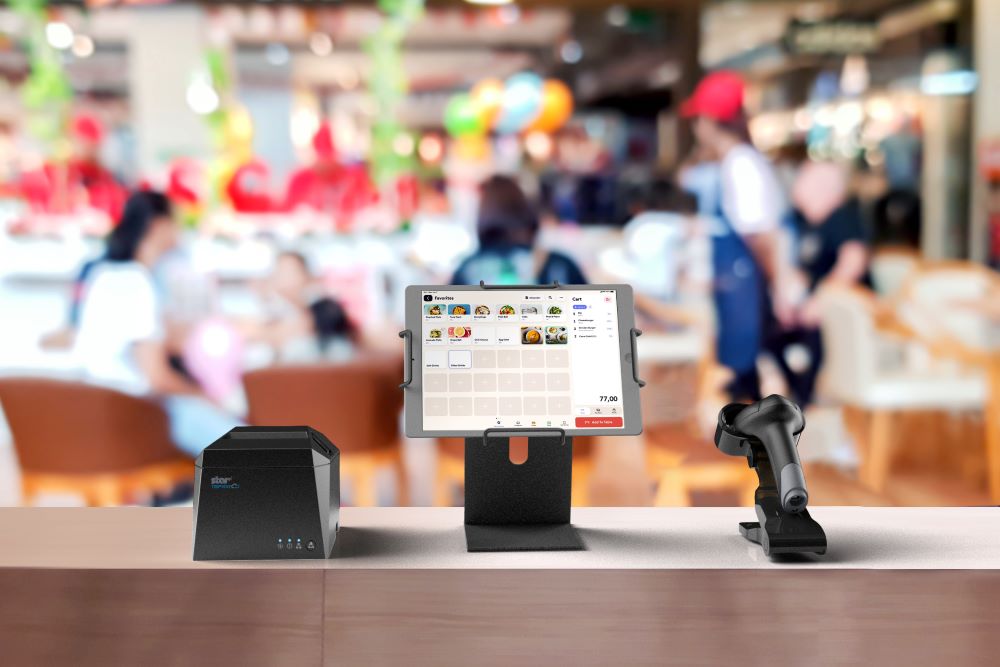
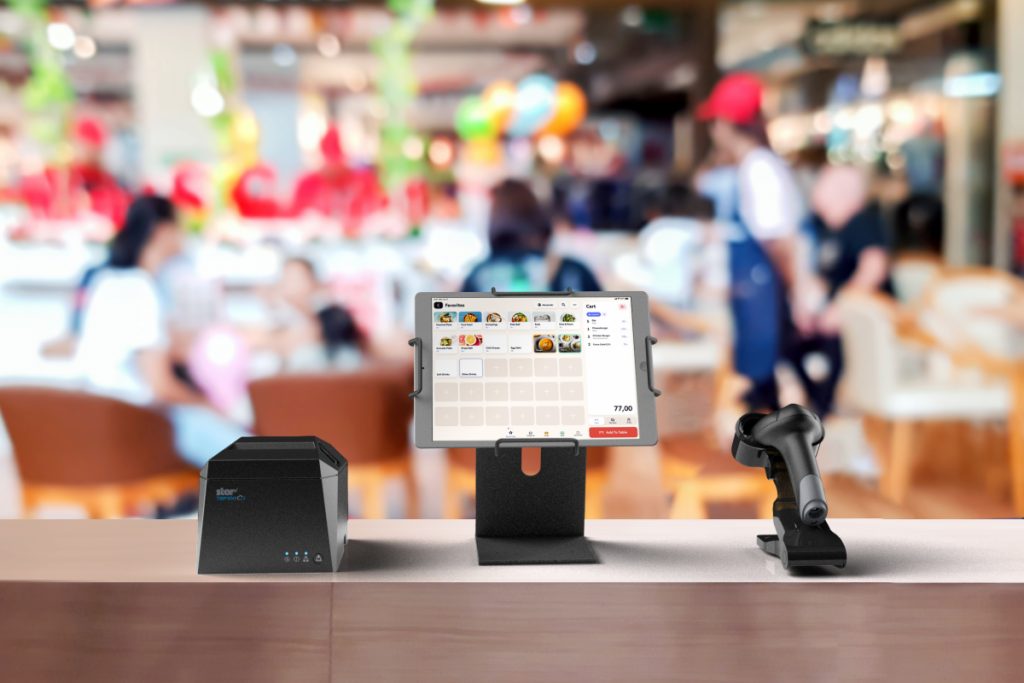
    A connected POS workstation in a QSR with the TSP143IV thermal printer, a 2D Wireless barcode Scanner and Kiosk tablet display Stand by Star Micronics.

    The Value of a Connected POS Workstation

    Connected workstations have become increasingly vital in the retail and hospitality industries as they greatly help streamline operations and enhance customer experiences. By integrating various devices and applications in one area, businesses can create a seamless, data-driven environment that enables real-time communication, improved order accuracy, and efficient inventory management.

    Furthermore, a connected workstation offers a centralized platform for staff to access crucial information, empowering them to make better-informed decisions and provide exceptional service.

    Future-proofing these POS or back-of-house workstations can help combat the most significant struggles faced by the hospitality industries:

    • Online ordering management
    • Labor shortages
    • Delivery automation
    • New payment methods


    Let’s dive into each of these issues:

    Online Ordering and Delivery

    Online ordering and delivery have become necessary to compete in the hospitality industry. By implementing these solutions, your clients can improve cash flow; however, it requires a range of new software and hardware solutions for effective management.

    A backend-connected workstation, including printing solutions for labels and receipts for third-party delivery services, can help a restaurant organize these operations, ensuring every customer receives accurate, on-time orders. Additionally, a solution like CloudPRNT gives employees managing online orders and delivery the freedom to print from any location in the restaurant by communicating directly with web-based POS applications.

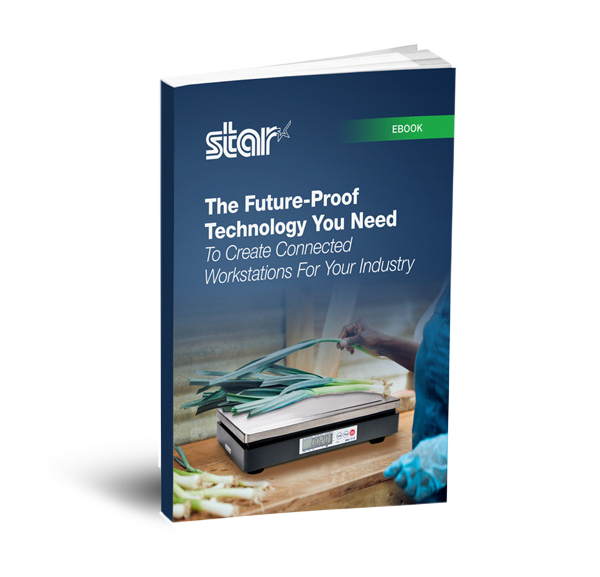
    Find out more about the benefits of creating connected POS workstations by downloading the rest of our free ebook:

    The Future-Proof Technology You Need To Create Connected Workstations For Your Industry

    Discover how future-proof technology can create optimized workstations to keep your business ahead of the competition.

    Love industry news? Check out our podcast:

  • Serial Cable Adaptor Connects Star Scanners to PC POS Systems

    Serial Cable Adaptor Connects Star Scanners to PC POS Systems

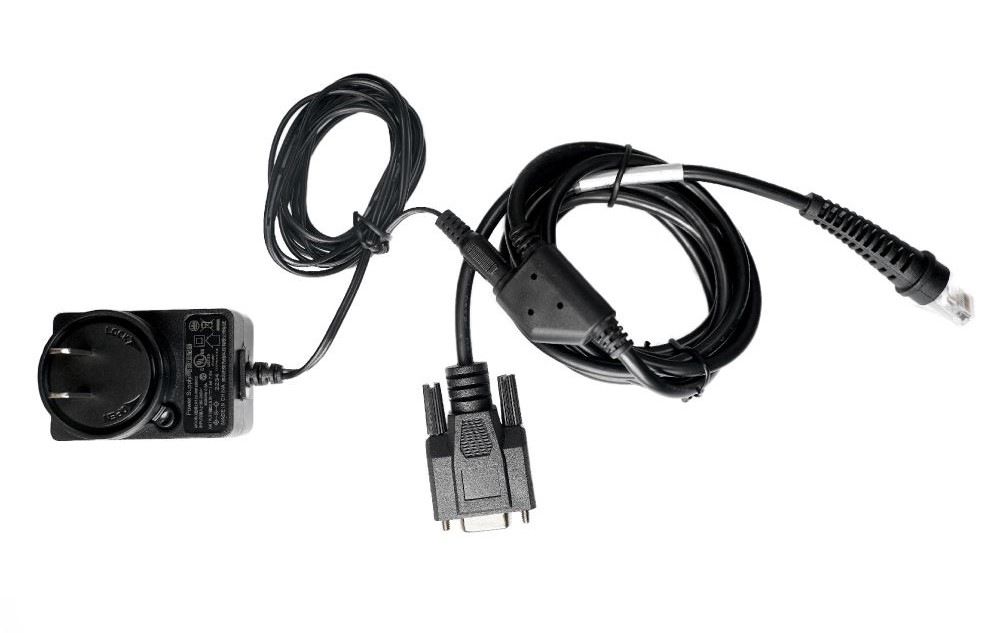
    This helpful serial cable kit comes with everything needed to attach select Star barcode scanner models to POS systems built with personal computers.

    Somerset, NJ – December 9, 2022 – Star Micronics, a leading manufacturer of mobile, point-of-sale (POS), and customer engagement technologies, is now offering a serial cable adaptor for select models of its 2D barcode scanner line. This cable adaptor allows retailers and business owners using PCs as part of their POS systems to enjoy all the same features and benefits of Star scanners.

    Thanks to its simplicity, the RS-232 standard has been commonly used in computer serial ports and is still widely used in industrial communication devices. With an ear always toward its audience, Star has now made it easy for anyone using a legacy POS system to attach Star’s desktop and handheld wired scanner models.

    With a variety of uses in retail, warehouse, hospitality, shipping, and more, Star’s IP-rated scanner line includes desktop, handheld, and wireless handheld models. They’re built tough and drop-resistant (up to 1.2m) with high-powered CPUs to increase efficiency and productivity. With Star’s cost-effective solutions, users get high-performance 2D barcode scanners for the price of 1D.

    This new serial cable adaptor and kit is currently available for Star’s BSH-HR2081 handheld USB wired scanner and BSD-FR4080 high-resolution desktop scanner.

    Love industry news? Check out our podcast:

    Star Micronics logo, point-of-sale (POS) hardware and technology company.

    Star Micronics, a world leader in point-of-sale (POS), has designated a portfolio of printing, secure cash management, self-service, and customer engagement solutions for any retail or hospitality establishment. Embracing the mPOS wave, Star’s SDKs allow developers to utilize Star printers in tandem with Android™, iOS, iPad®, and iPhone® devices to generate receipts, labels, Chit, and tickets. Star Micronics is always leading and always innovating, creating cloud-based printing solutions, including CloudPRNT and Star Cloud Services, with AOA support and MFi connectivity. Star also has a wealth of peripherals, including 2D barcode scanners, scales, tablet display stands, and more. Visit www.starmicronics.com or follow us on Facebook, Twitter, YouTube, or LinkedIn to learn more.

    Media Contact:

    Christin Dorner
    Star Micronics America, Inc.
    cdorner@starmicronics.com
    848-216-3318

  • How the POS Can Help Retailers Prepare for the Holidays

    How the POS Can Help Retailers Prepare for the Holidays

    The retail industry has been through some crazy ups and downs since the global pandemic began. Between the labor shortage, supply-chain issues, and the stock market crash, it’s a wonder how retailers can keep up with consumers at all. And now that we’re in the thick of the holiday season, there’s been mixed reporting on how this season will compare to last season. Business owners want to know: will holiday shopping be different this year?

    How will holiday shopping be different this year?

    According to a recent survey by McKinsey & Company, “there are good reasons for US retailers to be optimistic” this year.

    “After nearly three years of suppressed behavior resulting from the COVID-19 pandemic, people are primed to go all out to celebrate for the holidays. In the survey, 55 percent of US respondents say they are excited about holiday shopping, and most people have the savings to spend.”

    So, there is good reason to believe this holiday shopping season will be as busy as ever. Because of this, retailers and other business owners need all the help they can get during this stressful but rewarding time.

    Where the Point-of-Sale Comes In

    One of the most central areas in any retail store is the point-of-sale (POS). This is typically the final stop on the customer’s journey before leaving. The POS is where the payment process begins and ends, and the entire customer experience there must be seamless. Otherwise, retailers risk never seeing that customer again.

    Read on to find out how the POS can help retailers better prepare for the holiday season.

    Holiday sale in retail window shopping

    How the POS Can Help the Holiday Rush

    An increase in sales is, of course, the goal of any retailer. But what happens when you expect a steep rise in sales while simultaneously experiencing a labor shortage?

    The right technology can help short-staffed retailers survive the holiday season and thrive in it. After all, making a positive, lasting impression on shoppers by providing a flawless customer experience will pay off well into the future, not just this winter.

    Online Ordering

    When a store is short-handed, it’s especially important to streamline and quicken transactions. Being able to rapidly process a purchase or retrieve a buy online, pickup in-store (BOPIS) order means more sales and happier customers at the end of the day.

    If your store isn’t already online, it should be. Shipping to customers can keep your brick-and-mortar location flowing smoothly. Even if you don’t ship to customers, having the option to place a BOPIS order can not only make your shoppers’ lives more convenient but lighten the load of your salesfloor staff so they can focus on more important initiatives like customer service and swiftly processing the remaining in-store purchases.

    You can streamline your online ordering operations even more by utilizing technology like linerless labels to keep everything organized. Ideal for quickly and efficiently labeling orders, these peel-and-stick labels eliminate the pesky, messy traditional label liners and can easily be removed and reapplied. It may be wise to have a linerless label printer around.

    Self-Service Kiosks

    Self-checkout kiosks can really be a “two birds, one stone” solution for the holidays: they can alleviate your limited staff’s workload while also giving customers the option to pay at their own pace and without having to worry about coming in contact with another person. And shoppers love them, too. In the 2022 Digital-First Customer Experience Report, 81% of surveyed consumers in the US and UK expect more self-service options. And we already know people have been using self-checkouts much more since the start of the pandemic. They’re more comfortable with self-service than ever, and the technology will only get better from here.

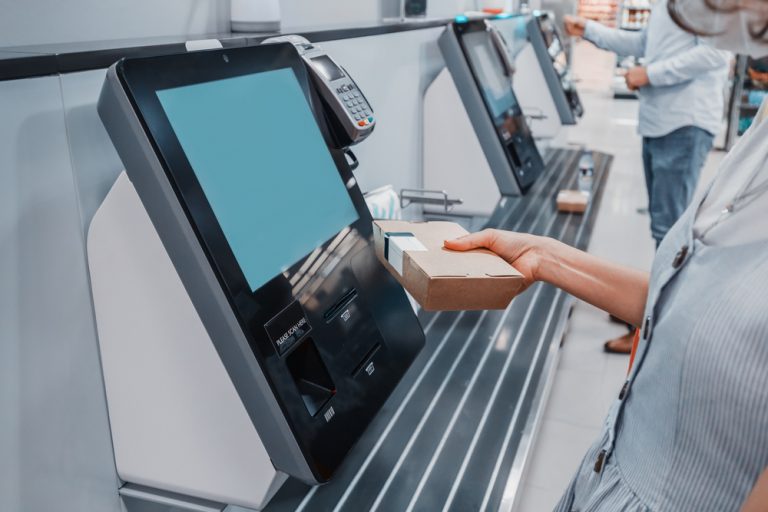
    Someone scanning a food item at a self-service kiosk station.

    Mobile Payments

    Even if you are still experiencing long lines in your brick-and-mortar, there’s a solution for you: mobile payments. With a mobile card reader and portable receipt printer, your staff can ring card- or mobile wallet-paying customers up anywhere in the store. Another “two birds, one stone” solution is mobile payments, which can allow staff to provide customer service or restock shelves while having the technology on hand to ring up any purchases nearby customers may have.

    Health & Safety Solutions

    We must remember that we are still coming out of the grip of a global pandemic. You can make holiday shoppers feel safe and confident by incorporating a variety of health and safety solutions into your brick-and-mortar store. Examples of these solutions include a sneeze guard at the POS and customer service counters, readily available hand sanitizer, and antimicrobial covers on door handles, bathroom surfaces, and more.

    Receipt Marketing

    With everything going digital, it’s easy to forget the power of a simple sales receipt. Receipts are prime real estate for advertising to customers. It goes directly into their hand after they’ve already made a purchase, making it more than likely that they will return. Despite popular belief, many people still do look at their receipts. Having promotional material right on the receipt raises the chances that high-quality customers will take notice.

    From the Blog: How a Paper Receipt Benefits ROI and the Customer Experience

    With so much competition, it’s important to not only boost cost efficiency but also optimize the experience customers have from the moment they enter the door up until the transaction is completed. Discover how paper receipts can help you achieve all of that – and more.

    Star’s Retail Solutions Will Have You Holiday-Ready

    Whether you are a retail store looking for products to help you this holiday season or you are a reseller hoping to offer your retail customers a relevant solution, Star has the hardware you need for a complete POS solution.

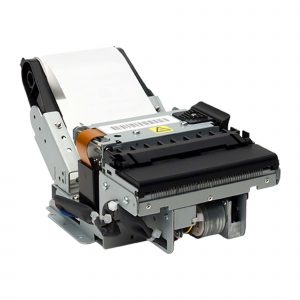
    The SK1-211 2" kiosk printer by Star Micronics.

    SmS230i Front copy

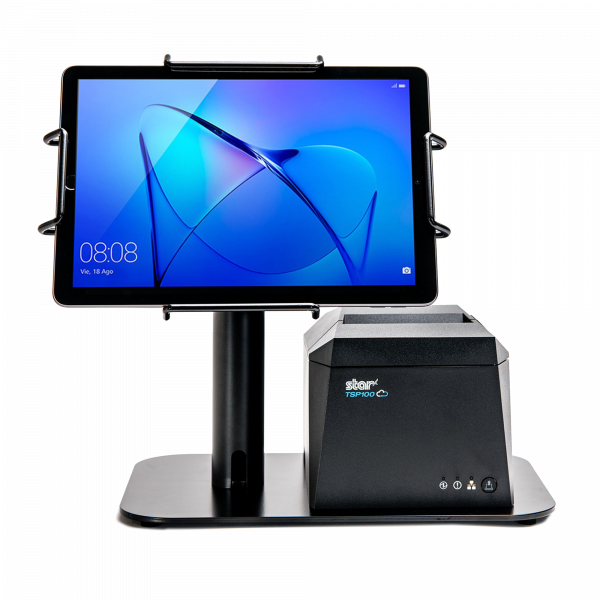
    The EZ POS tablet stand by Star Micronics. Shown in black with TSP143IV receipt printer.

    Kiosk Printers

    Printers are an integral part of self-checkouts. Star is proud to provide a range of reliable self-service kiosk printers with a variety of print widths and connectivity options. Learn more >

    Tablet Stands

    Star Micronics is proud to offer both function and style with its mUnite tablet display stands and mounts, built to accompany our vast array of printers, cash drawers, scales, and peripherals. These all-steel stands, kiosks, and mounts are compatible with any tablet manufacturer and any of our tablet enclosures, including the popular Universal mEnclosure. Learn more >

    CloudPRNT

    Star makes online ordering easy. By choosing a printer equipped with CloudPRNT technology, you can print online orders automatically – no extra tablet needed. Learn more >

    Portable Printers

    Looking to line-bust? Star’s portable printers are what you need. With Bluetooth, Apple BLE, and USB connectivity, these on-the-go printers print receipts and labels. Better yet, they have rugged housing and feature a long battery life, as well. Learn more >

    Star Micronics Cloud Services

    With Star Micronics Cloud Services, developers and business owners can monitor connected Star devices in real-time, collect crucial data, and create customized receipts, tickets, and labels. Add promotional material to receipts and schedule holiday sales. Update firmware offsite. Star Cloud Services makes it easier than ever for merchants to elevate their brands. Learn more >

    Receipt Marketing is Easy with Star Cloud Services

    Adding promotional content to receipts with Star Cloud Services is a simple, free way to get messages out to highly engaged customers. These cloud-based services allow receipt promotions to be set up and scheduled beforehand, automatically printing on certain days or times.

    Here are some examples:

    Holiday receipt marketing promotion from Star Micronics Cloud Services.

    Holiday receipt marketing promotion from Star Micronics Cloud Services.

    Holiday receipt marketing promotion from Star Micronics Cloud Services.

    Holiday receipt marketing promotion from Star Micronics Cloud Services.

    Holiday receipt marketing promotion from Star Micronics Cloud Services.

    Holiday receipt marketing promotion from Star Micronics Cloud Services.

    Holiday receipt marketing promotion from Star Micronics Cloud Services.

    Using the POS for Holiday-Preparedness is Clear

    Though it’s always insanely busy, retailers should not be worried about the retail holiday season. If steps are taken ahead of time, and they’re utilizing every resource, including their point-of-sale system, merchants and business owners can absolutely keep up with consumers during every holiday shopping season!

    The Value of Receipts: Printed and Digital

    There’s no getting away from it: receipts hold great value and are an irrefutable part of everyday life. 

    Love industry news? Listen to the podcast:

  • How Technology Helps Today’s Healthcare Challenges

    How Technology Helps Today’s Healthcare Challenges

    In recent years, the healthcare industry has been dealing with a storm of challenges. First and foremost has been managing the COVID-19 pandemic. As new variants emerge and surges occur, the Centers for Disease Control (CDC) have continually updated guidelines and recommended new protocols ranging from surge mitigation to optimizing limited personal protective equipment (PPE).

    Pandemic pressures have contributed to another healthcare challenge: a growing labor shortage. According to the American Nurses Association (ANA), nurses are retiring or leaving the profession (many citing burnout) in large numbers: an estimated 1 million will retire by 2030. As a result, nursing programs cannot produce enough graduates to keep up with demand and are turning away thousands of qualified applicants because of a shortage of faculty and facilities. Now, nurses and other remaining medical staff are overworked and exhausted.

    Tired and overworked nurses sitting to rest.

    The stresses of the pandemic and the labor shortage add to a third major challenge: the need to reduce medical errors. On-the-job mistakes range from misdiagnoses and surgical errors to patient misidentification and medication errors (all of which account for between 7,000 and 9,000 US deaths annually). Integrating technology to assist hardworking medical professionals can significantly reduce these tragic errors.

    Tech Solutions Help Hospitals, Clinics, and Pharmacies Overcome Challenges

    Ever-shifting pandemic protocols, fewer available professionals, and an increased need for efficiency and accuracy are major healthcare pain points. However, technology is available to help clear these hurdles.

    Download our free ebook below to find out more!

    Healthcare Goes High-Tech: How Technology is Solving Healthcare’s Operational Challenges

    The proper technology can help businesses in the healthcare industry streamline workflow and make up for employment shortages, helping to prevent costly errors.

    Check out our Health & Safety Toolbox for the Retail & Hospitality Industries for more info about how Star solutions can help overcome current challenges:

  • 5 Ways a Self-Service Kiosk Can Boost Retail Sales

    5 Ways a Self-Service Kiosk Can Boost Retail Sales

    In a world where consumer attention spans are shrinking, and store competition has never been more cutthroat, retailers need to find new ways to make their customers want to return to their stores again and again. One way to do this is by introducing a self-service kiosk in stores.

    Many reports have found that customers want more self-service options as they shop, especially as technology improves. Self-service kiosks allow customers to quickly get the information they need and make purchases without waiting on any service staff, but there are more benefits, and they all lead to more sales.

    5 Ways A Self-Service Kiosk Can Boost Retail Sales

    The following five ways a self-service kiosk can boost retail sales will show how these changes can help retailers compete in today’s market.

    1) Help with Labor Shortage

    Self-service kiosks can help retailers bypass much of the pain of the ongoing labor shortage. They reduce the overhead costs of labor and allow shoppers to interact with products without a salesperson’s assistance. This also allows retailers to give better customer service since the kiosks can provide in-depth product knowledge and personalized recommendations.

    Young man using a self-service kiosk.

    All items are neatly organized onscreen and show whether they’re in stock, saving employees time and energy going back and forth to check on supply or answer customer questions. Self-service kiosk software can answer most questions right on the spot. Then, in-store employees have more time to help shoppers with other needs.

    2) Decreased Wait Times

    Long wait times are a major reason retailers lose sales, but self-service kiosks can help. By allowing customers to serve themselves, they help shorten the wait time and create an experience where the customer is in control. Some self-service kiosks require a clerk to monitor, but one employee may be all you need to serve many customers at once with multiple kiosks around. An example of this we see every day is at the grocery check-out.

    3) Increased Upselling

    The use of self-service kiosks can also increase upselling. POS software for self-service kiosks can show customers other items they may like as they ring up current selections, often resulting in greater sales. The shopper might have been looking for a sweater, but after viewing more products in the clothing department, they may buy a jacket or pair of pants as well. With the help of self-order kiosks, retailers can track what each customer is looking at so that staff members know to suggest other items that are likely to sell.

    Two young women browsing on a self-service kiosk machine.

    4) Real-time Analytics

    This brings us to our next point: self-service kiosks can track customer behavior in real time. Having up-to-date analyses of your customers is critical in decision-making and marketing. The data from POS software on self-service kiosks can help you make more strategic decisions about your store. For example, email campaigns can be optimized based on customer browsing behavior and buying trends tracked within the software.

    On the other hand, for retail managers, these tools can provide a wealth of insights into customer demographics and a breakdown of how different people browse your store. Inventory is tracked automatically, and merchants can see which items are selling better and at what times. Self-service kiosks can help retailers get to know their customers based on purchases, so knowing what items are popular and what to stock more of is easier than ever. Self-ordering kiosks also allow customers to complete simple tasks like signing up for rewards programs or redeeming coupons on the spot.

    5) Increased Customer Satisfaction

    Self-service kiosks work great because they’re easily accessible to most consumers. Most people are comfortable using a touchscreen to navigate through a platform. The kiosks cut back on lines, getting rid of awful waiting times. They also create a welcoming environment by providing instant gratification, and they offer personalized services to each customer that makes them feel valued.

    Woman using a kiosk machine.

    Customer satisfaction inevitably rises with less waiting time and more personalized shopping experiences. When shoppers are happy with their experience, they are much more likely to return for repeat purchases and recommend the store to friends and family members. All of this leads to increased sales.

    Self-Service Kiosks Boost Sales

    With all the above benefits, it’s easy to see how self-service kiosks can boost retail sales. Using technology to help customers ring themselves up and browse through store selections isn’t going away. Self-service is growing. How are you incorporating it into your own business to stay competitive?

    Star has all you need for self-service kiosk printing and more!