Author: Heidi Orpilla

  • 5 Futuristic Ways to Order Online

    5 Futuristic Ways to Order Online

    Ah, online ordering. Who doesn’t love it? Online ordering makes the ordering process easier, improves order accuracy, keeps costs transparent, and more. And the public agrees: a whopping 86% of consumers report using online ordering services at least monthly, and a third are using it more than they did a year ago.

    One of the biggest segments of online ordering is food delivery, which is expected to grow 12% each year, for the next five years (and beyond, we’re sure). In such a booming industry (online food delivery alone is expected to be a $137 billion market by 2023), it comes as no surprise that new ways to order on the web are popping up left and right. Let’s explore five futuristic ways to order online – that are already happening.

    Free Online Ordering Resources

    Social distancing has deeply affected our customers in the restaurant industry. That’s why Star Micronics is offering free online ordering resources for VARs and ISVs helping restaurants navigate the implementation of online ordering.

    Download Online Ordering Toolbox

    1. Order by Tweet

    Did you know that on top of catching up on your daily news and memes, you can also order a pizza on Twitter? Domino’s Pizza allows customers to make a “pizza profile” on its online delivery service, create an “Easy Order” (which is like a pizza speed dial), link the pizza profile to their Twitter account, and order simply by tweeting a pizza emoji to Dominos’ Twitter account. Dominos also allows customers to order via Google Home, Alexa, Slack, Facebook Messenger, and more. Ordering via social networks is an interesting thing, and there is certainly already a market for social media-driven online ordering.

    2. Order Through Virtual Assistant

    You can ask Alexa for the forecast, to play your favorite song … or to order your lunch. Companies such as Just Eat, which has 24 million customers across the globe, are using virtual assistant technology to further modernize and personalize the food ordering process.

    Per Storm Fagan, head of product at Just Eat, “It’s as simple as having a conversation with your partner and you’re talking about what takeaway to order of an evening and, as natural as that conversation is, a voice assistant like Amazon Alexa will join in with your conversation. It will know how many people are in your home and what sort of food you like, and they can start recommending food options to you. Rather than us having to go to a website, it’s almost as if Just Eat will exist in your home with you.”

    3. Order via Smartwatch

    Smartwatches are no longer just for early adopters: in 2018 alone, 141 million of them were sold. With such a big adoption comes another wave of innovation and new features. One example of this is OrderUp/GrubHub, which allows a customer to place an order, track delivery status, and check estimated time of arrival, all through their watch. Expect to hear more about smartwatch functionality in the near future – the market is expected to grow to $73 billion by 2022.

    4. Order from Car

    Cars aren’t just for driving you to places where you can buy things – now you can buy things directly through your car! Take General Motors, for example. The automaker has launched GM Marketplace in millions of its cars, providing car owners the option to order food and beverages from Starbucks, Dunkin’ Donuts, Wingstop and more – all through the press of a button. Because the vehicles that feature GM Marketplace also have Wi-Fi connectivity, when drivers place an order through their car, it automatically will locate the nearest store and direct the driver how to get there. Although the service is predominantly foodservice-based, GM says there’s a huge potential for retailers to cash in on orders placed through cars.

    5. Order with Eyes

    Perhaps the most far fetched-sounding method of them all, believe it or not, you can order with your eyeballs. In conjunction with Tobii Technology, Pizza Hut developed Subconscious Menu, which tracks customer eye movement, and suggests pizza ingredients based on what a customer’s eyes focused on. Creepy? A little bit. Efficient? You betcha: the menu can suggest just the right pie for you, out of nearly 5,000 combinations, in 2.5 seconds.

    Is Your Restaurant Ready for the Online Ordering Trend?

    Download eBook

  • Delivery Robots: Coming Soon to a Sidewalk Near You

    Delivery Robots: Coming Soon to a Sidewalk Near You

    As futuristic as they might sound, delivery robots are here and they are flourishing. Since more than 60% of a merchant’s customers live within three miles of one of their stores, delivery robots are a great way for restaurants, retailers, pharmacies, and more to complete deliveries.

    In 2018, the U.S. delivery robot market was worth $11.9 billion, and it’s predicted that it’ll be worth a whopping $34 billion by 2024. A big reason for that is online shopping: between 2016 and 2017, U.S. online retail sales jumped 16%. And we can’t forget robotic food and beverage delivery, which has already been adopted at university and corporate campuses across the world.

    So, are delivery robots really that beneficial? And who’s using them? Let’s take a look at some of today’s top delivery robots and the impact they’re having.

    Who is Using Delivery Robots?

    • FedEx: FedEx recently announced that its autonomous home delivery robot, the FedEx SameDay Bot, is under development. The FedEx SameDay Bot is designed to operate all by itself, using sensors and artificial intelligence to make same-day and last-mile deliveries via optimal routes. Recently on “The Tonight Show Starring Jimmy Fallon,” the bot even successfully navigated sand, rocks, and water. The bot is being tested this summer in Memphis, and will make deliveries for AutoZone, Lowe’s, Pizza Hut, Target, Walgreens, and Walmart.
    • Amazon: It probably comes as no surprise that this January, Amazon, one of the world’s most innovative companies, unveiled its own tiny autonomic delivery device, Scout. The size of a small cooler and featuring six wheels, Scout currently delivers Amazon packages to a neighborhood in Washington. Amazon also recently patented a retrieval robot that would remain inside a consumer’s home and autonomously fetch deliveries from a nearby delivery truck.
    • Postmates: Postmates delivers orders from more than 350,000 restaurants, retail shops, grocers, and more, and recently rolled out Serve, arguably the world’s most adorable delivery robot. Serve can carry up to 50 pounds of product and can deliver items within a 30-mile radius, all on a single charge. The cute bot even features dynamic light-up eyes, which communicate when Serve is changing direction or performing specific tasks. Serve will first launch in the Los Angeles area, and is slated to hit other U.S. cities this year.

    Benefits of Delivery Robots

    • Fast: In this day and age, there is a true need for speed. More and more of today’s consumers expect deliveries to reach their front door (or office desk) within the same day, or even hour. Traditionally, the last leg of the delivery is incredibly inefficient; as Henry Harris-Burland, an executive at delivery robot company Starship, said: “Think about vans stopping and starting 150 times outside of 150 houses in one neighborhood. It’s an incredibly large waste of time.” Delivery robots help speed up deliveries by increasing efficiency in the last couple of miles from a store to the delivery location – cruising at about 4 miles-per-hour, bots can deliver within 15 to 30 minutes.
    • Space Efficient: Trucks, bicycles, and scooters typically complete the final leg of the delivery process, dangerously crowding city streets. In fact, a Mobility Lab and George Mason University study found that 73% of freight and delivery vehicles in Arlington, VA were parked in unauthorized areas, blocking things like bike lanes, fire hydrants, and crosswalks. By sticking to sidewalks, delivery robots help combat congestion and keep emergency paths clear.
    • Money-Saving: On top of speeding up the store-to-home process, delivery robots can also save companies money – lots of it. According to a 2018 McKinsey & Company report, delivery robots could help reduce last-mile delivery costs by as much as 40%! Although delivery robots can cost a lot to manufacture, in the long run they could save companies billions.

    Now on to the fun stuff … let’s see some delivery robots in action:

    We’re excited to see what the future has in store for delivery robots!

    Looking to enhance your home delivery services? Discover why BLE thermal printers are ideal for direct story delivery (DSD) applications.

    Download eBook

  • Infographic: Benefits of EMV Compliance

    Infographic: Benefits of EMV Compliance

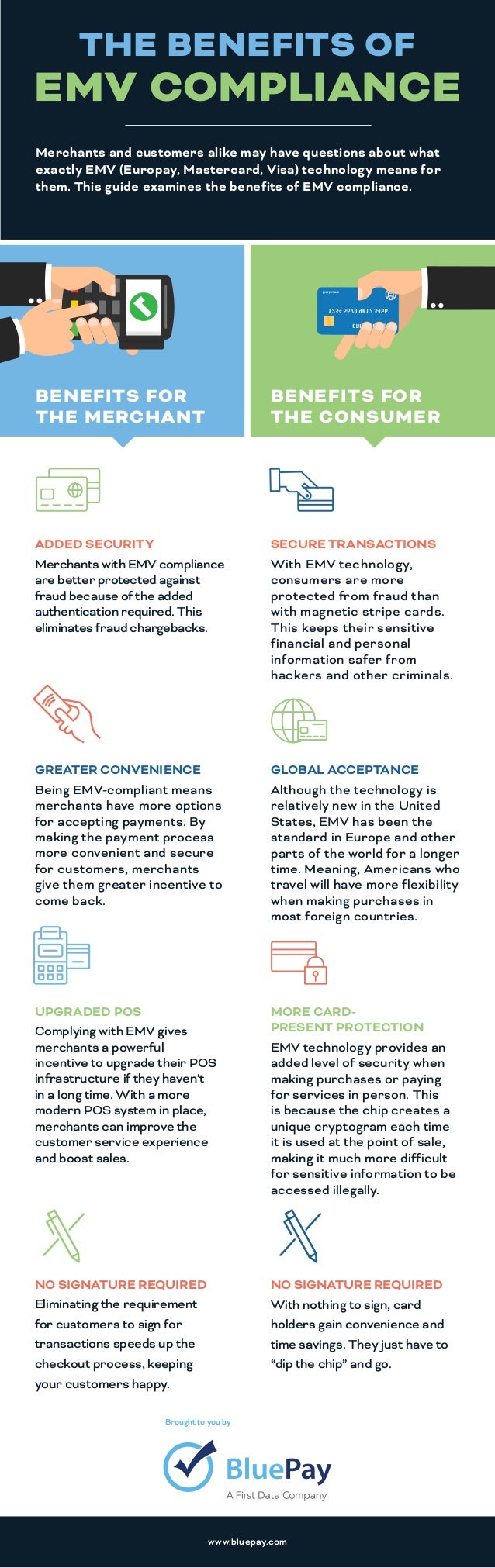
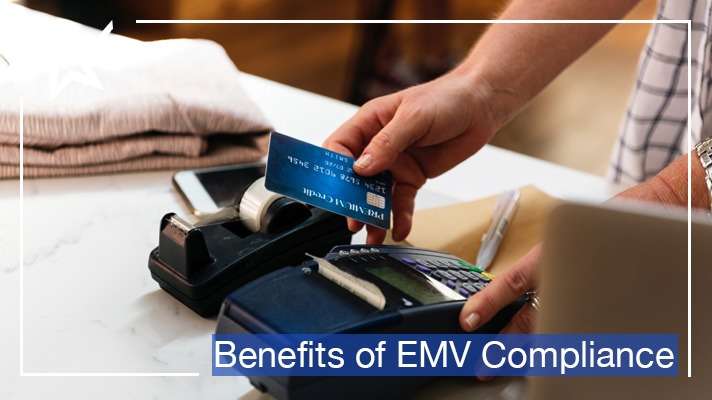
    EMV: we’ve all heard of it, but what exactly does it mean and how does it work? Even more important, what are the benefits of EMV compliance, for both merchants and consumers?

    Europay, Mastercard and Visa, or EMV for short, is global standard for payment cards equipped with computer chips and technology that enable a business’s POS system to authenticate a transaction. Thanks to the EMV standardization, chip cards work worldwide at any payment terminal capable of processing chips.

    Designed to protect consumers and reduce costly fraudulent purchases, EMV has been in existence since 1994, but didn’t make major waves in the United States until October 2015, when a new set of compliance rules hit the nation. According to the new rules, American businesses that do not process EMV (and still process transactions via magnetic strip) will be held responsible for any fraudulent charges made at their location.

    Any way you cut it, EMV compliance is important, but what benefits does it hold? Read on to discover the many ways EMV compliance is helpful to both businesses and consumers.

    EMV Credit Card Processing

    Benefits of EMV Compliance Guide created by BluePay

    Looking to upgrade your POS system? Check out the Star Micronics Ultimate Guide to Building Your iOS POS System.

  • 5 Ways to Incorporate the Internet of Things into Your Store

    5 Ways to Incorporate the Internet of Things into Your Store

    The Internet of Things (IoT) is no longer just a buzzword – it’s a living, breathing technology that’s making a splash in retail stores around the world. By 2020, it’s estimated that there will be over 30 billion IoT devices!

    IoT offers great benefits to the retail industry. In fact, 77% of retailers believe it improves the customer experience, 89% report that it provides increased insights into customer preferences, and 77% say that it helps them work with partners to deliver quality products and services.

    How will IoT devices impact stores’ bottom lines? By reducing inventory error, optimizing supply chain management, and decreasing labor costs, it’s estimated that the potential economic impact of IoT in retail environments will range from $410 billion to $1.2 trillion per year by 2025!

    So, how can you take advantage of IoT? Below are five ways to incorporate this new wave into your store.

    1. Personalized Discounts

    Did you know that nearly half of consumers are willing to share their personal data in exchange for exclusive benefits? One of the biggest benefits shoppers are looking to receive is personalized promotions. By installing connected sensors around your store, you can send loyalty discounts to customers when they stand near certain products.

    You can also use IoT to track what items a customer has looked at online, and then give them a personalized discount on that specific item when they visit your physical store. Another great way to use customer data to promote sales is through Star Micronics PromoPRNT, a value-add program that works with your existing receipt printer to deliver promotions directly on printed receipts.

    2. Smart Shelves

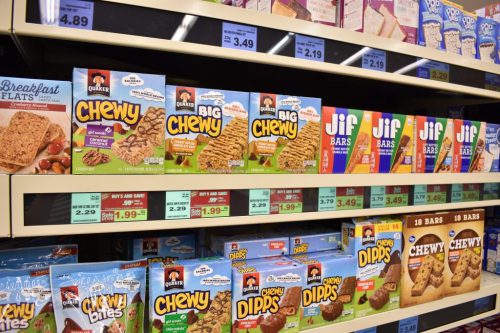
    Kroger-Smart-Shelving-e1574803021906
    Smart Shelving in a Kroger Store. (Source: Microsoft News)

    Soon retail shelves as we know it will be completely different, thanks to smart shelves. This next-generation shelving includes electronic labels, personalized advertisements, RFID technology, and IoT sensors. One popular use case for smart shelves is supermarkets – grocery retailers are expected to increasingly use smart shelves to quickly update product prices, as well as display promotions, nutritional data, coupons, videos, and more.

    Smart shelves can also interact with apps on a customer’s phone and do things like show shoppers where to find all the items on their grocery list, and enable each item to be scanned by a robotic checkout.

    3. Beacons

    Beacons – or small wireless sensors that can be attached virtually anywhere – work with customers’ smartphones to collect locational and contextual data (if they have downloaded your app). These sensors can be used to track shoppers when they’re in your store and send them personalized content, coupons, and more. In the age of online shopping, this level of exclusive, tailored content is just what stores need to keep drawing customers into their brick and mortar establishment.

    The truth of beacon success is in the numbers: approximately 75% of shoppers provided with beacon content say it increased their chances of making a purchase, and over 60% said they’re willing to spend more money on holiday shopping at brick-and-mortar stores if they’re sent special offers.

    4. Digital Signage

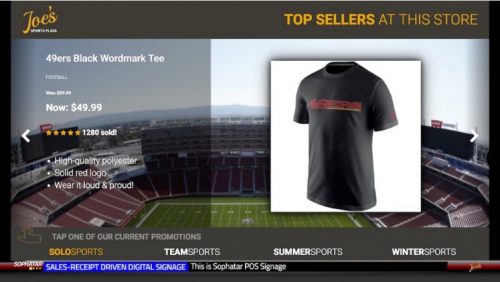
    Sophatar-e1574803038566
    An Example of Digital Signage. (Source: Sophatar)

    Any way you cut it, digital signage is huge in both helping boost a store’s attractiveness, as well as pushing data-driven content to strategically targeted customers. Digital signage can truly unify your IoT efforts by collecting customer data from beacons, sensors, and smart devices, and then display commercials, product information, and personalized promotions – at just the right time.

    Curious how big of a market digital signage is? Hint: huge. The global market value for digital signage is expecting to grow to $32.84 billion by 2023! If you’re looking to make the most of your digital signage, consider using a tool such as Sales Receipt Viewer & Analytics. The tool provides web-based receipt data and allows you to download digital receipts, analyze sales trends, discover sales anomalies, and more.

    5. Supply Chain Management

    Simply put, IoT is redefining supply chain management across the globe. Here are three examples:

    • Asset Tracking: RFID and GPS sensors can track products from factory to store. This not only makes asset tracking much easier, but it can also provide important information such as what temperature a product was kept at and how long it took to sell.
    • Inventory: Using IoT sensors, retailers can instantly check inventory levels and proactively receive alerts when a product’s inventory is low. The sensors are also very helpful in tracking purchasing trends, making inventory management a more efficient process.
    • Maintenance: IoT sensors can also be placed on manufacturing equipment to keep on top of scheduled maintenance, preventing expensive and untimely break-downs.

    Did you know that valuable connected data can be provided by your receipt printer?

    Learn More

  • 8 of the Coolest Food Halls in America

    8 of the Coolest Food Halls in America

    Say hello to food halls, the food court’s trendy, eclectic cousin. A food hall is defined as “a commercial space with communal seating populated by a variety of curated, high-quality local food purveyors.” Run by entrepreneurs, celebrity chefs, and creative next-generation cooks, these food bazaars are immensely growing in popularity. In 2010, there were just 25 American food halls, but by 2020, it’s estimated that 300 will call the United States home. Before we explore eight of the coolest food halls in America, let’s quickly review some food hall features:

    • They’re Everywhere – and for Everyone: Realty-wise, food halls are popular among mall operators and real estate developers who see them as part of an experiential retail strategy. While some food halls are owned by the city and some are privately owned, they’re becoming a key feature in commercial, residential, and mixed-use buildings. On the consumer side of things, those who enjoy dining out – and eating authentic, delicious dishes – are an ideal food hall customer (in other words, almost everyone!).
    • They’re Cost-Efficient and Successful: Startup costs for restaurants are huge and a hard pill for many to swallow (it takes an average of $250,000 to open one). For many entrepreneurs, food halls are a far less risky, month-to-month rental option. Although the cost per square foot may be higher in a food hall than a standalone location, entrepreneurs get the added benefit of more foot traffic, a shared economy with other restaurants, and an aggregated social media following from the food hall – all which boils down to a better chance at succeeding. And the success of food halls certainly shows in the numbers: out of over 100 halls that have opened in America, only three have failed.
    • They’re Playing a Part in Urban Renewal: Food halls aren’t just good for restaurateurs – they’re great for their respective communities, too. In fact, they’re becoming a key element in revitalizing inner-city areas. One prime example of this is the Reading Terminal Market in Philadelphia, which accepts more food stamps than any other place in the city. Food halls are also being planned for smaller urban areas like Plano, Texas, Greenville, South Carolina, and Raleigh, North Carolina.
    • They’re Experiential: From incubation kitchens and event spaces to live music and art installations, food halls are the definition of experiential. When it comes to theme, some food halls share one theme (for example, one entire hall is French -themed). On the other hand, some contain a large, diverse variety of food and beverages to choose from. There’s a food hall for everyone!

    Now on to the fun stuff – let’s take a look at eight of the coolest food halls in the U.S. (in no particular order).

    1. Midtown Global Market – Minneapolis, Minnesota

    “An Internationally-Themed Public Market with Great Food, Cultural Experiences and Unique Gifts”

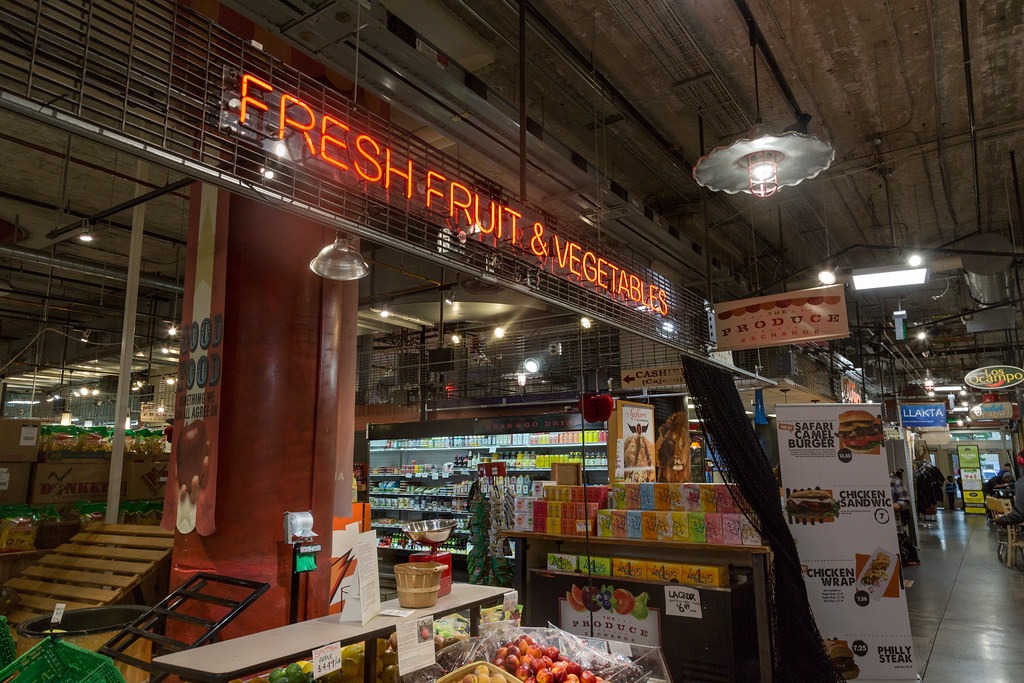
    Midtown Global Market
    Source: flickr.com
    • Opened in 2006 with the backing of four non-profits
    • 50+ shops, stalls and purveyors of international cuisines
    • Interesting Features: Indian burritos, camel burgers, cooking classes, live music, indoor farmers market

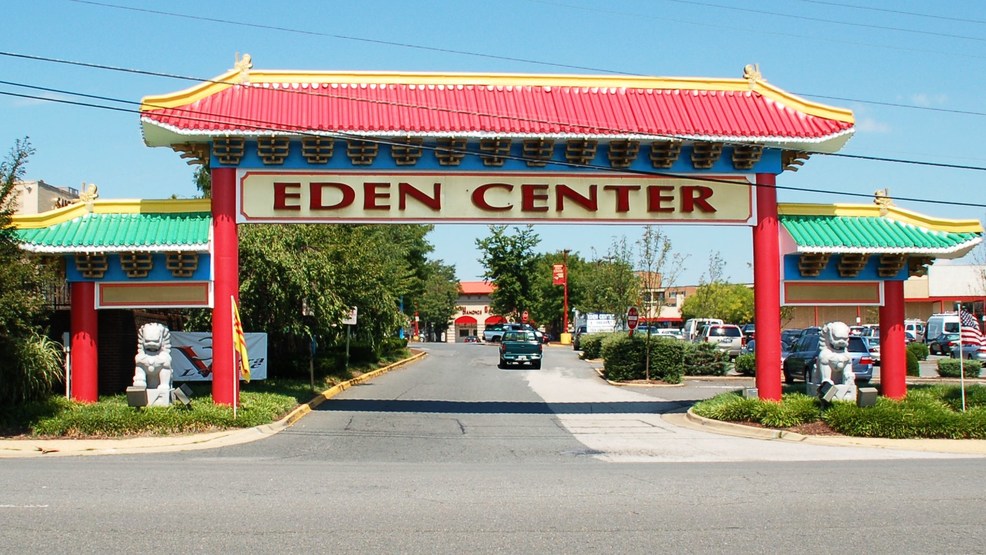
    2. Eden Center – Falls Church, Virginia

    “Washington DC’s Premier Destination for Vietnamese Cuisine and Specialties”

    Eden Center
    Source: DC Refined
    • Houses the highest concentration of Vietnamese-owned businesses in America
    • 100+ shops
    • Interesting Features: authentic pho, fried tofu bites, caramelized freshwater prawns, various cultural events

    3. Ponce City Market – Atlanta, Georgia

    “A Vibrant Community Hub Housing the Central Food Hall, Various Shops, Flats and Offices, All While Pointing Back to the Roots of its Inception”

    Ponce City Market
    Source: Atlanta Magazine
    • Located in the historic Sears, Roebuck & Co. building
    • Interesting Features: Crispy fish sandwich (with a different fish each day), edible cookie dough shop, old-fashioned candy store, carnival amusements and refreshments

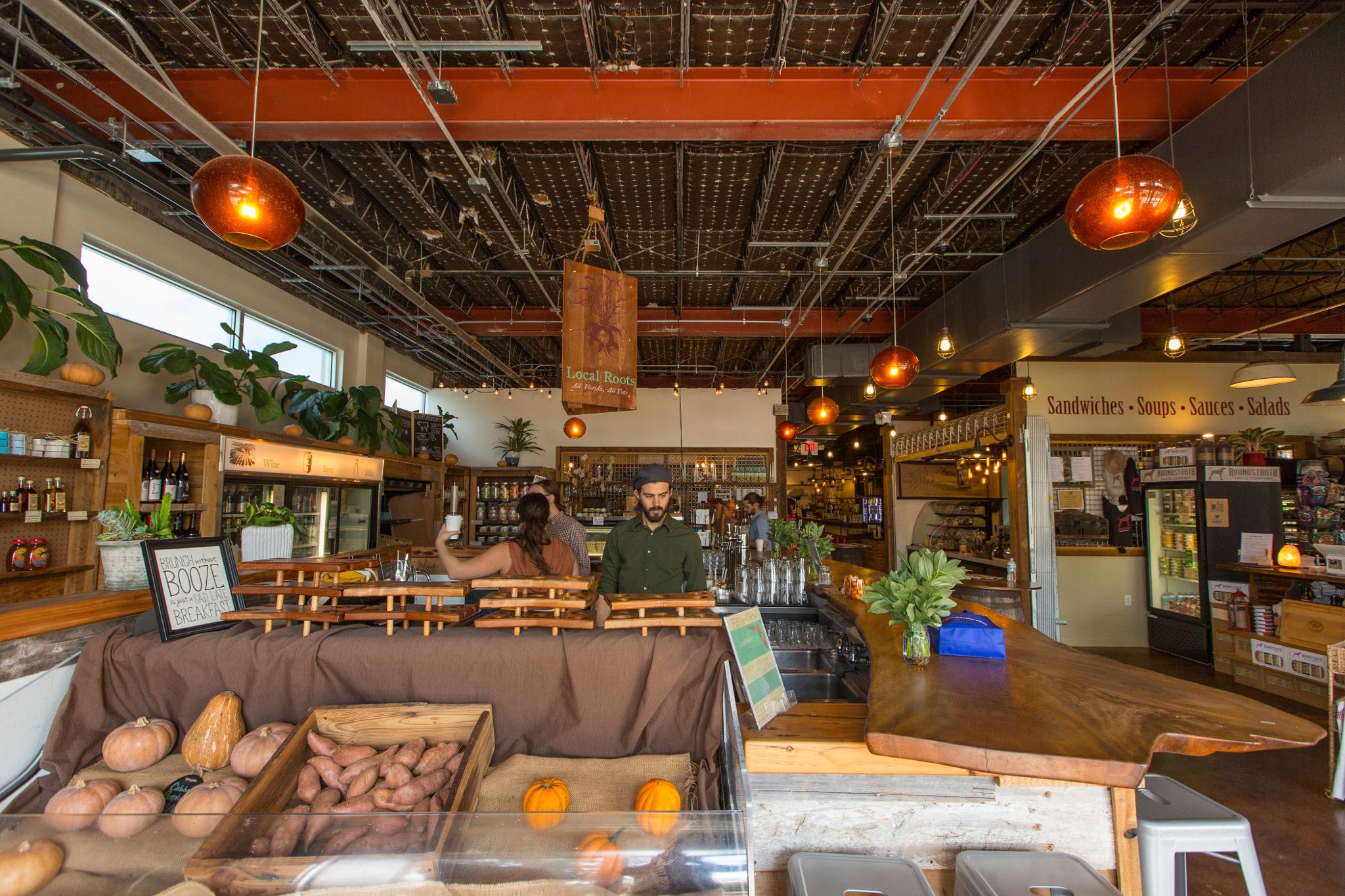
    4. East End Market – Orlando, Florida

    “Central Florida’s Food and Culture Hub”

    East End Market
    Source: Visit Orlando
    • Showcases Central Florida’s top food entrepreneurs, tradespeople, artists and chefs
    • Home to 12 merchants, an event space, a demonstration kitchen, an incubator kitchen, offices, retail shops, a caterer, and a full-service restaurant
    • Interesting Features: food business startup classes, customizable cooking classes, in-house meal delivery service

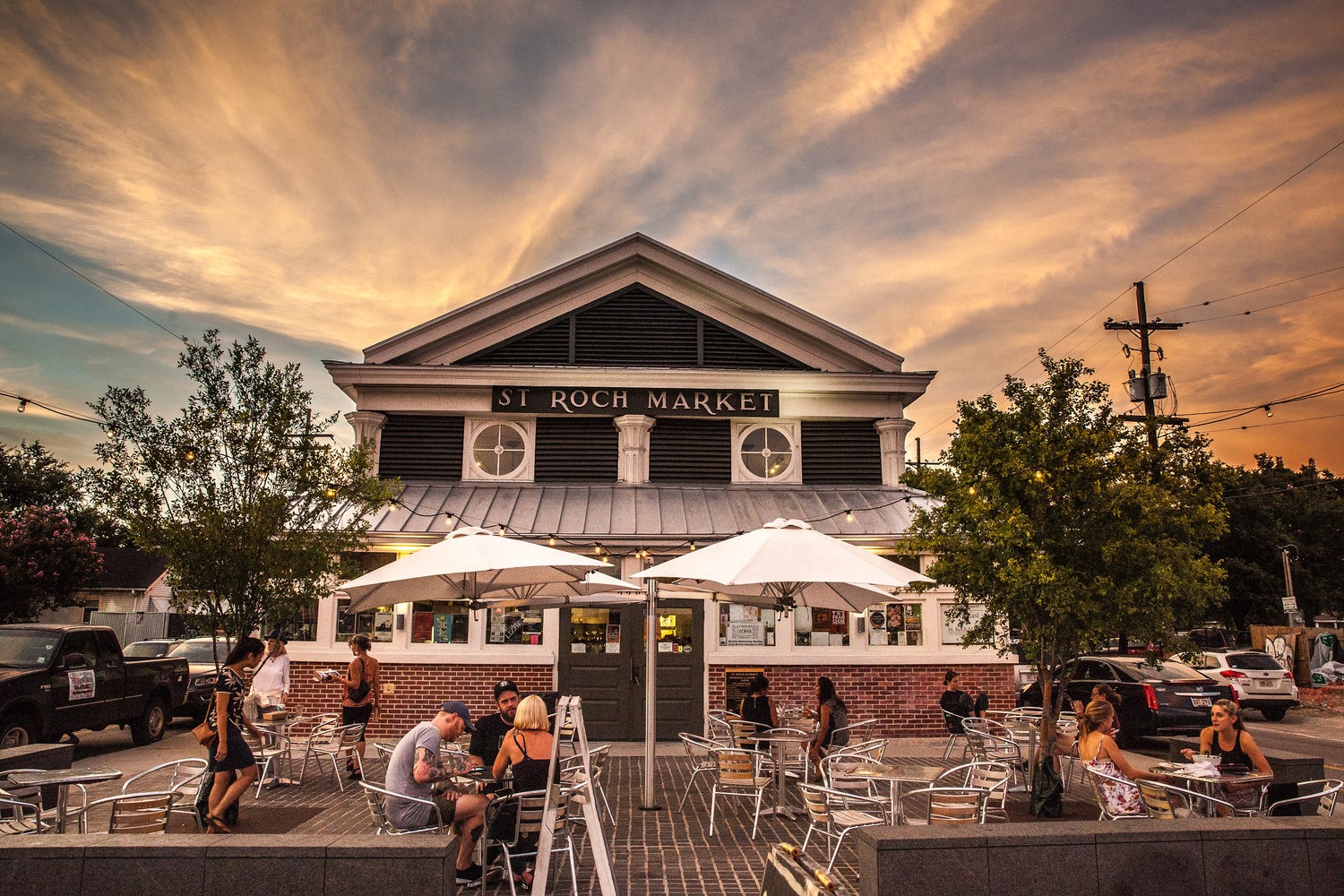
    5. St. Roch Market – New Orleans, Louisiana

    “A Destination for the Culinarily Curious”

    St. Roch Market
    Source: St. Roch Market
    • Located in an 1800s farmers market
    • Home to 11 dining options, centered around an award-winning craft cocktail bar
    • Interesting Features: Haitian street food, Vietnamese street food, after-dark game nights

    6. 1-800-LUCKY – Miami, Florida

    “A 10,000-Square-Foot Food Hall in the Style of a Hip, Asian Market with Indoor and Outdoor Seating and a Booming Soundtrack of Hip Hop”

    1 800 LUCKY
    Source: 1 800 LUCKY
    • Industrial setting
    • Home to seven restaurants, two bars, a karaoke room, and a convenience store/record shop
    • Interesting Features: Chinese BBQ, poke bowls, taiyaki (fish-shaped cake), dim sum, cultural parties

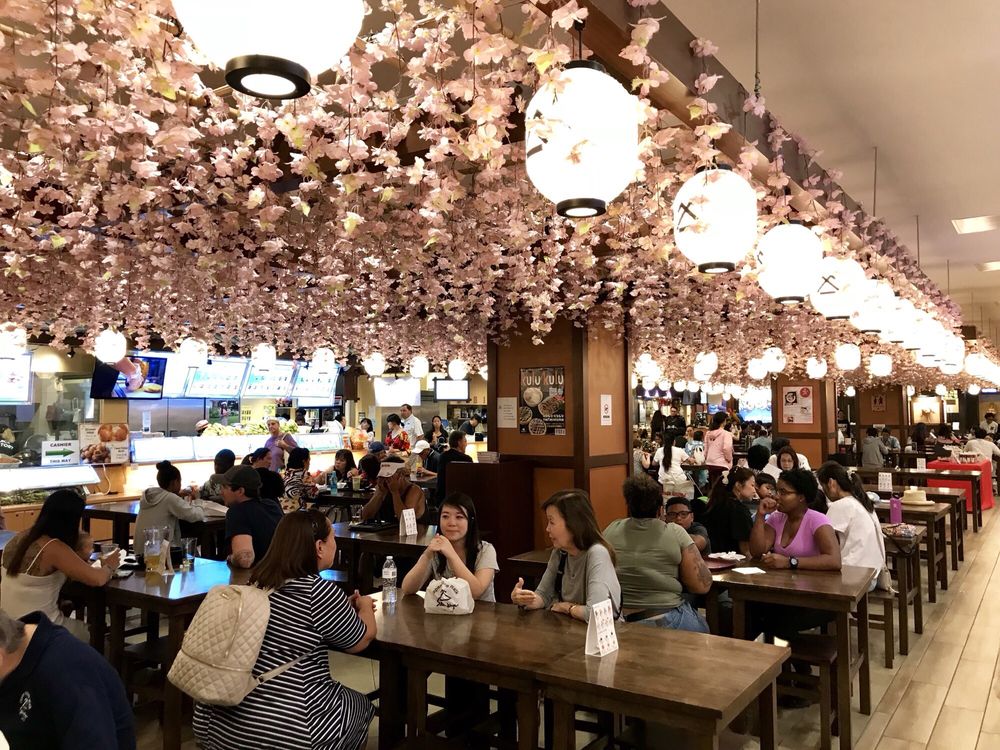
    7. Shirokiya Japan Village Walk – Honolulu, Hawaii

    “A ‘Theme Park Village’ in the Image of Monzen-Machi, a Town Built Adjacent to Shrines and Temples with the Guardian Spirits Sanctuary at its Core”

    Shirokiya Japan Village Walk
    Source: Yelp
    • Sprawling food hall with an array of Japanese dishes, a French restaurant, and an indoor beer garden
    • Interesting Features: a soft service ice cream shop from Harajuku, a café specialized in siphon coffee, a spirit sanctuary, a radio studio

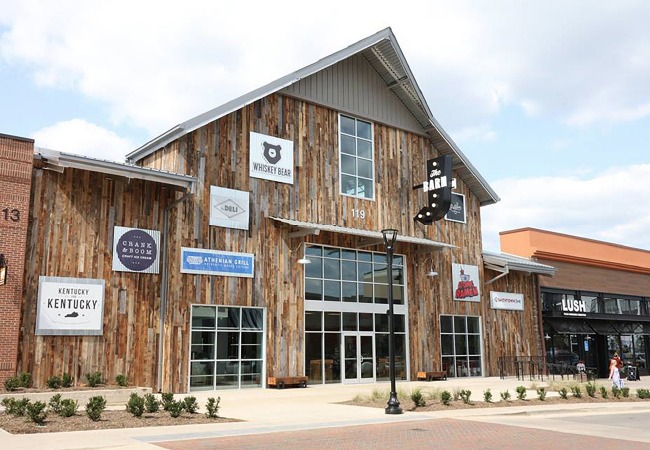
    8. The Barn – Lexington, Kentucky

    “Kentucky’s First and Finest Artisan Food Hall—Bringing the Best of Lexington’s Culinary Scene to the Heart of The Summit at Fritz Farm”

    The Barn
    Source: TopsinLex.com
    • All local, all independent lineup of restauranteurs
    • Interesting Features: craft ice cream, a superhero-themed ramen shop, whiskey bar

    Whether or not your restaurant is located in a food hall, the Star Micronics mCollection can modernize your space – learn more now.

  • What to Look for in a Retail Space

    What to Look for in a Retail Space

    When you operate a retail brand, your storefront is everything. And when you consider that the average real estate lease term length is 3-5 years, it’s important to choose your space wisely. That’s why we’re here to discuss the three key things to look for in a retail space – before you sign your next lease. Read on!

    A Prime Location

    Location, location, location! One of the most important features to look for in a retail space is its location. The area’s foot traffic and demographic makeup should be two of your top considerations. What sort of shoppers stroll the area, and do they align with your target customer?

    Another important thing to consider is the climate of the local business community. Are the businessowners supportive of each other? Do they collaborate? A supportive group of entrepreneurs will help you succeed – and an ultra-competitive environment most likely will not.

    In addition to your customers and fellow businesses, you also need to keep your employees and contractors in the forefront of your mind. What local amenities will be available to your staff? From nearby restaurants to convenience stores, the more you accommodate for a healthy work-life balance, the better talent you’ll attract. You must also keep in mind the parking and public transportation availability – for your staff, contractors, delivery trucks and more.

    The Right Price

    The price should absolutely be right in your new space. Ideally, your lease payment should amount to 3-8% of your gross revenue, depending on your industry. For example, a store with lots of big-ticket sales (like an electronics store) usually has rent that is about 2% of its gross revenue. On the contrary, clothing stores typically average rent that’s approximately 8% of their gross revenue. Curious what your target rent is? Below are sample amounts by industry:

    Industry Percentage of Sales Allocated for Rent
    Clothing and Apparel 7.66%
    General Merchandise Stores 3.86%
    Furniture and Furnishing Stores 5.98%
    Food and Drink Establishments 5.81%
    Electronics and Appliance Stores 2.09%
    Books, Hobby, Music, Sporting Goods Stores 3.30%
    Health & Personal Care Stores 3.37%

    Source: fitsmallbusiness.com

    And don’t forget about your down payment, and other expenses like utilities, property taxes, insurance, and common area maintenance (CAM)!

    Properly Sized and Equipped

    Once you’ve found a space that’s in a location that fits your target demographic – and your budget – it’s time to take a deeper look at the store’s features.

    First, you need to make sure the space is the right size for your business. To calculate your target square footage, add together the sizes of the different areas in your store: for example, your sales floor, inventory storage, office, kitchen, bathrooms, and dressing rooms. Not sure how big your sales floor should be? Here’s a handy formula: Planned sales volume / average sales per square foot in your industry = sales floor space

    If you’re just starting out, consider a pop-up shop, or a “store within a store.” These are more affordable than standalone shops, can help familiarize your target market with your brand, and helps the storeowner offset the high cost of rent. When your goal is to grow your baseline brand awareness, it’s worth doing some research and finding a complementary store in your target area to partner with!

    Next, make sure the space has the features you need to make your store shine. Here are some factors to consider:

    • Lighting: Can the lights be dimmed? Can alternative lights be brought in?
    • Loss Prevention: Are there cameras (or other tactics) to prevent theft?
    • Emergencies: Is there adequate fire and police presence in the area?
    • Sales Restrictions: For example, are there restrictions on Sunday sales (blue laws)?
    • Wi-Fi: What’s the Wi-Fi availability like? This is extremely important so that you can process credit card transactions on your mPOS system.

    Last but not least, don’t forget to keep in mind your target shopper – what do they look like? What is their occupation? Where do they live and what do they do for fun? When you boil it down, you need your retail space to match your target audience. For example, if your customers typically have small children, make sure you build in extra aisle space to accommodate strollers. And if you are selling trendy items, you’ll need a clean, modern, easy-to-manage space to match.

    We hope these tips are helpful while navigating retail space leases.

  • Millennials’ Eating Habits: How They’re Changing the Food Industry

    Millennials’ Eating Habits: How They’re Changing the Food Industry

    If there’s one generation that makes headlines, it’s millennials. According to the 2015 U.S. Census, there are 75.4 million millennials living in the country, officially making them the largest generation in the States. If you operate a restaurant, it’s worth paying attention to what millennials do and want – especially when you consider that they spend more dining out than they save for retirement. Here are the top four things millennials are seeking when it comes to dining out – and how these changes are affecting the food industry.

    They Want Convenience

    The first meal kit service started in 2007 – and now, 12 years later, it’s a booming industry estimated to hit $10 billion in revenue by 2020. Who’s to thank for that? Millennials, of course – they’re considerably more likely to subscribe to these services than non-millennials.

    That’s just one example of the importance convenience has to millennials. Other popular (and booming) examples are grocery delivery services, food trucks, heat-and-eat options available at grocery stores, and online ordering (millennials are the most likely to get home delivery from restaurants). In fact, according to the 2017 Food and Health Survey by the International Food Information Council, 55% of millennials say convenience is a top driver when buying food.

    They Want Transparency (And Responsibility)

    Don’t be mistaken: just because millennials value convenience doesn’t mean they don’t also take healthiness and sustainability seriously. The trend is just the opposite, actually.

    First and foremost, millennials are redefining what it means for a food to be considered “healthy” – instead of low-fat being a top priority, they now put natural, organic, locally sourced, and sustainable foods at the top of their list. Did you know that millennials eat 52% more vegetables than baby boomers and 52% of organic consumers are millennials?

    This generation also wants to know where their food is made – a whopping 80% of them want to know more about where their food is grown – and they value how it’s made (you may have noticed the terms “locally sourced” and “farm-to-table” popping up on menus in recent years).

    appetizer-avocado-basil-1824353-e1574802805597
    Avocado toast, a trendy meal popular among millennials. Source: pexels.com

    They Want Trendiness

    Gone are the days of steak and potatoes – instead, unique, customizable items are making a splash with millennials. “Build-your-own” quick service restaurants (like Chipotle) are growing steadily, and for a good reason: 72% of consumers expect customization! Some examples of recent unique trends are food bowls, food mashups/hybrids (hello, cronuts), and avocado toast.

    So, are unique meals actually popular with millennials, or do they just make headlines? The former is true: 40% of millennials report they like to order different things every time they eat in the same restaurant, and they don’t shy away from vegan and cultural cuisines. They’re also described as open-minded and curious. Besides adopting a creative menu, it’s a good idea to also create a unique, modern vibe in your restaurant – from your light fixtures to your point of sale.

    They Want an Experience

    If you have a social media account, you know that photos from users experiencing a satisfying meal are popular. In fact, 75% of millennials report they value the experience of eating food more than the nourishment. And social media is a huge part of the dining experience: 41% of millennials log in to Facebook every day, 29% use Instagram regularly, and 25% use Snapchat on a daily basis. To top it off, 20% of millennials say that they receive food news from peers on Facebook.

    To help make your restaurant “Instagram-worthy,” consider adopting a modern and aesthetically pleasing menu design, ambiance, and décor – and don’t forget to create social media accounts for your restaurant if you haven’t already!

    Looking to modernize your restaurant for today’s largest demographic? Discover how Star Micronics helped a restaurant operate efficiently, provide excellent service, and incorporate online ordering.

  • Star Micronics Scales: For More Than Just Cannabis

    Star Micronics Scales: For More Than Just Cannabis

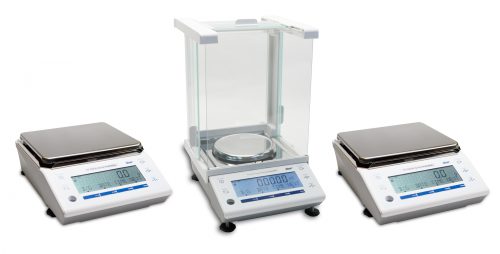
    When you think of Star Micronics scales, you might think of cannabis retail use cases. To be fair, our mG-Scales series – including the mG-S322, the mG-S1501, and the mG-S8200 – is authorized to sell cannabis in Washington, Alaska, and California. But did you know that Star Micronics scale uses extend way beyond cannabis? Star’s mG-Scales boast the the following features:

    • NTEP certification, which is required for all U.S. retail sales
    • Included water- and dust-proof cover
    • Software support for Windows, iOS, and Android
    • Bluetooth BLE, USB, and Serial interfaces
    • Can be powered through an outlet or by battery, enabling portable use

    3-Scales-e1574802743805

    Download the Free Scale Buyer’s Guide.

    Star Micronics scales are great for cannabis retailers – but check out six other industries that are also a perfect match for our scales:

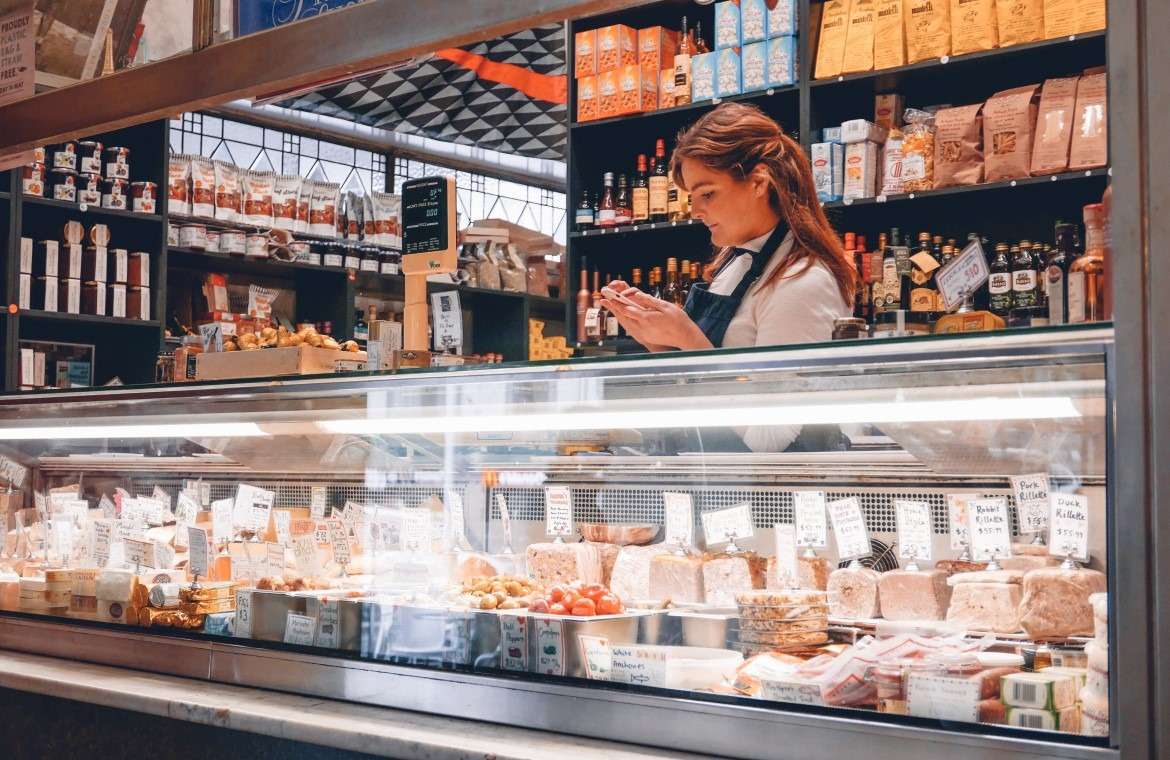
    1. Delis

    As every grocery shopper knows, deli items like meats and cheeses are almost always sold by weight. Many large-scale delis, such as those in grocery stores, use specialty scales that are high-performing and large in size, but come with a hefty price tag. On the contrast, smaller delis don’t need such a big footprint, and most importantly, they need a more affordable integrated scale option. Star Micronics scales fit that bill perfectly, with their compact design, affordable price, and protective and easy-to-clean cover.

    2. Candy Stores

    Because many candies are sold in bulk and high-end candies, such as truffles, are sometimes sold by weight, scales are a must for candy retailers. With their bright and modern design, candy stores are also a perfect environment for sleek, tablet-based point of sale solutions – but there aren’t a lot of scales on the market that can integrate with tablet point of sale. That’s where Star Micronics scales come in to play: our scales’ Bluetooth connectivity – combined with iOS and Android software development kits (SDKs) – enables them to work easily with modern tablet-based solutions. How sweet!

    3. Spice Shops

    Like candy, spices are also generally sold by weight and with certain spices like saffron costing up to $10,000 per pound, it’s extremely important to accurately weigh them. Star Micronics scales combine high accuracy with a small footprint – perfect for a spice shop! Our scales also have the ability to be battery operated, meaning that items like spices can be sold at a farmer’s market with no power – without sacrificing accurate measurement.

    4. Jewelry Stores

    Speaking of expensive items, Star Micronics scales are a great match for jewelry stores. Jewelry is another high cost-per-weight industry, and precious metals and gems must be measured extremely accurately. Star’s most sensitive scale, the mG-S322, can measure to 0.01g accuracy and the units can be switched to carats for measuring materials like diamonds. And thanks to the scale’s included glass enclosure, air movement doesn’t move the jewelry or affect measurements.

    5. Frozen Yogurt Shops

    Taking a step back to modern, sugary industries, frozen yogurt is another business category where tablet-based point of sale is becoming very popular, making it critical to have an iOS/Android-compatible scale, like Star’s. Additionally, frozen yogurt shop counterspace is at a premium, making Star scales’ small footprint a must. In terms of actual measurements, Star Micronics scales can measure in ounces, the industry’s most popular unit of measurement, and with lots of potential for messiness in the shop, the scales’ protective and easy-to-clean covers certainly come in handy.

    TSP800IIRx-e1574802760636
    Star’s TSP800IIRx Thermal Printer is also perfect for pharmacies

    6. Pharmacies

    Candy is delicious and jewelry is beautiful, but in the pharmacy industry, accurately measuring items can be a matter of life and death. In fact, there’s no industry where it’s more important to reliably measure to a high degree of accuracy. Connectivity to software is also important, as measurements are often validated by software to reduce errors. Star Micronics scales have all of that and more – they also include a counting function that’s useful for counting pills. And with an accompanying pharmacy thermal printer, Star is truly one of the most functional, reliable, accurate options on the market for pharmacies.

    Looking to up your retail scale game? Learn more about Star Micronics scales now!

  • Why Guest Wi-Fi is an Important Asset for Small Businesses

    Why Guest Wi-Fi is an Important Asset for Small Businesses

    If one thing is true about today’s consumers, it’s that they are constantly (or nearly constantly) connected. With the rising trend of omnichannel retail experiences, it’s more important than ever to provide an easy, free way for your customers to connect to the internet. Implementing a guest Wi-Fi network does more than connect your shoppers to their favorite apps and websites, though – it can also improve your business in many ways! Here’s how:

    Enhance Marketing

    Speaking of omnichannel marketing, having a guest Wi-Fi network is an excellent way to expand your omnichannel strategy. One way to do so is to engage in Wi-Fi marketing, a method where you use your network as a channel to communicate with your shoppers. Using Wi-Fi marketing, you can promote campaigns of your choice, which can serve as a part of your in-store marketing strategy.

    When guests log on to your Wi-Fi network, their phones will redirect to a splash page where they’ll view a branded message, as well as details about the network and its terms of use. On the page, users will enter credentials such as their email address, which can help you build customer profiles and gather leads. With this additional insight into shoppers’ demographics, you can further tailor your marketing tactics to better suit them, and that can help create more sales. For example, a Deviscape survey found that half of businesses report that customers spend more money now that they have a Wi-Fi network!

    Safeguard Internet of Things (IoT) Devices

    Better marketing and more sales are nice, but did you know that implementing a guest Wi-Fi network has security benefits, as well? If you incorporate IoT-connected devices into your store, such as automated checkouts and smart shelves, you probably already know that they’re more vulnerable than traditional devices. If you connect those smart devices to your main network, the chance that hackers can access your other devices – like your main server or physical security system – is increased.  By connecting your smart devices to a guest network instead, you create an additional layer of protection against attacks; Even if a cybercriminal hacks into one of your devices, they won’t be able to penetrate your main network, where your most valuable information lies.

    Improve Customer Experience

    Last but not least – and this probably goes without saying – guest Wi-Fi networks greatly improve the customer experience. Depending on your store location and your customers’ cellular provider, providing shoppers a guest network saves them data and gives them a potentially faster network. And there are stats to back it up – nearly 62% of businesses with free Wi-Fi report their customers stay in the store longer, which likely means they’re having a better shopping experience, spending more money, and are more likely to return.

    From boosting sales to securing your sensitive data, there are many reasons to utilize a guest Wi-Fi network!

  • 5 Irresistible Valentine’s Day Marketing Ideas

    5 Irresistible Valentine’s Day Marketing Ideas

    It may feel like we just celebrated the holidays, but already another holiday is upon us: Valentine’s Day!  Historically, the romantic holiday has been a big money maker – in fact, the National Retail Federation has predicted that U.S. consumers will spend a near-record $19.6 billion this year on Valentine’s Day alone. So how can retailers take advantage of this? Today, we have five irresistible Valentine’s Day marketing ideas for your small business:

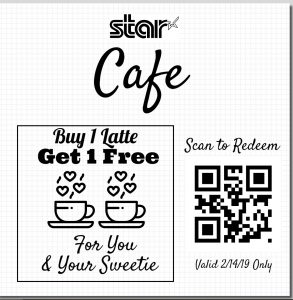
    Valentines-Day-Latte-PromoPRNT-e1574802651640
    A PromoPRNT Two-for-One Example

    Promote Two-for-One Deals

    What better time to promote a two-for-one deal than Valentine’s Day? If your business is in the hospitality industry, consider offering two meals, or two desserts, for the price of one. If you are a boutique shop, consider offering two accessories for the price of one. You could also simply offer a specific discount, like 14% off a customer’s entire purchase (to honor February 14). To ensure your customers have plenty of time to become aware of and plan for your sale, promote it at least one week ahead of time. A great way to practice Valentine’s Day marketing on your current shoppers is to promote the sale on your printed receipts.

    Leverage Seasonal Branding

    No one can ignore well-planned seasonal branding. Whether you choose to do your branding in-store or online, creating a festive vibe can get your shoppers in the mood to spend on their loved ones (or treat themselves). Examples of online branding could include Valentine’s Day-themed social media posts and email campaigns. In-store branding can include everything from decorating with flowers and balloons, to offering gift wrapping services and having your staff wear pink or red outfits. Don’t forget to showcase any holiday-themed items at the front of your store.

    Valentines-Day-Online-In-Store-PromoPRNT-e1574802673498
    An Example of Promoting Your Gift Guide via PromoPRNT

    Take Advantage of Pop Culture

    Thanks to the television show Parks and Recreation, Valentine’s Day is celebrated on more days than just February 14! The hit show coined “Galentine’s Day” during its second season in February 2010. Since then, many women have started to celebrate the holiday, which focuses on the love they have for their female friends, on February 13 each year. Don’t believe us? A quick Google search of the term, “Galentine’s Day” yields a whopping 1.5 million results, including news articles, gift guides, party tips, and more. Another example of a Valentine’s Day-related holiday (that isn’t Valentine’s Day) is Singles Awareness Day, which takes place annually on February 15. So many holidays to take advantage of in your Valentine’s Day marketing strategy!

    Create a Gift Guide

    You know your product (or service) best. There’s no one better to provide a Valentine’s Day gift guide! You can create a guide that is tailored to your specific products and allows you to clearly pitch your selling points. You can even create “his and hers” versions, and versions specific to someone’s interest (e.g. cooking or fashion). Gift guides are a great way to flex your omnichannel marketing muscle – offer your guides in person, online, or both by pointing your customers to your online store via a printed receipt.

    enhanced-buzz-15039-1390343924-9-e1574802700552
    Source: Buzzfeed

    Send Valentine’s Day Cards

    Last, but not least, is a tried-and-true favorite: Valentine’s Day cards. Whether you deliver them in person beforehand with a coupon attached, or deliver them digitally day-of (via social media or email), an eye-catching greeting card is sure to capture your shoppers’ attention. Valentine’s Day cards are also a great way to show your brand’s personality or sense of humor – click here to check out some inspirational “punny” cards.

    PromoPRNT, Star Micronics’ value-add tool, can help you with Valentine’s Day marketing – using your existing receipt printer! Click here to learn more and get promoting today.