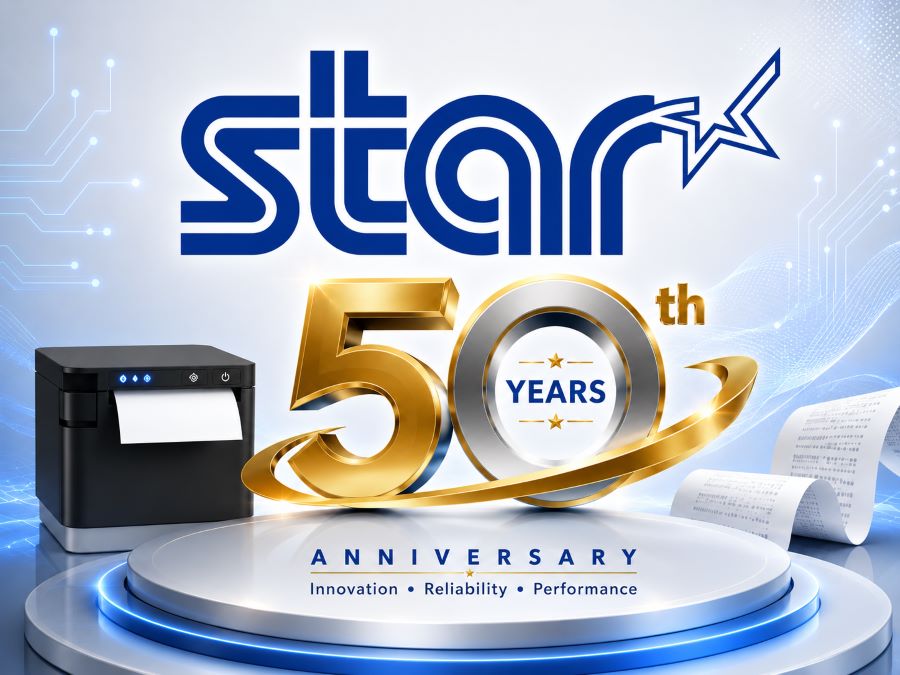
For 50 years, Star Micronics America (SMA) has supported businesses across the United States, Canada, Mexico, and Latin America through major shifts in point-of-sale technology.
From the early days of impact printing to today’s cloud-connected, mobile, and labeling technologies, SMA has adapted alongside the industries it serves, helping businesses across retail, restaurant, hospitality, healthcare, and beyond keep pace with growing operational demands.
But Star Micronics America’s 50-year story is about more than technology.
It is about the people who built it, the partners who grew alongside it, and the customers who trusted Star solutions through decades of industry change.
Across the Americas, SMA has spent five decades supporting businesses through rapid technology shifts, new and evolving workflows, and higher customer expectations.
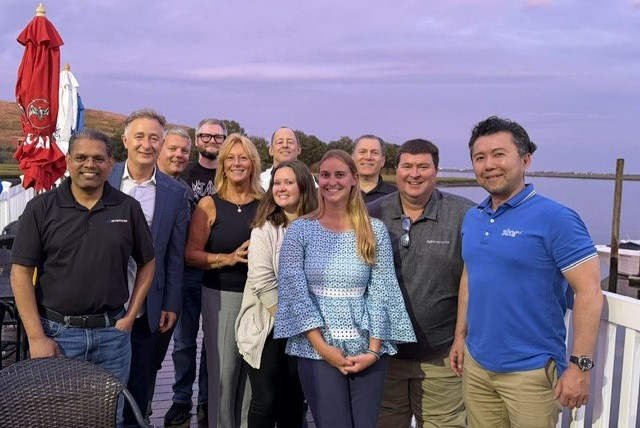
As we celebrate 50 years of Star Micronics America, we are reflecting on the milestones that shaped us, the culture that continues to guide us, and the people who made it possible.
A 50-Year History of Adaptation and Growth
The point-of-sale industry has changed dramatically over the last five decades.
What began in an era of traditional impact printing and on-premises systems has evolved into an ecosystem of cloud platforms, mobile devices, online ordering, self-service kiosks, and advanced labeling workflows.
Each shift brought new demands, from faster checkout and order accuracy to cloud-connected workflows and AI.
In response, SMA expanded beyond receipt and kitchen printing to include cloud printing, cloud services, labeling, mobile POS, and a broader range of hardware for modern retail and restaurant operations.
That ability to adapt has allowed Star to meet each new era of technology, customer expectations, and industry demands with practical solutions.
The People Behind 50 Years of Star Micronics America
Ask anyone inside SMA what has kept the company strong for 50 years, and one answer comes up repeatedly: its people.
“The biggest reason Star Micronics America has remained strong for 50 years is its people. Technology and products continue to evolve, but the dedication, expertise, and commitment of our employees have always been at the heart of our success.”
Shazia Shafi, Human Resources Generalist at Star Micronics America
That commitment shows up not only in day-to-day work, but in tenure.
At Star, long careers are part of the culture. Employees with 25, 30, and even more than 40 years of service have helped shape the company through major shifts, market changes, and organizational growth. That kind of longevity creates deep institutional knowledge, but it also says something important about the company itself: people stay because they find opportunities to grow.
One philosophy that has shaped talent development at Star is the idea of having the “right people in the right seats,” a concept popularized in Jim Collins’ Good to Great. At SMA, employees are encouraged to explore new roles, move between departments, and find where their skills and interests best align. Over the years, that flexibility has helped employees build long careers while reinforcing a culture built on collaboration, growth, and change.
Star’s commitment to understanding our employees as individuals and providing equity for their consistent growth has played a major role in the company’s long-term stability and success.
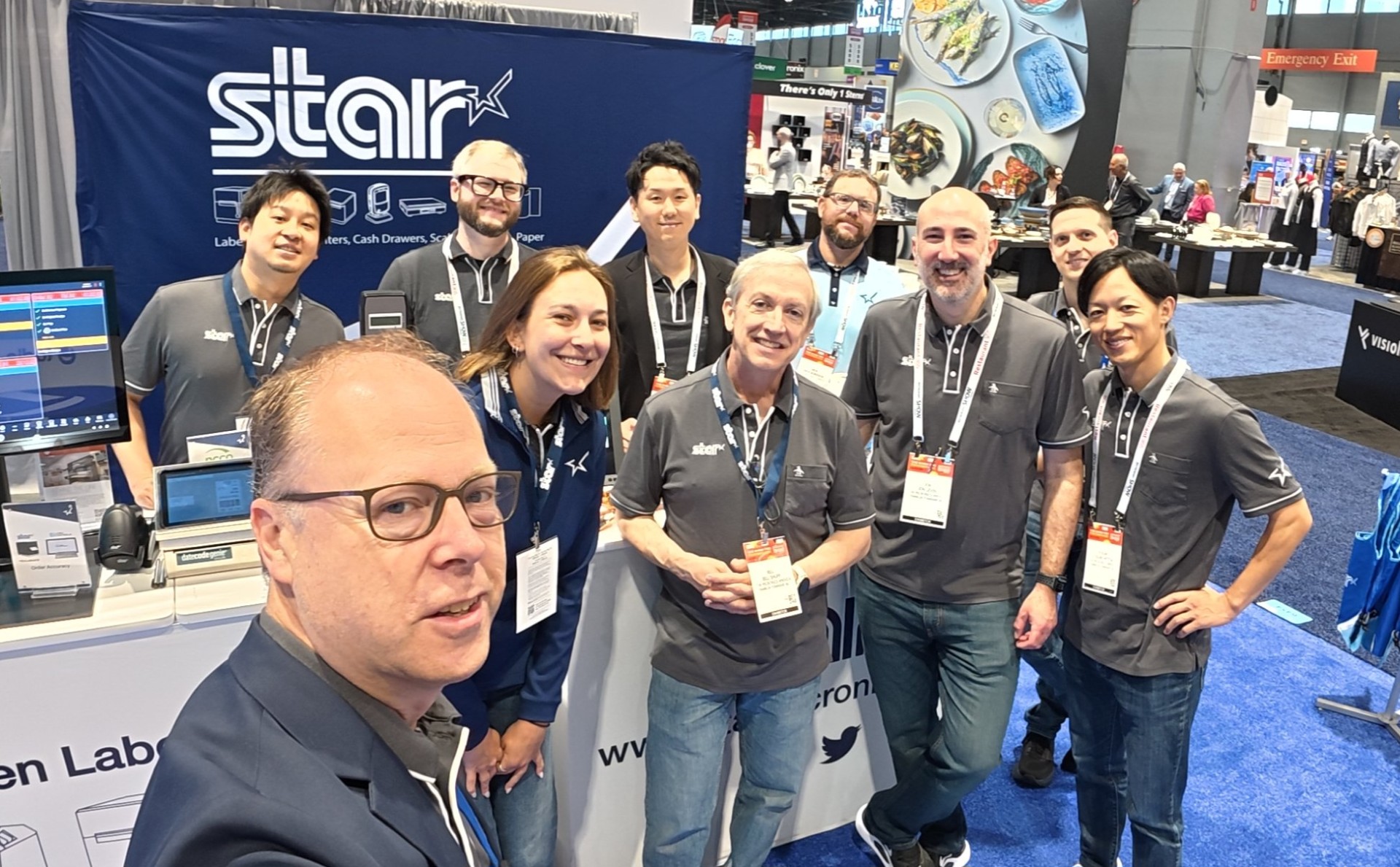
How Star Micronics America’s Culture Has Evolved
Star’s workplace culture has changed significantly over the decades.
One of the biggest turning points came during COVID.
Before the pandemic, Star operated largely as an office-based organization. Like many companies during that time, that changed quickly. Teams adapted to remote work, new collaboration tools, and new ways of supporting customers and partners. What started as a necessary adjustment ultimately reshaped how the company works today, leading to a more flexible hybrid and remote culture.
That transition tested the company, but it also reinforced one of Star’s core values: collaboration built on trust between teams.
While the workplace changed, the company’s core values remained steady:
- Collaboration – fostering open communication, mutual respect, and trust across teams
- Innovation – staying curious, proactive, and open to new ways of thinking
- Change – embracing growth, improvement, and the ability to adapt in a shifting industry
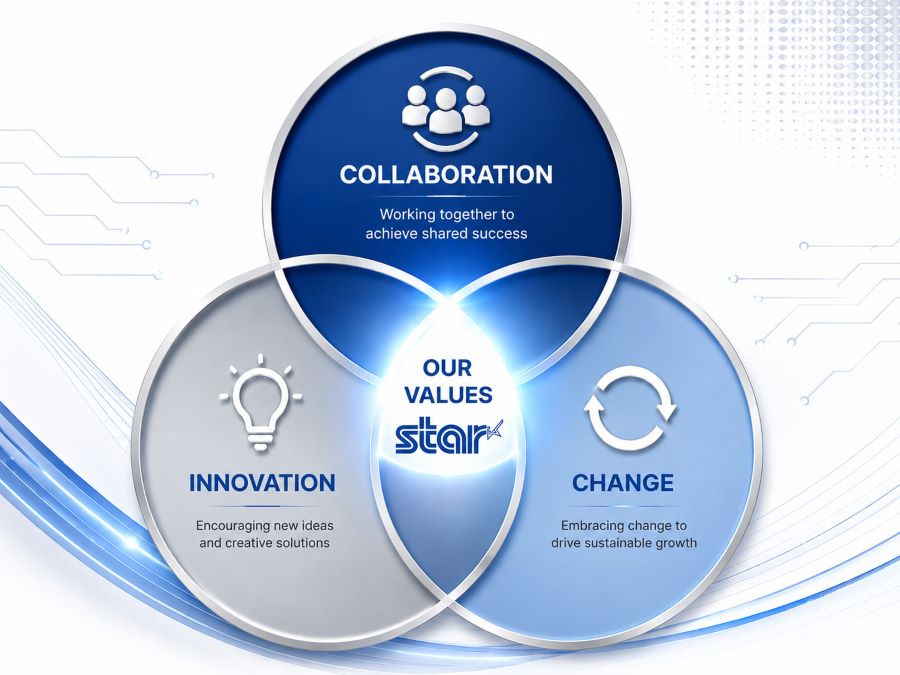
Those values continue to guide how teams work together across the United States, Canada, Mexico, and Latin America.
That culture extends beyond daily work. Programs like the Yamaguchi Spirit Awards recognize employees who embody Star’s core values of collaboration, innovation, and change. These traditions help reinforce that culture is not just something that happens passively. It is something consciously practiced.
Why People Matter to the Customer Experience
A company’s culture does not stay inside its walls. It shapes every customer interaction, every partner relationship, and every problem solved along the way.
That has been one of the defining parts of Star Micronics America’s 50-year story.
SMA has long been known as a company that is easy to do business with, and that reputation was built by people. It was built by employees who know the products, understand the industries they support, and work together to solve problems quickly and thoughtfully.
It was also built through consistency.
Many customers and partners have worked with the same Star team members for years, sometimes decades. That continuity creates trust. It gives customers direct access to people who understand their business, their workflows, and the challenges they face.
In an industry where technology moves fast, products matter. But trust, experience, and long-term relationships matter just as much, if not more.
For 50 years, Star’s people have helped build both.
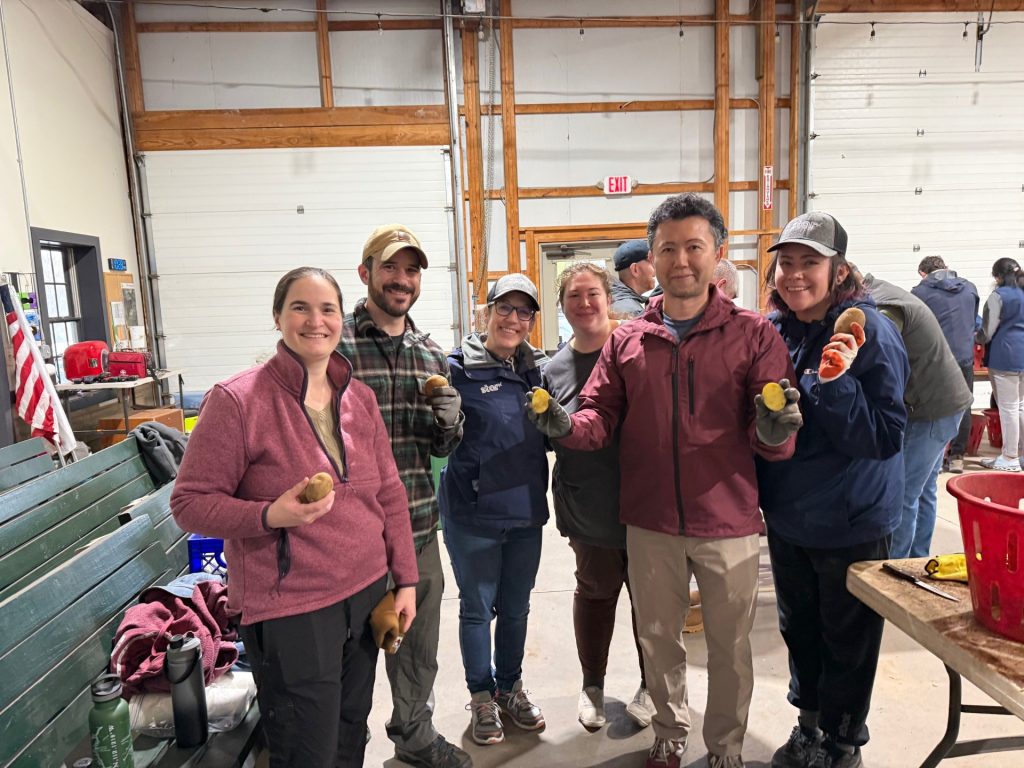
Looking Ahead to the Next 50 Years of Star
A 50th anniversary is a time to reflect, but also a time to look forward.
As industries continue shifting toward AI, cloud infrastructure, automation, and more connected workflows, Star Micronics America remains focused on supporting those changes with experienced teams and technology that makes a difference.
That next chapter will depend on the same things that built the first 50 years: experienced people, practical innovation, and strong customer relationships.
For employees, partners, and customers, those first 50 years have built something lasting: trust, consistency, and a company they know they can count on.
And if the last five decades are any indication, the next chapter is already taking shape.
Author’s Note: Special thanks to Joey Richholt and Shazia Shafi of Star Micronics America’s HR department for their thoughtful input and timely contributions to this article.