Tag: Receipt Printers

  • Strategies for Adapting to Tariff Policy Changes in Retail Technology

    Strategies for Adapting to Tariff Policy Changes in Retail Technology

    In this episode of the Rising Stars Podcast, “Navigating Tariff Policy Changes in the Retail Technology Industry,” host Kate Orara reveals essential strategies for businesses in the retail technology channel to adapt and thrive amidst evolving tariff regulations. Drawing from her expertise as Star Micronics’ Partner Development Manager, Kate discusses how VARs, ISVs, and distributors can mitigate the impact of tariffs through proactive planning and strategic partnerships.

    This episode provides valuable insights into managing supply chain vulnerabilities, analyzing financial risks, and updating product strategies to maintain competitiveness in an increasingly complex global market.

    Thriving in Uncertain Tariff Policy

    Understanding tariff impacts is vital for today’s retail technology professionals. From sourcing alternatives and stockpiling inventory to implementing tools like CloudPRNT and localized production, Kate highlights practical ways to safeguard your business operations. With additional tips on customer communication and leveraging partnerships, this episode equips listeners with actionable guidance to navigate policy changes effectively.

    Whether you’re a VAR, ISV, or distributor, this episode is a must-listen for anyone seeking to stay informed and ahead in the POS hardware industry.

    Loving the podcast? Subscribe now, and let us know what you think by leaving a review!

    Stay up-to-date on all things Star, don’t forget to follow us on X, LinkedIn, Facebook, Instagram, and YouTube.

    The Rising Stars Podcast

    Immerse yourself in the world of point-of-sale (POS) with the Rising Stars Podcast by Star Micronics, hosted by industry pro, Kate Orara. Twice a month, we explore the fascinating journeys of innovators and businesses navigating the challenges of POS technology’s rapid pace.

    In every episode, Kate Orara, Star Micronics’ Partner Development Manager, discusses emerging retail technology trends and strategies with global industry giants. She’s spent her entire career meeting all the right people, and now listeners everywhere can benefit from this vast network of channel gurus.

    Always leading and always innovating, Star Micronics, a pioneer in POS and customer experience technology for over 60 years, welcomes you to join us in shaping a brighter future in the retail, hospitality, and cannabis industries.

    Want more industry news?

    Episode Transcript

    [Music]

    Kate Orara: Hey there, retail tech enthusiasts! Welcome to the Rising Stars Podcast, your go-to for all things retail tech and point of sale. I’m Kate Orara, Partner Development Manager at Star Micronics, and I’m excited to guide you through this journey. Here, we dive into the latest innovations shaping the retail, hospitality, and cannabis industries. So whether you’re a techie or a business owner, this is your backstage pass to insider knowledge. Join me and the Star Micronics team as we innovate and rise together.

    Today, we’re diving into a topic that’s been on the minds of many resellers, ISVs, distributors, and hardware manufacturers: how can we prepare for potential changes under the new United States administration? Before we get started, I want to emphasize that this discussion will remain non-political. My goal is to provide you with practical strategies and considerations to help your business navigate any upcoming changes, regardless of the political climate.

    Let’s dive in. I want to cover this topic in eight segments: understanding the landscape, staying informed, assessing supply chains, financial impacts, supporting customers, strengthening partnerships, investing in technology, and legal considerations.

    Understanding the Landscape

    As administrations change, so do policies that impact international trade. While specific details about proposed tariffs are still emerging, history tells us that tariffs can directly affect supply chains, pricing, and overall business operations in the retail channel. It’s crucial to stay informed and proactive.

    Staying Informed

    You’re already doing the first step—staying informed. Keep an eye on announcements from government agencies and industry associations. Organizations like the Retail Solutions Providers Association (RSPA), of which Star Micronics is a member, are excellent resources for timely updates. If you’re not a member, let me know—I’m happy to connect you with someone who can help you join.

    Joining groups like RSPA and subscribing to their newsletters can give you a head start on understanding proposed tariffs. Networking with industry peers can also provide insights and opportunities to collaborate on solutions.

    Assessing Supply Chains

    Take a close look at your supply chain. Identify which of your products or components could be affected by tariffs. If you’re sourcing items from regions likely to face new duties, now’s the time to explore alternatives or have those discussions. Consider working with suppliers in unaffected regions or exploring domestic manufacturing options. Additionally, renegotiate contracts with your current suppliers to share or absorb potential cost increases.

    Financial Impacts

    Tariffs can significantly impact your bottom line, so it’s essential to prepare financially. Start by estimating how proposed tariffs might increase costs for your key products. From there, consider strategies to adjust pricing while remaining competitive. You might also explore financial tools like hedging or insurance to protect against cost volatility. For businesses that rely heavily on imports, these tools can provide a much-needed safety net.

    Supporting Customers

    Don’t forget about your customers—communication is key. Be transparent about potential impacts on pricing or product availability. At the same time, offer alternatives. If a product’s cost rises significantly due to tariffs, suggest lower-cost options or locally sourced solutions. Always emphasize the value of your offerings, whether that’s long-term ROI, reliability, or customer support.

    Strengthening Partnerships

    Strong partnerships can make all the difference during times of uncertainty. Collaborate with your manufacturers, distributors, and other partners to develop strategies for mitigating tariff impacts. For example, you might work together to build up inventory before tariffs take effect or share the burden of increased costs. Additionally, consider advocating as a group for tariff exemptions or relief—a collective voice often carries more weight.

    Investing in Technology

    Another way to offset potential tariff impacts is by investing in technology. Automation and efficiency tools can reduce operational costs, helping to balance out higher import expenses. Similarly, exploring localized production can reduce reliance on imports altogether. For some businesses, now might be the time to reevaluate your product strategy entirely. Shifting focus to high-margin products or services can help you absorb cost increases more effectively.

    Legal Considerations

    Finally, don’t overlook legal and compliance aspects. Consult with legal experts to understand how tariffs may impact your contracts and compliance requirements. Review tariff codes for your products to ensure proper classification and avoid unnecessary duties.

    Closing Thoughts

    Preparing for potential tariffs isn’t just about mitigating risks; it’s also about finding opportunities to innovate and strengthen your business. By staying informed, assessing your supply chain, and collaborating with partners, you can navigate these changes with confidence. Remember, change is constant in the retail IT channel, and adapting proactively is what sets successful businesses apart.

    And that’s a wrap for this episode of the Rising Stars Podcast. A huge thanks to our incredible listeners for tuning in. Don’t forget to subscribe, rate, and leave a review—your feedback fuels our journey to bring you the best in retail tech. Stay connected with us on social media for updates and behind-the-scenes content. As you sign off, remember, the future of retail technology is in our hands, and together, we are shaping it. Keep innovating, keep rising, and until next time, this is Kate Orara signing off. Together we rise.

    [Music]
  • Star Micronics Unveils Cutting-Edge Receipt and Removable Linerless Label Printers

    Star Micronics Unveils Cutting-Edge Receipt and Removable Linerless Label Printers

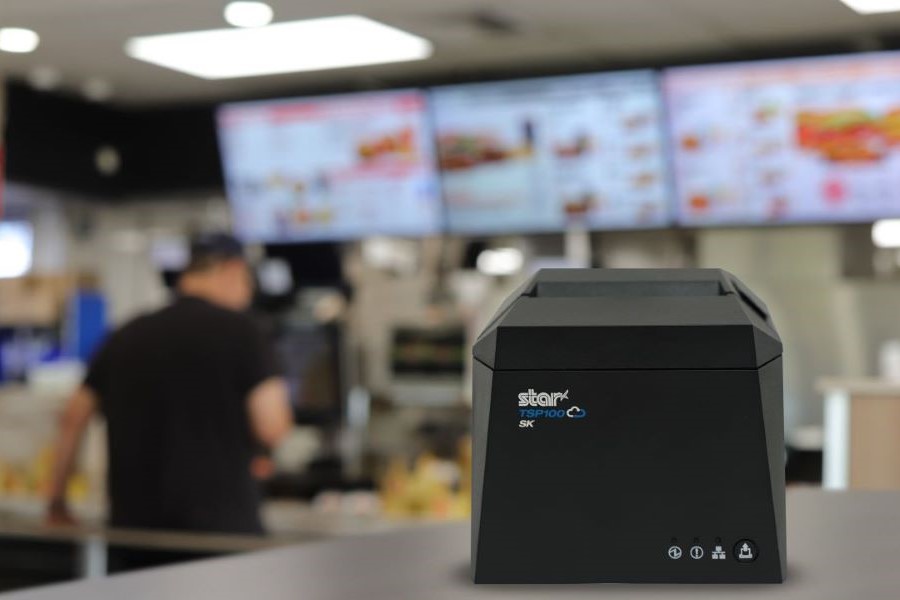
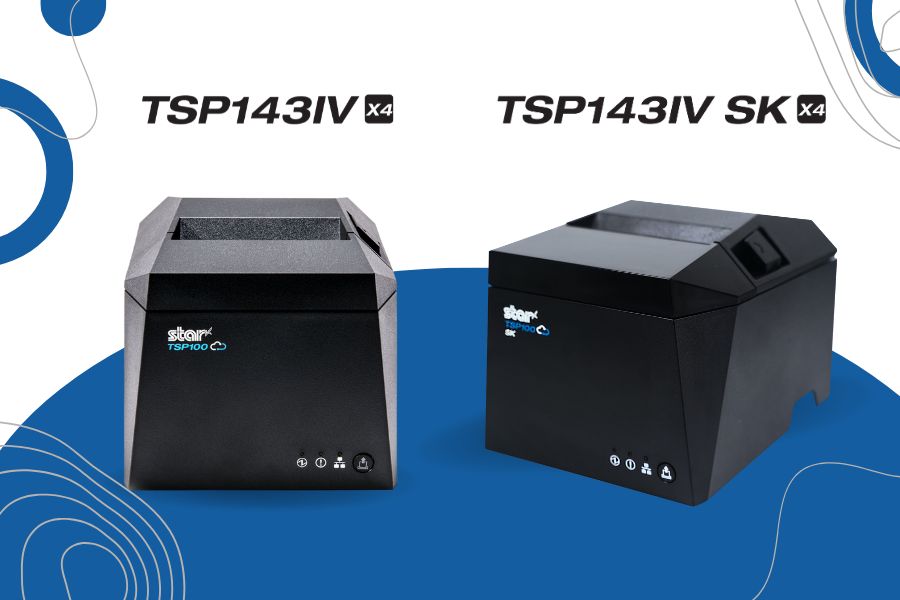
    Two innovative models, the TSP143IV X4 and TSP143IV SK X4 receipt and linerless label printers, redefine printing for modern retail and hospitality environments.

    Somerset, NJ – January 10, 2025 – Star Micronics, a global leader in point-of-sale (POS), labeling, and customer engagement technology, is excited to announce the launch of two groundbreaking printing solutions: the TSP143IV X4 receipt printer and the TSP143IV SK X4 removable linerless label printer. Designed to meet the demands of today’s businesses, these printers deliver exceptional performance and advanced connectivity, all in an eco-conscious package. Star Micronics once again sets a new standard for POS printing.

    TSP143IV X4: Advanced Connectivity Meets High-Speed Printing

    The TSP143IV X4 offers future-proof versatility with four connectivity options—USB, LAN, WLAN, and Bluetooth—ensuring seamless compatibility with iOS, Android, and Windows devices. With CloudPRNT Next technology utilizing the MQTT protocol, the TSP143IV X4 enables faster, more reliable cloud-based printing, making it ideal for businesses managing remote print operations across multiple locations.

    This compact printer supports high-speed printing of up to 250mm/s, a built-in guillotine auto-cutter, and 20W of USB-C power and data transfer for iOS, Android, and Windows devices. Plus, Wi-Fi setup has never been easier with the Star Quick Setup Utility app or via QR code. The TSP143IV X4 also embraces sustainability, featuring EnergyStar certification, which ensures it operates with energy efficiency, reducing power consumption and environmental impact while lowering operational costs for businesses. These printers include eco-friendly packaging with a 30% smaller box size and near-zero plastic wrapping to reduce environmental impact.

    TSP143IV SK X4: Smart Labeling for High-Demand Workflows

    The TSP143IV SK X4 builds on Star’s reputation for innovation with its removable linerless sticky label printing capabilities, designed for industries like food service, delivery, takeout, and laundry. This model simplifies operations by producing repositionable sticky labels that adhere without residue, ensuring order accuracy and streamlined workflows.

    The TSP143IV SK X4 also features four connectivity interfaces, a simplified Wi-Fi setup, and high-speed printing at 180mm/s with an auto-cutter. Like its sibling model, the SK X4 prioritizes sustainability with EnergyStar certification and is nearly 100% recyclable. Its reduced packaging minimizes material waste and CO2 emissions during transport.

    Innovative Features Across Both Printer Models

    Both the TSP143IV X4 and TSP143IV SK X4 share several cutting-edge features:

    • CloudPRNT Next with the MQTT protocol for faster, more reliable cloud communication.
    • User-friendly Wi-Fi setup using Star Quick Setup Utility or via QR code.
    • Compact, modern design with a built-in power supply for space efficiency.
    • EnergyStar certified with eco-conscious packaging to support sustainable business practices.

    “Retail and hospitality businesses require solutions that are not only efficient and reliable but also adaptable to their rapidly changing needs. The TSP143IV X4 and TSP143IV SK X4 embody Star’s commitment to innovation and sustainability, empowering businesses to improve efficiency while reducing their environmental footprint and boosting their bottom line.”

    To learn more about these new printers and how they can revolutionize your POS and labeling processes, visit starmicronics.com or contact sales@starmicronics.com.

    Experience the future of POS technology at NRF 2025! Star Micronics will showcase these models and more at Booth 5757, January 12–14, 2025, at the Javits Convention Center in New York City.

    Love industry news? Explore our podcast:

    Star Micronics logo, point-of-sale (POS) hardware and technology company.

    Star Micronics, a world leader in point-of-sale (POS), has designated a portfolio of printing, secure cash management, self-service, and customer engagement solutions for any retail or hospitality establishment. Embracing the mPOS wave, Star’s SDKs allow developers to utilize Star printers in tandem with Android™, iOS, iPad®, and iPhone® devices to generate receipts, labels, Chit, and tickets. Star Micronics is always leading and always innovating, creating cloud-based printing solutions, including CloudPRNT and Star Cloud Services, with AOA support and MFi connectivity. Star also has a wealth of peripherals, including 2D barcode scanners, scales, tablet display stands, and more. Visit starmicronics.com or follow us on Facebook, X, Instagram, YouTube, or LinkedIn to learn more.

    Media Contact:

    Christin Dorner
    Star Micronics America, Inc.
    cdorner@starmicronics.com
    848-216-3318

  • Energy Star Certified: Star Micronics is Printing a Greener Future

    Energy Star Certified: Star Micronics is Printing a Greener Future

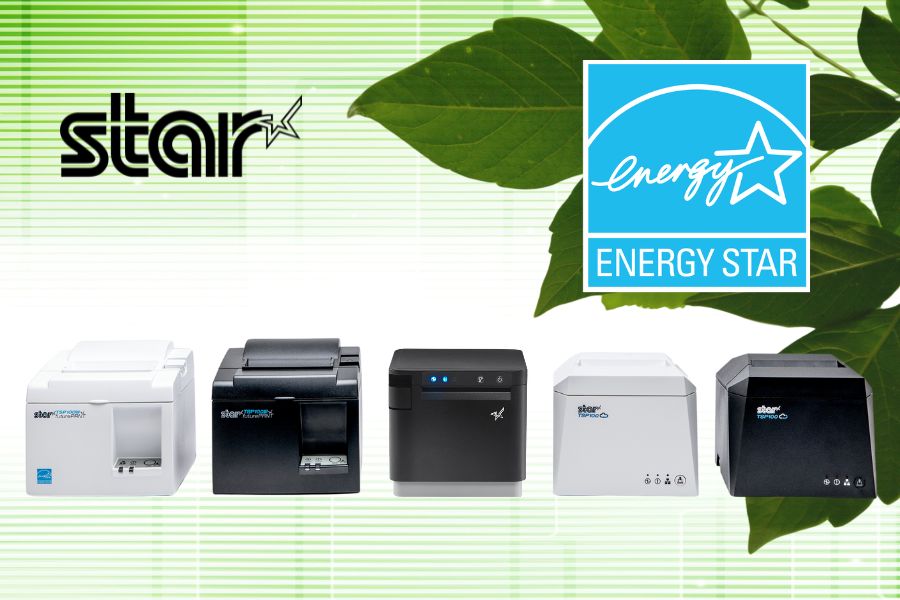
    Sustainability is more than just a buzzword—businesses are increasingly taking action to reduce their environmental impact. Every choice, from the products we use to the energy we consume, plays a role in shaping a greener future. At Star Micronics, we’re proud to do our part by offering Energy Star-certified printers that combine exceptional performance with energy efficiency.

    What Does It Mean to Be Energy Star Certified?

    When you see the Energy Star logo, it’s not just a marketing ploy; it’s a promise. This certification, awarded by the U.S. Environmental Protection Agency (EPA) and the Department of Energy (DOE), signifies that a product meets strict energy efficiency standards. Energy Star-certified devices are designed to use less energy without sacrificing performance, helping businesses cut costs while contributing to a cleaner environment.

    For printers, this means efficient energy usage during operation and standby, reducing electricity consumption and helping to lower greenhouse gas emissions. By choosing Energy Star-certified printers, businesses can demonstrate their commitment to sustainability while enjoying long-term savings.

    Energy Star Certified: Star Micronics is Printing a Greener Future

    Why Energy Efficiency Matters in Printers

    Printers are essential workhorses in industries worldwide, from retail and hospitality to healthcare and logistics. However, they’re also notorious for their energy demands. That’s where Energy Star certification makes a difference. By using less energy, these printers reduce operational costs and support global sustainability efforts.

    For businesses, it’s more than just a numbers game. Choosing energy-efficient products signals to customers and employees that you prioritize environmentally responsible practices. It’s a small change with big implications for the planet and your brand.

    Sustainability is not just for printers! Find out about the eco-friendly advantages of linerless labels >

    Star Micronics Energy Star-Certified Printers

    At Star, we believe innovation and responsibility go hand in hand. That’s why we’re thrilled to offer a lineup of printers that have achieved Energy Star certification, ensuring you don’t have to choose between performance and sustainability.

    Leading the charge are our TSP143III and TSP143IV series printers, known for their reliability and advanced connectivity. These models are designed to handle high-demand environments while conserving energy at every step.

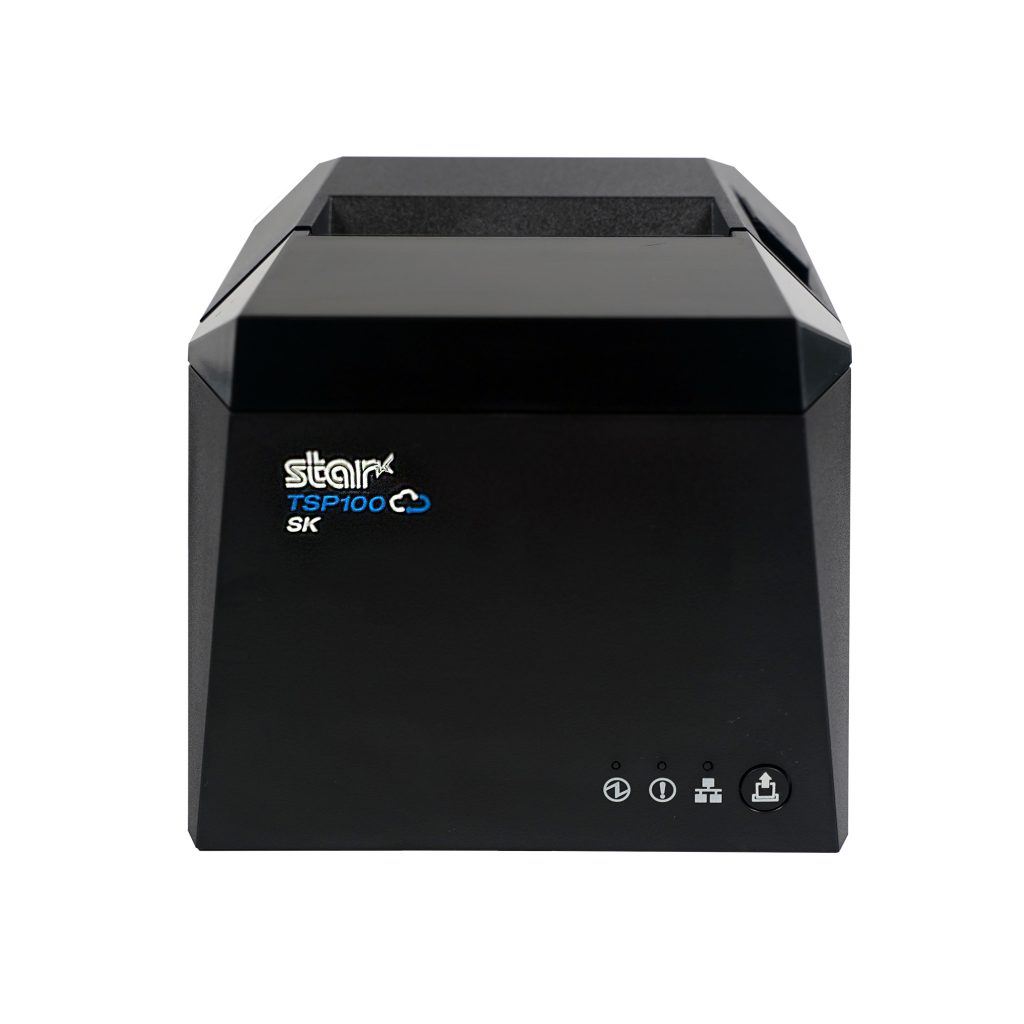
    TSP143IV SK Sticky Label Printer

    The TSP143IV SK by Star Micronics sets a new standard for compact, eco-friendly thermal linerless label printing, offering advanced connectivity options like Wi-Fi and AOA, and efficient, residue-free labels for diverse business needs.

    Find out more >

    If compact and sleek is more your style, look no further than the mC-Print3. The second generation of this model (MCP31) is packed with cutting-edge features like “Ultra-C” USB-C connectivity and CloudPRNT Next, all while meeting Energy Star standards. And let’s not forget the mPOP, our complete point of purchase solution that combines a printer and cash drawer in an energy-efficient and space-saving design.

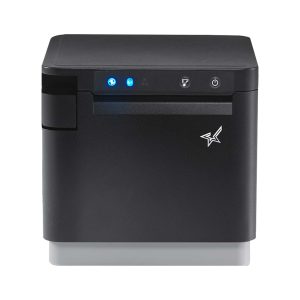
    mC-Print3 Receipt Printer

    The Star Micronics mC-Print3 combines high-speed printing with advanced connectivity options like “Ultra-C” and CloudPRNT Next. Its “Ultra-C” USB-C port provides seamless power and data transfer with any device, while CloudPRNT Next offers enhanced remote printing using the MQTT protocol, ideal for modern POS environments.

    Discover the mC-Print3 >

    Choosing Star Means Choosing a Better Tomorrow

    Every business decision shapes the world we leave behind. With Star Micronics Energy Star-certified printers, you’re not just investing in reliable, high-quality hardware; you’re choosing a future where sustainability and efficiency go hand in hand.

    Whether it’s reducing your electricity bill or lowering your carbon footprint, these printers empower your business to make a difference. By supporting greener technologies, you’re joining a global effort to create a healthier planet for generations to come.

    Ready to upgrade to Energy Star-certified printing? Explore our range of printers today and discover how Star Micronics can help your business thrive sustainably.

  • The Best POS System for Wash and Fold Laundry Services

    The Best POS System for Wash and Fold Laundry Services

    If you’re looking to start a wash-and-fold laundry service (also known as wash-dry-fold) or add it to your current laundromat or dry-cleaning business, having the right POS system for wash and fold services is essential. To save both money and time, it’s helpful to know exactly what POS hardware is required to operate efficiently. In this post, we’ll outline the key components your POS system for wash and fold laundry services should include for success.

    What is a Wash-and-Fold Laundry Service?

    A wash-and-fold laundry service is an onsite laundry service that washes, dries, and neatly folds clothing and other items from the customer for pickup or delivery. The customer either drops off and picks up the clean clothes at a later date from the same location, or a driver will pick up the laundry from the customer’s location and then wash, dry, fold, and deliver the clothes back to the customer.

    Adding Wash-and-Fold Services to Your Laundry Business Can Be Profitable

    Wash-and-fold laundry services are rapidly increasing in demand, making it a highly profitable addition to any laundry business. With more people working from home and less need for dry-cleaning, casual and comfortable clothing is piling up. Many customers prefer the convenience of outsourcing their laundry rather than handling it themselves, driving the growing popularity of wash-and-fold services.

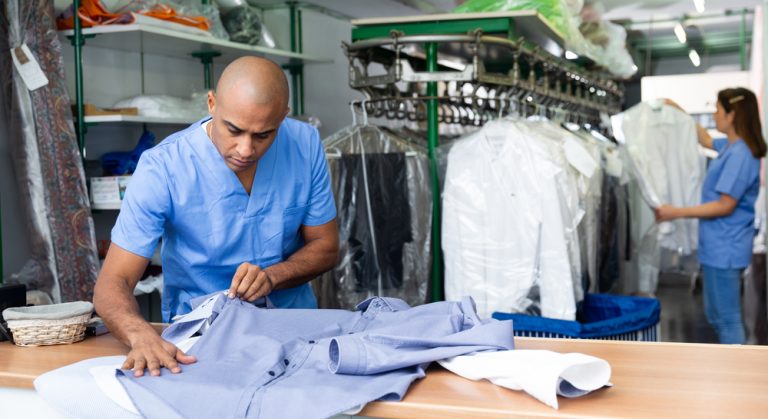
    Man working in laundry business doing wash-and-fold service.

    Providing exceptional customer service is crucial for standing out in the competitive wash-and-fold laundry industry. Offering pick-up and delivery services adds convenience for your customers, setting you apart from competitors. Along with neatly folding and packaging their laundry, including a personalized note, coupons, or branded tags can enhance the customer experience and present your business as more professional.

    Considerations When Choosing a POS System for Wash and Fold

    To run a successful business in this industry, having the right POS system for wash and fold laundry services is necessary. Think about all the different aspects of your business before choosing a point-of-sale system. It’s important to consider the following:

    • How many employees will use the system?
    • What payment methods will you accept?
    • Will you offer recurring laundry services?
    • Do I need in-house payment terminals or mobile payment options?

    These are just a few factors that should be considered when selecting which POS system best suits your needs.

    Lifestyle mG T Scales Laundromat Dry Cleaner Wash and Fold Email

    The Best POS System for Wash and Fold Services

    Having the best hardware and software for your POS system for wash and fold laundry services is crucial. Here’s what you’ll need:

    POS Software

    POS software does more than print receipts—it manages inventory, tracks customer preferences, and provides detailed analytics. Many POS software solutions are tailored to laundry services, including wash-and-fold operations.

    POS Hardware

    Next, you’ll need a computer or tablet device to interact with your POS software and take payments. You’ll need a tablet display stand and a proper enclosure for your mobile device to secure and protect it. A credit card terminal that reads EMV cards to comply with future security updates is critical.

    If you want to accept payments via customers’ phones, be sure to have the correct payment terminal for that. You will also want a cash drawer with the proper capacity for your cash flow so you never run out of change.


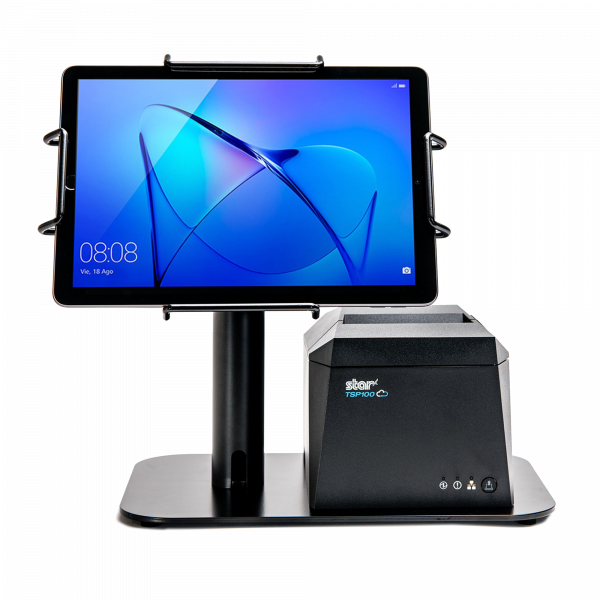
    The EZ POS tablet stand by Star Micronics. Shown in black with TSP143IV receipt printer.
    A POS setup with the Universal mEnclosure, the EZPOS Desktop Tablet Stand, & the TSP143IV thermal receipt printer by Star Micronics is perfect for wash and fold laundry services.

    Trade Legal POS Scale

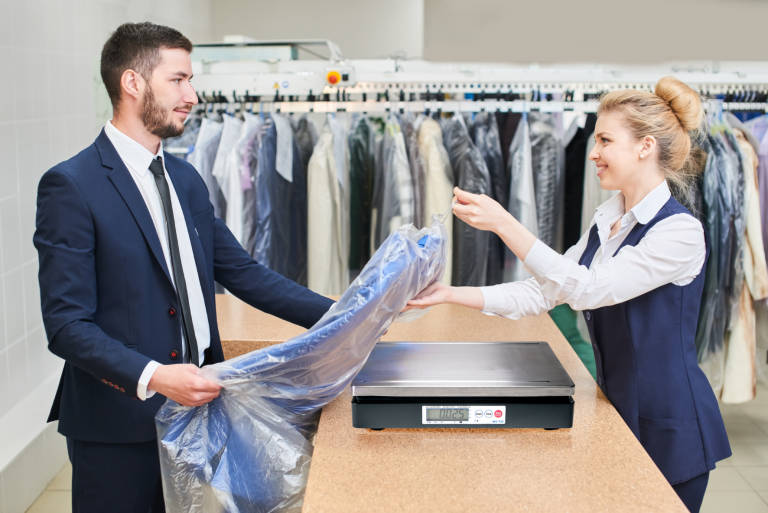
    Most wash-and-fold laundry services charge by the pound, so an accurate POS scale is a must. You want a scale that is easy to connect to the rest of your POS hardware and can be integrated with your POS software without any problem or delay. Be sure the scale is “trade legal” and can measure a hefty amount of weight.


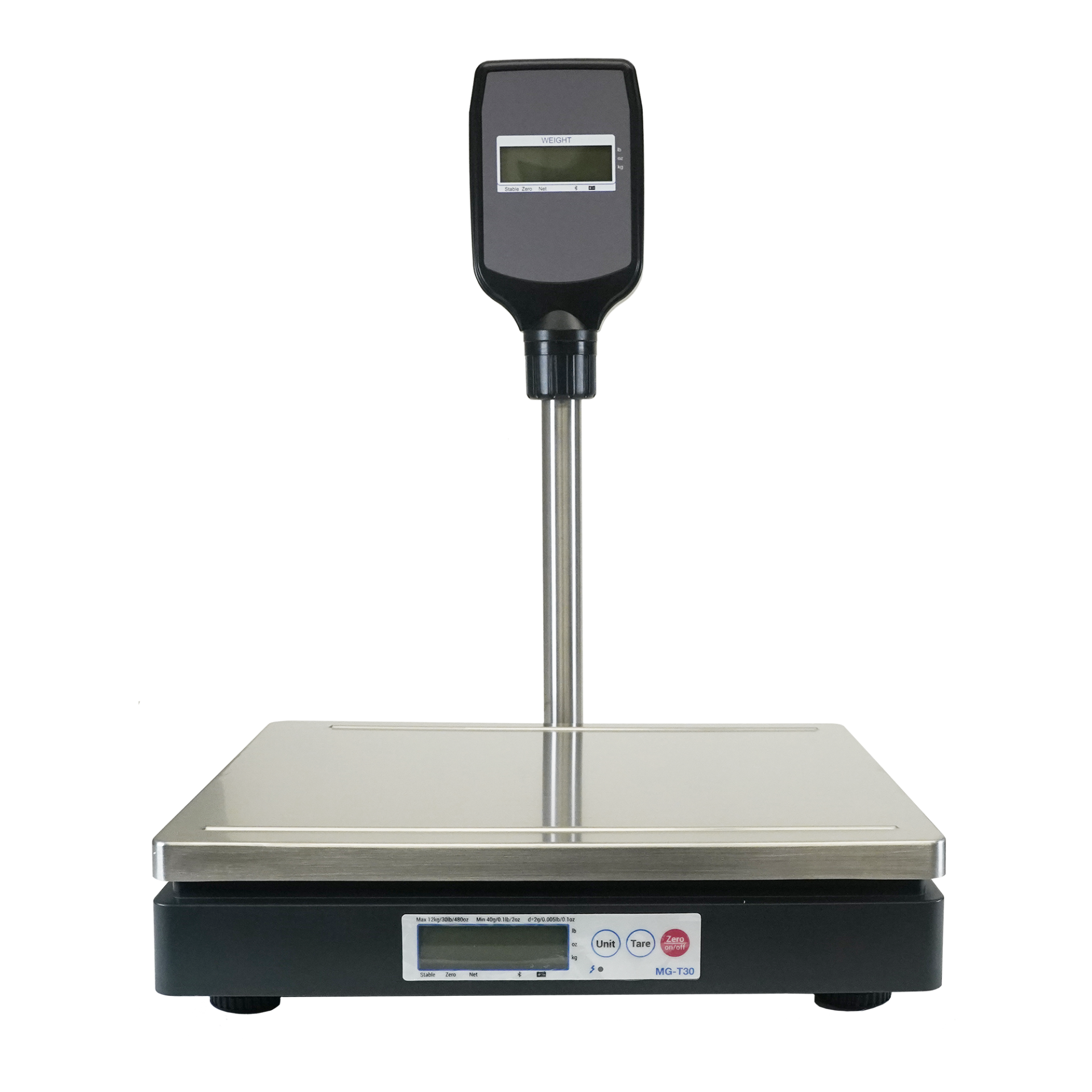
    The mG-TUDB digital pole display for POS scales by Star Micronics.
    An mG-TUDB POS scale, perfect for wash-and-fold laundry services.

    Barcode Scanner

    A reliable barcode scanner is essential for tracking items and managing inventory. For your wash and fold POS system, choose a scanner that reads both 1D and 2D barcodes to streamline order management and customer payments.

    2D barcodes cover things like QR codes, which are now widely used and hugely popular. Since customers can also scan them with their phones, QR codes can be utilized on order labels or receipts to take clients right to your website or landing page. This way, you can showcase ongoing promotions or holiday hours, and increase customer engagement with your brand.

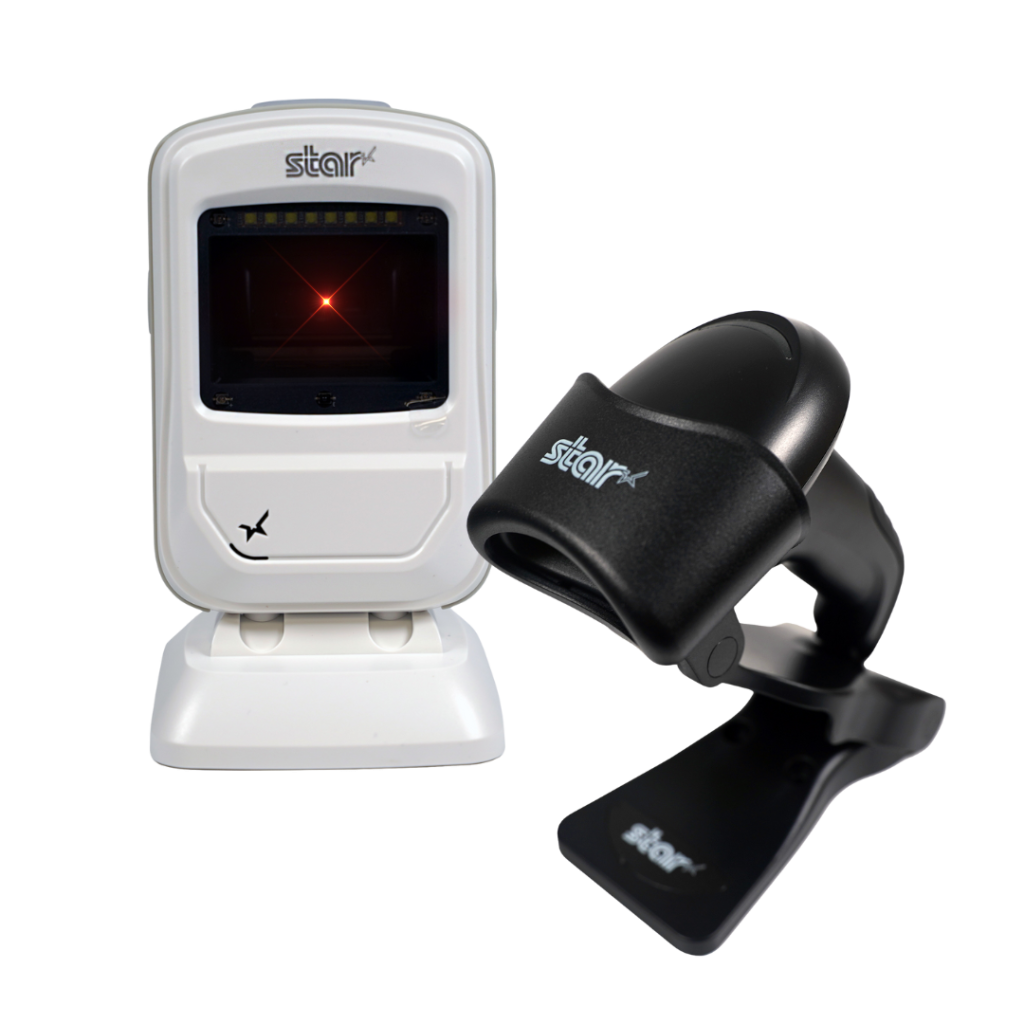
    Star’s 1D/2D Barcode Scanners

    Star offers a comprehensive range of IP-rated 1D/2D barcode scanners, ideal for diverse business needs. From retail to healthcare, our versatile scanners excel in parsing driver’s license and ID barcodes, ensuring swift and accurate data capture. Choose the perfect fit for your setup—desktophandheld, or wireless Bluetooth options available.

    Thermal Receipt & Label Printers

    Finally, having trusted receipt and label printers will do your company wonders. A thermal receipt printer allows you to print professional-looking receipts, enhancing your brand. Still, some cloud-based printers can even allow automated promotional marketing to be set up and scheduled, printing with your customized receipt with the same QR code or promotional information to boost customer engagement as mentioned above.

    Discover Star Micronics Cloud Services for customizable receipts >

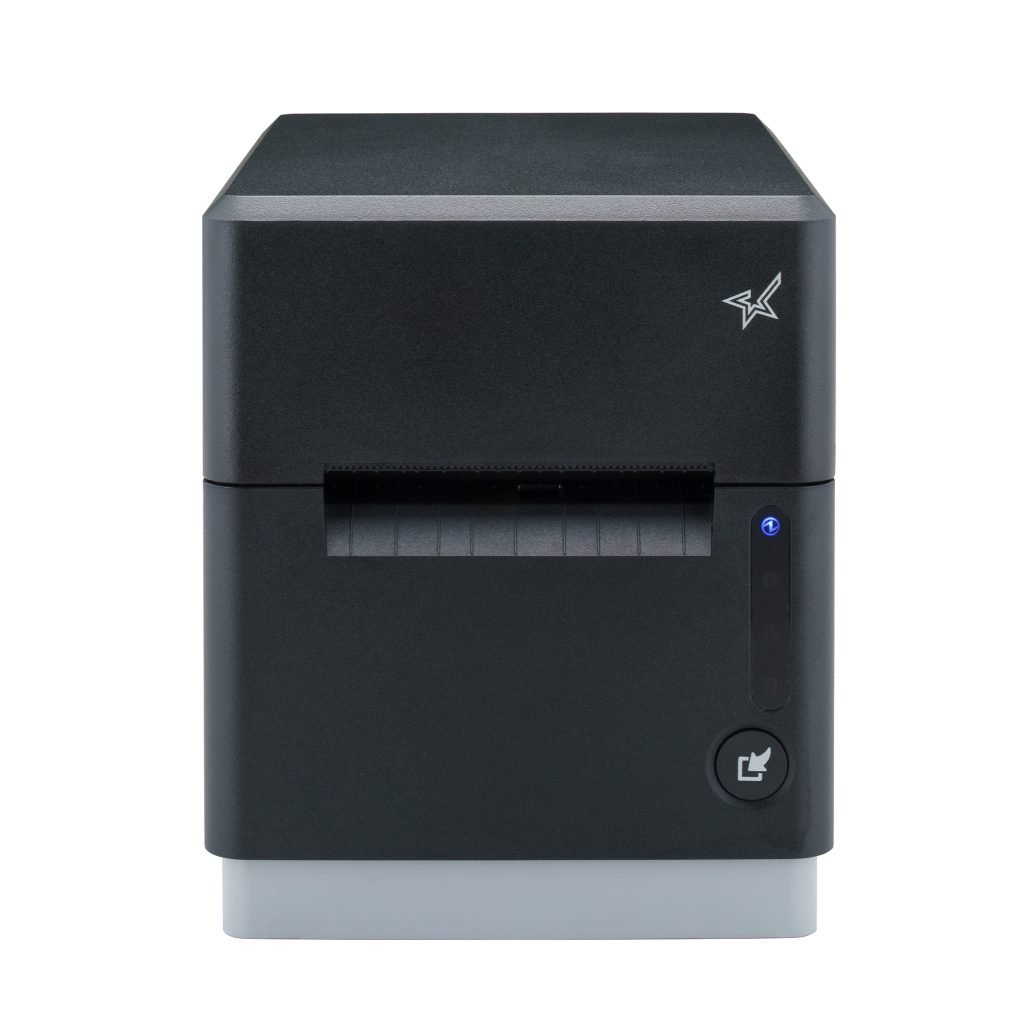
    mC-Print3 Receipt Printer

    The Star Micronics mC-Print3 combines high-speed printing with advanced connectivity options like Ultra-C and CloudPRNT Next. Its Ultra-C USB-C port provides seamless power and data transfer with any device, while CloudPRNT Next offers enhanced remote printing using the MQTT protocol, ideal for modern POS environments.

    Discover the mC-Print3 >

    In addition to a receipt printer, you’ll also want a label printer. More people are using linerless label printers these days, whether repositionable sticky or permanent linerless labels. When customers receive their freshly cleaned garments, seeing a professionally applied label with their contact information adds an extra touch of care and attention. Details like this can differentiate your business from competitors and help foster customer loyalty, encouraging repeat visits.

    Find out about Label Builder, part of Star Cloud Services, which allow merchants to customize their labels >

    Popular Star Label Printers

    TSP143IV SK Sticky Label Printer

    The TSP143IV SK by Star Micronics sets a new standard for compact, eco-friendly thermal linerless label printing, offering advanced connectivity options like Wi-Fi and AOA, and efficient, residue-free labels for diverse business needs.

    Find out more >

    mC-Label3 Multimedia Printer

    The Star Micronics mC-Label3 is a versatile multimedia printer that prints a wide range of labels and receipts, including both permanent and repositionable sticky linerless. It features cloud connectivity and innovative technologies like SteadyLAN and TetherLAN for enhanced printing convenience.

    Discover the mC-Label3 >

    Impact Printers

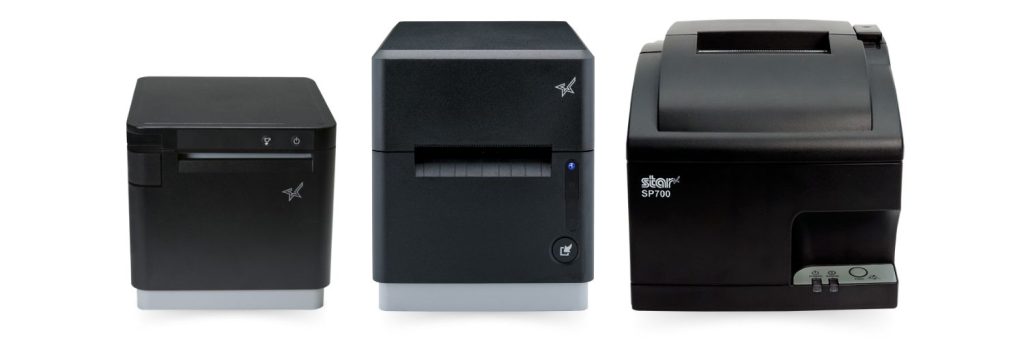
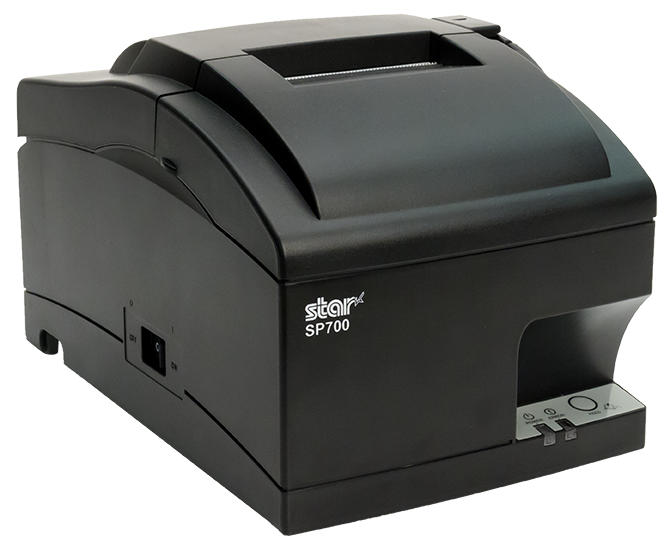
    Impact printers, like the SP700 from Star Micronics, are particularly useful in wash-and-fold laundry services for their ability to produce durable, long-lasting prints. Impact printers use ink ribbons to create clear, smudge-proof tags that can withstand the high temperatures and humidity commonly found in laundry environments.

    For laundry services, these printers can produce durable tags that are attached to customer orders for tracking. This ensures that clothes are easily identified and organized throughout the washing, drying, and folding processes.

    Additionally, most impact printers offer two-color printing, which allows for important details, like customer names or special instructions, to stand out on the tags, further improving efficiency and accuracy. Impact printers like the SP700 provide reliable performance in hot and humid settings, making them an ideal solution for laundromats or any business offering wash-and-fold services.

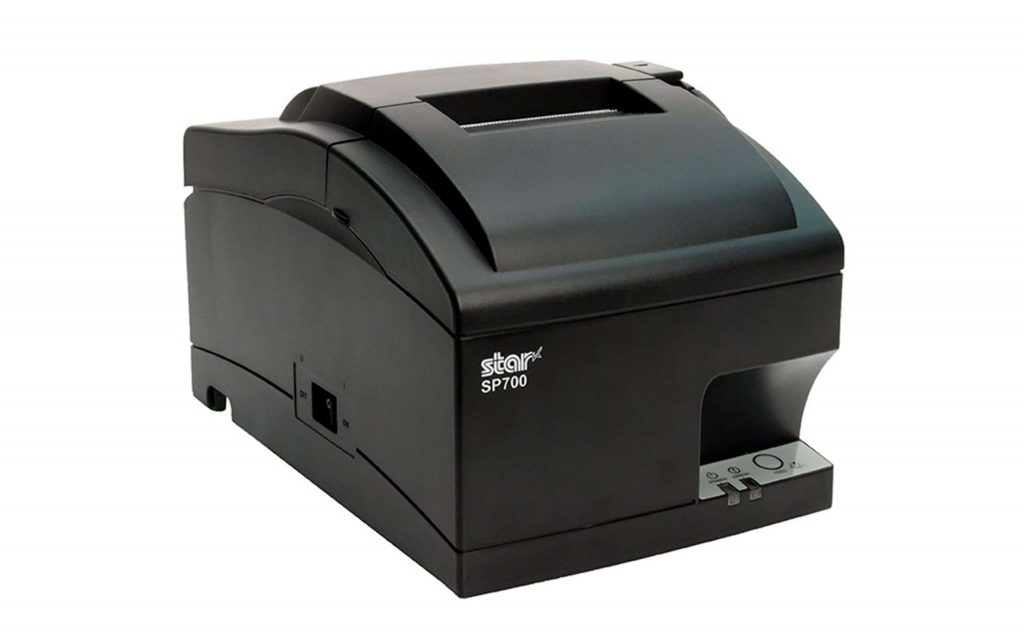
    SP700 Impact Printer

    With its robust design and consistent print quality, the SP700 impact printer enhances both operational efficiency and customer satisfaction by streamlining order management.

    Explore the SP700 >

    Star Micronics Has the POS Hardware Your Wash and Fold Service Needs

    As a trusted industry leader for over 60 years, Star Micronics offers a wide range of POS hardware solutions ideal for wash-and-fold laundry services. Our portfolio includes desktop, portable, and kiosk printers, cash drawers, barcode scanners, scales, and more—all designed to meet the demands of any retail or hospitality environment. Additionally, Star Micronics Cloud Services can help businesses engage customers with automated receipt marketing tools.

    At Star, we prioritize seamless integration across all POS hardware. That’s why we offer a complete solution for your POS system needs, including reliable receipt and label printers, trade legal POS scales, barcode scanners, and cash drawers—all backed by one dedicated support team.

    With partnerships with top POS software developers, Star provides the tools to keep your business running efficiently. Our expert support and integration teams will work diligently to get your wash-and-fold laundry business online quickly, ensuring smooth operations and happy customers.

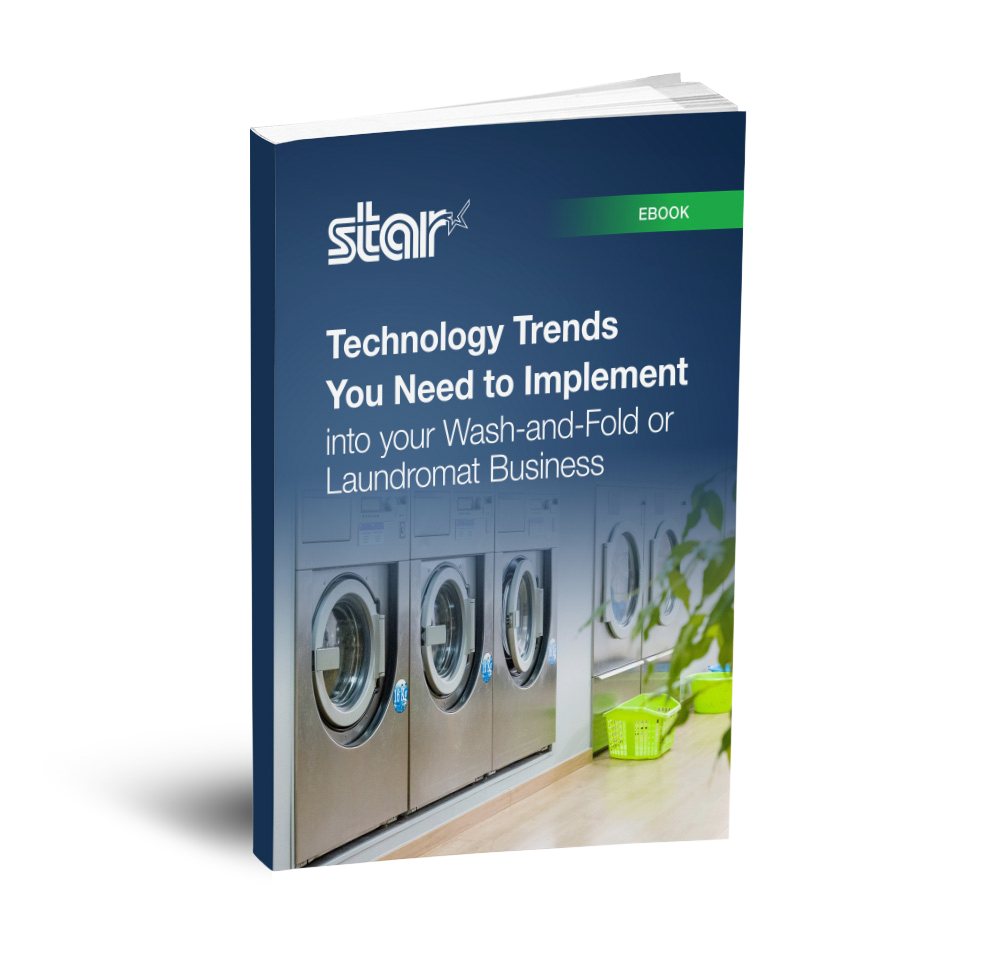
    Tech Trends You Need to Implement into your Wash-and-Fold or Laundromat Business

    Run your competitors through the rinse cycle using the POS technology explained in this helpful guide.

    Find out where you can get Star POS hardware today:

  • Choosing the Best Thermal Receipt Printer for Your QSR

    Choosing the Best Thermal Receipt Printer for Your QSR

    Providing fast, efficient customer service and communicating orders quickly and accurately to food prep areas are absolutely vital to a quick-service restaurant (QSR) operation. Thermal receipt printers will help you achieve those objectives if you choose a model with the right features and design for your operation. 

    Answer these questions to narrow your choices decision-tree-style to make a confident thermal receipt printer choice for your business.

    What Do You Need the Thermal Printer to Do?

    The best place to start with any technology purchasing decision is by identifying gaps in your operation or developing plans for a more efficient operation. Are you looking for an efficient printer for receipts? Do you plan to deploy printers in the kitchen? Or do you need a model designed for both uses? 

    Do you need a printer that can generate labels for efficient online order fulfillment in addition to printing receipts and chits? Once you define your needs, you can narrow your choices to thermal receipt printer models designed for your applications.

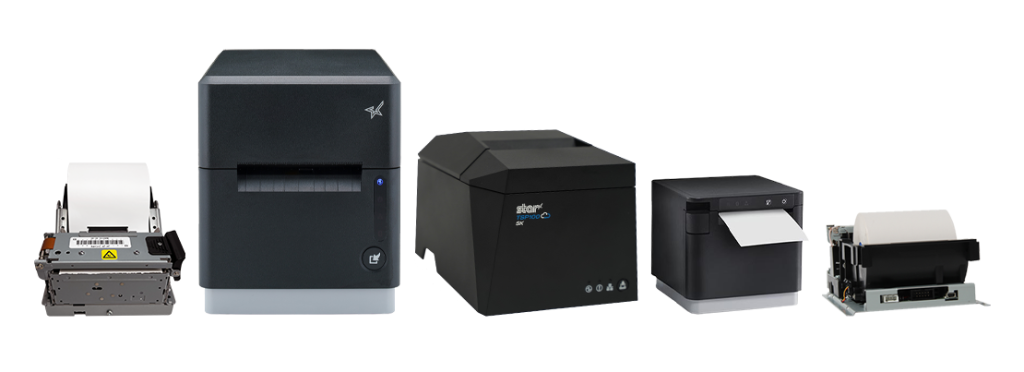
    Star Micronics has the kitchen printers you need for your restaurant, QSR, and cafe, including the SP742 impact printer, the mC-Label3 multimedia printer, and the mC-Print3 thermal printer.

    Where Do You Need Printers?

    Another question you need to ask before you begin to search for point of sale (POS) printers or kitchen printers is where it makes the most sense to implement them in your operation. 

    In a modern, fast-paced QSR, it’s not practical for employees to walk to a wired printer to generate a receipt for drive-thru customers or pick up kitchen orders. If you can save steps and time by deploying printers where wired connections aren’t possible, narrow your choices to printers that can connect via WLAN, Wi-Fi, or Bluetooth. 

    Restaurants choose impact printers for hot, humid kitchens that could impact the quality of thermal-printed chits and receipts. Impact printers remain a good choice; however, more kitchens are now heat-controlled, allowing restaurants to use thermal printers for better speed and connectivity options. 

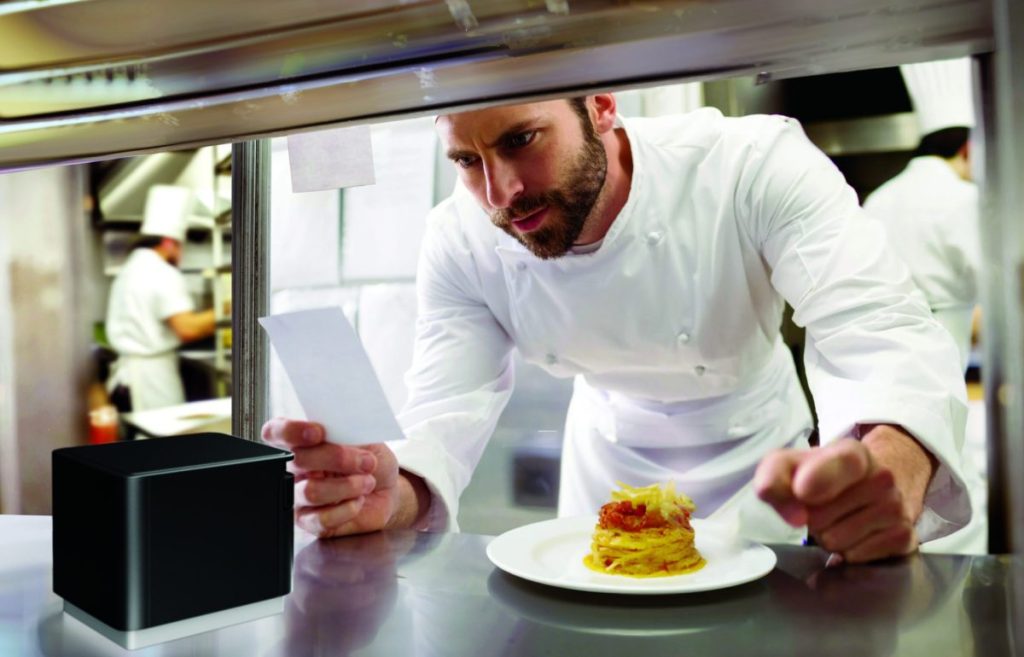
    Chef in modern, professional kitchen looking at ticket from mC-Print3 thermal receipt and restaurant printer by Star Micronics.

    If you plan to deploy your printer in the kitchen, limit your choices to models with IP ratings for resistance to damage from dust, dirt, and liquid splashes or sprays to minimize repair and replacement costs. Easy maintenance is also a must!

    Learn “Why Thermal Printers Have A Place In Today’s Modern Kitchens” >

    Where Are Customers Placing Orders?

    The days of only taking orders at the counter are over. Drive-thru traffic rose 30% from 2019 to 2022 and continues. Nearly 45% of QSRs plan to add self-service kiosks this year, and restaurants continue to take orders from third-party ordering and delivery services. Plus, many establishments are now taking orders from their own websites or apps. 

    While giving customers the freedom to choose how they interact with your restaurant can increase satisfaction, loyalty, and revenue, it also creates operational complexity. A printer that can print orders, labels, and receipts directly from a web application or cloud-based software eliminates the need for additional devices and simplifies the IT environment necessary to make an omnichannel operation work.

    How Fast Do You Need to Print Labels and Receipts?

    Your customers expect fast, accurate service. Delaying food prep because a kitchen printer queue is backed up or serving the wrong order because employees mixed up slow-printing chits can hurt your brand and negatively impact loyalty. Narrow your choices only to options with print speeds that can keep up with peak traffic. 

    The Best Thermal Receipt Printer Choice

    After you answer these questions, you’ll have a clearer picture of the best thermal receipt printer for your business. Following this decision-making process may guide you straight to the best printers for business — or convince you that you need more help to find the right model for your restaurant. 

    The good news is that Star Micronics has a full line of printers for QSRs with models that meet every need–backed by world-class support. Contact us to connect with an expert who knows your industry and printer technology options and can help you explore your options.

    Star Micronics has a wide range of receipt, label, and kiosk printers for ChromeOS and Google Chromebooks.

    Additional Resources

    Learn more about these Star Micronics products for your QSR: 

    • The mC-Label3 Multifunctional Printer prints permanent or repositionable sticky labels on linered or linerless media and also provides thermal receipt printing. 
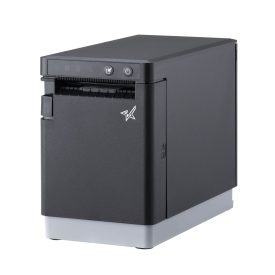
    • The mC-Print3 series of thermal receipt printers are lightning-fast with robust connectivity options, CloudPRNT Next capability, and compact, splash-proof designs–perfect for demanding, high-traffic environments.
    • The TSP143IV SK is a compact, sticky linerless label printer that can help increase efficiency in order preparation and fulfillment processes. Linerless labels are also the more eco-friendly label media.
    • The TSP143IV thermal receipt printer delivers high print quality and offers multiple connectivity options and high-speed printing. 
    • Star’s CloudPRNT technology stores and creates print jobs and offers cloud-based printing capabilities, allowing QSRs to print directly from web apps and cloud applications.
    • The mPOP® multifunction “mobile point of purchase” system combines a printer and cash drawer into one sleek solution.
    • The SP742 impact printer is a high-speed, reliable solution for hot, humid kitchens. It features multiple connectivity options, including cloud-based printing.

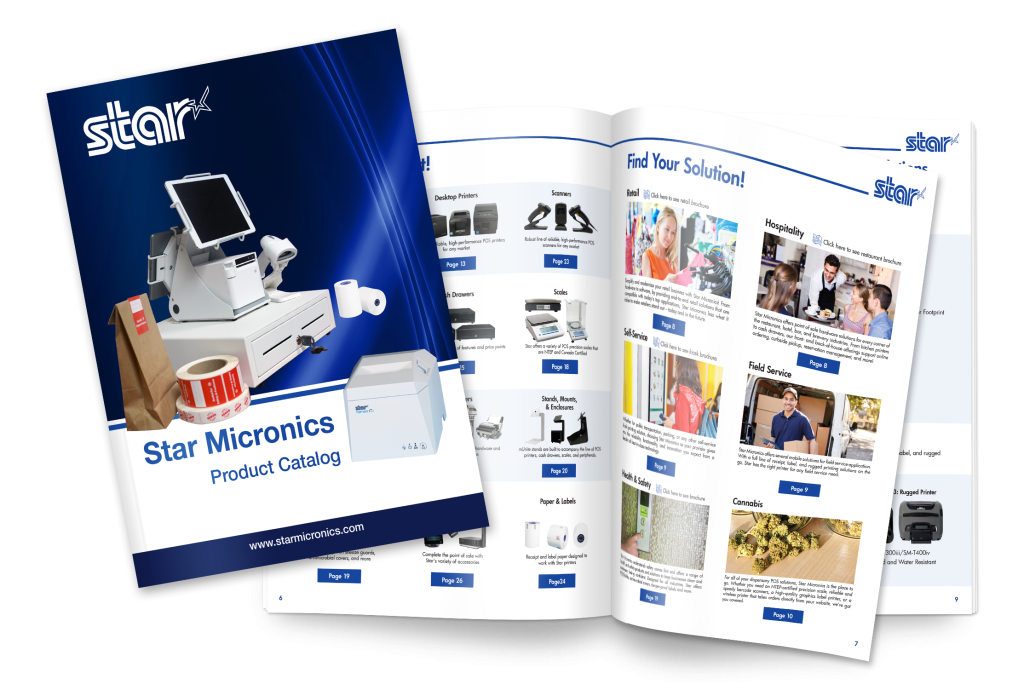
    Star Micronics Product Catalog

    Explore Star’s Product Catalog today to discover the perfect printer solutions tailored for your QSR’s unique needs.

    Find Your Thermal Receipt Printer Today!

  • The Easy Way to Implement Library Book Barcodes and Maximize Their Benefits

    The Easy Way to Implement Library Book Barcodes and Maximize Their Benefits

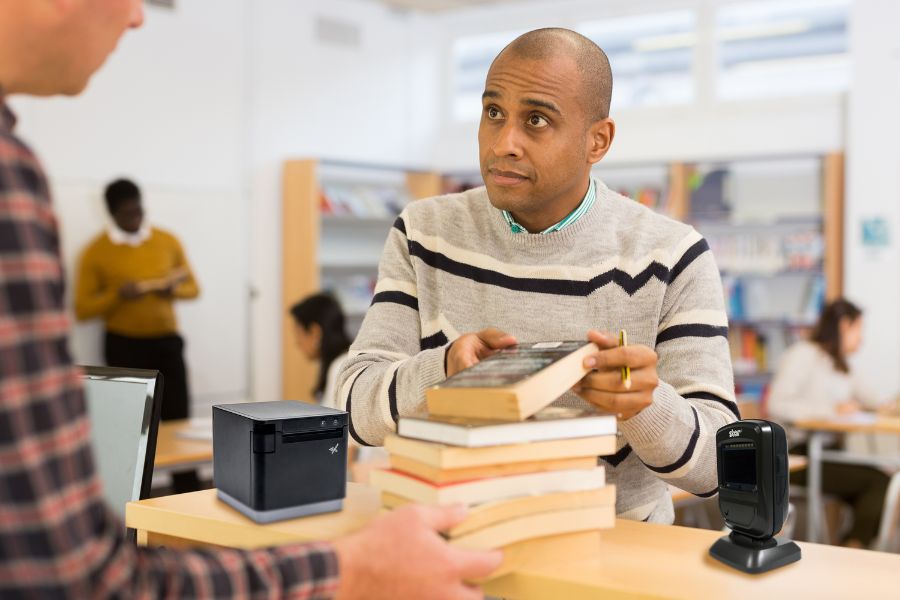
    Implementing library book barcodes offers readers and librarians the best of both the physical and digital worlds. Despite the trend toward digital information, physical books remain the preferred choice for many. 

    Professionals using reference books with maps or schematics often find it easier to see the entire image in a physical book rather than scrolling on a screen. Students may also benefit more from reading physical books. A Cambridge study reported in Yahoo! News found that students reading printed material comprehend six to eight times better than those reading from digital devices.

    Additionally, many people who read for pleasure simply enjoy the tactile experience of turning pages as they anticipate the next sentence in a thriller or romance.

    The continued demand for printed books underscores the importance of libraries to their communities. However, as more books join the classics and centuries of reference materials on the shelves, the task of classifying, organizing, and protecting them becomes increasingly complex. Library book barcodes simplify the management of these physical assets, making storing, organizing, and tracking books easier.

    The Benefits of Library Book Barcodes

    When library administrators choose to barcode library books and other assets in their collections, they take a major step toward greater efficiency and visibility. Using barcodes for library books optimizes:

    Inventory Management

    Scanning a permanent barcode label on a library book informs the library’s system that the title is on the shelf and available for patrons to borrow. Additionally, when librarians scan library book barcodes upon return, their management system can direct them to the exact floor, stack, and shelf for reshelving.

    Barcodes for library books streamline inventory management by providing a digital representation of all titles, saving time, and ensuring proper storage and display.

    Get the ideal library printers and scanners from Star Micronics.

    Online Services

    Library barcode systems are essential to publishing a collection online, giving patrons the convenience of reserving titles for pickup via a device. Libraries that work cooperatively can also use data from barcodes to find titles in other locations and arrange for their patrons to borrow them.

    Book Borrowing

    Barcodes for library books eliminate the need to glue library cards inside books. Librarians simply scan patrons’ library cards and the barcodes on the titles they’re borrowing. The library management system then tracks who borrowed the books and their due dates. Additionally, the system can send email or text reminders to help patrons avoid fines.

    Self-Service Returns

    Library barcode systems enhance the efficiency of dropbox returns. Patrons scan the barcodes at a kiosk when returning books, confirming the return and logging the time. The library’s system immediately updates the status, making the books available for borrowing sooner, benefiting patrons waiting for those titles.

    The Right Tools to Generate and Read Library Book Barcodes

    While library barcode systems offer numerous benefits, the value they provide depends on the quality of labels and the library’s barcode scanner capabilities.

    Library Barcode Label Printers

    Printers for library book barcodes must produce high-quality images for accurate scans. Printers that are flexible enough to work with the library’s label software will result in higher-quality barcode labels and make the labeling process easier. 

    The printer should also accommodate the label media the library chooses. It should be versatile enough to print permanent linerless or die-cut labels for book spines and repositionable sticky labels that librarians can use for holds or titles that patrons reserve online. A printer that accommodates linerless labels–labels without a silicone backing–can streamline labeling processes and reduce clutter and paper waste.

    mC-Label2 Multifunction Printer

    The mC-Label2 packs powerful features into a compact, front-loading design, including 300 dpi resolution, support for linerless, die-cut, receipt, and continuous media, and connectivity options like USB-C, LAN, WLAN, Bluetooth, and Apple MFi-certified pairing (X4 models only).

    Explore the mC-Label2 >

    mC-Label3 Multifunction Printer

    The Star Micronics mC-Label3 is a versatile multimedia printer that prints a wide range of labels and receipts, including both permanent and repositionable sticky linerless. It features cloud connectivity and innovative technologies like SteadyLAN and TetherLAN for enhanced printing convenience.

    Discover the mC-Label3 >

    Library Barcode Scanners

    In addition to printing high-quality labels, libraries also need reliable barcode scanners to read them. Scanners should read both one-dimensional, also known as 1D or linear barcodes, and 2D barcodes, like QR codes, to collect information from different types of codes the library uses. 

    Because labels on book spines or assets could become distorted, libraries will benefit from scanners that can read barcodes on uneven surfaces. The scanner should also work reliably in different lighting conditions, giving accurate reads even in low-light areas. 

    Libraries will also benefit from desktop scanners for use at the front counter and wireless handheld scanners for use by librarians when managing inventory.

    Star’s 1D/2D Barcode Scanners

    Star offers a comprehensive range of IP-rated 1D/2D barcode scanners, ideal for diverse business needs. From retail to healthcare, our versatile scanners excel in parsing driver’s license and ID barcodes, ensuring swift and accurate data capture. Choose the perfect fit for your setup—desktophandheld, or wireless Bluetooth options available.

    Future-Proof Operations with a Barcode Library System

    As library collections expand and the labor shortage persists, libraries must find ways to operate more efficiently. Implementing barcodes for library books allows librarians to accurately manage inventory and gain instant visibility into their collections.

    Barcode technology transforms the management of physical books, making it as streamlined as handling digital assets. This advancement ensures libraries can continue to provide patrons with the benefits of printed works well into the future.

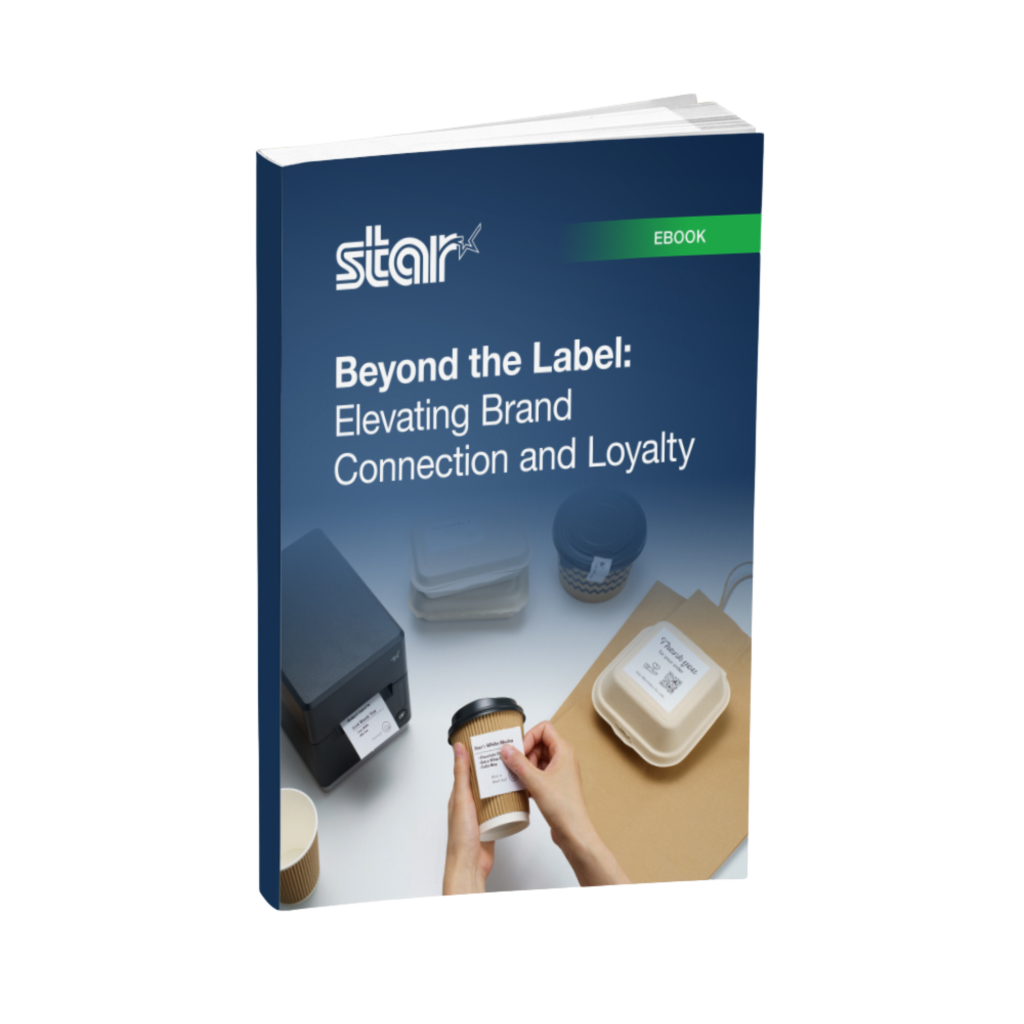
    Beyond the Label: Elevating Brand Connection and Loyalty

    Discover how strategic labeling can redefine customer engagement and boost brand loyalty in this digital age.

    Learn More About Star’s Library Solutions:

  • Star Micronics Unveils the Next mC-Print3: Connectivity and Sustainability Redefined

    Star Micronics Unveils the Next mC-Print3: Connectivity and Sustainability Redefined

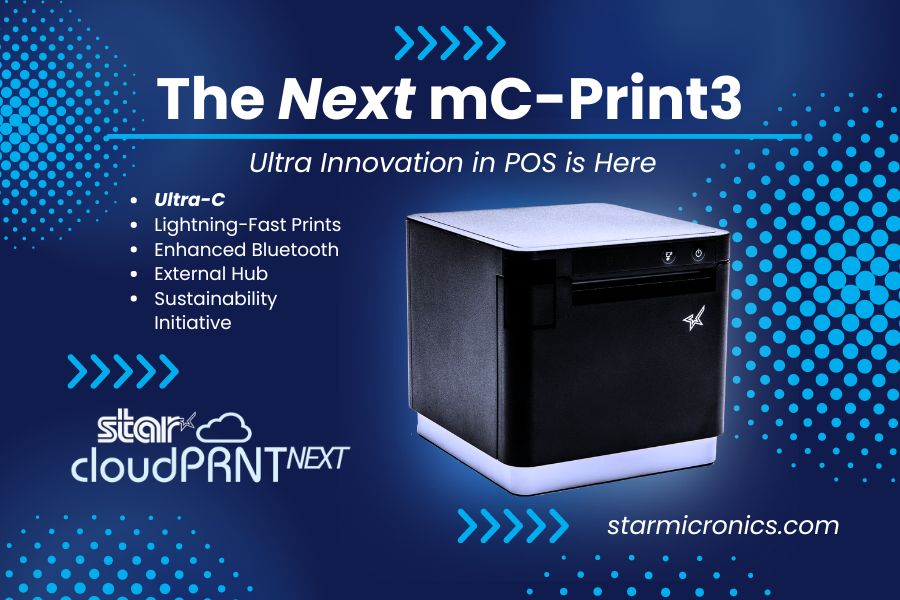
    The mC-Print31Ci and mC-Print31CBi thermal receipt printers, featuring CloudPRNT Next and Ultra-C technology, set new benchmarks in speed, efficiency, and sustainability.

    Somerset, NJ – July 24, 2024 – Star Micronics, a global leader in point-of-sale (POS) technology, is excited to announce the highly anticipated launch of the mC-Print31Ci and mC-Print31CBi, the latest additions to the esteemed mC-Print3 series of thermal receipt printers and part of the mCollection®. These new models redefine POS printing standards, combining speed, flexibility, and innovative connectivity features to significantly enhance retail and hospitality operations.

    The mC-Print31Ci and mC-Print31CBi are engineered to set new benchmarks in printing speed and connectivity. They deliver prints at an impressive rate of up to 400mm/sec, ensuring fast, high-quality outputs that boost store efficiency. These models also feature the latest CloudPRNT Next technology, providing faster and more dependable cloud-based printing using the MQTT protocol.

    Key features of the mC-Print31Ci and mC-Print31CBi include:

    • CloudPRNT Next Technology: Advanced cloud-based printing using the MQTT protocol for enhanced performance.
    • Ultra-C Technology: 20W USB-C power and data transfer for seamless connections with iOS, Android, and Windows devices.
    • Enhanced Bluetooth Connectivity: The mC-Print31CBi model offers twice the Bluetooth speed for improved communication.
    • Lightning-Fast Printing Speed: Capable of printing up to 400mm/sec, reducing transaction times and increasing efficiency.
    • External USB Hub Support: Allows connection of up to three peripherals, enhancing functionality.
    • Sustainable Packaging: Eco-friendly packaging made entirely of recyclable materials, with zero plastic wrapping.
    • Robust and Reliable: IP22 splash-proof, insect-proof, and dust-proof design suitable for demanding environments.

    In alignment with Star Micronics’ commitment to sustainability, the mC-Print31Ci and mC-Print31CBi feature compact packaging that reduces ecological impact and increases inventory capacity during transportation. The packaging is entirely plastic-free and reduces cable waste by not including cables that most people already have. The printers’ robust design ensures they can withstand the hustle of a busy kitchen and the demands of a high-traffic retail setting.

    Experience what’s next in thermal receipt printing with Star Micronics’ mC-Print31Ci and mC-Print31CBi, where efficiency, innovation, and sustainability meet.

    Schedule private demos with Star representatives by contacting sales@starmicronics.com.

    Love Industry News? Explore our Podcast:

    Star Micronics logo, point-of-sale (POS) hardware and technology company.

    Star Micronics, a world leader in point-of-sale (POS), has designated a portfolio of printing, labeling, secure cash management, and customer engagement solutions for any retail or hospitality establishment. Embracing the mPOS wave, Star’s SDKs allow developers to utilize Star printers with Android™, iOS, iPad®, and iPhone® devices to generate receipts, labels, Chit, and tickets. Star Micronics is always leading and always innovating, creating cloud-based printing solutions, including CloudPRNT and Star Cloud Services, with AOA support and MFi connectivity. Star also has a wealth of peripherals, including 2D barcode scanners, scales, tablet display stands, and more. Visit starmicronics.com or follow us on Facebook, Instagram, X, YouTube, or LinkedIn to learn more.

    Media Contact:

    Christin Dorner
    Star Micronics America, Inc.
    cdorner@starmicronics.com
    848-216-3318

  • Why Thermal and Impact Printers Remain Essential in High-Tech Restaurant Operations

    Why Thermal and Impact Printers Remain Essential in High-Tech Restaurant Operations

    Efficiency is the lifeblood of successful restaurant operations, especially when soaring food and labor costs threaten profitability. To combat these challenges, restaurants are increasingly turning to technology to streamline processes and cut expenses. Some forward-thinking chains are even exploring the feasibility of fully automated operations, testing robots and intelligent systems for food prep, service, and even bussing tables.

    But let’s face it: most restaurants aren’t ready to jump straight into a futuristic, AI-powered world. Instead, the majority are adopting a more pragmatic approach, carefully selecting technologies that offer the greatest value. Time and again, the winning strategy is a blend of innovative new solutions and dependable classics, such as thermal and impact printers, which bridge the gap between the cutting-edge and the tried-and-true.

    Impact Printers in the Modern Restaurant Kitchen


    The SP742 impact kitchen printer is great for online ordering.
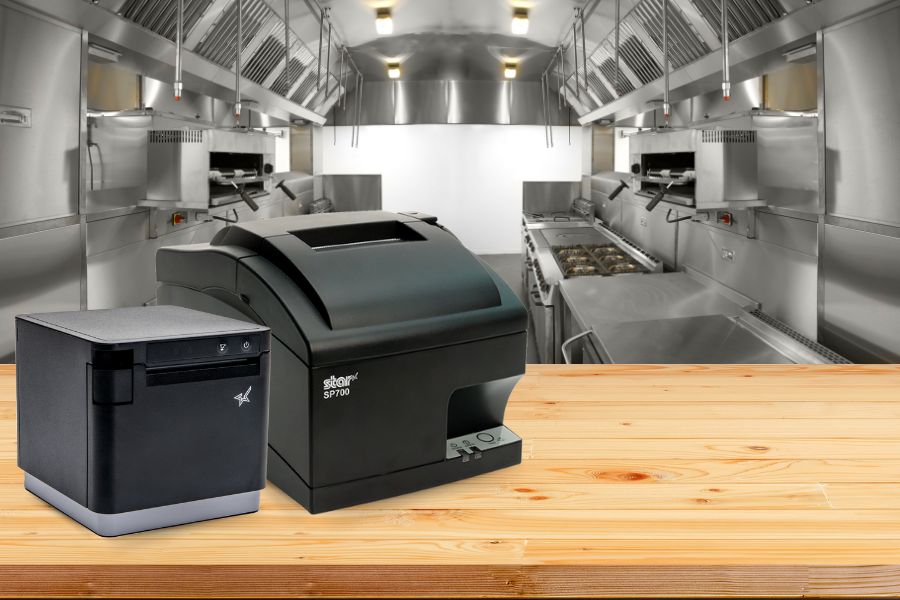
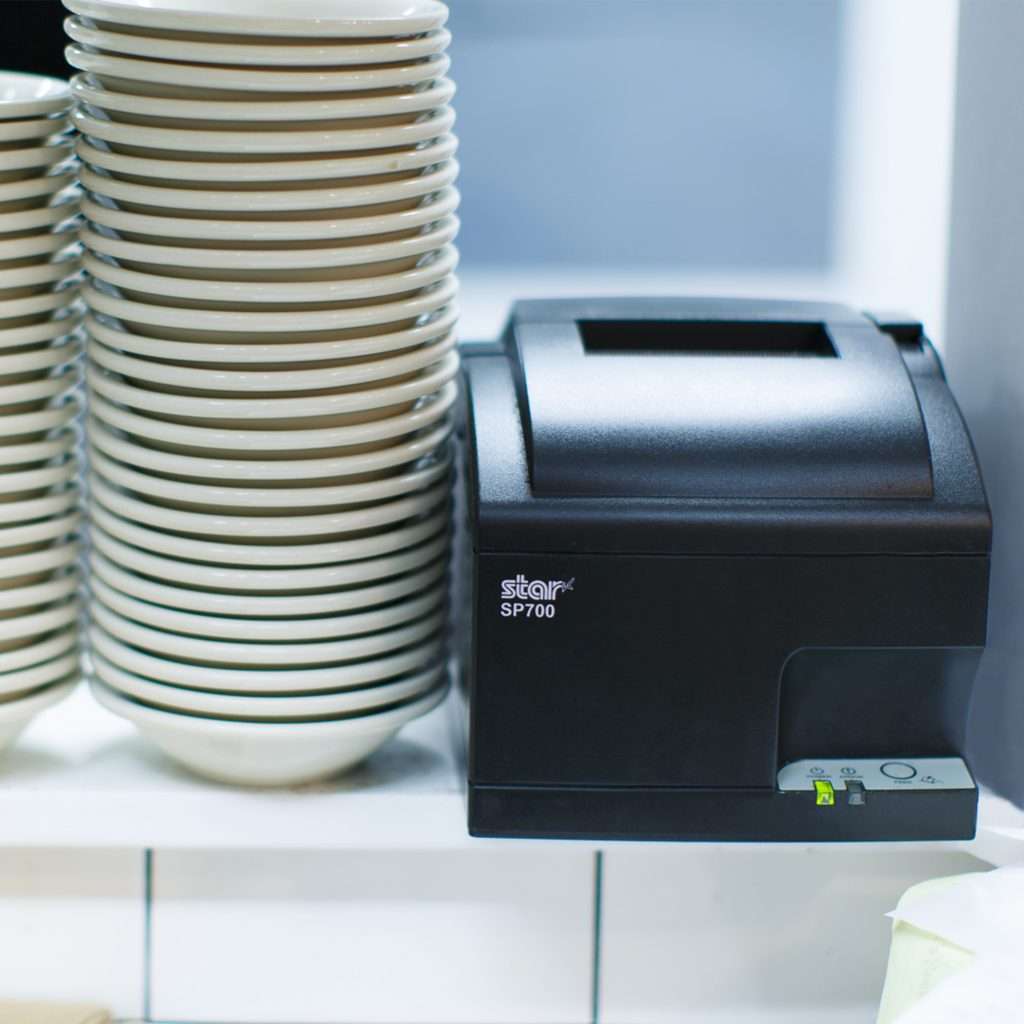
    The SP700 impact kitchen printer by Star Micronics is one of the most trusted on the market.

    Printers, paired with the point-of-sale (POS) or restaurant management system, are essential for clear communication. When a server takes an order, the printer instantly generates a ticket for the back of the house. This technology replaces handwritten notes with printed chits, ensuring all orders are legible. As accuracy improves, the positive impact on service, customer experiences, and the bottom line is substantial.

    Impact printers are the top choice for hot, humid restaurant kitchens. Orders printed on thermal printers can become illegible when exposed to steam and high temperatures. In contrast, chits from an impact printer remain clear and readable throughout the food prep process.

    Moreover, restaurants benefit from rugged, reliable models that ensure legibility and uninterrupted service, even when splashed with liquids during order preparation. Compact models with versatile connectivity options allow managers to position printers in optimal locations within food prep areas.

    Additionally, restaurants can choose impact printers that are easy to load, making them ideal for operations requiring two-color and carbon copy printing.

    Discover the SP742: The Ultimate Kitchen Printer

    The SP742 printer excels in the demanding kitchen environment, offering high-speed, two-color printing for clear orders and a user-friendly design for easy handling. Enhanced with CloudPRNT and Bluetooth, it streamlines online ordering, ensuring seamless front-to-back-of-house operations.

    Role of Thermal Printers in Modern Restaurants

    While advancements in impact kitchen printers have made them indispensable in many restaurant operations, modern eateries often require a printer with broader capabilities. Multi-function thermal receipt printers fit this need perfectly, allowing restaurants to print everything from permanent food and shelf labels to repositionable sticky labels for online orders.

    These versatile printers can also generate unique, branded labels and tamper-proof labels for deliveries, enhancing both functionality and brand integrity.

    Moreover, as more modern kitchens become heat-controlled, thermal printers are emerging as attractive options. With a thermal printer at each food prep station, there’s no need for carbon copies, reducing the risk of losing important order information.

    Features such as a compact design, multiple connectivity options, cloud printing technology, and the flexibility to print labels, receipts, and orders make the right thermal printer a smart investment for any contemporary restaurant.

    The mC-Print3 thermal receipt printer is an invaluable asset for any professional kitchen. Learn more here >


    Chef in modern, professional kitchen looking at ticket from mC-Print3 thermal receipt and restaurant printer by Star Micronics.
    The mC-Print3 by Star Micronics is ideal for professional, heat-controlled kitchens.

    Label Printing to Improve Inventory Management

    Modern restaurants deploy technology to increase efficiency and operate more cost-effectively. According to the National Restaurant Association, with food costs accounting for 33 cents of every dollar sold and overhead totaling 29 cents, pretax profit for most restaurants is only about 5 percent. Furthermore, as food costs continue to rise, there’s no margin for error.

    Accurate inventory management is essential for cost control and maintaining a viable restaurant business. Technology empowers restaurants to manage inventory effectively, decreasing waste and ensuring customer satisfaction by always serving fresh, high-quality foods.

    High-ROI inventory management solutions include barcode and RFID technology, which provide staff with visibility into inventory from receiving to food preparation and sales. These solutions also enable quick and precise identification of foods subject to recall, minimizing losses.

    Using technology to track inventory requires labels on stock and shelves. Label printers allow restaurants to create labels on demand for flawless inventory tracking. These inventory tracking solutions also provide managers with invaluable data, revealing sources of shrinkage and waste. This insight allows managers to take corrective action to keep their restaurants profitable.

    The Case for Kitchen Printers in High-Tech Environments

    Although technology continues to advance, allowing restaurants to implement sophisticated solutions and automate processes, tried-and-true solutions like kitchen impact printers remain essential. These reliable traditional technologies bridge the gap between cutting-edge innovations and established methods, ensuring seamless operations during the industry’s digital transformation.

    For operators considering technology upgrades to increase efficiency, control costs, and manage inventory, it’s crucial to recognize how kitchen printers, including dependable impact printers, can strengthen their IT ecosystems.

    These printers are not just tools but foundational elements that enhance the effectiveness of modern, integrated solutions.

    How to Get Your Restaurant Ready for Online Ordering

    Are you looking for a new way to grow your restaurant business? Accepting online orders keeps you relevant and competitive.

    Find Out Where You Can Get Star Kitchen Printers

  • How to Choose Between SteadyLAN & TetherLAN for Your POS Printer

    How to Choose Between SteadyLAN & TetherLAN for Your POS Printer

    Staying connected and maintaining efficiency is essential for doing business, regardless of industry. Whether you run a retail store, restaurant, or mobile food truck, you need reliable and seamless printing technology for smooth operations. However, choosing the most suitable solution for your needs can be challenging.

    Star Micronics, a leader in point-of-sale (POS) printers and hardware, provides TetherLAN and SteadyLAN® technology in select POS receipt and label printer models, like the mC-Label3 multimedia printer, ensuring reliable tethered tablet network connections. But how do you know which technology you need?

    In this guide, we’ll take a deep dive into these products. We’re here to help you understand the defining features, advantages, and essential considerations when choosing between these options.

    SteadyLAN vs. TetherLAN: What’s the Difference?

    What POS printer technology is right for your business? Here are the details so that you can make an informed decision:

    Understanding SteadyLAN

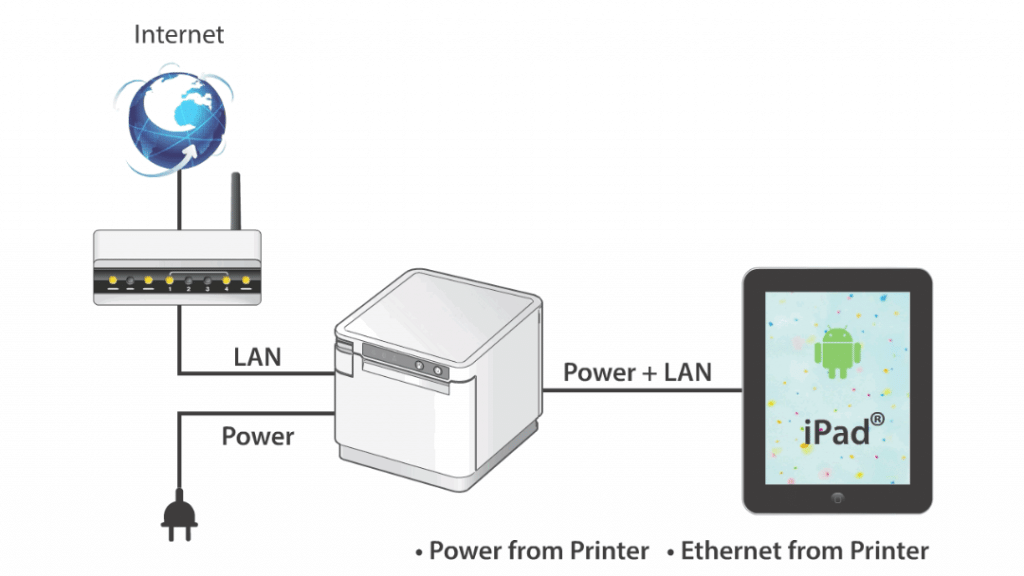
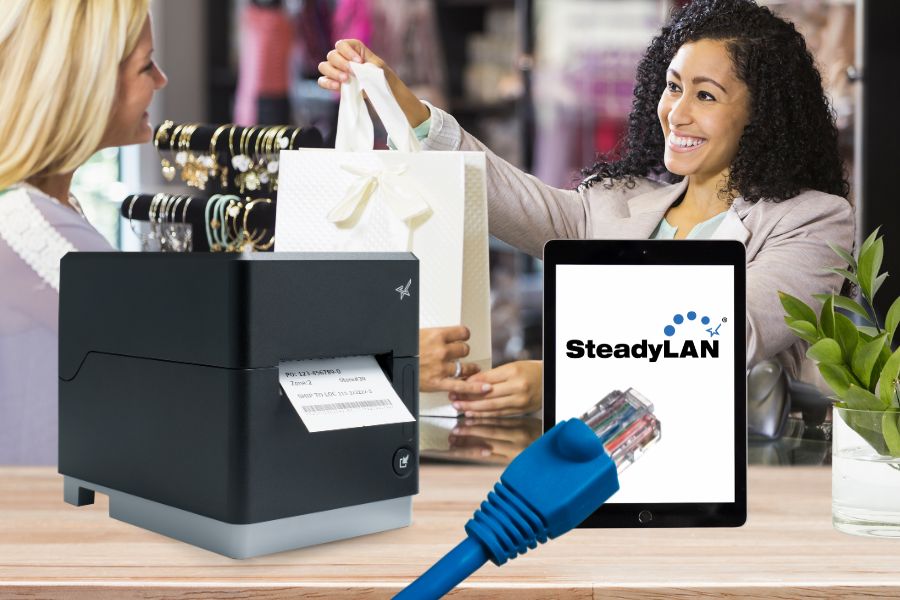
    Are you ready to leave unstable Wi-Fi behind and embrace consistent, high-speed connectivity? SteadyLAN, designed primarily for iOS devices, revolutionizes POS printing with its direct power and internet connection from a supported Star printer to your tablet or device. Through a Lightning or USB-C® cable, the mobile device secures a network connection from the Star POS printer, even if Wi-Fi signals are too unstable.

    This innovation translates to reliable and uninterrupted network connectivity with the added convenience of charging your connected tablet or device directly from the printer. SteadyLAN technology keeps your device powered up, even during the busiest hours.

    SteadyLAN’s direct connection from your POS printer provides a seamless link to your tablet and peripherals, significantly minimizing downtime and enhancing overall system performance.

    SteadyLAN by Star Micronics allows a networked printer to share internet service with your tablet or device.

    Key Benefits of SteadyLAN

    • Reliable Connectivity: A steady network link for iPad & Android POS systems ensures continuous operations without Wi-Fi dependency.
    • Constant Device Charging: The tablet is kept fully charged, eliminating the worry of battery drain during peak business hours.
    • Streamlined POS System: SteadyLAN creates a cohesive POS environment where all activities are centrally managed and cabled to the printer for increased efficiency and control.

    Understanding TetherLAN

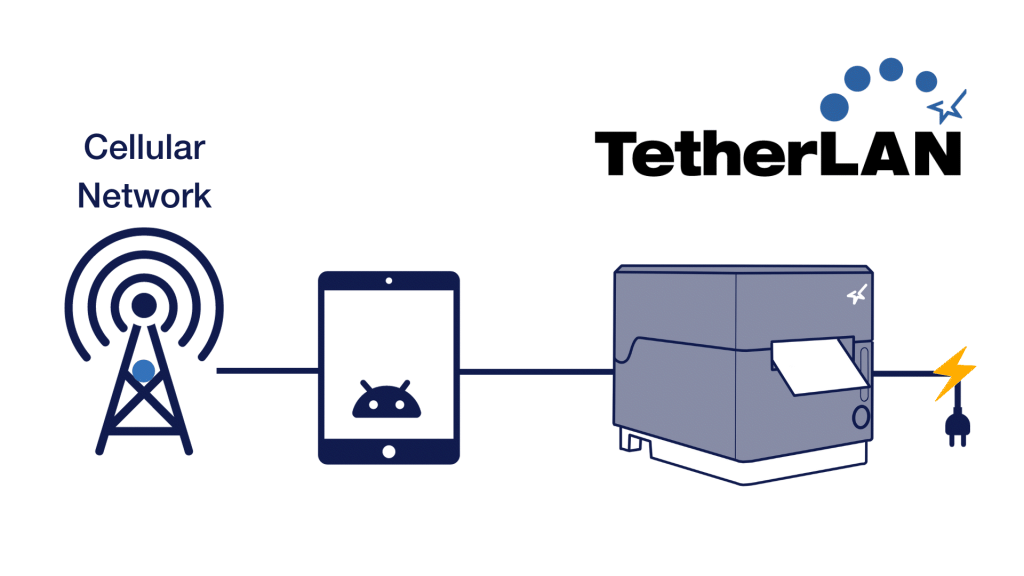
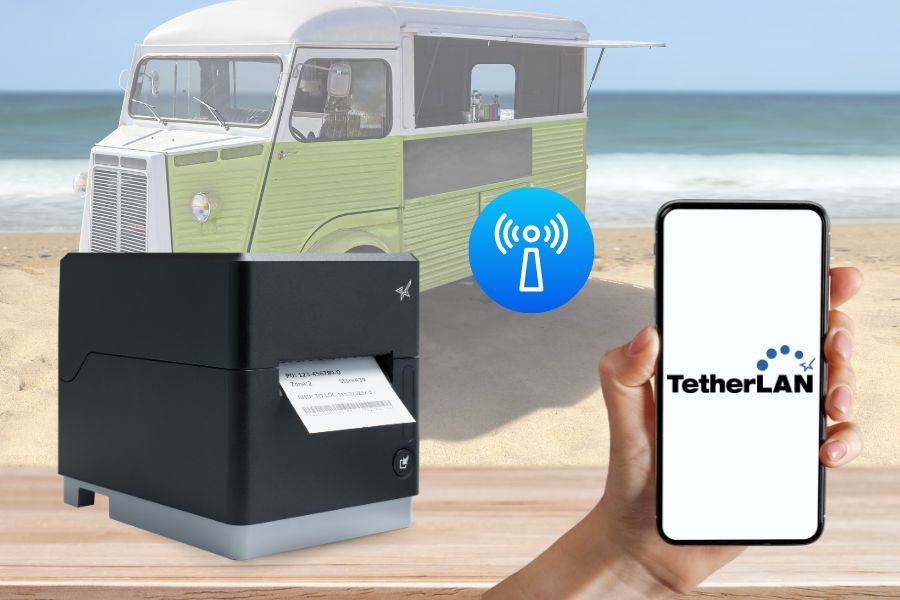
    TetherLAN is designed for mobile devices with cellular connections, such as 4G or 5G tablets, smartphones, and hotspots. The technology allows these devices to share their Wi-Fi service with select Star Micronics printers via USB. This ensures a seamless and high-quality printing experience without needing LAN cables. Compatible with Android and Windows devices, TetherLAN is currently featured in the mC-Label3 multimedia printer by Star Micronics.

    By establishing a cloud-based printing environment, this technology shines in scenarios where conventional internet setups are challenging. In addition to sharing a tablet’s cellular connection, TetherLAN also provides USB-powered connectivity, keeping devices charged for continuous operation. Moreover, it provides access to the Star Micronics Cloud Services platform, allowing users to monitor their devices in real-time and create customized receipts and labels.

    TetherLAN mC Label3 Technology GIF

    Key Benefits of TetherLAN

    • Cloud-Based Printing Environment: Facilitates cloud-based printing using active cellular connections, ideal for places lacking standard internet services.
    • No LAN Cables Needed: Get efficient and reliable printing without requiring any LAN cables.
    • Continuous Device Charging: With the mC-Label3, Android and Windows devices stay charged for extended use, enhancing usability in various settings.
    • Ideal for Outdoor and Mobile Settings: Excellently suited for outdoor events or mobile operations where cabled internet access is scarce, offering versatility and ease of use.

    Choosing Between SteadyLAN and TetherLAN

    As the global printer market continues to evolve, with projections to surpass $43 billion by 2028 (Mordor Intelligence), staying informed about the latest features is crucial for making an educated decision. When it comes to selecting between SteadyLAN and TetherLAN for your POS printer, consider these key factors:

    1. Business Needs and Objectives

    Evaluate your business’s specific needs and objectives. If your environment lacks stable Wi-Fi and requires consistent internet connectivity, SteadyLAN is ideal. It ensures a reliable Ethernet connection directly from the tethered printer to your device.

    Conversely, if your business operates in dynamic settings with limited access to traditional internet setups, TetherLAN is more suitable. It leverages the cellular network on your device to maintain connectivity, making it perfect for mobile or outdoor operations.

    2. Existing Infrastructure

    Consider the existing technological infrastructure of your business. SteadyLAN is an excellent fit for setups already equipped with Ethernet infrastructure and is particularly beneficial in environments with weak Wi-Fi signals. TetherLAN, on the other hand, is ideal for businesses with no access to Ethernet ports that can rely on cellular networks to connect to their POS systems instead.

    TetherLAN technology in the mC-Label3 allows the tablet or device to share internet service with the printer.

    3. Budget Constraints

    When considering budget, it’s essential to recognize that different Star Micronics printer models have varying technologies, impacting their costs. Some models are equipped with both TetherLAN and SteadyLAN, which can influence their price. It’s important to note that not all Star printers currently have TetherLAN capability, though more models are expected to include this technology in the future.

    This variation in features means a range in pricing, allowing you to choose a printer that fits both your technological needs and budget. Evaluating the cost-effectiveness of each printer model, its capabilities, and your business requirements is crucial. For instance, investing in a printer with TetherLAN might be more cost-effective for a mobile or outdoor business environment where having the technology could enable more sales.

    Also, consider other long-term operational costs, including potential data usage fees with TetherLAN and the costs of infrastructure upkeep with SteadyLAN.

    4. Future Growth

    When planning for future growth and scalability, the choice between SteadyLAN and TetherLAN hinges on your business’s anticipated trajectory. SteadyLAN is an ideal solution for companies aiming for growth within a stable, fixed location, particularly those not planning to engage in outdoor or mobile events. Its reliable wired connection suits environments where the business infrastructure is stationary and consistent.

    On the other hand, TetherLAN offers flexibility and mobility, making it a strategic choice for businesses that foresee expansion into new areas, including outdoor events or pop-up shops. Its reliance on mobile networks makes it adaptable for scenarios where traditional, wired internet connectivity is not feasible.

    Moreover, for businesses that transition from mobile or temporary setups to permanent locations, TetherLAN presents a versatile option. It supports operations in both contexts, provided the devices used with the POS systems are compatible with cellular networks. This adaptability makes TetherLAN a future-proof investment for businesses evolving from outdoor events to fixed retail or hospitality settings.

    Real-World Use Cases

    We’ve discussed the key features, benefits, and considerations related to SteadyLAN and TetherLAN. Here are some ways that businesses use them in the real world:

    SteadyLAN

    SteadyLAN technology has become a game-changer for businesses grappling with connectivity issues. In scenarios like a café with weak Wi-Fi or a small business owner without a data plan, SteadyLAN offers a reliable solution.

    SteadyLAN by Star Micronics allows a networked printer to share internet service with your tablet or device.

    For instance, connecting an iPad POS system to a tethered Star printer with SteadyLAN allows the business owner to access a steady internet connection through the printer’s Ethernet port, circumventing the need for additional data services.

    Similarly, in environments like cafes or restaurants where Wi-Fi strength is inconsistent or physical limitations prevent network expansion, SteadyLAN-equipped printers serve as stable network hubs, ensuring uninterrupted operations and enhancing customer service without needing complex infrastructure changes.

    TetherLAN

    TetherLAN technology is revolutionizing operations in dynamic and mobile environments like outdoor events. At a music festival, where traditional internet setups are impractical, TetherLAN enables vendors to share a tablet’s cellular connection with a Star printer, thus facilitating efficient and automated order processing.

    This innovation allows for streamlined ‘order ahead’ options, reducing wait times and enhancing customer experiences. The technology’s operational flexibility and integration with CloudPRNT make it an ideal solution for vendors in mobile settings, ensuring they can manage online orders and payments seamlessly without the constraints of traditional connectivity methods.

    These real-world applications demonstrate the transformative impact of SteadyLAN and TetherLAN technologies in various business contexts, offering practical and innovative solutions to connectivity challenges.

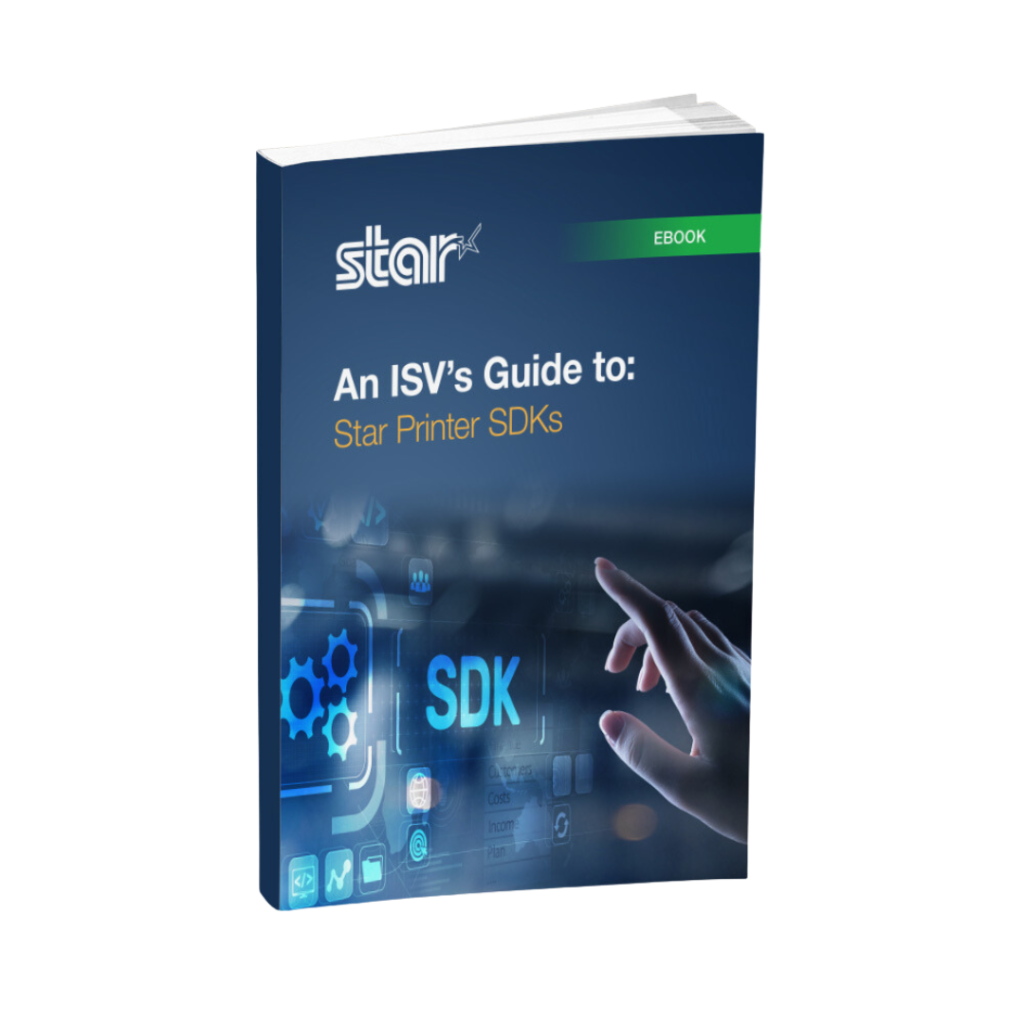
    An Independent Software Vendor’s (ISV’s) Guide to Star Printer SDKs

    For ISVs navigating the complexities of printer integration, the path forward is often strewn with challenges. Get to know Star Micronics’ range of software development kits (SDKs), each uniquely crafted to address these challenges and enhance your integration prowess.

    All The POS Printer Options You Need for Success

    Choosing a POS printer with the right technology can significantly impact your business. SteadyLAN and TetherLAN provide innovative connectivity options for businesses of all shapes and sizes. By evaluating your business requirements, existing infrastructure, budget constraints, and future growth plans, you can make an informed decision that enhances your operations and ensures efficient printing in a sometimes inefficient world.

    Are you ready to harness flexible, durable printing solutions? Touch base with one of our experts to see how modern POS printer technology can move your business forward.

  • Star Micronics at NRF 2024: Reflecting on a Transformative Experience

    Star Micronics at NRF 2024: Reflecting on a Transformative Experience

    Star Micronics is now back to the grind, having since returned from the National Retail Federation’s NRF 2024 conference earlier this week. Still, the valuable insights we’ve garnered from Retail’s Big Show in New York City will resonate with us far into the future.

    This premier show was more than just an event; it was a celebration of innovation and progress in the retail industry. As an industry leader, Star proudly showcased our latest POS hardware and technology, contributing to the event’s exciting atmosphere and promise for the future.

    NRF Blog Booth NYC

    Spotlighting Innovation: Star Micronics at NRF 2024

    At our booth, visitors experienced firsthand the cutting-edge solutions Star is known for. Each demonstrates our commitment to advanced POS technology, from the versatile mC-Label3 Multimedia Printer, capable of handling various label types, to our advanced high-resolution barcode scanners. We also featured the precision mG-T USB Scale with a new convenient pole display and the compact TSP143IV SK, the market’s smallest 3″ desktop sticky label printer. Everything highlights our dedication to innovative, industry-leading solutions.

    NRF Insights and Connections

    But NRF 2024 was more than just showcasing products; it was about connecting with people. We had the pleasure of meeting so many new faces, reuniting with long-time friends, and immersing ourselves in the energetic atmosphere of New York City. The discussions we had, the insights we gained, and the connections we made were invaluable.

    Mike Hanson with Biztracker at NRF 2024

    Star Micronics at NRF 2024: Reflecting on a Transformative Experience

    Highlights from NRF 2024

    NRF’s annual show is always about the future of retail, and this year did not disappoint. From Matthew Shay’s insights on consumer spending trends to Steve Liesman’s economic outlook, the conversations revolved around adaptation, innovation, and the dynamic landscape of consumer expectations. Raj Subramaniam’s presentation on FedEx’s evolving role in e-commerce and the growing focus on global sustainability, as seen in the NRF Center for Retail Sustainability launch, were particularly enlightening.

    The advancements in foodservice technology, as showcased in the Foodservice Innovation Zone, and how they will undoubtedly affect the retail space were another highlight. The integration of IoT, AI, and autonomous operations into foodservice within retail environments demonstrated a significant shift in how retail companies are redefining customer experiences.

    Reflecting on a Successful Show

    For Star, NRF 2024 was a resounding success. We left the event feeling hopeful and energized, ready to continue our journey of excellence in POS technology. As we reflect on the show, we’re reminded of the vibrant future that lies ahead for retail, and we’re so excited to be a part of shaping that future.

    NRF 2024 was truly a glimpse into what’s possible, and Star Micronics is thrilled to be at the forefront, driving change and embracing new possibilities in the retail technology space.

    Star Micronics at NRF 2024: Reflecting on a Transformative Experience

    Love Industry News? Explore Our Podcast: