Tag: POS Scales

  • Star Micronics Reveals the New mUnite mPOS Solution Stands

    Star Micronics Reveals the New mUnite mPOS Solution Stands

    Take back your counter space with the sleek mUnite Stands and mCollection devices from Star

    Somerset, NJ – July 9, 2019 – Star Micronics, a leading global manufacturer of mobile, point of sale (POS), and customer engagement technologies, is pleased to announce the addition of the mUnite solution stand series to its mCollection lineup. The mUnite stands are designed to deliver a space-saving cable management solution with a clean aesthetic, bundling all point of sale devices into one visually cohesive solution.

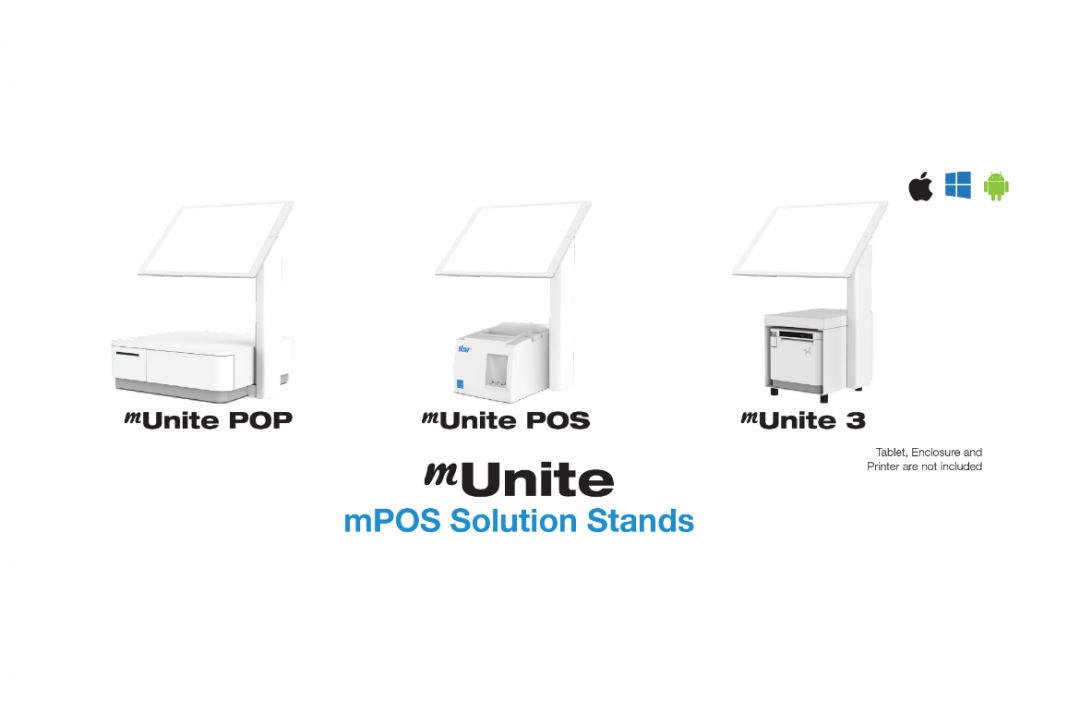
    The mUnite stands offer retailers, restaurateurs, and hospitality providers a way to optimize counter space, while modernizing the aesthetic of the point of sale. The definition of function and style, mUnite POS solution stands are built to accompany the mCollection line of mPOS printers, cash drawers, scales, and peripherals. With three models available, mUnite 3 for the mC-Print3, mUnite POP for the mPOP, and the mUnite POS for the TSP143III/TSP654II, business owners can choose which stand best suits their new or existing point of sale hardware.

    Featuring a cable-free construction, the stands are cleverly designed to hide all of the cables that keep devices connected and route power supplies under the counter, increasing available counter space and decreasing clutter. Star’s new stands allow users to merge individual peripherals into one frame in a quick, easy, and clean setup.

    Constructed from durable steel, the mUnite stands are compatible with any tablet enclosure featuring a 75- or 100-millimeter VESA mount, and are available in black or white. Customers may use their own tablet enclosure or purchase an optional enclosure from Star Micronics. A range of the most common tablet enclosures will be offered by Star Micronics, including enclosures for various generations of iPad, Samsung Tab, Microsoft Surface Go, and Microsoft Surface Pro. Please contact the Star Micronics sales team for more information.

    Two additional accessories can be purchased separately, in a black or white finish that matches the mUnite stand. The first is a customer-facing VESA mount (75-millimeter or 100-millimeter) that accommodates a tablet that can be used in addition to the standard point of sale tablet. The second accessory is a blank customer-facing branding plate, which can display a brand logo at the point of sale.

    “We are providing a flexible solution stand that can accommodate any tablet and is seamless in both form and function,” said Michael Hanson, the Executive Vice President at Star Micronics. “The mUnite POS solution stands provide the versatile, modern, and practical cable management that the industry needs.”

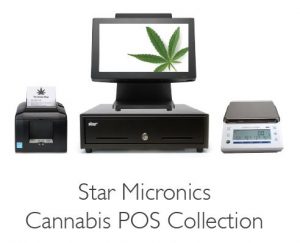
  • Cannabis Legalization Check-In: What’s New

    Cannabis Legalization Check-In: What’s New

    It’s hard to believe that 2019 is almost halfway complete. Time is flying, and if one thing is true, it’s this: the cannabis industry is budding.

    It seems like there’s a major cannabis legalization update with each week that passes. With that legalization (and cultural acceptance) comes dollar signs: it’s predicted that the global legal cannabis market will be worth $63.5 billion by 2024. Whether or not you’ve dipped your toes into the cannabis market, it’s important to stay informed, which is why we’ve compiled a mid-year cannabis legalization check-in. Discover what’s new in cannabis legalization in the U.S. and beyond below.

    Cannabis Legalization: Where the U.S. Stands

    At the time this blog post was written, the medical use of cannabis is legal in 33 states, four out of five permanently inhabited U.S. territories, and the District of Columbia. Meanwhile, the recreational usage of cannabis is legal in 10 states (Alaska, California, Colorado, Maine, Massachusetts, Michigan, Nevada, Oregon, Vermont, and Washington). And interestingly, a 2018 Gallup poll found that two-thirds of Americans feel marijuana should be made legal.

    The following states have bills to legalize (and for the most part, regulate) adult marijuana use:

    • Alabama
      • Bill(s): SB 98; would legalize less than two ounces of cannabis, but does not include a regulated system
    • Connecticut
      • Bill(s): HB 7371, SB 1085, HB 5595, HB 6863, SB 496, SB 690 SB 744; on March 25, HB 7371 passed out of the General Law Committee
    • Florida
      • Bill(s): S. 1298; proposes a constitutional amendment that would go to voters for adults to grow, possess, and use cannabis
    • Hawaii
      • Bill(s): HB 1515, HB 1581, HB 708, SB 606, SB 686, SB 702; these bills did not advance out of committee before a deadline
    • Illinois
      • Bill(s): SB 7, HB 902, HB 2477
    • Indiana
      • Bill(s): SB 213; did not advance out of committee before a deadline
    • Iowa
      • Bill(s): SF 469; did not advance before a legislative deadline
    • Kentucky
      • Bill(s): SB 80; the legislature adjourned without voting on the bill
    • Louisiana
      • Bill(s): HB 509, HB 564, HB 462; HB 462 would create a constitutional amendment to allow cities to call elections to legalize and regulate adult use of cannabis
    • Maryland
      • Bill(s): SB 771 and SB 656; HB 632 proposes a constitutional amendment that would go to voters in 2020
    • Minnesota
      • Bill(s): SF 619 and HF 420; HF 265 and HF 465 propose a constitutional amendment that would go to voters in 2020; the Senate bills were voted down in committee in a 6-3 vote
    • Mississippi
      • Bill(s): SB 2349 died in committee
    • Missouri
      • Bill(s): HB 157, HB 551
    • Montana
      • Bill(s): HB 770
    • New Hampshire
      • Bill(s): HB 481, which the House voted 200-163 to pass on April 4, 2019, sending the bill to the Senate
    • New Jersey
      • Bill(s): S 830, A 1348, A 3819; the Senate Budget and Appropriations Committee and the Assembly Appropriations Committee voted on November 26, 2018 to advance S2703 and A4497; both bills carried over to 2019; the Senate Judiciary Committee reported a revised bill out on March 18, 2019
    • New Mexico
      • Bill(s): HR 356, SB 577; the House approved HR 356 in a 36-34 vote, then the bill died in the Senate Finance committee; the legislature has adjourned
    • New York
      • Bill(s): A. 1617, S. 1527, and S. 1509 and A. 2009, which are budget bills that include taxing and regulating cannabis for adult use
    • North Carolina
      • Bill(s): SB 58
    • Pennsylvania
      • Bill(s): HB 50
    • Rhode Island
      • Bill(s): H 5828 and H 5151; H 5151 is a budget bill that includes taxing and regulating cannabis for adult use
    • Texas
      • Bill(s): SB 460, SJR, 8, proposes a constitutional amendment that would go to voters in 2020
    • Virginia
      • Bill(s): HB 2371, HB 2373, both of which died in committee
    • West Virginia
      • Bill(s): SB 143, HB 2331, HB 2376, HB 3108; these bills did not advance before the legislature adjourned

    Adult-use legalization bills are predicted in Delaware and Wisconsin, as well.

    Where Other Countries Stand

    Here is where some other countries stand in terms of legalization:

    • Argentina: CBD legalized/partially medically legalized/decriminalized
    • Australia: Medically legalized/partially decriminalized
    • Canada: Full federal legalization
    • Chile: Medically legalized
    • Colombia: Medically legalized/decriminalized
    • Croatia: Medically legalized
    • Czech Republic: Medically legalized
    • Germany: Medically legalized/decriminalized
    • India: Federally illegal, but legal in some states
    • Israel: Medically legalized
    • Italy: Medically legalized
    • Jamaica: Partially medically legalized/decriminalized
    • Macedonia: Medically legalized
    • Mexico: Medically legalized/decriminalized
    • Philippines: Medical cannabis legislation in progress
    • Poland: Partially medically legalized
    • Puerto Rico: Medically legalized
    • Turkey: Medically legalized
    • Uruguay: Legalized

    Looking to Grow in the Cannabis Market?Capture-Cannabis-brochure-e1574802612781


    Star Micronics has what it takes to compete in the cannabis industry. Our cannabis point of sale offering includes everything from NTEP-certified scales and high-volume cash drawers to pre-printed cannabis labels and in-store marketing tools.

    Are you a reseller looking to cash in on cannabis point of sale? Discover what makes the cannabis industry different from other retail industries, what POS systems are required to legally sell cannabis, and more!

  • Star Micronics Scales: For More Than Just Cannabis

    Star Micronics Scales: For More Than Just Cannabis

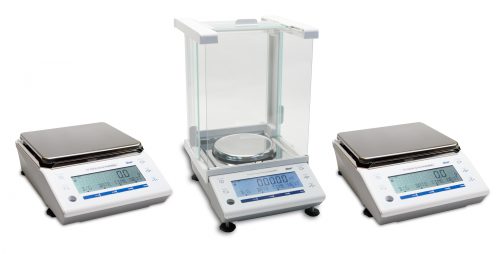
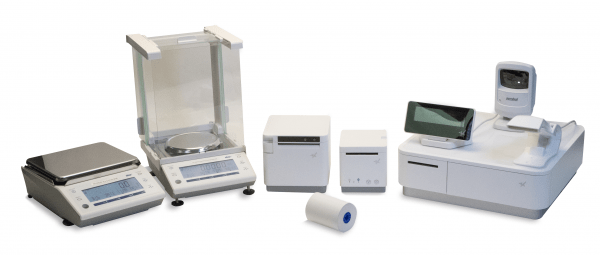
    When you think of Star Micronics scales, you might think of cannabis retail use cases. To be fair, our mG-Scales series – including the mG-S322, the mG-S1501, and the mG-S8200 – is authorized to sell cannabis in Washington, Alaska, and California. But did you know that Star Micronics scale uses extend way beyond cannabis? Star’s mG-Scales boast the the following features:

    • NTEP certification, which is required for all U.S. retail sales
    • Included water- and dust-proof cover
    • Software support for Windows, iOS, and Android
    • Bluetooth BLE, USB, and Serial interfaces
    • Can be powered through an outlet or by battery, enabling portable use

    3-Scales-e1574802743805

    Download the Free Scale Buyer’s Guide.

    Star Micronics scales are great for cannabis retailers – but check out six other industries that are also a perfect match for our scales:

    1. Delis

    As every grocery shopper knows, deli items like meats and cheeses are almost always sold by weight. Many large-scale delis, such as those in grocery stores, use specialty scales that are high-performing and large in size, but come with a hefty price tag. On the contrast, smaller delis don’t need such a big footprint, and most importantly, they need a more affordable integrated scale option. Star Micronics scales fit that bill perfectly, with their compact design, affordable price, and protective and easy-to-clean cover.

    2. Candy Stores

    Because many candies are sold in bulk and high-end candies, such as truffles, are sometimes sold by weight, scales are a must for candy retailers. With their bright and modern design, candy stores are also a perfect environment for sleek, tablet-based point of sale solutions – but there aren’t a lot of scales on the market that can integrate with tablet point of sale. That’s where Star Micronics scales come in to play: our scales’ Bluetooth connectivity – combined with iOS and Android software development kits (SDKs) – enables them to work easily with modern tablet-based solutions. How sweet!

    3. Spice Shops

    Like candy, spices are also generally sold by weight and with certain spices like saffron costing up to $10,000 per pound, it’s extremely important to accurately weigh them. Star Micronics scales combine high accuracy with a small footprint – perfect for a spice shop! Our scales also have the ability to be battery operated, meaning that items like spices can be sold at a farmer’s market with no power – without sacrificing accurate measurement.

    4. Jewelry Stores

    Speaking of expensive items, Star Micronics scales are a great match for jewelry stores. Jewelry is another high cost-per-weight industry, and precious metals and gems must be measured extremely accurately. Star’s most sensitive scale, the mG-S322, can measure to 0.01g accuracy and the units can be switched to carats for measuring materials like diamonds. And thanks to the scale’s included glass enclosure, air movement doesn’t move the jewelry or affect measurements.

    5. Frozen Yogurt Shops

    Taking a step back to modern, sugary industries, frozen yogurt is another business category where tablet-based point of sale is becoming very popular, making it critical to have an iOS/Android-compatible scale, like Star’s. Additionally, frozen yogurt shop counterspace is at a premium, making Star scales’ small footprint a must. In terms of actual measurements, Star Micronics scales can measure in ounces, the industry’s most popular unit of measurement, and with lots of potential for messiness in the shop, the scales’ protective and easy-to-clean covers certainly come in handy.

    TSP800IIRx-e1574802760636
    Star’s TSP800IIRx Thermal Printer is also perfect for pharmacies

    6. Pharmacies

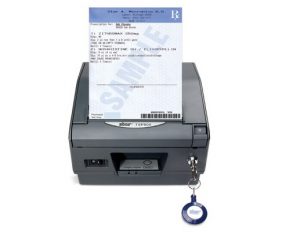
    Candy is delicious and jewelry is beautiful, but in the pharmacy industry, accurately measuring items can be a matter of life and death. In fact, there’s no industry where it’s more important to reliably measure to a high degree of accuracy. Connectivity to software is also important, as measurements are often validated by software to reduce errors. Star Micronics scales have all of that and more – they also include a counting function that’s useful for counting pills. And with an accompanying pharmacy thermal printer, Star is truly one of the most functional, reliable, accurate options on the market for pharmacies.

    Looking to up your retail scale game? Learn more about Star Micronics scales now!

  • NRF 2019 Recap: The Point of Sale of the Future

    NRF 2019 Recap: The Point of Sale of the Future

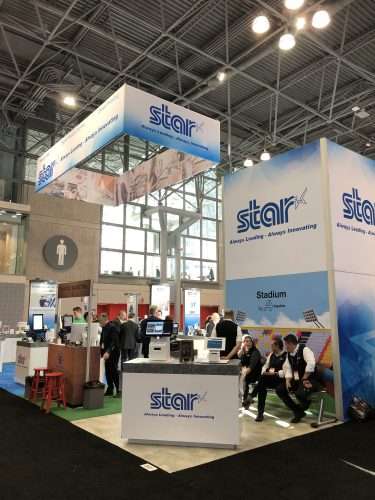
    Last week, we had the pleasure of attending and exhibiting at NRF 2019 at the Jacob K. Javits Convention Center in New York City. The Star family was set up at booth #3601, and also took some time to explore the show floor and learn even more about the latest trends in retail. Here’s a look back at what we demonstrated in our booth, as well as some of the key trends we noticed around the show.

    The Star Booth

    Our booth this year was one of our best yet! We chose to create a mock shopping mall, complete with a candy store, apparel boutique, and even a sports stadium. In our “mall,” we demonstrated:

    The mCollection:

    One highlight of our NRF booth this year was our latest line of mPOS products, the mCollection. Built with the latest technology, the mCollection features sleek and modern printers, scales, and peripherals to offer the full hardware solution, for a variety of industries. The mCollection now also features its very own stand that unifies all of the peripherals and even hides all clunky cables. The lineup’s clean, sophisticated look (and high-end scales) lends itself perfectly to cannabis and confectionery markets, so that’s what we demonstrated this year at NRF!

    PromoPRNT:

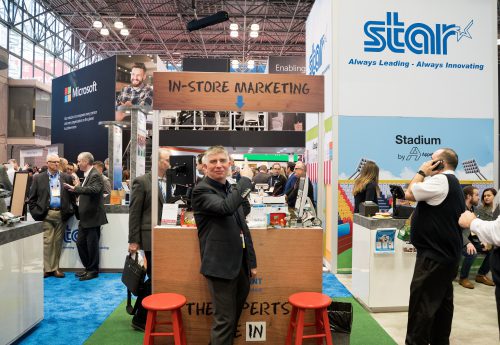
    In-store marketing and customer retention are always hot topics that retail brands want to improve upon. To assist, Star created PromoPRNT, a value-added tool that allows retailers to engage and reengage customers where it matters the most – in the store! By offering printed promotions and information, you can encourage loyalty among customers, with the printer you already use. To educate NRF visitors on PromoPRNT, we set up an “In-Store Marketing” booth, and it was a hit.

    PP03-e1574802510776
    The pioneer of PromoPRNT, David Salisbury.
    Our Partners:

    We were very happy to host some of our best partners in our booth this year. On the software/point of sale side, we demonstrated with Appetize, Apptizer, Evoke, Mad Mobile, SuiteRetail, Vend, and Veras Retail. And when it comes to hardware, we proudly displayed ArmorActive, BOX IT, Elo, Heckler Design, Innovative, Mimo Monitors, nClose, and SpacePole.

    IMG_3671-e1574802546974
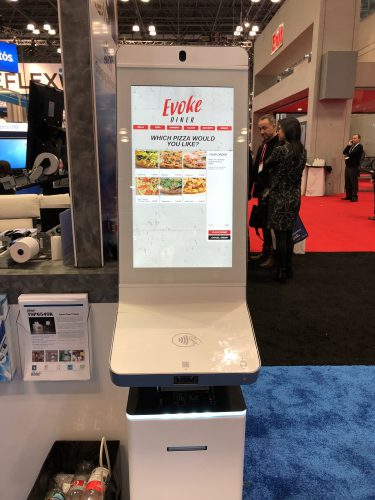
    A kiosk example from our partner, Evoke.

    Trends from Around the Show

    Self-Service Kiosks:

    Self-service kiosk technology was everywhere at NRF! The need for kiosk printers is quickly expanding as consumers prefer a more fast-paced experience. Star offers printing solutions to fit any kiosk – whether it be for ATMs, lottery, self-ordering, or retail.

    Smart Displays:

    Smart displays that incorporate dynamic data were another trend we spotted at NRF. An interesting example of this was a demo featuring electronic grocery shelf labels that displayed featured recipes, country of origin, competitors’ prices, and more.

    Experiential Retail:

    From a bar demo where you created your own drink, to a session focused on architecting an immersive customer environment, experiential retail was a hot NRF topic. Today’s consumers are looking for an authentic, hands-on shopping experience, and that trend was very clear this year at the show.

    We had a blast at NRF 2019 and can’t wait for NRF 2020!

  • Looking Ahead: What to Expect from Star at NRF 2019

    Looking Ahead: What to Expect from Star at NRF 2019

    It’s that time of year again – it’s the final countdown to NRF 2019! Commonly referred to as Retail’s Big Show, NRF attracts thousands of retail professionals from across the globe. Built on the idea that retail should be an experience, not just an establishment, the show will highlight the latest and greatest retail trends and technologies.

    So what does Star have in store for NRF 2019? A lot! We’ll be setting up an emulated shopping mall in booth #3601, where we’ll demonstrate our latest mobile point of sale (mPOS) product line, the mCollection, which includes printers, scales, and more. We’ll also be showing off our value-add promotional tool, PromoPRNT. Need more incentive to stop by? We’ll be raffling off Apple AirPods, and we’re hosting a champagne and dessert-themed networking party!

    Here’s a closer look at what we’ll be displaying at our booth:

    The mCollection

    m-collection_white.png-e1574800754945

    When you look around our booth at NRF 2019, you will certainly see our mCollection! Our latest mPOS series is designed to be sleek, compact in size, and the easiest to set up in the industry. The mCollection features a reliable and remarkable user experience, and multiple connectivity options (Bluetooth, CloudPRNT, Ethernet, and Lightning USB and traditional USB). Stop by our booth to discover the ways the mCollection is transforming industries like retail, hospitality, cannabis, and more.

    PromoPRNT

    The fun doesn’t stop there. We’ll also be demonstrating PromoPRNT, our value-add promotional tool, in our booth. PromoPRNT allows retailers of all sizes to create and manage custom printed receipt promotions from anywhere, increasing customer retention and personalizing the shopping experience. Learn more about PromoPRNT in this video:

    Our Partners

    Our partners make Star shine. Here are the ones we’ll be highlighting in our booth this year:

    Appetize-Logo-e1574800775826

    Appetize is a POS, inventory and analytics company transforming how enterprises manage and process guest transactions at scale. With an omni-channel approach, Appetize makes front of house transactions more intuitive through fixed, self-serve and handheld form factors, while providing robust kitchen and back office tools. Appetize will be demonstrated on Star’s TSP654IIBTi and SM-230i.


    Apptizer-Logo-e1574800793577

    With Apptizer, any merchant can create the mobile storefront their business truly deserves in minutes, with no coding or technical knowledge needed. Apptizer also can be integrated with payment gateways, POS and e-commerce platforms as a mobile storefront, giving more agility and accessibility to bring in a mobile-first experience to retailers and SMBs. Apptizer will be demonstrated on Star’s TSP100IIIUSB.


    2019-01-10_16-59-12-e1574800809531Evoke helps brands engage with their customers in creative, innovative, dynamic and rewarding ways. They look after the entire process from start to finish and work closely with clients to understand their brand and their customers. Evoke will be demonstrated on Star’s TSP700IIU.


    Mad-Mobile-Logo-e1574800836783

    Mad Mobile is a mobile technology leader with a strong reputation for innovation and delivery. They are enabling major retailers to re-invent the store experience, where 90% of sales still occur, and bridge the digital gap between online and in-store. Mad Mobile will be demonstrated on Star’s SM-L300.


    PD00408-SR-Logo-e1574800861771

    SuiteRetail enables retailers to better serve their customers. With SuitePOS, they have successfully made the in-store experience for employees and customers simple and efficient. In addition, payment transactions flow seamlessly, out-of-the-box, to sophisticated back-office ERP solutions such as NetSuite and Salesforce. SuiteRetail will be demonstrated on Star’s mC-Print3.


    Vend-Logo-e1574800878579

    Vend is cloud-based POS and retail management software that lets retailers run their business in-store, online, and via mobile. Vend’s solution includes POS software, inventory management, e-commerce, customer loyalty, and reporting analytics. Vend will be demonstrated on Star’s mC-Print2 / mC-Print3.


    Veras-Retail-Logo-e1574800894134

    Veras Retail creates in-store interactions between customers and retailers that are engaging, fun, profitable, and repeatable. They feel that a consumer’s relationship with a retailer (and thus their long-term impact to the retailer’s bottom line) is primarily forged in the in-store interactions with the products, the store staff, and the store’s physical environment. Veras Retail will be demonstrated on Star’s mC-Print3.


    See you soon at NRF 2019!

  • Star Micronics to Highlight Latest mPOS and Customer Engagement Solutions at NRF 2019

    Star Micronics to Highlight Latest mPOS and Customer Engagement Solutions at NRF 2019

    The mCollection – an mPOS line featuring printers, scales and a variety of peripherals – will be demonstrated in a simulated shopping mall

    Somerset, NJ – January 07, 2019 – Star Micronics, a leading manufacturer of mobile, point of sale (POS), and customer engagement technologies, is excited to attend NRF 2019, where it will demonstrate its new mCollection in a mock shopping mall located at booth #3601.

    The mCollection includes a variety of mPOS technologies, including Star’s newest printers, the mC-Print2 and mC-Print3, as well as scales, mPOP accessories, and peripherals including barcode scanners and customer displays. Featuring a sleek, unified design and easily integrated with the most modern ISVs, the mCollection is geared towards cannabis, grocery/deli, jewelry, pharmaceutical, restaurant and retail industries. PromoPRNT, Star’s value-add in-store marketing tool, will also be demonstrated at the show.

    In its booth, Star will also feature several of its partners’ technologies, including Appetize, Apptizer, Evoke, Mad Mobile, SuiteRetail, and Veras Retail. A variety of giveaways will be available to booth visitors, including candy, T-shirts, and tote bags. Additionally, a grand prize will be raffled off to an attendee who visits each simulated shop.

    “Star is looking forward to returning to NRF this year,” said Christophe Naasz, Director of Business Development at Star. “We believe that in our mock shopping mall, we will demonstrate the strong value our mCollection has for many of today’s – and tomorrow’s – hottest markets.”

  • How Resellers Can Cash in on Cannabis Point of Sale

    How Resellers Can Cash in on Cannabis Point of Sale

    It’s like a dream come true for point of sale (POS) VARs. There’s a new consumer market with a product that people are clamoring for to the tune of $10 billion per year and anticipated growth of 28% over the next three years: Cannabis.

    If you haven’t considered expanding into the cannabis point of sale market, you could be missing out on one of the biggest opportunities your business will ever encounter.

    A Snapshot of a Rising Industry

    The legal cannabis industry is growing fast. Currently, cannabis is legal for recreational use in nine states and the District of Columbia, and medical marijuana is legal in 30 states. A report from cannabis industry analysts at Arcview Market Research and BDS Analytics estimated 2017 legal sales to reach $9.7 billion, a whopping 33% increase over 2016. Moreover, their report estimates the market will reach $24.5 billion by 2021.

    The product line is more diverse than you may think. Dispensaries sell oil, hash, shatter, and rosin that can be smoked or vaped. They may also offer bakes goods and candy, as well as the traditional flower. Medical dispensaries sell products including CBD (cannabidiol) usually in the form of oil or candy, which is used to treat epilepsy or pain.

    There are 9,397 active licenses for marijuana businesses in the U.S.—and all of them need a POS system to help manage their business.

    What’s Different About Cannabis POS?

    There are some aspects of selling cannabis retail or through a dispensary that make it different from other business operations and that require different features than other retail POS systems. Here are five examples:

    1. It’s a cash business.

    At least for now, cannabis businesses primarily deal in cash. There are still federal laws that define it as illegal, and banks, caught in the middle in states that have made it legal, are reluctant to open accounts for these businesses. Politics and legal battles aside, this presents unique challenges to cannabis businesses—which could really use trusted advisors well versed in retail and POS technology as well as strict cannabis regulations to help them solve business challenges such as this.

    2. Scales need to be sensitive.

    You may have sold scales for deli, grocery, or bulk items. But cannabis scales have to be more accurate than a hundredth of a pound. The sensitivity of a cannabis sale must be accurate to a fraction of a gram—both to comply with regulations and to ensure maximum profits.

    3. Labels are strictly regulated.

    Cannabis customers are limited to a specific quantity they can purchase per day. That may seem straightforward, but considering a customer may be purchasing baked goods, candies, or oil, the quantity of controlled substance won’t be immediately obvious without a label. Some states also require labels to include information about testing that has been done on the products and traceability information back to the source of the cannabis flower.

    4. Receipts are more than proof of purchase.

    The information that needs to be included on a receipt provided by cannabis businesses are different depending on the regulations in each state. In Oregon, for example, receipts need to include store name and address, product category, something that identifies the products that are taxed, a breakdown of state and local tax, and a disclaimer that receipts are required for tax disputes. In California, for example, it’s important to instruct your customers to save all copies of receipts from each day’s sales for a minimum of three years in the event that the cannabis store is subject to an audit. Advice your customers to check on their individual state’s regulations regarding cannabis receipts.

    5. Stores need heightened security.

    With an all-cash business, a desirable product, and tough regulatory scrutiny, cannabis stores and dispensaries will need a robust security solution. Today’s state-of-the-art solutions enable business owners to track inventory with GPS, monitor facilities inside and out with high-resolution IP camera systems, guard blind spots in the store with hidden cameras, and protect their businesses with sensitive alarm systems that send alerts in the event of a break-in or fire. Integrating security with the POS system can provide information that helps business owners identify people responsible if theft occurs and give law enforcements the details it needs to act.

    The cannabis industry is in its earliest stages, so it will be important for you to establish partnerships that will help you develop this part of your business as you expand your VAR into a new market, stay on top of regulatory developments, and search the market for solutions that will provide your customers with the greatest value.

    Click here to download our full eBook.

  • 3 Reasons Why You Must Have an NTEP Certified Scale

    3 Reasons Why You Must Have an NTEP Certified Scale

    Whether a business is dishing out candy, measuring pharmaceuticals, or weighing produce and bulk bin ingredients, it’s imperative that they weight goods on an NTEP certified scale. If you’re new to the scale market, it’s important to know that NTEP certification is non-negotiable, but buyer beware: every scale on the market doesn’t have this important designation.

    What is NTEP certification?

    NTEP certification is granted by the National Type Evaluation Program (NTEP) Committee of the National Conference on Weights and Measures. The standards they use for certification, with guidance from the National Institute of Standards and Technology (NIST) cover every aspect of a scale’s use, including capacity, accuracy, and the effects of temperature fluctuations on its operations.

    If you’re investing in a scale for your business, here are three reasons why an NTEP certified scale is the only type of device you should consider:

    1. When a product is sold by weight, it is a legal requirement that weighing equipment must be ‘legal for trade’

    A retailer that is caught using a non-NTEP certified scale may be subject to heavy fines, seizure of the illegal scale, or work shutdown. Only consider purchasing a scale with an NTEP Certificate of Conformance (CoC), which means the scale is legal for trade and can be used in a commercial setting to sell products by weight. Every NTEP certified scale will have a CoC number that an inspector uses to verify that the scale meets the agency’s testing standards. Only a NTEP certified scale, when properly inspected and calibrated, is “legal for trade”.

    2. Accurate and consistent measurements are important

    When purchasing items by weight, the scale tells the customer they are receiving the exact amount of produce they’re paying for an ensures the retailer is receiving the correct payment. Always choose a scale that’s the correct accuracy class, because a candy store doesn’t need the same level of accuracy required for a pharmacy.

    Maintaining properly calibrated devices helps you avoid overcharging customers or shorting your business. It could cause irreparable harm to your brand if you’re caught overcharging customers due to an improperly calibrated scale, even if it’s only off by a cent or two. Although this error would be unintentional, the negative backlash will cause you to lose customers and once this happens, it’s hard to regain the public’s trust.

    3. It will be inspected annually by the Bureau of Weights and Measures

    Just because you’ve purchased a NTEP certified scale, it doesn’t mean you can unpack it and start processing transactions right away. Before using the scale, contact your local regulatory authority  to find out what you need to do before processing any sales by weight.

    Every state has its own agencies and departments that monitor scales and inspect them for accuracy. A local weights and measures official will use NIST standards when inspecting your scale, certifying it for use and in most localities, the scale will be sealed (with a sticker showing the date) to prove it’s legal for trade. Scale inspection isn’t a “one and done” process, you’ll have to register your equipment for regular inspections.

    There’s plenty that can go wrong for a business, but an issue with weight and measures doesn’t have to be one—calibration and compliance laws are there to protect you and your customers. And NTEP certification can make sure you are protected.

    Download our Free Scale Buyer’s Guide.

  • 4 Elements of a Valuable ISV-Hardware Integration Partnership

    4 Elements of a Valuable ISV-Hardware Integration Partnership

    You design software to provide the best possible user experience. It’s impossible, however, to reach that goal without the proper hardware for your system. In the point of sale (POS) space, that can include POS terminals, mobile devices, and rugged tablets as well as receipt printers, cash drawers, kiosks, scales, barcode scanners, and other POS peripherals. Integrating with the right hardware is critical to the user experience your customers will have and ultimately, it will impact your brand image.

    Your partnership with a hardware vendor can also have a direct impact on the success of your business. Whether you are a startup or a legacy ISV, selecting a hardware solution integration partner is a critical business decision for positioning your software solution in the POS industry.

    With so many hardware vendors to choose from—and many vying for you as an integration partner—it may not be clear which direction to take. Forming a successful partnership with a hardware vendor follows the same principles as any other type of beneficial business partnership. It depends on agreement in four areas:

    1. Goal Alignment
    2. Growth Potential for Both Parties
    3. Shared Resources
    4. Unified Marketing Strategy

    Business Goal Alignment

    The first thing you need to determine about a potential hardware integration partner is whether your business goals and theirs align. That makes it necessary for you to have a clear vision of what you want to achieve. That makes it necessary for you to have a clear vision of what you want to achieve. Once you have established the direction you want to take, you can evaluate hardware vendors as potential partners to help you reach your goals.

    Potential for Growth

    Do you clearly see the hardware vendor’s value proposition or are you concerned that the benefits of the partnership may be one-sided? Will your solution simply be added to a list the hardware vendor can use to their advantage with little return for your ISV? A more attractive option is a hardware partner with the experience, innovative solutions, and resources to help your business grow. If you can’t see how the partnership would help you advance your business, keep looking until you find a partner that will.

    Hardware Partner Integration Resources

    The breadth and quality of resources the hardware partner has dedicated to developing software integration relationships is a good indicator of how committed they will be to your partnership. For example, find out if they make software development kits (SDKs) and APIs available to ISVs. Thoroughly vet the hardware vendor’s integration process to learn whether or not the hardware vendor has developers on staff that can assist with integration and help you troubleshoot. If possible, speak to other ISVs who partner with the vendor to gauge their impression of how committed the vendor is to assisting with integrations and how easy their team is to work with.

    Unified Marketing Strategy

    Make sure you and your potential partner agree on a go-to-market strategy, including distributor and reseller support. Also agree on marketing down to the methods and frequency of marketing activities to adequately promote your partnership and the integration. Some examples include:

    • Issuing a joint press release to announce your partnership and include it in each company’s newsletter
    • Creating a campaign around your joint solution and promoting it on social media
    • Building a microsite or webpages devoted to the hardware-software solution
    • Taking advantage of success stories to produce case studies
    • Producing videos to demonstrate the solution
    • Participating in tradeshows to demonstrate the hardware-software solution

    How marketing will be managed and funded is also an important decision. The division of labor and investment should be equitable and acceptable to both partners.

    Download our full e-book here.

  • 3 Must-Have Restaurant Back-of-House Technologies

    3 Must-Have Restaurant Back-of-House Technologies

    A restaurant’s “back-of-house” generally refers to three parts: kitchen (the largest component), offices, and staff break room/rest area. A restaurant with a well-run back-of-house operation increases customer satisfaction, empowers staff to provide a higher level of customer service, and prepares the consistent, quality meals your customers expect at every visit.

    Essential restaurant back-of-house technologies like a kitchen display system, durable receipt printers, and an all-in-one point of sale system help your kitchen run more smoothly so the front-of-house doesn’t suffer from long waits for a table, poorly timed service or incorrect orders.

    Here are three restaurant back-of-house technologies that your eatery should implement right now:

    1. Kitchen display system (KDS)

    A kitchen display system streamlines food preparation. This critical restaurant back-of-house technology helps manage customer expectations by preventing kitchen backups, monitoring prep times and alerting staff when things start to go awry. The KDS also lists out cooking directions/ingredients to ensure that diners have the same delicious experience every time they visit your restaurant.

    A kitchen display system connects to the point of sale terminal and consists of software, a monitor that can resist moisture and heat, controller, and a bump bar to scroll through the orders. When the customer is finished ordering, data is sent through the kitchen controller to the appropriate location, either to a single screen or multiple ones at different food prep stations.

    Selections are time stamped, labeled with the customer’s name and sent to the appropriate prep area at different times to ensure everything will be finished and served to the proper person simultaneously. This means diners will never have to wait for their friends to be served while their meal gets cold or receive their appetizer with their dinner being served immediately after.

    1. Fast, tough receipt printer for orders

    Receipt printers are an integral part of your restaurant back-of-house technologies. However, an immaculately well-run kitchen is full of hazards for electronic components. Overuse, heat, spills, particles and steam can harm a restaurant kitchen printer, causing expensive work slowdowns, bottlenecks, and mistakes.

    Restaurant owners looking for a quality printer for their kitchen should consider a durable receipt printer that can withstand this harsh environment. To guarantee a healthy ROI, the receipt printer chosen should be spill-proof and insect-proof. Additionally, consider a compact model that won’t take up much valuable back-of-the-house counter space. Ensure that the printer you choose is flexible and able to connect with future hardware by selecting one with a multi-interface. For example, the mC-Print3 fills all of these requirements, plus grants access to a suite of free value-added Star Cloud Services.

    1. All-in-one point of sale systems

    All-in-one point of sale (POS) systems are exactly what the name implies: POS systems that include all the important components in space-saving configurations. The best all-in-one POS systems will give end-users the ability to add peripherals, upgrades, and new options as they come to market.

    All-in-ones typically include a touchscreen, printer, cash drawer, and magnetic stripe reader, with the option of adding other peripherals such as a scale, bar code scanner, additional security options, and displays. In addition to the mC printers, Star’s mCollection includes 1D scanners, 2D imagers, customer display, and three NTEP-certified scales.

    All-in-one POS systems can save a business money, time, and counter space. These systems have a much smaller footprint then a stationary terminal which frees up space for taking orders and impulse purchases. Purchasing an all in one POS means the components are equally rugged and designed for the environment you’re working in. This will also eliminate any headaches and runaround from different vendors when it’s time to make repairs to the system.

    Take a Wholistic View of Your Operation

    Restaurant back-of-house technologies can be just as important to profitability and customer service as solutions your restaurant uses in the front of the house. Evaluate your entire operation for areas that can operate more efficiently and find solutions that can address those issues, helping you save time and money.