Tag: Online Ordering

  • CaterZen and Star Micronics Help Restaurants Scale Catering with Linerless Labeling

    CaterZen and Star Micronics Help Restaurants Scale Catering with Linerless Labeling

    CaterZen Catering Software integrates with Star’s TSP143IV SK printer to help restaurants organize, identify, and fulfill catering orders with greater accuracy from the kitchen to the customer.

    Somerset, NJ – July 10, 2026 – Star Micronics, a global provider of point-of-sale (POS) hardware, cloud printing, and labeling solutions, today announced its integration with CaterZen Catering Software, a catering management platform built specifically for restaurants. Through the integration, CaterZen’s Catering Kitchen Display System (KDS) generates linerless labels on Star’s TSP143IV SK sticky linerless label printer as orders are prepared, helping restaurants keep complex catering orders organized from the kitchen to the customer.

    Extending the Catering Kitchen Workflow

    Catering orders are often larger, more customized, and more time-sensitive than traditional restaurant orders. Multiple trays, individually packaged meals, dietary restrictions, delivery locations, and scheduled pickup times all require clear labeling and organization throughout preparation and fulfillment.

    CaterZen helps restaurants manage every stage of the catering process, from customer inquiries and proposals to order management, production, online ordering, delivery coordination, marketing, and repeat business. In 2017, CaterZen introduced its Catering Kitchen Display System (KDS) to help restaurants manage catering production more efficiently. As customers looked to extend those digital workflows with printed labels, integrating the Star TSP143IV SK became a natural next step, allowing restaurants to generate clear, professional linerless labels directly from the KDS as orders are prepared.

    “We built CaterZen specifically for restaurant operators because catering requires workflows that fit the way restaurants actually work. Integrating Star’s TSP143IV SK gives our customers a dependable way to organize and identify every catering order while maintaining the professional presentation that keeps customers coming back.”

    The integration helps restaurants:

    • Print catering labels directly from CaterZen order workflows
    • Clearly identify trays, containers, bags, and individually packaged meals
    • Include customer names, delivery destinations, and special instructions
    • Organize complex catering orders during preparation and packing
    • Reduce packing and handoff errors before pickup or delivery

    Built for High-Volume Catering Workflows

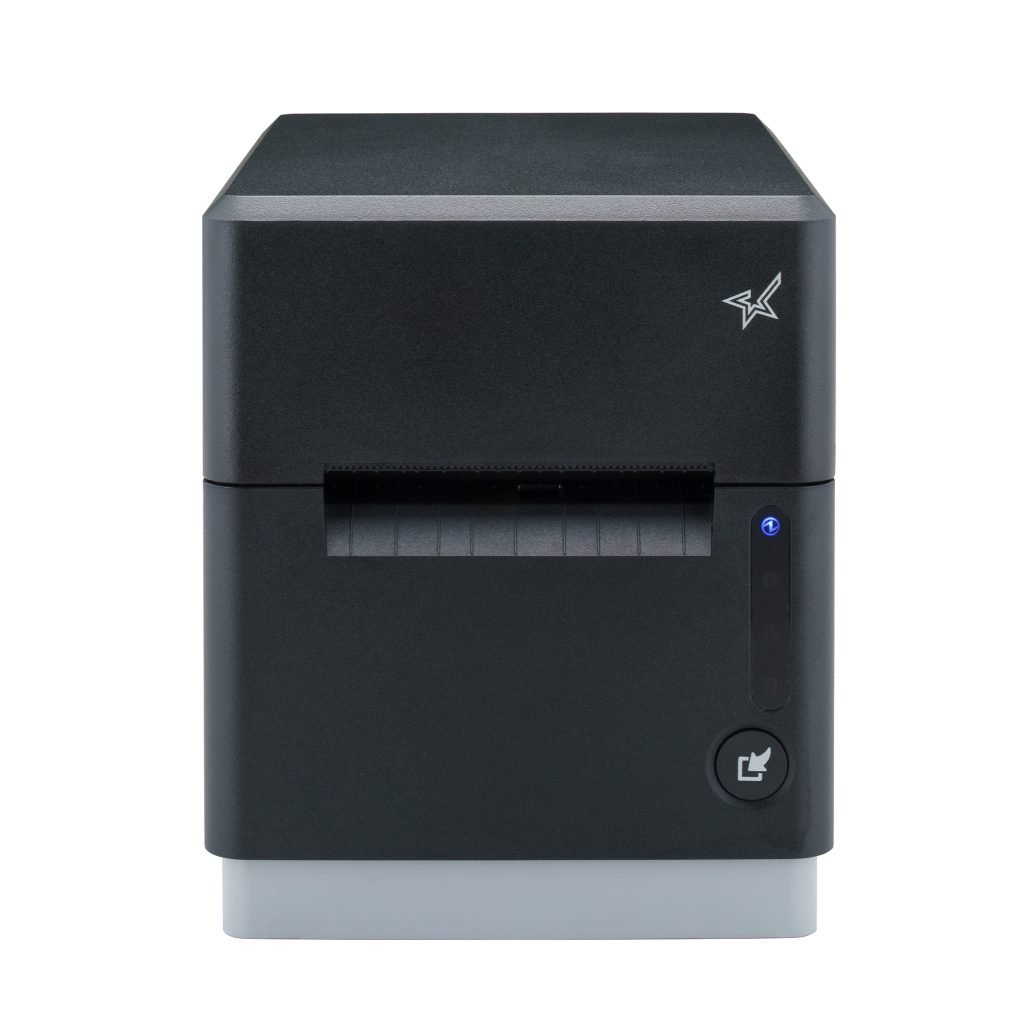
    The Star TSP143IV SK is a single, compact linerless sticky label printer that gives restaurants the flexibility to handle everyday transactions and catering fulfillment with one printer. Repositionable linerless labels can be applied, removed, and repositioned without leaving adhesive residue, making them well-suited for catering containers, delivery bags, and order packaging. The printer also helps reduce liner waste while providing more labels per roll than traditional label media.

    “Large catering orders leave very little room for error. The last step before an order leaves the kitchen is often the one customers notice most. Clear, accurate labeling helps ensure every catering order arrives organized, identifiable, and ready to serve.”

    Supporting Restaurants That Cater

    As catering continues to grow as an important revenue channel for restaurants, operators need systems that simplify execution without adding unnecessary complexity. Together, CaterZen and Star provide a connected solution that helps restaurants manage catering orders, improve fulfillment accuracy, strengthen food presentation, and support a consistent customer experience for every event, meeting, and large-order delivery.

    For more information about Star Micronics solutions, visit starmicronics.com.

    To learn more about CaterZen Catering Software, visit caterzen.com.

    Can’t get enough industry news?

    CaterZen Catering Software and KDS logo

    CaterZen Catering Software is a catering management platform built specifically for restaurant operators. Designed by restaurateur Michael Attias, the platform helps restaurants manage customer inquiries, proposals, catering orders, online ordering, production, delivery coordination, customer communications, marketing, and repeat business through a single system. Built around real restaurant operations, CaterZen enables operators to grow catering revenue while maintaining organized, repeatable workflows.
    Star Micronics logo, point-of-sale (POS) hardware and technology company.

    Star Micronics is a global provider of point-of-sale (POS) hardware, cloud printing, and labeling solutions that help businesses connect digital workflows to real-world operations. Serving retail, hospitality, healthcare, and service industries, Star delivers printing, labeling, cash management, self-service, and cloud-based technologies designed to support scalable, connected, and automated environments. Star’s solutions support Android, iOS, Windows, and web-based platforms and extend into the cloud through services such as CloudPRNT Next and StarIO.Online, Star’s fully managed cloud printing service.

    Visit starmicronics.com or follow us on Facebook, X, YouTube, or LinkedIn to learn more.

    Media Contacts:
    Christin Dorner
    Star Micronics America, Inc.
    cdorner@starmicronics.com
    848-216-3318

    Michael Attias
    CaterZen Catering Software
    michael.attias@caterzen.com
    615-969-7090

  • Star Micronics and OneTablet Help Restaurants Drive More Revenue from Delivery, Backed by Reliable Kitchen Printing

    Star Micronics and OneTablet Help Restaurants Drive More Revenue from Delivery, Backed by Reliable Kitchen Printing

    Star Micronics kitchen printing pairs with OneTablet’s delivery revenue platform to help restaurants increase order volume, improve menu conversion, and fulfill off-premise orders with greater accuracy.

    Somerset, NJ – May 1, 2026 – Star Micronics, a global provider of point-of-sale (POS) hardware, cloud printing, and labeling solutions, today announced its collaboration with OneTablet, a restaurant technology platform that helps independent restaurants and multi-location operators generate more revenue from third-party delivery. Together, the companies give restaurants the tools to improve menu visibility, conversion rates, and average order value across delivery platforms, while ensuring every order prints reliably at the right station.

    Third-party delivery now accounts for 30% or more of a restaurant’s revenue, and that share continues to climb. Restaurants that aren’t actively optimizing their presence on DoorDash, Uber Eats, and Grubhub are leaving money on the table. OneTablet gives operators the tools to win on these platforms: better menu visibility, stronger conversion rates, higher average order values, and the performance data to know what’s working and what isn’t.

    As that order volume grows, kitchens need hardware that can keep up. Star’s TSP100 series delivers the print speed, reliability, and uptime that high-volume delivery operations demand, so every ticket reaches the right station, every time.

    From Delivery Platform to the Kitchen Line

    Aggregating orders is only part of the workflow. Restaurants also need to manage menus, monitor performance across delivery platforms, and maintain control over how orders are prepared and fulfilled.

    OneTablet is the operating system for off-premise restaurant operations, consolidating Uber Eats, DoorDash, and Grubhub into a single, unified platform. Beyond order aggregation, it gives operators centralized control over menus, pricing, and prep timing, while delivering real-time reporting across all channels.

    By surfacing performance data at the item, channel, and store level, OneTablet enables restaurants to continuously optimize their delivery business—adjusting menus, pricing, and availability to increase conversion, improve order volume, and maximize revenue. Through its integration with Star Micronics printers, OneTablet extends that control directly into the kitchen, ensuring orders are automatically routed, organized, and printed at the appropriate prep stations. This creates a seamless connection between digital optimization and in-store execution, reducing errors and improving throughput during peak service.

    Star’s TSP100 series thermal ticket printers, including the TSP143III (LAN, USB, and Bluetooth models), as well as the TSP143IV X4 and TSP143IV SK X4 sticky linerless label printers, were tested across OneTablet’s platform and performed reliably in each configuration. This allows restaurants to use the same trusted hardware for both standard ticket printing and sticky labeling workflows, depending on their kitchen setup.

    Supporting High-Volume Delivery Workflows

    Off-premise orders introduce significant pressure during peak hours, where missed tickets, unclear modifications, or delayed prints can quickly lead to errors and slowdowns.

    By combining OneTablet’s order aggregation with Star’s reliable printing, restaurants can:

    • route orders instantly to the correct prep station
    • maintain clear, readable tickets during peak volume
    • reduce missed or duplicated orders
    • kitchens moving at the pace of incoming delivery demand

    “Delivery isn’t linear. Orders hit in waves from multiple platforms at the same time. At OneTablet, we bring structure to that. We organize and route orders so kitchens can actually execute. If tickets are not clear and in the right place immediately, performance drops fast. Star gives us the consistency on the print layer to make sure that does not happen.”

    “As restaurants take in orders from multiple delivery channels, consistency at the kitchen level becomes critical. By working with OneTablet, we’re helping ensure those orders are reliably routed and printed at the right station, so staff can act on them immediately without confusion or delay.”

    Extending Workflows with Labeling

    In addition to ticket printing, labeling can be used to support order identification and quality control for off-premise orders. Applying labels to bags, containers, or drinks helps staff verify items before they leave the kitchen, reducing handoff errors during busy service periods.

    As delivery volume increases, combining order aggregation, printing, and labeling provides a more controlled workflow from order intake to fulfillment.

    For more information about Star Micronics solutions, visit starmicronics.com.

    To learn more about OneTablet, visit onetablet.com.

    Can’t get enough industry news?

    OneTablet Delivery Operations

    OneTablet is a restaurant technology platform designed to help independent restaurants and multi-location operators generate more revenue from third-party delivery. The platform consolidates DoorDash, Uber Eats, and Grubhub into a single dashboard, enabling operators to manage menus, improve visibility, increase conversion rates, and grow average order value across all channels.

    Unlike traditional POS-based integrations, OneTablet operates at the platform layer, giving restaurants direct control over menus, pricing, availability, and store operations within each marketplace. This allows operators to improve key performance drivers such as item availability, prep times, cancellations, and customer ratings—ultimately increasing order volume and revenue.

    Through advanced reporting and menu optimization tools, OneTablet surfaces actionable insights that help restaurants identify opportunities to improve performance, drive more orders, and capture incremental revenue.

    Originally founded as MealCo and relaunched as OneTablet in 2025, the company serves independent restaurants, enterprise brands, and digital-first operators across the United States.

    Star Micronics logo, point-of-sale (POS) hardware and technology company.

    Star Micronics is a global provider of point-of-sale (POS) hardware, cloud printing, and labeling solutions that help businesses connect digital workflows to real-world operations. Serving retail, hospitality, healthcare, and service industries, Star delivers printing, labeling, cash management, self-service, and cloud-based technologies designed to support scalable, connected, and automated environments. Star’s solutions support Android, iOS, Windows, and web-based platforms and extend into the cloud through services such as CloudPRNT Next and StarIO.Online, Star’s fully managed cloud printing service.

    Visit starmicronics.com or follow us on Facebook, X, YouTube, or LinkedIn to learn more.

    Media Contact:

    Christin Dorner
    Star Micronics America, Inc.
    cdorner@starmicronics.com
    848-216-3318

    Media Contact:

     
    Paula Moran
    OneTablet
    paula@onetablet.com

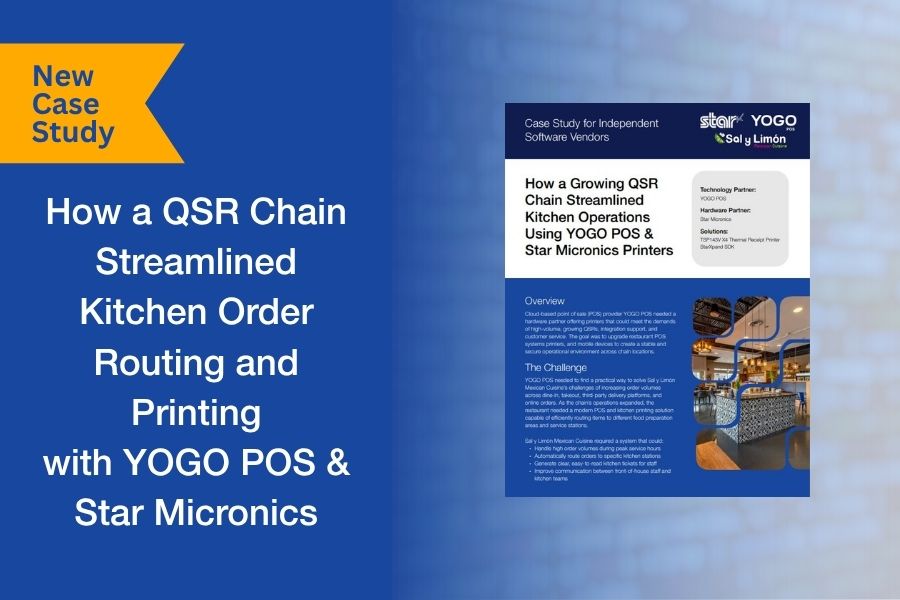
  • Kitchen Order Routing Breaks Down at Scale. A QSR Case Study.

    Kitchen Order Routing Breaks Down at Scale. A QSR Case Study.

    For many QSRs, order complexity doesn’t become a problem until volume increases. Dine-in, takeout, online ordering, and delivery platforms all feed into the same kitchen, but without structured routing, orders can bottleneck at the wrong stations or get lost in the flow.

    That’s exactly what Sal y Limón Mexican Cuisine was facing. As order volume grew across channels, the kitchen needed a way to route items to the right preparation areas and ensure tickets were clear, consistent, and easy to act on during peak hours.

    Working with YOGO POS, the team implemented a kitchen printing and order routing system using Star Micronics printers and the StarXpand™ SDK. Orders from multiple sources were directed to specific stations, with dedicated printers supporting each part of the workflow.

    We put together a short case study that looks at how the system was configured, how the integration was handled, and what changed once routing and printing were aligned with kitchen operations.

    Download the full case study to see how the deployment was structured and scaled.

  • Star Micronics Integrates Labeling and Printing Solutions with Crunchtime Kitchen to Improve Order Accuracy and Fulfillment

    Star Micronics Integrates Labeling and Printing Solutions with Crunchtime Kitchen to Improve Order Accuracy and Fulfillment

    The integration connects kitchen workflows with reliable labeling and printing to support faster, more accurate order fulfillment across modern restaurant environments.

    Somerset, NJ – February 23, 2026 – Star Micronics, a global leader in POS hardware, labeling, and cloud printing technology, today announced the integration of its printing and labeling solutions with Crunchtime Kitchen, an industry-leading kitchen display system (KDS) by Crunchtime. The integration extends digital kitchen workflows beyond the screen, helping restaurants improve order accuracy, accountability, and fulfillment across dine-in, takeout, and delivery channels, with particular impact for quick-service restaurants (QSRs), fast-casual brands, large casual-dining chains, and other hospitality venues.

    Kitchen display systems play a critical role in organizing and prioritizing orders, but accuracy challenges often arise once orders move from preparation to packaging and handoff. By integrating Star Micronics’ labeling and printing solutions with Crunchtime Kitchen, restaurants gain a reliable physical verification layer that supports accurate assembly, clear identification, and confident delivery of every order.

    Extending Order Accuracy Beyond the Screen

    Through the integration, orders displayed within Crunchtime Kitchen workflows trigger printed labels and receipts at key points in the kitchen process. Item-level and order-level labels help teams verify contents, eliminate missed items, and minimize confusion during packaging and pickup.

    Star’s mC-Label multifunction printer series supports a wide range of restaurant labeling needs, including item labels, bag seals, and order identification, using linerless, die-cut, or receipt media, all from a single model. Available in 2-inch and 3-inch options, the series also features user-friendly maintenance that reduces downtime and simplifies upkeep for kitchen teams.

    Star’s TSP143IV SK supports sticky linerless labels and receipt printing, giving restaurants flexible options for labeling and order verification. When paired with Crunchtime Kitchen, labeling helps ensure that digital orders are accurately reflected in the final order handed to the customer.

    Orchestrating Complex, Multi-Channel Kitchen Operations

    Crunchtime Kitchen is purpose-built to help restaurants manage complex, high-volume kitchen operations where speed, accuracy, and coordination are critical. Rather than simply displaying orders, the system orchestrates how orders move through the kitchen by pacing tickets, routing items to the right stations, and adjusting workflows based on real-time demand.

    “When kitchens are under pressure, teams need systems they can trust. Bringing Crunchtime Kitchen together with Star Micronics’ labeling and printing solutions gives restaurants greater confidence that orders are executed accurately for the guest.”

    Features such as delayed routing, customizable prep stations, and dynamic capacity management help balance workloads, reduce bottlenecks, and keep multi-item orders finishing together. This approach supports consistent execution across dine-in, takeout, and delivery channels, even during peak periods.

    Paired with Star Micronics’ labeling and printing solutions, these orchestrated workflows extend beyond the screen, giving kitchen teams a clear, physical way to verify, assemble, and fulfill orders accurately.

    Reliable Printing for Real-World Kitchen Execution

    The integration also supports Star’s mC-Print3 thermal receipt printer, delivering fast, dependable receipt and order printing in high-volume kitchen environments. Built for the demands of busy kitchens, the mC-Print3 provides consistent output at prep, expo, and fulfillment stations during peak service.

    Together, Star’s printing and labeling hardware provides restaurants with flexible options to support prep stations, expo lines, and fulfillment areas, while maintaining clarity and reliability across workflows.

    Supporting Modern Restaurant Operations

    As restaurants manage increasing order complexity driven by kiosks, online ordering, and third-party delivery, accuracy at handoff has become a critical factor in customer satisfaction and loyalty. Clear labeling and reliable printing help reduce costly remakes, refunds, and delivery issues, while improving the overall guest experience.

    The integration between Star Micronics and Crunchtime Kitchen enables restaurant operators to unify digital order management with consistent, real-world execution across every service channel. Designed for multi-channel, enterprise restaurant environments, Crunchtime Kitchen helps operators maintain service consistency and throughput by intelligently managing order flow across stations, channels, and peak demand periods.

    A Trusted Partner for KDS Labeling Solutions

    With decades of experience supporting restaurant technology ecosystems, Star Micronics continues to work closely with leading software providers to deliver dependable hardware solutions. The integration with Crunchtime Kitchen reinforces Star’s role as a go-to provider of labeling and printing technology for KDS environments.

    For more information about Star Micronics solutions, visit starmicronics.com.
    To learn more about Crunchtime Kitchen, visit crunchtime.com.

    About Star Micronics

    Star Micronics is a world leader in point-of-sale (POS) hardware, offering a portfolio of printing, secure cash management, self-service, and customer engagement solutions for retail and hospitality environments. Star’s technologies support Android, iOS, Windows, and web-based platforms, as well as cloud printing solutions such as CloudPRNT Next and StarIO.Online.

    About Crunchtime

    About Crunchtime: Crunchtime helps multi-unit restaurants operate every location like their best one. Trusted by 850+ brands across 150,000+ locations worldwide, Crunchtime connects the full operations management lifecycle across inventory management, labor and scheduling, kitchen management, and operations execution, in the industry’s only complete, AI-powered suite. Top operators, including Jersey Mike’s, Five Guys, Smoothie King, Wingstop, and Chili’s, rely on Crunchtime to achieve profitability and deliver great guest experiences every day in every store. To learn more, visit Crunchtime.com.

    Can’t get enough industry news?

    Star Micronics logo, point-of-sale (POS) hardware and technology company.

    Star Micronics is a global leader in POS hardware and transaction technology, providing printers, secure cash management, and connected peripherals for retail and hospitality environments. Known for reliability and developer-friendly integration, Star solutions work seamlessly with Android™, iOS, Windows®, and web-based POS platforms to power receipt, label, ticket, and order printing across modern commerce environments.

    Star’s cloud technologies extend printing beyond the counter. CloudPRNT Next enables scalable direct cloud printing, while StarIO.Online is Star’s fully managed cloud printing service that removes the need for server infrastructure and simplifies remote printer management across distributed locations. Star also offers a broad portfolio of POS peripherals, including barcode scanners, scales, and tablet stands, designed to work together as a complete hardware solution.

    Learn more at starmicronics.com or follow Star on LinkedIn, YouTube, Facebook, Instagram, and X.

    Media Contact:

    Christin Dorner
    Star Micronics America, Inc.
    cdorner@starmicronics.com
    848-216-3318

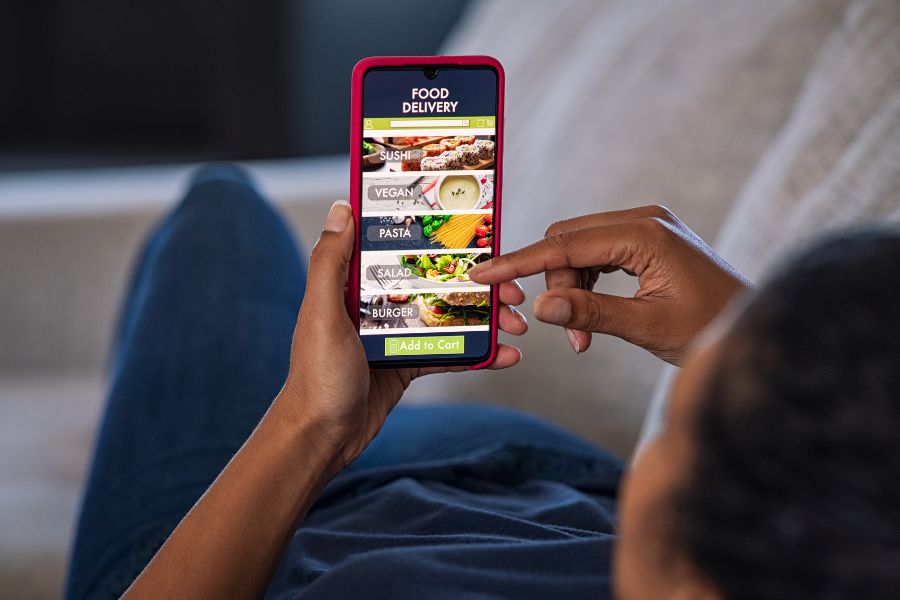
  • 3 Key Advantages of Online Food Ordering for Today’s Customers

    3 Key Advantages of Online Food Ordering for Today’s Customers

    Online food ordering has become a standard part of how customers interact with restaurants and QSR brands. What began as a convenience and accelerated during the COVID-19 pandemic has evolved into an essential way people discover menus, place orders, and enjoy meals on their own terms.

    Today, the advantages of online food ordering extend far beyond convenience. From faster ordering and improved accuracy to greater flexibility and control, digital ordering continues to redefine the customer dining experience. In this post, we explore the key benefits of online food ordering and why it remains a core part of the modern food service landscape.

    Table of Contents

    Key Advantages of Online Food Ordering for Customers

    The advantages of ordering food online for customers center on convenience, flexibility, and access to a wider range of dining options.

    1. A Convenient, Streamlined Experience

    The primary benefit of online food ordering is its unmatched convenience. Customers enjoy the flexibility of ordering from any location, eliminating the need to travel for meal collection. Features such as easy reordering, queue avoidance, and enhanced order accuracy significantly streamline the dining experience.

    These conveniences not only strengthen customer relationships but also encourage repeat ordering. Digital ordering platforms allow restaurants to meet customer expectations while supporting efficient, low-friction service.

    2. Catering to Evolving Dining Preferences

    Dining habits have continued to evolve as customers look for options that support both in-restaurant and at-home experiences. Online food ordering platforms help meet these expectations by offering flexible pickup, delivery, and ordering options that fit modern lifestyles.

    This shift reflects long-term changes in how people choose to dine, not just a short-term response to the pandemic.

    Explore Labeling Solutions for Online Ordering >

    3. Expanded Choices and Added Value

    Online food ordering gives customers access to a wider range of dining options and promotions. Digital platforms often feature exclusive deals, loyalty rewards, and seasonal offers that enhance value and encourage exploration.

    Virtual menus also make it easier for customers to discover new cuisines and customize their orders. High-quality images and clear descriptions create a more engaging and confident ordering experience.

    Meeting The Online Order Surge: How Hardware Impacts Efficiency

    To stay competitive as a business owner, you must be able to handle the surge in online orders, and one crucial aspect of this is re-evaluating your hardware systems.

    Online Orders with Star Micronics’ CloudPRNT Next Technology

    To fully support the advantages of online food ordering for both restaurants and customers, execution behind the scenes matters. Star Micronics developed CloudPRNT Next to ensure online orders move reliably from digital platforms to the kitchen without disruption.

    CloudPRNT Next simplifies how online ordering applications connect to restaurant printing workflows, helping orders from platforms like DoorDash and Uber Eats print accurately and consistently at the point of execution. It supports iOS, Android, Windows, and web-based environments, making it well-suited for modern POS and mobile ordering workflows.

    What is CloudPRNT Next?

    CloudPRNT Next is a cloud-based printing platform that enables direct communication between online ordering services and Star Micronics printers. Orders are securely transmitted through the cloud and printed automatically, without the need for additional hardware or complex network configurations.

    This streamlined approach makes it easier for restaurants to adopt and scale online food ordering while maintaining order accuracy and operational consistency.

    Key Features and Benefits of CloudPRNT Next:

    • Direct Cloud-to-Printer Communication
      Online food orders are sent directly from cloud-based ordering platforms to Star printers, reducing delays and eliminating unnecessary intermediary devices.

    • Improved Order Accuracy and Speed
      By automating how online orders reach the kitchen, CloudPRNT Next helps reduce manual steps, miscommunication, and missed items, improving the customer experience.

    • Scalable Support for Growing Restaurants
      CloudPRNT Next is designed to support multi-location restaurants and growing order volumes, making it easier to maintain consistent workflows as online demand increases.

    • Broad Device and Platform Compatibility
      The platform works across common operating systems and devices, giving restaurants flexibility as they adopt new POS systems or digital ordering tools.

    • Simplified Setup and Reduced IT Complexity
      CloudPRNT Next removes the need to manage IP addresses, local network configurations, or custom firewall rules, making installation and ongoing support easier for restaurant teams.

    Why This Matters for Online Food Ordering

    Reliable printing is a critical part of online food ordering. When digital orders are transmitted accurately and consistently to the kitchen, restaurants can fulfill orders faster, reduce errors, and deliver the convenience customers expect. CloudPRNT Next supports these outcomes by making printing a dependable part of the online ordering workflow rather than a point of failure.

    A Smarter Way to Support Online Food Ordering

    Online food ordering is no longer a temporary shift or a passing trend. It has become a standard part of how customers interact with restaurants. The advantages of online food ordering, from convenience and flexibility to improved accuracy and control, continue to shape customer expectations across the dining experience.

    Behind the scenes, reliable POS and printing technology plays a critical role in making online ordering work smoothly. When digital orders move accurately and consistently from the cloud to the kitchen, restaurants can fulfill orders faster, reduce errors, and deliver the experience customers expect.

    As online food ordering continues to evolve, restaurants that invest in dependable, scalable systems are better positioned to meet demand, maintain accuracy, and build long-term customer loyalty. The goal is not simply to offer online ordering, but to support it with the right technology so it works reliably every time.

    The Smart QSR Delivery Playbook: Labeling, Accuracy & Efficiency Done Right

    Learn how leading QSRs are using smart labeling and scalable POS technology to reduce errors, cut costs, and deliver a better guest experience.

    Frequently Asked Questions About Online Food Ordering

    What are the main advantages of online food ordering for customers?

    Online food ordering gives customers greater convenience, faster service, improved order accuracy, and access to digital menus, deals, and flexible payment options.

    Is online food ordering more accurate than ordering in person or by phone?

    Yes. Online food ordering reduces miscommunication by allowing customers to review their order before submission, resulting in fewer mistakes and higher satisfaction.

    Why do customers prefer online food ordering?

    Customers prefer online food ordering because it saves time, offers transparency, supports customization, and allows ordering anytime from mobile devices or computers.

    Does online food ordering improve the overall customer experience?

    Yes. Online food ordering improves the customer experience by making ordering faster, easier, and more reliable, especially for pickup and delivery.

    Which Star printer is right for your online ordering app?

    To browse all of our blog posts covering tips for small businesses, please visit our #StarForSmallBiz blog collection. Original article written by Heidi Orpilla and published June 18, 2020.

  • Star Micronics and Logic Controls Strengthen Online Ordering Accuracy Through Strategic KDS and Labeling Partnership

    Star Micronics and Logic Controls Strengthen Online Ordering Accuracy Through Strategic KDS and Labeling Partnership

    The partnership brings labeling and KDS together to improve order accuracy, accountability, and fulfillment across modern restaurant and retail workflows.

    Somerset, NJ – January 9, 2026 – Star Micronics, a global leader in POS hardware, labeling, and cloud printing technology, today announced a strategic partnership with Logic Controls, the original creator of the kitchen display system (KDS). The collaboration strengthens restaurant and retail order workflows by combining Logic Controls’ industry-leading KDS software with Star’s high-performance labeling solutions to improve order accuracy, operational accountability, and customer experience. 

    As online ordering expands across both restaurant and retail environments, operators face growing pressure to deliver speed, security, and simplicity while controlling costs. Star Micronics and Logic Controls are both Chrome Certified Partners, ensuring seamless compatibility with modern, browser-based POS and ordering platforms. This certification makes it easier for operators to deploy scalable, cloud-first workflows without added IT complexity. 

    Strengthening Orders From Screen to Handoff

    Logic Controls’ Kitchen GO platform has long been trusted by restaurants, retailers, and self-service operators to organize and route orders across prep and expo stations. By pairing real-time order visibility with Star’s labeling technology, operators gain a physical verification layer that extends accuracy beyond the screen and into packaging, pickup, and delivery. 

    Each item is clearly labeled, verified, and traceable, reducing missed items, eliminating confusion at handoff, and helping order fulfillment teams consistently deliver the right order to the right customer. 

    Designed for Modern Ordering Channels

    As ordering expands across dine-in, kiosk, BOPIS, curbside, and third-party delivery, retailers and restaurants must manage more complexity with less margin for error. The Star Micronics and Logic Controls partnership supports: 

    • Third-party delivery and BOPIS by clearly labeling orders for correct pickup and handoff 
    • Kiosk and in-store ordering by maintaining item identification through prep and expo 
    • Multi-brand environments by routing orders to separate kitchens and accurately reassembling them 

    A More Connected Kitchen Workflow for Restaurants and Retailers

    Together, Star Micronics and Logic Controls are helping operators achieve consistent, secure, and reliable order fulfillment that supports operational efficiency, stronger margins, and lasting customer trust across every ordering channel. 

    For more information about Star Micronics solutions, visit starmicronics.com. 
    To learn more about Logic Controls and Kitchen GO, visit logiccontrols.com. 

    Can’t get enough industry news?

    About Star Micronics 

    Star Micronics is a world leader in point-of-sale (POS) hardware, offering a portfolio of printing, secure cash management, self-service, and customer engagement solutions for retail and hospitality environments. Star’s technologies support Android, iOS, Windows, and web-based platforms, as well as cloud printing solutions, including CloudPRNT Next and StarIO.Online. 

    About Logic Controls 

    Logic Controls is the original creator of the kitchen display system and a global leader in kitchen automation technology. With more than 40 years of experience and over 500,000 stations deployed worldwide, Logic Controls delivers durable hardware and advanced KDS software designed to improve kitchen speed, accuracy, and performance. 

    Media Contacts:

    Christin Trilone 

    Star Micronics America, Inc. 

    ctrilone@starmicronics.com 

    848-216-3318 

    Bridget Belcher 

    Logic Controls 

    bridget.belcher@logiccontrols.com 

    407-401-9706 

  • Which Are the Best Star Micronics Printers for Online Ordering Apps?

    Which Are the Best Star Micronics Printers for Online Ordering Apps?

    Online ordering has become a vital part of restaurant and retail operations, but every platform connects differently. Learn which Star Micronics printers work best for online ordering apps and how CloudPRNT Next, Bluetooth, and USB connectivity simplify integration for ISVs and developers.

    Table of Contents

    Online Ordering Is Here to Stay

    Online ordering has become essential for restaurants and retailers that want to meet customers where they are. From platforms like DoorDash and Uber Eats to custom-built ordering systems, businesses depend on reliable printers for online ordering apps to keep operations running smoothly.

    The question many developers and operators ask is simple: Which are the best Star Micronics printers for online ordering apps?

    The answer is that most Star Micronics printers are already compatible. Whether your app prints directly from the cloud or through a tablet on-site, Star offers flexible solutions for both workflows. With built-in support for CloudPRNT, CloudPRNT Next, Bluetooth, and USB, Star printers make online order printing fast, reliable, and easy to integrate into any environment.

    All Star Micronics Printers Can Handle Online Ordering

    Every Star printer supports online order printing. The difference lies in how each printer communicates with your online ordering app or POS platform.

    In today’s market, there are two main ways that orders are sent to a printer:

    1. Cloud-based printing, where the printer connects directly to a remote server.
    2. Local printing, where a tablet or POS terminal serves as the connection point.

    Star printers are built to handle both. This flexibility allows ISVs and software developers to create integrations that work seamlessly across multiple online ordering platforms without extra middleware, custom builds, or device-specific configurations.

    The mC-Label2 multifunction label printer by Star Micronics.
    The mC-Label2 multifunction printer can integrate with any online ordering app.

    How Online Ordering Apps Communicate with Printers

    Online ordering systems typically operate in one of two ways: web-based (cloud) or local (tablet or device-based). Both approaches are common across the industry, and Star Micronics supports them all.

    1. Cloud-Based Printing with CloudPRNT and CloudPRNT Next

    CloudPRNT is Star’s cloud printing technology that enables printers to communicate directly with a web server to retrieve and print orders.

    Instead of relying on a tablet or POS terminal, a CloudPRNT printer connects to the internet and automatically checks the server for new jobs. When an order is received, it prints automatically—no local drivers, middleware, or PCs required.

    How it works:

    • The printer connects to the internet through Ethernet or Wi-Fi.
    • Orders are sent from the online ordering platform’s cloud server to the printer.
    • The printer retrieves the job, formats it, and prints automatically.

    Why ISVs love it:

    • Straightforward integration: Use Star’s CloudPRNT API to connect web or cloud-based systems directly to the printer.
    • Cross-platform flexibility: Works independently of the operating system or device.
    • Reduced support overhead: No middleware or local drivers to manage, meaning fewer service calls.
    • Scalable architecture: Centralized monitoring and remote updates make multi-location deployment easier.

    CloudPRNT Next, Star’s latest enhancement, takes cloud-based printing even further. It uses MQTT-based communication for faster, more reliable performance and provides real-time message delivery, instant status updates, and improved uptime.

    For example, a restaurant brand with hundreds of locations might use CloudPRNT Next to ensure orders print the moment they’re placed online. Instead of each printer periodically checking the server for new jobs, CloudPRNT Next keeps a live connection open. When a new order comes in, the printer is instantly notified, prints immediately, and sends a confirmation back to the server. This live communication gives IT teams real-time visibility and ensures that no orders are delayed or missed.

    Printers that support CloudPRNT or CloudPRNT Next

    All models include Ethernet and Wi-Fi connectivity, allowing them to communicate directly with cloud-based ordering platforms or web servers.

    2. Local Tablet Printing via Bluetooth or USB

    Many third-party ordering platforms, including Uber Eats, DoorDash, and others, use a tablet-based printing workflow.

    In this setup, the tablet acts as a local bridge between the ordering platform’s cloud server and the printer. The app receives incoming orders from the cloud, then sends them directly to a connected printer using Bluetooth or USB.

    How it works:

    • Orders are placed through the online ordering platform.
    • The restaurant’s tablet (logged into the app) downloads each order.
    • The tablet sends print jobs to a paired Star printer over Bluetooth or USB.

    Why it works well:

    • Developer control: Ideal for apps that handle print formatting, order logic, and device management internally.
    • Resilient operation: Printing continues through the tablet even if network connectivity is interrupted.
    • Straightforward integration: Star’s StarXpand SDK and StarPRNT SDK provide clear APIs and sample code for Android, iOS, and Windows environments.
    • Flexible deployment: Compatible with many tablets and operating systems, making it easier to support multiple delivery and aggregator platforms with one integration.

    For ISVs, Star’s StarXpand SDK and StarPRNT SDK make integration simple across Android, iOS, and Windows environments. The same printer models that support cloud-based workflows can also print locally through Bluetooth or USB, giving developers universal compatibility with virtually any online ordering platform.

    Looking for a Fully Managed Cloud Printing Option?

    For ISVs who want the power of CloudPRNT without hosting or maintaining their own print servers, Star offers StarIO.Online, a fully managed cloud printing service.

    StarIO.Online runs on Star-hosted servers and enables developers to integrate printing into web or cloud-based applications through a simple REST-style API. It provides:

    • Zero infrastructure management: Star handles uptime, security, and maintenance.
    • Real-time visibility: Monitor printers, job status, and device health from a single dashboard.
    • Fast integration: Send print jobs to any CloudPRNT-compatible Star printer with minimal code.

    StarIO.Online makes it even easier for developers to build, deploy, and scale cloud printing without adding IT complexity and overhead.

    Printers That Support Every Online Ordering Connection

    For developers, one of the biggest challenges in online ordering integration is dealing with different connectivity requirements across platforms. Some apps depend on tablets and Bluetooth, while others print directly from the cloud through APIs. Managing multiple printer models for each connection type can create unnecessary complexity in development, testing, and long-term support.

    Star Micronics solves that problem.

    Star’s newest printer lineup is designed for modern connectivity, giving ISVs a single hardware family that supports all four connection types: Ethernet, Wi-Fi, USB-C, and Bluetooth. These hybrid models can handle both CloudPRNT-based and local (tablet) printing workflows, allowing developers to build one integration that works everywhere.

    Printer Model CloudPRNT / CloudPRNT Next Bluetooth / USB Label & Receipt Support Best For
    mC-Label3 All media Multi-station restaurant environments
    mC-Label2 All media Compact counter setups, barcodes
    TSP143IV X4 Receipts General POS & restaurant integration
    TSP143IV SK X4 Sticky linerless labels, receipts Takeout & delivery bag labeling

    These printers combine every major connectivity option in one compact device, giving ISVs maximum flexibility in integration and deployment. Whether the printer communicates directly with the cloud or connects locally through a tablet, the experience is seamless. Developers can support both workflows through Star’s unified SDKs and APIs—no additional middleware or platform-specific configurations required.

    Why Star Micronics Printers Are Ideal for Online Ordering Integration

    • Broad compatibility: Can work with nearly every online ordering app and POS system.
    • Comprehensive connectivity: Bluetooth, USB, Ethernet, and Wi-Fi in a single device.
    • Future-ready technology: CloudPRNT Next delivers faster, more reliable cloud communication.
    • Developer-first design: Unified SDKs, APIs, and detailed documentation streamline integration.
    • Proven reliability: Backed by over 60 years of innovation in POS and hospitality printing.

    How VARs and ISVs Can Maximize ROI with Advanced Kiosk Printing Technology

    This ebook reveals how ISVs and VARs can harness the transformative potential of kiosk printing technology to maximize ROI for both their clients and their own businesses.

    Build Once, Integrate Everywhere

    For ISVs, the key to scaling online ordering integrations is flexibility.

    Star Micronics printers allow developers to build a single integration that supports every type of connection, whether printing through a cloud API, a web dashboard, or a local tablet app.

    With one printer family, you can support CloudPRNT, CloudPRNT Next, Bluetooth, and USB workflows, all backed by Star’s SDKs, APIs, and developer resources.

    Learn more about Star printers for online ordering apps:

  • Food Delivery Labels: The Unsung Hero Behind the DoorDash vs. Amazon Race

    Food Delivery Labels: The Unsung Hero Behind the DoorDash vs. Amazon Race

    The delivery wars are no longer just about who can get food to customers the fastest. With Amazon expanding same-day grocery delivery to thousands of cities and DoorDash pouring billions into grocery, retail, and international markets, the competition has never been fiercer. Together, they’re battling for dominance in a U.S. grocery and food delivery market worth more than $1.5 trillion.

    But speed isn’t enough. At this scale, even the smallest mistakes, such as a mislabeled bag, a missing item, or a tamper-evident seal that fails, can result in millions of dollars in refunds, chargebacks, and lost trust. In the race between Amazon and DoorDash, the real differentiator isn’t just logistics. It’s food delivery labels.

    Every order, from a grocery bag to a takeout clamshell, depends on smart labeling to ensure accuracy, compliance, and customer trust. Without it, delivery breaks down before it ever reaches the customer’s doorstep, whether you’re Amazon, DoorDash, or a neighborhood café.

    The Role of Food Delivery Labels in Every Order

    Behind every order, there’s a label that tells the story. Without it, mistakes pile up: wrong bags are handed off, items go missing, food safety risks increase, and customers walk away unhappy.

    • Food delivery labels identify the right order for the right customer across pickup, drive-thru, and third-party delivery.
    • Food rotation labels keep groceries and perishables safe and compliant with FDA and USDA standards.
    • Nutritional and allergen labels ensure restaurants and grocers meet customer needs and regulations.
    • Tamper-evident labels provide peace of mind that meals and groceries haven’t been opened or altered.

    Without Food Delivery Labels, Accuracy Breaks Down

    Inside every restaurant or fulfillment center, accuracy depends on what happens at the handoff points, from the KDS screen to the expo station to the courier’s hands. This is where food delivery labels hold the chain together. They confirm the right bag matches the right order, direct groceries or meals to the correct customer, and provide the details needed for a smooth delivery.

    When labels are unclear, sloppy, or missing, breakdowns happen fast: orders are delayed, items are lost, meals are wasted, and customers lose trust. For restaurants and QSRs working on razor-thin margins, those errors quickly add up to costly refunds and lost loyalty. That’s why food delivery labels are as vital to a single café as they are to billion-dollar platforms—they protect profits, reduce waste, and keep customers coming back.

    Better labeling strategies for online orders and delivery from Star Micronics.

    What Restaurants and Retailers Can Learn

    Amazon and DoorDash may set the pace, but local restaurants and retailers can win by focusing on the fundamentals that make delivery work. At the top of that list: labeling.

    • Treat labeling as part of the customer experience. A smudged or missing label isn’t just an operational issue—it erodes trust. Consistency builds confidence that every bag, box, and cup is prepared with care and attention.
    • Think beyond food delivery labels. Prep labels, food rotation labels, and allergen information labels all work together to ensure compliance, safety, and efficiency. A complete strategy covers both front-of-house accuracy and back-of-house organization.
    • Match the label to the workflow. Delivery bags may require tamper-evident adhesives, while grab-and-go cups benefit from removable/repositionable options. The right adhesive strength in the right place minimizes waste and errors.
    • Plan for scale, even if you’re small today. As order channels expand (dine-in, pickup, third-party delivery, mobile apps), labeling systems should be able to grow with them. Future-proofing your labeling strategy now prevents costly overhauls later.

    Smart labeling isn’t just a detail to check off. It’s the bridge between fast-moving operations and the customer experience that keeps people coming back.

    How Star Micronics Powers Food Delivery Labels

    Star Micronics delivers the technology that makes food delivery labels reliable, efficient, and scalable:

    • mC-Label multimedia label printers: The mC-Label3 and mC-Label2 print linerless labels, die-cut labels, and receipts from one compact device.

    mC-Label2 Multifunction Printer

    The mC-Label2 packs powerful features into a compact, front-loading design, including 300 dpi resolution, support for linerless, die-cut, receipt, and continuous media, and connectivity options like USB-C, LAN, WLAN, Bluetooth, and Apple MFi-certified pairing (X4 models only).

    Explore the mC-Label2 >

    mC-Label3 Multifunction Printer

    The Star Micronics mC-Label3 is a versatile multimedia printer that prints a wide range of labels and receipts, including both permanent and repositionable sticky linerless. It features cloud connectivity and innovative technologies like SteadyLAN and TetherLAN for enhanced printing convenience.

    Discover the mC-Label3 >

    Star’s 1D/2D Barcode Scanners

    Star offers a comprehensive range of IP-rated 1D/2D barcode scanners, ideal for diverse business needs. From retail to restaurants, our versatile scanners excel in parsing driver’s license and ID barcodes, ensuring swift and accurate data capture. Choose the perfect fit for your setup—desktophandheld, or wireless Bluetooth options available.

    Food Delivery Labels: The Unsung Hero of Delivery

    Amazon and DoorDash may dominate the headlines, but success in food delivery doesn’t come down to speed alone. Food delivery labels are what make accuracy, compliance, and customer trust possible at every handoff, from the kitchen to the customer’s doorstep.

    For restaurants and QSRs of any size, smarter labeling is more than an operational detail—it’s a strategy that protects margins, reduces waste, and keeps guests coming back.

    With Star Micronics, operators gain the tools to put that strategy into practice, from multifunctional printers and adhesive options to scales, scanners, and cloud-ready solutions.

    Smarter labeling. Smarter delivery. That’s the future of food delivery labels with Star.

    The Smart QSR Delivery Playbook: Labeling, Accuracy & Efficiency Done Right

    Learn how leading QSRs are using smart labeling and scalable POS technology to reduce errors, cut costs, and deliver a better guest experience.

    Turn Food Delivery Labels into a Competitive Edge

  • Take the Pain Out of Ecommerce Returns Management with Smarter Labeling

    Take the Pain Out of Ecommerce Returns Management with Smarter Labeling

    Returns are part of doing business, but smart returns management ensures they don’t have to drain your profits. According to the National Retail Federation, returns accounted for 16.9% of 2024 sales, totaling $890 billion for retailers. For ecommerce, the challenge is even bigger: about one-quarter of online purchases are returned, according to Statista.

    Of course, ecommerce companies cover those costs. However, the impact of returns extends beyond the cost of shipping or writing off damaged products that cannot be resold. Returns management is also a hidden cost center, requiring staff time, packaging supplies, and warehouse resources to process refunds or exchanges and to track items until they are properly restocked in inventory.

    Yet failing to provide customer-friendly returns can be even more costly. An ICSC survey found that return policies influence 82% of consumers’ purchase decisions. Shoppers often check policies before they buy and may abandon carts if the process feels too restrictive. On the other hand, a simple, transparent return policy builds confidence in the purchase and trust in your brand.

    That’s why solving the challenge of ecommerce returns requires a practical returns management strategy, and smarter labeling is at the heart of it.

    How to Develop the Best Returns Management Processes

    A great returns policy does more than save you money. It keeps customers confident in your brand and makes them more likely to shop with you again. To optimize your returns processes, start by mapping the customer journey and improving each step along the way.

    > Start with Clear Policies and Procedures

    Be transparent with customers about how, when, and why you accept returns. A customer-friendly policy can actually drive more sales, but it still needs to protect your business. For example, you may allow extra time for holiday returns while limiting returns on clearance items.

    Keep policies as simple as possible, and make sure they’re easy to find on your website. On the back end, train employees so they know return timelines, refund or replacement procedures, and how to move items back into inventory.

    Finally, back up your policies with the right technology. Replacing manual steps with smarter return labeling systems makes the process faster, more accurate, and less frustrating for staff and customers alike.

    > Choose Where to Accept Returns

    Retailers have several options when it comes to receiving returns, each with its own benefits and trade-offs:

    • In-house warehouses: Full control over the returns management process, but higher demands on staff and resources.

    • Third-party logistics (3PL) providers: Offload the burden of processing returns, though additional fees may apply.

    • Drop-off partnerships or in-store kiosks: Create a smoother customer experience and can even drive foot traffic to partner businesses.

    Growing trend: Self-service returns

    • Customers print their own return labels or barcode labels for inventory.

    • Items are placed in secure lockers.

    • Employees scan the labels for processing.

    • This model saves time, reduces labor costs, and delivers the speed and convenience customers expect.

    The key is choosing a returns model that balances customer satisfaction, operational efficiency, and cost savings for your business.

    > Use Barcode Labels for Inventory Control

    Every item that comes back into your system needs to be tracked. Barcode labels for inventory control ensure products are logged correctly, routed to the right location, and available for resale as quickly as possible.

    Automating this process also reduces the labor burden on your staff, while providing both your team and online shoppers with a real-time view of availability. That means faster restocking, fewer mistakes, happier customers, and proof that smarter labeling drives better business outcomes.

    LIFESTYLE BSH 32B Warehouse 2 JPG

    > Learn from Returns

    Returns management systems that use barcode labels for inventory control allow you to collect data that you can analyze to learn more about customer behaviors. You can track which items are most commonly returned, allowing you to make informed decisions about whether to continue selling them. 

    With this information, you can make better decisions about which products to keep selling, forecast more accurately, and avoid tying up capital in items that are consistently sent back. Returns data can transform a challenge into a valuable business advantage.

    > Use Linerless Return Labels

    Returns can be messy, but labeling doesn’t have to be. Linerless return labels print without a paper backing, which means no clutter piling up on counters, workstations, or warehouse floors. They help keep return stations organized and efficient, especially during peak volumes.

    Beyond efficiency, linerless labels reduce waste and support sustainability goals, a growing priority for today’s consumers and businesses alike. By choosing linerless technology, retailers can maintain smooth returns operations while reducing waste and reinforcing a modern, sustainable brand image.

    Great Customer Experiences, Efficient Operations, Just in Reverse

    A higher rate of returns for ecommerce purchases is a trend that is unlikely to end soon, but with the right returns management strategy and smarter labeling, it can become an opportunity to build trust and confidence in your brand. Carefully planning returns processes, including establishing clear policies and using return labels and barcode labels for inventory tracking, can help control costs while maintaining customer satisfaction.

    Using the right technology, from printers that support linerless return label printing to automated data collection, will help you streamline return processes for your ecommerce business.

    Additional Resources

    Star Micronics offers labeling and scanning solutions ideal for retail and ecommerce returns management processes, including: 

    mC-Label2 Multifunction Printer

    The mC-Label2 packs powerful features into a compact, front-loading design, including 300 dpi resolution, support for linerless, die-cut, receipt, and continuous media, and connectivity options like USB-C, LAN, WLAN, Bluetooth, and Apple MFi-certified pairing (X4 models only).

    Explore the mC-Label2 >

    mC-Label3 Multifunction Printer

    The Star Micronics mC-Label3 is a versatile multimedia printer that prints a wide range of labels and receipts, including both permanent and repositionable sticky linerless. It features cloud connectivity and innovative technologies like SteadyLAN and TetherLAN for enhanced printing convenience.

    Discover the mC-Label3 >

    Star’s 1D/2D Barcode Scanners

    Star offers a comprehensive range of IP-rated 1D/2D barcode scanners, ideal for diverse business needs. From retail to healthcare, our versatile scanners excel in parsing driver’s license and ID barcodes, ensuring swift and accurate data capture. Choose the perfect fit for your setup—desktophandheld, or wireless Bluetooth options available.

    A higher rate of ecommerce returns is here to stay, but it does not have to erode profits. With the right returns management strategy supported by return labels, barcode labels for inventory, and efficient labeling technology, retailers can transform returns into an opportunity to build loyalty and protect their bottom line.

    Star Micronics makes it possible with smarter labeling and scanning solutions designed to take the pain out of ecommerce returns management. Contact us today to learn more.

    Get smart labeling solutions for better returns management now:

  • How Online Ordering Aggregators Can Improve Order Accuracy and Protect Margins

    How Online Ordering Aggregators Can Improve Order Accuracy and Protect Margins

    Speed gets the spotlight in restaurant delivery, but the real driver of customer loyalty, partner retention, and long-term profitability is order accuracy.

    For online ordering aggregators, accuracy isn’t just a restaurant-side issue. Every wrong label, missing item, or delivery dispute costs more than a refund. It damages trust, and when switching providers is easy, trust is your most valuable asset.

    Order Accuracy Belongs on Your Roadmap

    When a customer receives the wrong order, they usually don’t know where the breakdown happened. They blame the delivery app. The app often points to the restaurant. And while the restaurant usually takes the financial hit, both parties suffer reputational damage.

    This is where online ordering aggregators can lead.

    As trusted integration partners, aggregators are in a position to help restaurants think beyond convenience and volume, and start focusing on accuracy as a competitive advantage. When restaurants deliver correct orders consistently, it reduces support volume, improves app ratings, and strengthens aggregator–restaurant relationships.

    Advocating for accuracy is not just good partner service. It’s strategic and increasingly essential to staying competitive in a crowded ecosystem.

    The Real Cost of Getting It Wrong

    Inaccurate orders create a cascade of issues. Refunds eat into slim margins. Chargebacks frustrate operators. And customer trust declines with each bad experience.

    But the cost isn’t only financial. It’s operational, and it compounds over time.

    That’s why aggregators should help restaurant clients prevent errors before they leave the kitchen. When restaurants are equipped with the right tools to validate fulfillment and improve accuracy, they’re better positioned to protect revenue and reduce disputes.

    The mC-Label multimedia printer series by Star Micronics helps businesses and online ordering aggregators achieve off-premise order accuracy.

    For online ordering aggregators, supporting accuracy offers a twofold benefit:

    1. Prevent refund requests from happening by encouraging restaurants to improve accuracy at the source. Tools like labeling, smart weighing, and confirmation workflows give restaurants more control and confidence before the order ever leaves the kitchen.
    2. Empower your restaurant partners to protect revenue when disputes arise. By promoting tools and processes that validate accuracy, aggregators can help clients respond to claims with data, reducing chargebacks and preserving trust.

    Fewer mistakes lead to fewer refunds. Better data creates stronger accountability.

    Helping restaurants get it right is not just good service; it’s a scalable way to protect your reputation and increase partner satisfaction.

    Smarter Accuracy Without a POS Overhaul

    Improving accuracy doesn’t require full POS replacement or complicated retraining. Aggregators can make a major impact by recommending lightweight, modular tools that enhance workflows restaurants already use.

    Some of the most effective additions include:

    • Visual labeling for clear bag identification and tamper-evident sealing
    • Smart weighing to confirm all items are present before handoff
    • Seamless integrations with existing prep stations, KDS, or pickup counters

    These additions catch mistakes at the last step, before they reach the driver or the customer. Watch our video below on boosting order accuracy to learn more:

    Order Accuracy Strengthens Partnerships

    When restaurants improve order accuracy, they reduce costly errors, protect margins, and boost customer trust.

    Aggregators that promote these improvements position themselves as more than middleware. They become valued partners in long-term restaurant success.

    The Future of Aggregator Success Starts with Accuracy

    Customer expectations are rising. Reliability and accountability matter more than ever. Fast delivery won’t win loyalty if the order is wrong.

    Online ordering aggregators that prioritize accuracy by championing tools and workflows that prevent errors will become essential allies to restaurant operators. These aggregators won’t just enable transactions. They’ll help build stronger, more profitable operations.

    This is not a quick fix. It’s a long-term strategy that delivers lasting value.

    The bottom line? For online ordering aggregators, order accuracy is no longer optional. It’s essential to reliability, trust, and retention across the off-premise ecosystem.

    Ready to find out more about Star’s order accuracy solutions?