Tag: Mobile Printers

  • 5 Portable Receipt Printer Opportunities for Resellers

    5 Portable Receipt Printer Opportunities for Resellers

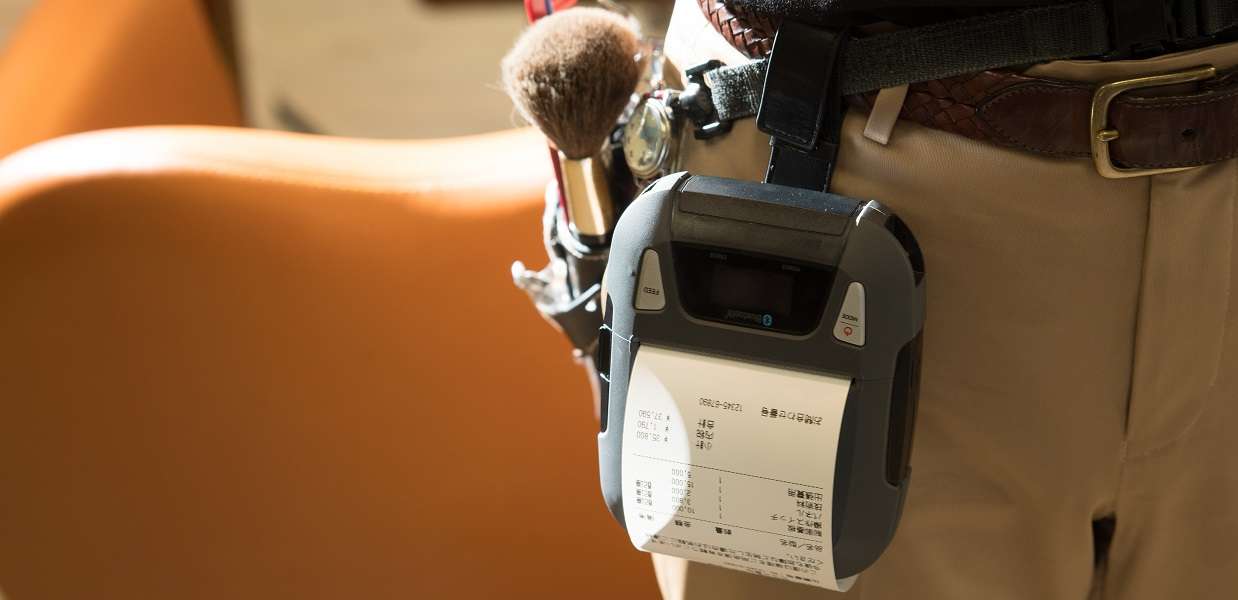
    As a reseller in the point of sale (POS) industry, it’s becoming increasingly important to not just sell products, but to be a full solution provider and trusted adviser to your customers. Besides being the one your customers turn to for all things tech, being a trusted advisor also means you must always be identifying new selling opportunities. A benefit of this can, of course, be boosted margins. In today’s blog post, explore five portable receipt printer opportunities to help you move deeper into accounts while also thickening your wallet.

    1. Tableside Restaurant Payments

    Pay-at-the-table is gaining popularity, and for good reason. Touch-free tableside payments – which eliminate back-and-forth handling of cards or cash – boast multiple benefits, including:

    • Higher table turn rate: The traditional payment process, involving a waitstaff member running back and forth from the table to the POS terminal, can be lengthy, and of course, time means money in the restaurant world. Speeding up the payment process can really pay off (pun intended): according to Hospitality Technology, moving from three to four table turns per shift can increase revenue by 20-25%.
    • Less identity theft: Unfortunately, card skimming occasionally occurs within the hospitality industry, namely when cards are with servers and out of the sight of customers for several minutes. The possibility of identity theft is greatly reduced if a customer instead pays tableside.
    • Increased tips: Pay-at-the-table is undoubtedly a faster, smoother process than traditional back-and-forth payments. This improved experience often times means increased tips for servers. According to the Los Angeles Times, Olive Garden waitstaff using mobile payment tablets saw a 15% increase in tips.

    Help your customers offer seamless, profitable pay-at-the-table options by providing the ideal portable receipt printer.

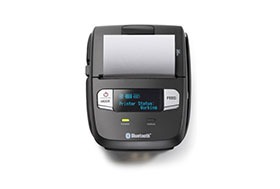
    Recommended Printer: SM-L200
    SM-L200 Portable Receipt Printer

    2” Receipts
    Bluetooth, Apple BLE

    2. On-the-Road Services: Field Service, Landscaping, Taxi

    Another opportune industry for selling portable printers is any business that needs to complete transactions on-the-go. Examples of this include field services like telecommunications, HVAC, pest control, and contracting; landscaping; and taxi services. While these all provide very different services, they have one thing in common: they need fast, reliably connected receipt printers to keep their customers happy and their revenue flowing. Help them reach those goals by providing the right portable receipt printer.

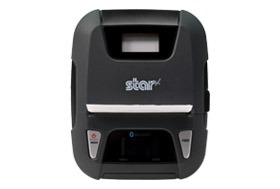
    Recommended Printer: SM-T300i
    SM-T300i Portable Receipt & Label Printer

    3” Rugged with MSR, Receipts & Labels
    Bluetooth

    3. Concession Sales at Stadiums, Parks, and Event Venues

    The days of getting up from your seat at a sports game or concert to go stand in a long line for a snack or beverage are ending. Mobile and in-seat sales of concessions at stadiums, parks, and event venues are on the rise, and offer many benefits like:

    • Reduced venue congestion
    • Faster turnaround
    • No waiting in long lines, meaning guests have more fun
    • Enhanced customer experience via mobile payment acceptance and integrated loyalty programs
    Recommended Printer: SM-S230i
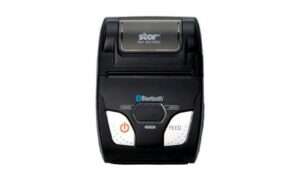
    SM-S230i Portable Receipt Printer

    2” High-Speed Receipts
    Bluetooth

    4. Police Tickets and Citations

    Getting pulled over and receiving a ticket is on fun, but one thing that makes it even less fun is a long wait. Help police officers quickly and safely provide tickets and citations with the right portable printer. Not just any mobile printer will do, however; be sure to offer a printer that is rugged and built to last, can print 4”-wide documents, and is available with accessories like belt clips, shoulder straps, and car chargers.

    Recommended Printer: SM-T400i
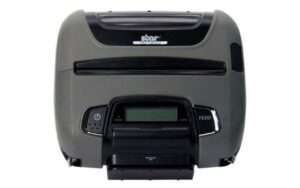
    SM-T400i Portable Receipt Label Document Printer

    4” Rugged with MSR, Receipts, Labels & More
    Bluetooth

    5. Every Corner of the Retail Store

    The usage of mobile printers in retail stores seems virtually endless. From big-box stores to specialty retailers and salons, portable printers have a place in nearly every brick-and-mortar establishment. Examples of mobile printer usage in retail stores include:

    • Line-busting: One of the most obvious portable printer use cases in retail is line-busting. By implementing mobile checkout locations within the store, shoppers can avoid waiting in long lines, pay at a more convenient location, and be on their way faster.
    • In-aisle labeling: A portable printer that can also print labels is the perfect solution for workers who need to label product in-aisle.
    • Online order preparation: BOPIS (buy-online-pickup-in-store) is booming. In fact, according to Shopify, nearly 60% of consumers are interested in BOPIS-type shopping options, and 64% are opting for BOPIS more often than before the pandemic started. A portable printer can help workers prepare BOPIS orders by easily printing receipts and labels on-the-go in the store as they assemble orders.
    Recommended Printer: SM-L300
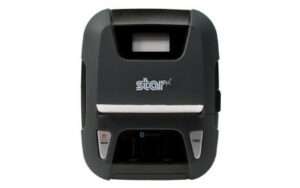
    SM-L300 Portable Receipt and Sticky Label Printer

    3” Receipts & Sticky Labels
    USB, Bluetooth, Apple BLE

    The Future is Mobile

    While mobile transactions and processes aren’t new, their speed, seamlessness, and integration with modern payments and devices are increasingly important in a variety of industries. As a reseller, it’s pertinent that you stay up-to-date on trends such as these to remain a trusted advisor and to maximize your profits. The right portable printers, like those from Star, can help you do just that.

    Boost Your Business with Star’s Portable Printers

    Boost your business by offering Star Micronics portable printers! Star is proud to offer a full line of portable, wireless receipt printers that are compatible with Bluetooth, Android, and iOS iPad and iPhone devices. Capable of printing receipts, labels, tickets, and more, the portable printers are ideal for retail, hospitality, parks and stadiums, police, food trucks, landscaping, pest control, field service, and more.
    Ready to learn even more about Star’s line of portable printers?

  • Provide a Touch-free Experience to Your Dine-in Guests with Contactless Digital Menus

    Provide a Touch-free Experience to Your Dine-in Guests with Contactless Digital Menus

    One of the major concerns for restaurant dine-in was the use of traditional (printed) menus because they are found to be the dirtiest thing on a restaurant table. Guests are hesitant to touch these traditional menus and also the CDC regulations have made it clear that disposable menus should be provided. But printing disposal menus are not ideal given the rising costs. Restaurants are quickly pivoting by offering their guests a touch-free experience with contactless digital menus/QR menus.

    Why Contactless Digital Menus?

    1. Contactless is here for the long haul

    The global pandemic has literally been life changing. More than ever, society is concerned and obsessed with their health. With COVID-19 cases still surging guests are looking for more ways to go contactless to protect themselves from the possible contact with the virus. These measures are even more heightened when it comes to ordering food at the restaurant. Therefore, contactless digital menus are ideal for restaurants like yours to adapt to.

    2. Cost-effective

    If you are going for disposal menus, a single paper menu, uncoated, in black and white print costs about 50 cents. If you are doing over 100 for lunch and 100 for dinner that’s $100, adding up to about $3,000 a month. QR menus are very cost-effective. You only have to print and place the table tents on the table and this can be used for a more extended period of time. 

    3. Easily accessible

    Accessing the menu is as simple as scanning the QR code from their phones or tablets, and then accessing the web page to place their orders.

    4. No app download

    With QR menus or digital menus, guests do not need to download heavy apps to their phones. They can simply place their orders online through a web URL.

    5. Flexible menu updates

    Restaurateurs can instantly add, edit, and delete menu items and update item descriptions. If the menu is updated once, it updates on every menu scanned.

    6. Attention with images

    Traditional menus do not have images mostly because it is costly to print high-quality images on paper. But with contactless digital menus, you can have mouth-watering images to make customers want to order more. Having images help them decide what they want, which therefore makes their ordering process easier.

    7. Less wait-staff assistance

    Wait-staff can be re-allocated to add value to other parts of the business. When orders are placed through contactless digital menus, the order can be sent directly to receipt or kitchen printer.

    8. Cashless payments

    Guests and staff do not have to handle cash. Cash being passed from hand to hand and can be contaminated, and compromises the safety and health of both customers and staff. 

    9. Re-ordering

    Guests can re-order their favorite dishes, or a beverage refill without having to wait for the staff approach the table, and eliminating more human contact.

    10. Quicker table turns

    With seating capacity reduced to allow tables to be placed at least 6 feet apart, restaurants are not getting their normal amount of guests, resulting in less revenue. Contactless digital menus increase the speed for ordering and payment and so you can turn more tables and increase the potential for revenues.

    11. Collect guest information and traceability

    You do not need to manually take down customer information. With contactless digital menus, the guest will have to input their information to complete their order.

    12. Run targeted campaigns

    Ordering through contactless digital menu captures guest information like email, contact number, etc. This helps you run future targeted marketing campaigns such as email campaigns on your latest offers, SMS on going discounts, and more.

    How to get Contactless Digital Menus/QR Menus?

    When you sign up for a demo with Applova, the team will get in touch with you to set up contactless digital menus. This can be ready in a couple of days. The Applova team will build the menu with enticing food imagery. Then the team will also provide you with a free marketing pack to launch contactless digital menus at your restaurant. The marketing pack would include customized table tent designs with QR codes on it for each table (each QR code will carry the table number so that the restaurant staff can easily track the table that made the order).

    How is the process contactless? How does it work?

    When you get your table tent designs, you can print them and place them on each table.

    1. Your dine-in guest scans the contactless digital menu to view the menu on their phone or tablet.
    2. They can select their food and beverages
    3. Tip the waiter and make their payment online
    4. Orders will be directly pushed to the POS and printed in the kitchen printers
    5. When the order ready, the order will be sent to the correct table.

    To wrap it up, ever since the wake of COVID-19 restaurants are quickly adapting to contactless digital menus. These contactless digital menus are hygienic and easy to roll out. They are cost effective, environmentally friendly, engaging to customers and they are mobile-optimized, simple to search and navigate. They are easy to update instantly. Adapting to contactless digital menus is a new experience for guests and it is now the way of dining life. 

  • Why BLE Thermal Printers are Ideal for DSD Applications

    Why BLE Thermal Printers are Ideal for DSD Applications

    Direct store delivery (DSD), selling or distributing products directly to the point of sale (POS) or point of consumption (POC), is especially popular for food, drink, and other high-volume goods. Eliminating the “middlemen” in the supply chain is most efficient, especially when products have a short shelf life or are in high demand. Manufacturers ranging from Coca-Cola® and Budweiser® to Entenmann’s® and Hallmark Cards use DSD to get products right to the store — and to shoppers faster.

    One of the elements essential to a successful DSD process is to add a mobile automation solution that supports receipt and label printing. Mobile DSD solutions give drivers more time to spend on merchandising, information gathering, campaign management, and other value-adding DSD-related services, instead of having to manually create invoices and receipts.

    The ability to print on-demand is also extremely helpful. For example, a driver may find that an individual store’s needs have changed, and mobile printing can quickly and easily produce accurate, up-to-date invoices, orders, pick lists, receipts, labels, and more.

    Your customers rely on you for solutions that enable their mobile sales teams to work most efficiently and maximize profits. Providing reliable on-demand printing in the field, however, hasn’t always been easy. Smart solution providers are offering their customers Bluetooth Low Energy (BLE) mobile thermal printers, an ideal choice for DSD applications.

    What Makes BLE Printers Different?

    BLE printers support a communication range similar to “classic” Bluetooth of at least 330 feet, with significantly reduced power consumption. This feature offers operational cost savings and prolongs battery life. But perhaps an even greater advantage is that BLE printers can work with any compatible iOS device (iPhone®, iPad®, iPod Touch®) without the need for pairing. With standard Bluetooth, only one printer can be paired with an iOS device, and each user must use that specific mobile printer every day. However, BLE allows any employee to use any mobile receipt printer since no pairing is required. This feature makes BLE printers perfect for bring your own device (BYOD) environments.

    Benefits of BLE

    There are several benefits your clients can expect when you provide a BLE mobile thermal receipt printer for their DSD applications:

    • Easy to use: Because BLE mobile printers are shareable between multiple iOS devices, drivers can simply grab a printer and go without worrying about matching a particular printer to their devices. No pairing also means that drivers who aren’t tech savvy don’t have to go into their iOS settings and deal with configuring. Connections between the printer and mobile device are handled automatically by applications, so the user can just open an app and print from there. Ease of use also extends to fast and simple paper loading, with printers offering “drop in and print” roll changes.
    • Smaller, Portable Footprint: A mobile printer needs to be compact and lightweight. Drivers use these printers all day, so they need something small and easy to carry. There are BLE mobile printers that fit easily in the palm of one’s hand and can be worn comfortably on a belt clip. Some weigh about 1 ounce or less, including the battery.
    • Reliability: Productivity depends upon consistent device performance. BLE printers deliver high-quality print resolution, ensuring your driver has a clean and readable receipt every time. BLE printers also have high mean cycles between failure (MCBF) rates, with the ability to print millions of lines before requiring maintenance beyond paper changes. In addition, durable print heads can last for 30+ miles of printing.
    • Battery Life: Related to reliability, don’t under estimate the importance of battery life. DSD drivers’ long shifts mean that printer batteries need to last. Look for BLE printers that offer at least 10+ hours of battery life. A good BLE printer will also have a USB port and cable for convenient charging with any mobile device USB power adapter or PC USB port.

    Delivery-Man-in-Truck


    Must-Have Features

    When you are looking for the best BLE mobile printer for your customers, make sure it has the right features to meet the greatest variety of printing needs.

    • Direct Thermal Printing: With thermal transfer or impact printing, the print head comes into contact with an ink ribbon to produce text. Direct thermal printing eliminates the need for a ribbon, as the print head contacts the thermal paper and produces text through a heat reaction. There are several reasons why direct thermal printing is the best choice for mobile printing and in particular for the fast-paced environment of DSD. The only consumable is the paper, which saves time and maintenance (no worries about having to change ribbons) and is more economical, providing significant cost savings. Direct thermal printing also produces a higher resolution than thermal transfer, creating crisp, legible receipts. They print faster as well, with some printers offering speeds of 1 to 2.5 inches per second. In addition, they operate quietly, which is a necessity when working in a customer’s store.
    • Connectivity: Besides BLE 4.0 for use with any iOS devices, it’s helpful to also have standard Bluetooth 3.0 for use with Android and Windows devices as well as iOS. In BYOD environments, some users may not have an iOS device to take advantage of BLE, so having a backup means of connectivity is wise.
    • Backlit Display: These printers may be used in bright sunlight conditions, and a backlit LCD is easier to read.
    • Versatility: A good BLE printer should offer 1D and 2D barcode support to suit a range of printing needs. There are also BLE printers that offer adjustable paper width for greater flexibility. Some printers also provide special capabilities such as a “de-curl” feature for smooth and flat receipts.
    • Durability: Mobile printers need to be able to withstand tough working conditions and various environments. An ingress protection (IP) rating will tell you about the level of the printer’s resistance to dust and moisture. The first digit refers to dust protection, and the second digit refers to protection against liquids (everything from raindrops to soda spills). The higher the digits, the greater the resistance. Also look for printers that have a drop test rating of 3 to 4 feet to see whether they can withstand a fall to pavement or a store floor.

    And of course, it’s good to look for a product backed by a warranty that will help you maximize your profits as a value-added reseller.

    Truck-Driver

    Other Industries that Benefit from BLE Printing

    BLE mobile thermal printing isn’t just for DSD applications. It will benefit any of your customers within an industry or corporation where employees use devices of their choice for BYOD environments. Any workplace that uses a pool of printers for a fleet of mobile workers will appreciate the “grab and go” convenience of not having to pair specific devices. A great example of this type of workplace is a taxi, limo, or rideshare service. BLE mobile printers can also be an economical choice for linebusting in retail stores or faster service in restaurants.

    Give Your Customers the Best Choice

    A BLE thermal receipt printer for DSD applications is the most sensible option for your manufacturer customers. Set their DSD drivers up for success with a printer such as the Star Micronics SM-L200 and the new Star Micronics SM-L300.

    Providing solutions that address your clients’ pain points and increase their efficiency will help cement your role as a trusted business advisor. They need your guidance when it comes to technology — helping them find the very best solutions for their applications will establish you as a true partner that has their business’ best interests in mind, not just someone who sells technology.

    Partnering with an industry leader in mobile printing technology can help you stay on the cutting edge of technology and provide your clients with state-of-the-art solutions that can give them new operational efficiencies and a competitive advantage.

    Taxi-Driver

    About the SM-L200 and SM-L300

    SM-L200Star Micronics SM-L200 Portable BLE Thermal Printer

    The SM-L200 supports Bluetooth low energy (BLE 4.0) technology for all iOS mobile devices such as the Apple iPad®, iPhone® and iPod touch®. Its compact and lightweight design make this two-inch portable printer perfect for a wide range of applications from queue busting in retail and hospitality to home delivery 58mm wide invoicing.

    The SM-L200 is the first portable printer currently on the market which offers the ability to connect any Apple, iOS BLE compatible device without having to pair to it. With no limitation on the number of devices connected, BLE is the perfect solution for BYOD (bring your own device) environments that does not require any certification or prior authorization from your iOS operating system. In addition to the BLE feature for iOS, the SM-L200 is Bluetooth (3.0/ 4.0) compatible with all operating systems (Windows, Android, and iOS).

    SM-L300Star Micronics SM-L300 BLE Portable Thermal Printer

    Always leading – always innovating, Star Micronics is proud to introduce the SM-L300, 3-inch portable printer. This addition to the SM-L series of Bluetooth low evergy portable printers allows users to connect to any Apple iPad®, iPhone®, or iPod touch®, iOS BLE compatible device without having to pair to it. With no limitation on the number of devices connected, BLE is the perfect solution for any environment using multiple devices for mPOS printing. In addition, it requires no certification or prior authorization from your iOS application. The SM-L300 is Bluetooth (3.0/4.0) compatible with all operating systems including Windows, Android™, and iOS.

    Ready to learn more about BLE thermal printing? Get your copy of our free eBook, “Why BLE Thermal Printers are Ideal for DSD Applications” now!

  • Technology for the New World of Retail: Ultimate Checklist

    Technology for the New World of Retail: Ultimate Checklist

    The COVID-19 pandemic has drastically changed the way people shop, forcing retailers to reevaluate their processes and their technology. While there are uncertainties, we know stores just aren’t going to reopen and go back to normal.What will retailers do differently? What will shoppers expect? What new technology do retailers need?

    Across the country, consumers are choosing to shop with retailers that offer cleaner stores, shorter checkout lines, curbside pickup, “Buy Online, Pickup In Store” (BOPIS), touchless payments, and more. As consumers adapt, they will become accustomed to these new conveniences, and eventually expect it. Retailers that start using newer technology to adapt and offer all these options will succeed.

    Whether they want to or not, retailers have to change – not to just get through the pandemic, but to be successful in the new world of retail. There have been important lessons learned from COVID-19 for retailers, all of which should be taken into consideration moving forward.

    10 Retail Technology Solutions for Today’s New World

    Whether you are an essential retailer, or reopening your brick-and-mortar, here are 10 technology solutions to help retail businesses reopen and adopt to the new world of retail:

    1. Online Shopping

    If there’s one thing we’ve learned over the past few months, having an online storefront is vital. If you have a physical store, offer BOPIS and add curbside pickup as a delivery option on your site. Consider selling on third-party sites such as Amazon, Walmart, eBay, and Facebook to expand your market reach and increase online sales.

    2. Curbside Pickup

    While many retailers offer curbside delivery, it’s not always easy to manage, especially with lots of orders and/or limited staff. Develop a well-thought-out process to manage your orders and use text messages/emails to communicate the status of each order with customers.


    3. Mobile Point of Sale

    With current restrictions, it’s important to keep traffic flowing. With a mobile POS solution, you can process payments anywhere in your store to keep lines as short as possible (line-busting), as well as outside your store for curbside pickup.

    4. Touchless Payments

    As more brick-and-mortar businesses reopen and consumers return to shopping in stores, touchless solutions become more and more important. Consider offering Smart Wallet payment processing solutions, such as Google Pay and Apple Pay. This allows customers to pay for their orders without having to reach into their wallet or touch your credit card device.

    5. Sneeze Guards

    All stores should have a shield for virus protection. Some sneeze guards are designed for specific point of sale monitors, so check with your technology provider before buying a custom solution. They should be easy to install and relocate in case your store setup changes.

    6. Security Labels

    If you offer home delivery or curbside pickup, you can secure packages with tamper-proof labels (or seals). These labels provide visual evidence if a package has been tampered with. Your customers will appreciate it!

    7. Email Marketing Automation

    With fewer customers visiting brick-and-mortar stores, retailers need a way of communicating with customers and getting promotions out. If you aren’t already, use an email marketing solution. If your system allows it, personalize and automate your campaigns/promotions to drive up clicks and sales.

    8. Self-Service Kiosks

    If your store gets busy, add a few kiosks so customers can shop your store’s live inventory without having to walking around. Add kiosks outside your store if shoppers have to wait in a line to enter your store.

    9. Robots in Retail

    Since the pandemic, more retailers are considering robots to reduce human-to-human interaction. They can restock shelves and assist with customer service; at one Best Buy store, a robotic cart was spotted supporting curbside delivery. And they sure look impressive!

    10. Scan-and-Go

    For retailers willing to experiment, scan-and-go looks like a promising technology for mainstream retail, especially in the post-Coronavirus world. Similar to Amazon Go, customers simply grab items off the shelf and walk out, eliminating checkout lines altogether.

    Tips for Purchasing New Technology

    Before purchasing new retail technology, prepare a list of all the hardware and software you own, and what you think you may need. Even if it’s just a short list, it will help you plan a budget and compare solutions. When making your list, consider all mobile point of sale devices, credit card devices, receipt printers, cash drawers, scanners, servers, internet service, retail software, eCommerce technology, and more.

    5 ways to save on new technology purchases:
    1. Tax deductions: Save all receipts and ask your staff to save receipts too. Technology purchases for your business can be deducted on taxes.
    2. Trade-ins: Before disposing of your unneeded hardware (which can cost money), ask your technology provider if they accept trade-ins, or sell/donate it to a store that needs it.
    3. Financial assistance: Research grants and financial assistance offered by organizations to retail businesses impacted by the COVID-19 pandemic.
    4. Volume discounts: While you shouldn’t base new technology purchasing decisions solely on price, ask your technology provider if they offer volume discounts and/or have any current promotions.
    5. Defer payments: Many technology providers are currently assisting retailers and helping them adopt new technology solutions by offering either deferred payments or even buy now, pay later models. For example, at Celerant, we are currently offering your first 3 months free for any new SaaS product to help retailers get started with new technology now, while not having to pay until later.

    Are you Ready for New Retail Technology? 

    Celerant Technology is the #1 provider of innovative retail software.

    To help retailers during this challenging time, Celerant is offering up to 3 months free on new SaaS retail software contracts; from now through June 30th.

    At Star Micronics, our hearts go out to anyone impacted by COVID-19, either directly or indirectly, especially to those who are sick, to whom we extend our heartfelt wishes for a full recovery. To learn more about what we are doing as an organization to reduce the global impact of COVID-19, in terms of health and business, please click here.
    To browse all of our blog posts covering tips for small businesses during COVID-19, please visit our #StarForSmallBiz blog collection.

  • Amazon Expands AmazonGo Stores and Hits New Milestone

    Amazon Expands AmazonGo Stores and Hits New Milestone

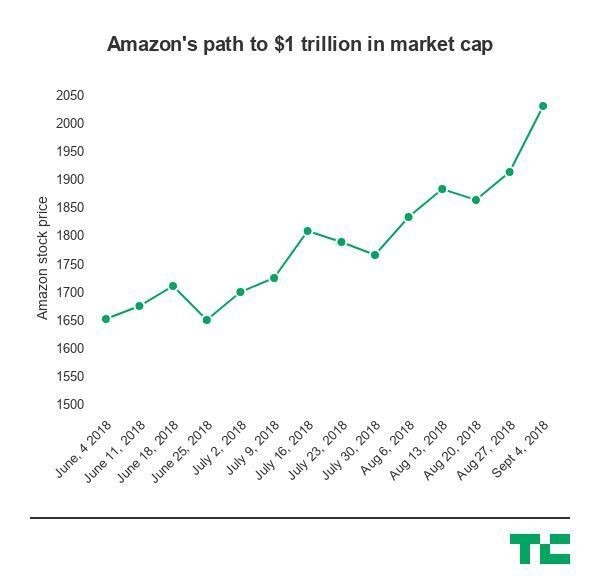
    It was a big month for Amazon in September, 2018. Amazon has become the 2nd company to hit the $1 Trillion dollar market cap. This is significant since Amazon, according MKM Partners, could reach a whopping $2.4 trillion valuation by 2024. AmazonGo is billed as the cashierless stores of the future and Amazon is ready to expand them to new locations. The latest location is its third overall and third in Seattle, where it’s headquartered. The 2,100 square foot store sits on the corner of Boren Ave. and Thomas St. and is its largest yet.

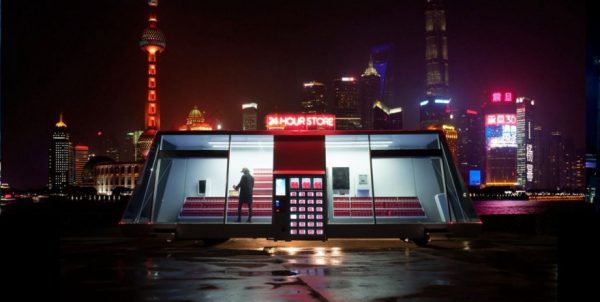
    While expansion to San Francisco and Chicago remains imminent, Cate Trotter of Insider Trends recently did an article on these new, more automated kinds of stores. The AmazonGo concept has been embraced by many retailers across the world with various initiatives from smart kiosks, to what appear to be more like vending machines that operate on AI, to mobile stores ;  the idea of more seamless retail and customer experiences is growing.

    A report on Kiosk and Retail by USA Technologies and PYMNTS.com predicts that the interactive kiosk sector in the US will be worth more than $1 billion by 2020. AmazonGo isn’t at Alibaba’s level in China for retail experiences, but it certainly does re-conceive how the physical stores work for convenience. While E-commerce is growing faster in China, in the U.S. even the likes of JD.crew have started selling on Amazon.

    Amazon is Fueling Retail Innovation

    The Amazon Prime value is incredible and is beginning to scale into entertainment (Prime Video), AI (Alexa), Grocery (WholeFoods) and many other segments. There’s been talk about Alexa Smart Glasses and an Amazon home robot, both likely to appear before 2021. However for physical retail experiences, AmazonGo may be the most tested and innovative feature in the evolution of retail we’ve seen for quite some time.

    Amazon2

    Amazon’s profitability of AWS, Alexa, and future advertising revenue means it will be able to perfect in-store technology. Walmart is testing a new feature called Spark delivery, that uses crowdsourcing to find drivers to make grocery deliveries and will include a partnership with Delivery Drivers, which manages such workers, because the race to automated grocery delivery is also fairly lucrative. JD.com, Kroger, and many others are all looking at this service very carefully.

    AmazonGo has been slow to expand its cashierless grab-and-go experience. However, the concept is clear—this is using LiDAR and other technologies to create a faster experience that is uniquely made for urban shoppers. The point of sale is, for all intents and purposes, virtual. Checkout is completely eliminated, there’s only a kind of mobile check-in with QR codes.

    In the evolution of what physical stores might become, there are lessons for brick-and-mortar retailers to look into:

    • AmazonGo
    • BingoBox
    • Auchan Minute
    • JD.com’s “X” chain
    • Alibaba’s TaoCafe
    • The robotic CafeX
    • Stockwell (Bodega)
    • Moby Mart

    Amazon3-e1574799762164

    The Future Store is Late, but is Arriving in the 2020s

    For the future of commerce, the marketplace, and the local store, these are not isolated incidents. These represent a trend towards increased retail automation, logistics, and consumer fulfillment that will change how GenZ interacts with stores, restaurants, and the future of mobile in-store as well. 5G mobile, the IoT and blockchain will all power the smart store in new creative ways.

    Just as point of sale is evolving, our entire concept of what a “store” is, could change considerably in the next decade. According to Nielson and many retail analysts, we’ll be doing 70% of our grocery shopping online by 2024. In China, Meituan is about to go IPO in Hong Kong, it’s one of the leaders in “O2O”—online to offline—and represents the ultimate in convenience for consumers, though it’s burning cash.

    As impressive as Amazon is to the future of convenience and giving consumers various “upgrades” in customer experience and fulfillment, a lot of the interesting stuff in retail is happening in China, where mobile penetration and eCommerce are both higher and where there are more total consumers and digital natives.

    • 7-Eleven Signature
    • Suning Biu
    • Alibaba’s “smile to pay”
    • Bianlifeng
    • Alibaba’s Hema supermarket

    It turns out having a cashless society with QR codes and an app-of-everything (WeChat) is a huge advantage for China in terms of retail innovation. China’s integration of facial recognition is also very advanced in retail, financial and services generally.

    AmazonGo might be just the tip of the iceberg in how physical retail innovation occurs globally. The future of automation in retail is occurring not just in eCommerce, but in restaurants, grocery, cafes, local stores, convenience stores, and syncing with the values of the new consumer.

    The Future of AmazonGo

    The further expansion in Seattle makes sense as the newest store reportedly is the largest Amazon Go location yet, at about 2,100 square feet, according to the Seattle Times story.

    AmazonGo tech, perfected in Seattle, does not stay in Seattle. An AmazonGo store is heading to New York. Here’s how it works:

    1. When entering the grocery stores, shoppers scan their phone using the Amazon Go app. (The virtual POS is essentially sign-in only)
    2. As you shop, cameras, LiDAR, and motion sensors track what you pick up from (and put back on) shelves.
    3. You can “grab and go” with just-walk-out technology. There are no lines, checkout, or cashiers to worry about.
    4. There’s less staff and typically no grocery carts or baskets. Shoppers are encouraged to use their own bags.

    AmazonGo is rumored to launch in places such as New York, San Francisco, and Chicago first, before spreading to more cities. So if Seattle was phase one, this is phase two.

    Considering how long AmazonGo’s concept was in R&D and testing, this is a pretty huge deal. Amazon’s footprint in brick-and-mortar stores is still pretty small even with the Whole Foods acquisition. Nothing compared to its rival in China, Alibaba, or even JD.com.

    However, AmazonGo is the torch bearer for being a prototype of the “smart store”. As such, many physical retailers are watching closely to see what Amazon accomplishes with AmazonGo and how consumers will respond. Surely it’s an upgrade in what we might term convenience and customer experience in-store. With 7-Eleven integrating Apple Pay recently, it’s only a matter of time before Amazon becomes more aggressive in its brick-and-mortar strategy.

    As for AmazonGo in NYC, Amazon is seeking members for its staff and roles such as:

    • Store Manager
    • Assistant Manager
    • Trading Lead Associate
    • Prep Ingredients Associate
    • Shelves Stocking Associate
    • Customer Success and Help Associate
    • Food Prep Associate
    • Security Associate

    It’s important to note, these stores won’t need as many regular staff due to their unique technology.

    Seattle, New York, San Francisco, and Chicago seem to be the early birds to enjoy semi-automated AmazonGo shopping experiences in 2018 and early 2019. While Amazon is expected to choose Washington D.C. as its next HQ site, it appears to be in no hurry to launch AmazonGo too quickly.

    Later in September it was rumored Amazon will open 3,000 AmazonGo stores by 2021. Amazon also opened an Amazon 4-Star store in New York.

  • Star Micronics to Showcase New mPOS Solutions at 2017 RSPA RetailNOW

    Star Micronics to Showcase New mPOS Solutions at 2017 RSPA RetailNOW

    Somerset, NJ – July 31, 2017 – Star Micronics, leading provider of point of sale and proof of transaction technology, will be exhibiting new solutions at the 2017 RSPA RetailNOW expo at booth #707.

    The show will be held from August 6th through August 8th at the Paris Hotel in Las Vegas, NV. RetailNOW® is one of RSPA’s signature events, billed as “the place where the industry meets” with over 170 exhibitors.

    Star Micronics will be showcasing a number of our newest mPOS peripherals and solutions including the mPOP™ with new peripheral options, TSP100IIIU, and SM-L300 portable printer, all compatible with Star Cloud Services digital receipt and customer engagement solutions.

    mPOP™

    Star Micronics has upgraded our popular all-in-one mPOP to add even more functionality. Now the mPOP will support a number of peripheral options including a 1D or 2D bar code reader, a customer-facing line display, three NTEP legal-for-trade point of sale scales, and an additional cash drawer. Users can now transform their mPOP into a complete point of sale hub, while still saving space.

    TSP100IIIU

    Star Micronics will be introducing the latest version to the TSP100III series, the TSP100IIIU at RetailNOW 2017. Now offered with a simple “plug and play” USB connection, users will be able to enjoy the upgrades of the TSP100III series including faster print speed and a paper de-curl mechanism that provides a flat receipt, even when the receipt paper is at the end of its roll. The TSP100III also facilitates data communication and device charging using only one lightning cable for iOS users.

    SM-L300

    The brand new SM-L300 is Star’s first Bluetooth low energy receipt, label, and MAXStick® portable printer. The SM-L300 is Bluetooth (3.0/4.0) compatible with all operating systems including Windows, Android™, and iOS, and is equipped with a receipt de-curl function and easy “drop-in and print” paper loading.

    Star Micronics is also proud to host our partners: CAP Software, Weigh & Pay Solutions, TouchBistro, GreenBits, AppSuite, Appetize, eMobilePOS, and Vend. Visit booth #707 for demonstrations of our partners’ POS software solutions with Star POS and mPOS peripherals.

  • Star Micronics Introduces the SM-L300 Portable Receipt and Label Printer

    Star Micronics Introduces the SM-L300 Portable Receipt and Label Printer

    Somerset, NJ – April 17, 2017 – Star Micronics, a leading provider of point of sale and proof of transaction technology, has today announced the release of the SM-L300, 3-inch portable printer. This addition to the SM-L series of Bluetooth low energy portable printers allows users to connect any Apple iPad®, iPhone®, or iPod touch®, iOS BLE compatible device without having to pair to it. With no limitation on the number of devices connected, BLE is the perfect solution for any environment using multiple devices for mPOS printing. In addition, it requires no certification or prior authorization from your iOS application. The SM-L300 is Bluetooth (3.0/4.0) compatible with all operating systems including Windows, Android, and iOS.

    The mobile printer’s BLE technology results in lower power consumption, and can be conveniently charged anytime, anywhere, using included USB charging cable or optional cradle charger. With no need for MFi application, and its multi-paper width feature, the SM-L300 makes the perfect printer for any mPOS environment. The SM-L300’s receipt de-curl function and “drop-in & print” paper loading makes it even simpler to operate for retail or restaurant mobile point of sale.

    In addition to point of sale, the SM-L300 can second as a fully integrated label printer for delivery or warehouse applications. The SM-L300 supports thermal receipt paper and lined or linerless label paper, making it the perfect portable for on-the-road or mobile receipt or label printing.

    Charging cradle will be available coming soon.

  • Star Cloud Services Introduces the Eco-Friendly Micro Receipt™

    Star Cloud Services Introduces the Eco-Friendly Micro Receipt™

    Somerset, NJ – Jan 31, 2017 –Star Cloud Services (SCS), a subsidiary of Star Micronics, is proud to officially announce the release of the Micro Receipt service, available to use with the AllReceipts™ or Itemize app. Within these applications, customers can scan the QR code provided on the SCS enabled receipt to capture and store a digital copy of the receipt in their mobile device. Star Cloud Services has created the Micro Receipt, which prints only the store name, time stamp, and the AllReceipts QR code, so retailers can save on paper and increase their profits.

    The Micro Receipt is a printed 2D barcode (QR code) paper receipt. This QR code can be scanned by any smart phone using the AllReceipts or Itemize app to claim a digital copy of the full, itemized receipt. This allows retailers to reduce the paper size of the receipt up to 80% from its original size.

    With the option of claiming and saving a digital copy of the receipt, the receipt can be saved for long periods of time, shared with friends, or used for electronic expense management using the Itemize app. Along with the purchase information, retailers can utilize the back side of the digital receipt by adding coupons, promotions, terms and conditions, and more, all while saving paper.

    Star Cloud Services is compatible with any Star Micronics thermal receipt printer, including desktop printers, portable printers, and the all-in-one mPOP™ peripheral, and also works with any operating system. With the StarPRNT SDK for iOS, Android and Windows, retailers can integrate Star Cloud Services with other customer-facing applications such as loyalty and the retailer’s own mobile applications.

    Look for the “SCS Certified” logo to find out which Star Software Partners offer the Micro Receipt™ with Star Cloud Services.