Tag: Mobile Printers

  • Strategies for Adapting to Tariff Policy Changes in Retail Technology

    Strategies for Adapting to Tariff Policy Changes in Retail Technology

    In this episode of the Rising Stars Podcast, “Navigating Tariff Policy Changes in the Retail Technology Industry,” host Kate Orara reveals essential strategies for businesses in the retail technology channel to adapt and thrive amidst evolving tariff regulations. Drawing from her expertise as Star Micronics’ Partner Development Manager, Kate discusses how VARs, ISVs, and distributors can mitigate the impact of tariffs through proactive planning and strategic partnerships.

    This episode provides valuable insights into managing supply chain vulnerabilities, analyzing financial risks, and updating product strategies to maintain competitiveness in an increasingly complex global market.

    Thriving in Uncertain Tariff Policy

    Understanding tariff impacts is vital for today’s retail technology professionals. From sourcing alternatives and stockpiling inventory to implementing tools like CloudPRNT and localized production, Kate highlights practical ways to safeguard your business operations. With additional tips on customer communication and leveraging partnerships, this episode equips listeners with actionable guidance to navigate policy changes effectively.

    Whether you’re a VAR, ISV, or distributor, this episode is a must-listen for anyone seeking to stay informed and ahead in the POS hardware industry.

    Loving the podcast? Subscribe now, and let us know what you think by leaving a review!

    Stay up-to-date on all things Star, don’t forget to follow us on X, LinkedIn, Facebook, Instagram, and YouTube.

    The Rising Stars Podcast

    Immerse yourself in the world of point-of-sale (POS) with the Rising Stars Podcast by Star Micronics, hosted by industry pro, Kate Orara. Twice a month, we explore the fascinating journeys of innovators and businesses navigating the challenges of POS technology’s rapid pace.

    In every episode, Kate Orara, Star Micronics’ Partner Development Manager, discusses emerging retail technology trends and strategies with global industry giants. She’s spent her entire career meeting all the right people, and now listeners everywhere can benefit from this vast network of channel gurus.

    Always leading and always innovating, Star Micronics, a pioneer in POS and customer experience technology for over 60 years, welcomes you to join us in shaping a brighter future in the retail, hospitality, and cannabis industries.

    Want more industry news?

    Episode Transcript

    [Music]

    Kate Orara: Hey there, retail tech enthusiasts! Welcome to the Rising Stars Podcast, your go-to for all things retail tech and point of sale. I’m Kate Orara, Partner Development Manager at Star Micronics, and I’m excited to guide you through this journey. Here, we dive into the latest innovations shaping the retail, hospitality, and cannabis industries. So whether you’re a techie or a business owner, this is your backstage pass to insider knowledge. Join me and the Star Micronics team as we innovate and rise together.

    Today, we’re diving into a topic that’s been on the minds of many resellers, ISVs, distributors, and hardware manufacturers: how can we prepare for potential changes under the new United States administration? Before we get started, I want to emphasize that this discussion will remain non-political. My goal is to provide you with practical strategies and considerations to help your business navigate any upcoming changes, regardless of the political climate.

    Let’s dive in. I want to cover this topic in eight segments: understanding the landscape, staying informed, assessing supply chains, financial impacts, supporting customers, strengthening partnerships, investing in technology, and legal considerations.

    Understanding the Landscape

    As administrations change, so do policies that impact international trade. While specific details about proposed tariffs are still emerging, history tells us that tariffs can directly affect supply chains, pricing, and overall business operations in the retail channel. It’s crucial to stay informed and proactive.

    Staying Informed

    You’re already doing the first step—staying informed. Keep an eye on announcements from government agencies and industry associations. Organizations like the Retail Solutions Providers Association (RSPA), of which Star Micronics is a member, are excellent resources for timely updates. If you’re not a member, let me know—I’m happy to connect you with someone who can help you join.

    Joining groups like RSPA and subscribing to their newsletters can give you a head start on understanding proposed tariffs. Networking with industry peers can also provide insights and opportunities to collaborate on solutions.

    Assessing Supply Chains

    Take a close look at your supply chain. Identify which of your products or components could be affected by tariffs. If you’re sourcing items from regions likely to face new duties, now’s the time to explore alternatives or have those discussions. Consider working with suppliers in unaffected regions or exploring domestic manufacturing options. Additionally, renegotiate contracts with your current suppliers to share or absorb potential cost increases.

    Financial Impacts

    Tariffs can significantly impact your bottom line, so it’s essential to prepare financially. Start by estimating how proposed tariffs might increase costs for your key products. From there, consider strategies to adjust pricing while remaining competitive. You might also explore financial tools like hedging or insurance to protect against cost volatility. For businesses that rely heavily on imports, these tools can provide a much-needed safety net.

    Supporting Customers

    Don’t forget about your customers—communication is key. Be transparent about potential impacts on pricing or product availability. At the same time, offer alternatives. If a product’s cost rises significantly due to tariffs, suggest lower-cost options or locally sourced solutions. Always emphasize the value of your offerings, whether that’s long-term ROI, reliability, or customer support.

    Strengthening Partnerships

    Strong partnerships can make all the difference during times of uncertainty. Collaborate with your manufacturers, distributors, and other partners to develop strategies for mitigating tariff impacts. For example, you might work together to build up inventory before tariffs take effect or share the burden of increased costs. Additionally, consider advocating as a group for tariff exemptions or relief—a collective voice often carries more weight.

    Investing in Technology

    Another way to offset potential tariff impacts is by investing in technology. Automation and efficiency tools can reduce operational costs, helping to balance out higher import expenses. Similarly, exploring localized production can reduce reliance on imports altogether. For some businesses, now might be the time to reevaluate your product strategy entirely. Shifting focus to high-margin products or services can help you absorb cost increases more effectively.

    Legal Considerations

    Finally, don’t overlook legal and compliance aspects. Consult with legal experts to understand how tariffs may impact your contracts and compliance requirements. Review tariff codes for your products to ensure proper classification and avoid unnecessary duties.

    Closing Thoughts

    Preparing for potential tariffs isn’t just about mitigating risks; it’s also about finding opportunities to innovate and strengthen your business. By staying informed, assessing your supply chain, and collaborating with partners, you can navigate these changes with confidence. Remember, change is constant in the retail IT channel, and adapting proactively is what sets successful businesses apart.

    And that’s a wrap for this episode of the Rising Stars Podcast. A huge thanks to our incredible listeners for tuning in. Don’t forget to subscribe, rate, and leave a review—your feedback fuels our journey to bring you the best in retail tech. Stay connected with us on social media for updates and behind-the-scenes content. As you sign off, remember, the future of retail technology is in our hands, and together, we are shaping it. Keep innovating, keep rising, and until next time, this is Kate Orara signing off. Together we rise.

    [Music]

  • How to Choose Between SteadyLAN & TetherLAN for Your POS Printer

    How to Choose Between SteadyLAN & TetherLAN for Your POS Printer

    Staying connected and maintaining efficiency is essential for doing business, regardless of industry. Whether you run a retail store, restaurant, or mobile food truck, you need reliable and seamless printing technology for smooth operations. However, choosing the most suitable solution for your needs can be challenging.

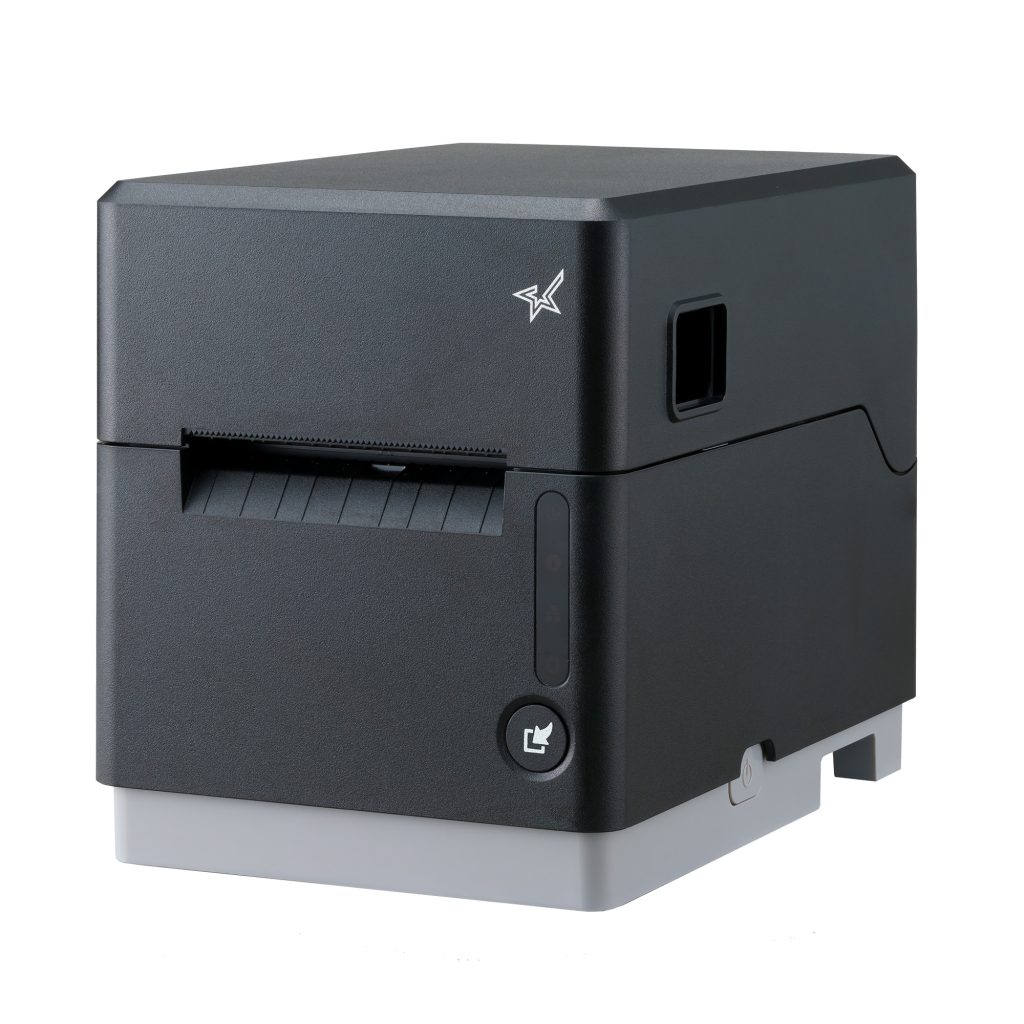
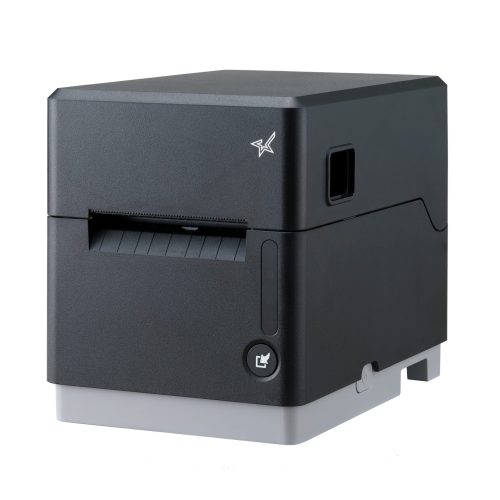
    Star Micronics, a leader in point-of-sale (POS) printers and hardware, provides TetherLAN and SteadyLAN® technology in select POS receipt and label printer models, like the mC-Label3 multimedia printer, ensuring reliable tethered tablet network connections. But how do you know which technology you need?

    In this guide, we’ll take a deep dive into these products. We’re here to help you understand the defining features, advantages, and essential considerations when choosing between these options.

    SteadyLAN vs. TetherLAN: What’s the Difference?

    What POS printer technology is right for your business? Here are the details so that you can make an informed decision:

    Understanding SteadyLAN

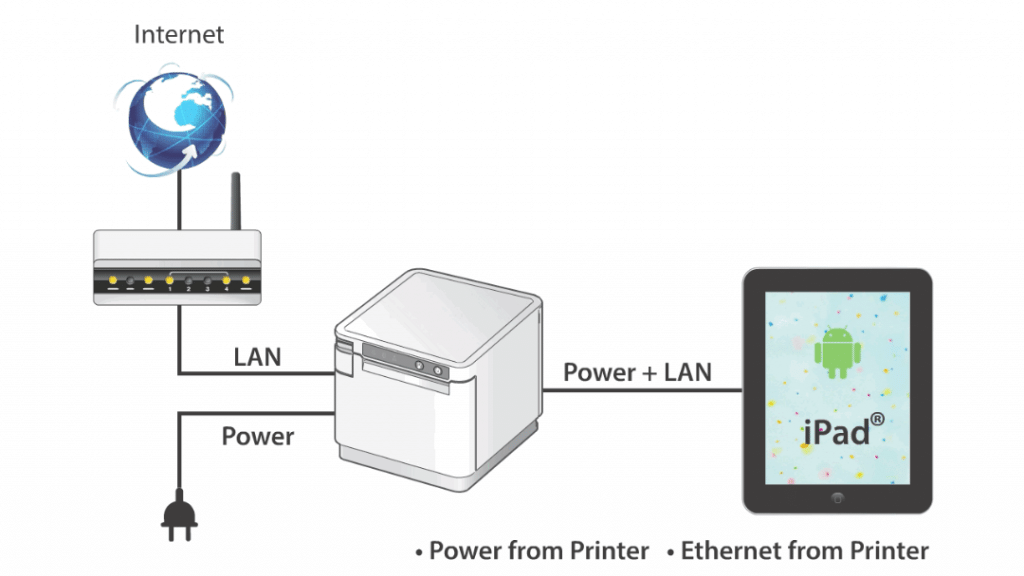
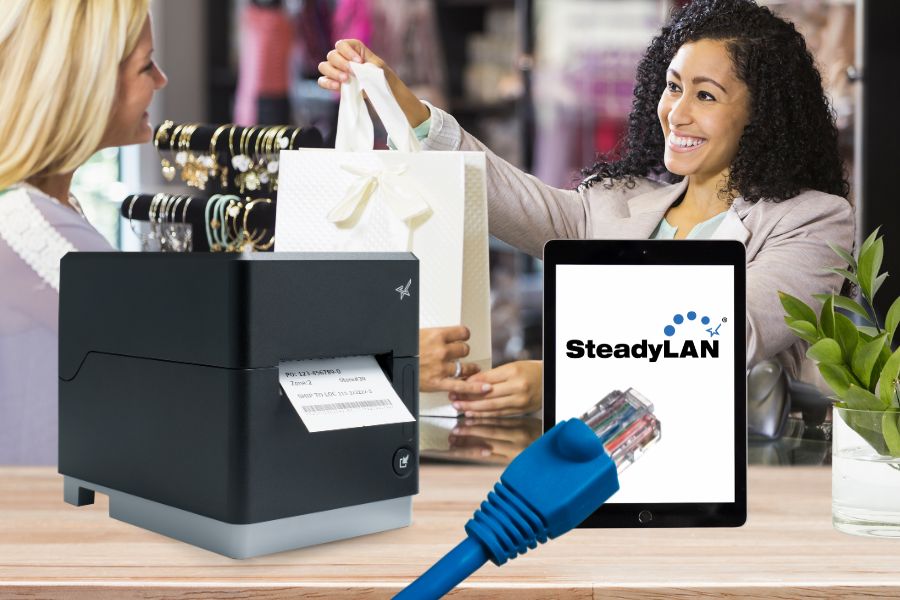
    Are you ready to leave unstable Wi-Fi behind and embrace consistent, high-speed connectivity? SteadyLAN, designed primarily for iOS devices, revolutionizes POS printing with its direct power and internet connection from a supported Star printer to your tablet or device. Through a Lightning or USB-C® cable, the mobile device secures a network connection from the Star POS printer, even if Wi-Fi signals are too unstable.

    This innovation translates to reliable and uninterrupted network connectivity with the added convenience of charging your connected tablet or device directly from the printer. SteadyLAN technology keeps your device powered up, even during the busiest hours.

    SteadyLAN’s direct connection from your POS printer provides a seamless link to your tablet and peripherals, significantly minimizing downtime and enhancing overall system performance.

    SteadyLAN by Star Micronics allows a networked printer to share internet service with your tablet or device.

    Key Benefits of SteadyLAN

    • Reliable Connectivity: A steady network link for iPad & Android POS systems ensures continuous operations without Wi-Fi dependency.
    • Constant Device Charging: The tablet is kept fully charged, eliminating the worry of battery drain during peak business hours.
    • Streamlined POS System: SteadyLAN creates a cohesive POS environment where all activities are centrally managed and cabled to the printer for increased efficiency and control.

    Understanding TetherLAN

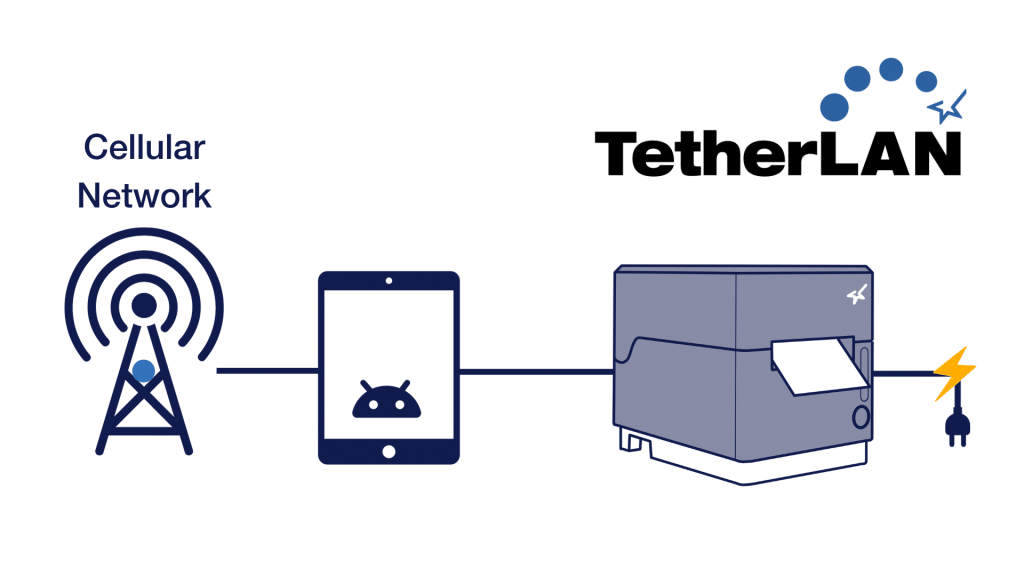
    TetherLAN is designed for mobile devices with cellular connections, such as 4G or 5G tablets, smartphones, and hotspots. The technology allows these devices to share their Wi-Fi service with select Star Micronics printers via USB. This ensures a seamless and high-quality printing experience without needing LAN cables. Compatible with Android and Windows devices, TetherLAN is currently featured in the mC-Label3 multimedia printer by Star Micronics.

    By establishing a cloud-based printing environment, this technology shines in scenarios where conventional internet setups are challenging. In addition to sharing a tablet’s cellular connection, TetherLAN also provides USB-powered connectivity, keeping devices charged for continuous operation. Moreover, it provides access to the Star Micronics Cloud Services platform, allowing users to monitor their devices in real-time and create customized receipts and labels.

    TetherLAN mC Label3 Technology GIF

    Key Benefits of TetherLAN

    • Cloud-Based Printing Environment: Facilitates cloud-based printing using active cellular connections, ideal for places lacking standard internet services.
    • No LAN Cables Needed: Get efficient and reliable printing without requiring any LAN cables.
    • Continuous Device Charging: With the mC-Label3, Android and Windows devices stay charged for extended use, enhancing usability in various settings.
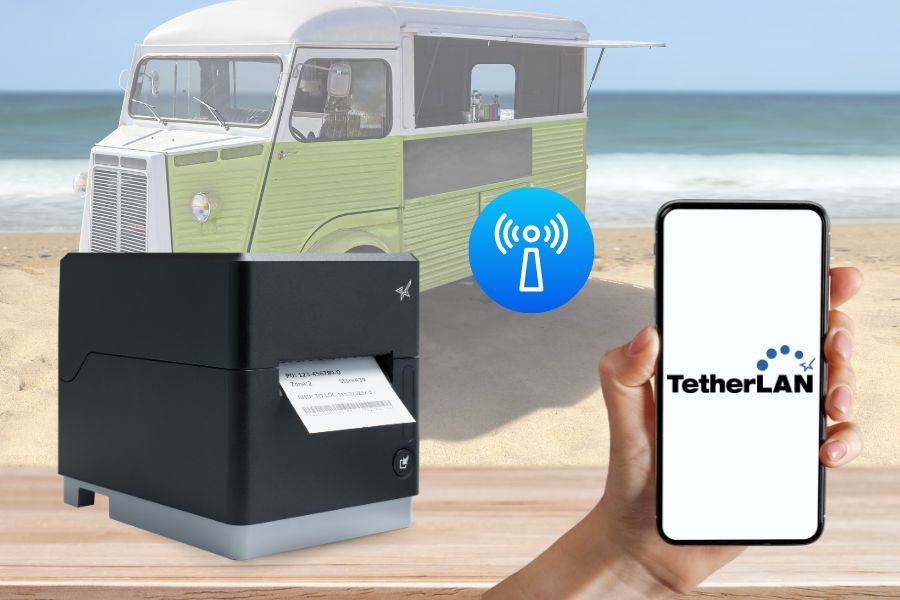
    • Ideal for Outdoor and Mobile Settings: Excellently suited for outdoor events or mobile operations where cabled internet access is scarce, offering versatility and ease of use.

    Choosing Between SteadyLAN and TetherLAN

    As the global printer market continues to evolve, with projections to surpass $43 billion by 2028 (Mordor Intelligence), staying informed about the latest features is crucial for making an educated decision. When it comes to selecting between SteadyLAN and TetherLAN for your POS printer, consider these key factors:

    1. Business Needs and Objectives

    Evaluate your business’s specific needs and objectives. If your environment lacks stable Wi-Fi and requires consistent internet connectivity, SteadyLAN is ideal. It ensures a reliable Ethernet connection directly from the tethered printer to your device.

    Conversely, if your business operates in dynamic settings with limited access to traditional internet setups, TetherLAN is more suitable. It leverages the cellular network on your device to maintain connectivity, making it perfect for mobile or outdoor operations.

    2. Existing Infrastructure

    Consider the existing technological infrastructure of your business. SteadyLAN is an excellent fit for setups already equipped with Ethernet infrastructure and is particularly beneficial in environments with weak Wi-Fi signals. TetherLAN, on the other hand, is ideal for businesses with no access to Ethernet ports that can rely on cellular networks to connect to their POS systems instead.

    TetherLAN technology in the mC-Label3 allows the tablet or device to share internet service with the printer.

    3. Budget Constraints

    When considering budget, it’s essential to recognize that different Star Micronics printer models have varying technologies, impacting their costs. Some models are equipped with both TetherLAN and SteadyLAN, which can influence their price. It’s important to note that not all Star printers currently have TetherLAN capability, though more models are expected to include this technology in the future.

    This variation in features means a range in pricing, allowing you to choose a printer that fits both your technological needs and budget. Evaluating the cost-effectiveness of each printer model, its capabilities, and your business requirements is crucial. For instance, investing in a printer with TetherLAN might be more cost-effective for a mobile or outdoor business environment where having the technology could enable more sales.

    Also, consider other long-term operational costs, including potential data usage fees with TetherLAN and the costs of infrastructure upkeep with SteadyLAN.

    4. Future Growth

    When planning for future growth and scalability, the choice between SteadyLAN and TetherLAN hinges on your business’s anticipated trajectory. SteadyLAN is an ideal solution for companies aiming for growth within a stable, fixed location, particularly those not planning to engage in outdoor or mobile events. Its reliable wired connection suits environments where the business infrastructure is stationary and consistent.

    On the other hand, TetherLAN offers flexibility and mobility, making it a strategic choice for businesses that foresee expansion into new areas, including outdoor events or pop-up shops. Its reliance on mobile networks makes it adaptable for scenarios where traditional, wired internet connectivity is not feasible.

    Moreover, for businesses that transition from mobile or temporary setups to permanent locations, TetherLAN presents a versatile option. It supports operations in both contexts, provided the devices used with the POS systems are compatible with cellular networks. This adaptability makes TetherLAN a future-proof investment for businesses evolving from outdoor events to fixed retail or hospitality settings.

    Real-World Use Cases

    We’ve discussed the key features, benefits, and considerations related to SteadyLAN and TetherLAN. Here are some ways that businesses use them in the real world:

    SteadyLAN

    SteadyLAN technology has become a game-changer for businesses grappling with connectivity issues. In scenarios like a café with weak Wi-Fi or a small business owner without a data plan, SteadyLAN offers a reliable solution.

    SteadyLAN by Star Micronics allows a networked printer to share internet service with your tablet or device.

    For instance, connecting an iPad POS system to a tethered Star printer with SteadyLAN allows the business owner to access a steady internet connection through the printer’s Ethernet port, circumventing the need for additional data services.

    Similarly, in environments like cafes or restaurants where Wi-Fi strength is inconsistent or physical limitations prevent network expansion, SteadyLAN-equipped printers serve as stable network hubs, ensuring uninterrupted operations and enhancing customer service without needing complex infrastructure changes.

    TetherLAN

    TetherLAN technology is revolutionizing operations in dynamic and mobile environments like outdoor events. At a music festival, where traditional internet setups are impractical, TetherLAN enables vendors to share a tablet’s cellular connection with a Star printer, thus facilitating efficient and automated order processing.

    This innovation allows for streamlined ‘order ahead’ options, reducing wait times and enhancing customer experiences. The technology’s operational flexibility and integration with CloudPRNT make it an ideal solution for vendors in mobile settings, ensuring they can manage online orders and payments seamlessly without the constraints of traditional connectivity methods.

    These real-world applications demonstrate the transformative impact of SteadyLAN and TetherLAN technologies in various business contexts, offering practical and innovative solutions to connectivity challenges.

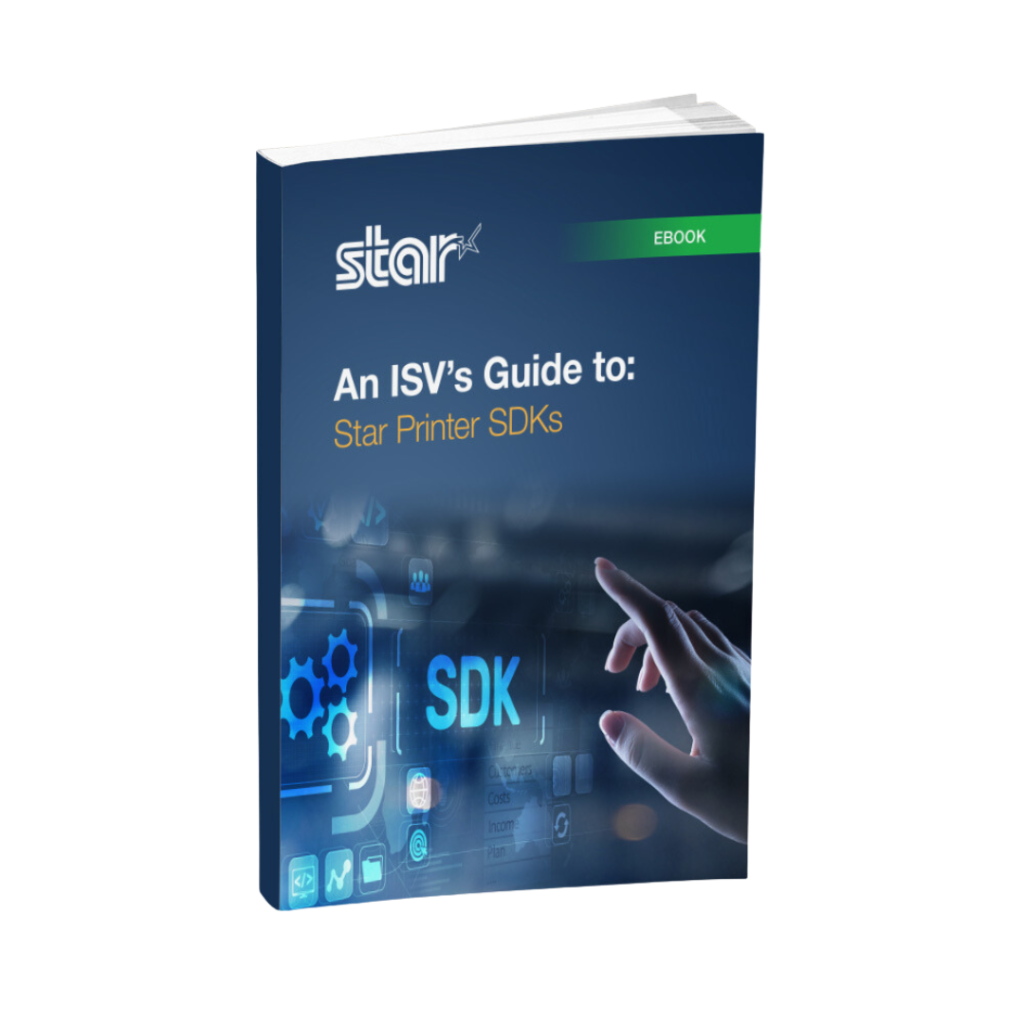
    An Independent Software Vendor’s (ISV’s) Guide to Star Printer SDKs

    For ISVs navigating the complexities of printer integration, the path forward is often strewn with challenges. Get to know Star Micronics’ range of software development kits (SDKs), each uniquely crafted to address these challenges and enhance your integration prowess.

    All The POS Printer Options You Need for Success

    Choosing a POS printer with the right technology can significantly impact your business. SteadyLAN and TetherLAN provide innovative connectivity options for businesses of all shapes and sizes. By evaluating your business requirements, existing infrastructure, budget constraints, and future growth plans, you can make an informed decision that enhances your operations and ensures efficient printing in a sometimes inefficient world.

    Are you ready to harness flexible, durable printing solutions? Touch base with one of our experts to see how modern POS printer technology can move your business forward.

  • Thriving in Economic Uncertainty: Strategies for VARs and ISVs

    Thriving in Economic Uncertainty: Strategies for VARs and ISVs

    In today’s uncertain economic climate, strategic agility and resilience have become indispensable qualities for Value-Added Resellers (VARs) and Independent Software Vendors (ISVs). This blog explores essential strategies tailored to help VARs and ISVs navigate these tumultuous times. Our focus is not just on survival but on harnessing opportunities for growth and efficiency in an economy that will test your resolve and that of your clients.

    Here, we explore a range of tactics designed to underscore and amplify the unique value you bring to your clients, ensuring your business is weathering the storm while setting a course for success.

    Strategic Inventory Management

    Effective inventory management is crucial for maintaining healthy cash flow, especially during challenging economic times. A smart strategy includes focusing on multifunctional products that provide a variety of features in one package. This approach minimizes the need for a wide range of single-function items and significantly reduces inventory size.

    Versatile Solutions, Less Inventory

    The mC-Label3 multimedia printer prints on most media types, including permanent and repositionable linerless labels, die-cut labels, and receipt paper. This multifunctionality allows for the consolidation of printer stock, saving space and streamlining inventory management.

    Additionally, adopting a just-in-time inventory model can be particularly beneficial during a recession. This approach involves ordering and receiving goods as needed, which helps cut down costs linked to overstocking. However, success with this model requires a thorough understanding of both your supply chain and customer demands. It may be more helpful for some to keep a reduced inventory, only restocking after orders have been filled.

    Equally important is leveraging the right tools and software for inventory management. Modern solutions offer real-time tracking, automated reordering, and comprehensive analytics, all of which are invaluable in making informed decisions about inventory levels. These tools can significantly boost efficiency, allowing you to adapt quickly to changing market demands and maintain a lean, cost-effective inventory.

    Thriving in Economic Uncertainty: Strategies for VARs and ISVs - Blog Post from Star Micronics

    It is also highly likely that your clients would benefit from knowing about the above strategic inventory tactics. Stepping into a leadership role and passing on these suggestions would be a great way to differentiate yourself from your competitors and build loyalty.

    Innovative Sales and Marketing Tactics

    Navigating an economic downturn demands strategic adjustments in sales and marketing tactics to match evolving customer needs. Embracing cost-effective channels like social media and content marketing is vital; these platforms offer a direct line to customers while allowing caps on advertising expenditures.

    In your marketing efforts, emphasize the long-term value and cost-efficiency of your offerings. This will resonate with budget-conscious clients looking for substantial, tangible benefits from their investments, particularly in more challenging economic times.

    Make Purchasing Easier by Offering Complete & Tailored Setups

    Providing POS printers with peripherals and accessories like cash drawers, tablet stands, and Star’s latest premium 1D/2D barcode scanners simplifies your client’s operations. Offer complete, top-quality hardware and software setups tailored to their needs.

    VARs and ISVs must cultivate strong customer relationships whether the economy is struggling or not. Distinguish your services by providing bespoke solutions tailored to each client’s unique challenges and goals. Position yourself as a reliable expert and a go-to resource in times of need, offering comprehensive support from the initial installation to ongoing service.

    By focusing on crafting enduring client relationships and delivering personalized, value-added solutions, you can create a competitive edge that endures beyond economic challenges.

    Read our blog post, “The Power of VARs: A Candid Conversation with POS Guys” for more helpful tips >

    Embracing Collaboration and Partnerships

    Forming or strengthening current strategic partnerships can offer mutual benefits and shared resources, which are especially valuable in a tight economy. Partnerships that offer loyalty programs can provide added help when your funds are running thin, notably when they help with marketing and tradeshow sponsorship.

    Strategic Financial Management for VARs and ISVs

    In the face of economic challenges, VARs and ISVs must adopt a multifaceted financial strategy. This includes:

    Diversifying Revenue Streams: Diversification is key. Exploring new markets, especially niche areas within the POS industry that are often overlooked, can provide stability and growth opportunities. This strategy reduces risk exposure and can also pave the way for business expansion.

    Budget-friendly Tech Solutions: Aligning your offerings with the financial realities of your clients is crucial. Creating bundled service packages enhances value perception and can lead to greater customer satisfaction. Collaborating with established brands known for their comprehensive and compatible retail technology solutions simplifies operations and bolsters client relationships.

    Smart Cost Management: It’s critical to find ways to cut costs without compromising quality. This involves scrutinizing expenses to identify areas for reduction while maintaining high standards in products and services. Achieving this balance requires careful planning but is essential for staying competitive and positioning your business for future growth.

    Financial Budget Management

    Thriving Amidst Economic Challenges

    In the face of economic uncertainties, adapting and innovating becomes crucial for VARs and ISVs. A proactive approach that encompasses strategic inventory management, innovative sales and marketing, strong partnerships, budget-friendly solutions, and cost-effective strategies is critical.

    This multifaceted approach not only helps in navigating the current challenges but also sets the foundation for long-term growth and stability.

    Embracing agility in business strategy and decision-making, fostering a culture of innovation and creative thinking, focusing on post-sale services, and leveraging customer feedback for continuous improvement are also essential steps in staying ahead.

    By focusing on these strategies and maintaining a balance between immediate adaptability and long-term planning, VARs and ISVs can absolutely thrive in shaky times, turning economic challenges into roadmaps for sustained success.

    6 Industry Trends Affecting POS VARs and How to Handle Them

    Explore the transformative changes in the POS sector with this exclusive ebook, examining the shifts and challenges reshaping the landscape for POS VARs. Get actionable strategies for staying competitive!

    Ready for a Partner in Success?

  • Star Micronics Expands Label Printing Portfolio with the Launch of the TSP143IV SK

    Star Micronics Expands Label Printing Portfolio with the Launch of the TSP143IV SK

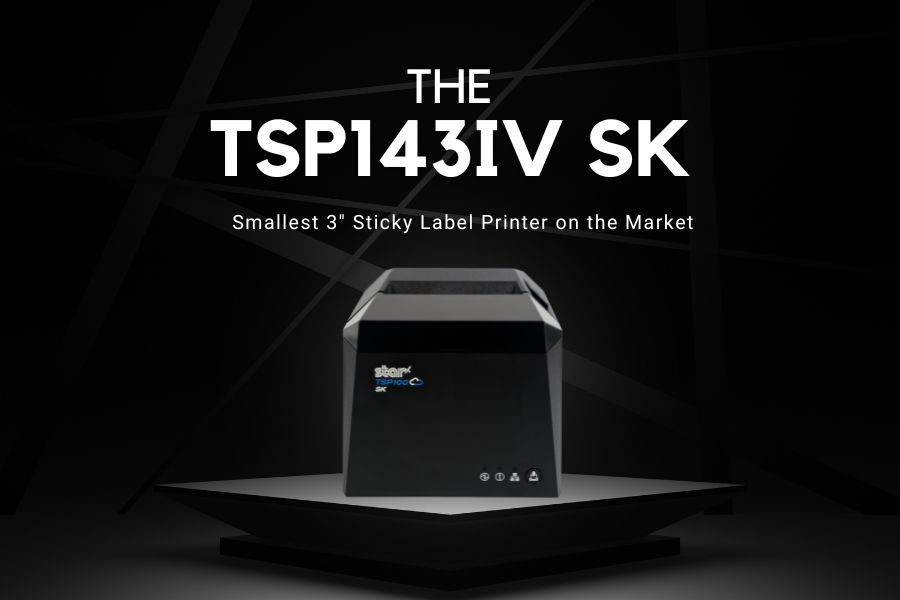
    The TSP143IV SK repositionable linerless label printer is a groundbreaking addition to Star’s lineup, offering high-performance labeling in response to rising industry demand.

    Somerset, NJ – December 15, 2023 – Star Micronics, a leader in point-of-sale (POS) technology, is proud to announce the launch of the TSP143IV SK Thermal Linerless Sticky Label Printer. This latest addition to the renowned TSP100 series marks Star Micronics’ continued expansion in the rapidly growing label printing market.

    The TSP143IV SK is designed to meet the increasing demand for versatile and eco-friendly labeling solutions across various sectors, including food and beverage, delivery, takeout, and laundry services. It’s the smallest desktop label printer on the market, and its introduction comes at a time when the industry is witnessing a surge in the need for efficient labeling solutions.

    Key Features of the TSP143IV SK Printer:

    • Eco-friendly Printing: The TSP143IV SK uses repositionable, linerless sticky labels, reducing waste and offering more labels per roll. It also includes a margin reduction function with automatic font adjustment to further save paper.
    • High-Speed Printing: Capable of printing at speeds of up to 180mm/s, ensuring fast and reliable label production.
    • Advanced Connectivity: Features include Android Open Accessory (AOA) support for simultaneous power and data transfer, powerful USB-C connectivity, and Wi-Fi (WLAN) connectivity.
    • Compact and Stylish Design: Its sleek profile is not only aesthetically pleasing but also the most compact and space-efficient linerless sticky label printer on the market.
    • Cloud Ready: Compatible with the Star Micronics Cloud Services platform for value-added support features, including real-time device monitoring and Label Builder label customization, available to software developers and business merchants.

    Cost-Efficient and Future-Proof Solution

    The TSP143IV SK represents a cost-efficient solution for businesses looking to enhance their labeling processes. Its linerless technology and high-speed printing capabilities provide a significant return on investment by increasing efficiency and reducing operational costs.

    “Star Micronics is excited to expand our label printer offerings with the TSP143IV SK. This printer is a testament to our commitment to delivering an innovative printer that is space-saving, more environmentally sustainable, and more economical to our customers. We recognize the growing need for effective labeling in various industries, and the TSP143IV SK is our response to that demand.”

    For businesses seeking a user-friendly, versatile, and reliable labeling solution, the TSP143IV SK from Star Micronics is the clear choice. Embrace the future of printing and optimize operations with this exceptional linerless sticky label printer.

    Love Industry News? Explore our Podcast:

    Star Micronics logo, point-of-sale (POS) hardware and technology company.

    Star Micronics, a world leader in point-of-sale (POS), has designated a portfolio of printing, secure cash management, self-service, and customer engagement solutions for any retail or hospitality establishment. Embracing the mPOS wave, Star’s SDKs allow developers to utilize Star printers in tandem with Android™, iOS, iPad®, and iPhone® devices to generate receipts, labels, Chit, and tickets. Star Micronics is always leading and always innovating, creating cloud-based printing solutions, including CloudPRNT and Star Cloud Services, with AOA support and MFi connectivity. Star also has a wealth of peripherals, including 2D barcode scanners, scales, tablet display stands, and more. Visit starmicronics.com or follow us on Facebook, Twitter, Instagram, YouTube, or LinkedIn to learn more.

    Media Contact:

    Christin Dorner
    Star Micronics America, Inc.
    cdorner@starmicronics.com
    848-216-3318

  • eCitation and Printing: Creating a Safe and Secure Environment for Police

    eCitation and Printing: Creating a Safe and Secure Environment for Police

    In the fast-paced world of law enforcement, efficiency, accuracy, and safety are non-negotiable. Officers constantly on the move – responding to calls, serving warrants, and conducting traffic stops – face the challenge of managing vast amounts of data swiftly and precisely.

    Enter the era of eCitation: a game-changer in law enforcement technology. Portable and in-car eTicket and eCitation printers have revolutionized the traditional methods of police work, bringing a new level of efficiency to routine but critical tasks.

    The right mobile printers can help with the following:

    • Issuing parking tickets effectively
    • Streamline electronic citations (eCitation)  
    • Manage permit violation tickets
    • Simplify inventory management at Sheriff’s offices
    • Plus, a range of additional applications

    This blog post explores the numerous advantages and diverse applications of mobile and label printers in law enforcement, highlighting how they are essential in modern policing.

    Understanding Optimal Printer Solutions for Law Enforcement

    When collaborating with law enforcement agencies to identify the ideal printer solutions, it’s crucial to comprehend the tools that can simplify their operational processes.

    Modern thermal printers stand out as the most efficient choice for law enforcement duties. Key advantages of these printers include rapid printing speeds, low maintenance needs, and overall reduced operational costs – primarily because they eliminate the need for ink. These printers come in various forms, accommodating different law enforcement scenarios: traditional stationary models are ideal for office environments, while mobile units offer flexibility and convenience for officers in the field.


    The mC-Print3 thermal receipt printer by Star Micronics.
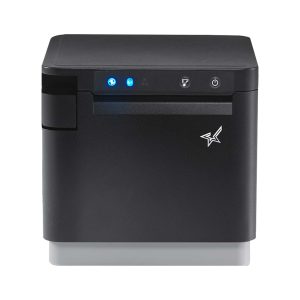
    The premier mC-Print3 series thermal receipt printer excels in office environments.

    Integration capabilities are also a vital consideration. Law enforcement agencies frequently employ specific software applications for mobile ticketing and eCitations. Therefore, the chosen printers must be fully compatible with these systems. Additionally, these printers should seamlessly connect with other in-office technologies, such as scanners and PCs, essential for managing evidence, inventory, and administrative tasks.

    Understanding these factors is essential in providing law enforcement with printer solutions that meet their immediate ticketing and citation needs, enhancing their overall efficiency and effectiveness in serving the community.

    ECitation And Printing: Creating A Safe And Secure Environment For Police

    Advanced Printer Applications for Policing

    Law enforcement is a complex, multifaceted field that demands a wide array of skills. In this context, the right mobile printer becomes an invaluable tool for officers in various scenarios, enhancing efficiency and safety.

    Traffic Stops and Citations

    Safety is a critical concern for officers, particularly during traffic stops, a common yet hazardous duty due to factors like low visibility and busy roads. With nearly 10% of officer fatalities from 2012-2022 being vehicle-related (National Law Enforcement Officers Memorial Fund), the necessity for streamlined, safe processes is evident. 

    Utilizing printers with fast printing speeds and reliable data transfer, like Star Micronics’ range, can expedite the eCitation process, minimizing roadside time and enhancing officer safety.

    Field Interviews and Reports

    Away from the roads, officers conduct field interviews and compile incident reports. The portability of Star Micronics printers – models like the SM-S230i, SM-T300, SM-T300i, and SM-T400i – proves invaluable, allowing officers to document and print essential information on the spot. 

    Additionally, printer accessories such as shoulder straps, battery chargers, USB cables, and belt clips further ease the challenges of a demanding day.

    Evidence Labeling and Chain of Custody

    In law enforcement, the accuracy and integrity of data are crucial, extending well beyond the scope of eCitation and ticketing. Thermal printers play a vital role in evidence management, specifically in labeling and maintaining the chain of custody. Their capabilities include:

    • Accurate Evidence Labeling: They guarantee precise labeling, ensuring each piece of evidence is correctly identified and tracked.
    • Enhanced Security in Evidence Handling: Thermal printers contribute to the overall security of evidence management, helping to prevent mishandling or misplacement.
    • Reliable Documentation for Sensitive Inventory: These printers provide meticulous documentation for sensitive items, such as weaponry, thereby supporting comprehensive inventory control.


    The mC-Label3 multifunction label and receipt printer from Star Micronics can fit media of multiple widths and types.
    The mC-Label3 multimedia printer is ideal for various law enforcement needs.

    A significant advancement in modern printing solutions for law enforcement is the adoption of linerless labels. By eliminating the liner or backing paper, these labels not only reduce waste but also offer more labels per roll – a critical factor in the fast-paced environment of law enforcement. This enhances the efficiency of the ticketing and evidence-labeling processes and demonstrates a commitment to environmental sustainability, aligning with modern eco-conscious standards.

    Advantages of Printers for Law Enforcement

    In law enforcement, where efficiency and accuracy are of utmost importance, the choice of mobile or stationary printers extends far beyond embracing new technology. These devices offer substantial benefits:

    • Boosted Efficiency for Rapid Response: In a profession where every second counts, reducing paperwork and administrative tasks is crucial. Advanced printing technology speeds up information sharing among officers and different agencies, streamlining processes in time-critical situations.
    • Heightened Accuracy for Enhanced Public Service: Accuracy is non-negotiable in law enforcement, a sector under constant public scrutiny. The right printers minimize the risk of data entry errors, ensuring the precision of citations, reports, and evidence records. They also allow officers to maintain better situational awareness during stops, enhancing safety and reducing time spent on administrative tasks.
    • Strengthened Community Engagement: The ability of officers to provide immediate and clear documentation to citizens reflects a commitment to transparency and efficiency. This not only improves public interactions but also reinforces the community’s trust in law enforcement processes.

    ECitation And Printing: Creating A Safe And Secure Environment For Police

    Key Factors for Law Enforcement Agencies in Printer Purchasing

    When assisting law enforcement agencies in acquiring new printing technology, there are a few crucial factors to consider:

    Balancing Cost and Budget Efficiency: Cost is often a primary concern for both public and private entities. As a VAR or reseller, providing local precincts with detailed cost estimates, including the potential for bulk purchases, can aid in their budget planning. Demonstrating how the investment aligns with responsible budgeting can differentiate you from competitors.

    Evaluating Long-Term Value: It’s important to emphasize the long-term benefits of investing in high-quality printers. While not always the cheapest upfront, superior products offer greater durability and lower maintenance costs over time, making them a more cost-effective solution in the long run.

    Training and Implementation Support: The transition to new technology can be challenging for large organizations like police departments. By offering comprehensive training and support resources, you position yourself as not just a supplier but a partner in their technological advancement. This approach can help overcome resistance to change and is often a decisive factor in winning their business.

    eCitation Printing Solutions as Tough as Law Enforcement

    Navigating the complexities of law enforcement requires courage, dedication, and the support of advanced technological tools. Modern printing solutions designed explicitly for policing can significantly aid officers by:

    • Fast and Reliable Printing: Ensuring quick issuance of eCitations to minimize roadside time.
    • Minimizing Data Entry Errors: Enhancing the accuracy of information captured during stops.
    • Seamless Software Integration: Working in tandem with existing law enforcement software systems.
    • Reduced Roadside Exposure: Limiting the time officers spend on the road during traffic stops for enhanced safety.

    ECitation And Printing: Creating A Safe And Secure Environment For Police

    As a VAR or reseller catering to law enforcement needs, staying ahead of technological advancements is crucial. Understanding the daily demands and challenges officers face allows you to provide solutions that genuinely enhance their operational efficiency and safety.

    For a comprehensive insight into industry-leading printers, scanners, stands, and other essential law enforcement tools, contact Star Micronics. We offer tailored consultations to help equip law enforcement agencies with the best in modern technology.

    Ready to Upgrade Your eCitation Printing?

  • Essential POS Hardware for Cannabis Sellers at Farmers Markets

    Essential POS Hardware for Cannabis Sellers at Farmers Markets

    Farmers markets are a beloved tradition, offering fresh, locally sourced produce, handmade goods, and unique treats. The landscape of cannabis commerce in New York is transforming with the recent approval of cannabis farmers markets by state regulators. This groundbreaking change allows licensed cannabis cultivators and retailers to connect directly with consumers in a market-style setting, creating a new avenue for cannabis sales. 

    But what does it mean for your cannabis business regarding the necessary point-of-sale (POS) hardware for selling at farmers markets? 

    Cannabis POS Hardware for Farmers Markets

    In the bustling environment of a farmers market, the right POS system for cannabis can be a game-changer. Not only does it streamline business operations, making sales swifter and more efficient, but it can also enhance the overall customer experience. When patrons have a seamless transaction process, they’re more likely to think highly of your brand and return, fostering a loyal customer base and boosting your long-term sales. It’s a win-win.

    So, here’s what cannabis vendors need for the ideal farmers market POS:

    1. Mobile POS System and Tablet or Smartphone

    When selling cannabis at farmers markets, a robust mobile POS system is the cornerstone of your POS setup. As transactions will happen on the fly, a mobile POS system, operated via a tablet or smartphone, is an indispensable tool for a seamless customer experience.

    These mobile systems offer valuable features like real-time inventory management and sales tracking – a critical aspect for cannabis businesses adhering to strict regulatory requirements. Many mobile POS systems are cloud-based, ensuring your data updates in real-time and is accessible from anywhere.

    2. Receipt Printer

    Providing receipts is a standard practice in any sales environment, and cannabis farmers markets are no exception. A portable, battery-operated thermal printer can be a practical choice for vendors, allowing you to print customer receipts immediately after the transaction.

    A traditional desktop thermal printer can be an excellent choice for vendors with access to a power source. Especially advantageous are those printers that come with wireless capability, seamlessly pairing to your mobile device and eliminating the clutter of unnecessary cables.

    These printers offer wireless connectivity and can quickly print receipts for customers. They also play a significant role in maintaining transaction records, which is especially important in the highly regulated cannabis industry.


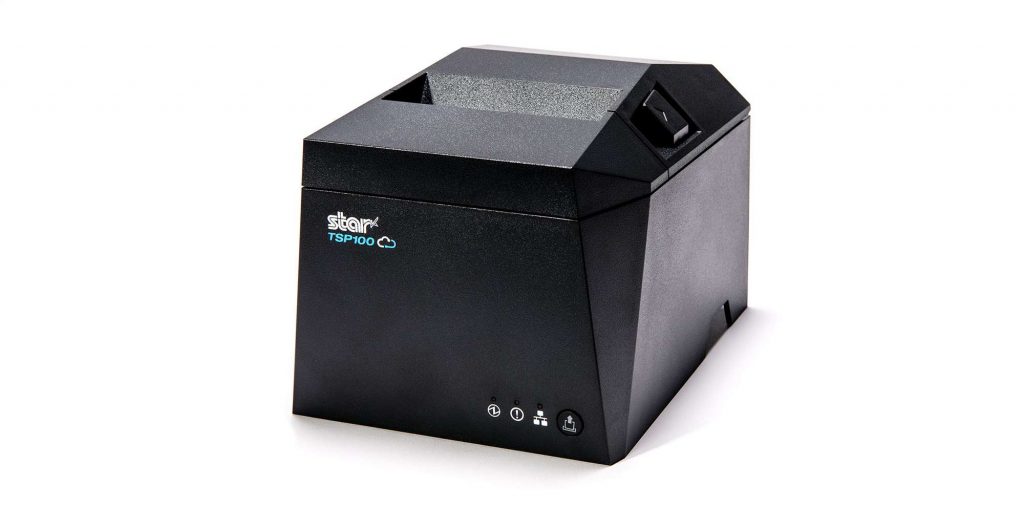
    TSP143IV thermal receipt printer by Star Micronics
    The TSP143IVUW thermal receipt printer has wireless capability

    3. POS Scale

    As cannabis is often sold by weight, having a POS scale is crucial. It enables you to weigh cannabis products accurately and in full view of customers, ensuring transparency in your transactions.

    A POS scale can be easily incorporated into your mobile POS system, automatically entering weight information to speed up the sales process and reduce the potential for human error. Remember to use a scale that is “Legal for Trade,” “NTEP Certified” (in the US), or “Measurement Canada Certified” to ensure it meets commercial standards for accuracy.


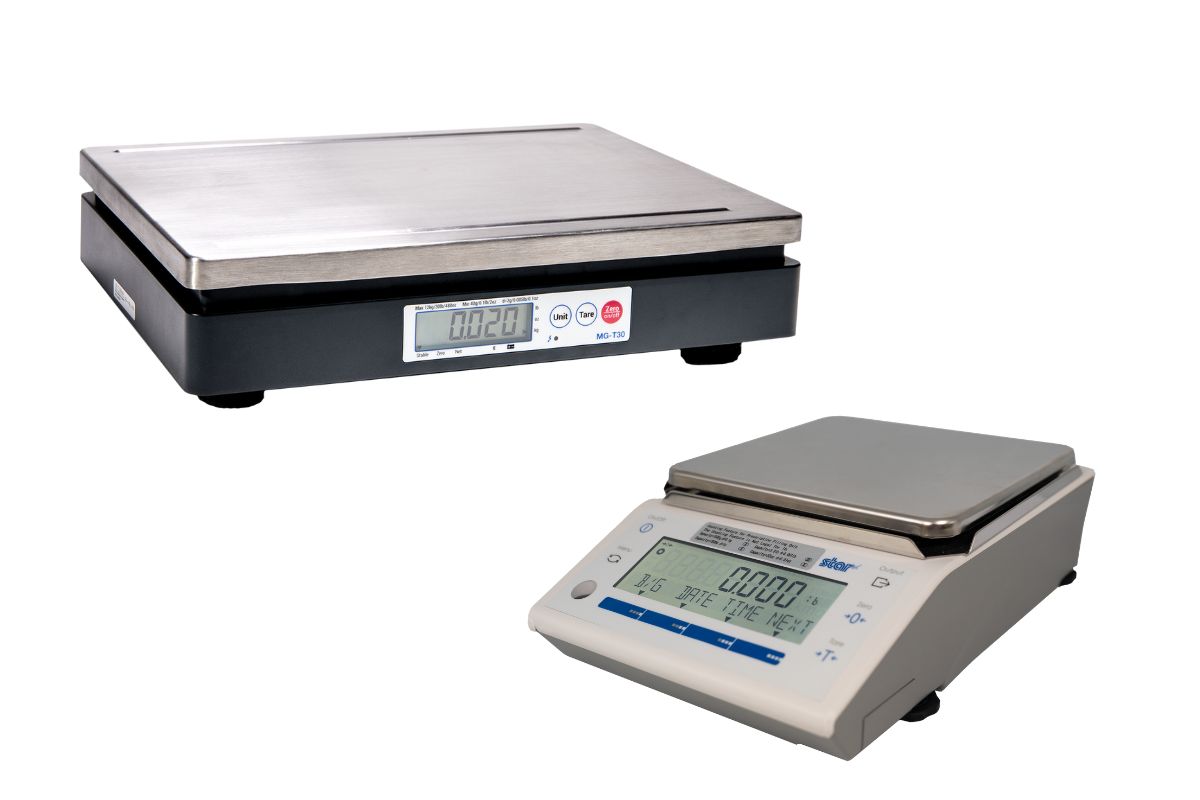
    Star Micronics offers mG-T and mG-S series of POS scales.
    Star Micronics offers Trade Legal POS scales ideal for weighing cannabis

    4. Cash Drawer

    Even with the surge in digital payments, cash transactions are still everyday occurrences at farmers markets. Therefore, having a secure cash drawer is vital for safe and organized cash handling.

    This also allows for quick and convenient change-making, contributing to a smooth checkout process. A secured cash drawer will help you organize bills and coins and keep them safe during your day at the market and on the way home.


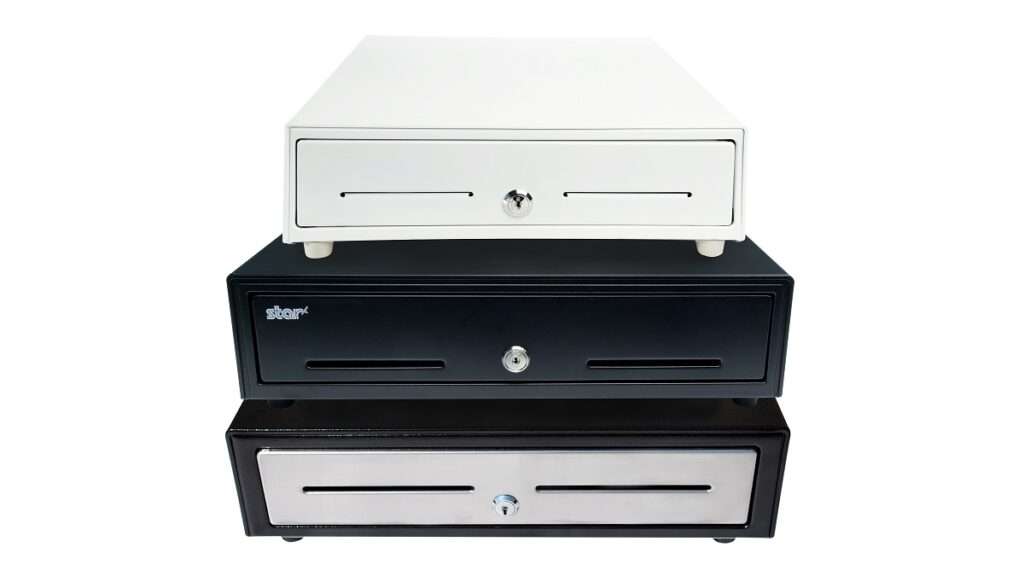
    Stacked Cash Drawers by Star Micronics.
    Keep cash secure with cash drawers by Star Micronics

    5. Barcode Scanner

    If your products come pre-packaged with barcodes, a barcode scanner can speed up the checkout process. Portable, wireless scanners can be especially useful in the typically compact setup of a farmers market stall.

    A barcode scanner is essential to streamline the checkout process and keep track of inventory in real time. It enables quick, accurate product identification and price lookup, enhancing efficiency at the point of sale – an essential consideration when dealing with a high volume of customers at farmers markets.


    Black wireless handheld 2D barcode scanner by Star Micronics.
    Star offers 1D/2D wireless barcode scanners perfect for farmers markets

    6. Card Reader

    While cash transactions are common at farmers markets, the trend of cashless payments is on the rise. This means having a card reader that can accept credit and debit card payments can put you ahead of your competition.

    Ensure your card reader can handle EMV chip cards and contactless payments (NFC), like Apple Pay or Google Wallet, to provide your customers with diverse payment options. This ensures a smooth and convenient payment process for customers, which can enhance their shopping experience and increase sales.

    The Right POS Hardware Can Maximize Cannabis Sales at Farmers Markets

    Selling at a farmers market can be a rewarding experience, building community and connecting directly with your customers. The proper POS hardware can help make this experience run smoothly, ensuring you can focus more on your patrons and less on handling delays.

    As New York blazes the trail in this new form of commerce, cannabis businesses must prepare and adapt. However, having the POS hardware essentials down will keep you well-equipped to seize this unique opportunity in the growing cannabis industry.

    Remember, before investing in any POS hardware, consider your specific needs and do your research to ensure compatibility with your POS software. The perfect setup can create a seamless checkout experience, ensuring every transaction is as smooth as your finest roll.

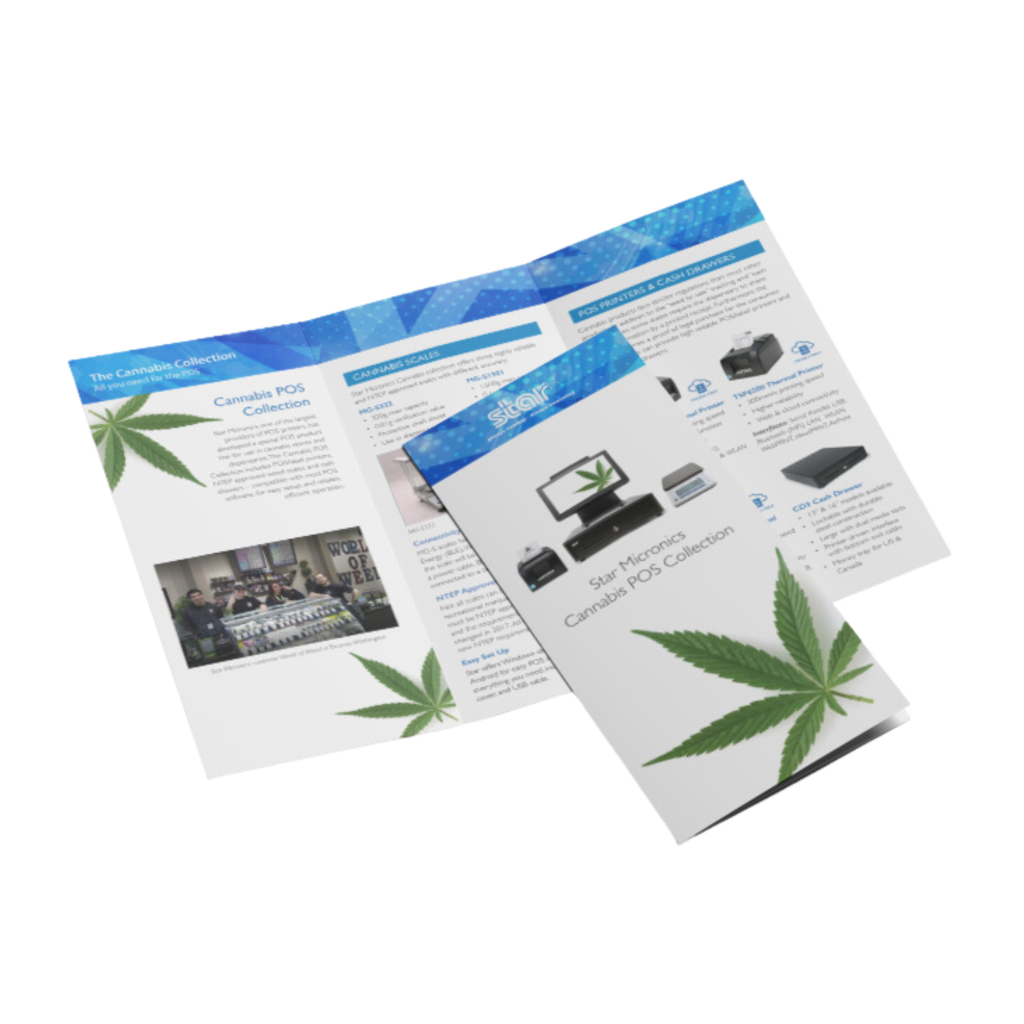
    Star Micronics Cannabis POS Solutions Brochure

    Star is proud to offer the latest POS hardware and technology solutions for cannabis stores and dispensaries.

    Want to know more about cannabis POS hardware?

  • How to Switch to an Android POS System: A Detailed Guide

    How to Switch to an Android POS System: A Detailed Guide

    The modern retail landscape is in constant flux, mainly driven by consistent technological innovation. Among these many changes, the shift toward Android point-of-sale (POS) systems has been particularly noteworthy over the last couple of years.

    The Rise of Android POS Software

    The Android operating system, universally recognized for its user-friendly nature and cost-effectiveness, is now the first choice for a rapidly growing number of retail businesses. Its open-source nature lends itself to exceptional customization capabilities, allowing software developers to tailor their POS applications to their exact specifications. Merchants in the retail and hospitality industries have greatly benefitted from such progress.

    Such flexibility isn’t just about aesthetics; it’s about delivering a smooth, efficient customer service experience and integrating diverse software applications that manage everything from inventory to customer feedback.

    The Critical Role of Hardware in Android POS Systems

    However, an Android POS system’s success relies on more than just the software. The hardware components, particularly the printers, are pivotal in ensuring the system operates seamlessly.

    Here, Star Micronics shines in the world of retail solutions. Fully understanding the Android revolution in the POS industry, Star has dedicated its resources to craft printers that perfectly sync with Android systems.

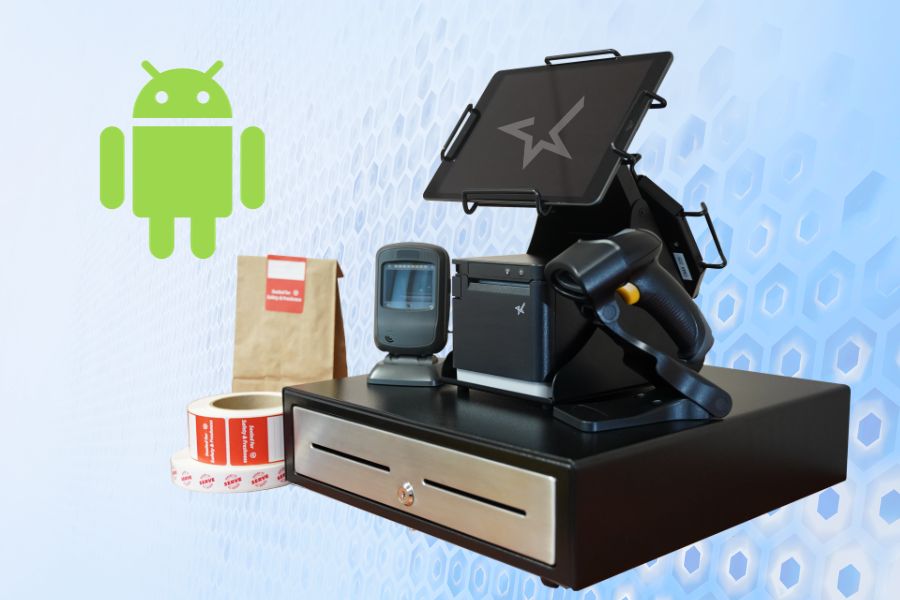
    Among Star’s crowning achievements is the TSP143IVUE thermal receipt printer. All Star Micronics receipt and label printers are compatible with Android, but the TSP143IVUE optimizes the Android experience thanks to its support for the Android Open Accessory (AOA) protocol.

    AOA support ensures communication between the Android system and the printer while keeping the tablet or device powered and charged, enhancing the user experience by leaps and bounds. Star also has industry-leading software development kits (SDKs) to aid technology providers in the integration of Star printers with developer POS software.

    Software developers, click here to contact the Star Integrations Team >

    An Independent Software Vendor’s (ISV’s) Guide to Star Printer SDKs

    Unlock seamless printer integration tailored to elevate your software’s performance and versatility.

    If Your Current POS Software is Android-Compatible

    For many business owners, the thought of transitioning to a new system can be daunting, especially if they’re content with their current POS software. The good news? Your transition can be significantly streamlined if your POS software is already compatible with Android hardware.

    If this is you, you’re in a favorable position; your employees are already acquainted with the software, eliminating the need for extensive training.

    In such cases, while reviewing the steps detailed below for a thorough understanding is beneficial, you may not have to follow all of them. Instead, you can focus on hardware, ensuring a smoother and more efficient switch to the Android POS system of your choice.

    Preparing for a Seamless Transition

    Before considering a switch to an Android POS system, businesses without Android-compatible software should start by evaluating their current system. This means pinpointing its strengths and acknowledging its limitations.

    But introducing new technology isn’t just about installation. The importance of thorough staff training cannot be overstated. A system can only reach its full potential when those using it are proficient and confident.

    Be prepared to do the necessary work if you want the greatest rewards later on.

    Steps to Transition to an Android POS System

    Transitioning requires careful planning and execution. Here’s a structured approach for business owners looking to make the switch to an Android POS system:

    1. Assessment & Planning

    • Evaluate Current Needs: Start by analyzing the features of your current POS system. Pinpoint its strengths and any gaps in functionality. Examine both your software and hardware, identifying essentials and desired additions. Invest time in creating a detailed list. Group all your “must-have” features together and create a separate wishlist for the desirable, but not crucial, add-ons.
    • Determine Compatibility: Ensure which of your existing hardware (e.g., barcode scanners, cash drawers, printers) is compatible with Android systems or plan for necessary upgrades. 

    2. Research & Selection

    • Choose the Proper Software: Various Android POS applications cater to distinct business requirements. As features, pricing, and support differ across the board, it’s crucial to choose wisely. Refer back to your prioritized list, ensuring your software selection has all your must-have features and, ideally, some from your wishlist.
    • Hardware Selection: Decide if you’ll be using dedicated Android POS terminals or other popular devices such as tablets. If you need to upgrade to new POS hardware, be sure it’s compatible with Android, is user-friendly, and has excellent support. This may go without saying, but ensure your chosen hardware is also robust enough for your business’s daily operational demands. Cutting costs on hardware may lead to regrets when they break down, leaving you in a jam during your busiest hours.


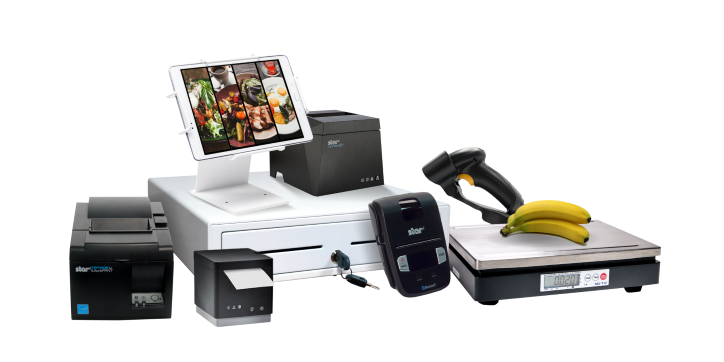
    The complete point-of-sale (POS) suite in black and white by Star Micronics.
    All point-of-sale hardware by Star Micronics works with Android operating systems.

    3. Data Migration

    • Inventory & Product Data: Most modern POS systems allow you to export product data. Once exported, this data can be imported into your new Android POS software.
    • Customer Data: If you’ve maintained a customer database or loyalty program, ensure this data is also transitioned.

    4. Configuration & Customization

    • Payment Processing: Set up payment gateways and processors to ensure seamless transactions with your Android POS system. Note: if you are using your current Android-compatible POS software and making no software changes, there will likely be no need to update your payment processing or terminal.
    • Tax & Compliance: Ensure your chosen software is configured according to local tax regulations. All POS software must comply with all federal and state tax laws.
    • Custom Features: Depending on the software, you may be able to add specialized features tailored to your business needs.

    5. Training

    • Staff Orientation: Familiarize your team with the basics of the new system.
    • In-depth Training: Consider more detailed training sessions or workshops depending on your business’s complexity.

    6. Testing

    • Pilot Run: Before fully transitioning, consider running the new Android POS system parallel to your existing system to catch any issues.
    • Feedback Loop: Allow staff to provide feedback on any challenges they encounter.

    7. Deployment & Go-Live

    • Full Transition: Once you’re confident in the new system’s functionality, make the full switch.
    • Support: Ensure there’s a system in place for staff to report issues and get help as needed.

    8. Ongoing Review & Optimization

    • Collect Feedback: It’s crucial to consistently gather feedback from staff and customers to ensure the system meets everyone’s needs.
    • Updates & Maintenance: Regularly update the software to benefit from the latest features and security enhancements.

    Remember, while there are challenges in making a significant change like this, the flexibility, customization options, and potential cost savings of an Android POS can offer many benefits to modern businesses.

    Happy Business Owner Retail Grocery Small

    Embracing Tomorrow’s POS Landscape

    Staying ahead in the ever-changing retail and hospitality world means staying informed and embracing a proactive spirit. If you’re sensing your legacy POS system may be holding back your business, there are many reasons why upgrading to a newer Android POS system would be advantageous.

    Not only is it a highly cost-effective alternative, but the operating system itself allows for excellent customization and is very user-friendly. Paired with the advanced capabilities of Star Micronics’ printers, vendors are equipped with leading technology and an edge in operational efficiency.

    Embracing innovation ensures a brighter, more efficient future for your business, positioning you at the forefront of the retail evolution.

  • Beat a Taylor Swift Concert Rush with Your POS Software

    Beat a Taylor Swift Concert Rush with Your POS Software

    In the world of point-of-sale (POS) software, understanding client needs and environmental context is critical. Concerning the event space, it’s well-known that large stadium events are nothing short of grandeur. Whether it’s a fierce football match, an international cricket tournament, or a musical evening with an iconic artist like Taylor Swift, the sheer number of attendees is staggering.

    Such high-capacity events pose unique logistical challenges for independent software vendors (ISVs) and software developers in the POS solution space. So, let’s dive into these challenges and discuss the essentials a robust stadium POS software application needs to crush them, using a Taylor Swift concert as our guiding star.

    The POS Developer’s Dilemma in the “Swift” Surge

    When Taylor Swift drops a tour date, tickets vanish from virtual shelves. Crowds spanning generations pack huge venues with infectious enthusiasm, eager to sway and sing along to the tunes of their beloved pop icon. While the concert’s central attraction is Taylor herself, behind the scenes, stadiums must ensure that every aspect of the fan experience is seamless.

    That’s where an efficient POS system with the latest software and hardware plays a pivotal role. Beyond the glitter and glamour of the stage, an intricate infrastructure is working overtime. When powered by the proper technology, a stadium’s POS can provide exceptional customer satisfaction across the board.

    Where Does Stadium POS Software Need to Rock?

    Volume Handling

    Stadiums, especially during events like Taylor Swift concerts, see an unprecedented influx of patrons. Your POS software must be able to handle tens of thousands of transactions within a short window without any glitches or lags.

    Numerous & Diverse Sale Points

    The challenge isn’t just about volume – it’s about variety. From exclusive merchandise to gourmet food stalls, the software must ensure seamless integrations and fast, unified processing.

    Swift Transactions

    No fan wants to miss even a minute of Taylor’s performance. Your software must ensure quick, hassle-free, secure transactions, allowing Swifties to get back to the concert without long waiting times.

    Someone makes a heart with their hands at a large concert. Likely a Taylor Swift concert.

    Essential Features for Next-Gen Stadium POS Software

    1. Scalability

    Mega-events demand robust software that scales rapidly, maintaining speed and security despite sudden sales surges.

    2. Mobility

    With patrons scattered throughout the venue, equipping your clients with the power of mobile POS (mPOS) technology can facilitate quicker transactions. Pairing your software with handheld devices for stadium staff ensures fans can make purchases without moving far from their seats.

    Explore Popular Portable Receipt Printers >>

    3. Real-Time Inventory Tracking

    No more stock-outs. Whether it’s Taylor Swift’s exclusive concert tees or the most popular snacks, the software should provide real-time inventory insights to your clients.

    4. Versatile Payment Methods

    From Apple Pay to good old cash, your software must be adaptable, catering to the diverse preferences of a global fan base.

    5. Uncompromised Security

    Given the volume of transactions and the variety of payment methods, security is paramount. Encryption, secure data handling, and fraud detection should be incorporated features.

    6. Offline Capabilities

    Even in our digital age, network issues can arise. Your software must have offline capabilities to ensure sales continue even in the face of internet connectivity challenges.

    4 Elements of a Valuable ISV-Hardware Integration Partnership

    With so many hardware vendors to choose from, it may not be clear which direction to take. Equip yourself with insights to forge partnerships that truly elevate your software.

    Addressing Real-World Challenges for POS Software Devs

    • Challenge: Peaks and troughs in customer flow, leading to potential bottlenecks.
      Solution: Empower clients with software supporting mPOS systems, enabling on-the-go transactions to alleviate counter pressures.
    • Challenge: Catering to a spectrum of payment preferences.
      Solution: Offer hybrid solutions that cater to all payment forms, ensuring every fan is satisfied.
    • Challenge: Unexpected stock-out situations of popular merch or food items.
      Solution: Real-time inventory monitoring ensures replenishment is timely and sales don’t suffer.

    The POS Tech Developer’s Encore

    Imagine this: Taylor Swift is about to start her encore. A fan realizes they haven’t bought the limited-edition concert tee. They rush, make a quick purchase thanks to your software, and are back just in time for the first chord.

    That’s the value you, as an ISV or POS software developer, bring to stadium events. With the right software solutions, you can amplify client satisfaction, making each transaction a part of concert history, even amidst the electrifying chaos of a Taylor Swift concert. For developers aiming to mark their territory in such dynamic arenas, evolving isn’t just an option; it’s a necessity.

    Silhouette of female concert artist onstage. Might be Taylor Swift.

    Enjoy this article? Uncover more from Star:

  • A Look Back at 75 Years of Retail Innovation

    A Look Back at 75 Years of Retail Innovation

    As we commemorate the 75th anniversary of the Retail Solutions Providers Association (RSPA), it’s the perfect time to acknowledge the profound shifts in the retail industry brought about by technology. Over the past 75 years, technological innovations have drastically reshaped the retail landscape. To honor RSPA’s enduring relationship with the retail sector, let’s revisit the key ways technology has transformed the industry over these pivotal years.

    The RSPA celebrates its 75th anniversary being the POS technology place to be for the retail industry.

    A Short Timeline of Retail Innovations From the Last 75 Years

    1948: A small group of cash register dealers formed the ICRDA (Independent Cash Register Dealers Association), which would later become the RSPA.

    1958: Bank of America launched BankAmericard, which laid the foundation for credit cards in retail transactions, revolutionizing payment methods.

    1965: Nobel Prize laureate, Jack Kilby, invented the world’s first semiconductor-based thermal printer. This invention paved the way for efficient printing solutions in retail environments.

    1965: Digital scales, initially invented in Japan, became the most popular type of weighing scale worldwide, offering accurate measurements for various retail applications.

    1968: The Japanese company Epson introduced the EP-101, the first electronic printer, which was crucial in enhancing printing capabilities in retail operations.

    1971: Cash registers capable of handling currency conversions were created, streamlining international transactions.

    1973: The first computer-operated cash register marked a significant shift from mechanical to electronic systems, improving efficiency and accuracy in retail transactions.

    1976: The first Universal Product Code (UPC) was scanned from a barcode attached to a pack of gum. This technology revolutionized inventory management and checkout processes.

    1977: The University of Illinois introduced the “Plato Hotline,” the first interactive kiosk that provided campus information, opening doors to self-service and information dissemination.

    1985: Mosher introduced the first color touch-screen-driven point-of-sale (POS) interface, improving the user experience and making transactions more intuitive.

    1997: The first contactless payment system, Mobil Speedpass, was launched, paving the way for convenient and fast payment methods in retail.

    2002: The United Kingdom introduced the first cloud-based POS system, enabling businesses to manage their operations remotely and efficiently.

    The future of retail innovation and cloud technology.

    Advanced Features

    These groundbreaking steps have landed a place in history while others are still solidifying a stronghold. Applications like integrations with artificial intelligence and machine learning, along with barcode scanning, RFID, and QR codes, are all evolving to create new and exciting retail experiences. 

    There’s no denying the power of artificial intelligence (AI) and machine learning (ML). These incredible technologies promise to redefine the retail sector, analyzing data to reveal critical findings about customer behaviors, likes, and trends. Such insights empower retailers to offer personalized shopping experiences, manage inventory more effectively, and predict demand. Moreover, AI-fueled chatbots and virtual assistants are enhancing customer service by providing immediate assistance and suggestions.

    Furthermore, tools such as 1D barcodes, RFID, and 2D QR codes are propelling retailers to new heights, improving inventory management, minimizing errors in shipping and receiving, and streamlining logistics. These innovations are quickly becoming integral to the ultimate omnichannel experience for consumers.

    Future Potential

    Over the past 75 years, the retail industry has seen impressive transformations, reshaping consumer behavior and business operations. Technology has been the catalyst behind these changes, and its rapid progress leaves us wondering about the future of retail.

    As we look to the next 75 years, we can expect even more profound technological advancements influencing the retail scene. The incorporation of AI and ML will continue to personalize shopping experiences and optimize business processes. Emerging technologies like RFID and QR codes will further enhance data collection and foster smooth interactions between consumers and businesses.

    The future of retail innovation and AI technology.

    The Next Wave of Retail Innovations

    The future presents a vast landscape for creative breakthroughs and newcomers in the retail industry. It’s exhilarating to think about the innovations that will define the next wave of retail. As we celebrate RSPA’s 75th anniversary, we acknowledge their significant achievements and contributions to the industry.

    At Star, we are dedicated to offering product lines and technologies that stay up-to-date with the evolving retail sector. Here’s to celebrating another 75 years of success, collaboration, and exciting retail innovations!

  • Star Micronics Breaks into 2023 with Next-Level Solutions at NRF

    Star Micronics Breaks into 2023 with Next-Level Solutions at NRF

    Star will feature its extensive line of innovations at NRF 2023: Retail’s Big Show, including the highly anticipated mC-Label3 and mPOP® solutions.

    Somerset, NJ – January 10, 2023 – Star Micronics, a leading manufacturer of mobile, point-of-sale (POS), and customer engagement technologies, is excited to present its latest POS hardware and technology at the National Retail Federation’s (NRF) 2023 conference, held in New York City from January 15th to January 17th, at the Javits Convention Center.  

    NRF 2023: Retail’s Big Show is the prime opportunity for those in the retail industry to cultivate thriving and rewarding business relationships with hardware manufacturers and software solution providers.

    Star has launched a variety of modern POS and self-service solutions since the last NRF conference and will be showcasing: 

    • The new mC-Label3 with the faster SteadyLAN+, CloudPRNT, & brand-new TetherLAN capabilities – an optimized label and receipt printing solution that does the work of multiple printers in one. 
    • Brand new high-resolution barcode scanners. 
    • The latest mPOP® (mobile point-of-purchase) with direct iOS connectivity; power and data transfer for all-day use. 
    • The acclaimed TSP143IV in two models; the TSP143IVUE with Android Open Accessory (AOA) support and a USB/LAN dual interface, and the TSP143IVUW with USB-C and dual-band WiFi connectivity. 
    • A kiosk printing solution that uses repositionable linerless label paper, the SK1-311 SK. 
    • The mG-T series of POS scales: the mG-T30 & mG-T60 models; ideal for shops, grocery stores, and farmer’s markets. 
    • The extensive new line of mUnite modern tablet display stands and mounts. 
    • New WiFi-loving models of the popular mC-Print2 & mC-Print3 series; two thermal printing solutions from the state-of-the-art mCollection®. 


    Want to see Star outside of the tradeshow floor? Star hosts a Sunday night reception on January 15th, from 8 – 11 pm: Star’s Rooftop Soiree against the breathtaking NYC skyline!  

    “Star Micronics has been investing in several areas to help channel partners succeed. Following our ‘Always Leading, Always Innovating’ decree, this includes diversifying and expanding our product offerings and bolstering our supply chain operations and sourcing. Globally, Star has been strategic, expanding manufacturing capacity aggressively… Star is dedicated to providing our channel partners with a full solution suite.”

    Love industry news? Check out our podcast:

    Star Micronics logo, point-of-sale (POS) hardware and technology company.

    Star Micronics, a world leader in point-of-sale (POS), has designated a portfolio of printing, secure cash management, self-service, and customer engagement solutions for any retail or hospitality establishment. Embracing the mPOS wave, Star’s SDKs allow developers to utilize Star printers in tandem with Android™, iOS, iPad®, and iPhone® devices to generate receipts, labels, Chit, and tickets. Star Micronics is always leading and always innovating, creating cloud-based printing solutions, including CloudPRNT and Star Cloud Services, with AOA support and MFi connectivity. Star also has a wealth of peripherals, including 2D barcode scanners, scales, tablet display stands, and more. Visit starmicronics.com or follow us on Facebook, Twitter, YouTube, or LinkedIn to learn more.

    Media Contact:

    Christin Dorner
    Star Micronics America, Inc.
    cdorner@starmicronics.com
    848-216-3318