Airports depend on clear, accurate labeling to keep food safe, compliant, and fast-moving. Learn how modern airport food label printers support rotation, grab-and-go, allergen, and traceability workflows across terminal restaurants, QSRs, and retail operators.
What Is an Airport Food Label Printer?
An airport food label printer is any reliable label printer used within airport restaurants, QSRs, lounges, and grab-and-go retailers to produce rotation labels, allergen and nutritional labels, traceability labels, and barcode/QR labels. While not a specialized hardware category, these printers must support high-volume workflows, fast labeling, multiple media types, and strong connectivity options to meet the speed, safety, and compliance requirements of airport foodservice environments.
Table of Contents
The Rising Demand for Food Labeling in Airports
Several trends are driving the growing need for reliable airport food labeling solutions. Passenger volume continues to rise, with FAA data showing U.S. airports surpassing pre-pandemic levels and reaching 1.1 billion travelers in 2024. As dwell times increase, so does demand for meals, snacks, and grab-and-go options across airport terminals and lounges.
With this expansion comes a higher standard for freshness, safety, and transparency. Airport foodservice providers must label items clearly to meet consumer expectations, support accurate allergen disclosures, and comply with regulations such as the FDA’s Food Safety Modernization Act (FSMA). Many airports also maintain their own elevated safety and traceability standards to protect travelers and manage brand reputation.
Airport food label printers are also essential tools for fast casual and QSR environments where orders come in through kiosks or mobile devices. Clear, accurate labels keep kitchens organized, speed up prep, and reduce errors—especially when menu items or ingredients change frequently. A reliable airport food label printer becomes critical for both food safety and operational speed.
Key Label Types Used in Airport Restaurants & Grab-and-Go
Operators must configure airport food label printers for different purposes so that they clearly communicate vital information. Key airport food label types include:
- Allergen Labels: These labels protect travelers with dietary restrictions and are required in many regions. They are essential for prepackaged items.
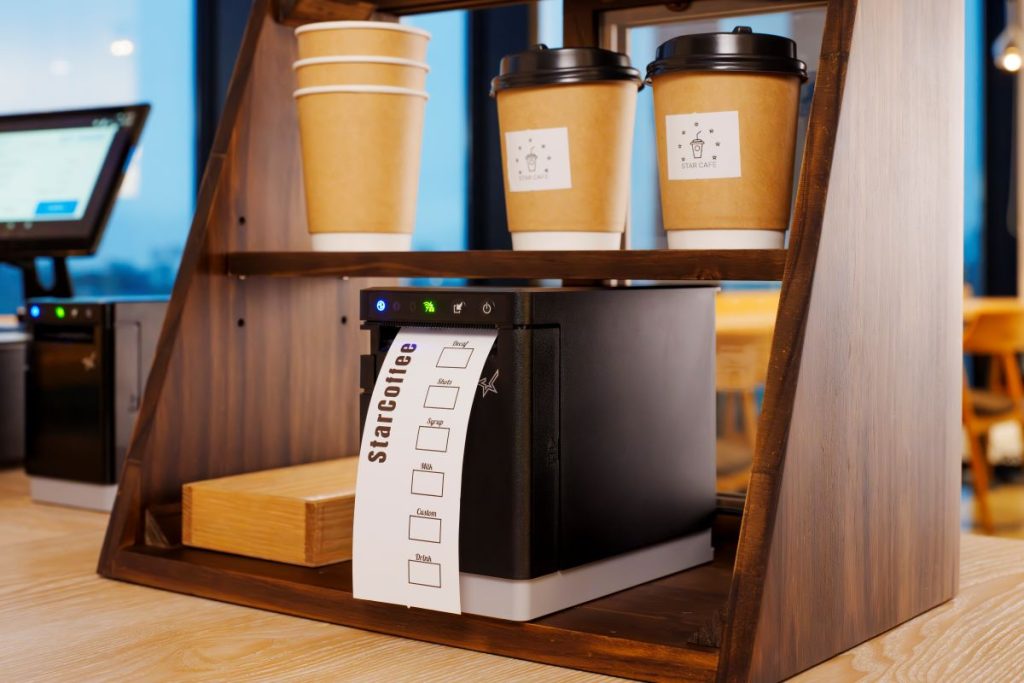
- Freshness/Rotation Labels: Staff can easily apply freshness labels even when preparing foods at peak volume. The timestamp on the label ensures food safety and helps to minimize food waste.
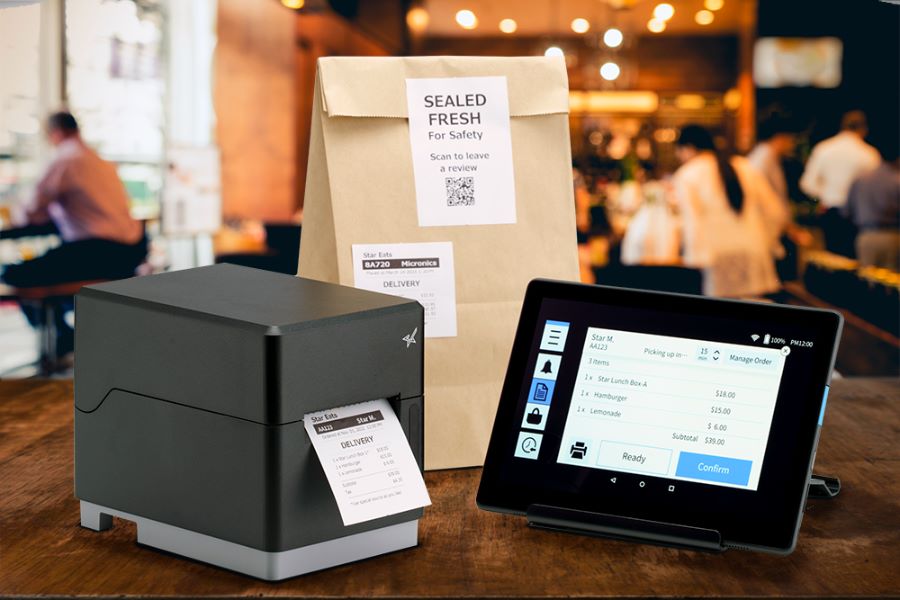
- Grab-and-Go Labels: Labels ensure consumers have vital information about prepackaged prepared foods like sandwiches, salads, and packaged meals. Labels can include ingredient lists, timestamps, and allergen information. Grab-and-go labels also communicate the restaurant’s brand.
- Nutritional Labels: These labels allow airports and their food vendors to comply with related laws in the countries where they operate. Consumers also expect nutrition labels to help them make informed food choices.
- Traceability Labels: Data on airport food labeling allows staff to track preparation time, batch number, and information from food prep processes. These labels are critical for multi-vendor terminals and lounge catering teams to ensure consumers receive the right orders.
- Barcode/QR Labels: Barcodes and QR codes allow operators to automate inventory tracking, food prep progress, and update digital systems. These labels are vital to large food services with centralized kitchens.
What Airports Need in a High-Performance Food Label Printer
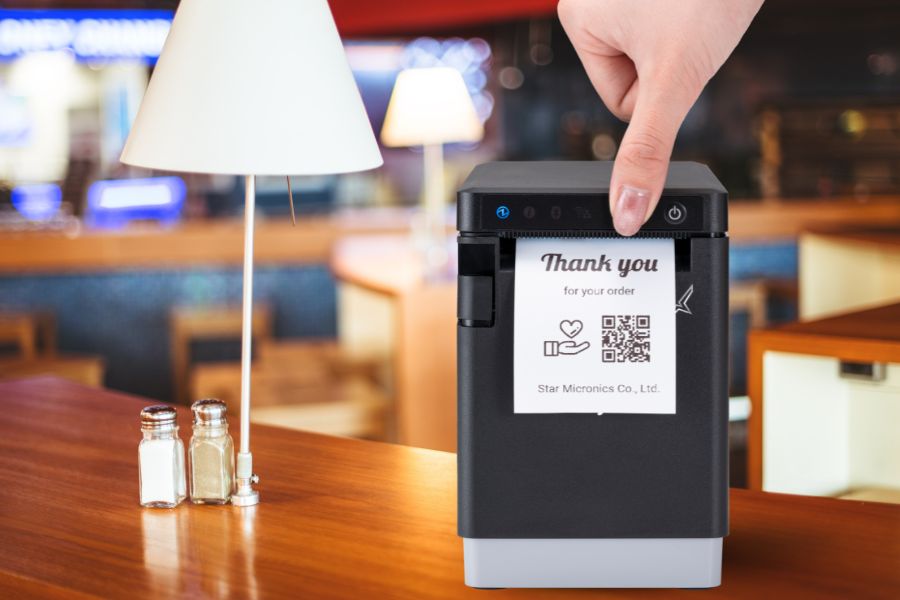
Because a range of airport food label printing is necessary to optimize food service safety, accuracy, and service, operators must choose an airport food label printer with these key features:
1. Versatile Media Compatibility
Airport food label printers should create all common label types. The ability for one model to print sustainable linerless, sticky linerless, die-cut, and continuous labels reduces the food service operation’s IT equipment footprint and SKU count.
2. Fast, Reliable Throughput
High-volume airport terminals can’t tolerate lag or downtime. Airport food label printers with fast printing speeds keep lines moving, even during rush periods.
3. Compact, Durable Hardware
Airport food label printers with space-saving designs allow staff to use them where there’s limited counter space. Compact printers benefit QSRs and lounges and can easily integrate with kiosks. Airports shouldn’t trade compact design for durability, however. Printers must meet size and configuration requirements in addition to delivering top performance during non-stop daily use.
4. Easy Connectivity
Airport networks vary, and staff may need printers in a variety of locations. Airport food label printers must support a range of connectivity options, including Ethernet, Wi-Fi, USB-C, and Bluetooth.
5. Centralized Management
Airports rely on consistent oversight across multiple vendors, kiosks, and foodservice stations. Airport food label printers should support centralized monitoring and management to ensure consistency and control.
How Star Micronics Supports Airport Food Labeling
Star Micronics provides a full suite of airport food labeling solutions designed for speed, safety, and operational consistency. Star printers support all common media types used in airport foodservice, including linerless, die-cut, and continuous labels. They also handle sticky linerless labels ideal for grab-and-go packaging, as well as labels for freshness rotation, allergens, nutrition, and traceability. Multiple connectivity options ensure printers can be deployed wherever airport teams need them.
Star also supports airport food labeling workflows with essential cloud and device management services:
- CloudPRNT Next enables direct-to-server, enterprise-level cloud printing for labeling workflows across airport operations.
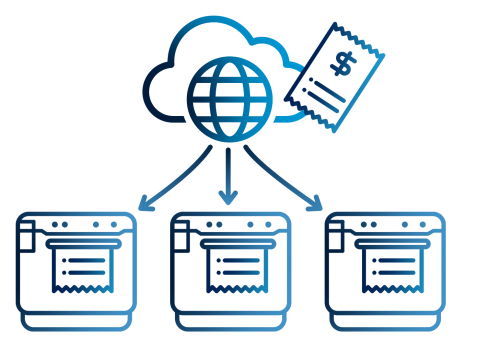
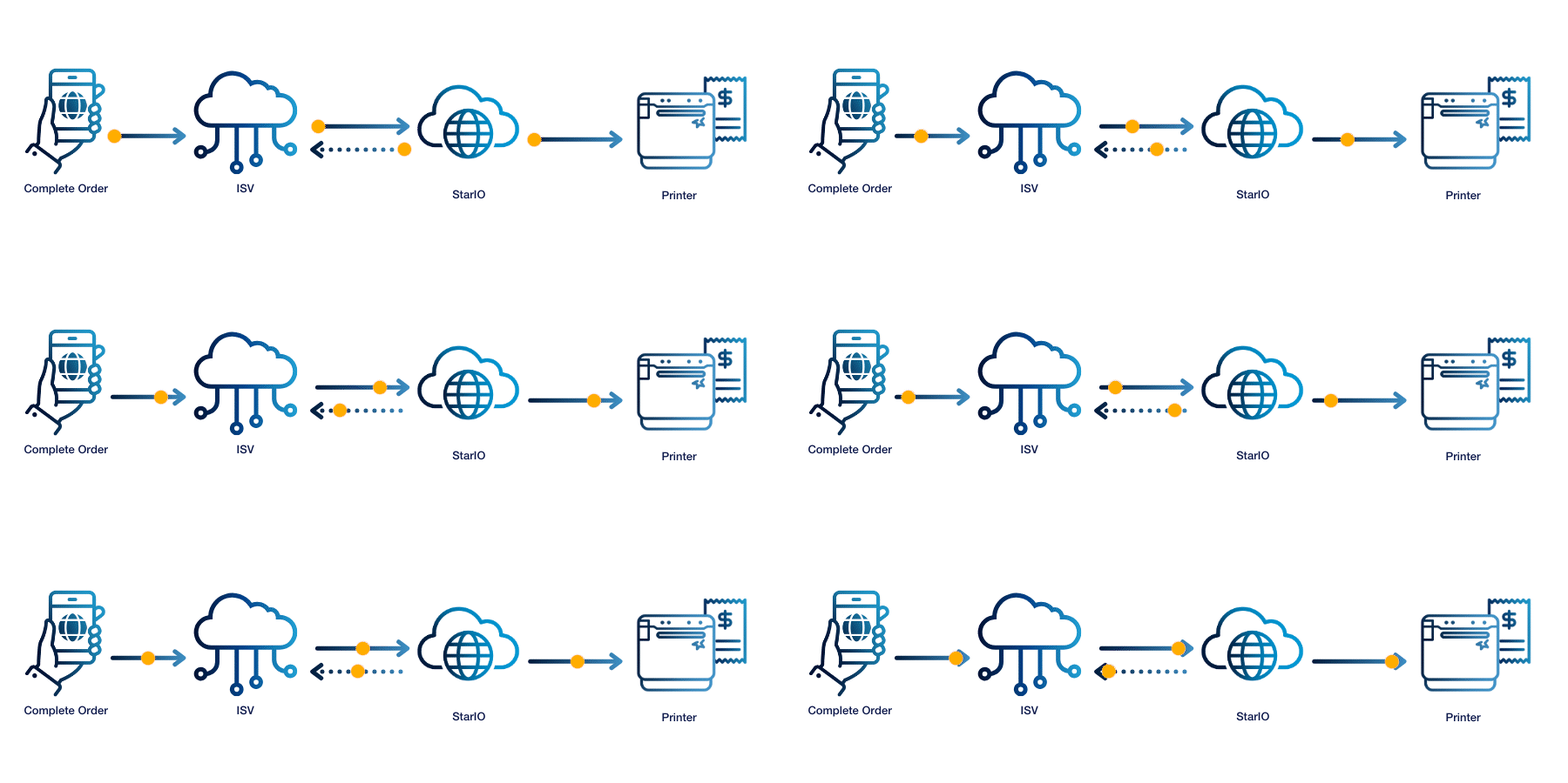
- StarIO.Online provides a fully managed cloud printing service for ISVs that want Star to host the printing infrastructure, eliminating the need for local servers or middleware.
- Star Micronics Cloud Services offers remote monitoring, device status visibility, and configuration tools, allowing IT teams to oversee printers across terminals without on-site intervention.
Together, these services give airports flexible ways to standardize printing, reduce maintenance, and support large-scale foodservice operations from a central point of control.
Recommended Airport Food Label Printers
| Printer Model | Connectivity | Label Support | Best For |
|---|---|---|---|
| mC-Label3 | Ethernet, Wi-Fi, Bluetooth, USB-C | Linerless, Die-Cut, Continuous | Multi-station labeling, high-volume terminals |
| mC-Label2 | Ethernet, Wi-Fi, Bluetooth, USB-C | Linerless, Die-Cut, Continuous | Compact prep stations, lounges, barcoding |
| TSP143IV SK X4 | Ethernet, Wi-Fi, USB-C, Bluetooth | Sticky Linerless Labels | Grab-and-go labeling, takeout, packaging |
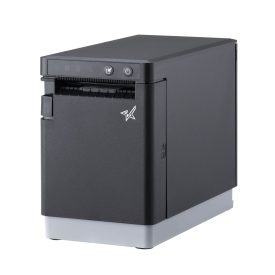
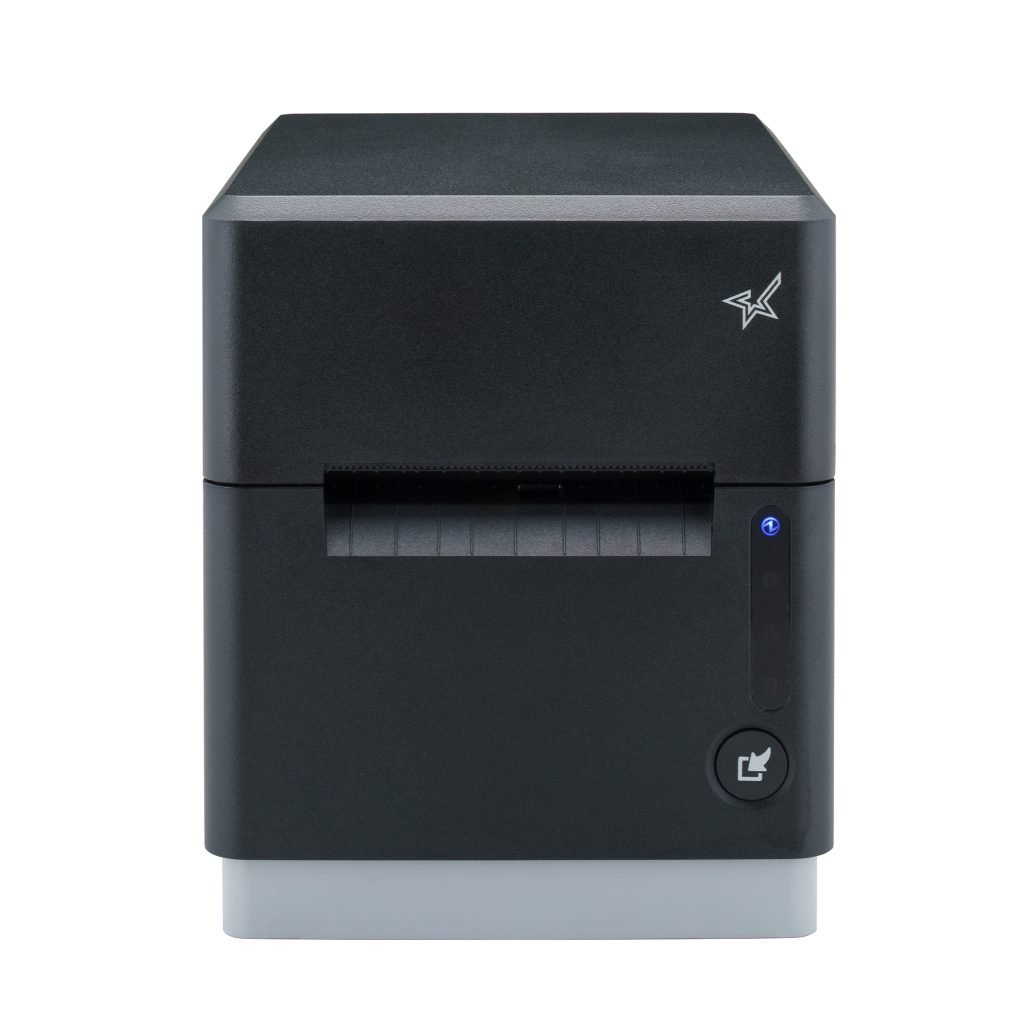
mC-Label2 Multifunction Printer
The mC-Label2 packs powerful features into a compact, front-loading design, including 300 dpi resolution, support for linerless, die-cut, receipt, and continuous media, and connectivity options like USB-C, LAN, WLAN, Bluetooth, and Apple MFi-certified pairing (X4 models only).
mC-Label3 Multifunction Printer
The Star Micronics mC-Label3 is a versatile multifunction printer that prints a wide range of labels and receipts, including both permanent and repositionable sticky linerless. It features cloud connectivity and innovative technologies like SteadyLAN and TetherLAN for enhanced printing convenience.
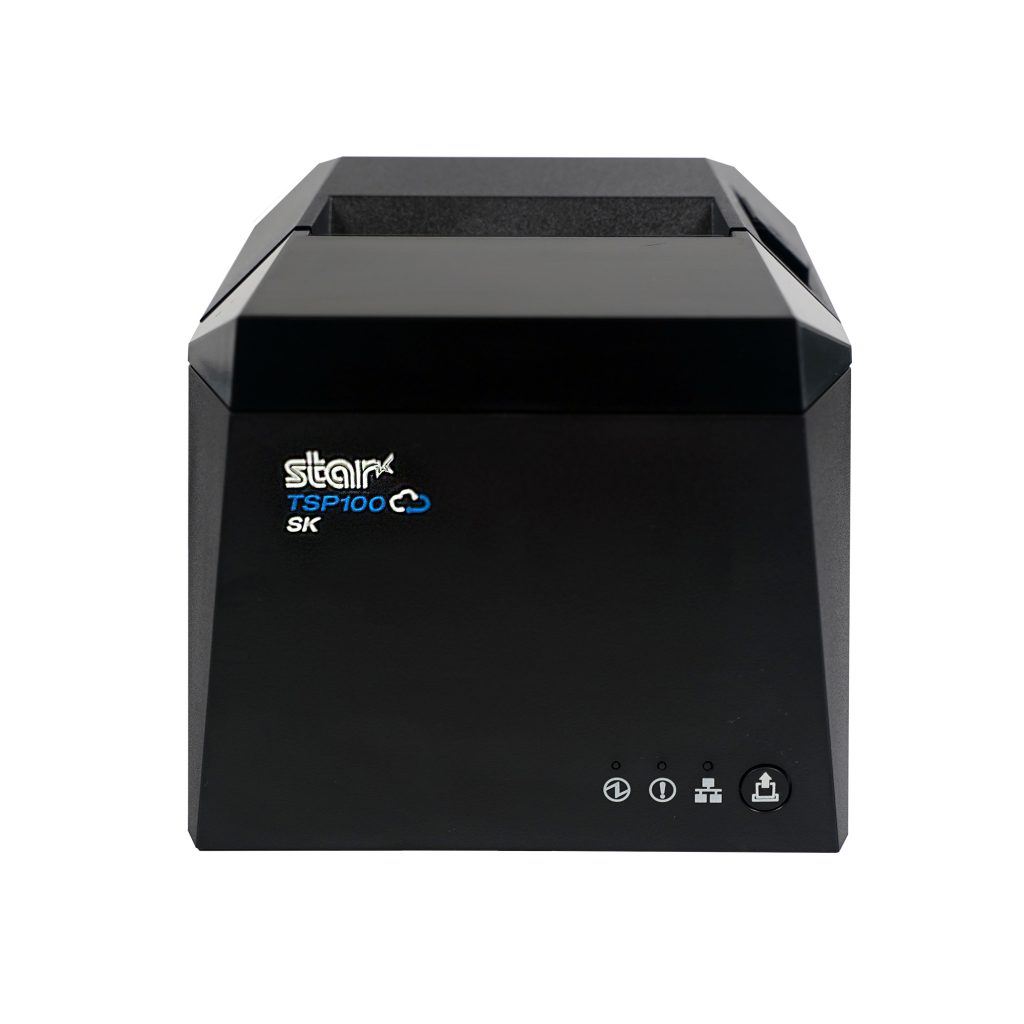
TSP143IV SK Sticky Label Printer
The TSP143IV SK by Star Micronics sets a new standard for compact, eco-friendly thermal linerless label printing, offering advanced connectivity options like Wi-Fi and AOA, and efficient, residue-free labels for diverse business needs.
Reliable Labeling Keeps Airport Operations Moving
As airport traffic and the demand for food service in airports grow, operations will see more demand for prepackaged and restaurant foods for hungry travelers. However, with this increased demand, airports will also need to find ways to stay organized, operate efficiently, serve accurate orders, and comply with food safety and transparency laws.
Operations need highly reliable, high-speed airport food label printing solutions for the full range of labeling needs, from sustainable linerless labels for QSR and lounge orders to sticky labels for nutrition information and branding. Airports also need printing services for centralized management across multiple terminals and cloud-based oversight for auditing and traceability.
Star Micronics’ printer line delivers the versatility and performance airports require. Star also offers services, including CloudPRNT Next and StarIO.Online, to streamline label printing management and even versatile label media like Star Blue Eco.
Why the Right Airport Food Label Printer Matters
Airport foodservice operations move fast, and consistent food label compliance is essential for keeping travelers safe and maintaining smooth workflows. The right airport food label printer supports freshness and rotation labeling, allergen visibility, grab-and-go packaging, and traceability across every terminal.
With versatile media support, reliable throughput, and centralized cloud management, modern label printers help airport operators reduce errors, meet regulatory requirements, and keep high-volume service running without interruption.
How VARs and ISVs Can Maximize ROI with Advanced Kiosk Printing Technology
This ebook reveals how ISVs and VARs can harness the transformative potential of kiosk printing technology to maximize ROI for both their clients and their own businesses.
Frequently Asked Questions (FAQ)
What is an airport food label printer?
An airport food label printer is any label printer capable of producing rotation, allergen, nutrition, grab-and-go, and traceability labels in fast-paced airport foodservice environments. It does not need to be a specialized device — it simply needs to meet airport requirements for speed, durability, and media flexibility.
Why do airports need specialized labeling workflows?
Airports operate at high volume with strict food safety, traceability, and allergen-compliance requirements. Consistent labeling helps maintain freshness, reduce waste, support transparency, and ensure operational accuracy across multiple vendors and terminals.
Can one label printer support multiple airport food label types?
Yes. Star printers like the mC-Label3 and mC-Label2 are designed to handle a wide range of media types — including linerless, die-cut, and continuous labels — giving operators the versatility to support different labeling needs across the airport. Each printer is loaded with the label type needed for its station, and operators can easily dedicate identical models to different tasks to simplify training, reduce SKUs, and maintain consistent workflows. Software integration determines which label formats and layouts can be produced.
Do airport food label printers need Wi-Fi to operate?
No. While Wi-Fi is common in airport environments, Star printers also support Ethernet, Bluetooth, and USB-C. This ensures reliable operation even in congested wireless environments.
Are linerless labels suitable for airport foodservice?
Yes. Linerless labels are widely used in airports because they reduce waste, offer flexible sizing, and work well for grab-and-go items, rotation labeling, and order accuracy. Sticky linerless labels are especially useful for sealing to-go packaging.
What is the best type of printer for grab-and-go airport items?
Sticky linerless-capable printers like the TSP143IV SK X4 and media-flexible models like the multifunction mC-Label3 are ideal for grab-and-go packaging, nutritional labels, and branding stickers due to their speed, adhesion options, and compact footprint.