Blog

  • 4 Reasons Why It’s a Great Time to Open a Retail Store

    4 Reasons Why It’s a Great Time to Open a Retail Store

    Nearly one year ago, no one was sure how the new COVID-19 pandemic would impact retail. Seemingly quickly, shops closed their physical doors and the country began to stay at home. Over the months to follow trends emerged and the market changed in ways that now make it an enticing time to start a business. There are four major reasons why it’s a great time to open a retail store.  Read on to discover how 2021 provides great opportunities to open a retail store, and create a strong business plan with strong technology you need both during the remainder of the pandemic, and for post-pandemic retail.

    1. Low-Interest Loans

    If you are considering opening a retail store and purchasing a commercial space, now might be the perfect time to do so. Why? One result of the pandemic is that real estate loan interest rates have dropped significantly. According to ValuePenguin.com,

    “Currently, the average interest rate on a commercial real estate loan is about 3% to 12%. The actual interest rate you secure on a loan depends on the type of loan you choose, your qualifications as a borrower, and the type of building or project you’re financing.”

    Additionally, according to investment management firm Colliers International Group Inc., in 2021 investors expect to see pricing discounts of over 20% on retail and hospitality real estate, presenting a valuable, cost-efficient opportunity to repurpose these vacant storefronts.

    Securing a commercial real estate loan comes with many benefits, including the ability to build equity and make the most of additional tax benefits. But what kind of loan is best for your needs? The various commercial loans available today offer different terms, rates, and uses. Click here to read more about different commercial loan options on the market.

    2. Affordable Leases

    Looking to lease, not buy, a retail space? It’s still a great time to open a store.

    Due to the pandemic, commercial landlords have been providing rent relief in many ways to its retail tenants. Some examples of this include granting concessions on lease payments, lengthening payment terms, extending or shortening leases, permanently lowering rents, and forgiving past-due payments, according to The Wall Street Journal.

    Another alternative some commercial landlords have been offering a turnover rent model to its tenants. According to Retail Gazette,

    “Turnover rent is calculated by reference to the income and other receivables generated at the leased property – usually it’s an agreed percentage of turnover. Because turnover-based rents are closely aligned to individual stores’ performance, it arguably creates a symbiotic relationship between landlord and retail tenant. During a successful sales period, both parties benefit, but less favorable times can create an incentive to seek improvements.”

    It’s important to commercial landlords to agree to providing rent relief so that they can avoid their occupancy rates from decreasing during the pandemic. While making concessions is not ideal to landlords, it is better than their tenants leaving all together. Because of that, it can be an affordable time to open a store, whether you are expanding an existing retail franchise or starting a new brick-and-mortar business.

    3. Business-Boosting Omnichannel Technology

    So, you may be wondering how to open a retail store and survive in the current market. One essential way to boost your business is to leverage omnichannel retailing, or the seamless merging of physical and digital storefronts.

    Incorporating e-commerce into your business plan was important before COVID-19 rattled the world, but due to lockdown requirements and the hesitancy some currently have to shop in physical stores, it’s simply a must in the current retail landscape. By embracing both brick-and-mortar and e-commerce, you can increase your store’s visibility. Some other benefits of omnichannel retail include:

    • Improving sales
    • Higher margins
    • Building brands
    • Better data collection
    • Increased staff productivity

    Taking advantage of all that omnichannel retail has to offer requires the right technology. First, you must be sure that you use POS software that facilitates both in-person and online shoppers. Some features to look for in a POS software include a white-labeled online shopping platform, curbside pickup and buy-online-pickup-in-store (BOPIS) functionality, multi-store inventory management, detailed reporting, and marketing capabilities.
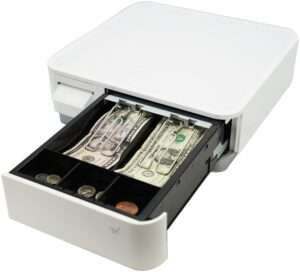
    Star Micronics mPOP Flat Bill
    The Star Micronics all-in-one mPOP™ is built for modern retail.

    Equally important is choosing POS hardware that works with your chosen modern POS software. It’s a good idea to confirm that all of your POS hardware – including your receipt and label printers, cash drawers, and more – are compatible with your software. An easy way to ensure that is to choose a POS hardware manufacturer that is a one-stop shop that can provide a full retail POS hardware solution and is integrated with the industry’s top retail POS applications. Another must-have is online order printing capabilities.

    While e-commerce is important, the aesthetics of your brick-and-mortar location is still crucial. Choose POS hardware that is sleek and compact, like the Star Micronics all-in-one mPOP™ that combines a printer, cash drawer, scanner, and tablet stand. It’s also essential to protect both your staff and customers, so don’t forget to install sneeze guards and antimicrobial film on commonly touched surfaces.

    Case Study

    Dry cleaner leverages Sudzy POS software and Star Micronics printers for a spotless, cloud-based operation.

    4. Brick-and Mortar is Here to Stay

    Yes, really. The pandemic has shown people do indeed value going out and visiting brick-and-mortar retail locations. According to The New York Times, consumers still like to shop in person, even if that only entails picking up their orders curbside. Furthermore,

    “The popularity of curbside pickup reveals that the future of retail is not just more packages piling up on people’s doorsteps. Beyond satisfying the need for contactless shopping in the pandemic, it taps into Americans’ desire to drive to a store, a pull that can be just as strong as, or even stronger than, the convenience of home delivery.

    ‘Americans are used to their cars and actually do like stores, so this is kind of a hybrid where you’re getting the best of both worlds,’ said Oliver Chen, a retail analyst at Cowen.”

    For those shoppers that do enter the store to browse or pick up their BOPIS orders, it’s important to keep your store safe by social distancing, wearing masks, and using equipment like sneeze guards and antimicrobial film covers, and embrace omnichannel retail technologies.

    While the retail landscape certainly looks different now, it’s still a great time to open a store and with the right technology, you have a great chance for success.

    Is it time for you to open a retail store?

    Discover Star Micronics’ full POS solution for retailers like you.

  • Star Software Update: SteadyLAN® SDKs on GitHub

    Star Software Update: SteadyLAN® SDKs on GitHub

    Welcome to the Star Software Update, the regular series of blog updates where Star’s Integration Team informs you about the latest important Star Micronics software updates.

    What’s New:

    Star Micronics has added multiple SDKs to GitHub, which are now available for download and use. Each SDK is meant for changing the SteadyLAN® setting on the mC-Printer.

    SteadyLAN is a patent-pending technology available on certain mC-Print Series printers. It provides wired Ethernet service to iOS, Android, and Windows devices connected to a networked printer via the Lightning or USB-C® cable.

    Release Date:

    The SDKs were officially added to GitHub by the Star Micronics integration team on December 20 and 21, 2020.

    What is Included in the Update?

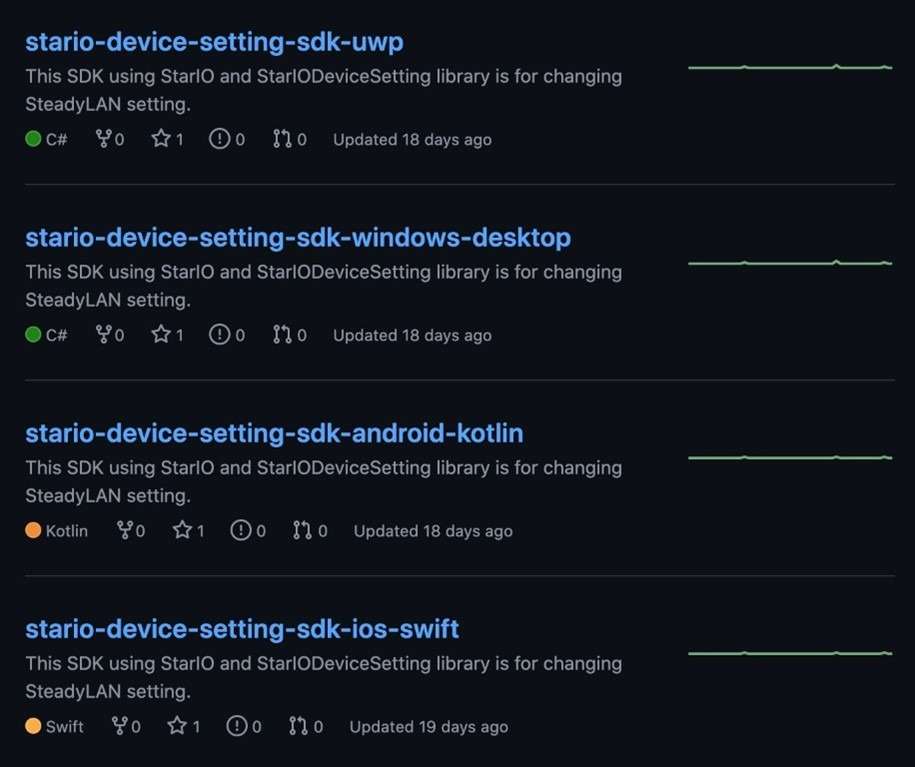
    Four SDKs were added to GitHub, including:

    • “StarIO-Device-Setting-SDK-UWP” in C#
    • “StarIO-Device-Setting-SDK-Windows-Desktop” in C#
    • “StarIO-Device-Setting-SDK-Android-Kotlin” in Kotlin
    • “StarIO-Device-Setting-SDK-iOS-Swift” in Swift

    GitHub-SDK-Screenshot

    Next Steps

    Visit Star Micronics on GitHub to get started with these new SDKs, as well as several other Star SDKs for our printers and cash drawers.

    Learn More About SteadyLAN

    Say goodbye to unstable Wi-Fi signals with SteadyLAN! Available on the Star Micronics mC-Print 2 and mC-Print3, SteadyLAN™ provides:

    • Direct data transfer between iOS, Android, and Windows devices and the printer via Apple Lightning or USB-C® cable
    • Direct Ethernet connectivity to devices from the wired Ethernet port of the printer
    • Device charging via Apple Lightning cable or USB-C® cable
    • Peripheral control (scanner, display) via printer USB host ports

    Learn more in the below video:

    Questions or Concerns?

  • Star’s Top 5 Point of Sale Blogs from 2020

    Star’s Top 5 Point of Sale Blogs from 2020

    2020 was a year like no other. No one could have predicted the impact this unprecedented COVID-19 pandemic has had on the world. First and foremost, Star would like to extend our sympathy to anyone affected by the coronavirus and we extend our heartfelt wishes for a full recovery.

    Retail and restaurant businesses everywhere had to pivot suddenly in early 2020 and our blogs reflect that deep need across the industries. Read on to explore our top 5 point of sale blogs from last year, many of which you will find continue to remain relevant as we approach the “new normal” way of living.

    Top 5 Point of Sale Blogs

    1. Retail During COVID-19: How to Safely Succeed

    Retail During COVID-19 Clothing Rack

    We are all very aware of the impact COVID-19 (coronavirus) is having globally and on countless business and personal levels. With many retailers forced to close (physical) shop, what’s the best plan of action to succeed while maintaining public safety?

    In this blog post, we discuss how the COVID-19 situation is multi-phase, and which steps retailers can take during each stage to ensure business survival – while keeping everyone involved safe and healthy.

    2. 3 Advantages of Online Food Ordering for Customers

    Man-Eating-Burger-Featured-Image-1080x523

    Online ordering has been around in the restaurant industry for quite some time – in fact, the first online food ordered was placed in 1994! However, in recent years and especially during the COVID-19 pandemic, online ordering has gone from a desirable convenience to an absolute must for restaurant survival. In addition to helping businesses stay afloat, online ordering offers many advantages to customers. In this blog post, we dive into three advantages of online food ordering for customers today and beyond.

    3. 4 Survival Tips for Restaurants During COVID-19

    Empty Restaurants During COVID-19

    You are already aware of the impact that coronavirus (COVID-19) is making on restaurants across the world. Unfortunately, this crisis has put a halt on a majority of dine-in service, leaving restaurants dependent on alternative service options like delivery, takeout, and curbside pickup. While this is a difficult time, there are several ways for restaurants to keep business flowing. Read on to discover four survival tips for restaurants during COVID-19 – and after.

    4. How Your Restaurant Can Implement Curbside Pickup During the COVID-19 Crisis

    Drive-Thru-Curbside-Featured-Image-1080x523

    People everywhere still love to continue to order from their favorite restaurants if they are provided witha safe opportunity to do so. To meet this need, restaurateurs can introduce methods of takeout with minimal human interaction for their customers, such as curbside pickup.

    The first step is to choose an online ordering provider that provides a website and mobile-responsive app which allows restaurants to quickly roll out curbside pickup services. Sounds nifty doesn’t it? By offering curbside pickup, businesses offer many benefits to you their customers. Read this blog post to discover three main reasons customers will love curbside pickup.

    5. CloudPRNT: The Best Google Cloud Print Replacement

    Cloud-Featured-Image-1080x523

    Are you (or were you) a Google Cloud Print user? If so, you are probably aware that as of January 1, 2021, Google Cloud Print is no longer supported. Migrating to a new service sounds daunting but it doesn’t have to be. Read our blog post to learn more about Google Cloud Print, its depreciation, and why Star Micronics’ CloudPRNT technology is an ideal Google Cloud Print replacement.

    WHAT ELSE WAS NEW WITH STAR IN 2020?

    So, besides point of sale blogs, what happened with Star in 2020? You will find our newest solutions, all released last year, below:

    SteadyLAN-R-1080x527

    SteadyLAN® is a patent-pending technology available on certain mC-Print Series printers. It provides wired Ethernet service to iOS, Android, and Windows devices connected to a networked printer via the Lightning or USB-C® cable.

    POSShieldposshield-portable-plexiglass-sneeze-guard-retail-pos-300x300

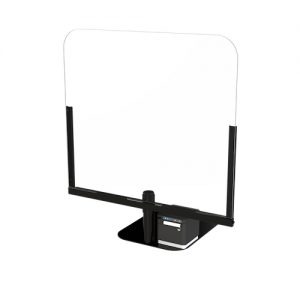
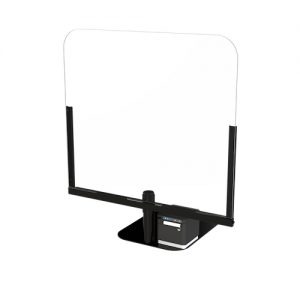
    The POSShield, which acts as a sneeze guard and limits the spread of germs, is placed in between the cashier and the customer, and is comprised of a durable steel frame and a protective plexiglass partition.

    Choice Series Cash Drawers

    CD4-1616-300x200

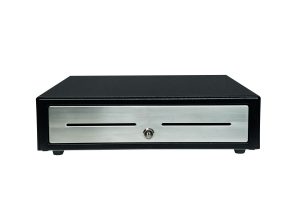
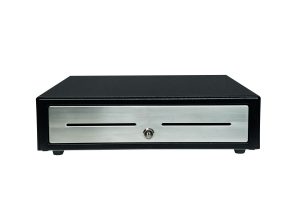
    Choice Series cash drawers include features businesses already know and love, but with added features such as extra strength to support touch tablets and POS terminals, a secure dual-drawer cable to enable the Choice Series to work as either cash drawer 1 or cash drawer 2, a foldable hinged key which minimizes the possibility of breaking off in the lock, and over 10 different lock set options for added security.

    TSP654IISK Liner-Free Label Printer with Taken Sensor

    TSP654IISK-300x200

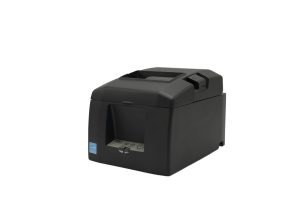
    The TSP654IISK liner-free label printer is designed to work with liner-free labeling applications. Repositionable thermal labels can stick to virtually any surface, and can be removed easily and reapplied leaving behind no residue. The liner-free labels are an alternative to using silicone-lined labels or tape. New to theTSP654IISK is the addition of the Taken Sensor, which enables the printer to hold print jobs until the first print job is taken.

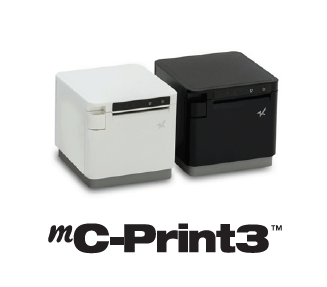
    mC-Print3 with USB-C Interface and Power Delivery

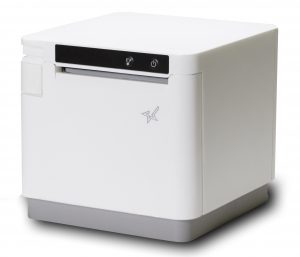
    mC-Print3-White-300x257

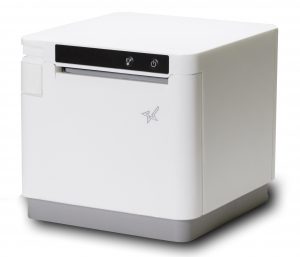
    The mC-Print3 is the mCollection’s 3-inch POS printer. Star’s compact mC-Print3 is 40% smaller than the TSP654II. The mC-Print3 provides an IPX2-rated splash-proof design, as well as front-loading paper loading with exceptional functionality. This 3-inch thermal printer offers multiple connectivity options including USB, Lightning, Bluetooth, LAN, and CloudPRNT/WebPRNT. The five connections are all a part of the mC-Print3 model, making the printer adaptable to any future POS system changes. Additionally, the multiple connectivity options allow for the easy integration of common software.

    mPOP Flat Bill™

    mPOP-Flat-Bill-300x145

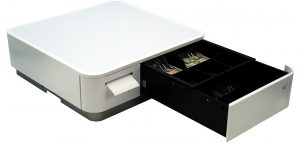
    The new mPOP with Flat Bill cash management stacks the till, providing a total of 4 slots for bills, and 4 or 6 adjustable spaces for coins. The individual tills will offer 2Bill-2Coin slots, with the top till easily sliding back to expose the bottom till section. This allows for US retailers to store and manage their cash in a more natural way and keep their cash payment organized, compared to the previous vertical-slot version of the mPOP.

    Tamper-Proof Labels

    Tamper-Proof-Labels-PR-Featured-Image-300x145

    Star’s tamper-proof labeling solution is designed to securely seal delivery, catering, and to-go food and beverage orders. Available in three sizes, the labels are a part of Star Micronics’ full restaurant solution which includes online ordering printers, durable cash drawers, kitchen printers, and more.

    Extended Platter for mG-S8200 Scale

    SEP-drawing-300x187

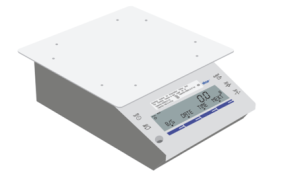
    The new Extended Platter for the mG-S8200 is a simple addition that will allow Star to provide a wider range of support to those who are currently using the mG-S8200 and need additional platter space. The lightweight platter measures 8.5” x 9” (WxL), with a stainless-steel finish. It is easy to install or reposition, as it simply gets placed on top of the original platter, with pegs to keep the extended platter in place. Fit for the mG-S8200, the extended platter will allow retailers such as yogurt shops, produce stands, or candy shops to measure more items at one time, helping to make the entire transaction a quicker and smoother process.

    Star-Empower-Program-Featured-Image-1080x523

    Star Micronics values our partnerships and understands that we are only successful when our partners are successful. The Star Empower Partner Program offers our partners the best pricing and support available. It is built to support our loyal partners and help them to grow their business with Star. If our partners win, we also win. The Star Empower Partner Program offers the following benefits:

    • All registered partners receive product discounts
    • Sales and marketing support and resources
    • Development resources from Star’s dedicated Integration team
    • Deal Registration
    • Star Micronics Partner Portal access with custom dashboard
    • And much more!

    Want to stay up to date on all things Star and point of sale?

    In addition to tuning in to our point of sale blogs, check out our main website, too.

  • Bagels n’ Cream Partners with KitchenHub and Star to Offer Streamlined Online Ordering and Delivery

    Bagels n’ Cream Partners with KitchenHub and Star to Offer Streamlined Online Ordering and Delivery

    Bagels n’ Cream bagel and deli shop has been located in Robbinsville, New Jersey for over 21 years. They specialize in serving breakfast and lunch, as well as hot grill specialties. From breakfast sandwich specialties, to reubens, omelets, gyros, burgers, and custom orders – Bagels n’ Cream is a top-rated deli restaurant in the area.

    The Situation

    Bagels n’ Cream started using four tablets in their restaurant with no printers. Each tablet received incoming orders that were then handwritten to a checkbook, causing major time loss in preparing orders and calculating costs. The restaurant required additional personnel just to run and follow up on the orders coming in. As business increased, so did the operating costs. Bagels n’ Cream would have to occasionally put a stop to receiving new orders as customers lined up and preparation fell behind.

    Due to the COVID-19 pandemic, business dropped 70%, forcing them to nearly close shop.

    The Solution

    mC-Print3-White-300x257

    Restaurant management knew they needed a solution to handle pre-pandemic high customer demand, as well as to simply survive once the pandemic hit. That’s where KitchenHub and Star Micronics came in. After installing the KitchenHub solution and connecting more delivery providers, Bagels n’ Cream saw a 30% increase in business compared to their standard orders (pre-pandemic). KitchenHub, paired with Star’s mC-Print3 printer, provided the restaurant with an organized way to manage orders. The solution let kitchen staff know how much prep time was needed for each order prior to driver pickup.

    With that, Bagels n’ Cream was ready to accept and manage online orders from Uber Eats, DoorDash, and GrubHub all in one place with the KitchenHub solution. With Star’s CloudPRNT, the restaurant no longer had to handwrite orders. Instead, orders are automatically routed to and printed in the kitchen.

    Bagels n’ Cream saw so much success that they received a top award from Uber Eats for best service, best preparation and timely orders, and best food quality with no complaints or order returns.

    The Results

    Bagels n’ Cream implemented the KitchenHub online ordering solution with Star printers in February 2020. Prior to the installation, the average number of orders received per day was 15.54. In April 2020, the daily average orders increased to 37 per day. Since then, orders have increased up to 230%.

    “KitchenHub may have saved our restaurant,” says Vedat Saygili, Owner of Bagels n’ Cream. “Prior to COVID-19, we struggled to manage the high volume of orders coming in – not allowing us to reach our earning potential. Once COVID-19 hit, it became a ‘must-have’ to implement a better online ordering system. KitchenHub and Star provided us with just that.”

    Download the full success story to learn more about how Bagels n’ Cream leveraged Star Micronics online ordering technology.

  • Why It’s Time to Invest in Dispensary POS

    Why It’s Time to Invest in Dispensary POS

    As more states legalize cannabis use, it’s time for dispensaries to invest in the right dispensary point of sale (POS) technology. New Jersey, Arizona, Montana, South Dakota, Vermont, Oklahoma, and Maine have opened their doors to legal cannabis use, and thus have created a huge opportunity for business owners. In fact, the cannabis industry market value is expected to reach $30 billion by 2025.

    Something that every cannabis business owner needs is dispensary POS technology solutions. Whether you operate a brick-and-mortar location or a delivery service – or both – dispensary POS is a must-have business essential. Read on to take a deep dive into several reasons why it’s time to invest in dispensary POS.

    More States Legalizing Adult Use

    Recently, each year has brought the news of more states legalizing cannabis usage or loosening their laws surrounding its usage. There may be no better time for those changes to occur than now. As the world slowly recovers from the COVID-19 pandemic, states are urgently looking for ways to bolster their economies and cannabis can certainly fit that bill. The pandemic has undoubtedly had a huge economic impact across the country and globe, and cannabis tax revenue could be used to assist in economic recovery.

    As mentioned above, New Jersey, Arizona, Montana, South Dakota, Vermont, Oklahoma, and Maine have officially legalized cannabis usage, and more changes are coming. In 2021, Marijuana Business Daily predicts that Texas’s CBD-centric medical program may see reform, and several states could legalize adult-use marijuana markets including New York, Virginia, Connecticut, New Mexico, and Maryland. In the case of New York, the state is projecting a go live date of April 2021, and Governor Andrew Cuomo has requested legislature to include a measure in the 2021 fiscal year budget to enact cannabis state law.

    How Resellers Can Cash in on Cannabis Point of Sale

    The cannabis industry has become one of the fastest growing markets. Here’s how resellers can take advantage.

    Major Merger in Canada, Micro-Growers Gaining a Foothold

    Sometimes too much of something is indeed not a good thing. Take cannabis in Canada, for example. Some of Canada’s largest licensed producers are grappling with oversupply. According to Cannabis Business Times, last year Health Canada, the federal agency that oversees Canadian cannabis producers, reported producers had an excess of 600,000 kilograms (1,322,773 pounds) of unpackaged dried cannabis and 46,413 kilograms (102,323 pounds) of unpackaged flower – not counting what is held in stock by distributors and retailers.

    This oversupply makes it unsustainable for all of the large producers to operate at one time with how the market is evolving and has caused a large merger to occur. According to Marijuana Business Daily, in December 2020 Canadian cannabis giants Aphria and Tilray announced plans to merge. This merger would create a very large international marijuana firm with a combined equity of nearly $3.9 million USD.

    This mass scale of cannabis production doesn’t mean smaller producers are out of luck. Because of this large-scale merging, Canada’s small-scale micro-growers are finding a foothold in the market, thus creating a craft cannabis market. It’s likely that many consumers are interested in cannabis not produced on a mass scale and are willing to locate and open their wallets to smaller, craft producers.

    USDA Re-Evaluating Hemp

    Another reason why it’s time to invest in dispensary POS is because it is anticipated that new leadership at the U.S. Department of Agriculture (USDA) will result in the agency taking a second look at rules for nationwide hemp regulatory framework. What exactly does this mean? One example is that the USDA could give the hemp industry a win with remediation of hot hemp – “hot hemp” has more than the 0.3% limit of THC and must be disposed of by a federal agent under current rules. There is potential for a rule change so that hot hemp could be remediated with certain equipment, reducing THC levels – this shift would eliminate the need to destroy it, saving the industry millions of dollars and leaving space in producers’ budgets to invest in dispensary POS technology.

    Star Restaurant POS Solutions

    From online ordering printers to kitchen buzzers, Star is proud to offer POS solutions for restaurants, QSRs, food stands, and more.

    Cannabis Delivery

    Delivery has become a staple of modern living: takeout, groceries, household goods, pet food, and more are delivered … and now, cannabis is no different. Many cannabis retailers who weren’t previously delivering, now are. One reason for this is that during the COVID-19 pandemic many cannabis retailers were deemed “essential businesses” and thus needed to pivot and meet their customers’ demands in a safe, socially distanced way. Delivery, as well as drive-thru and curbside pickup options, will surely stick around well beyond the pandemic. After COVID-19 fades, consumer behavior will remain entrenched in what provided them the most convenience during the pandemic which means consumers will still expect pickup and delivery options when it comes to getting their cannabis orders filled. To be prepared, cannabis business owners must be sure they have the dispensary POS technology to facilitate all of these delivery methods.

    A Continuous Need: Dispensary POS

    Recent and ongoing changes to legislature and market mergers – as well as the continued growth of online ordering, delivery, drive-thru, and curbside pickup services – are creating a lasting need for all kinds of cannabis industry technology, including dispensary POS solutions. Indeed, there has never been a better time to invest in dispensary POS.

    Interested in learning more about Star’s latest dispensary POS technology solutions?

  • Visit Star’s Virtual Booth at NRF 2021: Retail’s Big Show – Chapter 1

    Visit Star’s Virtual Booth at NRF 2021: Retail’s Big Show – Chapter 1

    Needless to say, NRF (Retail’s Big Show) looks a lot different this year than it did last year. However, just like previous years, this January’s show (NRF 2021: Retail’s Big Show – Chapter 1) is sure to be the most informative show in the retail industry. In fact, with the current landscape of retail, this may be the show’s most important year yet. The unprecedented coronavirus pandemic has catapulted online ordering, social distancing, and more to the top of retailers’ priority lists, and the show is sure to deliver the best and latest solutions for retail businesses during the ongoing pandemic – and well beyond.

    About the Show

    Per the show’s website,

    “This January, plugging in starts with logging in.

    This has been an unprecedented year, with the retail industry showing tremendous resilience, agility and leadership in the face of a global pandemic. It’s with that spirit that the National Retail Federation is proud to announce Retail’s Big Show will continue as a virtual event in January 2021.

    NRF 2021: Retail’s Big Show – Chapter One is meant to address the immediate needs facing retailers today. It’s a jumping-off point that will lead the retail industry forward until we can meet in person at NRF 2021 – Chapter 2, taking place June 2021 in New York City.

    NRF 2021 – Chapter 1 is an online version of Retail’s Big Show that includes all new curated sessions, networking programs and a virtual Expo where you can easily connect with the industry’s brightest solution providers.”

    Reminisce about Star’s NRF 2020 booth


    What to Expect from Star at NRF 2021 – Chapter 1

    The Star team is excited to see you at NRF 2021 – Chapter 1 and show you our latest offerings for COVID-19, online ordering, retail, and more. Keep reading to explore our featured products and click here to access our custom virtual booth link that will be live to registered attendees during the show.

    mC-Print3

    The mC-Print3 receipt printer with multiple interface options and HUB connectivity to power up to three peripheral devices.

    • Sleek, compact, connected
    • Unique Print Flat technology feature
    • Easy to integrate through common SDK
    • Bluetooth, USB, Lightning, LAN, CloudPRNT, USB-C
    • IPX2 splash-proof design
    SteadyLAN® technology (mCP31L, mCP31LB, MCP31C, MCP31CB)
    • Peripheral device connectivity – cash drawer, customer display, 1D scanners, HID class devices (keyboard mode)
    • Fast charge and communication via USC-C® power delivery port (MCP31C/CB)

    Learn More

    POSShield

    The POSShield, which acts as a sneeze guard and limits the spread of germs, is placed in between the cashier and the customer, and is comprised of a durable steel frame and a protective plexiglass partition.

    • Limits the spread of germs
    • 30” wide and 33” tall
    • No countertop mounting or drilling required
    • Adjustable mounting pole
    • Compatible with any existing POS or mPOS terminal
    • Lightweight and portable

    Learn More

    TSP654IISK

    The TSP654IISK liner-free label printer is designed to work with liner-free labeling applications. Repositionable thermal labels can stick to virtually any surface, and can be removed easily and reapplied leaving behind no residue.

    • Repositionable, liner-free thermal label solution
    • Improves order accuracy up to 99%
    • Liner-free yields 60% more labels/roll than diecut
    • 80mm and 58mm paper support
    • High reliability and performance at a low cost
    • Optional vertical stand

    Learn More

    Choice Series Cash Drawers

    Choice Series cash drawers include features businesses already know and love, but with added features such as extra strength to support touch tablets and POS terminals, a secure dual-drawer cable to enable the Choice Series to work as either cash drawer 1 or cash drawer 2, a foldable hinged key which minimizes the possibility of breaking off in the lock, and over 10 different lock set options for added security.

    • Industry standard, extra durability
    • Feature-packed for any POS system
    • Available in two sizes: 14” x 16” and 16” x 16”

    Learn More

  • UBMe Partners with Star Micronics to Launch New System That Increases Accuracy, Efficiency and Safety

    UBMe Partners with Star Micronics to Launch New System That Increases Accuracy, Efficiency and Safety

    UBMe and Star Micronics’ new system provides automatic printing of online orders in restaurant kitchens

    Bethlehem, PA – January 5, 2021 – With their new partners, Star Micronics, the founders of UBMe have launched a new technology service centered around the automatic printing of online orders. This technology is geared towards the restaurant industry and will provide a significant amount of efficiency and ease on the restaurant end. Once a customer places an online food order, the order is automatically printed on the Star Micronics printer in the restaurant kitchen, ensuring that no orders are delayed or skipped.

    One of the largest technical problems in the restaurant industry is that once online orders are placed by a customer, a restaurant staff member needs to manually send the order to the kitchens. This process allows for a lot of delays due to unintentional skipping of orders. These errors add up and contribute to a negative customer experience. With COVID-19 regulations becoming stricter, it is imperative for restaurants to keep customers not only satisfied, but returning frequently.

    This is where UBMe and Star Micronics’ new technology will be instrumental within the restaurant industry. UBMe provides automatic printing of online orders to Star Micronics’ mC-Print3 Thermal Printer, which is set up in the restaurant’s kitchen. This partnership alleviates the need for a staff member to send the order to the kitchen, so delays from that are eliminated.

    When restaurant owners sign up for their 30-Day Free Trial with UBMe, they receive a custom landing page where customers can place direct online orders. From there, the order is automatically printed in the kitchen and ready to be prepped. Following that, the customer can park outside and check-in with the UBMe app to let a restaurant staff member know they have arrived. With safety being a top priority right now, through the UBMe app, the restaurant staff member can make the customer aware of any policies they have in place regarding the pick-up. This makes the process completely contact-free.

    “We already have restaurants that are excited and ready to have access to this technology. Eliminating errors and increasing efficiency is a big appeal to restaurant owners, and we are really excited to deliver,” said co-founder David Bougard.

    The purpose of automatic order printing is to provide benefits to both the restaurant and the customer. The customer no longer has the inconvenience of delays from their orders not being received, thus giving them a positive online ordering experience. Restaurants right now are relying heavily on online orders, so having happy, satisfied returning customers is their main priority.

    “Automatic printing of ordering will be a major technological advancement in the restaurant industry, and this partnership and launch is very exciting for us. We look forward to seeing the impact it has on local businesses and the positive responses,” said CEO and co-founder Val Arzunian.

    UBMe is also welcoming business owners onto their platform by offering a 30-Day free trial to new customers. To learn more about UBMe and claim a free trial, visit www.ubme.com/restaurants

    About UBMe

    UBMe is a start-up technology company based in Bethlehem, PA. Operating in the hyperlocal business-to-consumer industry category, UBMe’s proprietary mobile application helps businesses in dense market areas provide targeted and real-time interaction directly and immediately to local residents.

  • Why Contactless Solutions will Be Indispensable for Retailers in 2021

    Why Contactless Solutions will Be Indispensable for Retailers in 2021

    If you could summarize the hottest retail technology trends from 2020, contactless solutions would undoubtedly make the list. Between the fact that retail technology is constantly advancing, and the COVID-19 pandemic that rocked the world earlier this year, contactless solutions will simply be indispensable for retailers in 2021. Read on to learn more about what exactly contactless solutions are, the importance of going contactless, and how to get started with contactless solutions so that you can not only keep up, but stand out, from your competition in the new year and beyond.

    What are Contactless Solutions?

    Simply put, contactless solutions are retail solutions that don’t require shoppers to come in contact with other people or any public surfaces, where viruses and germs can lurk. Two popular contactless solutions – especially in the new normal – are contactless payments and contactless fulfillment.

    Contactless Payments

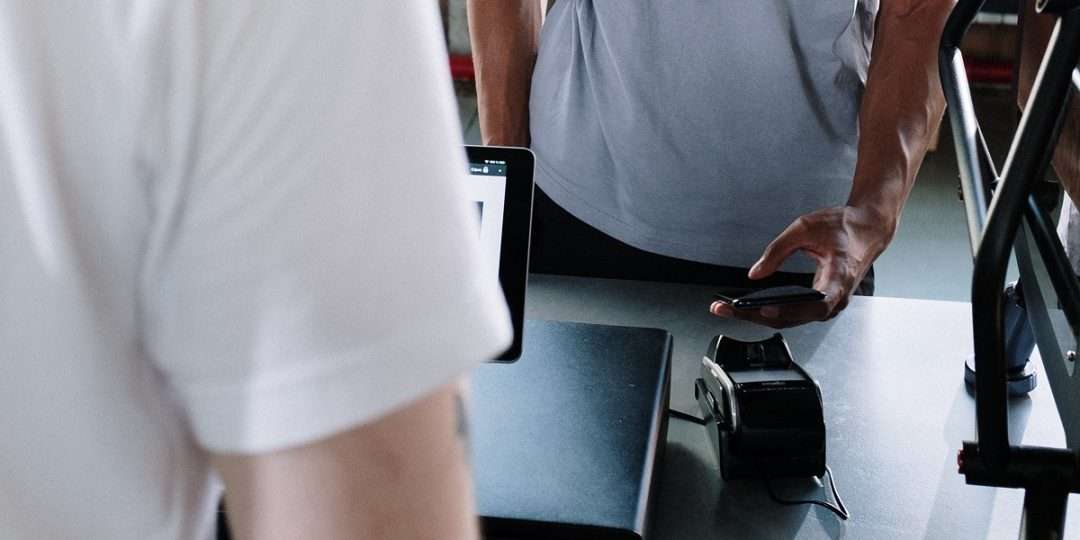
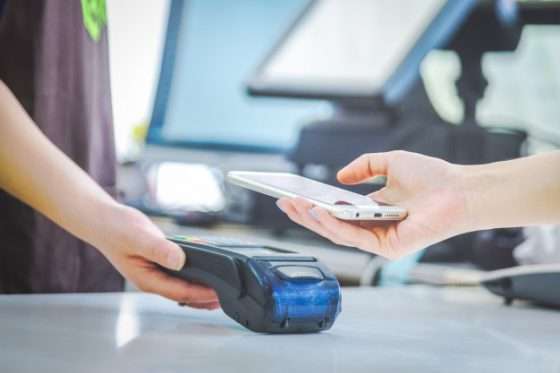
    Contactless payments, which as a retailer you have surely seen, are payments that are made through EMV cards or smart devices like smartphones and smartwatches.

    According to Investopedia,

    Contactless payment is a secure method for consumers to purchase products or services using a debit, credit, or smartcard—also known as a chip card—by using RFID technology or near-field communication (NFC).

    To make a contactless payment, tap your card near a point-of-sale terminal that is equipped with the contactless payment technology. Since contactless payments do not require a signature or a personal identification number (PIN), transaction sizes on cards are limited. The allowable amount for a contactless transaction varies by country and by the bank.

    Contactless payment is also referred to as tap-and-go by some banks and retailers. Examples of non-credit or debit card contactless payments include transit cards, Apple Pay, Android Pay, and Google Wallet.

    When it comes time for customers to pay, they simply hold their card, smartphone, or smartwatch one to two inches from the contactless symbol on the payment terminal. When the payment has been accepted, the terminal will alert the customer with a beep, green light, or checkmark.

    Contactless Fulfillment

    Another common contactless solution is contactless fulfillment. For shoppers that would rather not shop in a brick-and-mortar location, contactless fulfillment solutions include curbside pickup and several online ordering options like traditional delivery and BOPIS (buy online, pick up in store). These solutions allow customers to safely receive their orders when and where they want, something that became highly demanded during COVID-19 and will likely continue to remain popular.

    The Importance of Going Contactless

    Maybe you already implemented some contactless solutions in 2020 or previous years, but in 2021 it will be crucial for you as a retailer to fully leverage these technologies and processes. As the world moves even further into its new normal, consumers will continue to seek shopping methods that minimize how much contact they have with other people and mitigate their risk of contamination.

    Contactless payments have been around for some time and are already very popular globally – approximately 20% of all transactions in Australia, Canada, South Korea, and the United Kingdom are completed with contactless technology. The contactless payment trend is present in the United States, too. TD Bank saw a surge in contactless payments following the onset of COVID-19, and it’s likely that shoppers will continue to pay for their orders in this quick and easy way well after the pandemic ends.

    Contactless fulfillment methods like delivery and curbside pickup/BOPIS, are also going to be a critical retail offering in 2021. According to Retail TouchPoints,

    While the surge in contact-free pickup and delivery offerings has been tied to the current pandemic, it’s likely that their popularity will remain even after the crisis passes. Many retailers will need to figure out ways to incorporate these offerings on a regular basis while still keeping a tight rein on additional labor, operational and systems integration costs.

    How to Get Started

    Contactless payments can be surprisingly easy to roll out. Many banks offer contactless credit and debit cards, as well as the payment terminals that process contactless transactions. These terminals have a contactless payment symbol to show shoppers that contactless payment methods are accepted. To better communicate to your clientele that they may now make contactless payments, you may have your staff inform customers in person, communicate the update via social media or email marketing, place a sign at the point of sale, or promote the news on your receipts by using free receipt marketing software, like Star Micronics PromoPRNT.

    mC-Print3When it comes to contactless order fulfillment, check in with your POS software provider to see if they offer online ordering and curbside pickup/BOPIS functionalities. To successfully roll these methods out, your POS hardware also matters. Be sure to use a receipt printer that comes with built-in online ordering technology, like the Star Micronics mC-Print3 that includes CloudPRNT technology which enables the printer to automatically fetch and print online orders without the need for an additional tablet in your store. Star Micronics printers are also integrated with many industry-leading retail POS software programs, meaning they are a truly an easy, one-stop shop solution for your retail store.
    To wrap up, contactless solutions are already popular, and all signs indicate they will continue to be in 2021. While it may sound intimidating, it can be easy for retailers like you to adopt these solutions if you are working with the right, one-stop shop POS software and hardware companies. Keep your customers happy and safe, and stand out from competition for years to come, by adopting contactless solutions like contactless payments and contactless order fulfillment methods in the new year.

    Star Micronics has full technology solutions to help prepare your retail store for 2021.

  • How to Prepare Your Retail Store for 5 Challenges 2021 Will Bring

    How to Prepare Your Retail Store for 5 Challenges 2021 Will Bring

    Most years, there are one or two emerging trends that are expected to become big over the following 12 months. And this can make it relatively straightforward for retailers to prepare for the changes. But of course, 2020 hasn’t been like most years. The COVID-19 outbreak has shifted customer behaviors more rapidly than ever before, and many of the effects of the pandemic are expected to roll over to next year. 

    This means that there’s no single way that retailers can prepare for 2021. Preparing to succeed next year means carefully considering what new challenges the pandemic has introduced to the retail world, and identifying innovative and effective ways to overcome these challenges to meet customer expectations.

    So what challenges are retailers likely to face next year, and how can you prepare for them?

    Let’s take a look…

    Challenge 1: Fluctuating Demand

    “While traffic has begun to rise again over the past few months, there will most likely be variability moving forward. With active cases in a state of flux, store traffic can be expected to do the same”.

    That’s according to the National Retail Federation, which believes that the ebbs and flows of localized outbreaks will create ongoing variability in foot traffic. As local cases rise, foot traffic may slow either due to a personal preference to remain at home or due to changes in legislation. And as cases drop, it can be expected that many shoppers will flock to stores to grab items they need during periods of lower risk. 

    And this is set to create one of the biggest challenges for retailers in 2021; knowing when the store will require the greatest level of cover – and when it won’t – to ensure retailers are getting the most value from the workforce. The best way to prepare for this unique challenge is to prioritize data analysis and forecasting, using both real-time and historical data to facilitate improved employee scheduling

    Challenge 2: Evolving Customer Needs

    It’s clear that the global pandemic has had a huge impact on what customers want from their in-store shopping experience. Post-pandemic shoppers want contactless payments, with research by Mastercard suggesting that 80% of shoppers now use contactless, citing ‘safety and cleanliness’ as the primary reason. Next year, customers are expected to place more importance on store sanitation than ever. 

    Improving your store’s existing hygiene and sanitation practices – and communicating with shoppers the changes that are being made to facilitate a safe and secure in-store shopping experience – is key to preparing to succeed in 2021. If you haven’t already dipped a toe into the world of contactless payments, now is the time to invest in new payment technologies or upgrade older technologies. 

    Challenge 3: Altered Spending Habits

    COVID-19 hasn’t just sparked a health crisis; it’s sparked an economic crisis, too. The US unemployment rate rose from 3.8% in February 2020 to 14.4% just two months later, resulting in many people facing financial uncertainty and difficulties. In turn, this has created a major trend for shoppers to spend more cautiously, and many are taking a more savvy approach to shopping in a bid to lower their outgoings.

    This creates a new challenge for retailers who will need to introduce innovative tactics to re-normalize spending. The secret to preparing for this challenge is to focus on getting traffic through the door with savings, offers, and promotional deals. Coupons can be a highly effective option, particularly printed coupons which research shows have an 18% higher return on investment than digital alternatives. 

    Challenge 4: A Need for Speed

    One of the biggest impacts the pandemic has had on the retail sector is that it’s sparked a new trend for ‘shopping with purpose’, which replaces the former trend of leisurely browsing. That’s because shoppers have a new desire to spend less time in enclosed spaces such as busy stores where it’s not always possible to practice social distancing. Retailers should now focus on creating swift in-store experiences. 

    The best way to prepare for this 2021 challenge is to introduce advanced technologies such as self-service kiosks or mobile point of sale solutions which can reduce line length and in some cases even eradicate traditional queuing systems in a bid to get shoppers through the store faster. By spending less time in busy queues, shoppers can reduce the risk of viral spread and maintain a safe distance from others. 

    Challenge 5: Shifting Customer Preference

    Many countries around the world were together making huge strides towards a greener future. And sadly, the pandemic has caused a significant setback. It’s reported that 129 billion face masks and 65 billion gloves are used – and disposed of – every month, and for hygiene reasons, single-use plastics are back in fashion. It’s reported that waste levels have grown by 30% as a result of the COVID-19 outbreak.

    Today, customers are actively looking to support retailers that do their part to protect the environment. And for those retailers that have not introduced eco-friendly processes, this presents a new challenge. The good news is there are lots of ways to prepare. One such way is to switch to eco-friendly POS solutions, such as receipt printers from responsible suppliers that use BPA-free, recyclable paper. 

    COVID-19 and Beyond

    While the COVID-19 outbreak is expected to be temporary, the impact that the pandemic has had on the retail sector – and on the world – is not. The global crisis has introduced many long-lasting changes that will be witnessed throughout 2021, and beyond. That’s why preparing for the new challenges that have arisen in 2020 is so crucially important for retailers. These challenges are not one-offs; these are challenges that retailers are going to face long into the future, so taking measures now to facilitate great shopping experiences in the future is one of the best ways to ensure you don’t just survive, but thrive. 

  • 8 Must-Have Features for Cloud Kitchen Point of Sale

    8 Must-Have Features for Cloud Kitchen Point of Sale

    With the rise of ghost kitchens, some companies are tackling the ghost kitchen model’s challenges head-on for restaurateurs who are struggling to stay profitable in the current business climate.

    As these companies purchase facilities and outfit them with the essential commercial grade appliances, they must also give careful thought to the restaurant POS technology chosen. The restaurant management software and hardware selected must streamline ghost kitchen operations as much as possible.

    The ghost kitchen company is responsible for choosing technology to address tenets’ pain points as much as possible. Pain points like:

    • Dual or multiple operations per kitchen
    • No face-to-face payment processing
    • And more

    Discover eight must-have features for cloud kitchen point of sale.

    Online Ordering and Delivery Management Software

    Whether third-party or custom, a ghost kitchen needs a seamless online ordering solution for desktop and mobile. Choose a technology provider with the flexibility to integrate with third-party apps and accommodate custom solutions for delivery management. Using a third-party option like DoorDash or Uber Eats ensures access to a large market. It’s also simple to install and doesn’t require a large initial investment.

    Forward-thinking companies should also explore custom solutions that integrate with digital display and barcode scanners to complete a full, delivery-only kitchen solution.

    Proper Printers

    Besides online ordering and delivery management software, ghost kitchens need a reliable impact printer for kitchen use that produces heat and humidity resistant, easy-to-read tickets fast. The SP742 Impact Printer from Star Micronics is explicitly built to work in environments where heat and humidity can erode the type on the kitchen orders, making it the perfect addition to any kitchen, ghost or non. For kitchens where heat and moisture aren’t an issue, consider our reliable mC-Print3 receipt printer.

    Ghost kitchens also require a reliable sticky label printer and tamper-proof labels to go with their delivery-only operations. Star Micronics’s TSP654IISK thermal printer for sticky paper works with liner-free labeling applications, producing labels that stick to virtually any surface and that can be easily reapplied. Our tamper-proof labels are also a must-have to keep to-go bags and boxes properly sealed and secure.


    Scalability, Reliability, and Flexibility

    Scalability, reliability, and flexibility are crucial. For startup delivery operation, a simple tablet is often all that is necessary. From this host, the kitchen can receive the order and define preparation time and order delivery. However, once the operation is functional, many accessories are necessary for a smooth process. Tablets do not have ports to support the connectivity, and therefore a technology connecting hub is needed. The mC-Print supports a USB hub where many operation-streamlining peripherals, such as those listed below, can be connected.

    Additionally, Bluetooth connectivity and hardwired tethered Ethernet connections, such as Star Micronics’ SteadyLAN® provide ultra-reliable internet connectivity.

    Scanner

    Provide your restaurateur tenants with scanners so they can better monitor their meal preparation process. Restaurateurs simply scan the order at every stage of order prep. Armed with this data, restaurateurs can give more accurate delivery time estimates to customers. More precise delivery estimates mean happier customers and a more efficient cloud kitchen operation.

    Digital Display

    Digital display is an excellent way for tenets to understand better what action must be taken with commands like accept, cancel, and delay order. It also provides next steps, such as Press #1 for the next step, or press #2 for order ready. Star’s digital display fits perfectly on top of the printer for a smaller footprint.

    Buzzer

    A buzzer will ensure that chefs know precisely when a new order comes into their kitchen. An ideal buzzer will enhance printer functionality by offering a better way to alert the tenet of incoming orders and more information about order type, source, and urgency. Choose a buzzer with high sound quality and speech recording capability for full understanding. A buzzer needs to be compatible with Windows, iOS, and Android SDKs for future flexibility. Users can choose from various sound types and volumes, and ISVs can assign individual custom sounds to different order types and playback sounds sent from a host device.

    Bump Bar Connectivity

    Bump bars are a crucial part of kitchen operations, bringing convenience and flexibility to the commercial kitchen. A small keyboard allows kitchen staffers to see and shift orders in the queue if necessary, bump bars work to decrease service times and efficiency, order accuracy and improve communication between staff. Any hardware and software you choose should have the ability to integrate with bumper technology so that operations are organized and visible.

    Printed Promotions

    Since many ghost kitchen operations are opening as a virtual restaurant, the entire customer experience is centered around delivery service. The to-go bag or box delivered to the customer’s door is the only tangible representation of the business; they can’t rely on their physical storefront to enforce their brand. Offering each cloud kitchen tenet the opportunity to create custom printed promotions that can be dropped into each to-go box is crucial to building their brand.

    Printed promotions can include special offers or coupons for the next meal, customer service surveys with QR codes, samples of other dishes, or even links to the full menu. With PromoPRNT, tenets can create printed promotions that will drive customer experience and build loyalty.

    It is crucial to choose restaurant management solutions that will help your tenets optimize their business. Ghost kitchens operate slightly differently from traditional ones and therefore require specific solutions to ensure their success.

    Star Micronics’s hardware is perfect for ghost kitchen operations. We provide solutions that solve every day IT challenges to every day delivery-only kitchen challenges. If you’re ready to entice tenets to your facility with top-of-the-line technology that will meet their day-to-day business needs, connect with one of our distributor partners today.