Author: Star Micronics

  • The Best Tech to Help with the Holiday Retail Rush

    The Best Tech to Help with the Holiday Retail Rush

    It’s hard to believe, but before we know it the holidays will be here. While the holiday season always brings an uptick in consumer spending, this year is slated to see a rise in sales. This would normally be positive news, but with the ongoing labor shortage, it may be stressful to some retailers. Read on to learn more about estimated holiday spending trends and what technology can help retailers tackle the holiday rush.

    Expected 2021 Holiday Retail Shopping Trends

    Despite the ongoing pandemic and the COVID-19 Delta variant, retailers should be prepared to handle an increasing number of holiday sales.

    According to CBS News,

    “U.S. consumers will spend up to 9% more this holiday period compared to 2020, when consumers spent a total of $1.2 trillion during the key shopping period between November and the end of the year, according to a forecast from Deloitte. That would be an improvement over holiday spending over the last two years, when sales grew less than 6% in 2020 and just over 4% the previous year.”

    Which Tech Can Help the Holiday Retail Rush

    An increase in sales is, of course, the goal of any retailer. But what happens when you’re expecting a steep rise in sales when you are simultaneously experiencing a labor shortage?

    The right technology can help short-staffed retailers not only survive the holiday season but thrive in it. After all, making a positive, lasting impression on shoppers by providing a seamless customer experience is something that will pay off well into the future, not just this winter.

    Self-Service Kiosks

    Self-checkout kiosks can really be a “two birds, one stone” solution for the holidays: they can alleviate your limited staff’s workload while also giving customers the option to pay at their own pace and without having to worry about coming in contact with another person. And shoppers love them, too. According to TotalRetail, 60% of surveyed shoppers said they would rather pay at a self-checkout than with a cashier. And that’s not all: the survey also found that over one-third of consumers say they have been using self-checkouts “much more” in the past 12 months.

    Online Ordering

    When a store is short-handed, it’s especially important to streamline and quicken transactions. Being able to rapidly process a purchase or retrieve a buy online, pickup in store (BOPIS) order means more sales and happier customers at the end of the day.

    If your store isn’t already online, it should be. Shipping to customers can keep your brick-and-mortar location flowing smoothly. Even if you don’t ship to customers, having an option to place a BOPIS order can not only make your shoppers’ lives more convenient, but lighten the load of your salesfloor staff so they can focus on more important initiatives like customer service and swiftly processing the remaining in-store purchases.

    You can make your online ordering operations even more streamlined by utilizing technology like linerless labels. Ideal for quickly and efficiently labeling orders, these peel-and-stick labels eliminate the pesky, messy traditional label liners and can easily be removed and reapplied.

    Mobile Payments

    There’s a solution for you even if you are still experiencing long lines in your brick-and-mortar: mobile payments. With a mobile card reader and portable receipt printer, your staff can ring card- or mobile wallet-paying customers up anywhere in the store. Another “two birds, one stone” solution, mobile payments can allow staff to provide customer service or restock shelves while also having the technology on-hand to ring up any purchases that nearby customers may have.

    Health and Safety Solutions

    We must not forget that we are still in a pandemic. You can make holiday shoppers feel safe and confident by incorporating a variety of health and safety solutions into your brick-and-mortar store. Examples of these solutions include a sneeze guard at the point of sale and customer service counters, readily available hand sanitizer, and antimicrobial covers on door handles, bathroom surfaces, and more.

    Star’s Holiday Retail Solutions

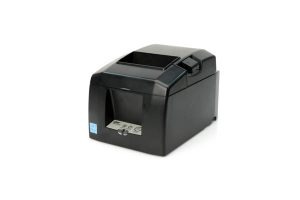
    Whether you are a retail store looking for products to help you this holiday season, or you are a reseller hoping to offer your retail customers a relevant solution, Star has what it takes. Explore our holiday retail solutions below.
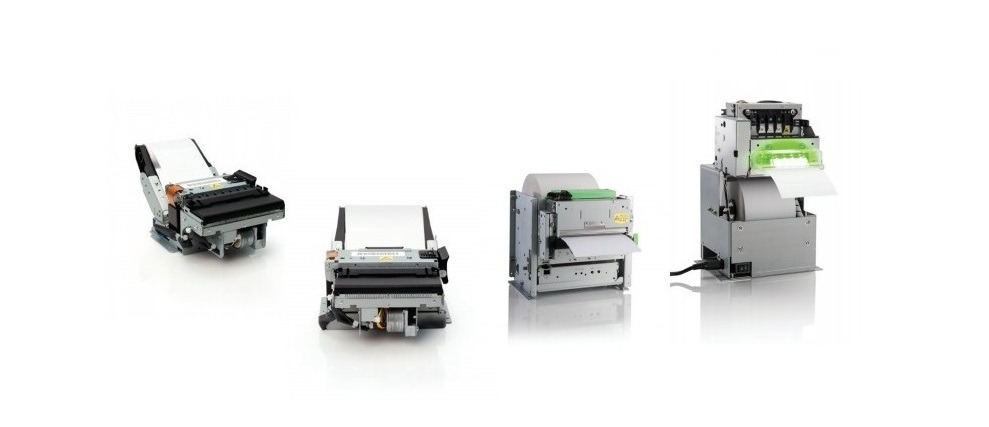
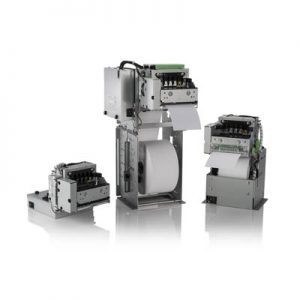
    Kiosk Printers

    Printers are an integral part of self-checkouts, and Star is proud to provide a range of reliable self-service kiosk printers available with a variety of print widths and connectivity options.
    Learn more >

     

    CloudPRNT

    Star makes online ordering easy. By choosing a printer equipped with CloudPRNT technology, you can print online orders automatically – no extra tablet needed.
    Learn more >
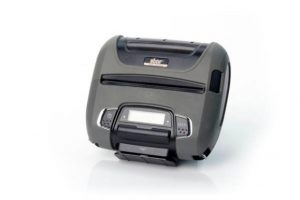
     

    SM-T400i

    Portable Printers

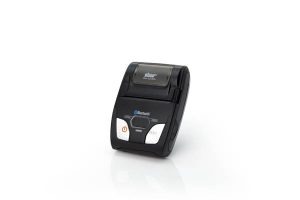
    Looking to line-bust? Star’s portable printers are what you need. With Bluetooth, Apple BLE, and USB connectivity, these on-the-go printers not only print receipts, but labels, too. Better yet, they have a rugged housing and feature a long battery life, as well.
    Learn more >
     

    Antimicrobial covers

    Antimicrobial Covers*

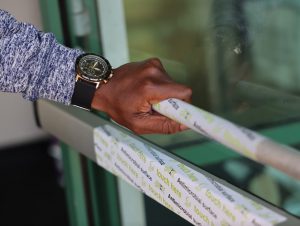
    Keeping a variety of surfaces cleaner doesn’t have to be complicated. The antimicrobial covers provided by Star enable you to protect door handles, checkout counters, bathroom surfaces, and more – and application takes 30 seconds or less.
    Learn more >
     

    POSShield

    POSShield Sneeze Guard

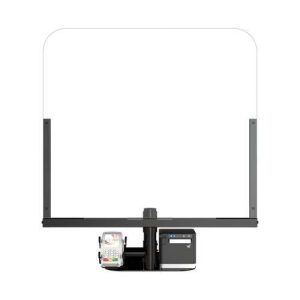
    Protect both shoppers and employees at the point of sale and customer service area with a durable, protective sneeze guard. The POSShield takes the sneeze guard to the next level by accommodating any existing POS terminal and not requiring any countertop mounting or drilling (making it futureproof, too).
    Learn more >

     

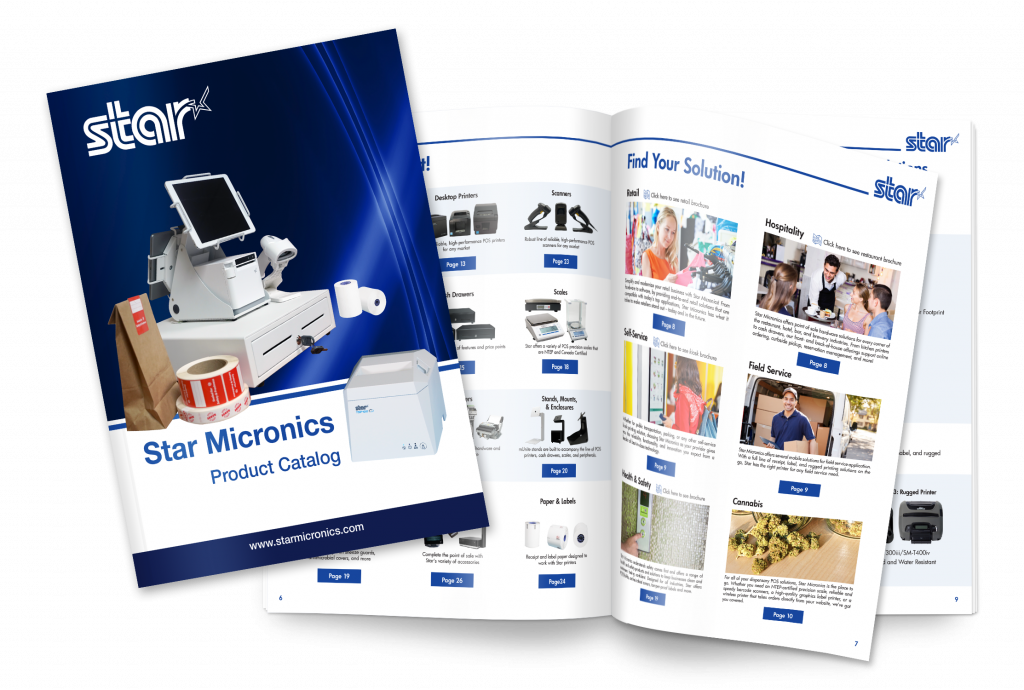
    Explore Star’s complete product line – for the holiday season and beyond – in our product catalog:

    *Disclaimer: NeverGerms® makes no claims regarding the safety or health of the general public or those interacting with its products. “NeverGerms®” and “Touch Less Germs®” are registered trademarks and not intended to have literal interpretation. NeverGerms products are manufactured by NeverGerms and distributed by Star Micronics. Although these products are designed to reduce microbe populations on commonly-utilized surfaces and have been tested by the manufacturer for their antimicrobial properties, Star Micronics cannot guarantee that they will eliminate all risk of germ, including virus, transfer from such surfaces. Star Micronics, as distributor, relies entirely upon claims made by manufacturer as supported by prior research. For further information, please visit www.nevergerms.com.

  • Cannabis Legalization News: Which States are Next in 2022?

    Cannabis Legalization News: Which States are Next in 2022?

    When it comes to the growth of the cannabis industry, there’s virtually no end in sight. According to Flowhub, the US cannabis industry is worth $61 billion, support for legal marijuana is at a record high of 68%, and a whopping 12% of Americans are currently marijuana users. Many states have already legalized medical and/or recreational usage, and more are expected to in the coming year.

    In today’s blog post, explore the hottest cannabis legalization news, like which states most recently legalized, and which may legalize in 2022.

    Who Legalized in 2021?

    This year, four states legalized recreational usage of marijuana: Connecticut, New Mexico, New York, and Virginia. Currently 19 states (and the District of Columbia) have legalized recreational marijuana use. Additionally, following its 2020 ballot measure, New Jersey signed into law legislation legalizing recreational use.

    States That May Legalize in 2022

    The upcoming year is slated to be a big one in terms of cannabis legalization news. Below are the states that may legalize usage in 2022.

    Arkansas

    Arkansas may have two upcoming ballot measures regarding cannabis usage:

    1. Arkansas Decriminalize Marijuana, Create Regulations and Grant Limited Immunity to Cannabis Businesses Initiative, which would decriminalize marijuana, give limited immunity to marijuana businesses, and create industry regulations.
    2. Arkansas Recreational Marijuana Initiative, which would legalize cannabis use for people aged 21 and older.

    Florida

    In 2022, Florida may have three upcoming cannabis-related ballot measures:

    1. Florida Marijuana Use and Growth Legalization Initiative, which would legalize the personal use, growth, transport, and possession for people aged 21 and older. It would also permit people to grow up to nine marijuana plants (18 maximum per household).
    2. Florida Medical Marijuana Plants Initiative, which would amend Amendment 2 (2016) to redefine “medical use” and allow growing up to nine marijuana plants.
    3. Florida Medical Marijuana for Mental Health Disorders Initiative, which would amend Amendment 2 (2016) and add nine mental health disorders to the state’s list of qualifying conditions to purchase and use marijuana medically.

    Idaho

    Idaho may have two upcoming ballot measures in 2022:

    1. Idaho Marijuana Legalization Initiative, which would legalize the possession, use, and transfer of up to three ounces of marijuana by people aged 21 and older.
    2. Idaho Medical Marijuana Initiative, which would create a medical marijuana program in the state.

    Mississippi

    In 2022, there may be a ballot measure in Mississippi called the Mississippi Marijuana and Hemp Decriminalization Initiative, which would legalize the usage of marijuana, hemp, and cannabis derivatives, allow individuals to grow up to 99 plants, release prisoners held on cannabis-related charges, and expunge cannabis-related criminal records.

    How Resellers Can Cash in on Cannabis Point of Sale

    The cannabis industry has become one of the fastest growing markets. Here’s how resellers can take advantage.

    Missouri

    Just like Florida, Missouri may have three upcoming ballot measures next year.

    1. Missouri Changes to Medical Marijuana Program Initiative, which would amend the state’s current program and allow medical marijuana patients to grow their own cannabis, lower the cost of a patient ID card to $25, and allow up to three primary caregivers for a medical marijuana patient.
    2. Missouri Marijuana Legalization Initiative, which would legalize the purchase, possession, consumption, use, delivery, manufacturing, and sale of marijuana for users aged 21 and over. It would also allow those facing non-violent marijuana-related charges to petition their release or have their criminal records expunged, and it would impose a 6% tax on all marijuana sales.
    3. Missouri Marijuana Legalization and Automatic Expungement Initiative, which would legalize recreational marijuana, ban the taxation of medical marijuana, allowing driving under the influence of marijuana, and automatically expunge/release those with non-violent marijuana-related charges.

    Nebraska

    Nebraska has two potential ballot measures regarding cannabis coming up in 2022:

    1. Nebraska Marijuana Legalization Initiative, which would legalize recreational use.
    2. Nebraska Medical Marijuana Initiative, which would amend the state’s Constitution to allow for medical marijuana usage.

    North Dakota

    North Dakota’s potential upcoming ballot measure, North Dakota Legalize Marijuana and Allow Home Growth Initiative, is pretty self-explanatory: it would legalize cannabis use for residents 21 years of age and older, and allow people to possess, grow, process, or transport up to 12 cannabis plants for personal use.

    Ohio

    In 2022, Ohio’s ballot measure Ohio Marijuana Legalization Initiative would legalize the cultivation, processing, sale, possession, home growing, and recreation use of cannabis for people aged 21 and older.

    Oklahoma

    Next year, Oklahoma may have two relevant ballot measures:

    • Oklahoma State Question 817, Marijuana Legalization Initiative, which would legalize and regulate cannabis for people aged 21 and older and impose a 15% tax on sales by people who do not hold a medical marijuana license.
    • Oklahoma State Question 818, Cannabis Commission and Medical Marijuana Regulation Initiative, which would replace the current Oklahoma Medical Marijuana Authority with the State Cannabis Commission.

    Wyoming

    And last but not least, Wyoming may also have two cannabis-related ballot measures in 2022:

    • Wyoming Medical Marijuana Initiative, which would create a medical marijuana program.
    • Wyoming Reduce Criminal Penalties for Marijuana Cultivation, Possession, Use, and Transport Initiative, which would reduce the criminal consequences for cannabis cultivation, possession, use, and transport.

    Star’s Cannabis POS Solutions

    As the cannabis industry continues to flourish and new dispensaries and cannabis POS software companies continue to pop up, as a reseller it’s pertinent that you are provided a complete solution customized for cannabis. Star proudly offers all of the POS hardware dispensaries need, from certified scales to online ordering printers.

    Featured Solutions

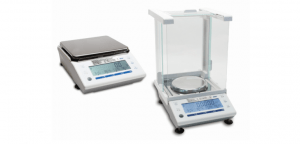
    mG-Scales

    mG-S322 Scale
    NTEP-certified
    Measures substances 0.01g – 320g
    Learn more >


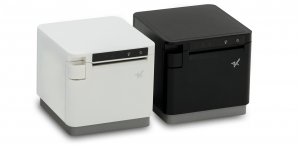
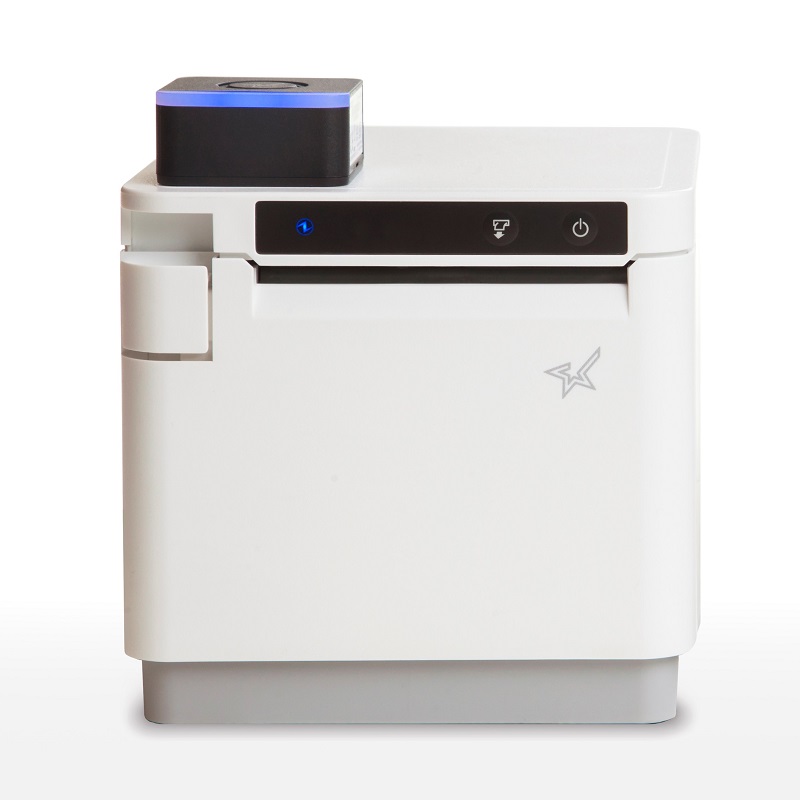
    mC-Print3mC-Print3
    3” thermal receipt printer
    Online ordering capabilities
    Learn more >


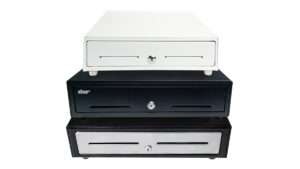
    Cash-Drawers-Stacked-TW-300x169Cash Drawers
    Perfect for a cash-heavy industry
    3 series with various features and price points
    Learn more >


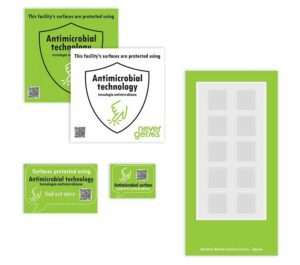
    ANTIMICROBIAL COVERSAntimicrobial Covers*
    Reduce germ transfer on high-touch surfaces
    Easy to apply
    Learn more >

    To view Star’s complete cannabis POS hardware offering, download our brochure!

    Full 2022 Product Catalog by Star Micronics.

    Star Micronics Product Catalog

    Explore POS printers, label printers, kiosk solutions, and accessories for retail, restaurant, self-service, and more.

    *Disclaimer: NeverGerms® makes no claims regarding the safety or health of the general public or those interacting with its products. “NeverGerms®” and “Touch Less Germs®” are registered trademarks and not intended to have literal interpretation. NeverGerms products are manufactured by NeverGerms and distributed by Star Micronics. Although these products are designed to reduce microbe populations on commonly-utilized surfaces and have been tested by the manufacturer for their antimicrobial properties, Star Micronics cannot guarantee that they will eliminate all risk of germ, including virus, transfer from such surfaces. Star Micronics, as distributor, relies entirely upon claims made by manufacturer as supported by prior research. For further information, please visit www.nevergerms.com.

  • Retail Rebound: 5 Expected Post-COVID-19 Consumer Trends

    Retail Rebound: 5 Expected Post-COVID-19 Consumer Trends

    The retail industry has seen some interesting times in the past couple of years, to say the least. Pre-pandemic, the industry was dappling in omnichannel capabilities. When the pandemic hit in early 2020, after a brief shutdown and calibration period, the Retail Rebound emerged. Contactless payments, QR code technology, online ordering, and more have blossomed – but what is here to stay? In today’s blog post, explore some of the top solutions that have grown during the pandemic and which are predicted to remain in the Retail Rebound and beyond.

    1. Contactless Payments

    Payments are changing as we know it, and contactless payments are on the rise. In fact, according to Forbes, over 35% of consumers claim they use contactless payments for at least 75% of their retail purchases.

    Contactless payments can take several forms but the most popular are mobile wallets like Apple Pay and Google Pay that are available on smartphones and smart watches, and NFC credit and debit cards. These technologies allow customers to simply hold their device or card over a compatible payment terminal instead of having to use cash or swipe or insert their card. While these payment methods first gained traction as a way to avoid germs, their speed, convenience, and security make them liable to remain popular for the foreseeable future.

    2. BOPIS (Buy Online, Pick Up in Store)

    Buy online, pick up in store (commonly called “BOPIS”) is a prime example of a retail offering that was slowly emerging before COVID-19, but exponentially grew in popularity during the pandemic and continues to do so during the Retail Rebound.

    According to research by Kibo Commerce, BOPIS orders grew over 500% by the height of the pandemic in 2020. However, while many shoppers turned to BOPIS as a way to stay safe, it’s been found that over half of them actually favor it for its convenience, meaning we can expect for it to stay around for good. Who would want to turn back the dial to more inconvenient methods of shopping?

    3. Omnichannel Shopping

    As the pandemic began to unfold, one thing was true for retailers: if you aren’t online yet, you need to be now. The safety and convenience offered by providing customers an omnichannel shopping experience quickly went from a “nice to have” to a “must have.” It appears shoppers continue to consider online shopping a necessity – according to GWI, as of spring 2021, 76% of consumers in the US and UK said they’re still doing more online shopping compared to before the pandemic.

    BOPIS, which we mentioned above, is part of an omnichannel strategy, as is having an informative and functional website, real-time inventory management, and more. Click here to learn more about a successful omnichannel strategy.

    Free Resources During COVID-19 & Beyond

    Now more than ever, safety is a priority in retail and hospitality environments. Star Micronics is proud to offer a line of solutions and resources for businesses during this challenging time, designed to keep consumers and employees safe, as well as mitigate business impact caused by COVID-19.

    ANTIMICROBIAL COVERS
    Antimicrobial covers offered by Star

    4. Cleanliness

    This one might seem like a no-brainer, but its effects may be more long-term than you initially thought. Germ avoidance is of course extremely important, especially during the peak of the pandemic. However, even as the worries of COVID-19 eventually fade, the desire to avoid touching other people’s germs is likely to stay. Things that we used to touch regularly without a second thought, like door handles, now have us feeling some hesitation. Flu season is an example of a recurring scenario in which people will likely be a lot more cautious about germs than before the pandemic.

    Businesses can ease these worries by installing the right solutions. Most retailers probably already have a plexiglass sneeze guard installed at checkout counters, but something they may not have yet are antimicrobial covers. These peel-and-stick covers can be applied to door handles, checkout counters, elevator buttons, and more. With an easy application process and a lifespan of up to six months, they’re a great way to consumers’ ongoing need to stay safe and healthy.


    5. Self-Service

    Whether you’re ordering your meal at a restaurant or checking in to your doctor’s office, self-service kiosks are growing in popularity across several markets – and for good reason. Kiosks help minimize the risk of spreading germs via face-to-face contact, they can help with line-busting (especially during the current labor shortage), and they provide a prime opportunity for upselling and brandingThese benefits are expected to remain present during the pandemic and beyond; according to Infiniti Research Limited, during 2021-2025 the self-service kiosk market is expected to grow by $2.97bn, at a CAGR of almost 6%.

    Retail Rebound: The “Here and Now” is Here to Stay

    Retail has changed for good. The unprecedented pandemic brought on a slew of challenges seemingly overnight, and the solutions the market has created to adapt to those challenges are likely here to stay as they provide ongoing safety, convenience, and security to shoppers worldwide. Now is the time for retailers to assess and optimize their operations.

    Always leading, and always innovating, Star is proud to offer a range of retail POS hardware solutions to accompany the ever-evolving retail market trends.

    Full 2022 Product Catalog by Star Micronics.

    Star Micronics Product Catalog

    Explore POS printers, label printers, kiosk solutions, and accessories for retail, restaurant, self-service, and more.

    Disclaimer: NeverGerms® makes no claims regarding the safety or health of the general public or those interacting with its products. “NeverGerms®” and “Touch Less Germs®” are registered trademarks and not intended to have literal interpretation. NeverGerms products are manufactured by NeverGerms and distributed by Star Micronics. Although these products are designed to reduce microbe populations on commonly-utilized surfaces and have been tested by the manufacturer for their antimicrobial properties, Star Micronics cannot guarantee that they will eliminate all risk of germ, including virus, transfer from such surfaces. Star Micronics, as distributor, relies entirely upon claims made by manufacturer as supported by prior research. For further information, please visit www.nevergerms.com.

  • How to Avoid and Dispute Chargebacks with Printed Receipts

    How to Avoid and Dispute Chargebacks with Printed Receipts

    As a business owner in the modern competitive economic landscape, the bottom line means everything. In today’s blog post, explore what chargebacks are, their prevalence, and how you can use printed receipts to avoid and dispute them – saving you money and increasing your bottom line.


    What is a Chargeback?

    First and foremost, let’s explain what exactly a chargeback is.

    According to Investopedia,

    “A chargeback is a charge that is returned to a payment card after a customer successfully disputes an item on their account statement or transactions report. A chargeback may occur on debit cards (and the underlying bank account) or on credit cards. Chargebacks can be granted to a cardholder for a variety of reasons.”

    Some of the reasons chargebacks are granted are because a customer didn’t receive an item they paid for, a charge may have been accidentally duplicated, or their card was stolen, and the purchase(s) are fraudulent.

    However, fraudulent chargebacks also exist that are unfortunately due a consumer knowingly (and unfairly) disputing a charge. Also known as “friendly fraud,” this occurs when a shopper purchases something with their own credit card and then requests a chargeback after receiving the purchased items or services.

    The Chargeback Process

    When a chargeback occurs, it typically includes a four-step process:

    1. Initial Dispute: The cardholder begins a dispute and the bank issues the customer a temporary line of credit (meaning they get their money back, but it’s not completely settled yet).

    2. Bank Communication: The cardholder’s bank sends the transaction back to the merchant’s bank and they communicate to get more information about the transaction.

    3. Bank Decision: The two banks continue to communicate and either resolve the issue, or the merchant’s bank issues the merchant a chargeback notification.

    4. Merchant Action: You, the merchant, either accept or dispute the chargeback.

    Chargeback Statistics

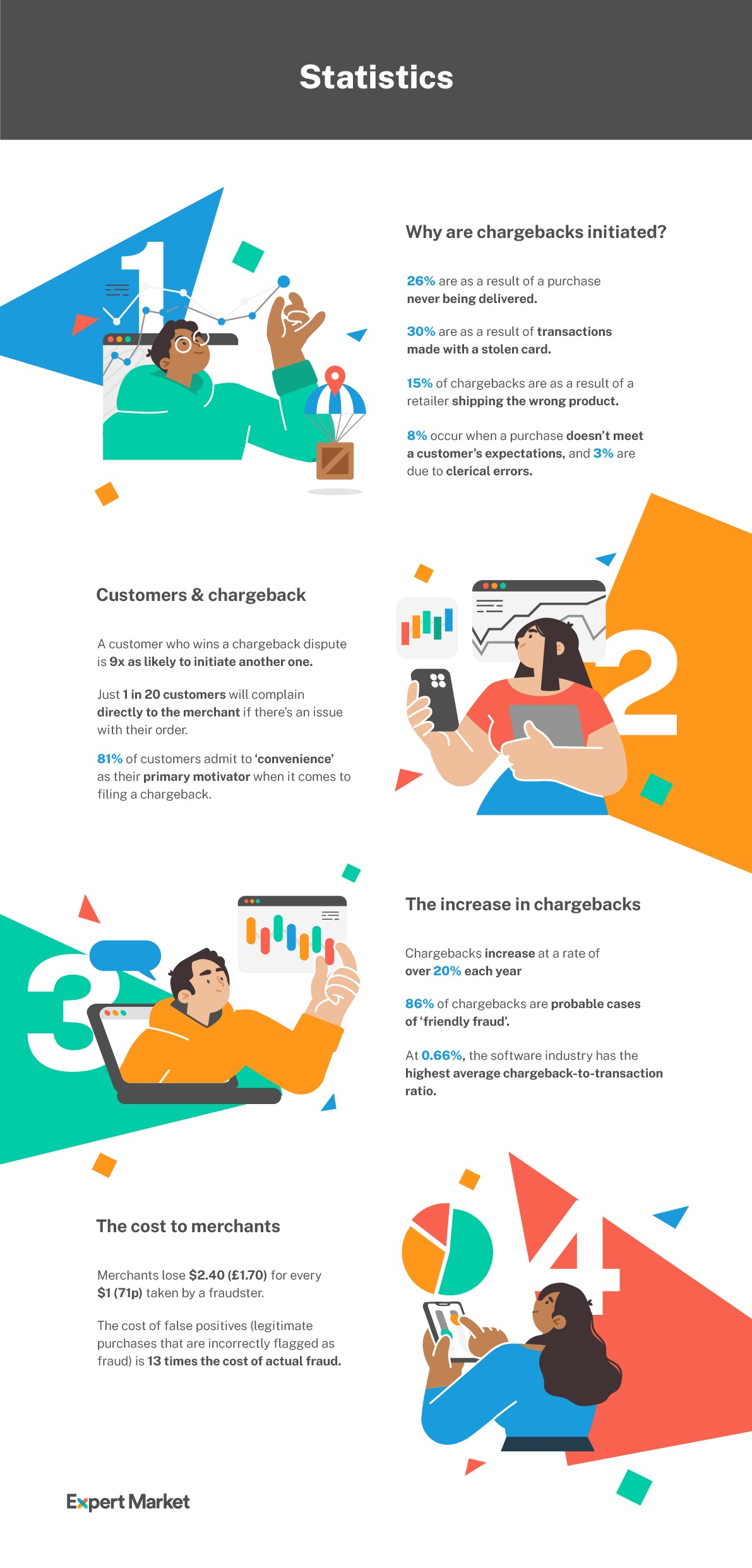
    So, how often do chargebacks occur and what do they cost you, the retailer? Alarmingly, chargebacks are increasing at a rate of 20% per year, and nearly 86% of chargebacks are likely cases of “friendly fraud.”

    Discover more chargeback facts and figures in the below infographic from Expert Market:

     
    Chargeback Infographic
     

    How to Avoid Chargeback and Dispute Chargeback

    While the frequency of chargebacks (and “friendly fraud”) can feel jarring, don’t worry, there are actions you can take as a retailer to avoid and dispute chargebacks.

    Below are several ways your business can take control of the situation:

    • Keep record of tracking numbers and delivery confirmation, if applicable. This can help you prove that a customer did indeed receive their order if they are claiming they did not.
    • Keep chat transcripts with the customer (whether the conversation occurred via email, live chat, social media, or elsewhere).
    • Write an informative, persuasive rebuttal letter including the amount that you are disputing, the reason code of the chargeback, and a detailed outline describing why the documents you are providing prove that the disputed transaction is indeed legitimate.
    • Always provide a printed receipt in your brick and mortar location and keep copies of your receipts whether they are digital or printed.

    The Value of Printed Receipts

    Printed receipts are extremely important as you dispute chargebacks. As mentioned above, one of the first steps of the investigation is when the customer’s bank and the merchant’s bank communicate. A part of this action is to request a copy of the original transaction receipt from you, the business owner. Providing detailed receipts can not only help identify “friendly fraud,” but can also quickly solve the issue in the case that the customer simply didn’t recognize the charge on their account, but it is indeed legitimate.

    To ensure the process goes as smoothly as possible, make sure that your receipts contain all of the information needed to meet the retrieval request standard of major card networks like Visa and Mastercard. This information includes:

    • Merchant name and location
    • Transaction date
    • Merchant location code
    • Description of goods or services
    • Account number or token (it’s recommended to conceal everything but the expiration date and the last four digits of the account number)
    • Payment card brand
    • Transaction amount
    • Authorization code, if applicable
    • Space for cardholder signature, if applicable
    • Return/refund policy

    You can learn more about how to dispute chargebacks by visiting ChargebackGurus.com.

    Star’s 5 Best Receipt Printers

    Star offers several top-rated printers suited for a variety of retail, restaurant, and hospitality locations.

    Meet Star’s Receipt Printers

    The benefits of printed receipts don’t stop there. The right receipt printer not only helps you fight fraud, but can optimize your business’s operations, connect you to the industry’s most popular online ordering platforms, and enhance the aesthetics of your store.

    Star is proud to offer a wide variety of receipt printers, ranging from those with ultra-modern designs to tried-and-true affordable industry leaders. Explore three of the most popular Star receipt printers below:

    mC-Print3

    mC-Print3

    3” thermal printer
    CloudPRNT for online ordering
    Ethernet (LAN), USB, USB-C, Lightning, Bluetooth
    Learn more >

     
    TSP143III

    TSP143III

    Industry-leading printer
    Affordable and reliable
    Ethernet (LAN), USB, Lightning, WLAN, Bluetooth
    Learn more >

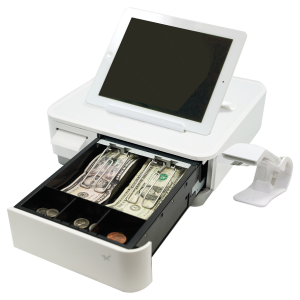
    mPOP®

    mPOP® All in One

    Receipt printer/cash drawer combo
    Compact Flat Bill cash management
    iOS, Android, Windows tablet compatibility
    Learn more >

    Explore the entire line of Star receipt printers that can help you avoid chargebacks.

  • What is a Fiscal Printer and How Do You Sell Them?

    What is a Fiscal Printer and How Do You Sell Them?

    As a point of sale (POS) reseller and/or software developer, chances are you’ve heard of fiscal printers, and we’re betting there’s a bigger chance that you’re interested in expanding your business globally. Read on to explore what exactly fiscal printers are, where they are required, and how to leverage selling them to grow your business internationally.

    What are Fiscal Printers?

    Simply put, a fiscal printer is a receipt printer that includes a fiscal memory module. The module records every transaction for easy regulation of sales tax owed to a country. Fiscal printers include both cloud-based solutions as well as carbon copy printing.

    Thermal printers are generally used as fiscal printers for several reasons: they are quiet, they do not require ink cartridges, and they have a fast print speed. Local integrators can modify thermal receipt printers to become certified fiscal printers.

    Other fiscal memory devices exist as well, including fiscal cash registers and electronic signature devices. Whether a business uses a fiscal printer, cash register, or electronic signature device, all of the devices one thing in common: they are a piece of equipment that has been certified by the local government, connects to a POS terminal, and records taxation for public revenue.

    The Cloud: The Next Generation of Fiscal Recording for Some

    A handful of countries are now considering moving their fiscal solutions to the cloud, meaning that it is now the responsibility of the POS software (or other applications) to record every single transaction in an approved fiscal log stored on the cloud. The fiscal agencies, can now, at any time, monitor and verify business sales and transactions. In this instance, the receipt printer is no longer involved in this operation.

    Which Countries Use Fiscal Printers?

    Many countries around the world require fiscal memory devices, including:

    • Albania
    • Argentina
    • Austria
    • Azerbaijan
    • Bangladesh
    • Belgium
    • Bosnia and Herzegovina
    • Brazil
    • Bulgaria
    • Canada
    • Croatia
    • Chile
    • Czech Republic
    • Ethiopia
    • France
    • Gambia
    • Germany
    • Greece
    • Hungary
    • Italy
    • Kazakhstan
    • Kenya
    • Latvia
    • Lithuania
    • Malta
    • Mexico
    • Montenegro
    • North Macedonia
    • Panama
    • Poland
    • Romania
    • Russia
    • Rwanda
    • Serbia
    • Slovakia
    • Slovenia
    • Spain
    • Sweden
    • Tanzania
    • Turkey
    • Venezuela

    The rules surrounding the usage of fiscal memory devices vary in all of these countries and have differing histories. For example, Italy has enforced a fiscal printer law since 1990, while Austria began introducing its fiscal regulations in 2016.

    How Star Can Help You Sell Fiscal Printers

    Looking to expand your business globally? Are you prepared to offer the fiscal printers required in many countries? Star Micronics can help. As a global company known for quality and reliability, Star can support you as you grow your business across borders and provide you with a range of printing solutions to help you meet the fiscal printing requirements of the many markets that are regulated.

    Star proudly offers a variety of fiscal solutions, including:

    • Fiscal boards, with or without SD memory cards, for Star desktop printers
    • Receipt printers certified by local fiscal agencies (ready to purchase)
    • In-country partners to support local fiscal solutions
    • Electronic journal development support
    • Consulting services to support your search of local laws and requirements

    Star’s 5 Best Receipt Printers

    Star offers several top-rated printers suited for a variety of retail, restaurant, and hospitality locations.

    Looking to learn more about Star? Learn more about us in the below video.

    Star’s Fiscal Consulting Services

    Star offers consulting services to help you navigate local government regulations.

    Fiscal solutions are constantly evolving, and requirements differ from country-to-country and time-to-time. Here are some examples of solutions that Star was able to research and offer solutions for:

    • Originally, fiscal agencies requested that business owners keep a log of each transaction. The easiest way for businesses to do that was to keep a copy of each customer receipt and many countries implemented requirements to use impact printers with multiple ply paper rolls to support this requirement. Therefore, at that time, thermal printers were not authorized.
    • In the next generation of requirements, agencies imposed that the receipt data be stored in the printer in a special sealed module. Since the security of this information was so important, fiscal agencies only allowed local technology providers to develop these modules and partnerships between these companies and the printer manufacturers developed. Star has been working with these companies for years to deliver the best solutions for these fiscal countries.
    • And lastly, the newest generation of cloud-based fiscal solutions does not require the fiscal module to be integrated with the printer, which reduces the cost and complexity of the solution.

    With offices in the Americas, Europe, the Middle East, Africa, India, and Asia, Star has offices and/or in-country partners that monitor fiscal printing requirements and are available to help you research and complete your solution.

  • Advanced Business Computing LLC Teams Up with Star Micronics to Provide Unparalleled Products and Services in Inventory Management and Point Of Sale

    Advanced Business Computing LLC Teams Up with Star Micronics to Provide Unparalleled Products and Services in Inventory Management and Point Of Sale

    By offering Star products, Advanced Business Computing LLC provides customers with a valuable and unique style of customer centric services

    Somerset, NJ – September 14, 2021 – Star Micronics, a leading manufacturer of mobile, point of sale (POS), and customer engagement technologies, is proud to announce that its partner Advanced Business Computing LLC (ABC) is expanding into the point of sale (POS), restaurant, and retail industry and is opening a brick-and-mortar location as well as providing on-site service and support.

    With over 30 years of IT experience ABC provides Columbus, IN with services such as desktop and laptop sales, custom built office and gaming systems, computer repair for PC and Mac, networking, procurement, and management services. By opening a physical location and offering Star’s POS products, they can provide customers with an extensive portfolio of products and services. After almost 10 years of providing support in the commercial business arena, they are now ready to extend these services to the retail, restaurant, hospitality, and manufacturing industry by offering cost-effective products and services in inventory management and point of sale.

    By providing Star products along with industry-leading expertise, attention to detail, and outstanding customer service, ABC has become a top choice for IT-related services. This new business expanse will enable ABC to provide customers with everything under one roof – from receipt, kitchen, and barcode printers to scanners and RFID equipment. Additionally, POS hardware and software setup, implementation, and ongoing support will be available.

    “ABC is excited to partner with Star Micronics to meet our customers’ needs,” said Debra Peters-Smith, CEO. “The variety of POS solutions with our exceptional services would provide customers with exceptional long-term value.”

  • What to Look for in a POS System for a Small Restaurant

    What to Look for in a POS System for a Small Restaurant

    As the owner or manager of a small restaurant, it can be intimidating to think about all of the point of sale (POS) components that you need. With so many options on the market, what’s the best POS system for a restaurant? Read on to explore the must-have POS system features, from online ordering to front-of-house management.

    1. Online Ordering Capabilities

    Online ordering went from a “nice-to-have” option to a “must -have” in just a couple of short years. In fact, online food delivery sales are estimated to grow up to $220 billion by 2023 (and comprise 40% of total restaurant sales). And let’s not forget about online orders for in-store pickup, too. Either way you cut it, online ordering isn’t just for the chains; it’s for small businesses like yours.

    Be sure to look for a POS system that includes online ordering capabilities. Some POS software may include this feature, or you may be able to simply use a printer equipped with cloud printing technology (like Star’s) to print third-party online orders from services like DoorDash, GrubHub, Uber Eats, and more.

    2. Mobile Payment Acceptance

    Just like online orders are booming, so are mobile payments. Simply put, mobile payments are those made on mobile devices like smartphones and smart watches. Instead of paying with cash or a credit/debit cards, consumers use their digital wallet to pay for their goods.

    To be able to accept mobile payments, your POS system must be equipped to handle NFC (or, near field communication) payments, which are made by a mobile device (or contactless card) being two inches or less from the NFC-equipped card reader. Examples of mobile payment providers are Apple Pay, Google Pay, and select credit/debit cards.

    3. Back-of-House Communication

    We’ve all been there: you find a restaurant that serves up delicious food but has a clunky workflow that leaves you hungrily waiting for your meal. Avoid being this restaurant by choosing a POS system that features top-of-the-line communication between the front-of-house and back-of-house. What does this look like? It looks like a POS terminal (or online ordering service) that seamlessly communicates to the restaurant kitchen KDS (kitchen display device) and kitchen ticket printer via technology like CloudPRNT. As orders are placed, they’re immediately sent to the cook in full detail. Say goodbye to long wait times and inaccurate orders with the right communication!

    4. Front-of-House Management

    Efficiently turning tables means higher revenue. Successfully navigating a large party means happy, repeat customers. Clearly, front-of-house management is key, and the right POS system for a small restaurant can help those efforts. Look for a POS system that features click-and-drag layout builders and the ability to see table times and when tables are about to turn.

    5. Menu and Order Management

    Menus change, and customers’ tastes vary. Your POS can help you navigate that. The right POS system can help you arrange your menu in a way that makes the checkout process faster, as well as let you make real-time updates from anywhere and apply them to every one of your locations.

    When it comes to order-taking, restaurant POS systems can help you quickly modify your customer’s order to their exact taste. Have a special discount idea in mind? POS systems can also allow you to create happy hours and more in mere seconds.

    Star Restaurant POS Solutions

    From online ordering printers to kitchen buzzers, Star is proud to offer POS solutions for restaurants, QSRs, food stands, and more.

    6. Marketing Capabilities

    One of the reasons people love small restaurants is for their personal touch. Leverage POS technology to take that personal touch to a new level! POS systems for small restaurants can include marketing capabilities including:

    • Detailed customer profiles so you can send customized offers
    • Loyalty/reward programs
    • White-labeled websites and apps that feature your restaurant’s branding
    • Custom receipt marketing (available on select receipt printers, like Star’s)

    7. Detailed Reporting

    If there’s one thing that POS systems have, it’s data, and you can put that to use by choosing a POS system that offers detailed reporting.

    Reporting can include:

    • Live data and daily statistics
    • Sales by category
    • Sales by item
    • Sales by payment type
    • Sales in different shifts
    • And more

    8. Integrations

    Right about now you may be thinking there’s a lot of different technologies involved in the best POS system for a restaurant. There’s the software, the hardware, and third-party services like food delivery. That leads us into the next (and possibly most important) aspect of a POS system: it’s integrations.

    Save valuable time (and avoid headaches) but choosing a POS system that is integrated with either the software and hardware you already have, or the software and hardware you want to have. For example, if you already have Star printers, choose a POS software that is integrated with Star (hint: there are many). Or, if you know you want to use a certain POS software, be sure that your hardware is integrated with it so that you can set up your system out-of-the-box.

    9. Technical support

    Support is important – and not just when something breaks! Be sure to choose a POS system and vendors that offer pre-sale support (helping you identify the right solution for your needs), installation support and training, and easily accessible post-sales support (like an online help center and live chat).

    Star’s Affordable Small Restaurant POS Bundle

    mCP30 with mC-Sound

    mCP30 with mC-Sound

    If you’re looking for an affordable kitchen printing setup, look no further than the mCP30 paired with an mC-Sound kitchen buzzer.


    mCP30 Highlights:
    Everything you love about the mC-Print3, with an even lower price tag.

    • Ethernet
    • USB
    • CloudPRNT for online ordering

    Learn More >


    mC-Sound Highlights:
    A modern take on the kitchen buzzer.

    • Discreetly fits inside the mCP30
    • High quality sound (89dB)
    • 16 pre-recorded melodies
    • Records custom user speech

    Learn More >

    Explore all of Star’s restaurant POS solutions now.

  • Star Micronics Debuts New Line of 1D/2D Barcode Scanners

    Star Micronics Debuts New Line of 1D/2D Barcode Scanners

    The line includes a desktop scanner, as well as handheld and wireless handheld scanners.

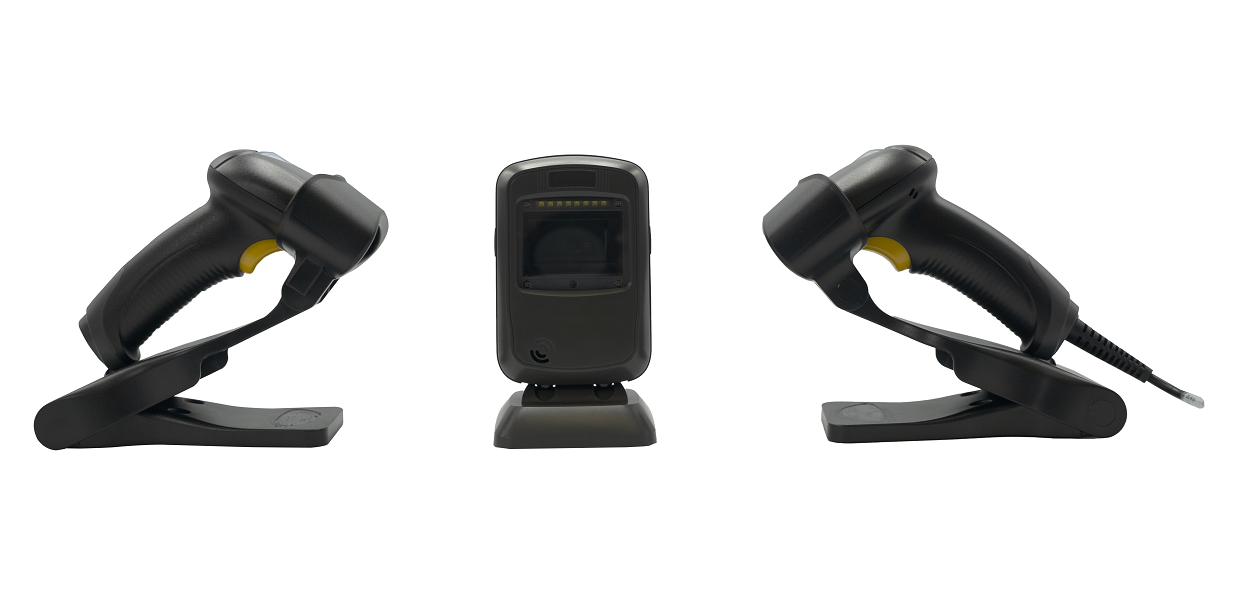
    Somerset, NJ – September 7, 2021 – Star Micronics, a leading manufacturer of mobile, point of sale (POS), and customer engagement technologies, is excited to debut its new line of 1D/2D barcode scanners, including a desktop barcode scanner, a handheld scanner, and a wireless handheld scanner.

    All three of the new scanners feature a high-powered CPU capable of capturing high-density, high-volume, and distorted barcodes printed on paper or displayed on screen with ease. Additionally, they all feature a durable IP-rated design and a 4-foot drop-resistant housing. Designed with compatibility in mind, the desktop barcode scanner and handheld barcode scanner seamlessly connect to Star Micronics mCollection printers.

    Ideal for cashiers, ticket validation, and customer service desks, the desktop barcode scanner easily toggles between normal and high-motion-tolerance mode, in which the scanner has a 2.5m/s motion tolerance and large field of view (horizontal 51°, vertical 32°).

    The wireless handheld barcode scanner features a 2200mAh battery, allowing it to run for up to 12 hours of continuous use, and its included USB cable allows for convenient charging. With the latest Bluetooth 5.0 technology, the wireless handheld scanner effortlessly maintains a reliable wireless connection to transmit data, with communication distances up to 150 feet.

    The handheld scanner offers the same features as its wireless counterpart plus you can plug the scanner directly into a Star Micronics printer or any USB host device. As an additional bonus, the two handheld scanners also come with a smart stand which activates the automatic scanning function on the scanner.

    “We are excited to release this new line of barcode scanners into the market,” said Jon Levin, Director of Product Management at Star Micronics. “With a variety of use cases, these scanners are ideal for retail checkout counters, inventory management, ticket management, office automation, and more. Better yet, they provide 2D scanning capabilities for the price of 1D scanning.”

  • How the Pandemic Accelerated Marijuana Delivery & What Tech Dispensaries Need to Jump on Board

    How the Pandemic Accelerated Marijuana Delivery & What Tech Dispensaries Need to Jump on Board

    The cannabis market exploded during the COVID-19 pandemic – and it’s not stopping there. In fact, according to Mordor Intelligence, the cannabis market was worth an estimated $22.9 billion USD in 2020, and is expected to witness a CAGR of 18.1% between 2021 and 2026. One of the hottest trends in this rapidly emerging market is marijuana delivery. Read on to explore the growth of at-home delivery, and what tech you need as a dispensary to offer this popular service.

    The Rise of Cannabis Delivery

    In 2014 the term “cannabis delivery” became a reality for medical patients in California when marijuana delivery giant Eaze was founded.  Since then, the dream of being able to have an Uber Eats-style platform for marijuana delivery has been the goal of every cannabis retail operation in California and beyond.

    However, the rise of delivery was met with many internal and external challenges. Externally, the combination of legislature and clarity in laws with payment processing and the inability to allow delivery apps to be distributed directly to your phone via Apple and Google posed an initial challenge. Internally, operators had to navigate drivers using their personal cars, the potential of drivers being targeted for theft, and the lack of tech-savvy operators to make it all work.

    Luckily, as the industry grew, many of the internal issues worked themselves out. Legislation, although inconsistent, is working its way towards a more flexible legal environment for the cannabis industry. However, proper technology is still a challenge for everyone from operators to providers.

    Currently, third-party delivery solutions tap into your current point of sale (POS) system via API integration. This means that you need additional hardware and software to communicate with your current systems, and you need to ensure that numbers from both systems match up. With busy schedules, most budtenders think it’s hard enough managing the in-store POS, and two systems can create inefficiencies.

    How COVID-19 Accelerated Marijuana Delivery

    In April 2020, the industry felt a big relief: cannabis retailers were deemed essential businesses in most states where usage is legal. However, despite this win, regulations and social distancing meant that in-store traffic dwindled down to a fraction of what it was while cannabis demand during the pandemic skyrocketed, making delivery and curbside pickup essential. Retailers scrambled to make sure they were equipped with the solutions to empower e-commerce systems with delivery and curbside workflows and had to make sure their budtenders could use them effectively.

    While brick-and-mortar locations have reopened or are reopening, marijuana delivery will likely be a long-term, growing trend, and to succeed dispensaries need to be equipped with intuitive, streamlined, and efficient systems.

    What Tech Do Dispensaries Need for Marijuana Delivery?

    The cannabis industry is growing exponentially and as more states legalize, the industry is transforming from an underground operation to an industry which will be worth $90 billion by 2026.  So how does an industry sustain such growth in just five years? The answer is technology.

    mPOP® All in One
    mPOP® All in One, Integrated with CDG

    From sensors and data at the touch of your fingertips in cultivation, to robotic packaging in distribution warehouses, to retail management systems, your operation’s rapid growth depends on quality, scalable cloud-based technology. But what is the cloud and how does it work?

    Cloud computing allows your company to run your applications without the need for physical hardware resources. Physical resources can not only become costly as you grow, but they also take up space and require engineering and physical effort to maintain efficiency. However, be aware that not every company offering a cloud-based software can automatically set your company up for major scalability and growth.

    Cannalytic Data Group (CDG) for Marijuana Delivery

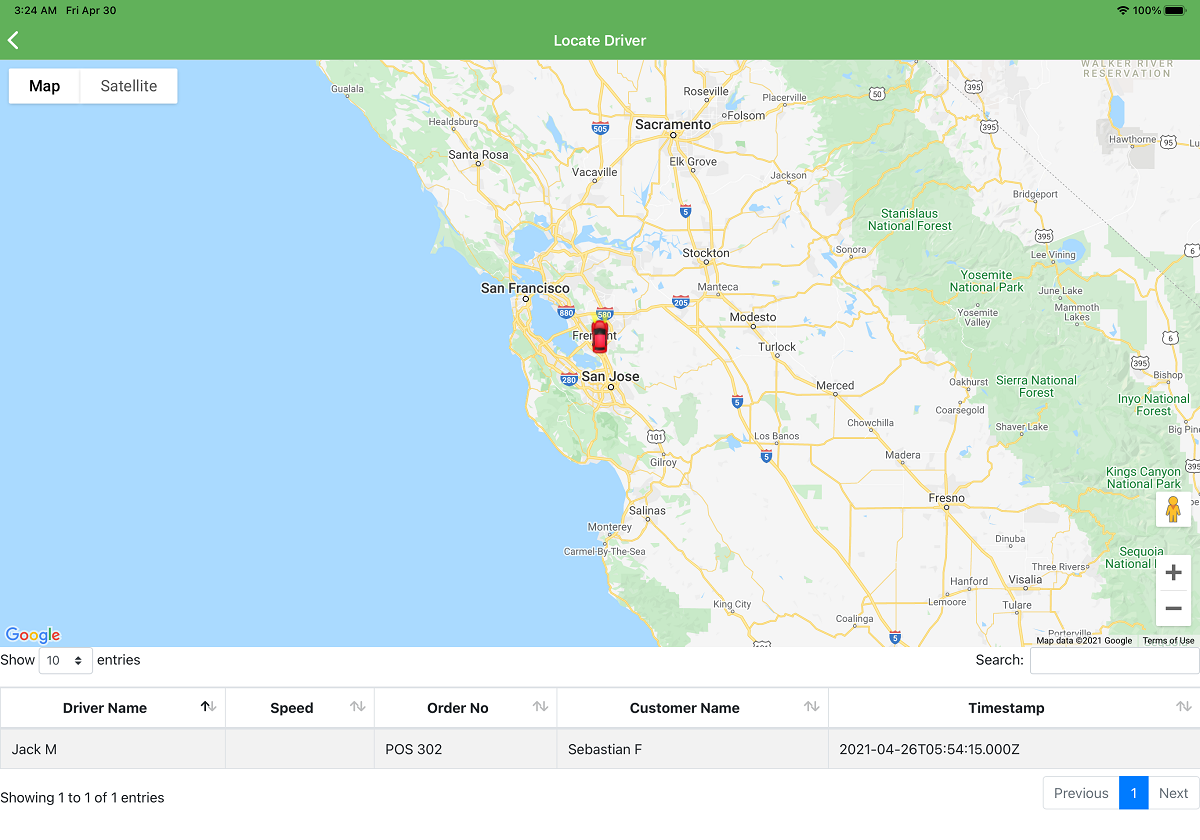
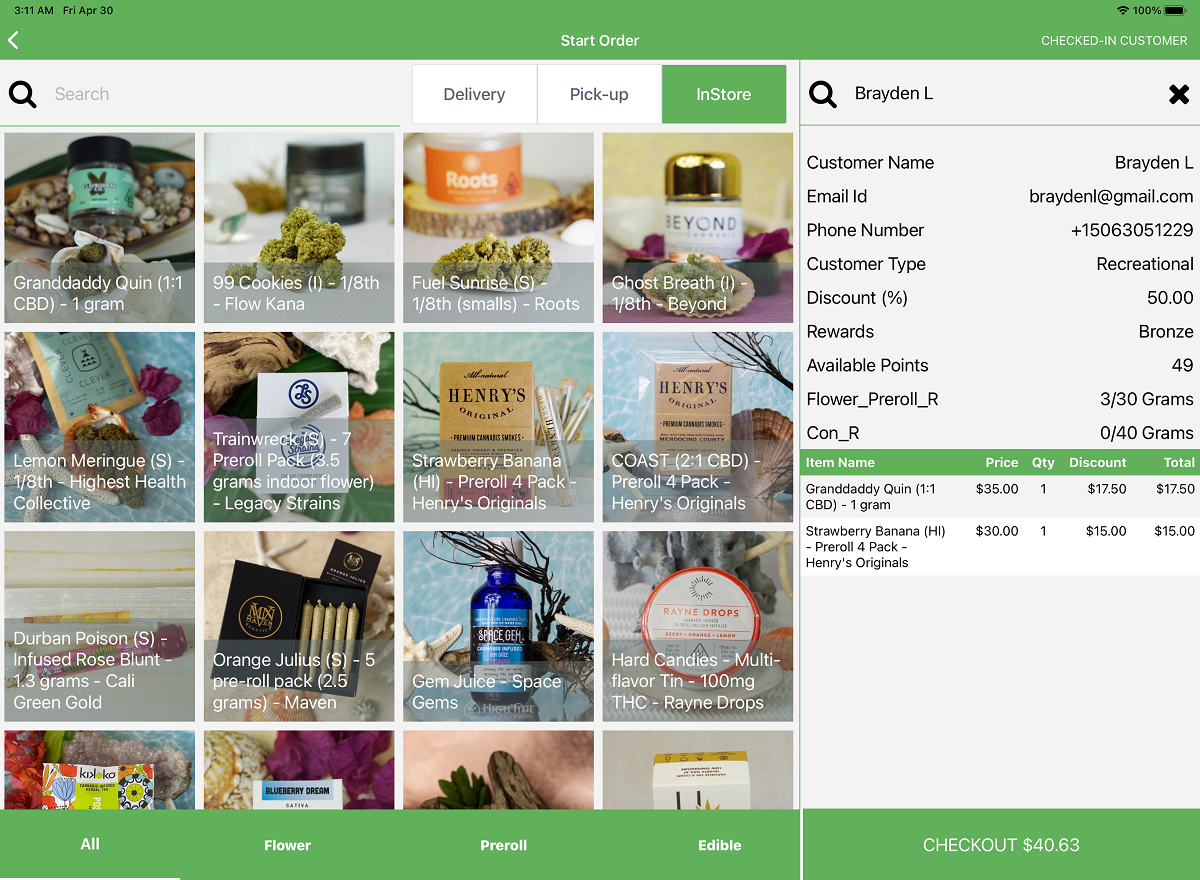
    With its technological background and plethora of software engineers and architects, Cannalytic Data Group (CDG) – whose software is integrated with Star Micronics hardware – enhanced its existing POS system, Retail D.A.B (Daily Activities Board), with a built-in e-commerce platform which includes full curbside and delivery workflows. The solution enables dispensaries to process and assign orders, track drivers, and communicate with customers from the same system that their budtenders use for in-store clients. It also means that dispensaries know their inventory, sales numbers, and data are always accurate and don’t need to be reconciled from another system.

    Cannalytic Delivery Tracking

    Successful Software Needs Successful Hardware

    That’s where Star comes in. CDG proudly integrates its software tools with a variety of Star hardware including the all-in-one mPOP®, TSP654IISK linerless label printer, Value Series Cash Drawers, and more.

    Cannalytic POS Dashboard

    The technology behind CDG’s Retail D.A.B is built on the foundation of helping your business scale rapidly and access insights immediately. CDG does this by running its applications through Kubernetes (K8), an open-source system for automating deployment, scaling, and management of containerized applications. This means that Retail D.A.B runs on a system designed on the same principles that allows Google to run billions of applications a week, allowing increased scale without increasing dispensaries’ operations teams.

    Are you interested in experiencing CDG’s all-in-one POS and delivery module system?

  • 6 “Must-Haves” for Stadium POS System

    6 “Must-Haves” for Stadium POS System

    The economy is reopening, and consumers are excited to attend events and sports games. When visiting a large sports stadium or entertainment arena, you often find long lines for food and merchandise during half-time or intermissions. The people attending these professional sports games or concerts paid good money to see their team play or favorite artist perform, and they don’t want to miss a thing. This puts a huge amount of pressure on the employees working the concession stands or merchandise shops to complete the customer’s order as quickly as possible. A lot of this workflow plays into the stadium point of sale (POS) system being used. Here are 6 “must-haves” when looking for a stadium POS system.

    1. Intuitive Software

    First and foremost, you will need an easy-to-use and intuitive stadium POS software. Depending on how often a team plays in the stadium or how many performances take place per year, stadium employees tend to work more sporadically compared to your standard restaurant or retail employee. This means that stadiums need a POS system that concession and merchandise shop employees can pick up quickly with little to no training.

    Some other key features to look for in stadium POS software are:

    • The ability to offer ordering in a variety of ways: in-queue, in-seat, or mobile
    • Mobile wallet payment acceptance
    • Loyalty programs and benefits
    • Detailed inventory management
    • Operational insights
    • Cash management and hawker support

    2. Back-of-House Support

    While people rarely see what goes on behind the scenes at stadium concession stands, it’s important to make sure that your stadium POS manages the back-of-house just as well as it manages your transactions.

    A variety of tools – from inventory management and menu management to fan data and back-end analytics – can help you to make sure you never run out of stock during a big event. By having access to analytics that can be reported day-to-day, you can make sure that your concession menu appeals to your audience for a particular game or event.

    3. Varied Payment Support

    When you have a packed stadium with a mile-long line of customers, you simply do not have time to fuss over payment methods. In a high-pressure, high-volume environment such as sport and entertainment stadiums, you need to get your customers through the line as quickly as possible.

    One of the best ways to ensure a quick and seamless transaction is to make sure your POS system supports a multitude of payment methods. Did you know that it is estimated that by 2023, there will be 80.1 million near field communication (NFC) mobile payment users? Now, with more people adopting mobile wallets, you will see more and more retailers and concession stands accepting NFC payments at major sports arenas. Make sure that when your customer is set with their order and ready to pay, that whatever form of payment they choose will be accepted at your point of sale.

    4. Mobile Ordering

    One ordering method that’s rapidly gaining popularity in sports entertainment properties is mobile ordering. During major sports games and concerts, people don’t want to leave their seat and risk missing a big play or their favorite song. Many stadiums are adopting a mobile ordering method where fans can order food or drinks on their mobile device and either have it delivered to their seat, or go grab it when it is ready. Fans don’t have to miss a thing and concession employees don’t have to deal with a line of angry customers. It’s a win for everyone!

    5. Reliable Hardware

    In fast-paced environments such as stadium concession stands and merchandise shops, employees don’t have time to deal with flaky hardware. They need their receipt printers to print and their cash drawers to open every time a transaction is completed, and they need hardware that will withstand the high volume of transactions. Appetize and Star Micronics have teamed up to create a complete stadium POS solution that combines intuitive software and reliable hardware peripherals.

    The Appetize-Star solution includes:

    You can find the Appetize and Star Micronics bundled POS solutions in major sports and live entertainment locations including the Golden 1 Center (home of the Sacramento Kings), U.S. Bank Stadium (home of the Minnesota Vikings), over 40 Live Nation properties, and many more.

    6. Health & Safety Products

    In this day and age, health and safety are a priority. Many people are ready to venture back into the world for some fun, but they of course want to minimize the spread of illness.

    Stadiums and event venues can keep their guests feeling safe and confident with the right health and safety products. Examples of these solutions including sneeze guards at the point of sale, antimicrobial covers on surfaces like door handles and railings, and tamper-proof labels to secure the food and beverages guests order from their seats.

    Health & Safety Solutions Brochure

    Discover which solutions can keep your business squeaky clean and help customers feel confident at your brick-and-mortar location.

    Featured Star Stadium Solutions

    TSP654IIBi

    TSP654II

    SM-S230i

    SM-S230i-300x200

    TUP500

    TUP500

    Antimicrobial Covers*
    ANTIMICROBIAL COVERS

    POSShield

    POSShield

    Tamper-Proof Labels

    Tamper-Proof Labels

    Looking to learn more about Star’s stadium POS solutions?

    *Disclaimer: NeverGerms® makes no claims regarding the safety or health of the general public or those interacting with its products. “NeverGerms®” and “Touch Less Germs®” are registered trademarks and not intended to have literal interpretation. NeverGerms products are manufactured by NeverGerms and distributed by Star Micronics. Although these products are designed to reduce microbe populations on commonly-utilized surfaces and have been tested by the manufacturer for their antimicrobial properties, Star Micronics cannot guarantee that they will eliminate all risk of germ, including virus, transfer from such surfaces. Star Micronics, as distributor, relies entirely upon claims made by manufacturer as supported by prior research. For further information, please visit www.nevergerms.com.