Four versatile cash drawer models cater to diverse, high-cash volume retail and hospitality environments, combining durability, security, and sleek design.
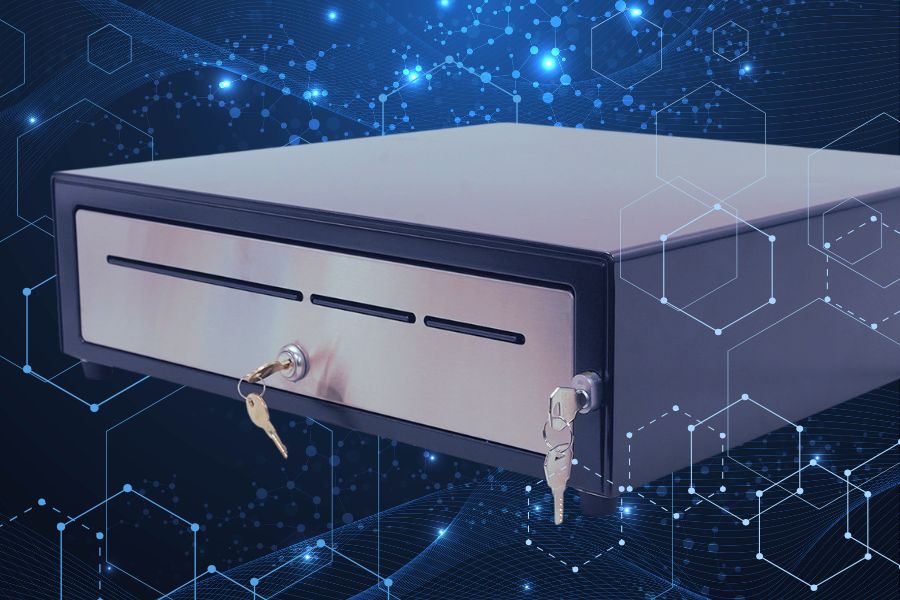
Somerset, NJ – January 2, 2025 – Star Micronics, a global leader in point-of-sale (POS) technology, is proud to announce the launch of the CD5 Max Series, the next generation of high-performance cash drawers. Designed to meet the demands of modern retail and hospitality operations, the CD5-1316, CD5-1617, CD5-1817, and CD5-1918 models deliver unmatched durability, security, and connectivity options. The new CD5-1918 model is well-equipped for high-cash volume, enterprise-level environments—a new addition to Star’s already innovative cash management portfolio.
Each model in the CD5 Max Series is tailored to accommodate high-cash businesses of all sizes, from compact retail environments to enterprise-level operations. With features like all-steel construction, multiple interface options, and thoughtfully designed layouts, the CD5 Max Series sets a new benchmark for reliable cash management.
Key Features of the CD5 Max Series include:
Robust All-Steel Construction: Built for long-lasting durability in demanding, high-cash volume environments.
Versatile Connectivity Options: Models are available with DK and dual DK/USB interfaces for seamless POS connectivity.
Innovative Designs for Every Need: From the ultra-compact CD5-1316 to the enterprise-ready CD5-1918, there’s a size for every operation.
Enhanced Security: Features like dual-locking mechanisms and under-till compartments for coin storage on select models.
Sleek Finishes: Available in glossy black with or without a stainless-steel front to suit any professional setting.
Cash Drawer Model Highlights:
CD5-1316: The smallest heavy-duty cash drawer in the lineup, ideal for space-sensitive setups, like mPOS and select hospitality environments.
CD5-1617: A compact 16-inch design with one media slot, perfect for small to medium retailers.
CD5-1817: An 18-inch heavy-duty model with a stainless-steel front for high-volume transactions, including grocery and dispensary environments.
CD5-1918: A 19-inch cash drawer with enterprise-level durability, three media slots, and dual-locking mechanisms for added security.
The CD5 Max Series offers a range of sizes and features to accommodate diverse retail and hospitality needs. From space-saving designs to heavy-duty models for high-cash environments, each drawer is engineered to deliver reliability and efficiency. Select models also support dual interfaces, allowing ISVs and VARs to simplify inventory by stocking one versatile cash drawer for multiple configurations.
“Star Micronics has always focused on providing cutting-edge solutions that meet the evolving needs of our customers. The CD5 Max Series reflects our commitment to quality, durability, and innovation in cash management.”
Star Micronics, a world leader in point-of-sale (POS), has designated a portfolio of printing, secure cash management, self-service, and customer engagement solutions for any retail or hospitality establishment. Embracing the mPOS wave, Star’s SDKs allow developers to utilize Star printers in tandem with Android™, iOS, iPad®, and iPhone® devices to generate receipts, labels, Chit, and tickets. Star Micronics is always leading and always innovating, creating cloud-based printing solutions, including CloudPRNT Next and Star Cloud Services, with AOA support and MFi connectivity. Star also has a wealth of peripherals, including 2D barcode scanners, scales, tablet display stands, and more. Visit starmicronics.com or follow us on Facebook, X, YouTube, or LinkedIn to learn more.
In this episode of the Rising Stars Podcast, “Prop 65 Compliance Made Simple for Resellers,” host Kate Orara shines a light on a topic every Value-Added Reseller (VAR) and Independent Software Vendor (ISV) in the retail and restaurant technology space should know: California’s Proposition 65. With her expertise as Star Micronics’ Partner Development Manager, Kate delivers practical insights to help resellers navigate this critical regulation with ease.
This episode covers key elements of Prop 65 compliance, including identifying products with listed chemicals, understanding the latest BPA-free receipt paper requirements, and ensuring proper warning labels to protect your business and customers.
Kate offers actionable steps for VARs and ISVs to audit their inventory, collaborate with manufacturers, and educate their teams to stay compliant with Prop 65 updates. By tuning in, you’ll gain strategies to safeguard your business while building trust with your customers.
Whether you’re new to Prop 65 or looking to refine your compliance strategy, this episode is a must-listen for resellers who want to maintain their competitive edge and protect their bottom line.
Immerse yourself in the world of point-of-sale (POS) with the Rising Stars Podcast by Star Micronics, hosted by industry pro, Kate Orara. Twice a month, we explore the fascinating journeys of innovators and businesses navigating the challenges of POS technology’s rapid pace.
In every episode, Kate Orara, Star Micronics’ Partner Development Manager, discusses emerging retail technology trends and strategies with global industry giants. She’s spent her entire career meeting all the right people, and now listeners everywhere can benefit from this vast network of channel gurus.
Always leading and always innovating, Star Micronics, a pioneer in POS and customer experience technology for over 60 years, welcomes you to join us in shaping a brighter future in the retail, hospitality, and cannabis industries.
Kate Orara: Hey there, retail tech enthusiasts! Welcome to the Rising Stars Podcast, your go-to for all things retail tech and point of sale. I’m Kate Orara, Partner Development Manager at Star Micronics, and I’m excited to guide you through this journey. Here, we dive into the latest innovations shaping the retail, hospitality, and cannabis industries. So whether you’re a techie or a business owner, this is your backstage pass to insider knowledge. Join me and the Star Micronics team as we innovate and rise together.
Today, we’re diving into a topic that might not sound exciting at first, but trust me—if you’re a reseller in the retail technology space, this is something you need to know. We’re talking about California’s Proposition 65, also known as Prop 65. Don’t hit pause or exit just yet! Please give me a little bit of your time. This isn’t just about regulations—it’s about protecting your business, your customers, and, let’s be honest, your bottom line.
By the end of this episode, you’ll have a clear understanding of what Prop 65 is, why it matters to you as a reseller, and how you can stay compliant with both old and new rules. I’ll even share a great resource from Star Micronics that breaks it all down for you. So grab your coffee, settle in, and let’s get started!
All right, what is Proposition 65? Let’s start with the basics. Prop 65 is a California law that’s been around since 1986. Its goal? To protect the public from chemicals that can cause cancer, birth defects, or other reproductive harm. Now, what does that mean for businesses? If a product you sell contains one of the chemicals on California’s Prop 65 list, you’re required to provide a clear warning to your customers. Think of it as California’s way of saying, “Transparency is key!”
But here’s the kicker: that list isn’t static. It’s updated annually, and as of now, it includes over 900 chemicals.
If you’re a reseller, you might be thinking, “Well, I don’t manufacture the products, so this isn’t my problem.” Wrong! It is your problem because you’re the one putting these products into the hands of your end-users. If the products you sell don’t meet Prop 65 requirements, you could face hefty fines or even lawsuits.
For example, one area of concern is receipt paper. Did you know that some thermal receipt papers contain BPA, a chemical on the Prop 65 list? If your end-users are unaware of this, it could spell trouble not just for them but for you, too.
All right, so there have been some new updates to Prop 65. BPA has been a hot topic lately, especially in the context of receipt paper. Manufacturers are now producing BPA-free alternatives, but it’s up to resellers like you to ensure your inventory aligns with these changes. Another update is how warnings are delivered. It’s no longer enough to have vague, generic labels—the warnings must be specific about the chemical and the potential harm.
To my resellers, what does this all mean for you? Here’s the game plan, and it’s a four-step process:
1. Audit Your Inventory: Take stock of what you’re selling. If any of your products contain Prop 65-listed chemicals, make sure you know which ones.
2. Work with Manufacturers: Stay in close communication with your suppliers. Ask for documentation that confirms compliance with Prop 65.
3. Label Clearly: Remember, transparency is key. If a product requires a warning, make sure it’s properly labeled before it reaches your customers.
4. Educate Your Team and Customers: Make sure your sales team understands these requirements, and don’t hesitate to pass that knowledge on to your end-users.
Now, I know this sounds like a lot, but you’re not in this alone. The team at Star Micronics has put together a fantastic blog post that dives into Prop 65 compliance, particularly when it comes to receipt paper. So definitely read it when you have a minute. You can find it in the description notes of this episode, or simply go to Star’s website, navigate to the resources tab, and select the Star POS Blog. Star explains the regulations in plain English and even offers tips on managing BPA-free inventory.
Compliance with Prop 65 might feel like a hassle, but think of it as an investment in your business. By staying ahead of these regulations, you’re not just protecting yourself—you’re building trust with your customers and showing them that you care about their safety. So take the time to review your processes, educate your team, and use resources like the Star blog to guide you.
That’s it for today’s episode! Thanks for tuning in to the Rising Stars Podcast! If you found this episode helpful, please share it with your network, and don’t forget to subscribe so you never miss an update. Until next time, stay compliant, stay informed, and make sure to always be leading and always be innovating.
And that is a wrap for this episode of the Rising Stars Podcast. A huge thanks to our incredible listeners for tuning in. Don’t forget to subscribe, rate, and leave a review. Your feedback fuels our journey to bring you the best in retail tech. Stay connected with us on social media for updates and behind-the-scenes content. As you sign off, remember, the future of retail technology is in our hands, and together, we are shaping it. Keep innovating, keep rising, and until next time, this is Kate Orara signing off. Together we rise.
Success in the highly competitive restaurant industry requires more than just providing great food and service. It involves embracing technology to modernize your processes and create a more engaging customer experience. One technology that has become essential is barcode scanners. As part of a comprehensive point of sale (POS) solution, barcode scanners can reform restaurant operations for the better, from menus and ordering to inventory and labor management.
There are a few different types of barcodes and scanners. One-dimensional (1D) barcodes or universal product code (UPC)-style barcodes consist of vertical black and white lines of varying width and are read using a laser scanner. Two-dimensional (2D) barcodes or quick response (QR) codes are square, pixelated codes that require camera-operated scanners to be read. Both types encode product information in a compact form that a machine can read.
Barcode scanners are wired or wireless handheld devices or desktop/presentation scanners. Codes can also be read by a smartphone camera. A 2D code holds more information than a 1D code, and a 2D scanner can read 1D and QR codes, whereas a 1D scanner reads only 1D barcodes.
The type of barcode scanner that best suits your restaurant depends on how you plan to use this technology. Here are the top ten uses for barcode scanners in restaurants:
1. Streamlined Menus and Order Processing
One of the most prevalent uses of QR codes in restaurants is providing digital menus. Customers can use their phones to scan a code from a table tent, poster, or placemat to access the menu and even place their orders. They can access detailed item descriptions, including nutritional and ingredient information, without needing to touch publicly-handled print menus.
Placing orders this way reduces errors, enhances accuracy, and improves kitchen communication and overall efficiency. All of these benefits increase customer satisfaction.
2. Food Safety and Allergen Management
The increased menu information available to customers through barcode scanning often includes allergen alerts. Barcode labels on ingredients can also be scanned in the kitchen to ensure compliance with food safety regulations. Both uses boost customer trust and confidence in the restaurant’s offerings.
3. Tableside Service and Mobile Ordering
Implementing QR codes and barcode scanners in handheld devices can enhance tableside service and guest experiences. They can enable not only tableside and mobile ordering but also payment processing. Diners can start a tab and order as they like. Then, instead of waiting for the check to take their payment, customers can enjoy expedited, contactless checkout.
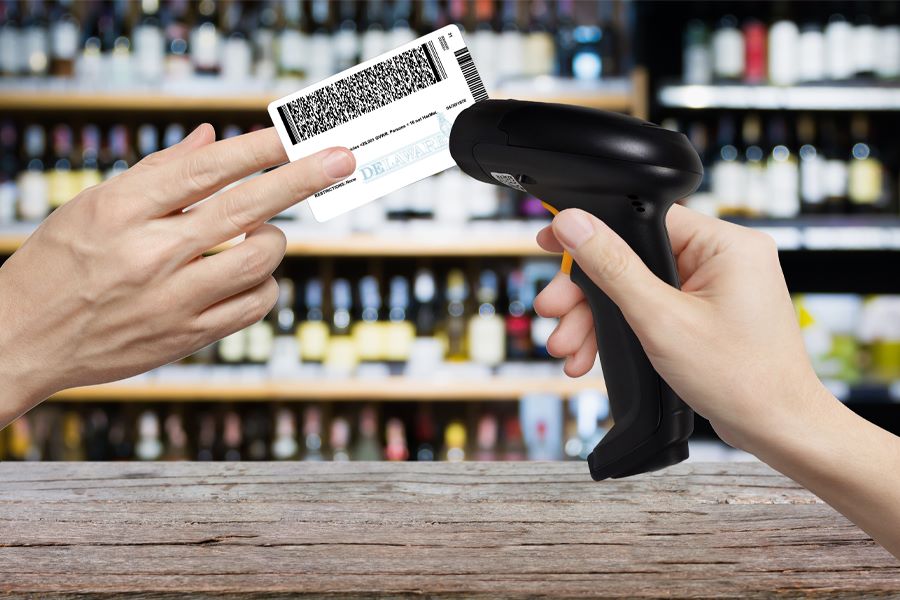
If your restaurant serves alcohol, you know the importance of age verification. Barcode scanners are essential in checking IDs. Using scanners for this purpose will:
Reduce human errors and eliminate fraud;
Help you stay up to date with compliance monitoring;
Enhance safety and your brand’s reputation.
5. Inventory Management
Another primary use for incorporating barcode scanners with your restaurant POS system is automated inventory management. Automating your inventory system is far more efficient and accurate than manual methods.
Barcode scanners can quickly read pantry shelf labels and monitor ingredient usage, sending the information back to the inventory management software. This helps to minimize food waste, optimize stock levels, and simplify restocking procedures.
6. Vendor and Supplier Management
Using barcode scanning for inventory management also streamlines communication with vendors and suppliers. It can help you place reorders, track deliveries, and check incoming inventory. In addition, it can ensure consistency in product quality and pricing.
7. Loyalty Programs and Customer Engagement
There are several advantages to using barcode scanners in your customer engagement strategies. QR codes and mobile apps can make it easy for diners to join your loyalty program, check their point balances, and redeem rewards, raising their satisfaction and rate of return visits.
The data gleaned from this usage can help you track customer preferences and behaviors and create personalized promotions and bonuses. You can also use QR codes to direct patrons to your social media accounts for further engagement.
From the Blog: Why Food Packaging Labels are Essential to Online Order Fulfillment
Consumers are sold on the convenience of food delivery. Statista reports that online food delivery orders worldwide are projected to reach $1.22 trillion in 2024 and will continue to grow…
Another use for restaurant barcode scanners is labor management. Barcode-based time clock systems for employees offer advantages, including reducing errors, simplifying payroll management, and monitoring staff efficiency and productivity.
9. Reporting and Analytics
Restaurant barcode scanners improve reporting and analytics. Utilizing barcode data from the previously discussed uses provides the business insights you need to make informed decisions about your operations and workflow. For example, identifying popular menu items and trends through customer and inventory data leads to menu optimization, ultimately cutting costs.
10. Automated Accounting Processes
Using barcode scanners paired with your accounting system streamlines financial management by automating transactions, expense tracking, and reconciliation. This reduces manual entry errors and significantly improves financial visibility, making it easier to track income, manage costs, and maintain accurate records for tax and reporting purposes.
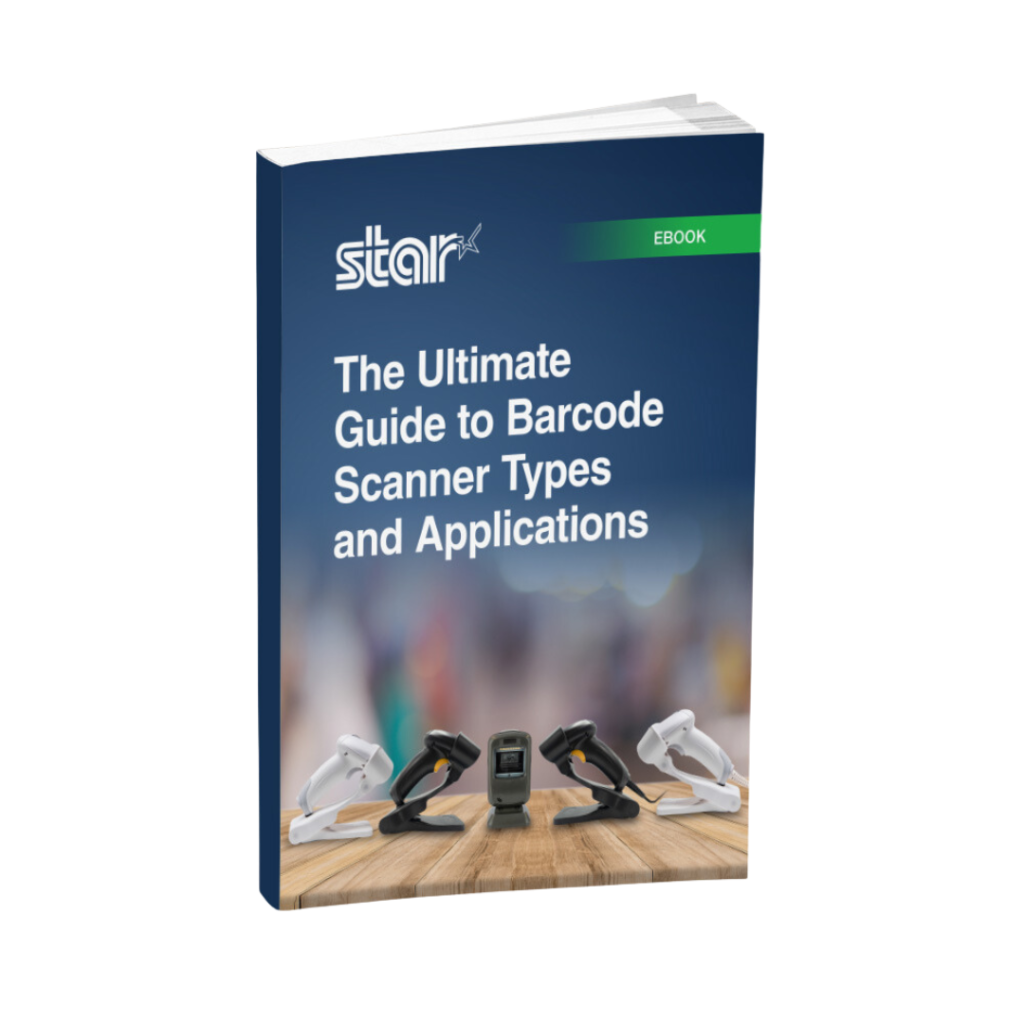
The Ultimate Guide to Barcode Scanner Types and Applications
Reviewing this will ensure you make informed decisions when deciding what barcode scanner to buy for your business’s success.
Embrace Restaurant Technology and Stay Ahead of the Curve
Barcode scanners have already become “must-have” restaurant equipment, and the technology will continue innovating. Advancements in barcode scanning technology may soon include merging with AI and machine learning for predictive analytics and potential applications of blockchain for supply chain transparency.
Technology will continue to shape the future of the restaurant industry, and businesses that don’t modernize their operations and keep up with these innovations risk being left behind.
Restaurant barcode scanners are helpful in many aspects of the business, providing menu, ordering, and engagement options for customers and inventory, labor, and reporting functions for employees and owners. When you’re ready to adopt this technology and experience better restaurant management, find a trusted provider who can guide you to the right solution.
Providing fast, efficient customer service and communicating orders quickly and accurately to food prep areas are absolutely vital to a quick-service restaurant (QSR) operation. Thermal receipt printers will help you achieve those objectives if you choose a model with the right features and design for your operation.
Answer these questions to narrow your choices decision-tree-style to make a confident thermal receipt printer choice for your business.
The best place to start with any technology purchasing decision is by identifying gaps in your operation or developing plans for a more efficient operation. Are you looking for an efficient printer for receipts? Do you plan to deploy printers in the kitchen? Or do you need a model designed for both uses?
Do you need a printer that can generate labels for efficient online order fulfillment in addition to printing receipts and chits? Once you define your needs, you can narrow your choices to thermal receipt printer models designed for your applications.
Where Do You Need Printers?
Another question you need to ask before you begin to search for point of sale (POS) printers or kitchen printers is where it makes the most sense to implement them in your operation.
In a modern, fast-paced QSR, it’s not practical for employees to walk to a wired printer to generate a receipt for drive-thru customers or pick up kitchen orders. If you can save steps and time by deploying printers where wired connections aren’t possible, narrow your choices to printers that can connect via WLAN, Wi-Fi, or Bluetooth.
Restaurants choose impact printers for hot, humid kitchens that could impact the quality of thermal-printed chits and receipts. Impact printers remain a good choice; however, more kitchens are now heat-controlled, allowing restaurants to use thermal printers for better speed and connectivity options.
If you plan to deploy your printer in the kitchen, limit your choices to models with IP ratings for resistance to damage from dust, dirt, and liquid splashes or sprays to minimize repair and replacement costs. Easy maintenance is also a must!
The days of only taking orders at the counter are over. Drive-thru traffic rose 30% from 2019 to 2022 and continues. Nearly 45% of QSRs plan to add self-service kiosks this year, and restaurants continue to take orders from third-party ordering and delivery services. Plus, many establishments are now taking orders from their own websites or apps.
While giving customers the freedom to choose how they interact with your restaurant can increase satisfaction, loyalty, and revenue, it also creates operational complexity. A printer that can print orders, labels, and receipts directly from a web application or cloud-based software eliminates the need for additional devices and simplifies the IT environment necessary to make an omnichannel operation work.
How Fast Do You Need to Print Labels and Receipts?
Your customers expect fast, accurate service. Delaying food prep because a kitchen printer queue is backed up or serving the wrong order because employees mixed up slow-printing chits can hurt your brand and negatively impact loyalty. Narrow your choices only to options with print speeds that can keep up with peak traffic.
The Best Thermal Receipt Printer Choice
After you answer these questions, you’ll have a clearer picture of the best thermal receipt printer for your business. Following this decision-making process may guide you straight to the best printers for business — or convince you that you need more help to find the right model for your restaurant.
The good news is that Star Micronics has a full line of printers for QSRs with models that meet every need–backed by world-class support. Contact us to connect with an expert who knows your industry and printer technology options and can help you explore your options.
Additional Resources
Learn more about these Star Micronics products for your QSR:
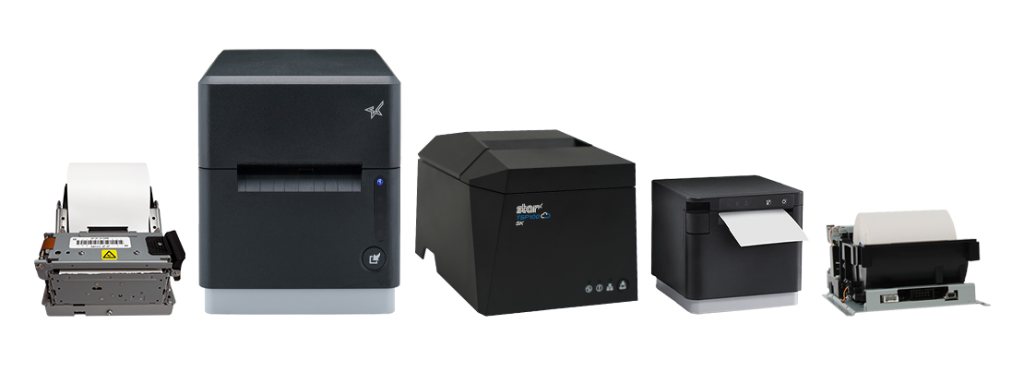
The mC-Label3 Multifunctional Printer prints permanent or repositionable sticky labels on linered or linerless media and also provides thermal receipt printing.
The mC-Print3 series of thermal receipt printers are lightning-fast with robust connectivity options, CloudPRNT Next capability, and compact, splash-proof designs–perfect for demanding, high-traffic environments.
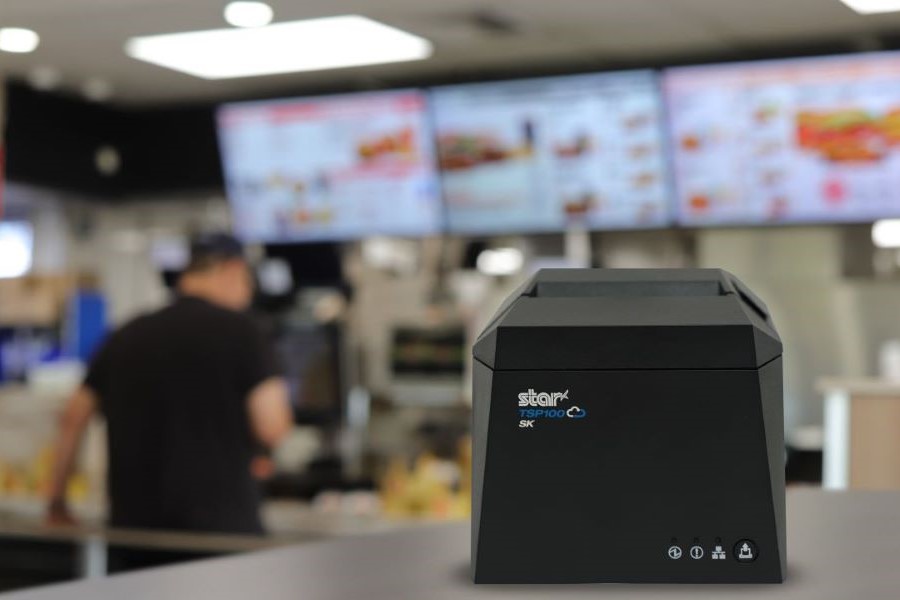
The TSP143IV SK is a compact, sticky linerless label printer that can help increase efficiency in order preparation and fulfillment processes. Linerless labels are also the more eco-friendly label media.
The TSP143IV thermal receipt printer delivers high print quality and offers multiple connectivity options and high-speed printing.
Star’s CloudPRNT technology stores and creates print jobs and offers cloud-based printing capabilities, allowing QSRs to print directly from web apps and cloud applications.
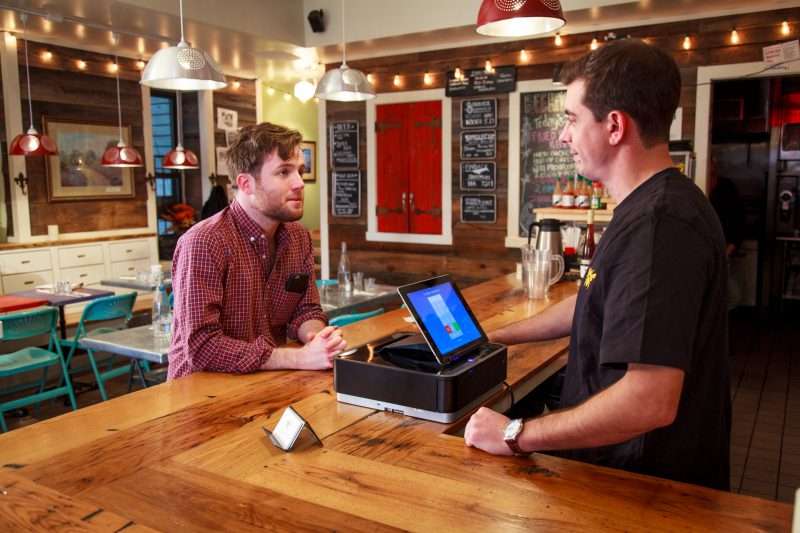
The mPOP® multifunction “mobile point of purchase” system combines a printer and cash drawer into one sleek solution.
The SP742 impact printer is a high-speed, reliable solution for hot, humid kitchens. It features multiple connectivity options, including cloud-based printing.
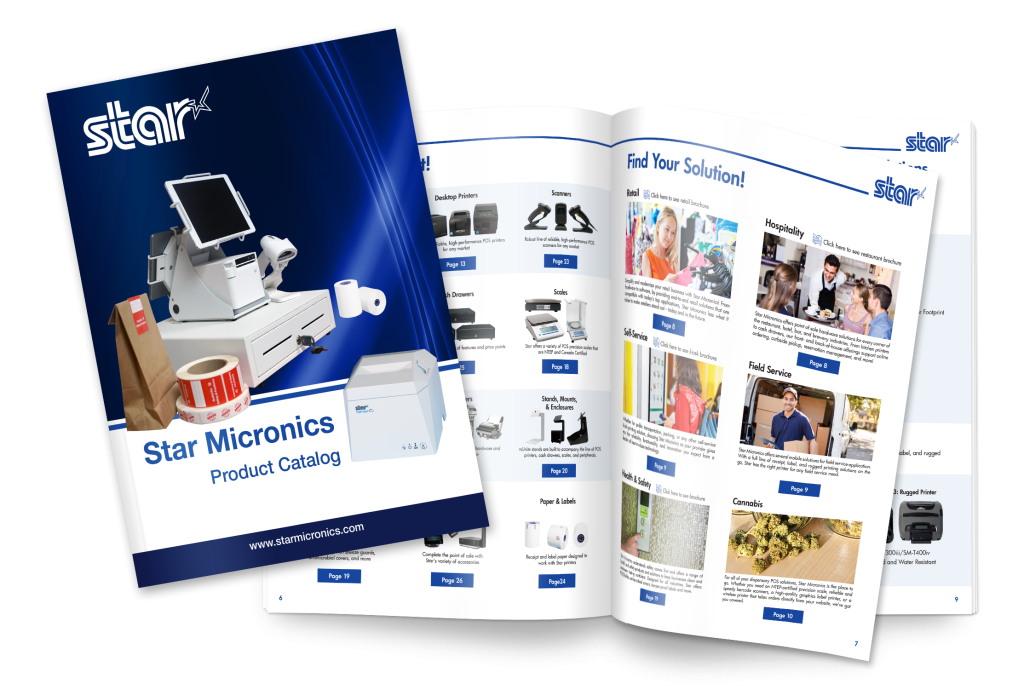
Star Micronics Product Catalog
Explore Star’s Product Catalog today to discover the perfect printer solutions tailored for your QSR’s unique needs.
In this episode of the Rising Stars Podcast, “Smarter Cafe Management with Linerless Sticky Labels,” host Kate Orara uncovers the many benefits of linerless sticky label printers for cafes and coffee shops. As Partner Development Manager at Star Micronics, Kate shares her expertise on how this technology can streamline daily operations while offering a sustainable solution for labeling.
This quick episode highlights the key benefits of linerless printing, from speeding up order labeling and minimizing customer wait times to reducing environmental waste by eliminating non-recyclable liners. Kate discusses how these printers offer flexible label sizing, catering to a variety of needs from small coffee cups to larger takeout containers, making them a game-changer for both front-of-house and back-of-house operations.
Listeners will gain insights into how linerless sticky label printers can boost productivity, enhance customer service, and contribute to sustainability efforts. Kate also emphasizes the long-term cost savings and operational advantages that make these printers a must-have for any cafe looking to stay competitive in today’s fast-paced environment.
Whether you’re looking to enhance order management or explore eco-friendly solutions, this episode provides valuable guidance on making the switch to linerless technology. With real-world examples and expert advice, Kate makes the case for why linerless sticky labels are the future of efficient cafe management.
Subscribe and listen now to discover how linerless sticky label printers can elevate your cafe’s operations.
Immerse yourself in the world of point-of-sale (POS) with the Rising Stars Podcast by Star Micronics, hosted by industry pro, Kate Orara. Twice a month, we explore the fascinating journeys of innovators and businesses navigating the challenges of POS technology’s rapid pace.
In every episode, Kate Orara, Star Micronics’ Partner Development Manager, discusses emerging retail technology trends and strategies with global industry giants. She’s spent her entire career meeting all the right people, and now listeners everywhere can benefit from this vast network of channel gurus.
Always leading and always innovating, Star Micronics, a pioneer in POS and customer experience technology for over 60 years, welcomes you to join us in shaping a brighter future in the retail, hospitality, and cannabis industries.
Kate Orara: Hey there, retail tech enthusiasts. Welcome to the Rising Stars podcast, your go-to source for all things retail technology and the ever-evolving world of point of sale. I’m your host, Kate Orara, Partner Development Manager at Star Micronics, and I am thrilled to be your guide on this exciting journey. Here at Rising Stars, we’re not just keeping up with the trends—we’re setting them. We dive deep into the tech landscape with global industry leaders, unpacking strategies, and discussing the latest innovations that shape the future of retail IT. Whether you’re a tech aficionado, business owner, or just curious about the dynamic world of retail, this podcast is your backstage pass to insider knowledge. And hey, it’s not just about the tech, it’s about the community. Join me and the Star Micronics team as we lead and innovate, shaping a brighter future for the retail, hospitality, and cannabis industries, as well as beyond. Together, we rise. So hit that subscribe button, stay in the loop, and let’s make waves in the retail tech space. This is the Rising Stars podcast, where innovation meets inspiration. Let’s rise together.
Kate Orara: Hey y’all, welcome back to the Rising Stars podcast. I’m your host, Kate Orara, and in today’s episode, we’re diving into a game changer for cafes and coffee shops—the linerless sticky label printer. If you’ve ever wondered why every cafe needs one, you’re in the right place—or shall I say, you’re listening to the right podcast. We’ll actually be summarizing an insightful blog from Star Micronics that breaks down the benefits. If you’re not already subscribed to Star’s blog, be sure to visit Star Micronics’ website, go to the resources tab at the top, and select Star POS Blog. Scroll all the way down to the bottom of the page and complete the two-field form so you never miss an insightful piece from the resourceful marketing team at Star.
Kate Orara: With that being said, grab your favorite brew—of the coffee variety—and let’s get started.
Kate Orara: First off, what’s all the fuss about linerless sticky label printers? Well, imagine a world where labeling your coffee cups, food items, and merchandise is not only quick and easy but also eco-friendly. That is the power of linerless printing technology. The blog emphasizes a key point: efficiency. Picture a bustling morning rush in your cafe—orders are flying, and every second counts. With a linerless printer, you can print labels faster than ever before, reducing wait times and keeping your customers happy. That’s what it’s all about, right?
Kate Orara: But it’s not just about speed—it’s also about versatility. Linerless printers can produce labels of various lengths, which is perfect for everything from small espresso cups to large venti-to-go containers. Plus, they’re compatible with a range of label materials, ensuring durability without the waste of traditional label rolls.
Kate Orara: Now, let’s talk about waste reduction. Traditional label rolls come with a backing material called liner, and with linerless printing—well, you see where we’re going—that liner is not often recyclable. So by switching to linerless printing, cafes can significantly reduce their environmental footprint. It’s a win-win for both your business and the planet.
Kate Orara: But wait, there’s more. Linerless printers aren’t just for labeling cups and containers—they can also streamline your back-of-house operations. From labeling ingredients to organizing inventory, these printers are a game changer for cafe management.
Kate Orara: So why aren’t all cafes jumping on the linerless bandwagon? Well, like any technology, there is an initial investment involved. But as Star’s blog points out, the long-term benefits far outweigh the upfront costs. Think of it as an investment in the future of your cafe.
Kate Orara: So, to wrap up, it’s clear that linerless sticky label printers are revolutionizing the way cafes and coffee shops operate. From boosting efficiency to reducing waste, these devices are truly a must-have for any modern cafe looking to stay ahead of the curve.
Kate Orara: That’s it for today’s episode of the Rising Stars. I hope you’ve enjoyed our dive into the world of linerless printing. Just a reminder, be sure to check out the full blog on Star Micronics’ website for more details. And do not forget to subscribe so you can get all sorts of great information on a regular basis. Until next time, keep brewing excellence in your cafe.
Kate Orara: And that’s a wrap for this episode of the Rising Stars podcast. A huge thanks to our incredible listeners for tuning in, and to our phenomenal guests for sharing their insights. Don’t forget to subscribe, rate, and leave us a review. Let us know what you want to hear more about. Give us your feedback, because it fuels our journey to bring you the best in retail technology. Stay connected with us on social media for updates and behind-the-scenes content. As we sign off, remember, the future of retail technology is in our hands, and together, we’re shaping it. Keep innovating, keep rising, and until next time, this is Kate Orara signing off. Together, we rise.
Since 2020, restaurants have significantly changed their operations. They adapted to regulations and mandates during the COVID-19 pandemic. They added online ordering and curbside pickup options to offer customers new ways to engage. They deployed self-service ordering and payment kiosks to meet changing consumer preferences.
However, the evolution of this industry isn’t over. Now, chains are prioritizing sustainability, transitioning to reusable cups. Repositionable linerless sticky labels will be vital to making that strategy work.
Stopping for coffee on the way to work or between errands is routine for many consumers. However, the cups they use are piling up. The Guardian reports that the U.S. landfills about 25 billion polystyrene cups each year, and that material takes about 500 years to decompose.
However, polystyrene isn’t the only type of cup that negatively impacts the environment. The estimated 16 billion paper cups that U.S. consumers use each year require cutting down about 6.5 million trees. Furthermore, adding up the cup, sleeve, production, and shipping, each paper cup is responsible for 110g of carbon dioxide emitted into the environment.
While protecting the environment and complying with new regulations for sustainable operations are driving changes in how restaurants serve to-go beverages, another factor is cost. Every 1,000 cups and lids cost about $75-$150, and with traditional processes, it’s equivalent to paying for something that immediately heads to a landfill. It’s one more reason that restaurants are taking a serious look at joining the reusable cup trend.
Chains Trailblazing the Transition to Reusable Cups
One chain that has launched a program to serve beverages in reusable cups is Tim Hortons. The brand, which had used this model before the pandemic, offers a 10-cent discount to customers who bring a clean reusable cup for their hot or cold beverage orders. Tim Hortons reports that, in 2019, it was able to reduce the number of disposable cups it used by 15 million for hot beverage orders alone.
Starbucks is also emerging as a leader in this area, becoming the first to accept reusable cups at the drive-thru and for mobile orders at participating locations in the U.S. and Canada. When customers place their orders at the drive-thru or with the Starbucks app, they let the barista know they brought a reusable cup. When they arrive at the pickup window or the counter, the barista collects the cup in a contactless vessel to ensure hygiene.
After baristas prepare orders, they serve them in customers’ cups. These customers receive a 10-cent discount, 25 Bonus Stars, and the satisfaction of supporting Starbucks’ commitment to reduce waste by 50% by 2030.
Repositionable Linerless Sticky Labels Make Serving Beverages in Reusable Cups Practical
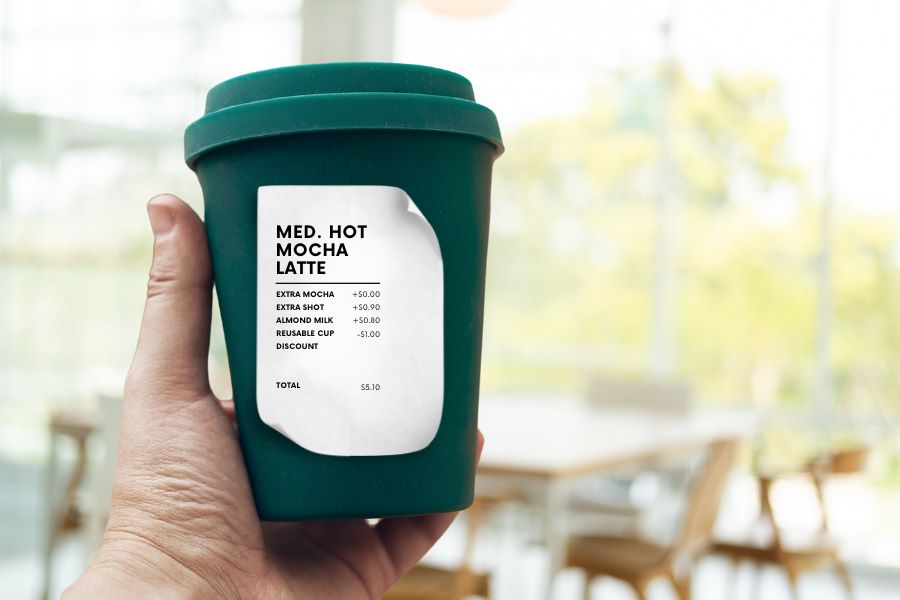
When serving beverages in customers’ reusable cups, it’s essential to ensure employees can quickly identify which cup belongs to which customer. Repositionable sticky labels allow restaurants and cafes to keep the order and customer information with the cup to avoid mix-ups. If the goal is to reduce waste, ensuring the correct order is poured into the right cup is essential. Otherwise, employees would have to discard the beverage and remake the order.
Also, repositionable labels are durable enough to stay attached throughout the process but are easy for customers to remove. Therefore, they don’t have to scrape off a permanent label so they can use the cup again.
An even more environmentally friendly option is to use repositionable linerless sticky labels. These labels don’t have a backing that employees must remove before applying them. This streamlines processes, allowing employees to even apply labels with one hand. Linerless labels also decrease the waste that the restaurant or café produces and clutter from paper backing on counters or the floor.
Additionally, linerless rolls contain 60% more labels, so employees spend less time replacing label rolls and more time serving customers.
Linerless labels have no backing, giving more labels per roll with less waste.
Printing repositionable linerless sticky labels for reusable cups is just one of the print jobs required at cafes and restaurants. They also need to print receipts and may need to print permanent labels for prepared foods or shelf labels for inventory control.
Brands that partner with third-party delivery services may want to generate tamper-proof labels to assure customers of quality and safety. The restaurant or café may also want to create custom QR codes or branded labels on demand to enhance customer engagement.
The best investment is in a printer capable of handling a variety of linerless label sizes to meet all of the business’s needs. This printer will also allow a restaurant or café to keep up with emerging restaurant trends, like “bring your own cup” (BYOC) or other labeling use cases on the horizon.
Recommended Linerless Label Printers
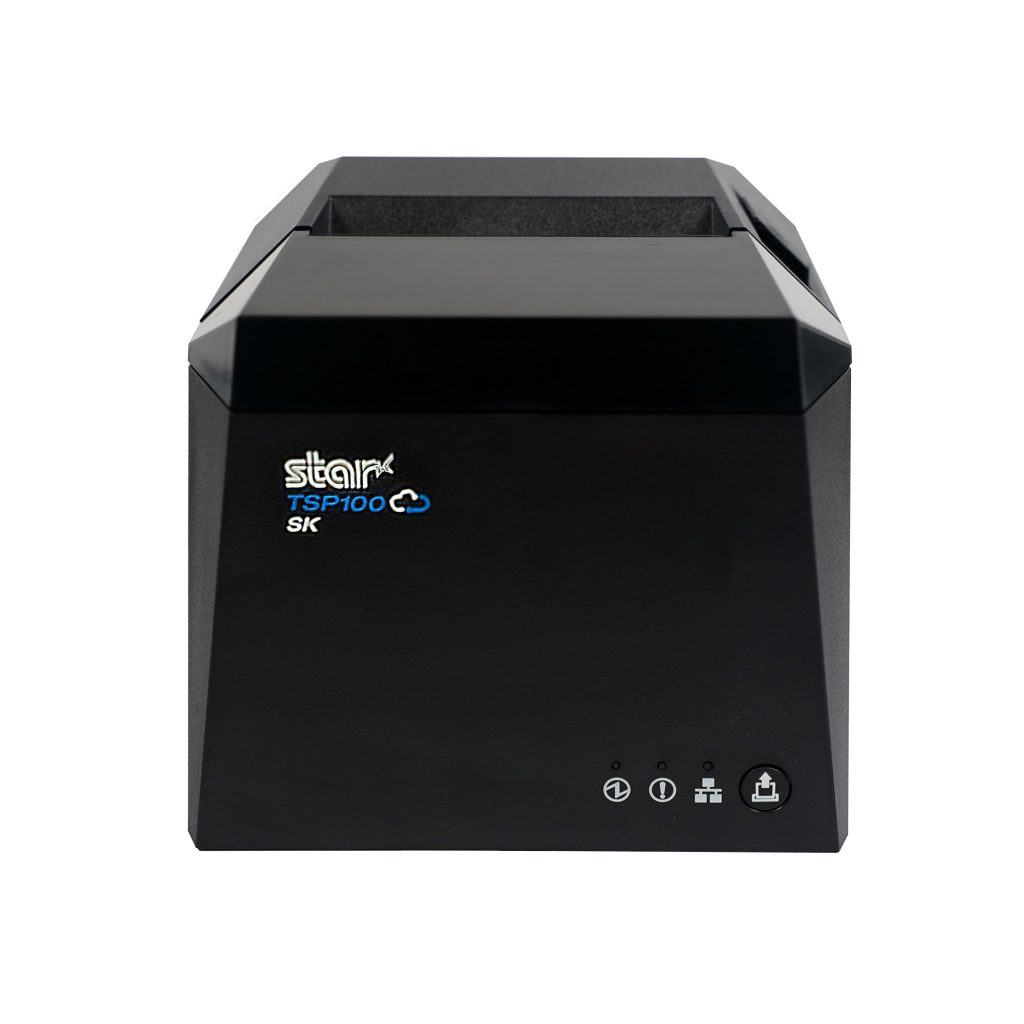
TSP143IV SK Sticky Label Printer
The TSP143IV SK by Star Micronics sets a new standard for compact, eco-friendly thermal linerless label printing, offering advanced connectivity options like Wi-Fi and AOA, and efficient, residue-free labels for diverse business needs.
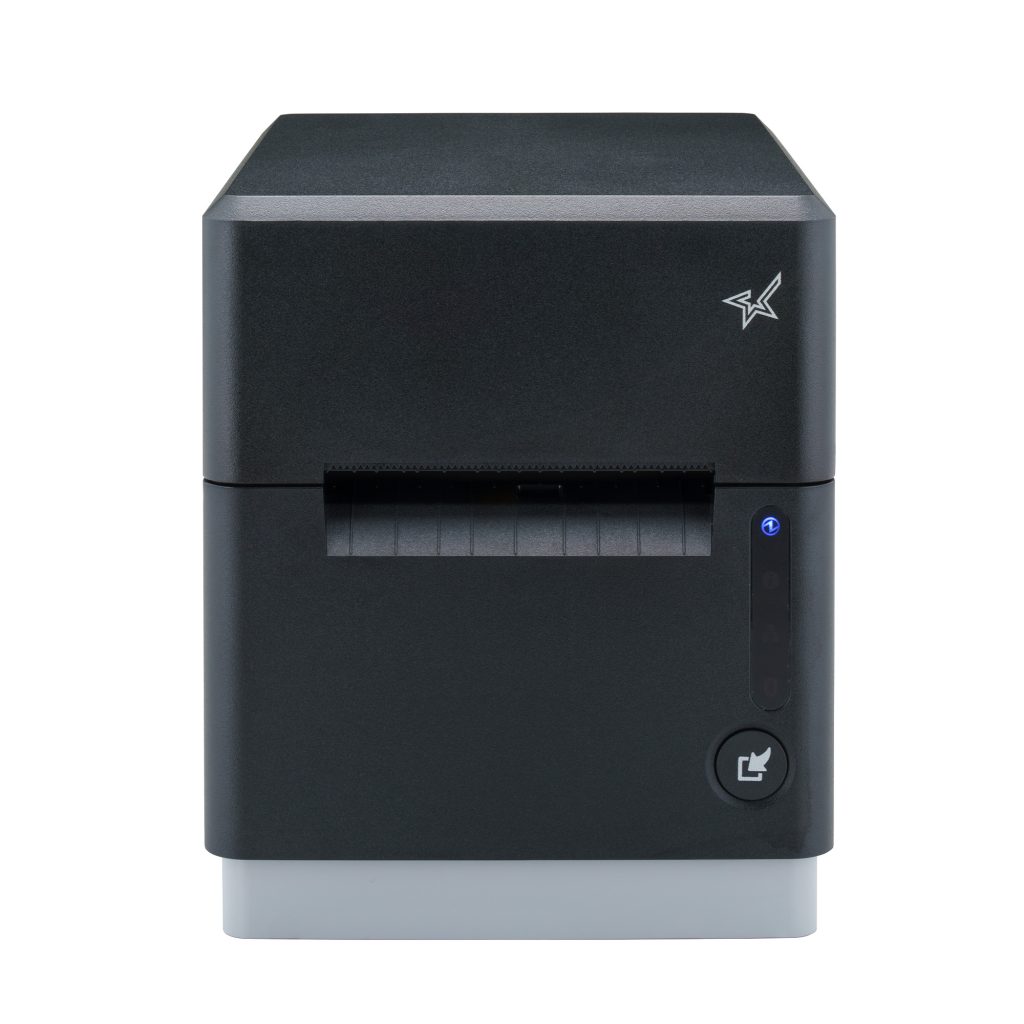
The Star Micronics mC-Label3 is a versatile multimedia printer that prints a wide range of labels and receipts, including both permanent and repositionable sticky linerless. It features cloud connectivity and innovative technologies like SteadyLAN and TetherLAN for enhanced printing convenience.
The restaurant industry’s evolution will continue as consumer behaviors and regulations change, technology advances, and new challenges arise. The best strategy is to stay agile, open to adapting to what lies ahead, and informed about solutions that make new processes practical and cost-effective.
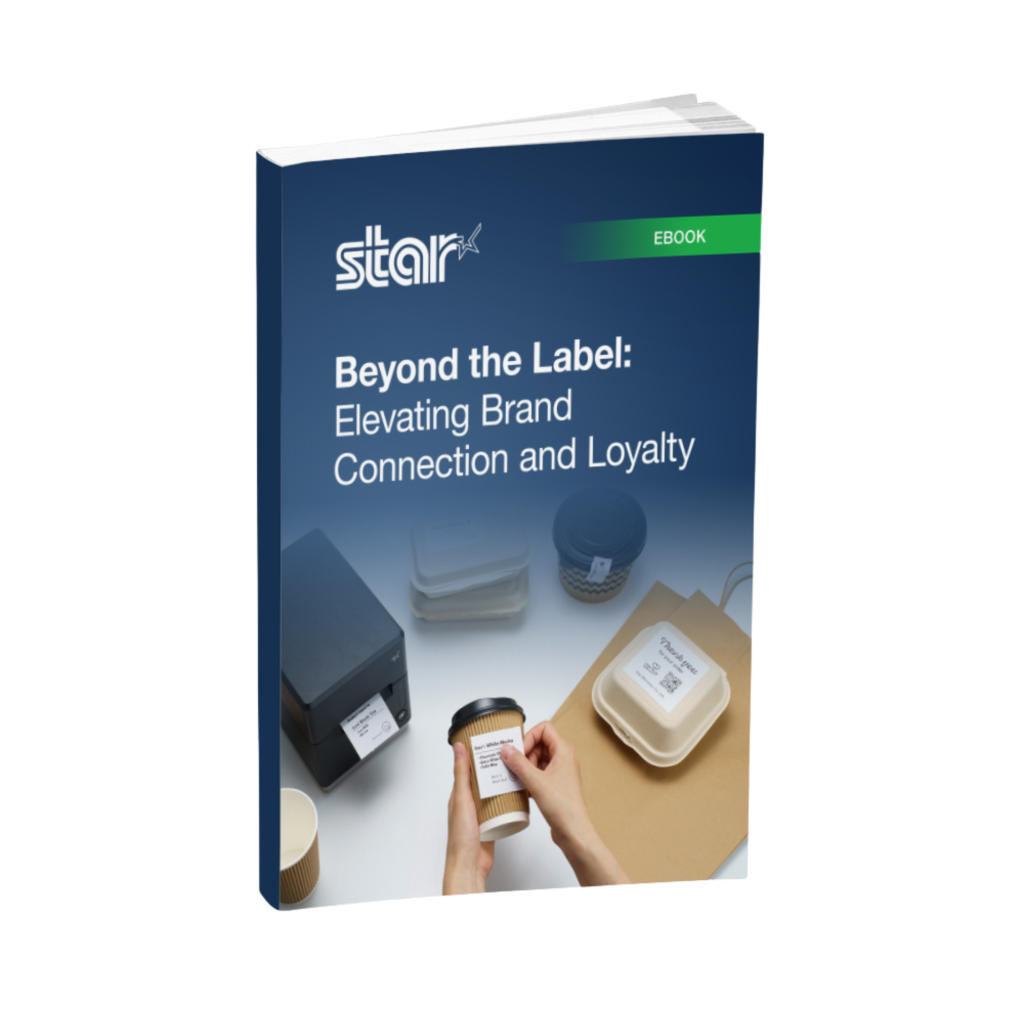
Beyond the Label: Elevating Brand Connection and Loyalty
Discover how strategic labeling can redefine customer engagement and boost brand loyalty in this digital age.
Enjoy flawless connectivity with the latest mPOP® model, the POP10CBi, featuring Bluetooth capability alongside USB-C.
Somerset, NJ – July 17, 2024 – Star Micronics, a leading manufacturer of mobile, point-of-sale (POS), and customer engagement technologies, is proudly releasing their newest addition to the mCollection®, the mPOP model POP10CBi. Star’s mPOP (mobile point of purchase) remains the industry’s number one hybrid POS solution that combines a cash drawer and printer peripheral into one simplified and stylish system.
With the POP10CBi, Star offers convenient Bluetooth connectivity, enhancing the flexibility of direct iOS connectivity while also supporting Windows and Android devices. This compact and fully integrated peripheral is ideal for tablet- and mobile device-based POS (mPOS) systems.
Connect your preferred tablet or mobile device, and the POP10CBi transforms into a fully unified POS system. It’s compatible with all major operating systems (iOS, Android, Windows, macOS) and works with any supported POS or mPOS software, allowing retailers the freedom to use various platforms. With Apple MFi certification, the POP10CBi allows a direct USB-C connection with the iPad®, iPhone®, and iPod Touch®, enabling it to charge your iOS device while data is transferring. This convenient method uses the same charge cord included with the iOS device. Enhancing functionality, the POP10CBi has USB-A and USB-B ports for connecting external devices or peripherals, such as an optional 2D barcode scanner.
The complete mPOP line combines a two-inch thermal receipt printer with “drop-in and print” paper loading and a unique, functional Flat Bill till. The till, featuring a 4-bill and 4- or 6-coin slot design, provides easy currency storage and management with the same small footprint. As an added option, Star Micronics also offers the mUnite EZPOS tablet display stand, fitting any mPOP® perfectly.
The functions and connectivity of the mPOP make processing customer transactions smooth and hassle-free for small shops, cafes, florists, food trucks, and more. With multiple exit options for enhanced cable management, it complements any countertop or on-the-go area for a visually appealing POS system no matter where you do business. Aesthetically modern and elegant, the mPOP provides the ultimate POS solution for the new face of mPOS.
Star Micronics, a world leader in point-of-sale (POS), has designated a portfolio of printing, labeling, secure cash management, and customer engagement solutions for any retail or hospitality establishment. Embracing the mPOS wave, Star’s SDKs allow developers to utilize Star printers with Android™, iOS, iPad®, and iPhone® devices to generate receipts, labels, Chit, and tickets. Star Micronics is always leading and always innovating, creating cloud-based printing solutions, including CloudPRNT and Star Cloud Services, with AOA support and MFi connectivity. Star also has a wealth of peripherals, including 2D barcode scanners, scales, tablet display stands, and more. Visit starmicronics.com or follow us on Facebook, Instagram, X, YouTube, or LinkedIn to learn more.
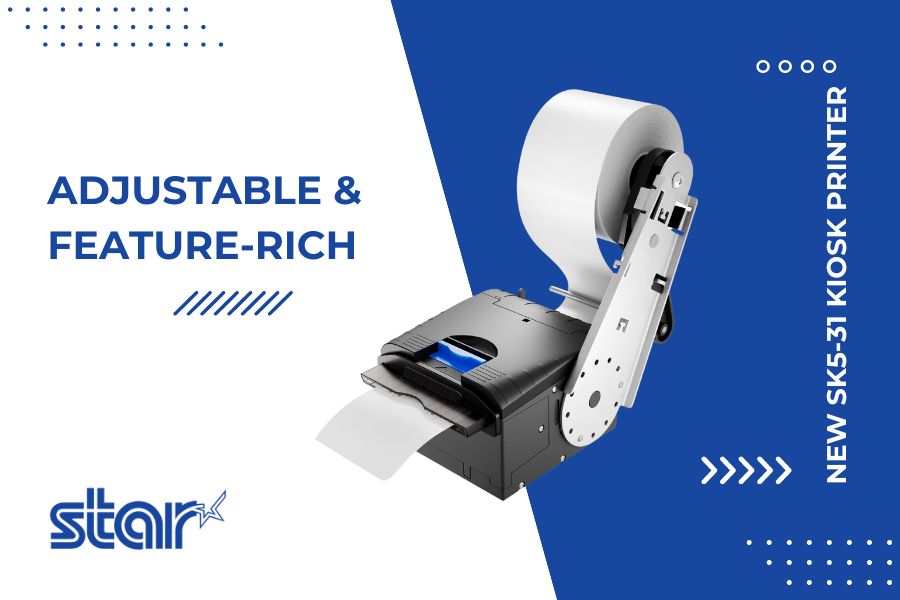
The SK5-31 kiosk printer redefines speed and efficiency with a multitude of features found nowhere else in the industry.
Somerset, NJ – July 10, 2024 – Star Micronics, a global industry leader in point-of-sale (POS) solutions, is proud to announce the launch of its highly anticipated SK5-31 Thermal Kiosk Printer. This new offering redefines the standard for kiosk printers, combining speed, flexibility, and convenience with innovative design features.
The SK5-31 Thermal Kiosk Printer stands out with its easy-to-handle housing, free from the sharp edges typical of metal kiosk printers. It features a stylish design that rivals the aesthetics of desktop printers. This fully-housed, high-speed thermal printer offers unmatched performance and easy maintenance, setting a new standard in the industry.
Key features of the SK5-31 include:
High-Speed Printing: With a maximum print speed of 250mm/s and 600mm/s paper ejection, the SK5-31 ensures fast, high-quality prints.
Anti-Paper Jam Function: The printer detects blockages and halts the printing process, resuming automatically once the obstruction is cleared.
Paper Eject Assistance: This function allows tickets to be printed in full before ejection, preventing premature paper removal.
Innovative Inner Looping Mechanism: Enhances seamless paper feed and supports anti-paper jam and paper eject assistance functions.
Extensive Flexibility: An adjustable paper guide and holder accommodate paper widths from 54mm to 82.5mm, with 12 total paper arm positions.
Versatile Connectivity: Featuring USB/LAN (Ethernet) or USB/Serial (RS-232) models for easy connection.
Extended Cutter Life: The SK5-31’s cutter life expectancy is double that of competitors, ensuring long-term reliability.
In addition, the SK5-31 is equipped with StarPRNT and optional ESC/POS™ emulation for seamless integration into existing systems. It supports a wide range of media, including receipt printing, traditional black mark labels, and black mark tickets, making it ideal for various applications such as parking, self-payment, self-service, lottery, and gaming.
With its launch, the SK5-31 Thermal Kiosk Printer solidifies Star Micronics’ position as an industry leader committed to technological advancement and user convenience.
Star Micronics, a world leader in point-of-sale (POS), has designated a portfolio of printing, labeling, secure cash management, and customer engagement solutions for any retail or hospitality establishment. Embracing the mPOS wave, Star’s SDKs allow developers to utilize Star printers with Android™, iOS, iPad®, and iPhone® devices to generate receipts, labels, Chit, and tickets. Star Micronics is always leading and always innovating, creating cloud-based printing solutions, including CloudPRNT and Star Cloud Services, with AOA support and MFi connectivity. Star also has a wealth of peripherals, including 2D barcode scanners, scales, tablet display stands, and more. Visit starmicronics.com or follow us on Facebook, Instagram, X, YouTube, or LinkedIn to learn more.
Efficiency is the lifeblood of successful restaurant operations, especially when soaring food and labor costs threaten profitability. To combat these challenges, restaurants are increasingly turning to technology to streamline processes and cut expenses. Some forward-thinking chains are even exploring the feasibility of fully automated operations, testing robots and intelligent systems for food prep, service, and even bussing tables.
But let’s face it: most restaurants aren’t ready to jump straight into a futuristic, AI-powered world. Instead, the majority are adopting a more pragmatic approach, carefully selecting technologies that offer the greatest value. Time and again, the winning strategy is a blend of innovative new solutions and dependable classics, such as thermal and impact printers, which bridge the gap between the cutting-edge and the tried-and-true.
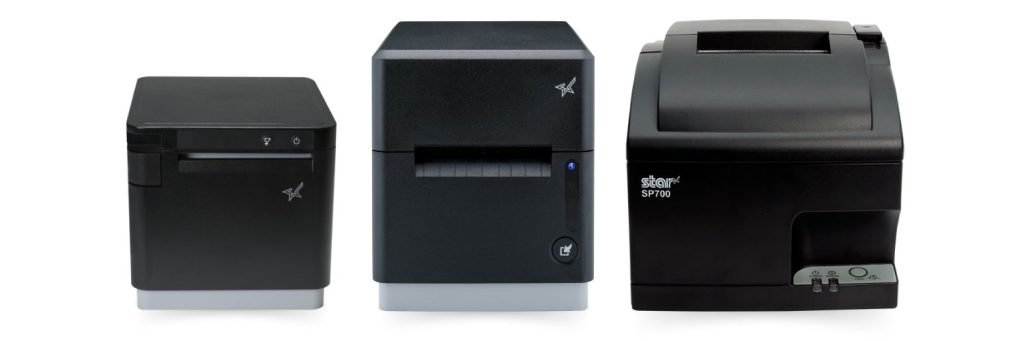
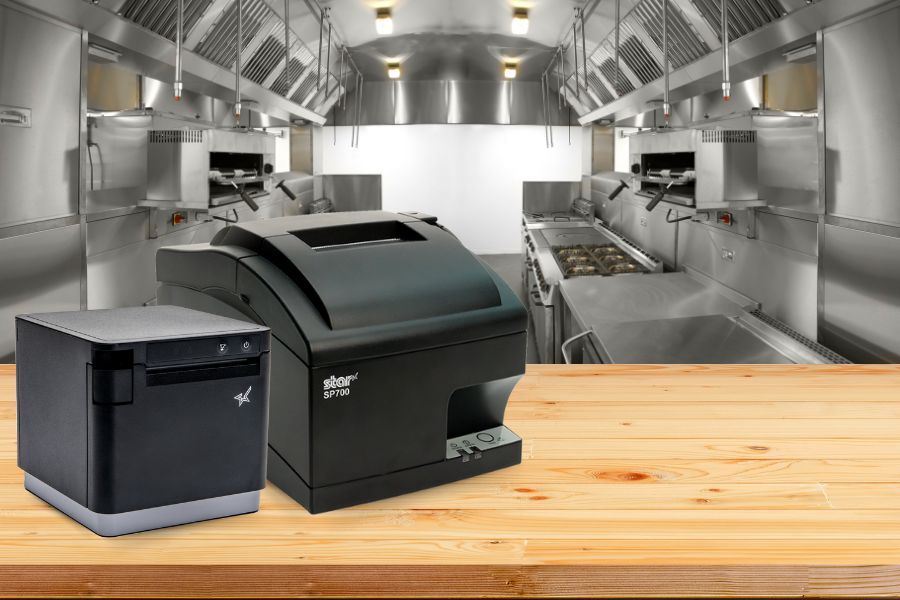
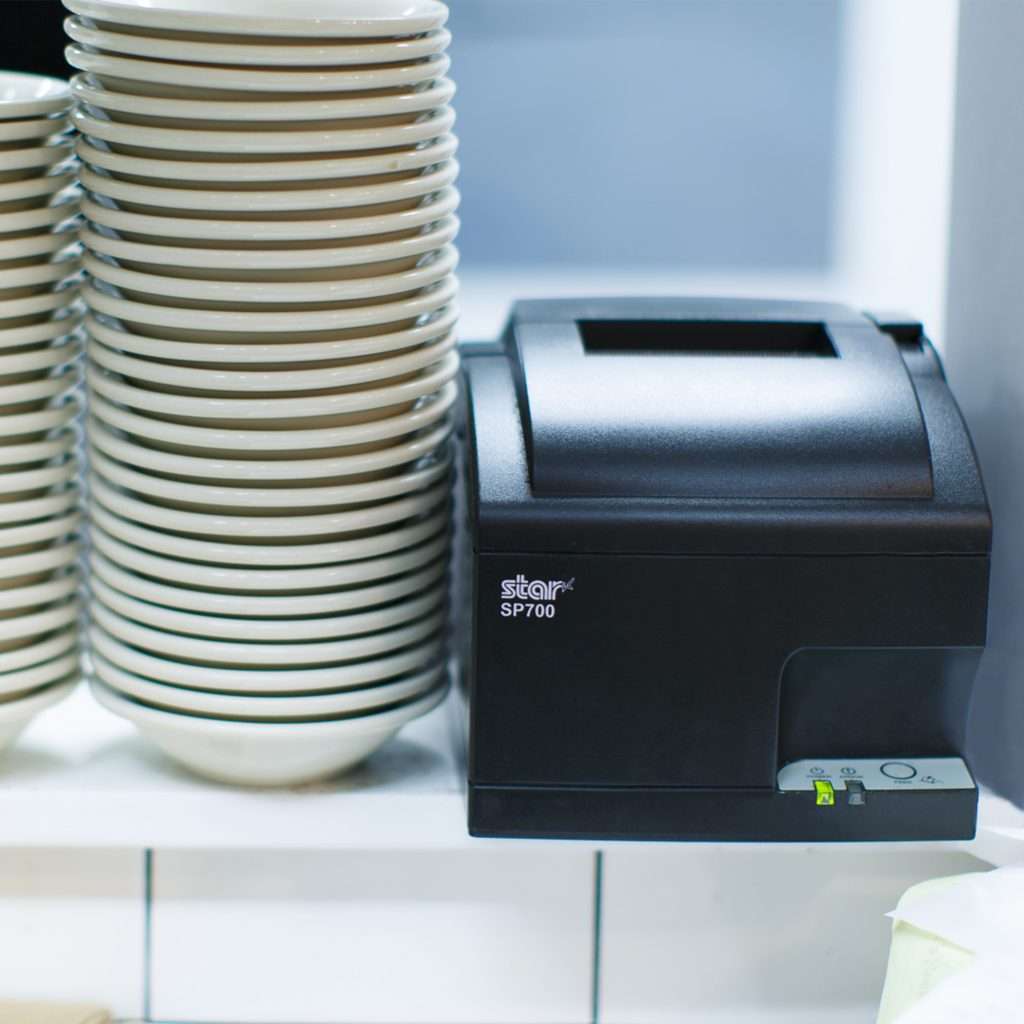
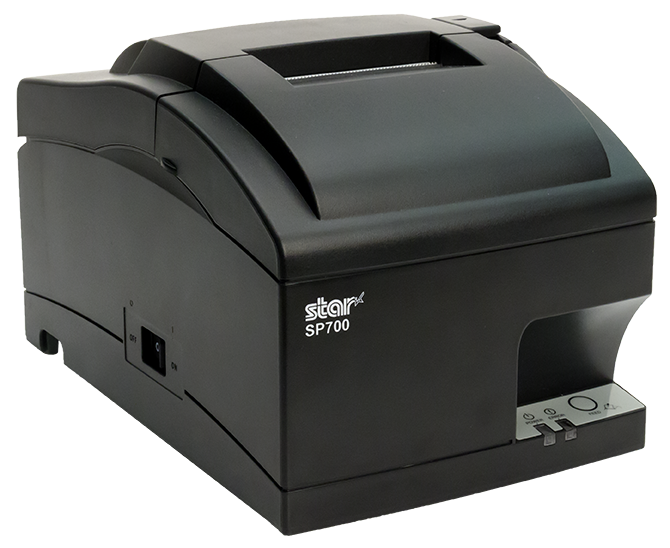
The SP700 impact kitchen printer by Star Micronics is one of the most trusted on the market.
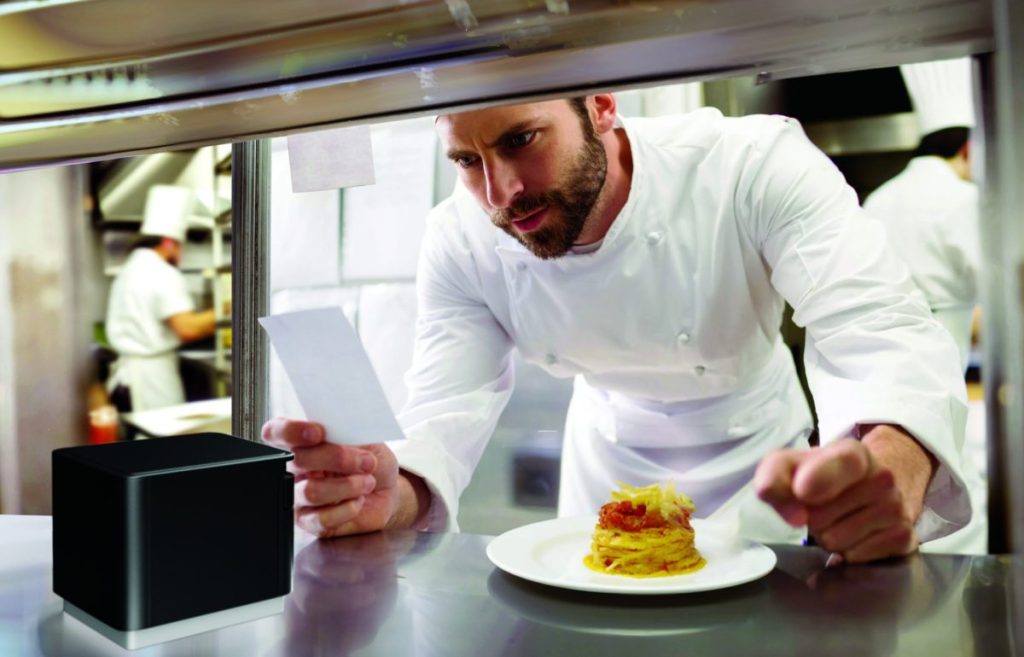
Printers, paired with the point-of-sale (POS) or restaurant management system, are essential for clear communication. When a server takes an order, the printer instantly generates a ticket for the back of the house. This technology replaces handwritten notes with printed chits, ensuring all orders are legible. As accuracy improves, the positive impact on service, customer experiences, and the bottom line is substantial.
Impact printers are the top choice for hot, humid restaurant kitchens. Orders printed on thermal printers can become illegible when exposed to steam and high temperatures. In contrast, chits from an impact printer remain clear and readable throughout the food prep process.
Moreover, restaurants benefit from rugged, reliable models that ensure legibility and uninterrupted service, even when splashed with liquids during order preparation. Compact models with versatile connectivity options allow managers to position printers in optimal locations within food prep areas.
Additionally, restaurants can choose impact printers that are easy to load, making them ideal for operations requiring two-color and carbon copy printing.
Discover the SP742: The Ultimate Kitchen Printer
The SP742 printer excels in the demanding kitchen environment, offering high-speed, two-color printing for clear orders and a user-friendly design for easy handling. Enhanced with CloudPRNT and Bluetooth, it streamlines online ordering, ensuring seamless front-to-back-of-house operations.
While advancements in impact kitchen printers have made them indispensable in many restaurant operations, modern eateries often require a printer with broader capabilities. Multi-function thermal receipt printers fit this need perfectly, allowing restaurants to print everything from permanent food and shelf labels to repositionable sticky labels for online orders.
These versatile printers can also generate unique, branded labels and tamper-proof labels for deliveries, enhancing both functionality and brand integrity.
Moreover, as more modern kitchens become heat-controlled, thermal printers are emerging as attractive options. With a thermal printer at each food prep station, there’s no need for carbon copies, reducing the risk of losing important order information.
Features such as a compact design, multiple connectivity options, cloud printing technology, and the flexibility to print labels, receipts, and orders make the right thermal printer a smart investment for any contemporary restaurant.
The mC-Print3 by Star Micronics is ideal for professional, heat-controlled kitchens.
Label Printing to Improve Inventory Management
Modern restaurants deploy technology to increase efficiency and operate more cost-effectively. According to the National Restaurant Association, with food costs accounting for 33 cents of every dollar sold and overhead totaling 29 cents, pretax profit for most restaurants is only about 5 percent. Furthermore, as food costs continue to rise, there’s no margin for error.
Accurate inventory management is essential for cost control and maintaining a viable restaurant business. Technology empowers restaurants to manage inventory effectively, decreasing waste and ensuring customer satisfaction by always serving fresh, high-quality foods.
High-ROI inventory management solutions include barcode and RFID technology, which provide staff with visibility into inventory from receiving to food preparation and sales. These solutions also enable quick and precise identification of foods subject to recall, minimizing losses.
Using technology to track inventory requires labels on stock and shelves. Label printers allow restaurants to create labels on demand for flawless inventory tracking. These inventory tracking solutions also provide managers with invaluable data, revealing sources of shrinkage and waste. This insight allows managers to take corrective action to keep their restaurants profitable.
The Case for Kitchen Printers in High-Tech Environments
Although technology continues to advance, allowing restaurants to implement sophisticated solutions and automate processes, tried-and-true solutions like kitchen impact printers remain essential. These reliable traditional technologies bridge the gap between cutting-edge innovations and established methods, ensuring seamless operations during the industry’s digital transformation.
For operators considering technology upgrades to increase efficiency, control costs, and manage inventory, it’s crucial to recognize how kitchen printers, including dependable impact printers, can strengthen their IT ecosystems.
These printers are not just tools but foundational elements that enhance the effectiveness of modern, integrated solutions.
How to Get Your Restaurant Ready for Online Ordering
Are you looking for a new way to grow your restaurant business? Accepting online orders keeps you relevant and competitive.
In this episode of the Rising Stars Podcast, “Building Your Personal Professional Brand on LinkedIn,” host Kate Orara delves into the essentials of crafting a compelling professional presence on LinkedIn. As Partner Development Manager at Star Micronics, Kate brings her expertise and passion for personal branding in the retail technology channel industry to provide actionable insights for professionals at all levels.
This quick take episode focuses on three key strategies for leveraging LinkedIn to its fullest potential. Kate shares her top tips for optimizing your LinkedIn profile, curating engaging content, and networking strategically to build and maintain a robust professional brand.
Enhance Your Professional Presence with Practical Tips
Listeners will learn how to make a solid first impression with a well-crafted LinkedIn profile, including the importance of a professional photo, a compelling headline, and a captivating summary. Kate emphasizes the significance of sharing valuable industry content and engaging with your network to demonstrate expertise and build credibility.
Whether you’re looking to attract potential employers, clients, or collaborators, this episode offers the tools you need to stand out on LinkedIn. Kate’s expert advice is tailored for both novice and experienced LinkedIn users, making it easy to implement these strategies today.
Subscribe and listen now to gain the knowledge you need to elevate your LinkedIn game!
Immerse yourself in the world of point-of-sale (POS) with the Rising Stars Podcast by Star Micronics, hosted by industry pro, Kate Orara. Twice a month, we explore the fascinating journeys of innovators and businesses navigating the challenges of POS technology’s rapid pace.
In every episode, Kate Orara, Star Micronics’ Partner Development Manager, discusses emerging retail technology trends and strategies with global industry giants. She’s spent her entire career meeting all the right people, and now listeners everywhere can benefit from this vast network of channel gurus.
Always leading and always innovating, Star Micronics, a pioneer in POS and customer experience technology for over 60 years, welcomes you to join us in shaping a brighter future in the retail, hospitality, and cannabis industries.