Tag: How-To/Best Practices

  • How to Switch to an Android POS System: A Detailed Guide

    How to Switch to an Android POS System: A Detailed Guide

    The modern retail landscape is in constant flux, mainly driven by consistent technological innovation. Among these many changes, the shift toward Android point-of-sale (POS) systems has been particularly noteworthy over the last couple of years.

    The Rise of Android POS Software

    The Android operating system, universally recognized for its user-friendly nature and cost-effectiveness, is now the first choice for a rapidly growing number of retail businesses. Its open-source nature lends itself to exceptional customization capabilities, allowing software developers to tailor their POS applications to their exact specifications. Merchants in the retail and hospitality industries have greatly benefitted from such progress.

    Such flexibility isn’t just about aesthetics; it’s about delivering a smooth, efficient customer service experience and integrating diverse software applications that manage everything from inventory to customer feedback.

    The Critical Role of Hardware in Android POS Systems

    However, an Android POS system’s success relies on more than just the software. The hardware components, particularly the printers, are pivotal in ensuring the system operates seamlessly.

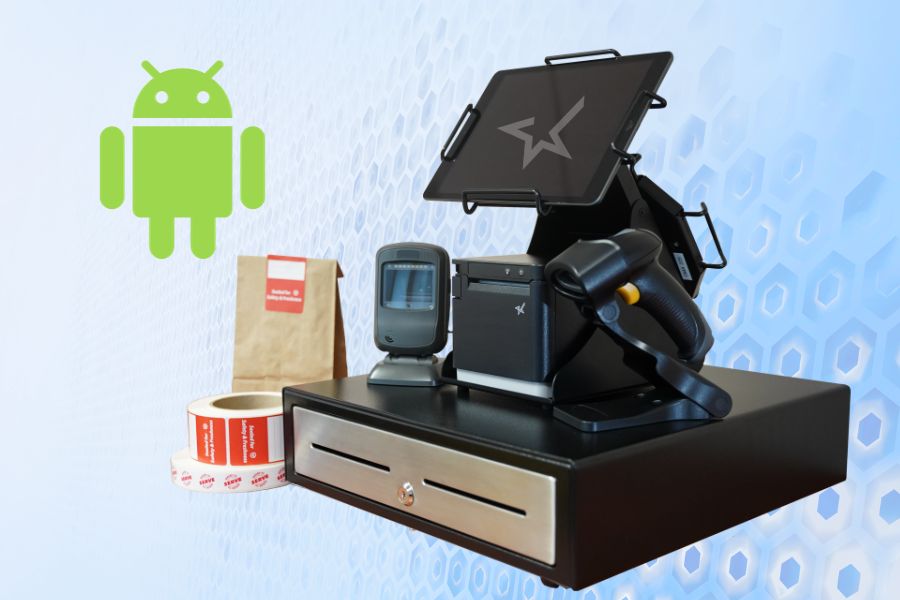
    Here, Star Micronics shines in the world of retail solutions. Fully understanding the Android revolution in the POS industry, Star has dedicated its resources to craft printers that perfectly sync with Android systems.

    Explore Star Printers

    Among Star’s crowning achievements is the TSP143IVUE thermal receipt printer. All Star Micronics receipt and label printers are compatible with Android, but the TSP143IVUE optimizes the Android experience thanks to its support for the Android Open Accessory (AOA) protocol.

    AOA support ensures communication between the Android system and the printer while keeping the tablet or device powered and charged, enhancing the user experience by leaps and bounds. Star also has industry-leading software development kits (SDKs) to aid technology providers in the integration of Star printers with developer POS software.

    Software developers, click here to contact the Star Integrations Team >
    An ISV's Guide to Star Printer SDKs ebook.

    An Independent Software Vendor’s (ISV’s) Guide to Star Printer SDKs

    Unlock seamless printer integration tailored to elevate your software’s performance and versatility.

    Discover Star’s SDKs

    If Your Current POS Software is Android-Compatible

    For many business owners, the thought of transitioning to a new system can be daunting, especially if they’re content with their current POS software. The good news? Your transition can be significantly streamlined if your POS software is already compatible with Android hardware.

    If this is you, you’re in a favorable position; your employees are already acquainted with the software, eliminating the need for extensive training.

    In such cases, while reviewing the steps detailed below for a thorough understanding is beneficial, you may not have to follow all of them. Instead, you can focus on hardware, ensuring a smoother and more efficient switch to the Android POS system of your choice.

    Star is Universally Compatible

    Preparing for a Seamless Transition

    Before considering a switch to an Android POS system, businesses without Android-compatible software should start by evaluating their current system. This means pinpointing its strengths and acknowledging its limitations.

    But introducing new technology isn’t just about installation. The importance of thorough staff training cannot be overstated. A system can only reach its full potential when those using it are proficient and confident.

    Be prepared to do the necessary work if you want the greatest rewards later on.

    Steps to Transition to an Android POS System

    Transitioning requires careful planning and execution. Here’s a structured approach for business owners looking to make the switch to an Android POS system:

    1. Assessment & Planning

    • Evaluate Current Needs: Start by analyzing the features of your current POS system. Pinpoint its strengths and any gaps in functionality. Examine both your software and hardware, identifying essentials and desired additions. Invest time in creating a detailed list. Group all your “must-have” features together and create a separate wishlist for the desirable, but not crucial, add-ons.
    • Determine Compatibility: Ensure which of your existing hardware (e.g., barcode scanners, cash drawers, printers) is compatible with Android systems or plan for necessary upgrades. 

    2. Research & Selection

    • Choose the Proper Software: Various Android POS applications cater to distinct business requirements. As features, pricing, and support differ across the board, it’s crucial to choose wisely. Refer back to your prioritized list, ensuring your software selection has all your must-have features and, ideally, some from your wishlist.
    • Hardware Selection: Decide if you’ll be using dedicated Android POS terminals or other popular devices such as tablets. If you need to upgrade to new POS hardware, be sure it’s compatible with Android, is user-friendly, and has excellent support. This may go without saying, but ensure your chosen hardware is also robust enough for your business’s daily operational demands. Cutting costs on hardware may lead to regrets when they break down, leaving you in a jam during your busiest hours.
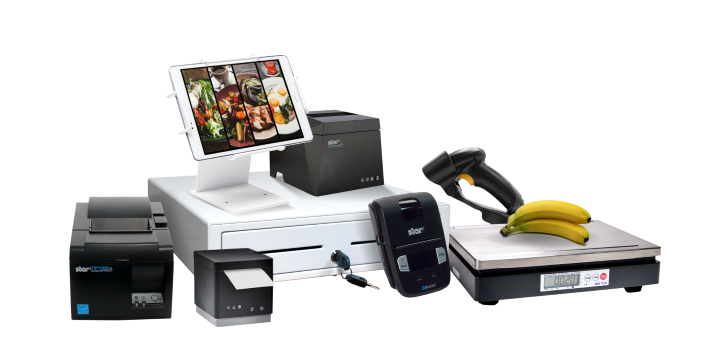
    The complete point-of-sale (POS) suite in black and white by Star Micronics.
    All point-of-sale hardware by Star Micronics works with Android operating systems.

    3. Data Migration

    • Inventory & Product Data: Most modern POS systems allow you to export product data. Once exported, this data can be imported into your new Android POS software.
    • Customer Data: If you’ve maintained a customer database or loyalty program, ensure this data is also transitioned.

    4. Configuration & Customization

    • Payment Processing: Set up payment gateways and processors to ensure seamless transactions with your Android POS system. Note: if you are using your current Android-compatible POS software and making no software changes, there will likely be no need to update your payment processing or terminal.
    • Tax & Compliance: Ensure your chosen software is configured according to local tax regulations. All POS software must comply with all federal and state tax laws.
    • Custom Features: Depending on the software, you may be able to add specialized features tailored to your business needs.

    5. Training

    • Staff Orientation: Familiarize your team with the basics of the new system.
    • In-depth Training: Consider more detailed training sessions or workshops depending on your business’s complexity.

    6. Testing

    • Pilot Run: Before fully transitioning, consider running the new Android POS system parallel to your existing system to catch any issues.
    • Feedback Loop: Allow staff to provide feedback on any challenges they encounter.

    7. Deployment & Go-Live

    • Full Transition: Once you’re confident in the new system’s functionality, make the full switch.
    • Support: Ensure there’s a system in place for staff to report issues and get help as needed.

    8. Ongoing Review & Optimization

    • Collect Feedback: It’s crucial to consistently gather feedback from staff and customers to ensure the system meets everyone’s needs.
    • Updates & Maintenance: Regularly update the software to benefit from the latest features and security enhancements.

    Remember, while there are challenges in making a significant change like this, the flexibility, customization options, and potential cost savings of an Android POS can offer many benefits to modern businesses.

    Happy Business Owner Retail Grocery Small

    Embracing Tomorrow’s POS Landscape

    Staying ahead in the ever-changing retail and hospitality world means staying informed and embracing a proactive spirit. If you’re sensing your legacy POS system may be holding back your business, there are many reasons why upgrading to a newer Android POS system would be advantageous.

    Not only is it a highly cost-effective alternative, but the operating system itself allows for excellent customization and is very user-friendly. Paired with the advanced capabilities of Star Micronics’ printers, vendors are equipped with leading technology and an edge in operational efficiency.

    Embracing innovation ensures a brighter, more efficient future for your business, positioning you at the forefront of the retail evolution.
    Contact Star Today

  • How To Build A Self-Service Experience You’re Proud Of

    How To Build A Self-Service Experience You’re Proud Of

    Self-service, or “unattended” environments, are the new expectation, and 2022 will officially be the watershed moment for self-checkout technology, adoption, and innovation. Let’s break down some key pieces you’ll want to consider when building out your strategy.

    Self-Serve Is So Self-Serving

    Consumers now expect payment solutions that both anticipate and address their needs no matter where, when, or how they choose to shop. The same rules apply to unattended retail and contactless payments, including “just walk out,” buy-online-pickup-in-store (BOPIS), self-order kiosks, self-scan kiosks, and in-store mobile, along with the rest of your traditional in-person or online payment journeys.

    worldnet-1

    The buyer’s journey – once envisioned as a fairly straight path from the first point of contact between the retailer and the customer to the eventual purchase – now resembles nothing so much as a spiderweb. Customers enter, leave, and re-enter the “journey” from multiple touchpoints, zipping along threads from app to social to in-store to website to AI-driven kiosks and more, with the entire process seamlessly focused on one central goal: an invisible checkout. 

    Your payment solution must provide consumers with as many options as possible to make purchases on their terms, whether that’s via mobile wallets, a mobile app, a QR code, traditional credit cards, or more.

    Autonomous Retail Is Not Just For Big Players

    Once considered a “high-tech” experiment, autonomous retail is the future of retail. 

    Amazon’s “Just Walk Out” technology set a new bar for frictionless consumerism. We like to help brands like Nourish + Bloom adopt this high-tech business model and level-up the experience by adding hybrid features like 24/7 availability, a bistro, and robotic delivery to the mix. 

    With these solutions, customers scan their phones to walk in, grab their items and walk out (see more on this UST solution here). Customers can also order food from the bistro and pay by scanning a QR code that connects to their digital wallets, or they can pay at vision-checkout kiosks with traditional methods like credit cards and e-wallets. The best part is that they can even have items delivered to the comfort of their own homes with the help of automated robots that interact with customers.

    E-Wallets: The Safe & Contactless Way To Shop

    worldnet-2

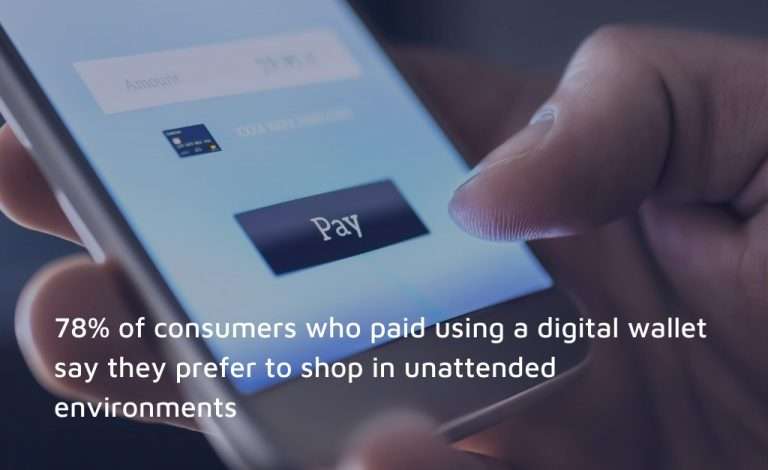
    Digital wallet usage has skyrocketed. Seventy-one percent of consumers will at least sometimes use a digital wallet instead of entering credit card information directly, according to a 2021 ClearSale consumer behavior study. This is very, very good news for Technology Providers, better known as ISVs. Why? More than 78% of consumers who paid for a recent purchase using a digital wallet say they prefer to shop in unattended environments – making digital wallet users almost four times likelier to choose self-serve contactless options.

    Payments Are Complicated… You’re Going To Need A Bigger Boat

    Although ISVs have expertise in all things software, when it comes to autonomous retail transactions and workflows it’s best to get a payments partner who’s got the knowledge needed to create an all-in-one solution for them and their merchants. 

    One of the biggest challenges we see is folks coming to us after being burned by having to deal with multiple integrations, distributors, processors, hardware providers, and payment gateways. The key to building a self-service experience that’s truly remarkable is to get a partner on the payment side that can help you integrate things because payment is a completely different discipline than point-of-sale. You don’t want to be dealing with one payment partner for eCommerce, one for in-store, and another for your unattended or mobile solution.

    It’s A Big Eco-System

    worldnet-4

    We recommend one relationship with a partner who understands all the different environments in which your merchants operate. One who has experience simplifying complex integrations. They’re there to help you build a superior solution that you can monitor and report on all in one place. Ultimately, you need support in simplifying any implementation and troubleshooting issues so you can focus on growth and running your business.

    Build A Self-Service Experience That’s Frictionless

    ISVs, or Technology Providers, have a unique opportunity to deliver new solutions that help merchants embrace the changing consumer behaviors driving the demand for self-service. 

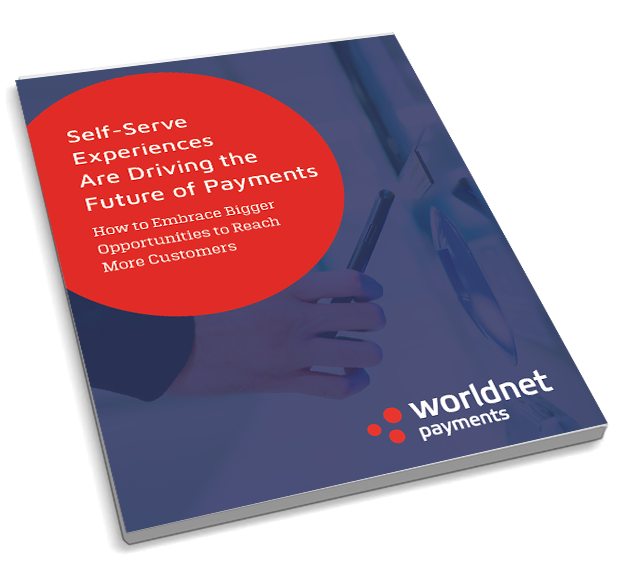
    To help you build out your self-service strategy we went a little deeper with an industry report called: “Self-Serve Experiences Are Driving the Future of Payments” which goes into both unattended and contactless payments solutions that set self-service environments apart.

    Read this Report to Discover:

    • Why unattended solutions are now the expectation 
    • Which new types of self-serve solutions are on the horizon
    • Unique ways to engage shoppers and deliver memorable experiences
    • How to integrate these solutions into your existing channel mix
    Evolving-Consumer-Pref-WP-3D

    Download Your Whitepaper!

    Get To Know Us Better

    Worldnet’s GoChip software, paired with Star Micronics’ printing technology makes it easy for merchants to adopt unattended and contactless payments. One of our strengths is listening, which makes relationship-building and partnerships easy. We’ve become the leading integrated payments gateway, specialized in self-service solutions, not just because of our technology, but because we strive to offer the best services and support to our partners.

    Our software and APIs allow you to unify your unattended, in-store, online, and mobile payment experiences. Worldnet’s GoChip SDK is EMV certified with major processors and provides Integrated Contactless/NFC and EMV options. The Cardholder-Not-Present suite covers eCommerce, in-app payments, Virtual Terminal, and Tokenization solutions, allowing merchants to accept any payment, anywhere, with all major credit and debit cards, as well as digital wallets.

    Let our team of experts make payments their problem, so you can focus on growth.

    worldnet-John

    Guest Post Written By John Clarke, CEO and Co-Founder of Worldnet Payments

    A Payments veteran, with over 23 years of experience driving technology innovation in the Payments Industry, John co-founded WorldNet in 2008. He has since achieved many significant firsts in the Payments Industry, including developing the first iPhone Payment App in Europe. At WorldNet, John continues to drive technology innovation in Payment Processing.

    Liked this post? Here’s another:

    How QR Codes Can Benefit Your Business

  • How Small Businesses Can Stand Out on Social Media

    How Small Businesses Can Stand Out on Social Media

    Owning a small business can make it difficult to compete with the big brand names that everyone already knows. The advantage that SMB retailers have compared to “big-box” retailers is their opportunity to create an authentic and unique experience for each of their customers. While you may feel like you’re being overshadowed by the big guys, here are a few ways to stand out on social media.

    Start a Vlog

    Benefits:

    Video is taking over the way people consume information. A fun way for small businesses to showcase their products and expertise about their business is to start a vlog, a.k.a, a video blog. Video blogs can cover topics from a new clothing line you’ve just started carrying, to fashion tips, to a personal entry about the success of our small business.

    Vlogs are also great for promoting events and one-time sales. Aside from that fact that online videos now account for more than 80% of Internet traffic, a vlog creates a better sense of authenticity than your standard blog. This gives you a better opportunity, not just to increase the foot traffic in your store, it allows you to create a community with your frequent shoppers.

    How to do it:

    The great thing about vlogging is that it doesn’t need to be filmed in a fancy production studio. All you really need to start a vlog is a smart phone and an idea of the type of content you want to share with your viewers.

    A great starting point for a vlog is to film an overview of your business, what inspired you to start it, and a tour. This introduction is a perfect way to create loyal viewers and customers who are interested in learning more from your vlog. And if you’re camera shy, try asking a friend, employee, or business partner to take the lead with your creative input!

    Run Seasonal Campaigns

    Benefits:

    For retailers, you may find yourself needing to update your store for every season. This is especially true for clothing stores. By creating seasonal campaigns, you are not only letting your audience know that you are all set for the upcoming season, but showing them that you know what will be trendy for the upcoming season.

    Seasonal campaigns are beneficial because they allow you to get very visual in your social media posting – which is great since Facebook posts with images see 2.3 times more engagement than those without images, and as of June 2016, there are more than 500 million Instagram users.

    seasonal-social-e1574800068484

    How to do it:

    In order to announce your brand new stock of inventory for the upcoming season, you’ll need to create a visually appealing seasonal campaign. There are a few ways to do this.

    In addition to the aforementioned vlog, try creating some promotional videos to help promote the new inventory coming in. Capturing visuals of outdoor seasonal scenes will trigger your audience to visit your store for a new winter coat. In addition to video content, Instagram and Pinterest are the perfect platforms to look to when promoting a seasonal campaign.

    According to Shopify, 93% of Pinterest users use the platform to plan their next purchase. Hootsuite found that 75% of Instagram users are taking action, such as visiting a website, after viewing an Instagram post. By visually promoting products that are appropriate to the season on platforms such as Pinterest and Instagram, you’re much more likely to turn those “likes” into sales.

    Leverage User Generated Content

    Benefits:

    User generated content is a great way for small businesses to stand out on social media because it means that people are paying attention to and care about your business! By definition, user generated content includes any form of content such as blogs, wikis, discussion forums, posts, chats, tweets, podcasts, digital images, video, audio files, advertisements and other forms of media that were created by users of an online system or service, often made available via social media websites.

    Put in more simple terms – user generated content is content posted by your customers about your business. This can include anything from an Instagram user posting a photo of them wearing an item from your latest clothing line, to a shopper writing a blog article about your business. Not only does user generated content often result in free advertising, but it helps you reach a wider audience through your customers’ network.

    How to do it:

    I know what you’re thinking – how do I encourage my customers to create content about my product? There are a number of ways to push that content out of your shoppers. The easiest way to do this is simply to use social media to interact with their audiences. If someone tags you in a post, make sure to leave a comment! There are also a number of social media monitoring tools that will help you scan for posts that mention your business but don’t tag your page. Surprising one of your frequent shoppers with a comment on their Instagram photo is almost guaranteed to increase customer loyalty and stand out to all of their followers.

    If you’re looking to boost your user generated content, try hosting a contest. Photo contests are probably the most popular way to get see more user content. For example, if you are the owner of a fashion boutique, try holding a photo contest on Instagram asking people to pose with their latest store purchases. You can create a hashtag for users to post along with their photos; that way, you can easily track who is participating in your contest, and choose a winner! People will notice the hashtag and it will help you stand out to a wider audience than you initially started with.

    Competing with large retailers doesn’t have to be a ton of work. Standing out on social media has allowed retailers to connect with their customers on a more personal level, and will continue to advance in favor of business owners. Sometimes all it takes to stand out is the initial interaction.

  • 5 Ways to Motivate Retail Store Staff and Keep Morale High

    5 Ways to Motivate Retail Store Staff and Keep Morale High

    Picture this:

    It’s just a normal Tuesday and you arrive at your shop. Your spirits are high and you are looking forward to your day. You step through the door and your cashier is on her phone. Another employee is lounging to the side. There is no sense of enthusiasm or motivation. There are no positive interactions with your customers. Your mood immediately changes and, suddenly, you realize that this is affecting your store’s sales.

    Motivation, the state or condition of being motivated or having a strong reason to act or accomplish something. In 2017, it was reported that 51% of employees in the United States are not motivated. With the lack of motivation, about 70% of Americans do not feel engaged at their job. Why? There is a science to motivation that needs to be understood in order to keep employees engaged in their daily work.

    Let’s first understand why it is so hard to stay motivated. As said by Forbes, there are three main mental reasons as to why it is so hard to remain motivated:

    1. “I have to”
    2. “I don’t feel right about this”
    3. “I can’t do this”

    Basically, motivation is determined by how your employees view a situation. So, how can you keep your staff motivated besides their paycheck? Take a look at these five tactics!

    1. Employee Training

    We get it, this sounds boring. Nobody actually wants to sit through training, right? Wrong. Employee training sessions may have a bad rap for being boring, however, when done correctly, can be fun and engaging. For starters, Myagi suggests utilizing quizzes and follow-up questions to bring about friendly competition to your employees and increase participation and memory retention. Additionally, get your employees to present their ideas to one another.  You never know what tricks they may have up their sleeves.

    2. Listen

    Such a simple concept, yet so effective. Think about your personal experiences. Don’t you feel more valued when your boss listens to what you are saying? Listening to your employees’ thoughts, concerns and ideas is crucial in allowing staff to feel involved. Showing employees that their insights are valued and appreciated guarantee a high morale and motivated work environment.

    3. Advancement Opportunities

    Knowing that you are working to achieve a goal is motivating. The goal is especially motivating if it leads to more opportunities to advance within the business. By offering these opportunities, you give your staff the encouragement to work to the best of their abilities.

    4. Incentives

    Incentives are a fun, simple, solution to keep staff members motivated. Don’t worry, your incentives do not need to be expensive. They can be as simple a gift card to Starbucks. Let’s be honest, most people love prizes, so why not give your employees a reward for a job well done?   

    5. Be an Effective Leader

    Blog-Image-e1574798413408

    Show that you’re passionate about your role. Be excited about your business’s goals. Nothing is more motivating than a leader who wants to succeed with their staff. However, passion is not solely what makes an effective leader. Take a look Peter Economy’s 10 powerful habits that leaders should practice:

    1. Confidence
    2. Persuasive communication
    3. The ability to be sensitive and responsive
    4. Determined
    5. Supportive
    6. Distinguished
    7. Responsible
    8. Optimistic
    9. Honesty
    10. Organized

    Takeaway

    Motivation is mental and the mind is strong. With the mind being such a powerful tool, one must learn how to interact with their staff in order to encourage a positive and productive workday. Motivated retail associates directly translate into better customer service and thus increased in-store sales.

    Learn More