Category: Solutions & Use Cases

  • 3 Things to Consider When Selecting a Scale for Cannabis Retail

    3 Things to Consider When Selecting a Scale for Cannabis Retail

    One of the most important elements of cannabis retail compliance is accurately selling products by weight. A dispensary’s inventory may include a variety of cannabis offerings, including packages of marijuana buds or flowers, edibles, vaping supplies, or containers of shatter (cannabis concentrate), topicals (ointments and creams) and marijuana extracts. Scales for cannabis ensure you are not over- or under-charging customers and assist in inventory tracking at a medical marijuana dispensary or cannabis retail outlet, regardless of the product you sell. Running a business that sells products by weight is impossible without the proper scale, so make sure you choose the one that addresses your business needs and adheres to local and state cannabis laws.

    Download for Free: Scale Buyer’s Guide.

    The standards and regulations for cannabis scales vary by state, so choose the scale that will keep you in compliance and accurately serve your customers. Here are three main features you should look for when shopping for a scale for cannabis:

    1. Weigh to One-Hundredth of a Gram

    Anyone shopping for a scale for cannabis should brush up on the metric system. Metric isn’t standard in the U.S., but scales for cannabis measure in grams. Although it’s commonly thought that an ounce of is 28 grams, it’s actually 28.349 grams—so don’t short your customers by rounding. Most scales will weigh to the tenth of a gram, but it’s recommended that scales for cannabis weight to the one-hundredth of a gram (0.01) for a higher degree of accuracy. This is important because it tells the customer they are receiving the exact amount of product they’re paying for, it ensures the cannabis retailer is receiving the correct payment, and it maintains accurate inventory records.

    2. NTEP Certification

    The National Type Evaluation Program (NTEP), overseen by the National Conference on Weights and Measures, covers every aspect of a scale’s use, including capacity, accuracy and the effects of temperature fluctuations on the scale’s operation. The standards are developed by the National Institute of Standards and Technology (NIST). A local weights and measures official will use NIST standards when inspecting your scale and sealing/certifying it for legal use. Every NTEP approved scale will have a NTEP certificate of conformance (CoC) number that an inspector can use to verify the scale has been certified. However, a CoC doesn’t mean plug and play—call your local regulatory agency for the proper procedure before using the scale.

    3. Class II NTEP Balance

    A NTEP CoC means the scale is legal for trade and able to be used to sell product by weight. However, there are different classes of accuracy. Class II is a higher accuracy scale that applies to lab scales as opposed to industrial or retail equipment. This higher class of scale can be used in medical or scientific uses such as pharmacy, laboratory, and compounding, which require precise measurements. Most states require cannabis retail stores to have a Class II digital scale.

    Medical marijuana and cannabis retailers are legal in more than half of the U.S., but requirements for how you run your business will vary depending on your location.  With products sold by weight and strict regulatory requirements, investing in the right scale will be vital to your profitability and compliance. Carefully evaluate your options and make the right choice for your business.


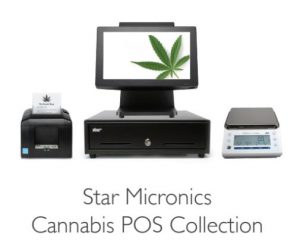
    Star’s mG-Scales are ideal for the cannabis industry!

    Learn More

  • 5 Ways to Motivate Retail Store Staff and Keep Morale High

    5 Ways to Motivate Retail Store Staff and Keep Morale High

    Picture this:

    It’s just a normal Tuesday and you arrive at your shop. Your spirits are high and you are looking forward to your day. You step through the door and your cashier is on her phone. Another employee is lounging to the side. There is no sense of enthusiasm or motivation. There are no positive interactions with your customers. Your mood immediately changes and, suddenly, you realize that this is affecting your store’s sales.

    Motivation, the state or condition of being motivated or having a strong reason to act or accomplish something. In 2017, it was reported that 51% of employees in the United States are not motivated. With the lack of motivation, about 70% of Americans do not feel engaged at their job. Why? There is a science to motivation that needs to be understood in order to keep employees engaged in their daily work.

    Let’s first understand why it is so hard to stay motivated. As said by Forbes, there are three main mental reasons as to why it is so hard to remain motivated:

    1. “I have to”
    2. “I don’t feel right about this”
    3. “I can’t do this”

    Basically, motivation is determined by how your employees view a situation. So, how can you keep your staff motivated besides their paycheck? Take a look at these five tactics!

    1. Employee Training

    We get it, this sounds boring. Nobody actually wants to sit through training, right? Wrong. Employee training sessions may have a bad rap for being boring, however, when done correctly, can be fun and engaging. For starters, Myagi suggests utilizing quizzes and follow-up questions to bring about friendly competition to your employees and increase participation and memory retention. Additionally, get your employees to present their ideas to one another.  You never know what tricks they may have up their sleeves.

    2. Listen

    Such a simple concept, yet so effective. Think about your personal experiences. Don’t you feel more valued when your boss listens to what you are saying? Listening to your employees’ thoughts, concerns and ideas is crucial in allowing staff to feel involved. Showing employees that their insights are valued and appreciated guarantee a high morale and motivated work environment.

    3. Advancement Opportunities

    Knowing that you are working to achieve a goal is motivating. The goal is especially motivating if it leads to more opportunities to advance within the business. By offering these opportunities, you give your staff the encouragement to work to the best of their abilities.

    4. Incentives

    Incentives are a fun, simple, solution to keep staff members motivated. Don’t worry, your incentives do not need to be expensive. They can be as simple a gift card to Starbucks. Let’s be honest, most people love prizes, so why not give your employees a reward for a job well done?   

    5. Be an Effective Leader

    Blog-Image-e1574798413408

    Show that you’re passionate about your role. Be excited about your business’s goals. Nothing is more motivating than a leader who wants to succeed with their staff. However, passion is not solely what makes an effective leader. Take a look Peter Economy’s 10 powerful habits that leaders should practice:

    1. Confidence
    2. Persuasive communication
    3. The ability to be sensitive and responsive
    4. Determined
    5. Supportive
    6. Distinguished
    7. Responsible
    8. Optimistic
    9. Honesty
    10. Organized

    Takeaway

    Motivation is mental and the mind is strong. With the mind being such a powerful tool, one must learn how to interact with their staff in order to encourage a positive and productive workday. Motivated retail associates directly translate into better customer service and thus increased in-store sales.

    Learn More

  • The Future of Cannabis Retail is Looking Good

    The Future of Cannabis Retail is Looking Good

    The retail cannabis industry is growing fast, $75 billion by 2030 fast.

    But let’s look at the nearer future. According to Arcview Market Research and BDS Analytics, by 2021 the cannabis market is expected to reach $24.5 billion. Currently, cannabis is legal in 9 states for recreational use while 30 states have legalized cannabis for medical usage.

    With such a high market growth expectancy, dispensaries sell a variety of cannabis products in the forms of hash, rosin, shatter, and oils which can be smoked or vaped. In addition, as many are aware, cannabis is also sold in the forms of candy and baked goods. As for pharmaceutical use, cannabis contains cannabidiol (CBD) which when used in the form of candy or oil aids in the treatment of pain and epilepsy. Now that sounds pretty good.

    Let’s Talk Business

    There’s no doubt that cannabis has health benefits that aid in the relief of:

    • Pain
    • Muscle spasms
    • Arthritis
    • Dravet’s Syndrome
    • Mental health symptoms
    • Etc.

    But what about benefits for businesses?

    Well, as was mentioned earlier, legal cannabis reached $9.7 billion in sales in 2017.

    But let’s dig a little deeper into the facts and figures…

    By 2021, marijuana sales are expected to reach a whopping $24.5 billion. Younger generations are turning to cannabis consumption and slowly turning away from alcohol. This has resulted in a decrease in binge drinking, 9% below the nation’s average, in the states where marijuana is legalized. Funnily enough, the industry’s sales will be led by people 55 and older. With such a diverse market, the cannabis industry is opening up multiple opportunities for businesses to flourish.

    The increased popularity, and acceptance, of the cannabis industry is leading to the establishment of more small businesses with an increase in employment opportunities. With cannabis stores becoming more common in legalized states, the industry of creating products to efficiently, and legally, weigh and sell marijuana to meet regulations are necessary for the success of the business. Additionally, with cannabis being legalized all over Canada, there may even be a possibility that the East coast will speed up its state adoption for recreational use.

    Regardless, cannabis is creating a diverse industry that includes the need for different markets to ensure its success, thus providing a positive impact on the nation’s economy.

    The Cannabis POS Industry

    With Cannabis creating such a diverse industry, it only makes sense that businesses will need reliable POS systems…image-e1574796602929

    Keep in mind that the cannabis industry is different than your average retail business.

    There are multiple rules and regulations that need to be followed in order to ensure that your business is legal. Here are some key points to remember when choosing your POS system:

    1. Cannabis is a cash business
    2. Sensitive scales are a necessity
    3. Labels are regulated
    4. Receipts are essential

    How Resellers Can Cash in on Cannabis Point of Sale

    The cannabis industry has become one of the fastest growing markets. Here’s how resellers can take advantage.

  • How to Choose the Right POS Scale for Your Application and Industry

    How to Choose the Right POS Scale for Your Application and Industry

    If you’re in the market for a new POS scale, consider these points to help you make a smart choice for your business.

    POS scales are used in different types of businesses that charge for items by weight, including supermarkets, self-service restaurants and buffets, butcher shops, candy stores, health food markets with bulk bins, cannabis dispensaries, and more. From a pound of cold cuts to a cup of frozen yogurt, scales measure the weight of a customer’s purchase and calculate the price accurately.

    Scales ensure you are not over- or under-charging customers and assist with inventory tracking at your store or restaurant. Running a business that charges based on weight is impossible without a properly calibrated scale, so make sure you choose the one that best takes care of your needs.

    If you’re in the market for a new point of sale (POS) scale, consider these points to help you make a smart choice for your business.

    • Application: Why do you need the scale? Before you purchase POS scales, identify how they’re going to be used and what you need to weigh. Is it fresh produce in a supermarket, bulk candy, and meat or items like mail and packages? Are most of your products heavy or light? Large or small? Identify the types of items you need to weigh and use that as a starting point.
    • Accuracy: How accurate do you need the measurements to be? Scale accuracy is important because it tells the customer they are receiving the exact amount of product they’re paying for. An accurate scale also ensures that the retailer is receiving the correct payment. Across the U.S., every state has its own agencies and departments that regulate scales and inspect them for accuracy. Some states may require a yearly inspection, while others are inspected less frequently. Make sure the scales you purchase will meet requirements for accuracy.
    • Capacity: What is the largest possible load you need the scales to handle? If you own a candy store or a supermarket, would anyone ever purchase 500 pounds of candy? It seems unlikely, so if you’re a purveyor of sweet treats, the scale’s capacity can be lower. For a butcher weighing large pieces of meat, or a UPS shipping store, however, a scale with a higher capacity would be in order.
    • Environment: Where will this scale be used? Choose a scale that’s durable enough for your business. If it is meant for high-volume use weighing food products, choose a hygienic scale designed for easy cleaning. Also, consider where the POS scales will be used. Are there extreme temperature variations? Are there disruptive vibrations, interference from other electronics, or even air currents that could affect the scale’s accuracy? Choose the type of scale with the right features for the environment.
    • Installation and calibration: Choose the location for your POS scales carefully, because you shouldn’t move them around once they’ve been installed. Connect the scale to your POS system so it can be set up and calibrated properly. Scales that are used daily will need frequent calibration to maintain accuracy and stay in compliance with local weights and measures laws.

    Business owners who sell items by weight need an accurate scale to protect their customers and their business. If you’re looking for a new scale for your store or restaurant, be honest about your needs, how accurate it needs to be, where it will be set up and how often it should be calibrated. Taking time to understand your business’ requirements for POS scales and the options available to you will result in a greater ability to provide excellent customer service and to manage inventory down to the ounce—or less.

    Available for Free: Scale Buyer’s Guide

    POS Scales

  • 3 Benefits of Cloud-Ready IoT and Mobile Devices

    3 Benefits of Cloud-Ready IoT and Mobile Devices

    Business owners can monetize cloud-ready IOT data by using it to gain insights into their customers’ behaviors and to communicate with and engage them more effectively.

    The Internet of Things (IoT) is a vast network of connected devices in the physical environment that share information. The things can include RFID tags, customer traffic counting technology, printers, POS systems, digital signage, and customers’ mobile devices.  IoT and mobile devices and sensors collect massive amounts of data about our habits—what applications we use the most on smartphones, the entertainment we are streaming, which retail brands we prefer and the items we purchase. Business owners can monetize this data by using it to gain insights into their customers’ behaviors and to communicate with and engage them more effectively.  Retailers can also leverage the IoT to enhance in-store shopping experiences.

    Here are three ways the IoT and mobile devices can help your business excel.could-retail-e1574796392726

    1. Device Management. IoT technology can help identify a problem before it starts. With devices that have the capability to communicate when they are in need of repair, shoppers never have to wait while a sales associate finds a replacement device.  IoT devices are often able to communicate issues before they are apparent to the user, helping to minimize downtime.

    Cloud-ready IoT and mobile devices can also be managed remotely. Business owners or managers can identify what and where the problem is while working at the store or from home, another store location or sitting on the beach via the cloud dashboard. Error status notifications can tell you in real-time what the problem is—whether a printer cover or cash drawer is left open or if a printer is out of paper or unplugged. Identifying and fixing the problem immediately helps improve efficiency and increase productivity, so you’re never wasting time hunting around for the problem.


    1. Data Collection. IoT and mobile devices can collect and store important customer information. A cloud-ready device gives you the ability to transform shopping receipts into valuable digital transaction data. If you don’t have the time or manpower to analyze customer data on your own, data facilitation allows retailers to send digital receipt information to third-party partners or vendors who can offer a wide range of analytic and shopper engagement services. These third-party vendors can run loyalty programs and issue customer updates about new products and promotions. Through these services, retailers can gain unparalleled information about shoppers’ habits and promotional campaigns, including which ones are effective and which ones aren’t resonating, to ultimately increase ROI.


    1. Data Utilization. Data collected by IoT and mobile devices and stored in the cloud can be used for other purposes, including digital signage. Digital signage is an interactive gateway that allows a business to communicate directly with a consumer, engaging them while they are in the store. Digital signage is easy to control and can be modified quickly, allowing it to be incorporated into virtually any environment. Depending on the setup and service you choose, you may be able to store your own graphics and update the signage as often as you want. This is especially useful during holiday shopping time, or if you want to promote doorbusters and flash sales during certain hours.

    Cloud-ready IoT and mobile devices can help you gain important insights into your business, customers, and operations. They can help you identify a hardware problem in-store, even when you’re offsite, and collect data that can keep messaging and promotions relevant. Evaluate how your business is collecting and leveraging data to provide better in-store experiences. Are you doing what it takes to be competitive?

  • 3 Things Cannabis Retailers Need to Know About Cannabis Receipt Regulations

    3 Things Cannabis Retailers Need to Know About Cannabis Receipt Regulations


    Running a marijuana dispensary requires in-depth knowledge of the local laws and meticulous recordkeeping including retaining copies of each cannabis receipt.

    Running a medical or retail marijuana dispensary requires in-depth knowledge of the local laws and meticulous recordkeeping including retaining copies of each cannabis receipt. As of April 2017, 29 states have legalized medical marijuana, which can be used to treat several illnesses, including multiple sclerosis, HIV/AIDS, inflammation, pain, mental disorders and substance abuse, among others. In addition, 9 states have legalized recreational use. That means cannabis retailers are legally operating in more than half of the U.S.

    Their businesses can be very different, however, depending on the states in which they are located.  One difference is startup costs. For example, annual licensing fees range from $3,000 in Colorado to $75,000 Connecticut. States may also require a minimum of liquid capital, some places as high as $250,000, so it’s imperative you protect your investment with perfect recordkeeping of every transaction. Retaining a copy of every cannabis receipt ensures your dispensary follows state and local laws and protects your business in the event of an audit.

    What should the receipt include? How can you prove your business is operating in compliance with state and local laws? The cannabis receipt provided to the customer proves you are collecting all the relevant taxes and dispensing marijuana legally.

    If you are considering opening a marijuana dispensary or you want to make sure your business is operating in compliance with your state’s laws and make sure you are correctly formatting and recording cannabis receipts, your point of sale (POS) system is the perfect tool to manage this requirement.

    1. Check the Specific Requirements in Your State

    Understand your state’s tax laws to ensure you are charging the correct amount. For example, in California, retailers charge a consumer-excise and sales tax, while in Colorado, cannabis is subject to different taxation, whether it’s classified as medical or retail marijuana. It’s important to stay up to date on changing tax laws to ensure you are collecting the correct percentage. Failure to comply could subject your business to fines and added scrutiny.

     2. Manage Copies of Cannabis Receipts

    Use your POS system to send a backup copy of each cannabis receipt to the cloud or store the backup offsite. If you are issuing receipts with carbon copy paper, staple or clip the receipts together. It’s also a good idea to keep important financial records, licensing information and other sensitive financial paperwork in a secure place outside of the dispensary. Retain all records for a minimum of three years in case of an audit.

     3. Include All Required Information on the Cannabis Receipt

    Although the exact information you include will depend on your state’s laws, most receipts will include store name and address, the category of taxable products or product category name/product name. Receipts should also include a code or other identifier for the product’s taxes. There may be additional requirements, however. In Oregon, it’s required to list the sale subtotal before tax, amount of state tax, local tax, total sale amount and identifying receipt number. A disclaimer stating that receipts are required for customer tax disputes is also required.

    The cannabis industry is promising for dispensaries, but it is tightly regulated by the states where marijuana has been legalized. Give your business the best chance for compliance and success with a POS system equipped with state-of-the-art printers to meet regulatory requirements while providing convenient customer experiences at the checkout.

    Contact the experts at Star to learn more about ideal solutions for the cannabis industry.

    How Resellers Can Cash in on Cannabis Point of Sale

    The cannabis industry has become one of the fastest growing markets. Here’s how resellers can take advantage.

  • 5 Reasons Why SMB Retailers Should Use Easy Coupon Design Software for Promotions

    5 Reasons Why SMB Retailers Should Use Easy Coupon Design Software for Promotions

    Customers love a good deal—40% of shoppers will switch products to use a coupon, while 60% of mobile coupon users are willing to change brands to cash in a promotion. Discounts and free products are a great way to build brand loyalty and thank customers for their business. However, running a coupon campaign isn’t inexpensive. The good news is merchants can reduce the cost of coupon design software by generating offers on receipts and engaging customers at the point of sale (POS) terminal.

    For retailers who prefer to create visually appealing printed coupons to distribute to a wider audience, there is easy-to-use coupon design software that is an easy-to-use alternative to shelling out money for a more expensive campaign.

    1. Quick and easy coupon design

    Retailers can use their POS systems to generate coupons and surveys on the receipts they already distribute. Merchants can choose from coupon design software templates, promotions and surveys to customize their receipts, giving them the ability to advertise and run promotions at their checkouts.

    Coupons should include a few simple elements to be effective.

    • The store’s logo and a picture
    • Easy-to-read text that conveys the intent
    • A call to action that tells people how to redeem the coupon
    • The retailers address, phone number and webpage

    1. Remote promotion management across locations

    If you want to generate a coupon or survey via receipt, owners and managers can use the tools in their POS. Simply choose a template, customize it and then send the settings to the printers. The coupon design software can be deployed to every store printer from your desk, home or another computer.

    3. Customer communication

    Your receipt can be a direct channel of communication with your customers. Train staff to highlight coupons or offers and tell customers about them before they leave the store. A customer satisfaction survey that invites feedback is also a valuable tool. Surveys can help you understand your customers’ needs and evaluate employee performance.

    4. Customer retention and loyalty

    Issuing coupons or discounts is a great way to generate goodwill with your customers because it makes them feel their business is appreciated. Customers are more likely to return to your store if they feel they are being rewarded for buying items they need anyway, even if they can get it online or at another store for less.

    5. Increase profit margins

    Printing coupons and brand messaging on customer receipts allow you to reach a higher percentage of shoppers for less money than a print or digital campaign. And unlike a print or email campaign, you can be sure your target audience receives the message or coupon. This is especially effective if you are looking to introduce a new product or service—the 2K17 Valassis Coupon Intelligence Report revealed that 86% of people said that they were persuaded to purchase a new product because they had a coupon for it. And once people try something at a discount and like it, they are more willing to pay full price in the future.

    Coupons are a great way to add value to your customers and make them feel appreciated. Retailers that print and distribute coupons on receipts can save money on marketing and reap the same benefits of a costly digital or print campaign. Leverage the easy-to-use coupon design software that is available to you.

    Discover Why You Shouldn’t Underestimate Coupons as a Promotional Tool in our Free eBook!

    Download eBook

  • Star Micronics Teams up with Slatwall Commerce to Provide eCommerce Platform

    Star Micronics Teams up with Slatwall Commerce to Provide eCommerce Platform

    Somerset, NJ — March, 14, 2018 — Star Micronics, a global industry leader in point-of-sale printer solutions, has teamed up with Slatwall Commerce, an enterprise eCommerce software. Star Micronics’ mPOP™ now integrates with Slatwall POS, a web based system that is designed to allow organizations to manage orders, accounts, inventory, fulfillment, reporting and much more in a PCI compliant environment.

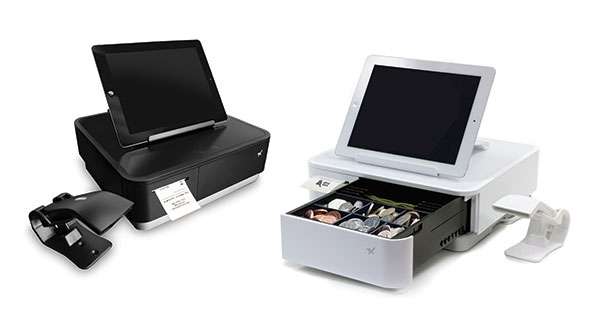
    The Star mPOP is a hybrid Mobile Point of Purchase tablet POS system that brings together a cash drawer and printer. Sumit Verma, Vice President of Slatwall Commerce, says “our customers love the flexibility and customization that our software provides and the compact all-in-one hardware that Star’s mPOP provides.”

    “We are thrilled that our partnership with Slatwall will allow us to provide our customers with increased eCommerce functionality,” said Christophe Naasz, Director of Business Development at Star Micronics.

  • 5 Benefits of Digital Signage Solutions

    5 Benefits of Digital Signage Solutions

    As you plan your strategy, consider how your business could be reaping the benefits of digital signage.

    Smart marketing includes the goal of making the best investment of precious advertising dollars on activities that people will see. As you plan your strategy, consider how your business could be reaping the benefits of digital signage.

    Shopping habits have certainly changed as consumers are more technology-oriented and sophisticated than ever. Digital content is now a primary trusted source when shoppers are considering a new purchase or searching for the best deal. Digital content affects where we choose to shop and what to buy, and smart business owners are adapting their operations to find the most effective ways to communicate with their customers.

    Effective communication is one of the primary benefits of digital signage. It is an interactive gateway that allows businesses to communicate directly with customers, engaging them while they are in the store. This strategy pays off—according to Independent Retailer, digital signage can increase overall sales volume by nearly 32%. Additional benefits of digital signage include:

    1. Attention-Grabbing Displays

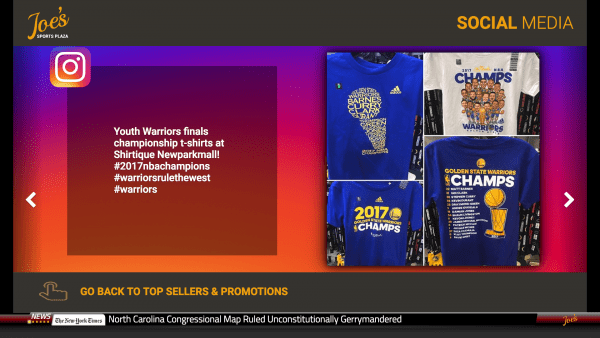
    Consider this: digital signage is one of the most customizable forms of publicity and a virtual guarantee that the message will be seen by its target audience. Merchants may use the same digital interface to influence customer behavior by creating eye-catching displays and showcasing brands or services, which will ultimately drive sales and boost profit margins.

    nrf18_possignage6-e1574796116528

    2. Dynamic, Contextual Content Updates

    Digital signage is easy to control and can be modified quickly, allowing it to be incorporated into virtually any environment. Depending on the setup and service you choose, you may be able to store your own graphics and update the signage as often as you want. This is especially useful during holiday shopping time, or if you want to promote doorbusters and flash sales during certain hours.

    You can take this a step further by implementing a digital signage solution that incorporates an AI element to determine your most popular sales items and which items are commonly sold together. Or, perhaps to identify items that have seen a sudden drop in sales. Such a solution would then display these items, promoting them to in-store customers to increase sales and boost profits.

    3. Cost-Effective

    Another one of the benefits of digital signage is that it provides an additional revenue stream for enterprising business owners. After the system is installed, retailers or restaurateurs may opt to pay off their original investment by selling advertising space to companies or brands that will complement the store’s operations. These ads elevate the status of certain brands, services or suppliers that want to raise brand awareness and raise their numbers in the store, target market or sales territory.

    Moreover, making information available via digital messaging helps businesses reduce the cost of traditional campaigns, by saving money on printing, distribution and waste materials that will be discarded after the promotion has ended.

    4. Boosts Impulse Purchase Sales

    Digital signage is a valuable tool for businesses because it conveys important messages, in-store specials, promotions or advertising directly to patrons during a critical moment—while they are contemplating making a purchase. This will help increase revenues by giving shoppers an extra push to complete a transaction by displaying information about impulse buys, promotions and other specials.

    5. Increases In-Store Digital/Social Media Presence

    Business owners should use social networks to increase brand awareness, drive repeat business, generate new customers and address customer satisfaction issues. By providing additional information directly to customers via digital signage, stores can generate additional sales revenue, recruit new people for their loyalty programs and even display digital endorsements from Facebook, Twitter and other websites such as Yelp, TripAdvisor and more.

    As technology seeps into every aspect of our lives, it seems like a natural progression to incorporate the benefits of digital signage into your business strategy to enhance customer experiences—and store revenues. Digital signage is an effective marketing tool that’s worth exploring: Businesses that have incorporated this electronic medium are already harnessing its power and using it to boost traffic and increase sales, boost traffic.

    Star Micronics has what it takes to make retailers stand out – today and in the future.

    Download Retail Brochure

  • 4 Must-Have POS Solutions to Increase Customer Engagement

    4 Must-Have POS Solutions to Increase Customer Engagement

    If you’re not using point of sale (POS) solutions to communicate with and engage your customers, there’s a good chance they’re going to go elsewhere.

    The retail landscape is extremely crowded, and your customers have a wide variety of choices when deciding where to shop. A blowout sale isn’t enough to draw foot traffic—it’s important to ensure that each person who visits your business feels appreciated and engaged. If you’re not using point of sale (POS) solutions to communicate with and engage your customers, there’s a good chance they’re going to go elsewhere.

    Of all the channels available to consumers, brick-and-mortar stores offer the instant gratification and service experience that shoppers crave. Make sure their time in your shop sets your business apart from the competition. A high-level of attention can turn first-time shoppers into repeat customers that may even evolve into brand ambassadors who refer their family and friends to your business.

    POS solutions offer you several tools to help increase customer engagement and make visitors feel valued.

    1. Digital signage

    Digital signage is an interactive gateway that allows a business to communicate directly with a consumer, engaging them while they are contemplating making a purchase in-store. This electronic medium is a highly customizable form of publicity and a virtual guarantee that your target audience will see your message.

    Many POS solutions have digital signage functionality built-in, so users can change messages frequently. This user-friendly platform will help increase revenues by displaying information about impulse buys, promotions and other specials to customers.

    Sophatar Digital POS Signage is the next generation of intelligent customer-facing displays. See how Sophatar can help increase your customers’ basket size in this interview with Bart DeCanne at NRF 2018.

    1. Custom coupon offers and promotions

    Shoppers love saving money and receiving free items or services. Coupons give your customers an incentive to try a new product or make a repeat purchase. Merchants can use their POS solutions to reduce the cost of printing coupons and digital campaigns by generating offers in-store. Printing coupons on customer receipts allow you to reach a higher percentage of shoppers for a fraction of the cost of a print or digital campaign. Many POS solutions are equipped with templates of coupons, discounts and offers to customize receipts. Printing a coupon on the receipt means you can be sure the customer receives it.

    1. Digital receipts

    Shoppers are rarely able to keep track of all the receipts they receive, but these proofs of purchase are often required to make a return. Returns are less frustrating for shoppers who can locate the receipt in their email, saving them the trouble of rooting around in bags, pockets or cars. The ability to make hassle-free returns moves customer service lines faster and increases the chance that people will shop at your store again.

    Offering digital receipts gives businesses the opportunity to collect customers’ email addresses, which can also be used to email coupons, promotional information, and other announcements.

    1. Customer engagement surveys

    Take advantage of every opportunity to engage your customers. A customer service survey is a direct channel of communication that gives you an inside look at how your business and products are performing. Typically, customers are offered an incentive like a discount coupon, free item or a chance to be entered in a contest for completing the survey. These surveys should be included on the receipt because it shows you care about a customer’s experience.

    Engaging every shopper who comes into your store will go a long way toward ensuring they will return. POS solutions can make engaging customers easier and equip you with tried and true methods of capturing attention and offering personalized service that will help build customer loyalty.

    Learn More