Tag: Thought Leadership

  • Celebrating 50 Years of Star Micronics America

    Celebrating 50 Years of Star Micronics America

    For 50 years, Star Micronics America (SMA) has supported businesses across the United States, Canada, Mexico, and Latin America through major shifts in point-of-sale technology.

    From the early days of impact printing to today’s cloud-connected, mobile, and labeling technologies, SMA has adapted alongside the industries it serves, helping businesses across retail, restaurant, hospitality, healthcare, and beyond keep pace with growing operational demands.

    But Star Micronics America’s 50-year story is about more than technology.

    It is about the people who built it, the partners who grew alongside it, and the customers who trusted Star solutions through decades of industry change.

    Across the Americas, SMA has spent five decades supporting businesses through rapid technology shifts, new and evolving workflows, and higher customer expectations.

    As we celebrate 50 years of Star Micronics America, we are reflecting on the milestones that shaped us, the culture that continues to guide us, and the people who made it possible.

    Star Event Peters Landscape
    Star visiting distributors during our Full Stack Tour

    A 50-Year History of Adaptation and Growth

    The point-of-sale industry has changed dramatically over the last five decades.

    What began in an era of traditional impact printing and on-premises systems has evolved into an ecosystem of cloud platforms, mobile devices, online ordering, self-service kiosks, and advanced labeling workflows.

    Each shift brought new demands, from faster checkout and order accuracy to cloud-connected workflows and AI.

    In response, SMA expanded beyond receipt and kitchen printing to include cloud printing, cloud services, labeling, mobile POS, and a broader range of hardware for modern retail and restaurant operations.

    That ability to adapt has allowed Star to meet each new era of technology, customer expectations, and industry demands with practical solutions.

    The People Behind 50 Years of Star Micronics America

    Ask anyone inside SMA what has kept the company strong for 50 years, and one answer comes up repeatedly: its people.

    “The biggest reason Star Micronics America has remained strong for 50 years is its people. Technology and products continue to evolve, but the dedication, expertise, and commitment of our employees have always been at the heart of our success.”

    That commitment shows up not only in day-to-day work, but in tenure.

    At Star, long careers are part of the culture. Employees with 25, 30, and even more than 40 years of service have helped shape the company through major shifts, market changes, and organizational growth. That kind of longevity creates deep institutional knowledge, but it also says something important about the company itself: people stay because they find opportunities to grow.

    One philosophy that has shaped talent development at Star is the idea of having the “right people in the right seats,” a concept popularized in Jim Collins’ Good to Great. At SMA, employees are encouraged to explore new roles, move between departments, and find where their skills and interests best align. Over the years, that flexibility has helped employees build long careers while reinforcing a culture built on collaboration, growth, and change.

    Star’s commitment to understanding our employees as individuals and providing equity for their consistent growth has played a major role in the company’s long-term stability and success. 
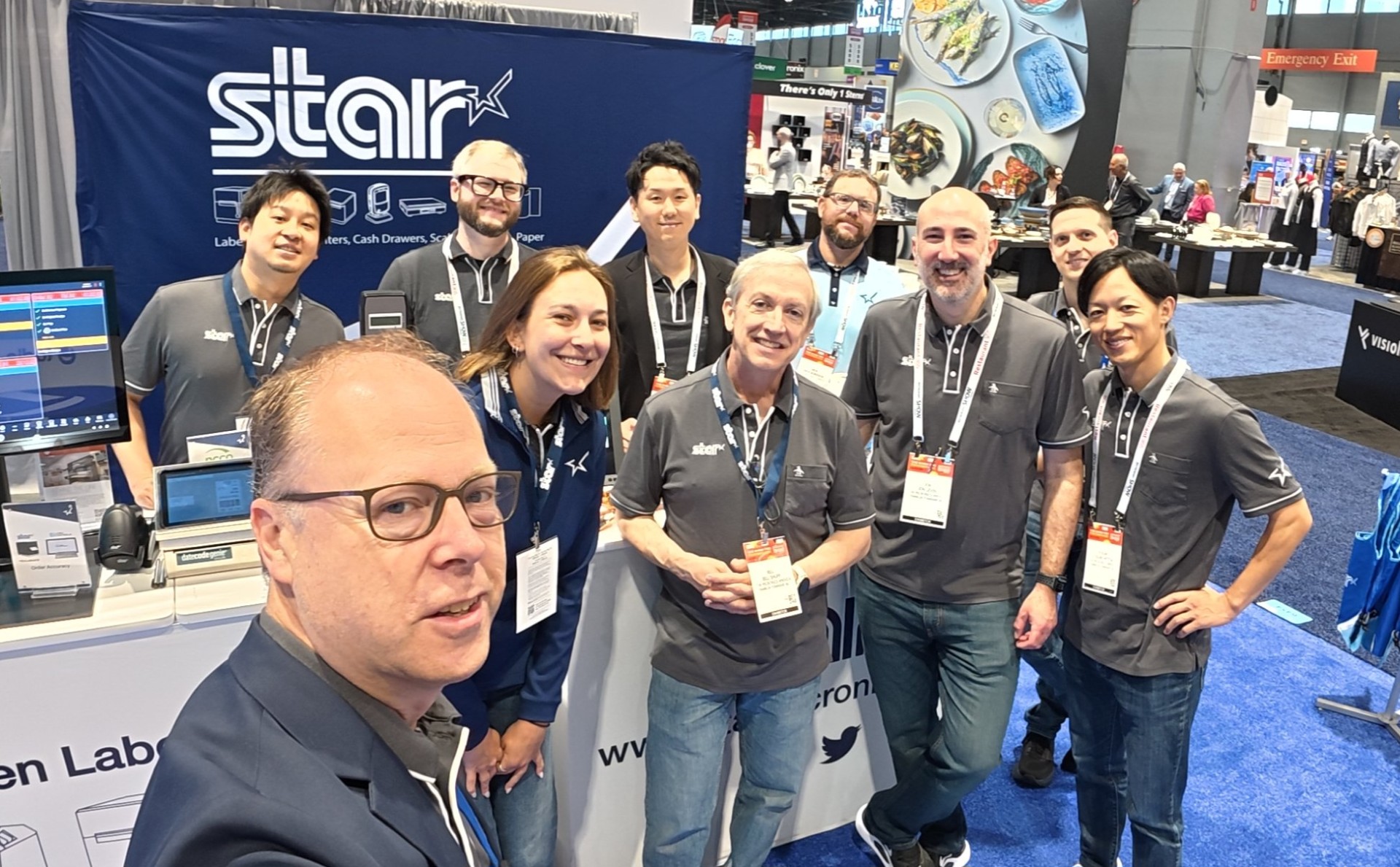
    NRA Team 2026
    The team at the National Restaurant Show 2026

    How Star Micronics America’s Culture Has Evolved

    Star’s workplace culture has changed significantly over the decades.

    One of the biggest turning points came during COVID.

    Before the pandemic, Star operated largely as an office-based organization. Like many companies during that time, that changed quickly. Teams adapted to remote work, new collaboration tools, and new ways of supporting customers and partners. What started as a necessary adjustment ultimately reshaped how the company works today, leading to a more flexible hybrid and remote culture.

    That transition tested the company, but it also reinforced one of Star’s core values: collaboration built on trust between teams.

    While the workplace changed, the company’s core values remained steady:

    • Collaboration – fostering open communication, mutual respect, and trust across teams
    • Innovation – staying curious, proactive, and open to new ways of thinking
    • Change – embracing growth, improvement, and the ability to adapt in a shifting industry
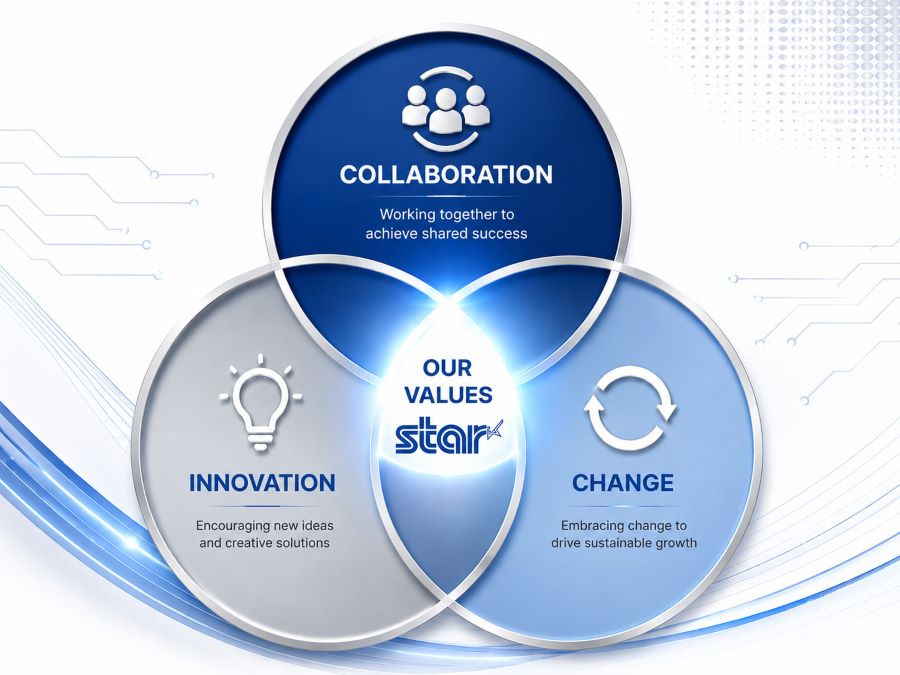
    Star Micronics America Core Values

    Those values continue to guide how teams work together across the United States, Canada, Mexico, and Latin America.

    That culture extends beyond daily work. Programs like the Yamaguchi Spirit Awards recognize employees who embody Star’s core values of collaboration, innovation, and change. These traditions help reinforce that culture is not just something that happens passively. It is something consciously practiced.

    Why People Matter to the Customer Experience

    A company’s culture does not stay inside its walls. It shapes every customer interaction, every partner relationship, and every problem solved along the way.

    That has been one of the defining parts of Star Micronics America’s 50-year story.

    SMA has long been known as a company that is easy to do business with, and that reputation was built by people. It was built by employees who know the products, understand the industries they support, and work together to solve problems quickly and thoughtfully.

    It was also built through consistency.

    Many customers and partners have worked with the same Star team members for years, sometimes decades. That continuity creates trust. It gives customers direct access to people who understand their business, their workflows, and the challenges they face.

    In an industry where technology moves fast, products matter. But trust, experience, and long-term relationships matter just as much, if not more.

    For 50 years, Star’s people have helped build both.

    VTO Earth Day 7
    Volunteer day at America’s Grow-A-Row Farm in Pittstown, NJ

    Looking Ahead to the Next 50 Years of Star

    A 50th anniversary is a time to reflect, but also a time to look forward.

    As industries continue shifting toward AI, cloud infrastructure, automation, and more connected workflows, Star Micronics America remains focused on supporting those changes with experienced teams and technology that makes a difference.

    That next chapter will depend on the same things that built the first 50 years: experienced people, practical innovation, and strong customer relationships.

    For employees, partners, and customers, those first 50 years have built something lasting: trust, consistency, and a company they know they can count on.

    And if the last five decades are any indication, the next chapter is already taking shape.

    Learn More About Solutions from Star Micronics America

    Author’s Note: Special thanks to Joey Richholt and Shazia Shafi of Star Micronics America’s HR department for their thoughtful input and timely contributions to this article.
  • What NRF 2026 Revealed About the Future of Retail and Restaurant Technology

    What NRF 2026 Revealed About the Future of Retail and Restaurant Technology

    The National Retail Federation’s Big Show has long served as a bellwether for where retail technology is headed, offering a clear view each year into how the industry is evolving. NRF 2026, however, surfaced a more defining shift.

    The future of retail and restaurants is being built right before our eyes, as hardware, AI-powered platforms, and workflow design operate as a single system, with order accuracy forming the foundation for lasting customer loyalty. What stood out at NRF 2026 was not any single breakthrough, but how these technologies are increasingly designed to work together in real-world environments.

    Across the show floor, one theme surfaced repeatedly. Technology is no longer being evaluated in isolation. Operators are assessing complete, end-to-end workflows, from ordering and production to fulfillment and the final guest interaction. The conversation has moved beyond experimentation and toward execution, reliability, and scale.
    At NRF 2026, retail and restaurant technology clearly entered a phase of operational maturity, with solutions increasingly judged by how well they perform across locations, channels, and peak demand moments.

    Here are the key takeaways from NRF 2026, and what they signal for the rest of 2026.

    Table of Contents

    Self-Service Is No Longer Optional

    Self-service has moved beyond experimentation. At NRF 2026, kiosks, unattended stations, and automated pickup workflows were everywhere, across QSR, retail, travel, and hybrid environments.

    Operators are adopting self-service to address labor challenges, increase throughput, and meet customer expectations for speed and convenience. That shift places new demands on hardware reliability. When self-service fails, there is no staff member to step in.

    What this means for 2026:

    • Kiosks and unattended workflows will continue expanding into new verticals
    • Open-frame and kiosk printers must deliver high uptime and jam-free performance
    • Hardware flexibility will matter as much as software innovation

    Self-service is no longer a differentiator. It is the baseline.

    Order Accuracy Has Become the Guest Experience

    Speed gets orders out the door. Accuracy determines whether customers come back.

    One of the strongest signals at NRF 2026 was the growing emphasis on order accuracy, especially for off-premise dining, third-party delivery, catering, and pickup. As order volumes increase and channels multiply, operators are turning to labeling and verification workflows to reduce errors.

    Labeling is now being used to:

    • Identify individual items within an order
    • Seal bags for tamper-evident delivery
    • Improve kitchen communication and fulfillment accuracy
    • Support food safety and expiration tracking

    What this means for 2026:

    • Label printing will continue shifting from optional to mission-critical
    • KDS-driven label printing will become more common
    • Linerless and die-cut labels will be selected based on workflow, not trend

    Order accuracy is no longer only a back-of-house concern. It is central to the brand experience.

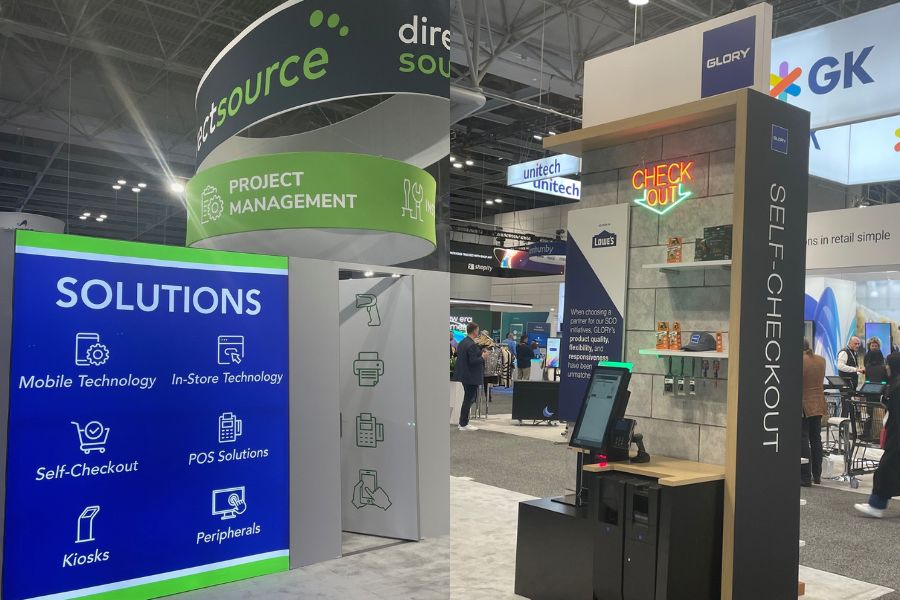
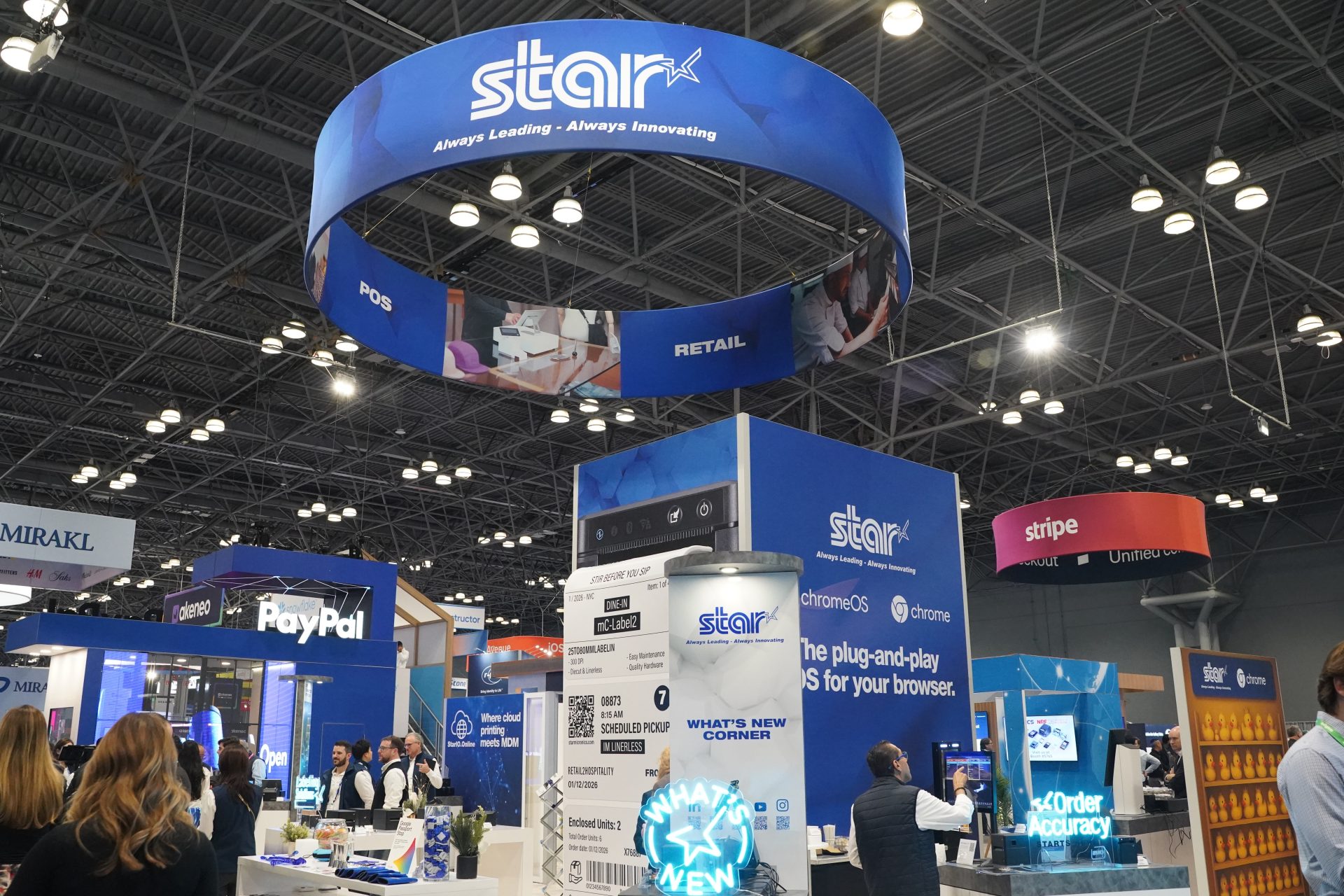
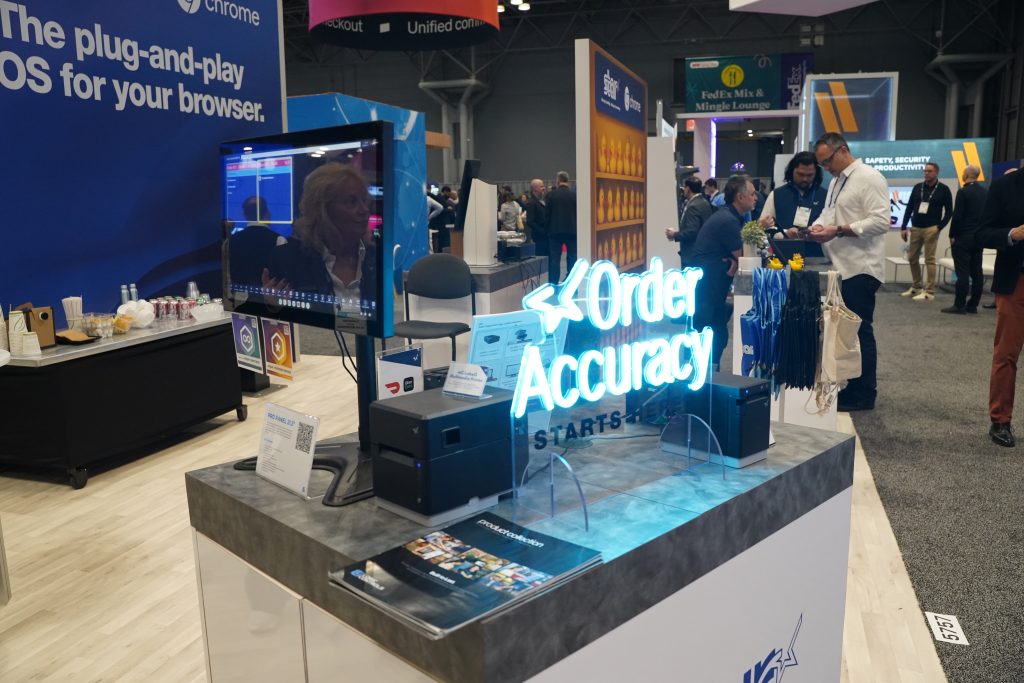
    Visit Star Micronics at booth 5757 during NRF 2026.

    Cloud Infrastructure Is Getting Simpler by Design

    ISVs and platform providers sent a clear message at NRF 2026. They want fewer systems to manage, not more.

    Rather than building and maintaining proprietary print servers, many developers are looking for hosted, API-based solutions that remove infrastructure overhead. Cloud printing is evolving from a technical challenge into a managed service expectation.

    What this means for 2026:

    • Hosted cloud printing will see increased adoption
    • API-first platforms will outperform custom infrastructure
    • Remote device monitoring and management will be table stakes

    The cloud stack is not getting more complex. It is becoming more streamlined.

    Web-Based POS and Chrome OS Are Gaining Momentum

    Another major takeaway from NRF 2026 was the continued rise of web-based POS applications and Chrome OS deployments. Developers are prioritizing flexibility, faster updates, and browser-based workflows that reduce OS dependency.

    This shift places new requirements on POS hardware. Devices must work seamlessly across Android, web, and kiosk environments without extensive integration work.

    What this means for 2026:

    • Web-based POS applications will continue to grow
    • Chrome OS kiosks will expand in retail and hospitality
    • Hardware that works across platforms will be preferred

    Platform flexibility is becoming a key purchasing criterion.

    POS Hardware Design and Ergonomics Matter More Than Ever

    NRF 2026 highlighted a growing focus on workspace design. Operators are paying closer attention to how POS environments look, function, and scale over time.

    Clean countertops, effective cable management, and ergonomic mounting solutions are no longer cosmetic concerns. They impact staff efficiency, safety, and customer perception.

    What this means for 2026:

    • Modular and adaptable hardware setups will increase
    • Mounting and peripheral integration will be planned together
    • POS design will be viewed as part of the brand experience

    Hardware must perform well and look intentional.

    Sustainability Is Becoming an Operational Advantage

    Sustainability conversations at NRF 2026 were quieter, but more serious. Operators are increasingly evaluating solutions that reduce waste, simplify operations, and support compliance without adding cost or complexity.

    Linerless labeling stood out as a clear example. It reduces liner waste, improves efficiency, and supports modern labeling workflows without changing user behavior.

    What this means for 2026:

    • Waste-reducing technologies will gain broader adoption
    • Media choices will factor into purchasing decisions
    • Sustainability and efficiency will continue to align

    Environmental considerations are becoming practical, not promotional.

    Partnerships Are Driving the Most Compelling Solutions

    Some of the most effective solutions at NRF 2026 were not built by a single company. They were the result of deep partnerships across hardware, software, and platform providers.

    Integrated ecosystems reduce friction for resellers, simplify deployments, and deliver better outcomes for operators. Collaboration is accelerating innovation faster than isolated development ever could.

    What this means for 2026:

    • Ecosystem-driven solutions will gain traction
    • Channel-friendly integrations will matter more
    • End-to-end workflows will outperform point solutions

    Looking Ahead to the Rest of 2026

    NRF 2026 made one thing unmistakable. Retail and restaurant technology is moving into a more disciplined and outcome-driven phase. The emphasis is no longer on adding disconnected features. It is on building systems that work together reliably under real operating conditions.

    As hardware, AI-powered platforms, and workflow design continue to converge, operators are prioritizing solutions that improve execution at every step of the journey. Order accuracy, uptime, and consistency across locations are becoming the true measures of success because they directly shape customer loyalty and long-term performance.

    For the rest of 2026, expect continued investment in:

    • Self-service and unattended workflows
    • Labeling and order verification
    • Cloud-managed and web-based platforms
    • Modular, adaptable POS hardware
    • Integrated partner ecosystems

    At Star Micronics, these shifts reinforce a long-standing focus on building reliable, flexible hardware that adapts as workflows evolve. When technology operates as a unified system rather than a collection of parts, it quietly enables better execution, stronger operations, and better experiences for customers.

    NRF 2026 did not just highlight what is emerging. It clarified how the next generation of retail and restaurant operations will be built.

    How VARs and ISVs Can Maximize ROI with Advanced Kiosk Printing Technology

    This ebook reveals how ISVs and VARs can harness the transformative potential of kiosk printing technology to maximize ROI for both their clients and their own businesses.

    Learn More About Star POS & Labeling Solutions

  • 2026 IT Channel Predictions Are Optimistic

    2026 IT Channel Predictions Are Optimistic

    Star partners in the IT channel are in a strong position going into 2026. What will define success for value-added resellers (VARs), independent software vendors (ISVs), and managed services providers (MSPs) in the IT channel this coming year? Rising IT spend, growth in subscription-based software, and expanding demand for vertical solutions all point to one of the strongest years for the IT channel in a decade. 

    Macro trends are positive. Gartner predicts worldwide IT spending will increase 9.8% from 2025 to reach $6.08 trillion in 2026. The IT services market is also growing, with Grand View Research reporting a CAGR of 9.4% from 2025 to 2026, reaching $2.59 trillion. For IT channel partners, these indicators suggest sustained opportunity rather than short-term recovery.

    Table of Contents

    What Is the IT Channel in 2026?

    The IT channel, comprising VARs, ISVs, MSPs, and other technology integrators, looks very different from what it did a decade ago. Today’s IT channel partners do far more than sell hardware. They design, deploy, and support complete technology ecosystems that combine software, integrations, and ongoing services.

    This modern channel model aligns closely with Star Micronics’ hardware portfolio, cloud printing technologies, and partner ecosystem. Reliable, cloud-ready hardware remains foundational to these deployments, especially in retail, restaurant, healthcare, and other multi-location environments.

    In 2026, IT channel organizations continue shifting toward recurring services, cloud-based deployments, and specialized vertical markets. According to the Retail Solutions Providers Association (RSPA) Retail IT Channel KPI Study, VARs and ISVs have rebounded from a flat or worse 2024. About 80% of the POS channel now reports growth, with 9.4% seeing revenue growth of 40% or more. These trends are setting the stage for a strong year ahead.

    Key Predictions for the IT Channel in 2026

    Based on market data and channel performance trends, several themes will define success for IT channel partners in 2026:

    • Continued growth in recurring, service-driven revenue models
    • Increased demand for cloud-ready, multi-location hardware deployments
    • Expansion into regulated and emerging verticals such as healthcare, cannabis, and senior living
    • Greater emphasis on simplifying infrastructure while enabling scale

    Partners that can deliver reliable hardware while reducing operational complexity will be best positioned to capitalize on these shifts.

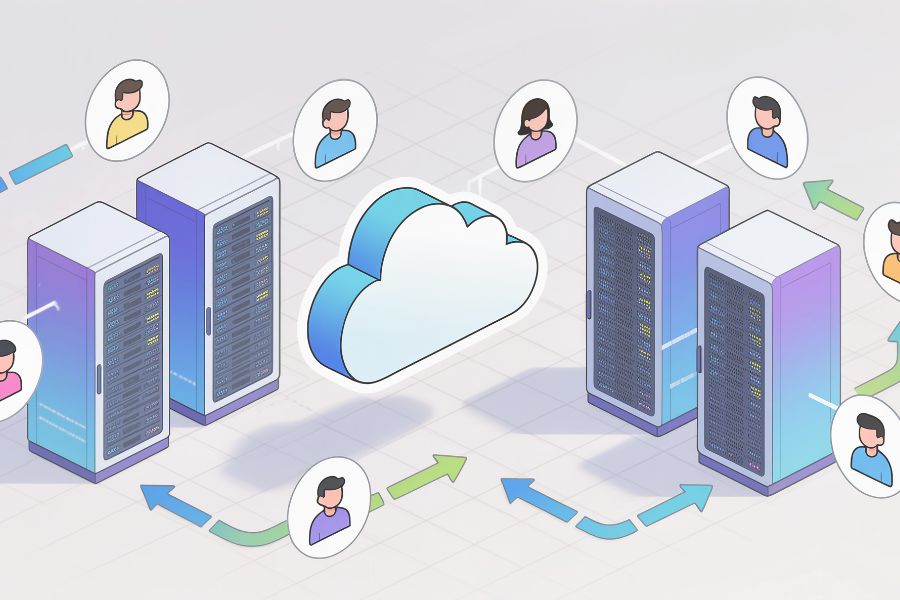
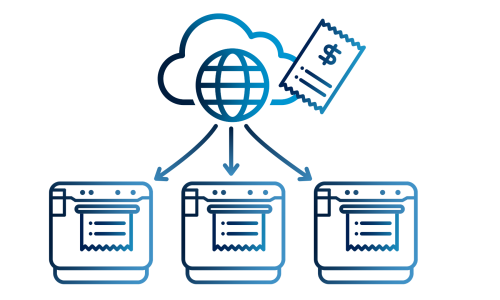
    Cloud Servers and Multi Location Businesses for the IT channel

    More Insights from the Retail IT Channel KPI Study

    The RSPA’s Retail IT Channel KPI Study took a deep dive into the state of the channel, examining key performance indicators (KPIs) that IT channel partners, including VARs, ISVs, and other solutions providers, use to measure business health. One of the most telling indicators is revenue per employee.

    1. Growing Revenue per Employee

    Among RSPA member VARs and ISVs, 38.1% report $200K in revenue per employee, a long-standing benchmark for a healthy organization across both the POS channel and the broader IT channel. This figure represents a 5.6% increase from 2023 and an 11.8% improvement compared to 2022, signaling stronger operational efficiency among IT channel partners.

    RSPA views this improvement as evidence that IT channel partners are succeeding even as competition from VC-backed providers continues to grow. The study also shows that VARs and ISVs are increasingly effective at pairing high-value services with IT hardware and software. Approximately 55% of respondents report that 10% to 29% of their revenue is recurring from services, while about 6% generate more than 60% of revenue from services.

    Star partners are among the POS channel organizations benefiting from these trends. By combining managed services with hardware bundles such as printing, labeling, kiosks, and cloud-connected POS peripherals, they are well-positioned to meet evolving market demand and sustain long-term growth.

    2. Near Record Profit Margins

    In addition to revenue growth, the POS channel is seeing higher profitability. Only 1.2% of RSPA survey respondents reported a loss, while 64.7% reported profit margins between 20% and 60% or more. These results point to a healthier, more resilient channel overall.

    3. Expansion into New Markets and Niches

    Another key finding from the study is that IT channel partners are expanding beyond traditional retail and restaurant markets. Respondents reported growth in areas such as:

    In addition, many VARs and ISVs are setting their sights on healthcare (14.3%), medical office and senior living (13.1%), and non-profit organizations (11.9%). With broader solution portfolios, including cloud-ready hardware and printing technologies from Star, partners can confidently expand into these verticals.

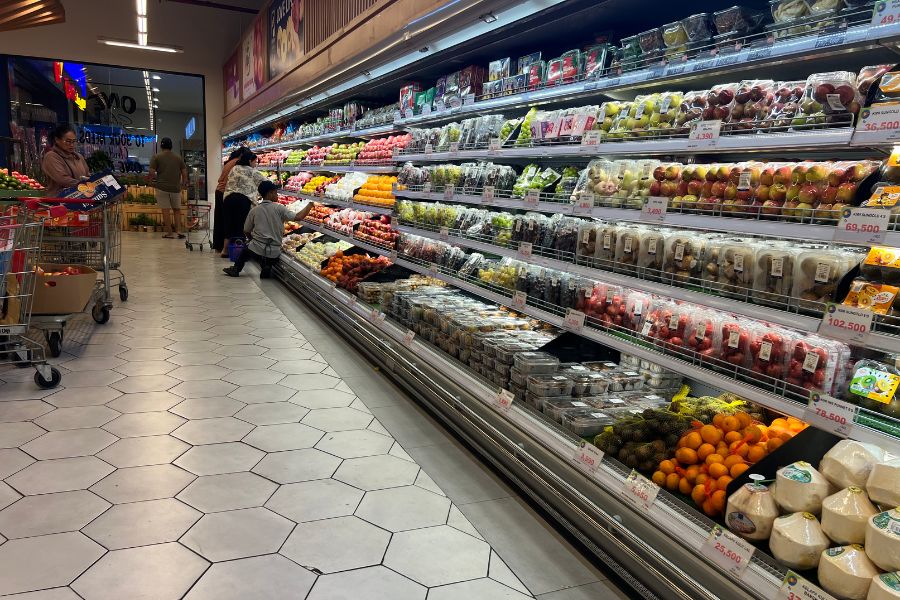
    Ethnic Grocery Markets
    VARs and ISVs are increasingly moving into new markets, like ethnic grocery stores.

    4. Emerging Opportunities

    When asked about emerging opportunities, IT channel partners consistently pointed to larger customer profiles, expansion into enterprise accounts, and growing demand for specialized, vertical-focused software. Many also cited advancing technology as a key growth driver.

    As end customers seek to operate more efficiently and deliver better experiences, IT channel partners are increasingly positioned as strategic advisors. Simplifying infrastructure while enabling cloud-based, multi-location deployments is becoming a defining competitive advantage.

    What Makes a Star Partnership So Valuable?

    Partnerships enable VARs, ISVs, and MSPs to deliver the products, solutions, and services their markets demand. Star Micronics supports partners with an exceptional breadth of hardware, cloud technologies, and flexible deployment options designed for modern IT channel business models.

    > Star’s Portfolio

    Star Micronics offers one of the industry’s most complete portfolios of POS and labeling hardware, including receipt, label, and multifunction printers, cash drawers, scales, tablet stands, and scanners. This breadth allows VARs and ISVs to build standardized, scalable solutions across retail, restaurant, and emerging vertical markets.

    In addition to hardware, Star provides cloud technologies and services that support modern deployment models:

    • CloudPRNT Next is Star’s next-generation cloud printing technology built into compatible printers. Using MQTT-based communication, it enables fast, reliable, and scalable direct-to-cloud printing for ISVs that choose to manage their own cloud infrastructure.
    • StarIO.Online is Star’s fully managed cloud printing service. It allows ISVs to send print jobs to CloudPRNT-compatible printers through REST APIs while Star hosts and maintains the cloud infrastructure. StarIO.Online also provides real-time printer status visibility and centralized configuration related specifically to cloud printing workflows, helping partners reduce infrastructure complexity and support multi-location deployments more efficiently.
    • Star Micronics Cloud Services (SMCS) includes cloud-based tools and APIs that extend the value of Star hardware. SMCS provides developer-facing APIs that enable ISVs to build their own dashboards or workflows for printer status monitoring and connectivity. It also includes end-user tools such as PromoPRNT and Label Builder, designed to help merchants manage promotional content and customized label designs.

    Together, these options give VARs and ISVs flexibility in how they architect, deploy, and support cloud-enabled printing solutions at scale.

    StarIO.Online is a fully managed cloud printing service by Star Micronics.

    > Vertical-Specific Solutions

    Star supports a wide range of industries, with hardware designed for retail and restaurant environments, as well as for growing sectors such as healthcare, medical offices, senior living, and non-profits. Star’s experienced team provides the industry expertise needed to support partners as they expand into new verticals.

    > Opportunities to Build Recurring Revenue

    VARs, ISVs, and MSPs can package software and services around Star’s technology to build recurring revenue streams. By supporting cloud-first offerings and Software-as-a-Service (SaaS) models, Star makes it easier for partners to create predictable, scalable revenue while reducing long-term support complexity.

    Make the Most of a Great Year for the IT Channel

    In 2026, the IT channel will favor partners who simplify infrastructure while enabling scale. Star Micronics helps VARs and ISVs do exactly that, with cloud-ready POS hardware and a fully managed cloud printing service that removes friction for both partners and their end-user customers.

    Want to learn more about the benefits of a Star partnership?

    FAQs for VARs and ISV Partners

    What trends will matter most for the IT channel in 2026?

    Growth in cloud-based platforms, vertical specialization, and scalable hardware deployments will shape the IT channel in 2026. VARs and ISVs that simplify infrastructure and support multi-location environments will be best positioned to grow.

    Why are VARs and ISVs expanding into new vertical markets?

    Competitive pressure and maturing retail and restaurant markets are driving channel partners to explore healthcare, cannabis, senior living, and specialty retail. These industries demand reliable, purpose-built hardware and cloud-ready printing solutions.

    How does Star Micronics support VARs and ISVs as they scale?

    Star Micronics provides a broad portfolio of POS and labeling hardware, cloud-ready printing technologies, and a partner ecosystem designed to support multi-location deployments without unnecessary complexity.

    What’s the difference between StarIO.Online and Star Micronics Cloud Services?

    StarIO.Online is Star Micronics’ fully managed cloud printing service. Star hosts and maintains the cloud infrastructure, allowing ISVs to send print jobs to CloudPRNT-compatible printers through REST APIs without managing servers or middleware. StarIO.Online also provides built-in printer status visibility and cloud-printing-related configuration through Star’s managed dashboard.

    Star Micronics Cloud Services (SMCS) provides developer-facing APIs that allow ISVs to build their own dashboards and tools for printer status monitoring and related functions within their own platforms. SMCS also includes end-user cloud tools such as PromoPRNT and Label Builder, which are designed for merchant use and are not embedded into ISV platforms.

    Some partners use both: StarIO.Online to offload cloud printing infrastructure, and SMCS APIs to build customized monitoring or workflows on top of Star’s hardware ecosystem.

    Do partners need to use Star’s cloud services to work with Star hardware?

    No. Partners can choose the architecture that fits their business. ISVs may manage their own cloud infrastructure using CloudPRNT Next or opt for StarIO.Online, if they prefer a fully managed cloud printing service hosted by Star.

  • Strengthening Channel Partnerships with Elo & Star Micronics

    Strengthening Channel Partnerships with Elo & Star Micronics

    In the latest episode of the Rising Stars Podcast, host Kate Orara is joined by Rob Nordby, Channel Sales Manager at Elo Touch Solutions, for an insightful discussion on what makes a channel partnership thrive. In “Channel Partner Success: Best Practices from Elo & Star Micronics,” Rob shares his expertise on how ISVs, VARs, and resellers can maximize their relationships with manufacturers to drive long-term success.

    Rob breaks down the key traits of successful channel partners, the importance of clear communication, and the role of manufacturer support in fostering growth. He also provides a behind-the-scenes look at Elo’s Elite Partner Program and how it creates real value for resellers and integrators looking to stand out in the competitive retail and hospitality technology space.

    Strategies for Success in the POS Industry

    From best practices in launching new products to overcoming common partnership challenges, this episode is packed with actionable advice for businesses looking to build stronger, more strategic alliances. Whether you’re a seasoned reseller or an ISV exploring new opportunities, Rob’s insights offer a valuable roadmap to growth.

    Supercharge your success with the Star Micronics Empower Partner Program >

    Loving the podcast? Subscribe now, and let us know what you think by leaving a review!

    Stay up-to-date on all things Star, don’t forget to follow us on X, LinkedIn, Facebook, Instagram, and YouTube.

    The Rising Stars Podcast

    Immerse yourself in the world of point-of-sale (POS) with the Rising Stars Podcast by Star Micronics, hosted by industry pro, Kate Orara. Twice a month, we explore the fascinating journeys of innovators and businesses navigating the challenges of POS technology’s rapid pace.

    In every episode, Kate Orara, Star Micronics’ Partner Development Manager, discusses emerging retail technology trends and strategies with global industry giants. She’s spent her entire career meeting all the right people, and now listeners everywhere can benefit from this vast network of channel gurus.

    Always leading and always innovating, Star Micronics, a pioneer in POS and customer experience technology for over 60 years, welcomes you to join us in shaping a brighter future in the retail, hospitality, and cannabis industries.

    Want more industry news?

    Episode Transcript

    [Music]

    Kate Orara: Hey there, retail tech enthusiasts! Welcome to the Rising Stars Podcast, your go-to for all things retail tech and point of sale. I’m Kate Orara, Partner Development Manager at Star Micronics, and I’m excited to guide you through this journey. Here, we dive into the latest innovations shaping the retail, hospitality, and cannabis industries. So whether you’re a techie or a business owner, this is your backstage pass to insider knowledge. Join me and the Star Micronics team as we innovate and rise together.

    Welcome back to another episode of the Rising Stars Podcast! I’m really excited today because I have one of my old buddies joining me. I know I keep saying this, but truly, the guests I bring on provide valuable insights into this industry—I promise it’s not just me bringing on friends for fun! Today, I have my good friend Rob Nordby from Elo Touch Solutions with me. Rob, how are you?

    Rob Nordby: I’m doing well! Thanks for having me. Excited to be here.

    Kate Orara: Awesome! I’m happy you could join us today. I know you’re traveling and actually at a conference right now, so I really appreciate you taking the time to speak with me.

    Rob Nordby: No worries! Excuse the background noise—I’ll just annoy everyone around me here. But let’s do it! Ready to rock.

    Kate Orara: Well, it’s funny because you’re currently at a partner event, and today we’re talking about partnerships! To kick things off, for our listeners who may not be familiar with you or Elo, could you give us a brief introduction about yourself and your role?

    Rob Nordby: Absolutely! I’m Rob Nordby, and I’ve been with Elo for six years. I manage our national solution provider team and programs, working with large national partners like CDW, SHI, and Insight. It’s a small but nimble team. Before Elo, I spent almost seven years at Zebra and started my career at PC Mall, which is now Insight. I’ve had a variety of roles in the industry, but my primary focus has always been on the channel, managing relationships and long-term partnerships.

    Kate Orara: That’s great! You’ve worked at the manufacturer level and the reseller level. Have you worked at the distributor level as well?

    Rob Nordby: That’s actually the one part of the industry I haven’t worked in, but I work closely with distribution. I have great relationships with our distributors and always advocate for collaboration between manufacturers, distributors, and resellers. Even though I’ve never worked for a distributor, I feel like I have offices at many of them!

    Kate Orara: That makes sense! So, let’s talk about partnerships. What are some key traits or behaviors you look for in a successful channel partner?

    Rob Nordby: Great question! A successful partner is motivated and truly embraces the term “partner.” Transparency and goal alignment are huge. Whether a partner is small or large, if we establish a long-term plan and stick to it, that makes for a great relationship. We love investing in partners who are committed to working toward mutual success.

    Kate Orara: From a partner’s perspective, what should they expect in terms of support, resources, and communication from a manufacturer like Elo?

    Rob Nordby: Honesty is number one. We all know about channel conflict, but maintaining a clean channel is a priority for Elo. Partners should expect reliable products, transparency about where our solutions work best, and clear guidance. We don’t just push products; we help partners find the right solutions for their customers. When manufacturers and resellers work together with honesty and a shared goal, it leads to successful rollouts and strong relationships.

    Kate Orara: Speaking of rollouts, how do you involve partners in launching new products, and what are some best practices for ensuring a smooth rollout?

    Rob Nordby: We prioritize roadmaps. Communication is key—we make sure partners are informed well in advance about what’s coming. Training is also essential. With large-scale rollouts, like those for Walmart or Target, understanding needs upfront and sharing that information between manufacturers and resellers prevents surprises down the road. Bringing partners in from day one creates a cohesive strategy and minimizes issues later.

    Kate Orara: That makes so much sense! So, tell us about the Elo Elite Partner Program. How does it benefit partners in tangible ways?

    Rob Nordby: The Elo Elite Partner Program is designed to reward and support our partners. It’s a tiered program where the more a partner sells, the better their discounts and rebates. But it’s not just about revenue—we also reward value-added services, training participation, and product engagement. We keep a clean channel and use deal registration to ensure partners can remain competitive. The goal is to build a long-term, mutually beneficial relationship.

    Kate Orara: What are some common challenges manufacturers and channel partners face in building strong relationships, and how can they be addressed?

    Rob Nordby: One big challenge is trust. Customers sometimes try to turn manufacturers and resellers against each other, which can create tension. Maintaining transparency, staying aligned, and working toward the same goal help mitigate those issues. Another challenge is competition and market consolidation, which can make it harder for smaller partners to compete. That’s why we advocate for a balanced channel approach.

    Kate Orara: If you could change one thing about the channel today, what would it be and why?

    Rob Nordby: I’d like to see less consolidation. The increasing number of mergers makes it difficult to maintain a diverse and competitive market. I also wish resellers would trust manufacturers more. We truly want to help them succeed, but sometimes there’s hesitation to share opportunities early on. Building trust through transparency is key.

    Kate Orara: That’s a great perspective. Thank you, Rob, for sharing your insights! We’ll include your LinkedIn and contact details in the show notes for anyone who wants to connect.

    Rob Nordby: Thanks for having me, Kate! This was fun. Looking forward to seeing you on the road.

    Kate Orara: And that’s a wrap for this episode of the Rising Stars Podcast! A huge thanks to our listeners for tuning in and to our phenomenal guest for sharing his insights. Don’t forget to subscribe, rate, and leave a review. Your feedback fuels our journey to bring you the best in retail tech.

    Stay connected with us on social media for updates and behind-the-scenes content. The future of retail technology is in our hands, and together, we are shaping it. Keep innovating, keep rising, and until next time, this is Kate Orara signing off. Together, we rise.

    [Music]

  • Grocery Tech and Takeaways from NRF 2025: How Self-Service and AI Are Shaping the Future

    Grocery Tech and Takeaways from NRF 2025: How Self-Service and AI Are Shaping the Future

    Walking through the head-turning aisles of NRF 2025, it was impossible to ignore the pull of grocery technology. Kiosks. Self-checkout. POS scales. Everywhere you turned, there they were—showing us just how much this retail sector is leaning into innovation. In a major way, grocery tech wasn’t just a theme; it was the star of the show.

    Why? Because it’s where the retail rubber meets the road. This isn’t just about flashy setups or eye-catching displays (although there were plenty of those). It’s about the undeniable shift toward convenience, efficiency, and—most importantly—revenue potential. For VARs and ISVs, this is a moment to seize.

    The Self-Service Revolution: Grocery Edition

    Grocery technology at NRF 2025 didn’t just stand out; it shouted its presence. Self-service kiosks and checkout stations were front and center, and not just for the sake of automation. They’re solving real problems for grocery retailers: long lines, labor shortages, and the skyrocketing customer expectation for speed and ease.

    Kiosks and AI: The Perfect Pairing

    The buzz wasn’t just about kiosks; it was about what’s powering them. AI is no longer just a futuristic idea—it’s here, and it’s delivering ROI for retailers. Picture this: AI-driven self-checkout systems that don’t just weigh produce but predict trends, analyze purchasing patterns, and suggest product placements. As Jim Roddy put it, “Nobody cares if you used AI. They just care about the ROI.”

    For grocery, AI transforms self-checkout from a convenience feature into a data powerhouse. It’s identifying theft with computer vision, optimizing inventory in real-time, and even delivering personalized coupons at the point of sale. For VARs and ISVs, knowing how to leverage these tools can turn their clients’ grocery operations into well-oiled, revenue-generating machines.

    How VARs and ISVs Can Capitalize

    This is where it gets exciting. Self-checkout systems, kiosks, and AI aren’t just shiny new toys; they’re solutions that bring measurable results. VARs and ISVs who understand the potential of this tech can become the heroes of their clients’ grocery businesses.

    Here’s how:

    1. Show Them the ROI: Whether it’s through AI-powered theft prevention or kiosks that reduce labor costs, explain how these solutions save money and boost revenue.
    2. Offer Scalable Systems: Grocery operations aren’t static. Provide hardware and software that can grow with the business, from small neighborhood grocers to big-box chains.
    3. Be the Trusted Advisor: As Jim Roddy pointed out, retailers are drowning in options. Be the guide who cuts through the noise and points them to the right tools.

    Star Micronics: Hardware Built for Grocery Success

    Star Micronics has the tools to help VARs and ISVs make the most of the grocery tech boom. From kiosk printing to POS scales, our hardware is designed to meet the demands of modern grocery environments tenfold.

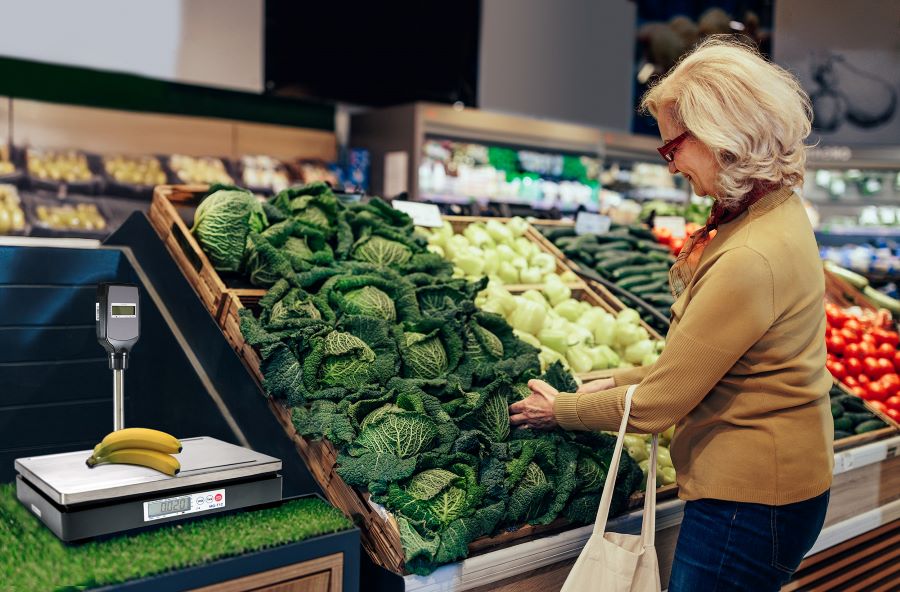
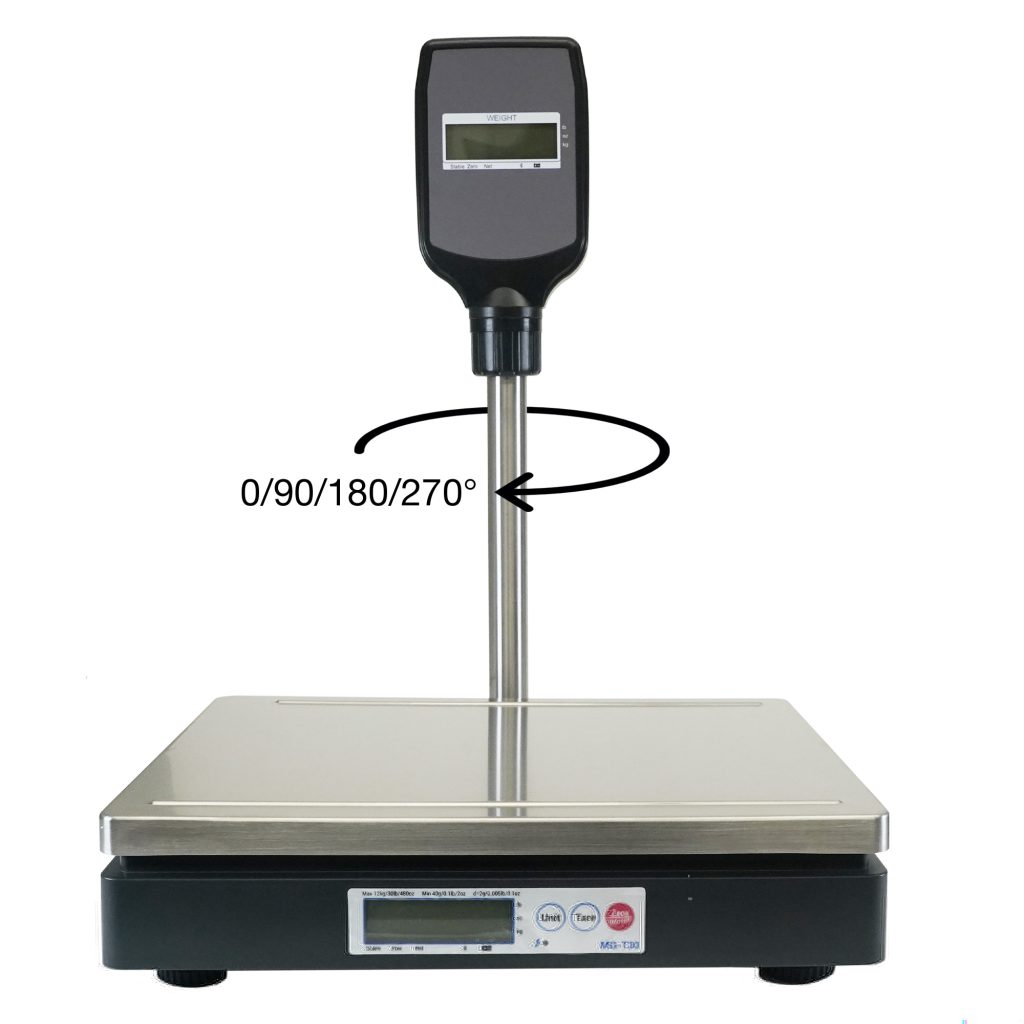
    The latest mG-T POS scales from Star Micronics are perfect for grocery stores and environments.

    Kiosk Printers

    Behind every seamless self-checkout experience is a reliable kiosk printer quietly doing its job. From printing crisp receipts to generating order tickets and labels, kiosk printers are the unsung heroes of modern grocery stores. Star Micronics brings precision and speed to the table, offering solutions built to keep self-service stations efficient and customers happy—even during the busiest rush hours.

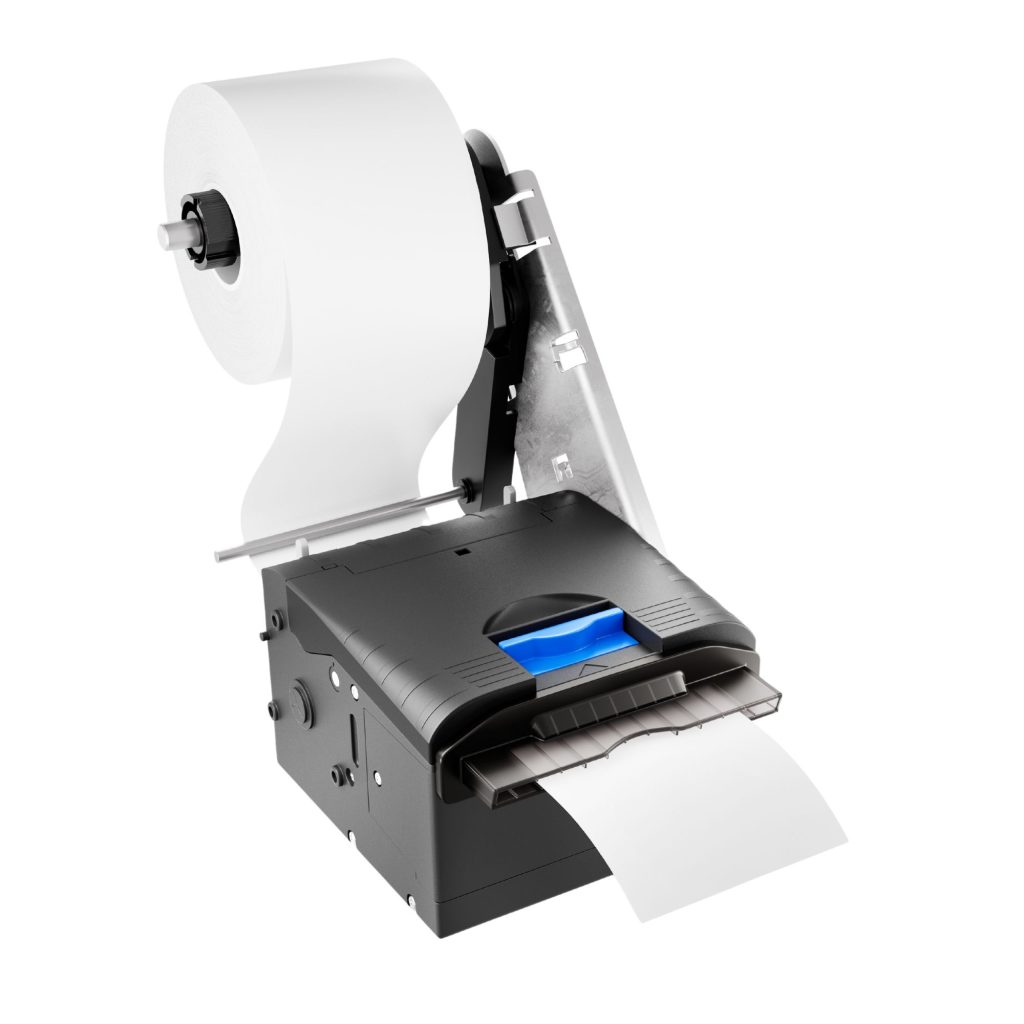
    SK5-31 Kiosk Printer

    Designed for high-demand environments, the SK5-31 combines a sleek, fully enclosed design with advanced features like anti-jam technology, paper eject assistance, and an adjustable paper guide with 12 positions. With a print speed of 250mm/s and versatile connectivity options (USB/Serial or USB/LAN), this printer ensures smooth, efficient, and reliable operations.

    Explore the SK5-31 >

    mC-Print3 Receipt Printer

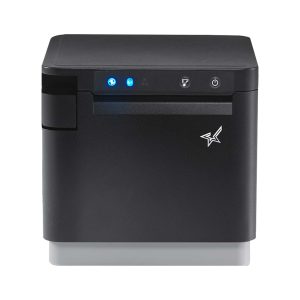
    The Star Micronics mC-Print3 combines high-speed printing with advanced connectivity options like Ultra-C and CloudPRNT Next. Its Ultra-C USB-C port provides seamless power and data transfer with any device, while CloudPRNT Next offers enhanced remote printing using the MQTT protocol, ideal for modern POS environments.

    Discover the mC-Print3 >

    How VARs and ISVs Can Maximize ROI with Advanced Kiosk Printing Technology

    Find out how ISVs and VARs can harness the transformative potential of kiosk printing technology to maximize ROI for both their clients and their own businesses.

    Precision POS Scales

    mG-TUDB Scales

    Designed for precision and versatility, the mG-TUDB scales are a perfect fit for grocery self-checkout stations, produce sections and bulk item sales. With trade-legal certification for the U.S. and Canada, these scales offer Class III accuracy and seamless connectivity via Bluetooth, serial, or USB-C. Their large platter and optional pole display accessory ensure effortless setup with your POS system, making them ideal for a wide range of applications, from delis to farmer’s markets.

    Find Out More >

    Cash Management

    CD5 Max Series Cash Drawers

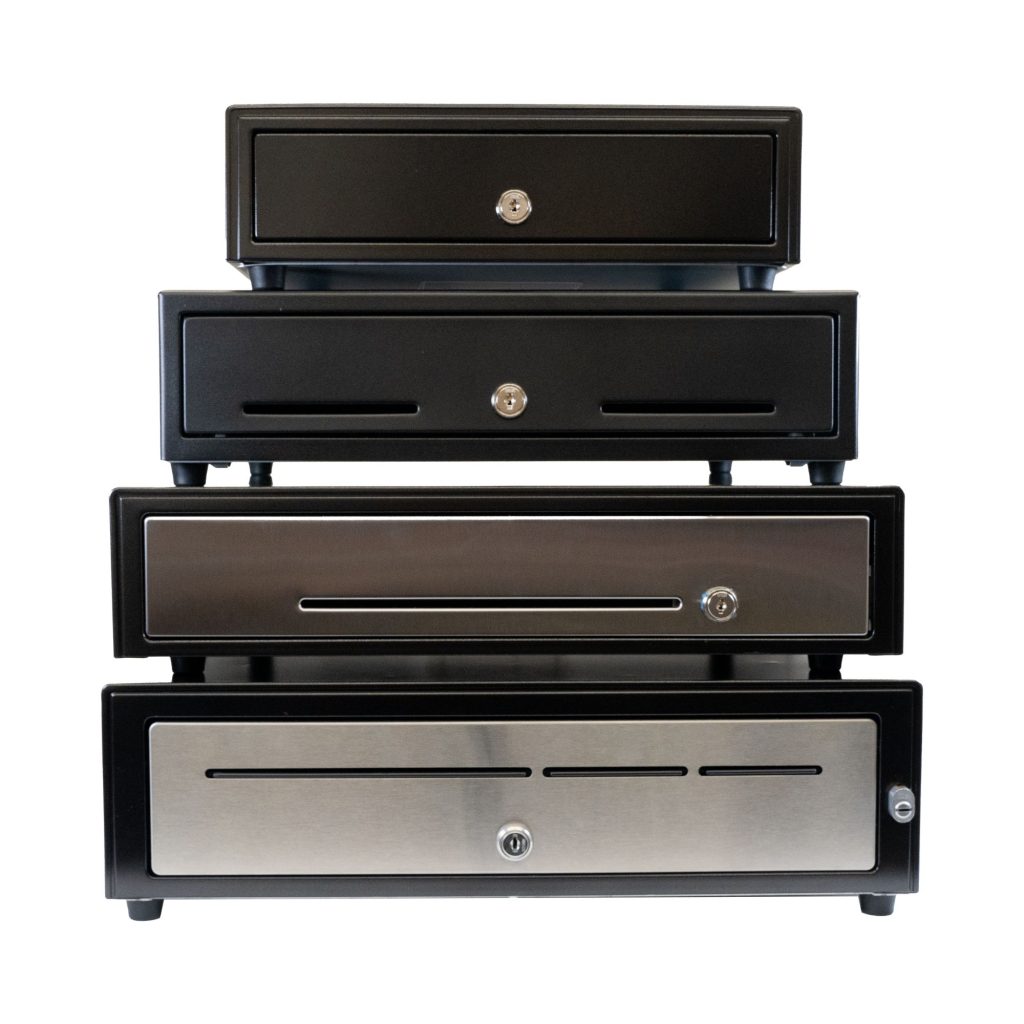
    Designed for high-cash volume businesses, the CD5 Max Series cash drawers deliver durability, security, and sleek design. With all-steel construction, dual lock mechanisms, and under-till compartments for added organization, these drawers are ideal for grocery stores, cannabis dispensaries, and other busy retail settings. Available in multiple sizes and with dual DK and USB interface options, the CD5 Max Series integrates seamlessly into any POS system.

    Explore More >

    Scanning Technology

    Star’s 1D/2D Barcode Scanners

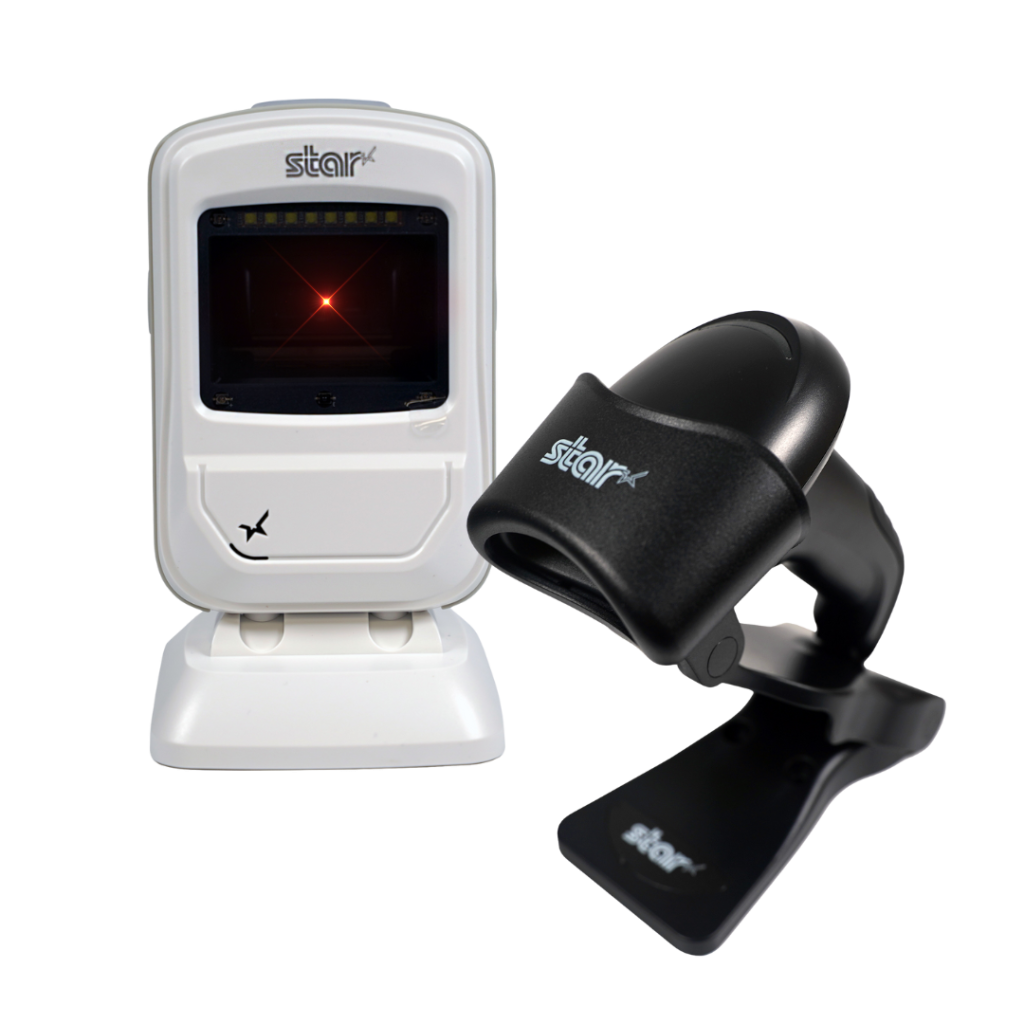
    Star offers a comprehensive range of IP-rated 1D/2D barcode scanners, ideal for diverse business needs. From retail to healthcare, our versatile scanners excel in parsing driver’s license and ID barcodes, ensuring swift and accurate data capture. Choose the perfect fit for your setup—desktophandheld, or wireless Bluetooth options available.

    The Takeaway: Grocery Tech Is a Golden Opportunity

    Grocery retail is truly exploding with possibilities. NRF 2025 made it clear that self-service, kiosks, and AI are here to stay, and they’re revolutionizing how grocers operate. For VARs and ISVs, this is the moment to step in, guide clients toward the right solutions, and build partnerships that drive growth.

    With Star Micronics by your side, you’re equipped to offer the tools grocery retailers need to stay competitive now and into the future.

    Ready for the grocery tech you need?

  • Insights From NRF 2024 and Retail’s Inflection Point on the Rising Stars Podcast

    Insights From NRF 2024 and Retail’s Inflection Point on the Rising Stars Podcast

    The retail industry stands at a pivotal crossroads, with digital innovation and customer expectations evolving faster than ever before. For retailers aiming to excel in this dynamic environment, understanding and leveraging the latest trends and technologies is essential.

    In this compelling episode of the Rising Stars Podcast titled “NRF 2024 Insights: Retail’s Digital Inflection Point,” host Kate Orara engages in a thought-provoking discussion with two of Star’s brightest: Jon Levin, Director of Product Management, and Christophe Naasz, Global Director of Business Development. Together, they explore insights gleaned from NRF 2024: Retail’s Big Show, offering a comprehensive look at what they learned about the future of retail in the digital age.

    Embracing Technological Synergy

    This episode holds a wealth of industry experience and expert analysis on how cutting-edge technologies like AI are used in retail strategies to meet and exceed market demands. Levin and Naasz share their unique perspectives on the importance of finding the right balance between innovative tech solutions and the genuine needs of the market, a balance crucial for the retail industry’s sustained growth and relevance.

    Listeners are treated to an in-depth exploration of the rise of labeling in e-commerce and omnichannel retailing, underscoring the episode’s focus on practical, technology-driven solutions for enhancing operational efficiency and customer satisfaction.

    What Listeners Will Discover

    By tuning into this episode, listeners will gain invaluable insights into:

    • The ongoing adoption of AI and other emerging technologies in retail.
    • The critical role of labeling in e-commerce and omnichannel strategies.
    • Practical advice on aligning technological investments with real market needs.
    • The art of listening to customers to shape future-proof retail solutions.
    • Collaborative approaches to innovation that benefit all stakeholders in the retail ecosystem.

    Essential Listening for Forward-Thinking Retail Professionals

    “NRF 2024 Insights: Retail’s Digital Inflection Point” is a must-listen for anyone invested in the retail industry’s future, from business leaders and innovators to frontline managers and tech enthusiasts. Through engaging discussions and expert analysis, Orara, Levin, and Naasz offer a unique roadmap for navigating the complexities of digital transformation in retail, highlighting the opportunities that lie ahead for those ready to embrace change.

    Don’t miss this opportunity to arm yourself with the knowledge and insights needed to be a leader in the industry. Subscribe and listen now!

    Loving the podcast? Subscribe now, and let us know what you think by leaving a review!

    Stay up-to-date on all things Star, don’t forget to follow us on Twitter, LinkedIn, Facebook, Instagram, and YouTube.

    The Rising Stars Podcast

    Immerse yourself in the ever-evolving world of point-of-sale (POS) with the Rising Stars Podcast by Star Micronics, hosted by industry pro, Kate Orara. Twice a month, we dive into the fascinating journeys of innovators and businesses navigating the challenges of technology’s rapid pace.

    In every episode, Kate Orara, Star Micronics’ Partner Development Manager, takes listeners on an exploration of emerging retail technology trends and strategies with global industry giants. She’s spent her entire career meeting all the right people, and now listeners everywhere can benefit from this vast network of channel gurus.

    Always leading and always innovating, Star Micronics, a pioneer in POS and customer experience technology for over 60 years, welcomes you to join us in shaping a brighter future in the retail, hospitality, and cannabis industries.

    Want more industry news?

  • A Look Back at 75 Years of Retail Innovation

    A Look Back at 75 Years of Retail Innovation

    As we commemorate the 75th anniversary of the Retail Solutions Providers Association (RSPA), it’s the perfect time to acknowledge the profound shifts in the retail industry brought about by technology. Over the past 75 years, technological innovations have drastically reshaped the retail landscape. To honor RSPA’s enduring relationship with the retail sector, let’s revisit the key ways technology has transformed the industry over these pivotal years.

    The RSPA celebrates its 75th anniversary being the POS technology place to be for the retail industry.

    A Short Timeline of Retail Innovations From the Last 75 Years

    1948: A small group of cash register dealers formed the ICRDA (Independent Cash Register Dealers Association), which would later become the RSPA.

    1958: Bank of America launched BankAmericard, which laid the foundation for credit cards in retail transactions, revolutionizing payment methods.

    1965: Nobel Prize laureate, Jack Kilby, invented the world’s first semiconductor-based thermal printer. This invention paved the way for efficient printing solutions in retail environments.

    1965: Digital scales, initially invented in Japan, became the most popular type of weighing scale worldwide, offering accurate measurements for various retail applications.

    1968: The Japanese company Epson introduced the EP-101, the first electronic printer, which was crucial in enhancing printing capabilities in retail operations.

    1971: Cash registers capable of handling currency conversions were created, streamlining international transactions.

    1973: The first computer-operated cash register marked a significant shift from mechanical to electronic systems, improving efficiency and accuracy in retail transactions.

    1976: The first Universal Product Code (UPC) was scanned from a barcode attached to a pack of gum. This technology revolutionized inventory management and checkout processes.

    1977: The University of Illinois introduced the “Plato Hotline,” the first interactive kiosk that provided campus information, opening doors to self-service and information dissemination.

    1985: Mosher introduced the first color touch-screen-driven point-of-sale (POS) interface, improving the user experience and making transactions more intuitive.

    1997: The first contactless payment system, Mobil Speedpass, was launched, paving the way for convenient and fast payment methods in retail.

    2002: The United Kingdom introduced the first cloud-based POS system, enabling businesses to manage their operations remotely and efficiently.

    The future of retail innovation and cloud technology.

    Advanced Features

    These groundbreaking steps have landed a place in history while others are still solidifying a stronghold. Applications like integrations with artificial intelligence and machine learning, along with barcode scanning, RFID, and QR codes, are all evolving to create new and exciting retail experiences. 

    There’s no denying the power of artificial intelligence (AI) and machine learning (ML). These incredible technologies promise to redefine the retail sector, analyzing data to reveal critical findings about customer behaviors, likes, and trends. Such insights empower retailers to offer personalized shopping experiences, manage inventory more effectively, and predict demand. Moreover, AI-fueled chatbots and virtual assistants are enhancing customer service by providing immediate assistance and suggestions.

    Furthermore, tools such as 1D barcodes, RFID, and 2D QR codes are propelling retailers to new heights, improving inventory management, minimizing errors in shipping and receiving, and streamlining logistics. These innovations are quickly becoming integral to the ultimate omnichannel experience for consumers.

    Future Potential

    Over the past 75 years, the retail industry has seen impressive transformations, reshaping consumer behavior and business operations. Technology has been the catalyst behind these changes, and its rapid progress leaves us wondering about the future of retail.

    As we look to the next 75 years, we can expect even more profound technological advancements influencing the retail scene. The incorporation of AI and ML will continue to personalize shopping experiences and optimize business processes. Emerging technologies like RFID and QR codes will further enhance data collection and foster smooth interactions between consumers and businesses.

    The future of retail innovation and AI technology.

    The Next Wave of Retail Innovations

    The future presents a vast landscape for creative breakthroughs and newcomers in the retail industry. It’s exhilarating to think about the innovations that will define the next wave of retail. As we celebrate RSPA’s 75th anniversary, we acknowledge their significant achievements and contributions to the industry.

    At Star, we are dedicated to offering product lines and technologies that stay up-to-date with the evolving retail sector. Here’s to celebrating another 75 years of success, collaboration, and exciting retail innovations!

  • Star Micronics at NRF 2023 Recap

    Star Micronics at NRF 2023 Recap

    Star Micronics presented its latest point-of-sale (POS) hardware solutions and technology at the National Retail Federation’s (NRF) 2023 conference, held in New York City from January 15th to January 17th at the Javits Convention Center.

    NRF 2023: Retail’s Big Show is the prime opportunity for the retail industry to cultivate thriving and rewarding business relationships with hardware manufacturers and software solution providers. It’s one of the industry’s largest shows of the year, and we were thrilled to be there.

    As usual, the Star Micronics team had a blast, finally coming together with others from all over the world. At NRF 2023, we met and heard from the most prominent changemakers in the industry and dipped our toes into the future of retail.

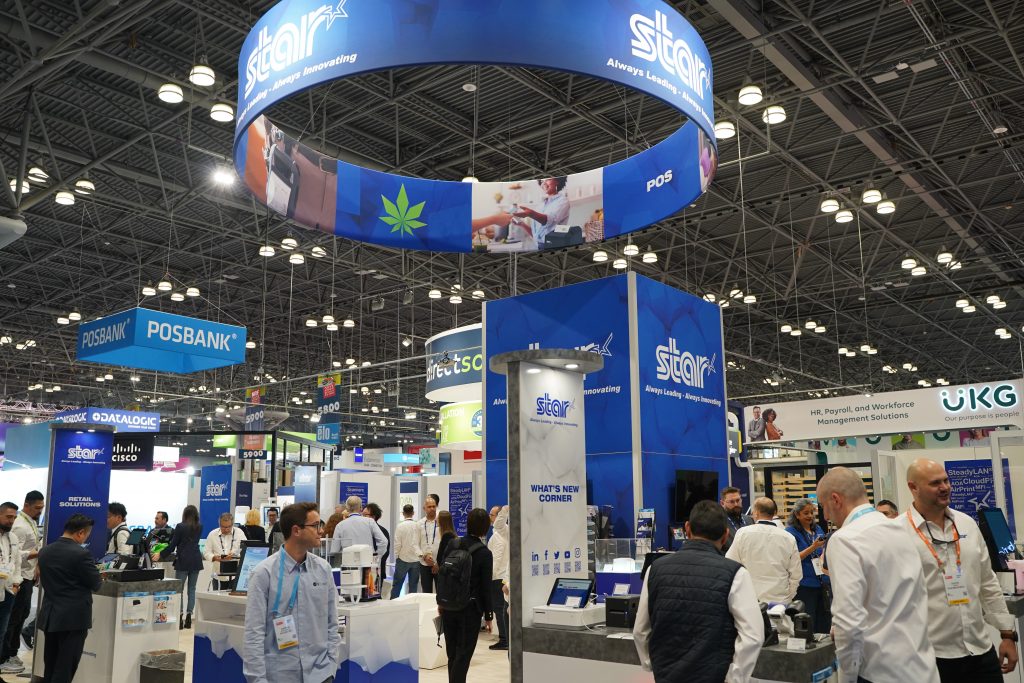
    Star Micronics's booth at NRF 2023.

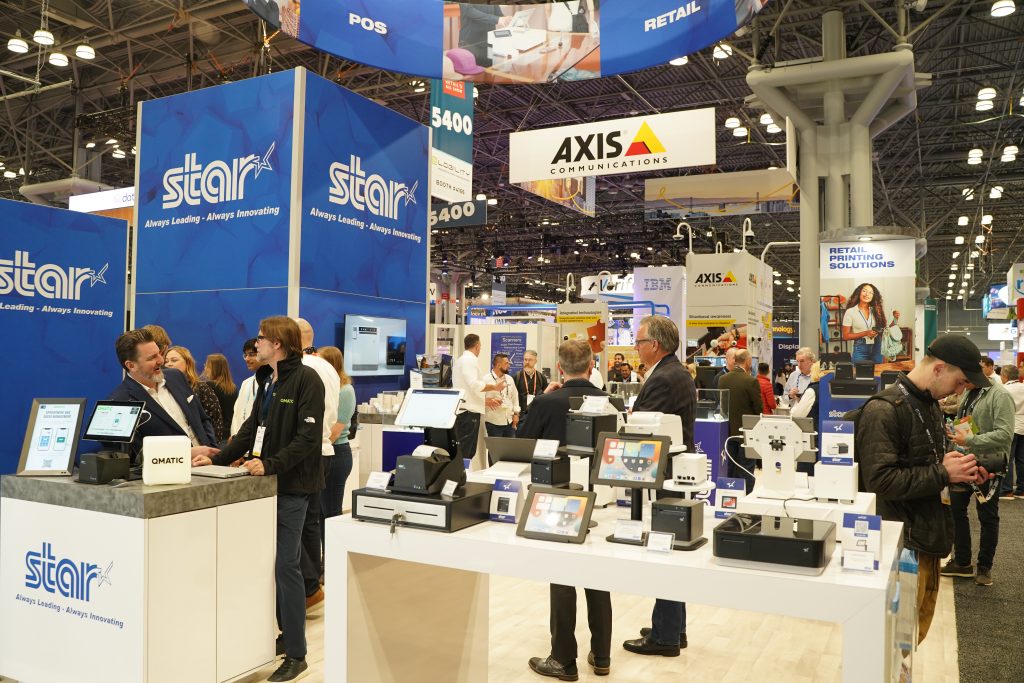
    In addition, we thank everyone who visited us on the trade show floor and our partners who joined us in the booth: Qmatic & Retail Management Hero!


    NRF 2023 Qmatic logo
    Qmatic is a global leader in reshaping connections between people and services for truly excellent customer experiences.


    Retail Management Hero (RMH) logo.
    The core RMH software includes a robust set of features to meet the business requirements of a wide variety of retailers.

    Star’s NRF 2023 Exhibit

    Star was privileged to showcase its products at the trade show, where we had multiple partners with our solutions exhibited in our booth and throughout the trade show floor. As a result, we got to walk around and say hi to everyone we regularly work with (albeit virtually).

    This not only gave us the chance to develop more personal relationships with our customers and associates but to exhibit our cutting-edge POS and mPOS solutions as well.

    Star Micronics's booth at NRF 2023.

    Since the NRF 2022 conference, Star has launched a variety of next-level POS and self-service solutions and was excited to showcase everything at NRF 2023.

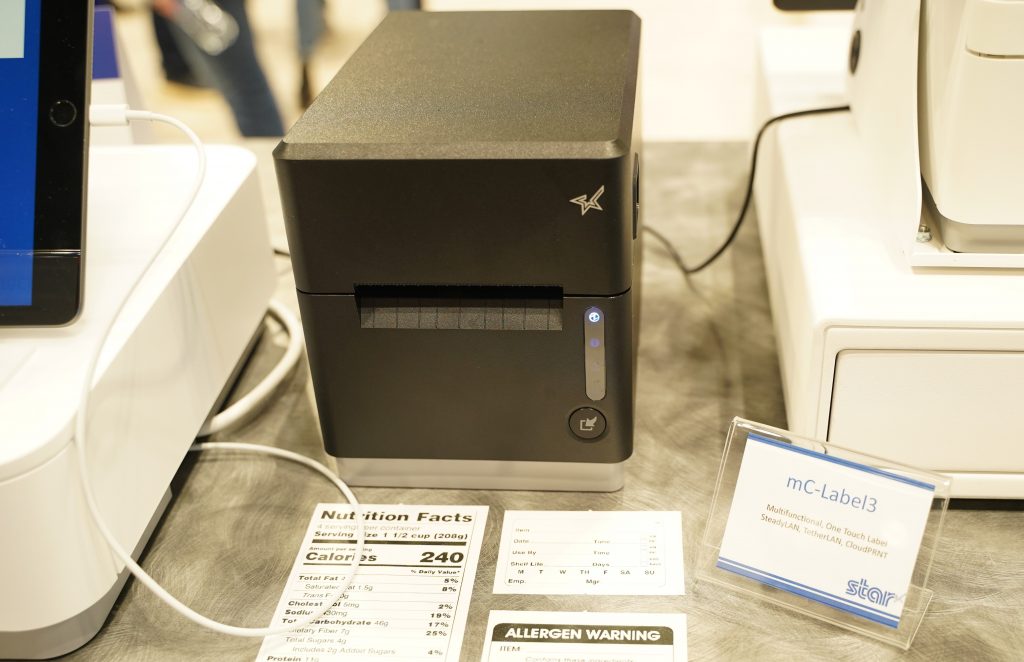
    • The new mC-Label3 with the faster SteadyLAN+CloudPRNT, & brand-new TetherLAN capabilities – an optimized label and receipt printing solution that does the work of multiple printers in one. 
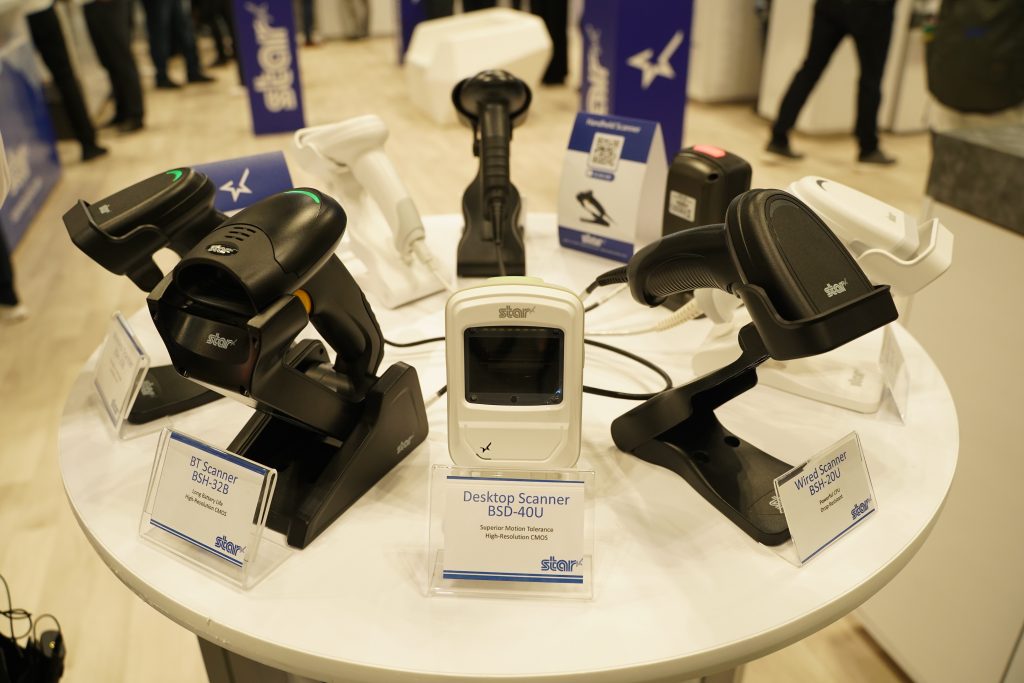
    • Brand new high-resolution barcode scanners. 
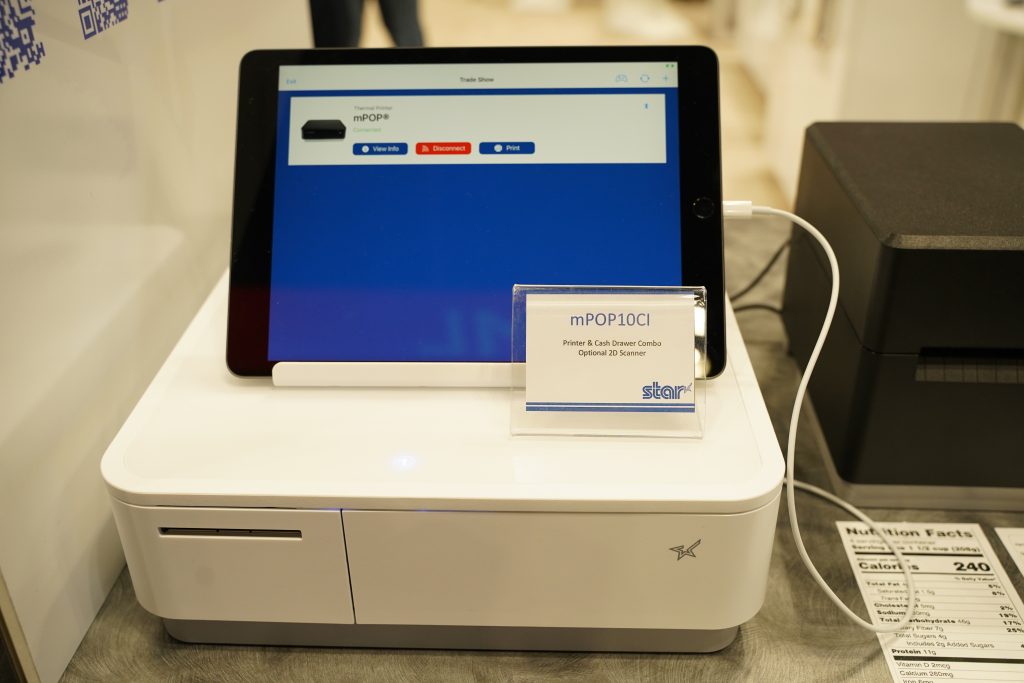
    • The latest mPOP® (mobile point-of-purchase) with direct iOS connectivity: power and data transfer for all-day use. 
    • Both models of the acclaimed TSP143IV; the TSP143IVUE with Android Open Accessory (AOA) support and a USB/LAN dual interface, and the TSP143IVUW with USB-C and dual-band WiFi connectivity. 
    • A kiosk printing solution that uses repositionable linerless label paper, the SK1-311 SK. 
    • The mG-T series of POS scales: the mG-T30 & mG-T60 models; ideal for shops, grocery stores, and farmer’s markets. 
    • The extensive new line of mUnite modern tablet display stands and mounts. 
    • New WiFi-loving models of the popular mC-Print2 & mC-Print3 series; two thermal printing solutions from the state-of-the-art mCollection®. 

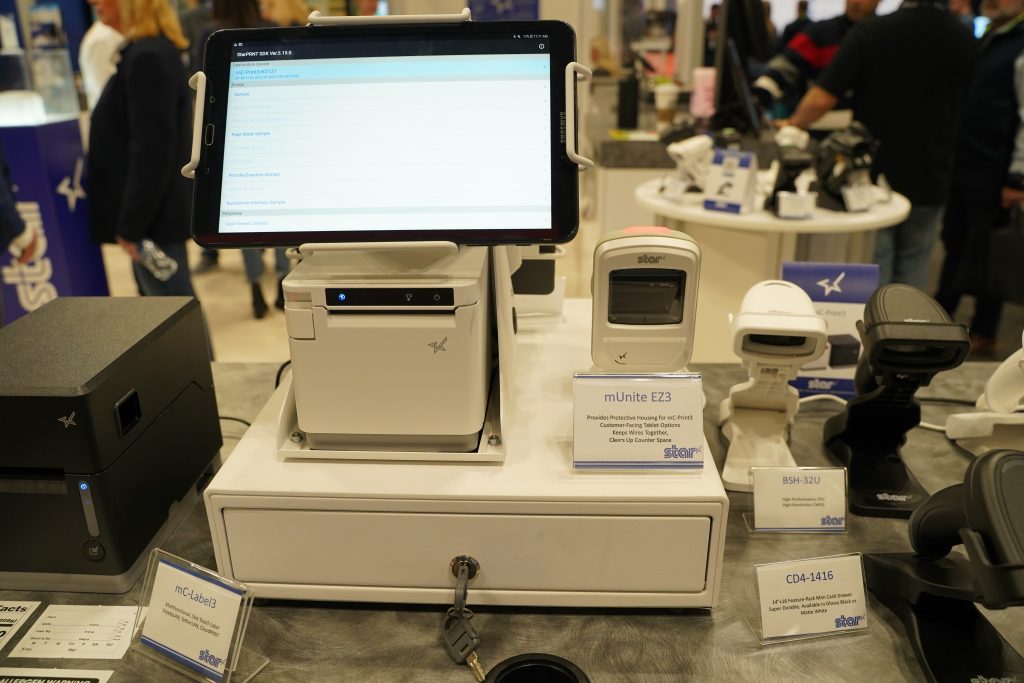
    The full point-of-sale (POS) hardware solution by Star Micronics, displayed at NRF 2023.
    The complete POS suite (tablets not included).

    The mC-Label

    The new mC-Label was the definite star of the show! 

    The versatile mC-Label printer is another Star innovation, combining multiple printing solutions into one. With superior quality, the mC-Label prints on various media, making it much more than a label printer. Able to connect to iOS, Android, and Windows devices, it’s equipped with much faster SteadyLAN+ and introduces Star’s latest technology – TetherLAN & Ultra-C.

    TetherLAN allows a connected device (4G & 5G) to share its network connection with the mC-Label. As a result, a CloudPRNT environment is created anywhere.

    Ultra-C is a unique 20W USB-C port that works with iOS, Android, and Windows devices. With iOS and Android devices, the printer can also power and charge the device while data transfers between the two.

    The mC-Label multifunction thermal label and receipt printer from Star Micronics displayed at NRF 2023.

    TetherLAN

    Star Micronics is also expecting big things for TetherLAN in 2023 and beyond!

    TetherLAN is an innovative Star technology that enables the WiFi service from a tablet or device with an active cellular connection (4G/5G) to share that connection with select Star printers. Simply connect a networked device to the printer via USB, and the printer can now work with integrated web- and cloud-based POS software.

    This premium technology works with iOS and Android devices and is available on the mC-Label and select mC-Print series printers (to be announced later this year).

    TetherLAN technology by Star Micronics.

    The mPOP®

    The latest mPOP (mobile point-of-purchase) was also a highlight of the show. It remains the industry’s first hybrid POS solution that combines a cash drawer and printer into one simplified peripheral.

    The mPOP (mobile point of purchase) by Star Micronics displayed at NRF 2023.
    First in the industry hybrid printer + cash drawer – the mPOP (tablet not included).

    Compatible with all major operating systems (iOS, Android, Windows, macOS), the latest mPOP offers direct USB-C connectivity with any iOS device, enabling it to charge while transferring data. Because of this feature, the same charging cord that comes with the Apple iOS device can be conveniently plugged right into the mPOP for full communication and power.

    New Line of 2D Barcode Scanners

    Star’s new scanner line, due out later this year, was also of great intrigue, with many people stopping by to check them out.

    New line of 1D/2D barcode scanners by Star Micronics, displayed at NRF 2023.

    They’re Star-branded and available with a higher resolution. Able to read and parse barcodes, including driver’s licenses, these lightweight and sturdy scanners come in desktop, USB handheld, and wireless handheld models.

    NRF 2023 Highlights

    We at Star Micronics would like to express our sincerest appreciation to everyone who visited us at NRF 2023: Retail’s Big Show. It was a fantastic experience engaging with our customers and associates, establishing new partnerships, and introducing our most recent products and technology.

    In case you weren’t able to attend the event, we want to give you some of its highlights:

    Web3 + Artificial Intelligence (AI)

    Web3 was the topic on everyone’s lips during the show. Holographic displays of products gave customers a way to ‘try before they buy’ without leaving their homes or even handling the product itself.

    Artificial Intelligence was also a popular subject. Business owners can take advantage of the value of data and AI to make their retail operations more meaningful.

    Climate Change

    The state of the economy wasn’t a primary focus; however, a considerable amount of attention was placed on environmental matters. Several voices advocated that businesses should take steps to combat climate change as its effects have already started to be felt and will only increase in severity if nothing is done.

    Customer Journeys + Brick-and-Mortar

    Developing a more comprehensive customer experience was also discussed, from initial contact through post-purchase. The importance of traditional retail stores and putting the emphasis back on brick-and-mortar stores was also touched upon.

    In Closing

    Again, we were delighted to have our Latin America team and representatives from Europe and Japan join us at the show. It was an extraordinary opportunity to collaborate and engage with the partners and customers we have cultivated relationships with over the last few years.

    In conclusion, NRF 2023 was hugely successful due to our valued customers, partners, and the Star Micronics team. By working together to reach new heights, Star Micronics continues to embody its philosophy, “Always Leading, Always Innovating.”

    Many thanks to everyone who attended, and we can’t wait to see you all again next year!

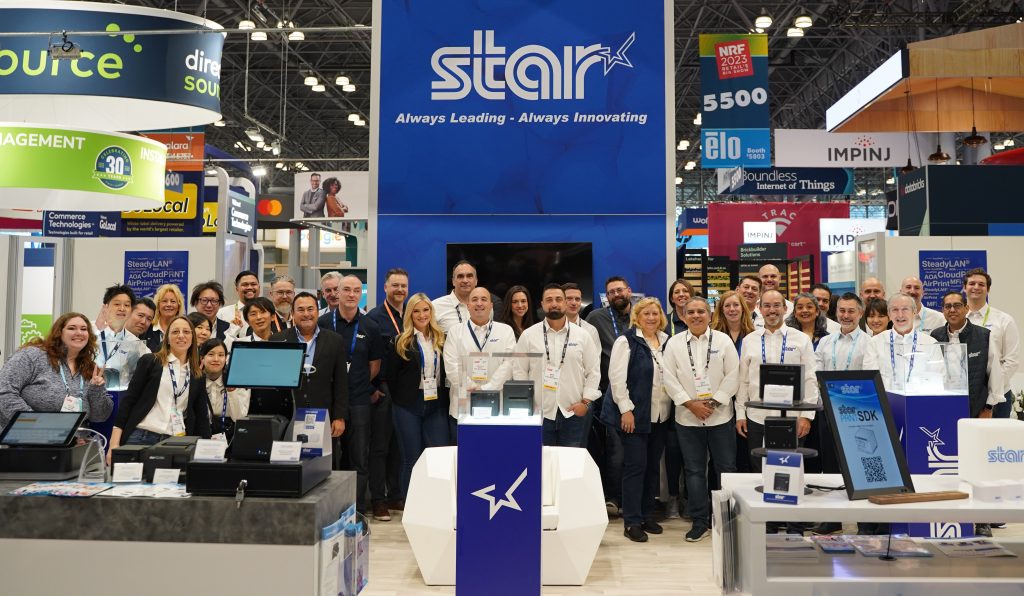
    Group shot of Star Micronics at NRF 2023.

    Want to see more from Star at NRF 2023?

  • The Future of The Hospitality Industry is Connected

    The Future of The Hospitality Industry is Connected

    The future of hospitality is connected, and for many tech-enabled businesses that offer alternative dining and shopping experiences, that future is already here. Companies need new technology to reach customers and give them convenient ways to purchase products and services. As consumers acclimate to mobile and online reservations and ordering, advanced hospitality technologies facilitate a seamless and enjoyable customer experience.

    How SaaS Impacts The Restaurant and Retail Industry

    The hospitality ecosystem supports an array of technology solutions. Single-suite providers can simplify point-of-sale (POS) deployments, from hardware devices to cloud-based tools, through subscription-as-a-service (SaaS) models. SaaS models are increasingly popular in hospitality due to their cost-effectiveness and flexibility. 

    Subscription services enable merchants to pay for hardware and software monthly instead of making an upfront investment. These services include automatic upgrades or enhancements that keep technology up to date. Many of these services provide ongoing IT support. 

    Hospitality leaders, attracted by lower costs and extended lifetime value, choose single-suite SaaS partners with cloud-based tools and connected commerce solutions. In addition to easy installations, remote management, and IT support features, SaaS solutions offer regular software updates, hardware swap-outs, enhanced security, and flexible, customizable software.

    Conquering Omnichannel Order Management with Cloud-Based Technology Solutions

    Consumers have spoken! The future of retail and hospitality is omnichannel, cloud-based, and connected. Is your business prepared?

    Implementing Omnichannel Ordering

    Remote manageability is just one facet of hospitality’s connected future. Restaurateurs and hoteliers have added online and mobile ordering in record numbers to meet consumer demand for touchless experiences. Omnichannel solutions provided these during Covid-19, but their convenience and ease of use have made them permanent fixtures in the hospitality landscape. 

    In the pandemic’s aftermath, omnichannel ordering is an expectation, not an exception, for consumers. However, as many business owners have found, implementing omnichannel ordering adds complexity to business operations and requires staff to be mindful of both online and in-store order flows. To keep operations running smoothly, hospitality businesses need many tools to create a cohesive, connected workspace.

    Cloud-Based Operations

    A cloud technology system will keep your business running smoothly by providing solutions that work well together, such as cloud printing. Used by retail and restaurant owners, cloud printing seamlessly expedites and organizes online ordering. Additionally, these agile systems are easy to integrate and deploy as you scale your business. 

    CloudPRNT technology from Star Micronics sends online orders directly to your kitchen printer and is supported by an array of devices and peripherals, including the TSP143IV, mC-Print2, and mC-Print3 thermal printers. These thermal solutions are compatible with POS scales, scanners, and cash drawers with many connectivity options, such as Lightning and USB connection, Bluetooth, LAN, WLAN, and more. They are also easy to integrate with POS systems.

    Mobile and Online Ordering


    Black and white mC-Print2 and mC-Print3 thermal receipt printers by Star Micronics.
    The mC-Print2 & mC-Print3

    Currently, online food ordering accounts for about 40% of total restaurant sales in the U.S., and researchers expect these numbers to continue to climb. Restaurants with an online ordering system tend to raise their takeout profits by 30% over those that do not. In 2022, the number of Americans using apps to order food and other groceries is expected to rise from 27.9 million to 30.4 million. In addition, about 92% of all top-performing restaurants offered mobile order-ahead and loyalty rewards programs, or a combination of both. If your restaurant is not giving the consumers what they want, you’re missing out on some serious revenue. With the right technology, it’s easy to add mobile sales and online ordering to your business.

    Let’s take a look at some technologies that help boost efficiency and customer satisfaction:

    Printers

    Embrace cloud-based solutions and online ordering with Star Micronics’ reliable Cloud Ready thermal printers. A receipt printer that connects to your cloud- or web-based point-of-sale software is a must-have. Cloud Ready printers reliably print orders directly to the kitchen as they come in.

    CloudPRNT technology from Star Micronics sends online orders directly to your kitchen printer and is supported by an array of devices and peripherals, including the TSP143IV, mC-Print2, and mC-Print3 thermal printers. These thermal solutions are also compatible with cash drawers, POS scales, and barcode scanners. They’re offered with multiple connectivity options, such as Lightning and USB connection, Bluetooth, LAN, WLAN, and more, and Star makes integration with your POS software a breeze.

    The TSP143IV thermal receipt printer by Star Micronics comes in black or white.
    The TSP143IV Thermal Receipt Printer is Cloud Ready

    Labels

    While labels may be the last thing on your mind, equipping your cloud technology suite with the proper labeling capabilities is vital when completing your connected workstation. Whether your business requires traditional or linerless labels, ensure you have the appropriate solution. You may need food service and delivery labels, like tamper-proof labels or labels showing nutritional, shipping, or inventory information.

    Traditional label printing solutions like the TSP743II or repositionable linerless label printers like the TSP654IISK are high-speed graphics printers able to connect to supported cloud- or web-based software. Food orders with special dietary requests can automatically be printed on takeout or delivery labels. Linerless labels are sticky but can be removed and re-applied following an online order from start to finish. These methods can help prevent potentially devastating mistakes.

    The TSP654II thermal receipt printer and the Resto for Quebec, and the TSP654IISK Thermal Sticky Label Printer by Star Micronics
    The TSP654IISK Linerless Label Printer

    Payment Solutions

    Connected hospitality businesses also need flexible, cloud-based payment software that supports many traditional and mobile POS systems and payment schemes. When linked to omnichannel ordering, these software applications enable customers to pay in-store, online, and via mobile apps using credit cards and mobile wallets. 

    Contactless POS systems support mobile wallets, wearables, and contactless cards, meeting consumer demand for touchless payment methods. Mobile payment applications that support pay-at-table solutions are popular fixtures in stores and restaurants. 

    As you search for the right payment solution, look for technology compatible with leading operating systems and interfaces and consider Star Micronics. From contactless payments to paper checks – and everything in between – Star solutions support various payment software applications. Star also has a high-quality selection of portable printers, which may be precisely what your business needs.


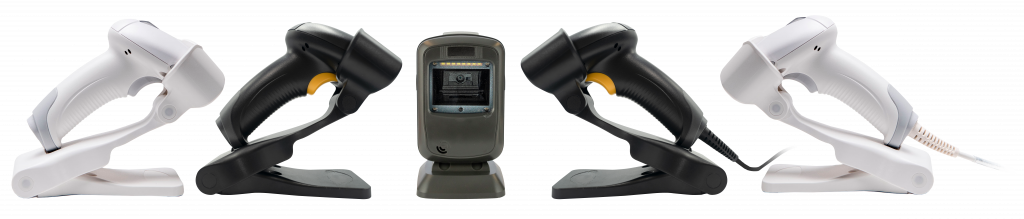
    All five 2D barcode scanners by Star Micronics - white and black wireless, one desktop, and a white and black wired handheld.
    Star’s Line of 2D Precision Barcode Scanners

    Barcode Scanners

    Star’s 1D/2D barcode scanners perfectly fit omnichannel hospitality environments. These drop-resistant scanners are accurate when scanning barcodes or QR codes on paper, screens, or uneven media. The wireless handheld model has up to 12-hour battery power, and the white models are made with antimicrobial agents, helping to reduce the spread of germs and bacteria.

    These highly reliable scanners can also be used in a warehouse setting to scan items on the floor for inventory purposes or to locate orders, product details, and stock availability. Scanner technology also helps businesses streamline everyday necessities. Check out this article for more information.

    Get Advanced Omnichannel Solutions Today!

    If you want to be part of hospitality’s connected future, partnering with a single-suite technology provider will help your business scale. Advanced omnichannel solutions, coupled with front- and back-of-house systems, will securely and efficiently manage orders across multiple channels, driving efficiency and growth. 

    Your single-suite provider will simplify integrations, keep your systems running optimally and meet all your technology needs. Contact your Star Micronics representative today if you’re ready to take your business into the future.

  • Can Printed Receipts Help Brick-and-Mortar Merchants Avoid Chargebacks?

    Can Printed Receipts Help Brick-and-Mortar Merchants Avoid Chargebacks?

    During the Covid lockdown, a lot of retail spending moved online. This was good for both merchants and consumers, but it ultimately led to a surge in chargebacks and friendly fraud.

    As things slowly return to normal, buyers are making their way back into physical stores. Unfortunately, chargebacks are coming with them.

    Merchants have the right to contest invalid chargebacks, but proving a claim is bogus requires evidence. Brick-and-mortar merchants may have an advantage when it comes to collecting compelling transaction proof: printed receipts.

    How a Consumer Protection Became Friendly Fraud

    First, let’s examine how this problem developed in the first place.

    A chargeback occurs when a customer requests their bank to reverse a transaction. An important safeguard for cardholders, chargebacks were only intended for cases involving criminal fraud or merchant abuse, such as deliberate overcharging.

    Chargebacks give cardholders a last resort in situations where the merchant cannot—or will not—provide a refund. The system works well enough under those conditions, but these days, the process is more commonly used to commit friendly fraud.

    Friendly fraud occurs when customers leverage the chargeback system to obtain an undeserved refund. This may be unintentional; when a cardholder sees an unrecognized charge on their statement, the automatic reaction is often to call the bank, not the merchant.

    On the other hand, the cardholder could be deliberately trying to obtain free merchandise. This is a practice called “cyber shoplifting.” The scam works like this: a cardholder makes a purchase at a brick-and-mortar store, then calls the bank. They’ll say they cannot resolve the issue with the merchant and ask to have the charge reversed. The buyer then keeps the merchandise, but gets their money back.

    Ironically, what began as a consumer protection mechanism has become a tool consumers use to steal from merchants.

    “Friendly Fraud Doesn’t Happen in Physical Stores!”

    Historically, friendly fraud has been more of an issue for eCommerce; most of the claims still happen in the card-not-present space. That doesn’t mean, however, that brick-and-mortar merchants can ignore the threat.

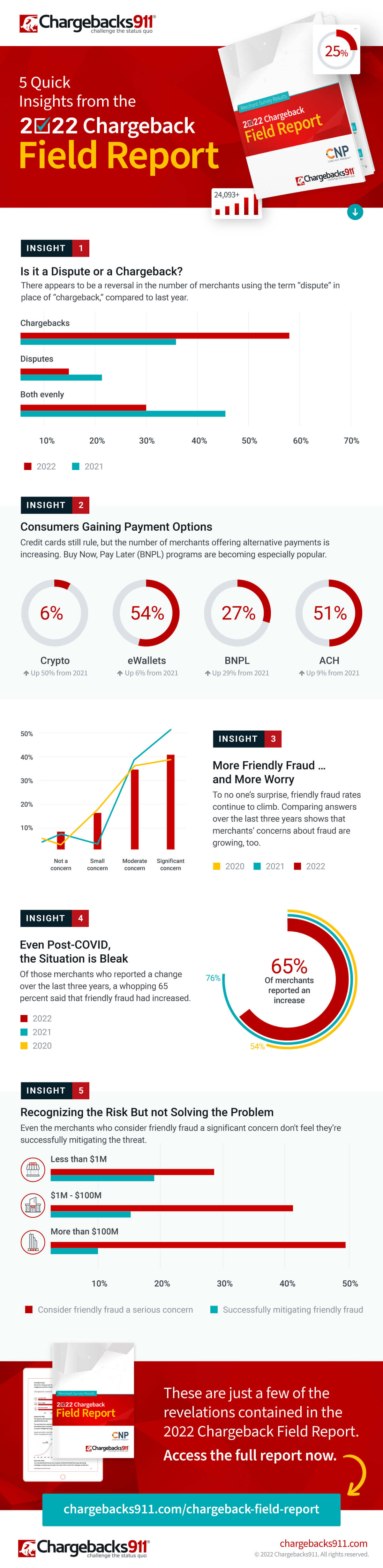
    The reality is that friendly fraud has become a growing menace to merchants as a whole, according to findings from the recently published 2022 Chargeback Field Report.

    The study, a joint endeavor between Chargebacks911 and Card Not Present, is based on survey results drawn from over 300 retail merchants across all verticals. Of the respondents, nearly two-thirds said that chargeback abuse—friendly fraud—had increased over the last three years.

    As mentioned earlier, merchants have the right to contest unwarranted chargebacks. To have an illegitimate chargeback overturned, however, the retailer must demonstrate that the customer’s claim is false. For in-store sales, this is where printed receipts come into play.

    How Receipts Work in the Merchant’s Favor

    To understand the role receipts can play in fighting friendly fraud, it’s important to know how the process is supposed to work.

    When a cardholder calls their bank to dispute a charge, the bank will usually tell the cardholder to try resolving the issue directly with the merchant. If the customer says they have already tried, the dispute will likely advance to a chargeback. Transaction funds are removed from the merchant’s account and returned to the cardholder. The merchant may not be informed about this until days later.

    This may seem unfair, but again, merchants can contest the claim through the process of representment, which involves providing the bank with compelling evidence showing the transaction was valid.

    Sometimes, a copy of the transaction details will be all that’s needed. Some point-of-sale solutions at physical stores will record and store copies of receipts, and can send them in response to the bank’s request.

    That sounds convenient, but it may not be the best choice. While digital files work in the majority of cases, electronic files are more susceptible to manipulation. That means the bank may require more evidence.

    Online retailers don’t really have another option, but for in-person sales, a scanned copy of a printed paper receipt can be more efficient and cost-effective. It’s hard to argue against a printed receipt. The specifics are literally all there in black and white.

    If the bank sees that the customer’s claim is unwarranted, it may overturn the chargeback. Not representing the chargeback, however, means the fraudster may end up with both the product and a refund.

    Physical Receipts Can Also Boost Prevention Efforts

    Unfortunately, the merchant will get hit with a non-refundable chargeback fee whether the chargeback is reversed or not. That means preventing chargebacks is usually more efficient than challenging them.

    There are numerous steps merchants can take to prevent chargebacks stemming from errors or criminal activity. However, the friendly fraud we’ve been talking about is post-transactional; it’s hard to prevent something you won’t even see until days or weeks after the fact. Fraudsters know this and have learned how to play the system.

    It’s possible that the merchant will be able to produce an electronic receipt that contains enough information to invalidate the cardholder’s claim. The fraudster is betting against it, though.

    A printed receipt is a different story. For a cyber shoplifter, a receipt printed with names, dates, prices, and truncated card data is like seeing a record of the crime before it’s even committed. One look makes it obvious that the merchant has too much evidence for the scam to work. The receipt signals that it’s time to move on to an easier target.

    The Value of Receipts: Printed and Digital

    There’s no getting away from it: receipts hold great value and are an irrefutable part of everyday life. 

    The Bottom Line

    Electronic transaction receipts are useful, but technology can be exploited, and systems can be hacked. Printed receipts can benefit merchants in many ways, including chargeback management and prevention.

    Having a hard record of transactions can simplify representment and increase the odds of success. At the same time, a printed receipt may encourage would-be friendly fraudsters to take their scams elsewhere. For brick-and-mortar merchants, it’s a win-win.

    Guest Post Written by Monica Eaton-Cardone, COO and Co-Founder of Chargebacks911