Tag: Grocery & Deli

  • A Better Cash Management Solution Starts with the Right Cash Drawer

    A Better Cash Management Solution Starts with the Right Cash Drawer

    Merchants have focused on adapting their IT environments to accommodate the growth of digital payments. However, in many enterprises, such as certain food services, big box and specialty retail, and cannabis, most transactions continue to involve cash. If your business falls into the high-cash category, it’s critical that you implement an effective cash management solution, including a cash drawer that meets your needs.

    The Pros and Cons of Cash

    Cash use can have an upside for both consumers and merchants. There aren’t any fees associated with using it. Consumers don’t build credit card debt or deal with fees for overdrawing an account, and merchants don’t pay processing fees. Additionally, merchants receive payment immediately —  there’s no waiting for checks to clear for banks to move funds from payment card transactions. Also, merchants who accept cash only never spend time and effort on challenging credit card chargebacks. 

    On the other hand, as a high-cash business operator, you face challenges related to operational efficiency, cash control, and security. You must organize cash so managers can count and balance drawers quickly and accurately. Also, cash is a target for theft, both by actors from external and internal threats.

    Cash Management System With The Right Cash Drawer

    The Right Design Makes the Difference

    Choosing a cash drawer for your cash management solution can help you give your customers and your business the benefits of cash transactions while minimizing the drawbacks. The key is to match the drawer’s features to your specific needs to create a comprehensive cash management system. Features to evaluate include: 

    1. Till Design

    The till should have the right number of compartments for the bills and coins your business commonly receives. In the U.S., a four-bill, five-coin configuration is popular, while a three-bill and five-coin option may better suit Canadian companies. However, those aren’t your only options. Models are available that help businesses efficiently store up to five bills and eight coins.

    Additionally, some models have ample space under the till for coin rolls, so cashiers can always make change without delay. Choosing the right drawer configuration for your business supports faster balancing and greater accuracy.

    2. POS System and Printer Communication

    The cash drawer should operate seamlessly with your point of sale (POS) system. When the sale is tallied, the drawer should open for the cash payment and to allow the cashier to make change. Communication with the POS system automates that process for speed and security. You can also choose a drawer that communicates with your printer to coordinate receipt printing.

    3. Durable Construction

    To optimize cash control, you need drawers for your cash management solution with heavy-duty construction. Durable steel is not only necessary to keep cash secure, but it also ensures that daily use won’t result in dents or wear that could impact the drawer’s functioning and minimize the life of your investment. 

    Reinforced slides and high-cycle components prevent jams and ensure smooth operation, even in high-traffic environments, maintaining the integrity of your cash drawer over time. Investing in a well-built cash drawer reduces maintenance costs and minimizes downtime, keeping your business running efficiently.

    4. Locks and Lock Function

    You will find models with different types of locking mechanisms, such as single key or separate manager and key lock design. Models can also give you different features that enhance cash control, such as automatic locking, manual open, and online open, which opens the drawer electronically.

    For added security, heavy-duty cash drawers feature dual locks and reinforced latching mechanisms to prevent tampering. Some models also include under-till compartments for discreet cash storage, helping businesses manage high-cash transactions while keeping funds secure. Locking features allow you to create workflows that keep cash protected and minimize fraud schemes related to returns and voids.

    Upgrade Your Cash Management with the Right Drawer

    In a high-volume, cash-heavy business, every second counts. The right cash drawer isn’t just a box to hold money—it’s a tool that keeps transactions moving smoothly, safeguards your cash, and simplifies end-of-day balancing. A durable, high-security cash drawer designed for your needs can prevent operational headaches, reduce fraud risks, and streamline cash handling so your team can focus on customers, not cash counting. If your current setup isn’t pulling its weight, it may be time for an upgrade.
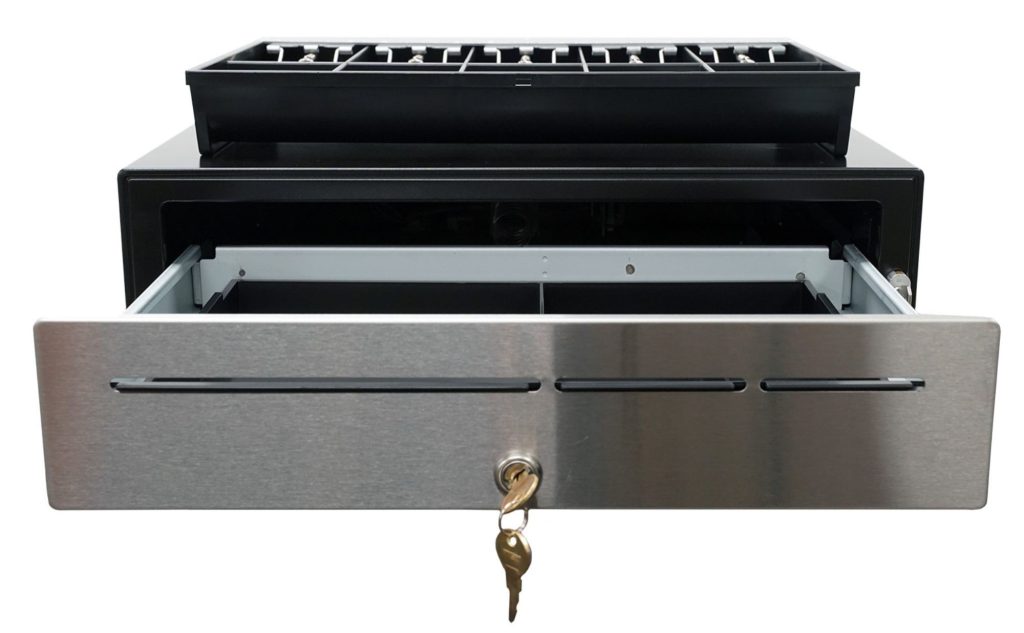

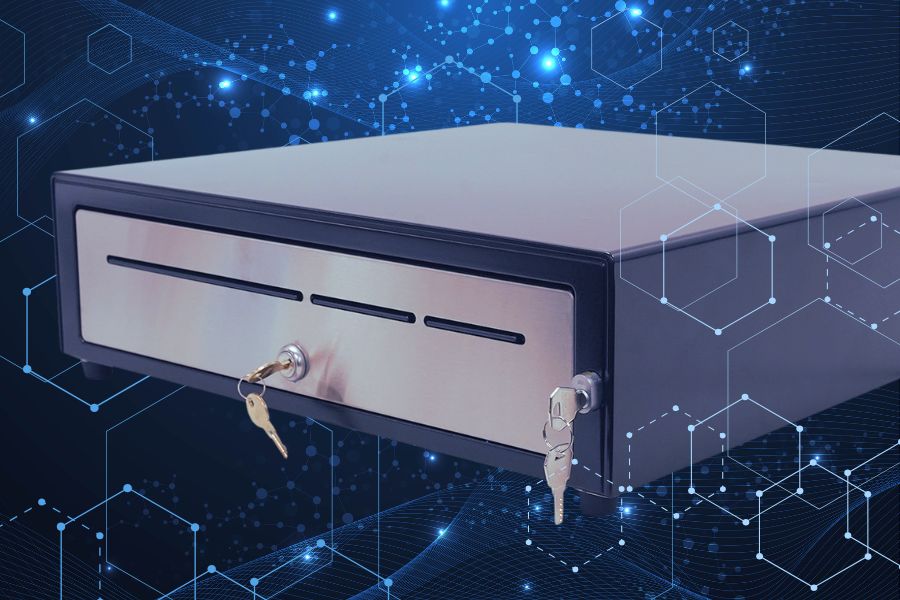
    The CD5-1918 Max Series cash drawer by Star Micronics is ideal for high-cash volume environments.
    The CD5-1918 cash drawer handles enterprise level high-cash volume environments with ease.

    Additional Resources

    Star Micronics has designed cash drawers for every level of durability, security, and functionality. Explore our CD5 Max Series lineup to find the perfect fit for your operation:

    • CD5-1316: Compact but tough, this heavy-duty cash drawer is ideal for high-cash businesses where counter space is limited. With a choice of standard DK or dual DK + USB interfaces, it integrates seamlessly with any POS system.
    • CD5-1617: A balance of durability and storage, this model provides a robust cash control solution in a space-efficient design. It features two media slots for added functionality and multiple connectivity options.
    • CD5-1817: Built for demanding environments, this 18-inch heavy-duty drawer is ideal for businesses processing large cash volumes daily. It includes a media slot for streamlined cash management and flexible connectivity. 
    • CD5-1918: Designed for enterprise-level operations, this extra-heavy-duty cash drawer offers maximum durability and security. With under-till coin storage, three media slots, and a dual-locking mechanism, it’s built to handle high-demand environments with ease.
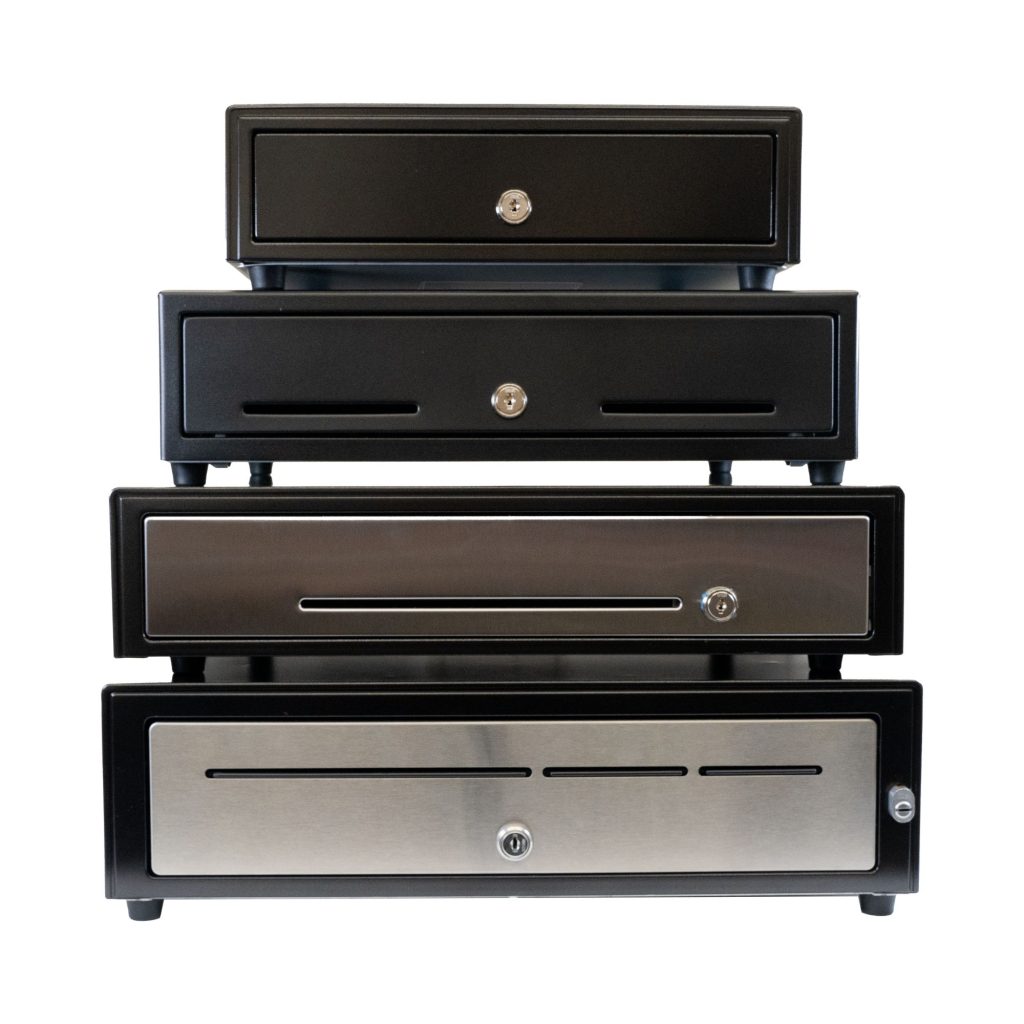
    CD5 Max Series Cash Drawers

    Designed for high-cash volume businesses, the CD5 Max Series cash drawers deliver durability, security, and sleek design. With all-steel construction, dual lock mechanisms, and under-till compartments for added organization, these drawers are ideal for grocery stores, cannabis dispensaries, and other busy retail settings. Available in multiple sizes and with dual DK and USB interface options, the CD5 Max Series integrates seamlessly into any POS system.
    Explore More >

    Is your current cash management system keeping up?

  • Grocery Tech and Takeaways from NRF 2025: How Self-Service and AI Are Shaping the Future

    Grocery Tech and Takeaways from NRF 2025: How Self-Service and AI Are Shaping the Future

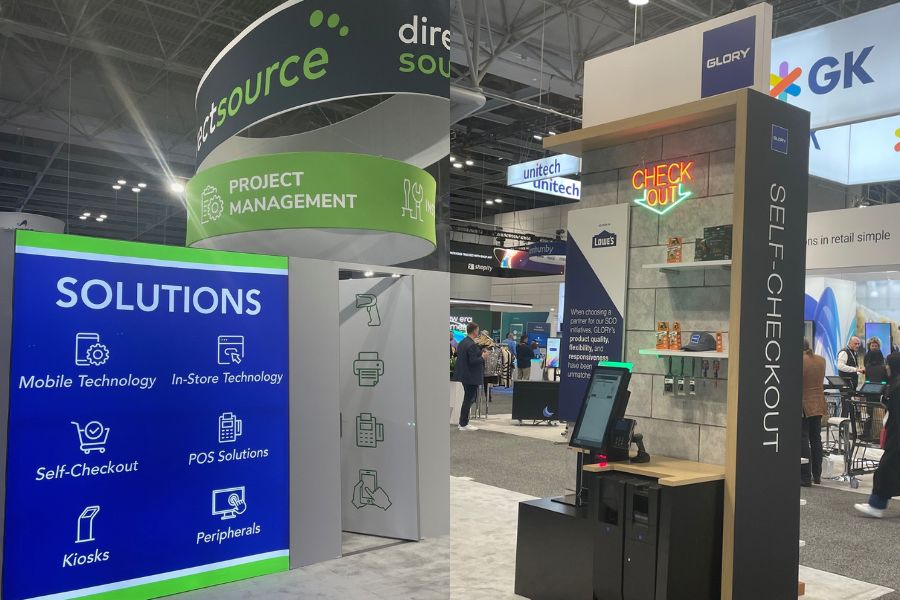
    Walking through the head-turning aisles of NRF 2025, it was impossible to ignore the pull of grocery technology. Kiosks. Self-checkout. POS scales. Everywhere you turned, there they were—showing us just how much this retail sector is leaning into innovation. In a major way, grocery tech wasn’t just a theme; it was the star of the show.

    Why? Because it’s where the retail rubber meets the road. This isn’t just about flashy setups or eye-catching displays (although there were plenty of those). It’s about the undeniable shift toward convenience, efficiency, and—most importantly—revenue potential. For VARs and ISVs, this is a moment to seize.

    The Self-Service Revolution: Grocery Edition

    Grocery technology at NRF 2025 didn’t just stand out; it shouted its presence. Self-service kiosks and checkout stations were front and center, and not just for the sake of automation. They’re solving real problems for grocery retailers: long lines, labor shortages, and the skyrocketing customer expectation for speed and ease.

    Kiosks and AI: The Perfect Pairing

    The buzz wasn’t just about kiosks; it was about what’s powering them. AI is no longer just a futuristic idea—it’s here, and it’s delivering ROI for retailers. Picture this: AI-driven self-checkout systems that don’t just weigh produce but predict trends, analyze purchasing patterns, and suggest product placements. As Jim Roddy put it, “Nobody cares if you used AI. They just care about the ROI.”

    For grocery, AI transforms self-checkout from a convenience feature into a data powerhouse. It’s identifying theft with computer vision, optimizing inventory in real-time, and even delivering personalized coupons at the point of sale. For VARs and ISVs, knowing how to leverage these tools can turn their clients’ grocery operations into well-oiled, revenue-generating machines.

    How VARs and ISVs Can Capitalize

    This is where it gets exciting. Self-checkout systems, kiosks, and AI aren’t just shiny new toys; they’re solutions that bring measurable results. VARs and ISVs who understand the potential of this tech can become the heroes of their clients’ grocery businesses.

    Here’s how:

    1. Show Them the ROI: Whether it’s through AI-powered theft prevention or kiosks that reduce labor costs, explain how these solutions save money and boost revenue.
    2. Offer Scalable Systems: Grocery operations aren’t static. Provide hardware and software that can grow with the business, from small neighborhood grocers to big-box chains.
    3. Be the Trusted Advisor: As Jim Roddy pointed out, retailers are drowning in options. Be the guide who cuts through the noise and points them to the right tools.

    Star Micronics: Hardware Built for Grocery Success

    Star Micronics has the tools to help VARs and ISVs make the most of the grocery tech boom. From kiosk printing to POS scales, our hardware is designed to meet the demands of modern grocery environments tenfold.

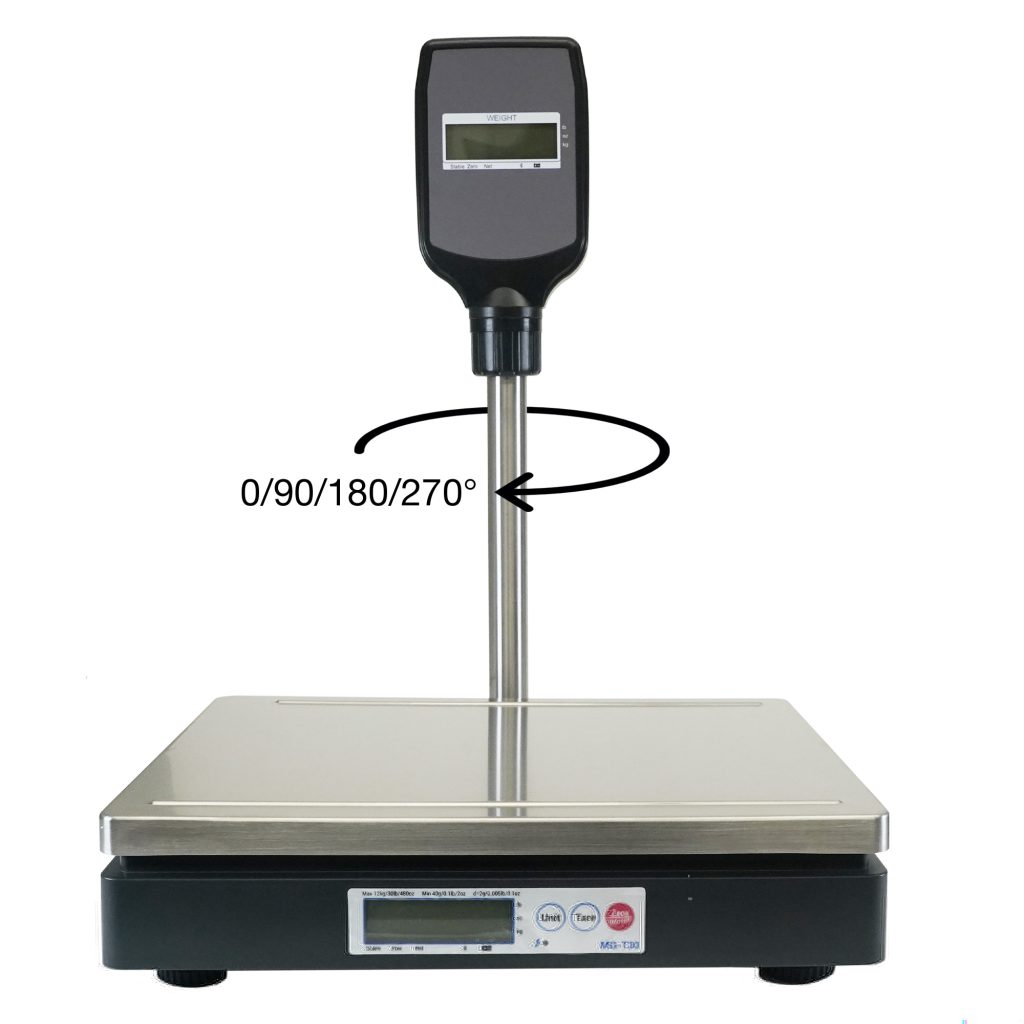
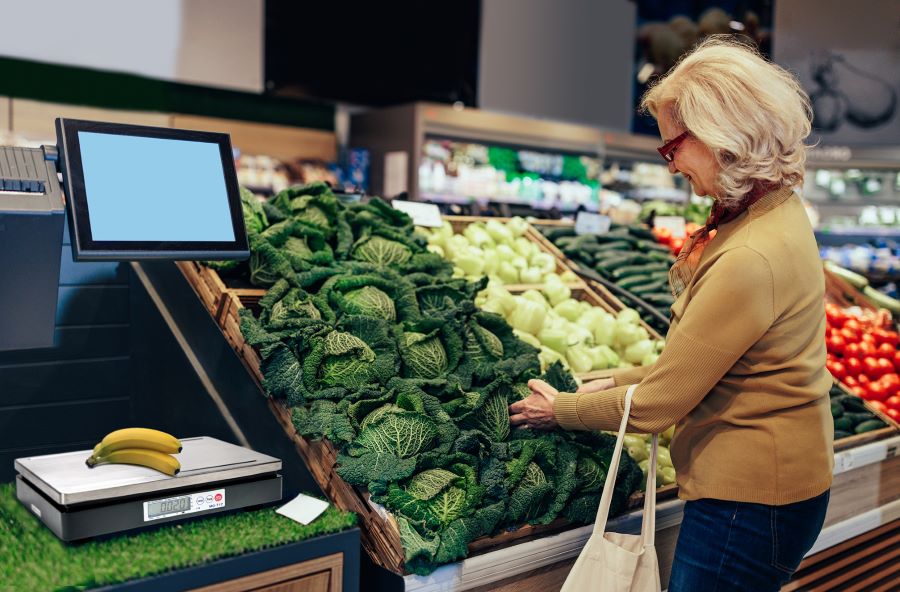
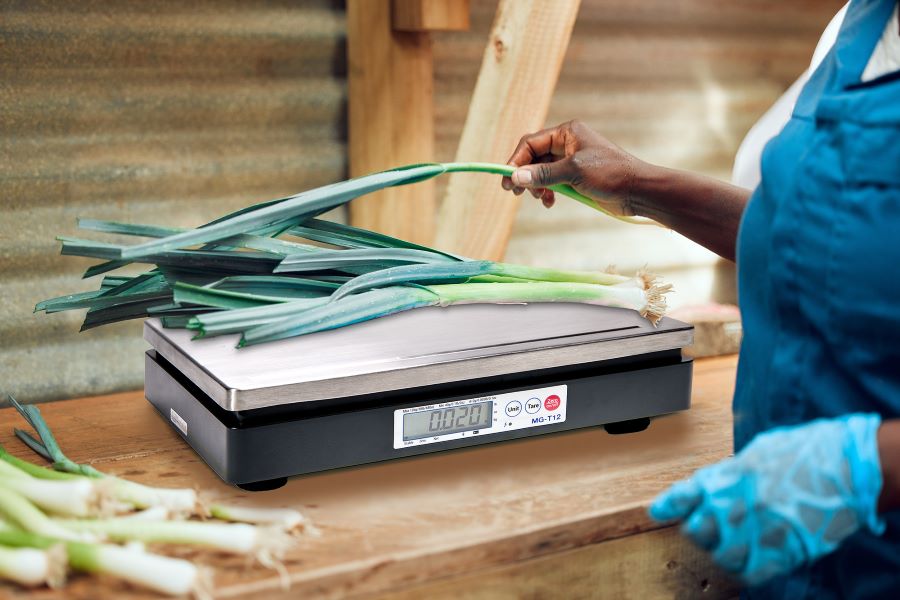
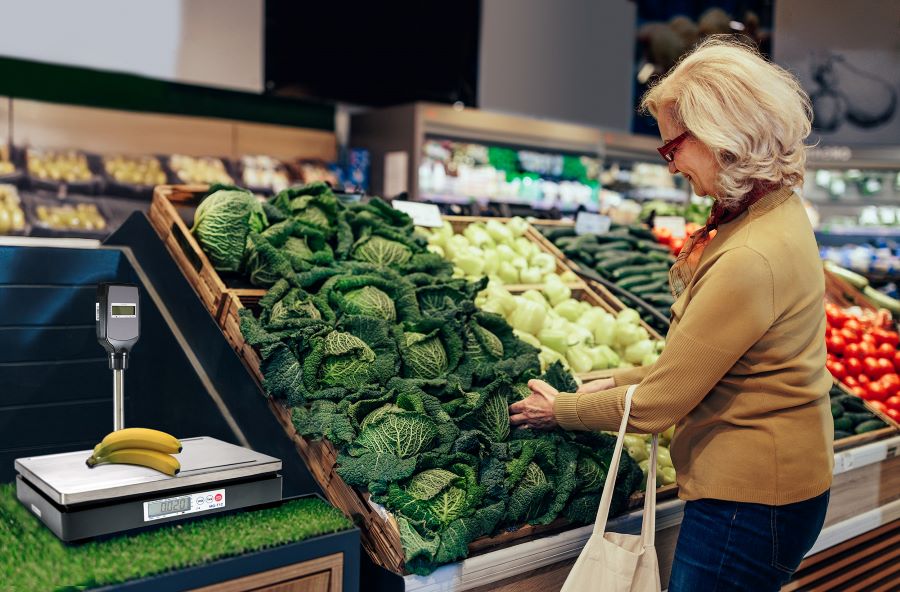
    The latest mG-T POS scales from Star Micronics are perfect for grocery stores and environments.

    Kiosk Printers

    Behind every seamless self-checkout experience is a reliable kiosk printer quietly doing its job. From printing crisp receipts to generating order tickets and labels, kiosk printers are the unsung heroes of modern grocery stores. Star Micronics brings precision and speed to the table, offering solutions built to keep self-service stations efficient and customers happy—even during the busiest rush hours.

    SK5-31 Kiosk Printer

    Designed for high-demand environments, the SK5-31 combines a sleek, fully enclosed design with advanced features like anti-jam technology, paper eject assistance, and an adjustable paper guide with 12 positions. With a print speed of 250mm/s and versatile connectivity options (USB/Serial or USB/LAN), this printer ensures smooth, efficient, and reliable operations.

    Explore the SK5-31 >

    mC-Print3 Receipt Printer

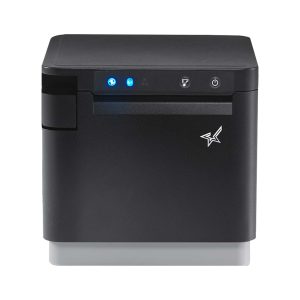
    The Star Micronics mC-Print3 combines high-speed printing with advanced connectivity options like Ultra-C and CloudPRNT Next. Its Ultra-C USB-C port provides seamless power and data transfer with any device, while CloudPRNT Next offers enhanced remote printing using the MQTT protocol, ideal for modern POS environments.

    Discover the mC-Print3 >

    How VARs and ISVs Can Maximize ROI with Advanced Kiosk Printing Technology

    Find out how ISVs and VARs can harness the transformative potential of kiosk printing technology to maximize ROI for both their clients and their own businesses.

    Precision POS Scales

    mG-TUDB Scales

    Designed for precision and versatility, the mG-TUDB scales are a perfect fit for grocery self-checkout stations, produce sections and bulk item sales. With trade-legal certification for the U.S. and Canada, these scales offer Class III accuracy and seamless connectivity via Bluetooth, serial, or USB-C. Their large platter and optional pole display accessory ensure effortless setup with your POS system, making them ideal for a wide range of applications, from delis to farmer’s markets.

    Find Out More >

    Cash Management

    CD5 Max Series Cash Drawers

    Designed for high-cash volume businesses, the CD5 Max Series cash drawers deliver durability, security, and sleek design. With all-steel construction, dual lock mechanisms, and under-till compartments for added organization, these drawers are ideal for grocery stores, cannabis dispensaries, and other busy retail settings. Available in multiple sizes and with dual DK and USB interface options, the CD5 Max Series integrates seamlessly into any POS system.
    Explore More >

    Scanning Technology

    Star’s 1D/2D Barcode Scanners

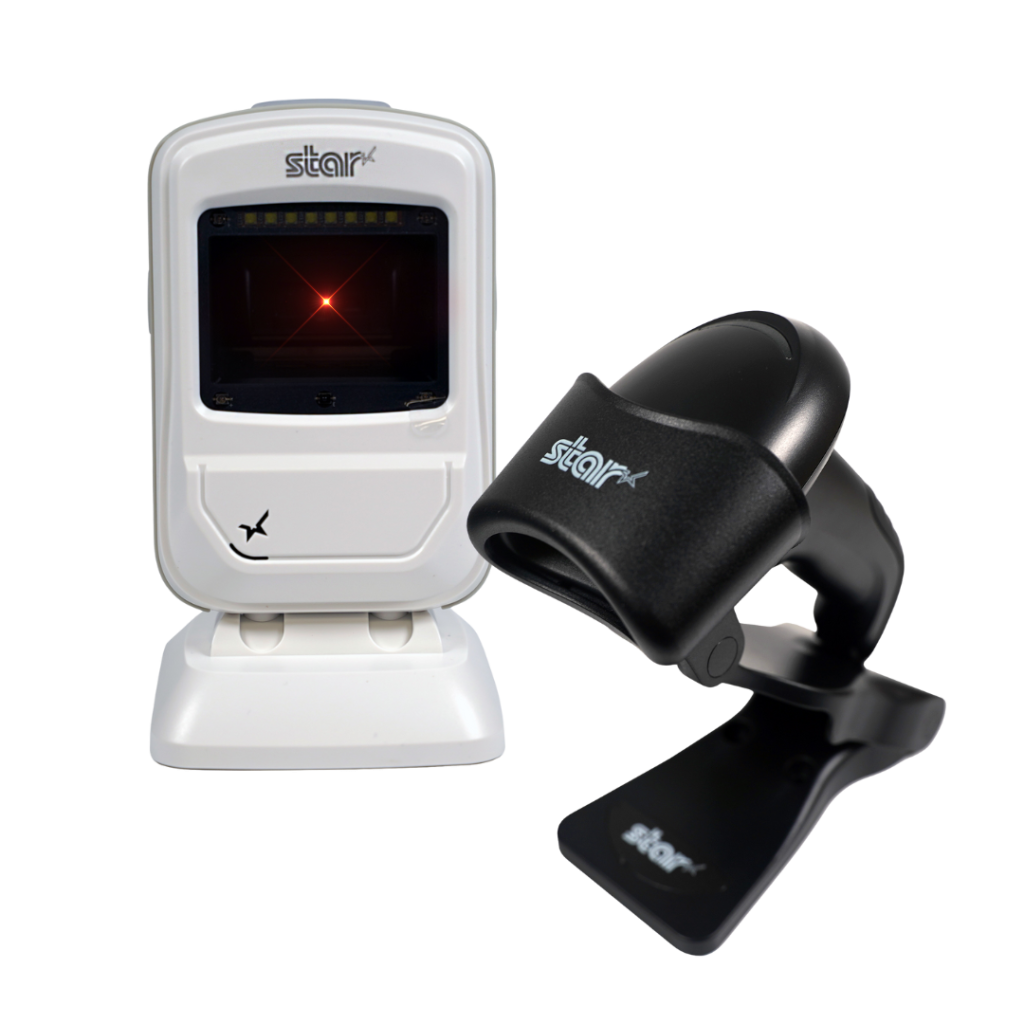
    Star offers a comprehensive range of IP-rated 1D/2D barcode scanners, ideal for diverse business needs. From retail to healthcare, our versatile scanners excel in parsing driver’s license and ID barcodes, ensuring swift and accurate data capture. Choose the perfect fit for your setup—desktophandheld, or wireless Bluetooth options available.

    The Takeaway: Grocery Tech Is a Golden Opportunity

    Grocery retail is truly exploding with possibilities. NRF 2025 made it clear that self-service, kiosks, and AI are here to stay, and they’re revolutionizing how grocers operate. For VARs and ISVs, this is the moment to step in, guide clients toward the right solutions, and build partnerships that drive growth.

    With Star Micronics by your side, you’re equipped to offer the tools grocery retailers need to stay competitive now and into the future.

    Ready for the grocery tech you need?

  • The Ultimate Buyer’s Guide to Choosing the Right POS Scale for Your Business

    The Ultimate Buyer’s Guide to Choosing the Right POS Scale for Your Business

    Selecting the perfect point-of-sale (POS) scale for your business is a crucial decision that can significantly impact your efficiency and customer satisfaction. With countless options available, finding the right one can be overwhelming. This comprehensive buyer’s guide aims to simplify the process by outlining the key factors to consider when choosing a POS scale for your business.

    Table of Contents

    Factors to Consider When Choosing a POS Scale

    Selecting the appropriate POS scale involves various crucial factors that can significantly influence your business operations and customer interactions.

    1. Business Type and Application

    Your business type and the specific applications for which you’ll use the scale play a significant role in determining the ideal POS scale. Different industries require unique features and capabilities. For instance, a grocery store might need a scale that can handle large volumes of produce, while a jewelry store requires a scale with high precision for small items.

    2. Weighing Capacity

    Consider the scale’s maximum weight capacity, ensuring it meets your specific business requirements. For instance, a grocery store selling bulk items might need a scale with a higher capacity, while a coffee shop measuring beans may require a lower capacity.

    3. Accuracy

    Accuracy is critical when it comes to POS scales, as precise weight measurements ensure fair pricing and minimize the potential for customer disputes. Look for a scale that offers the accuracy your business needs, whether high precision for small items or more general measurements for larger products.

    4. Size and Design

    The available space in your retail environment will influence your choice of POS scale. If your store has limited space, opt for a compact, space-saving design, while larger businesses might have more flexibility regarding scale size.

    5. Ease of Use

    A user-friendly scale with an intuitive interface and easy-to-read display is essential for streamlining the checkout process and minimizing errors. Look for a scale that simplifies the weighing process, ensuring employees can quickly and accurately measure items.

    6. Connectivity

    First, ensure your POS scale is compatible with your existing POS system, including the software you want to use. Seamless connectivity is critical for maintaining efficiency and minimizing disruptions to your business operations. Modern POS scales offer a variety of connectivity options to suit diverse technological environments.

    USB-C is popular for its fast data transfer and power supply capabilities, making it ideal for newer systems. Bluetooth connectivity allows for wireless communication with a range of devices, including tablets and smartphones, supporting both iOS and Android platforms. Additionally, traditional Serial interfaces are available for systems requiring a robust wired connection.

    Ultimately, choosing a POS scale with flexible connectivity options that include many choices ensures it can connect to your current and future POS setups, enhancing your business’s overall system adaptability and user experience.

    Ensuring Compliance with Trade Legal Scales

    A key consideration when selecting a POS scale for your business is ensuring it is trade-legal and certified by reputable standards such as the National Type Evaluation Program (NTEP) and Measurement Canada. NTEP certification ensures that a scale meets the stringent standards for accuracy and reliability set by the National Conference on Weights and Measures (NCWM). Scales with NTEP certification have undergone rigorous testing and evaluation to ensure precision, making them legally approved for commercial transactions.

    Similarly, Measurement Canada certification is crucial for businesses operating in Canada, as it assures compliance with the Canadian standards for measuring devices. This certification indicates the scale has passed accuracy and performance tests under specific conditions, adhering to the Measurement Canada guidelines.

    By choosing a trade-legal scale with both NTEP and Measurement Canada certifications, you demonstrate your commitment to fair and accurate pricing and ensure compliance with industry regulations in both the United States and Canada, protecting your business from potential fines and penalties. This dual certification can be especially important for companies that operate or plan to expand across North American markets, providing a level of reliability and trust in the measurements provided by their POS systems.

    Benefits of Investing in a High-Quality POS Scale

    Investing in a high-quality POS scale offers numerous advantages for your business, including:

    • Improved Efficiency: A reliable, accurate scale streamlines the checkout process, reducing wait times and enhancing the customer experience.
    • Better Inventory Management: Accurate weight measurements allow for more precise inventory control, helping you optimize stock levels and reduce waste.
    • Increased Customer Satisfaction: Fair, accurate pricing builds trust with your customers, leading to increased loyalty and repeat business.

    Star Micronics POS Scale Options: An Overview

    Star Micronics proudly offers a variety of POS precision scales that are NTEP and Measurement Canada certified with modern connectivity options, ideal for use in groceries, cannabis dispensaries, jewelry stores, pawn shops, and more.


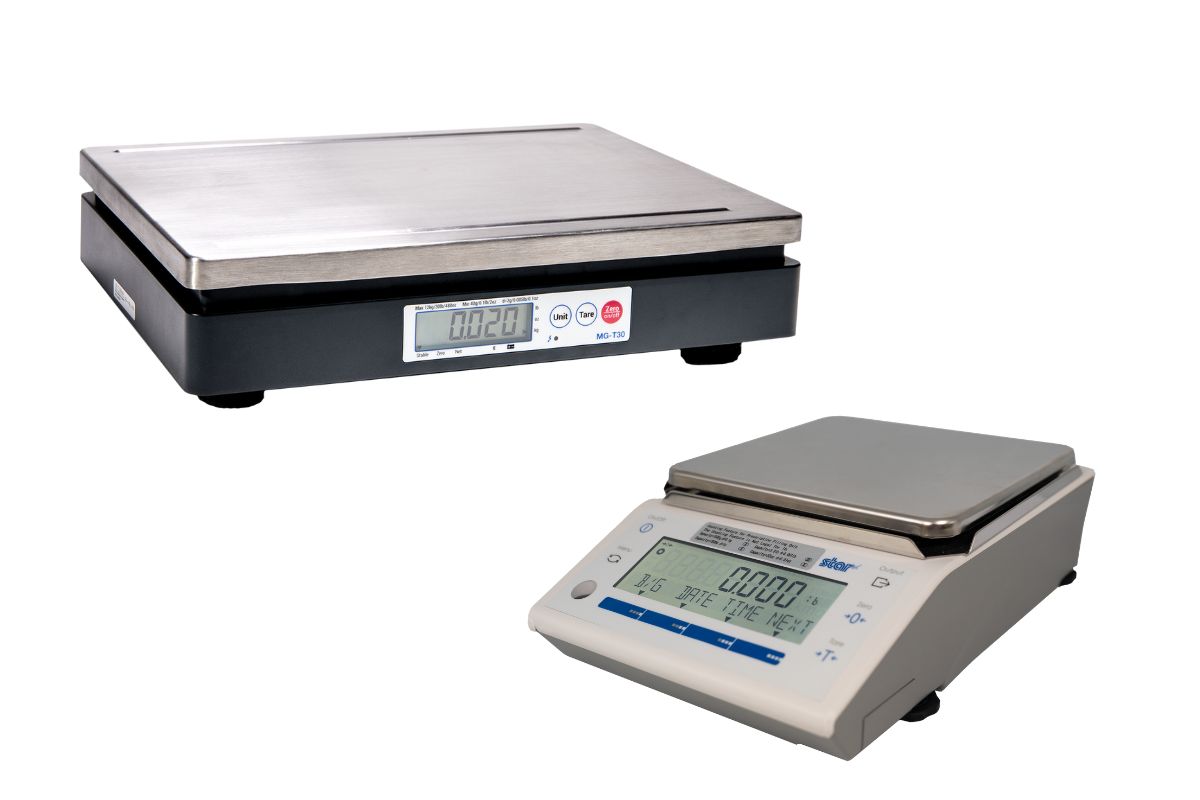
    Star Micronics offers mG-T and mG-S series of POS scales.
    Star’s mG-T series on the top left & mG-S series POS scales on the bottom right.

    mG-T Series POS Scales

    The Star Micronics mG-T Series POS scales are designed for a wide range of retail applications, such as grocery produce, deli products, salad bars, and bulk items. Key features include:

    • High-precision measurement, accurate down to 0.01g
    • Compact, space-saving design
    • Bluetooth, serial & USB-C connectivity (mG-TUDB models only)
    • Easy integration with various POS systems
    • Suitable for retail, hospitality, grocery, and more
    • Durable construction for long-lasting performance
    • NTEP & Measure Canada-certified
    • Optional pole display for added convenience (mG-TUDB models only)


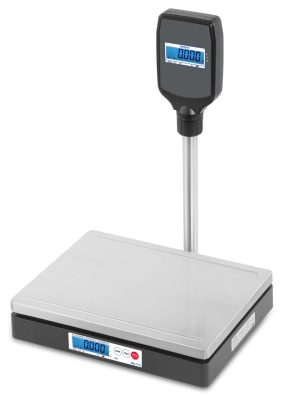
    The mG-TUDB digital pole display for POS scales by Star Micronics.
    The mG-TUDB model POS scale with optional pole display.

    mG-S1501 POS Scale

    Ideal for coffee shops, candy stores, and delis, the mG-S1501 POS scale offers precise weight measurements and NTEP certification. Its features include:

    • Capacity: 0 – 300g x 0.1g; 300 – 1500g x 0.5g
    • RS-232C and USB interfaces for easy integration
    • Internal rechargeable battery for portability
    • Stainless steel weighing pan for durability
    • NTEP certified

    mG-S322 POS Scale

    The mG-S322 POS scale is perfect for pharmacies, dispensaries, and jewelry stores, providing highly accurate weight measurements for small items. Key features include:

    • Capacity: 0 – 100g x 0.01g; 100 – 320g x 0.1g
    • NTEP certified, ensuring accuracy and compliance
    • RS-232C and USB interfaces for easy integration
    • Stainless steel weighing pan for durability
    • NTEP certified

    mG-S8200 POS Scale

    For businesses such as warehouses, shipping centers, grocery stores, and cannabis retailers, the mG-S8200 POS scale is an ideal choice. Its features include:

    • Capacity: 0 – 500g x 0.01g; 500 – 8200g x 0.1g
    • NTEP certified, ensuring accuracy and compliance
    • RS-232C and USB interfaces for easy integration
    • Stainless steel weighing pan for durability
    • NTEP certified

    Applications for Star Micronics POS Scales

    Star Micronics POS scales cater to various business types and applications, such as:

    • Grocery Produce: Accurately weigh fruits and vegetables for precise pricing.
    • Deli Products: Efficiently measure and price meats, cheeses, and other deli items.
    • Butcher Shops: Ensure correct weight and pricing for various cuts of meat.
    • Salad Bars: Easily measure and charge customers for their customized salads.
    • Bulk Items: For grains, nuts, dried fruit, candy, coffee, tea, and more.
    • Ice Cream & Frozen Yogurt Shops: Weigh and price frozen treats for a seamless customer experience.
    • Wash-and-Fold Laundry Services: Accurately charge customers based on the weight of their laundry.
    • Farmer’s Markets: For fresh produce, meats, and other locally-sourced bulk products.

    By understanding your business’s specific needs and selecting the appropriate Star Micronics POS scale, you can enhance the efficiency and accuracy of your transactions, leading to improved user and customer satisfaction.

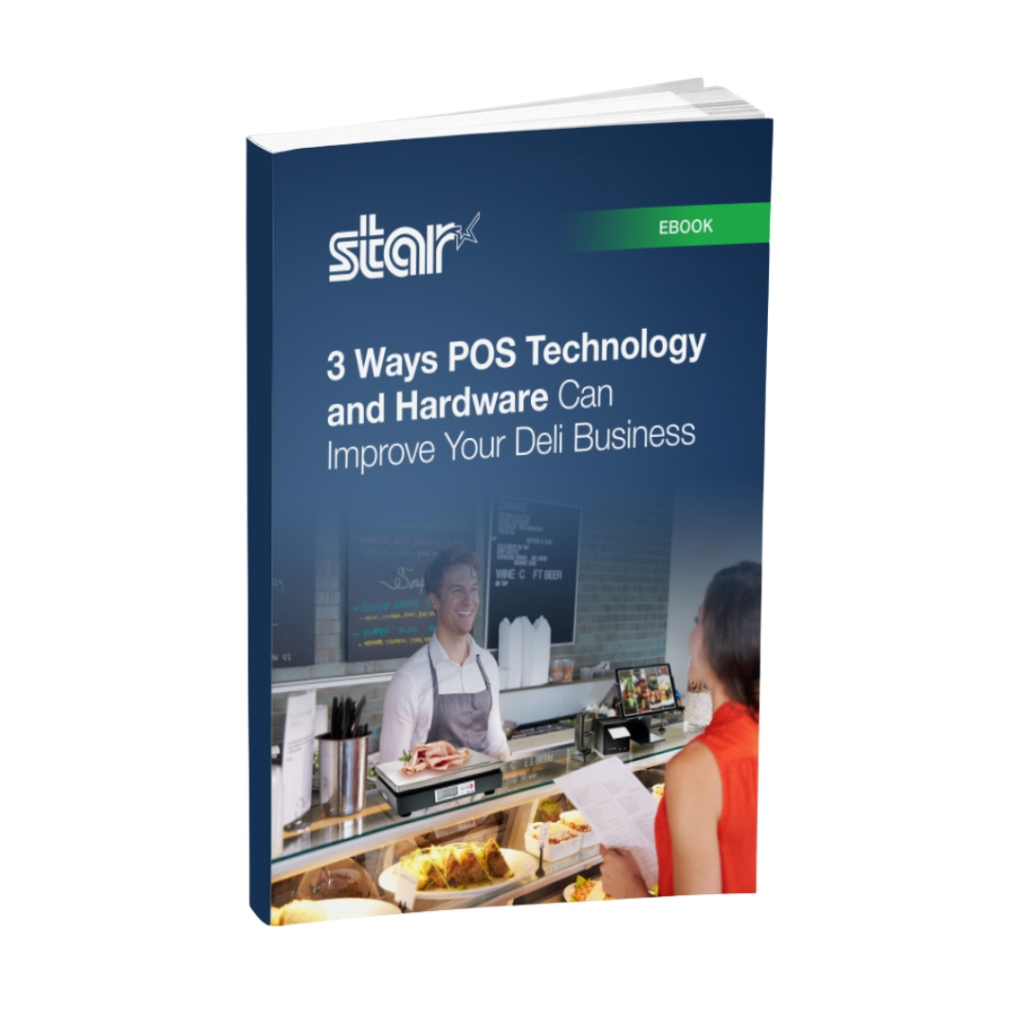
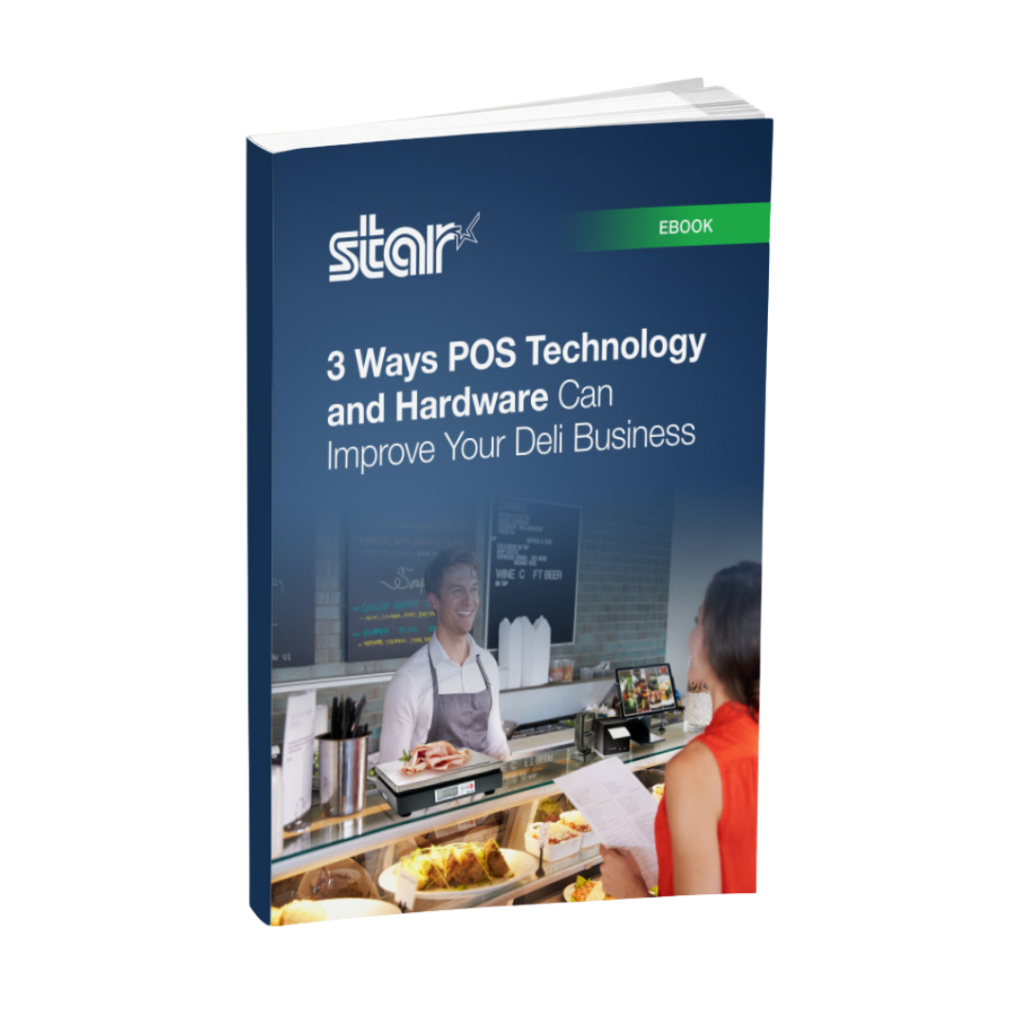
    3 Ways POS Technology and Hardware Can Improve Your Deli Business

    Get the latest point-of-sale (POS) technology and hardware to streamline deli, butcher shop, or fish market operations.

    Love industry news? Get into our podcast:

    Original article written by the author and published on March 15, 2023.

  • The Impact of Food Packaging Labels on the Rising Stars Podcast

    The Impact of Food Packaging Labels on the Rising Stars Podcast

    In the latest episode of the Rising Stars Podcast, titled Kate’s Quick Take: The Big Impact of Food Labels,” host Kate Orara explores the crucial role of food packaging labels and strategic labeling within the food industry. This solo episode focuses on how innovations such as linerless labels are not only enhancing operational efficiency but also bolstering brand visibility and sustainability efforts.

    Kate discusses the transformative impact that thoughtful, strategic labeling can have on managing restaurants and online orders. With the adoption of eco-friendly practices like linerless labels, businesses can significantly reduce waste while improving workflow and customer satisfaction.

    Essential Listening for Food Industry Professionals

    Listeners will gain valuable insights into how proper labeling techniques can differentiate their services and boost customer engagement in a competitive market. Whether you’re a restaurant or grocery owner, this episode will provide you with the tools to leverage labeling for better business outcomes.

    Tune in to learn how you can elevate your business with just a few simple changes to how you manage and utilize labels.

    Read the original blog post here >

    Loving the podcast? Subscribe now, and let us know what you think by leaving a review!

    Stay up-to-date on all things Star, don’t forget to follow us on Twitter, LinkedIn, Facebook, Instagram, and YouTube.

    The Rising Stars Podcast

    Immerse yourself in the world of point-of-sale (POS) with the Rising Stars Podcast by Star Micronics, hosted by industry pro, Kate Orara. Twice a month, we explore the fascinating journeys of innovators and businesses navigating the challenges of POS technology’s rapid pace.

    In every episode, Kate Orara, Star Micronics’ Partner Development Manager, discusses emerging retail technology trends and strategies with global industry giants. She’s spent her entire career meeting all the right people, and now listeners everywhere can benefit from this vast network of channel gurus.

    Always leading and always innovating, Star Micronics, a pioneer in POS and customer experience technology for over 60 years, welcomes you to join us in shaping a brighter future in the retail, hospitality, and cannabis industries.

    Want more industry news?

  • Why Food Packaging Labels Are Essential to Online Order Fulfillment

    Why Food Packaging Labels Are Essential to Online Order Fulfillment

    Consumers are sold on the convenience of food delivery. Statista reports that online food delivery orders worldwide are projected to reach $1.22 trillion in 2024 and will continue to grow at a 10.06% CAGR through 2028 to reach $1.79 trillion

    Both restaurant and grocery food delivery will see greater demand. Statista analysts estimate that 27.4% of the world’s population, about 2 billion people, takes advantage of meal delivery, and they expect the market to grow to 2.5 billion users by 2028. Analysts also expect the grocery delivery market, now about $257.5 billion, to grow to $422.9 billion by 2028.

    Due to this growing demand, restaurants and grocery stores have had to adapt their processes. Restaurants must fulfill orders placed online through their websites or apps and third-party delivery services in addition to orders at the table, counter, drive-thru, or self-service kiosks. Grocers have repurposed space and reallocated labor to manage online orders. However, expanding operations has created challenges to efficiency and controlling waste and losses.

    Labeling solutions have become essential to streamlined, accurate order fulfillment. Labels help teams organize food and order prep, and food packaging labels ensure customers receive the correct orders securely and on time.

    The Labels Necessary for Efficient Food Delivery

    Why Food Packaging Labels Are Essential to Online Order Fulfillment

    Communication is crucial throughout fulfillment processes, and labels are the most efficient way to bring digital information from online ordering to employees tasked with food prep and packaging.

    For example, follow an online order placed with a quick-service restaurant until it reaches the customer:

    Repositionable linerless labels:

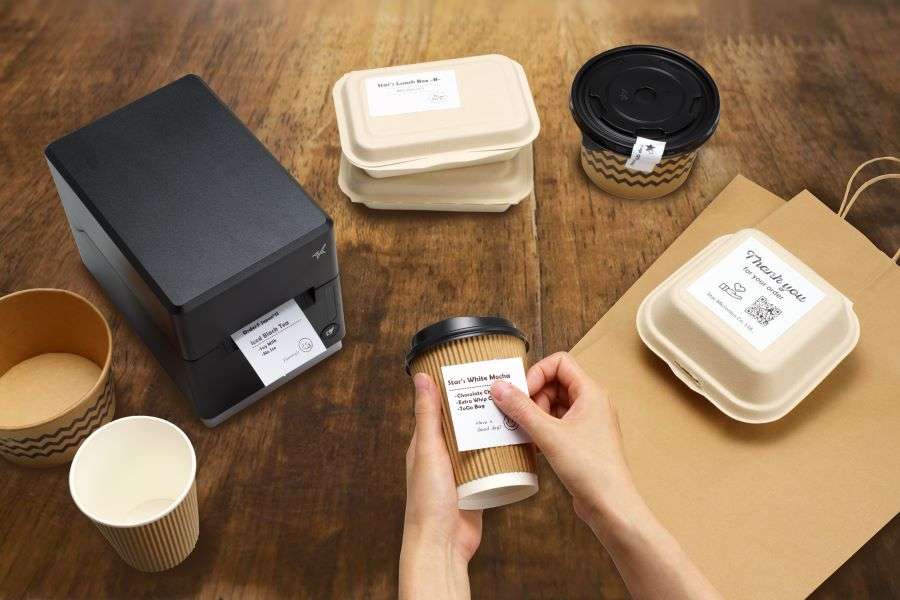
    The online ordering platform communicates the order to the QSR’s point-of-sale (POS) system and generates repositionable labels. These labels, applied to trays in food prep areas, communicate the customers’ menu choices and modifiers to the kitchen staff. Employees can reapply the labels to packaging down the line to ensure precision, eliminate errors, and decrease waste.

    Die-cut labels:

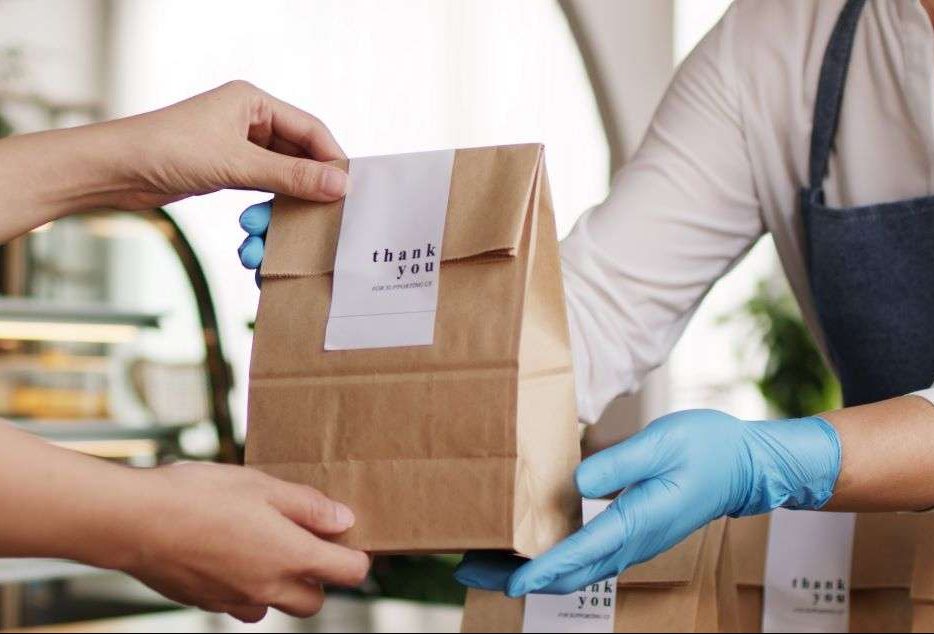
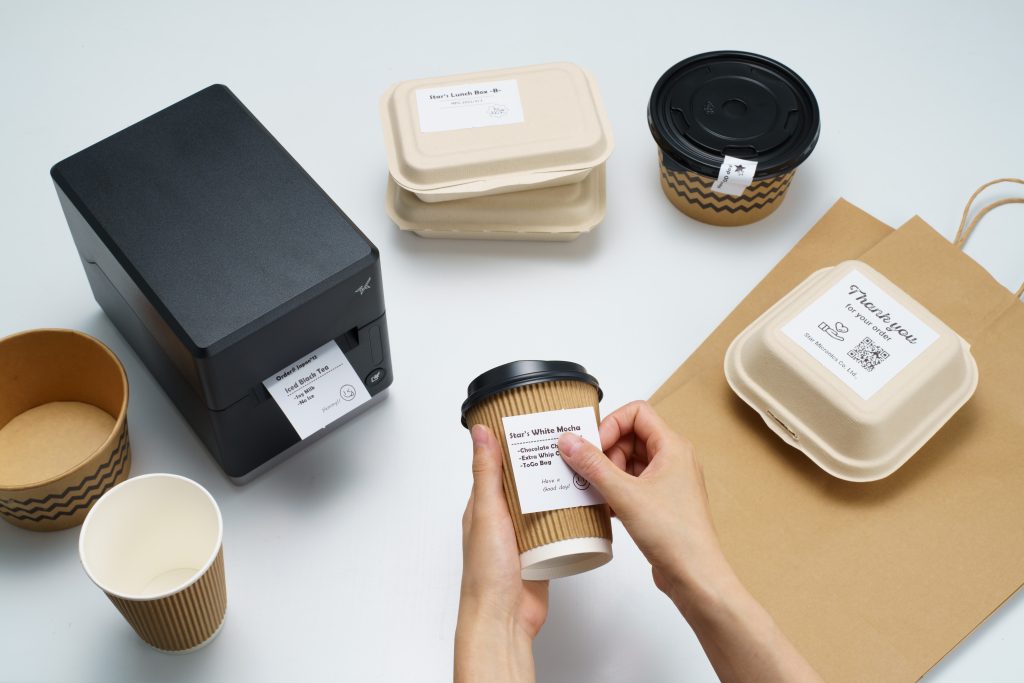
    When the order is complete, the restaurant can print die-cut labels on demand, adding its brand logo or a thank you message. Labels, whether traditional liner-backed or linerless, can also include promotional messaging or QR codes that customers can scan to join the loyalty program, check their rewards balance, or save a coupon code for future orders. These food packaging labels can contribute to a positive customer experience.

    Permanent linerless labels:

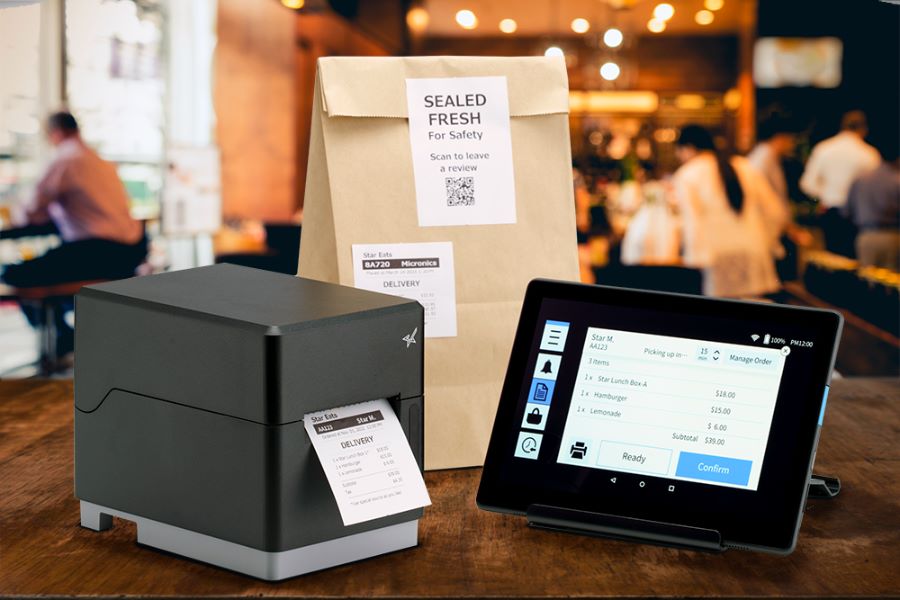
    Permanent labels direct the order to curbside or in-store pickup, in-house delivery drivers, or third-party delivery. These labels ensure orders go to the proper place, enhancing operational efficiency. Food packaging labels with delivery information can also include barcodes that allow the restaurant to track the order and confirm the correct delivery.

    Permanent labels that close containers or bags ensure the order is tamper-proof. If the label is intact, it signals to the customers that their orders are in the same condition when they receive them as when the restaurant packed them.

    Learn the importance of permanent linerless labeling in today’s businesses >

    How Labeling Solutions Overcome Food Delivery Challenges


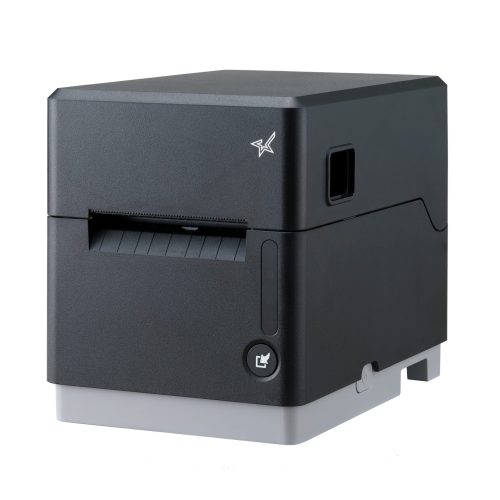
    The mC-Label3 Multifunction Printer by Star Micronics great for delivery take out online ordering and QSRs.
    The mC-Label3 Multimedia Printer by Star Micronics is great for online ordering, takeout, and delivery.

    Adding food prep and food packaging labels to online order fulfillment processes results in a range of benefits for restaurants and grocery stores, even beyond ensuring accurate delivery. The return on investment (ROI) of labeling solutions includes:

    • Cost control: Clearly labeled containers and bags allow the kitchen staff or grocery pickers to see exactly what to pack. Therefore, businesses generate less waste and expense from inaccurate orders.
    • Greater productivity: With labels communicating what each online order fulfillment team member must do, employees will have fewer questions that slow processes. Employees will work more quickly and can complete more orders per shift.
    • Increased customer satisfaction: Consumers expect accurate, on-time orders that are neatly and securely packaged. Labels help restaurants and grocery stores deliver what their customers want and help build loyalty.

    Key Features of Food Delivery Labeling Solutions

    To achieve greater accuracy, productivity, and customer satisfaction, restaurants and grocery stores need printers capable of producing the types of labels they need as they require. Star Micronics has developed printers with features that benefit online food order fulfillment, including the mC-Label3 Multifunction Printer and the TSP143IV SK Sticky Linerless Label Printer.

    Both have CloudPRNT connectivity for cloud-based printing and are Cloud Ready for Star Cloud Services. They allow restaurant and grocery store managers to build labels on Star’s Label Builder. The mC-Label3 enables users to store up to three images on the printer so that employees can print them on demand with the One Touch button–no internet required.

    Linerless Labels

    Linerless labels are an increasingly popular choice among restaurants and grocery stores because they decrease paper waste, require fewer roll changes, and streamline workflows by allowing employees to print and apply labels with one hand.

    The best printers for online order fulfillment and food packaging labels will also be easy for employees to use and maintain. Downtime isn’t an option when preparing orders accurately and on time. Both the mC-Label3 and TSP143IV SK are designed with user-friendly features. The mC-Label3 even sends maintenance alerts and QR codes with easy-to-follow instructions to keep it operating in top condition.

    Exceed Expectations with Labeling

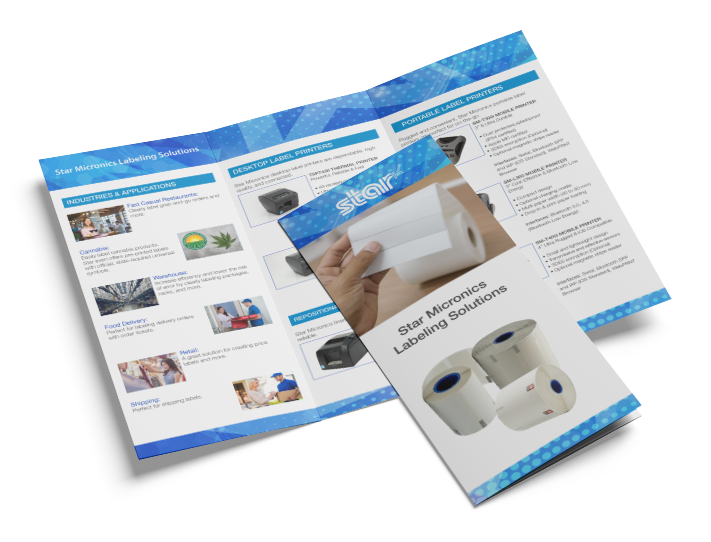
    Star Micronics Labeling Solutions Brochure

    Star’s advanced labeling solutions cater to a variety of unique needs and applications, ensuring seamless and efficient operations in any industry.

    Online food ordering is a relatively new part of many consumers’ routines; however, when they engage with restaurants or grocery stores, they expect accuracy, fast fulfillment, and excellent service. Labeling enables online order fulfillment teams to meet those expectations while keeping operational costs low. 

    Furthermore, innovative restaurants and grocery stores can use labeling creatively to elevate their brand image, keep their businesses at the top of consumers’ minds, and increase customer loyalty.

    A printing solution with features developed for online order fulfillment and food packaging labels makes it possible.

    Explore the range of solutions offered by Star Micronics.

  • Grocery Store Technology with Rod Plus Solutions on the Rising Stars Podcast

    Grocery Store Technology with Rod Plus Solutions on the Rising Stars Podcast

    The grocery industry is undergoing rapid transformation, fueled by digital innovation and evolving consumer expectations. For grocery retailers and technology solutions providers, staying ahead in this dynamic landscape requires a deep understanding of the intersection between technology and customer service.

    In the latest episode of the Rising Stars Podcast, “The Impact of Technology on Modern Grocery Stores,” host Kate Orara welcomes Kevin Spencer, President and CEO of Rod Plus Solutions and host of the podcast Retail Checks and Balances. Together, they explore Rod Plus’s pivotal role in reshaping the grocery sector through innovative technology solutions that cater to the digital retail landscape and changing consumer behaviors.


    Listen to the New Episode Now

    Innovations in Grocery Store Technology

    Kevin Spencer shares insights into Rod Plus’s contributions to the grocery technology sector, focusing on how the company’s solutions have revolutionized inventory management, e-commerce platforms, and customer engagement. This episode offers a unique glimpse into Rod Plus Solutions’ innovative strategies to help grocery retailers adapt to the digital era, enhancing both operational efficiency and customer satisfaction.

    What Listeners Will Discover

    By listening to this episode, audiences will discover:

    • The strategic innovations Rod Plus brings to the grocery industry.
    • How Rod Plus Solutions addresses common challenges in the sector.
    • The role of AI and IoT in advancing grocery services while maintaining a human touch.
    • Kevin Spencer’s perspectives on managing digital transformation in grocery retail.

    A Must-Listen for Industry Stakeholders

    “The Impact of Technology on Modern Grocery Stores” is essential listening for anyone involved in the grocery industry—from technology providers to retail managers and business leaders. As Kevin Spencer and Kate Orara explore Rod Plus Solutions’ approach to leveraging technology for grocery retail, they highlight the importance of balancing digital advancements with the intrinsic value of human connections in creating memorable customer experiences.

    As Rod Plus Solutions and Star Micronics prepare for their appearance at the upcoming National Grocers Association (NGA) show, this episode is a timely resource for retailers looking to navigate the complexities of grocery technology and digital transformation.

    Tune in to gain actionable insights into the future of grocery retail, driven by technology solutions that prioritize efficiency, customer engagement, and adaptability in a quickly changing market landscape.


    Explore All Episodes

    Loving the podcast? Subscribe now, and let us know what you think by leaving a review!

    Stay up-to-date on all things Star, don’t forget to follow us on Twitter, LinkedIn, Facebook, Instagram, and YouTube.


    Podcast Playlist on YouTube

    The Rising Stars Podcast

    Immerse yourself in the ever-evolving world of point-of-sale (POS) with the Rising Stars Podcast by Star Micronics, hosted by industry pro, Kate Orara. Twice a month, we dive into the fascinating journeys of innovators and businesses navigating the challenges of technology’s rapid pace.

    In every episode, Kate Orara, Star Micronics’ Partner Development Manager, takes listeners on an exploration of emerging retail technology trends and strategies with global industry giants. She’s spent her entire career meeting all the right people, and now listeners everywhere can benefit from this vast network of channel gurus.

    Always leading and always innovating, Star Micronics, a pioneer in POS and customer experience technology for over 60 years, welcomes you to join us in shaping a brighter future in the retail, hospitality, and cannabis industries.

    Want more industry news?


    Explore the Star Blog

  • Decoding Labels: The Importance of Permanent Linerless Labeling in Modern Business

    Decoding Labels: The Importance of Permanent Linerless Labeling in Modern Business

    In an era marked by the exponential growth of online ordering, delivery, and take-out services, alongside eco-conscious consumers and streamlined business processes, product labeling has taken center stage. The need for efficient, eco-friendly labeling solutions has become critical, especially with the growing demand for quick and accurate deliveries.

    Beyond mere product identification, today’s labeling solutions, especially permanent linerless labels, embody a business’s commitment to environmental responsibility, operational efficiency, and cost savings. As the trajectory points towards the wider adoption of labeling technologies, let’s find out why permanent linerless labels are revolutionizing modern businesses.

    The Rise of Permanent Linerless Labels

    With the meteoric rise of online ordering reshaping consumer behavior and expectations, the use of labeling in various sectors—from retail to pharmaceuticals—has surged. This shift underscores the pivotal role of labels in product identification, brand promotion, and ensuring timely and accurate deliveries. 


    As businesses grapple with the mounting demand for labels, especially with the boom in ecommerce, a multitude of labeling solutions has surfaced. Amid the choices, linerless labels have distinguished themselves, attracting attention for their eco-friendliness and operational efficiencies. 


    And, within the linerless label trend, permanent linerless labels are further marking their territory, presenting businesses with a durable and sustainable alternative that resonates with modern needs. In fact, several reasons underscore the growing preference for permanent linerless labels:

    Eco-friendly Approach

    Traditional labels come with linered backing that contributes to environmental waste. In contrast, linerless labels produce up to 50% less waste and significantly reduce CO2 production. Some are even made of biodegradable materials. Plus, once the roll of linerless labels is used up, only the cardboard core remains, which can be recycled. All of this makes linerless labels advantageous and a greener choice for labeling.

    Versatility & Increased Production Capacity

    Linerless labels can be tailored to any length, fitting diverse products without the roll change. This versatility inherently increases production and application.

    Decreased Inventory Space

    Without liners, linerless labels are more compact, allowing for twice as many labels on a roll. This can significantly reduce inventory requirements.

    Safety and Reduced Downtime

    Traditional linered labels often leave waste on floors that can pose serious slip hazards. Linerless labels enhance workplace safety and decrease applicator downtime as well. The reduced need to repeatedly change rolls directly increases printer uptime.

    Top-Quality Adhesion

    In addition to all the above benefits, permanent linerless labels provide the perfect blend of eco-friendliness and functionality. They live up to their name with the same solid stick as traditional labels, if not better, without the need for a wasteful liner. This makes permanent linerless labels an ideal solution for businesses looking to make a sustainable choice without compromising quality or performance.

    The Tangible Business Upsides of Going Linerless

    Adopting linerless labels isn’t merely a sustainable choice; it presents tangible business benefits:


    • Branding & Visibility: Full-color printing capabilities across the entire label heighten branding potential and shelf visibility.
    • Operational Efficiency: Linerless labels simplify the labeling process as a whole, boosting overall efficiency, and permanent linerless labels are no exception. Businesses get the same permanent stick that traditional labels can have without the added bulk or waste.
    • Economic Advantages: Using permanent linerless labels can lead to significant cost savings. Businesses get more labels for their money while enjoying reduced shipping costs and decreased storage space requirements.
    • Elevated Reputation: With more consumers leaning toward eco-friendly brands, using linerless labels can enhance a company’s sustainability profile.

    The mC-Label3 Multimedia Printer

    The latest innovation by Star Micronics, the mC-Label3 Multimedia Printer, prints across a wide array of media types, including permanent linerless label paper.

    Embracing the Future with Linerless Labeling

    The transformation of labeling technology, driven by both environmental concerns and business efficiency, has made it clear: linerless labels, especially permanent linerless labels, are here to stay. As modern businesses aim to balance operational prowess with eco-responsibility, the transition to permanent linerless labels is compelling. 


    Whether it’s about reducing waste, boosting production, or simply getting more labels for your buck, the benefits are undeniable. As the demand for labeling continues to surge, particularly with the growth of online ordering, businesses need to align their strategies with the trends that matter—and permanent linerless labeling will undoubtedly lead the pack.


    Always Leading, Always Innovating

    Star Micronics is a leading provider of linerless labeling solutions tailored to meet your unique business needs. Learn more about our linerless label printer options and how we can help your business make a positive impact on the environment and gain a competitive edge:

  • A Look Back at 75 Years of Retail Innovation

    A Look Back at 75 Years of Retail Innovation

    As we commemorate the 75th anniversary of the Retail Solutions Providers Association (RSPA), it’s the perfect time to acknowledge the profound shifts in the retail industry brought about by technology. Over the past 75 years, technological innovations have drastically reshaped the retail landscape. To honor RSPA’s enduring relationship with the retail sector, let’s revisit the key ways technology has transformed the industry over these pivotal years.

    The RSPA celebrates its 75th anniversary being the POS technology place to be for the retail industry.

    A Short Timeline of Retail Innovations From the Last 75 Years

    1948: A small group of cash register dealers formed the ICRDA (Independent Cash Register Dealers Association), which would later become the RSPA.

    1958: Bank of America launched BankAmericard, which laid the foundation for credit cards in retail transactions, revolutionizing payment methods.

    1965: Nobel Prize laureate, Jack Kilby, invented the world’s first semiconductor-based thermal printer. This invention paved the way for efficient printing solutions in retail environments.

    1965: Digital scales, initially invented in Japan, became the most popular type of weighing scale worldwide, offering accurate measurements for various retail applications.

    1968: The Japanese company Epson introduced the EP-101, the first electronic printer, which was crucial in enhancing printing capabilities in retail operations.

    1971: Cash registers capable of handling currency conversions were created, streamlining international transactions.

    1973: The first computer-operated cash register marked a significant shift from mechanical to electronic systems, improving efficiency and accuracy in retail transactions.

    1976: The first Universal Product Code (UPC) was scanned from a barcode attached to a pack of gum. This technology revolutionized inventory management and checkout processes.

    1977: The University of Illinois introduced the “Plato Hotline,” the first interactive kiosk that provided campus information, opening doors to self-service and information dissemination.

    1985: Mosher introduced the first color touch-screen-driven point-of-sale (POS) interface, improving the user experience and making transactions more intuitive.

    1997: The first contactless payment system, Mobil Speedpass, was launched, paving the way for convenient and fast payment methods in retail.

    2002: The United Kingdom introduced the first cloud-based POS system, enabling businesses to manage their operations remotely and efficiently.

    The future of retail innovation and cloud technology.

    Advanced Features

    These groundbreaking steps have landed a place in history while others are still solidifying a stronghold. Applications like integrations with artificial intelligence and machine learning, along with barcode scanning, RFID, and QR codes, are all evolving to create new and exciting retail experiences. 

    There’s no denying the power of artificial intelligence (AI) and machine learning (ML). These incredible technologies promise to redefine the retail sector, analyzing data to reveal critical findings about customer behaviors, likes, and trends. Such insights empower retailers to offer personalized shopping experiences, manage inventory more effectively, and predict demand. Moreover, AI-fueled chatbots and virtual assistants are enhancing customer service by providing immediate assistance and suggestions.

    Furthermore, tools such as 1D barcodes, RFID, and 2D QR codes are propelling retailers to new heights, improving inventory management, minimizing errors in shipping and receiving, and streamlining logistics. These innovations are quickly becoming integral to the ultimate omnichannel experience for consumers.

    Future Potential

    Over the past 75 years, the retail industry has seen impressive transformations, reshaping consumer behavior and business operations. Technology has been the catalyst behind these changes, and its rapid progress leaves us wondering about the future of retail.

    As we look to the next 75 years, we can expect even more profound technological advancements influencing the retail scene. The incorporation of AI and ML will continue to personalize shopping experiences and optimize business processes. Emerging technologies like RFID and QR codes will further enhance data collection and foster smooth interactions between consumers and businesses.

    The future of retail innovation and AI technology.

    The Next Wave of Retail Innovations

    The future presents a vast landscape for creative breakthroughs and newcomers in the retail industry. It’s exhilarating to think about the innovations that will define the next wave of retail. As we celebrate RSPA’s 75th anniversary, we acknowledge their significant achievements and contributions to the industry.

    At Star, we are dedicated to offering product lines and technologies that stay up-to-date with the evolving retail sector. Here’s to celebrating another 75 years of success, collaboration, and exciting retail innovations!

  • Linerless Label Paper vs. Traditional Label Paper: Which Is Right for Your Business?

    Linerless Label Paper vs. Traditional Label Paper: Which Is Right for Your Business?

    Navigating the world of label paper can be more of a complex task than most would assume. The choice is no longer as simple as picking between small and large label paper. Now, businesses have an array of options to choose from, including traditional label paper, linerless, permanent linerless, and more. Each type comes with unique applications and benefits, so it would be wise to know enough about each to identify the right fit for your business.

    This article offers a comprehensive guide, demystifying the various types of label paper and their respective applications and advantages to empower you to make an informed decision. So, let’s explore the fascinating world of label paper!

    Traditional Label Paper

    Traditional label paper is perhaps the most commonly used type in the market. It comes in a simple geometric shape (square, circle, etc.) with a paper, polyester, or polypropylene facestock, an adhesive layer, and a liner. The liner protects the adhesive until the label is ready to be used.

    Traditional label paper, often referred to as direct thermal labels, is a classic choice that has stood the test of time in various industries. It’s used extensively across various industries, such as retail, logistics, and manufacturing.

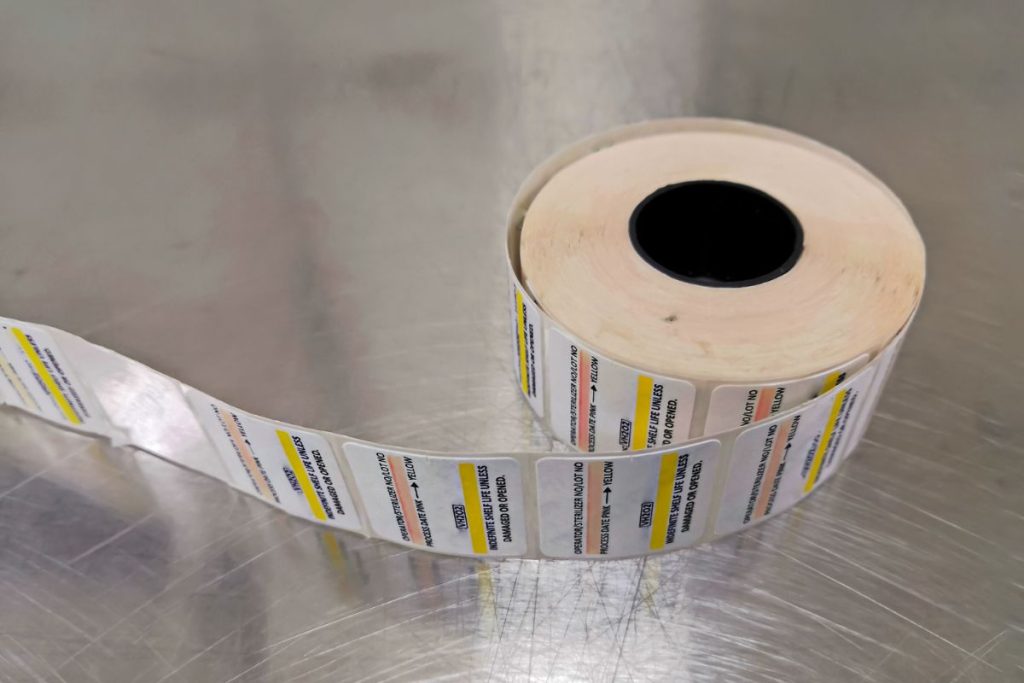
    A roll of labels.

    Key attributes of traditional label paper include:

    • Versatility: Traditional label paper is adaptable to a wide array of applications, including shipping, barcoding, inventory tracking, and more. This versatility makes it a strong contender in many business contexts.
    • Dependability: With a proven track record of performance, traditional label paper is reliable and trusted by many businesses. It offers consistent quality and performance, providing clear and durable prints.
    • Printer Compatibility: Traditional label paper can be used with various types of printers, including direct thermal and thermal transfer printers. This makes it a flexible option compatible with various printing technologies.

    However, traditional label paper is not without its limitations. Traditional label paper may not have the look or shape you desire. Labels also incur waste generation. Each label comes with a liner that is discarded after the label is used, contributing to waste. This can be a concern for environmentally conscious businesses.

    Moreover, these labels are sensitive to heat and light, which may cause the ink to fade over time or the labels to darken if exposed to extreme conditions.

    Die-Cut Label Rolls

    Die-cut labels differ from traditional labels because they are specifically cut around the label designs. They come pre-cut, allowing for a clean and professional finish in various applications. This makes die-cut labels a popular option among businesses for their precision, customization, high quality, and ease of use.

    Key features of die-cut label paper include:

    • Precision: Each label is pre-cut with precision, ensuring consistent and accurate dimensions across the entire roll.
    • Customization: Die-cut labels are available in a wide range of shapes, sizes, and materials to suit various branding needs. This allows businesses to find the perfect fit for their specific labeling requirements.
    • Ease of Use: Since die-cut labels are pre-cut and separated from each other, they can be easily peeled off from the liner and applied to the desired surface. This feature can save time, especially when dealing with a large volume of labels.
    • Compatibility: Die-cut labels can be used with various types of printers, including thermal, inkjet, and laser printers. This broad compatibility makes them a versatile option for many businesses.

    However, there are some reasons not to use die-cut label paper. The pre-cut designs limit flexibility, as the size and shape of the labels are fixed. Businesses may need to buy several different customized labels to use for various applications. Also, the presence of a liner contributes to a lot of waste generation, which can be a concern for some businesses.

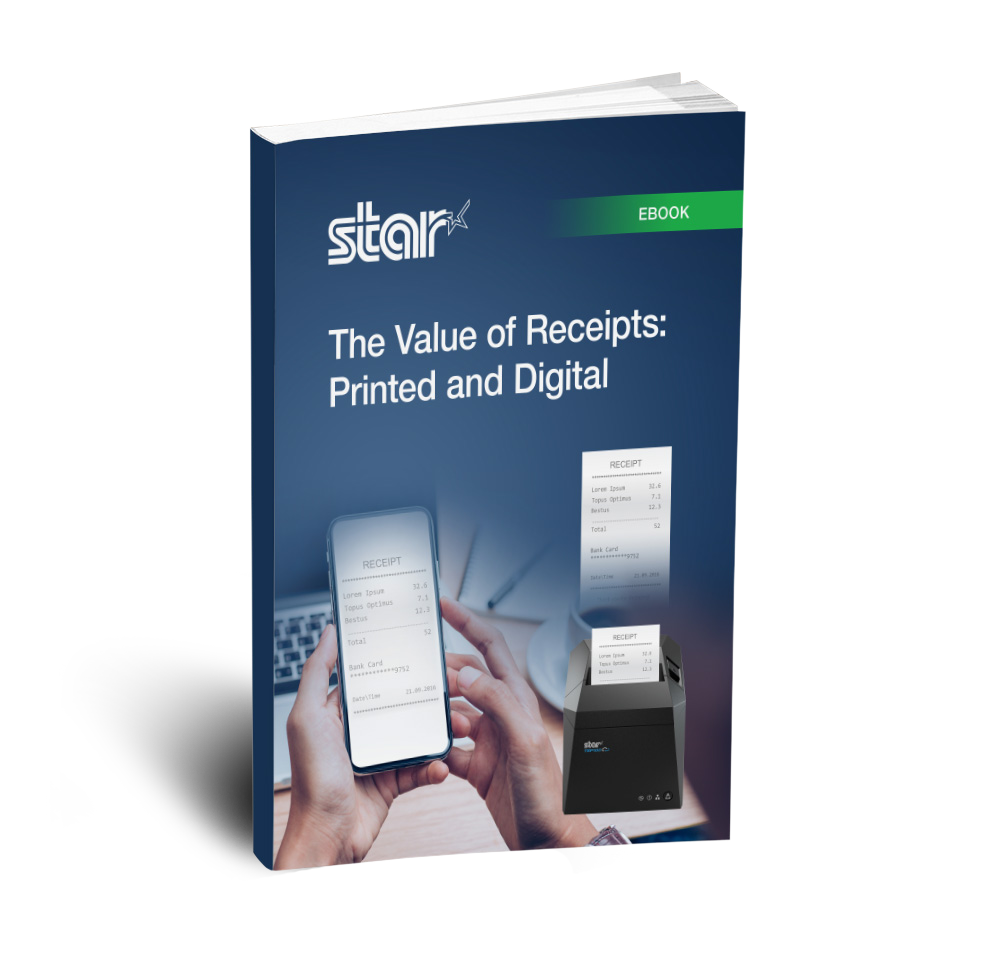
    The Value of Receipts: Printed and Digital

    There’s no getting away from it: receipts hold great value and are an irrefutable part of everyday life. Learn how to use them to your business’s advantage!

    Linerless Label Paper

    Linerless label paper, or sticky paper, presents a unique solution for businesses looking to enhance efficiency and sustainability. As the name suggests, linerless labels don’t have backing paper, which is unlike traditional label rolls. This leads to a significant reduction in waste, making linerless labels a more environmentally friendly choice.

    Many industries are now using linerless labels. They’re ideal for takeout orders, food packaging, retail price marking, and logistics.

    Linerless label paper offers the following advantages:

    • Less Waste: As there is no liner, there’s significantly less waste produced, making this option better for the environment.
    • Increased Efficiency: Without a liner, the roll can hold more labels. This means fewer roll changes and increased productivity in high-volume environments.
    • Versatility: The length of the label can be customized on the spot without changing the roll, making it versatile for varying product sizes and shapes.
    • Cost-Effective: Less material is used in the production of linerless labels, and they take up less storage space. This can lead to cost savings in the long run.

    However, like any other type of label paper, linerless label paper might not be the perfect fit for all businesses. These labels require special printers designed to handle them and may not be suitable for some applications where a long-term label is required. They also might not be the best choice if you need pre-printed labels, as the print can wear off over time.

    mC-Label thermal printer by Star Micronics using linerless label paper.

    Permanent Linerless Label Paper

    Permanent linerless label paper has emerged as an innovative addition to the lineup of label solutions. It offers the same environmental and efficiency benefits as standard linerless labels but with an added level of adhesion.

    Permanent linerless labels are suitable where a more robust label is required, such as outdoor use, chemical containers, and high-traffic areas. If your business needs labels in challenging environments, these labels would be your go-to choice.

    Features of permanent linerless label paper include:

    • Strong Adhesion: As suggested by the name, permanent linerless labels are designed to stick and stay put. This makes them an ideal solution for applications where long-lasting labeling is necessary, such as product identification, shipping labels, or asset tracking.
    • Environmental Benefits: Like their linerless counterparts, permanent linerless labels eliminate the waste associated with liners. This contributes to an eco-friendlier labeling solution.
    • Maximized Efficiency: With more labels per roll due to the absence of a liner, businesses experience fewer roll changes, increasing productivity in fast-paced environments.
    • Customizable Lengths: The lack of a pre-cut shape allows the label length to be adjusted as per the requirement, providing flexibility for different product sizes.

    Of course, permanent linerless labels are not without their considerations. The increased adhesion means they stick firmly, and removing them can be difficult without leaving a residue. Therefore, they may not be suitable for applications where labels need to be removed cleanly. Also, like standard linerless labels, they require specific printers designed to handle repeatedly cutting the adhesive.

    Wrapping Up: Picking the Right Label Paper for Your Business Success

    In conclusion, the label paper you choose will significantly influence your business operations, affecting everything from efficiency to sustainability. Whether it’s the precision of die-cut labels, the eco-friendly appeal of linerless labels, the reliability of traditional labels, or the versatility of permanent linerless labels, each type brings unique merits to the table. Understanding these differences is crucial in making an informed decision that aligns with your business’s unique needs and goals.

    Remember, the right label paper is not just about meeting your current needs; it’s about anticipating your future demands and staying ahead in the ever-evolving marketplace.

    Labels on products.

    Want to know more about what Star can offer your business?

  • Sandwiching Success: Unveiling the Power of POS Tech in Our Latest Deli eBook

    Sandwiching Success: Unveiling the Power of POS Tech in Our Latest Deli eBook

    In the fast-paced, competitive world of food service, delis, butcher shops, and fish markets require efficient, tech-driven solutions to stay ahead. In our latest eBook, “3 Ways POS Tech and Hardware Improve Deli Operations and Customer Experiences,” we delve into the transformative power of modern point-of-sale (POS) technology and how it can optimize deli businesses.

    Addressing Key Challenges in Deli Operations

    Handling perishables, managing a vast array of items, and delivering top-notch service is no easy feat. Our eBook sheds light on how innovative POS tech addresses three key areas: order accuracy, customer service, and inventory management.

    Order Accuracy with Cutting-Edge POS Tools

    Delis juggle diverse offerings, making error-free orders crucial. This eBook illustrates how cutting-edge POS tools like integrated deli scales, receipt and label printers, and tablet stands keep things running smoothly.

    Enhancing Customer Experience and Satisfaction

    Delis thrive on repeat patrons, and exceptional experiences are non-negotiable. The eBook highlights POS-driven technologies like CloudPRNT and SteadyLAN®, self-service kiosks, and accessories, all aimed at streamlining the customer experience, boosting satisfaction, and nurturing loyalty.

    Streamlining Inventory Management

    Learn how real-time tracking and automation through advanced POS systems save time and curb errors, making stock management a breeze.

    Elevate Your Deli with POS Technology by Star Micronics

    Our eBook is a must-read for deli owners seeking to harness POS technology and stay ahead of the game. Don’t miss out—elevate your deli today!

    3 Ways POS Technology and Hardware Can Improve Your Deli Business

    Get the latest point-of-sale (POS) technology and hardware to streamline deli, butcher shop, or fish market operations.

    Want to know more about what Star can offer your business?