Tag: Empower Program

  • 2026 IT Channel Predictions Are Optimistic

    2026 IT Channel Predictions Are Optimistic

    Star partners in the IT channel are in a strong position going into 2026. What will define success for value-added resellers (VARs), independent software vendors (ISVs), and managed services providers (MSPs) in the IT channel this coming year? Rising IT spend, growth in subscription-based software, and expanding demand for vertical solutions all point to one of the strongest years for the IT channel in a decade. 

    Macro trends are positive. Gartner predicts worldwide IT spending will increase 9.8% from 2025 to reach $6.08 trillion in 2026. The IT services market is also growing, with Grand View Research reporting a CAGR of 9.4% from 2025 to 2026, reaching $2.59 trillion. For IT channel partners, these indicators suggest sustained opportunity rather than short-term recovery.

    Table of Contents

    What Is the IT Channel in 2026?

    The IT channel, comprising VARs, ISVs, MSPs, and other technology integrators, looks very different from what it did a decade ago. Today’s IT channel partners do far more than sell hardware. They design, deploy, and support complete technology ecosystems that combine software, integrations, and ongoing services.

    This modern channel model aligns closely with Star Micronics’ hardware portfolio, cloud printing technologies, and partner ecosystem. Reliable, cloud-ready hardware remains foundational to these deployments, especially in retail, restaurant, healthcare, and other multi-location environments.

    In 2026, IT channel organizations continue shifting toward recurring services, cloud-based deployments, and specialized vertical markets. According to the Retail Solutions Providers Association (RSPA) Retail IT Channel KPI Study, VARs and ISVs have rebounded from a flat or worse 2024. About 80% of the POS channel now reports growth, with 9.4% seeing revenue growth of 40% or more. These trends are setting the stage for a strong year ahead.

    Key Predictions for the IT Channel in 2026

    Based on market data and channel performance trends, several themes will define success for IT channel partners in 2026:

    • Continued growth in recurring, service-driven revenue models
    • Increased demand for cloud-ready, multi-location hardware deployments
    • Expansion into regulated and emerging verticals such as healthcare, cannabis, and senior living
    • Greater emphasis on simplifying infrastructure while enabling scale

    Partners that can deliver reliable hardware while reducing operational complexity will be best positioned to capitalize on these shifts.
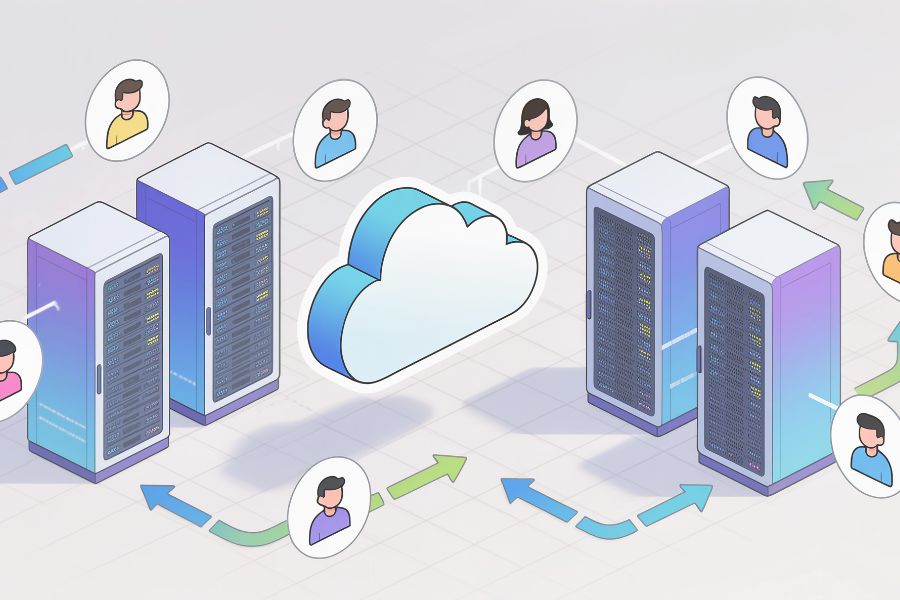
    Cloud Servers and Multi Location Businesses for the IT channel

    More Insights from the Retail IT Channel KPI Study

    The RSPA’s Retail IT Channel KPI Study took a deep dive into the state of the channel, examining key performance indicators (KPIs) that IT channel partners, including VARs, ISVs, and other solutions providers, use to measure business health. One of the most telling indicators is revenue per employee.

    1. Growing Revenue per Employee

    Among RSPA member VARs and ISVs, 38.1% report $200K in revenue per employee, a long-standing benchmark for a healthy organization across both the POS channel and the broader IT channel. This figure represents a 5.6% increase from 2023 and an 11.8% improvement compared to 2022, signaling stronger operational efficiency among IT channel partners.

    RSPA views this improvement as evidence that IT channel partners are succeeding even as competition from VC-backed providers continues to grow. The study also shows that VARs and ISVs are increasingly effective at pairing high-value services with IT hardware and software. Approximately 55% of respondents report that 10% to 29% of their revenue is recurring from services, while about 6% generate more than 60% of revenue from services.

    Star partners are among the POS channel organizations benefiting from these trends. By combining managed services with hardware bundles such as printing, labeling, kiosks, and cloud-connected POS peripherals, they are well-positioned to meet evolving market demand and sustain long-term growth.

    2. Near Record Profit Margins

    In addition to revenue growth, the POS channel is seeing higher profitability. Only 1.2% of RSPA survey respondents reported a loss, while 64.7% reported profit margins between 20% and 60% or more. These results point to a healthier, more resilient channel overall.

    3. Expansion into New Markets and Niches

    Another key finding from the study is that IT channel partners are expanding beyond traditional retail and restaurant markets. Respondents reported growth in areas such as:

    In addition, many VARs and ISVs are setting their sights on healthcare (14.3%), medical office and senior living (13.1%), and non-profit organizations (11.9%). With broader solution portfolios, including cloud-ready hardware and printing technologies from Star, partners can confidently expand into these verticals.

    Ethnic Grocery Markets
    VARs and ISVs are increasingly moving into new markets, like ethnic grocery stores.

    4. Emerging Opportunities

    When asked about emerging opportunities, IT channel partners consistently pointed to larger customer profiles, expansion into enterprise accounts, and growing demand for specialized, vertical-focused software. Many also cited advancing technology as a key growth driver.

    As end customers seek to operate more efficiently and deliver better experiences, IT channel partners are increasingly positioned as strategic advisors. Simplifying infrastructure while enabling cloud-based, multi-location deployments is becoming a defining competitive advantage.

    What Makes a Star Partnership So Valuable?

    Partnerships enable VARs, ISVs, and MSPs to deliver the products, solutions, and services their markets demand. Star Micronics supports partners with an exceptional breadth of hardware, cloud technologies, and flexible deployment options designed for modern IT channel business models.

    > Star’s Portfolio

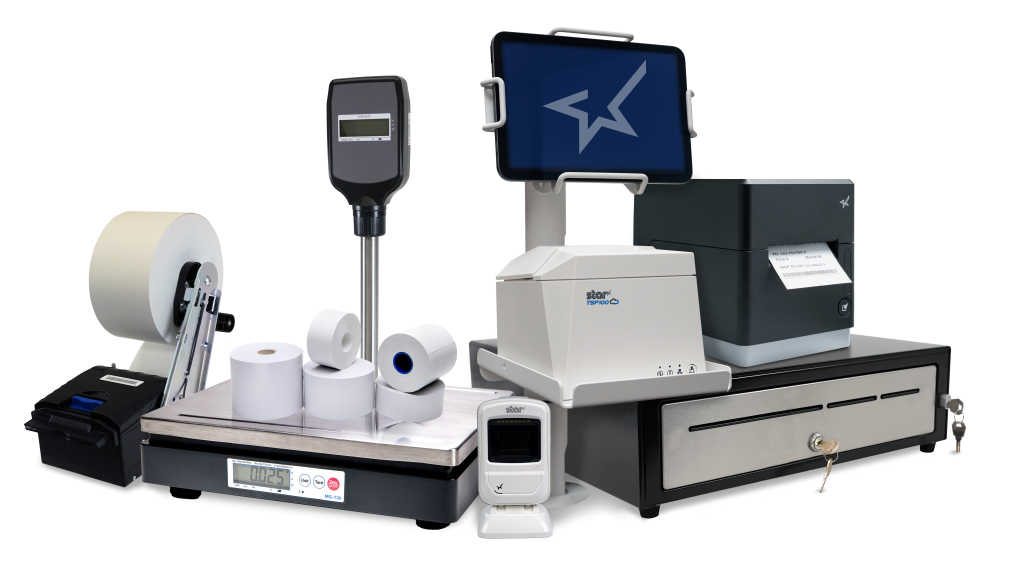
    Star Micronics offers one of the industry’s most complete portfolios of POS and labeling hardware, including receipt, label, and multifunction printers, cash drawers, scales, tablet stands, and scanners. This breadth allows VARs and ISVs to build standardized, scalable solutions across retail, restaurant, and emerging vertical markets.

    In addition to hardware, Star provides cloud technologies and services that support modern deployment models:

    • CloudPRNT Next is Star’s next-generation cloud printing technology built into compatible printers. Using MQTT-based communication, it enables fast, reliable, and scalable direct-to-cloud printing for ISVs that choose to manage their own cloud infrastructure.
    • StarIO.Online is Star’s fully managed cloud printing service. It allows ISVs to send print jobs to CloudPRNT-compatible printers through REST APIs while Star hosts and maintains the cloud infrastructure. StarIO.Online also provides real-time printer status visibility and centralized configuration related specifically to cloud printing workflows, helping partners reduce infrastructure complexity and support multi-location deployments more efficiently.
    • Star Micronics Cloud Services (SMCS) includes cloud-based tools and APIs that extend the value of Star hardware. SMCS provides developer-facing APIs that enable ISVs to build their own dashboards or workflows for printer status monitoring and connectivity. It also includes end-user tools such as PromoPRNT and Label Builder, designed to help merchants manage promotional content and customized label designs.

    Together, these options give VARs and ISVs flexibility in how they architect, deploy, and support cloud-enabled printing solutions at scale.
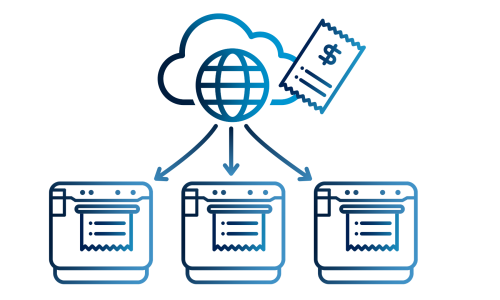
    StarIO.Online is a fully managed cloud printing service by Star Micronics.

    > Vertical-Specific Solutions

    Star supports a wide range of industries, with hardware designed for retail and restaurant environments, as well as for growing sectors such as healthcare, medical offices, senior living, and non-profits. Star’s experienced team provides the industry expertise needed to support partners as they expand into new verticals.

    > Opportunities to Build Recurring Revenue

    VARs, ISVs, and MSPs can package software and services around Star’s technology to build recurring revenue streams. By supporting cloud-first offerings and Software-as-a-Service (SaaS) models, Star makes it easier for partners to create predictable, scalable revenue while reducing long-term support complexity.

    Make the Most of a Great Year for the IT Channel

    In 2026, the IT channel will favor partners who simplify infrastructure while enabling scale. Star Micronics helps VARs and ISVs do exactly that, with cloud-ready POS hardware and a fully managed cloud printing service that removes friction for both partners and their end-user customers.

    Want to learn more about the benefits of a Star partnership?

    FAQs for VARs and ISV Partners

    What trends will matter most for the IT channel in 2026?

    Growth in cloud-based platforms, vertical specialization, and scalable hardware deployments will shape the IT channel in 2026. VARs and ISVs that simplify infrastructure and support multi-location environments will be best positioned to grow.

    Why are VARs and ISVs expanding into new vertical markets?

    Competitive pressure and maturing retail and restaurant markets are driving channel partners to explore healthcare, cannabis, senior living, and specialty retail. These industries demand reliable, purpose-built hardware and cloud-ready printing solutions.

    How does Star Micronics support VARs and ISVs as they scale?

    Star Micronics provides a broad portfolio of POS and labeling hardware, cloud-ready printing technologies, and a partner ecosystem designed to support multi-location deployments without unnecessary complexity.

    What’s the difference between StarIO.Online and Star Micronics Cloud Services?

    StarIO.Online is Star Micronics’ fully managed cloud printing service. Star hosts and maintains the cloud infrastructure, allowing ISVs to send print jobs to CloudPRNT-compatible printers through REST APIs without managing servers or middleware. StarIO.Online also provides built-in printer status visibility and cloud-printing-related configuration through Star’s managed dashboard.

    Star Micronics Cloud Services (SMCS) provides developer-facing APIs that allow ISVs to build their own dashboards and tools for printer status monitoring and related functions within their own platforms. SMCS also includes end-user cloud tools such as PromoPRNT and Label Builder, which are designed for merchant use and are not embedded into ISV platforms.

    Some partners use both: StarIO.Online to offload cloud printing infrastructure, and SMCS APIs to build customized monitoring or workflows on top of Star’s hardware ecosystem.

    Do partners need to use Star’s cloud services to work with Star hardware?

    No. Partners can choose the architecture that fits their business. ISVs may manage their own cloud infrastructure using CloudPRNT Next or opt for StarIO.Online, if they prefer a fully managed cloud printing service hosted by Star.

  • Always Innovating: 5 Tech Trends Gaining Momentum in 2025

    Always Innovating: 5 Tech Trends Gaining Momentum in 2025

    One of Star Micronics’ most impactful objectives is to provide customers with products and services that meet their needs today and anticipate the tech trends of tomorrow. We listen to stakeholders, explore options, and develop with the overarching goal of making businesses more efficient. This is Star’s spirit of “always leading, always innovating.”

    Based on feedback from our customers and partners, and maintaining our position at the forefront of the industry, we’ve identified several tech trends gaining momentum as we head into the second half of 2025. I’m sharing this information to help our partners prepare to meet growing demand and to assist our customers in staying on track toward reaching their business goals.

    Take these five tech trends into account to finish 2025 strong and set the stage for a successful 2026:

    1. Migration to Cloud Printing in Retail & Hospitality Systems

    This year’s tech trends align with the rapid shift toward cloud-first, host device-agnostic ecosystems. Point of sale (POS) software and backend platforms are increasingly cloud-based, driving demand for cloud-managed printing and peripheral solutions.

    To support our customers, we are launching a new, fully managed cloud printing solution. StarIO.Online eliminates the need for local infrastructure. Businesses can host their print jobs on secure Star servers, monitor their devices remotely, and manage updates from a single dashboard. Managing printing in the cloud complements businesses’ increasingly cloud-based computing environments with streamlined workflows and increased efficiency.

    2. Rising Demand for Multi-Function Printers & Modular Hardware

    Tech trends reflect businesses’ desire to simplify device fleets and reduce complexity by upgrading to single devices that can support multiple use cases. Printers are now available that do it all, from printing receipts and chits to sticky and die-cut labels. A single device allows businesses to optimize space, control costs, and increase flexibility, which has particular benefits in QSR, fast casual, and retail environments. We’ve designed our mC-Label series printers to meet this demand and give businesses the flexibility to easily build multifunction printers into their workflows.

    In addition, today, even small printers come with all interfaces in one device. The printer can now be tethered to a USB or Ethernet connection, be connected wirelessly through Bluetooth or Wi-Fi, or be connected to a local or cloud based network, all with the same printer. What’s better than making the right choice? Not having to choose at all.

    3. Growing Focus on Sustainable Printing & Compliant Media

    Sustainability is no longer optional — customers expect it. There’s rising demand for linerless labeling to reduce waste and Prop 65-compliant paper in response to evolving state and regional regulations. Prop 65 in California mandates warnings if products contain harmful chemicals, such as BPA/BPS, which are found in traditional printer paper. Although it’s now the law in California, other legislatures are likely to follow suit. Along with transitioning to sustainable printing to help protect the environment, compliance is driving a shift in how businesses select print media,  partners, and hardware.

    4. Shift Toward Loyalty-Focused, Value-Added Channel Partnerships

    Solution providers want more than discounts. They want programs that support joint marketing, loyalty incentives, and true collaboration. The partner ecosystem is evolving beyond pure pricing to strategic partnerships that help both sides grow.

    To support our channel partners, Star is reimagining its Empower Program to accommodate the business models of our reseller and ISV partners. We’re introducing a loyalty program that rewards our partners with marketing funds to help them grow their businesses. Our updated program will support trade show attendance, help create customized campaigns, and deliver content that meets our partners’ go-to-market strategies.

    5. Transition to More Agile, Scalable Distribution

    While businesses plan to update printing technology to enhance operations, channel dynamics are more critical than ever. With last-minute deployments, multi-location rollouts, and complex integration timelines, distributors and vendors that can deliver speed, flexibility, and stock availability have a significant competitive edge. Star is uniquely positioned to offer our products through the largest, most innovative, and efficient distribution channel.

    Get the complete POS solutions from Star Micronics.

    Don’t Pass By This Opportunity

    For many business leaders, summer is the time for a break from the day-to-day. But it’s also a great time to take stock and course correct, if necessary, to keep your business moving in the right direction. Businesses have the opportunity to increase efficiency with cloud printing, operate more cost-effectively with multi-function printers, and operate more sustainably with eco-friendly paper and linerless labels. Star channel partners (and potential partners) can meet that demand by providing products from Star’s portfolio and collaborating more closely with us to market their businesses.

    Join us in always leading, always innovating in 2025 and beyond.

    Written by Christophe Naasz, Director of Business Development at Star Micronics America.

    Take the Next Step with Smarter POS Solutions

  • Strengthening Channel Partnerships with Elo & Star Micronics

    Strengthening Channel Partnerships with Elo & Star Micronics

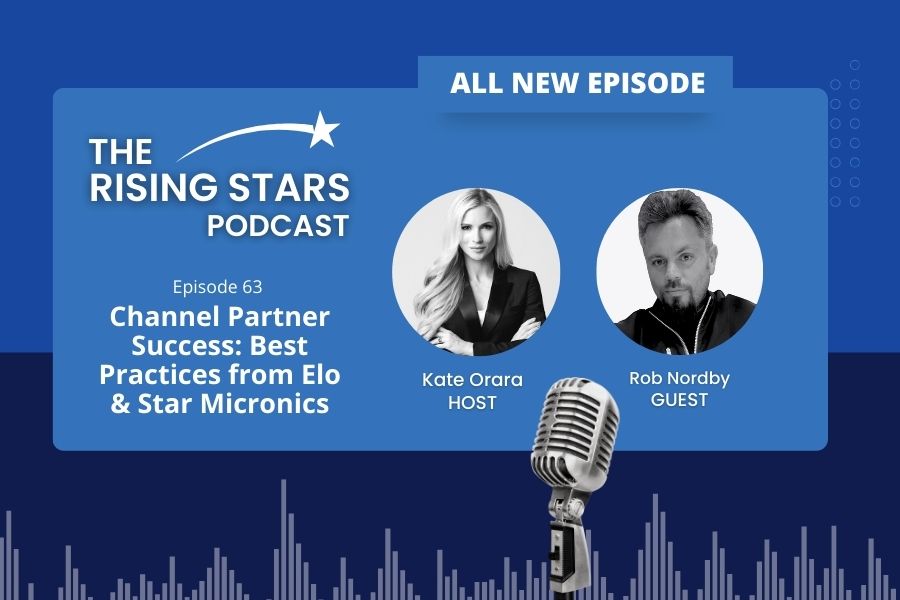
    In the latest episode of the Rising Stars Podcast, host Kate Orara is joined by Rob Nordby, Channel Sales Manager at Elo Touch Solutions, for an insightful discussion on what makes a channel partnership thrive. In “Channel Partner Success: Best Practices from Elo & Star Micronics,” Rob shares his expertise on how ISVs, VARs, and resellers can maximize their relationships with manufacturers to drive long-term success.

    Rob breaks down the key traits of successful channel partners, the importance of clear communication, and the role of manufacturer support in fostering growth. He also provides a behind-the-scenes look at Elo’s Elite Partner Program and how it creates real value for resellers and integrators looking to stand out in the competitive retail and hospitality technology space.

    Strategies for Success in the POS Industry

    From best practices in launching new products to overcoming common partnership challenges, this episode is packed with actionable advice for businesses looking to build stronger, more strategic alliances. Whether you’re a seasoned reseller or an ISV exploring new opportunities, Rob’s insights offer a valuable roadmap to growth.

    Supercharge your success with the Star Micronics Empower Partner Program >

    Loving the podcast? Subscribe now, and let us know what you think by leaving a review!

    Stay up-to-date on all things Star, don’t forget to follow us on X, LinkedIn, Facebook, Instagram, and YouTube.

    The Rising Stars Podcast

    Immerse yourself in the world of point-of-sale (POS) with the Rising Stars Podcast by Star Micronics, hosted by industry pro, Kate Orara. Twice a month, we explore the fascinating journeys of innovators and businesses navigating the challenges of POS technology’s rapid pace.

    In every episode, Kate Orara, Star Micronics’ Partner Development Manager, discusses emerging retail technology trends and strategies with global industry giants. She’s spent her entire career meeting all the right people, and now listeners everywhere can benefit from this vast network of channel gurus.

    Always leading and always innovating, Star Micronics, a pioneer in POS and customer experience technology for over 60 years, welcomes you to join us in shaping a brighter future in the retail, hospitality, and cannabis industries.

    Want more industry news?

    Episode Transcript

    [Music]

    Kate Orara: Hey there, retail tech enthusiasts! Welcome to the Rising Stars Podcast, your go-to for all things retail tech and point of sale. I’m Kate Orara, Partner Development Manager at Star Micronics, and I’m excited to guide you through this journey. Here, we dive into the latest innovations shaping the retail, hospitality, and cannabis industries. So whether you’re a techie or a business owner, this is your backstage pass to insider knowledge. Join me and the Star Micronics team as we innovate and rise together.

    Welcome back to another episode of the Rising Stars Podcast! I’m really excited today because I have one of my old buddies joining me. I know I keep saying this, but truly, the guests I bring on provide valuable insights into this industry—I promise it’s not just me bringing on friends for fun! Today, I have my good friend Rob Nordby from Elo Touch Solutions with me. Rob, how are you?

    Rob Nordby: I’m doing well! Thanks for having me. Excited to be here.

    Kate Orara: Awesome! I’m happy you could join us today. I know you’re traveling and actually at a conference right now, so I really appreciate you taking the time to speak with me.

    Rob Nordby: No worries! Excuse the background noise—I’ll just annoy everyone around me here. But let’s do it! Ready to rock.

    Kate Orara: Well, it’s funny because you’re currently at a partner event, and today we’re talking about partnerships! To kick things off, for our listeners who may not be familiar with you or Elo, could you give us a brief introduction about yourself and your role?

    Rob Nordby: Absolutely! I’m Rob Nordby, and I’ve been with Elo for six years. I manage our national solution provider team and programs, working with large national partners like CDW, SHI, and Insight. It’s a small but nimble team. Before Elo, I spent almost seven years at Zebra and started my career at PC Mall, which is now Insight. I’ve had a variety of roles in the industry, but my primary focus has always been on the channel, managing relationships and long-term partnerships.

    Kate Orara: That’s great! You’ve worked at the manufacturer level and the reseller level. Have you worked at the distributor level as well?

    Rob Nordby: That’s actually the one part of the industry I haven’t worked in, but I work closely with distribution. I have great relationships with our distributors and always advocate for collaboration between manufacturers, distributors, and resellers. Even though I’ve never worked for a distributor, I feel like I have offices at many of them!

    Kate Orara: That makes sense! So, let’s talk about partnerships. What are some key traits or behaviors you look for in a successful channel partner?

    Rob Nordby: Great question! A successful partner is motivated and truly embraces the term “partner.” Transparency and goal alignment are huge. Whether a partner is small or large, if we establish a long-term plan and stick to it, that makes for a great relationship. We love investing in partners who are committed to working toward mutual success.

    Kate Orara: From a partner’s perspective, what should they expect in terms of support, resources, and communication from a manufacturer like Elo?

    Rob Nordby: Honesty is number one. We all know about channel conflict, but maintaining a clean channel is a priority for Elo. Partners should expect reliable products, transparency about where our solutions work best, and clear guidance. We don’t just push products; we help partners find the right solutions for their customers. When manufacturers and resellers work together with honesty and a shared goal, it leads to successful rollouts and strong relationships.

    Kate Orara: Speaking of rollouts, how do you involve partners in launching new products, and what are some best practices for ensuring a smooth rollout?

    Rob Nordby: We prioritize roadmaps. Communication is key—we make sure partners are informed well in advance about what’s coming. Training is also essential. With large-scale rollouts, like those for Walmart or Target, understanding needs upfront and sharing that information between manufacturers and resellers prevents surprises down the road. Bringing partners in from day one creates a cohesive strategy and minimizes issues later.

    Kate Orara: That makes so much sense! So, tell us about the Elo Elite Partner Program. How does it benefit partners in tangible ways?

    Rob Nordby: The Elo Elite Partner Program is designed to reward and support our partners. It’s a tiered program where the more a partner sells, the better their discounts and rebates. But it’s not just about revenue—we also reward value-added services, training participation, and product engagement. We keep a clean channel and use deal registration to ensure partners can remain competitive. The goal is to build a long-term, mutually beneficial relationship.

    Kate Orara: What are some common challenges manufacturers and channel partners face in building strong relationships, and how can they be addressed?

    Rob Nordby: One big challenge is trust. Customers sometimes try to turn manufacturers and resellers against each other, which can create tension. Maintaining transparency, staying aligned, and working toward the same goal help mitigate those issues. Another challenge is competition and market consolidation, which can make it harder for smaller partners to compete. That’s why we advocate for a balanced channel approach.

    Kate Orara: If you could change one thing about the channel today, what would it be and why?

    Rob Nordby: I’d like to see less consolidation. The increasing number of mergers makes it difficult to maintain a diverse and competitive market. I also wish resellers would trust manufacturers more. We truly want to help them succeed, but sometimes there’s hesitation to share opportunities early on. Building trust through transparency is key.

    Kate Orara: That’s a great perspective. Thank you, Rob, for sharing your insights! We’ll include your LinkedIn and contact details in the show notes for anyone who wants to connect.

    Rob Nordby: Thanks for having me, Kate! This was fun. Looking forward to seeing you on the road.

    Kate Orara: And that’s a wrap for this episode of the Rising Stars Podcast! A huge thanks to our listeners for tuning in and to our phenomenal guest for sharing his insights. Don’t forget to subscribe, rate, and leave a review. Your feedback fuels our journey to bring you the best in retail tech.

    Stay connected with us on social media for updates and behind-the-scenes content. The future of retail technology is in our hands, and together, we are shaping it. Keep innovating, keep rising, and until next time, this is Kate Orara signing off. Together, we rise.

    [Music]

  • POS Partnership Tips: Choosing the Right Hardware Manufacturer

    POS Partnership Tips: Choosing the Right Hardware Manufacturer

    In this episode of the Rising Stars Podcast, “POS Partnership Tips: Choosing the Right Hardware Manufacturer,” host Kate Orara breaks down the essential considerations for independent software vendors (ISVs) and value-added resellers (VARs) when choosing the perfect POS hardware partner. As Star Micronics’ Partner Development Manager, Kate draws on her experience to share actionable advice on how the right partnership can drive growth and success in the competitive retail channel.

    This episode explores key factors ISVs and VARs should evaluate, including seamless hardware and software integration with tools like APIs and SDKs, the advantages of joint marketing initiatives, and the importance of partnering with manufacturers committed to innovation and scalability.

    Build Stronger Partnerships for POS Business Growth

    Kate emphasizes the importance of collaboration in the POS channel. By aligning with a hardware partner that offers robust reseller networks, innovative technologies like cloud printing, and top-notch support, ISVs and VARs can better serve their clients and expand their market reach.

    Whether you’re a reseller focused on retail or an ISV serving the hospitality industry, this episode will guide you on selecting a POS hardware manufacturer that meets your needs today and supports your growth tomorrow.

    Loving the podcast? Subscribe now, and let us know what you think by leaving a review!

    Stay up-to-date on all things Star, don’t forget to follow us on X, LinkedIn, Facebook, Instagram, and YouTube.

    The Rising Stars Podcast

    Immerse yourself in the world of point-of-sale (POS) with the Rising Stars Podcast by Star Micronics, hosted by industry pro, Kate Orara. Twice a month, we explore the fascinating journeys of innovators and businesses navigating the challenges of POS technology’s rapid pace.

    In every episode, Kate Orara, Star Micronics’ Partner Development Manager, discusses emerging retail technology trends and strategies with global industry giants. She’s spent her entire career meeting all the right people, and now listeners everywhere can benefit from this vast network of channel gurus.

    Always leading and always innovating, Star Micronics, a pioneer in POS and customer experience technology for over 60 years, welcomes you to join us in shaping a brighter future in the retail, hospitality, and cannabis industries.

    Want more industry news?

    Episode Transcript

    [Music]

    Kate Orara: Hey there, retail tech enthusiasts! Welcome to the Rising Stars Podcast, your go-to for all things retail tech and point of sale. I’m Kate Orara, Partner Development Manager at Star Micronics, and I’m excited to guide you through this journey. Here, we dive into the latest innovations shaping the retail, hospitality, and cannabis industries. So, whether you’re a techie or a business owner, this is your backstage pass to insider knowledge. Join me and the Star Micronics team as we innovate and rise together.

    Welcome back to the Rising Stars Podcast. I’m your host, Kate Orara, Partner Development Manager at Star Micronics.

    Today, we’re talking about a topic that’s essential for independent software vendors (ISVs) and resellers looking to partner with point-of-sale manufacturers. Specifically, we’ll cover my top three tips for channel partners and what they should look for when choosing a partner, such as Star Micronics.

    This choice can shape everything—from how well the software integrates with hardware to how effectively you can grow and scale your business.

    The inspiration for this episode actually came from a meeting I recently attended through the Retail Solutions Providers Association (RSPA). As many of you know, RSPA hosts amazing community-focused events. This particular meeting, led by Jim Roddy and Ashley Naggy, was typically exclusive to software developers. However, because the topic was partnerships, I was invited to join.

    Partnerships are something I’m passionate about, so of course, I jumped at the opportunity to participate.

    Before we dive into the details, if you’re not currently an RSPA member and are interested in joining this incredible community, feel free to reach out to me via LinkedIn or email me at korara@starmicronics.com. I’ll be happy to connect you with their team!

    All right, let’s get started.

    Tip #1: Hardware and Software Integration Support

    This is absolutely critical when evaluating potential POS partners. You want to ensure they offer robust development tools like APIs, SDKs, and ideally some cloud-based options. These tools make integration smoother and more efficient.

    Star Micronics, for instance, is renowned for providing developer resources that help ISVs connect their software seamlessly with devices like printers, cash drawers, and other POS peripherals.

    Beyond the initial setup, ongoing technical support is key. You don’t want to be stuck in a situation where something’s not working and you have no one to turn to.

    A great partner should have a dedicated support team ready to assist with technical challenges. This level of support is a game-changer when delivering reliable solutions to your end users.

    Tip #2: Joint Marketing and Sales Opportunities

    A partnership with a POS manufacturer should go beyond just technology. Ideally, it’s an opportunity to expand your reach and visibility.

    Many hardware companies, including Star, offer co-marketing initiatives where you can collaborate on events, case studies, and product launches. By working together, you’re not only promoting your products but also building credibility and expanding your customer base.

    Another significant advantage is access to the manufacturer’s reseller network. For example, Star has a robust network of resellers and distributors. Partnering with a manufacturer that has established channels opens up opportunities to reach new markets and customers, helping you grow faster.

    Tip #3: Innovation and Future-Proofing

    We all know tech moves fast, so having a partner who invests in innovation is crucial.

    Whether it’s mobile point-of-sale, cloud printing, or new IoT capabilities, you want a manufacturer that stays ahead of the curve. Star, for instance, has a reputation for focusing on innovation, ensuring that ISVs work with hardware that remains relevant and ready for the future.

    Scalability is also essential. As your business grows, you need hardware that can grow with you. Whether your customers are small businesses or larger enterprises, choosing a partner with adaptable solutions helps you avoid costly upgrades down the line.

    In Summary
    So, there you have it—my top three tips for ISVs when choosing a POS manufacturing partner:

    • Integration and Support
    • Joint Marketing and Reseller Access
    • Commitment to Innovation

    A strong partnership in these areas can make all the difference in helping your software reach new heights.

    Thank you for tuning in to this episode of the Rising Stars Podcast. If you enjoyed this episode, please like it, share it, and don’t forget to subscribe so you don’t miss any of our informative episodes.

    My goal is to bring you the tools and education you need to succeed.

    Stay connected with us on social media for updates and behind-the-scenes content. As we sign off, remember: the future of retail technology is in our hands, and together, we are shaping it.

    Keep innovating, keep rising, and until next time, this is Kate Orara signing off. Together, we rise.

    [Music]

  • Essential Qualities of a Great POS Channel Partner Program

    Essential Qualities of a Great POS Channel Partner Program

    In this episode of the Rising Stars Podcast, “Choosing the Right Channel Partner Program for POS Success,” host Kate Orara provides key insights for value-added resellers (VARs) and independent software vendors (ISVs) looking to join effective partnership programs with POS hardware manufacturers. Drawing from her expertise as Star Micronics’ Partner Development Manager, Kate highlights what to look for in a channel partner program to maximize growth and long-term success.

    This episode covers crucial elements, including straightforward onboarding processes, cost-saving partner discounts on POS hardware, and the value of a dedicated support specialist. Kate also discusses the importance of access to a comprehensive partner portal, making it easier for VARs and ISVs to stay competitive.

    Maximize Your Success with the Right Partner Program

    Kate explains how aligning with a supportive POS hardware provider can empower VARs and ISVs to deliver better solutions to their clients. Whether you’re focusing on retail, hospitality, cannabis, or other industries, having a partner who offers reliable resources, marketing support, and technical assistance can make a significant difference.

    Tune in to learn how selecting the right partner program can support your business, while fostering your growth through industry-leading support and tools.

    Loving the podcast? Subscribe now, and let us know what you think by leaving a review!

    Stay up-to-date on all things Star, don’t forget to follow us on X, LinkedIn, Facebook, Instagram, and YouTube.

    The Rising Stars Podcast

    Immerse yourself in the world of point-of-sale (POS) with the Rising Stars Podcast by Star Micronics, hosted by industry pro, Kate Orara. Twice a month, we explore the fascinating journeys of innovators and businesses navigating the challenges of POS technology’s rapid pace.

    In every episode, Kate Orara, Star Micronics’ Partner Development Manager, discusses emerging retail technology trends and strategies with global industry giants. She’s spent her entire career meeting all the right people, and now listeners everywhere can benefit from this vast network of channel gurus.

    Always leading and always innovating, Star Micronics, a pioneer in POS and customer experience technology for over 60 years, welcomes you to join us in shaping a brighter future in the retail, hospitality, and cannabis industries.

    Want more industry news?

    Episode Transcript

    [Music]

    Kate Orara: Hey there, retail tech enthusiasts! Welcome to the Rising Stars podcast, your go-to for all things retail tech and point of sale. I’m Kate Orara, Partner Development Manager at Star Micronics, and I’m excited to guide you through this journey. Here, we dive into the latest innovations shaping the retail, hospitality, and cannabis industries. So, whether you’re a techie or a business owner, this is your backstage pass to insider knowledge. Join me and the Star Micronics team as we innovate and rise together.

    Welcome to another episode of the Rising Stars podcast brought to you by Star Micronics. I’m your host, Kate Orara, Partner Development Manager at Star, and today we’re going to talk about something I’m very passionate about—partnerships. Whether you’re a reseller or an independent software vendor, choosing your partnerships with a hardware manufacturer is a critical process. And why shouldn’t it be like dating a potential life partner? You’re looking for something similar in the professional space, and you really want to make the best decision for your business.

    I have previously recorded my tips for ISVs and resellers, which we’ll link in the show notes. But in a nutshell, you want a hardware partner who provides support, creates opportunities, and continues to provide innovative solutions for you and your customers. One of the key things that resellers and ISVs undervalue or overlook are the partner programs their potential hardware partner offers, if any. The right partner program through a hardware manufacturer can make all the difference in your business’s success.

    Today, we’re diving into the essential qualities to look for when considering a partner program. I’ll be sharing my tips on identifying a program that fits your needs, helps you stay competitive, and ultimately boosts your bottom line.

    The first thing I want to cover is the easy onboarding and accessibility. A standout partner program will have a seamless onboarding process. The best programs should allow you to get up and running quickly with minimal paperwork. Look for programs that keep registration straightforward—no commitments, no minimum orders, no upfront costs. Programs like this enable you to start accessing benefits immediately without the hurdles.

    Another crucial element is generous discounts. A partner program that values its partners will provide immediate cost savings to its resellers and ISVs. This could include discounts on hardware purchases or exclusive deals from authorized distributors. The financial flexibility allows you to scale with fewer risks and better margins.

    Next on the list is marketing and integration support. This goes beyond the discounts. An effective partner program should provide marketing materials, integration support, and even offer demo units to help you sell effectively. This kind of support is key to positioning your business as a trusted provider of top-tier solutions. It’s about giving you the tools to stand out, showcase products with confidence, and address your customer needs more effectively.

    Training is another big one. I think people overlook this so drastically. Training resources and access to a portal with self-service options can be game changers. Programs that prioritize training and provide partners with hands-on demo units foster deeper knowledge of the hardware. You’ll also want priority access to new products, so you’re always equipped with the latest technology for your clients.

    Now, let’s talk about support. Look for programs with dedicated support teams. A specialist who can help you familiarize yourself with your dashboard and guide you through the partner portal can save you time and prevent issues down the line. This is especially helpful for those first few weeks when you’re learning the ropes. Also, having somebody to go to whenever there is an issue—maybe there’s a glitch in the portal, or you have a question about a product, and you just need that trusted advisor—you need to have a dedicated specialist to work with.

    Finally, let’s talk about long-term profitability. A quality partner program should support you for long-term growth. For instance, some programs offer the ability to register special projects or access new revenue streams through trade show sponsorships or special projects. The goal is a program that evolves with your business rather than one that only meets short-term needs.

    To recap, when evaluating a hardware manufacturer’s partner program, prioritize the ease of onboarding, immediate financial benefits, strong marketing and integration support, hands-on training, dedicated support, and long-term profitability. These are all the hallmarks of a program that can provide true value to your business.

    If you’re considering partnering with a new hardware manufacturer, remember to evaluate these factors carefully. The right program can truly empower your business to thrive in today’s competitive market.

    Furthermore, if you’re interested in learning more about what it’s like to partner with the Star team and me, hit us up. Go ahead and send me a message on LinkedIn, go to our website and send a chat, or you can email me directly at korara@starmicronics.com.

    Thanks for tuning in. Don’t forget to subscribe, rate, and leave a review. Your feedback fuels our journey to bring you the best in retail tech. Stay connected with us on social media for updates and behind-the-scenes content. As we sign off, remember, the future of retail technology is in our hands, and together, we are shaping it. Keep innovating, keep rising, and until next time, this is Kate Orara signing off. Together we rise.

    [Music]

  • Navigating 6 Key Business Trends Impacting POS VARs

    Navigating 6 Key Business Trends Impacting POS VARs

    In today’s rapidly evolving digital landscape, businesses face significant changes in customer buying habits and expectations. Point-of-sale (POS) value-added resellers (VARs) play a crucial role in helping many companies, especially small to medium-sized businesses, to adapt and thrive amidst these transformations. 

    This blog explores six major business trends impacting POS VARs and provides insights on navigating and leveraging these trends.

    Shift in Shopping Habits With Digital Here to Stay

    The accelerated digital transformation has led to changes in customer buying habits. To adapt to this shift, VARs should focus on offering comprehensive technology solutions and flexible online buying options. VARs should also emphasize digital content marketing, data-driven decision-making, and evaluating the potential benefits and challenges of transitioning to a direct-to-consumer (D2C) model.

    Merchants Turn to VARs for Their Expertise

    As consumers have access to extensive product knowledge, merchants expect VARs to be industry experts. VARs should prioritize ensuring their employees possess an in-depth understanding of the products and services offered. By positioning themselves as trusted advisors and providing industry insights, VARs can differentiate themselves and add value to merchant partnerships.

    Business people going over stats.

    A Growing Need for Differentiation

    Merchants seek to stand out from competitors through technology and service-driven solutions. VARs should prioritize flexibility and scalability, offering customizable options that meet unique merchant requirements. By focusing on outcomes and demonstrating the value their solutions provide, VARs can position themselves as strategic partners rather than mere product providers.

    The Talent Challenge

    Merchants face talent acquisition and retention challenges, relying on technology solutions to compensate for labor shortages. VARs can play a vital role in addressing these challenges by offering workplace automation solutions. VARs should highlight the benefits of automation in reducing reliance on manual labor, increasing operational efficiency, and freeing up employees for higher-value tasks.

    Inflation and Supply Chain Security

    Inflation and disruptions impact supply chains, requiring businesses to enhance resilience and mitigate risks. POS VARs should collaborate with suppliers, explore alternative sourcing options, and offer value-added services to optimize supply chain operations. By addressing these concerns, VARs can position themselves as trusted partners, providing necessary solutions and support to overcome supply chain challenges.

    Business success

    The Importance of Providing Support as a True Partner to Merchants

    POS VARs should go beyond initial setup and offer ongoing technical assistance, customization, and system maintenance. By providing regular software updates, security patches, and consultation on business process optimization, VARs can establish themselves as reliable partners. Integration with third-party applications further enhances the value VARs bring to merchants.

    The Empower Partner Program

    The Star Micronics Empower Partner Program represents a strategic alliance for Value-Added Resellers (VARs) in the POS industry. Designed with a focus on collaboration and shared success, this program provides VARs with extensive cost savings and resources to enhance their operational capabilities.

    Participants in the program also benefit from access to a range of sales and marketing materials. Additionally, features like deal registration and personalized access to the Star Micronics Partner Portal offer VARs tailored support and insights.

    Navigating Trends and Partnering for Success

    POS VARs are at the forefront of a dynamic business landscape shaped by technological advancements and evolving customer expectations. By recognizing and navigating the key trends, VARs can position themselves as strategic partners, differentiate their offerings, and provide comprehensive support to merchants. Choosing the right vendors and partnerships is crucial for VARs. Star Micronics is one such POS solution provider offering innovative solutions to help VARs adapt to changing trends.

    6 Industry Trends Affecting POS VARs and How to Handle Them

    Explore the transformative changes in the POS sector with this exclusive ebook, examining the shifts and challenges reshaping the landscape for POS VARs. Get actionable strategies for staying competitive!

    Star Micronics Partners with VARs for their Success:

  • The Many Benefits of the Star Empower Program

    The Many Benefits of the Star Empower Program

    The Star Empower Program helps channel partners boost profit while offering top-of-the-line POS solutions for today’s market.

    Star Micronics began its widely successful Star Empower Program to better serve its resellers and distributors after the Covid-19 pandemic put a wrench in global commerce. The groundbreaking program helps channel partners keep their competitive edge without sacrificing the high-end point-of-sale (POS) solutions they deserve.

    Program benefits at a glance: 

    • Steep discounts
    • Marketing and integration support
    • Priority access to new products
    • Read on for more!

    The Empower Program benefits partners according to their business models and helps businesses increase margins and boost growth. Partners are also provided access to the Star Partner Portal, where they can:

    • Register special projects
    • Request demo units
    • Review purchases & sales history
    • Access marketing collateral
    • And more

    The Loyalty Program

    The Loyalty Program, an extension of the Star Empower Program, allows partners to engage in exclusive marketing and business development assistance, furthering their bottom line. With marketing support from Star, these benefits can increase partners’ brand visibility and overall revenue.

    Perks include lead referrals, tradeshow sponsorship, MDF incentives, priority access to new products, and more. Members also enjoy access to Star’s vast network of Independent Software Vendors (ISVs) and Value-Added Resellers (VARs).

    The Star Empower Partner Program offers the following benefits:

    • Product discounts and priority access
    • Sales and marketing support
    • Sponsorship at tradeshows
    • Development resources from Star’s dedicated Integration Team
    • Deal Registration
    • Star Micronics Partner Portal access with a custom dashboard

    Star believes community empowerment is the best way to create win-win outcomes and stay competitive.

    “The program captures our ‘Always Leading, Always Innovating’ spirit and increases synergy with our channel partners, enhancing product value and restoring channel integrity while rewarding our loyal partners’ commitment to our success.”

    Benefit from the Star Empower Program today:

  • Technology for the New World of Retail: Ultimate Checklist

    Technology for the New World of Retail: Ultimate Checklist

    The COVID-19 pandemic has drastically changed the way people shop, forcing retailers to reevaluate their processes and their technology. While there are uncertainties, we know stores just aren’t going to reopen and go back to normal.What will retailers do differently? What will shoppers expect? What new technology do retailers need?

    Across the country, consumers are choosing to shop with retailers that offer cleaner stores, shorter checkout lines, curbside pickup, “Buy Online, Pickup In Store” (BOPIS), touchless payments, and more. As consumers adapt, they will become accustomed to these new conveniences, and eventually expect it. Retailers that start using newer technology to adapt and offer all these options will succeed.

    Whether they want to or not, retailers have to change – not to just get through the pandemic, but to be successful in the new world of retail. There have been important lessons learned from COVID-19 for retailers, all of which should be taken into consideration moving forward.

    10 Retail Technology Solutions for Today’s New World

    Whether you are an essential retailer, or reopening your brick-and-mortar, here are 10 technology solutions to help retail businesses reopen and adopt to the new world of retail:

    1. Online Shopping

    If there’s one thing we’ve learned over the past few months, having an online storefront is vital. If you have a physical store, offer BOPIS and add curbside pickup as a delivery option on your site. Consider selling on third-party sites such as Amazon, Walmart, eBay, and Facebook to expand your market reach and increase online sales.

    2. Curbside Pickup

    While many retailers offer curbside delivery, it’s not always easy to manage, especially with lots of orders and/or limited staff. Develop a well-thought-out process to manage your orders and use text messages/emails to communicate the status of each order with customers.


    3. Mobile Point of Sale

    With current restrictions, it’s important to keep traffic flowing. With a mobile POS solution, you can process payments anywhere in your store to keep lines as short as possible (line-busting), as well as outside your store for curbside pickup.

    4. Touchless Payments

    As more brick-and-mortar businesses reopen and consumers return to shopping in stores, touchless solutions become more and more important. Consider offering Smart Wallet payment processing solutions, such as Google Pay and Apple Pay. This allows customers to pay for their orders without having to reach into their wallet or touch your credit card device.

    5. Sneeze Guards

    All stores should have a shield for virus protection. Some sneeze guards are designed for specific point of sale monitors, so check with your technology provider before buying a custom solution. They should be easy to install and relocate in case your store setup changes.

    6. Security Labels

    If you offer home delivery or curbside pickup, you can secure packages with tamper-proof labels (or seals). These labels provide visual evidence if a package has been tampered with. Your customers will appreciate it!

    7. Email Marketing Automation

    With fewer customers visiting brick-and-mortar stores, retailers need a way of communicating with customers and getting promotions out. If you aren’t already, use an email marketing solution. If your system allows it, personalize and automate your campaigns/promotions to drive up clicks and sales.

    8. Self-Service Kiosks

    If your store gets busy, add a few kiosks so customers can shop your store’s live inventory without having to walking around. Add kiosks outside your store if shoppers have to wait in a line to enter your store.

    9. Robots in Retail

    Since the pandemic, more retailers are considering robots to reduce human-to-human interaction. They can restock shelves and assist with customer service; at one Best Buy store, a robotic cart was spotted supporting curbside delivery. And they sure look impressive!

    10. Scan-and-Go

    For retailers willing to experiment, scan-and-go looks like a promising technology for mainstream retail, especially in the post-Coronavirus world. Similar to Amazon Go, customers simply grab items off the shelf and walk out, eliminating checkout lines altogether.

    Tips for Purchasing New Technology

    Before purchasing new retail technology, prepare a list of all the hardware and software you own, and what you think you may need. Even if it’s just a short list, it will help you plan a budget and compare solutions. When making your list, consider all mobile point of sale devices, credit card devices, receipt printers, cash drawers, scanners, servers, internet service, retail software, eCommerce technology, and more.

    5 ways to save on new technology purchases:
    1. Tax deductions: Save all receipts and ask your staff to save receipts too. Technology purchases for your business can be deducted on taxes.
    2. Trade-ins: Before disposing of your unneeded hardware (which can cost money), ask your technology provider if they accept trade-ins, or sell/donate it to a store that needs it.
    3. Financial assistance: Research grants and financial assistance offered by organizations to retail businesses impacted by the COVID-19 pandemic.
    4. Volume discounts: While you shouldn’t base new technology purchasing decisions solely on price, ask your technology provider if they offer volume discounts and/or have any current promotions.
    5. Defer payments: Many technology providers are currently assisting retailers and helping them adopt new technology solutions by offering either deferred payments or even buy now, pay later models. For example, at Celerant, we are currently offering your first 3 months free for any new SaaS product to help retailers get started with new technology now, while not having to pay until later.

    Are you Ready for New Retail Technology? 

    Celerant Technology is the #1 provider of innovative retail software.

    To help retailers during this challenging time, Celerant is offering up to 3 months free on new SaaS retail software contracts; from now through June 30th.

    At Star Micronics, our hearts go out to anyone impacted by COVID-19, either directly or indirectly, especially to those who are sick, to whom we extend our heartfelt wishes for a full recovery. To learn more about what we are doing as an organization to reduce the global impact of COVID-19, in terms of health and business, please click here.
    To browse all of our blog posts covering tips for small businesses during COVID-19, please visit our #StarForSmallBiz blog collection.