As long as people cherish luxury fabrics like silk and velvet, rely on sharp business suits to make a lasting impression, or don formalwear for special occasions, the dry cleaning process will remain essential for garment care. Customers turn to dry cleaners not only for the expertise required to handle delicate materials but also for the convenience and reliability that come with professional service.
However, times are changing. In the digital age, consumers expect more than just clean clothes—they demand a seamless, efficient, and error-free experience. Outdated practices, such as stapled dry cleaning labels and handwritten tickets, are no longer sufficient to meet these expectations. These methods not only appear antiquated but also increase the likelihood of errors, such as lost items or incorrect orders, which can damage customer trust and loyalty.
Updating your labeling and ticketing equipment to meet modern standards can dramatically improve your dry cleaning processes, enhancing accuracy, efficiency, and customer satisfaction in today’s competitive market.
Printing Can Enhance Each Step of the Dry Cleaning Process
Modernizing operations with advanced printing technology can significantly improve garment tracking and communication across all stages of the dry cleaning process.
1. Garment Tagging
When customers drop off their clothes, dry cleaners tag each item with a unique number so they can accurately identify them. These tags need to withstand the chemicals used in the operation and stay readable throughout dry cleaning processes. It’s common for dry cleaners to purchase prenumbered tags in various colors to help direct items back to the right location after cleaning or to sort items quickly by the day the customer returns to pick them up.
However, preprinted tags require an upfront investment and storage in dry cleaning operations where space is at a premium. Preprinted tags could also lead to errors. If two customers come to the counter at about the same time, it’s possible the tags could be switched.
Printing tags on demand can overcome those challenges. By choosing tag media and inks that withstand dry cleaning processes, businesses can revise their tagging processes to be customer-specific and accurate. When receiving clothing for cleaning, employees can print tags with the job number, the customer’s name, or other essential information.
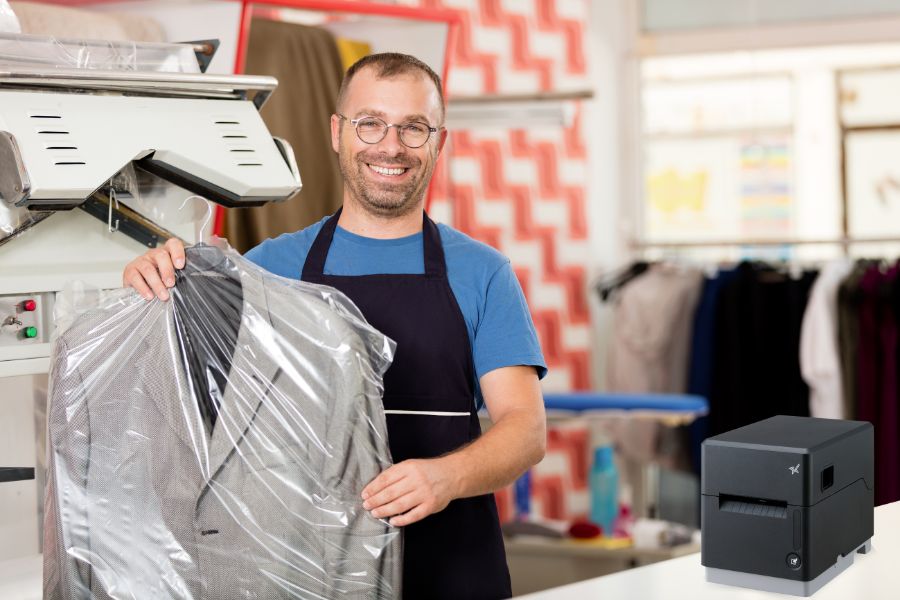
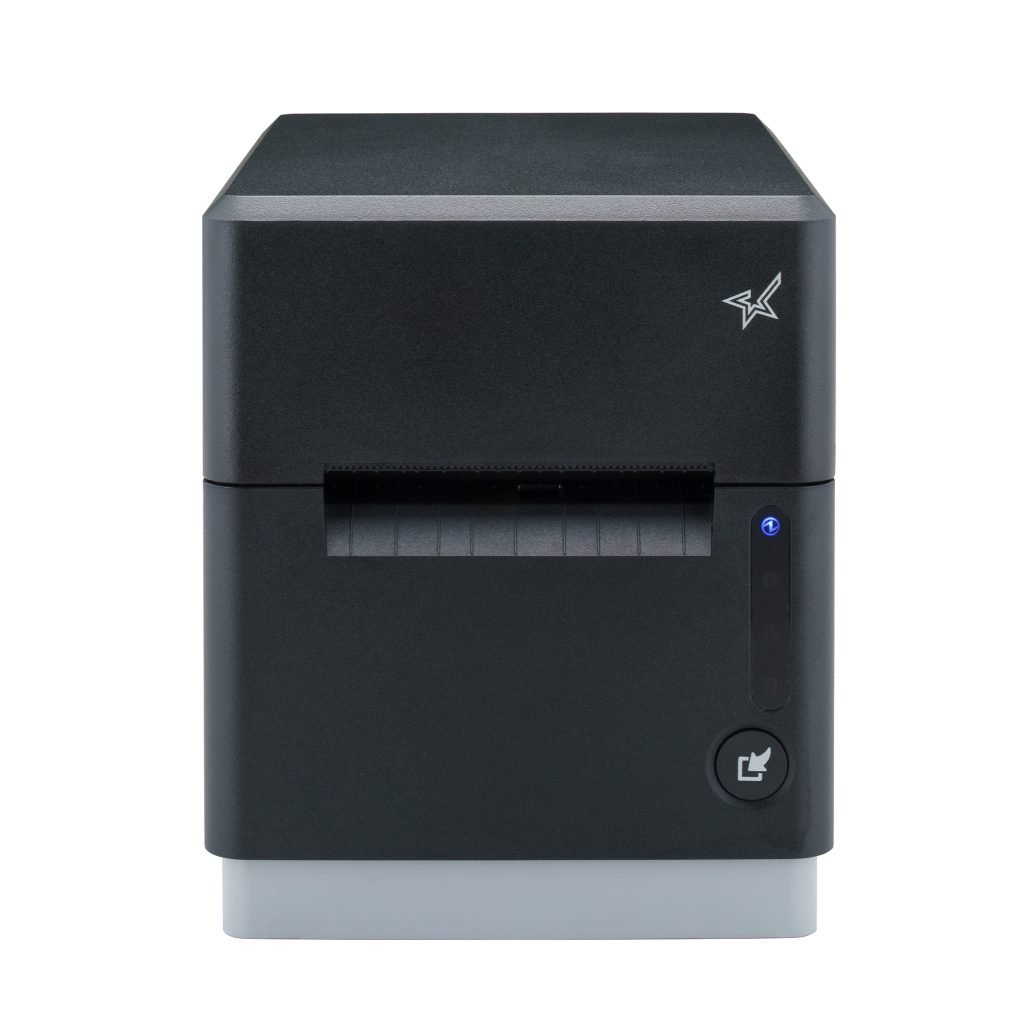
mC-Label3 Multimedia Printer
The Star Micronics mC-Label3 is a versatile multimedia printer that prints a wide range of labels and receipts, including both permanent and repositionable sticky linerless. It features cloud connectivity and innovative technologies like SteadyLAN and TetherLAN for enhanced printing convenience.
2. Inspection
Before garments proceed to the dry cleaning process, an inspector looks for specific issues that the cleaner must address. The inspector will mark stains that need pretreatment and find tears or missing buttons that the cleaner must document or repair. The inspector typically tags these spots.
Equipping inspectors with a printer can enable them to provide clear, detailed instructions on tags, ensuring that cleaners address all issues during the dry cleaning process. This additional layer of precision supports smoother operations and helps ensure customer satisfaction with the final results.
3. Garment Tracking and Second Inspection
It’s common for dry cleaners to transport clothing and fabrics that customers drop off at a storefront to a cleaning facility. Dry cleaners often use legacy methods, such as color coding, for tracking items from multiple locations so that they return to the right place on time.
However, printing linerless sticky labels that communicate exactly where the job originated and when it’s scheduled for pickup can optimize the process. With linerless dry cleaning labels, there’s no backing to remove, so employees can print the label and immediately apply it to the garment’s plastic wrapping. This method also eliminates waste from silicone label backing, reducing clutter in work areas. Using repositionable linerless sticky labels also means the labels stay in place but are easier to remove, keeping the garment’s plastic casing neat and intact.
After cleaning, an inspector will ensure the job meets quality standards. If not, the inspector will mark the garment for further care. Printing a label or tag can provide the information necessary to correct issues and facilitate garment tracking so employees can bundle the item with the rest of the customer’s order in time for pickup.
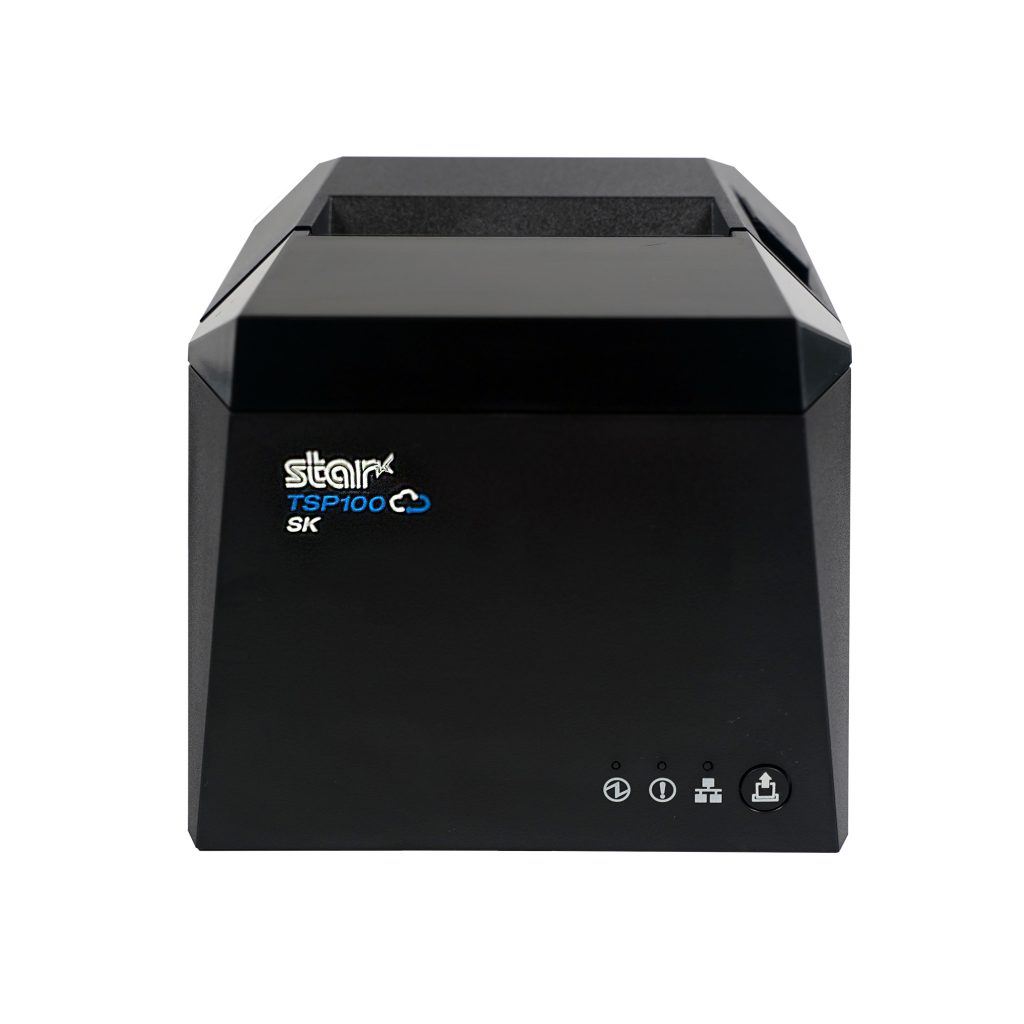
TSP143IV SK Sticky Label Printer
The TSP143IV SK by Star Micronics sets a new standard for compact, eco-friendly thermal linerless label printing, offering advanced connectivity options like Wi-Fi and AOA, and efficient, residue-free labels for diverse business needs.
When clean clothes and fabric items return to the dry cleaner’s storefront, employees need to organize them so they can find them quickly when customers arrive. Dry cleaning labels on the items will help them hang them in the proper location and ensure that all items in the order are together.
When customers arrive, employees take payment and provide customers with a receipt. The receipt is proof that the customer paid their bill, but dry cleaners can leverage it to engage customers and incentivize return business. The right printer will enable dry cleaners to print receipts that include coupons or discounts for the next visit, give customers instructions to enroll in the dry cleaners’ loyalty program, or encourage customers to provide feedback with a brief survey.
A multifunction printer will also enable dry cleaners to print custom labels, which can be used to increase brand awareness and add professional finishing touches when returning items to customers.
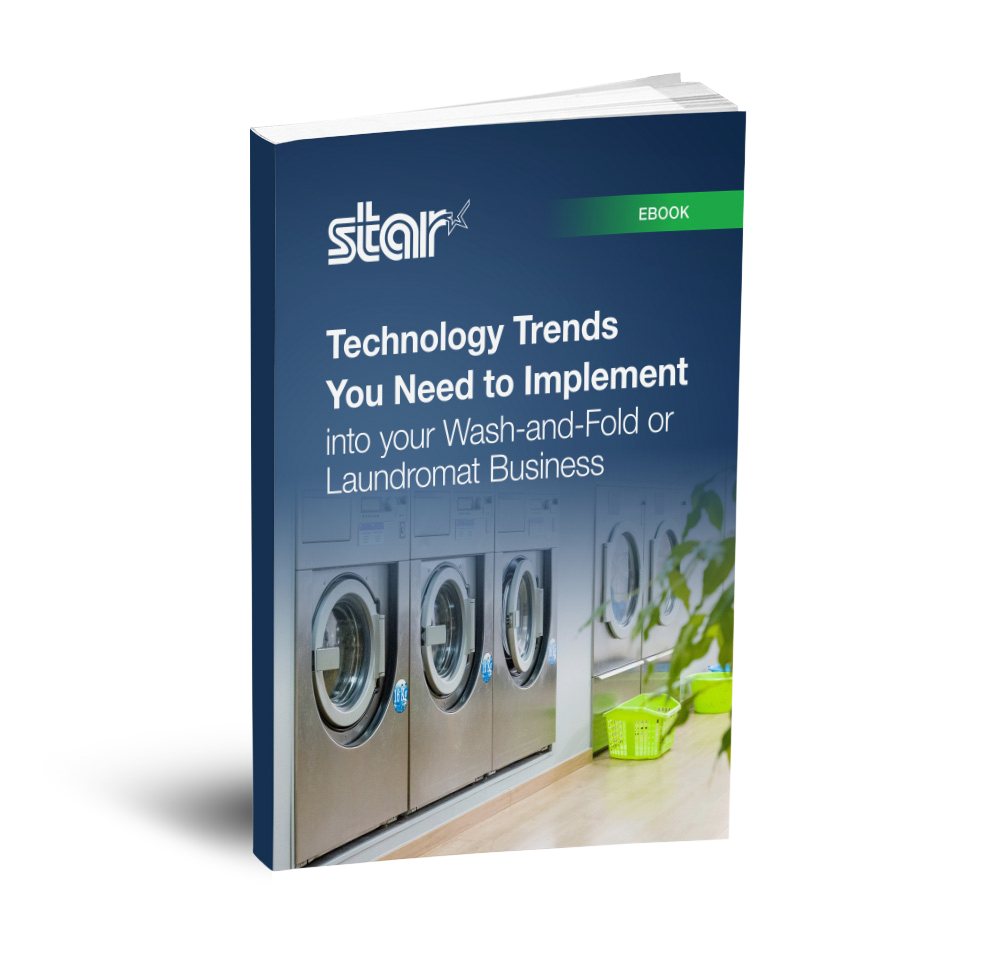
Technology Trends You Need to Implement into your Wash-and-Fold or Laundromat Business
Run your competitors through the rinse cycle using the POS technology explained in this helpful guide!
Take the Next Step for Your Dry Cleaning Process
Printing can modernize and optimize each step of the dry cleaning process, resulting in more efficient garment tracking, accurate orders, and customer satisfaction. To learn more about printers that are ideal for dry cleaning operations and adapt to your specific requirements, contact us.
Additional Resources
Star Micronics offers several options for dry cleaning label, tag, and receipt printing. Follow these links to learn more:
- mC-Label3 – This multifunction printer enables printing on a variety of media, including linerless labels, both permanent and removable sticky linerless, traditional die-cut labels, and thermal receipts. The mC-Label3 is also cloud-ready. It connects with Star Micronics Cloud Services and Label Builder, so you can design labels and receipts and print them on demand without an internet connection using its One Touch multifunction button.
- TSP143IV SK – This thermal linerless sticky label printer is compact, features multiple connectivity options, and can accommodate paper widths of 80 mm, 58 mm, and 40 mm.
- SP742 – If ticket stapling is still part of your workflow, the SP742 impact printer is the optimal choice for producing clear, durable receipts that withstand the rigors of the dry cleaning process. This high-speed, reliable impact printer performs well where heat and humidity are concerns. Plus, it features multiple connectivity options and easy maintenance.
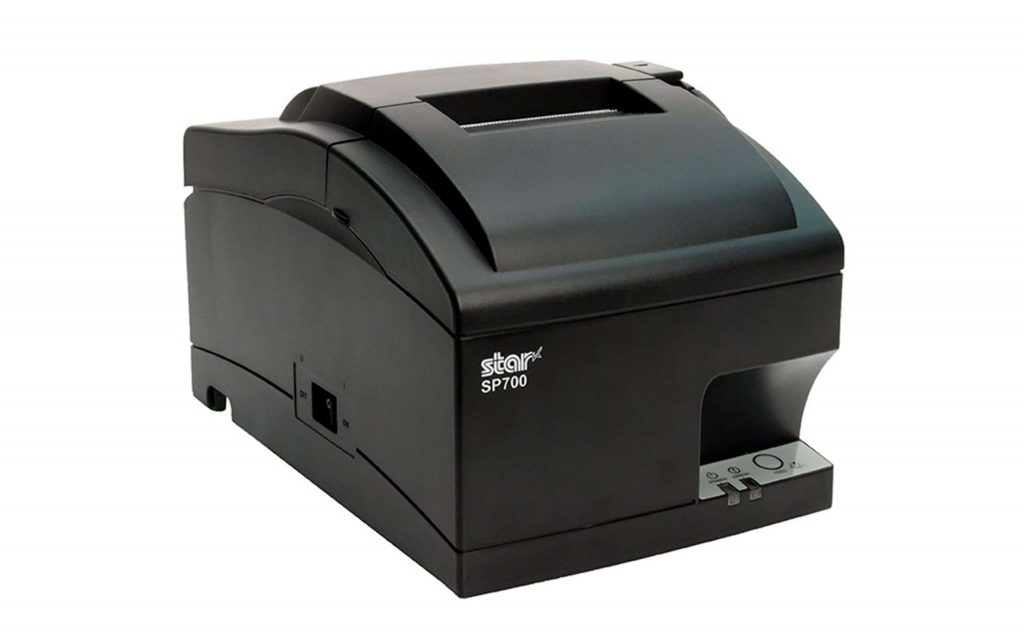
SP700 Impact Printer
With its robust design and consistent print quality, the SP700 impact printer enhances both operational efficiency and customer satisfaction by streamlining order management.