Blog

  • POS Software and Systems Buyer’s Guide

    POS Software and Systems Buyer’s Guide

    Investing in a point of sale (POS) system is one of the best things you can do for your business, but with so many options on the market, how do you determine which POS hardware and software best suit your business needs and your budget?

    This guide can help you get on the right path to finding the perfect POS system for your business.

    Download the full POS Software and Systems Buyer’s Guide

    Step 1: Define Business Needs

    No one wants to waste time and money on a POS solution that lacks needed capabilities, or has unnecessary features that increase the price. To avoid purchasing a system that isn’t right for your business, you need to identify the specific challenges that you will need your new POS system to address.

    You can start by asking questions such as:

    • Is business suffering because customers must often wait in long lines at the POS?
    • Do shoppers frequently leave your establishment empty-handed because you don’t have the merchandise they want?
    • Are you spending too much time managing employees or trying to find out why your sales volume often doesn’t jibe with your inventory levels?
    • Do you want to attract new customers?

    The answers will help you identify the pain points you want to eliminate and the goals you want to achieve with a new POS system. Also consider the amount of time you spend on operations-related tasks and whether you need the POS system to automate processes. You may also want to consider whether you need the POS system to support initiatives that can help grow your business.

    Once you have clearly identified your business needs, research which POS functions address them. The list of the functions you need your new system to provide will help narrow the field of choices when you shop for a new POS system. The solutions you consider are likely to have a mix of “must-have” and “nice-to-have” features; remember to focus on what you need, which can help you minimize the cost of the system. “More” isn’t necessarily better when it comes to technology solutions.

    Step 2: Set a Budget

    Decide how much your business can afford to spend on a POS system. By most accounts, the average industry investment in POS systems totals 2 to 3 percent of retailers’ annual volume, and 1 to 1.5 percent of restaurant operators’ annual volume. Consider ongoing costs, such as software maintenance/updates, hardware maintenance, and technical support.

    Ask about payment options. Financing may be available to help with the considerable capital investment you will make. You may also be able to lease or lease-to-own POS hardware, which can minimize upfront costs, but may add to the total cost of the system. Another option available to you may be a POS-as-a-Service offer, which provides your system, as well as software updates and system upgrades, for a subscription fee to use (rather than own) the system.

    When choosing from among these options, always consider the total cost of ownership (TCO) and return on investment (ROI). The price of a full-featured POS system may seem high, but don’t forget the financial savings that such a system will yield throughout its lifecycle by reducing labor expenditures, improving inventory control, order accuracy, and cash-tracking, and putting a lid on shrinkage. A comprehensive POS system will also help to up the sales ante by facilitating more effective customer engagement and better customer service, as well as by giving you real-time insight into all aspects of your operation.

    Software-Stock-Image

    Step 3: Shop for Software

    As you consider your options, you will find that not every software solution is compatible with all POS hardware. Selecting your software first will prevent you from being limited in functionality.

    There are different types of software you can choose from:

    • Native. Native POS software is installed on your POS hardware. It is easier to customize than cloud-based software.
    • Cloud-based software (Software-as-a-Service, or SaaS). In a SaaS model, software is delivered via the cloud, and you pay for it on a monthly subscription basis. Also, cloud-based software can be accessed from anywhere there is an Internet connection, giving you enhanced visibility into, and control over your operation. Customizing this type of software may be difficult.
    • Hybrid software. This software can be run online in the cloud or offline.

    It can be helpful to research the types of POS software that other businesses like yours are using. Find out through references or reviews if these retailers or restaurateurs are happy with the type of solution, the functionality it provides, and the benefits the solutions provide to their businesses.

    It can also be helpful to learn about the POS software vendors that provide the software, gaining insights on the level of customer service they provide and their experience working with companies in your market or industry. Also consider whether the vendor is an established company — one that is not likely to close its doors and leave you without support for your system.

    Once you have created a list of POS solutions to consider for your business, it’s time to arrange for demonstrations. Using the solution yourself will give you a sense of how easy it will be for your employees to learn, to use efficiently, and to discover whether it will support your operations. It may be helpful to compare similar features side-by-side to arrive at an accurate assessment of the best solution for your business.

    Step 4: Find Compatible Hardware
    mPOP-300x202

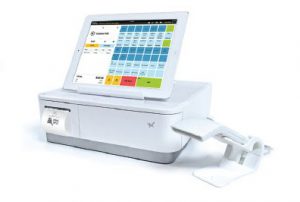
    The POS software you choose will dictate the POS hardware that you can use. In many cases, however, there will still be a number of options to choose from. Some of the choices you must make are related to how your employees will use the system. For example:

    • What is the preferred input method? Some operators favor keyboards or a scanner interface for POS data input, while others prefer a touchscreen interface that facilitates faster data input and easier training for new employees.
    • Will you use mobile POS? POS functionality on a tablet or other mobile device can give you linebusting, in aisle assist, and pay-at-the-table capabilities that can greatly enhance customer experiences. Your options include adding mobile POS to a traditional, stationary system, or using mobile POS alone.
    • Which peripherals are needed? You need to consider printers, cash drawers, PIN pads, payment card readers, and barcode scanners, and select the model that best suits your needs.
    • Will you accept all forms of payment? Make sure your new system gives your customers the ability to pay by their preferred methods. Now that the U.S. is migrating toward EMV payments, all new POS systems should have the ability to accept chip card payments. Failure to do so can result in bearing liability for fraudulent payment card charges. Also consider trends that indicate emerging payment types. Mobile wallet use, for example, is gaining ground. To accept payments of this type, you’ll need POS solutions that include near field communications (NFC) technology.
    • Which terminal design do you prefer? A traditional POS terminal design may work well for your business. If space at the checkout counter is limited, however, you may want to consider a more ergonomic solution with a smaller footprint, such as an all-in-one configuration that incorporates basic peripherals (e.g., printers, cash drawers, credit card readers, PIN pads, and customer displays) or a tablet POS system. You will also find options that are aesthetically pleasing and don’t detract from a store’s décor or restaurant’s ambiance.

    Just as you did with software vendors, find out all you can about POS hardware vendors. Read references and reviews, and speak with other businesses — preferably similar to yours — that use their solutions. Also ensure that the company provides warranties and technical support.

    Need Help Navigating This Process?

    Choosing a new POS system is an important decision, and to properly research your options and find the right solutions can be a time-consuming task. Fortunately, value-added resellers who specialize in POS systems for retail and restaurants are ready to assist you as you consider business needs and challenges that a POS system can address, set a budget, and select solutions that are right for your business. They will also help you deploy the new system and provide training and technical support.

    Download the Full Buyers Guide Now to Learn More

  • How to Select the Best POS Hardware System for SMB Customers

    How to Select the Best POS Hardware System for SMB Customers

    As a reseller, your SMB customers rely on you to introduce them to affordable, yet high quality point of sale (POS) hardware systems that meet their exact needs and are built for the future. With so many options available on the market, it is wise to have a set of guiding principles to help you in your search for the ideal solution. Read on to discover five key considerations to keep in mind while helping your customers select the best POS hardware system.

    Key Considerations: How to Select the Best POS Hardware System

    1. A Full Solution Provider

    These days, there are many moving parts involved in the POS and your customers don’t want a piecemeal solution from multiple vendors; they want a one-stop shop. With tablet-based POS growing in popularity, connectivity options between the POS terminal, receipt printer, and all peripherals is imperative. And depending on the industry, your customer may have more specific needs. For example, a café may have a need for not only a stationary POS, but a separate station for to-go orders that can accommodate online ordering and linerless labeling.

    To best meet these wants and needs, choose a hardware manufacturer that offers everything from receipt printers and label printers, to all-in-ones and tablet POS stands. An added bonus is a manufacturer that can also provide a steady supply of authentic consumables like receipt paper, a variety of labels, and ink ribbons.

    2. The Right Technology

    Like we mentioned above, in the age of mobile POS (mPOS), technology really matters. It’s important to make sure that the hardware system you propose to your customer has the proper connectivity and interfaces to ensure every piece of the puzzle – from the tablet and the receipt printer to the cash drawer and barcode scanner – work together seamlessly.

    Technology extends beyond hardware, though. It’s important to choose a hardware manufacturer that has software on their radar, as well. What does this look like? One thing to look for is a hardware provider that has an easy-to-integrate SDK for their product line, and it’s also important to look at what software integrations the provider has available. You’ll want to be sure to propose a solution to your customers that is already integrated with their POS software company, and choosing a hardware manufacturer with industry-leading integrations is a sure-fire way to do so.

    Value-added technology can also provide great benefit to your customers. Some hardware manufacturers offer free marketing tools, like easy-to-use, cloud-based customizable receipt marketing, which can set the solution apart from competition.

    3. Quality Counts

    A wide product portfolio and robust technology features are great, but to be truly worthwhile they need to be reliable. Be sure to choose a reputable POS hardware supplier that thoroughly tests products and offers high quality options like fast and dependable printers, durable cash drawers with reinforced strength, and more. Make sure that the high-quality hardware is also backed by a strong included warranty, and the ability to purchase extended warranties for a hassle-free future.

    4. Ready for Today and Tomorrow

    Another important consideration is the lifecycle of the POS hardware solution you will be proposing. Will this solution work for a year or two, or is it designed to be compatible with POS trends years down the road? A good rule of thumb is to work with POS hardware manufacturers that offer a future-proof solution that will work for years to come no matter what POS trends come our way.

    Some future-proof features to look for are:

    • Flexible and modern connectivity options that mean the POS hardware can work with multiple operating systems and device types.
    • Related to the first point, choosing hardware that can physically accommodate a wide range of POS options is a smart idea. For example, a tablet POS stand that allows tablets to be VESA mounted means even if the customer changes their tablet of choice down the road, their other hardware will still work.
    • A sleek, modern, and functional style that will match the customer’s store aesthetic for a long period of time. An example of this is a tablet POS stand that features clean cable management, the ability to tilt to capture customer signatures, and space to be custom branded for marketing purposes.

    5. The Price is Right

    Last but not least, affordability is no doubt an important consideration when it comes to helping your customer choose the best POS hardware system. A good rule of thumb is to choose a hardware supplier that offers a variety of hardware in a range of prices. Keep in mind the hardware options with the lowest price tags may not be the most affordable in the long run. To ensure your customer is getting the most bang for their buck, be sure to deeply research quality, warranty options, and the ability to seamlessly work with the POS technology trends that will emerge in the years to come.

    We hope that these tips help you identify the best POS hardware system for your SMB customers that feature the style, technology, and quality required – at an affordable price tag.

    mUnite: A POS Stand Built for the Future

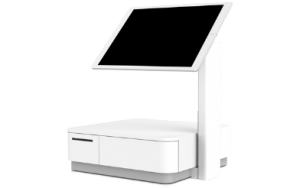
    The Star Micronics mUnite tablet POS stand is a great example of a piece of dependable, stylish POS hardware that is designed to work well into the future. The mUnite – which is compatible with the Star Micronics mC-Print3, mPOP™, TSP143III, and TSP654II –  features:

    • Universal VESA mounting
      mUnite POP tablet POS stand
      mUnite Stand
    • Hidden cable management
    • Compatibility with any iOS, Android, and Windows tablet or touchscreen computer (device, enclosure, and printer not included)
    • Easy-to-tilt functionality for customer interactions
    • The ability to support a second screen to display price, marketing messaging, and more

    Click here to learn more about the mUnite.

    Star Micronics is proud to offer a full line of POS hardware for today’s businesses.

  • Famous Belgian Waffle Company Serves Up Better Customer Experiences

    Famous Belgian Waffle Company Serves Up Better Customer Experiences

    Wafels & Dinges, best known for its delicious Belgian waffles that come with a variety of options for toppings, has been in business since 2007, and since expanded to over 15 locations. Originally selling from a single food truck, the authentic award-winning Belgian waffle vendor has made a name for itself in its home of New York City, even appearing alongside Al Roker on the Today Show. Awards include NYC Vendy Award for Best Mobile Vendor in 2009, Winner of “Throwdown with Bobby Flay” in 2010, “Best Dessert Truck in America” by the Daily Meal in 2013, and Time Out’s “Top 5 Best Quick Serve Restaurants in New York” in 2016.

    The Challenge

    As self-service started becoming more popular in New York City and people became busier, long lines took more and more of a toll on businesses. People no longer had the time to wait in line and didn’t want to interact. Wafels & Dinges wasn’t an exception. Because of its unexpected surging popularity in a thriving city like New York, Wafels & Dinges faced significant growing pains. Lines were too long, and customers were leaving before they even got to the front of the queue. Additionally, because Wafels & Dinges is located right in the middle of a tourist capital, the restaurant also had the challenge of navigating language barriers.

    The company originally tried to line-bust by having employees use tablet solutions to take orders in the queue, but even that proved not to be enough. Even with two manned registers, lines were still too long.

    The SolutionWafels-Dinges-1

    Since much of their business operates out of outdoor venues, Wafles & Dinges required a self-checkout kiosk solution for the operation in Bryant Park. The kiosk solution needed to be custom-built to be able to withstand the elements. Restaurant operators also needed to be able to remove the tablet from the kiosk enclosure so that it could be brought in at the end of the day.

    The Kiosk Group custom built a wireless kiosk solution for Wafels & Dinges that met the restaurant’s brand standards. The custom kiosk enclosure houses an iPad and is paired with Newline self-ordering software, Square payments, and an integrated Star TSP743II printer. Kiosk Group developed the solution with a built-in external battery. The Star printer also offers Wi-Fi and Bluetooth connectivity.

    The kiosk itself was custom-built in 10 months, and was fully installed within one day. It took only a week to go live, and employees were able to easily train on the system within 15 minutes.

    Explore Star Micronics self-service kiosk solutions.

    Free Self-Service Kiosk Resources

    The future of many industries lies with self-service solutions. That’s why Star Micronics is offering free online ordering resources for resellers and software developers who are helping customers future-proof their businesses with self-service solutions.

    The Results

    With the new kiosk and integrated printer solution in place, customers can now place orders much more quickly and effectively. The menu layout is easy to create and the interface is easier for customers to navigate. Guests can now view the menu while placing orders, rather than reviewing the menu while trying to place an order with an employee at the counter.

    Wafels & Dinges also experienced a decrease in order errors. Where before, orders were transmitted through employees, the kiosk now allows customers to enter orders and have tickets printed with all order details and instructions.

    Average check size has also increased, thanks to the automated upselling and cross-selling prompts that can be leveraged with the kiosk technology.

    “The custom, branded self-ordering kiosk has improved customer experiences and increased customer retention,” says Matthias Laga, Chief Business Officer of Wafels and Dinges. “And, as a result, boosted profits.”

  • Keep Your Restaurant Operating with a POS Offline Mode and Tethered Connections

    Keep Your Restaurant Operating with a POS Offline Mode and Tethered Connections

    When it comes to running a restaurant business, there aren’t many things that are worse than downtime in your operations. It’s critically important to keep a restaurant running and avoid costly, inefficient downtime. Did you know choosing the right point of sale (POS) technology can help you do just that? Read on to explore how technology such as POS offline mode and tethered connections can help you mitigate interruption and keep your business sailing smoothly.

    POS Offline Mode

    POS offline mode can be a game changer when it comes to maintaining efficient, profitable restaurant operations. But first, let’s explore some reasons why your POS may go offline in the first place:

    • Your payment processor may have lost connectivity
    • Network issues can cause your POS to become disconnected
    • Various internet connectivity issues can make your system go offline
    • Unpredictable, unexpected POS server issues

    So, how does POS offline mode help? The mode is a feature within some restaurant POS solutions that keeps all your vital restaurant operations running even if your internet connection fails. Most importantly, POS offline mode can help businesses continue to process payments, including credit card transactions, safely and securely even without the internet.

    Choosing a solution that includes POS offline mode is extremely beneficial. Like we mentioned, this mode offers restaurants seamless operation, no matter the status of your internet connection. Due to the smooth operations that POS offline mode creates, you can rest assured that you are mitigating any possible downtime. And last but certainly not least, both of these factors contribute to a positive customer experience. No more impatient customers waiting for your system to come back online or scrambling to find a second payment method because your credit card processor is not functioning properly.

    Tethered Connections

    As a restaurant owner, another POS technology that can give you peace of mind when it comes to dependable operations is a tethered connection.

    There are several ways that tethered connections contribute to a business’s bottom line:

    • Less worrying: With tethered connections, there’s no need to worry about unreliable or shaky Bluetooth or Wi-Fi signals
    • Constant connection: A hardwired connection means constant and steady network connection
    • Decreased downtime: Less downtime means you remain as profitable as possible
    • Happy customers: Customers will be grateful to pay when and how they want, every time, helping to maintain a positive customer experience
    • Smooth sailing: Uninterrupted restaurant operation will keep your revenue flowing and reduce your employees’ frustration

    Star’s SteadyLAN® for Tethered Connections

    If you are looking for an unwavering tethered connection to always keep your business online, look no further than your receipt printer!

    Star’s SteadyLAN technology is a patent-pending technology available on certain mC-Print Series printers. It provides wired Ethernet service to iOS, Android, and Windows devices connected to a networked printer via the Lightning or USB-C® cable.

    With SteadyLAN, restaurants never have to worry about failed communication between their tablet and printer, or the tablet losing Internet connection. And the best part is that SteadyLAN provides both power and Ehernet connection through one single Lightning or USB-C® cable!

    Available on mC-Print2 and mC-Print3, SteadyLAN technology is a world first and provides the stability of a cabled LAN connection for tablet POS systems. By connecting the SteadyLAN-compatible printer to the Internet via wired LAN and connecting the printer and a tablet with a Lightning-USB or USB-C® cable, the device can use the Internet without Wi-Fi communication. At the same time, the tablet can communicate with the printer via USB or LAN and can be charged from the printer.

    Choosing a POS That Won’t Leave You Hanging

    If you’re looking to improve the reliability and stability of your POS solution, think of it as a two-part project: choosing the right software and selecting the proper hardware.

    Be sure to choose a POS software provider that offers POS offline mode to ensure that even if you lose internet connection, you can still seamlessly complete essential POS functions like processing credit card payments.

    Your hardware matters, too. Even if your POS software is able to function offline, you cannot afford to have a shaky, unreliable Bluetooth or Wi-Fi connection on your tablet day-in and day-out. By selecting POS hardware that has been designed with tethered connection in mind – like a receipt printer that can route both Ethernet and power to your iPad through a Lightning cable – you know that your system is quite literally hardwired for success.

    And of course, you want your software and hardware to work properly together, so it’s smart to choose a hardware provider like Star that partners with the industry’s leading and most popular POS software companies. Why not have all of the benefits of a reliable POS software and the advantages of trusted POS hardware that has been designed for steady operations? Together, the right POS software and hardware can work together to ensure optimal business operations all day, every day.

    Explore Star’s Certified Software Partners.

    Star is proud to offer a full range of dependable restaurant POS hardware offerings.

  • Street-Smart Tips to Quickly and Affordably Set Up Online Ordering for Pickup

    Street-Smart Tips to Quickly and Affordably Set Up Online Ordering for Pickup

    While digital transformation in the hospitality industry is nothing new, with the recent COVID-19 outbreak many of today’s businesses are finding themselves in search of a way to implement online ordering for pickup – quickly and affordably.

    In today’s blog post, we will explore some key considerations for merchants looking for online ordering and pickup solutions, as well as the best ways to get the word out once you are open for (digital) business.

    Can I Still Keep the Point of Sale I Already Paid For?

    Most businesses have already invested in a point of sale (POS) system – which includes both software and hardware expenses – and they may not have the means or motivation to switch systems. But there is good news: they may not have to!

    Some POS systems offer or have recently added extensions to their software that include online ordering for pickup. Like any business decision, there are some benefits and considerations to these extensions:

    • Benefits:
      • Some POS systems offer online ordering for pickup services for no additional fee.
      • If a fee applies, some POS providers are waiving these fees for a few months as an incentive for businesses during this challenging time.
    • Considerations:
      • Some providers may charge extra fees for these online ordering for pickup services.
      • In many cases, even with a waived fee, the fee may return in the future.

    To decide the best option for your business, contact your current POS company to learn more about the options they are providing and determine if one of those is right for you.

    Should I Add a Second System Only for Online Ordering?

    If you are looking to implement online ordering for pickup, a second way to do so is to find a new, independent platform that you can use to separately take online orders. A second, temporary solution may be adequate for now, since being open for business is likely your main objective. Here are some benefits and considerations to keep in mind if you choose this strategy:

    • Benefit: Choosing a second system for online ordering will give you the ability to be open for digital business quickly and effectively.
    • Consideration: This option may not be tied directly into to your current POS, meaning limited opportunity for streamlined deposits, sales reporting, and inventory tracking.

    Should I Choose Independent Delivery Services?

    Independent delivery services are vastly popular, and there are several services available to choose from, if you wish. A major benefit of choosing an independent delivery service is that because of such a large user base, they encourage more (and new) customers to place orders with your restaurant. While some restaurants may thrive from these services, there are also some considerations to keep in mind.

    • Benefits:
      • Your customers will enjoy “to-your-door” delivery.
      • Your restaurant will receive increased visibility on associated online business listings.
      • You will also receive access to a pool of common customers for crossover visibility.
    • Considerations:
      • Restaurants often do not retain customer data, the marketplaces do.
      • Independent delivery services may include an extra fee to the customer and/or restaurant.

    Online? Get the Word Out!

    Once you have your online ordering for pickup system in place, it’s critical to make sure that the public knows you are available for this convenient method of business. Here are some tips to spread the news:

    • Add a link to your online menu on your website and consider putting the link prominently at the top of your website’s homepage.
    • Update your phone’s greeting message to provide online ordering (this will save you lots of time).
    • Regularly post your business hours and a link to your online menu to your social media accounts.
    • Find local websites that are promoting restaurants and retail stores that are open for business and be sure you are listed on them.
    • Place your online ordering link on your Google Profile listing.

    Be Smart, Keep It Simple, and Get It Done

    Simplicity is key. In many cases, it may be better to start with a pared-down menu and add more offerings over time. Getting up and running quickly with a simple menu is better than spending a lot of time creating a full online menu; by opening for business in a timely manner, you will reduce the risk of missing out on sales and visibility during this critical time.

    Consider Your Options

    Now that you have learned about your options for getting your restaurant online and ready for pickup orders, now it’s time to consider how to get started.

    When choosing an online ordering for pickup service provider, here are some key features to look out for that can take your solution above and beyond:

    • A business model that requires no startup expenses and is permanently free of fees
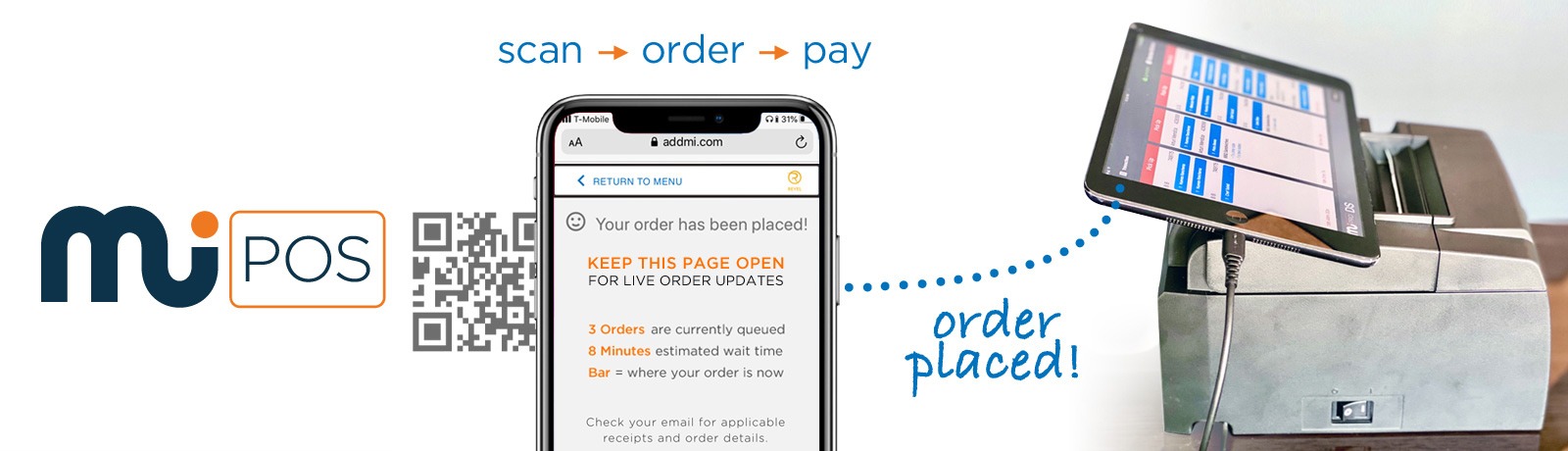
    • Contactless QR code ordering, with no need to touch menus or credit cards
    • Customer contact collection for easy re-marketing
    • Minimal hardware required (for example, a simple iPad and receipt printer setup)
    • The ability to send order confirmation and pickup notification text messages to customers
    • Easy, one-click reordering for customers, with no login needed
    • A full POS solution provider, offering KDS, receipt and kitchen printers, and cash drawers

    Addmi Online Ordering for Pickup

    Addmi’s point of sale system can provide all of the above – and more! With its free online ordering services and simple, easy, and fast solution, Addmi helps restaurants start selling in minutes.

    Star and Online Ordering

    Star is proud to partner with the industry’s leading online ordering and restaurant POS solution providers. From kitchen printers to cash drawers, our front-of-house and back-of-house offerings include:

    • POS solutions
    • Online ordering
    • Tableside payments
    • Reservation management
    • Pay-by-weight
    • Back of house technologies
    • Cash management
    • And more!

    Learn more about Star’s restaurant and kitchen POS solutions.

    Free Resources During COVID-19 & Beyond

    Now more than ever, safety is a priority in retail and hospitality environments. Star Micronics is proud to offer a line of solutions and resources for businesses during this challenging time, designed to keep consumers and employees safe, as well as mitigate business impact caused by COVID-19.

    At Star Micronics, our hearts go out to anyone impacted by COVID-19, either directly or indirectly, especially to those who are sick, to whom we extend our heartfelt wishes for a full recovery. To learn more about what we are doing as an organization to reduce the global impact of COVID-19, in terms of health and business, please click here.
    To browse all of our blog posts covering tips for small businesses during COVID-19, please visit our #StarForSmallBiz blog collection.

    Is Your Restaurant Ready for the Growing Online Ordering Trend?

  • Star Micronics and IndicaOnline to Provide a Simple Solution for Cannabis Delivery

    Star Micronics and IndicaOnline to Provide a Simple Solution for Cannabis Delivery

    IndicaOnline responds to customer requests to offer cannabis delivery services using Star mobile printers during COVID-19 outbreak

    Somerset, NJ – May 4, 2020 – Star Micronics, a leading manufacturer of mobile, point of sale (POS), and customer engagement technologies, is proud to announce that IndicaOnline has added support for Star’s SM-S230i and SM-T300i mobile printers for their new delivery feature for cannabis dispensaries. During the COVID-19 pandemic, both medical and recreational cannabis dispensaries have been deemed essential businesses in many states, driving the demand for online ordering and delivery services for cannabis.

    IndicaOnline has developed an advanced cannabis delivery solution with a user-friendly application. The delivery software suite includes end-to-end route mapping, dispatcher mode, and real-time GPS tracking to shorten consumer wait times. Smart order assignment removes the guesswork from dispatching orders, and IndicaOnline’s best-in-class mobile courier application has enterprise navigation APIs, unparalleled reliability, and advanced security encryption. Mobile checkout has never been easier as drivers can upload documents, verify age, calculate change, and either print or email receipts.

    Star’s SM-S230i and SM-T300i help IndicaOnline to deliver printed receipts to customers using their delivery services. In many states, it is required that customers must have a printed receipt for cannabis purchases, whether medical or recreational. Both printers are Bluetooth enabled, making them easy to take on the go. The SM-S230i offers a smaller footprint, with 2-inch receipts, while the SM-T300i is rugged for tough environments, and offers a standard 3-inch receipt.

    “IndicaOnline is excited to partner with Star to offer cannabis delivery drivers a Bluetooth receipt printer that is portable, reliable, and durable,” says Steven Lynn, Director of Marketing for IndicaOnline. “We understand how important it is for delivery services to stay compliant while serving customers during this pandemic, and know this solution will be instrumental.”

  • 5 Ways Ergonomic mPOS Solutions for Large Retailers Increase Sales and Boost Customer Satisfaction

    5 Ways Ergonomic mPOS Solutions for Large Retailers Increase Sales and Boost Customer Satisfaction

    Consumers, increasingly accustomed to online and mobile shopping experiences, have developed new expectations when shopping in physical stores. They expect sales associates to be able to access their purchase histories and other information so offers and services can be tailored specifically for them, making their shopping experiences more personalized and convenient. Smart retailers are looking for ways to meet these expectations, and go above and beyond to delight customers with in-store customer experiences unlike anything that online shopping could provide. For large retailers, mobile point of sale (mPOS) technology is a key enabler in providing these experiences.

    Tablets used in mPOS applications should have a stylish, sleek design that demonstrates a modern and relevant brand. It’s more than just about appearance, however; mPOS solutions need to be ergonomic so sales associates can carry and use them throughout a shift without fatigue. Tablet solutions should also be versatile, empowering your staff with the information and applications they need to engage customers who are using smartphones in-store to research products or comparison shop.

    There are five basic ways ergonomic mPOS solutions can help large retailers increase sales as well as customer satisfaction:

    • Line busting
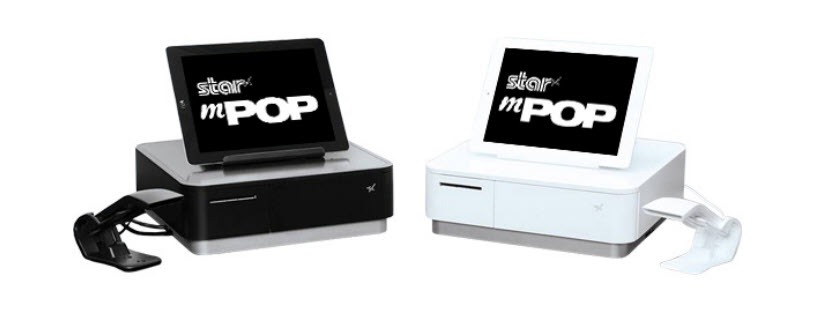
      mPOP Black and White
      The Star Micronics mPOP all-in-one is an ideal ergonomic mPOS solution.
    • Staff empowerment
    • Space saving design
    • Fast and secure transactions
    • Improved customer experience

    Line Busting

    Today’s consumers want what they want, when they want it — including a checkout process that is as easy in the store as it is online. Some shoppers will abandon their intended purchases rather than waiting on long lines. Furthermore, a study by Omnico Group revealed more than 77 percent of consumers say they are less likely to return to a store where they encountered long lines.

    Mobile point of sale solutions help retailers better manage store traffic and shorten lines at stationary checkout counters. With mPOS, employees can use tablets to complete sales and process payments anywhere in the store, and will also have the ability to provide customer service outdoors at sidewalk sales or pop-up shops. Service on the spot, with less of a wait, makes the shopping experience more convenient and pleasant, and decreases the potential for customer dissatisfaction and lost sales.

    Moreover, when mPOS gives customers the option to pay for merchandise at the point of decision, they are less likely to change their mind about purchasing your product — which can mean more revenue. Line busting supported by mPOS technology also simplifies another process that can negatively impact the shopping experience — merchandise returns. With mPOS solutions, retailers can accept returns in store aisles or use an mPOS solution to set up a temporary additional lane for returns at the customer service counter. This is an especially useful option during a period of high volume returns such as after the holidays. This also helps create a positive experience for customers, and perhaps, make them more likely to replace unwanted items with new merchandise and return to the store in the future.

    Download the full eBook, “5 Ways Ergonomic mPOS Solutions for Large Retailers Increase Sales and Boost Customer Satisfaction.”

    Staff Empowerment

    Female Retail Clerk

    Customers have high expectations about sales associates who assist them in brick-and-mortar stores. After all, if shoppers can go online to access their purchase histories, a list of items that they browsed, updates on their loyalty rewards, order status, and shipping information, why can’t in-store staff? Consumers also expect sales associates to have in-depth product knowledge, or at least be able to access information. If a shopper can look up information on his smartphone, the sales associate should be able to do the same.

    mPOS technology puts all of this information at sales associates’ fingertips. Using their tablets, the sales staff is empowered to respond quickly to customers’ needs. They can provide immediate answers to questions about product prices and availability by utilizing mPOS devices to tap into the POS and inventory management systems. If the items they are looking for are out of stock, a sales associate can check availability at other stores or warehouses and have it shipped, saving the sale.

    Equipping sales associates with mPOS means the best of both worlds for customers shopping in-store: they have access to the information they need to make their purchasing decisions as well as face-to-face service and interaction with friendly sales associates.

    Reduced Footprint

    In addition to better, faster, more customer-centric service, ergonomic mPOS solutions have another advantage: a small footprint. Unlike traditional POS hardware, these solutions can be used anywhere and, when set up as a stationary POS terminal, they are much smaller. Since they require less space on the counter, there is typically room to display impulse items or signage in an organized, aesthetically pleasing manner. An ergonomic mPOS configuration also will eliminate the need for multiple cables, which can detract from a store’s overall aesthetic appeal, as well as make it more difficult for employees to maneuver their way around the POS station.

    Increased employee comfort and the potential for improved employee performance is another practical advantage of mPOS technology. For store associates, operating large or bulky POS equipment in a cramped area can be uncomfortable and may lead to mistakes or damaged merchandise.

    Fast, Secure Transactions

    A more organized checkout area, thanks to mPOS, can help sales associates total sales and serve customers more quickly. That’s just the tip of the iceberg of mPOS advantages when it comes to payments. Advanced mPOS solutions support a variety of payment types including quick, secure, contactless payments powered by near field communications (NFC) used in mobile wallets like Apple Pay, Android Pay, and Google Pay. mPOS tablets and other devices can also accept EMV chip card payments that help protect against fraudulent payment card transactions.

    An mPOS tablet can also include a scanner that enables sales associates to scan barcodes or QR codes from a paper or digital coupon, so discounts can be applied. When loyalty rewards programs are integrated with your POS system, this information will also be available to sales associates via mPOS devices, so they can communicate points totals or help customers redeem their points for rewards. mPOS solutions can also include mobile printers so customers can still receive a paper receipt — even a receipt imprinted with coupons, surveys or other messaging — from anywhere the transaction takes place on the sales floor.

    Improved Customer Experience

    Man Holding Shopping BagAlthough there is competition from e-commerce and other channels, shoppers still primarily choose physical stores to make their purchases. The latest U.S. Census Bureau e-commerce sales statistics show e-commerce is less than 10 percent of total retail sales. The competition is primarily with other brick-and-mortar retailers who are also trying to provide an “online” experience to shoppers in their stores.


    Using data collected from all channels, sales associates can engage customers with relevant suggestions based on past purchases, asking if they’ve seen a designer’s new line or if it’s time to upgrade an electronic device purchased at their store. Sales associates can also upsell or cross-sell, suggesting additional items that can complete a purchase, helping shoppers feel more pleased with their new merchandise — and increasing revenue for the retailer.

    mPOS also helps retailers continue to fill their customer databases or customer relationship management (CRM) solution with information that helps them better understand their markets. This helps with merchandise replenishment and demand forecasting, which means customers are rarely disappointed because they can’t find what they’re looking for.

    Discover the full multitude of benefits that ergonomic POS solutions provide large retailers.

  • Star Micronics and Worldnet Payments Partner to Provide a Contactless Payment Solution to Merchants

    Star Micronics and Worldnet Payments Partner to Provide a Contactless Payment Solution to Merchants

    Worldnet’s GoChip software, paired with Star’s printing technology makes it easy for merchants to adopt contactless payments amid COVID-19 outbreak

    Somerset, NJ – April 30, 2020 – Star Micronics, a leading manufacturer of mobile, point of sale (POS), and customer engagement technologies, is proud to announce that Worldnet Payments has added support for Star’s mC-Print3 receipt printer. Worldnet Payments delivers frictionless end-to-end payments – from advice on architecture, to support in rollout and merchant migration – helping to ensure a truly frictionless integration experience for customers.

    Worldnet’s GoChip SDK is EMV® certified with major processors and provides Integrated Contactless/NFC and EMV® options. The Cardholder-Not-Present suite covers eCommerce, in-app payments, Virtual Terminal and Tokenization solutions, allowing merchants to accept any payment, anywhere, with all major credit and debit cards as well as digital wallets.

    The technology has been designed from the ground up to deliver seamlessly integrated omni-channel payments. Many businesses are finding it hard to manage all their payments touch points — multiple gateways, hardware providers, merchant accounts, and so on. By partnering with Star Micronics, the joint venture can deliver integrated solutions that help your customers advance and grow their business. The Star mC-Print3 offers a sleek and connected receipt printing solution with high-speed printing, a splash-proof design, and peripheral HUB.

    “Commerce is changing faster than ever before and this change in consumer payment behaviour has given us an opportunity to deliver a truly differentiated customer experience by innovating the payments experience” said Conn Byrne, Worldnet Payments’ Senior Vice President of Sales. “We are excited to partner with Star Micronics for a one-stop hardware and software payments solution.”

  • The Best Way to Clean Star Micronics Printers

    The Best Way to Clean Star Micronics Printers

    Across the globe, cleaning policies have been released to combat the spread of COVID-19 (coronavirus). These cleaning policies apply to every inch of a business or office – from tabletops to, of course, the point of sale (POS). There has never been a more important time to pay attention to the proper way to clean your POS station, and that includes the receipt printer. In today’s blog, explore some common cleaning and social distancing policies, as well as the proper way to clean Star Micronics printers.

    The Best Way to Clean Star Micronics Printers: Download the free guide.

    Cleaning and Social Distancing Policies During COVID-19

    Cleaning and social distancing policies vary by region, but a common thread among policies is the need for frequent sanitization of common areas and maintaining a healthy distance in between individuals.

    For an example of some policies that are in place, see below protocols that are active in New Jersey*, where the Star Micronics America headquarters is located, for businesses deemed essential. Please consult your local government to learn about the policies that apply to your region.

    • Requirements for All Businesses Continuing to Operate
      • Owners of buildings used for commercial, industrial, or other enterprises, and of residential buildings with at least 50 units, must implement the following policies at minimum:
        • Clean and disinfect high-touch areas routinely in accordance with CDC guidelines, particularly in spaces accessible to staff, customers, tenants, or other individuals, particularly following a known or potential exposure;
        • Maintain current cleaning procedures in all other areas of the facility;
        • Ensure that the facility has a sufficient number of workers to perform the above protocols effectively.
      • Additional Requirements for Restaurants, Cafeterias, Food Courts, Bars, etc. That are Still Permitted to Operate
        • Limit occupancy to 10% of stated maximum capacity;
        • Ensure 6 feet of distance between workers and customers except at the moment of payment or exchange of goods;
        • Arrange for contactless pay options, pickup, or delivery wherever possible;
        • Provide hand sanitizer and wipes to staff and customers;
        • Frequently sanitize high-touch areas like credit card machines, keypads, and counters;
        • Require infection control practices such as regular hand washing, coughing and sneezing etiquette, and proper tissue usage;
        • Place conspicuous signage at entrances and throughout the food business alerting staff and customers to the required 6 feet of distance;
        • Require workers and customers to wear cloth face coverings, and require workers to wear gloves. A business must provide, at its own expense, these face coverings and gloves for employees. Customers may be exempted if it would inhibit their health, or if under two years of age. If a customer refuses, they must be denied entry, but another method of pickup should be provided.
      • Additional Requirements for Essential Retail
        • Limit occupancy to 50% of maximum store capacity at one time;
        • Establish hours of operation specifically for the exclusive use of high-risk individuals;
        • Install a physical barrier, such as a shield guard, between customers and cashiers/baggers where possible and anywhere you cannot maintain 6 feet of distance;
        • Require regular hand washing, coughing and sneezing etiquette, and proper tissue usage and disposal;
        • Provide employees break time for regular hand washing;
        • Arrange for contactless pay options, pickup, or delivery of goods wherever possible;
        • Provide hand sanitizer and wipes to staff and customers;
        • Frequently sanitize high-touch areas like restrooms, credit card machines, keypads, counters and shopping carts;
        • Require infection control practices such as regular hand washing, coughing and sneezing etiquette, and proper tissue usage;
        • Place conspicuous signage at entrances and throughout the store alerting staff and customers to the required 6 feet of distance;
        • Demarcate 6 feet of spacing in check-out lines to demonstrate appropriate social distancing;
        • Require workers and customers to wear cloth face coverings, and require workers to wear gloves. A business must provide, at its own expense, these face coverings and gloves for employees. Customers may be exempted if it would inhibit their health, or if under two years of age. If a customer refuses, they must be denied entry, unless the business is providing medication, medical supplies, or food, in which case another method of pickup should be provided.

    How to Clean Star Micronics Printers

    Cleaning-Guide-Screenshot

    Clean and safeguard your Star POS printer – quickly, easily, and effectively. Here are some basic tips on cleaning your Star printer:

    • Clean with 70% isopropyl alcohol
    • Clean the exterior and print head only
    • Spray solution into a microfiber or cloth towel first and then wipe
    • Do not soak/submerge equipment or spray directly into product
    • For additional security, it’s recommended to always have the device powered down when cleaning
    • Correctly cleaning the printer should not affect its performance or life
    • If you have any questions about cleaning your Star printer, please contact us

    Click here to download the complete cleaning guide.

    Free Resources During COVID-19 & Beyond

    Now more than ever, safety is a priority in retail and hospitality environments. Star Micronics is proud to offer a line of solutions and resources for businesses during this challenging time, designed to keep consumers and employees safe, as well as mitigate business impact caused by COVID-19.

    At Star Micronics, our hearts go out to anyone impacted by COVID-19, either directly or indirectly, especially to those who are sick, to whom we extend our heartfelt wishes for a full recovery. To learn more about what we are doing as an organization to reduce the global impact of COVID-19, in terms of health and business, please click here.
    To browse all of our blog posts covering tips for small businesses during COVID-19, please visit our #StarForSmallBiz blog collection.

    *Source: https://faq.business.nj.gov/en/articles/3839687-what-mitigation-protocols-are-required-for-businesses-continuing-to-operate

    Discover the Best Way to Clean Star Printers

  • Contactless Payments: A Safer, More Efficient Payment Alternative

    Contactless Payments: A Safer, More Efficient Payment Alternative

    Social distancing and minimizing human contact are topics that are on everyone’s mind these days, and for good reason. Consumers and businesses alike are leveraging strategies to limit any possible exposure to outside germs – and one of those strategies is contactless payments.

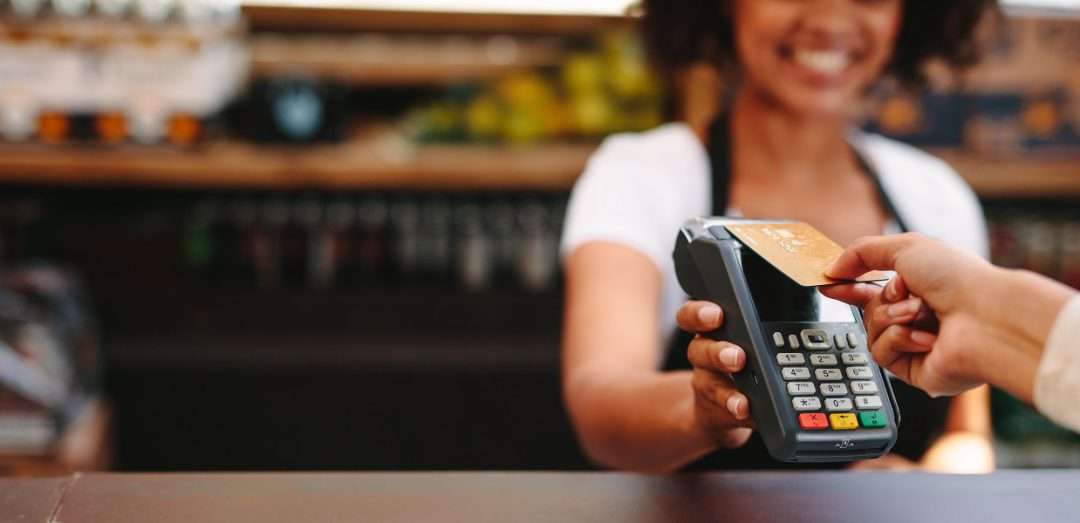
    Contactless payments – or processing transactions via the tap of a credit/debit card, smartphone, or smart watch – are undoubtedly an effective way to keep business flowing while keeping your employees and your customers safe. But an added bonus is that contactless payments are growing in popularity around the world and are sure to serve you well into the future. Read on to learn more about contactless payments, how to get started accepting these modern transactions, and additional tips on how to keep safe during this challenging time.

    What are Contactless Payments?

    Contactless payments can take many forms. According to Investopedia,

    “Contactless payment is a secure method for consumers to purchase products or services using a debit, credit, or smartcard—also known as a chip card—by using RFID technology or near-field communication (NFC).

    To make a contactless payment, tap your card near a point-of-sale terminal that is equipped with the contactless payment technology. Since contactless payments do not require a signature or a personal identification number (PIN), transaction sizes on cards are limited. The allowable amount for a contactless transaction varies by country and by the bank.

    Contactless payment is also referred to as tap-and-go by some banks and retailers. Examples of non-credit or debit card contactless payments include transit cards, Apple Pay, Android Pay, and Google Wallet.”

    While these payments may seem like a recent trend, the technology has been in existence since the 1990s – however, at that time, only a small number of merchants used this payment method.

    Benefits of Contactless Payments

    • Hygienic: Contactless payments are a cleaner alternative to paying with cash or using a pin pad on a credit/debit card terminal. Simply put, there’s less opportunity for contamination.
    • Fast: A major benefit of contactless payments is how speedy they are because no PIN is required, and your employees don’t need to manage cash transactions. By speeding up transactions, you can successfully line-bust and keep your customers happy.
    • Improved customer experience: Like we just mentioned, contactless payments create a streamlined, easy, and quick experience – something consumers are sure to love.
    • Secure: While some people are under the impression that contactless payments are not as secure as a chip card transaction, contactless payments provide the same EMV security provided by chip cards.

    How Popular are Contactless Payments?

    According to a 2018 report, in the US 26% of all consumer transactions (that’s 50 billion purchases!) are made with cash, but contactless payments are building in popularity around the world and the US is bound to follow the global trend. For example, contactless payments account for approximately 20% of all transactions in Australia, Canada, South Korea, and the United Kingdom.

    It seems the US is already on that path – TD Bank has seen a surge in contactless transactions following the coronavirus outbreak, and it’s likely that consumers will continue paying for their purchases in this quick and easy way well after the pandemic has ended.

    Star Micronics has the POS hardware you need to enable modern payments including contactless, pay-at-the-table, and more.

    How to Implement Contactless Payments

    Are you ready to get started with contactless payments, if you haven’t already? Here’s what you need to know.

    Contactless Payment SymbolMost banks offer contactless credit and debit cards, as well as the terminals that are required for, and equipped for, processing contactless transactions. These terminals have a contactless payment symbol to show customers that contactless payment methods are accepted, but you may also communicate to your customers that you accept these payments in person, through social media or email, by placing a sign at the point of sale, or via receipt marketing.

    Some retailers set a low limit for contactless systems to prevent fraud, but some do still allow large transactions, with a required signature.

    When it’s time to pay, customers hold their card, smartphone, or smart watch 1” to 2” from the contactless symbol on the terminal. When the payment has been accepted, the terminal will alert the customer with a beep, green light, or checkmark.

    Free Resources During COVID-19 & Beyond

    Now more than ever, safety is a priority in retail and hospitality environments. Star Micronics is proud to offer a line of solutions and resources for businesses during this challenging time, designed to keep consumers and employees safe, as well as mitigate business impact caused by COVID-19.

    More Ways to Stay Safe

    At Star Micronics, our hearts go out to anyone impacted by COVID-19, either directly or indirectly, especially to those who are sick, to whom we extend our heartfelt wishes for a full recovery. To learn more about what we are doing as an organization to reduce the global impact of COVID-19, in terms of health and business, please click here.
    To browse all of our blog posts covering tips for small businesses during COVID-19, please visit our #StarForSmallBiz blog collection.

    What can Worldnet’s Omnichannel Integrated Payments do for you?

    Worldnet is proud to offer a simple omnichannel integration that brings your eCommerce, Back Office and Cardholder Present payment solutions together, and presents all that data directly into your software solution, ERP, or CRM system.